
 English





















































































































































































































































































































































































































































































































































































































































































































































































































































































































































































































































































































































































































































































































































































































































































































































































































El Niño Puts Caribbean Jobs at Risk, ILO Warns
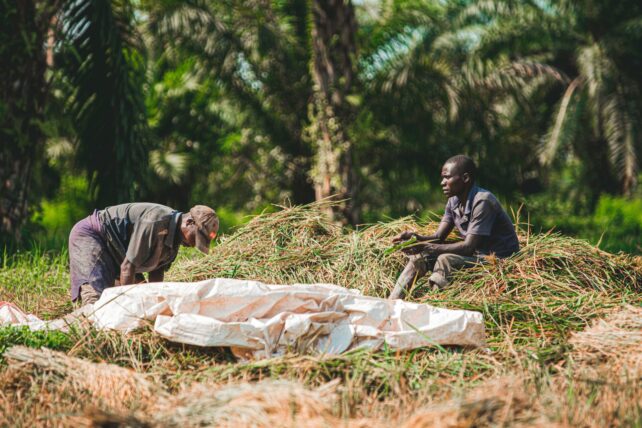
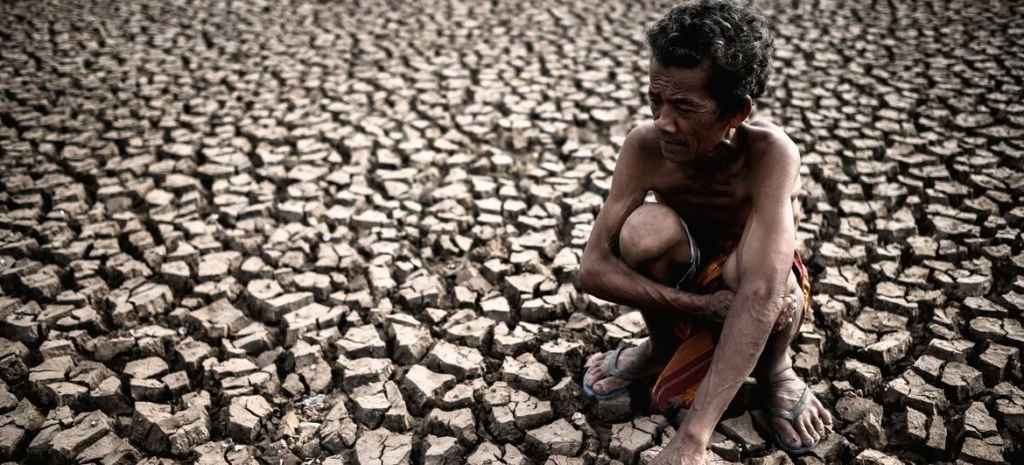
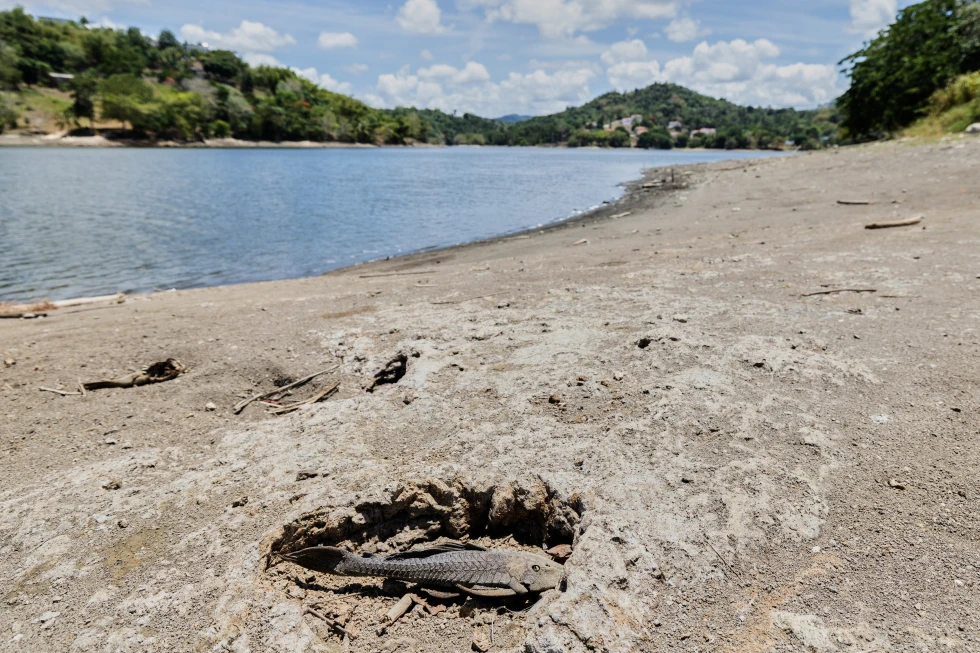
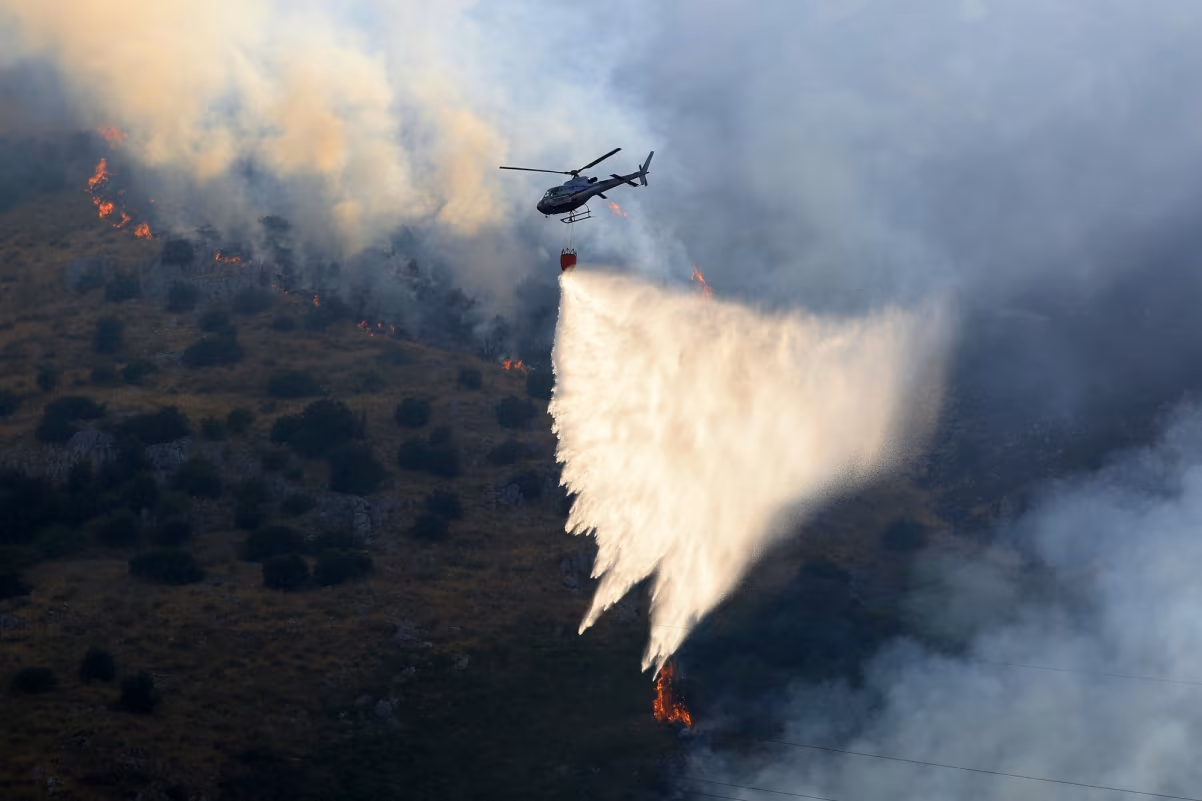
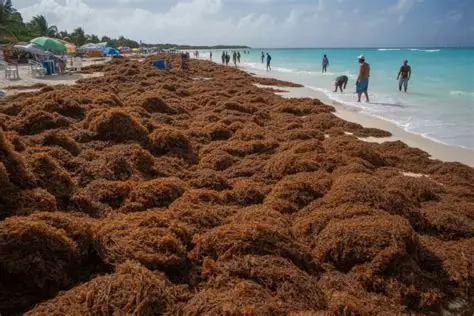
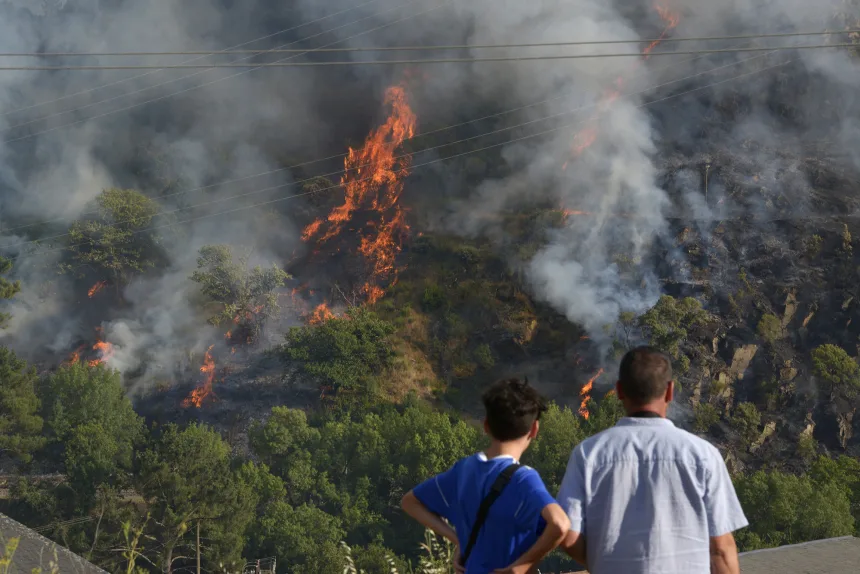
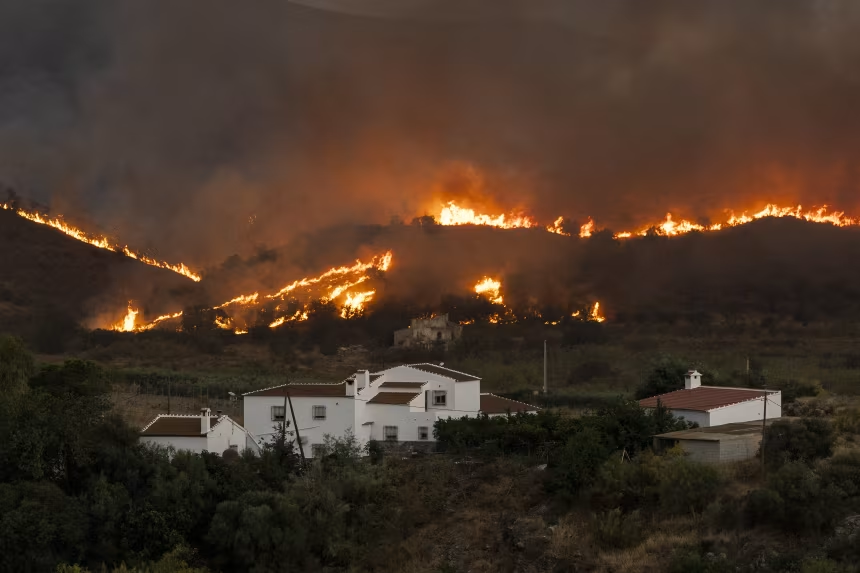
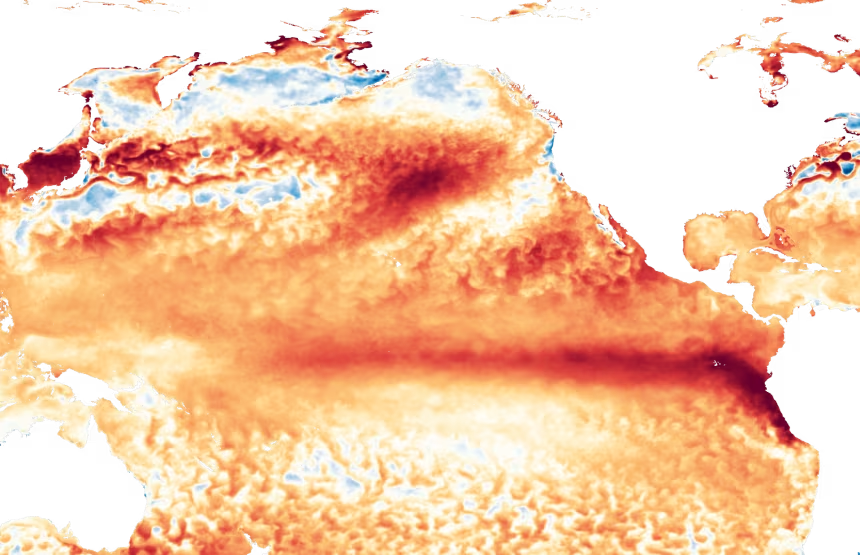
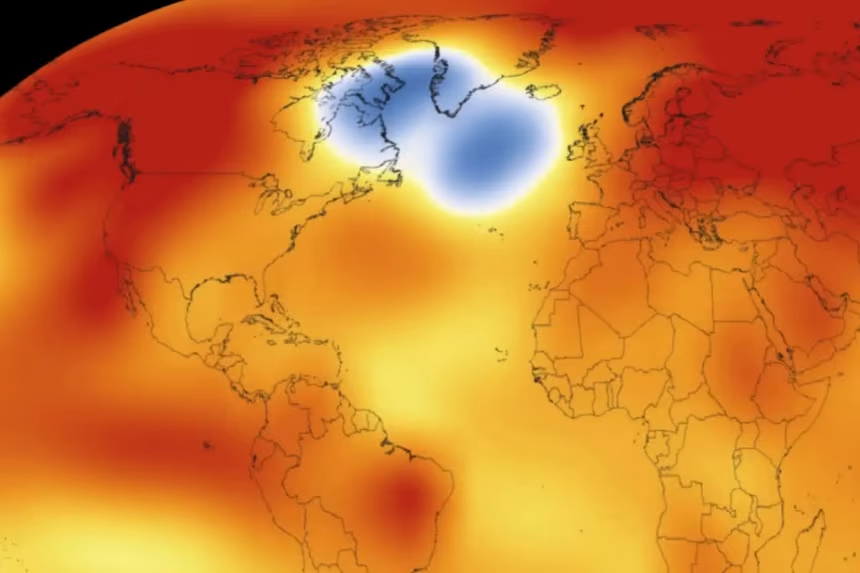
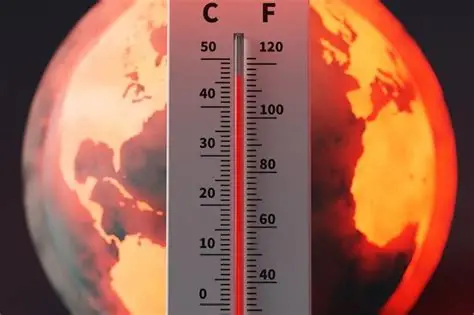
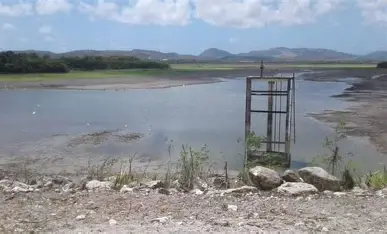
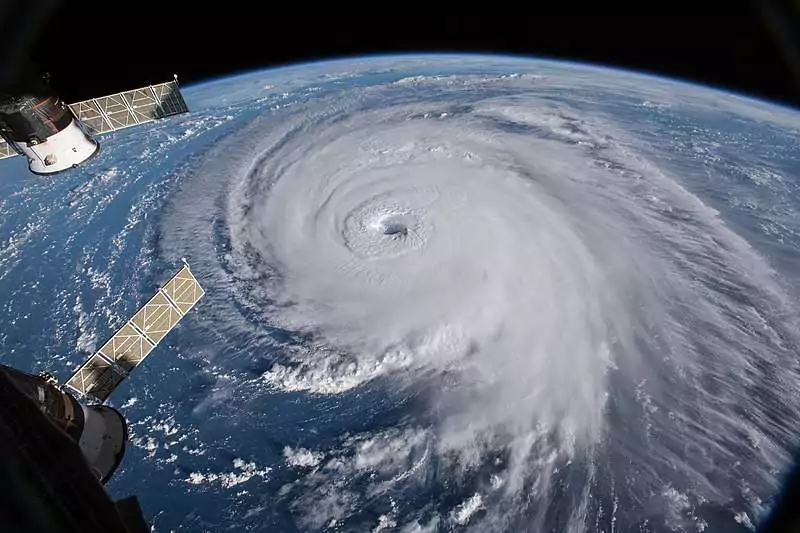
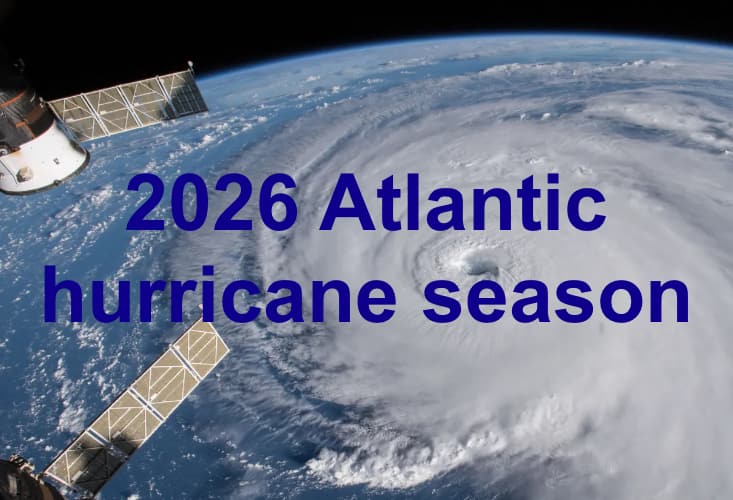
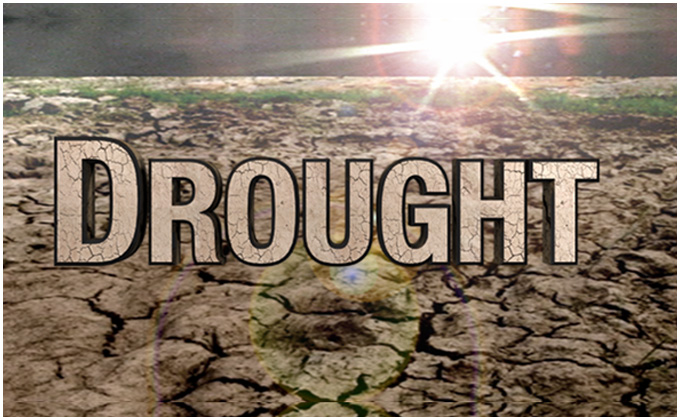
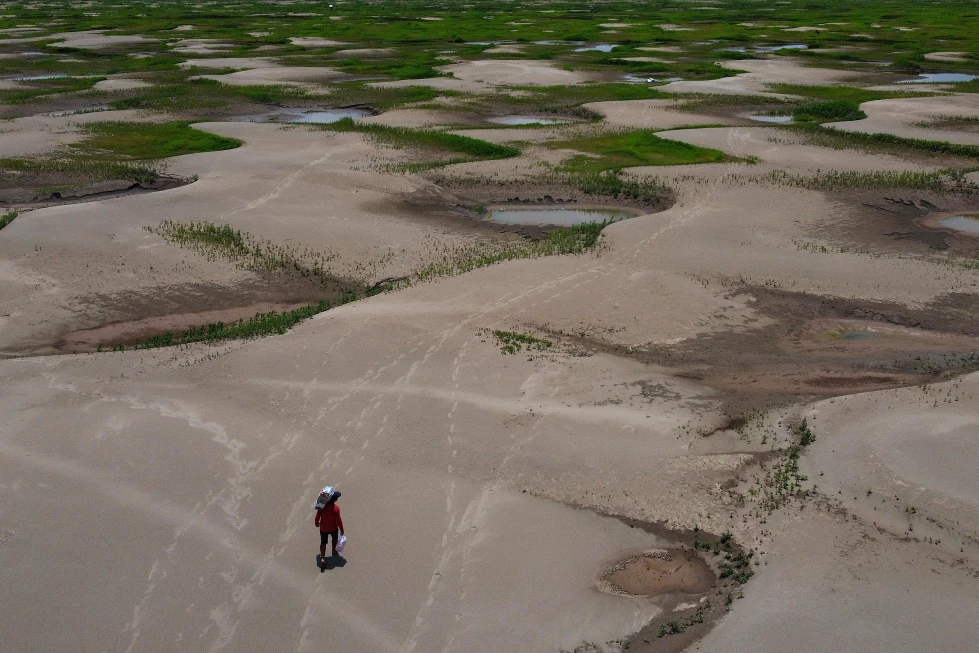
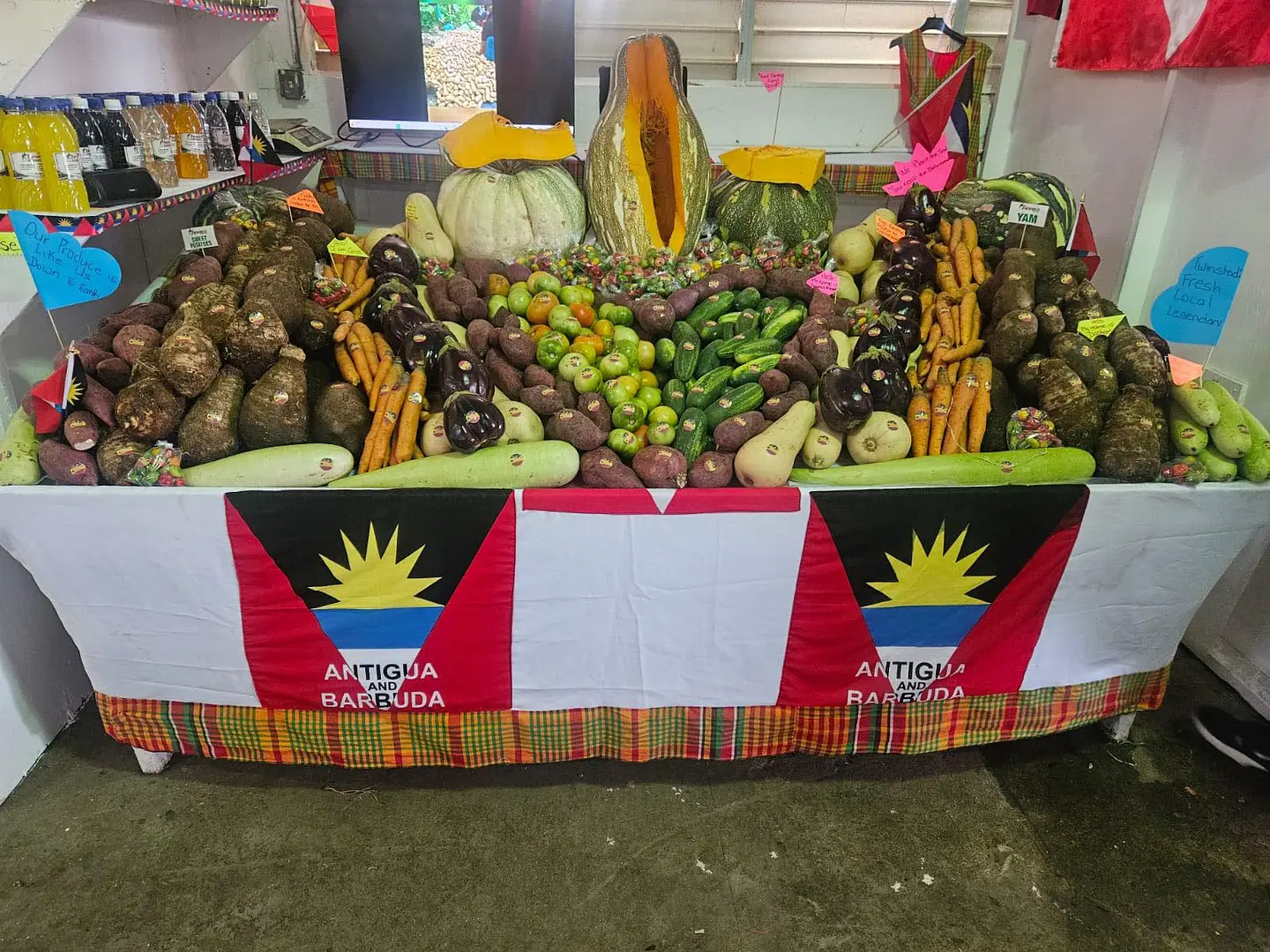
The International Labour Organization (ILO) is warning that the 2026–2027 El Niño weather phenomenon could have serious effects on jobs, incomes and working conditions across the Caribbean. The organisation says sectors such as agriculture, fisheries and tourism are expected to face some of the biggest challenges as the region deals with drought, water shortages and prolonged heatwaves.
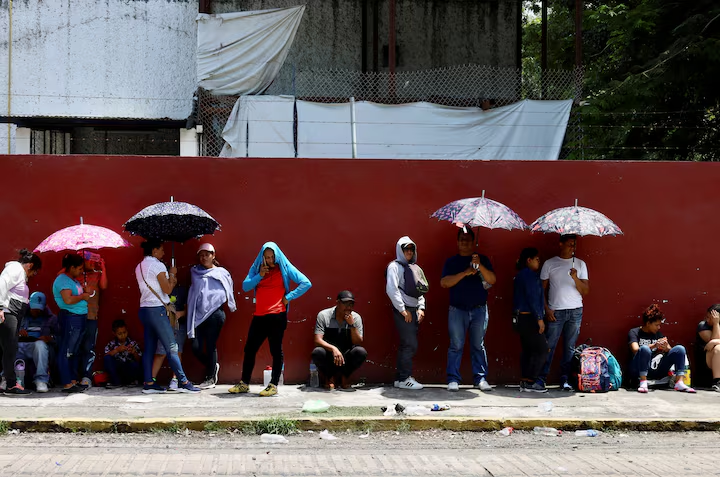
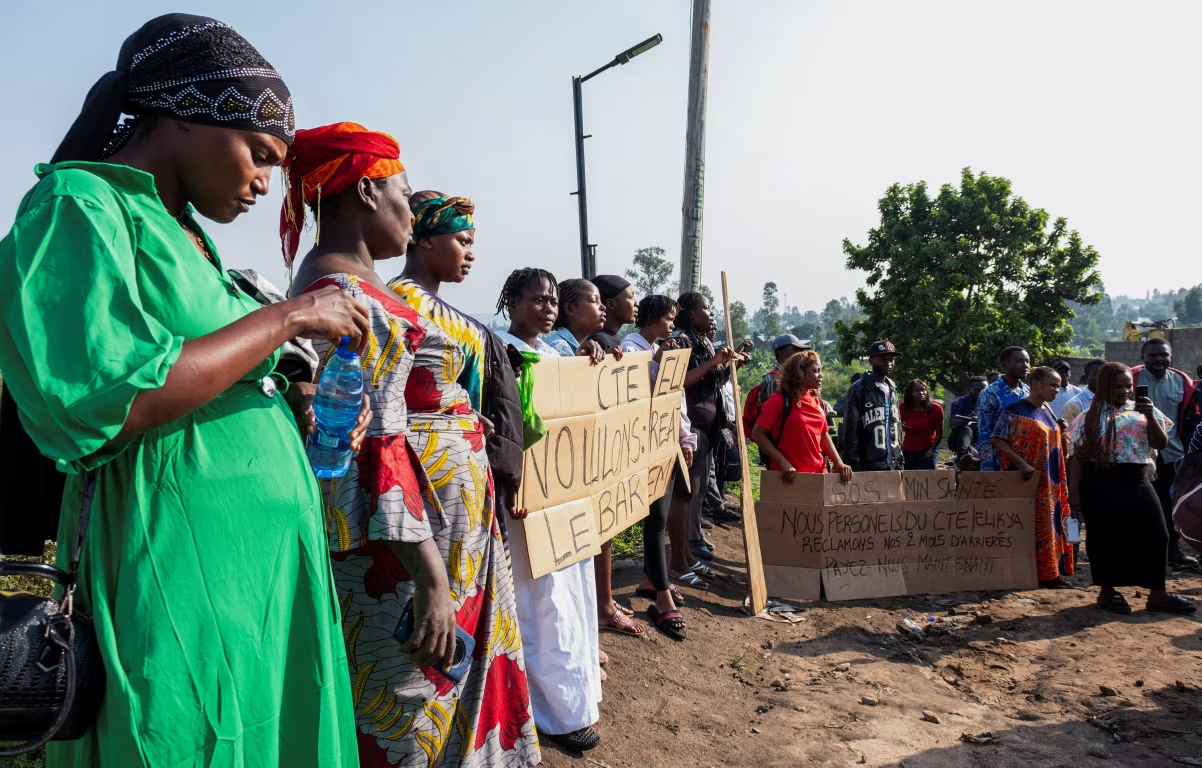
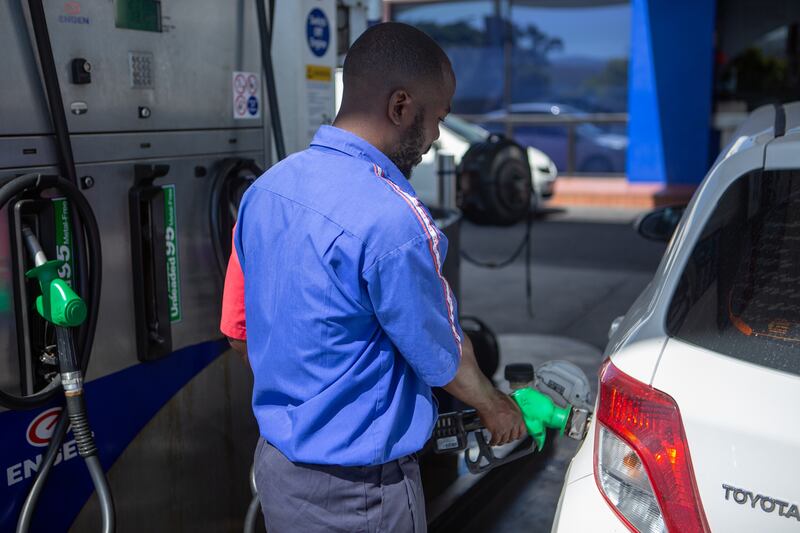
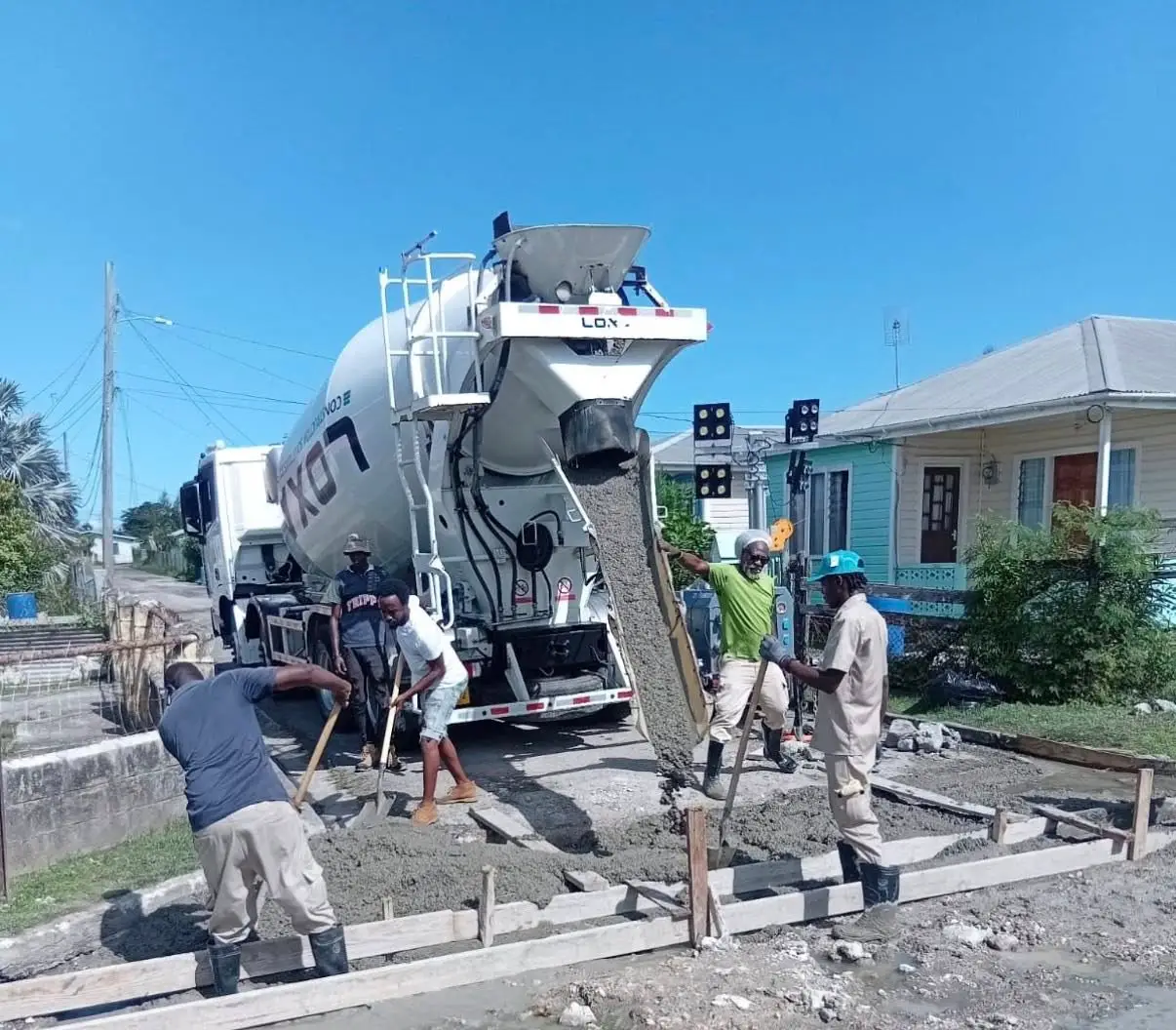
According to the ILO’s latest policy brief, the expected weather conditions could disrupt employment, reduce productivity and place additional pressure on workers and businesses. The report also warns that food insecurity could worsen as agricultural production declines, while food and energy prices may increase. Informal workers, rural communities and people who work outdoors are expected to be among the most vulnerable.
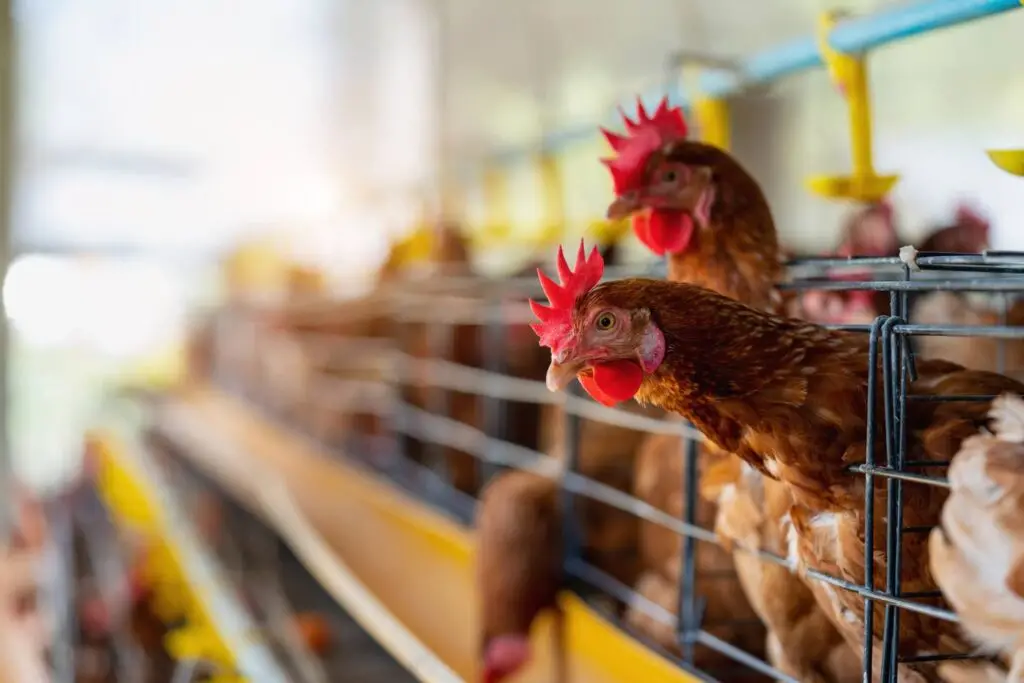
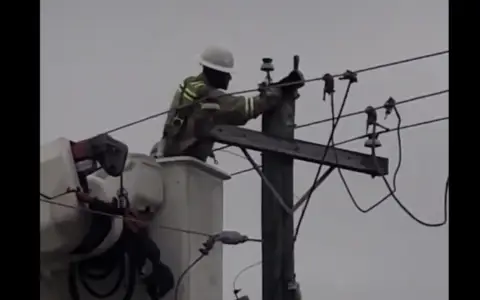
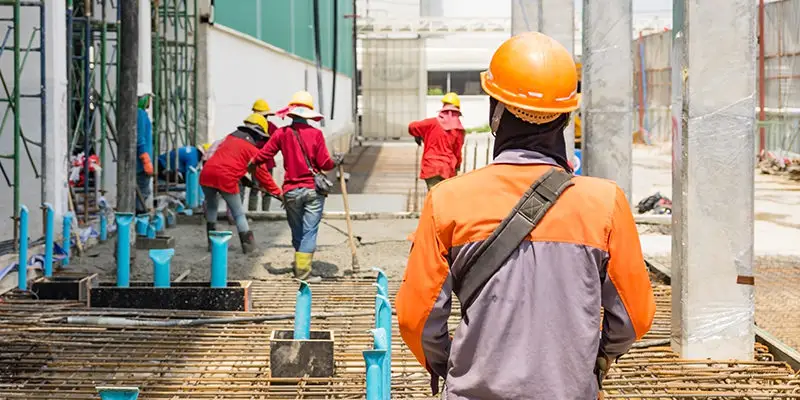
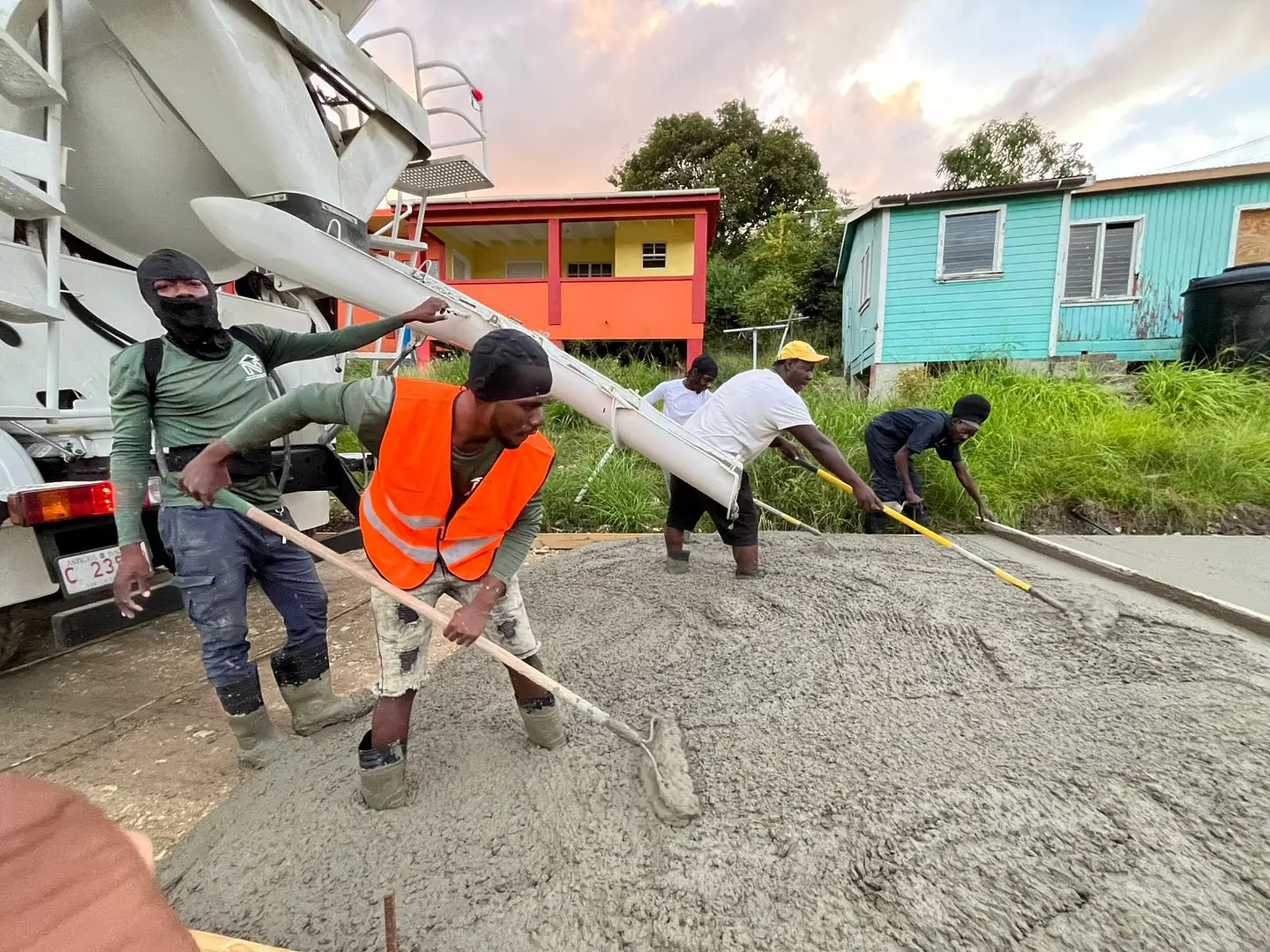
The report identifies agriculture, fisheries and tourism as key sectors likely to feel the impact of El Niño. Crops including maize, beans, wheat, coffee and sugarcane could also be affected by the drier conditions. The ILO says these challenges may reduce rural incomes, force some workers to migrate in search of employment and increase reliance on informal jobs. Higher temperatures are also expected to expose outdoor workers to greater heat stress, while the loss of household income could increase the risk of child labour in vulnerable communities.
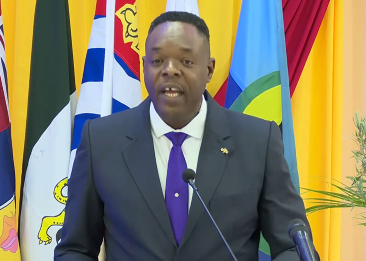
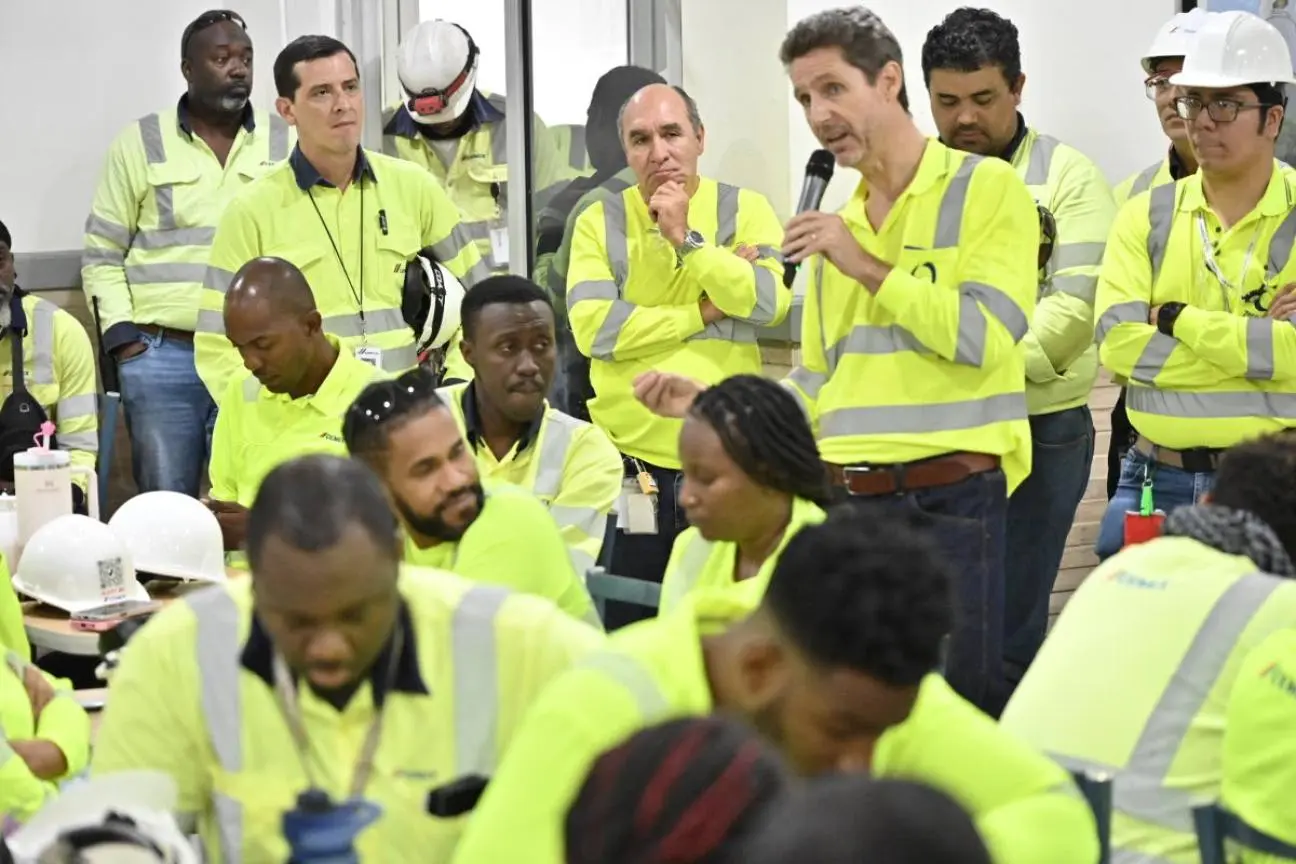
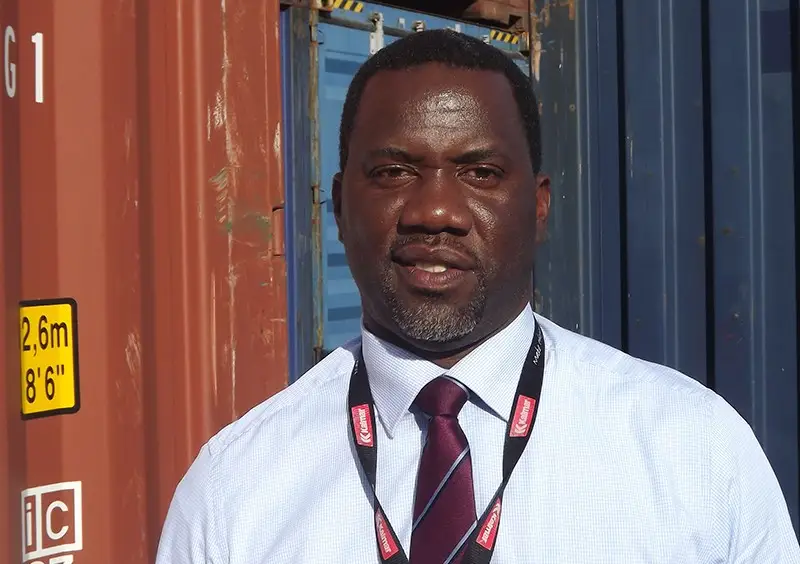
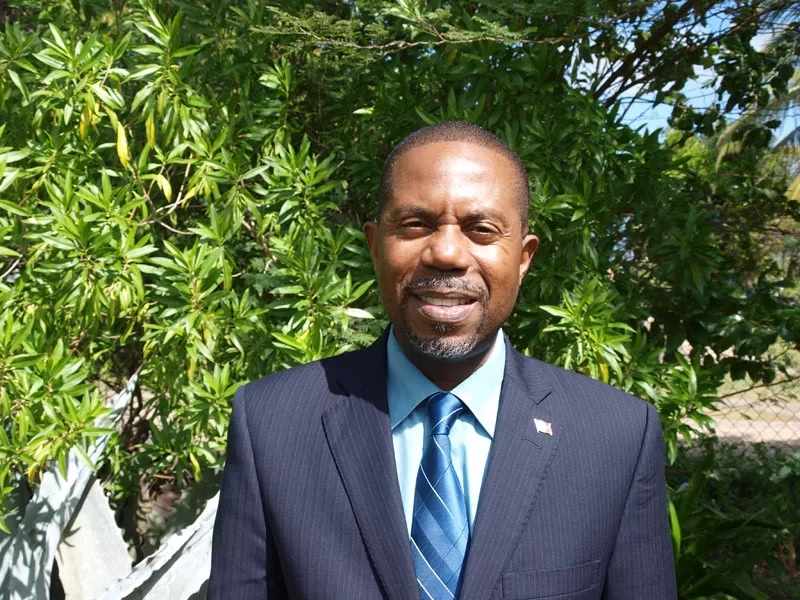
Fabio Bertranou, the ILO’s Deputy Regional Director for Latin America and the Caribbean, said the extent of the impacts will depend on how well countries prepare. He stressed the importance of strong labour market institutions, social protection systems and social dialogue to help protect workers and communities most at risk.
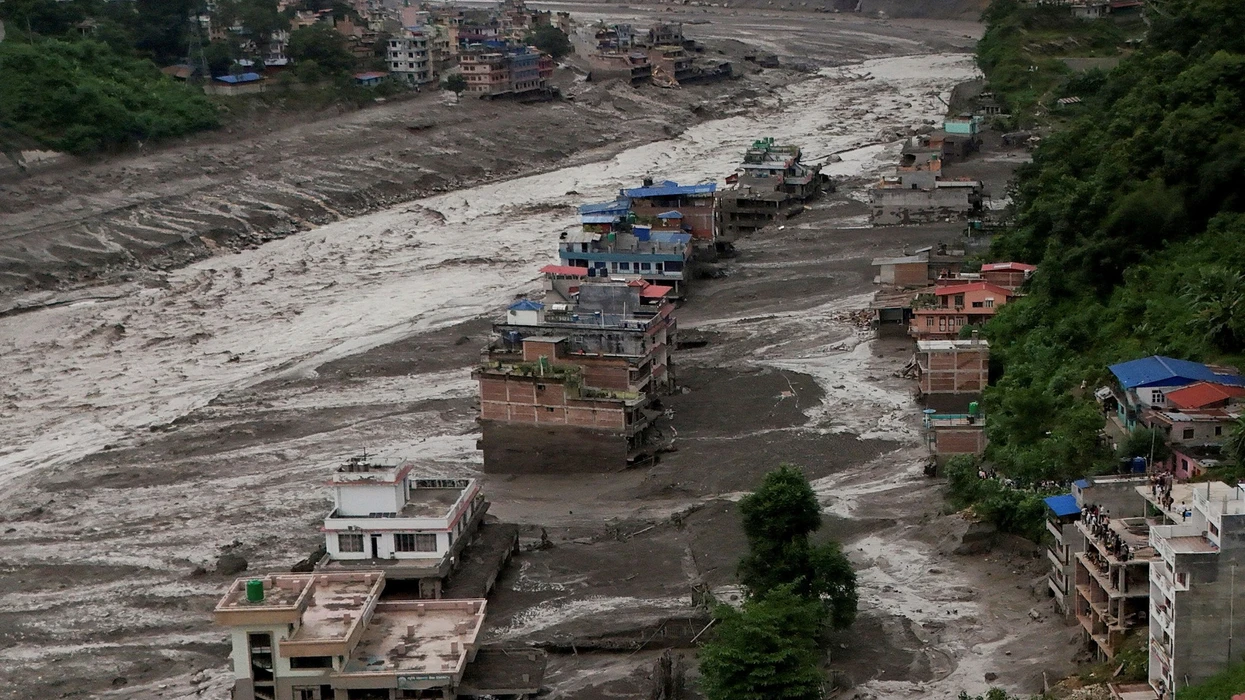
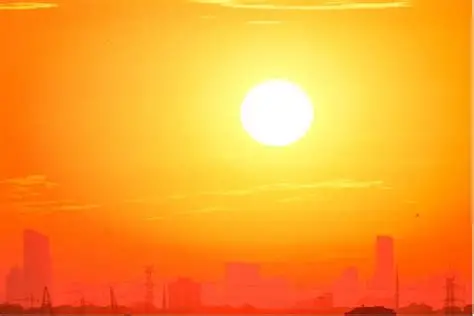
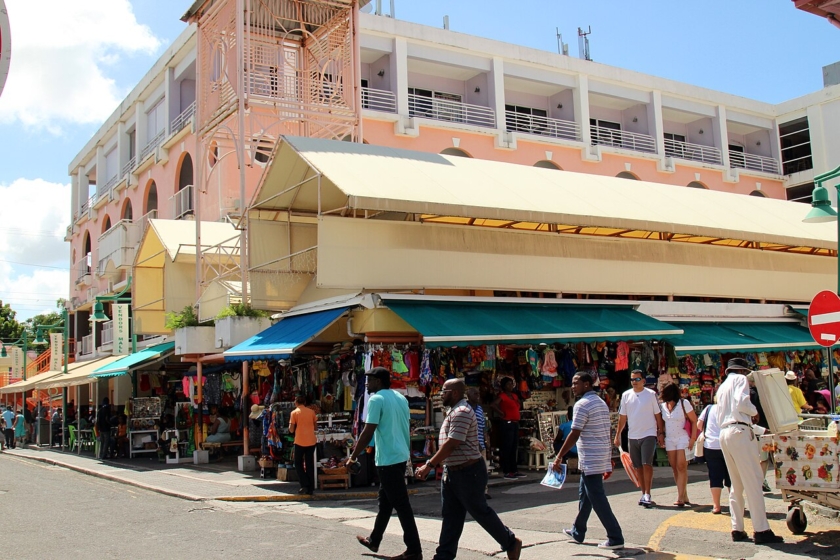
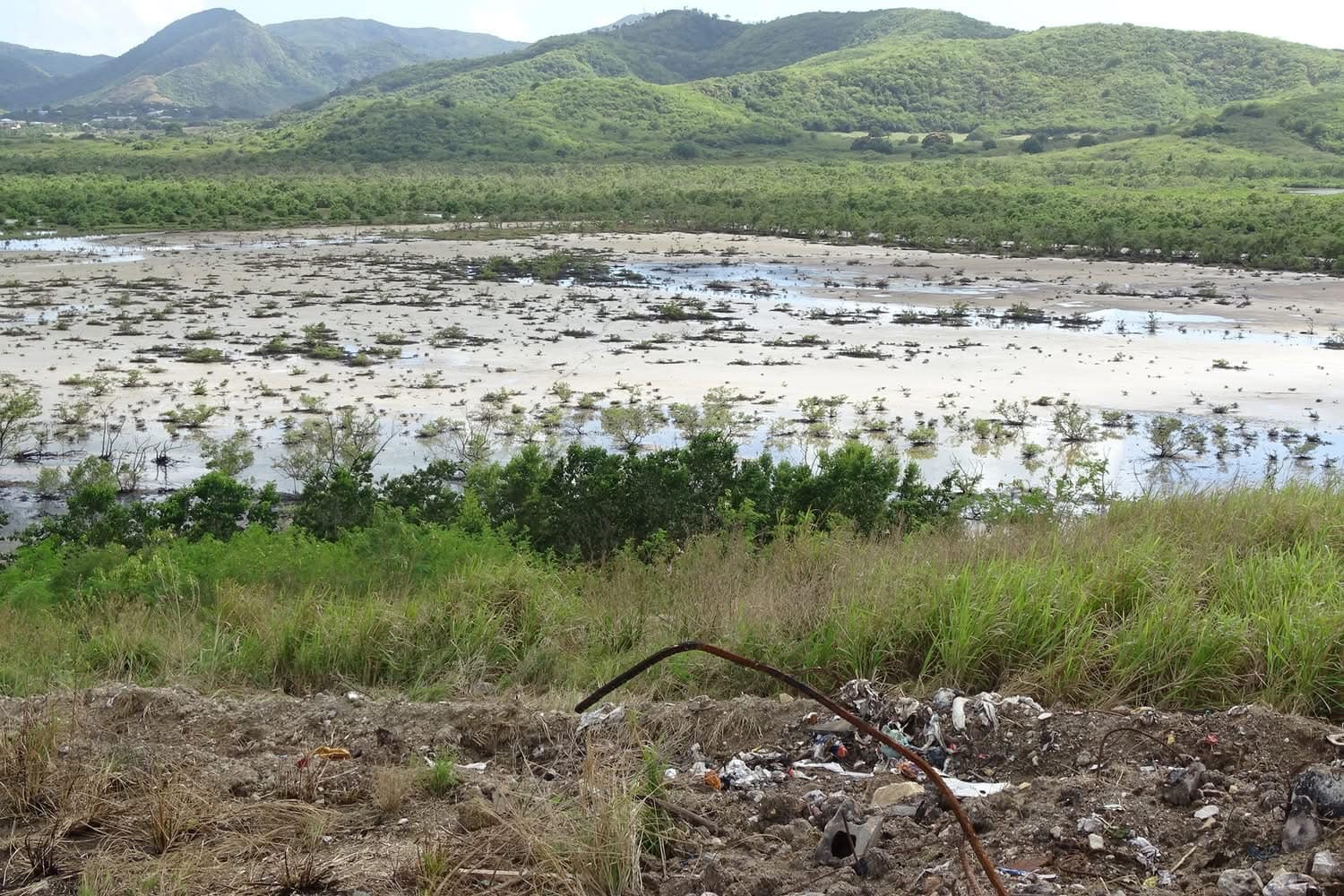
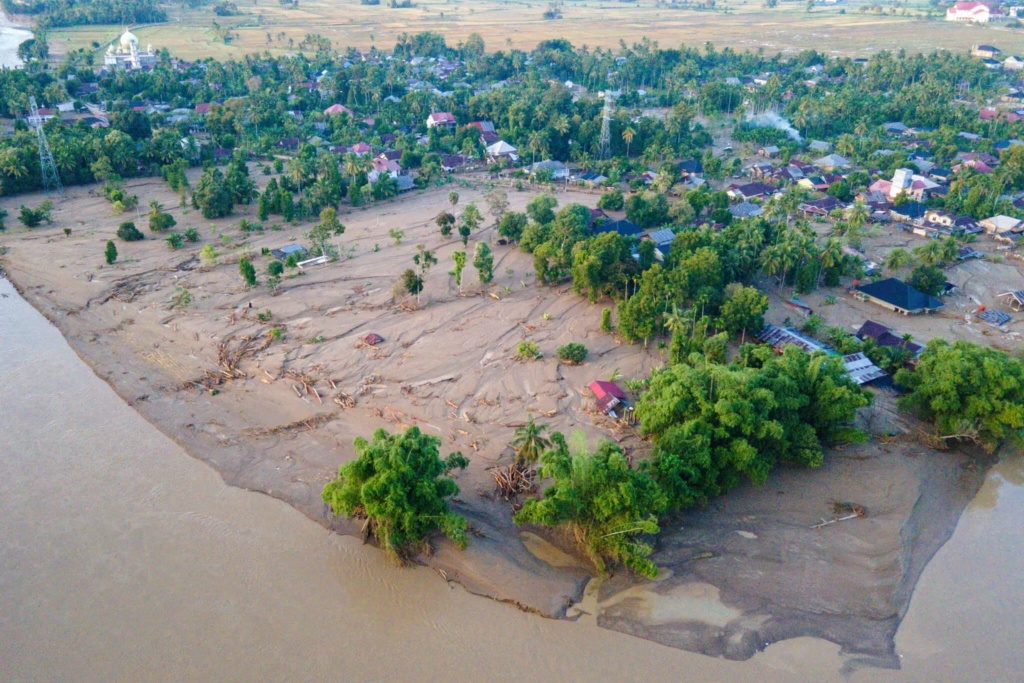
While some parts of South America are expected to experience heavy rainfall and flooding, the ILO says Caribbean nations are more likely to face prolonged dry conditions and extreme heat. The organisation also noted that many Caribbean workers are employed in the informal economy, where access to social protection and financial support is often limited, making climate-related shocks even more difficult to manage.
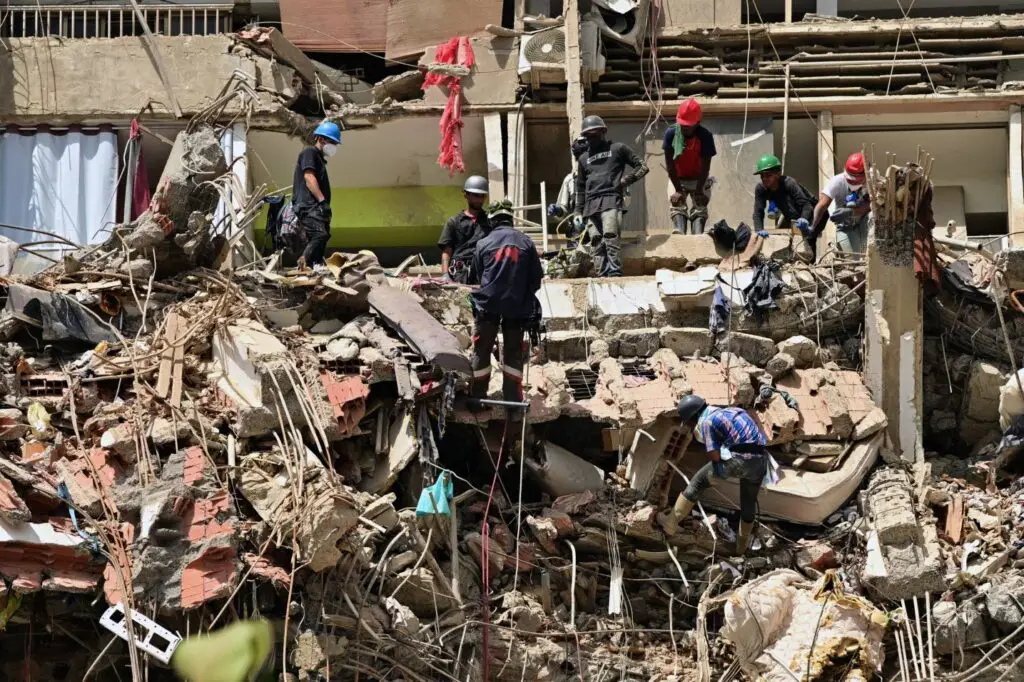
The ILO is encouraging governments to strengthen social protection programmes, invest in climate-resilient infrastructure, improve workplace safety measures, expand early warning systems and promote cooperation between governments, employers and workers. It says coordinated action will be essential to reduce the impact of El Niño on employment, livelihoods and the region’s economy.