
 English













































































































































































































































































































































































































































































































































































































































































































































































































































































































































































































































































































































































































































































































































































































































































































































































































































































































































Wildfire Near Paris Grows as Europe Faces Deadly Heatwave
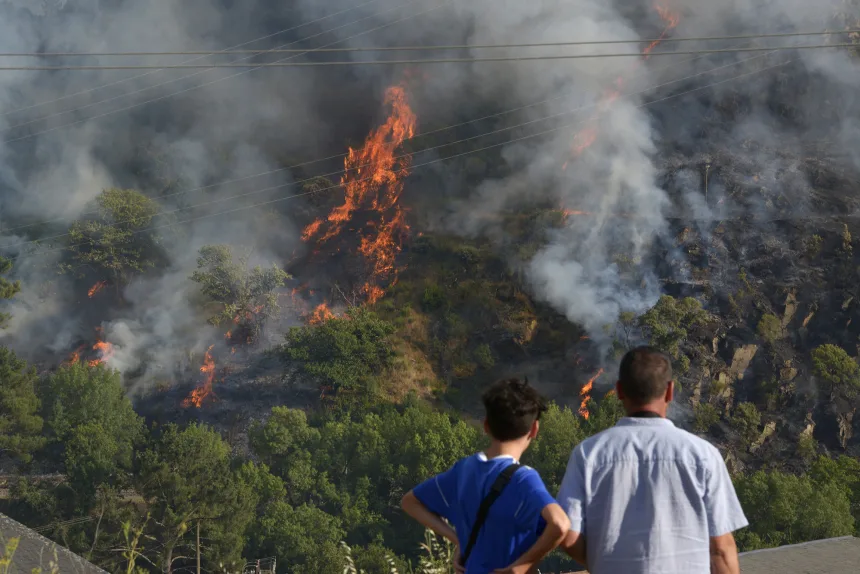
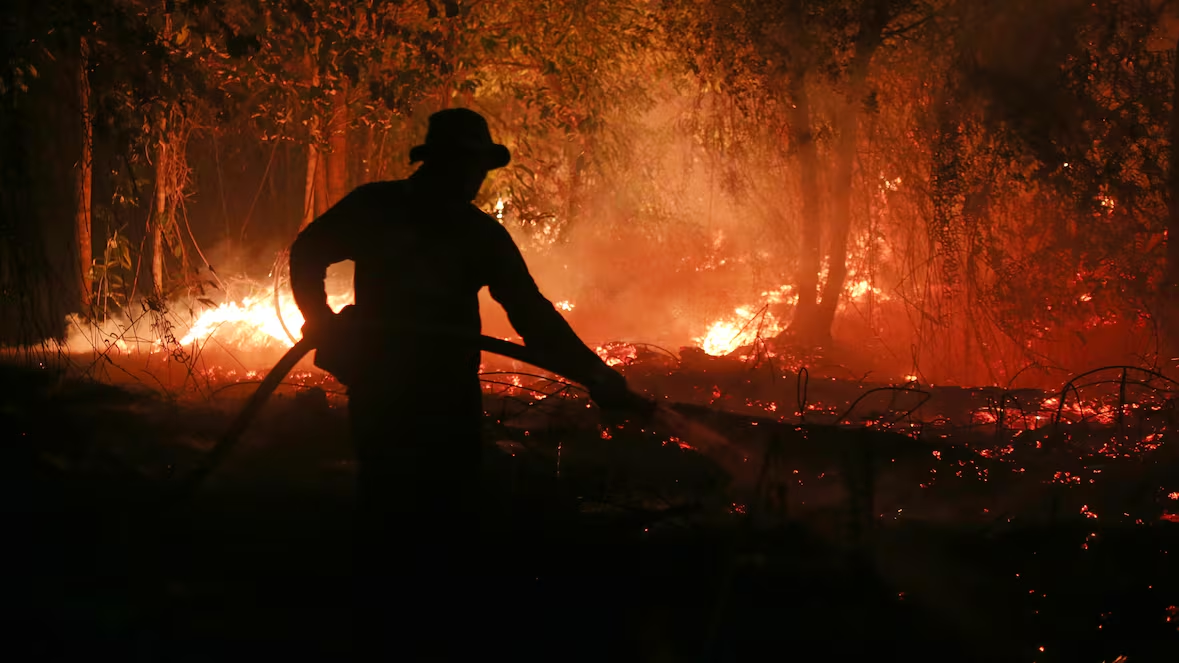
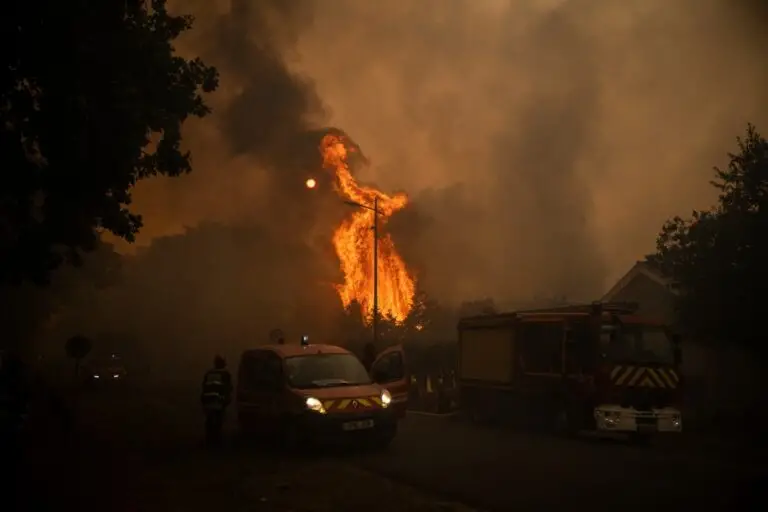
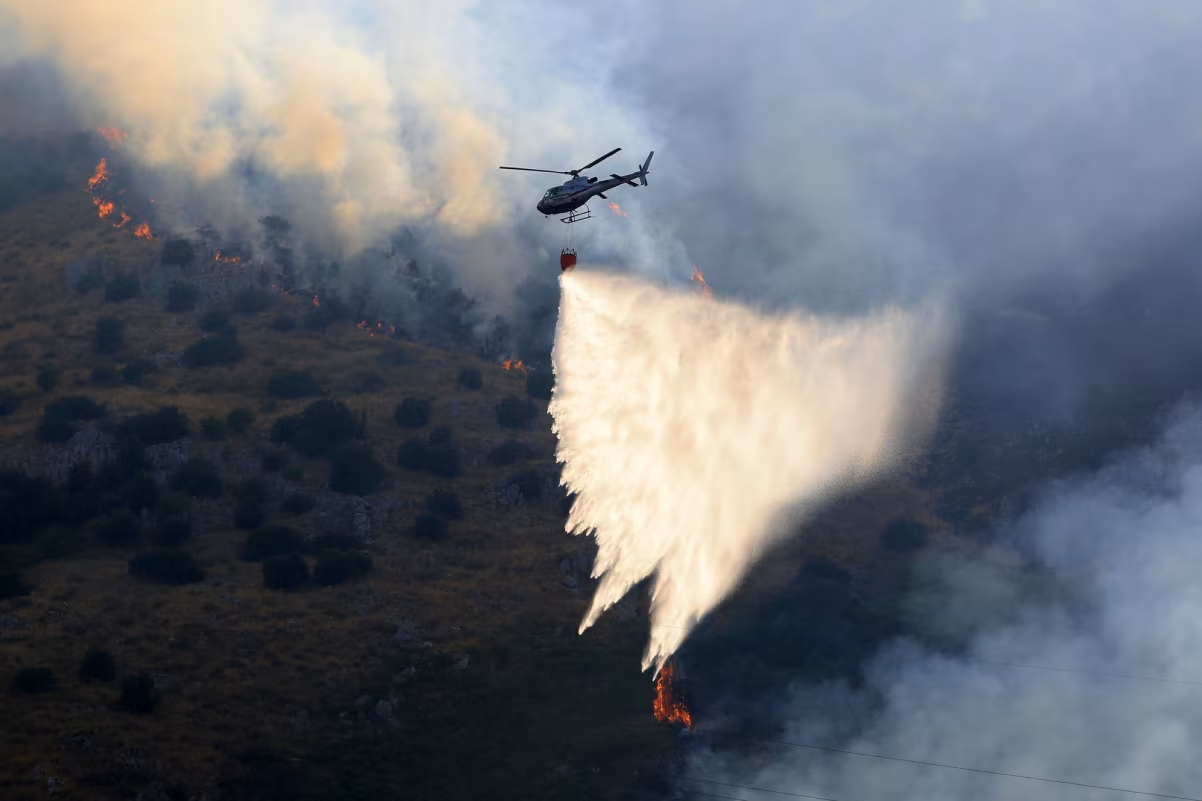
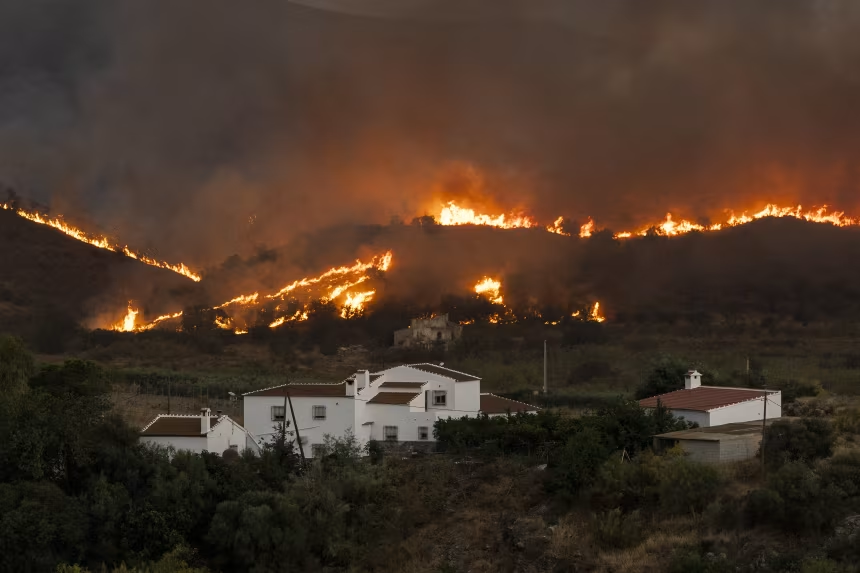
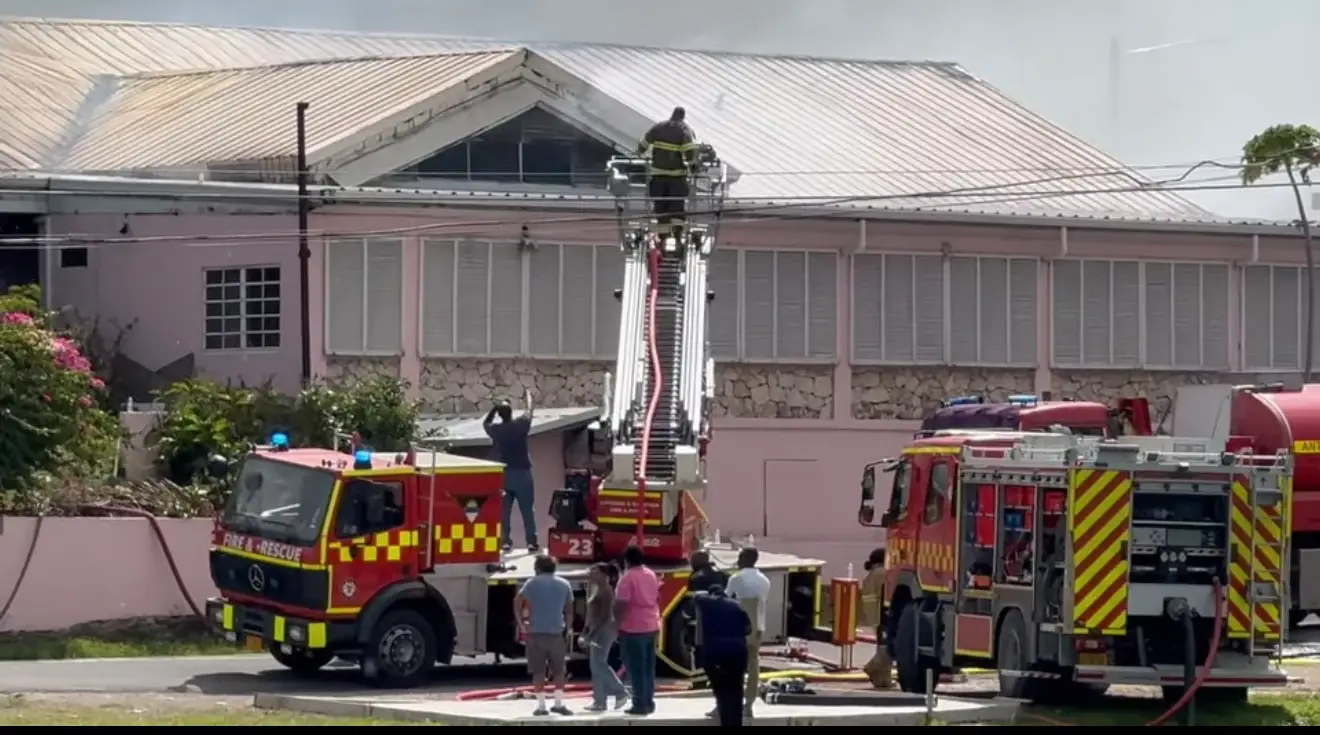
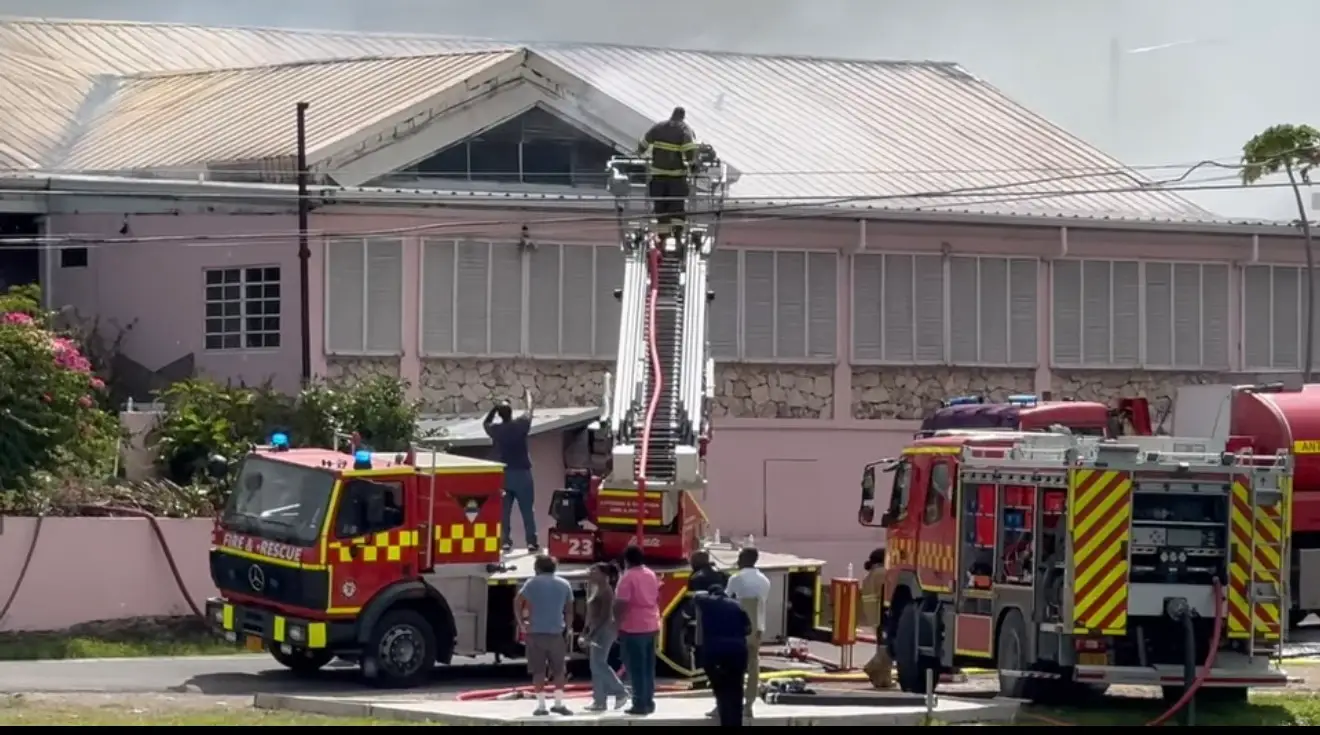
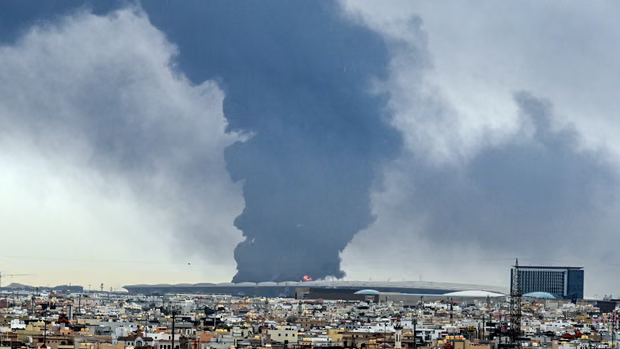
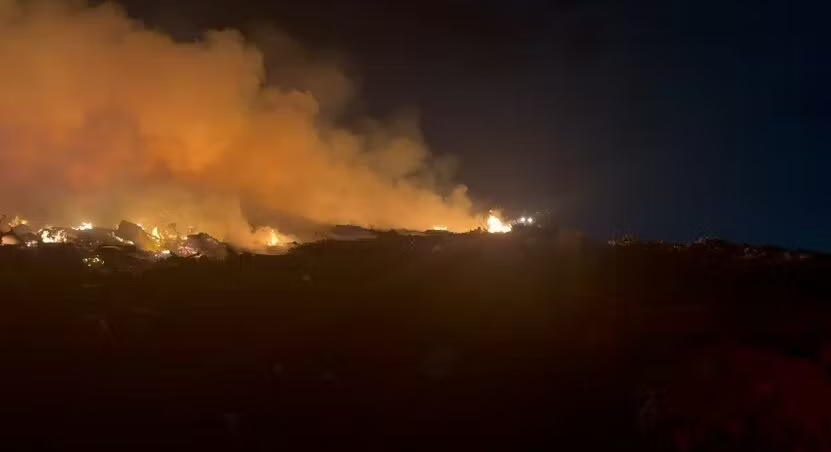
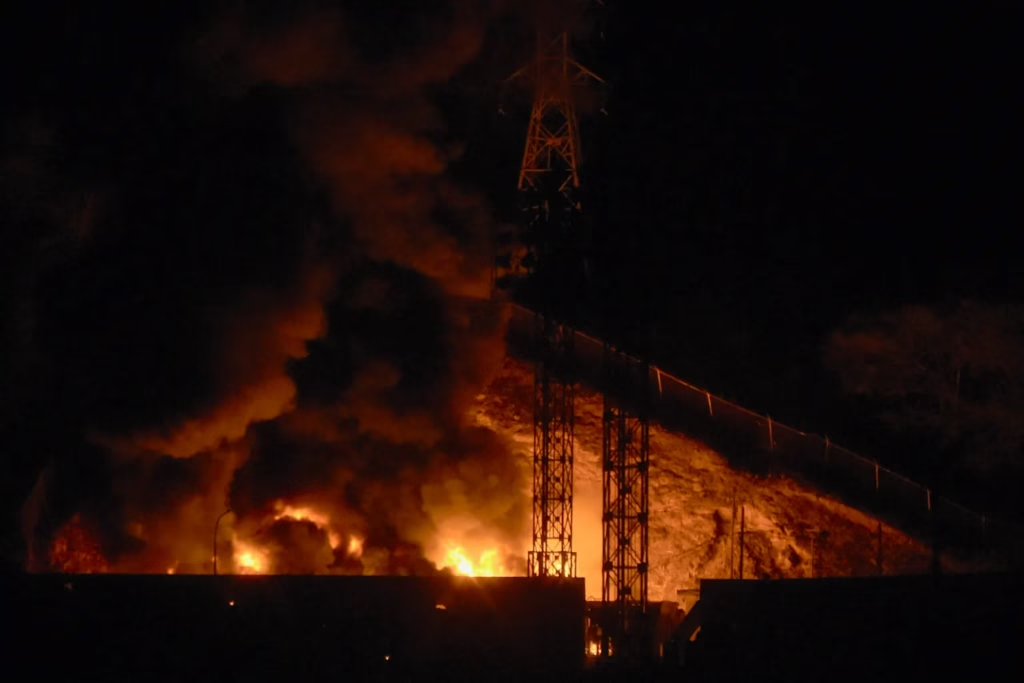
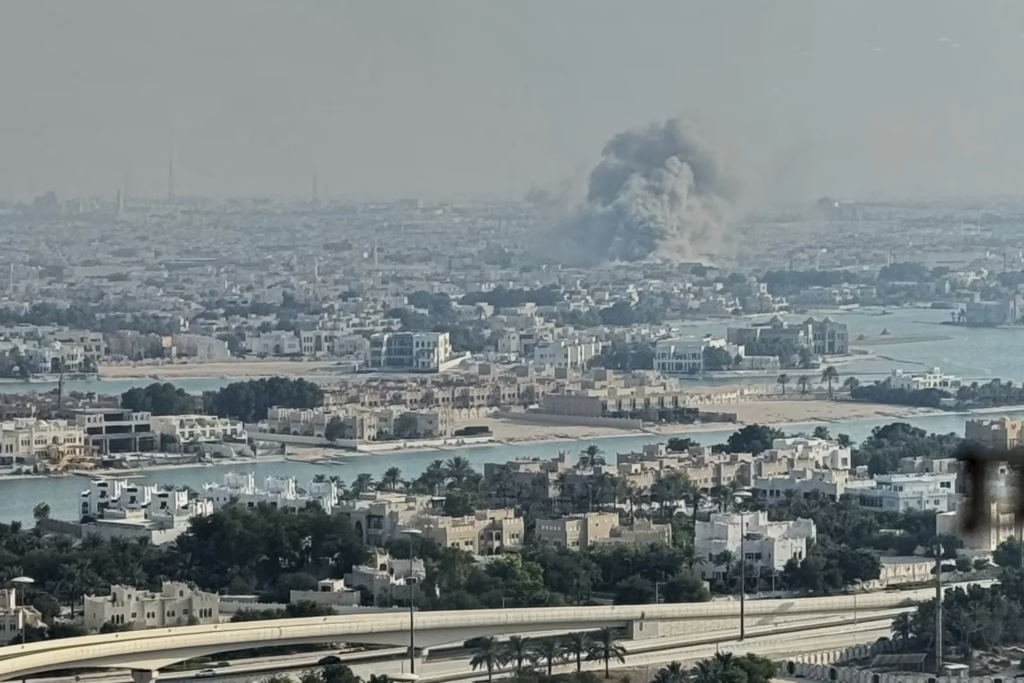
French firefighters are battling a large wildfire in the Fontainebleau forest, south of Paris, as an intense heatwave continues to affect much of Europe. The fire has already burned more than 800 hectares (about 3 square miles) of forest.
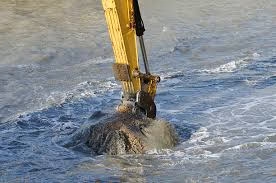
Firefighting aircraft have been collecting water from the River Seine to help contain the flames. Emergency crews remain on the ground as they work to stop the fire from spreading. French Interior Minister Laurent Nuñez said police are investigating whether someone deliberately started the blaze. Authorities also reported wildfires in other parts of France over the weekend.
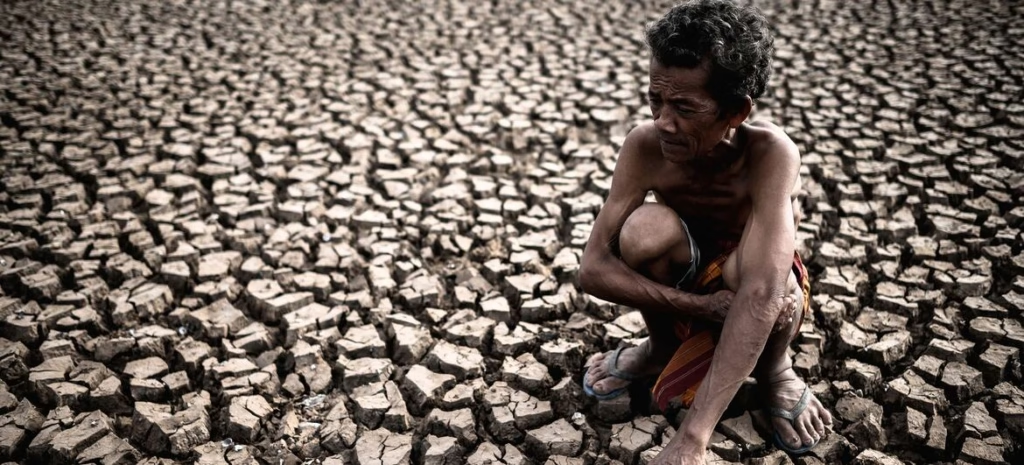
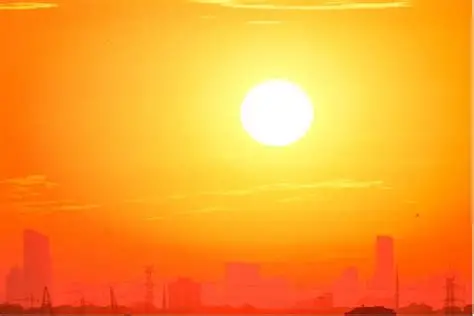
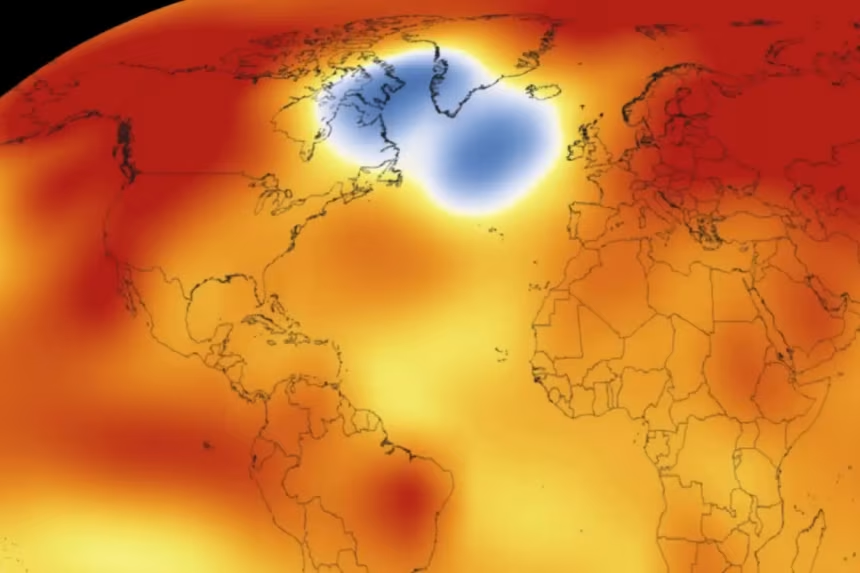
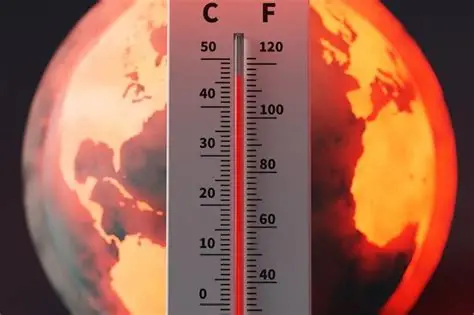
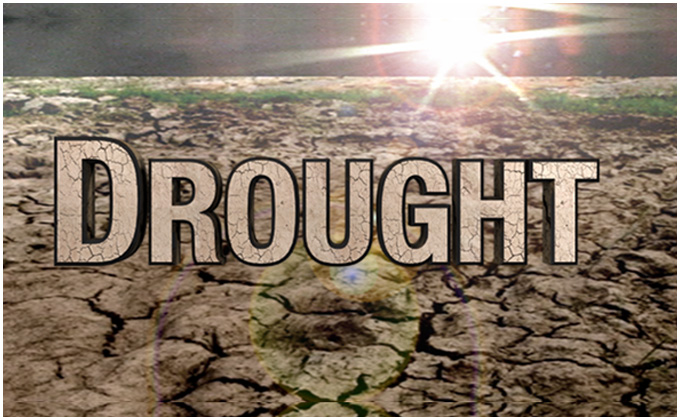
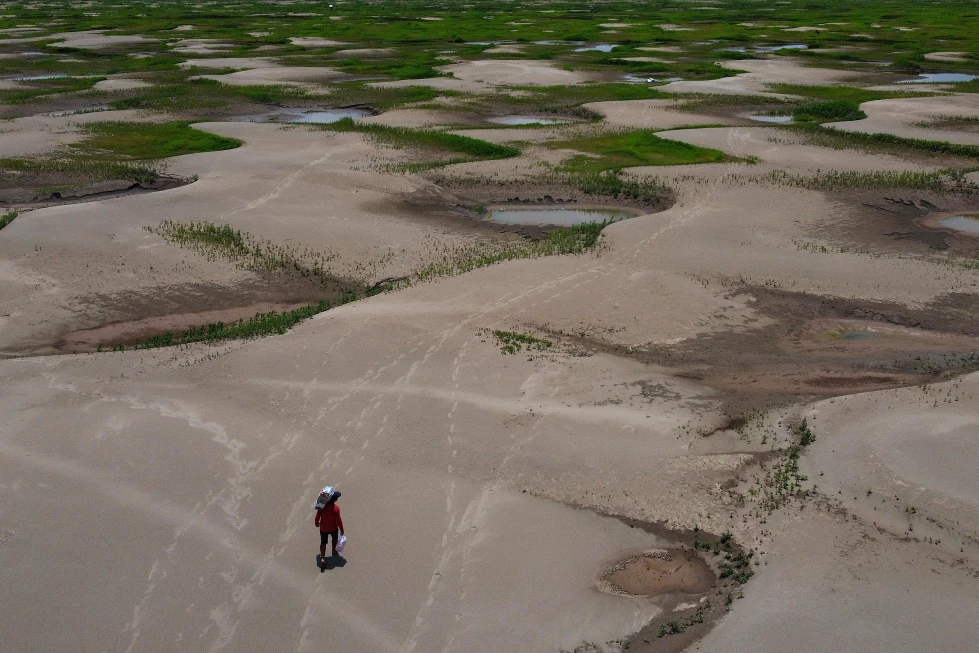
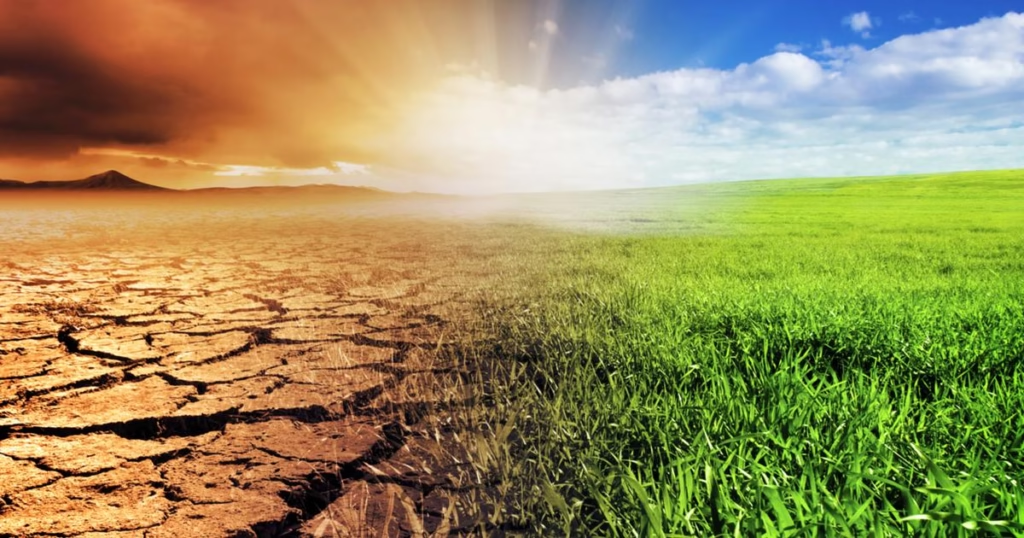
Scientists say Europe is experiencing hotter and drier conditions because of climate change. These conditions increase the risk of larger and more destructive wildfires. A wet winter encouraged heavy vegetation growth across parts of France and Spain. Three successive heatwaves then dried that vegetation, creating ideal conditions for fires.
The extreme heat has also taken a heavy toll on public health. Data from EuroMOMO, a research network supported by the European Centre for Disease Prevention and Control and the World Health Organization, showed that more than 10,000 excess deaths occurred during western Europe’s late June heatwave. More than 9,000 of those deaths involved people aged 65 and older.
Spain also continues to deal with deadly wildfires. Ten people remain missing after a fire killed 13 people near Los Gallardos in southern Spain last week. More than 460 emergency workers responded to that blaze. Officials said it is Spain’s deadliest wildfire since 2005.
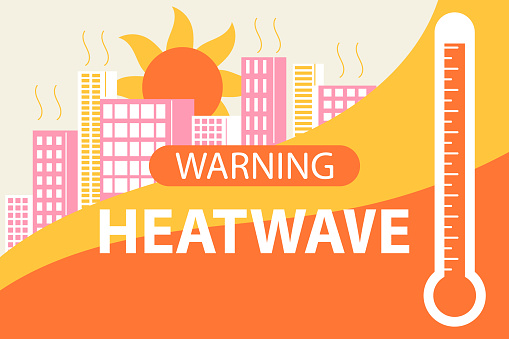
The heatwave has caused problems beyond wildfires. In England and Wales, officials estimate that more than 2,700 people died from heat-related causes during heatwaves in May and June. Germany also recorded at least 99 drowning deaths in June, the highest monthly total in more than 20 years.
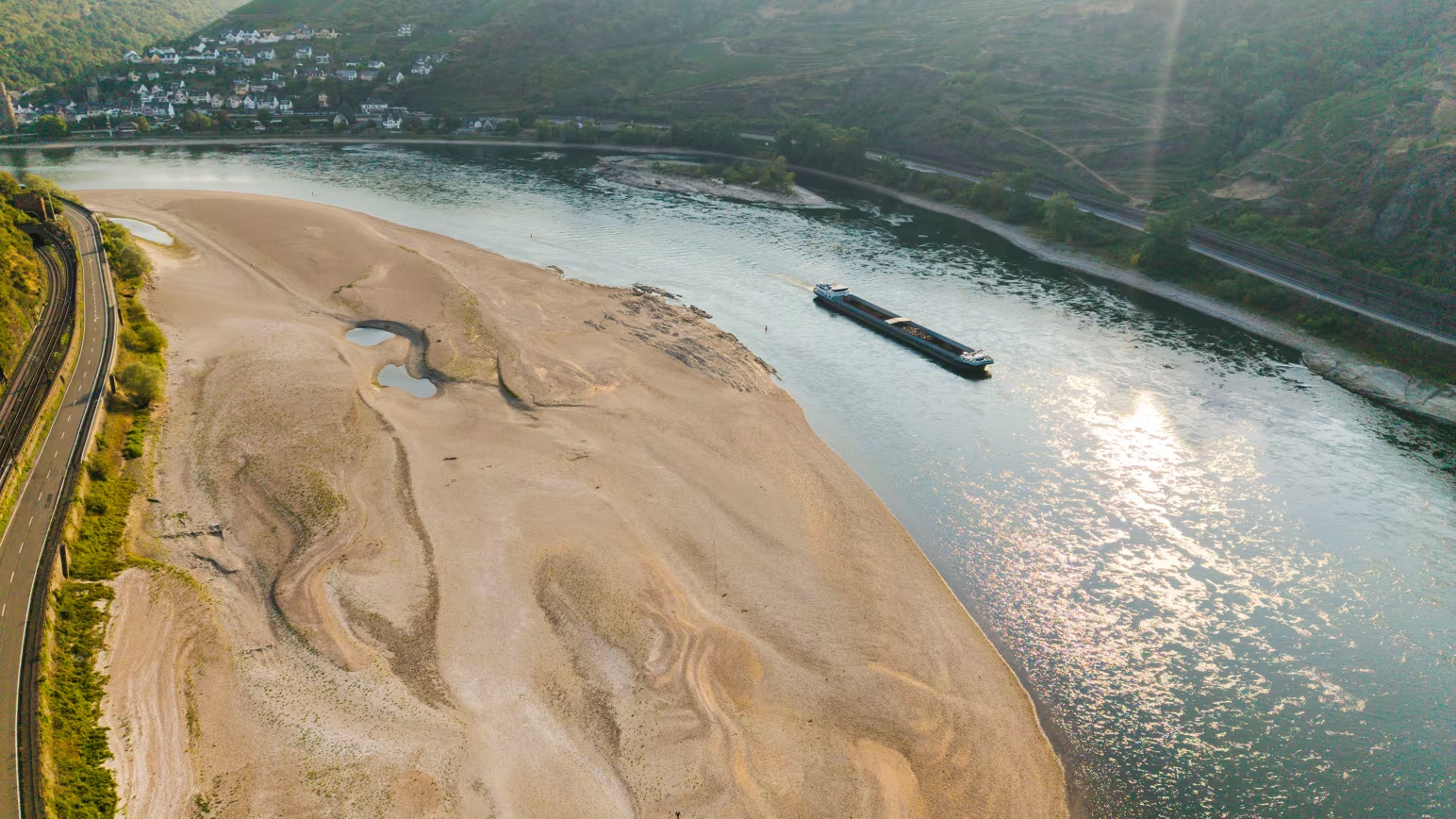
High temperatures have also affected farming and energy production. France has reduced electricity generation at some nuclear power plants because rivers used for cooling have become too warm. Crop forecasts have also fallen sharply, with France expected to record its lowest corn harvest in nearly two decades.
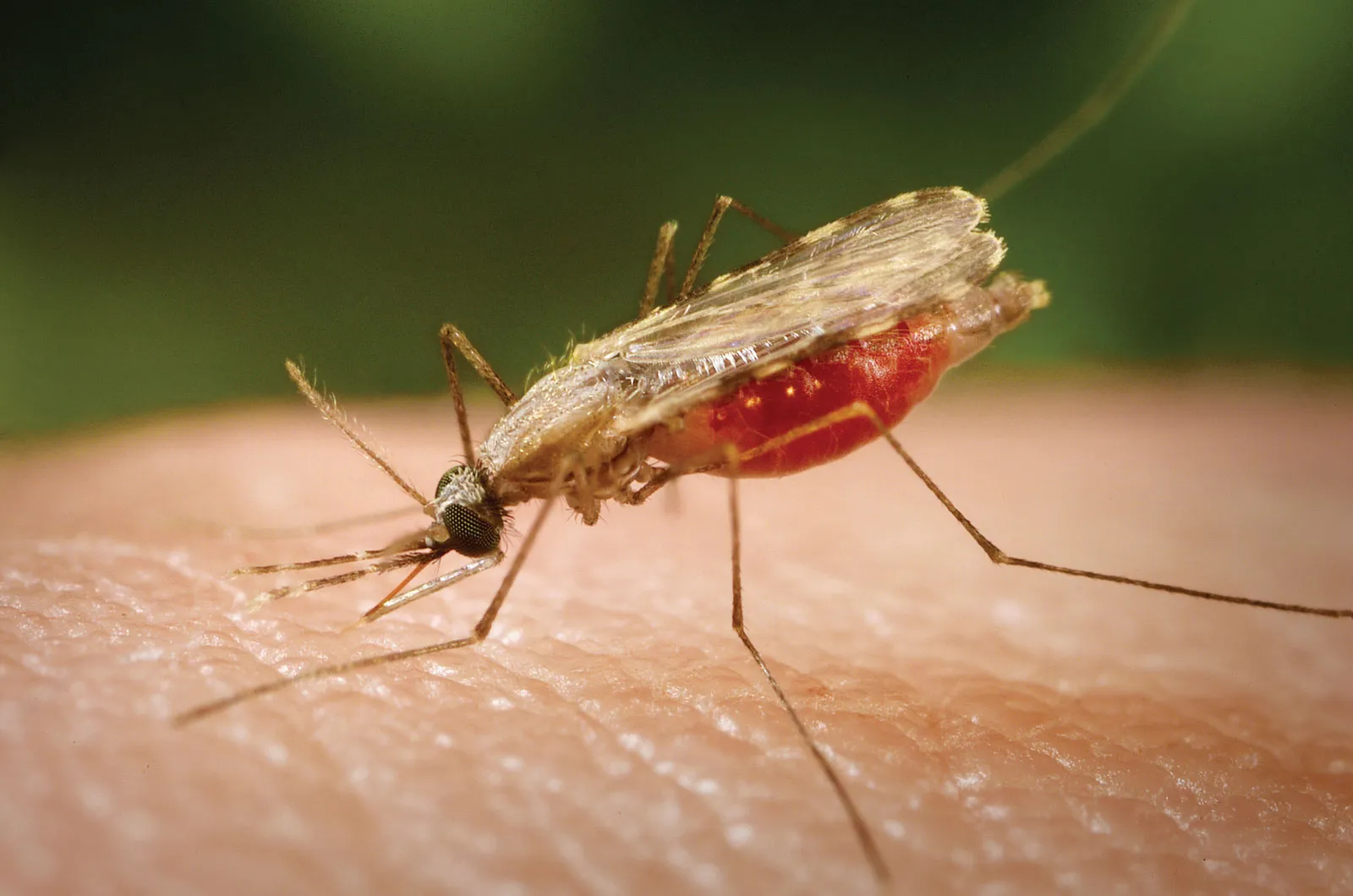
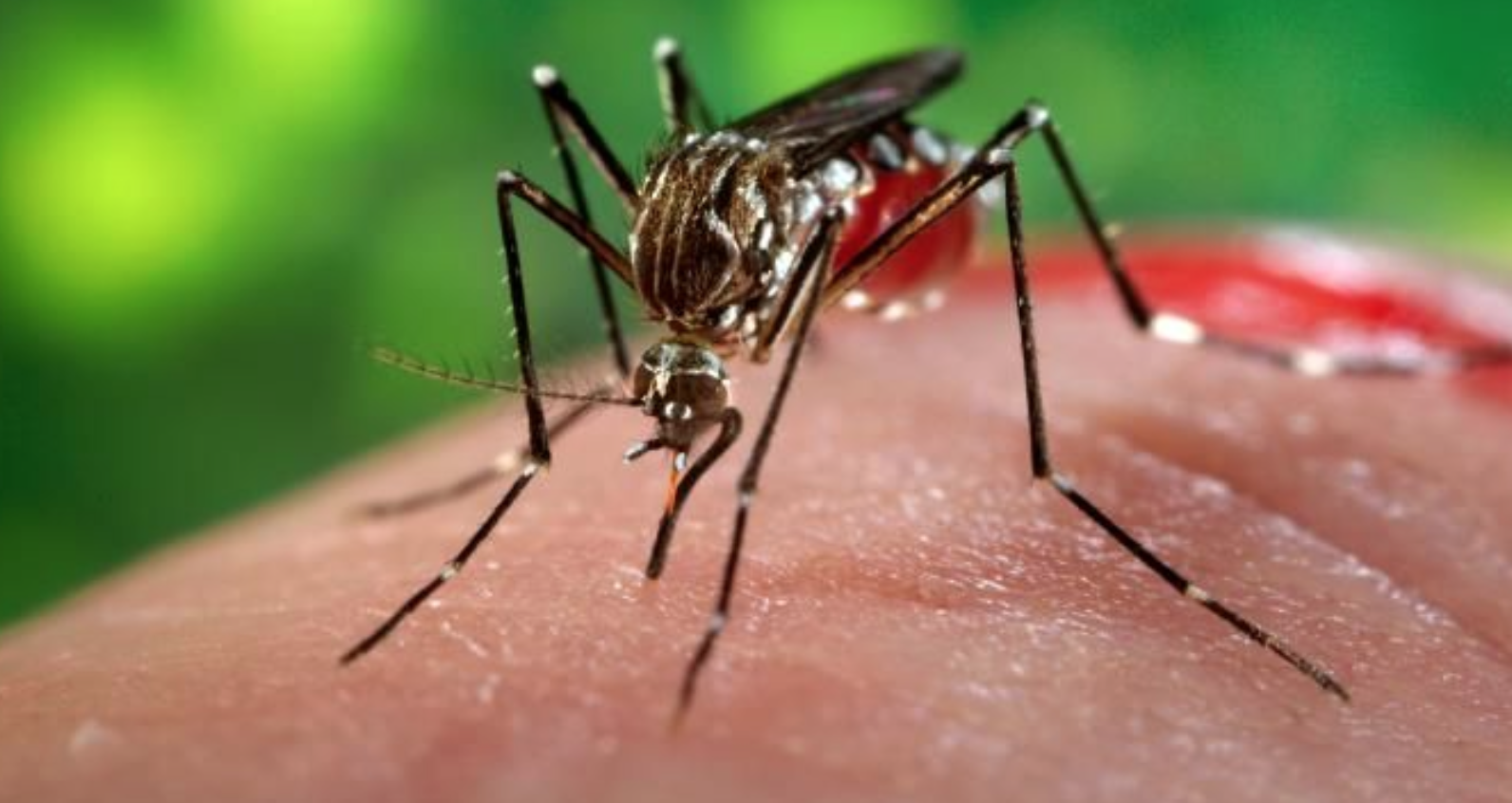
Researchers also warn that warmer conditions are increasing the spread of mosquito-borne diseases, including dengue fever, across parts of Europe. They say these health risks could continue to grow as temperatures keep rising across the continent.