
 English





















































































































































































































































































































































































































































































































































































































































































































































































































































































































































































































































































































































































































































































































































































































































































































































































































































































































































































































































































Attorney Calls for Urgent Labour Code Overhaul
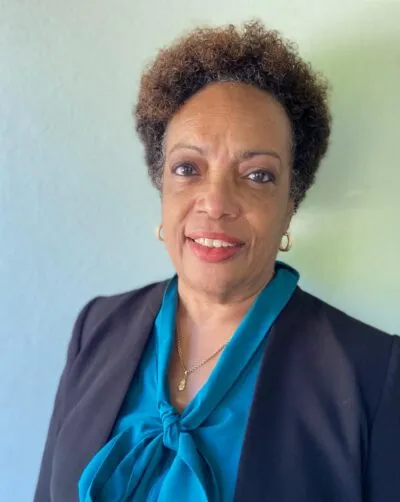
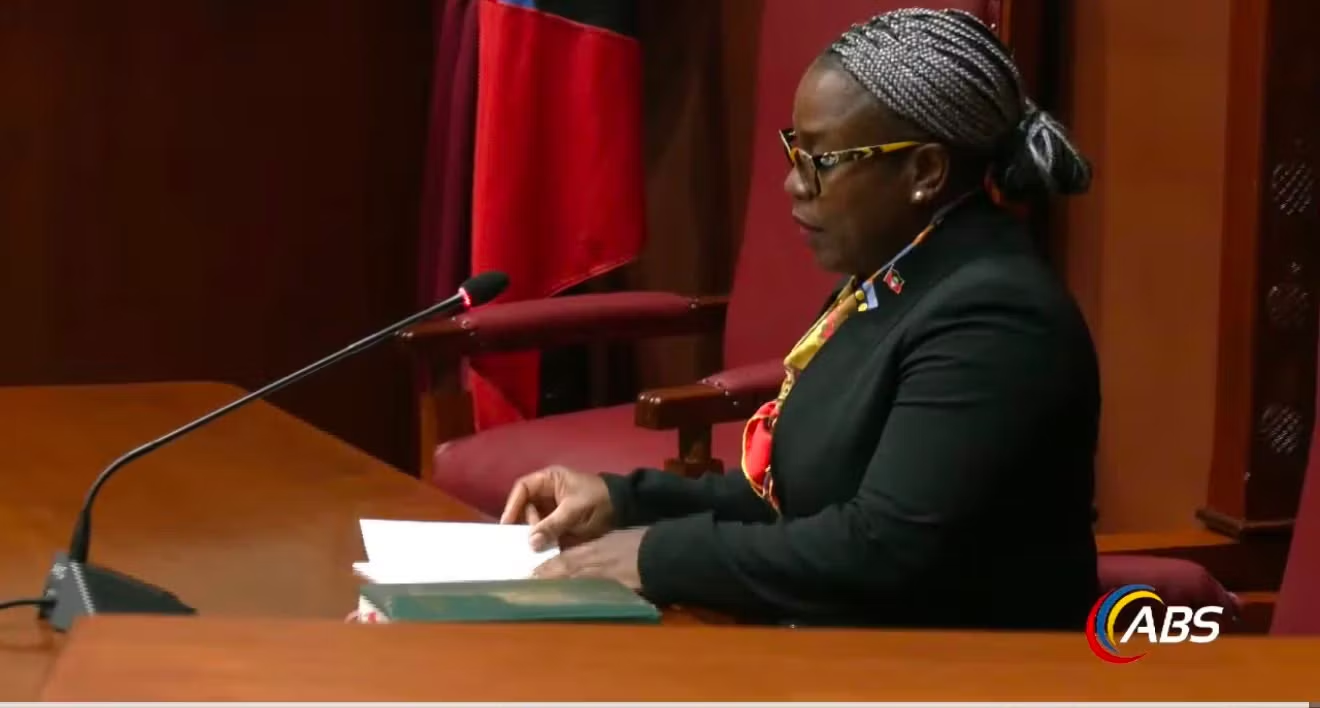
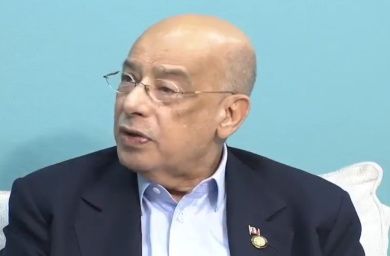
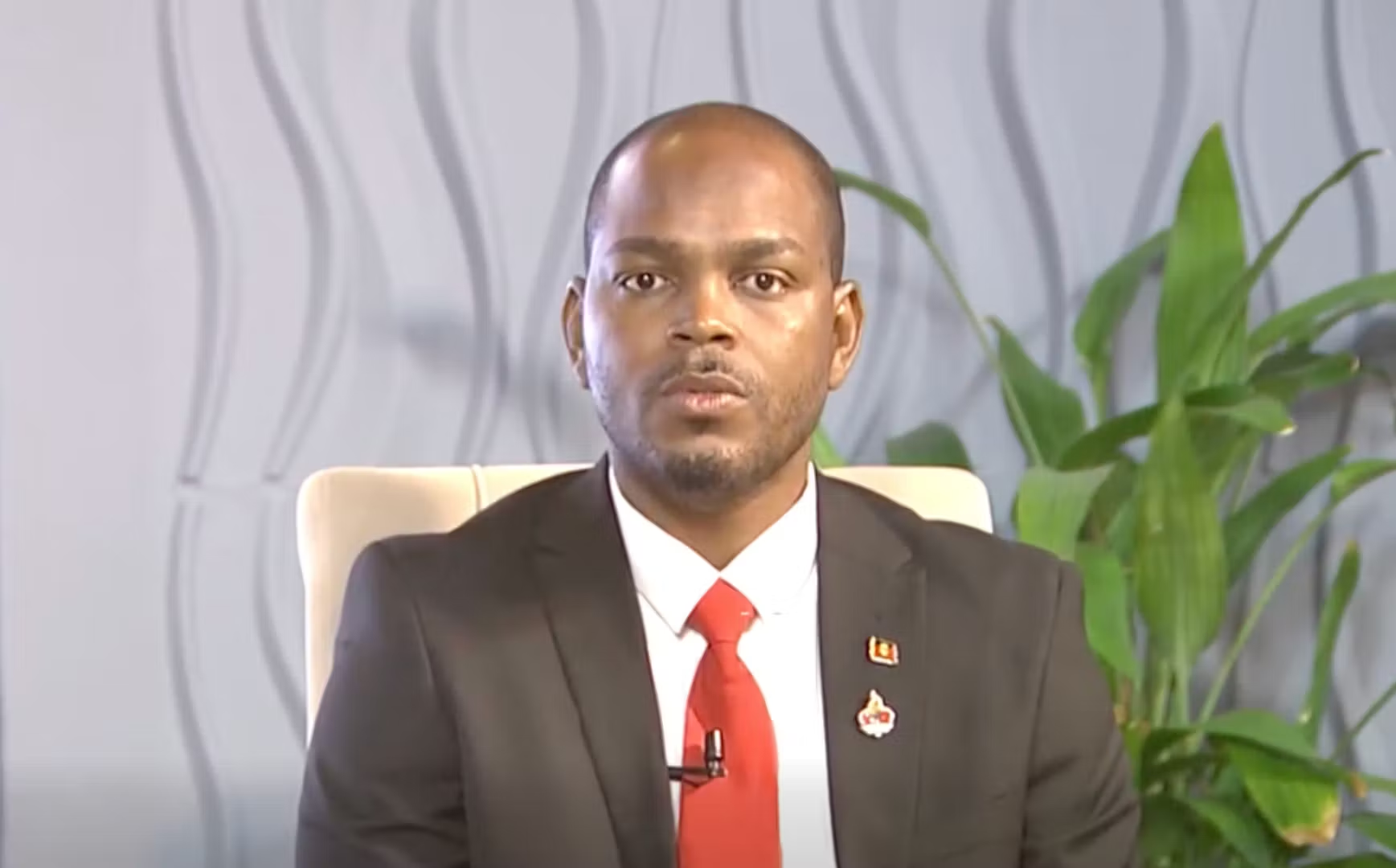
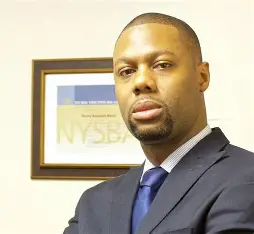
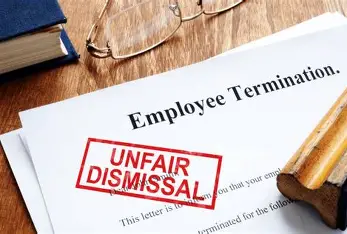
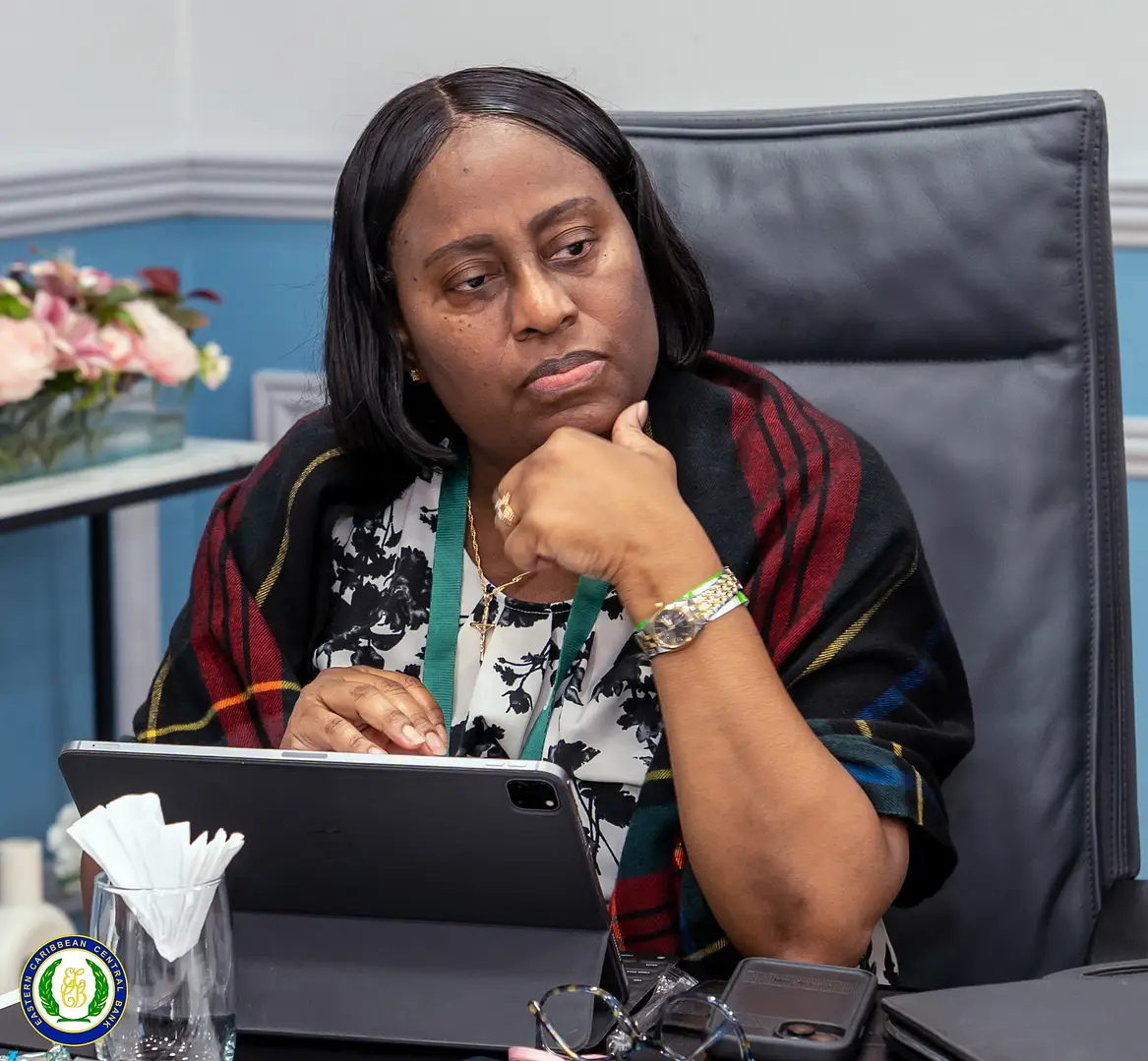
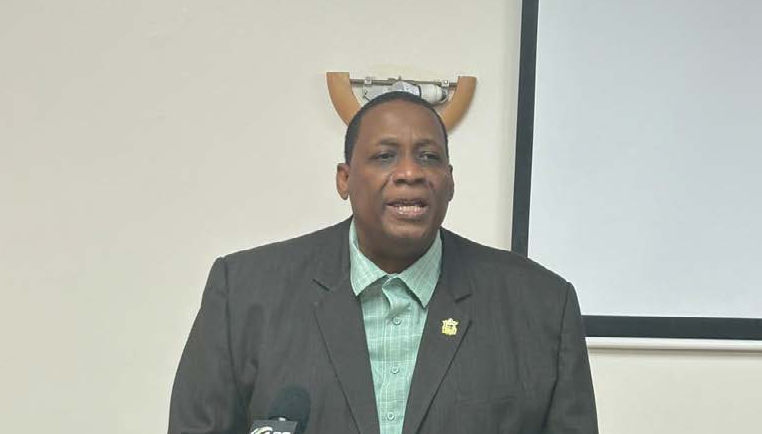
Attorney E. Ann Henry has called for urgent reform of the 1975 Labour Code. She said the law no longer meets national needs.
First, Henry warned the Code has been outdated for over 30 years. As a result, workers face unsafe and unhealthy conditions.
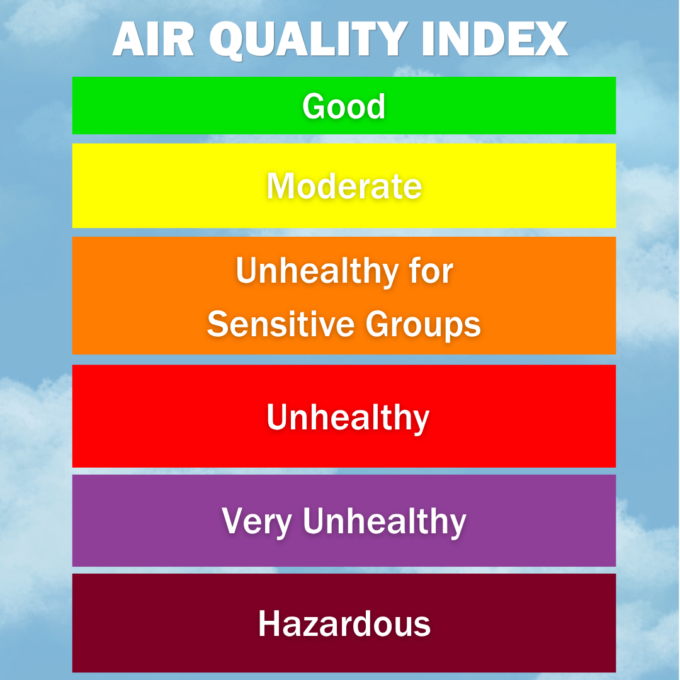
She explained that current laws fail to address modern workplace realities. For example, issues like mold and poor air quality remain ignored.
Moreover, she pointed to unsafe buildings across Antigua. Many offices suffer from weak structures and failing air systems.
Consequently, workers face rising respiratory illnesses. Henry described these workplaces as “sick buildings.”
She added that employees often stop working only as a last resort. In many cases, management ignores repeated safety complaints.
Therefore, she warned that inaction harms worker health long term. The risks, she said, can become permanent.
In addition, Henry raised concern about missing safety gear. She noted a lack of Personal Protective Equipment in key sectors.
These include construction, field work, and waste management. So, she called for urgent national safety standards.
Furthermore, Henry expanded the idea of workplace safety. She said dignity is also a key part of the issue.
Access to clean water and working toilets, she argued, is essential. She called this a matter of governance, not comfort.
At the same time, she stressed shared responsibility. Employers must give clear roles and fair reviews.
Meanwhile, workers must complete a full day’s work. When disputes arise, clear reporting systems should guide action.
She also highlighted the role of the Labour Department. It should support mediation and conflict resolution.
However, Henry warned that many workers lack union support. Those in small or non-union jobs often fall through gaps.
Thus, she called for renewed strength in the Trade Union Congress. This would help protect more workers.
On wages, she welcomed recent increases. Still, she noted rising living costs may require further changes.
However, she acknowledged wage debates can affect business costs. Productivity concerns also remain.
Regarding a four-day workweek, Henry urged caution. She said each business should decide its approach.
Finally, she addressed artificial intelligence in the workplace. She encouraged firms to use it to boost productivity, not cut jobs.
In conclusion, Henry said labour reform is a national priority. She called for broad consultation to build consensus.