
 English


















































































































































































































































































































































































































































































































































































































































































































































































































































































































































































































































































































































































































































































































































































































































Antigua and Barbuda near global average on health costs
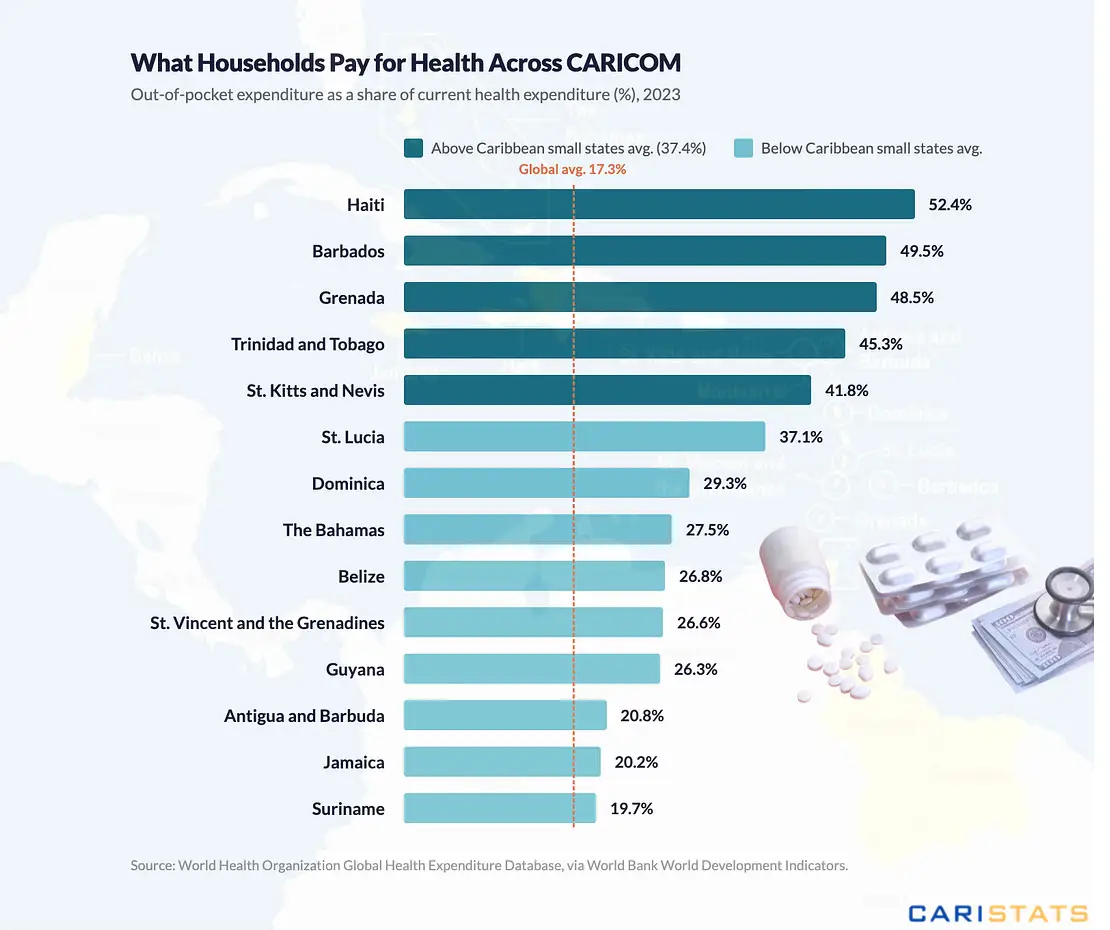
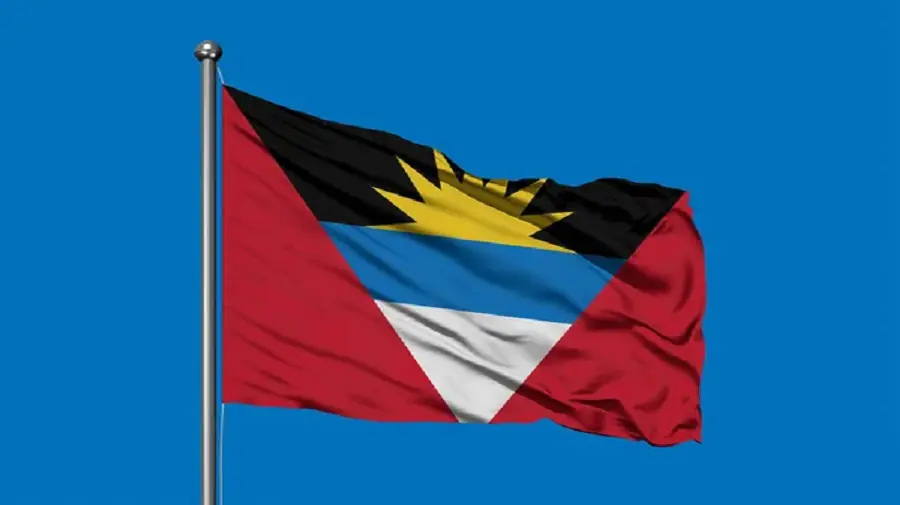
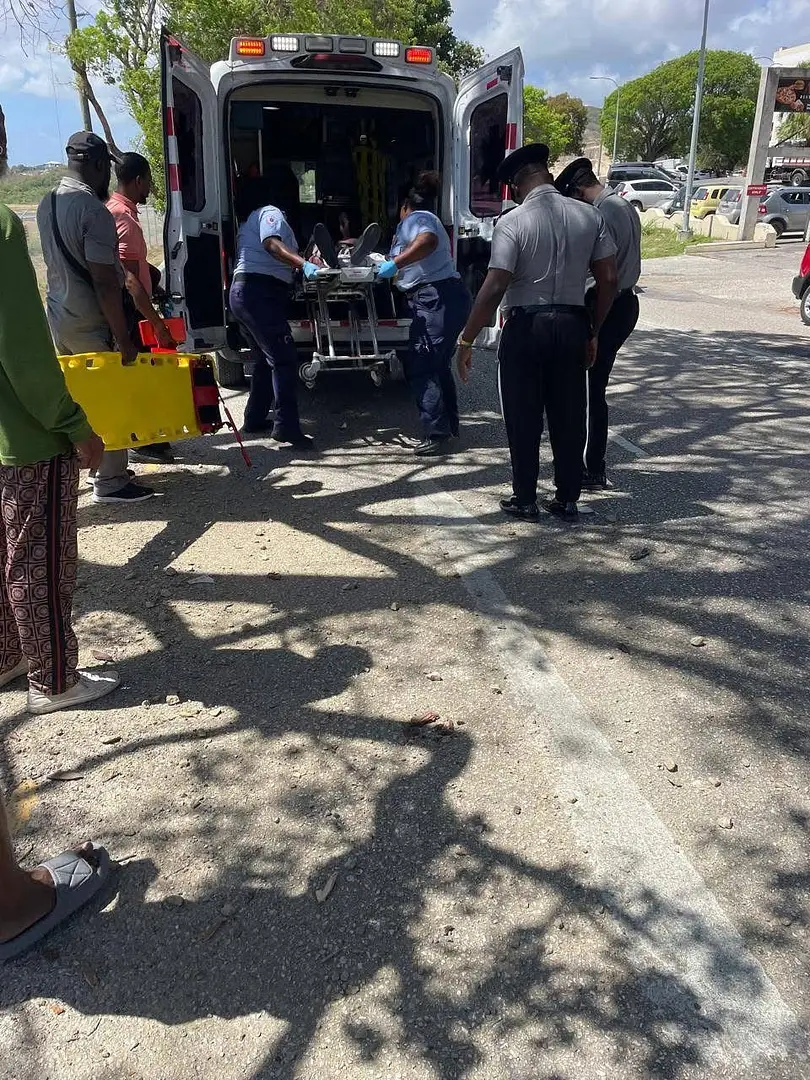
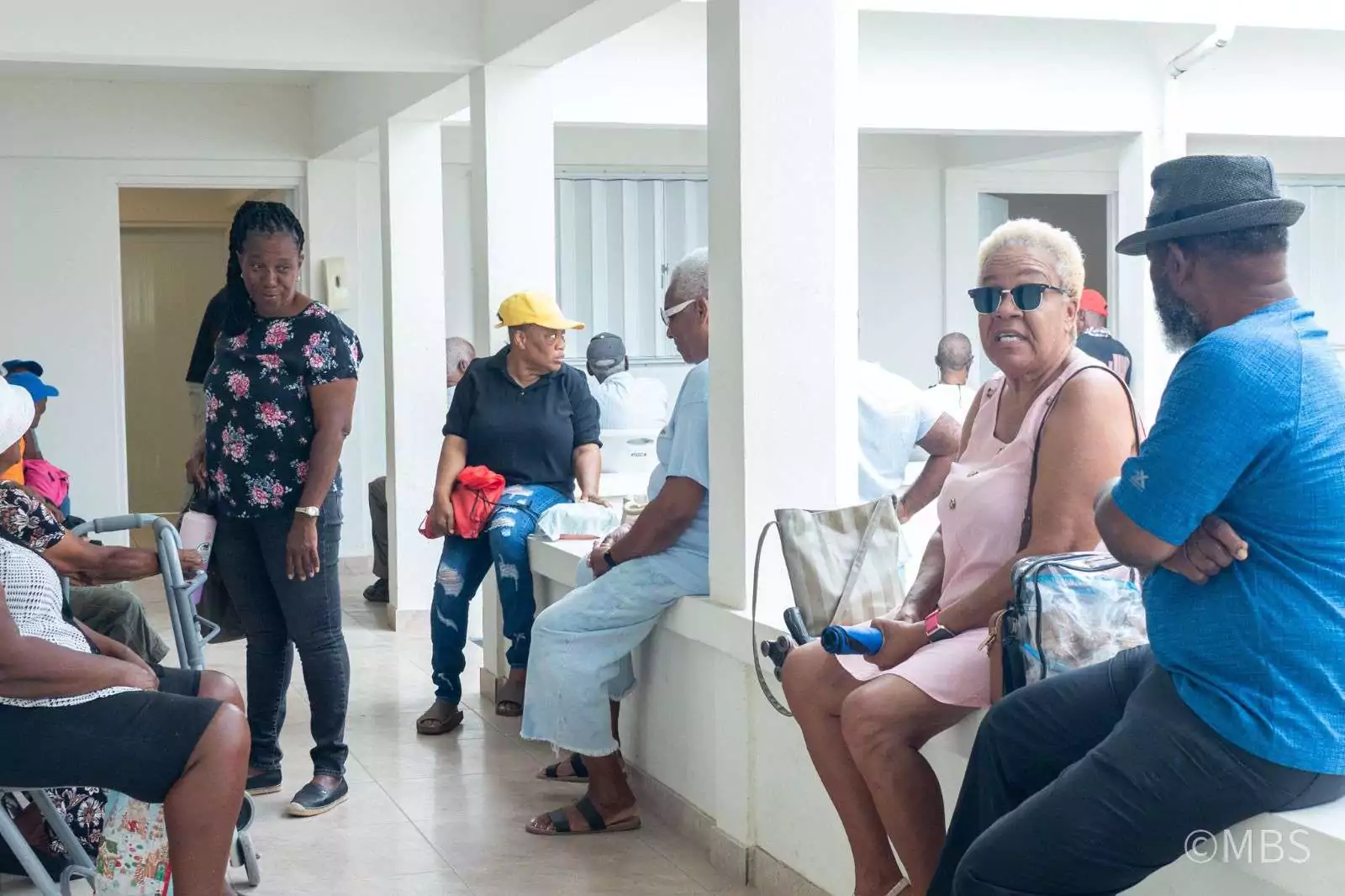
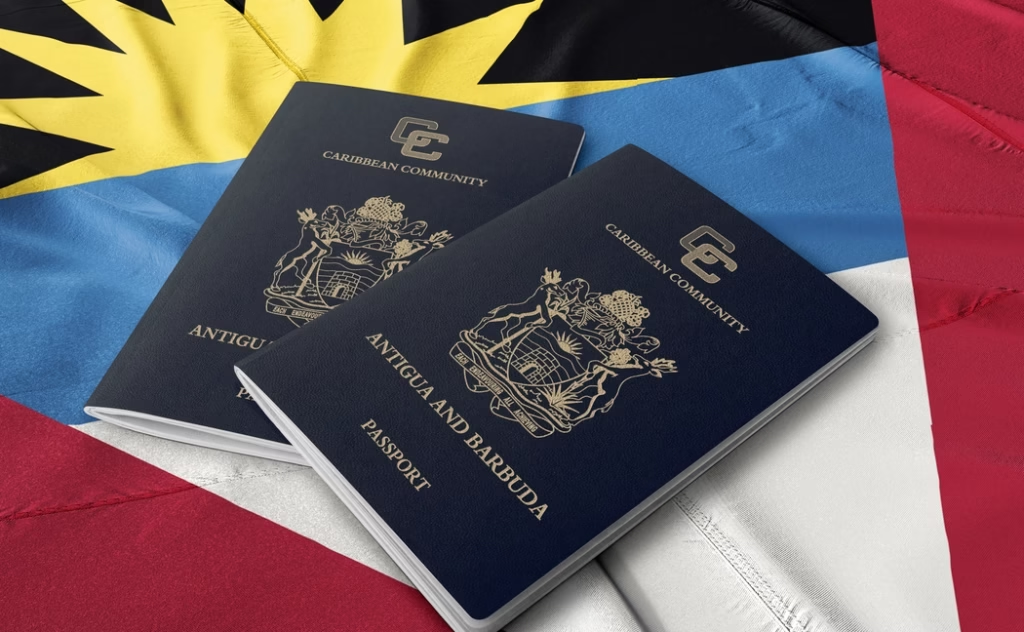
Antigua and Barbuda sits near the global average for out-of-pocket healthcare costs. However, households still pay more than the global benchmark.
Moreover, new regional data highlights clear differences across the Caribbean. The figures come from the WHO Global Health Expenditure Database. The World Bank also published the data.
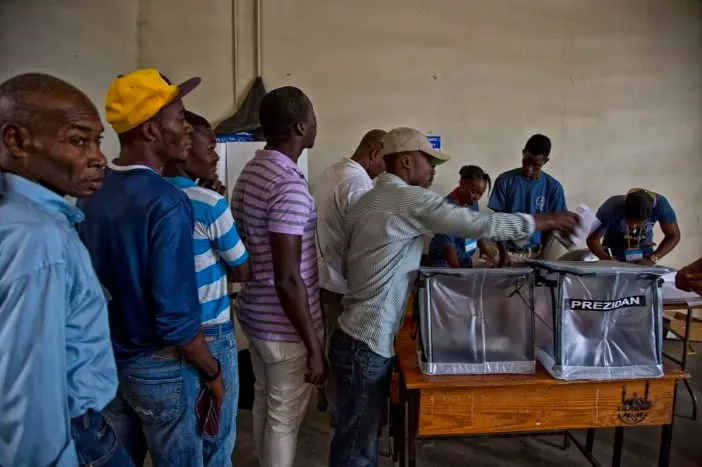
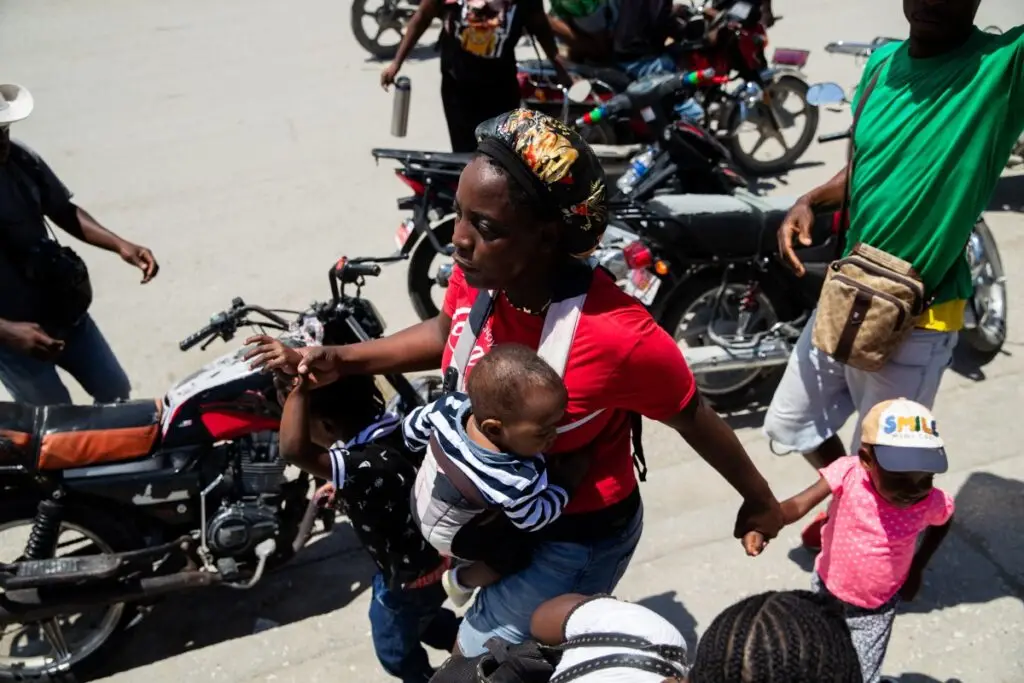
Across the region, Haiti records the highest burden. Households there pay 52.4% of healthcare costs directly. As a result, families carry heavy financial pressure.
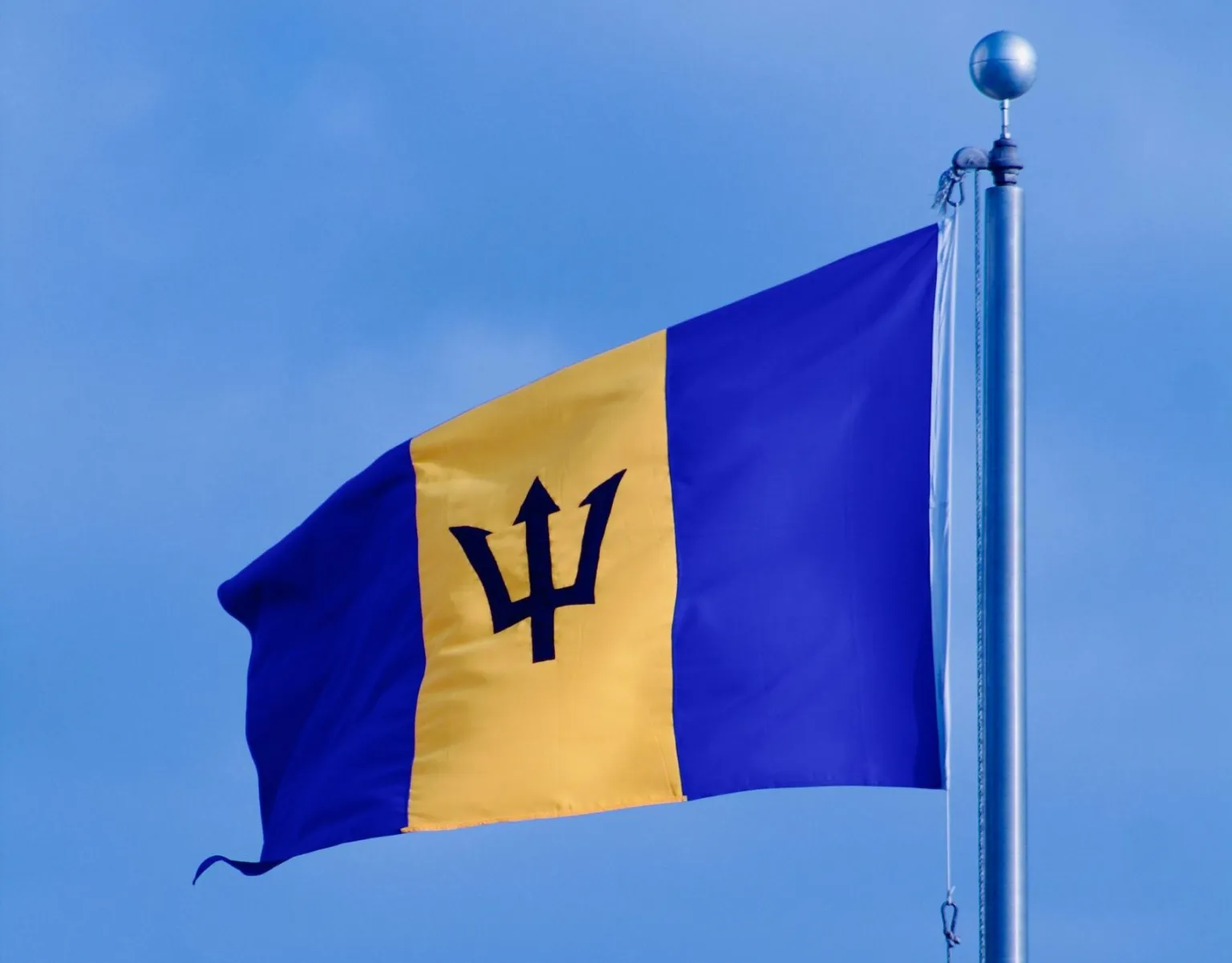
In addition, Barbados follows with 49.5%. Grenada also reports a high level at 48.5%. Analysts say these figures remain significant.
Interestingly, Barbados shows a high rate despite its universal public health system. Therefore, many patients still use private care. They often pay cash at the point of service.
By contrast, Antigua and Barbuda performs better than many neighbours. Its out-of-pocket share is lower than most Caribbean countries. However, it still remains above the global average.
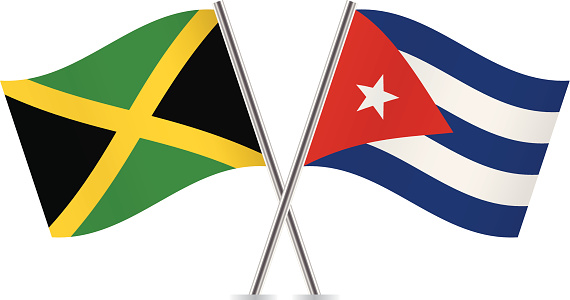
In addition, Jamaica reports 20.2%. Suriname reports 19.7%. These countries sit closer to global benchmarks.
As a result, Antigua and Barbuda falls within a mid-range group. It is closer to lower-cost countries than to high-burden ones.
Moreover, the data shows a wider regional pattern. Healthcare financing systems shape household costs. National income alone does not determine spending levels.
Therefore, system design plays a key role. Insurance coverage and access to public care matter most.
Researchers also highlight ongoing regional challenges. Many Caribbean countries still lack full insurance coverage. In addition, access to public healthcare remains uneven.
As a result, individuals often pay directly for treatment. This increases pressure on household budgets across the region.
Finally, the findings show mixed performance across the Caribbean. Some countries perform better than others. However, most still struggle with high personal healthcare costs.
Overall, Antigua and Barbuda remains closer to the global average. Still, the region continues to face shared financial healthcare challenges.