
 English










































































































































































































































































































































































































































































































































































































































































































































































































































































































































































































































































































































































































































































































































































Antigua Positions Education as Core National Infrastructure

Antigua and Barbuda has positioned education as core national infrastructure. Importantly, officials say it should not compete with other social priorities.
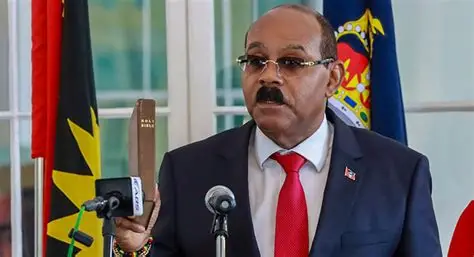
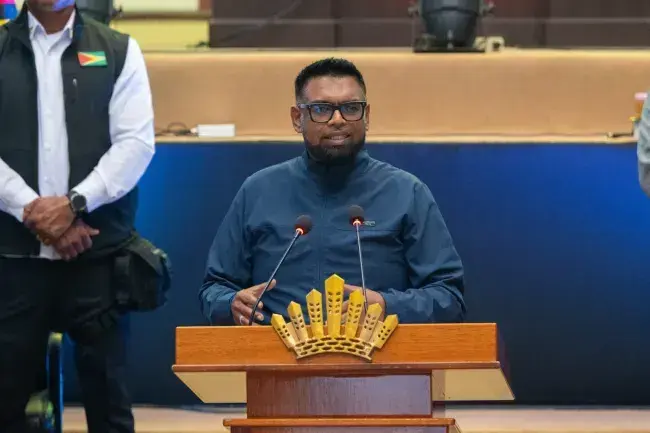
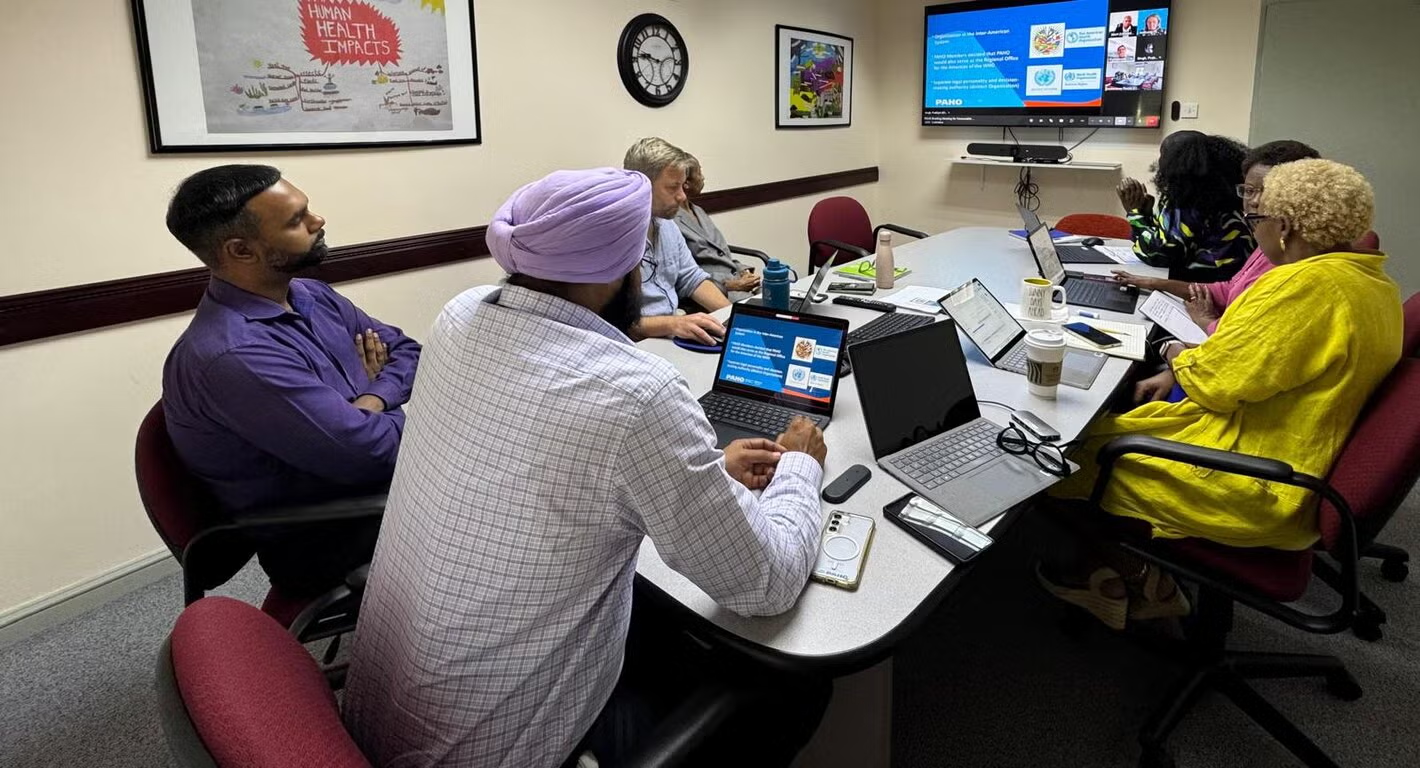
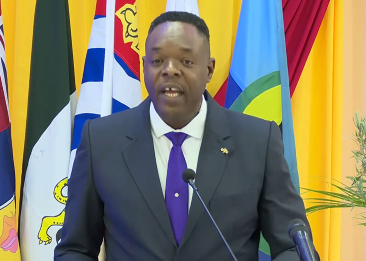
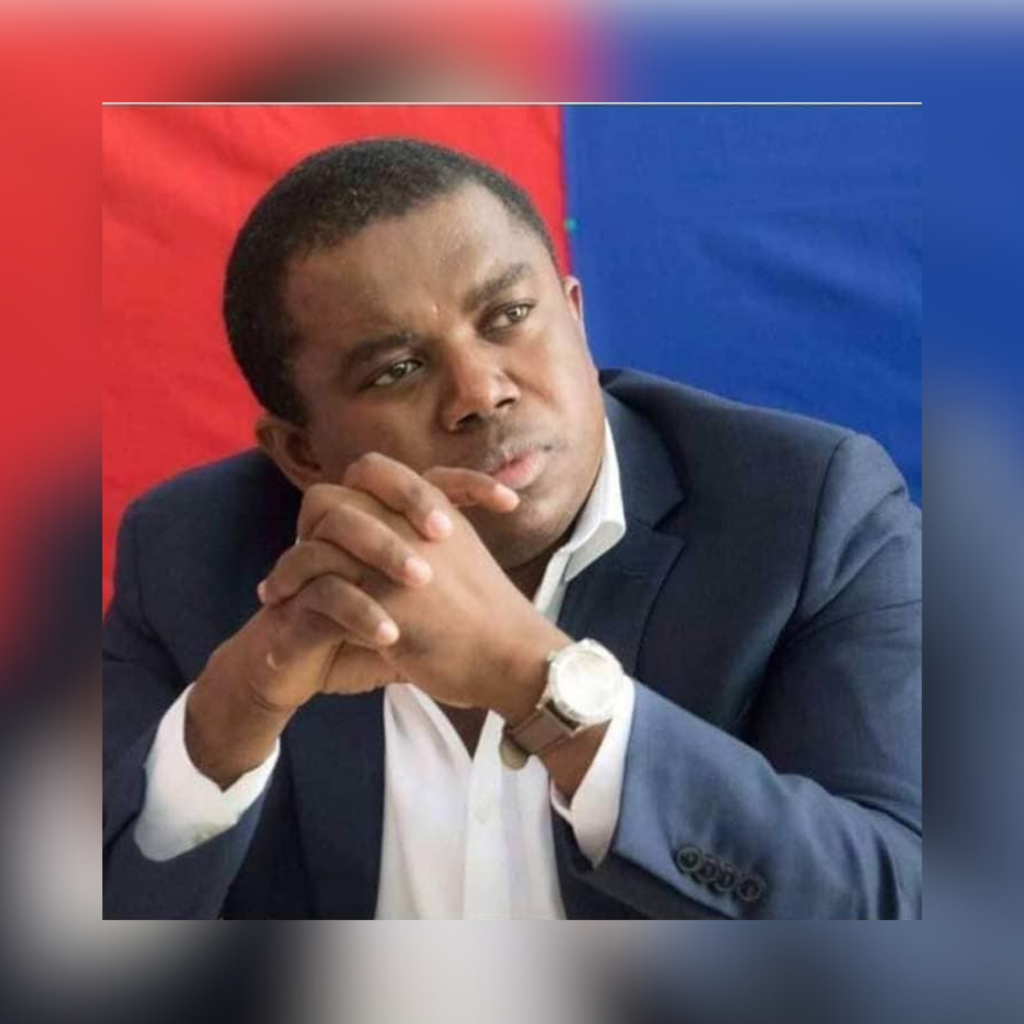
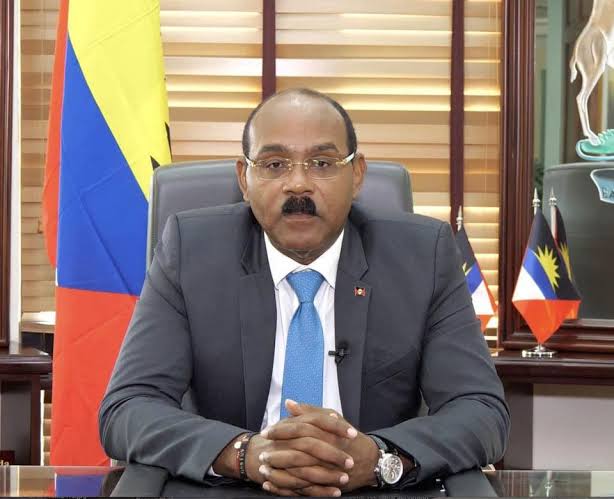
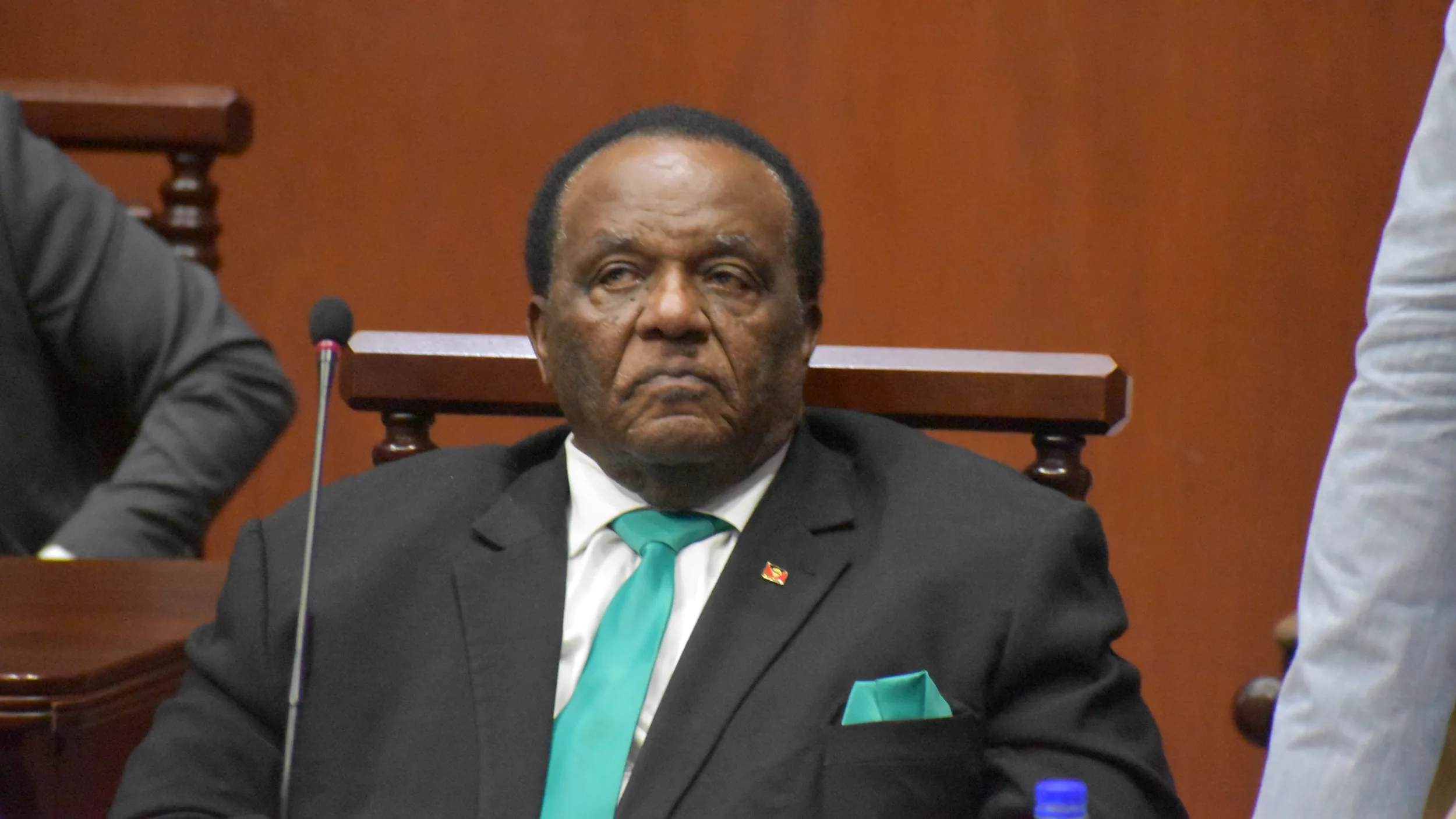
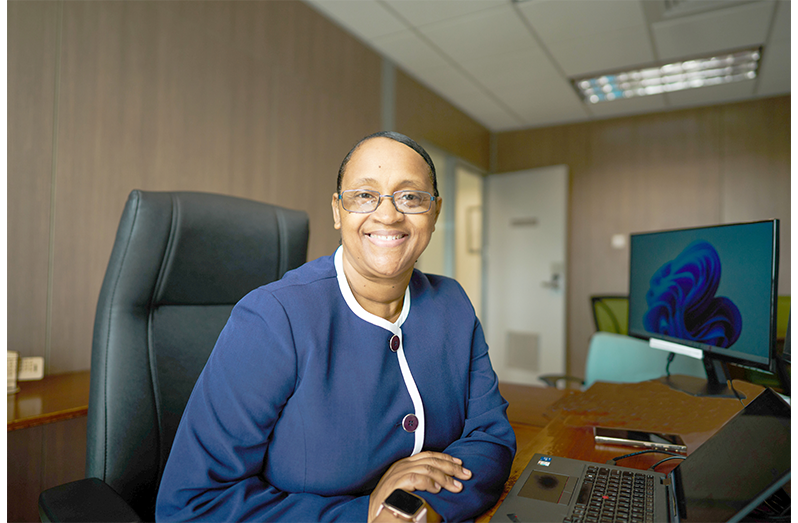
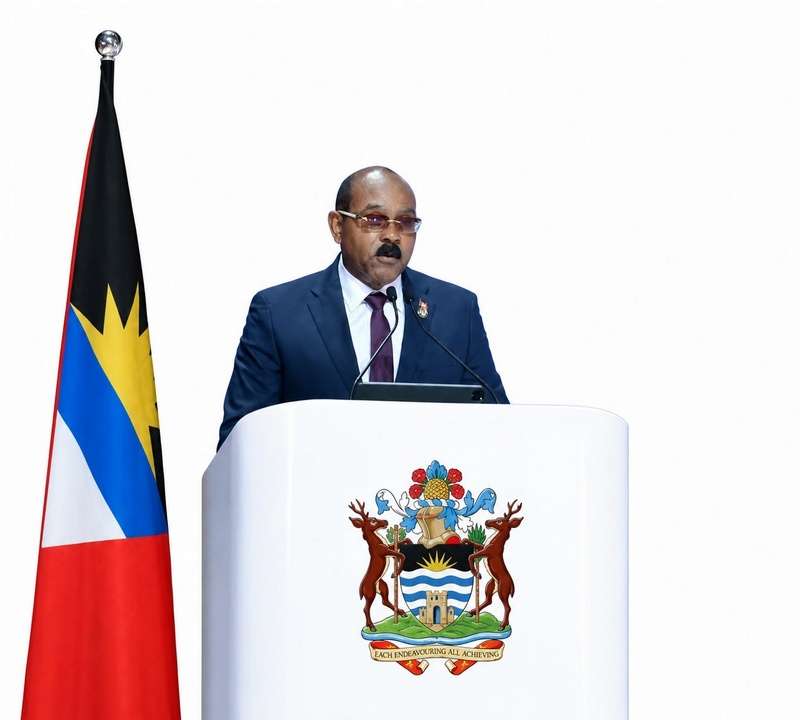
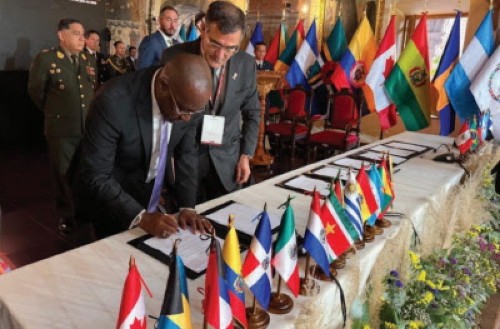
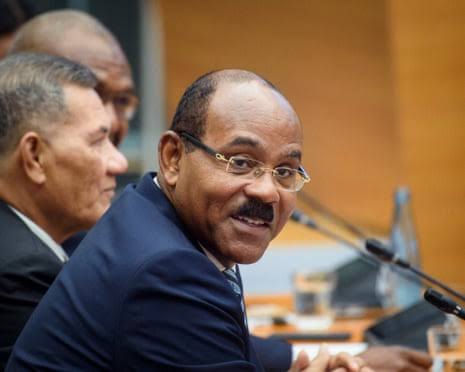
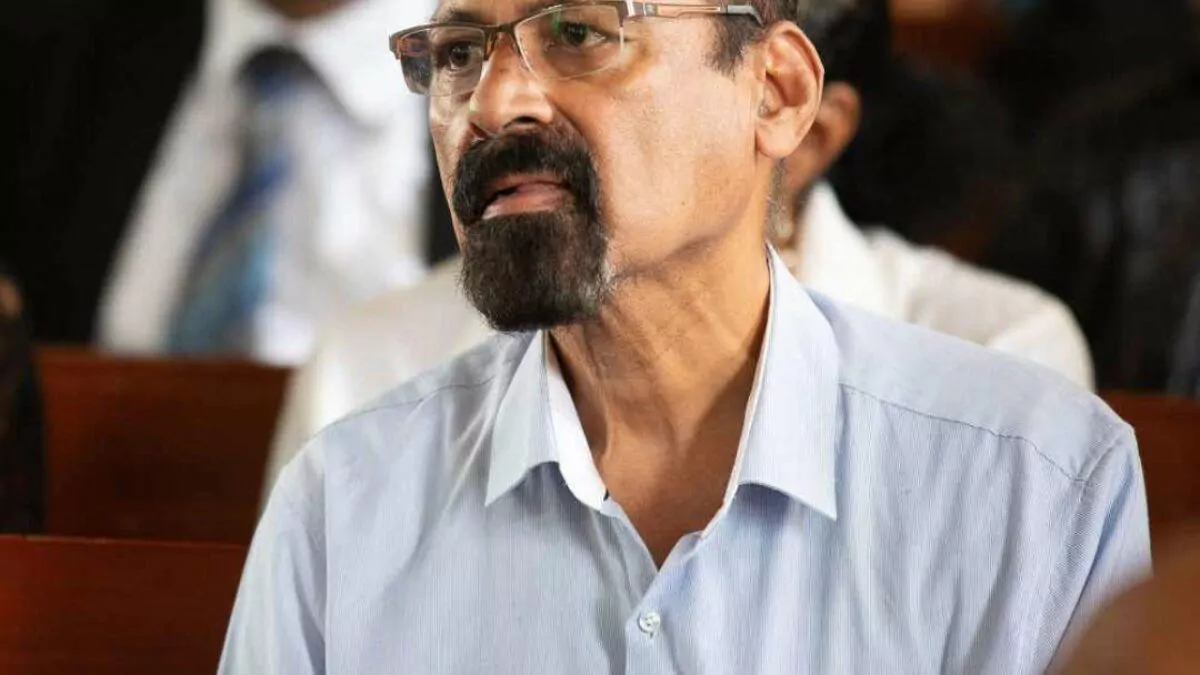
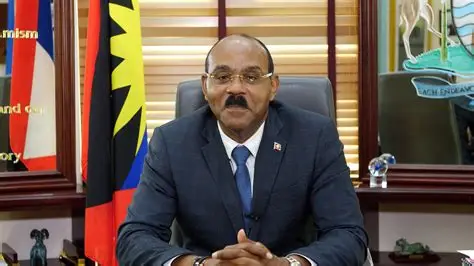
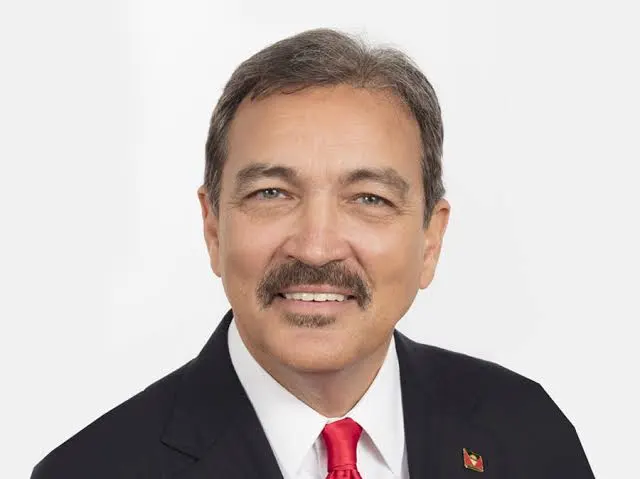
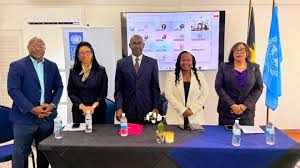
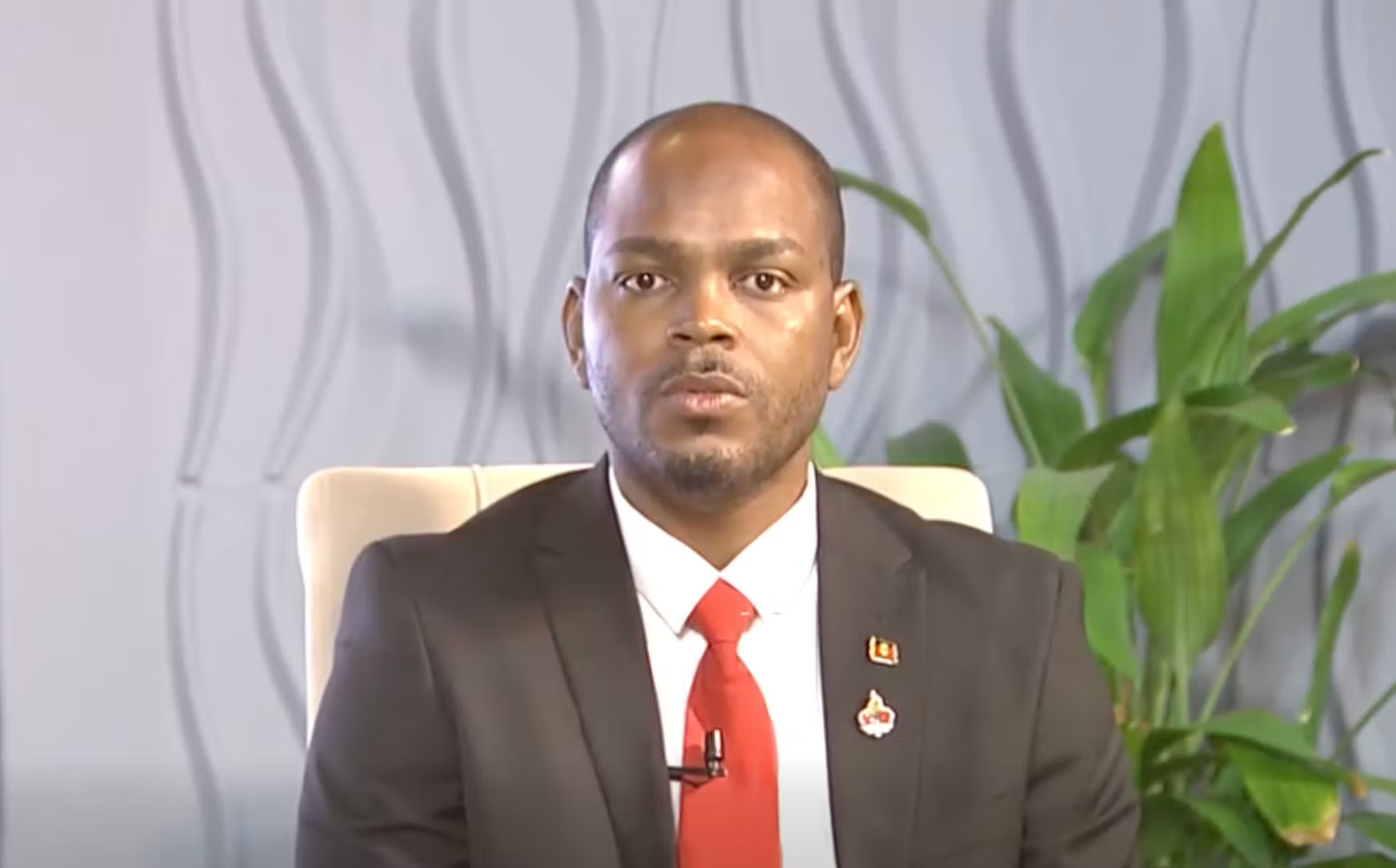
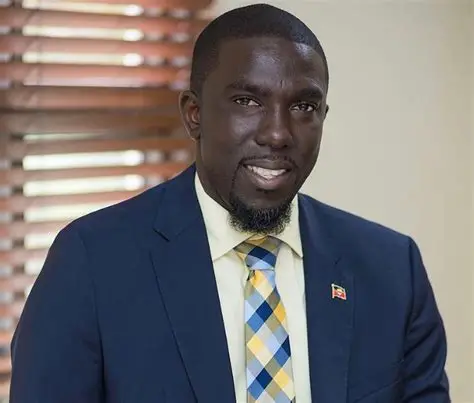
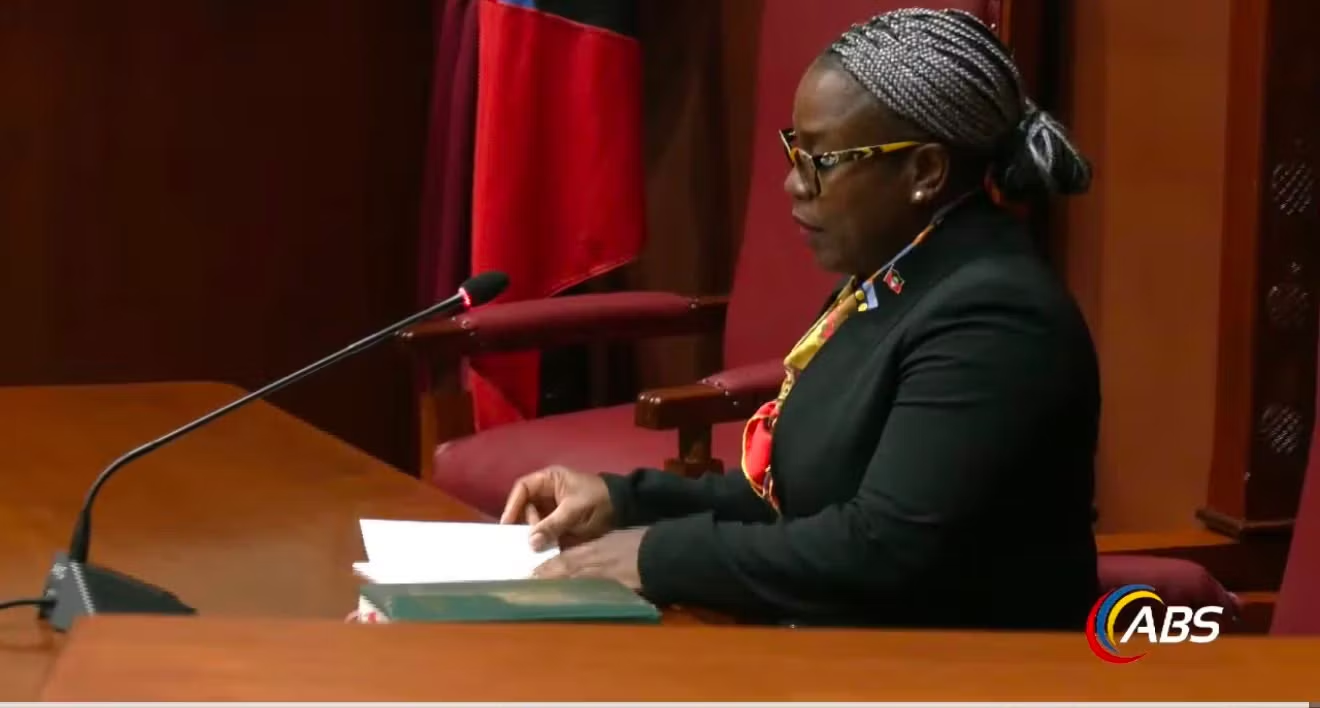
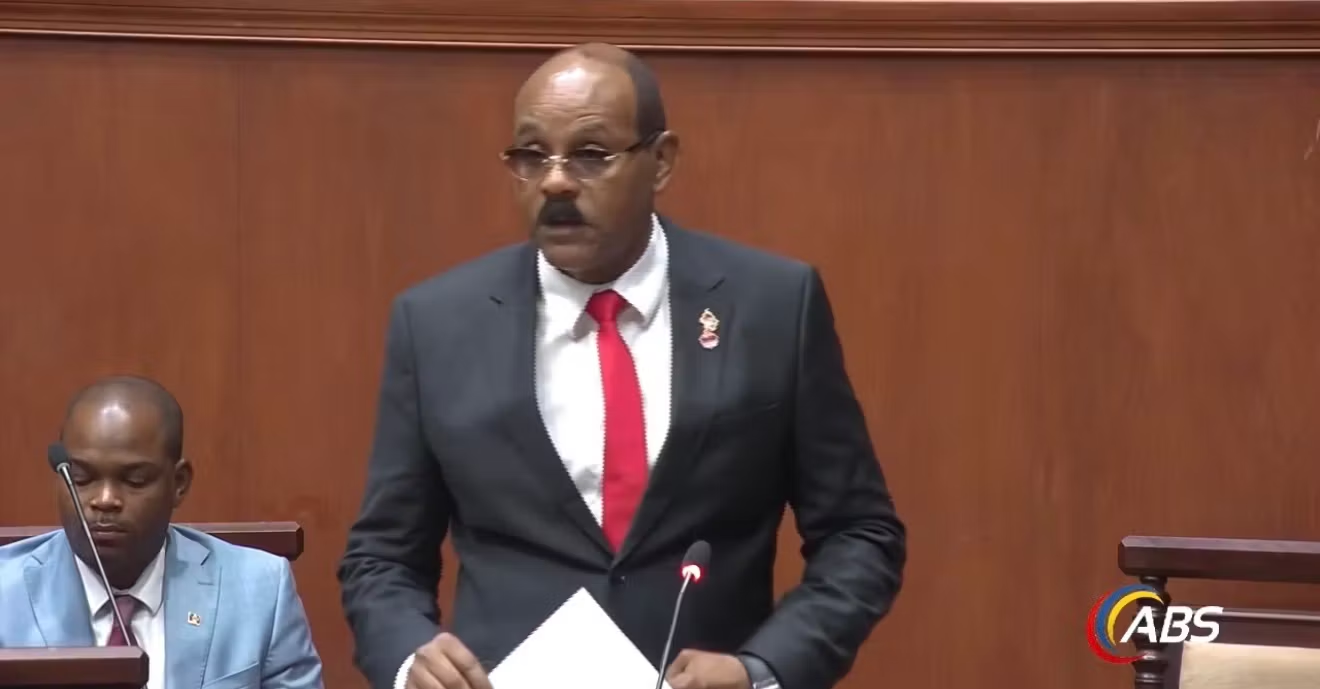
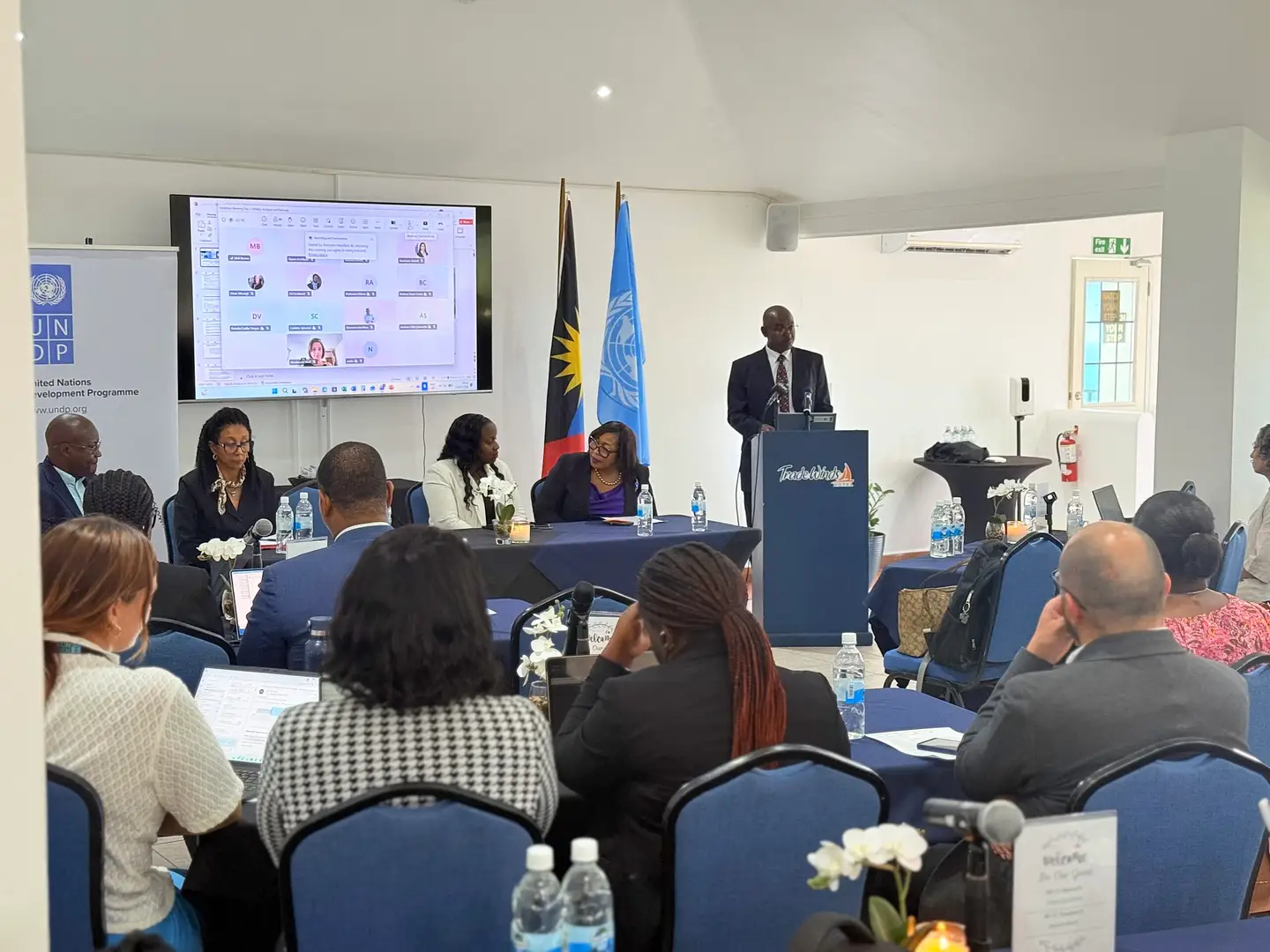
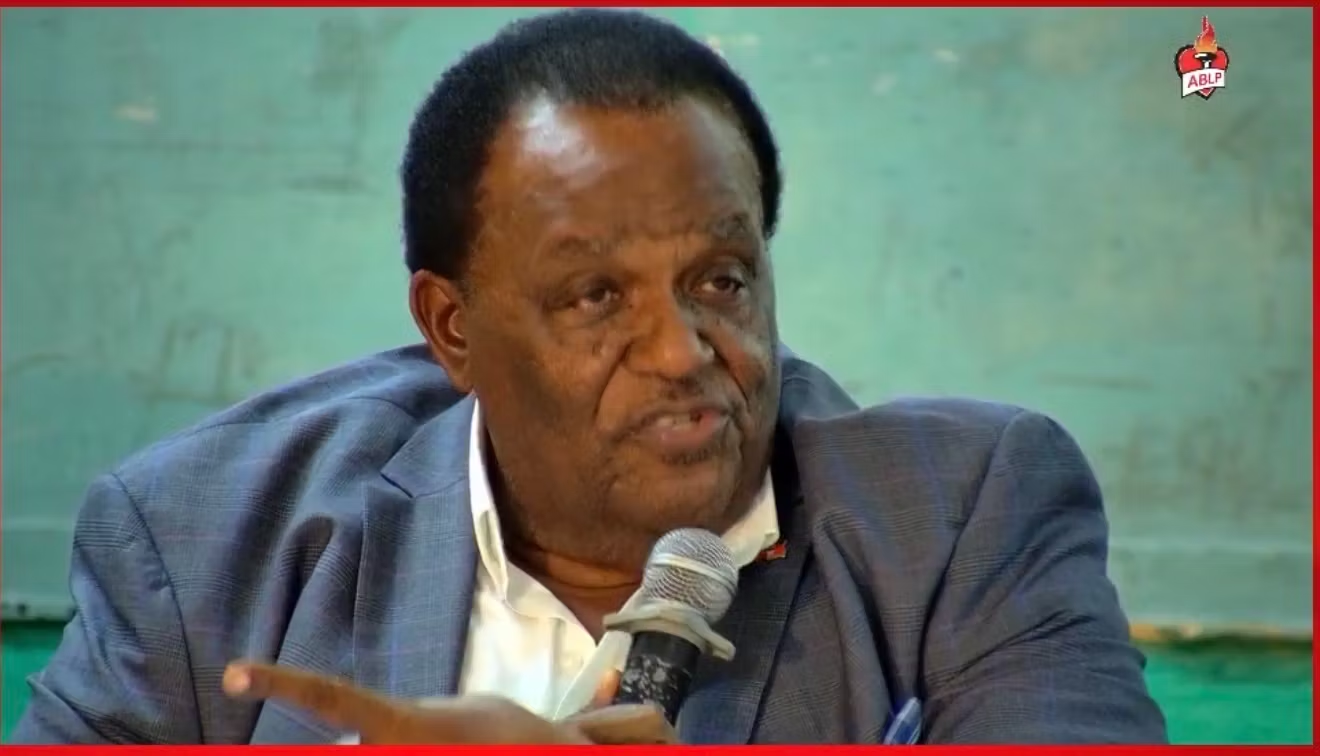
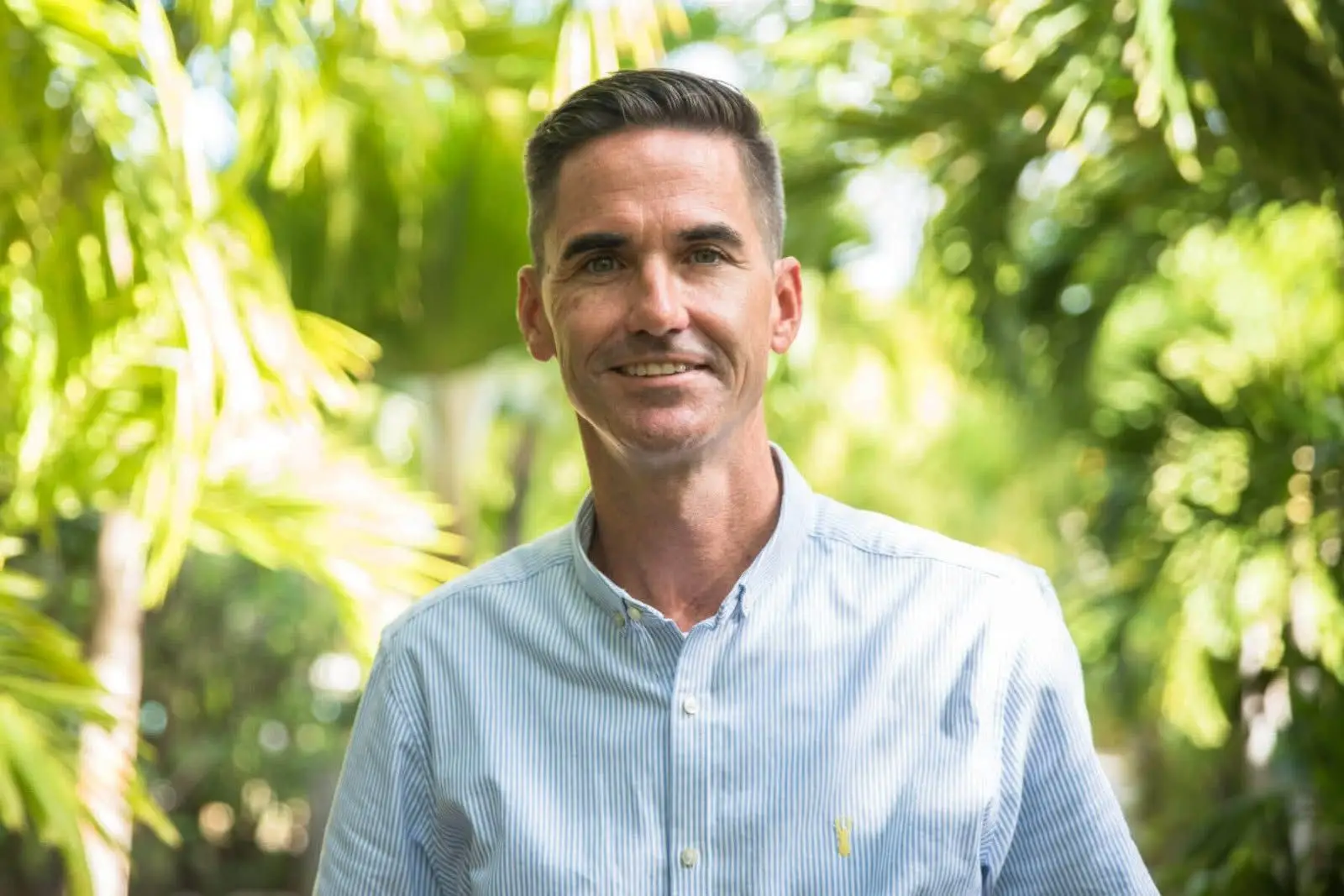
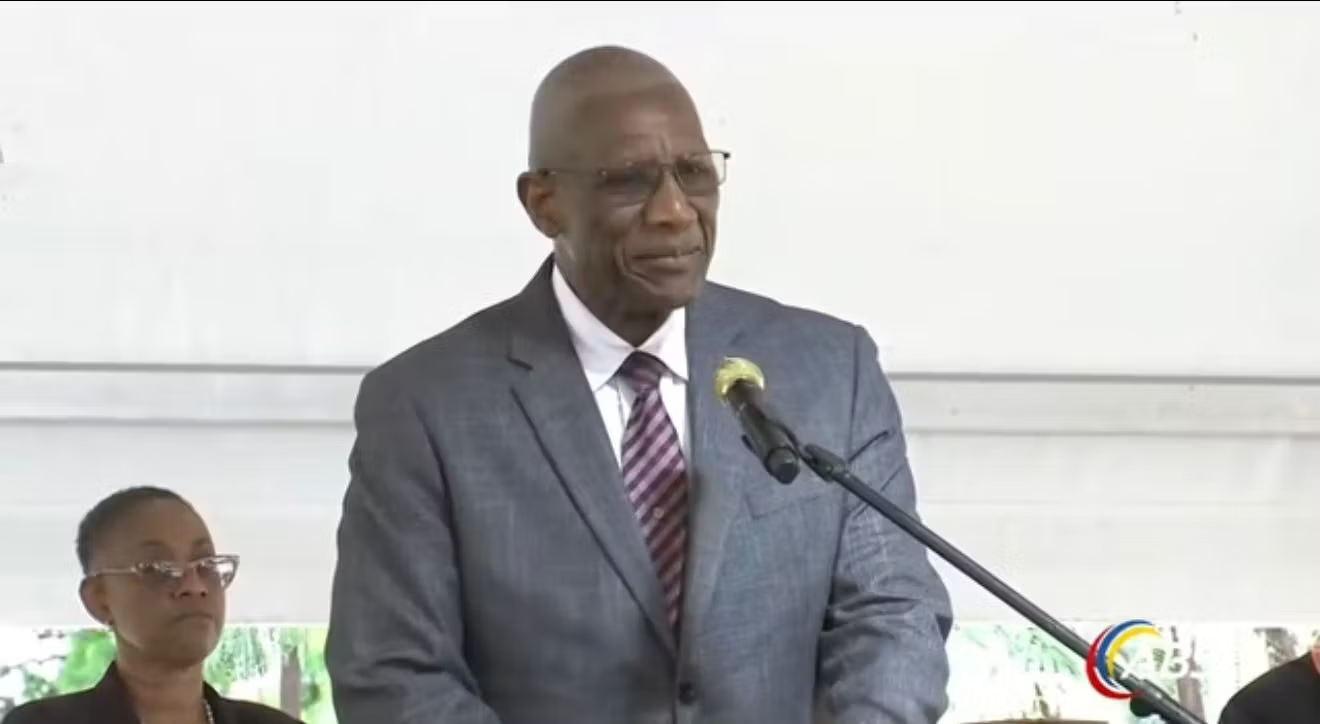
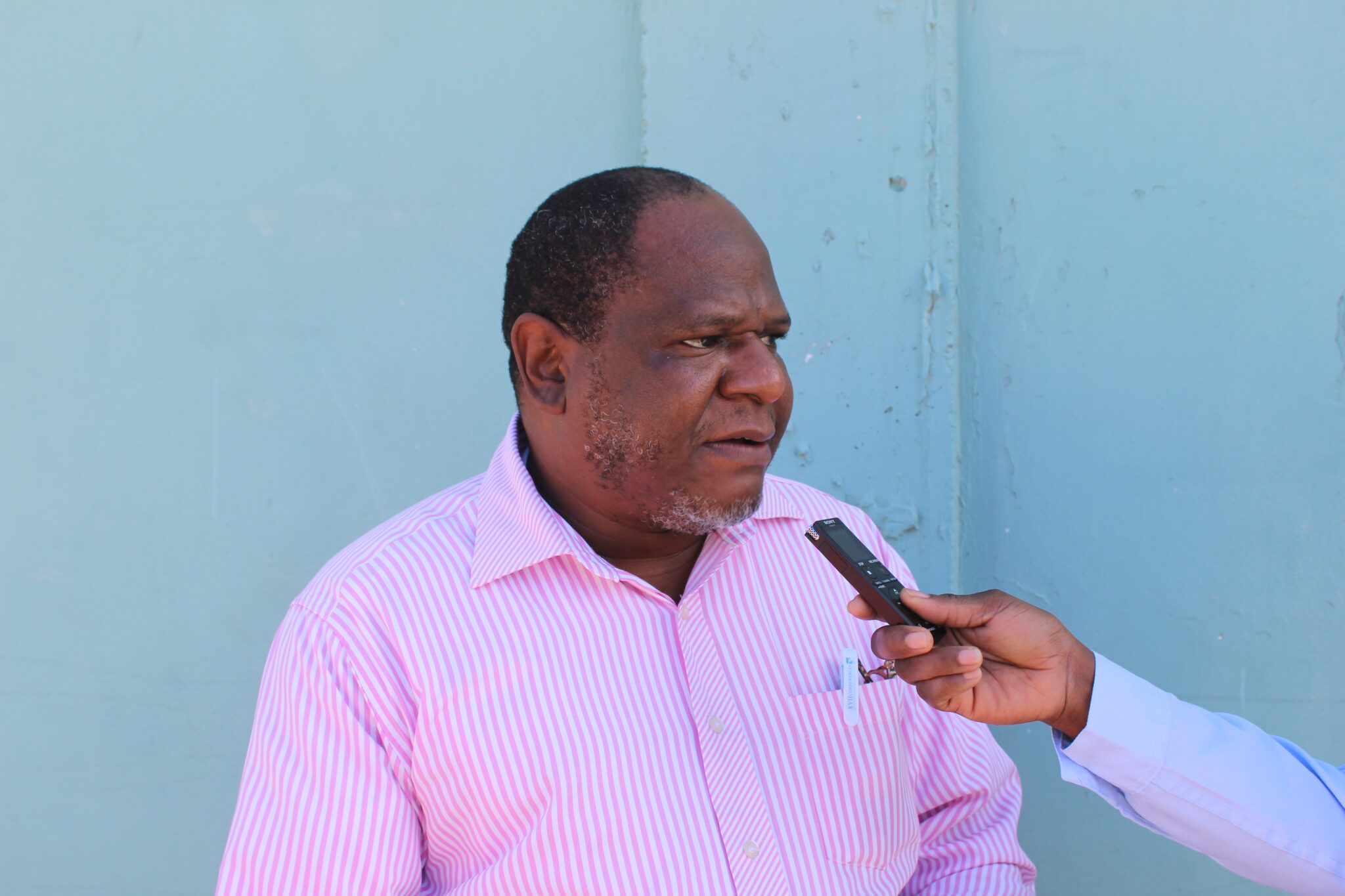
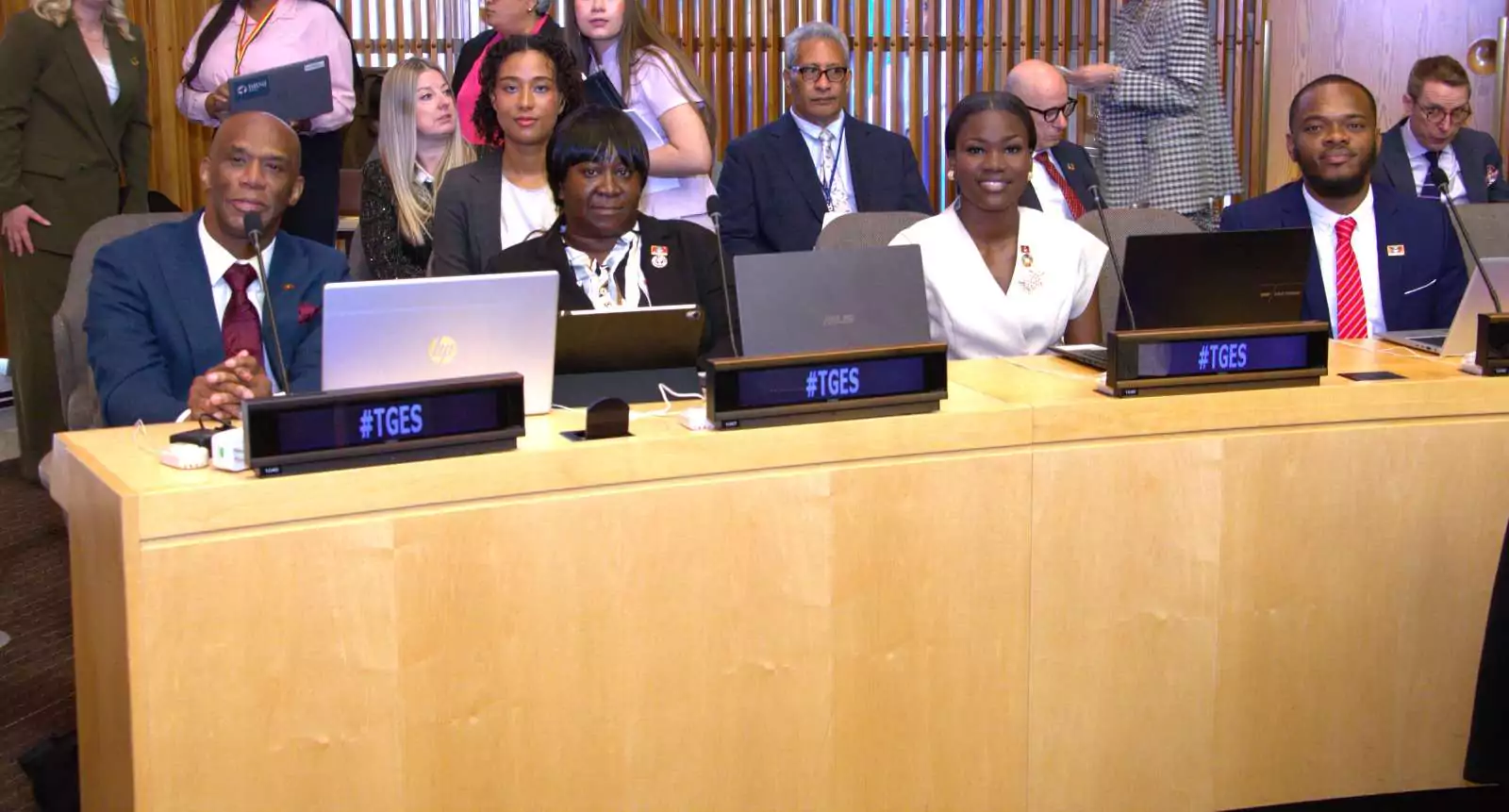
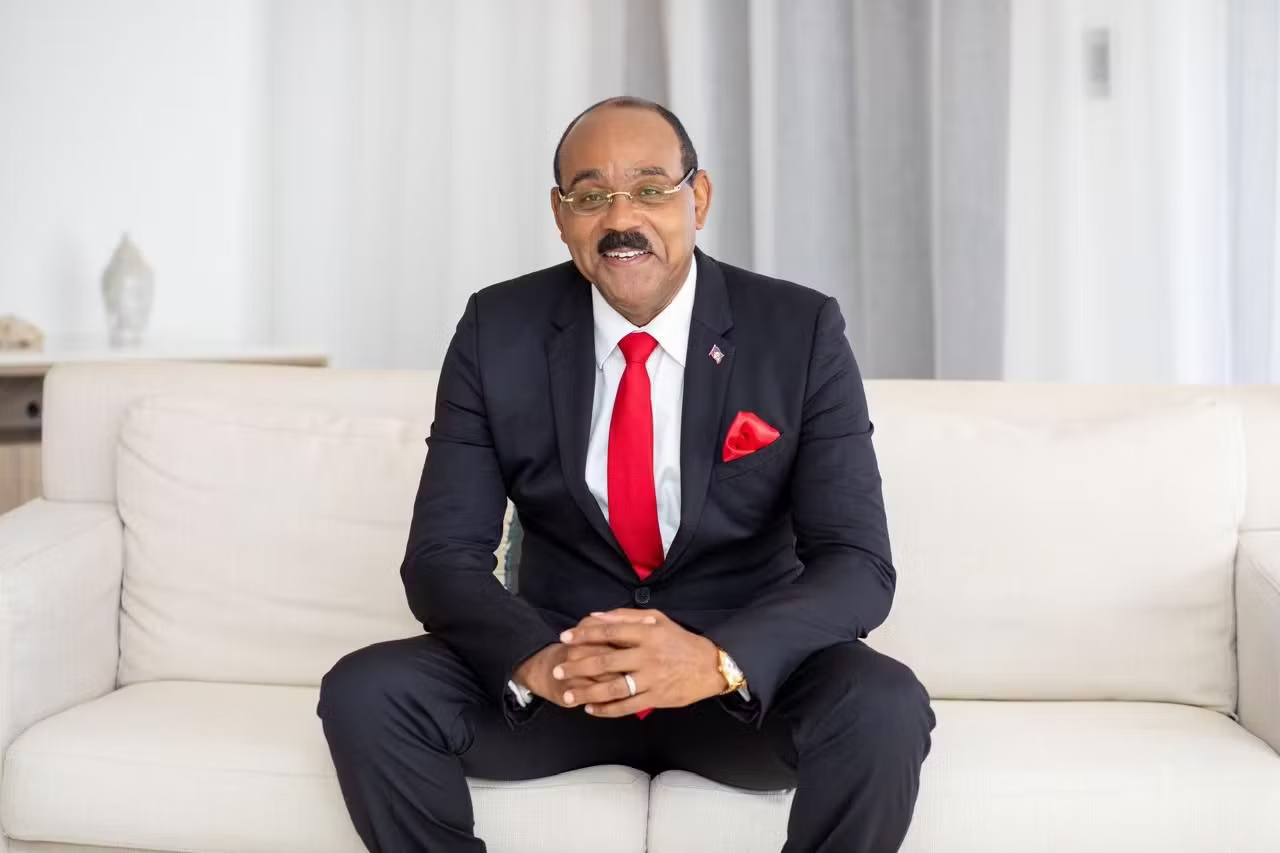
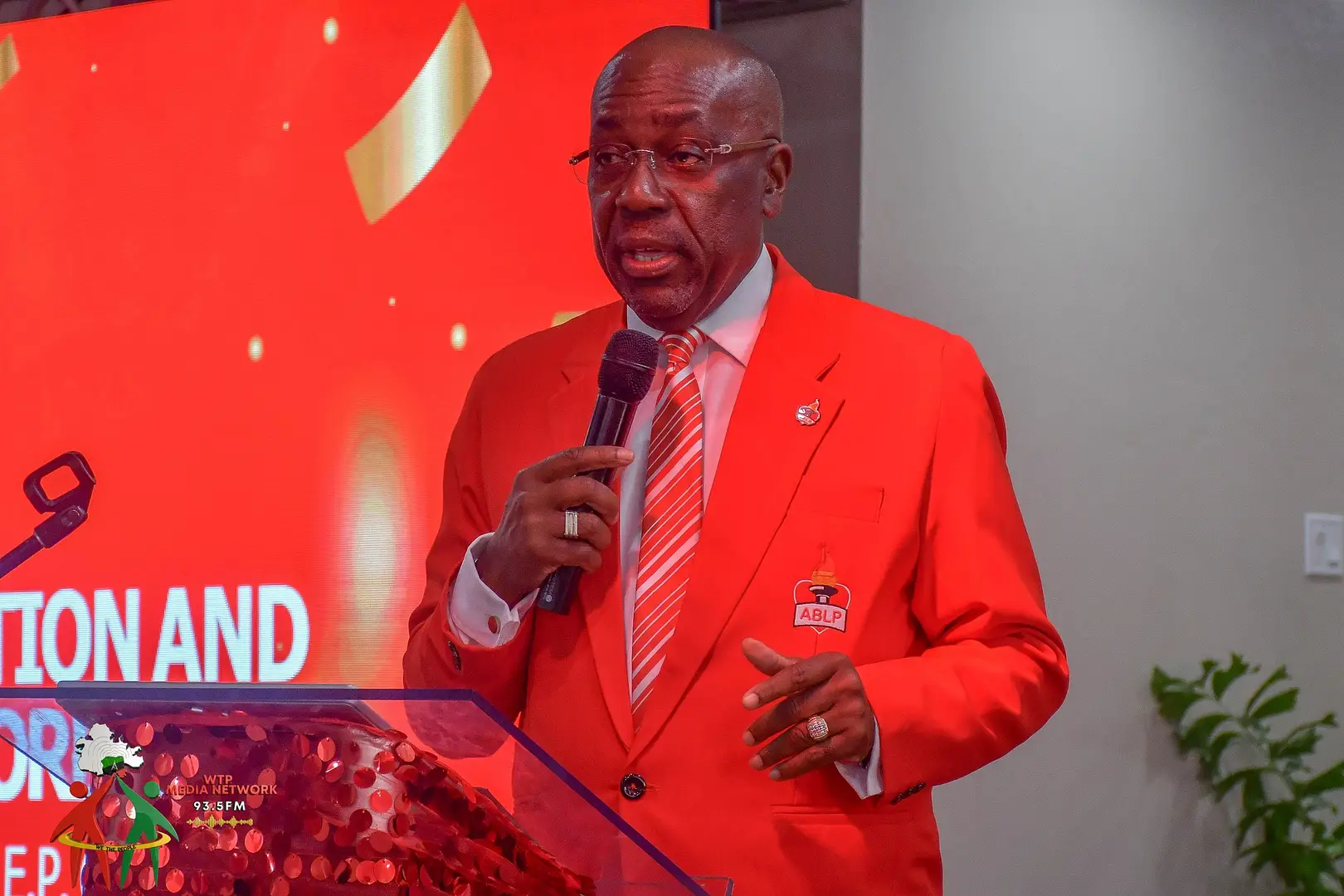
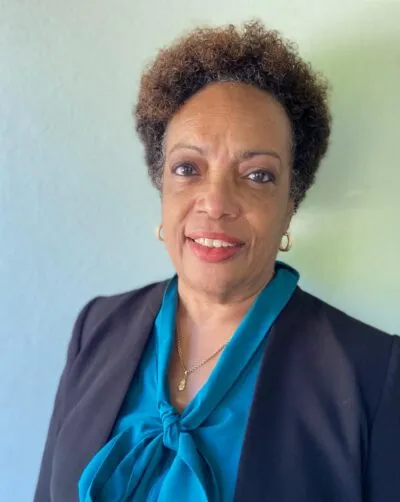
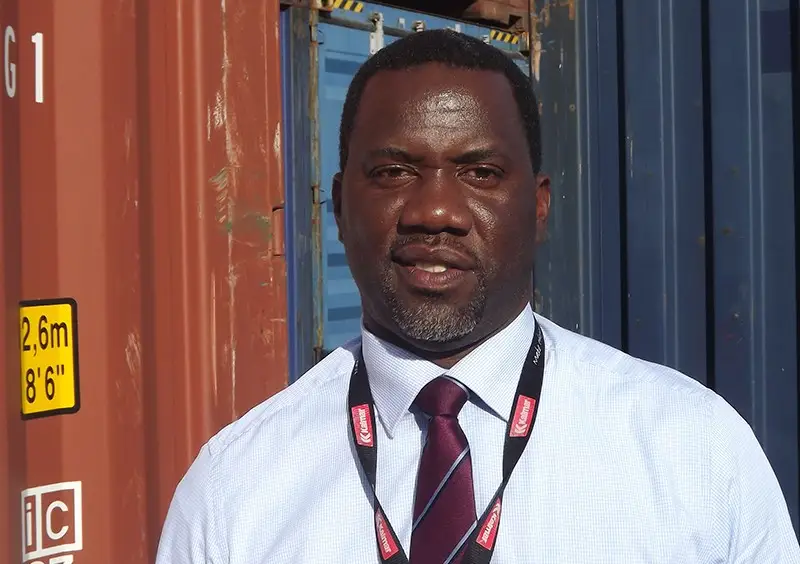
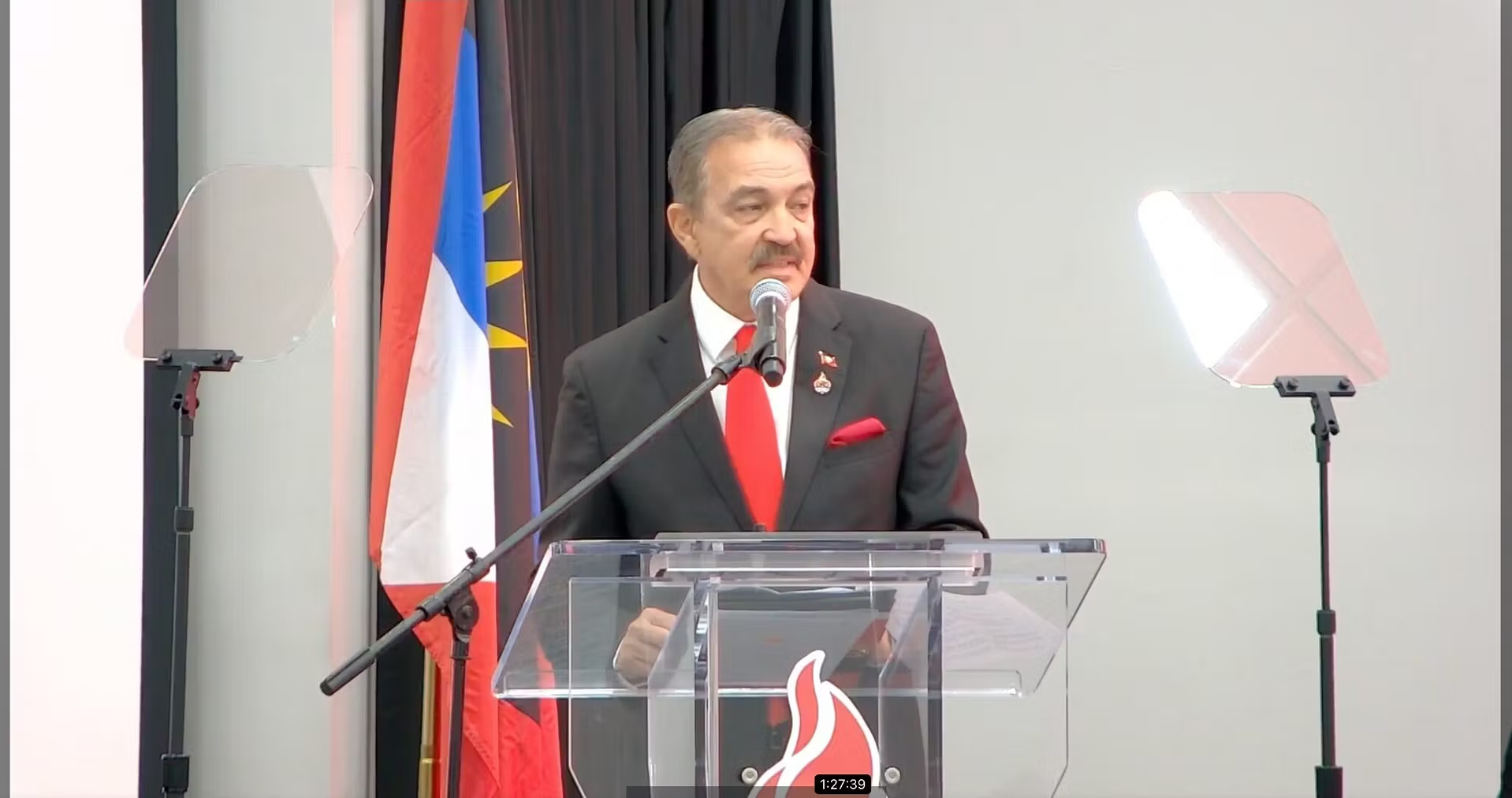
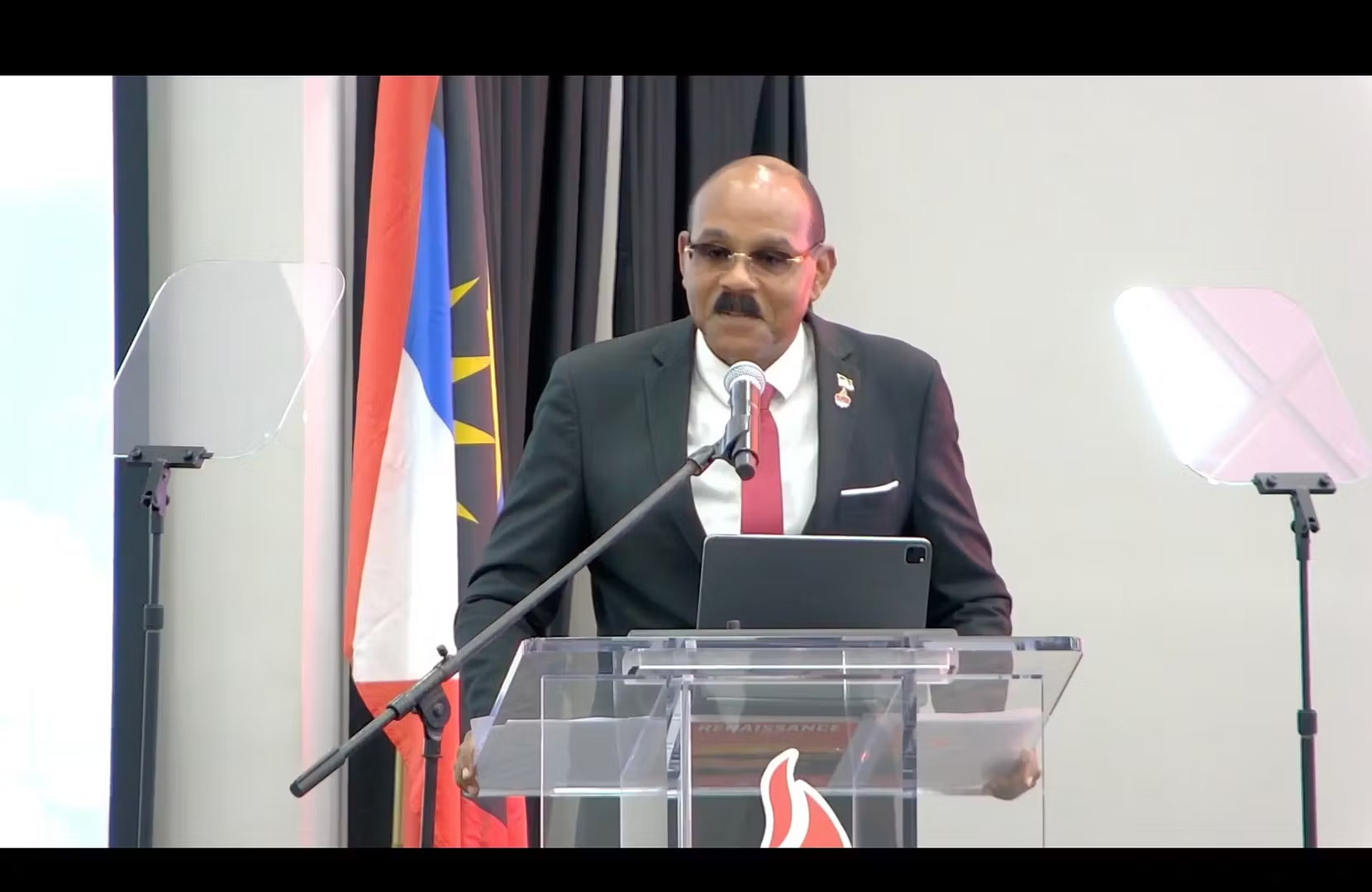
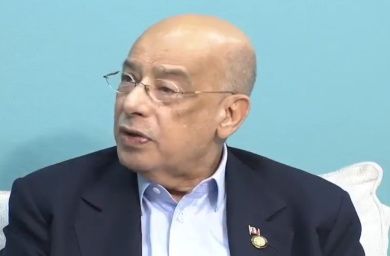
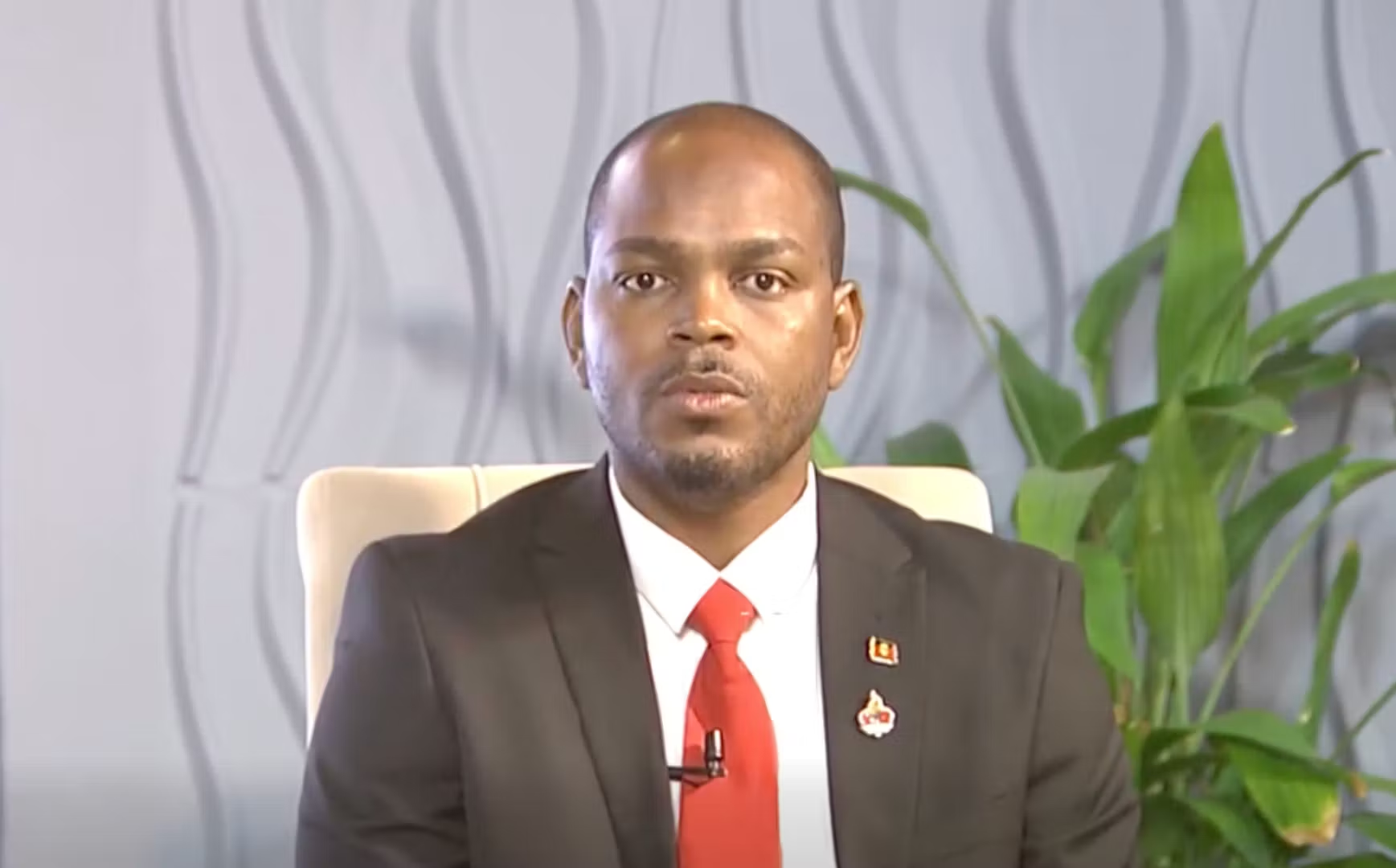
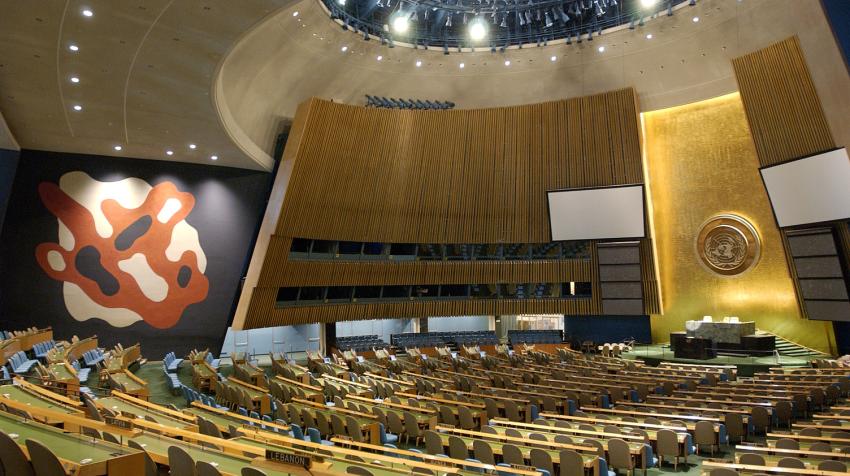
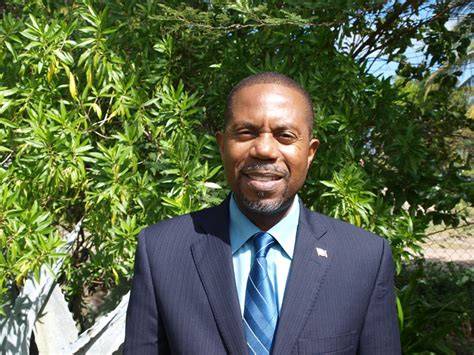
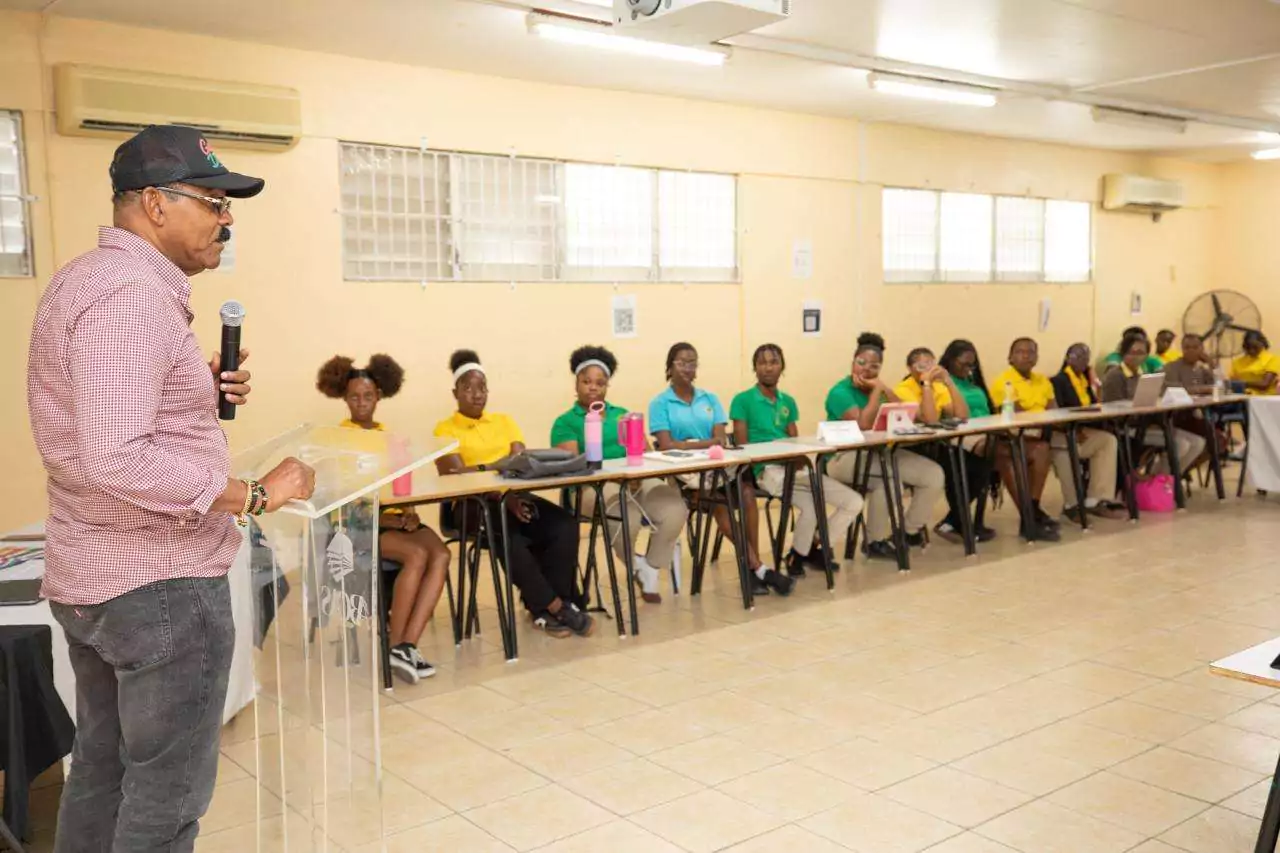
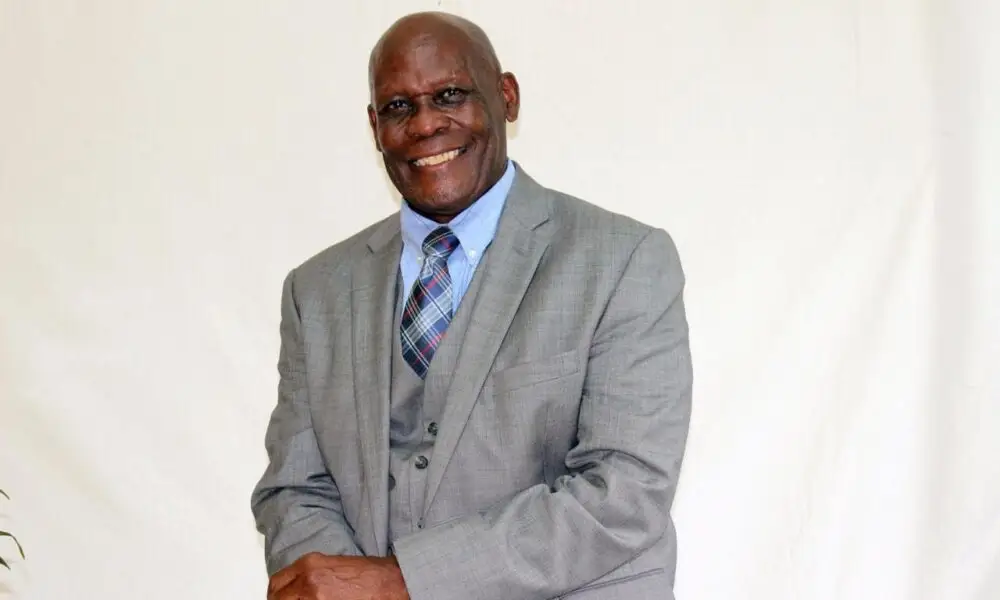
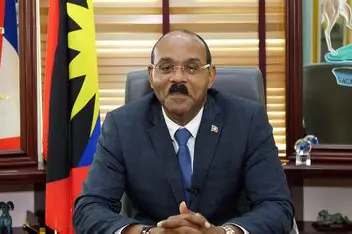
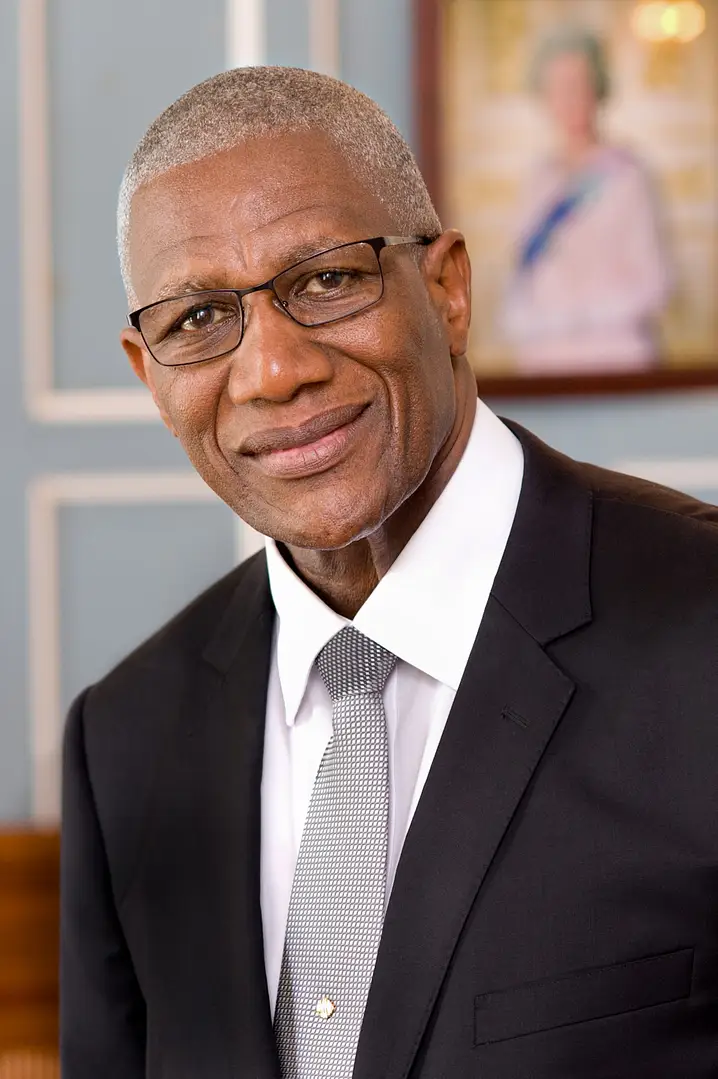
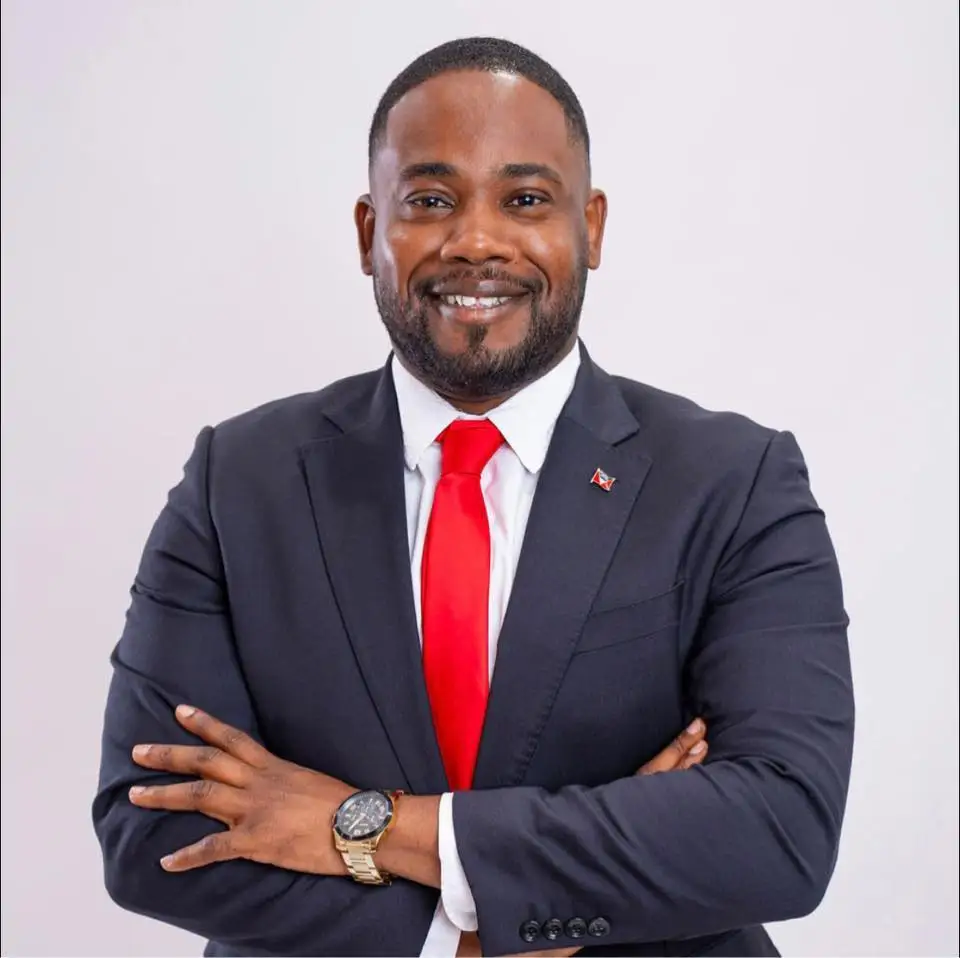
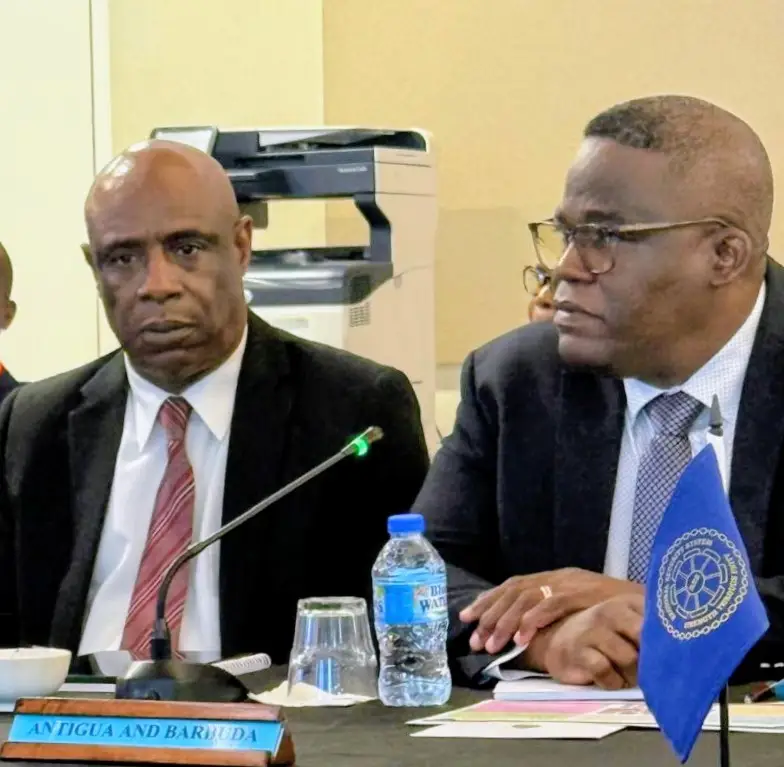
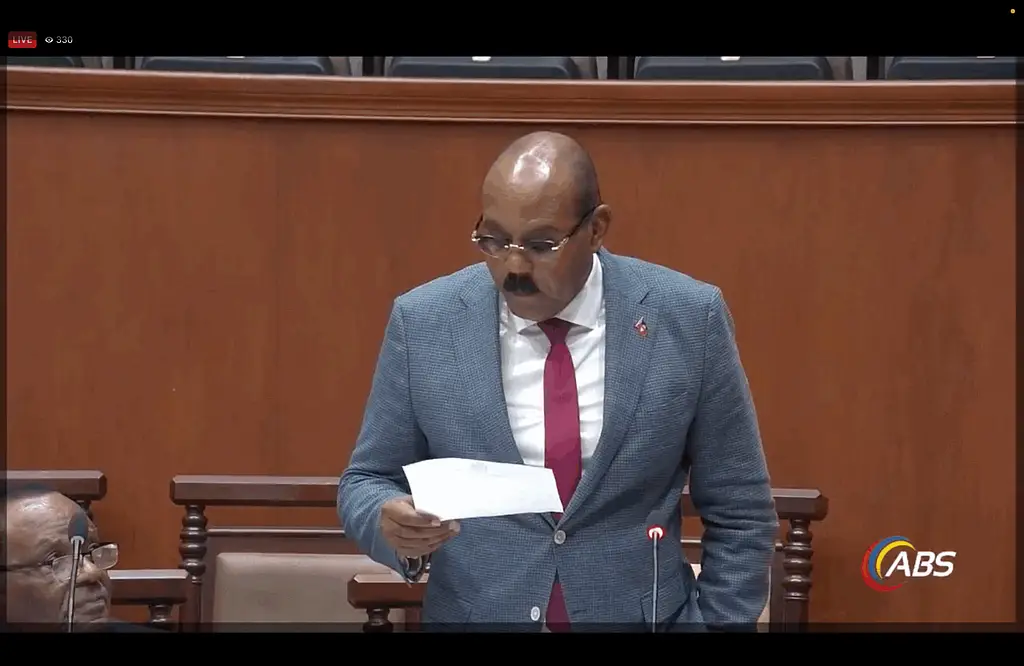
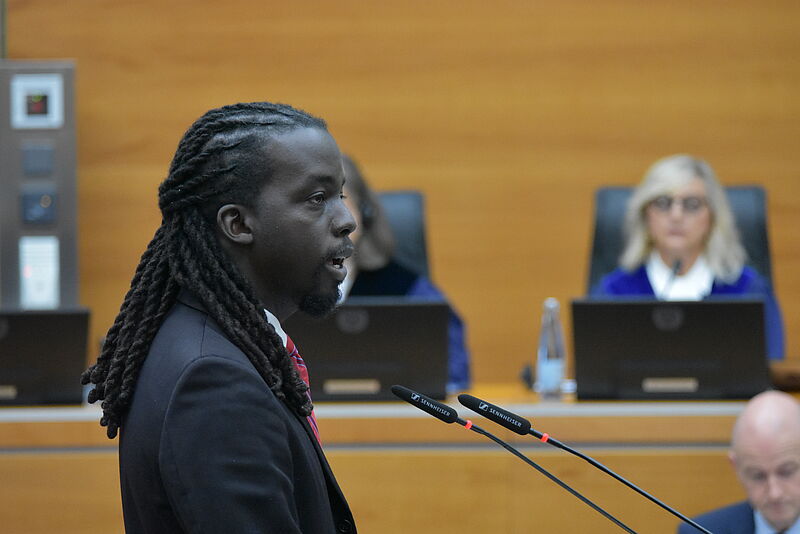
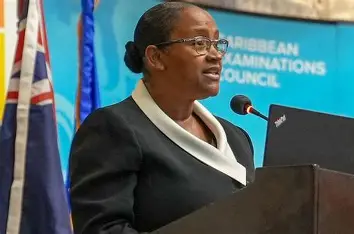
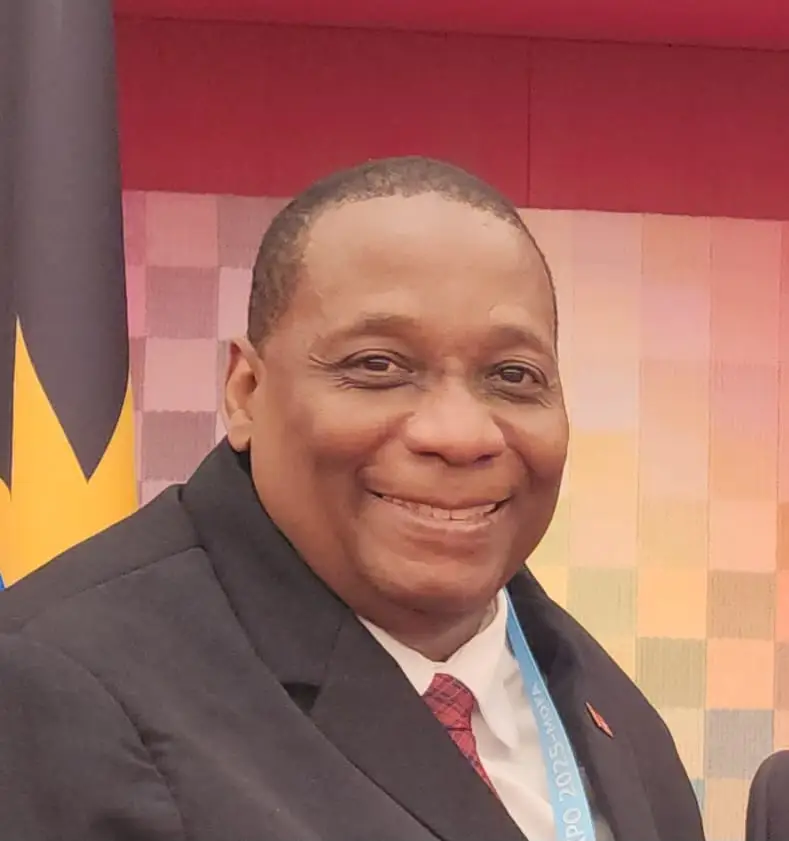
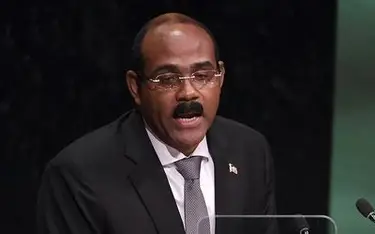
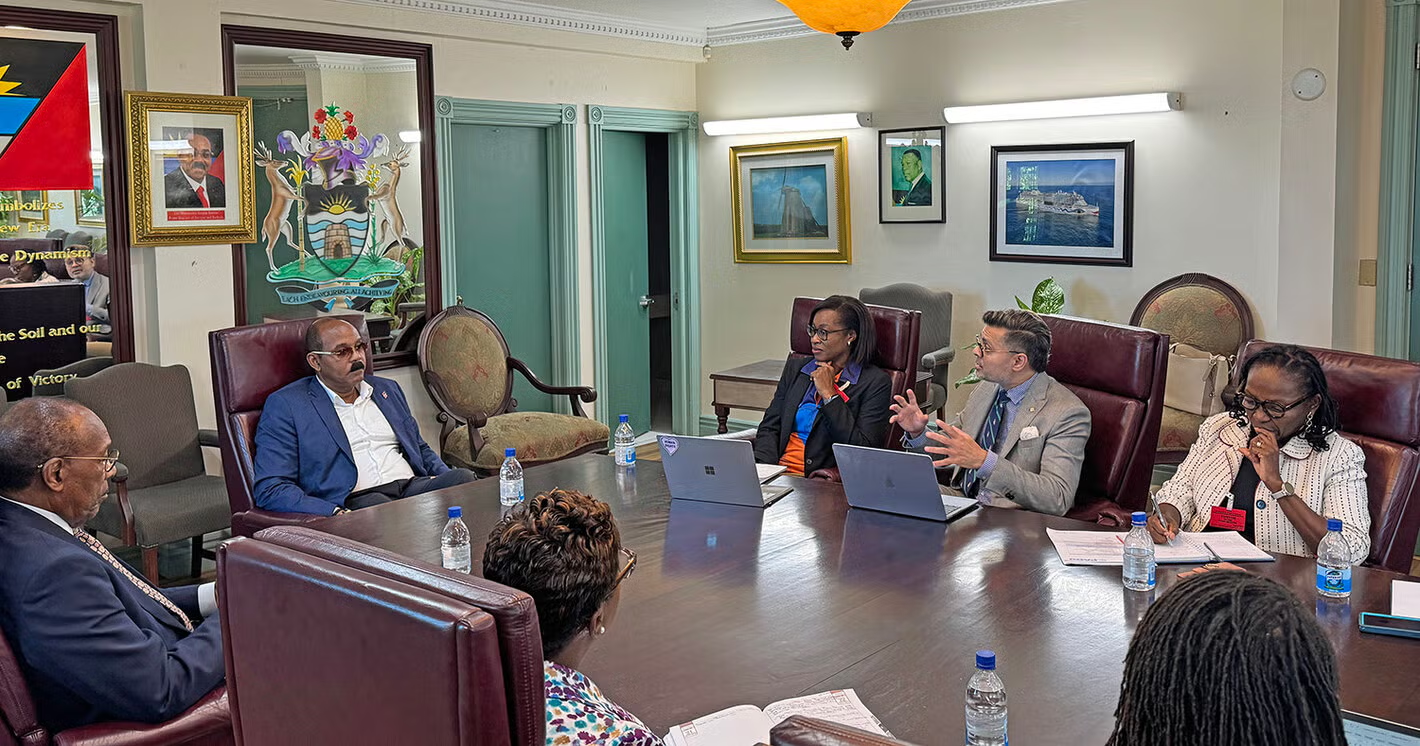
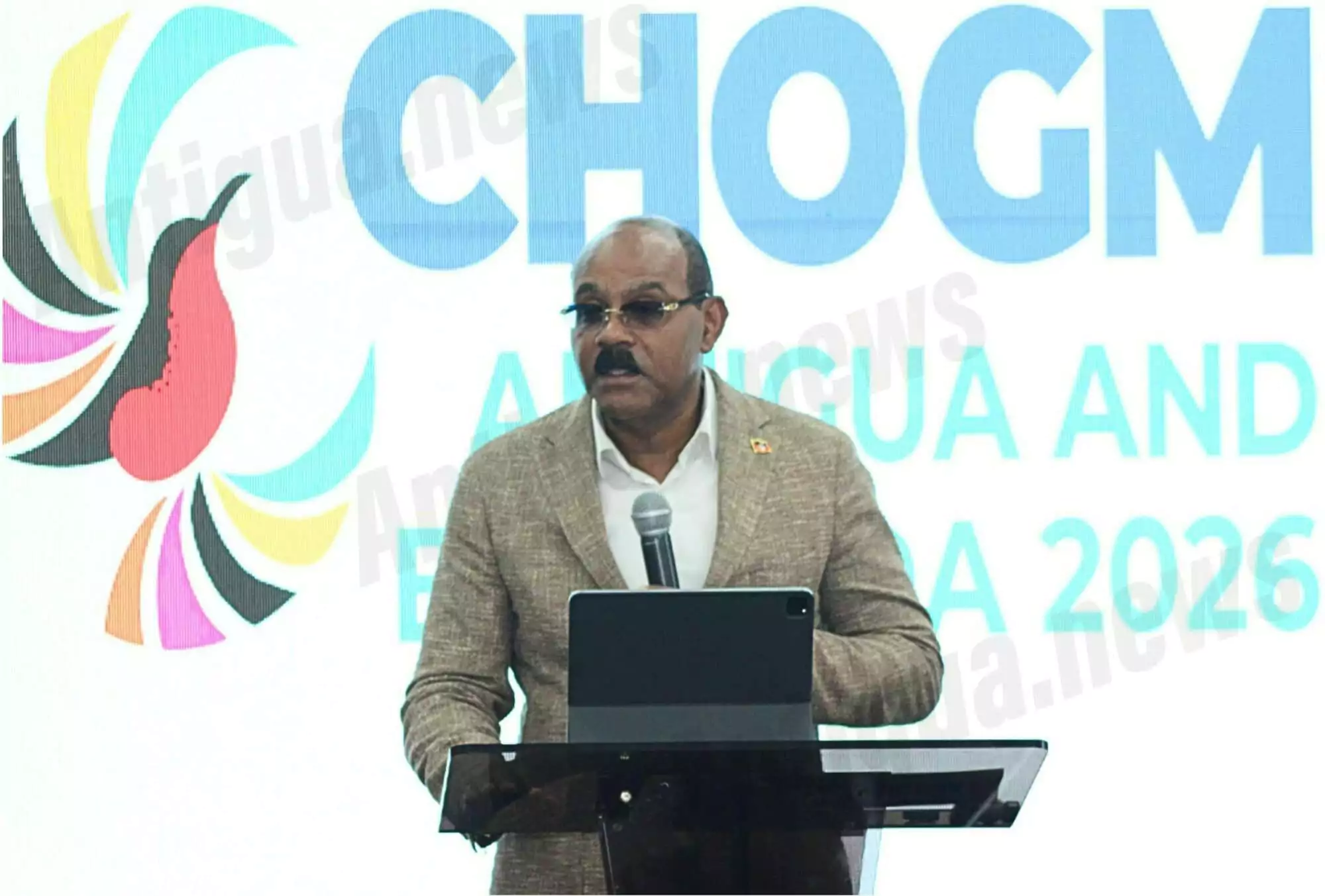
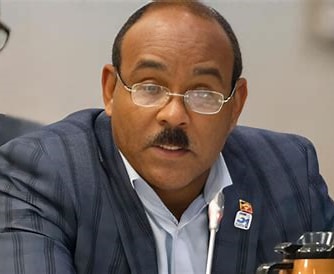
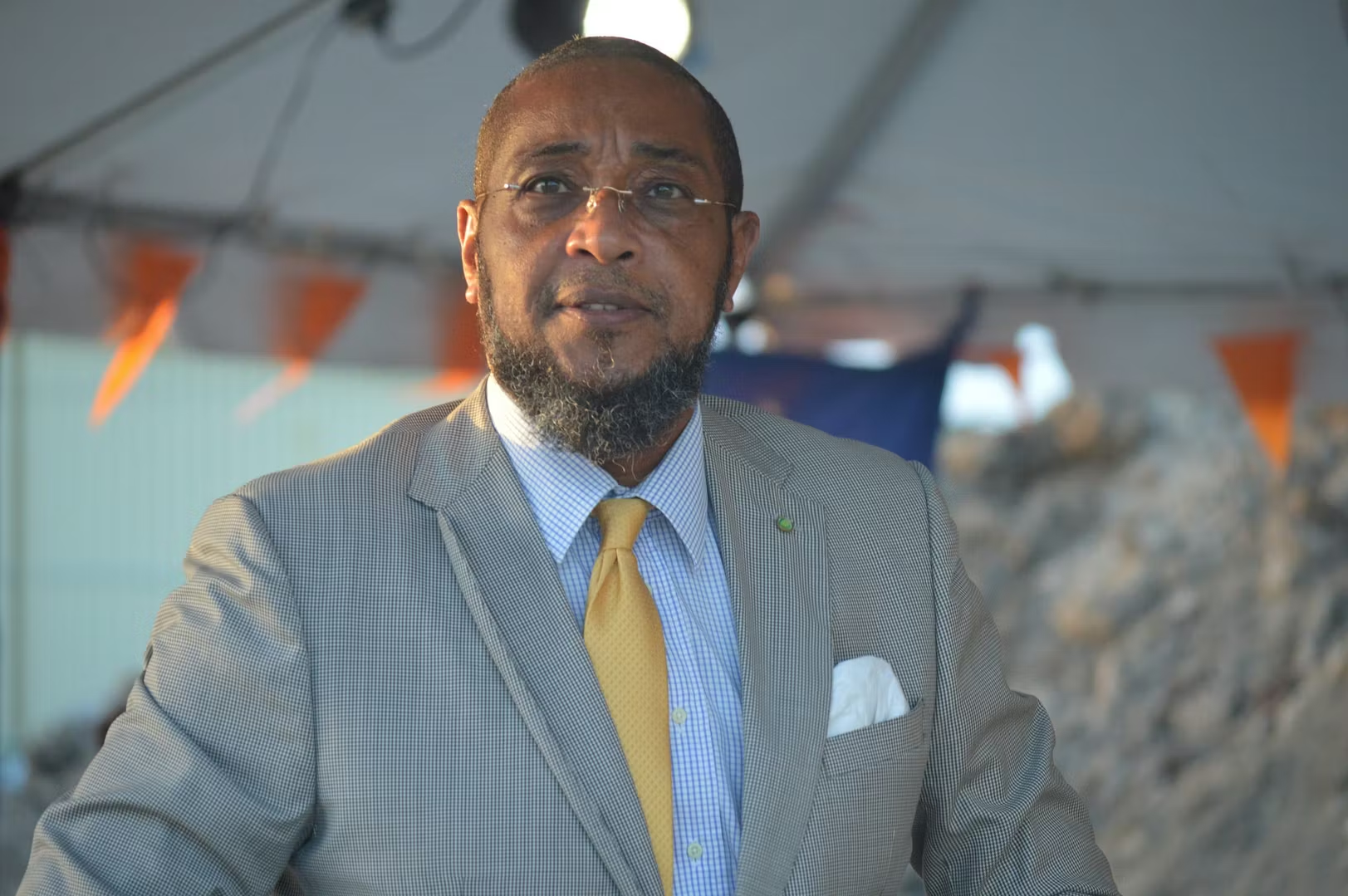
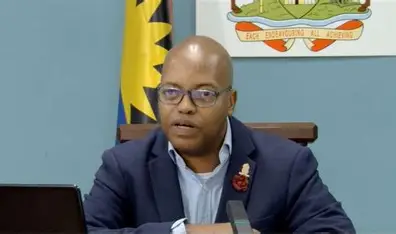
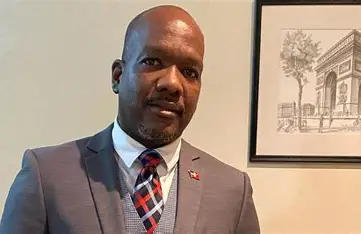
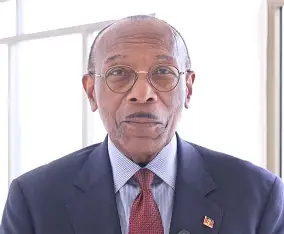
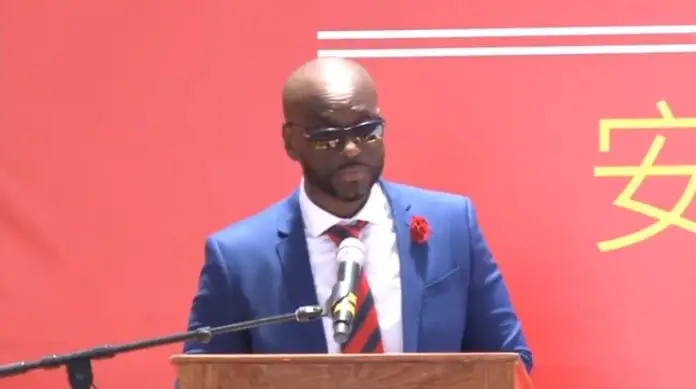
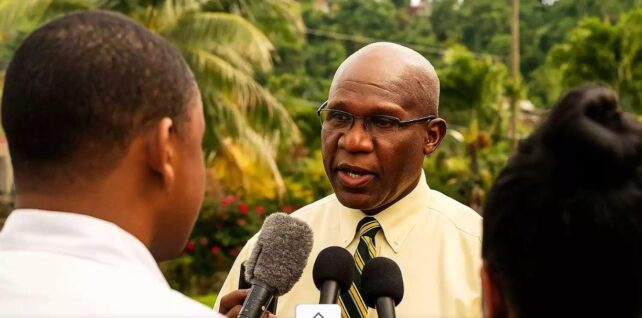
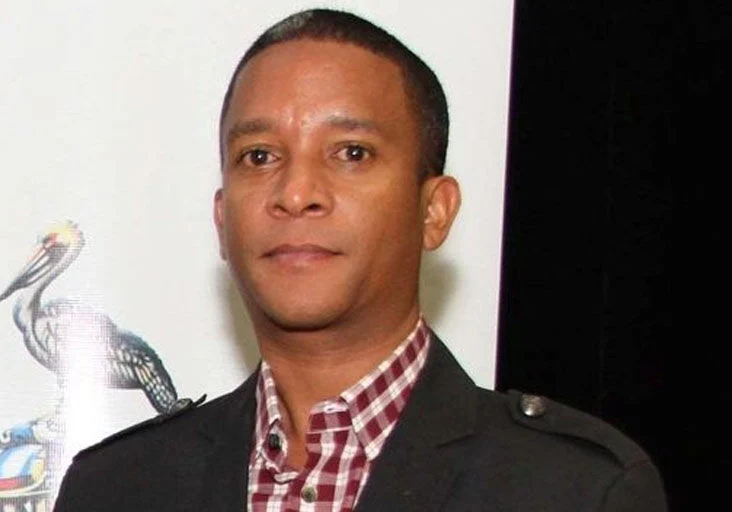
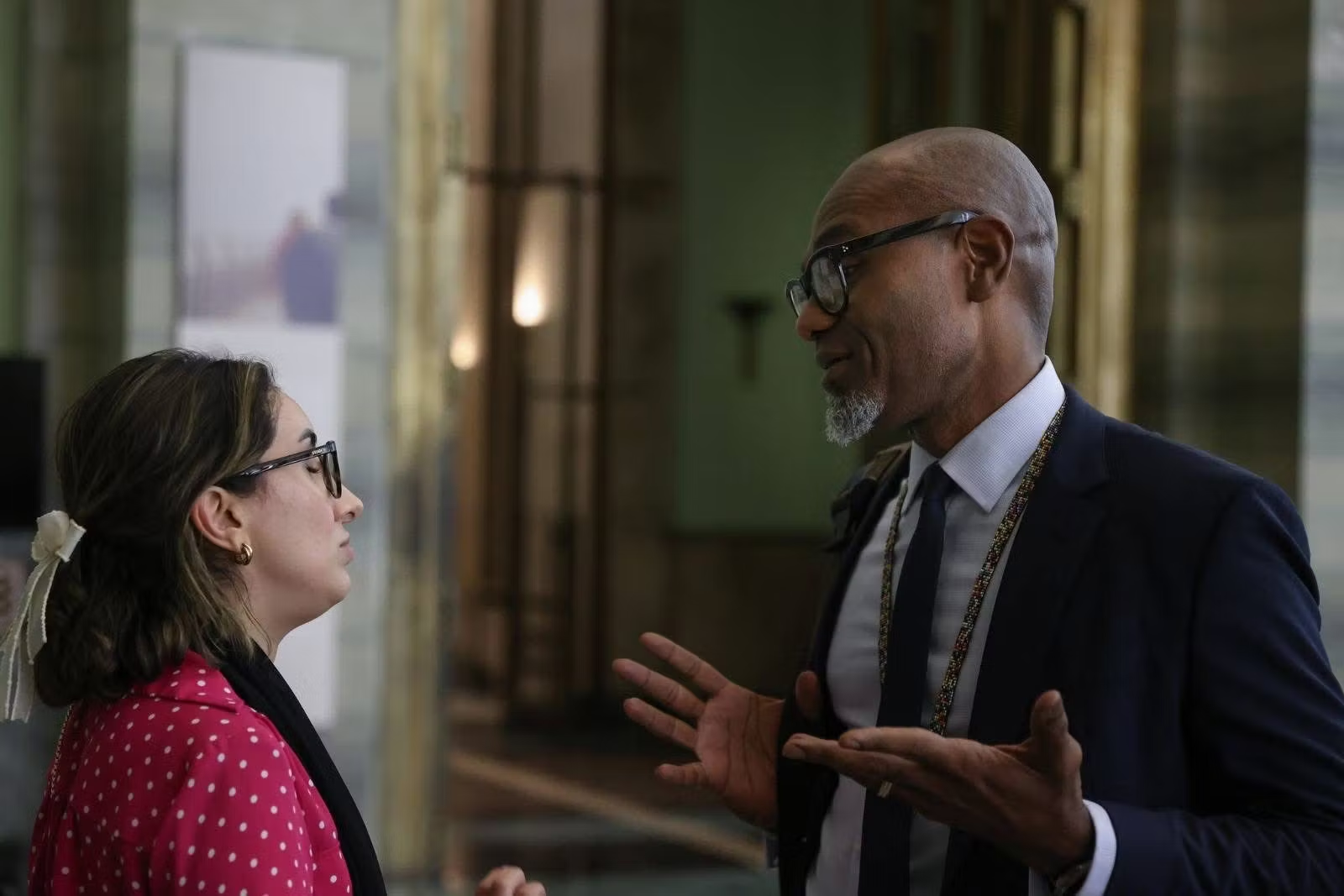
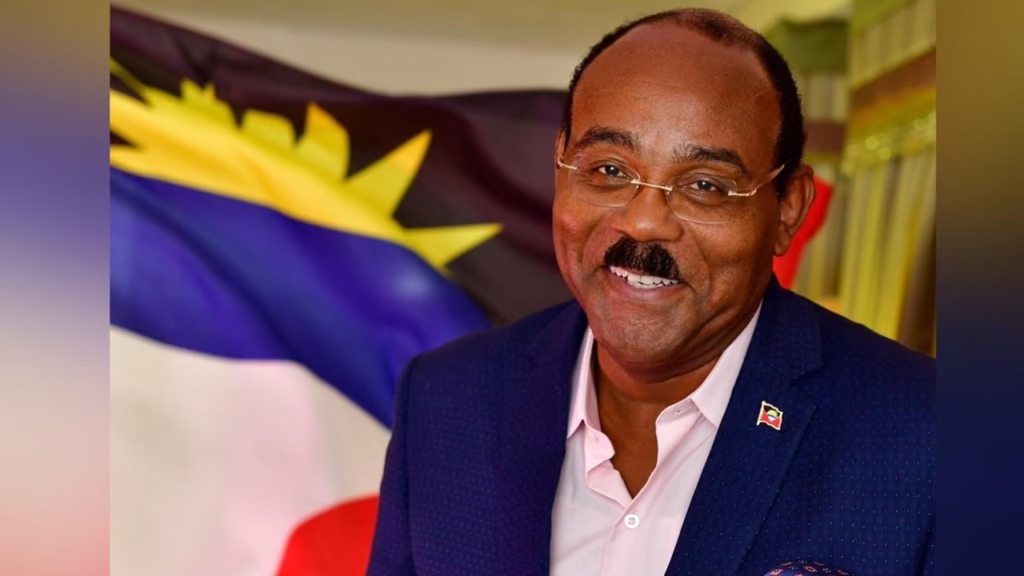
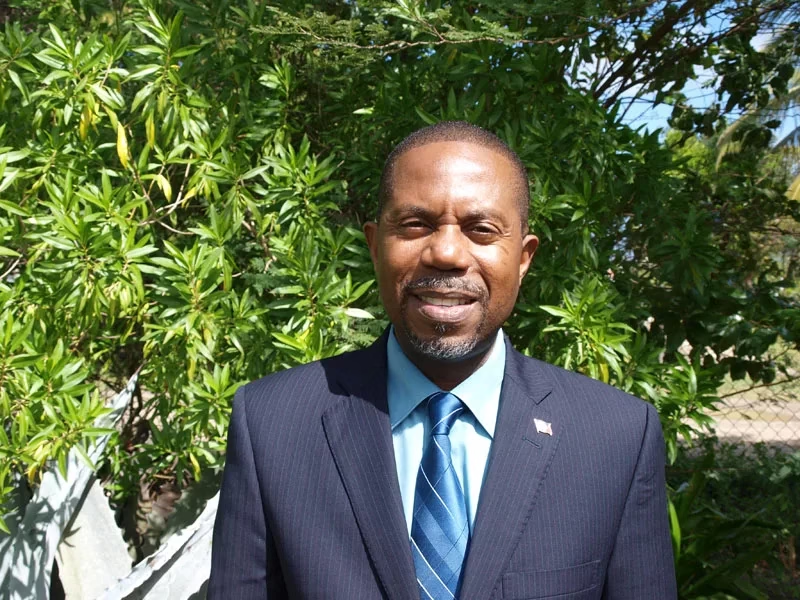
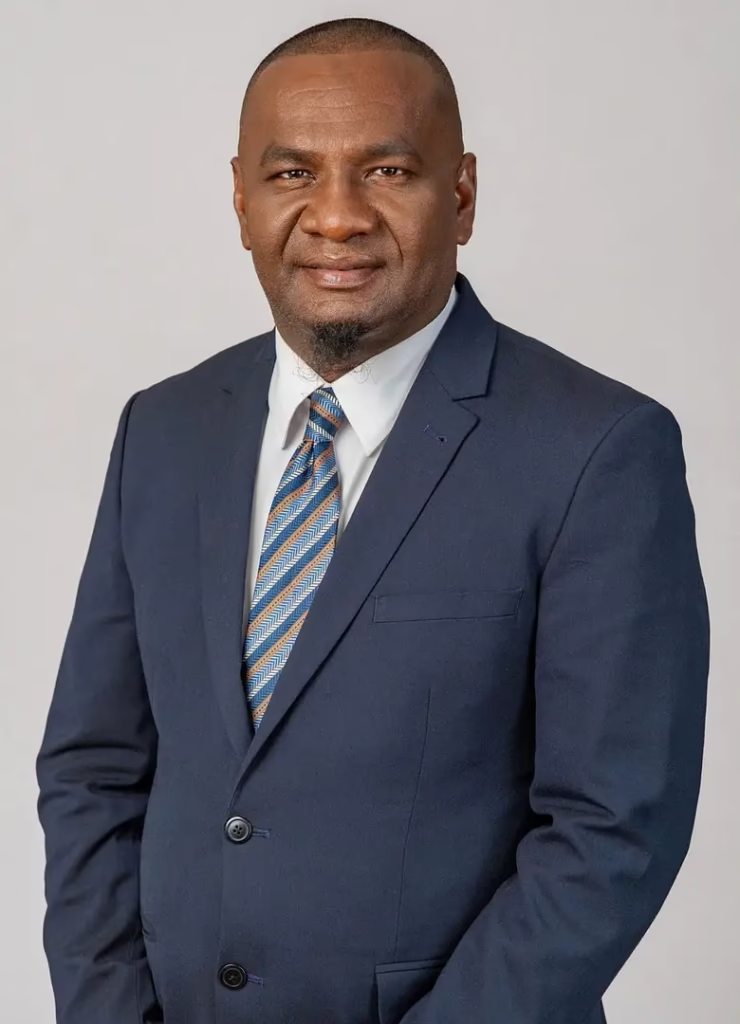
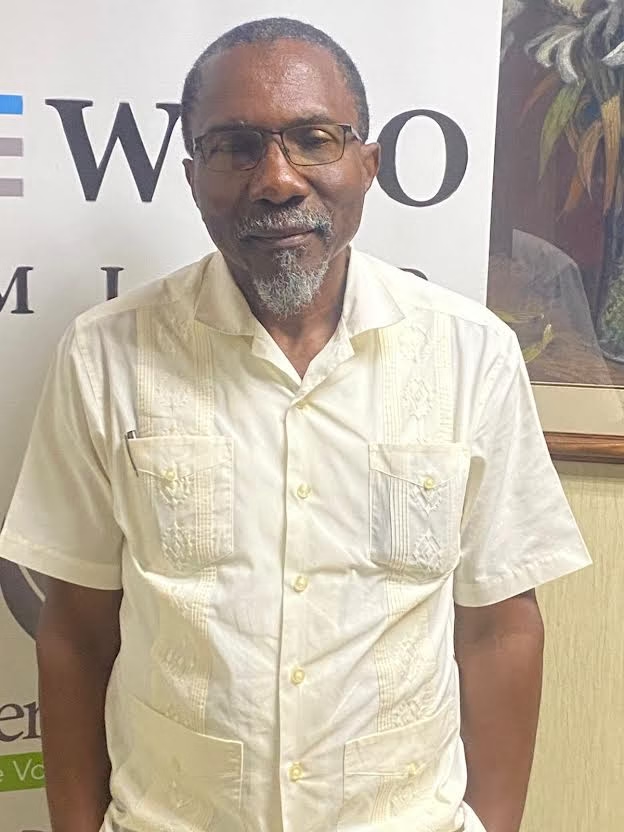
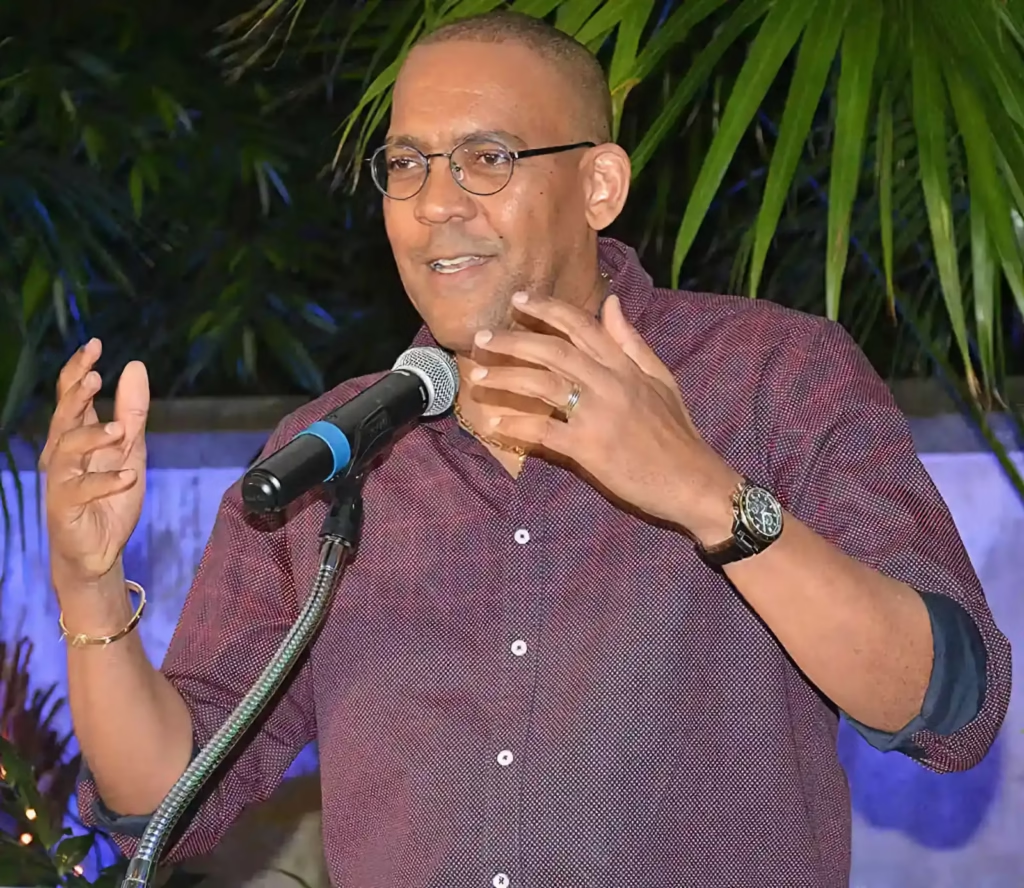
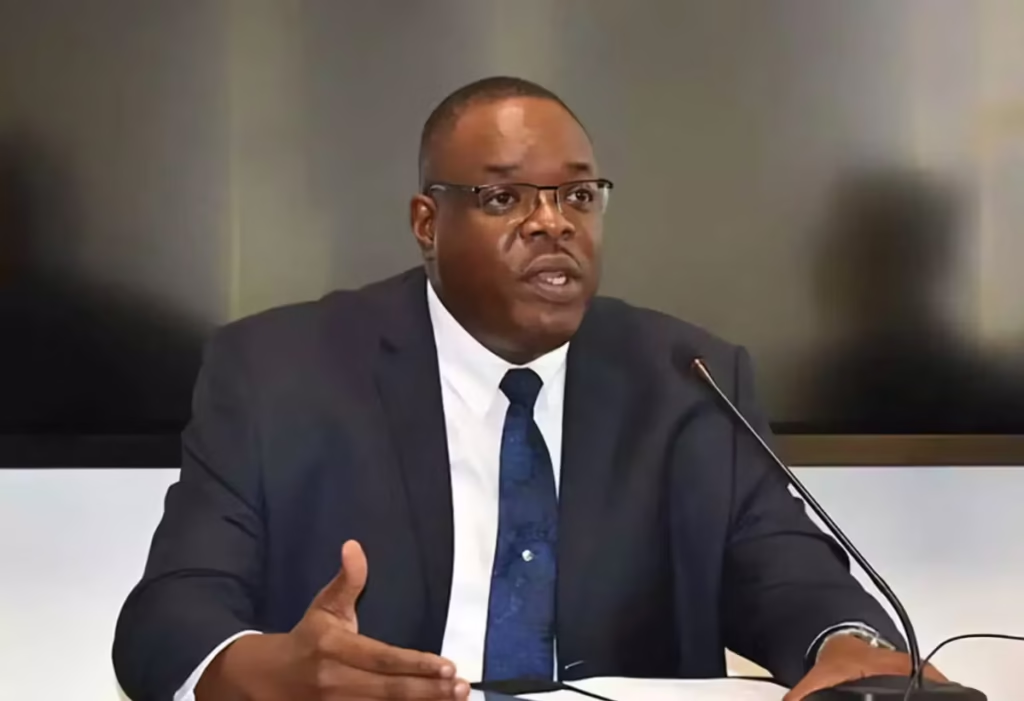
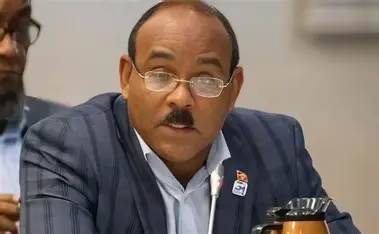
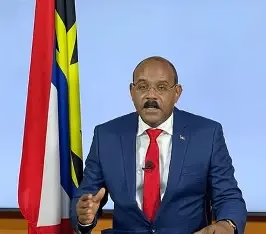
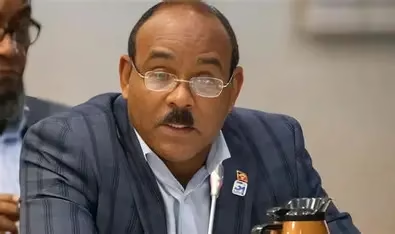
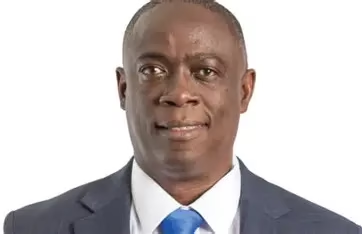
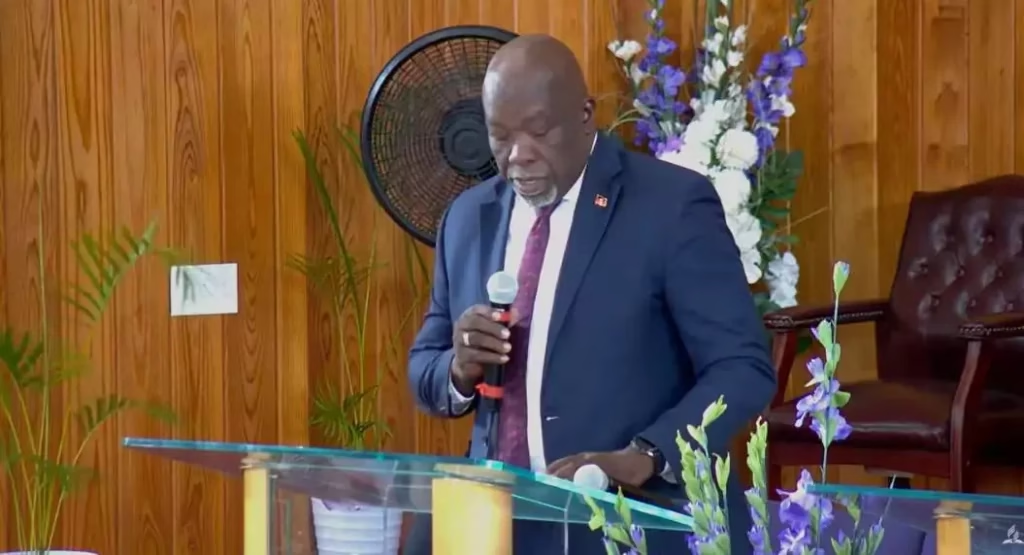
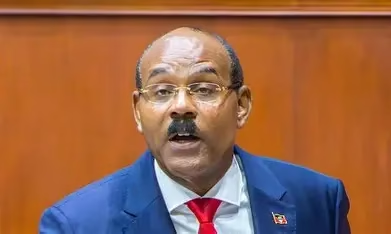
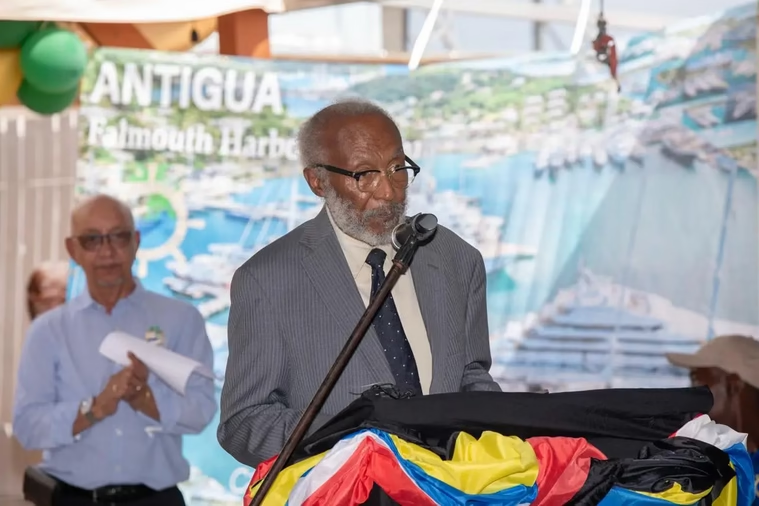
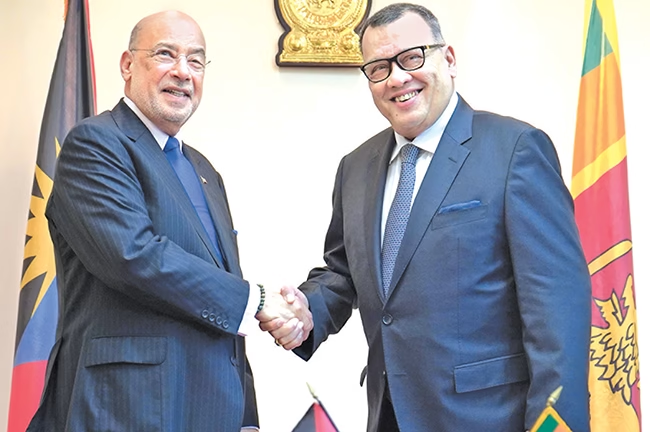
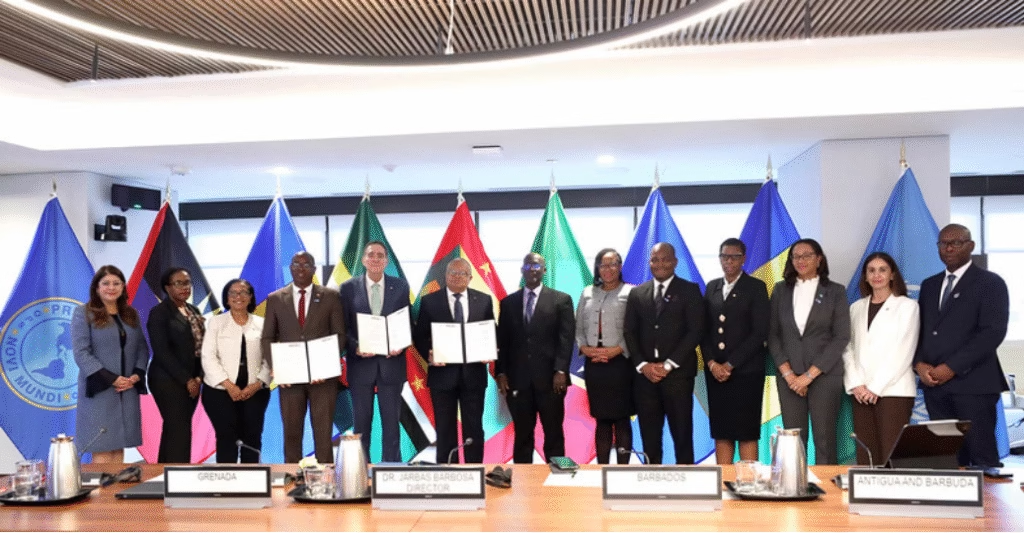
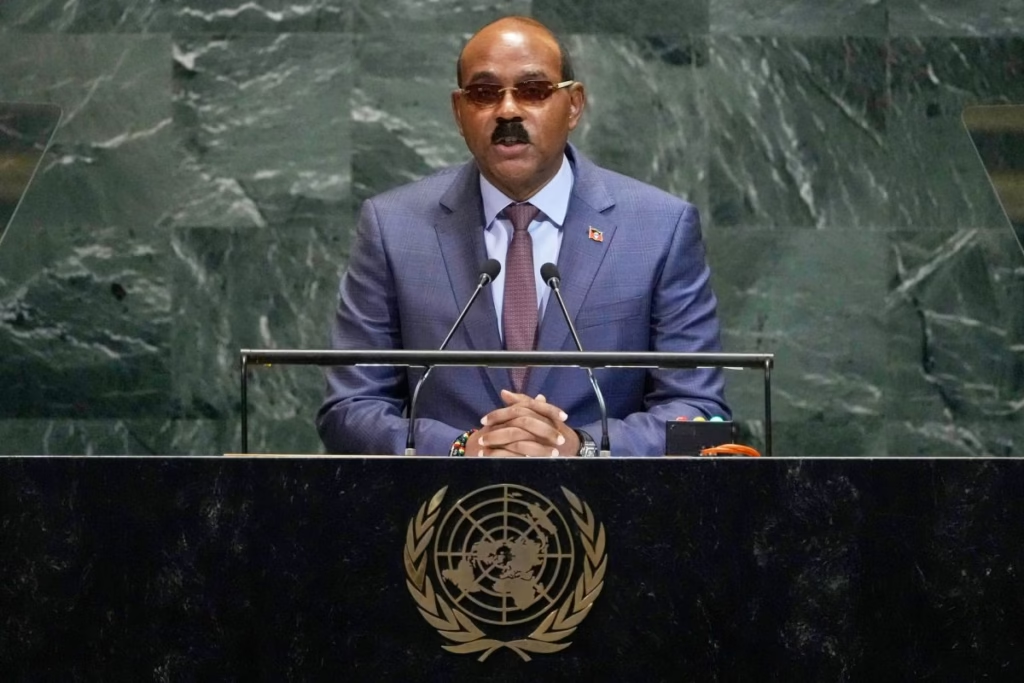
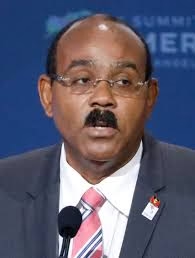
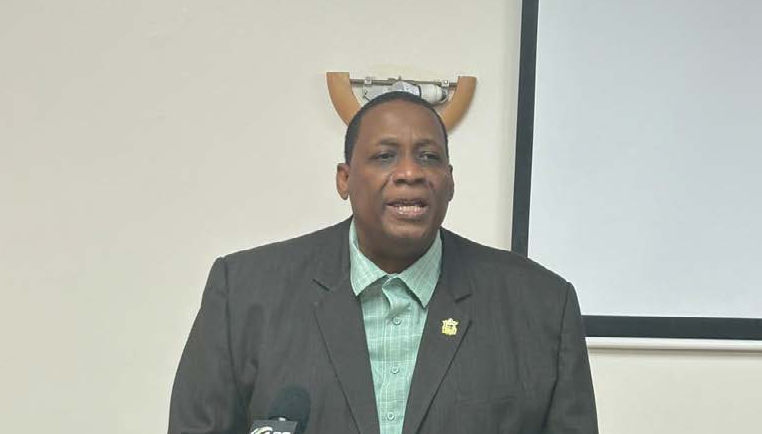
The statement came from Director of Education Clare Browne. He spoke at the United Nations on Friday. Specifically, he addressed the Transforming Global Education Summit at ECOSOC headquarters.
Meanwhile, the summit focused on redefining education globally. Its theme was “Redefining Education as Global Infrastructure.” Antigua and Barbuda co-hosted the event. In addition, partners included the PVBLIC Foundation, Tonga, and the Learning Economy Foundation.
Browne explained that traditional views of education are no longer enough. This is especially true for small island developing states. These nations face climate risk, economic pressure, and fast technological change.
Therefore, he said education must be seen differently. It should be treated as core national infrastructure. In his view, it supports resilience and economic strength.
Moreover, he linked education to long-term national development. He said it builds skills, values, and capacity. As a result, it shapes the future of countries.
For Antigua and Barbuda, he stressed urgency. The shift is not theoretical. Instead, it is a key development priority.
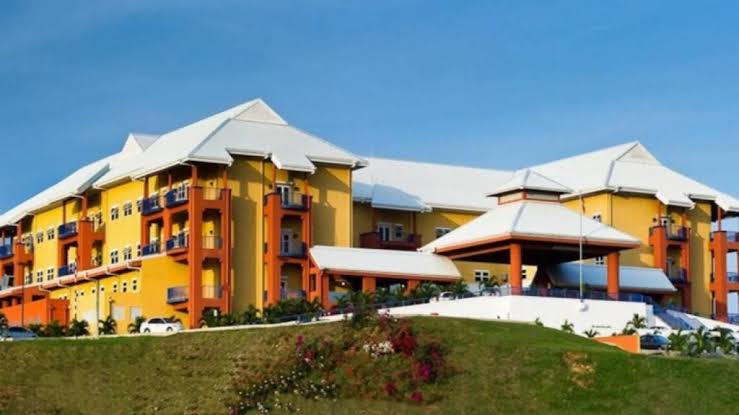
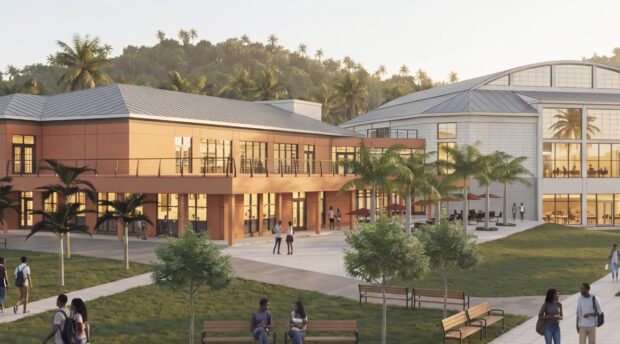
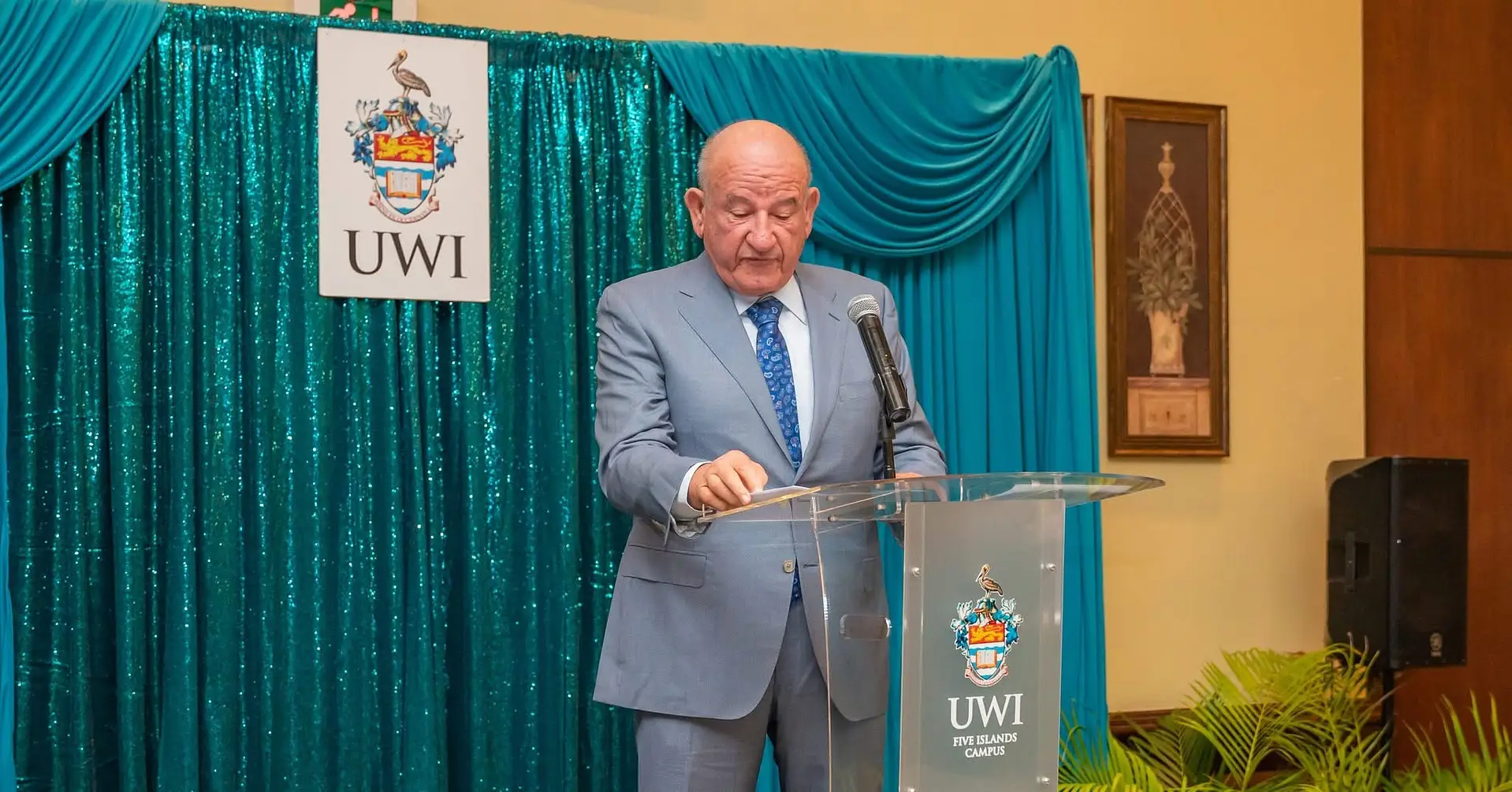
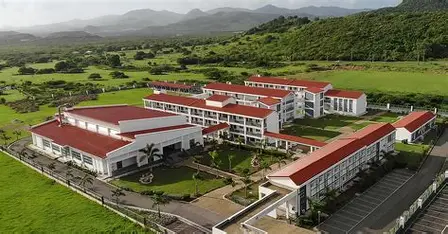
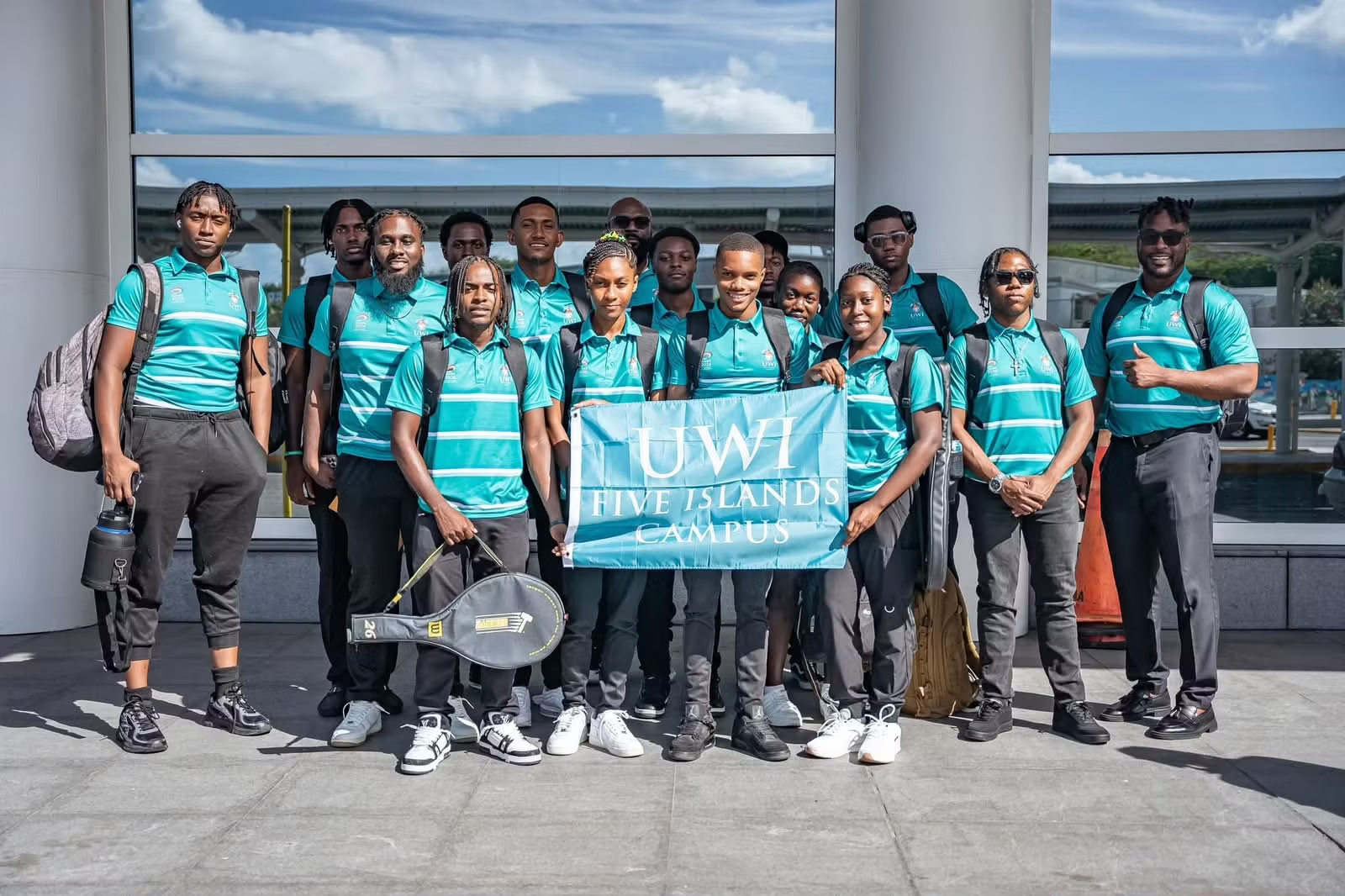
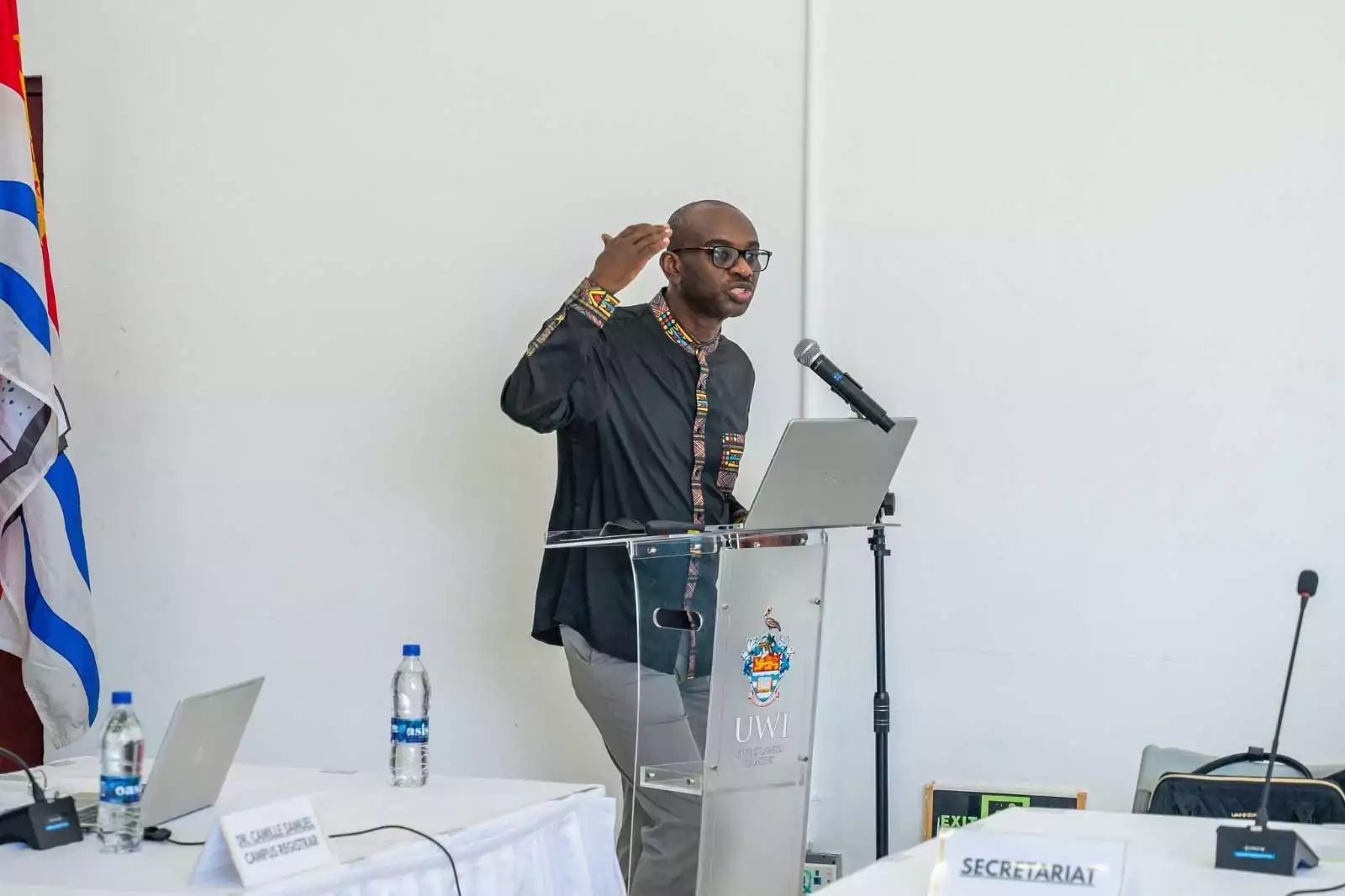
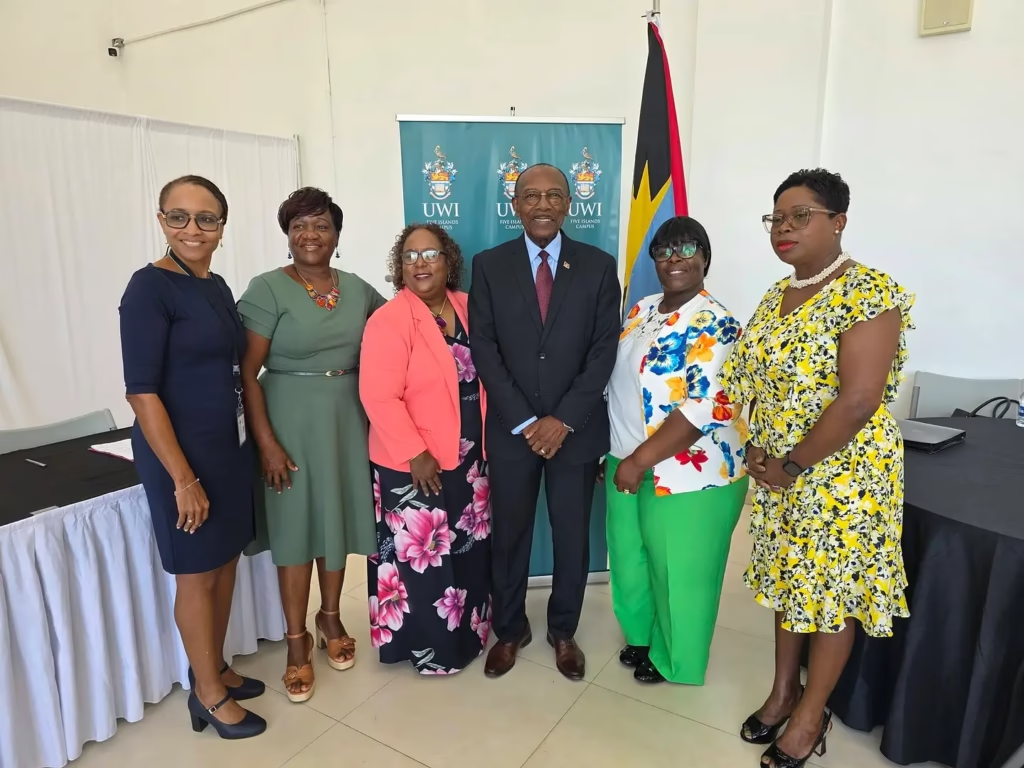
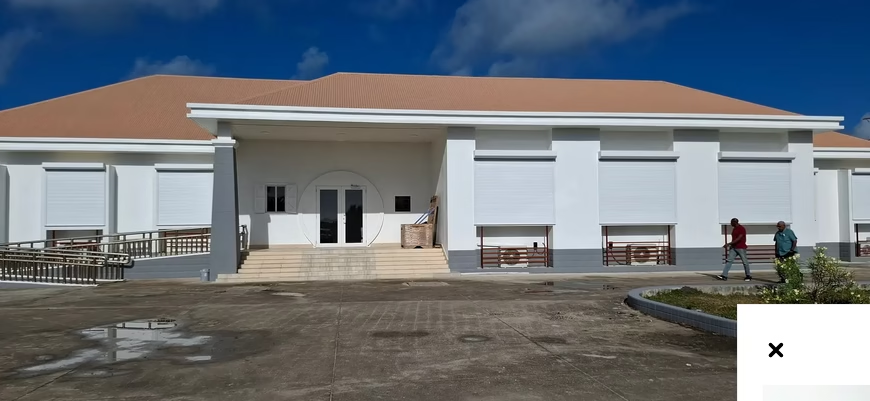
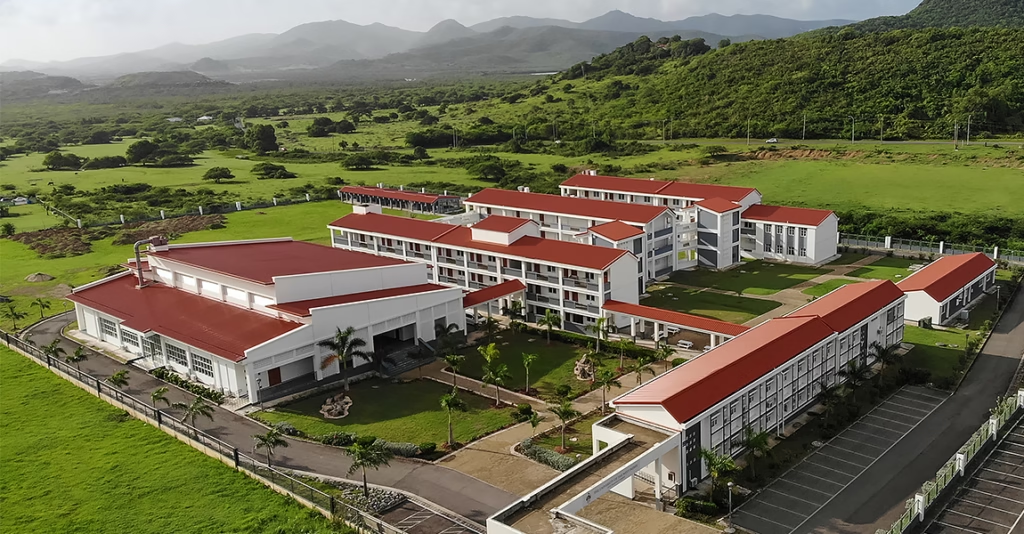
In addition, he pointed to government investment in education. He highlighted The University of the West Indies Five Islands Campus. This project expands access to higher education.
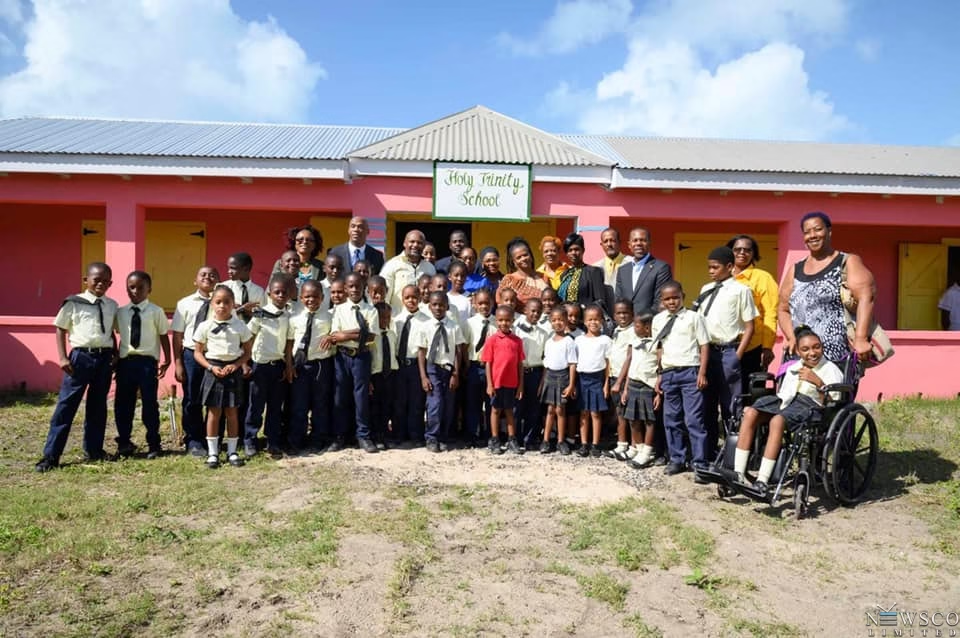
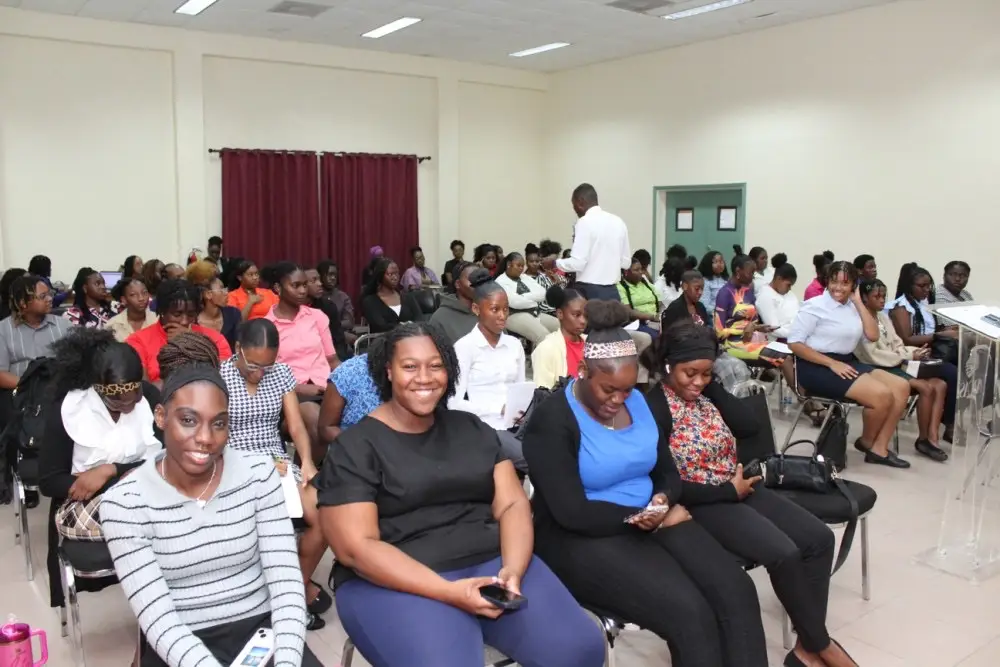
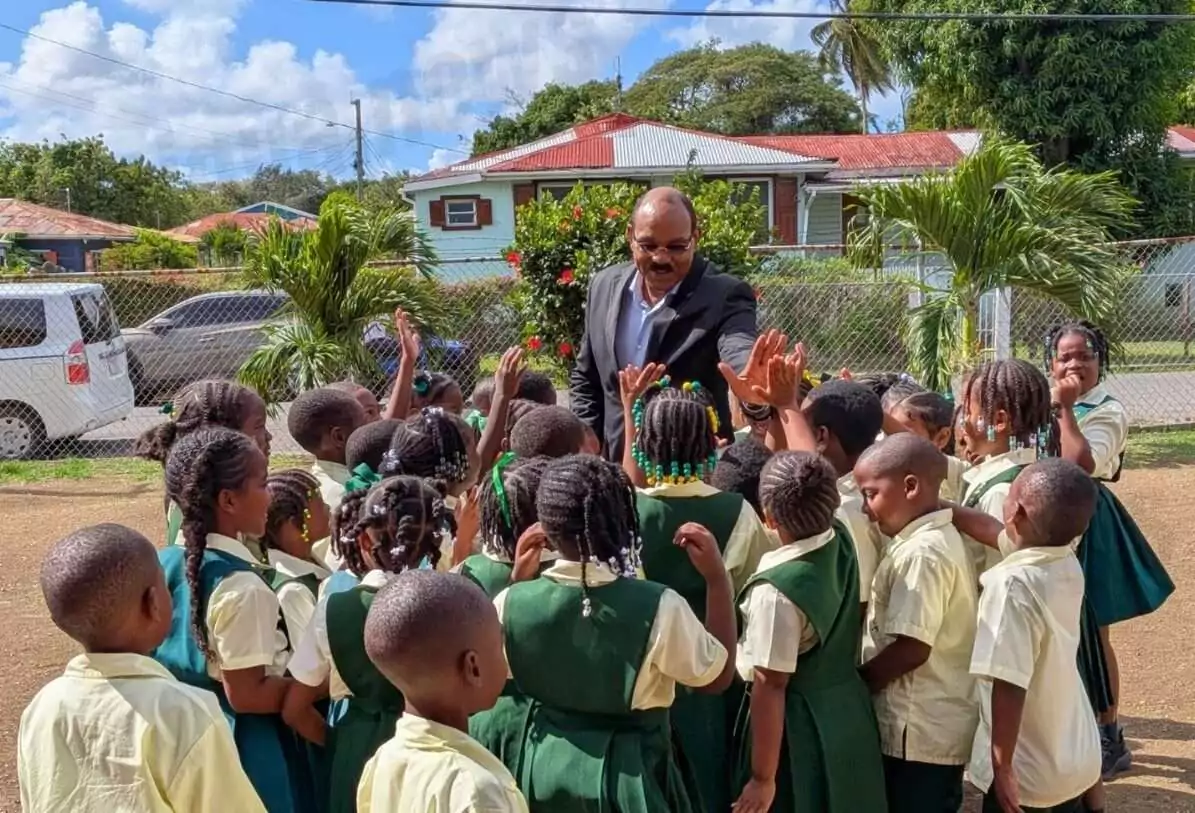
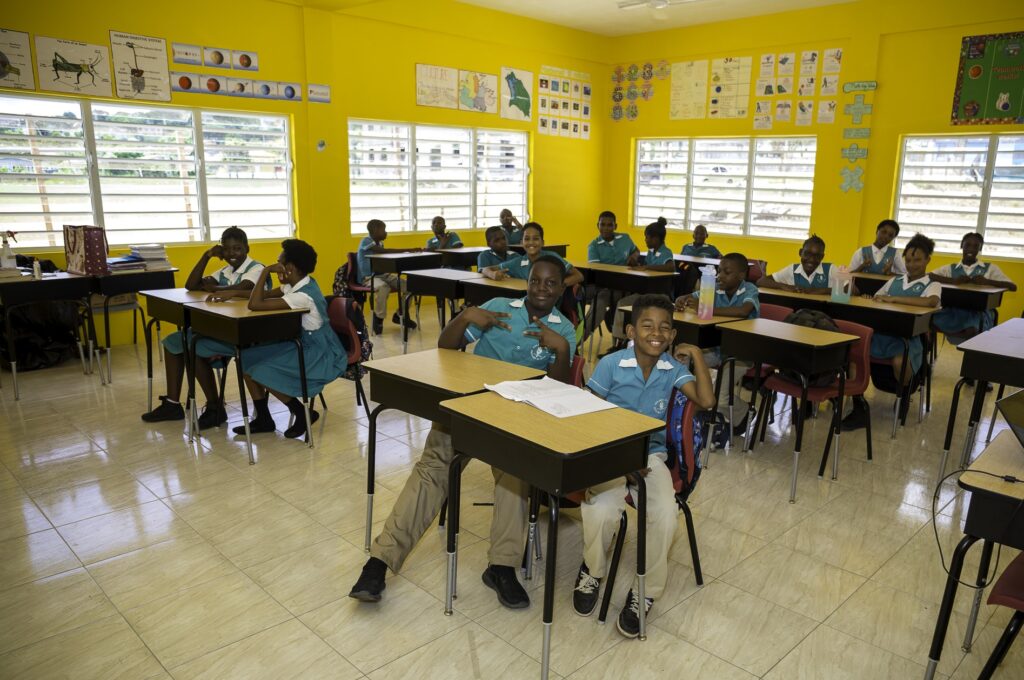
At the same time, he defended social supports in schools. These include meals and uniforms. He said they ensure fair access for all students.
Furthermore, Browne discussed digital transformation. He noted improvements in skills and data systems. He also linked this work to national digital strategy.
Importantly, he said technology must support public systems. It should not replace them. Therefore, education reform must remain locally driven.
However, he acknowledged key challenges. Financing and capacity remain limited for small states. Consequently, partnerships are essential.
Still, he called for action over discussion. He urged practical cooperation, not just dialogue. In turn, this would strengthen education systems.
Finally, Browne outlined four principles. Education must build capability and expand access. Technology must strengthen systems. Partnerships must respect national priorities. Above all, every learner must benefit equally.
In conclusion, Antigua and Barbuda reaffirmed its commitment. Education remains central to national resilience and future growth.