
 English

































































































































































































































































































































































































































































































































































































































































































































































































































































































































































































































































































































































































































































































































































































































































IMF: Antigua sees growth, but debt risks remain
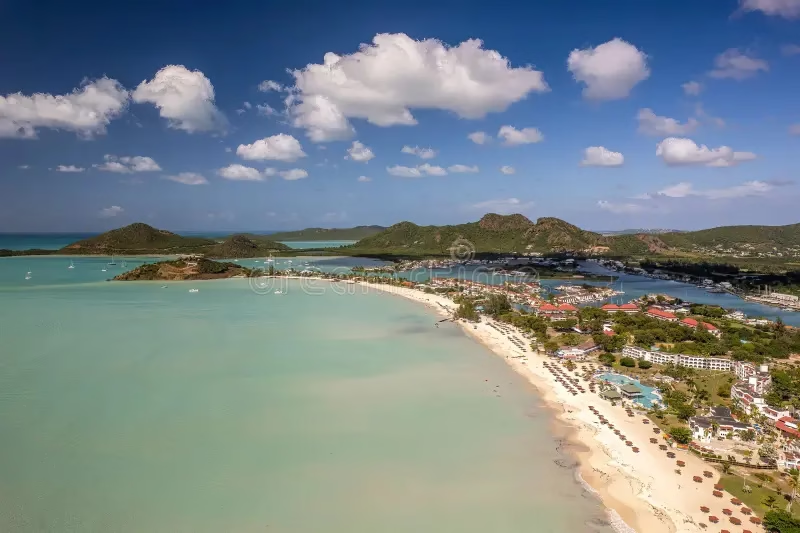
IMF reports steady economic growth in Antigua and Barbuda, accompanied by falling public debt.
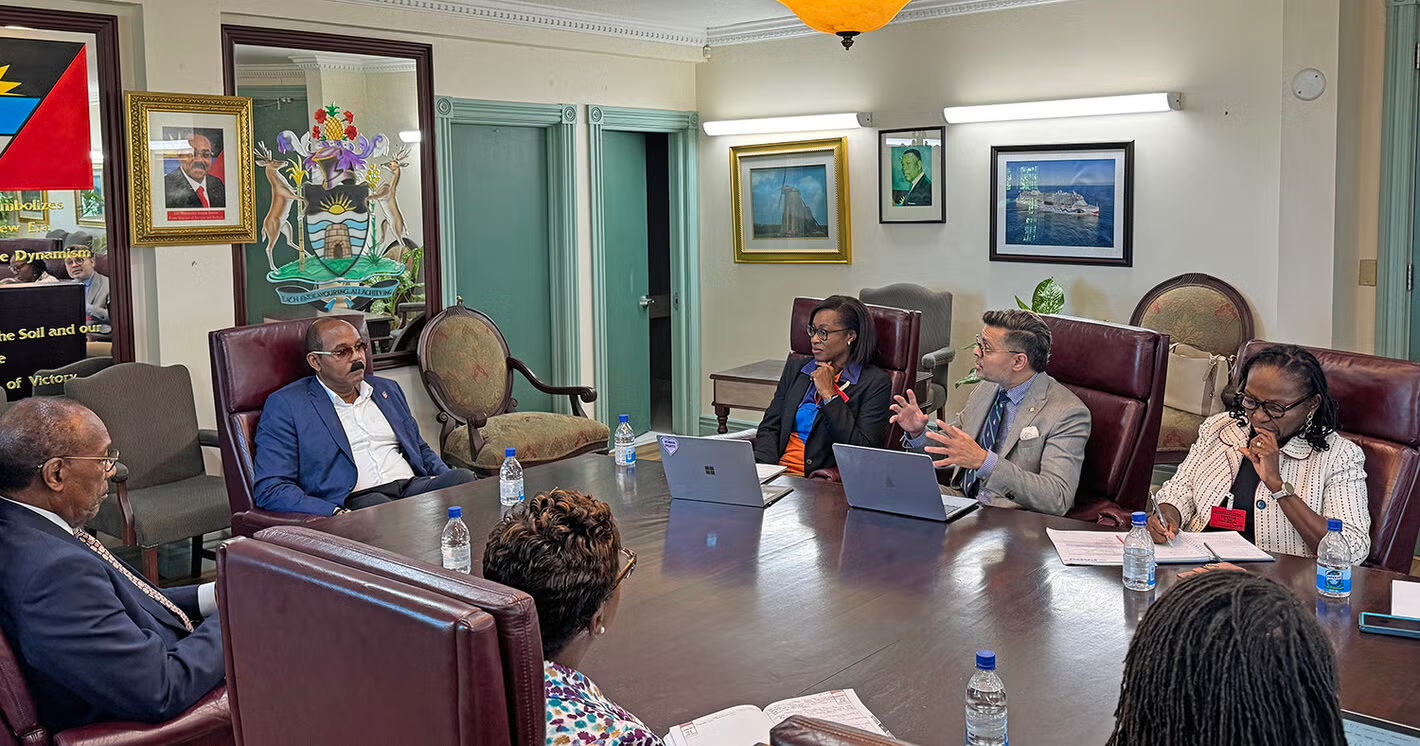
The International Monetary Fund (IMF) released its latest Article IV consultation on the country. Moreover, it showed mixed but improving economic conditions.
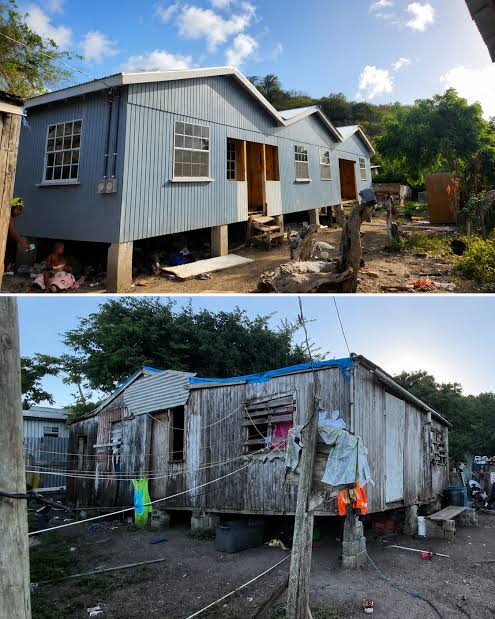
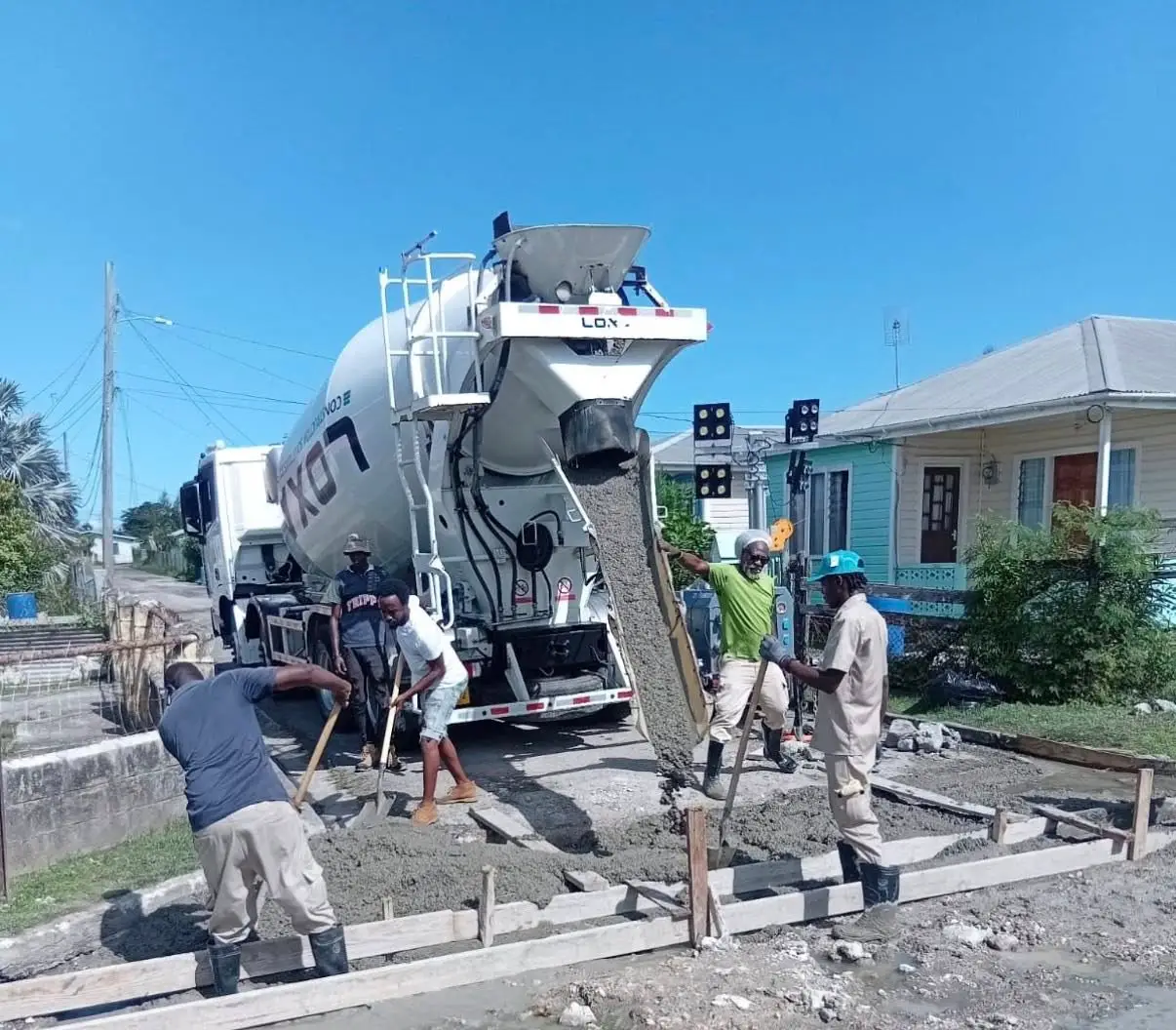
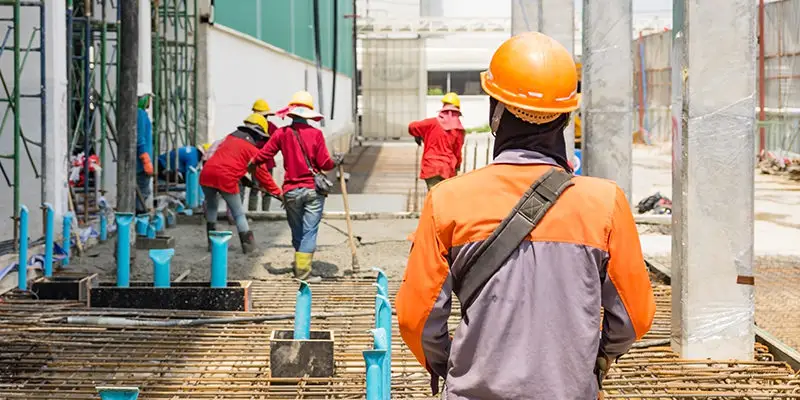
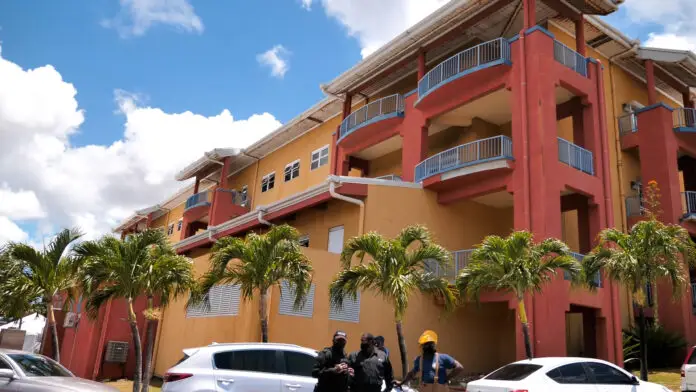
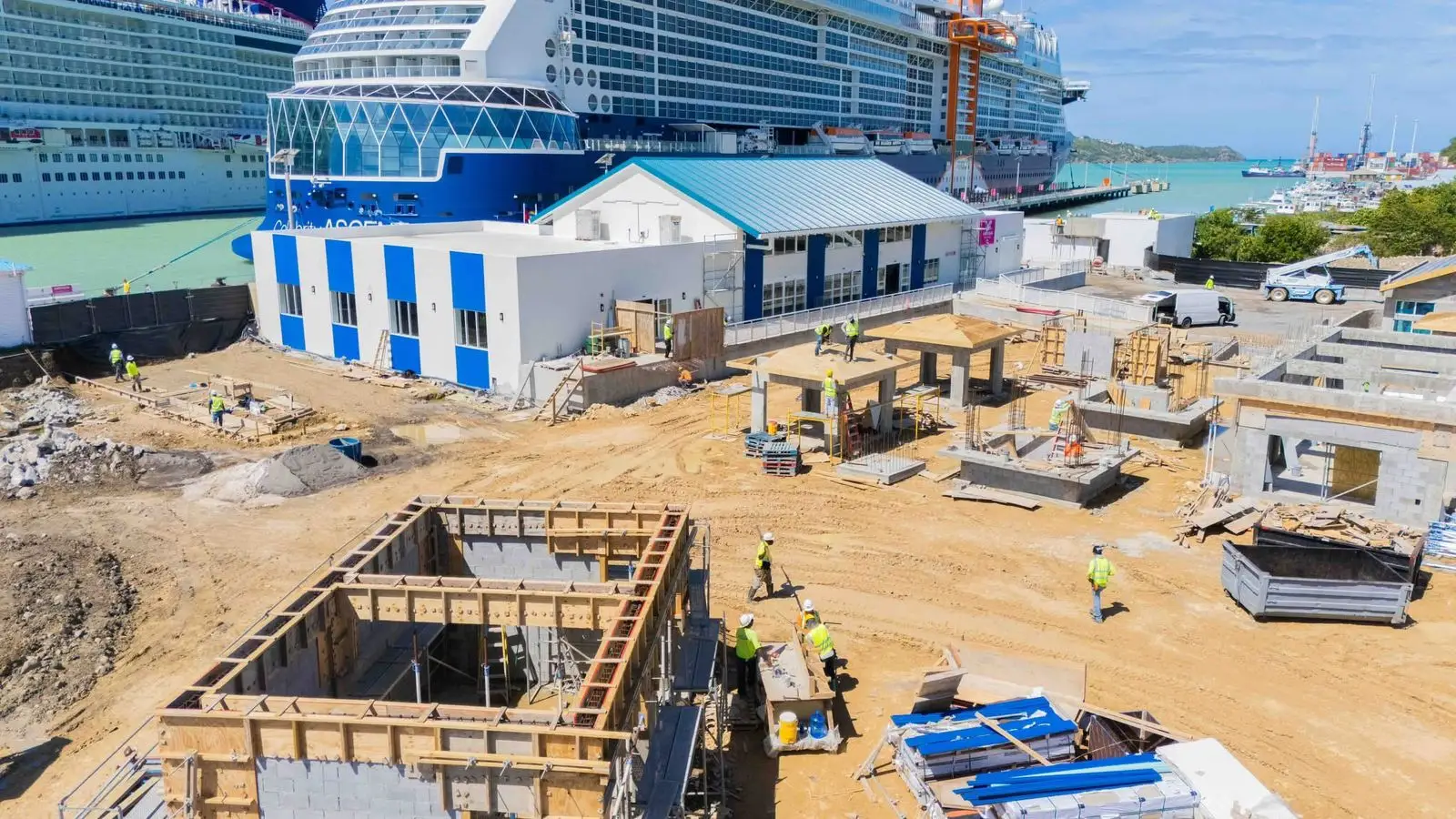
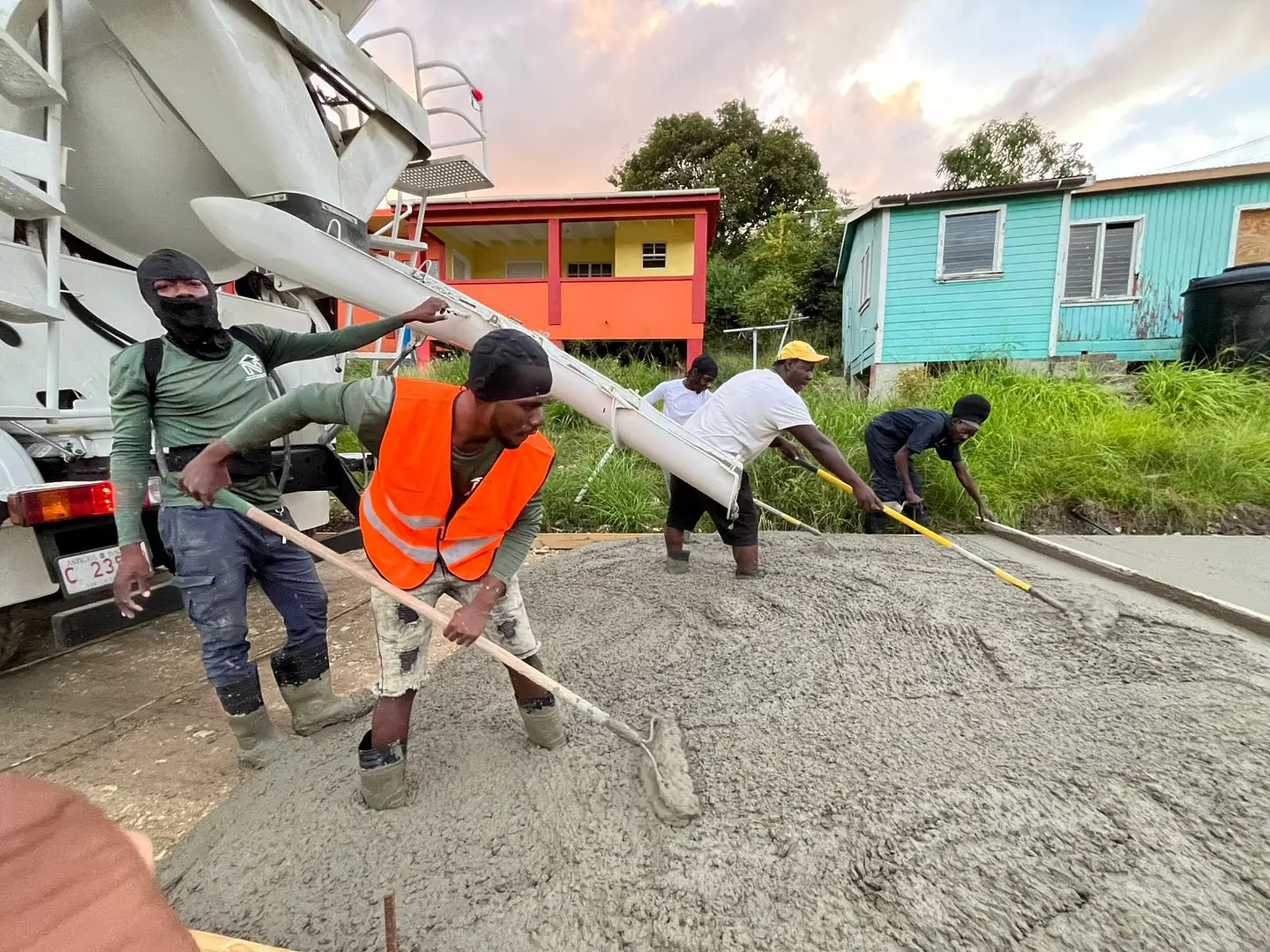
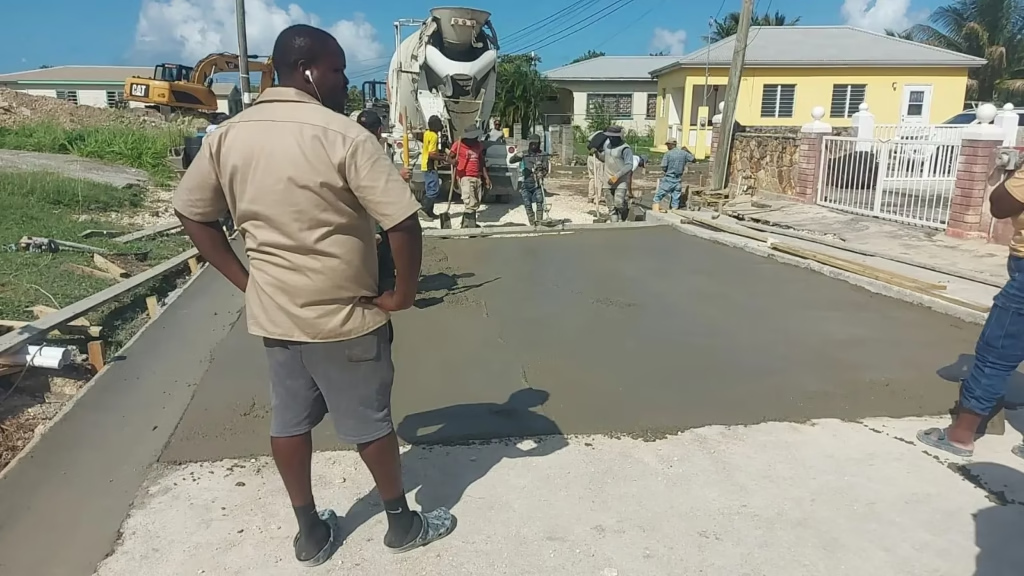
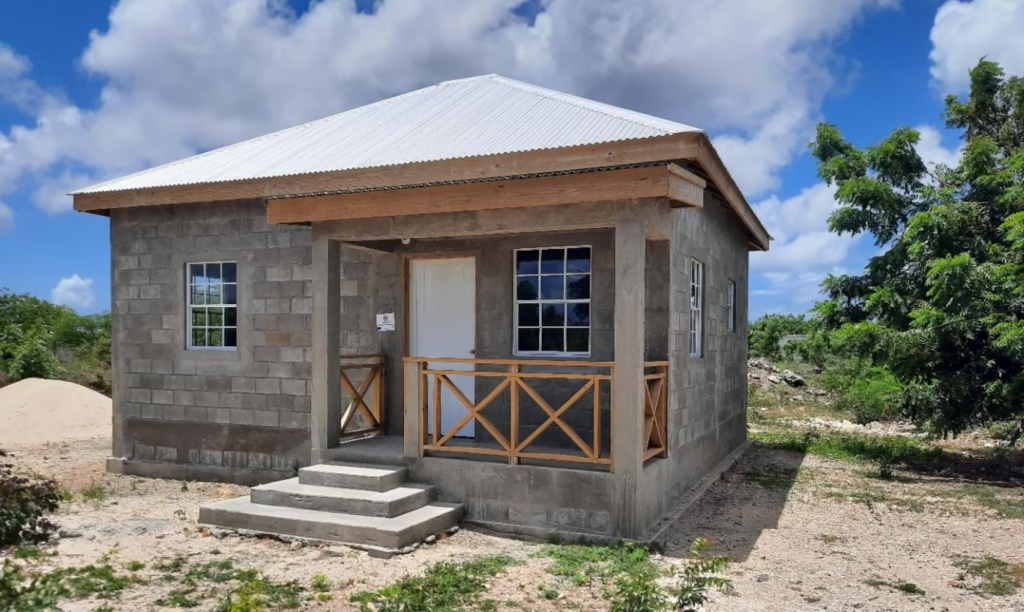
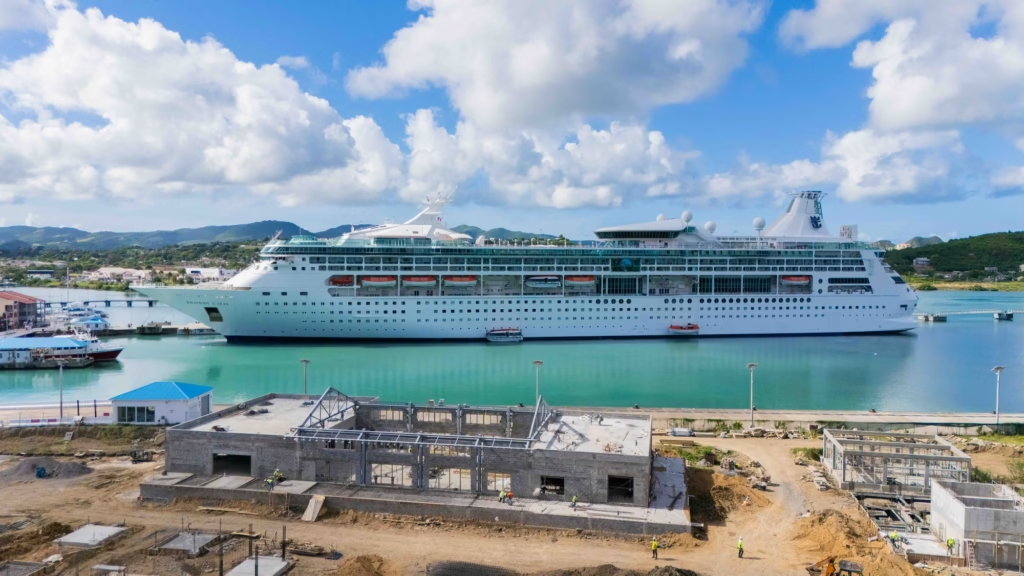
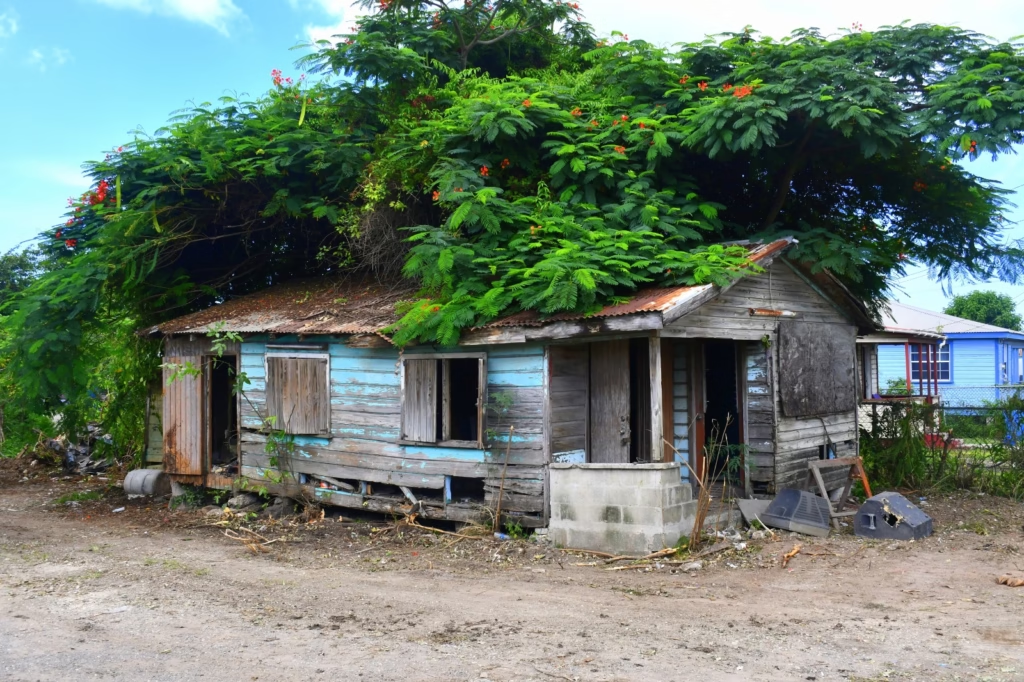
The IMF estimated real GDP growth at 3% in 2025. This growth mainly came from a rebound in construction activity.
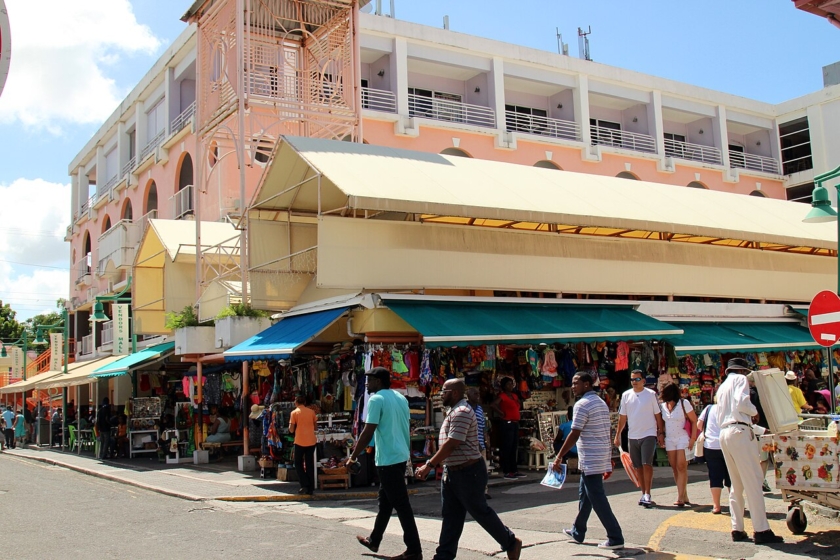
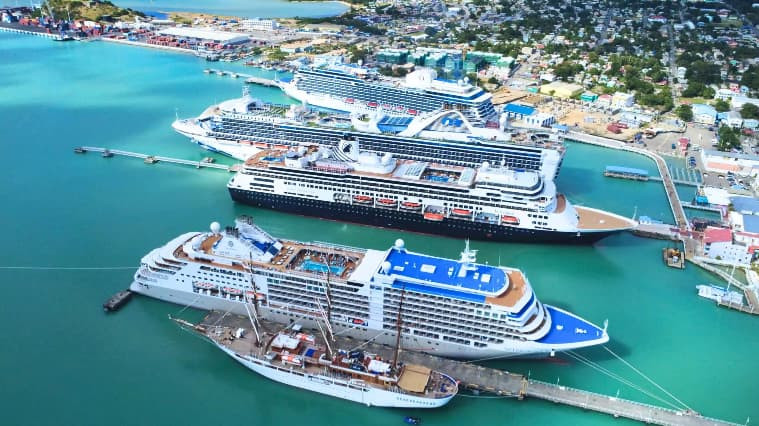
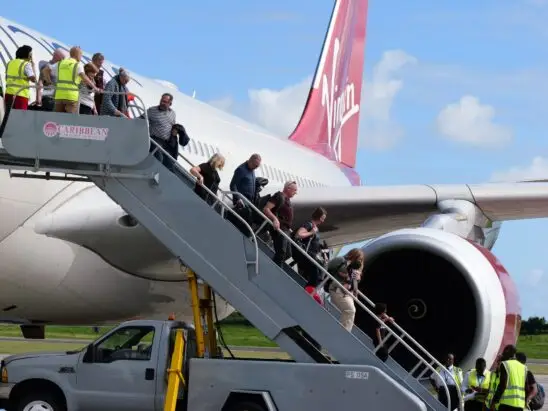
At the same time, tourism slowed during the year. However, strong construction helped offset that decline.
Also, employment levels returned to pre-pandemic levels. Therefore, the labour market showed signs of recovery.
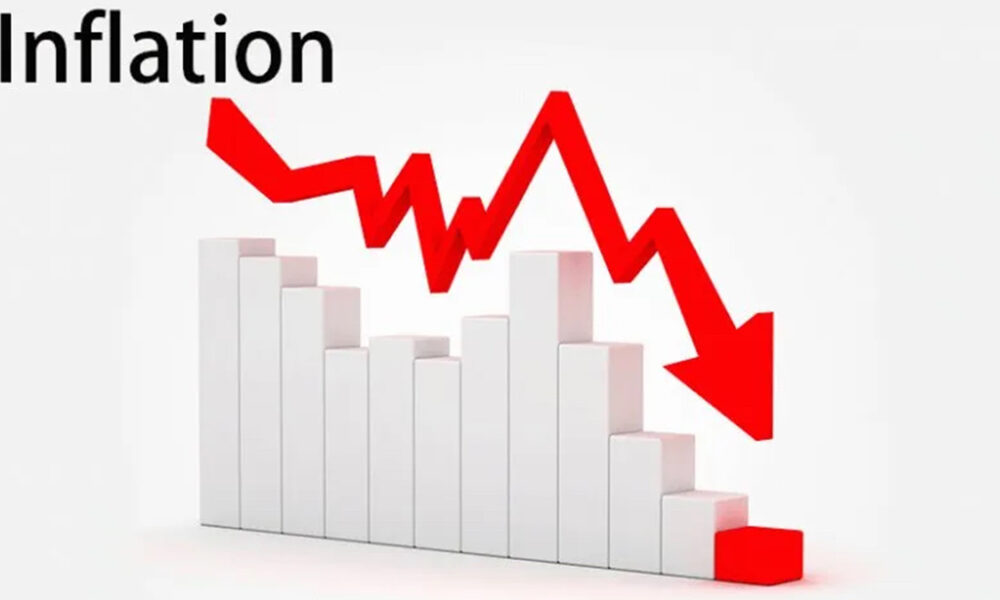
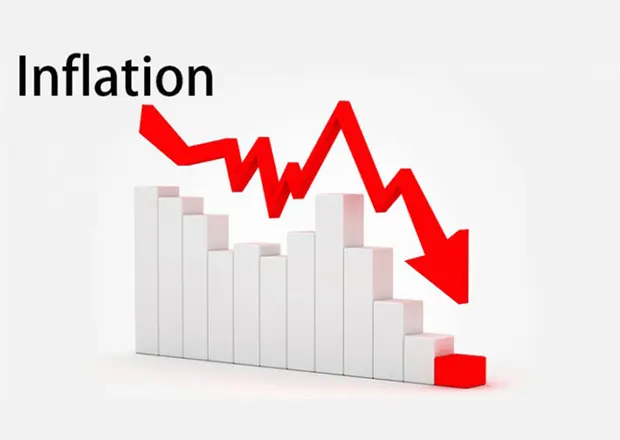
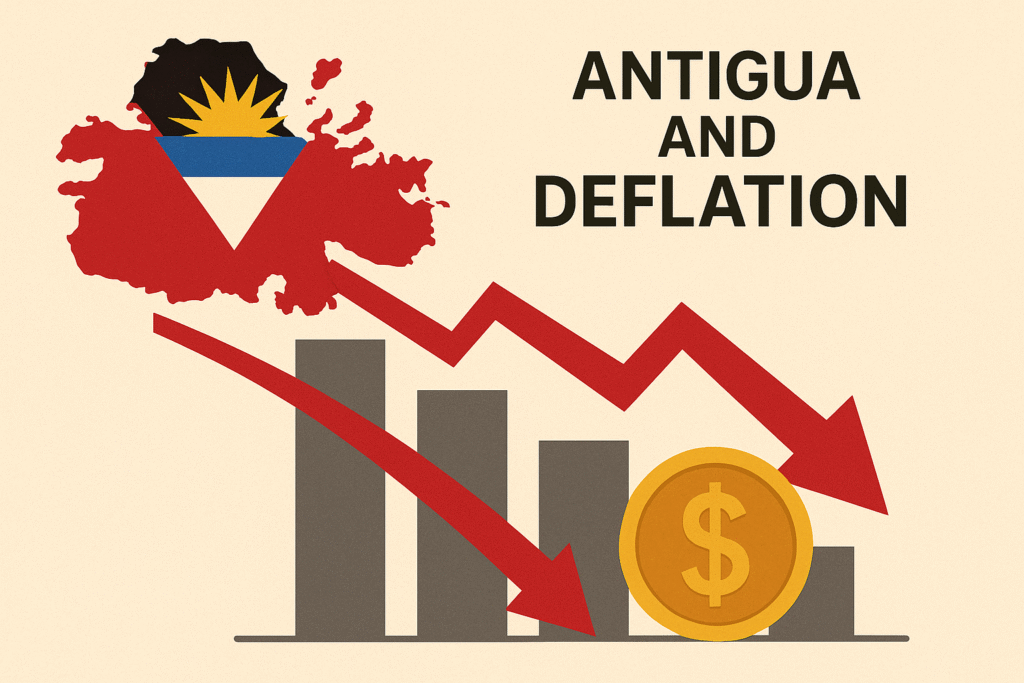
Inflation also dropped sharply in 2025. It fell from over 6% in 2024 to just 1.4%.
As a result, price pressures in the economy began to stabilise. Consumers experienced slower cost increases across goods and services.
Meanwhile, public debt continued its downward trend. It fell from 101% of GDP in 2020 to about 68% in 2025.
The IMF linked this improvement to stronger fiscal performance. It also noted higher government revenues during the period.
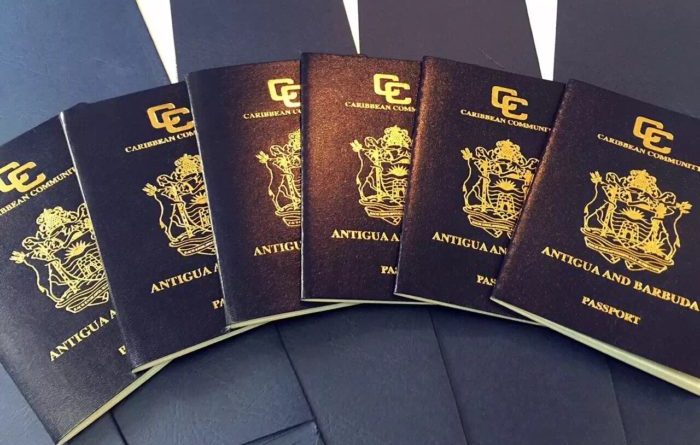
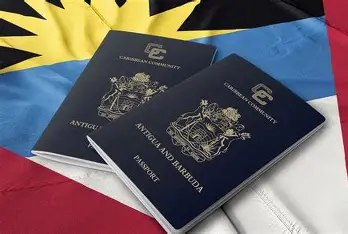
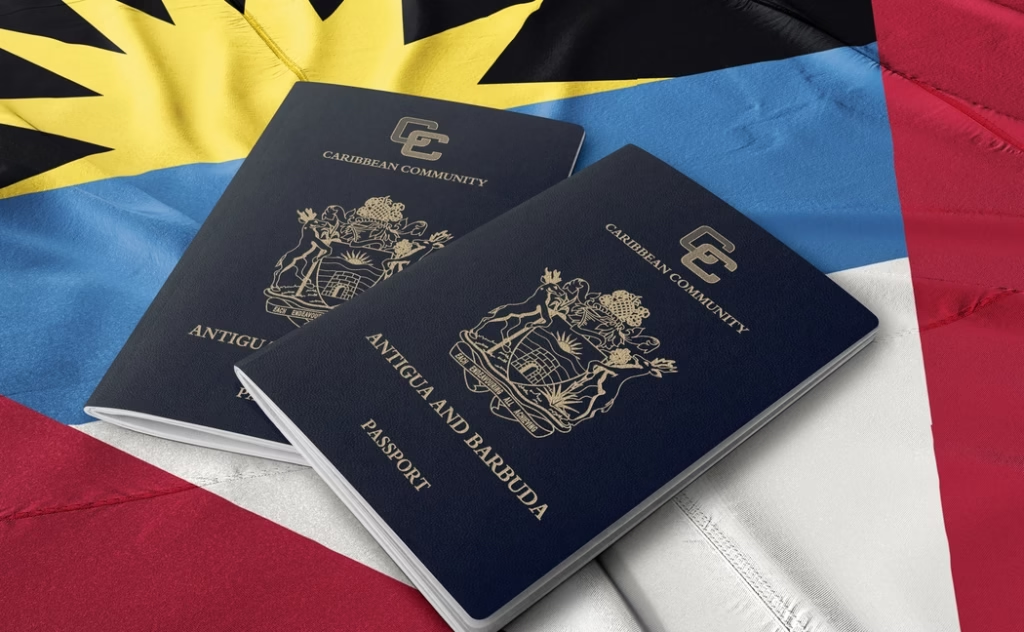
Furthermore, inflows from the Citizenship by Investment programme contributed to revenue growth.
Despite these gains, challenges remain. The IMF highlighted arrears owed to Paris Club creditors and domestic suppliers.
In addition, it warned about high financing needs. These pressures continue to affect debt sustainability.
Therefore, the IMF urged a stronger and more coordinated fiscal plan. It called for a “credible and comprehensive strategy” to address arrears.
Moreover, it recommended better debt and cash management. This would help improve fiscal stability over time.
The Fund also encouraged reforms in tax policy. It suggested broadening the tax base and reducing exemptions.
At the same time, it called for stronger oversight of public finances. State-owned enterprises also came under review.
Additionally, the IMF noted that the financial system remains stable and liquid. However, it recommended continued financial sector reforms.
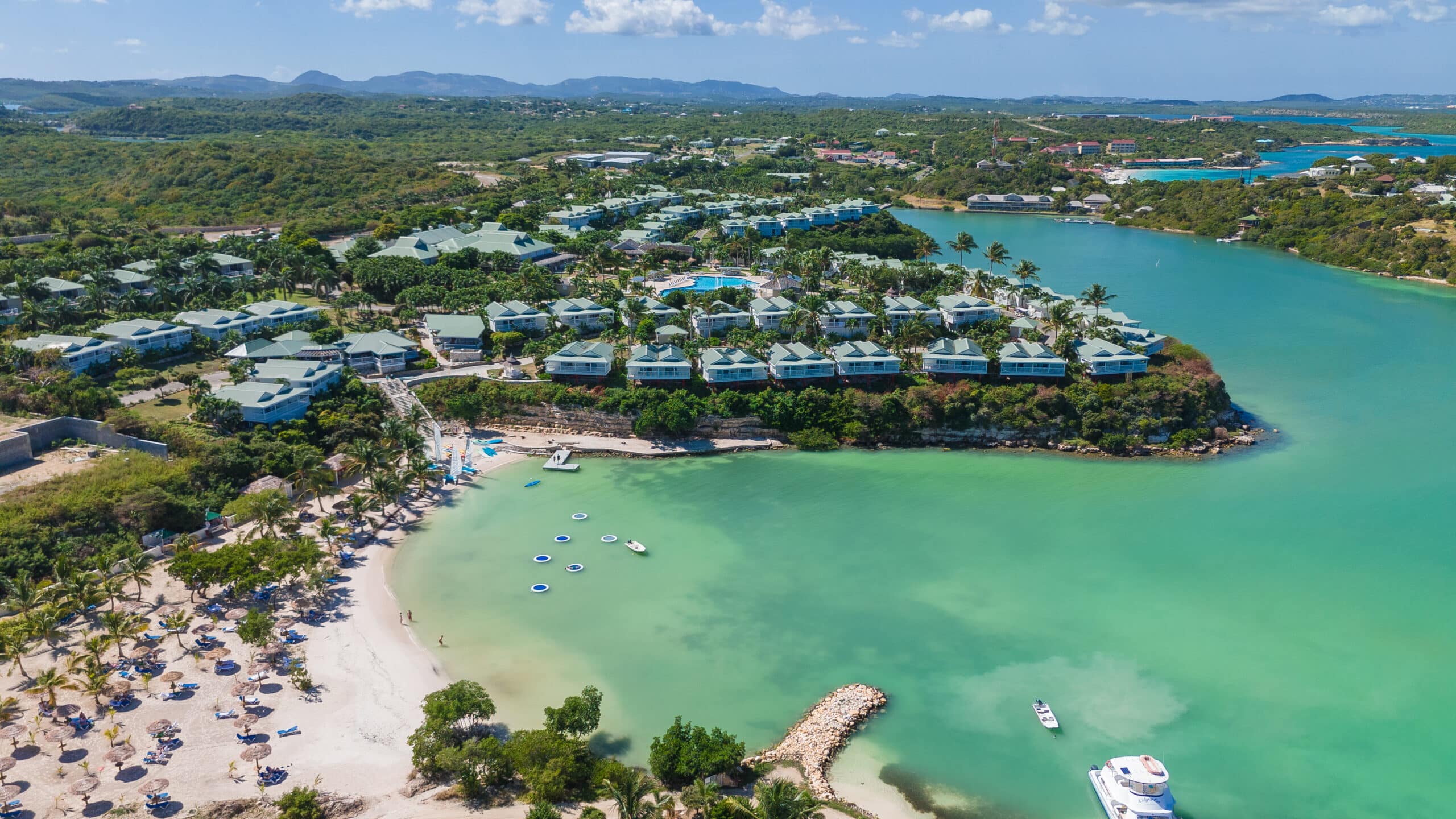
It also encouraged improvements in tourism competitiveness. Better trade links and workforce skills were also highlighted.
Looking ahead, the IMF projects steady growth for Antigua and Barbuda. However, it warned of global risks.
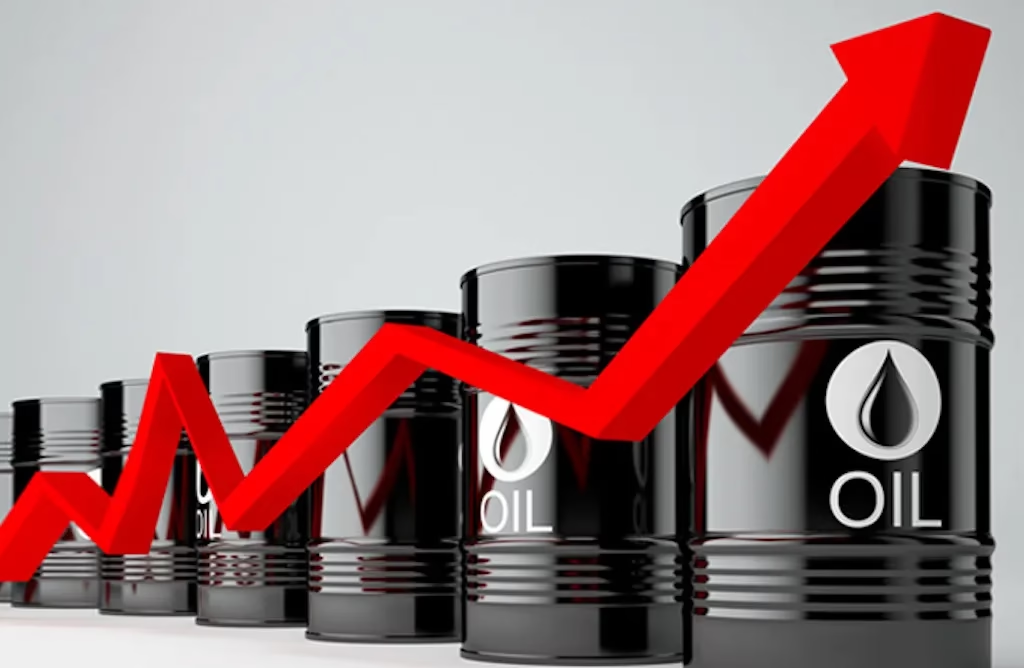
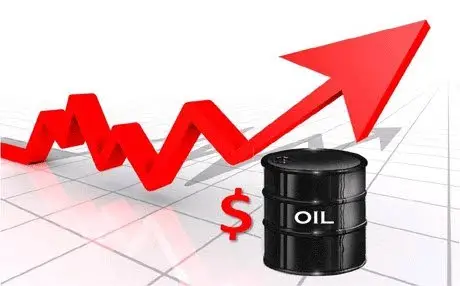
These risks include commodity price volatility and external shocks. Therefore, the small island economy remains exposed to global uncertainty.