
 English

















































































































































































































































































































































































































































































































































































































































































































































































































































































































































































































































































































































































































































































































































































































































































































































































































































































































Scientists Study New Way to Reduce Super El Niño Impacts
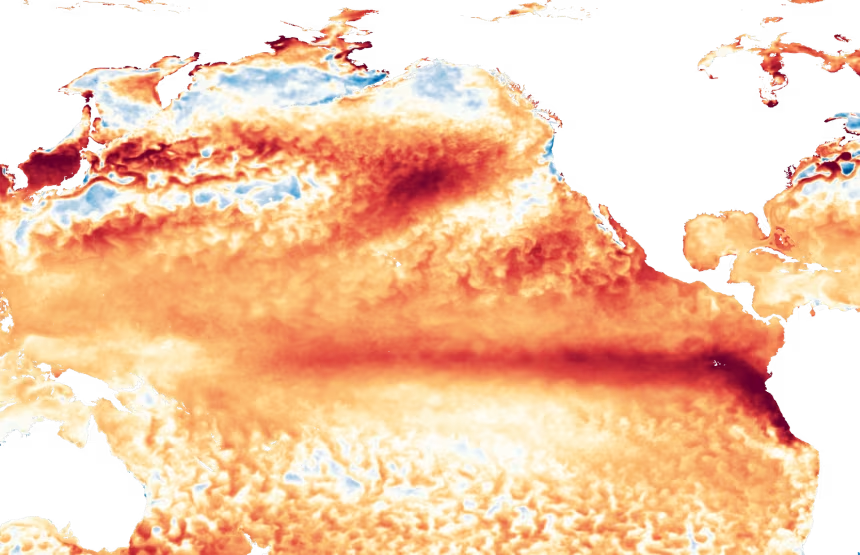
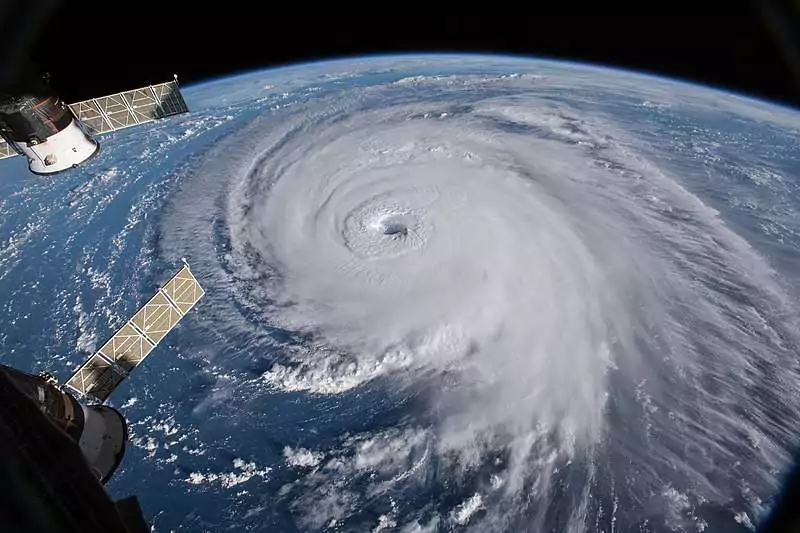
Scientists are investigating whether a controversial climate technique could mitigate the effects of a powerful Super El Niño, which experts predict may develop in the coming months and bring more extreme weather worldwide.
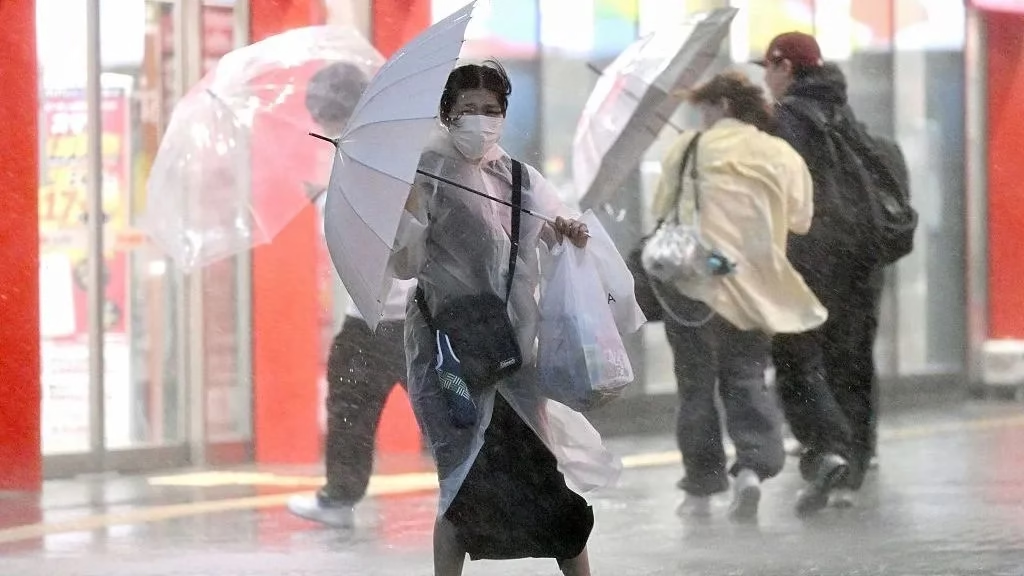
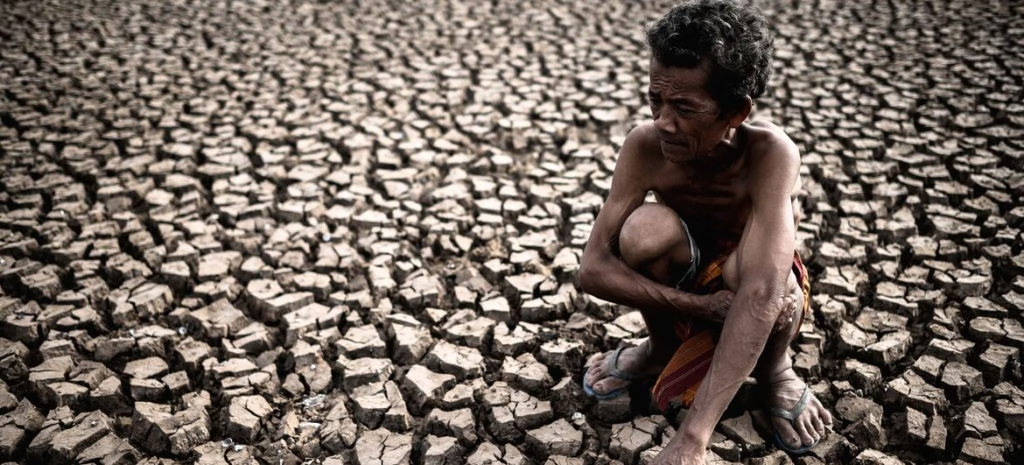
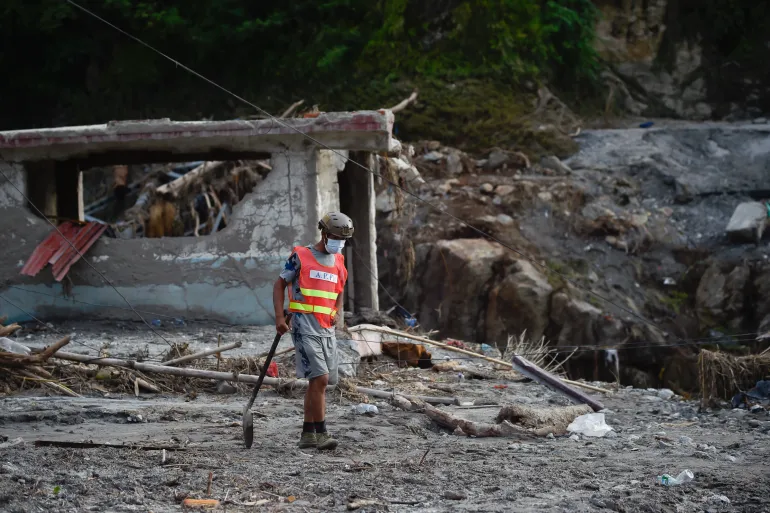
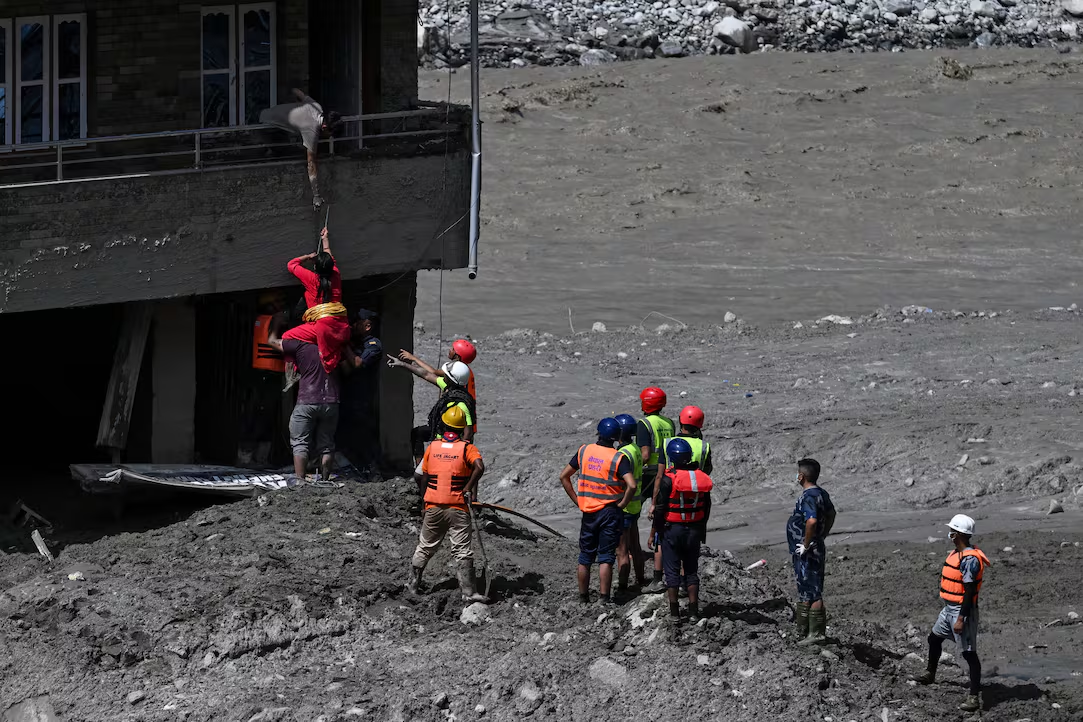
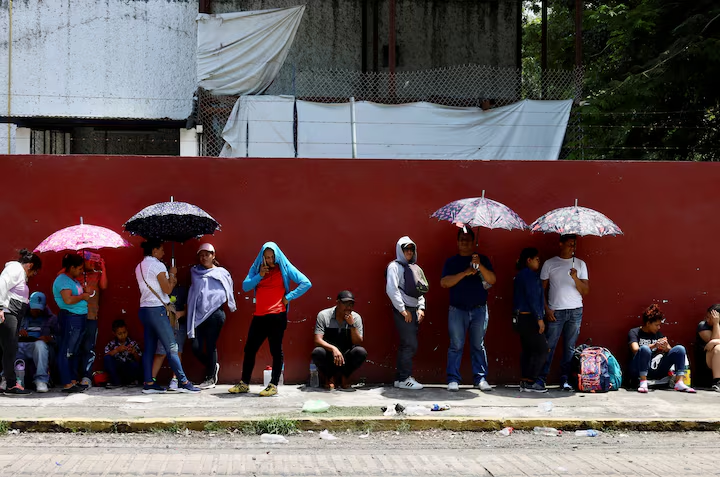
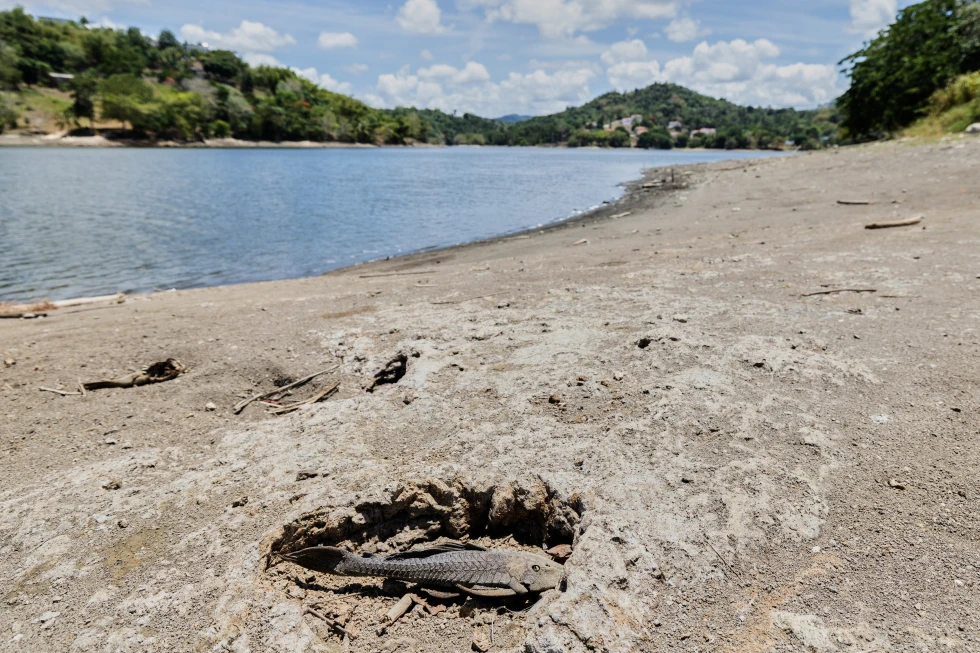
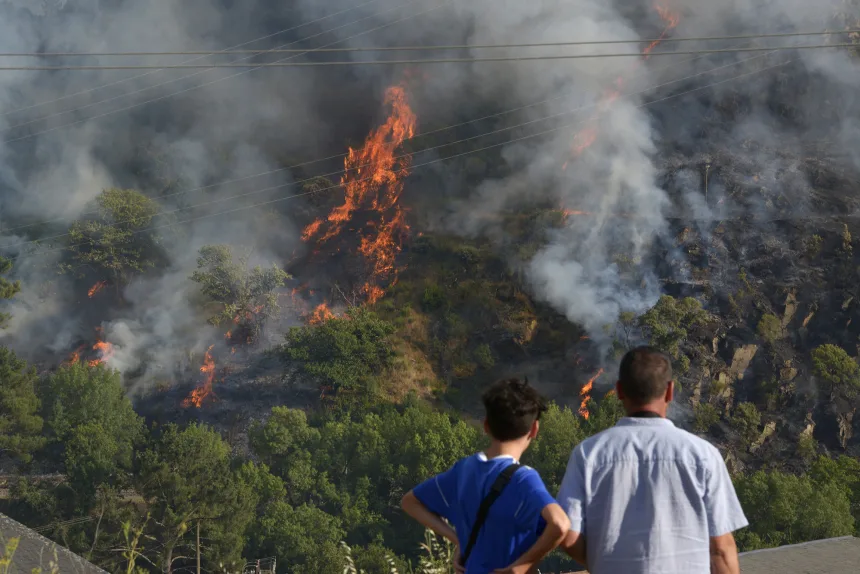
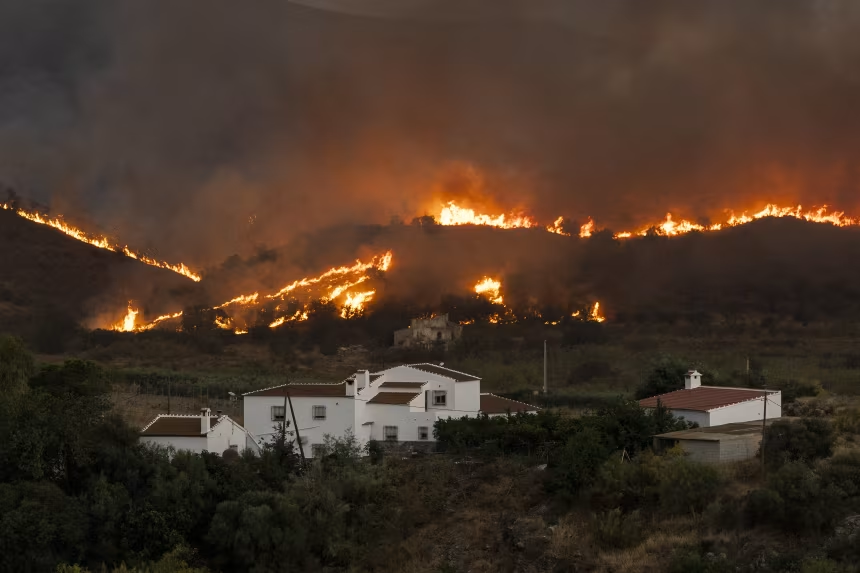
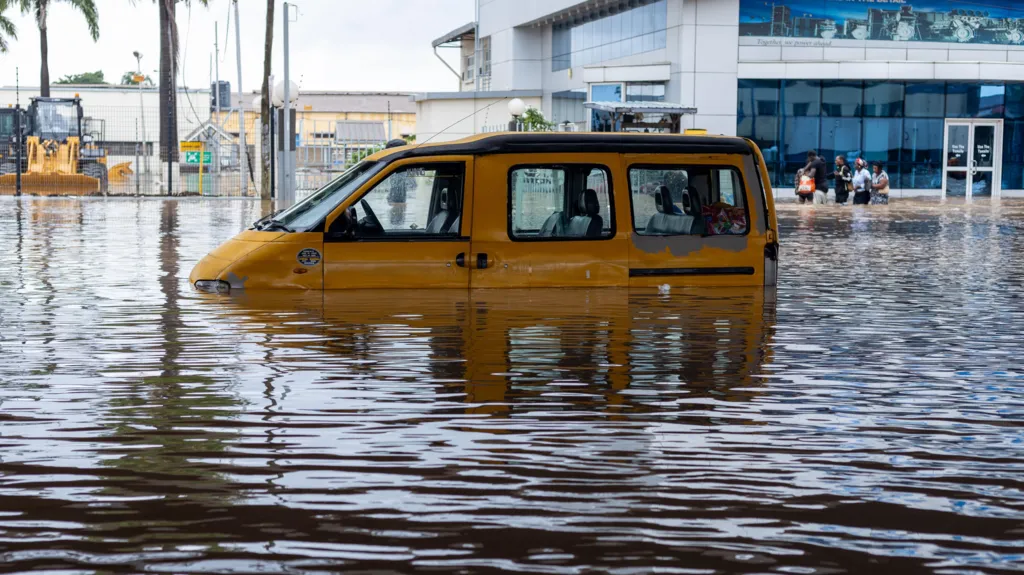
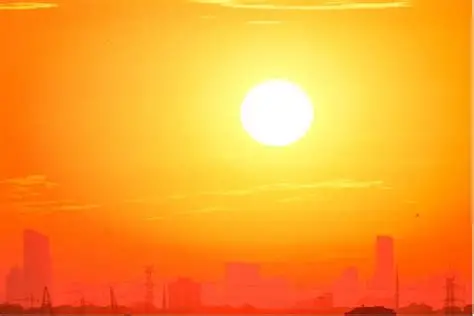
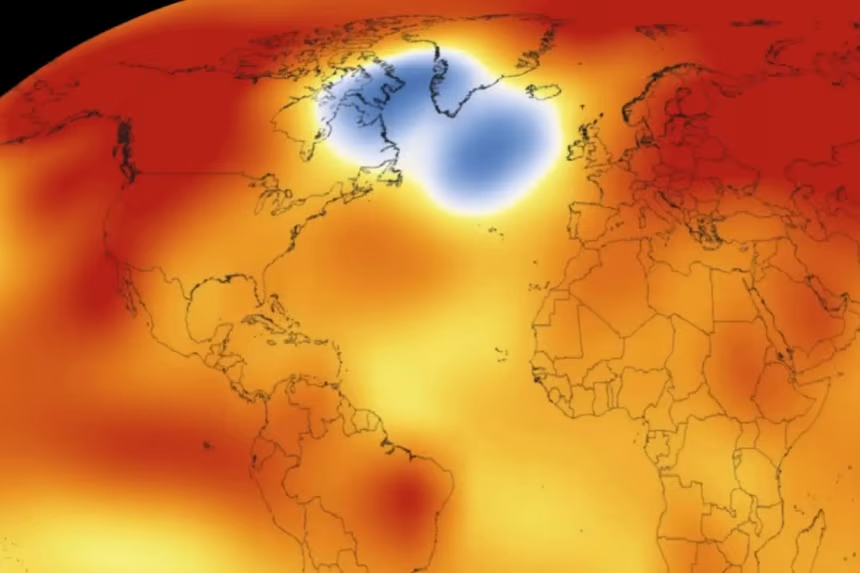
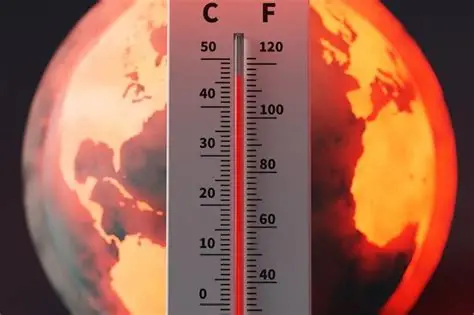
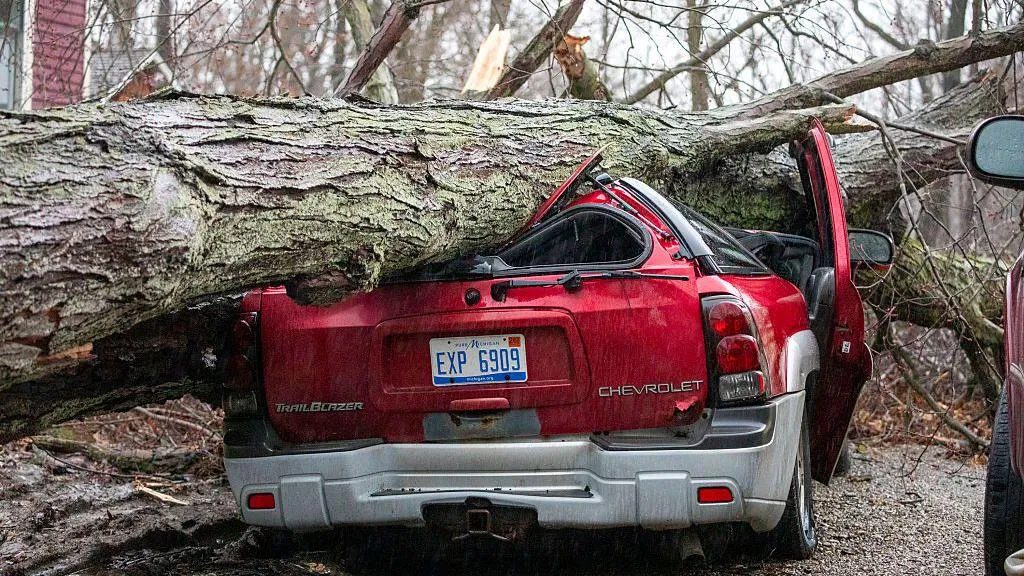
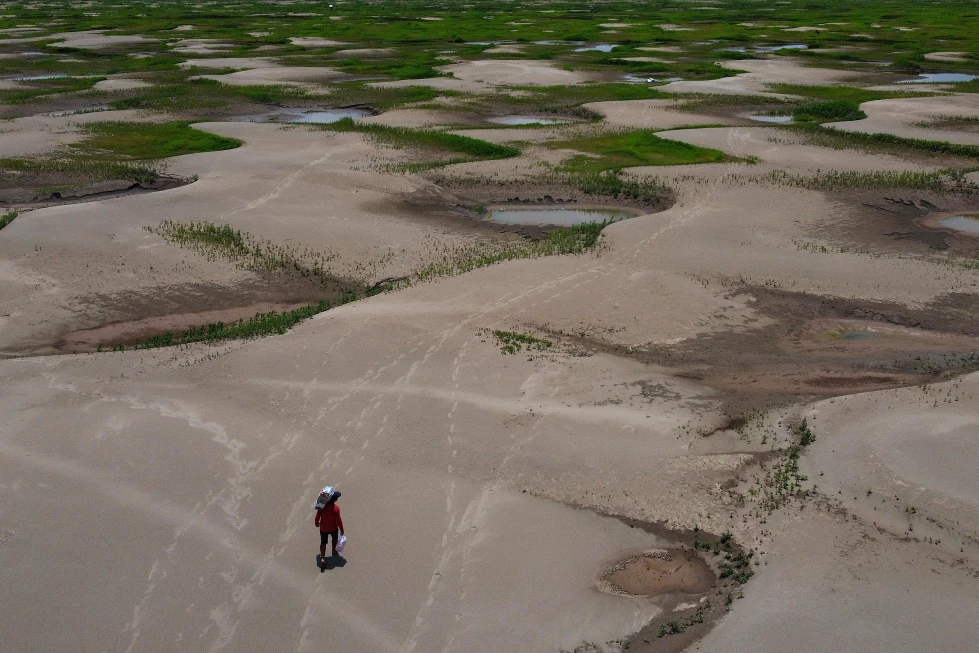
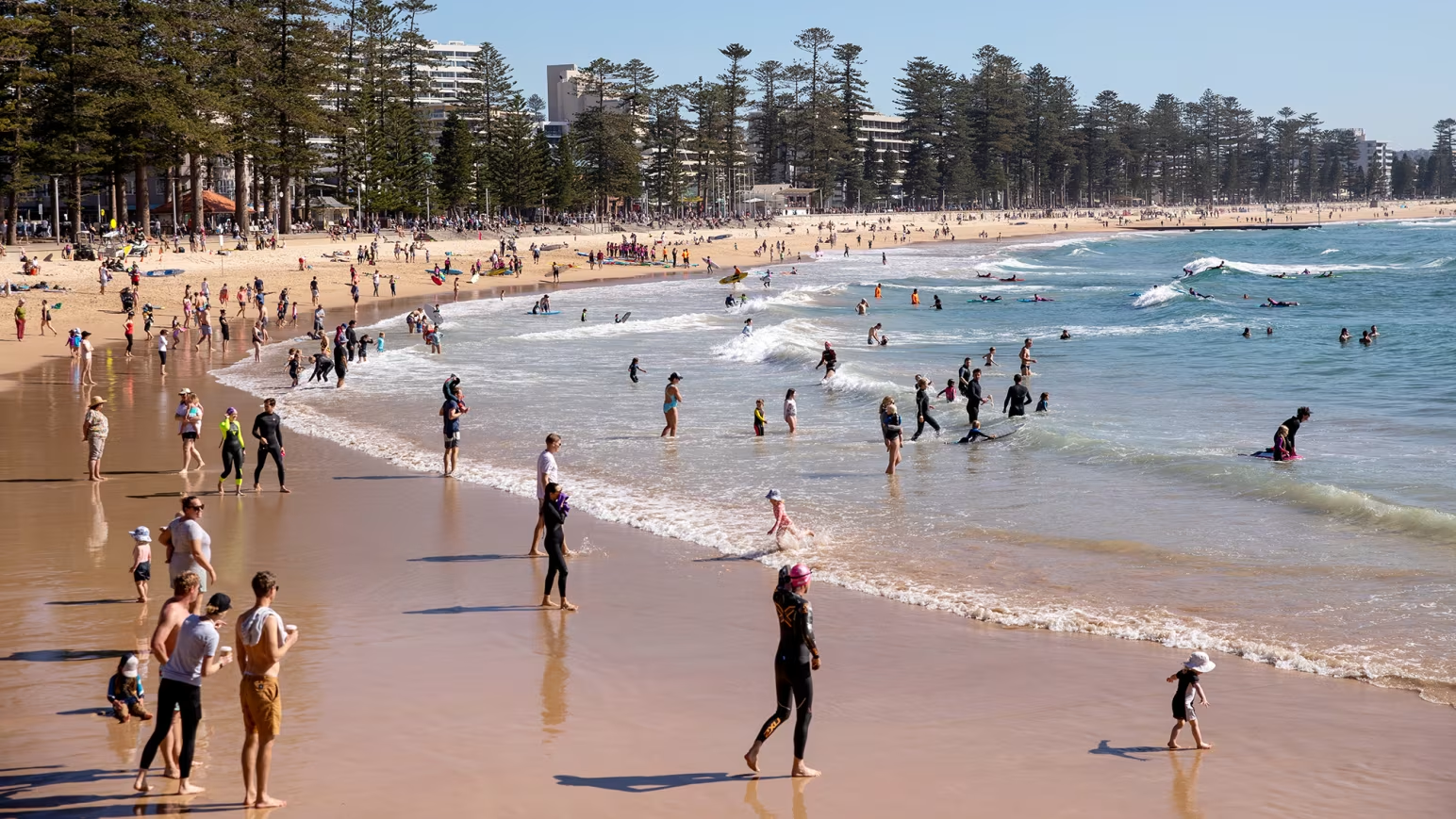
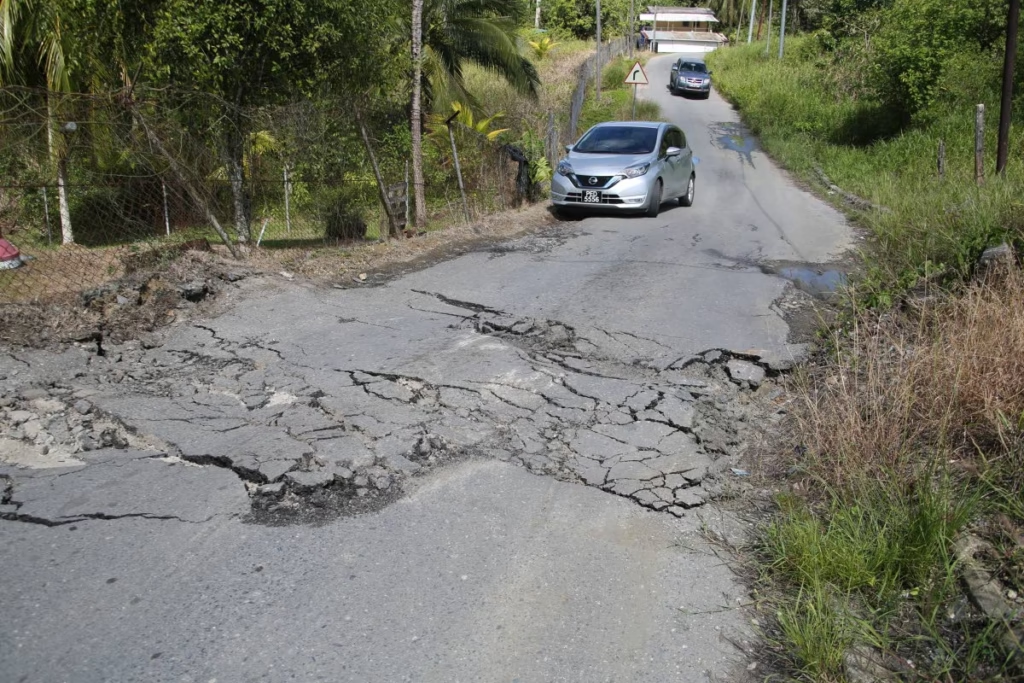
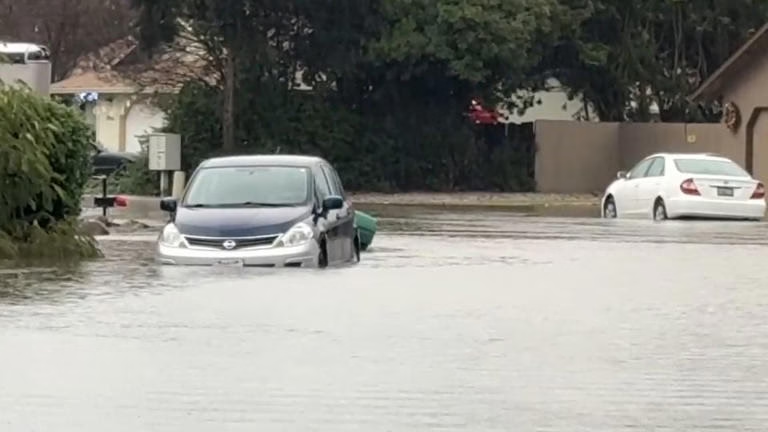
El Niño is a natural climate pattern that begins in the tropical Pacific Ocean. It often raises global temperatures and increases the risk of heatwaves, droughts, floods, and wildfires. Climate change is intensifying these events by warming the planet.
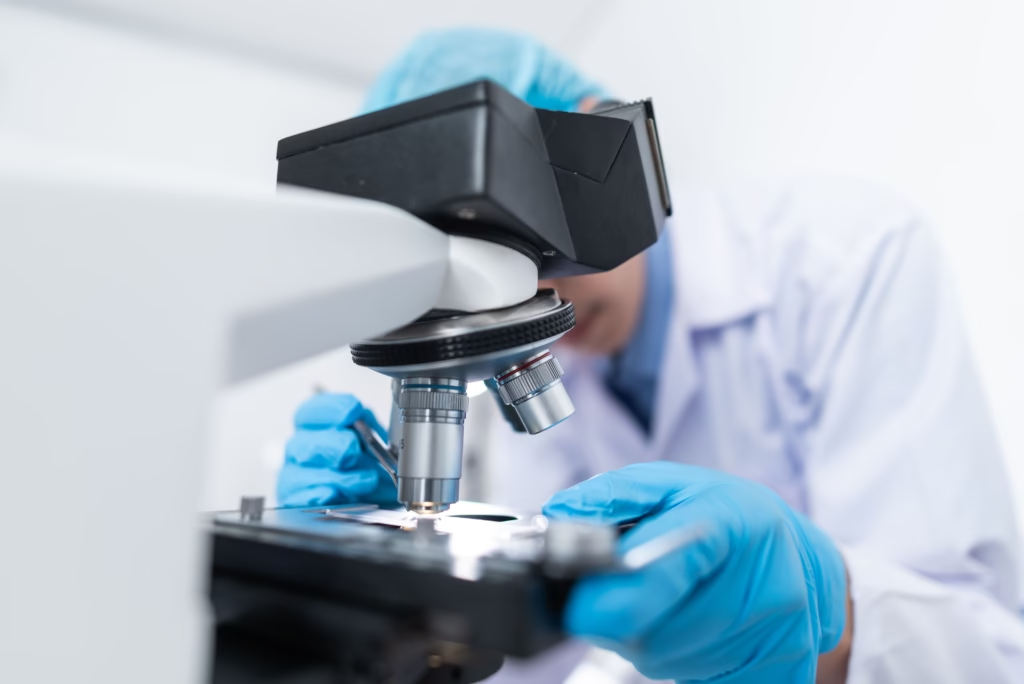
A new study published in the journal Science Advances examined whether a method known as marine cloud brightening could weaken the effects of the strongest El Niño events. The research team, led by scientists at the Scripps Institution of Oceanography, focused on computer models instead of real-world testing.
Marine cloud brightening involves spraying tiny particles into ocean clouds. These particles help the clouds reflect more sunlight into space. In theory, this could cool parts of the Pacific Ocean and reduce the strength of an El Niño.
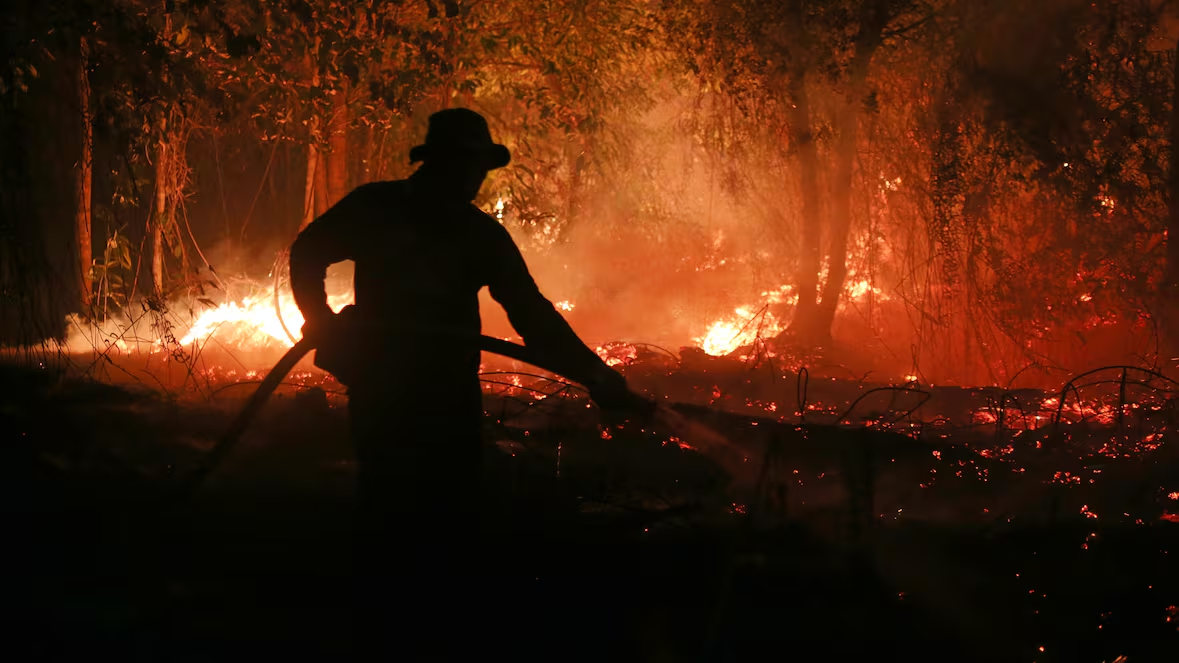
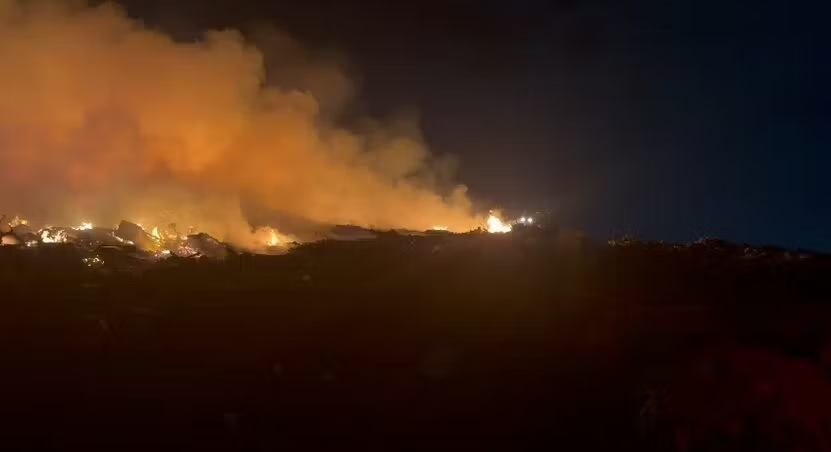
To test the idea, researchers used information from Australia’s 2019 and 2020 Black Summer bushfires. Smoke from those fires contained particles that made clouds more reflective. Earlier research suggested those clouds helped cool the Pacific Ocean and contributed to a later La Niña event, which usually has the opposite effect of El Niño.
The new study found that using a similar approach before major El Niño events could reduce their impacts by about 40 percent. It also found that the technique would work best if used early.
However, the researchers stressed that the study does not support using geoengineering at this time. Instead, they described it as a proof of concept that deserves further research.
Other climate experts also urged caution. They warned that the technology needed for marine cloud brightening does not yet exist on a large enough scale. Scientists also raised concerns about possible unintended effects, including the risk of creating an unusually strong La Niña.
Researchers said many scientific, technical, and ethical questions remain unanswered. They believe more studies are needed before anyone considers using the technique to reduce the effects of future Super El Niño events.