
 English
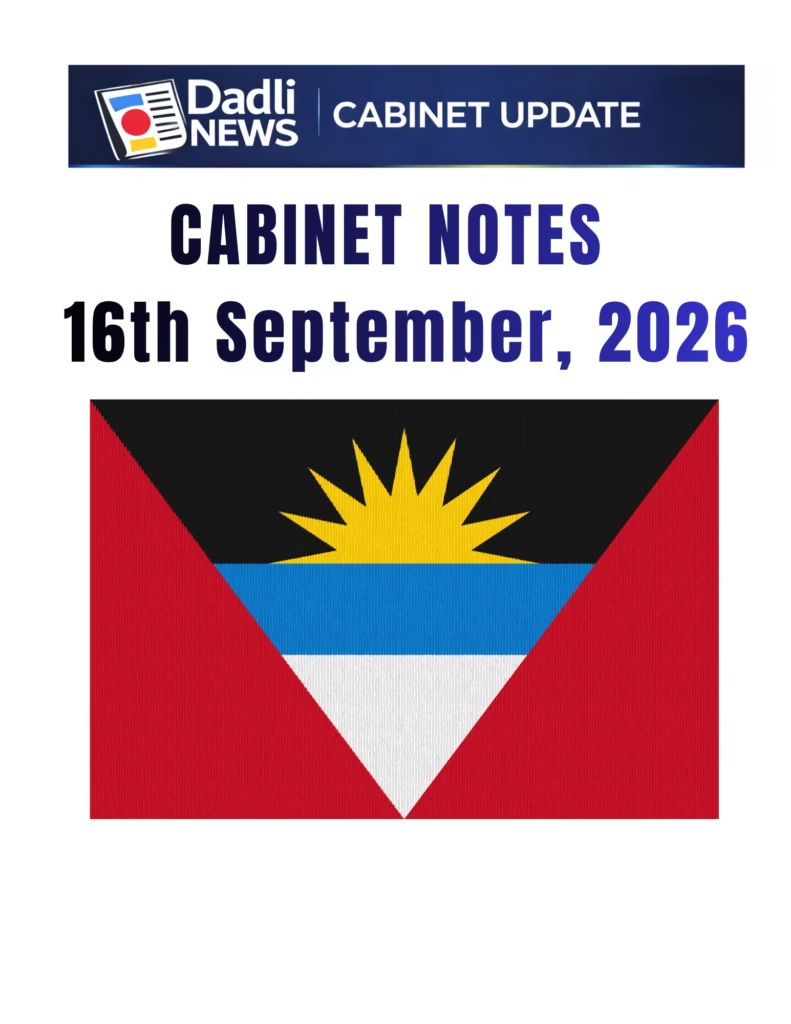



































































































































































































































































































































































































































































































































































































































































































































































































































































































































































































































































































































































































































Cabinet Notes- September 16, 2028
REPORT FROM THE CABINET OF ANTIGUA AND BARBUDA
MEETING OF WEDNESDAY 16 th SEPTEMBER 2026
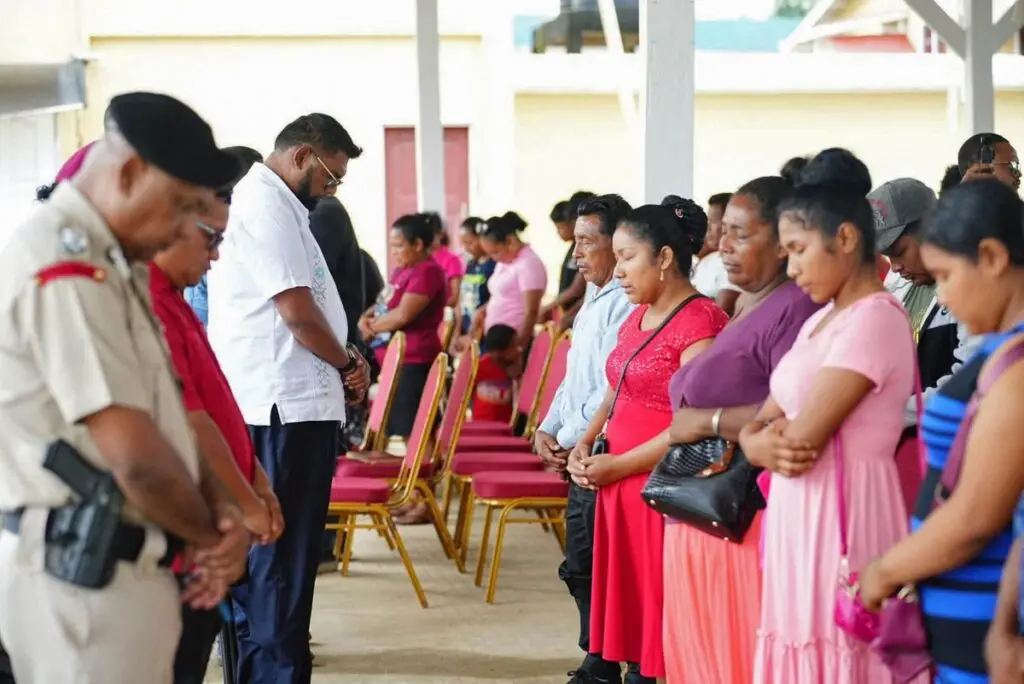
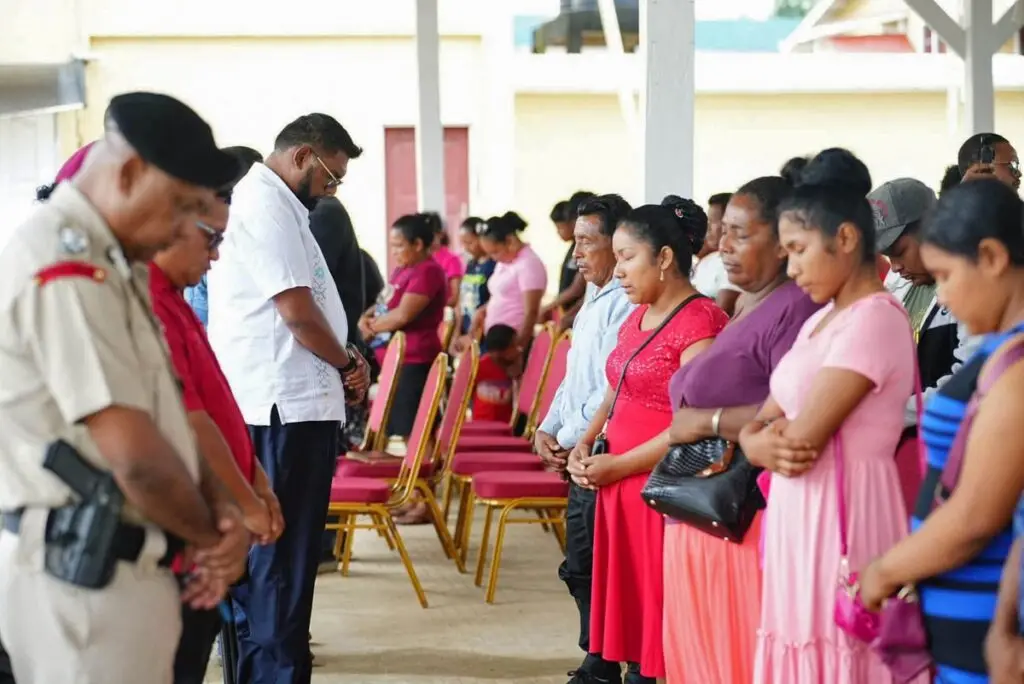
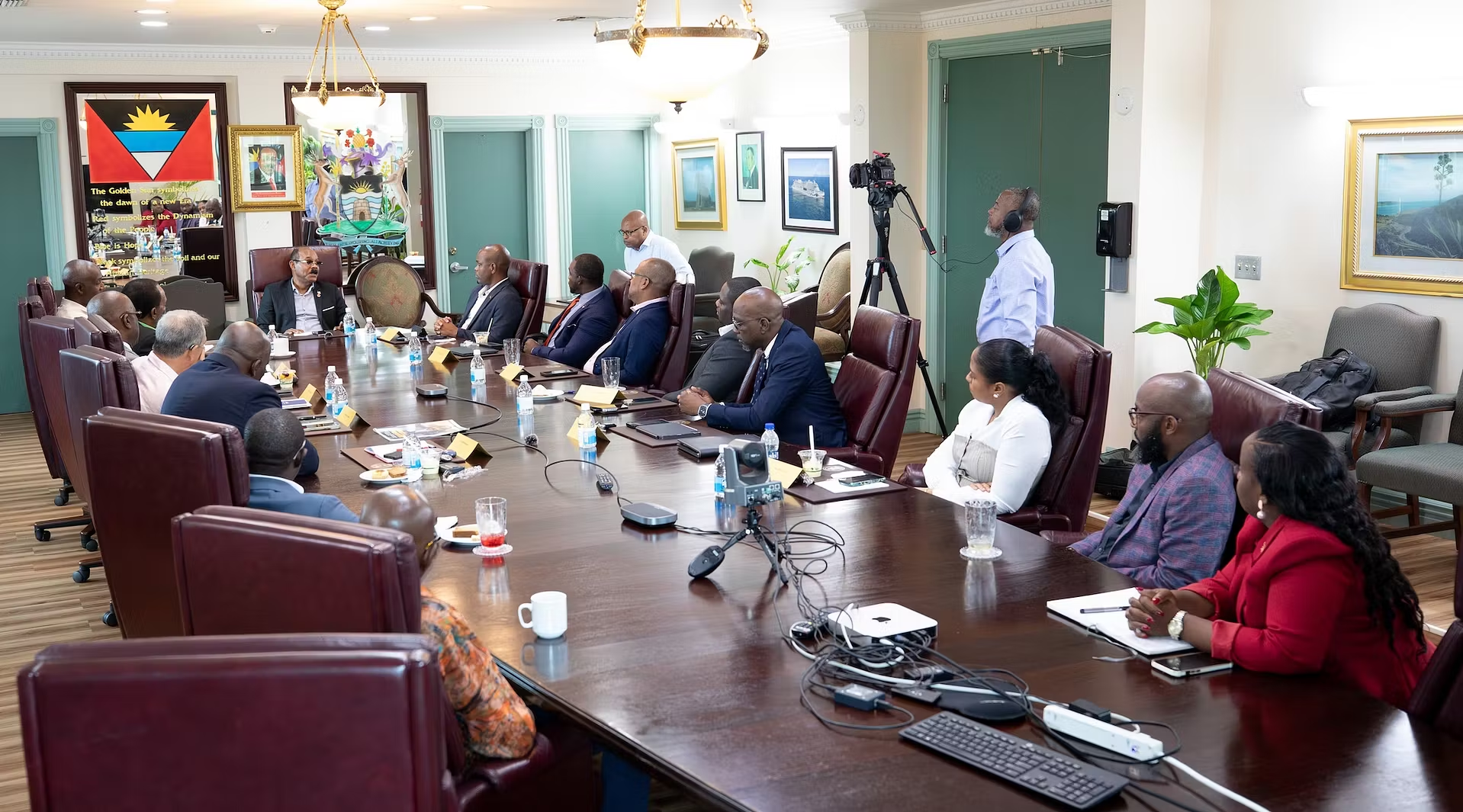
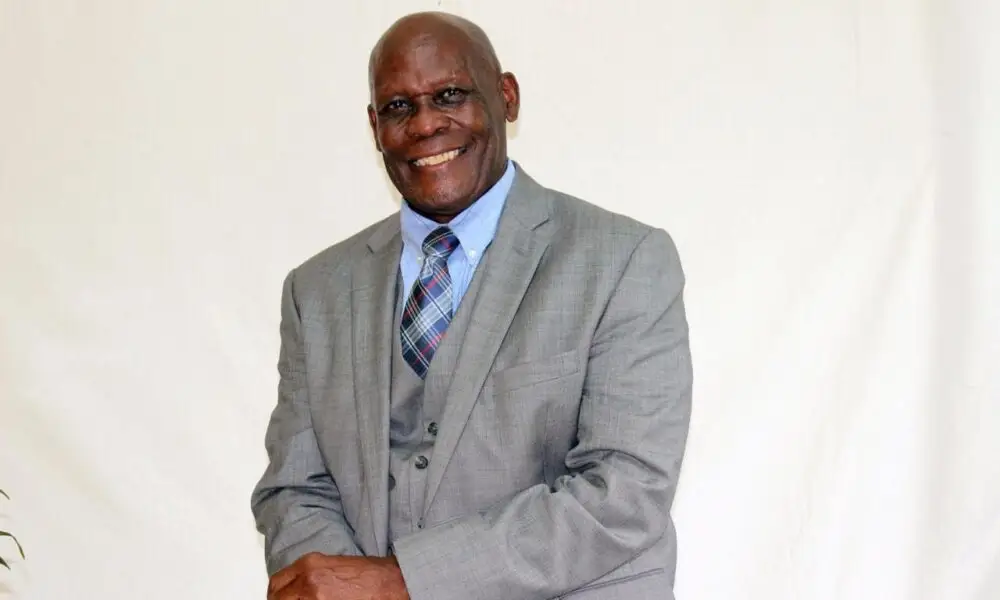
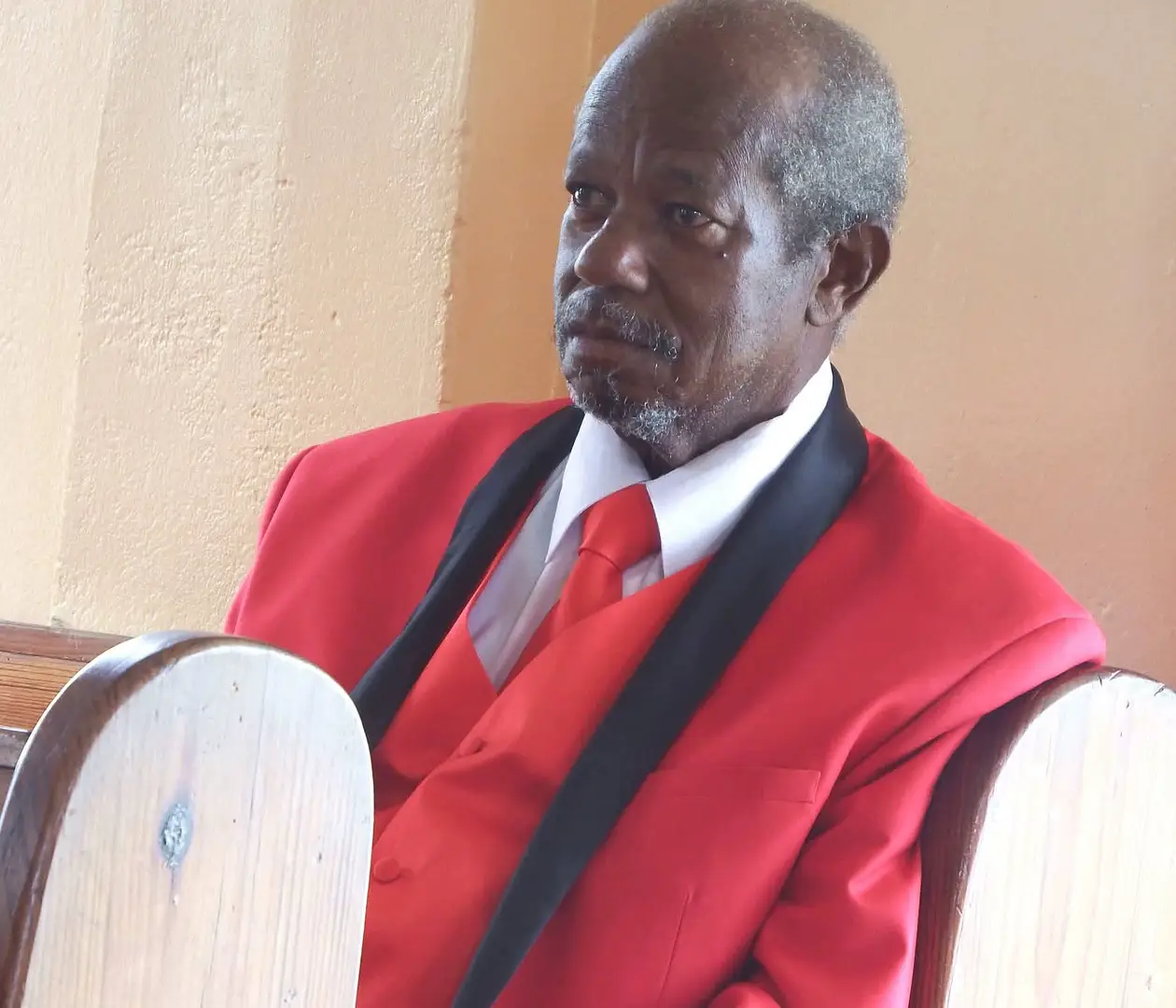
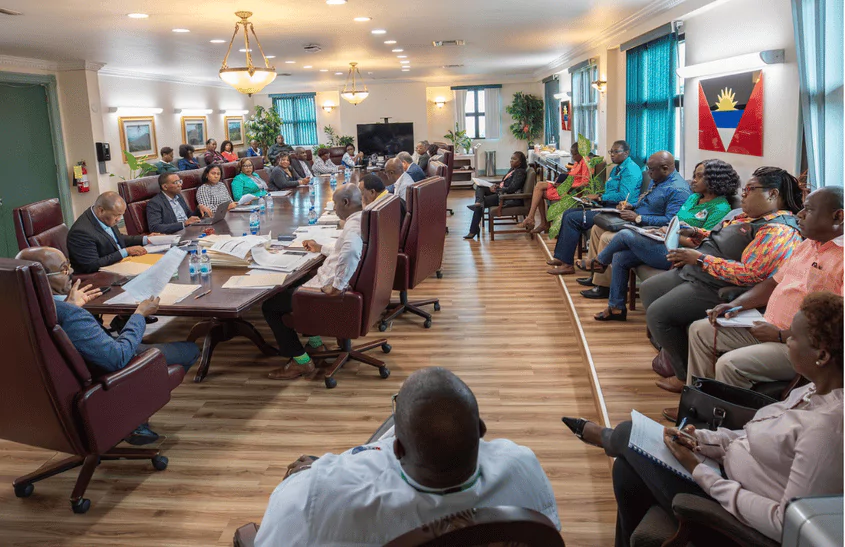
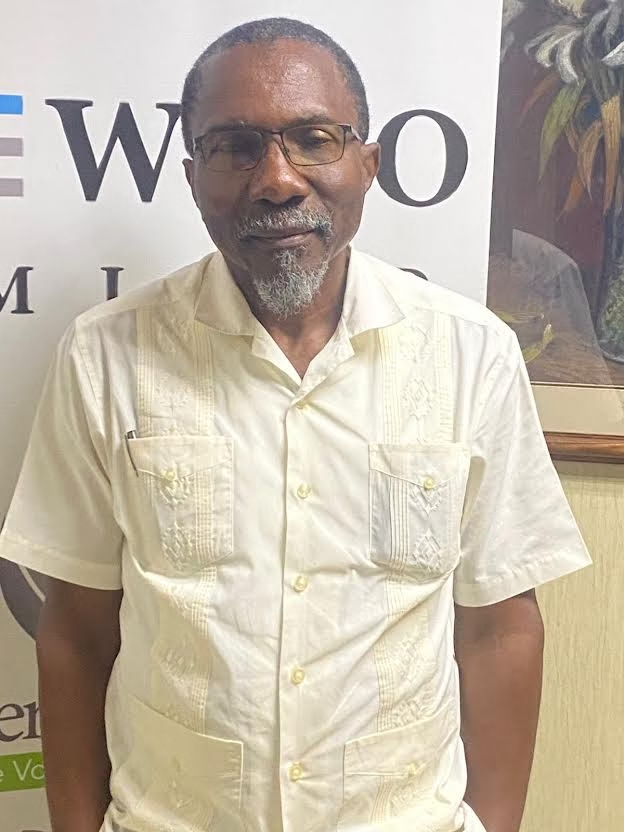
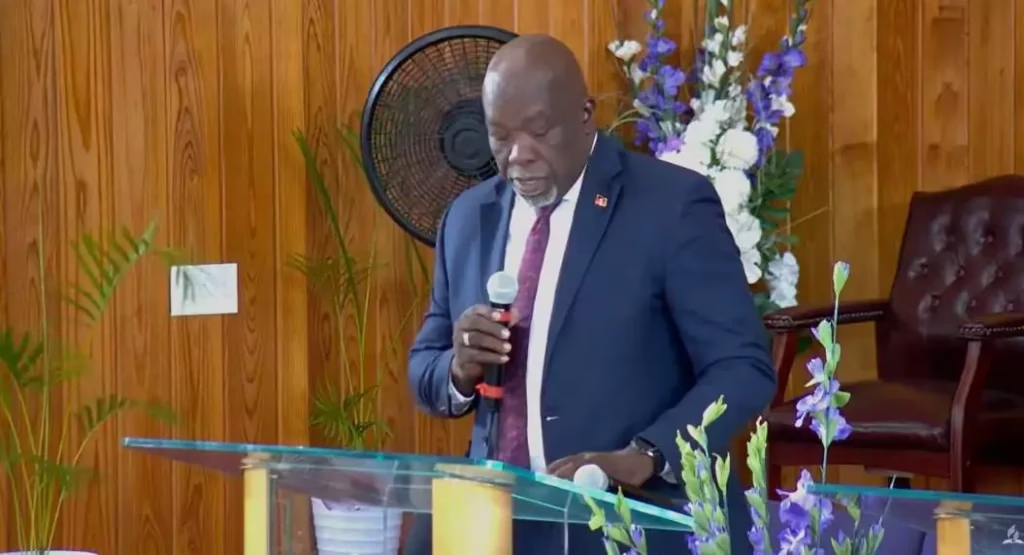
The Cabinet of Antigua and Barbuda commenced its meeting with a meditation and prayer delivered
by Pastor Davis, who based his reflection on Hebrews 2:1–4. The passage urges believers to pay
careful attention to the things they have heard, so that they do not drift away from the truth and
guidance of God.
Reflecting on Hebrews 2, the pastor drew particular attention to the opening admonition: “Therefore
we ought to give the more earnest heed to the things which we have heard, lest at any time we should let them slip.” He
explained that the passage calls for attentiveness and spiritual discipline. It is not enough merely to
hear the Word of God; believers must take heed of it, retain it and allow it to guide their actions.
He reminded Cabinet that amid the many demands, pressures and responsibilities of leadership,
there can be distractions that make it difficult to hear and respond to God’s direction. The scripture
therefore provides an important reminder that those entrusted with responsibility must remain
grounded in sound principles and attentive to the wisdom that comes from above.
The pastor further reflected that Hebrews 2:1–4 speaks to the seriousness of God’s message and the
responsibility that accompanies receiving it. God’s guidance, he noted, should never be treated
casually or ignored. Rather, His Word should provide a foundation upon which decisions are made
and lives are ordered.
Applying the scripture to the work of the Cabinet, the pastor observed that national leadership
carries tremendous responsibility. The decisions taken by Cabinet affect individuals, families,
communities and the future direction of Antigua and Barbuda. Members must therefore continually
seek wisdom, understanding and discernment as they deliberate on matters affecting the nation.
He encouraged members of the Cabinet to make time, even amid their demanding schedules, to
listen for God’s voice and to allow divine principles of justice, compassion, humility and service to
influence their work.
The pastor gave thanks to Almighty God for the gift of another day and for another opportunity to
gather, to give thanks and, most importantly, to listen to His voice. He reminded members of the
Cabinet that each new day is a blessing and should be approached with gratitude and a willingness to
seek God’s direction.
In concluding the meditation, the pastor offered prayers for the Prime Minister, members of the
Cabinet and the people of Antigua and Barbuda. He thanked God for another day of life and service
and prayed that Cabinet would remain attentive to His voice.
He asked Almighty God to grant members of the Cabinet wisdom from on high, giving them
discernment to make sound decisions, courage to do what is right, compassion in their service to the
people and strength to faithfully discharge the responsibilities entrusted to them.
The pastor committed the deliberations of the Cabinet into God’s hands, praying that His guidance
would remain with its members throughout their meeting and that their decisions would contribute
to the peace, wellbeing, progress and continued development of Antigua and Barbuda.
1. Cabinet Backs Operation Iron Grip and Orders Review of Child Justice Act as Government
Strengthens Crime-Fighting Measures
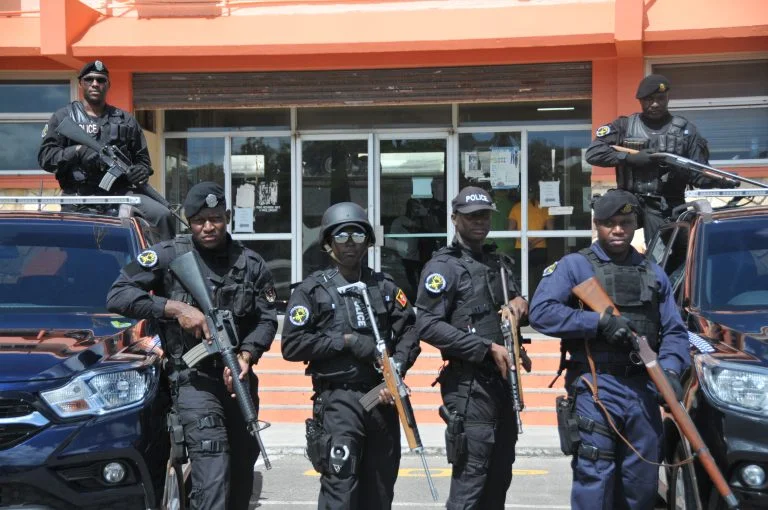
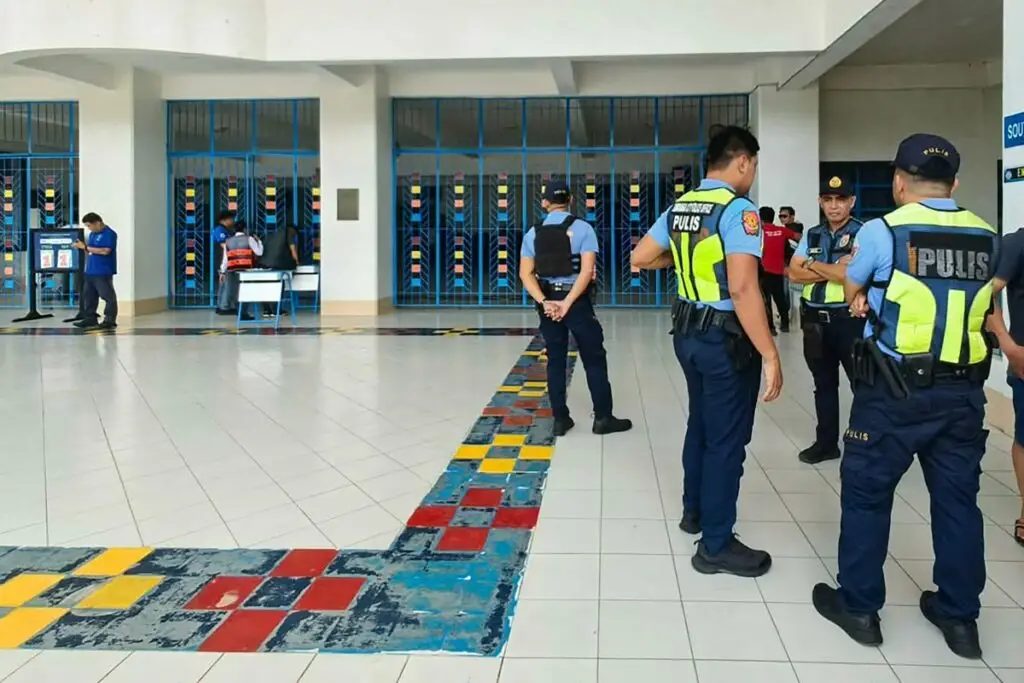
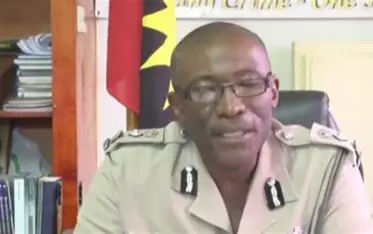
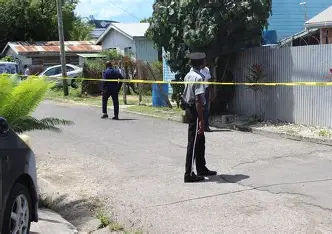
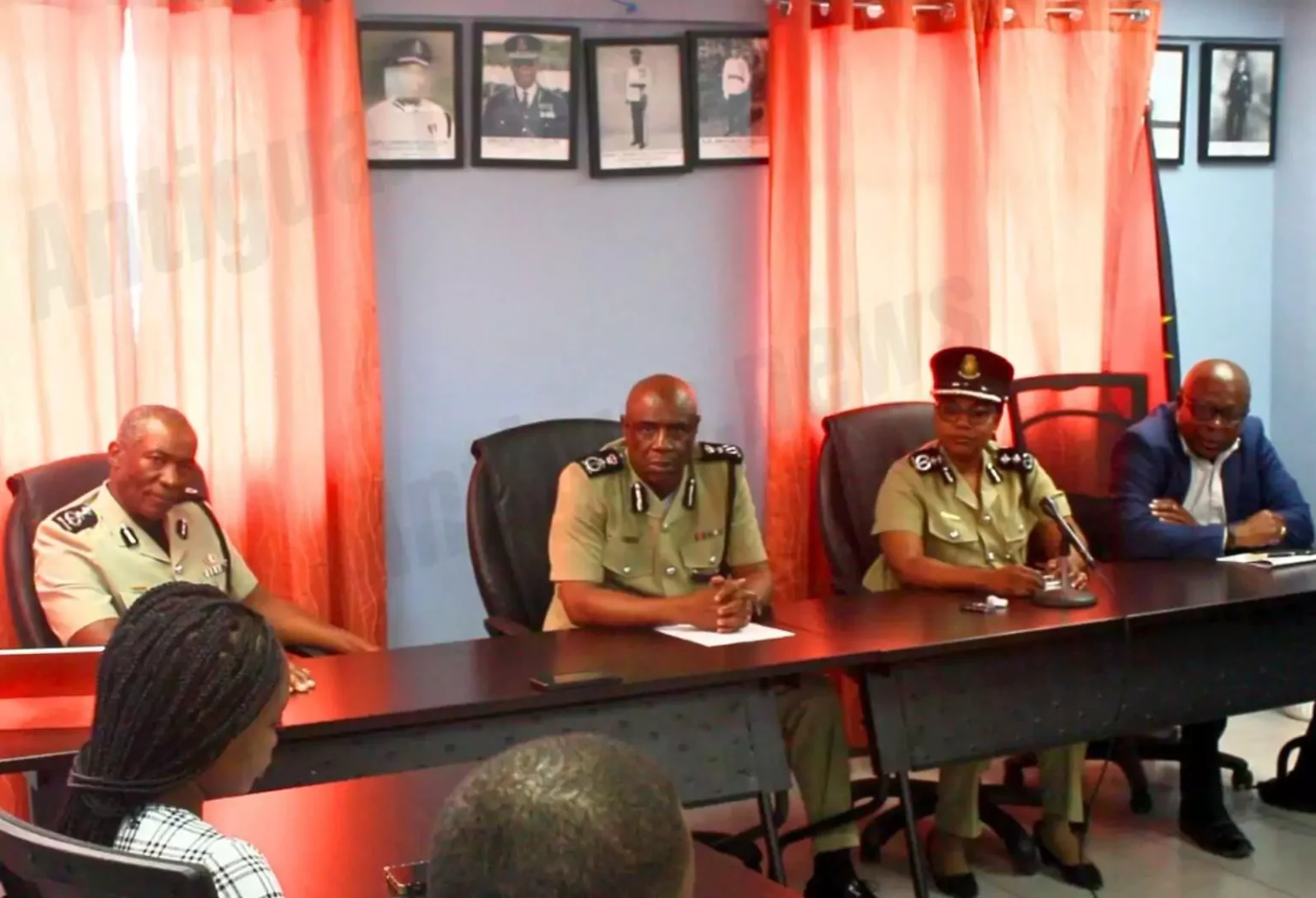
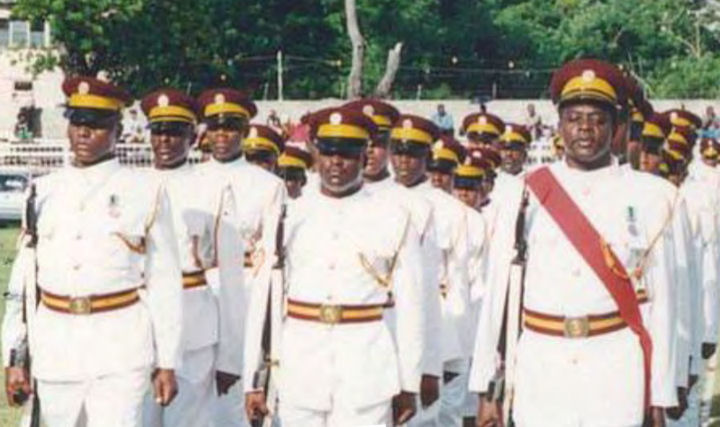
The Cabinet of Antigua and Barbuda has reaffirmed its full support for the Royal Police Force of
Antigua and Barbuda as it continues Operation Iron Grip, while agreeing to a review of provisions
of the Child Justice Act dealing with the diversion of juveniles accused of firearm offences and other
serious crimes.
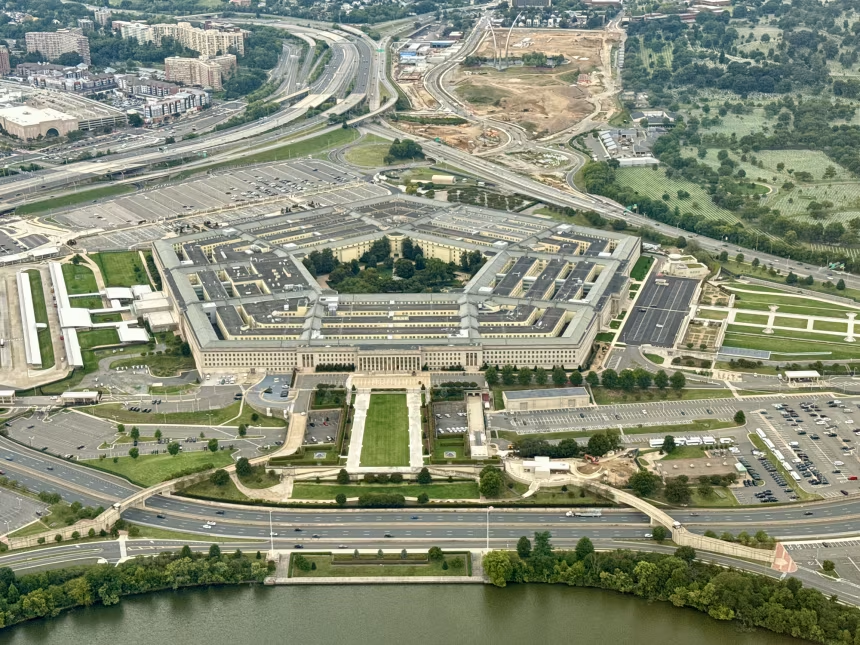
The matters formed part of extensive Cabinet discussions on Wednesday on national security, youth
involvement in serious crime, and the Government’s continuing efforts to strengthen the legislative
and law-enforcement framework.
Cabinet noted the progress being made by the Royal Police Force through Operation Iron Grip and
commended officers for their recent successes in suppressing serious criminal activity.
Operation Iron Grip was launched in June as a targeted crime-fighting initiative aimed at disrupting
criminal activity and increasing visible police presence, particularly in identified hotspot
communities. Public reporting at the launch indicated that the operation would involve targeted
enforcement and greater police activity designed to disrupt the movement and operations of persons
engaged in criminal activity.
The Cabinet noted that the initiative complements other measures being pursued by the
Government to strengthen public safety, including the expansion of the national CCTV surveillance
network. Government is currently deploying more than 200 cameras at strategic locations to assist
the Police with crime prevention, detection and investigations. This process is expected to be
completed by the end of September.
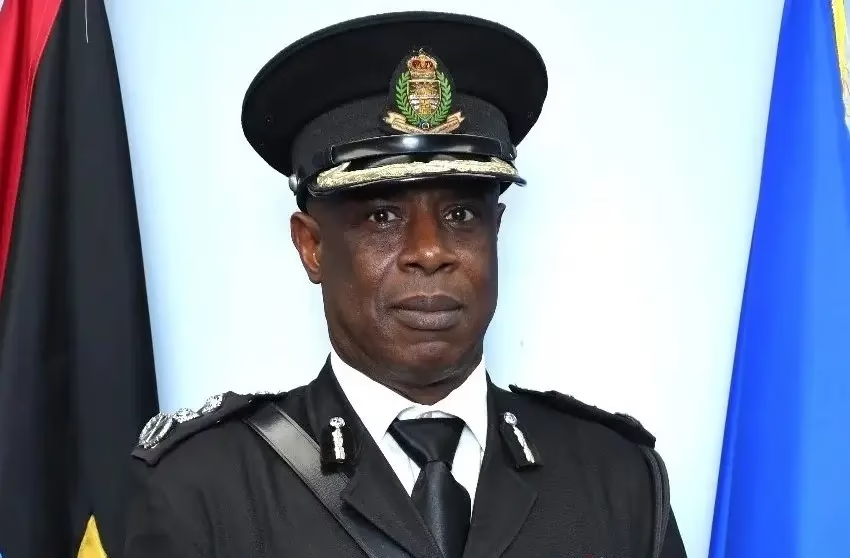
Cabinet pledged its continued support to the Commissioner of Police and the men and women of
the Royal Police Force and reiterated that the Police will be provided with the resources and
institutional support required to effectively discharge their responsibilities.
Cabinet again appealed to members of the public to support the Police by providing information
concerning criminal activity. Members emphasized that effective policing requires cooperation
between law enforcement and the communities they serve and encouraged citizens with relevant
information to make it available to the Police.
Cabinet also held lengthy discussions on the operation of the Child Justice Act, 2015, particularly as
it relates to children and juveniles alleged to have committed firearm offences and other serious
crimes.
The Act defines a child as a person under 18 and establishes a system under which certain matters
involving children may be diverted away from formal court proceedings. Among the stated purposes
of diversion are holding a child accountable, encouraging rehabilitation and reintegration, avoiding
unnecessary stigmatization and preventing a child from acquiring a criminal record.
Under the existing legislation, the Child Justice Board considers whether a matter may be diverted
after taking account of several factors, including recommendations from the Director of Public
Prosecutions or a designated prosecutor, the assessment of the child, the views presented at the
initial inquiry, the child’s willingness to acknowledge responsibility and the child’s age.
Cabinet agreed that, in light of concerns surrounding the involvement of some young persons in
firearm-related and other serious offences, the operation of these provisions should now be
reviewed.
The Office of the Attorney General has therefore been tasked with conducting a review of the Child
Justice Act, with particular attention to limiting the circumstances in which matters involving
firearms and other serious criminal offences may qualify for diversion.
The review will examine the existing statutory framework and make recommendations to Cabinet on
any amendments considered necessary. Cabinet stressed that the exercise must appropriately balance
the rehabilitative objectives of the child-justice system with the protection of the public and the
seriousness of offences involving firearms and violence.
The existing Act already recognises that diversion is not automatic. It establishes conditions for
consideration of diversion and provides for matters to proceed to plea and trial where diversion does
not occur and the Director of Public Prosecutions decides to prosecute.
As part of its discussions on public safety, Cabinet also reiterated its warning concerning the wearing
of masks or other face coverings in circumstances where they are being used to conceal a person’s
identity.
Cabinet advised the public that face coverings should not be worn for the purpose of concealing
identity, except where their use is legitimately required in the performance of work or other
circumstances permitted by law. The Government’s renewed attention to the issue comes against the
background of incidents in which offenders have reportedly used masks or other coverings while
committing crimes.
Cabinet has requested that the Police continue to enforce the applicable laws and urged members of
the public to cooperate fully with lawful directions from police officers.
Cabinet emphasized that the measures form part of a broader approach to crime prevention and
public safety that combines stronger policing, modern surveillance technology, legislative reform,
youth intervention and greater community cooperation.
Cabinet reaffirmed that while law-enforcement agencies have a critical role to play, reducing crime
requires the participation of families, schools, churches, community organisations and citizens.
The Cabinet again pledged its full support to the Royal Police Force of Antigua and Barbuda and
Operation Iron Grip and called upon all law-abiding residents to work with the Police as the country
continues its efforts to make communities safer and to protect the lives and property of citizens and
residents.
2. Cabinet Receives Update on Number Portability; November 23 Target Set for Launch
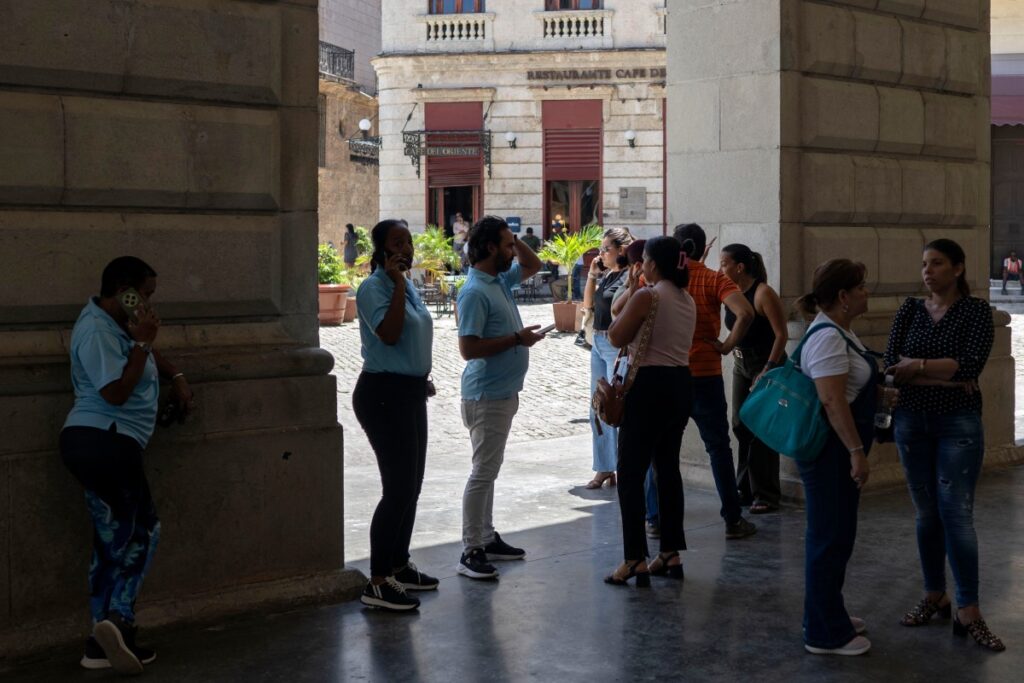
The Cabinet of Antigua and Barbuda today received a detailed presentation on the implementation
of Mobile Number Portability, an initiative that will allow telecommunications customers to change
service providers while retaining their existing telephone numbers.
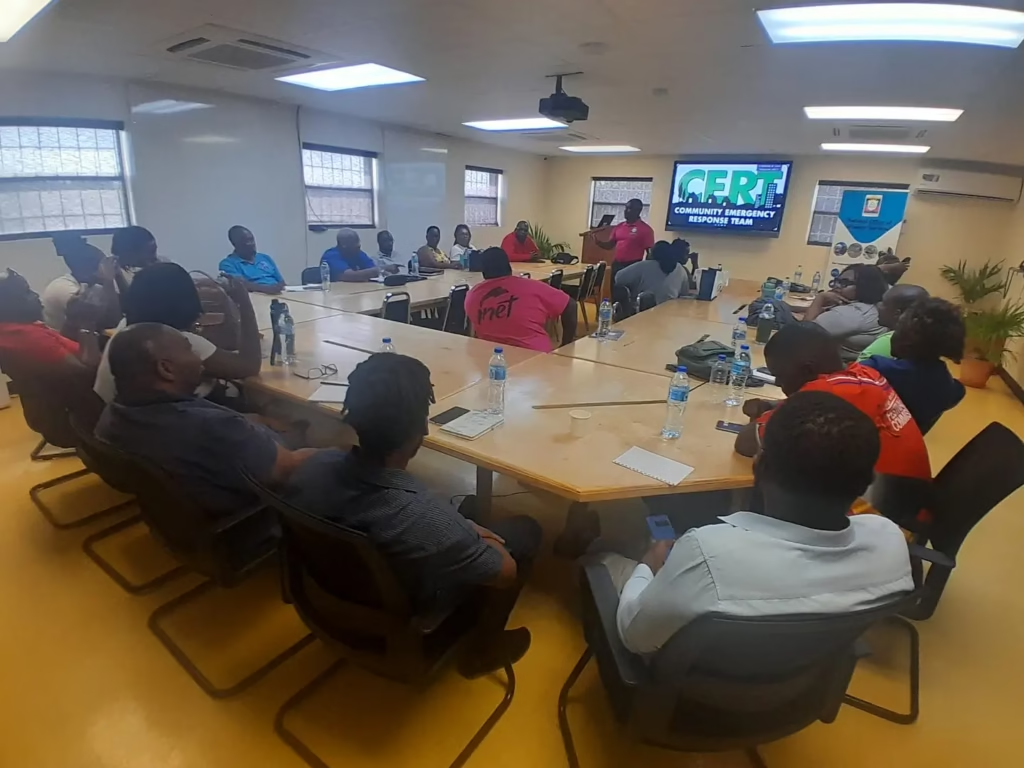
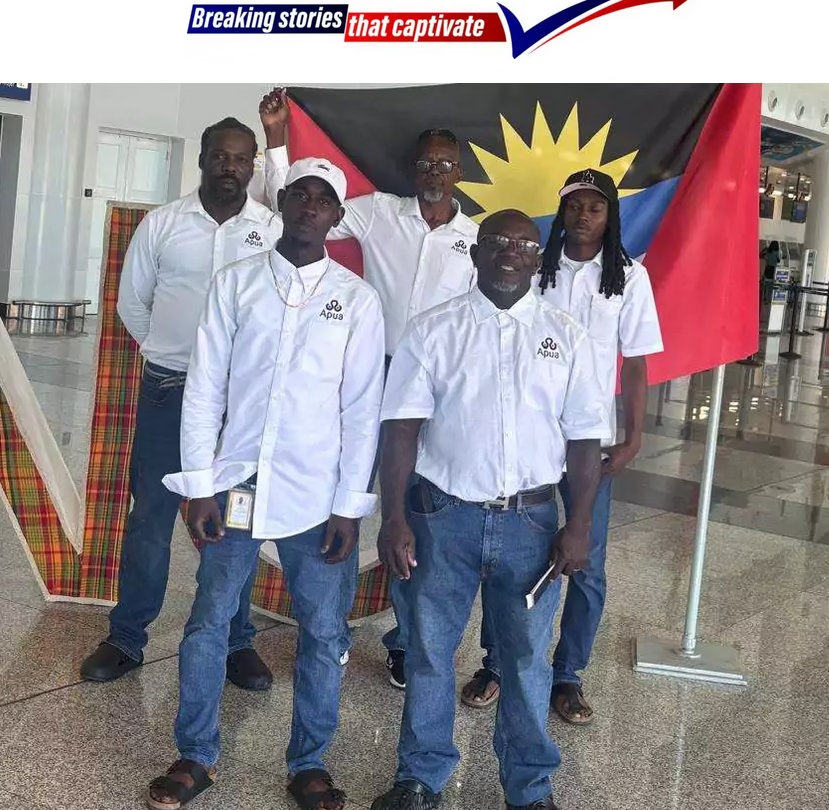
A senior manager of the Antigua Public Utilities Authority (APUA), accompanied by a consultant
engaged in the implementation process, appeared before Cabinet to provide an update on the
technical work completed to date, challenges encountered among the telecommunications operators,
outstanding testing requirements and the proposed timetable for bringing the service into operation.
Cabinet was advised that the project, which commenced in 2022, is a technically complex
undertaking requiring the systems of the country’s telecommunications operators to communicate
seamlessly with a central clearinghouse. The process involves changes not only to network
infrastructure but also to business, customer-service and retail systems.
The consultant explained that once number portability becomes operational, a customer wishing to
move from one telecommunications provider to another will be able to do so without surrendering
the telephone number he or she already uses. This is expected to give consumers greater freedom of
choice and encourage stronger competition among telecommunications providers.
Cabinet was informed that the implementation process has now reached the important porting and
routing testing stages.
Porting testing confirms that the systems of the various operators can successfully process the
transfer of a customer’s number from one network to another. Routing testing ensures that calls and
text messages sent to a transferred number are correctly directed to the network currently serving
that customer.
Cabinet was advised that the principal outstanding issues identified to date are not expected to
prevent the operators from significantly accelerating the number of test transactions and moving the
project towards completion.
The presentation also outlined work being undertaken to ensure that international services function
properly after portability is introduced, including issues associated with SMS-based two-factor
authentication used by many online platforms and digital services.
Following discussions with the telecommunications operators, Cabinet was advised that a November
23, 2026 target date is considered achievable for the introduction of number portability.
The consultant explained that the implementation schedule has been deliberately structured to
provide sufficient time for the remaining technical work, end-to-end testing and public education
programme, while minimising the possibility of disruption to telecommunications services.
Cabinet was advised that the operators have committed to completing porting testing by October
23, after which further routing and end-to-end testing will continue. Testing will also extend to the
retail environment to ensure that the experience of customers seeking to transfer their numbers
works as intended before the service is made available nationally.
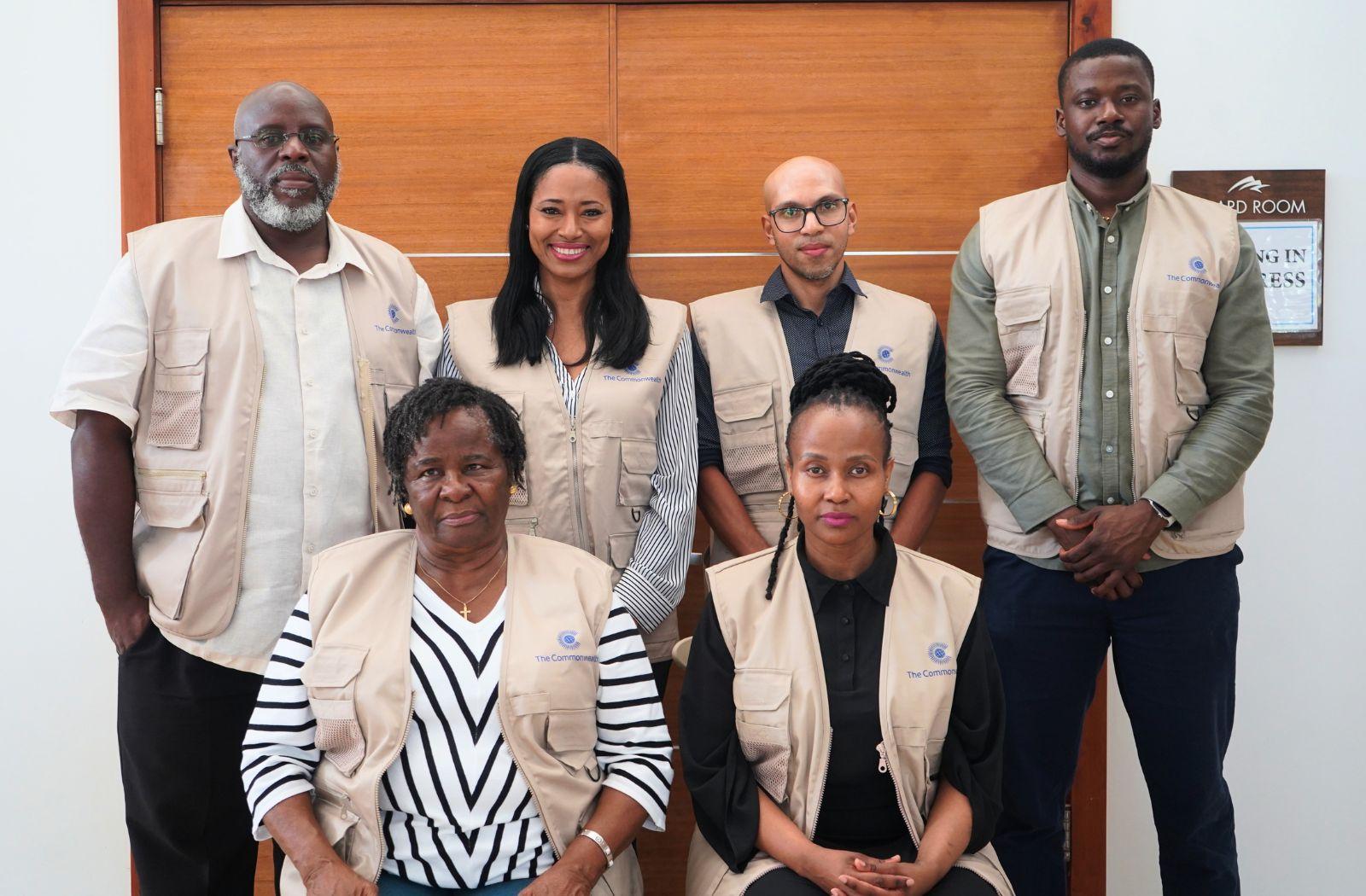
The proposed November 23 date also takes account of Antigua and Barbuda’s hosting of major
Commonwealth activities in November. The implementation team advised that introducing
significant technical network changes during that period would create unnecessary risk and that an
appropriate interval should be allowed before the new service is activated.
Cabinet was also informed that a comprehensive public education and awareness campaign is being
prepared to ensure that consumers understand how number portability will work, the procedures for
transferring a number and their responsibilities when requesting a transfer.
The Ministry has already been actively preparing the public awareness component, which will be
rolled out ahead of the introduction of the service.
Cabinet noted that the successful implementation of number portability requires coordinated action
among APUA and the other telecommunications operators, the central clearinghouse, technical
consultants and the Government, with each party required to complete its respective component
before the system can be successfully launched.
Cabinet welcomed the progress reported and acknowledged the considerable technical work that has
been undertaken to advance the initiative. Members stressed, however, the importance of adhering
as closely as possible to the revised implementation schedule and ensuring that all necessary testing
is satisfactorily completed before the service becomes available to the public.
The Government views number portability as an important consumer-empowerment measure that
will give Antiguans and Barbudans greater flexibility in choosing their telecommunications provider
without the inconvenience of having to change a telephone number that may have been used for
many years.
Cabinet looks forward to the completion of the remaining technical and public-awareness work and
to the targeted November 23, 2026 introduction of number portability in Antigua and Barbuda.
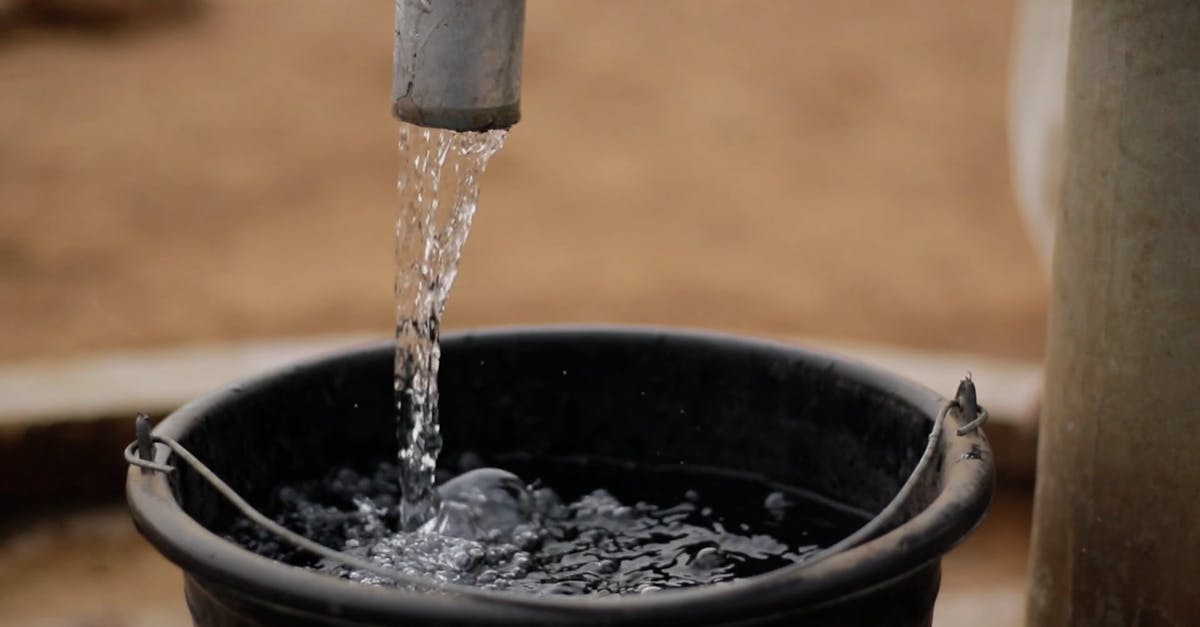
3. Cabinet Reviews Major Advances in Water Production, Storage and Distribution; Ffryes RO
Expansion to be Handed Over September 24
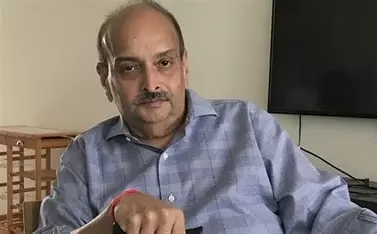
The Cabinet of Antigua and Barbuda on Wednesday received an update from the Minister
responsible for the Antigua Public Utilities Authority (APUA), the Honourable Melford Nicholas,
on continuing efforts to improve the production, storage and distribution of potable water
throughout Antigua and Barbuda.
Cabinet noted that significant progress continues to be made in expanding the country’s desalinated
water production capacity while simultaneously addressing storage and distribution constraints that
have historically affected the reliability of supply to households, businesses and other consumers.
The improvements form part of the Government’s continuing programme to achieve a more reliable
and resilient national water system through investment in reverse-osmosis technology, storage
facilities, pumping infrastructure and the replacement and upgrading of ageing pipelines.
APUA figures published in June indicated that APUA’s potable water production had risen to
approximately 11 million imperial gallons per day, compared with approximately 3.5 million gallons
daily in 2014.
Cabinet noted that increasing production alone will not completely resolve the country’s water
challenges and that Government and APUA are therefore placing increased emphasis on storage,
transmission and distribution so that the additional water being produced can be reliably delivered to
communities.
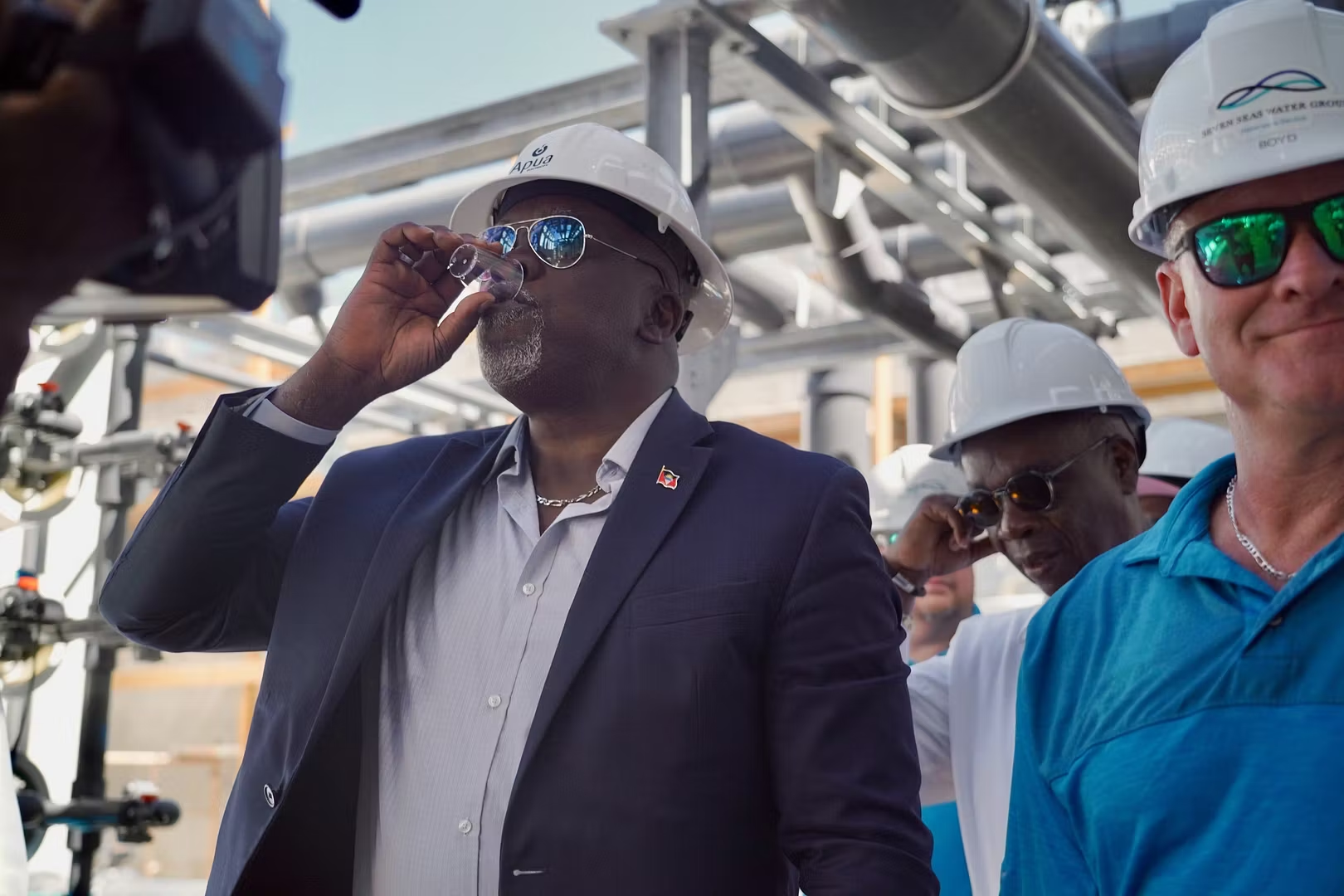
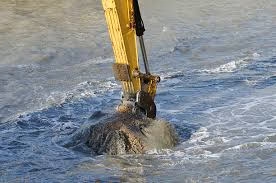
The Minister informed Cabinet that another important addition to the national water-production
infrastructure will shortly be formally handed over with the completion of the Ffryes Beach Reverse
Osmosis Plant Expansion.
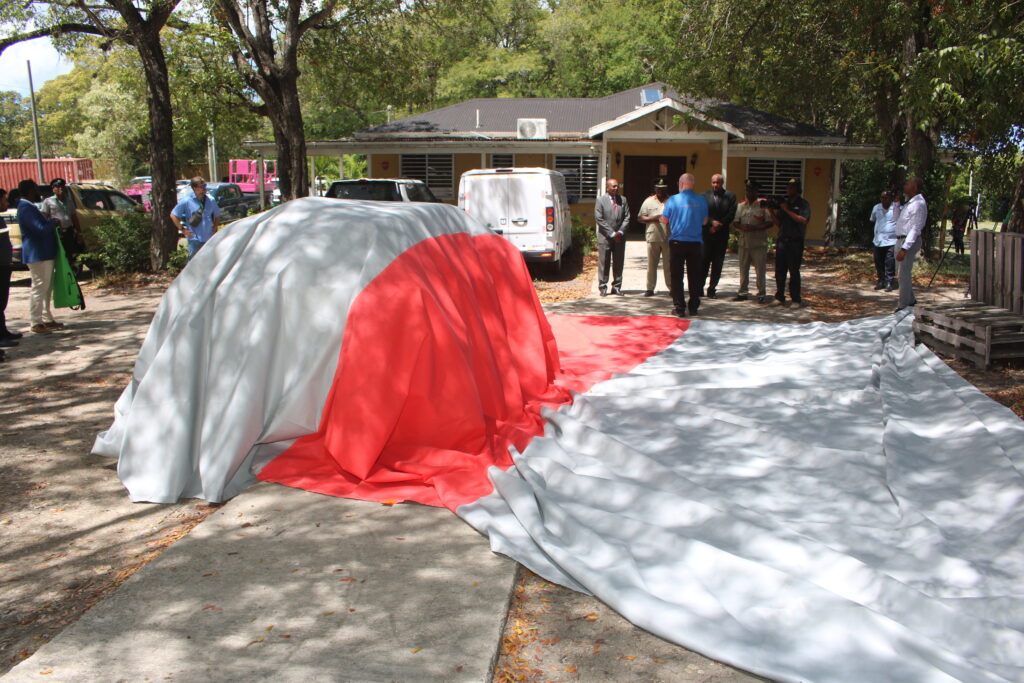
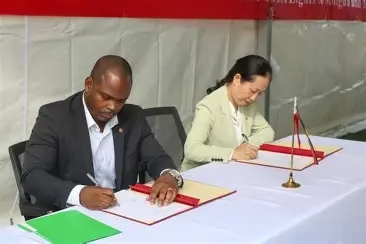
The expanded facility is scheduled to be handed over at a ceremony at the Ffryes Beach Reverse
Osmosis Facility on Thursday, September 24, 2026, as part of the continuing cooperation between
the Governments and peoples of Antigua and Barbuda and Japan.
The Ffryes project forms part of the strategy to strengthen water supply to the south-western
section of Antigua. Government planning documents had identified an additional one million
imperial gallons per day of reverse-osmosis capacity at Ffryes as part of the broader expansion of
desalination capacity.
Cabinet expressed appreciation to the Government and people of Japan for their continued
partnership with Antigua and Barbuda and their contribution towards strengthening the country’s
water infrastructure.
As part of the drive to address storage and distribution, Cabinet also considered and approved a
recommendation from Minister Nicholas concerning four existing water-storage tanks at the former
United States Air Force Base at Coolidge.
The four tanks, situated on property owned by the Antigua and Barbuda Social Security Board, have
a combined storage capacity of approximately two million gallons.
Cabinet agreed that APUA should proceed with the necessary arrangements to acquire the four
tanks together with the portion of land on which they are situated. The Authority has also been
authorised to undertake the required survey, valuation and transfer arrangements with the Social
Security Board.
Under the proposed arrangement, water produced by the Ivan Rodrigues Reverse Osmosis Plant
and the Seven Seas Barnacle Point facility will be pumped to the Coolidge tanks for storage and
onward distribution to the northern section of Antigua.
The proposed development also includes a pump station and dedicated standby generation to
strengthen the reliability and resilience of the supply system.
Cabinet emphasised that the Government’s objective is not simply to produce more water but to
ensure that the increased production translates into more consistent delivery of water to consumers.
The Minister reported that work therefore continues on strengthening the distribution network,
increasing storage and addressing weaknesses in sections of the existing pipeline system.
Cabinet acknowledged that interruptions may still occur as work continues on the system and as
APUA manages maintenance, storage and distribution. However, members noted that the substantial
expansion of production capacity provides a stronger foundation upon which to address the
remaining distribution challenges.
Cabinet reiterated that access to a dependable supply of potable water remains one of the
Government’s highest infrastructure priorities.
The Cabinet affirmed that the Ffryes Beach RO expansion, acquisition of an additional two million
gallons of storage capacity at Coolidge, continued expansion of desalination production, and
improvements to the transmission and distribution network collectively represent major components
of the Government’s strategy to strengthen national water security and build a more resilient water
system for Antigua and Barbuda.
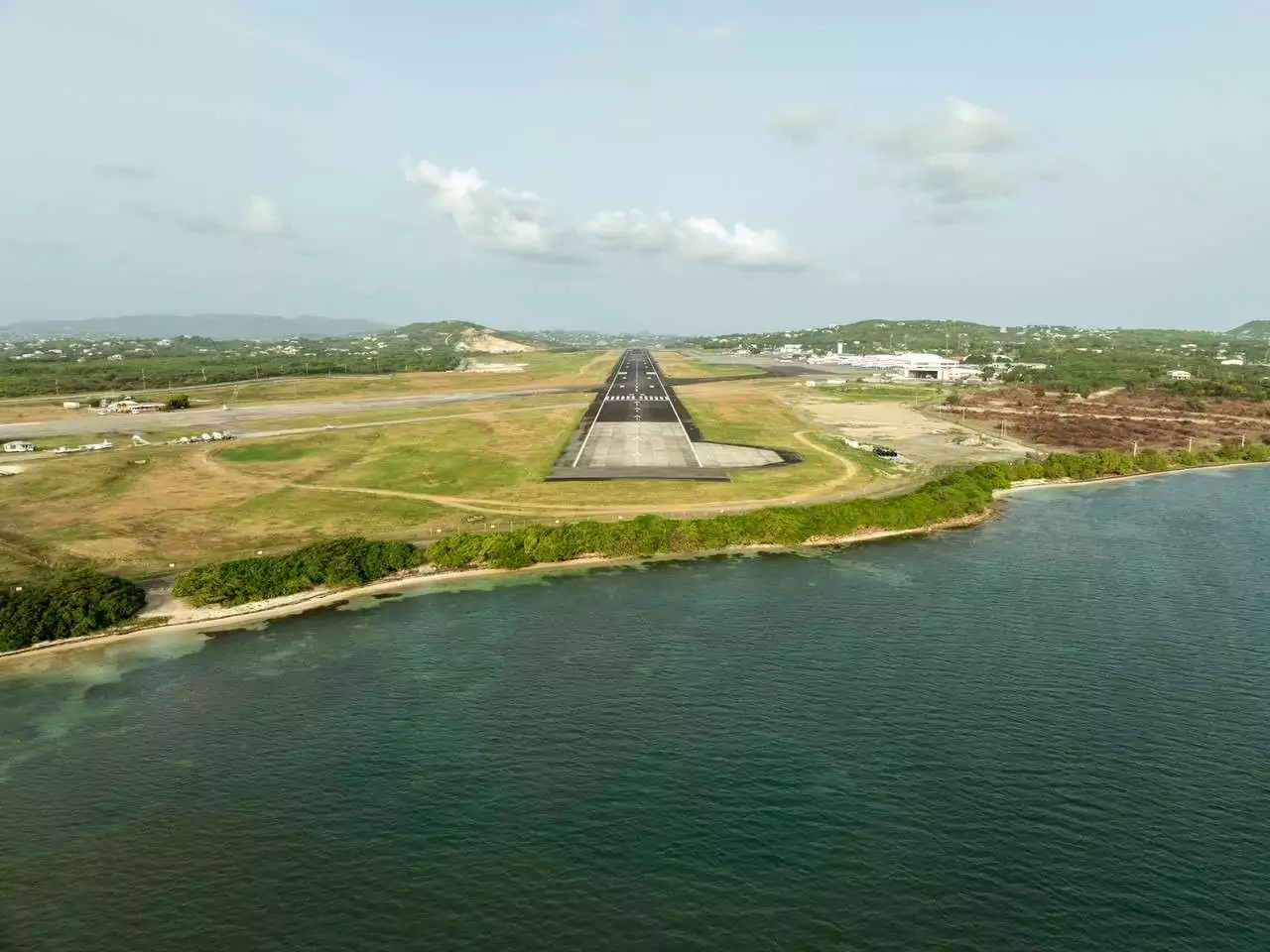
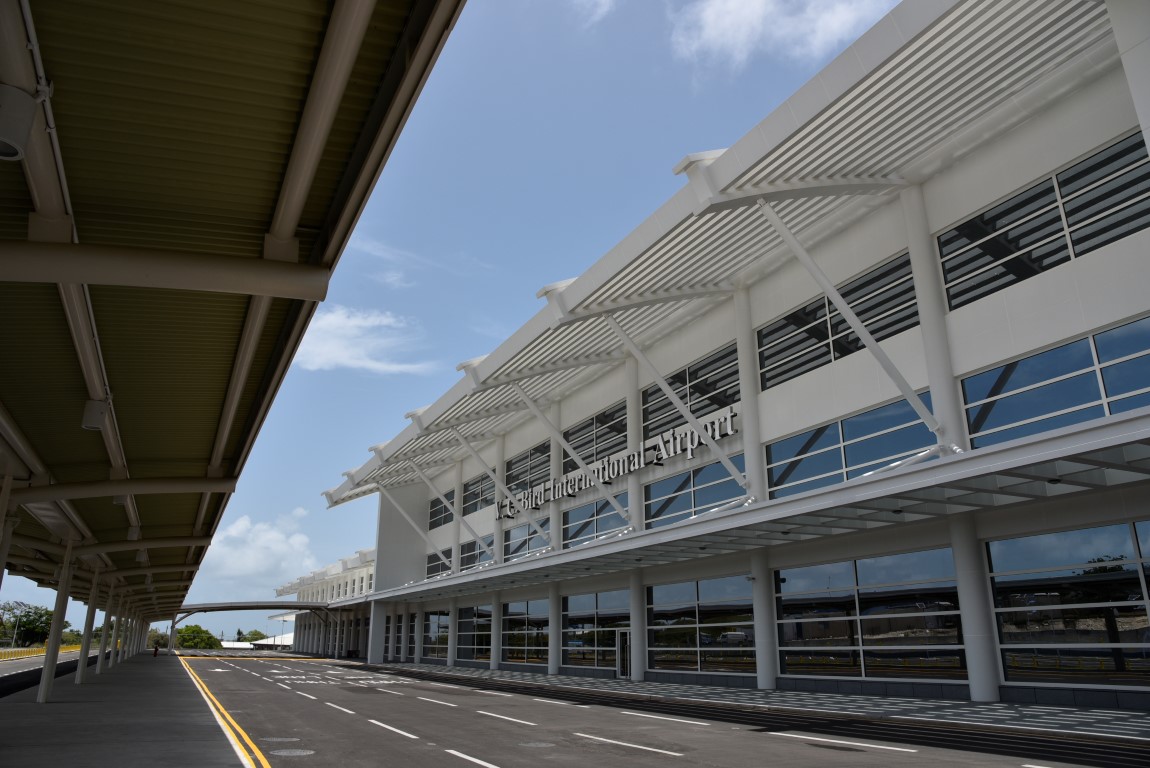
4. Cabinet Approves Development of Five-Year Strategic Plan for Antigua and Barbuda Airport
Authority
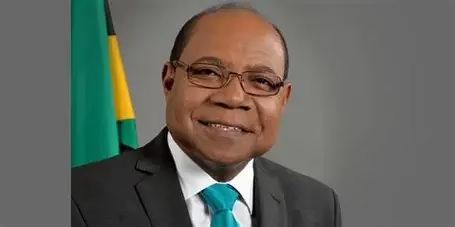
The Cabinet of Antigua and Barbuda has approved a proposal from the Minister for Tourism,
Investment, Civil Aviation and Transportation, the Honourable H. Charles Fernandez, authorising
the Antigua and Barbuda Airport Authority (ABAA) to proceed with the development of a
comprehensive Five-Year Strategic Plan for the period 2027–2032.
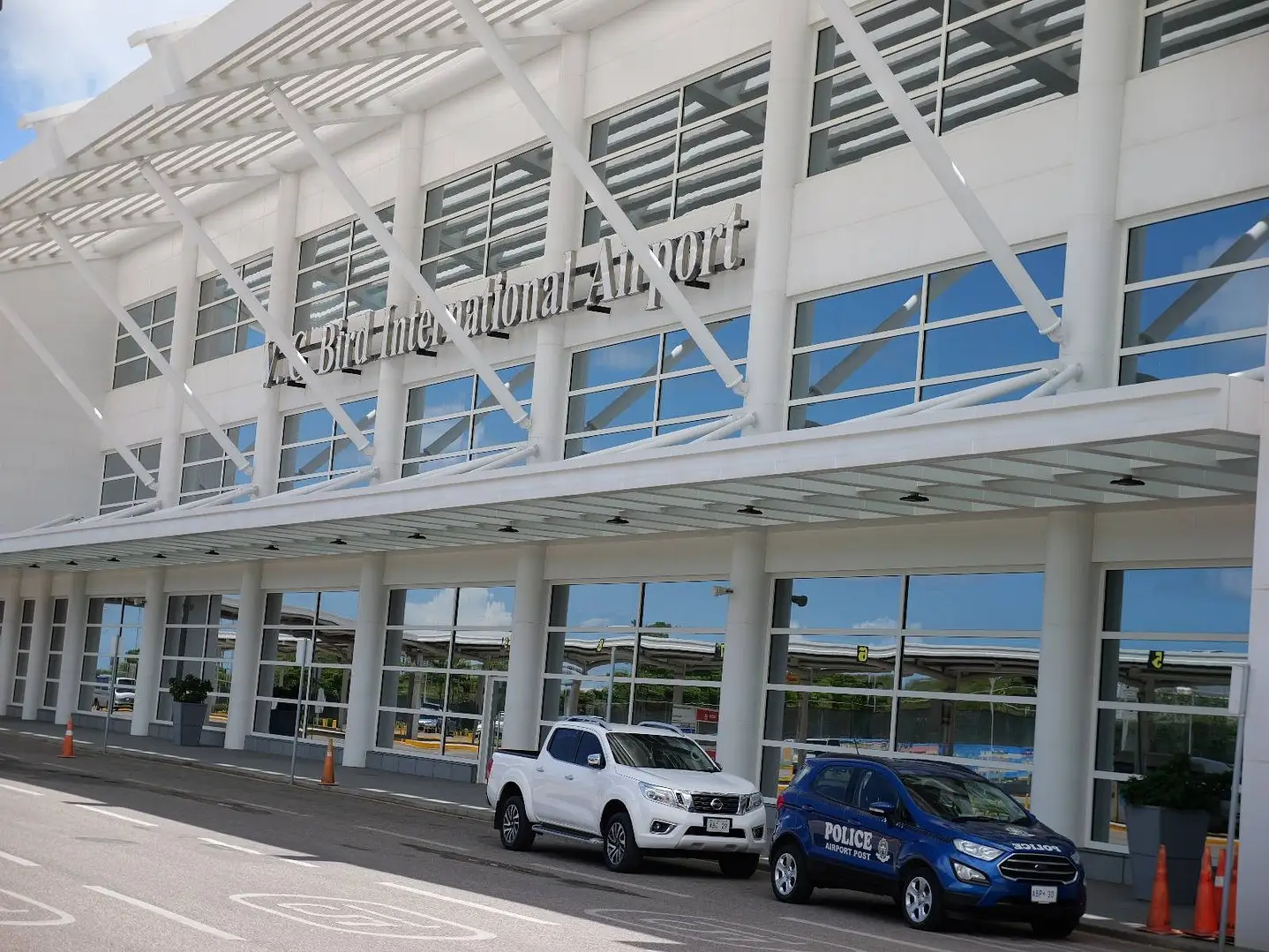
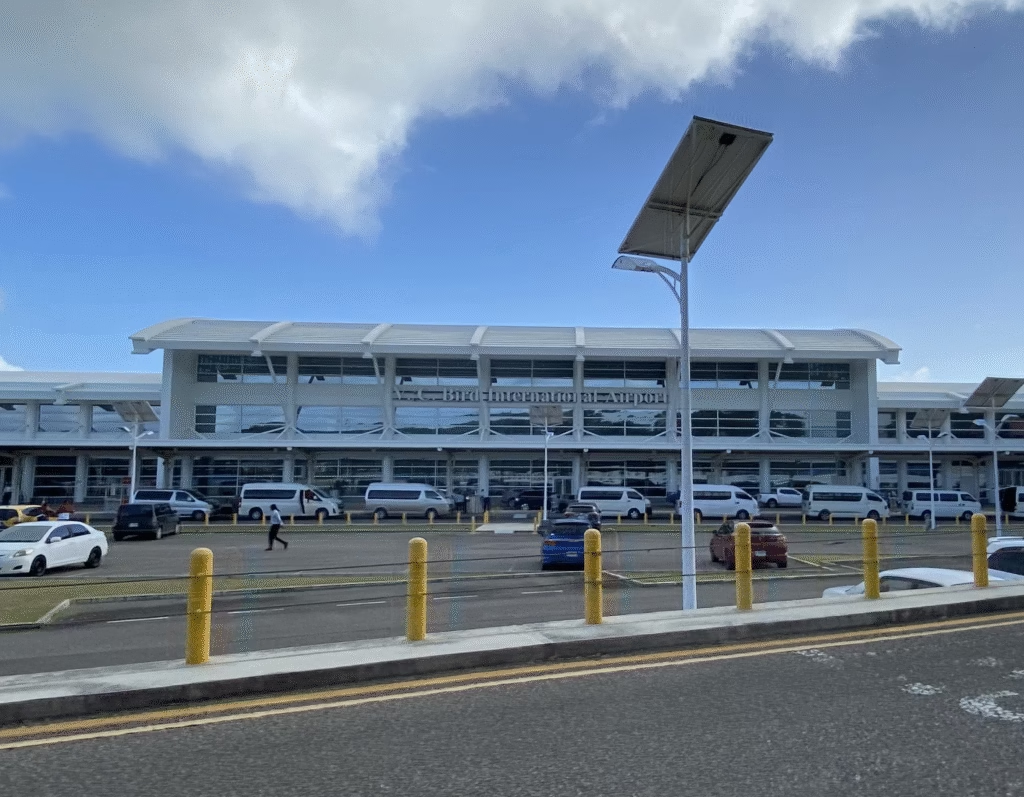
The plan will provide a roadmap for the future management, development and growth of both
the V.C. Bird International Airport and the Barbuda International Airport, recognising the
increasingly important role of the country’s aviation infrastructure in tourism, trade, investment,
connectivity and national economic development.
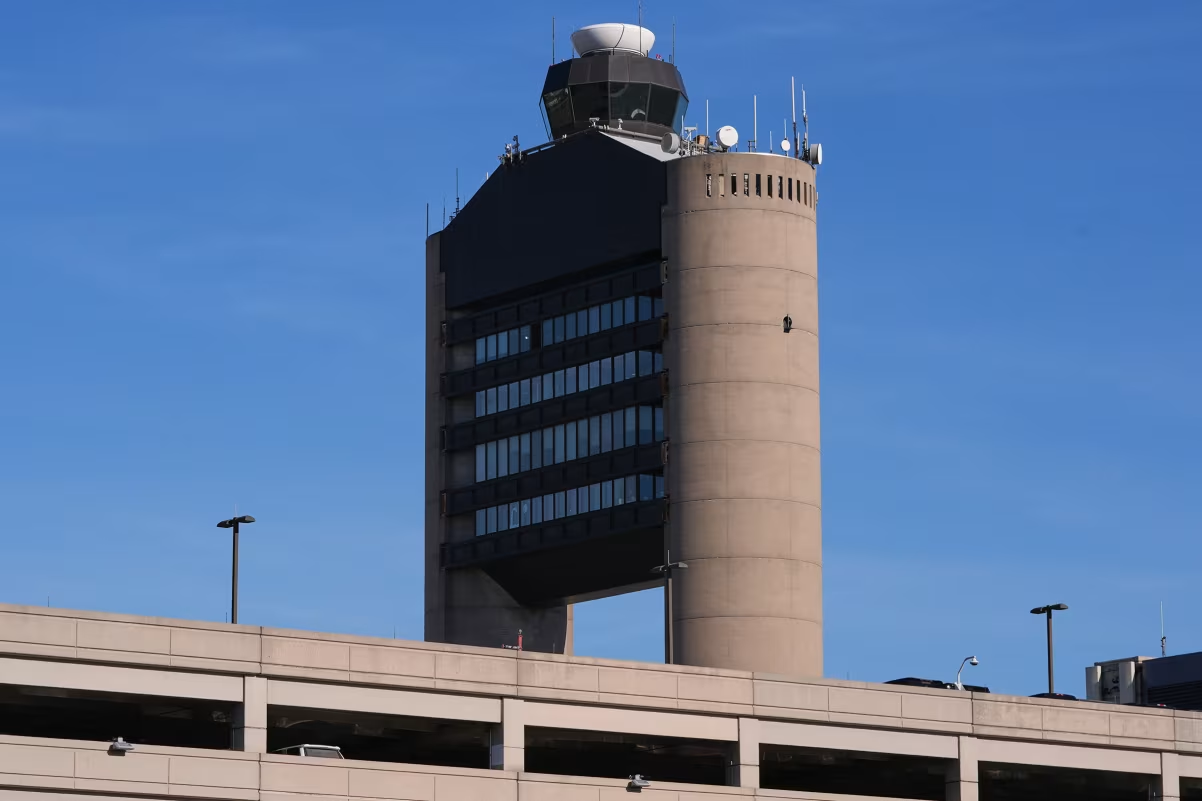
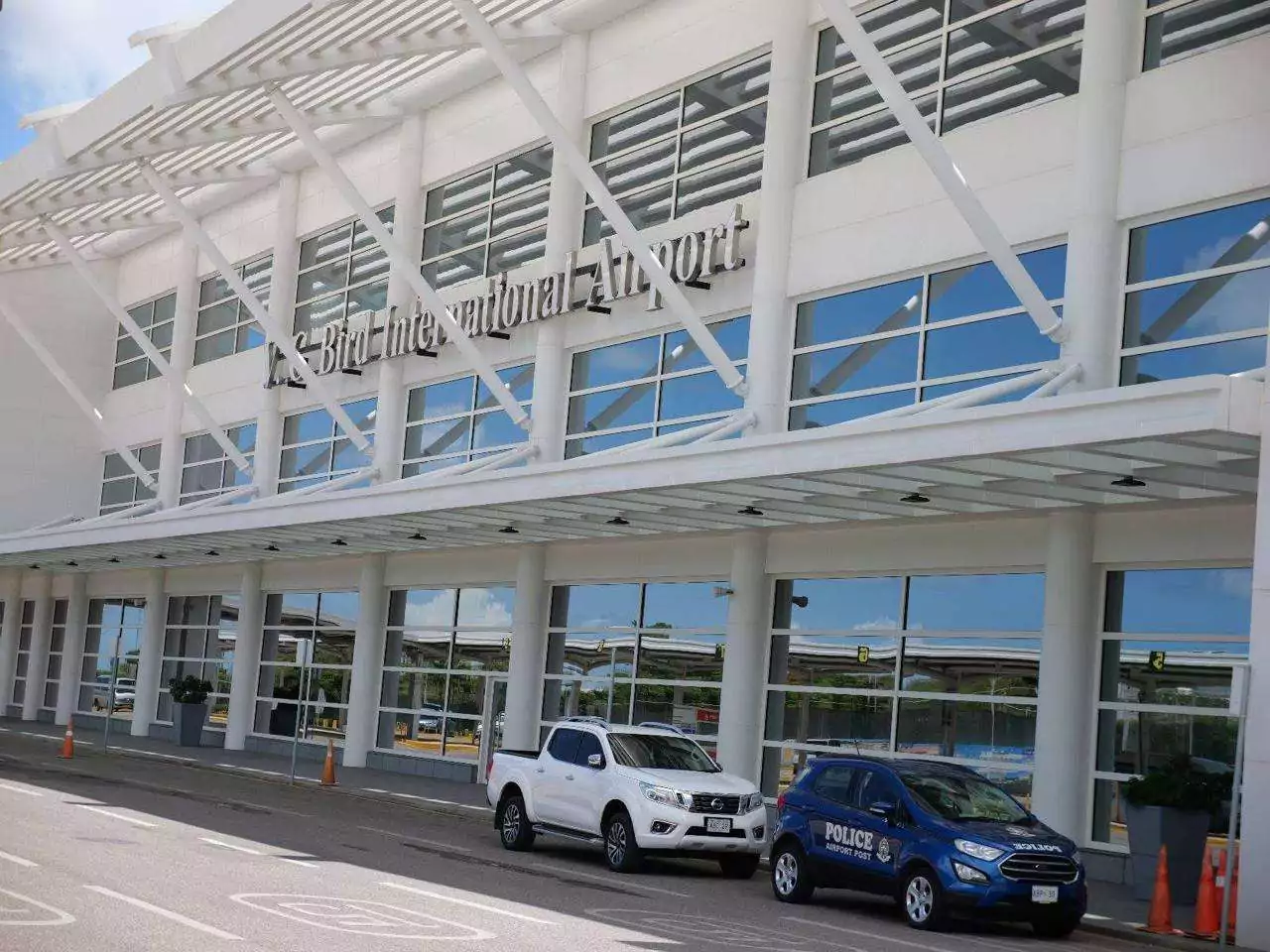
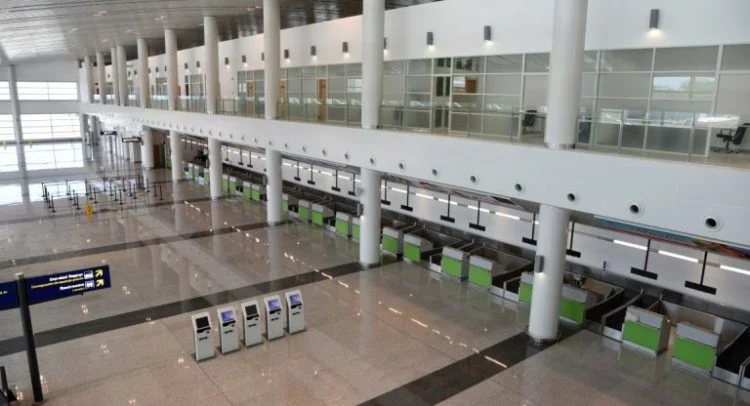
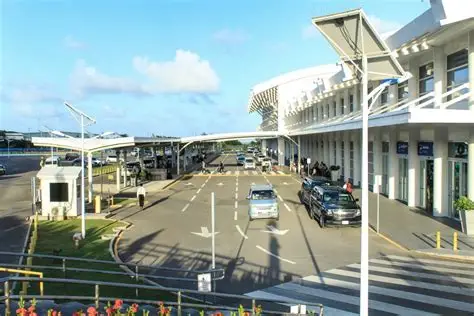
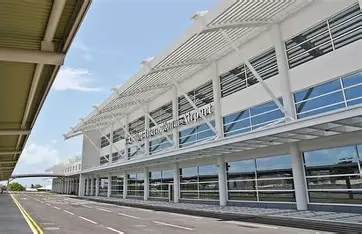
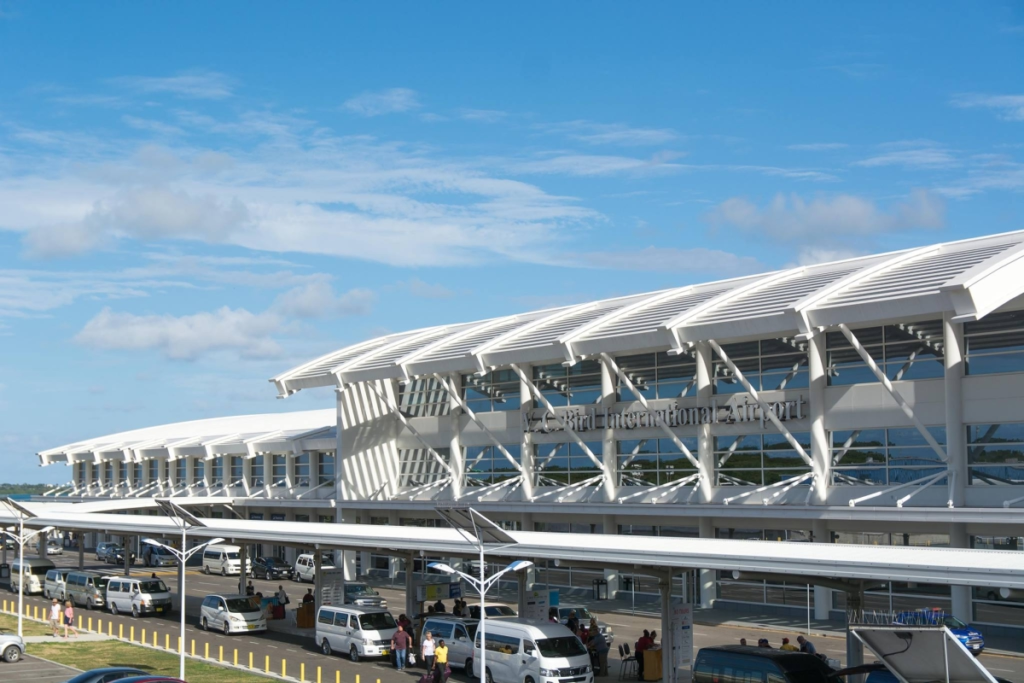
Cabinet noted that V.C. Bird International Airport currently serves approximately one million
passengers annually, while its existing terminal infrastructure is capable of accommodating
approximately 1.5 million passengers per year. This provides scope for further growth through
expanded airline services, route development, increased tourism activity and improved regional and
international connectivity.
The Government has continued to invest in the development and modernisation of V.C. Bird
International Airport, recognising its importance as Antigua and Barbuda’s principal international
gateway.
Under the proposal approved by Cabinet, the Airport Authority will invite suitably qualified
consulting firms and consultants with demonstrated expertise in aviation strategy, airport planning,
transportation and logistics, organisational transformation, stakeholder engagement and strategic
planning to submit proposals.
The successful consultant will undertake a comprehensive assessment of the Airport Authority’s
present position, identify future opportunities and challenges, consult key stakeholders and develop
an actionable and measurable implementation framework.
The strategic planning exercise will examine several areas critical to the future development of the
country’s airports, including passenger transportation, air cargo, commercial development,
technology, sustainability, organisational performance and regional aviation connectivity.
Cabinet considers the exercise particularly important as Antigua and Barbuda seeks to strengthen its
position as an aviation gateway within the Eastern Caribbean. The Government has separately
pursued initiatives aimed at improving regional air links, including cooperation with neighbouring
territories to expand connectivity, tourism and economic exchange.
The strategic plan will also be developed against the background of the Government’s continued
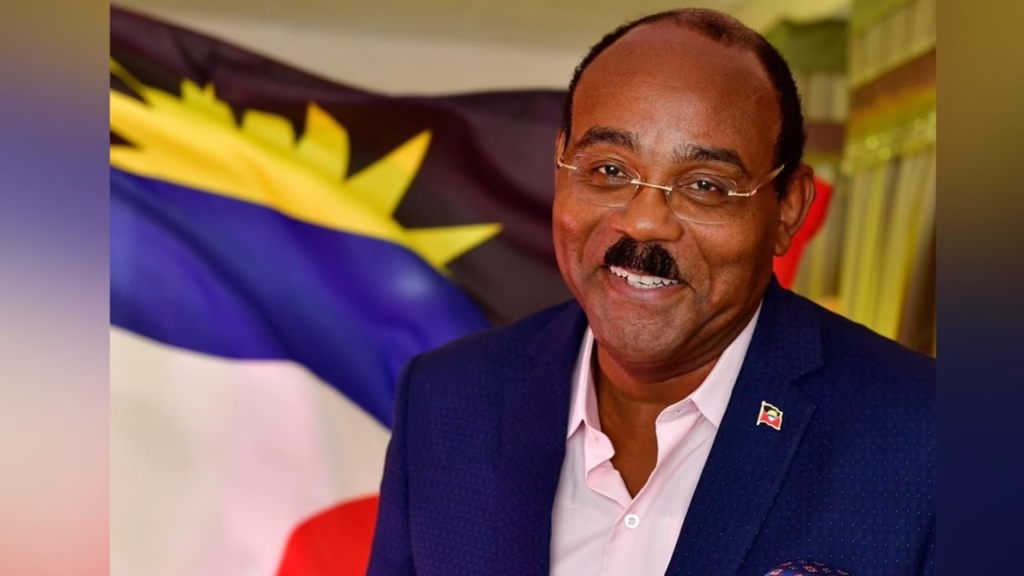
investment in airport infrastructure. Prime Minister Gaston Browne recently identified the
continued expansion and modernisation of V.C. Bird International Airport as one of the areas
contributing to national economic activity.
Cabinet emphasised that the exercise will encompass both airports managed by the Antigua and
Barbuda Airport Authority.
For V.C. Bird International Airport, the plan is expected to help position the facility to make greater
use of its available passenger capacity, attract and support additional airline services, improve the
passenger experience and identify new commercial and aviation opportunities.
For Barbuda International Airport, the strategic exercise will support Government’s broader
objective of ensuring that aviation infrastructure develops alongside the island’s expanding tourism
and investment sector.
The Government has already approved proposals aimed at the further expansion and development
of Barbuda International Airport as it prepares for anticipated growth in passenger traffic, tourism
investment and economic activity.
Cabinet approved the Airport Authority proceeding with the procurement of consultancy services
and inviting qualified firms to submit proposals for the assignment.
The proposal establishes a competitive procurement process, with submissions scheduled to close
at 4:00 p.m. on November 20, 2026.
The Authority intends to enter into a fixed-price professional services agreement with the successful
consultant, with payments tied to the acceptance of specified deliverables, including an inception
report, environmental scan, stakeholder consultation report, draft strategic plan and final strategic
plan and presentation.
Cabinet also authorised the Authority, following the procurement process, to select the successful
consultant or consulting firm and negotiate and execute the professional services contract.
The Cabinet considers the development of the 2027–2032 Strategic Plan an important component
of ensuring that Antigua and Barbuda’s airports are positioned not merely to respond to present
demands but to anticipate future developments in international aviation, tourism, technology and
regional transportation.
The Government reaffirmed its commitment to maintaining safe, efficient, commercially sustainable
and internationally competitive airports capable of supporting Antigua and Barbuda’s tourism
industry, facilitating trade and investment, strengthening regional connectivity and contributing to
continued national economic development.
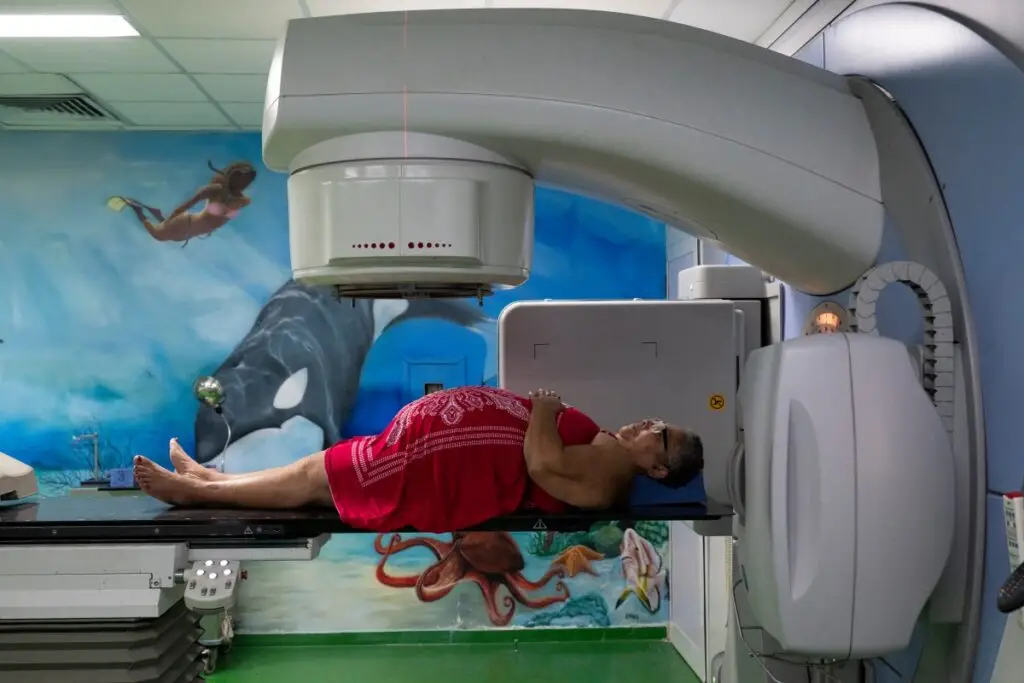
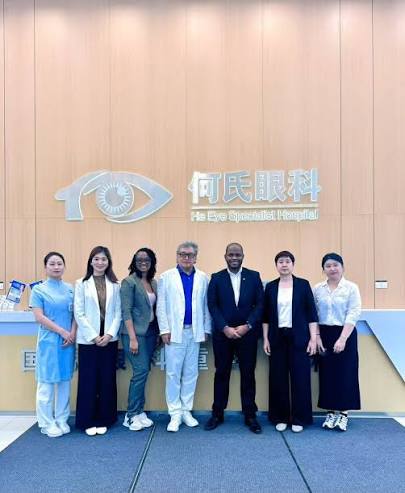
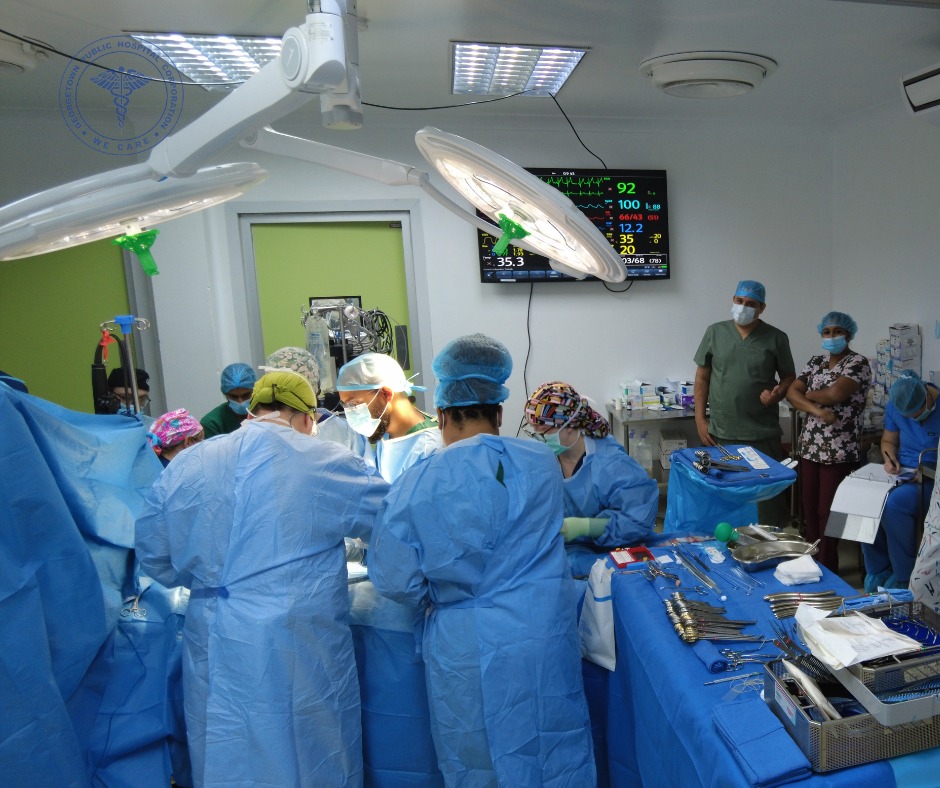
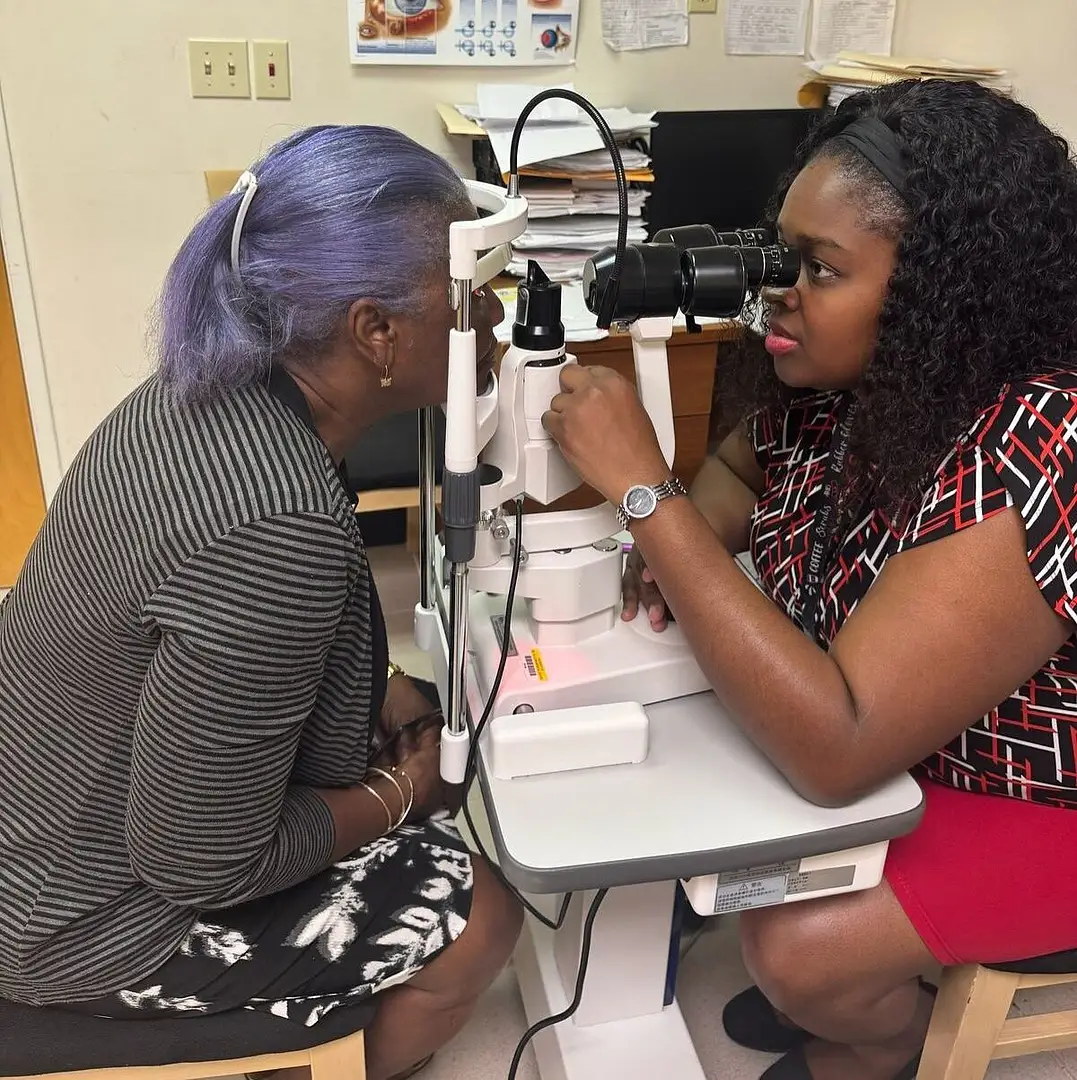
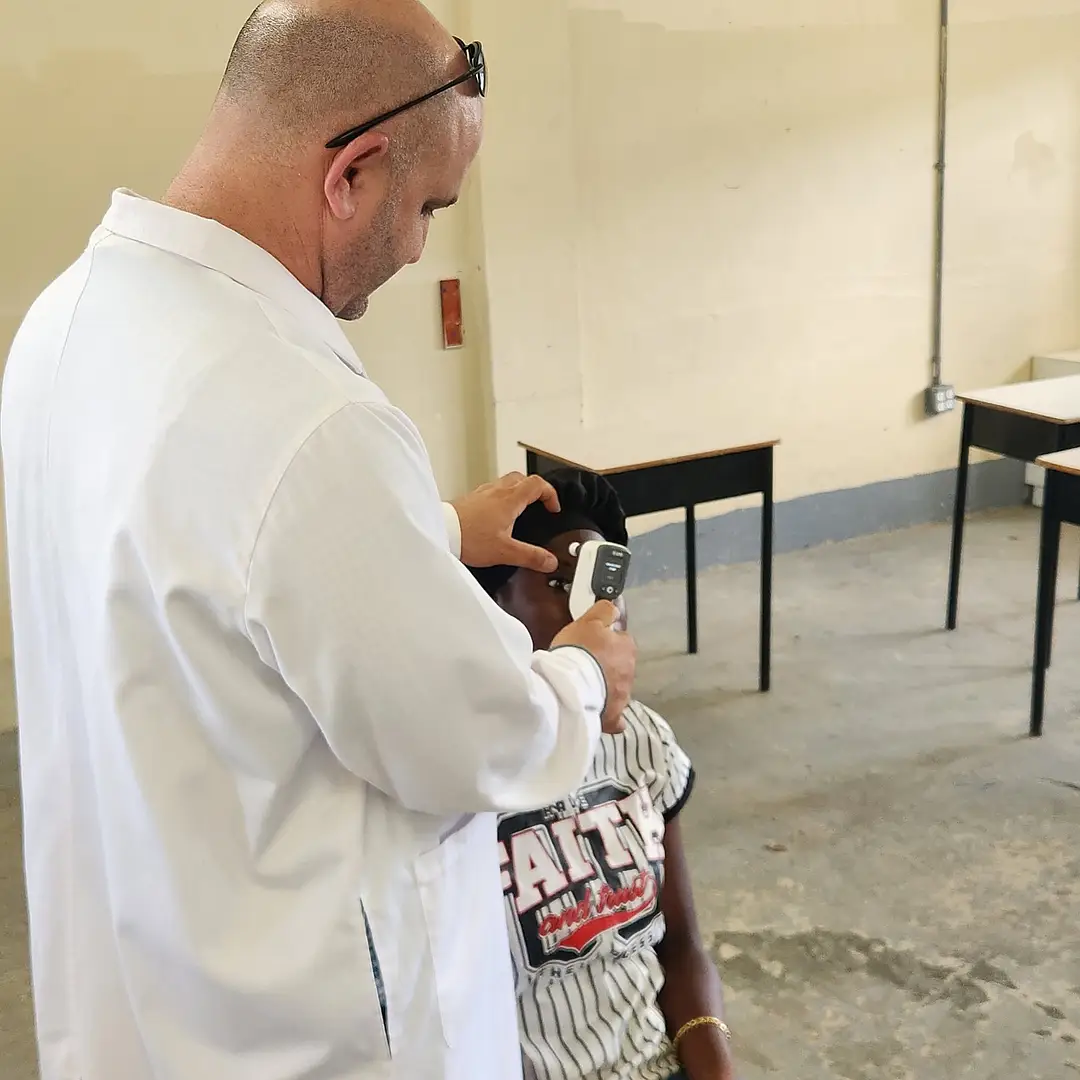
5. Cabinet Approves Support for Cure Blindness Project Eye-Care Mission in October
The Cabinet of Antigua and Barbuda has approved a proposal presented by the Minister for Health,
Wellness, Environment and Civil Service Affairs, the Honourable Michael Joseph, in support of the
next phase of the Antigua and Barbuda Cure Blindness Project, scheduled for October 25–30, 2026.
The upcoming programme will bring specialised eye-care services and surgical expertise to Antigua
and Barbuda through a collaboration involving the Ministry of Health, the Trinidad Eye
Hospital and the Cure Blindness Project.
Cabinet was advised that the mission is intended to provide surgical expertise, medical consumables,
specialised equipment and other resources required to deliver high-volume, high-quality eye-care
services at no cost to patients in need.
As part of the October mission, Dr. Matthew Oliva, surgeon, will volunteer his professional
services to support the delivery of specialised eye-care procedures.
Cabinet considers the October mission another important component of the Government’s wider
programme to reduce preventable and avoidable blindness and significantly expand access to
specialised eye care throughout Antigua and Barbuda.
Earlier this year, Cabinet was informed that specialists from the Trinidad Eye Hospital were
expected to perform more than 400 eye surgeries under the continuing collaborative programme
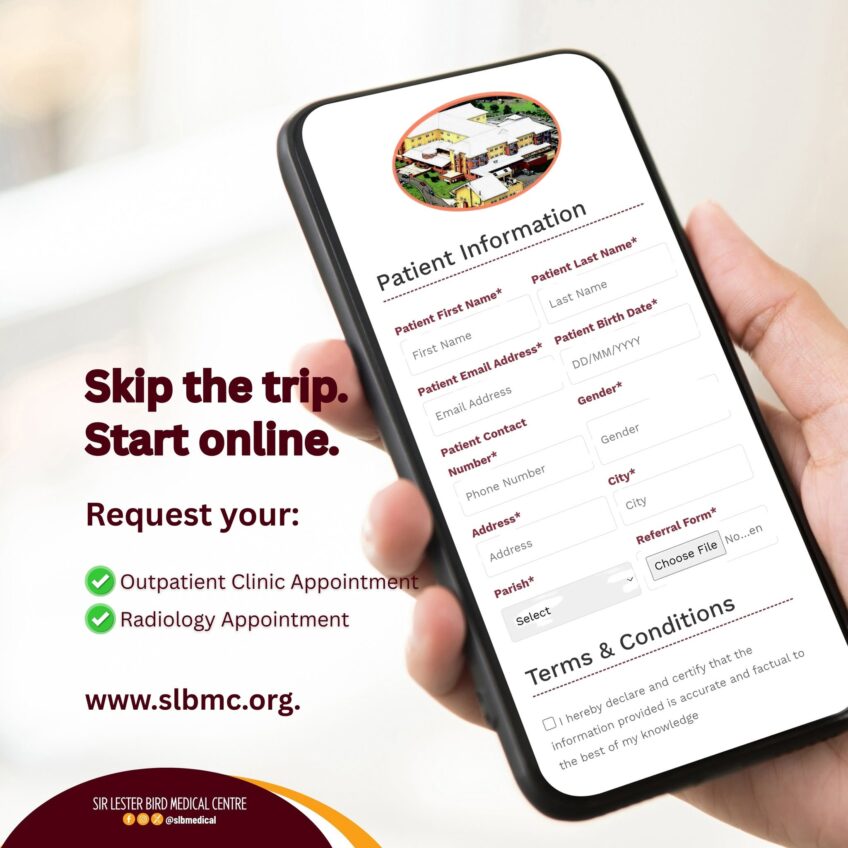
involving the Ministry of Health, Sir Lester Bird Medical Centre and the Medical Benefits Scheme.
That initiative was also expanded to provide eye examinations and screenings for
approximately 10,000 primary and secondary school students, which is ongoing.
The Cure Blindness initiative forms part of an increasingly comprehensive national eye-health
programme that combines screening, corrective eyeglasses, surgical interventions, specialist training
and community-based eye-care services.
In March, Cabinet was updated on the development of the country’s “Blind Free Zone” initiative,
established through collaboration with international partners. The programme includes the development of community-based eye-care centres and specialised training for Antiguan and
Barbudan nurses at the Aravind Eye Hospital in India. Government reported that approximately
US$90,000 in specialised ophthalmic equipment had already been secured to support the
programme.
The Government has also partnered with Cure Blindness Project, RestoringVision and VisionSpring
under the Prime Ministerial Vision Initiative. In March, Antigua and Barbuda secured 25,000 near-
vision eyeglasses through RestoringVision for distribution as part of the effort to address correctable
vision impairment. This initiative is also ongoing.
The Prime Ministerial Vision Initiative was formally launched in July, with Cure Blindness Project
identifying Antigua and Barbuda’s programme as an effort to establish the first Blindness-Free Zone
in the Caribbean.
Cabinet has also previously supported efforts to introduce more advanced ophthalmological
procedures locally, including plans for free corneal replacement surgeries and other complex eye
surgeries through international partnerships.
Cabinet welcomed the fact that the October 25–30 Cure Blindness mission will make specialised
services available without cost to patients, noting that access to treatment should not be
determined by an individual’s ability to pay.
The Cabinet commended Minister Joseph, the Ministry of Health, the Trinidad Eye Hospital, Cure
Blindness Project and the medical professionals and international partners who continue to
contribute expertise, equipment, training and other resources to Antigua and Barbuda’s expanding
eye-health programme.
Cabinet noted that the programme is moving the country beyond periodic treatment of eye disease
towards a more comprehensive national system focused on early detection, prevention, treatment,
sight-restoring surgery and the development of sustainable local expertise.
The Government reaffirmed its commitment to working with its local, regional and international
partners toward the goal of significantly reducing preventable blindness and ensuring that citizens
and residents throughout Antigua and Barbuda have greater access to high-quality eye care.
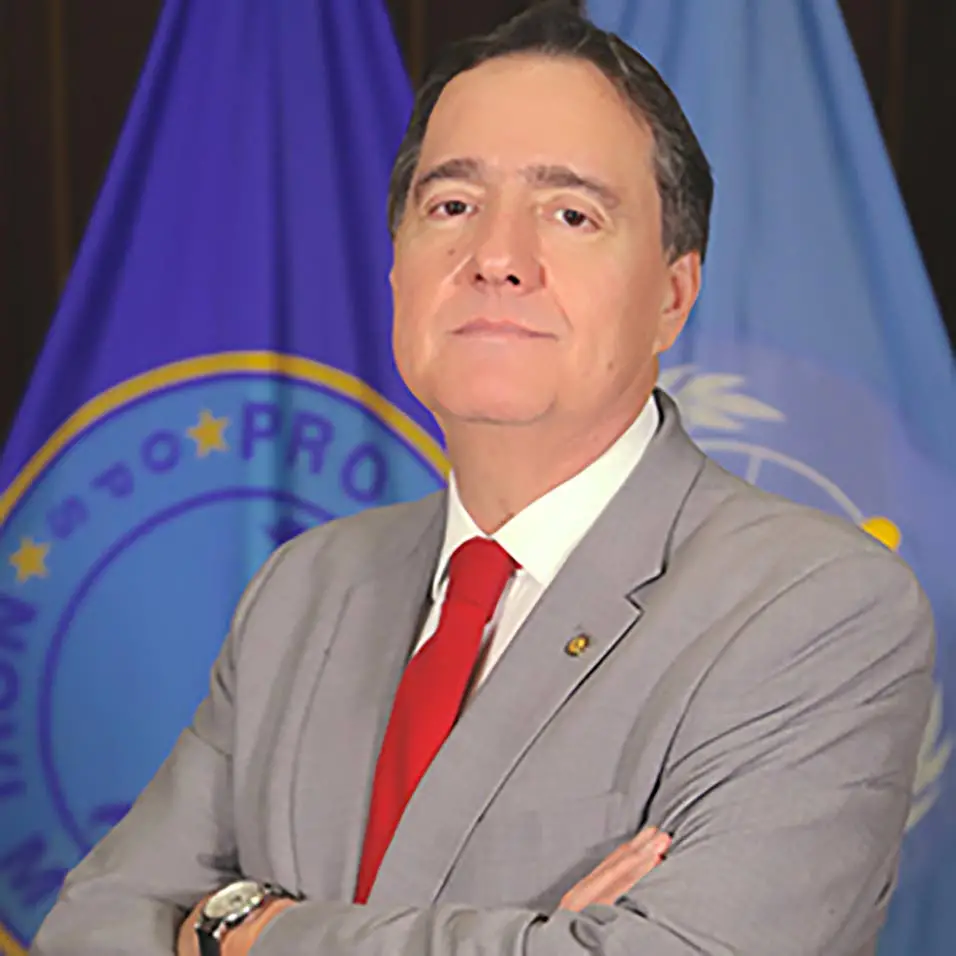
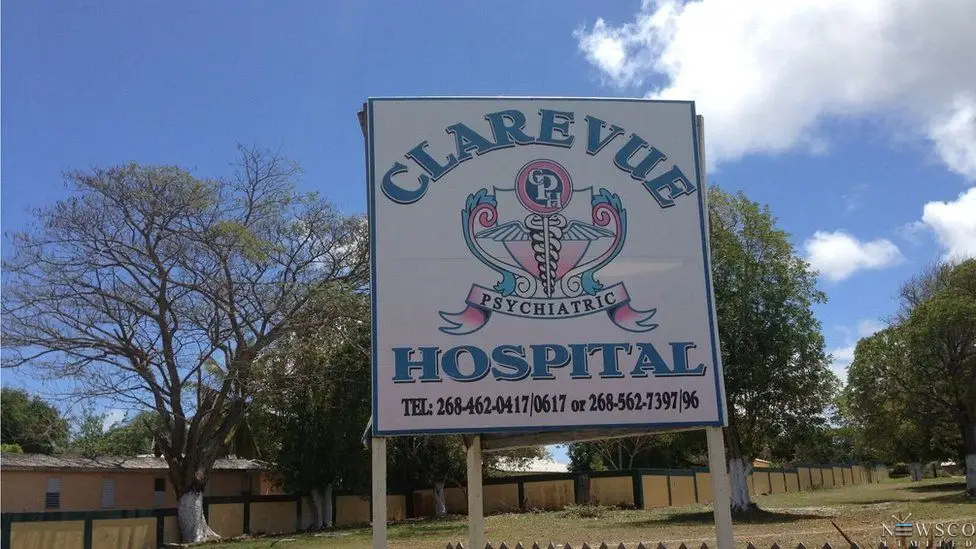
6. Cabinet Approves Major PAHO Partnership to Advance National Mental Health Reform
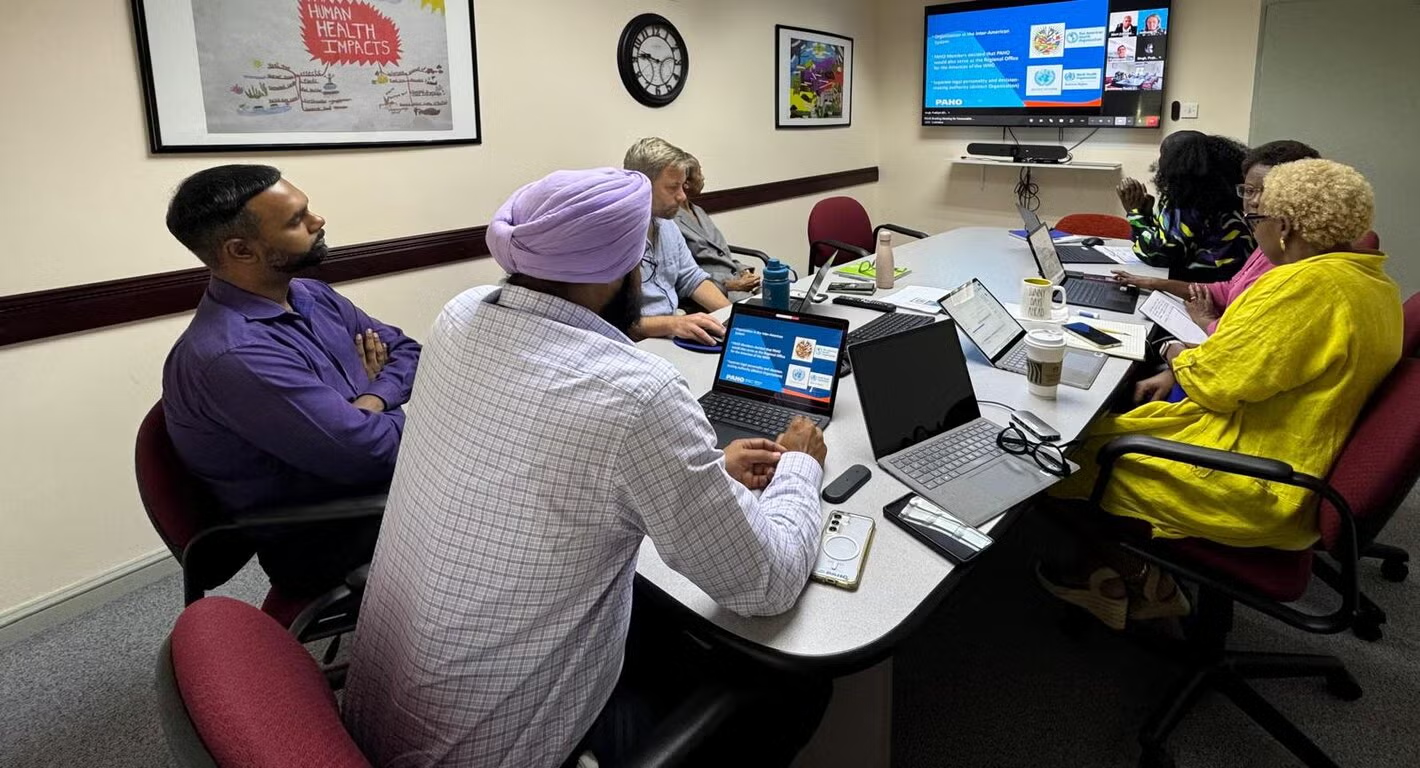
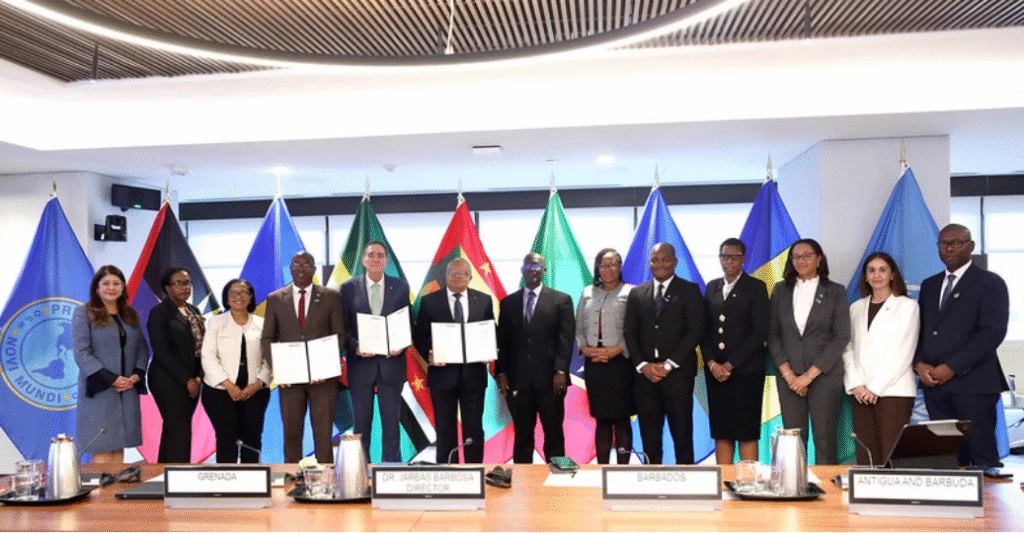
The Cabinet of Antigua and Barbuda has approved a comprehensive programme of technical
cooperation with the Pan American Health Organization (PAHO) aimed at reforming and
strengthening the country’s national mental health system.
The proposal was presented to Cabinet by the Minister for Health, Wellness, Environment and Civil
Service Affairs, the Honourable Michael Joseph, as Government continues its programme to
modernise mental health legislation and transition the delivery of mental health services towards a
more integrated, community-based, person-centred and rights-based model of care.
Cabinet approved the proposed Plan of Work, “Building a Resilient, Rights-Based Mental Health
System in Antigua and Barbuda,” which will guide cooperation between the Government and
PAHO in implementing the wider mental health reform agenda.
Cabinet was advised that significant progress has already been made with the development of the
new Mental Health Bill, which forms an important component of Government’s efforts to
modernise the legislative framework governing mental health care.
The Cabinet recognised, however, that legislative reform must be accompanied by improvements in
the organisation and delivery of services. The approved programme will therefore place emphasis
on service reorganisation, implementation of the new legislative and policy framework, workforce
development, community-based care, crisis response, governance and public education.
A major objective is to move progressively away from an institution-heavy model of mental health
care towards one that provides greater support within communities and integrates mental health
services more closely with primary health care.
The programme will also seek to strengthen referral pathways and support the further
operationalisation of the Behavioural Health Unit and Resource Centre, including the development
of a functional recreational therapy programme.
Under the Plan of Work, PAHO will provide specialised technical expertise and institutional support
to assist Antigua and Barbuda in implementing the reforms.
Particular attention will be given to strengthening the capacity of health professionals, law-
enforcement personnel, first responders and crisis-intervention teams, recognising that an effective
national mental health system requires coordinated action extending beyond hospitals and traditional
mental health facilities.
The programme will also support public engagement and communication to increase awareness of
mental health, encourage persons to seek assistance when needed and strengthen understanding of
the reforms being introduced.
Cabinet agreed that building sustainable local expertise is critical to ensuring that the reforms
continue beyond the period of direct technical assistance.
Cabinet approved a voluntary national contribution of US$95,000 towards implementation of the
PAHO Plan of Work.
The programme provides for US$58,000 for specialised technical expertise and consultancy,
US$20,000 for capacity-building and training, US$12,000 for public engagement and
communications, and US$5,000 for technical missions.
The Ministry of Health will also meet associated local implementation expenses, including logistical
and administrative support and the national communication campaign, subject to established
budgetary and administrative procedures.
Cabinet was advised that Antigua and Barbuda’s continued participation in the PAHO technical
cooperation mechanism will enable the country to draw upon specialised expertise while
simultaneously developing the national capacity necessary to sustain the reforms over the long term.
Cabinet authorised the Ministry of Health to coordinate implementation of the Plan of Work in
collaboration with PAHO and the relevant Ministries, Government agencies and national
stakeholders.
The relevant Ministries and agencies will also be required to support implementation of the national
mental health reform programme where necessary.
Cabinet considers the initiative an important step towards creating a modern mental health system in
which prevention, early intervention, treatment, rehabilitation and community support are better
coordinated and more accessible.
The Government reaffirmed that mental health reform remains an important national priority and
that the new Mental Health Bill must be supported by the services, trained personnel, institutional
structures and community programmes necessary to translate legislative reform into improved care.
Cabinet commended Minister Joseph and the Ministry of Health for advancing the initiative and
expressed appreciation for the continuing technical partnership with PAHO as Antigua and Barbuda
works towards a more resilient, responsive and rights-based national mental health system.
You can join the WhatsApp group for summaries: https://chat.whatsapp.com/IOx7Pe7C9Dm8bUJDrw6czU?mode=gi_t
You can join the WhatsApp channel for a full list of articles: https://whatsapp.com/channel/0029VbBcJ3gKLaHkB4lQXM1m