
 English


















































































































































































































































































































































































































































































































































































































































































































































































































































































































































































































































































































































































































































































































































Inside The Spectrum: Find the Little Things

Inside The Spectrum: Find the Little Things
Nickolas wants what many young adults want.
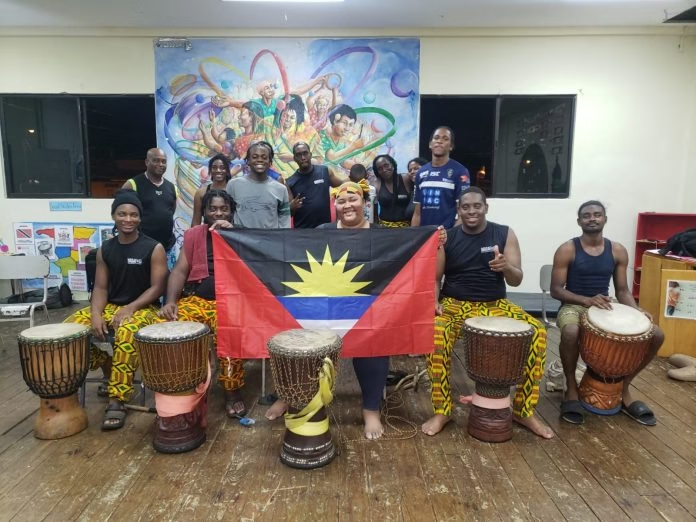
He wants independence. He wants to make his own money, go places without Mommy, have friends, play drums, continue karate and make decisions about his own life.
In other words, he wants to be his own person.
But independence did not suddenly become something we started thinking about when Nickolas became an adult. Looking back, I realize some of our most important lessons began with very ordinary things.
One of them was washing dishes.
I noticed that Nickolas actually enjoyed washing dishes, so I decided to build on it. I turned it into his little job. I created a payslip, paid him for his work and then sat with him to work through a budget for the money he had earned.
It wasn’t formal employment, but something much bigger was happening underneath that ordinary household chore.
He was learning that work comes with responsibility. He was earning money. He was becoming familiar with a payslip. We were talking about budgeting, spending and making choices.
I wasn’t simply teaching him to wash dishes. I was using something he already enjoyed to introduce skills he would need for adulthood.
I would love to tell you that we continued that little system consistently over the years.
We haven’t.
Parents are imperfect people too!
Life happened. Other needs became more urgent, and somewhere along the way, the payslips and budgeting fell by the wayside. As I reflected in my last Inside The Spectrum article, life doesn’t stop happening because autism is part of our story.
Sometimes, we become so busy responding to what feels most urgent that something valuable, but seemingly less urgent, quietly falls through the cracks.
Looking back at that little project reminds me that some things are worth picking up again.
Because the skill I was building then still matters today.
Find the Little Things
That would be my appeal to parents and caregivers: observe.
What does your child naturally gravitate towards? What can they already do? What doesn’t cause significant discomfort? What happens when you put them in a new but safe situation and give them an opportunity to try?
Sometimes, we can become so focused on what our children cannot yet do that we miss the small abilities waiting to be developed.
Once we notice them, we can build strategically.
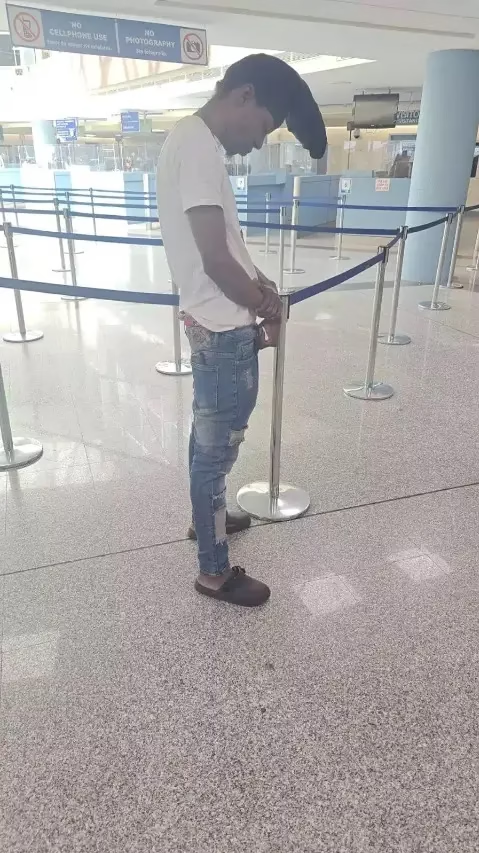
A household chore can introduce employment. Ordering a meal can practise communication. Paying at the register can introduce money management. A familiar journey can become practice for independent travel.
Not every attempt will work.
I learned that when I tried car washing with Nickolas.
Oh my goodness… it was a nightmare!
He didn’t enjoy it, and he didn’t do particularly well at it. And that’s okay.
The purpose of giving our children different experiences isn’t to force every experience to become a skill. Sometimes, the experience simply teaches us, “This isn’t the one.”
Some things may require additional support or another attempt. Others may simply not be a good fit.
Try it. Observe. Adjust. And, when necessary, move on.
Finding the little things is just as much about discovering what fits as it is about recognising what doesn’t.
Through all of this, I have also learned that independence looks different for everyone. It does not mean doing everything alone.
So perhaps the question isn’t simply, “Can my child do this independently?”
Perhaps it is:
“What support does my child need to do more for themselves?”
Our children don’t have to learn adulthood all at once.
Neither do we have to parent perfectly.
Sometimes, we simply need to notice what is already there, build from it and, when life causes something good to fall by the wayside, give ourselves permission to pick it up and begin again.
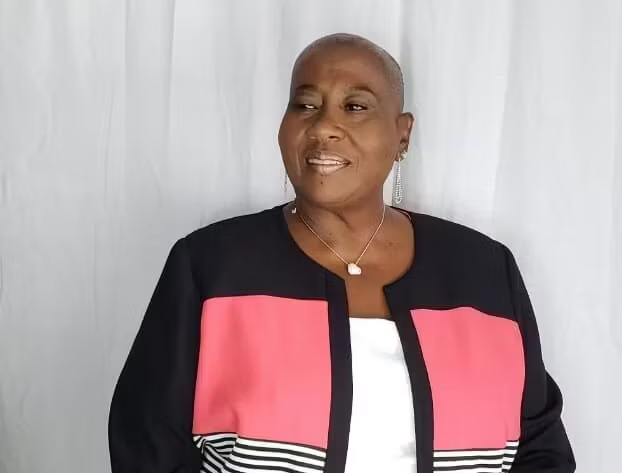
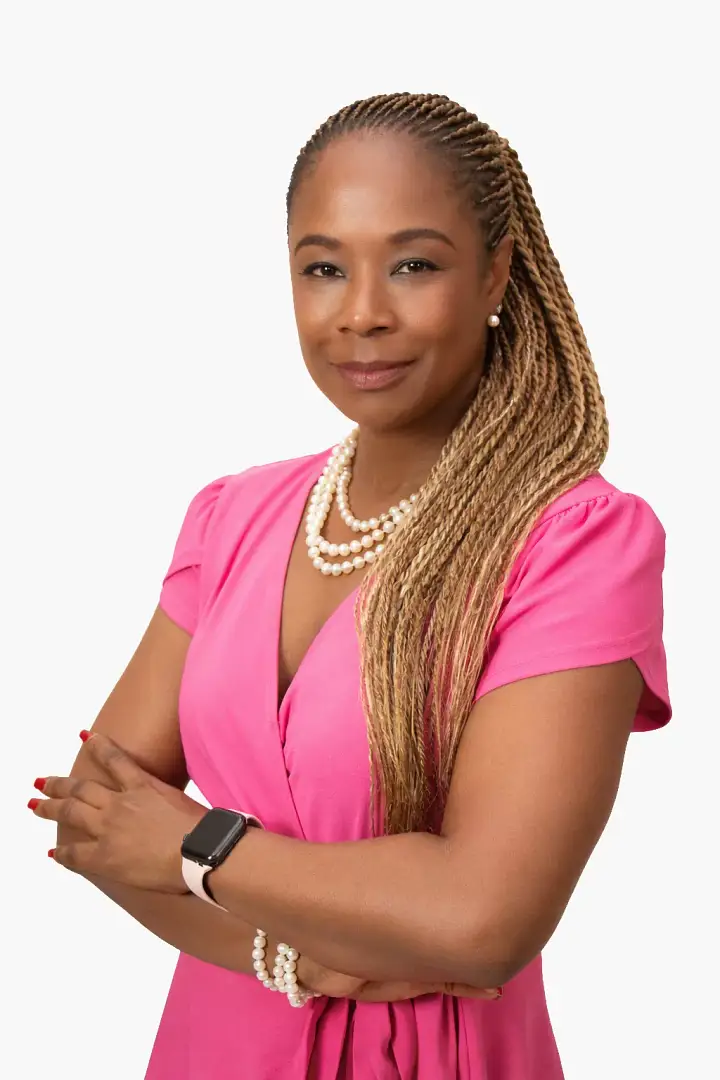
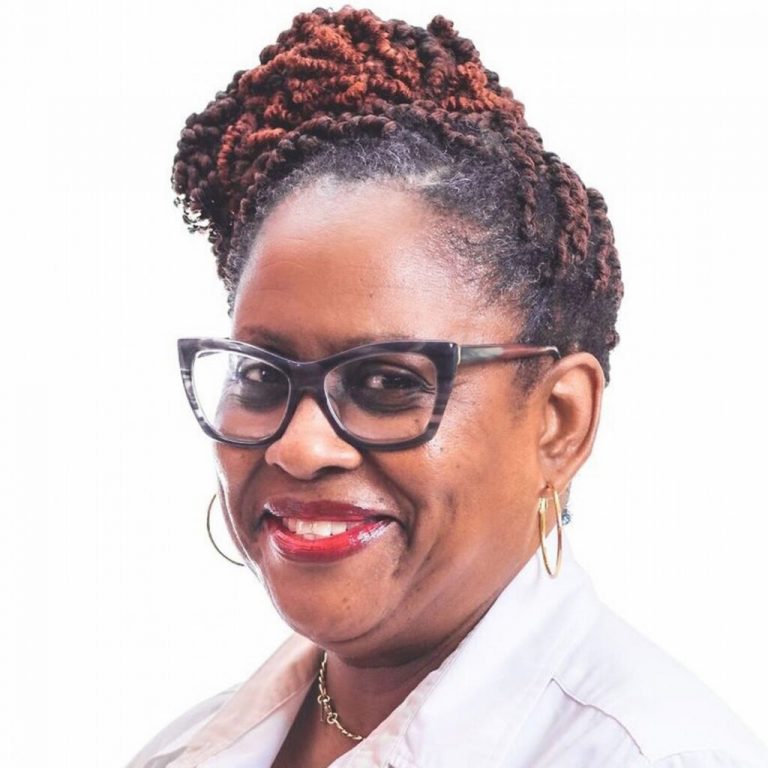
Tanya is an Autism Acceptance Advocate, Caribbean Sign Language Interpreter and mother to a young autistic adult. With two decades of experience as a biology educator and a passion for an inclusive society, she offers practical guidance and family support, bringing a Caribbean-centred perspective to neurodiversity and community inclusion. For feedback, comments and suggestions, please contact the author at joseph.tanya2009@gmail.com or call/WhatsApp at 1-268-789-9009.