
 English






























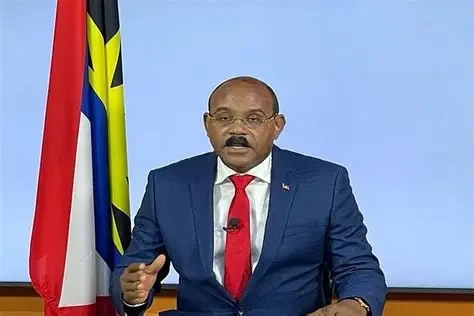





































































































































































































































































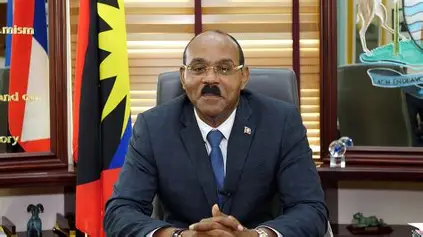
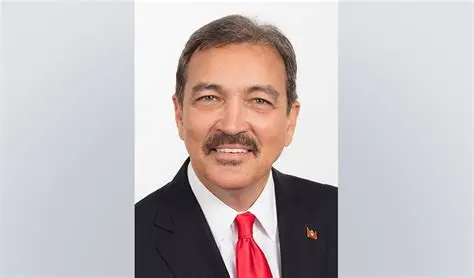


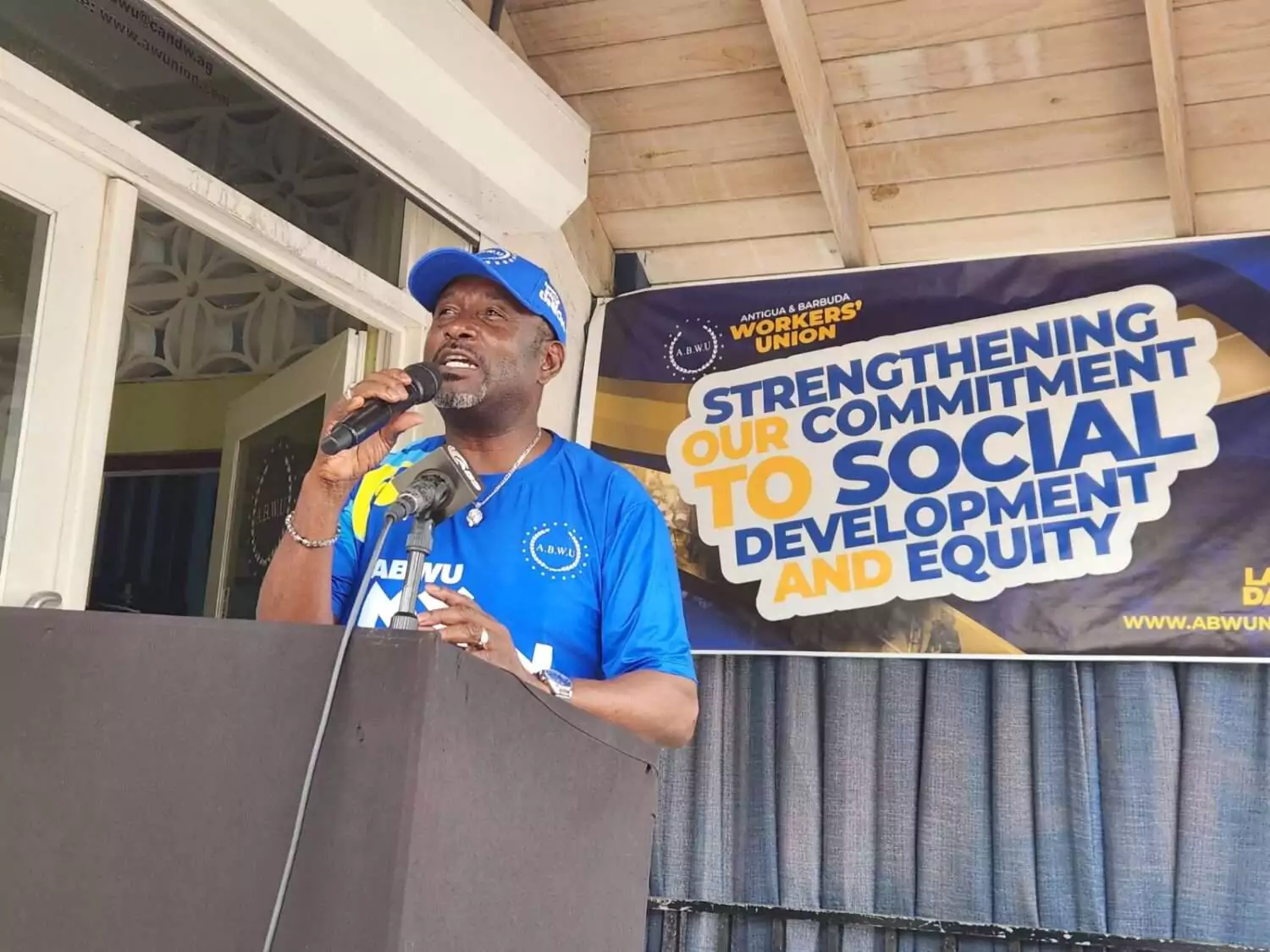

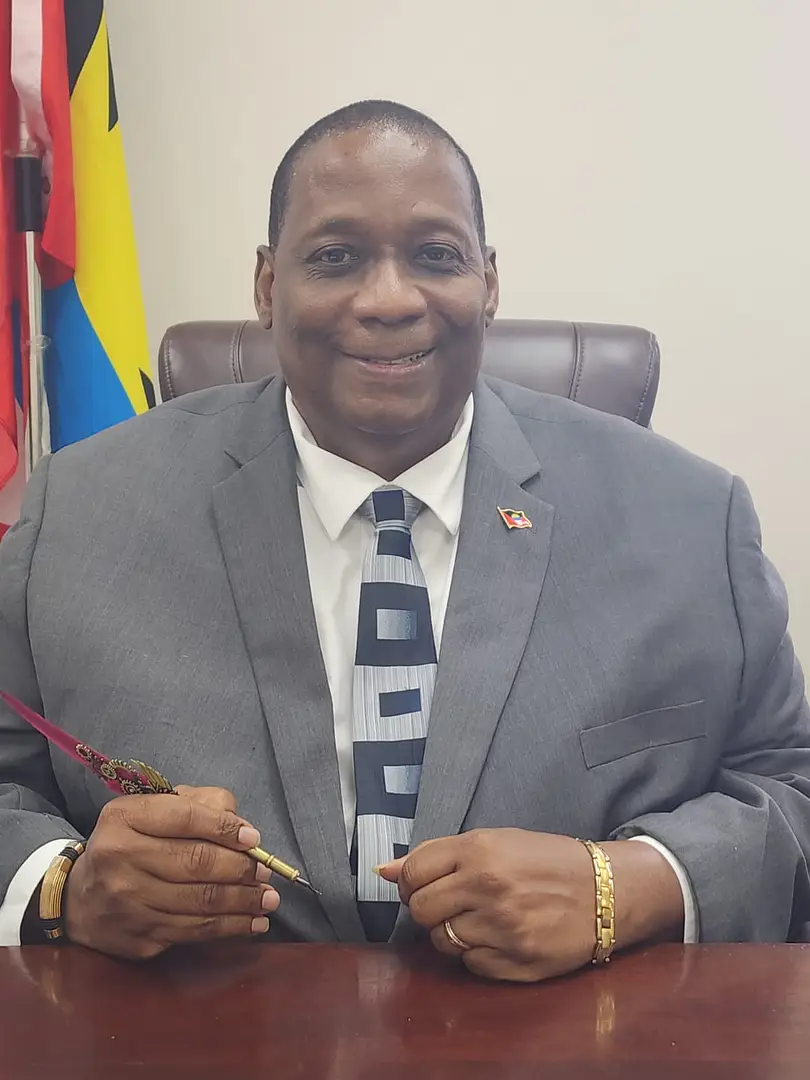


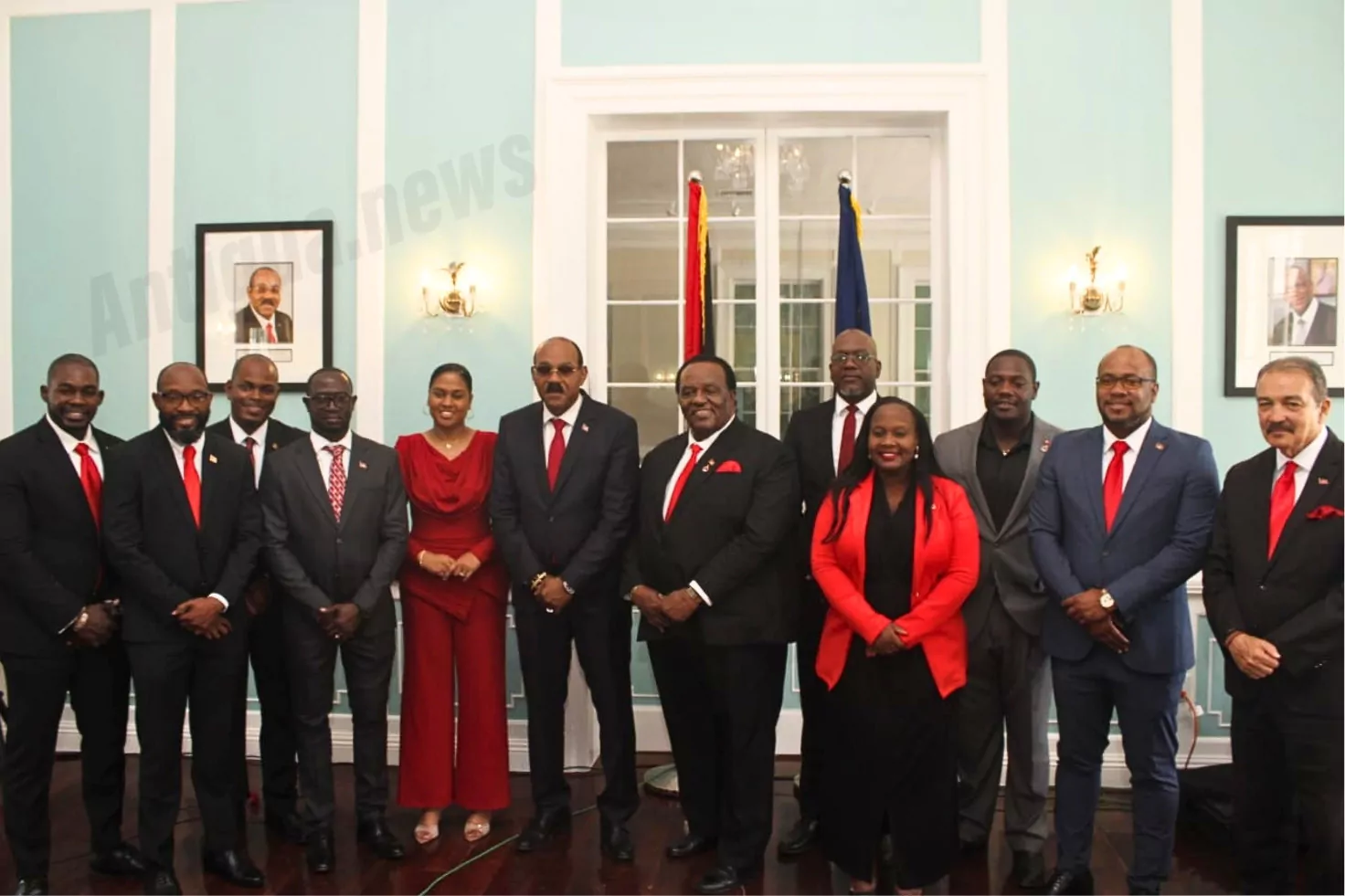
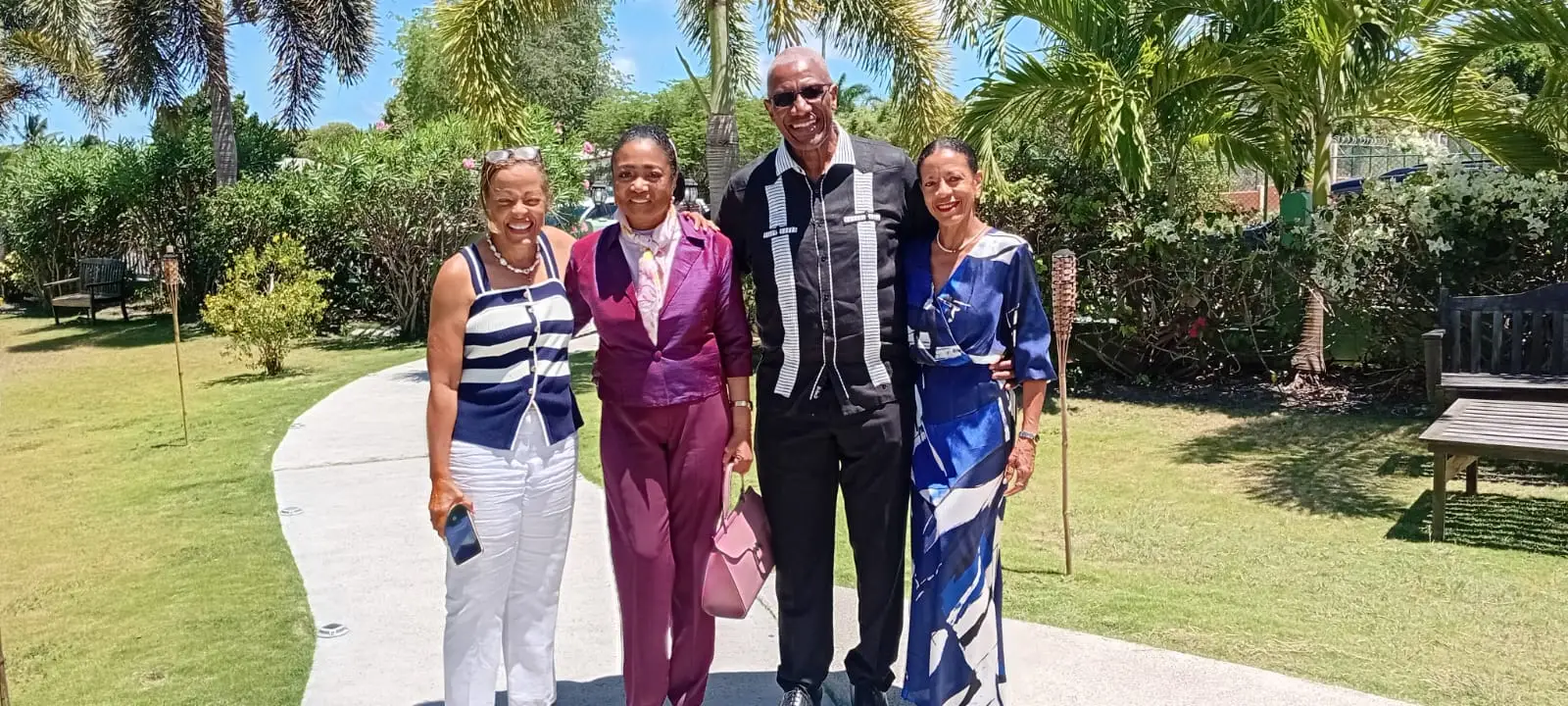
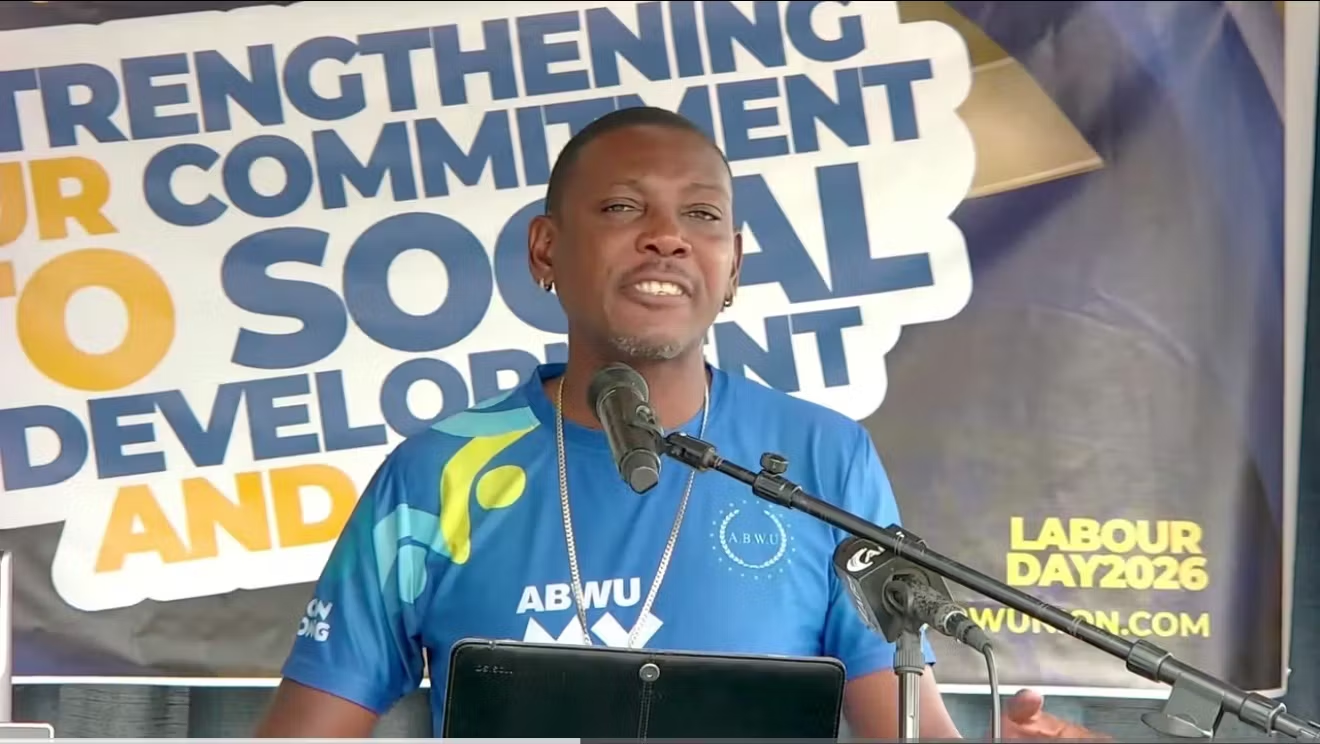
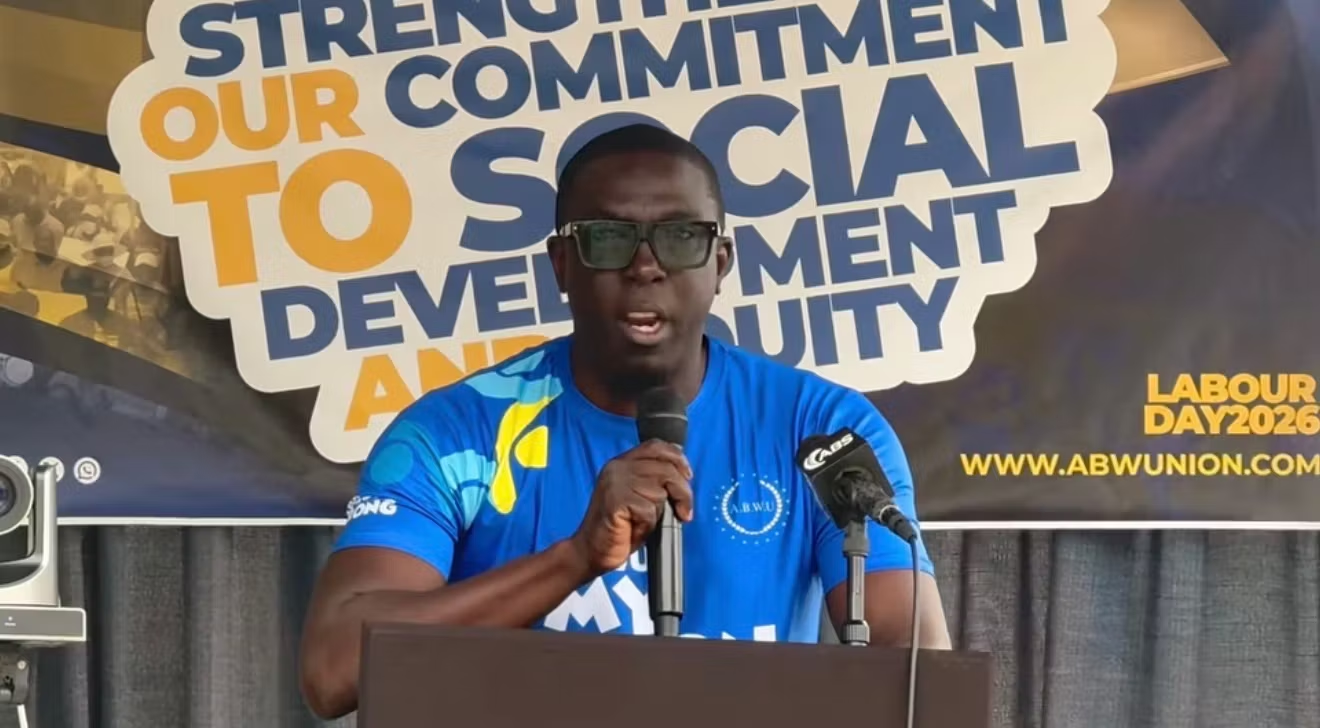









































































































































































































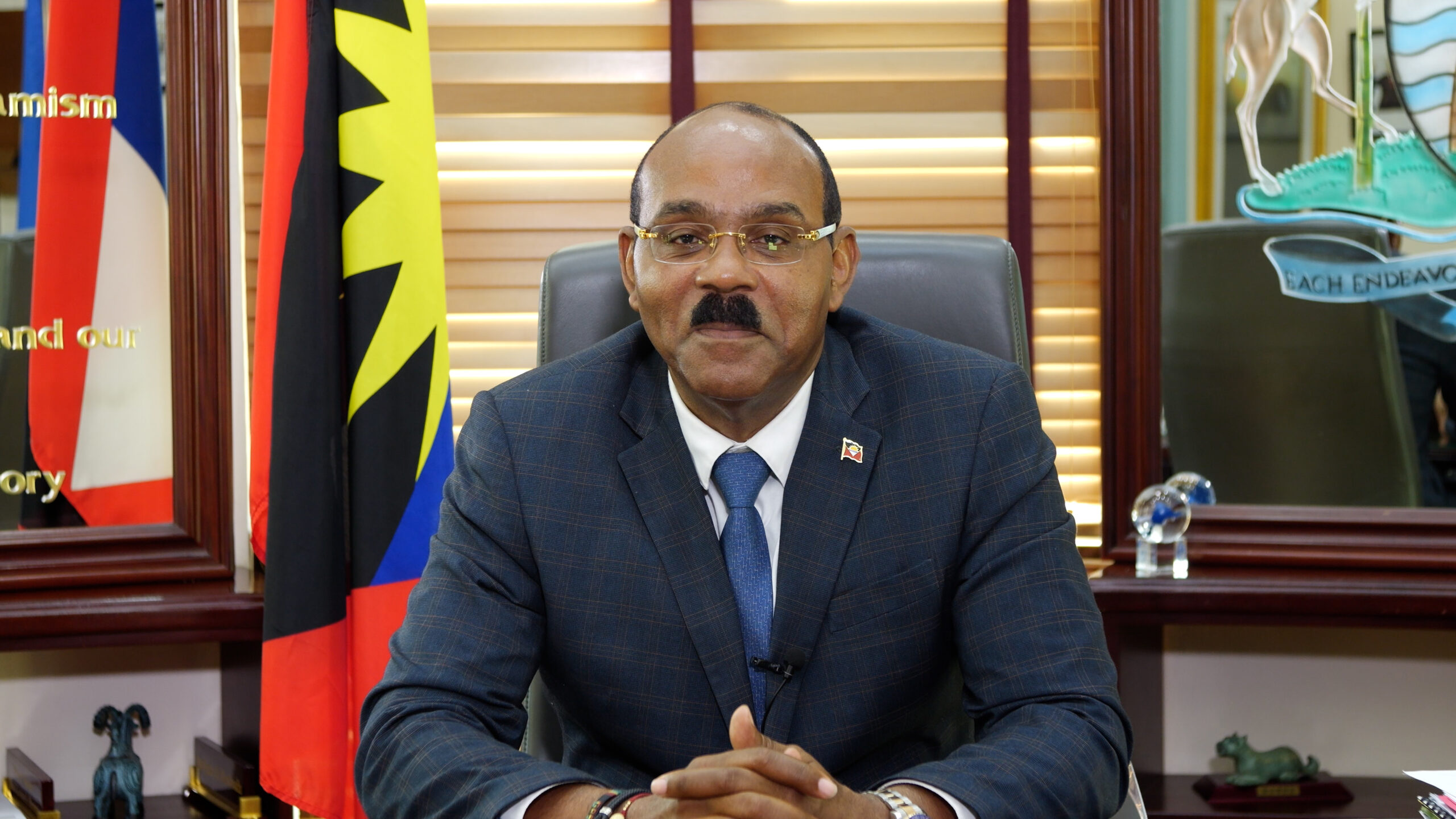


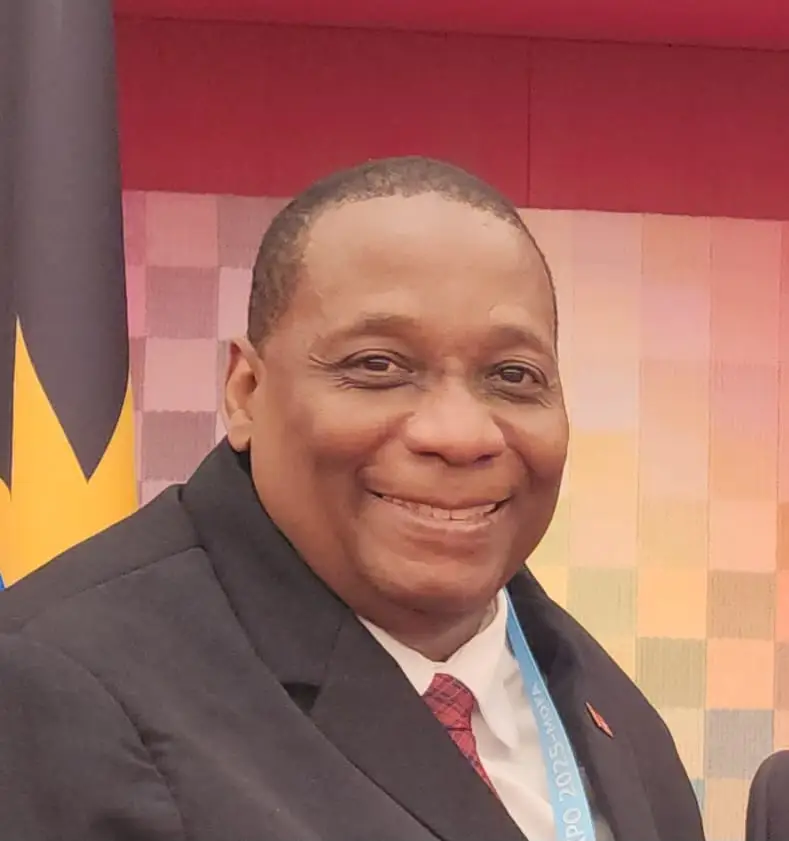













































































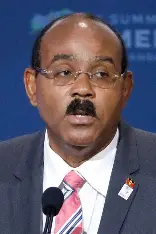


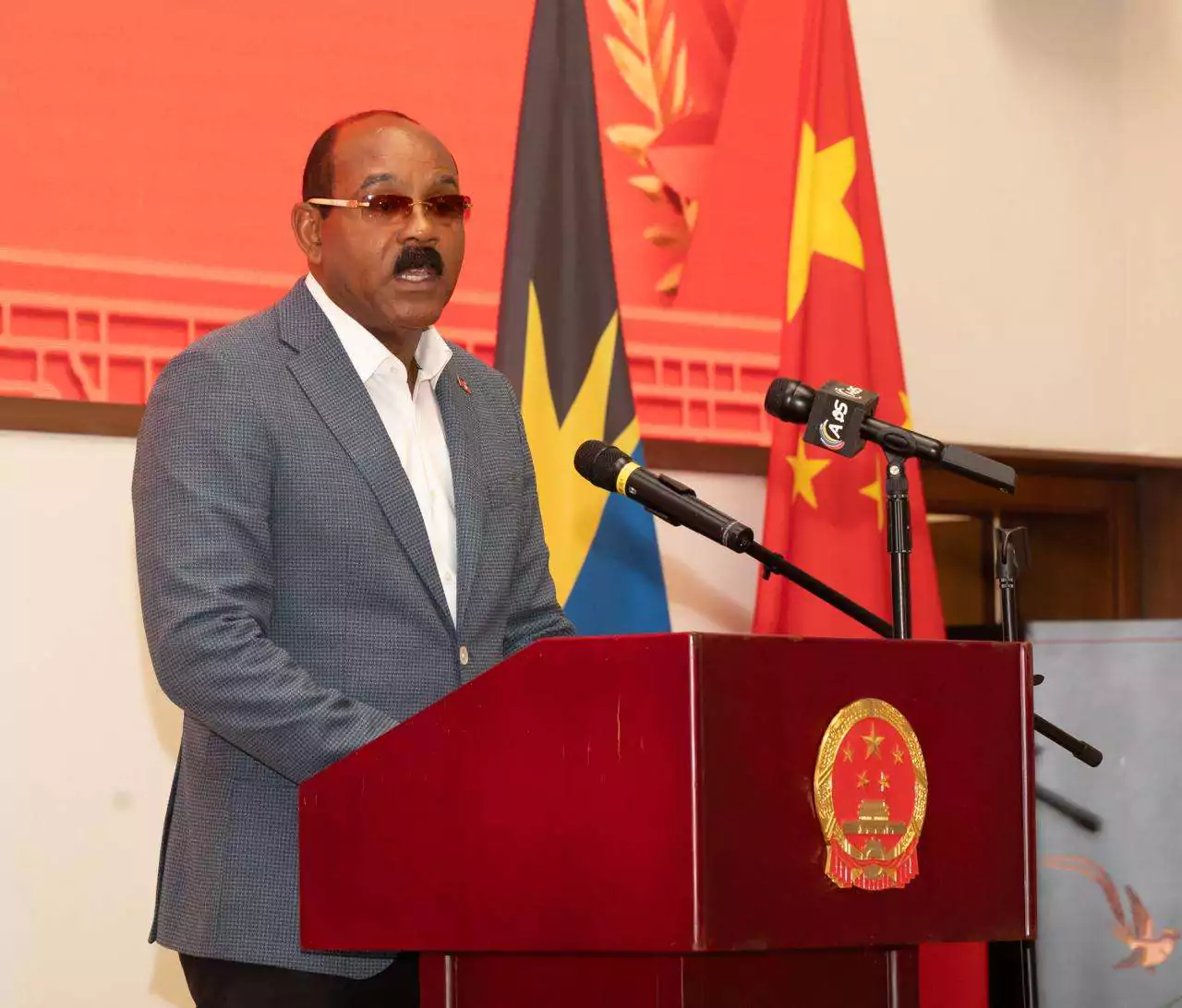



















































































































































































































































































































































Cabinet Notes- 30 September, 2026
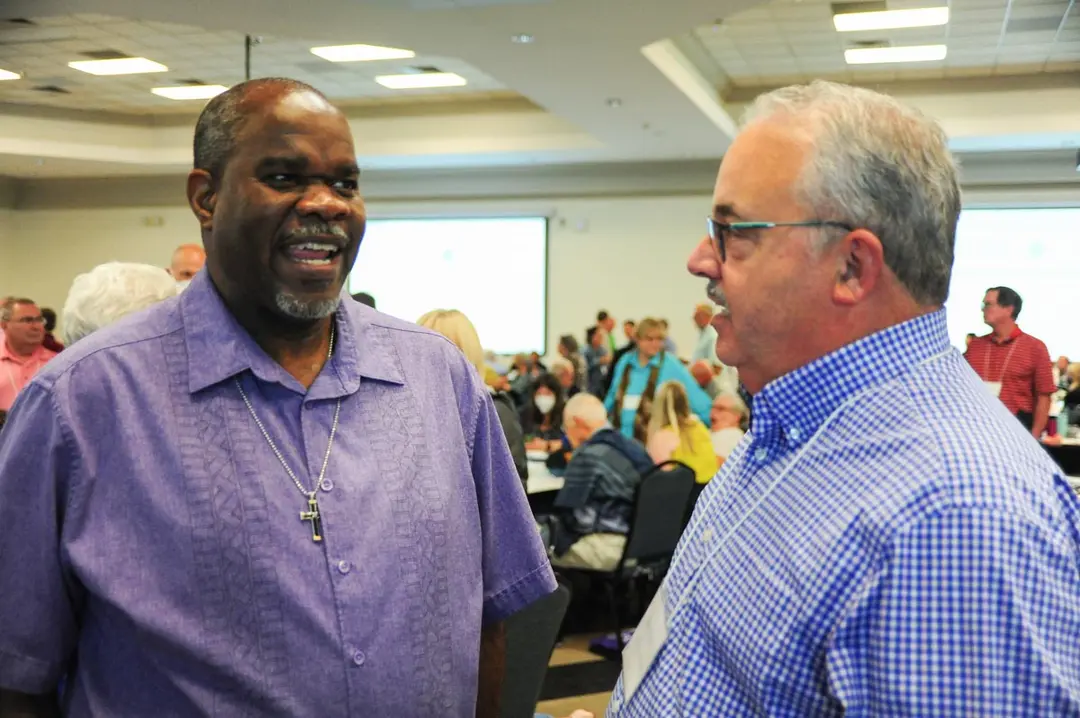
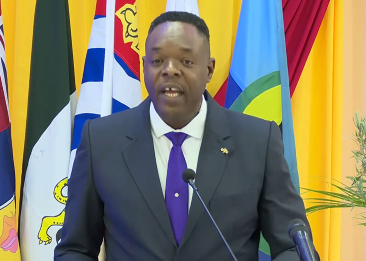
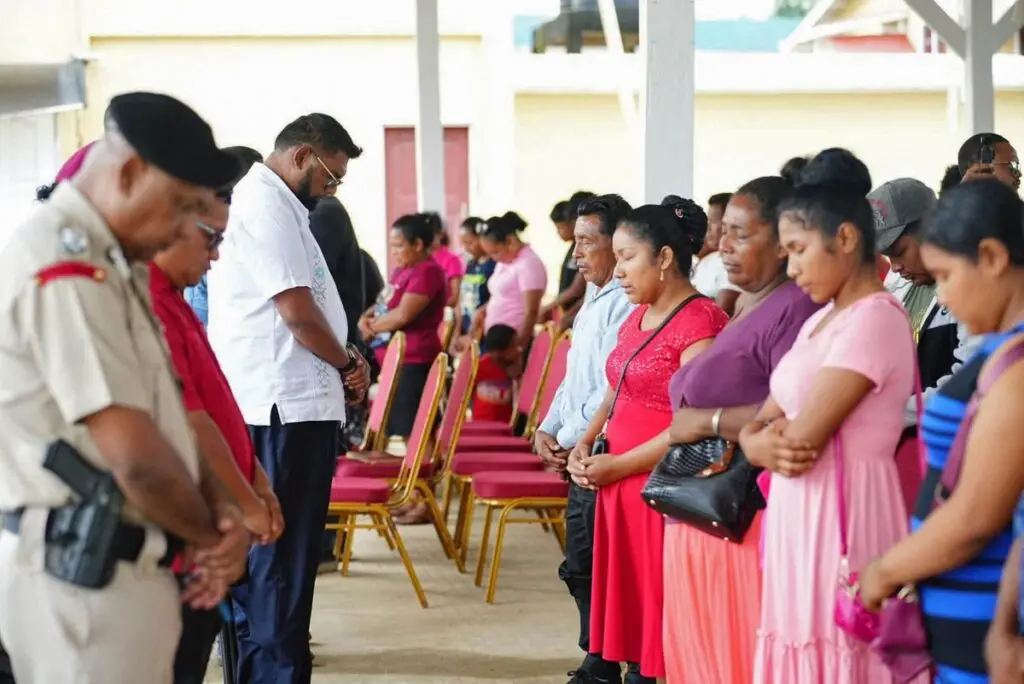
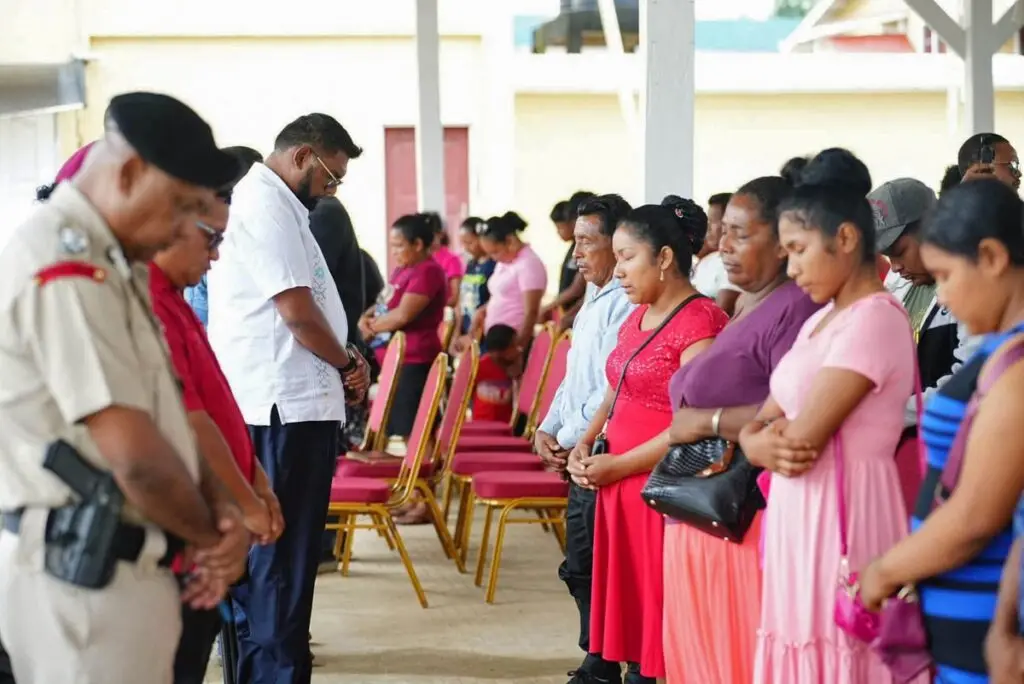
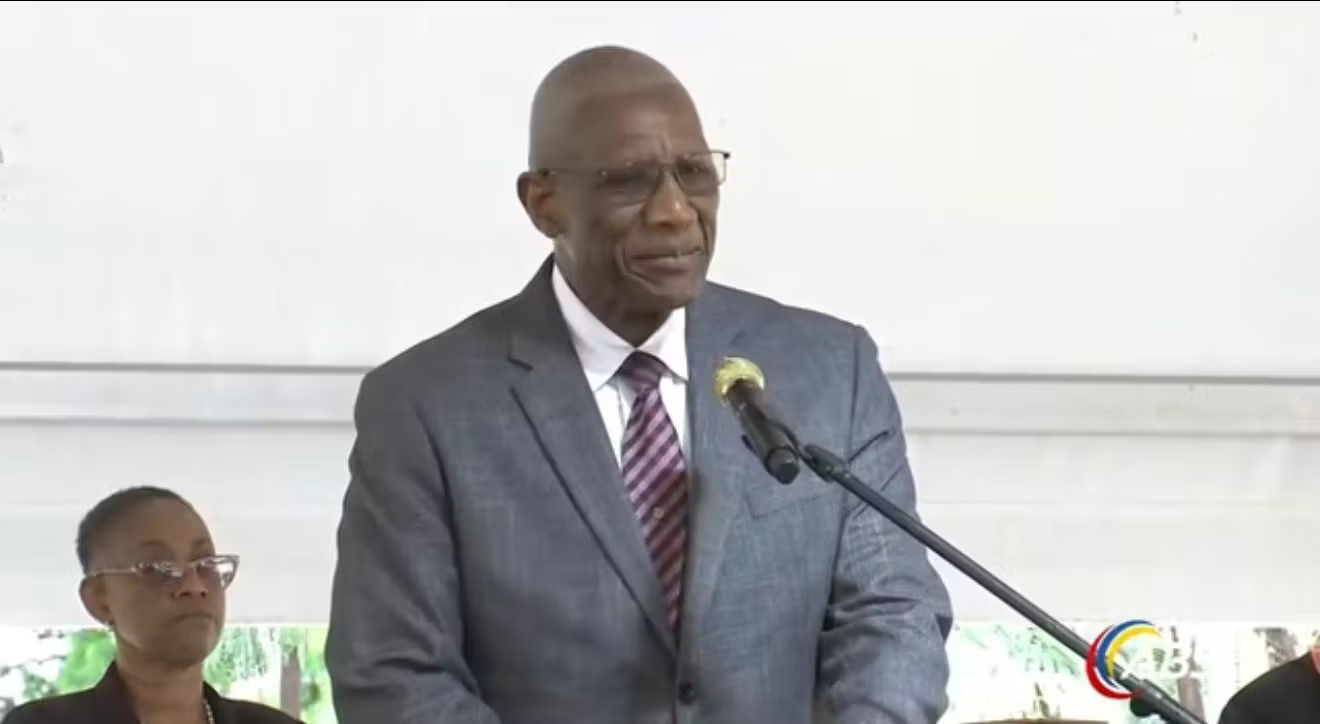
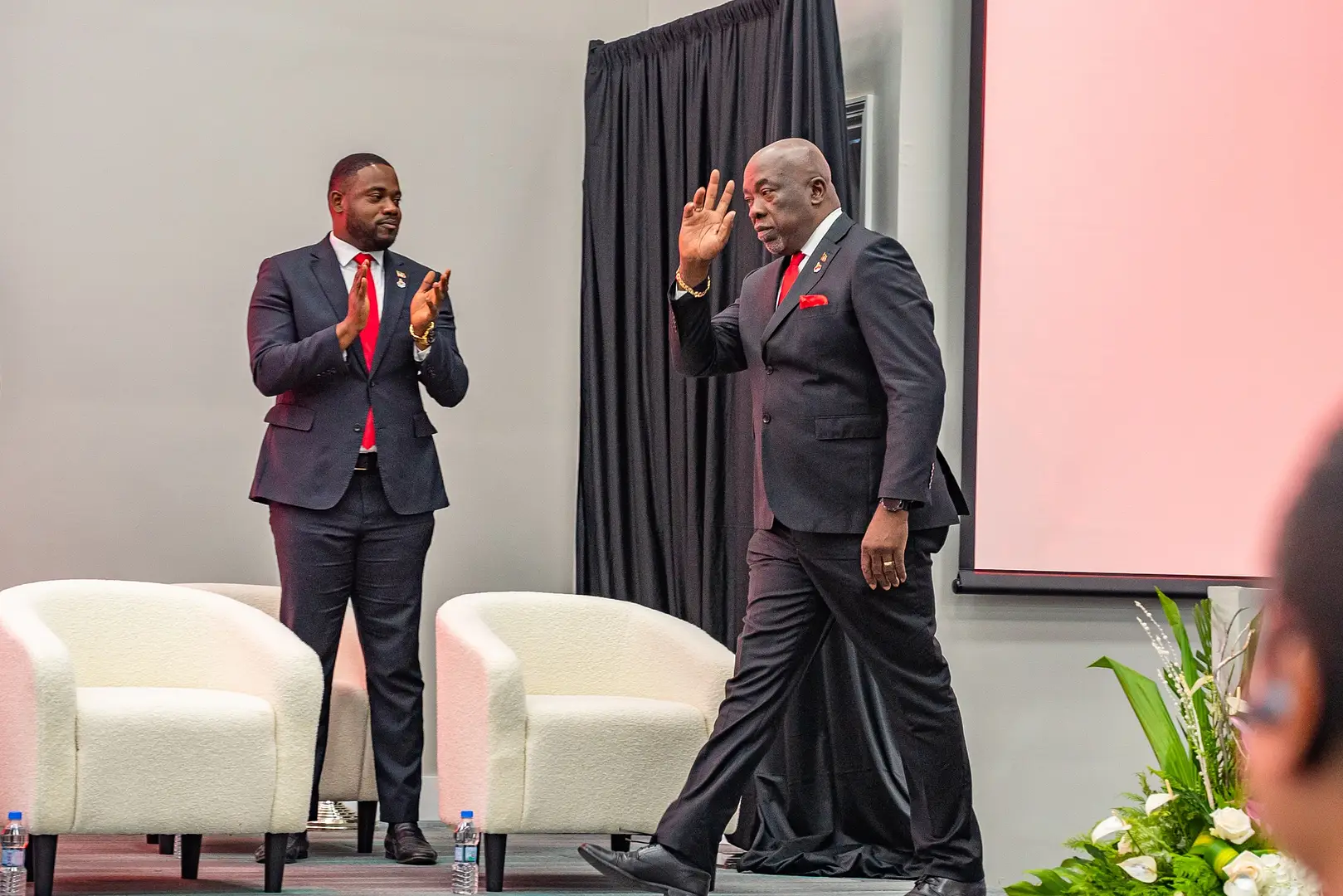
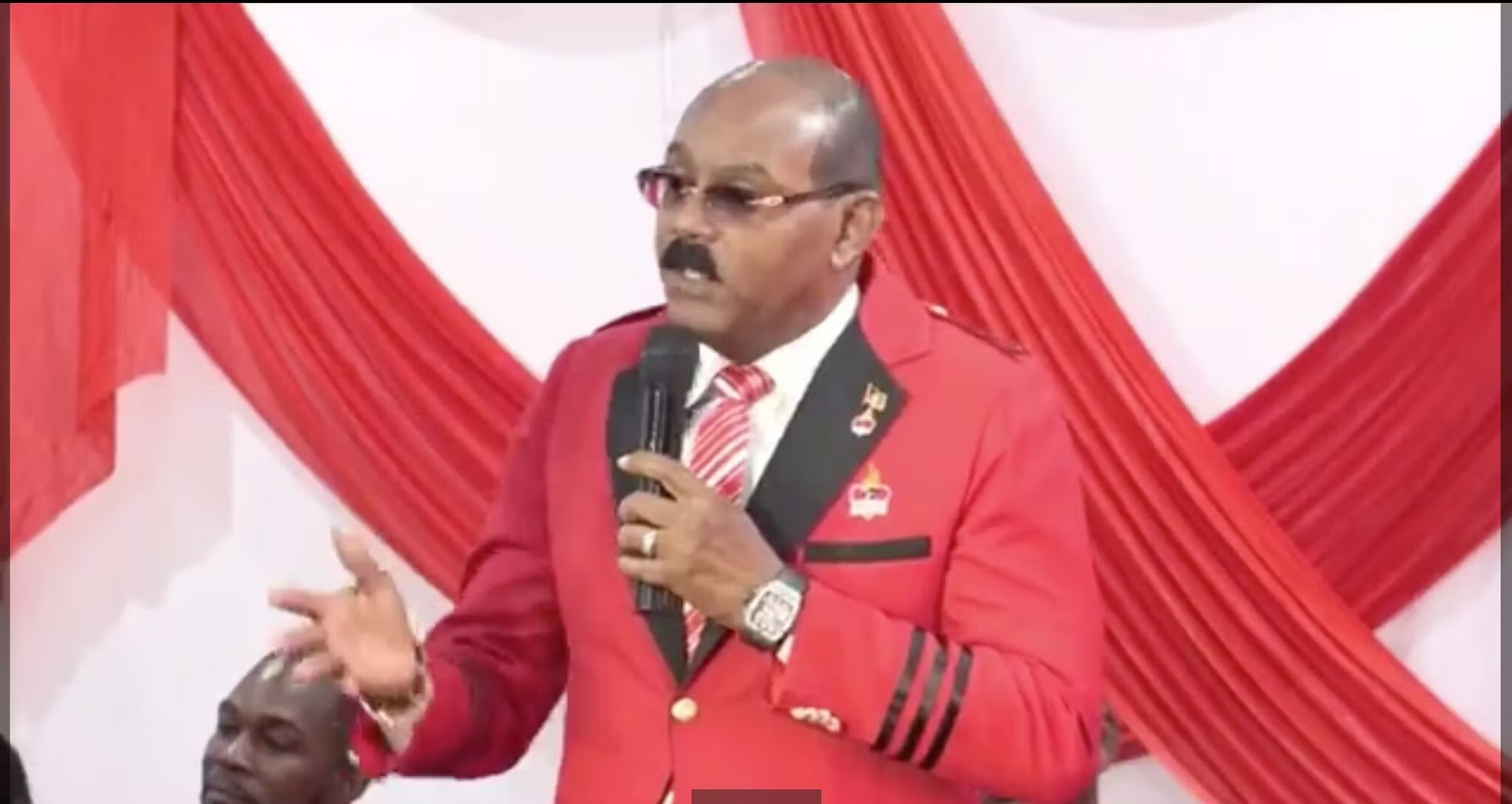
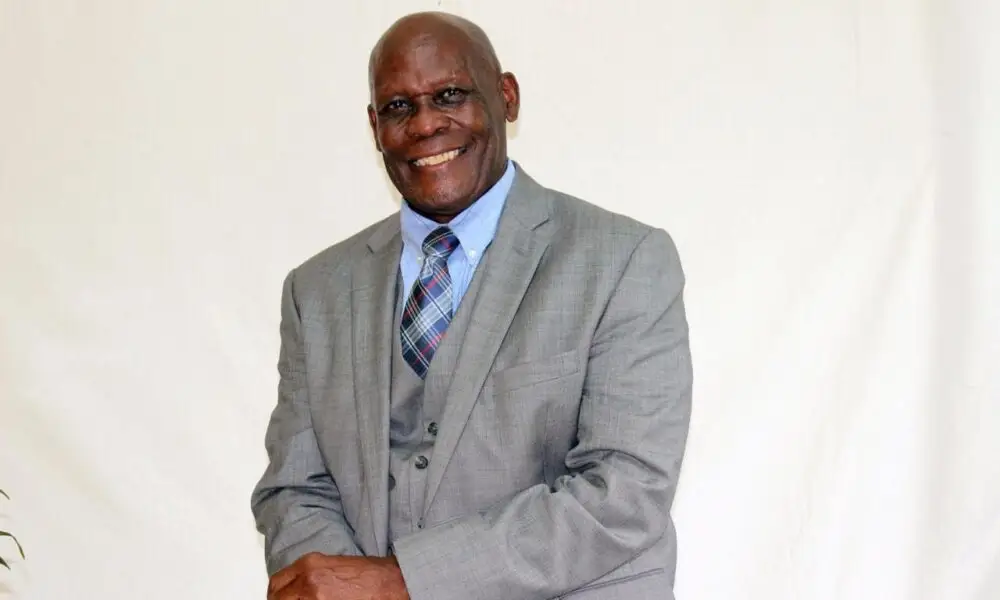
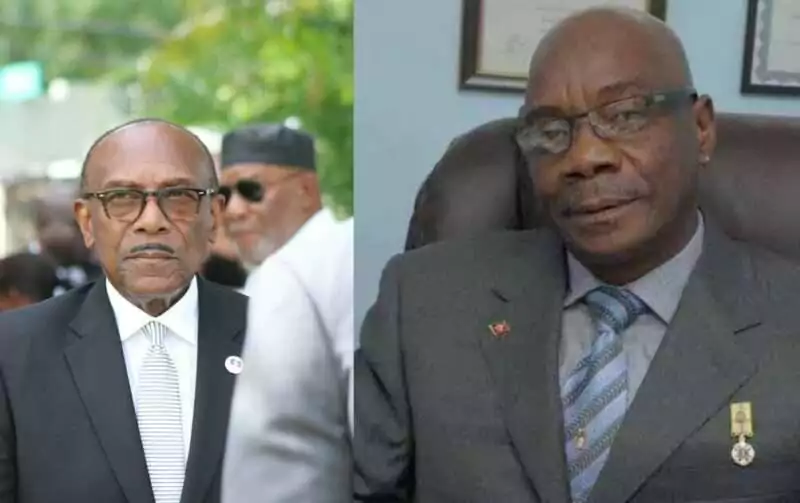
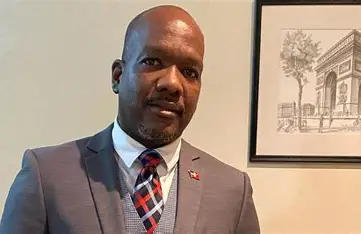
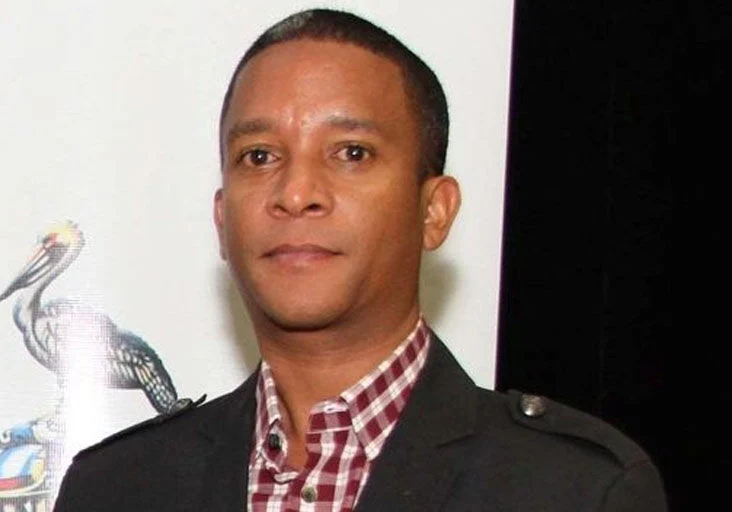
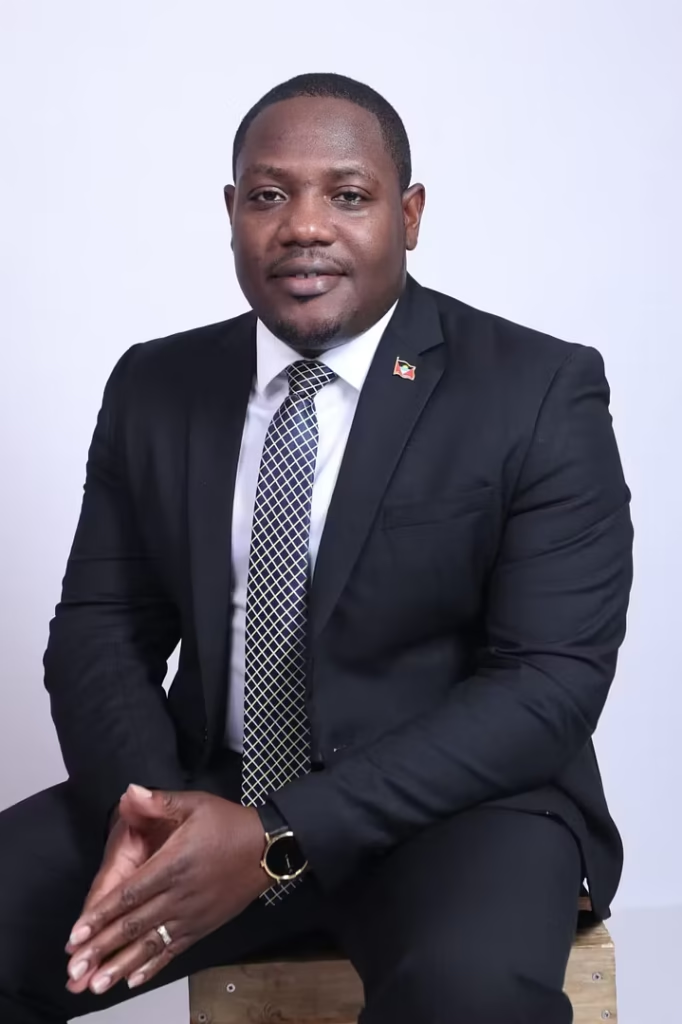
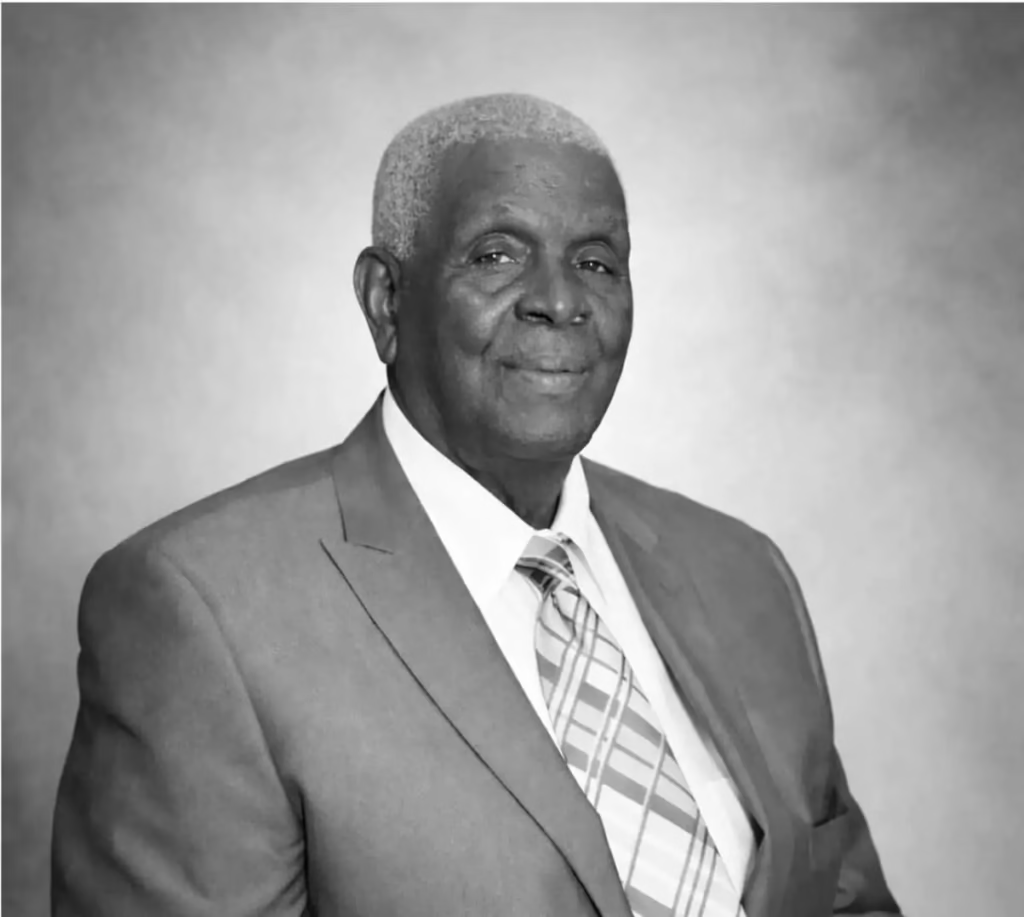
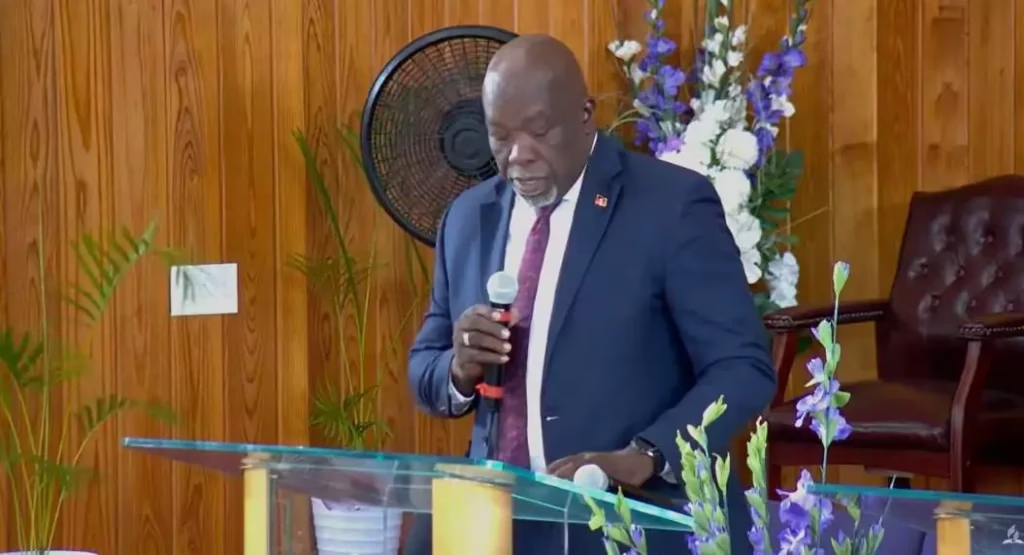
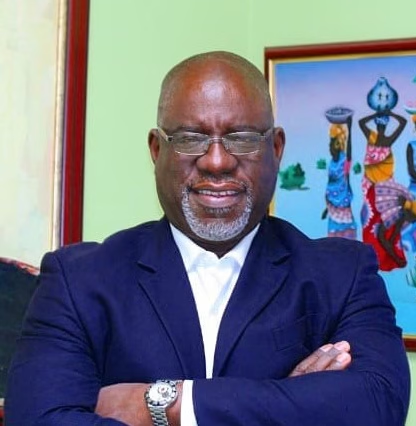
Pastor Ivor Davis led the meditation at Wednesday’s meeting of the Cabinet, reminding members
that amid the many competing voices and challenges confronting society, leaders must remain
attentive to the voice of God and receptive to the guidance contained in His Word.
Drawing on the message of Hebrews 4, Pastor Davis reflected on the power of the Word of God to
penetrate the innermost being, revealing truth, correcting wrongdoing and directing individuals
towards Jesus Christ. He reminded Cabinet that believers have a High Priest who understands
human weakness and the realities of life and are therefore encouraged to approach God boldly and
confidently to receive mercy, grace and help in times of need.
Pastor Davis observed that the world has become increasingly noisy, with many voices competing
for attention and influence. Against that background, he urged Cabinet members to listen carefully
when God speaks and to respond with obedience. He reminded them that the gift of life carries with
it a responsibility to honour God through one’s words, conduct and service, whether as pastors,
priests, politicians or citizens.
The Pastor then turned his attention to the difficult circumstances confronting Antigua and
Barbuda, particularly the troubling involvement of young people in gun violence and other forms of
criminal activity. He acknowledged the concern and passion expressed by the Prime Minister over
the increasing involvement of teenagers and other young people in serious crime and reflected on
the difficult questions surrounding how and why some of the nation’s youth are being drawn into
such behaviour.
While underscoring the importance of prayer and faith, Pastor Davis cautioned that prayer must be
accompanied by action. There are moments, he said, when God calls His people not only to pray
but also to act decisively in confronting the problems before them. He acknowledged that decisions
taken by Cabinet will not always please everyone, but expressed confidence that, through counsel,
wisdom and divine guidance, the nation’s leaders can make decisions in the best interests of Antigua
and Barbuda and its people.
In his prayer, Pastor Davis asked God to grant Cabinet members wisdom from above as they
deliberate on the affairs of the nation. Recalling the biblical assurance that those who lack wisdom
should ask God, who gives generously, he prayed that divine wisdom would guide the Prime
Minister and every member of Cabinet so that their decisions would accord with God’s will and
purpose for the nation.
Pastor Davis prayed especially for Antigua and Barbuda as it confronts the present challenges of
crime and violence. He called for divine intervention and urged parents, adults, churches and
community leaders to make time to listen more carefully to the cries of young people and families.
He observed that when society pauses long enough to listen, it can often hear the cries of young
people, mothers and others who may be struggling and in need of guidance and support.
As the country enters the final quarter of 2026, Pastor Davis prayed for God’s grace and mercy
upon Antigua and Barbuda and for His continued presence in the homes, churches and communities
of the nation. He also prayed for healing for those who are unwell, protection for those travelling,
and strength for all who continue to serve the country.
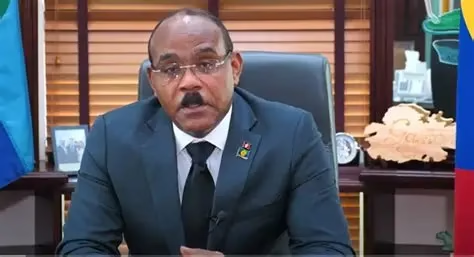
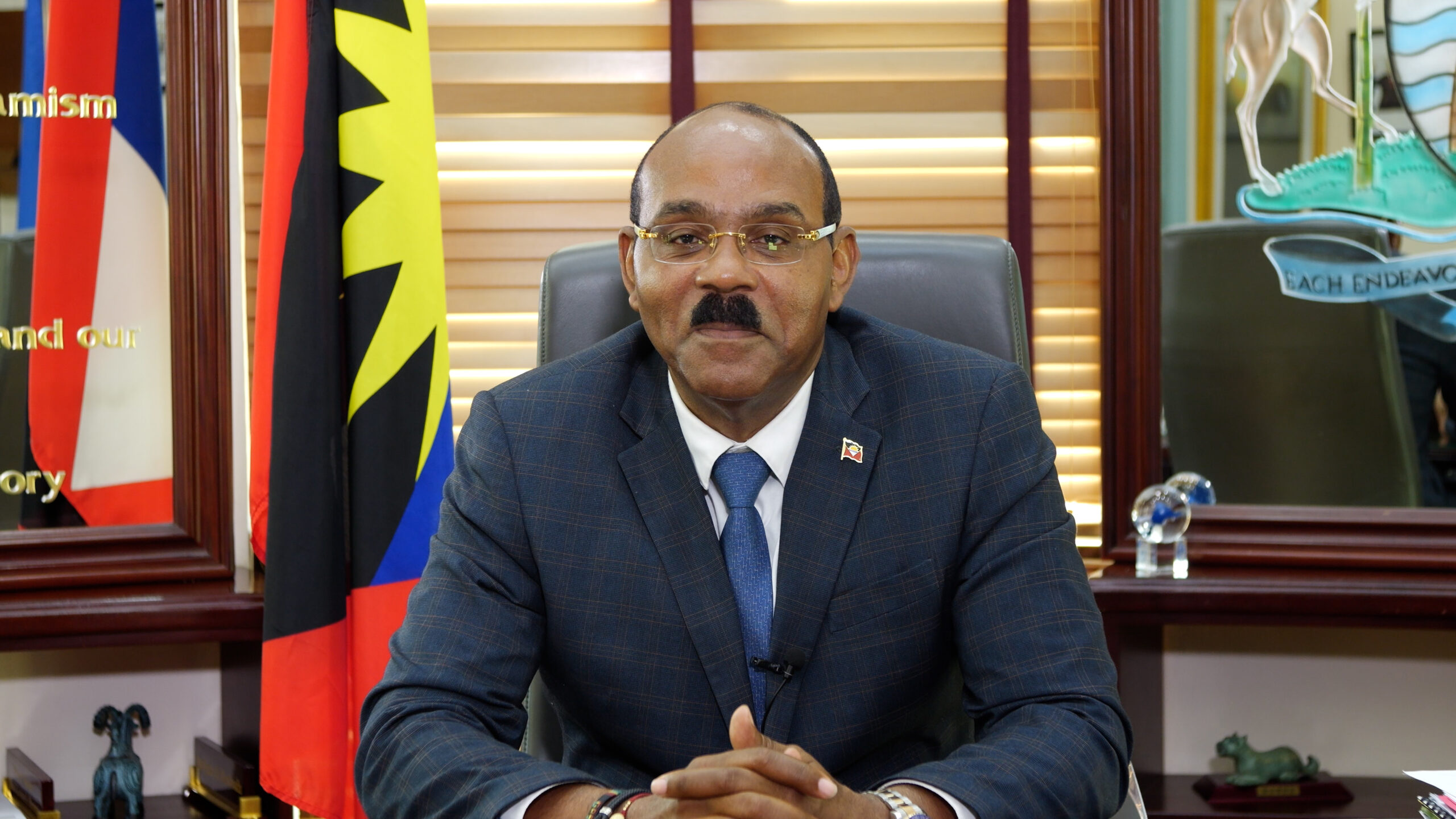
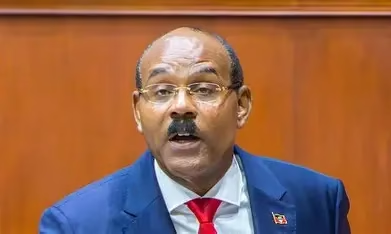
Pastor Davis concluded by offering a special prayer for Prime Minister the Right Honourable
Gaston Browne, asking God to grant him a double portion of His blessing, guidance and assistance
as he leads the nation. He prayed that the Prime Minister would be strengthened, given courage and
equipped with all that is required of him in the discharge of his responsibilities as leader of Antigua
and Barbuda.
1. Prime Minister Browne Commends Parliament on Crime Legislation and Directs Further Action
on Prison Reform and Law Enforcement
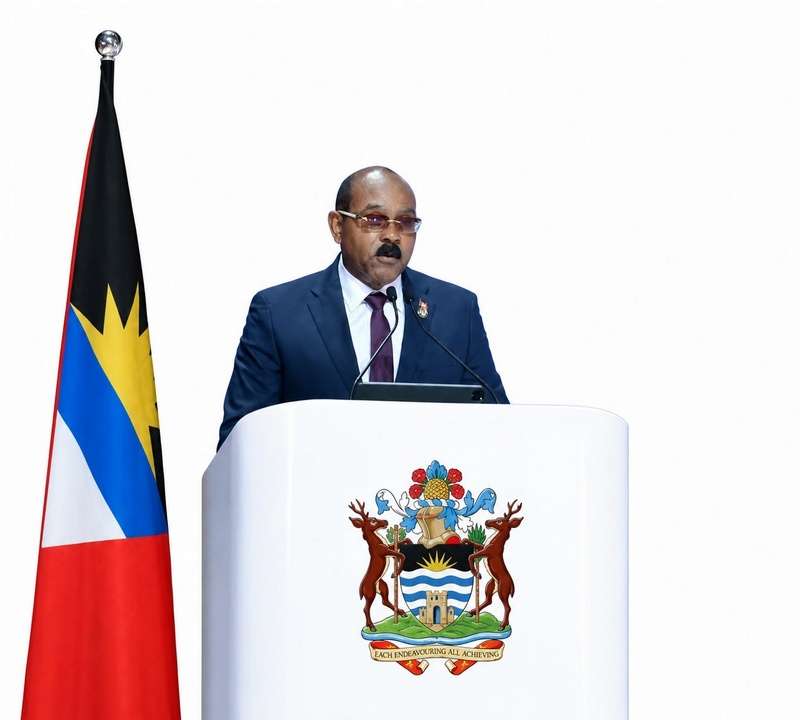
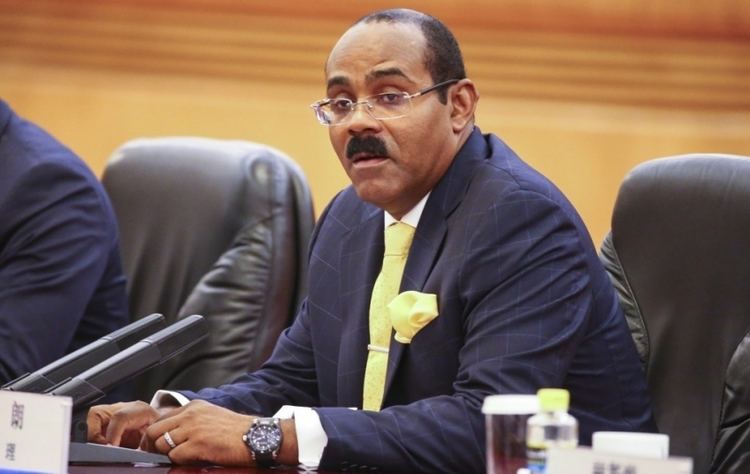
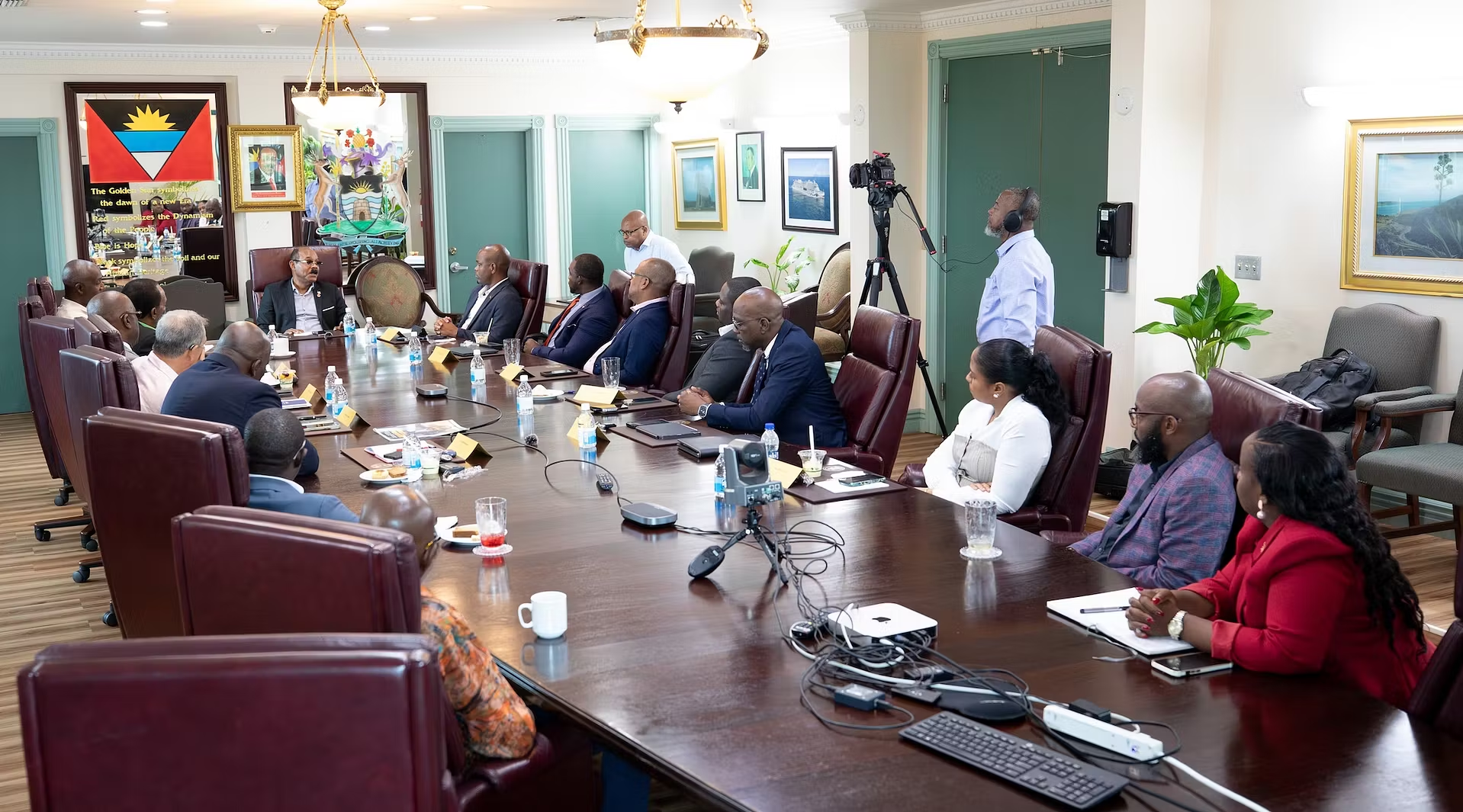
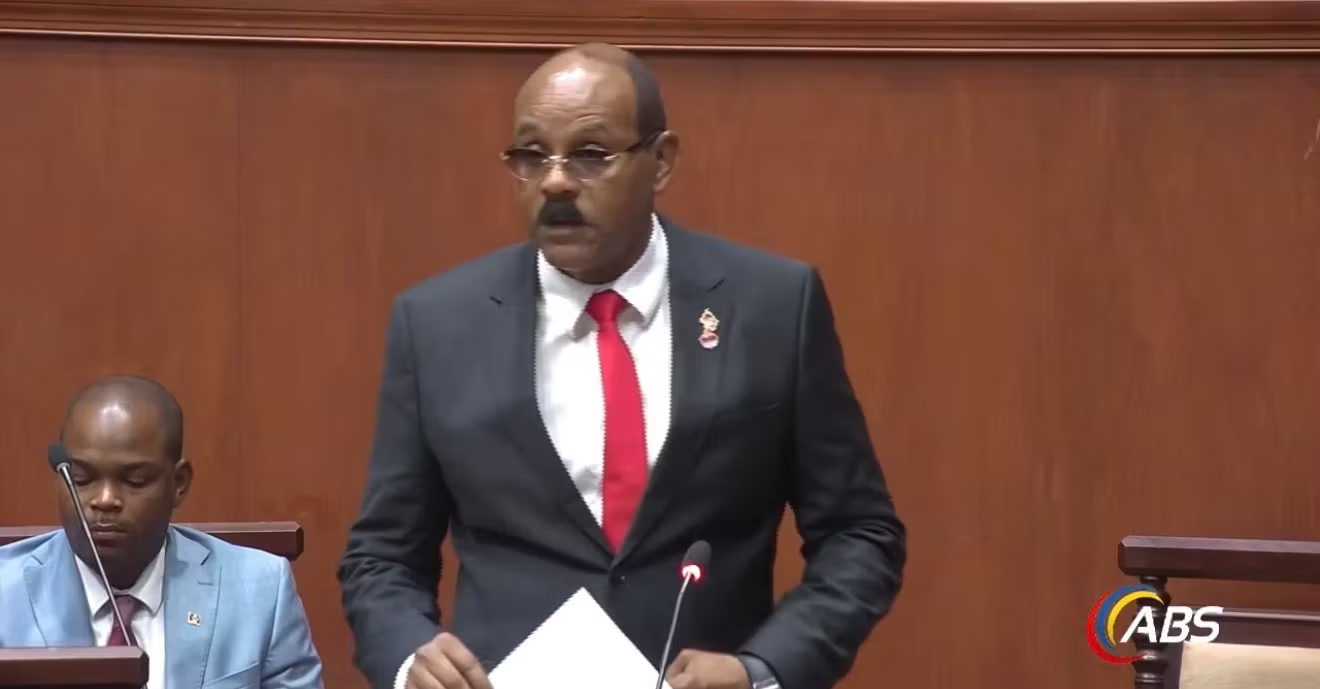
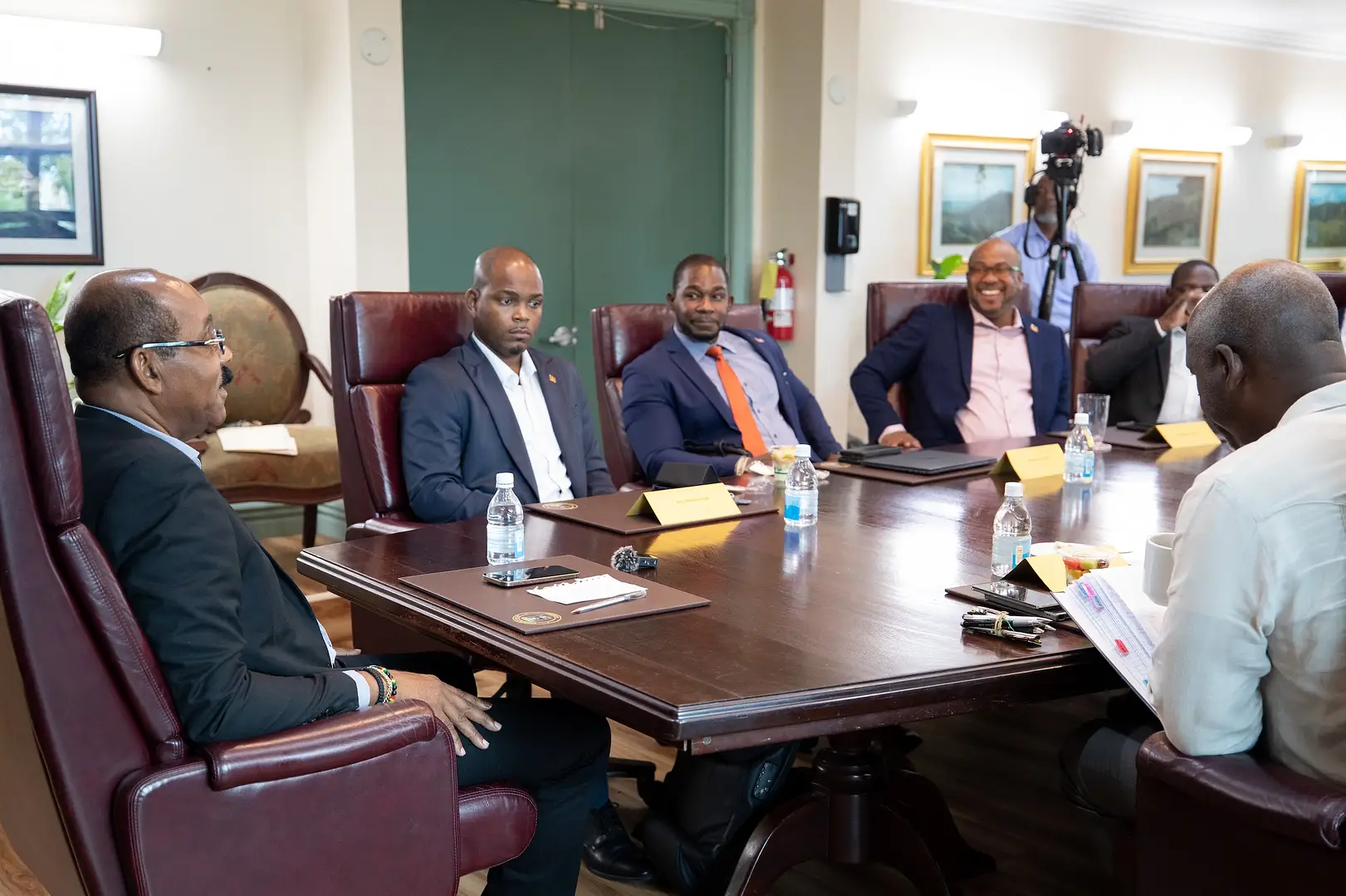
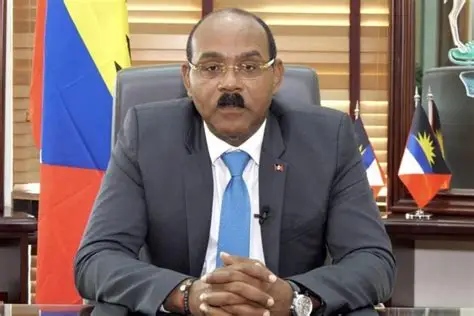
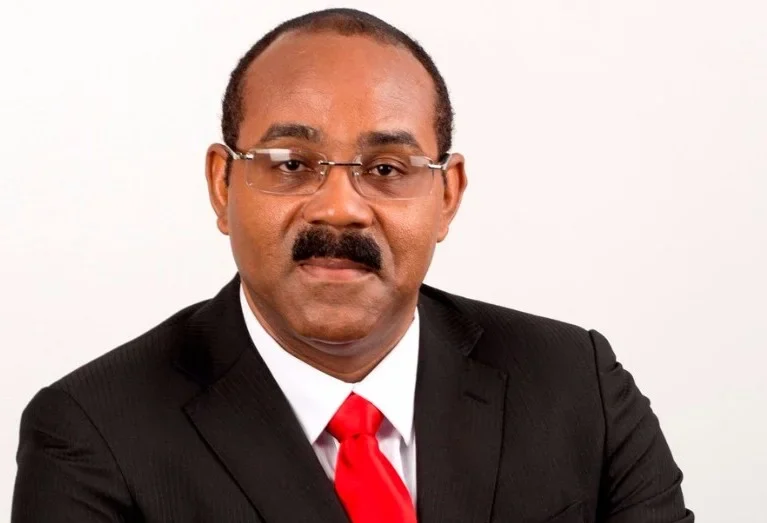
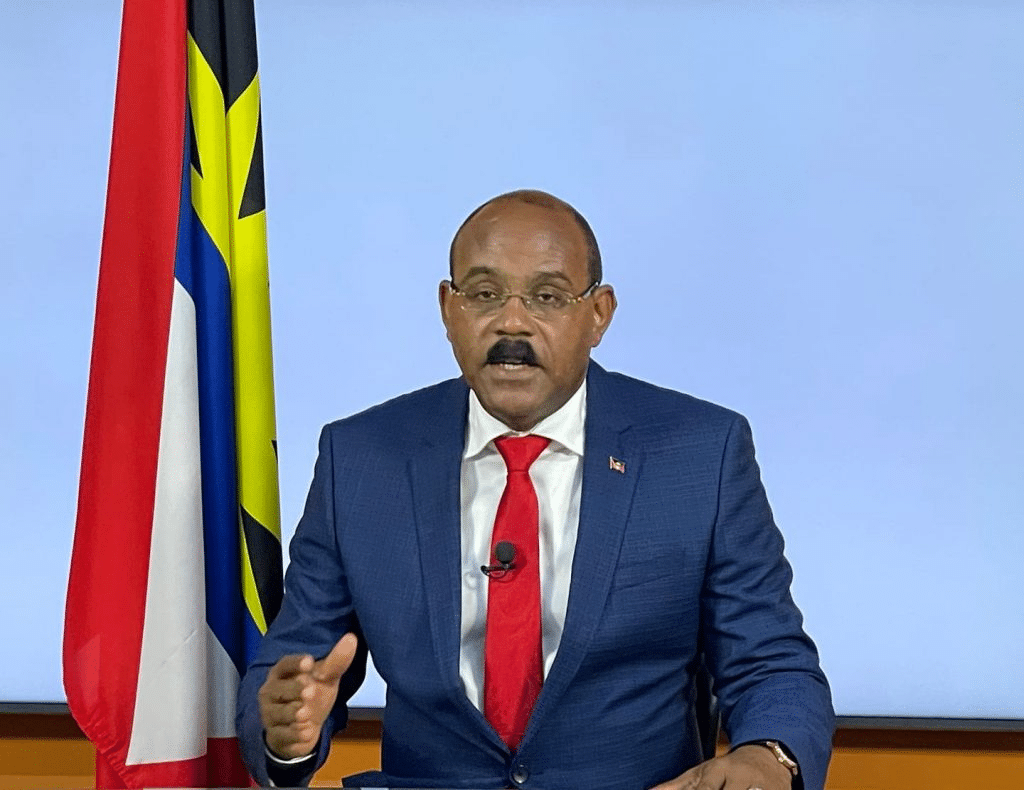
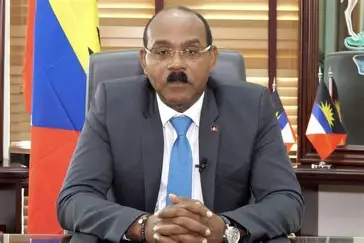
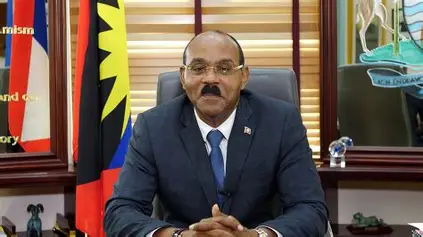
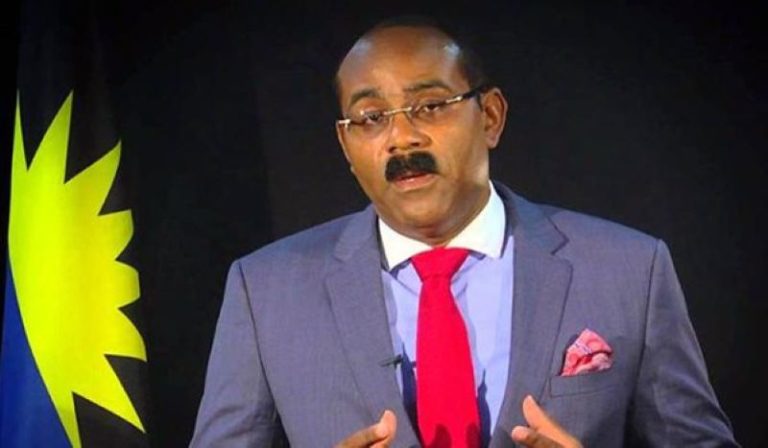
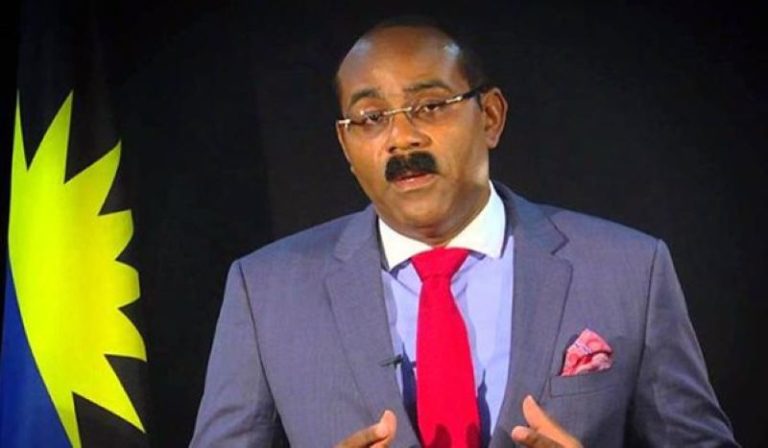
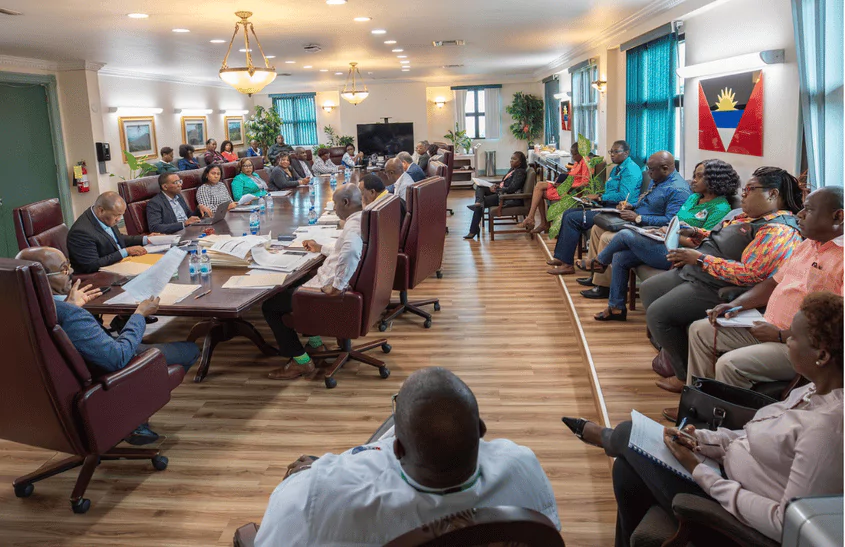
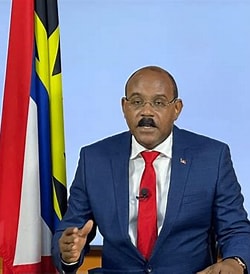
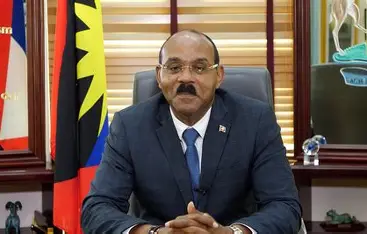
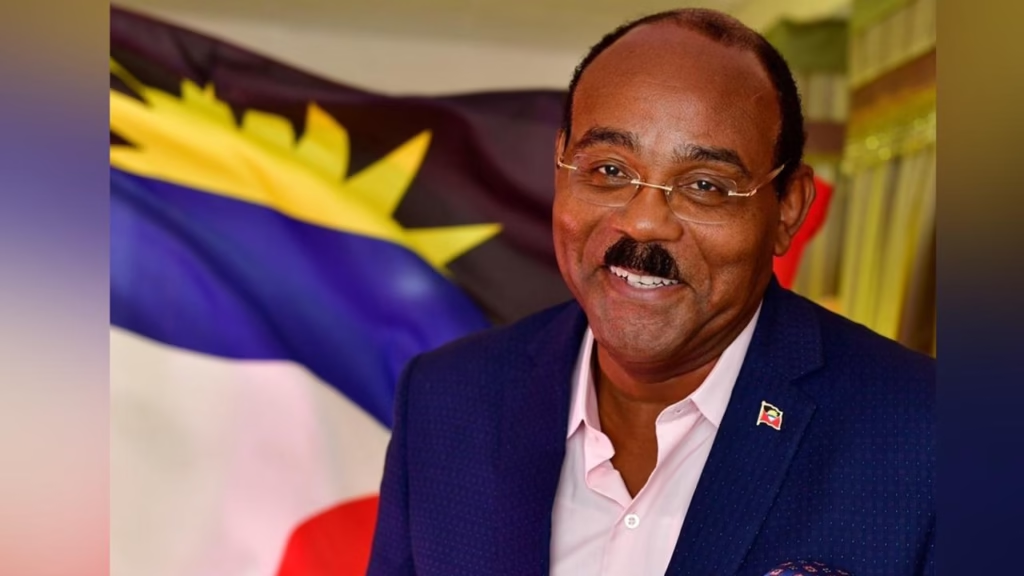
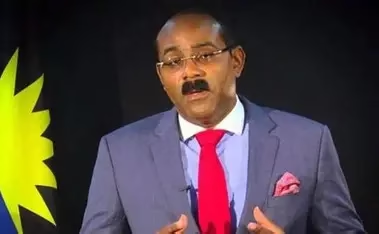
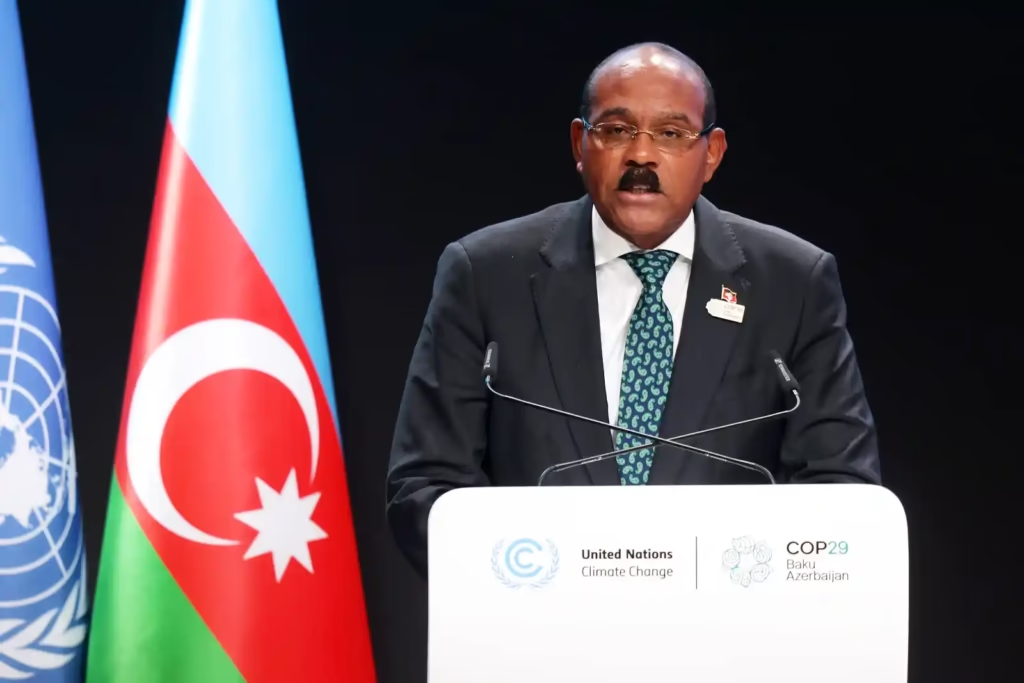
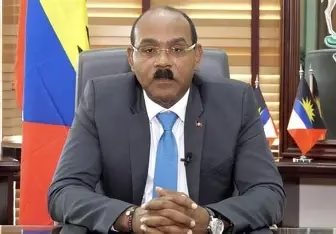
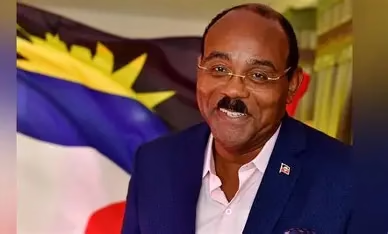
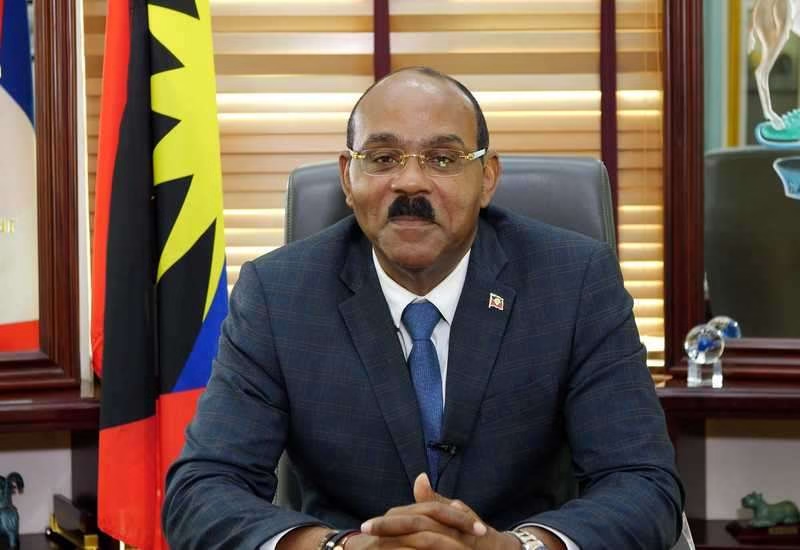
Prime Minister the Right Honourable Gaston Browne, chairing Wednesday’s meeting of the Cabinet
of Antigua and Barbuda, opened the deliberations by commending Ministers for their contributions
in Parliament during debate on recently approved amendments aimed at strengthening sentencing
for serious crimes and enhancing the protection of children.
The Prime Minister noted that the measures formed part of the Government’s broader response to
concerns about gun violence, serious criminal activity and offences against children. The House of
Representatives on Monday passed amendments strengthening penalties for serious firearm offences
and sexual offences against minors.
Prime Minister Browne thanked members of the Government for what he described as their strong
and substantive presentations during the parliamentary debate and reiterated that the Government
must continue pursuing legislative, enforcement and rehabilitative measures to improve public safety.
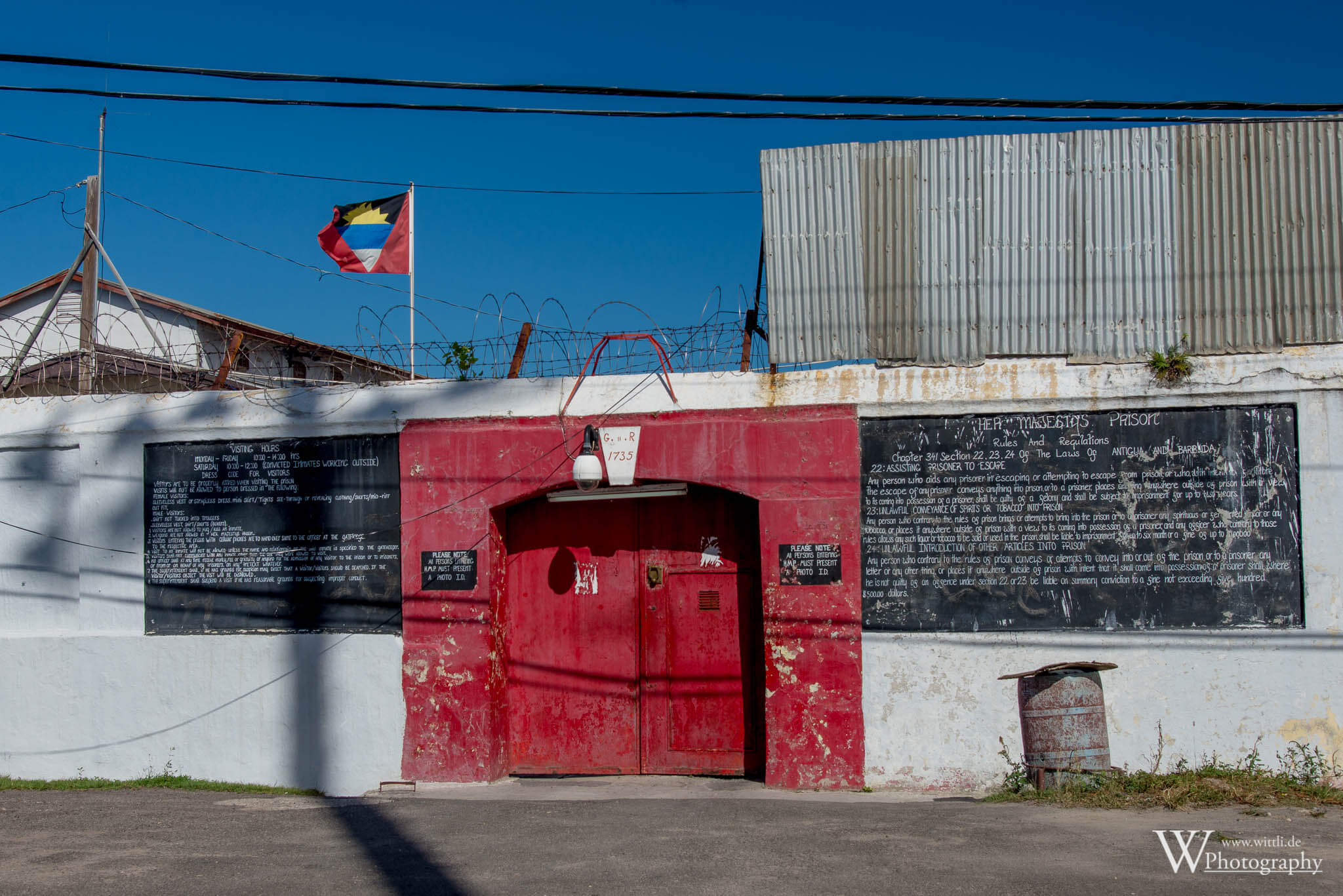
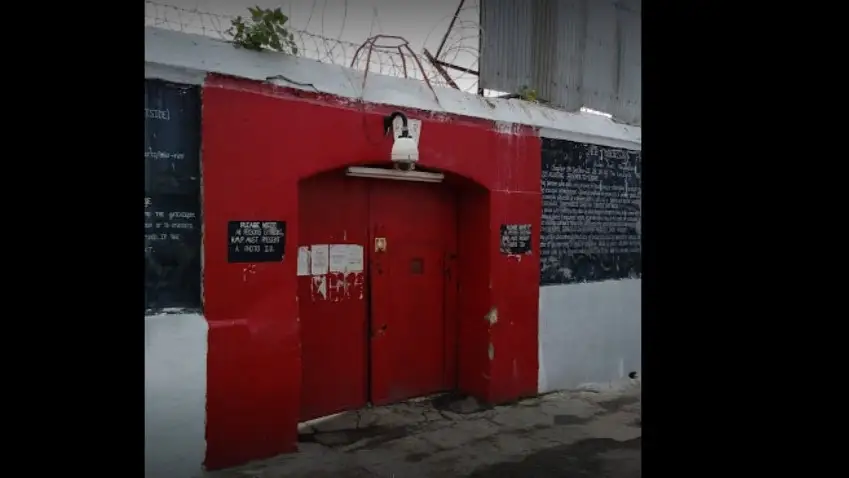
Turning to the country’s correctional system, Prime Minister Browne advised Cabinet that stronger
sentencing measures are expected to place additional demands on His Majesty’s Prison and that the
Government must plan accordingly.
He called for the reformation of the prison system, with increased emphasis on rehabilitation, skills
development and programmes capable of preparing inmates for productive reintegration into
society.
The Prime Minister directed that the Attorney General and the relevant prison authorities and
officials develop a comprehensive prison reform programme within 30 days for consideration by the
Government.
As part of that process, Cabinet discussed the need to expand productive activity at the Prison Farm.
The Prime Minister called for additional lands to be brought into agricultural production and for
4
greater emphasis to be placed on the cultivation of food crops and the rearing of pigs, chickens and
other livestock.
Cabinet noted that an expanded prison agricultural programme could contribute to rehabilitation
and skills training while simultaneously increasing food production and helping to reduce the cost of
feeding the prison population and other public institutions.
The Prime Minister also indicated that the Government will have to plan for the possibility of an
increase in the prison population arising from the strengthened sentencing framework.
Prime Minister Browne further advised that consideration must be given to ensuring that the justice
system has adequate resources to deal efficiently with criminal matters.
Cabinet therefore discussed the need for additional magistrates and judges, where required, to assist
in ensuring that cases move through the courts efficiently and that increased enforcement and
prosecution do not result in unnecessary delays.
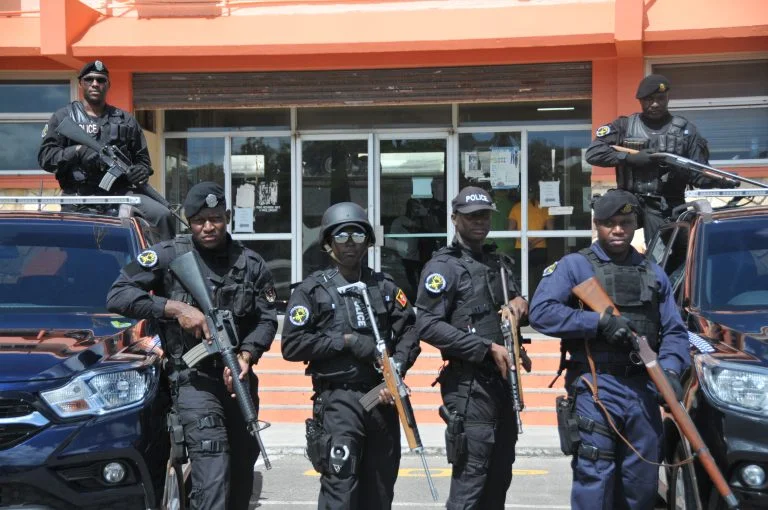
The Prime Minister also directed that there be continued follow-up with the leadership of the Royal
Police Force of Antigua and Barbuda on its crime-fighting efforts.
He called for regular engagement with the Police leadership to identify any gaps in resources,
equipment or other support that could impede the Force in carrying out its responsibilities. Cabinet
reaffirmed that, where legitimate needs are identified, the Government will continue to provide the
Police with appropriate support to strengthen its ability to prevent, detect and investigate crime.
The Prime Minister stressed that the Government’s response to crime must be comprehensive —
combining strong legislation, effective policing, an adequately resourced justice system, appropriate
sentencing and meaningful rehabilitation of offenders.
Cabinet reaffirmed its commitment to pursuing these measures in a coordinated manner as part of
the Government’s continuing efforts to protect citizens and residents, strengthen public safety and
uphold law and order throughout Antigua and Barbuda.— END —
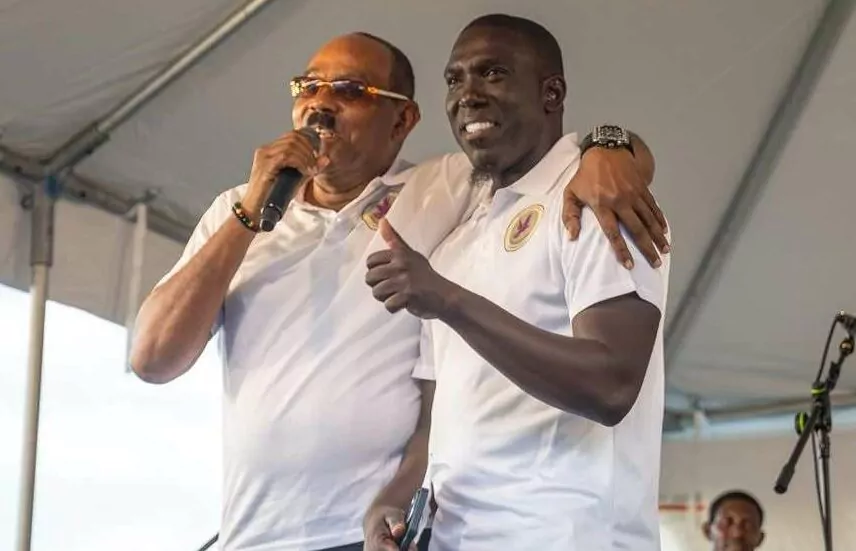
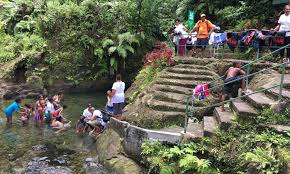
2. Cabinet Meets High Priest Ambassador Bongo Selah on Youth Development and Expansion of
Agriculture at Nyabingi Theocracy Community at Creekside
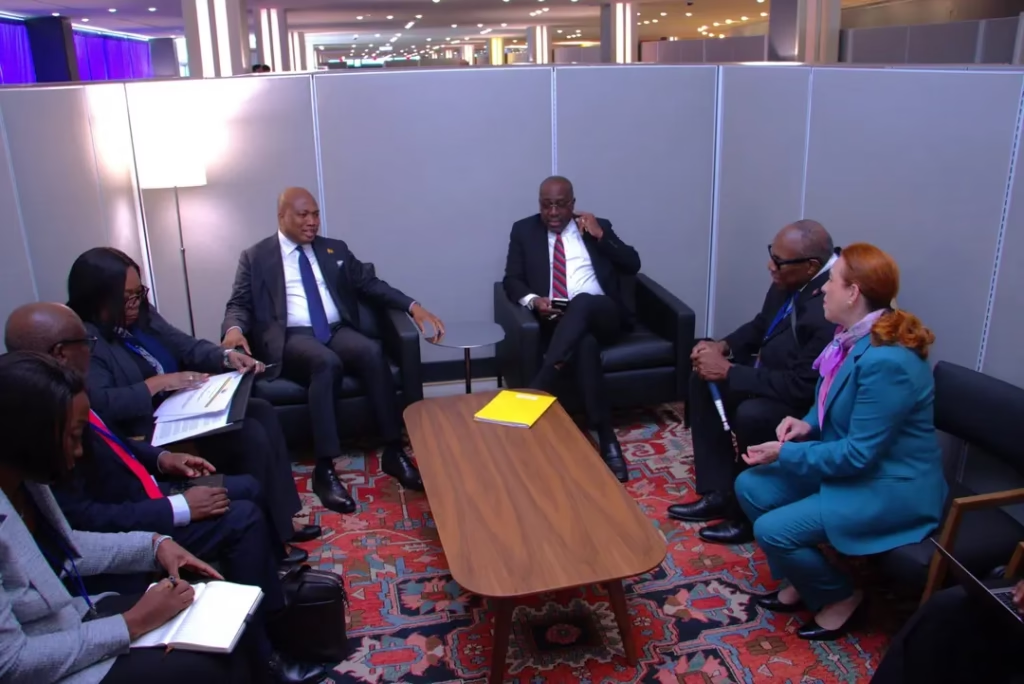
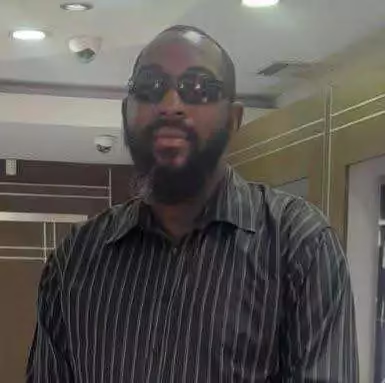
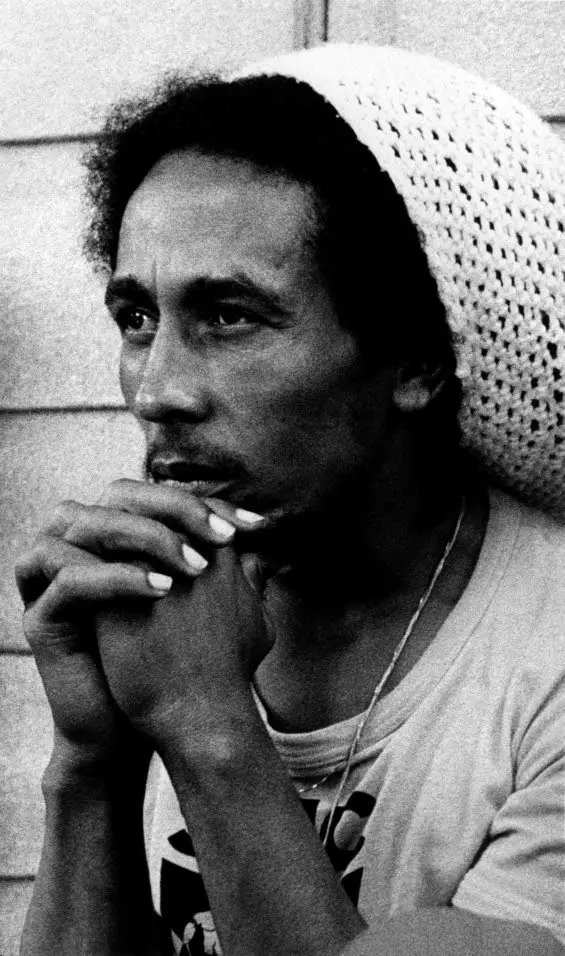
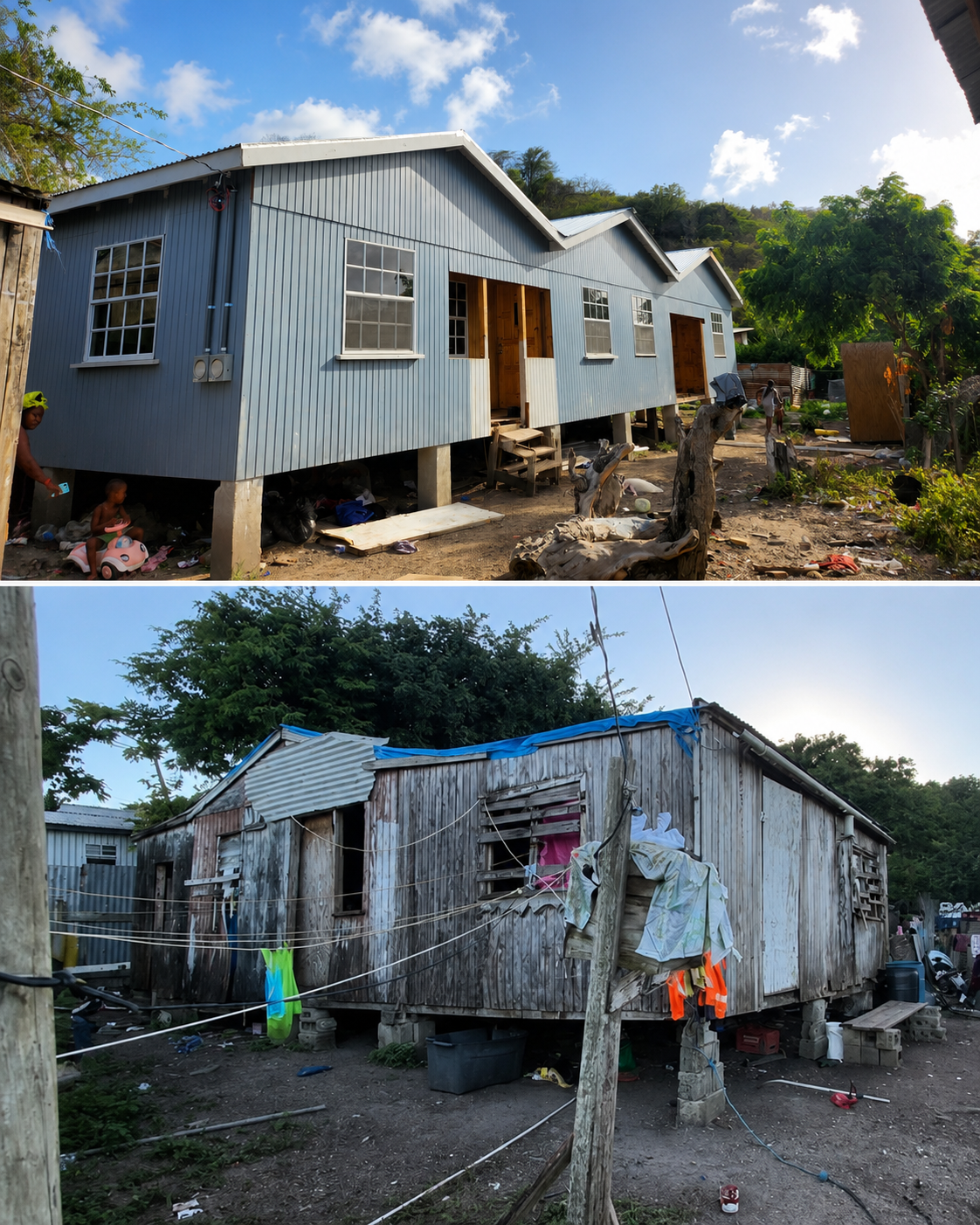
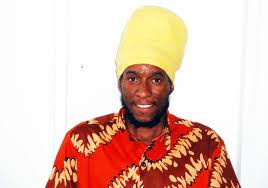
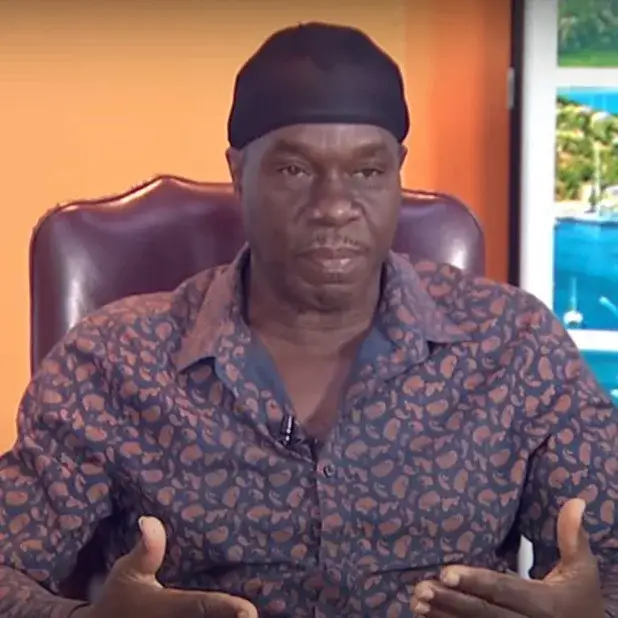
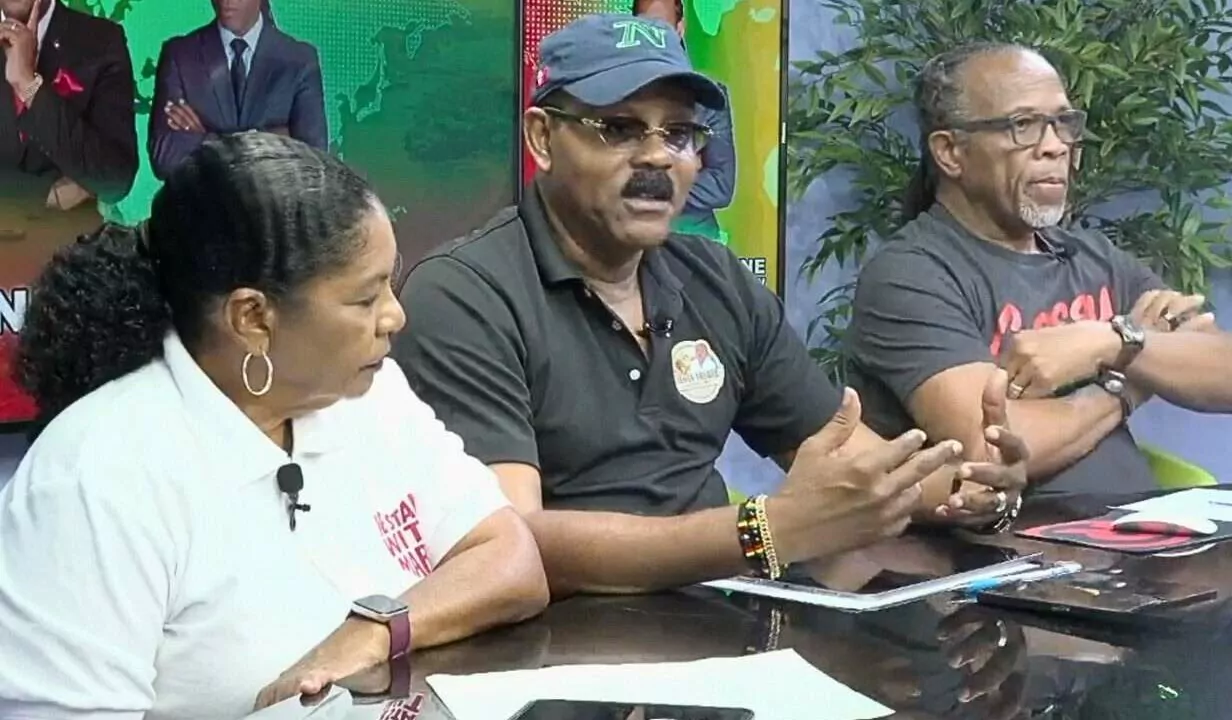
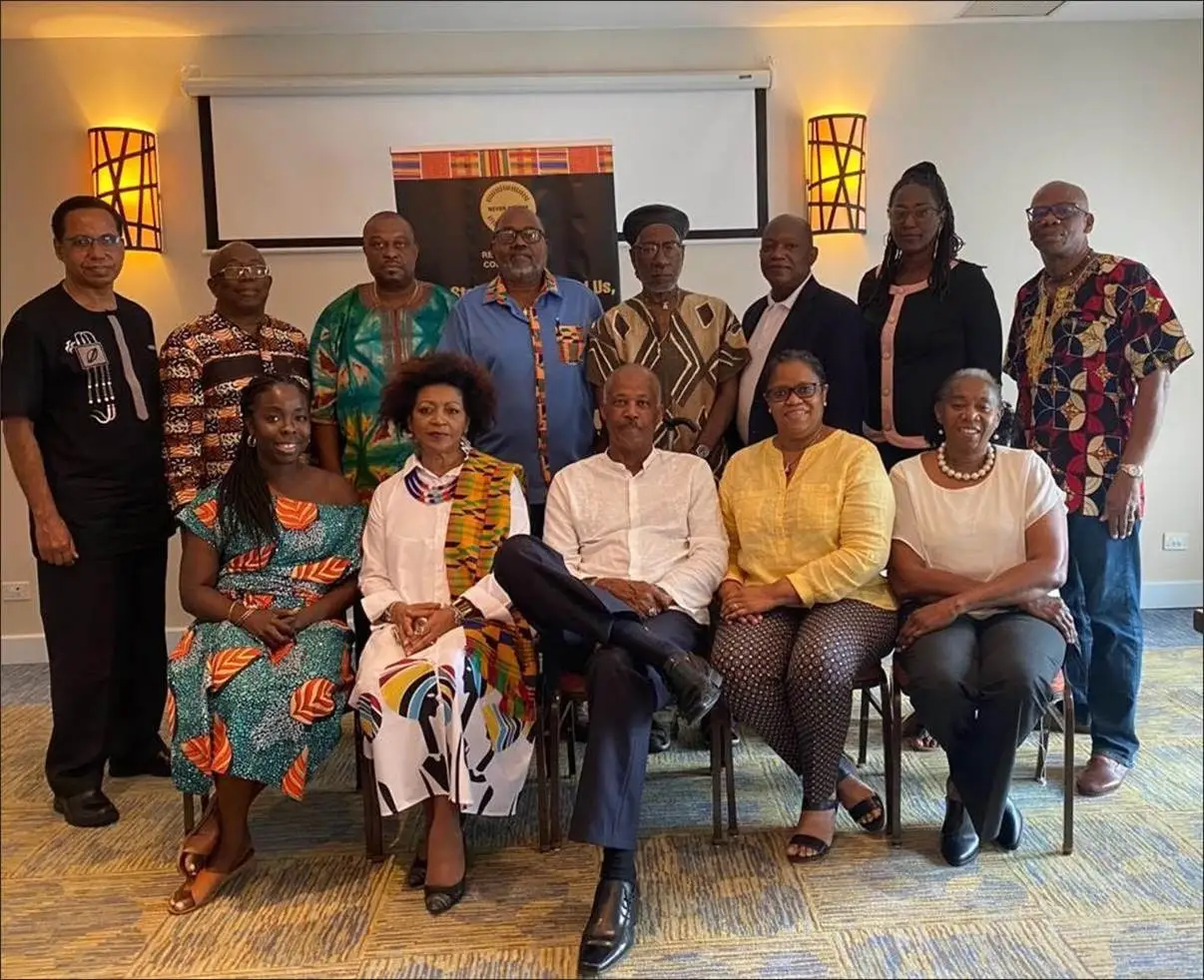
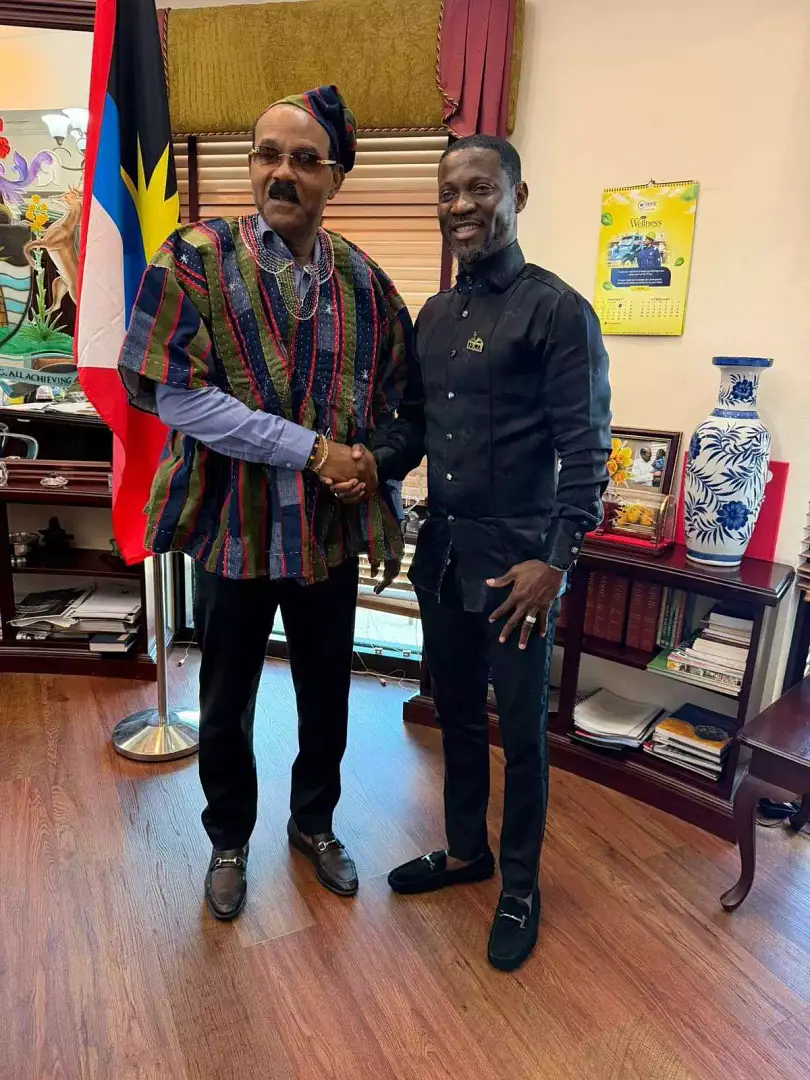
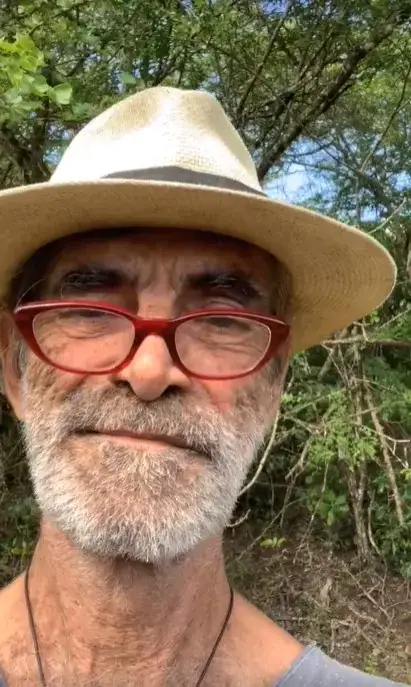
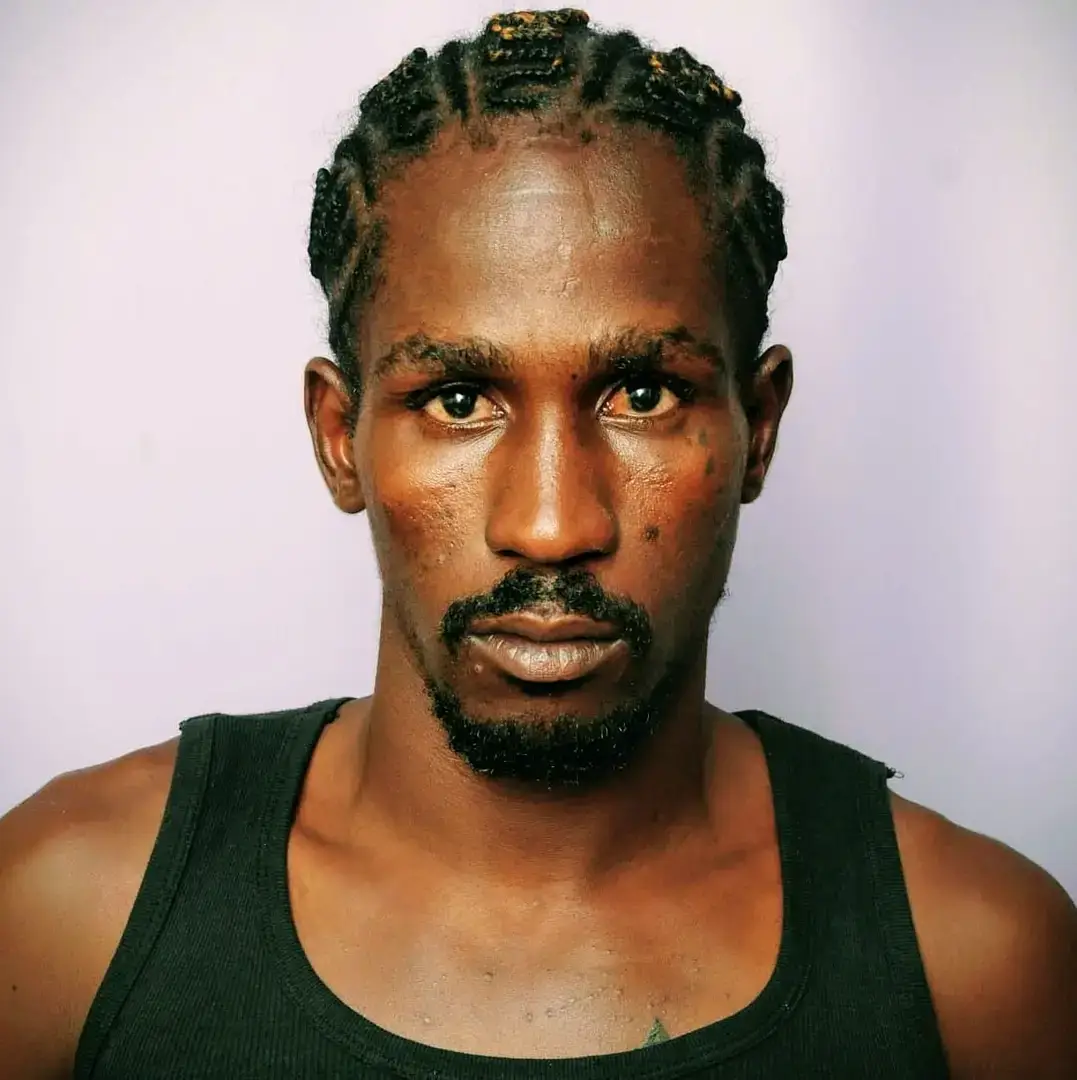
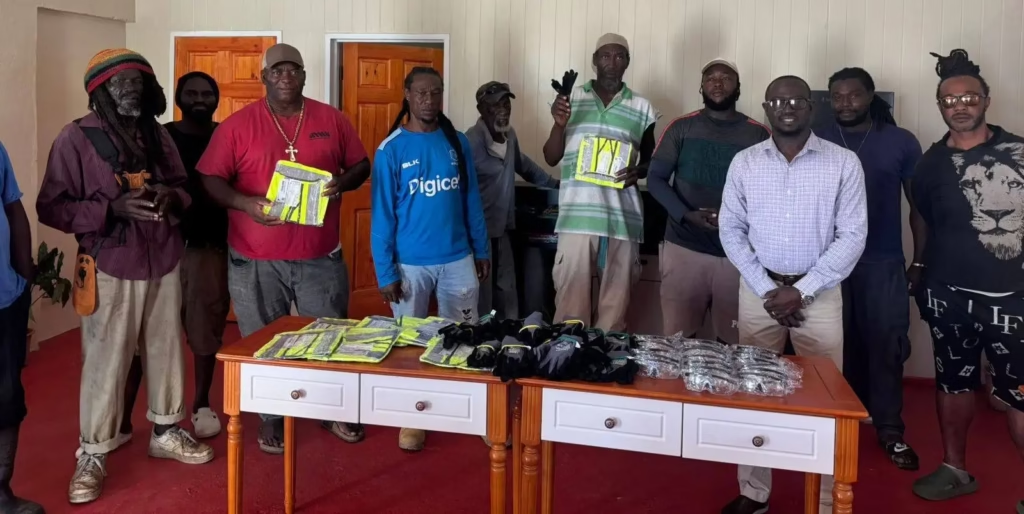
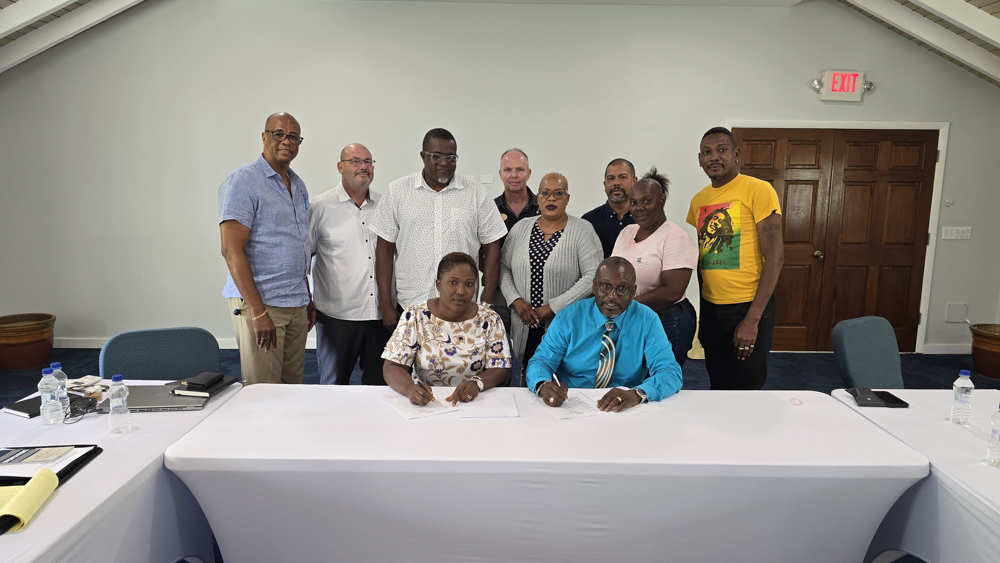
The Cabinet of Antigua and Barbuda on Wednesday received High Priest Ambassador Bongo Selah
of the Nyabingi Theocracy Community at Creekside for discussions on the continued development
of the Rastafarian community, with particular emphasis on agriculture, youth employment and
structured interventions aimed at providing productive opportunities for young people.
Ambassador Selah outlined the work being undertaken within the community and appealed for
additional Government assistance to develop a more comprehensive agricultural programme. He
explained that agriculture can provide meaningful employment and skills-development opportunities
for young people while increasing local food production.
During the discussions, Ambassador Selah reported that members of the community are already
engaged in agricultural production, including the cultivation of sweet potatoes and other food crops.
He expressed a desire to expand production and expose young people to practical skills associated
with farming, irrigation and other agricultural activities.
Cabinet welcomed the community’s commitment to agriculture and reaffirmed the Government’s
willingness to continue supporting the development of food production at Creekside.
As part of that support, Cabinet agreed to facilitate the employment of ten young people in
agricultural activities within the community, subject to appropriate accountability and supervision
arrangements. Cabinet stressed that those selected must be meaningfully engaged in productive work
and that proper mechanisms must be established to monitor their participation and progress.
Cabinet noted that agricultural employment can provide young people with practical skills, discipline
and an opportunity to earn an income while contributing to the country’s food-security objectives.
Ambassador Selah made clear during the discussions that the proposed agricultural initiative would
concentrate on food production.
Ambassador Selah also discussed the number of young people from outside the Nyabingi
community who visit or associate with members of the community and expressed a desire to assist
those who may be at risk by providing positive intervention, mentorship, employment and
agricultural opportunities.
While acknowledging the humanitarian intention behind the proposal, Cabinet advised that the
Nyabingi community should not actively encourage or recruit young people from outside the
community into the programme at this stage, particularly persons whose circumstances and conduct
are not sufficiently known to the community.
Cabinet expressed concern that an unstructured arrangement could expose the Rastafarian
community and its agricultural programme to unnecessary risks and could undermine the positive
work being undertaken by its members. Cabinet therefore advised that the initial focus should
remain on persons within the community over whom its leadership can exercise effective
supervision and accountability.
Cabinet further advised Ambassador Selah that any future engagement concerning young people
from outside Nyabingi Community at Creekside should take place only after those individuals have
been successfully integrated into the community, demonstrated a genuine commitment to
rehabilitation and productive activity, and are operating within a structured and accountable
environment.
The Cabinet emphasised that its support is directed towards agriculture, food security, employment
and genuine youth development. It therefore encouraged the leadership at the Nyabingi community
to protect the integrity and reputation of the community while continuing its positive developmental
work.
Cabinet commended Ambassador Selah and members of the Rastafarian community for their
continuing interest in agriculture and their willingness to contribute to efforts aimed at steering
young people towards productive activity.
The Government will continue its engagement with the community to strengthen its agricultural
programme, including the employment of ten young people, while ensuring that the initiative
operates within a properly structured framework that promotes accountability, youth development,
food production and community responsibility. — END —
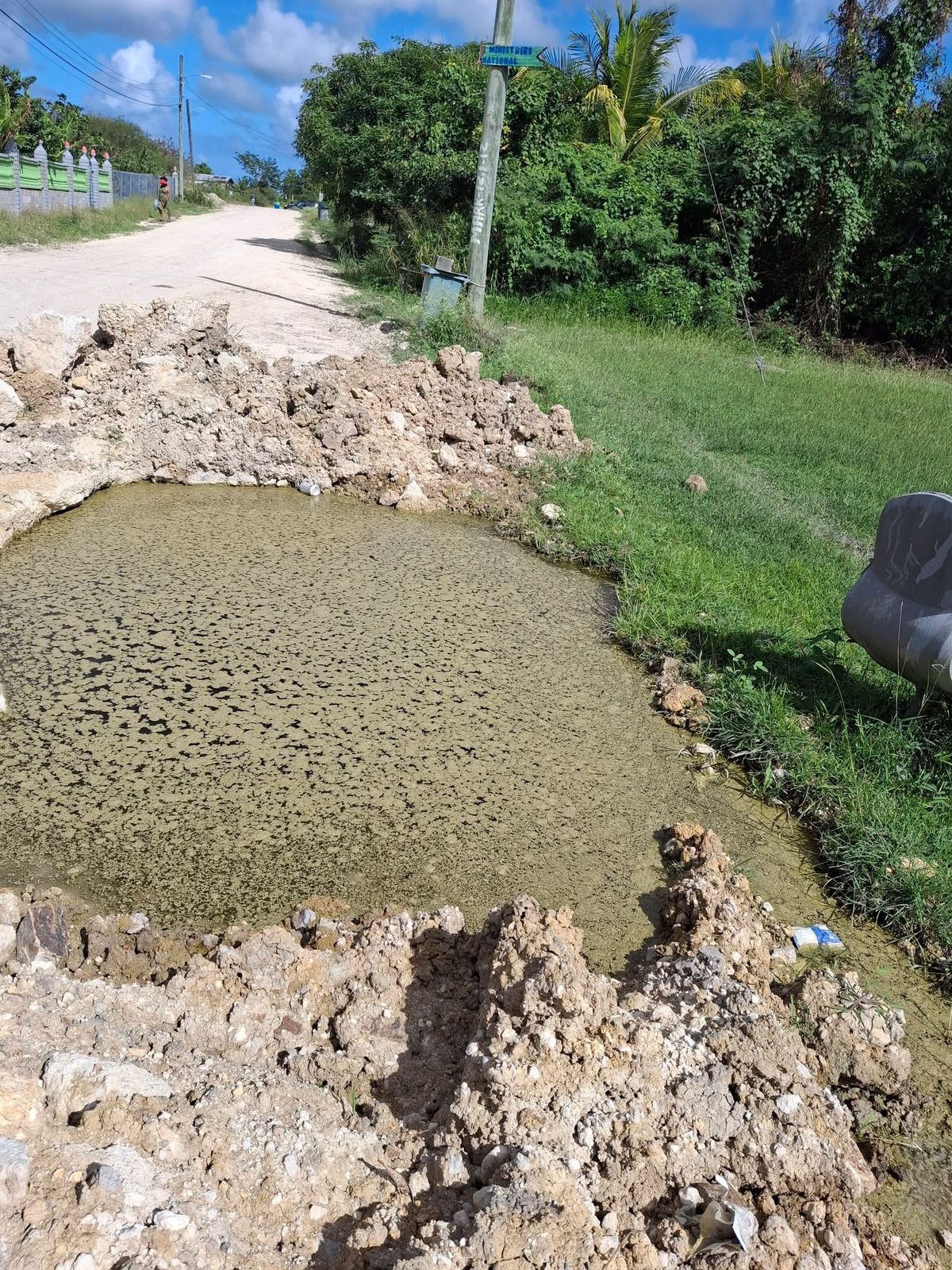
3. Cabinet Receives Update on Accelerated Road and Infrastructure Works Ahead of CHOGM 2026
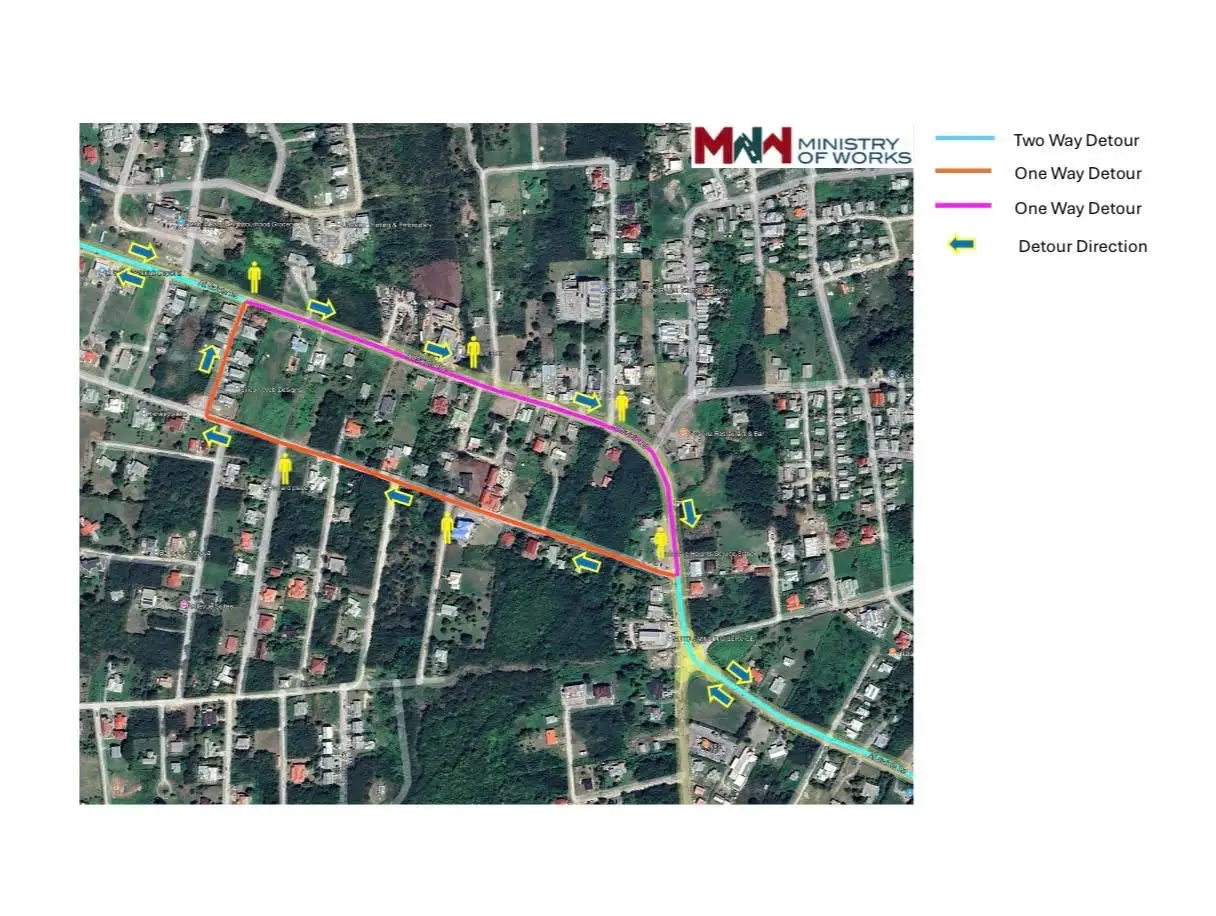
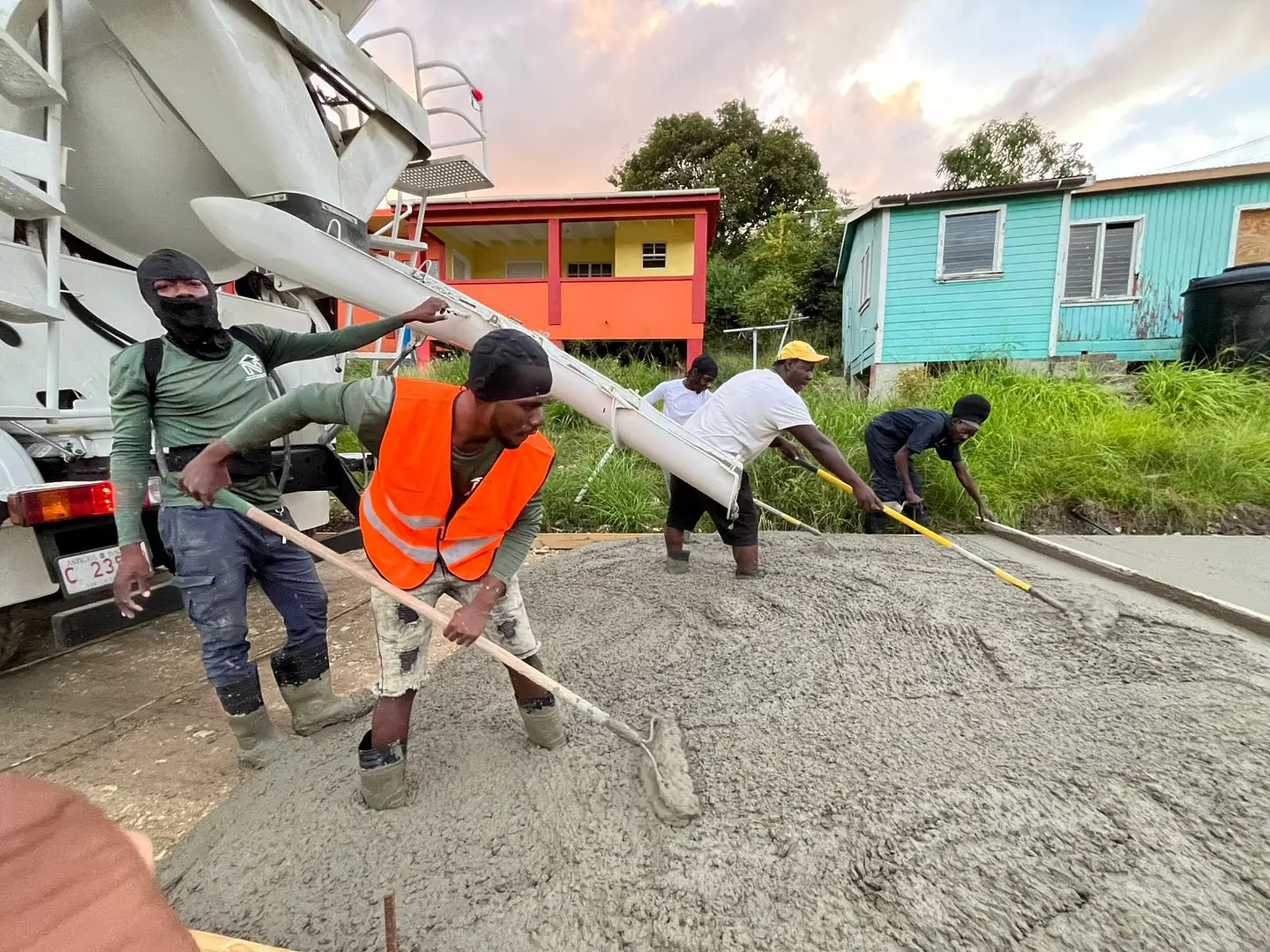
The Minister responsible for Works and senior officials of the Ministry on Wednesday provided the
Cabinet of Antigua and Barbuda with an extensive update on the accelerated programme of road,
drainage and other infrastructure works being undertaken in St. John’s and other areas ahead of
the Commonwealth Heads of Government Meeting (CHOGM) in November.
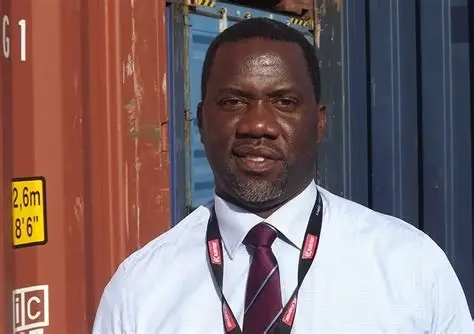
The Director of Works, Mr. Collis King, briefed Cabinet on the progress of the programme and
outlined several challenges being addressed as work crews seek to complete priority projects within
the available timeframe.
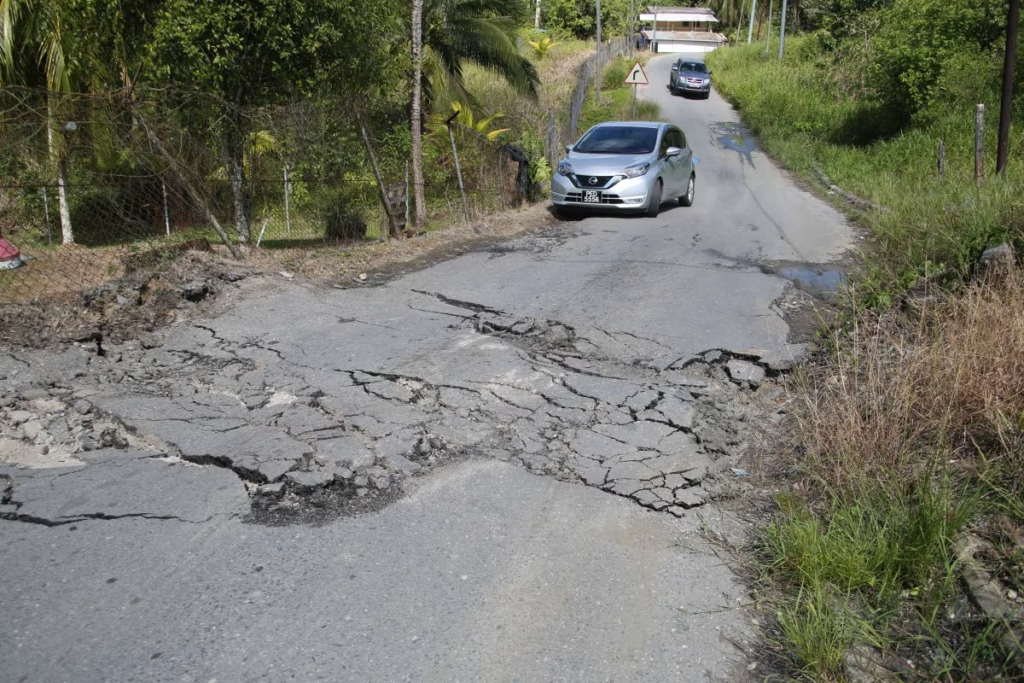
Cabinet was informed that, given the limited period before CHOGM, the Ministry has adopted a
targeted approach involving resurfacing, milling, cutting and patching sections of roads according to
their condition, rather than attempting complete reconstruction of every roadway.
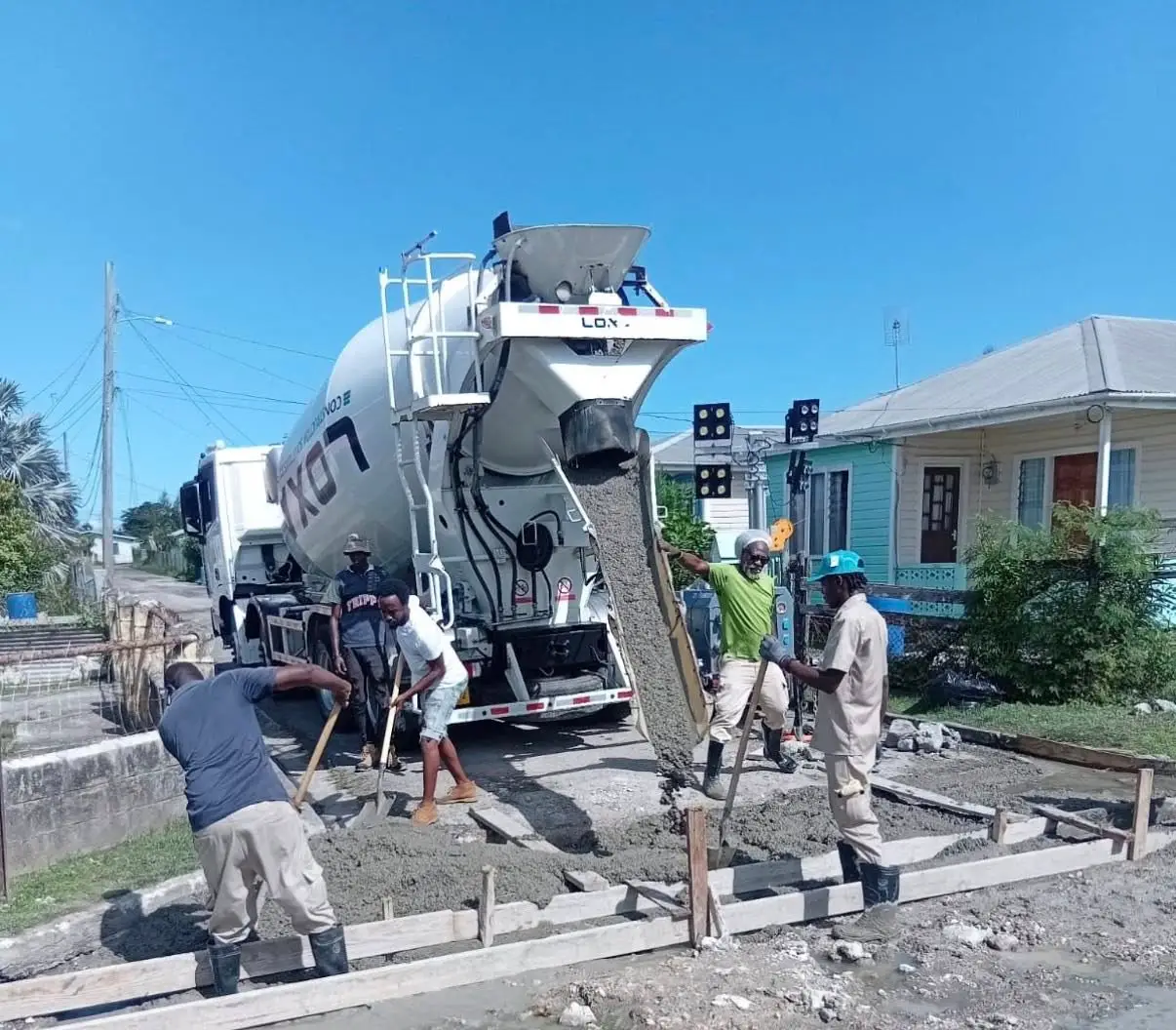
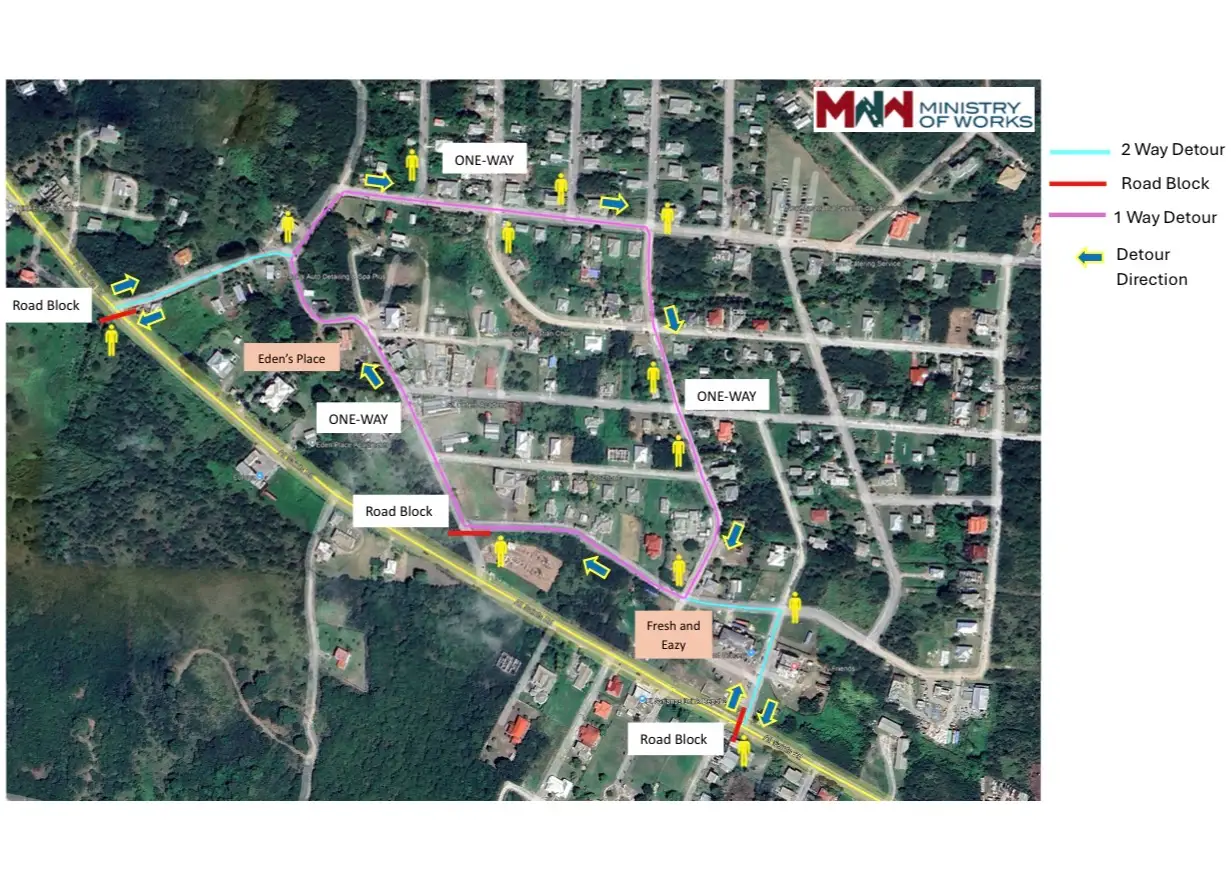
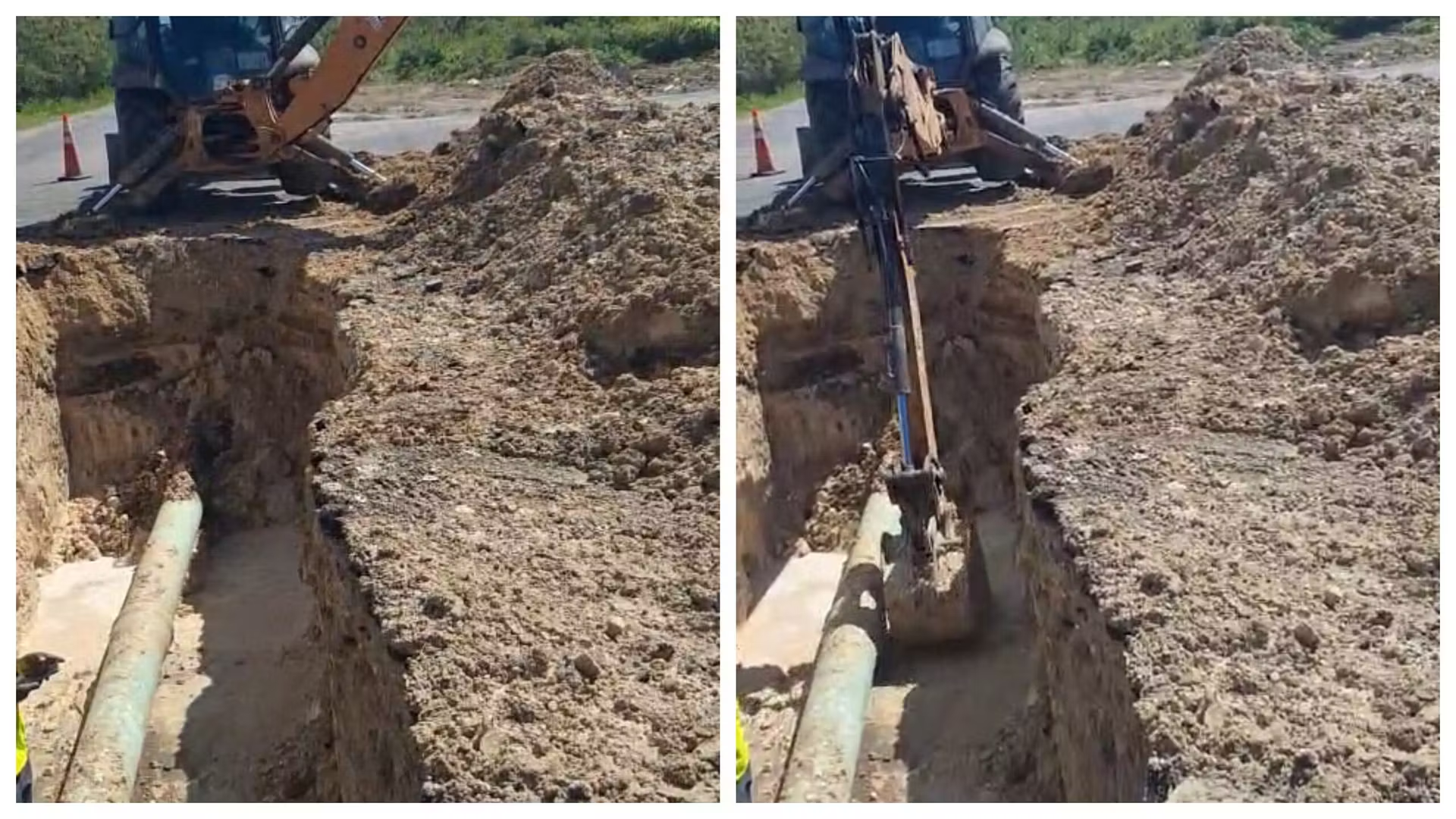
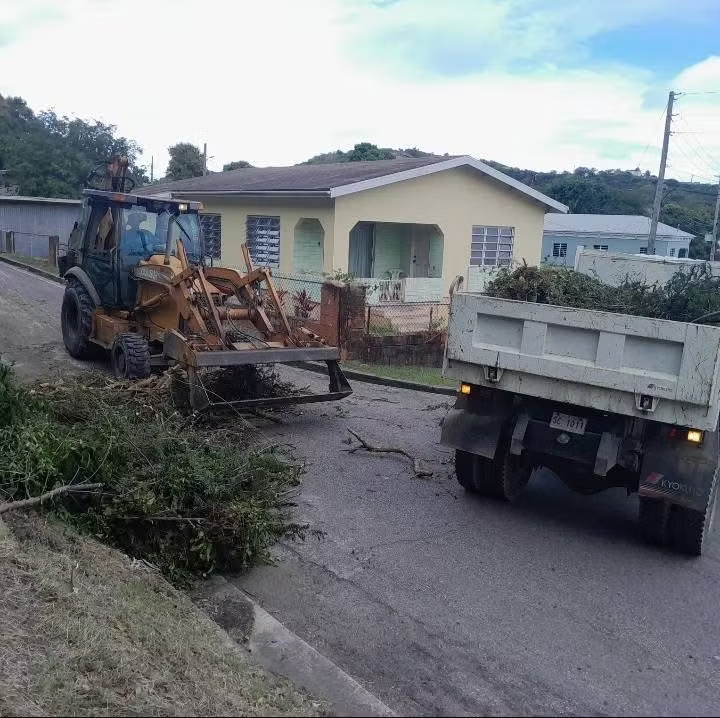
Works have commenced along sections of the roadway from the Hodges Bay/SunSail area towards
Anchorage, with some areas scheduled for resurfacing and others receiving cutting and patching.
Similar milling and patching operations are being undertaken along other priority corridors. Crews
are working on an intensive schedule, with operations continuing throughout the week except on
Sundays.
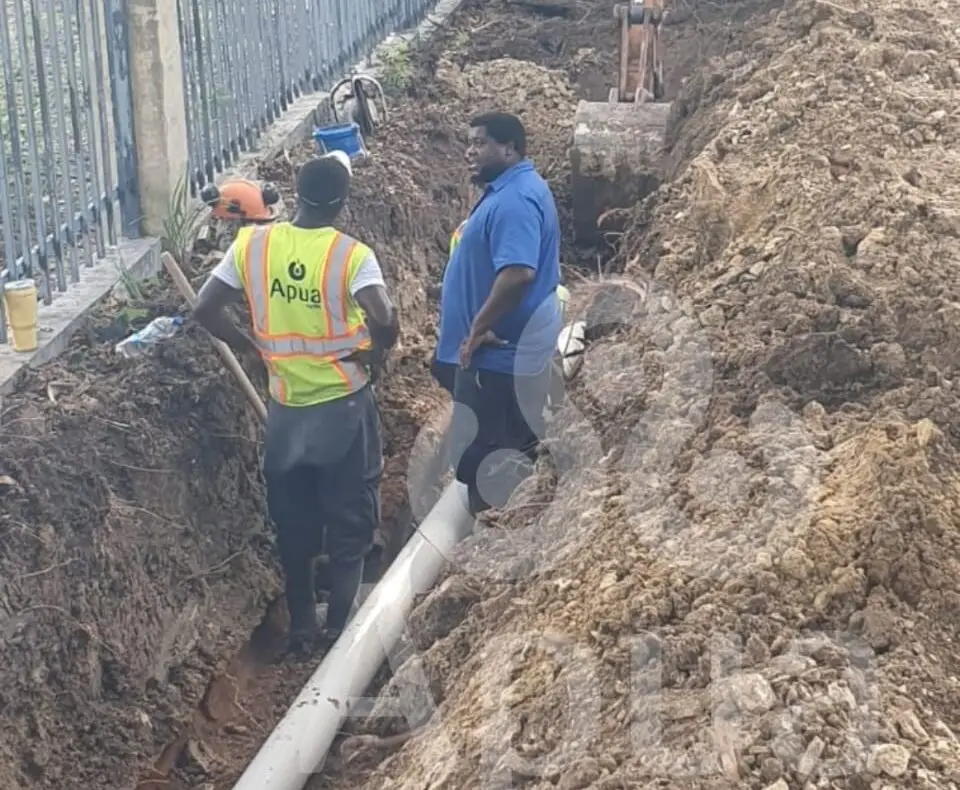
Cabinet was also advised that work is continuing in the English Harbour/Dockyard area, with the
Ministry coordinating with utility providers to ensure that any ruptured lines are addressed quickly
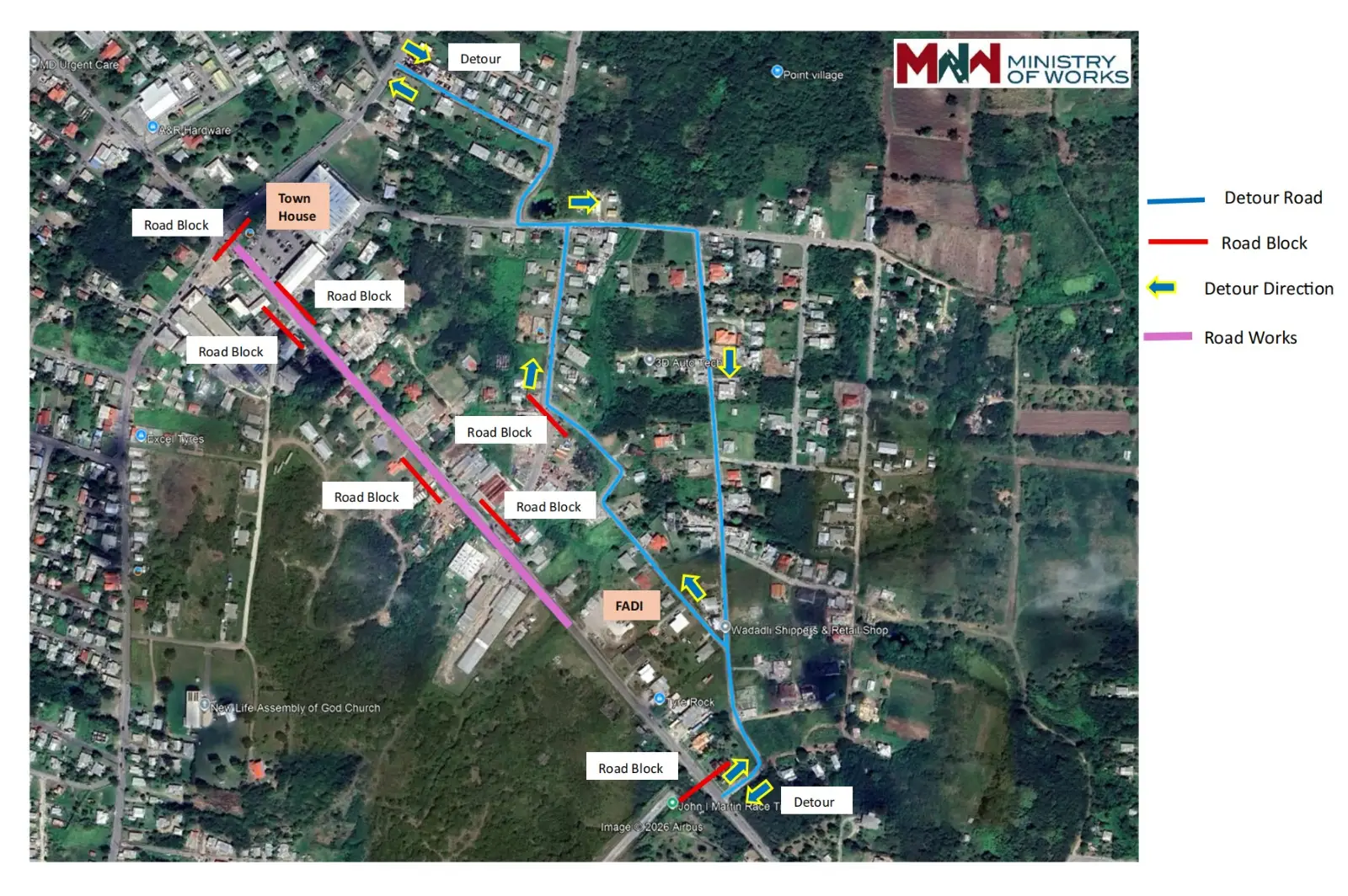
before affected road sections are repaired. Particular attention is being given to the road network and drainage infrastructure within St. John’s.
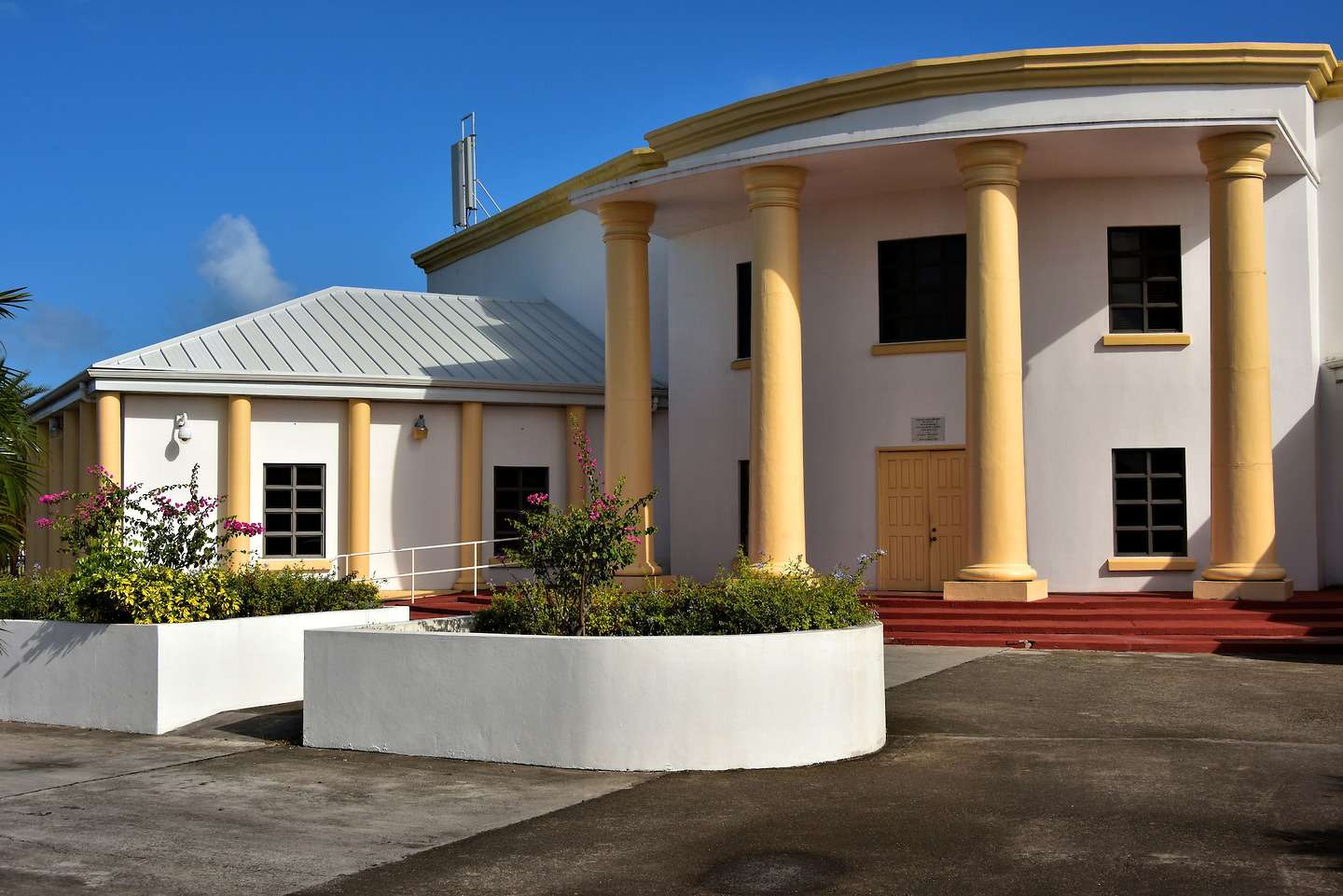
The Director reported that the Ministry has assisted with the upgrading of the drainage system in
the vicinity of the Performing Arts Centre, with the drainage works approximately 80 per cent
complete. The remaining works are expected to be completed shortly, following which the Ministry
intends to proceed with the resurfacing of High Street.
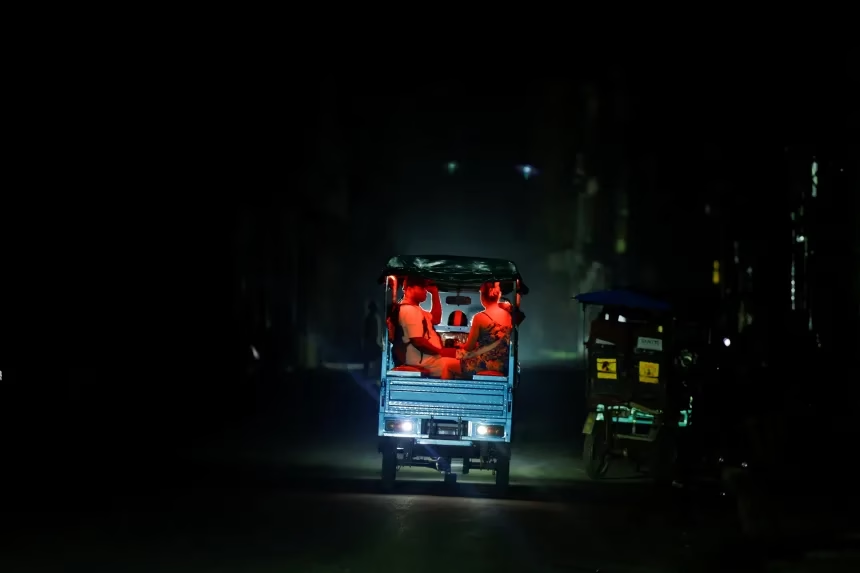
The Ministry will also continue works on Newgate Street, including night operations where
necessary, while preparations are being made to advance works on St. Mary’s Street as utility works
are completed.
Cabinet emphasised the importance of close coordination among the Ministry of Works, APUA and
other agencies and contractors so that resurfacing can proceed promptly once underground and
associated infrastructure works have been completed.
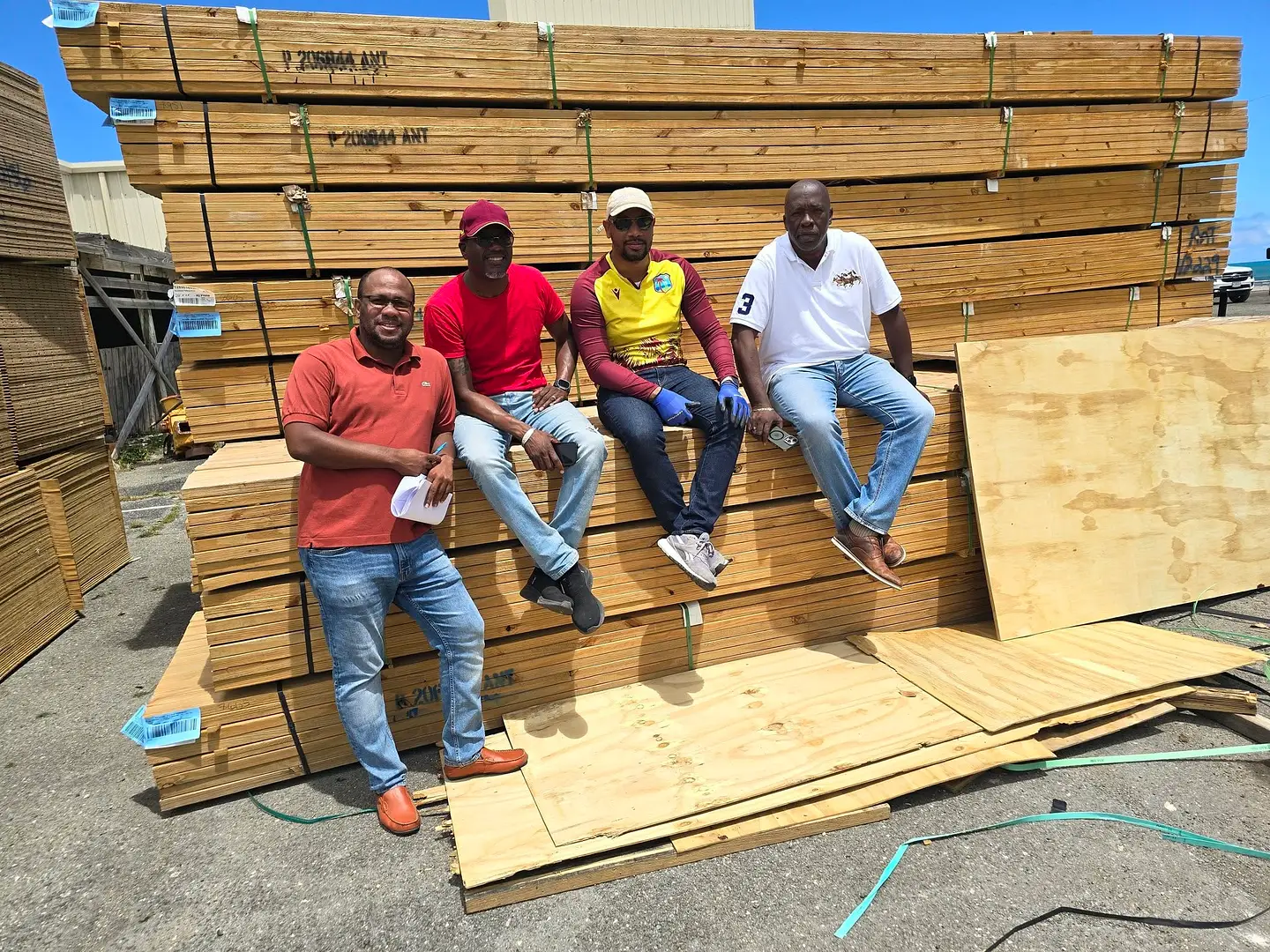
Additional supplies of sand required for paving and patching operations are also being secured to
accelerate the programme.
The Cabinet discussions extended beyond the immediate pre-CHOGM programme to the need
to strengthen the long-term operational capacity of the Ministry of Works.
Prime Minister the Right Honourable Gaston Browne stressed the importance of stronger
management of personnel and resources, greater productivity and the effective use of experienced
personnel within the Ministry. Cabinet discussed utilising additional technical and management
expertise to support the Director of Works and strengthen the Ministry’s ability to execute an
expanding programme of projects.
Particular emphasis was placed on training and upgrading the skills of employees, especially given
the number of newer members of staff. The Ministry acknowledged the need for a more structured
programme of training, scheduling and project planning to increase output and ensure that its
growing work programme is implemented efficiently.
Cabinet was advised that the Ministry has achieved savings in several areas by strengthening internal
oversight of projects and contracts. The Ministry nevertheless acknowledged that additional
improvements can be made as its programme of works expands.
Cabinet was informed that approximately EC$20 million in additional funding is expected to
become available shortly to support the Ministry’s programme of works.
Prime Minister Browne emphasised that the availability of financing must be matched by proper
planning, adequate staffing and the timely procurement of materials and equipment so that projects
can move forward without unnecessary delays.
The Ministry advised that, in anticipation of the additional financing, greater attention is being
placed on developing detailed plans and schedules for individual projects and ensuring that
expenditure is properly managed and accounted for.
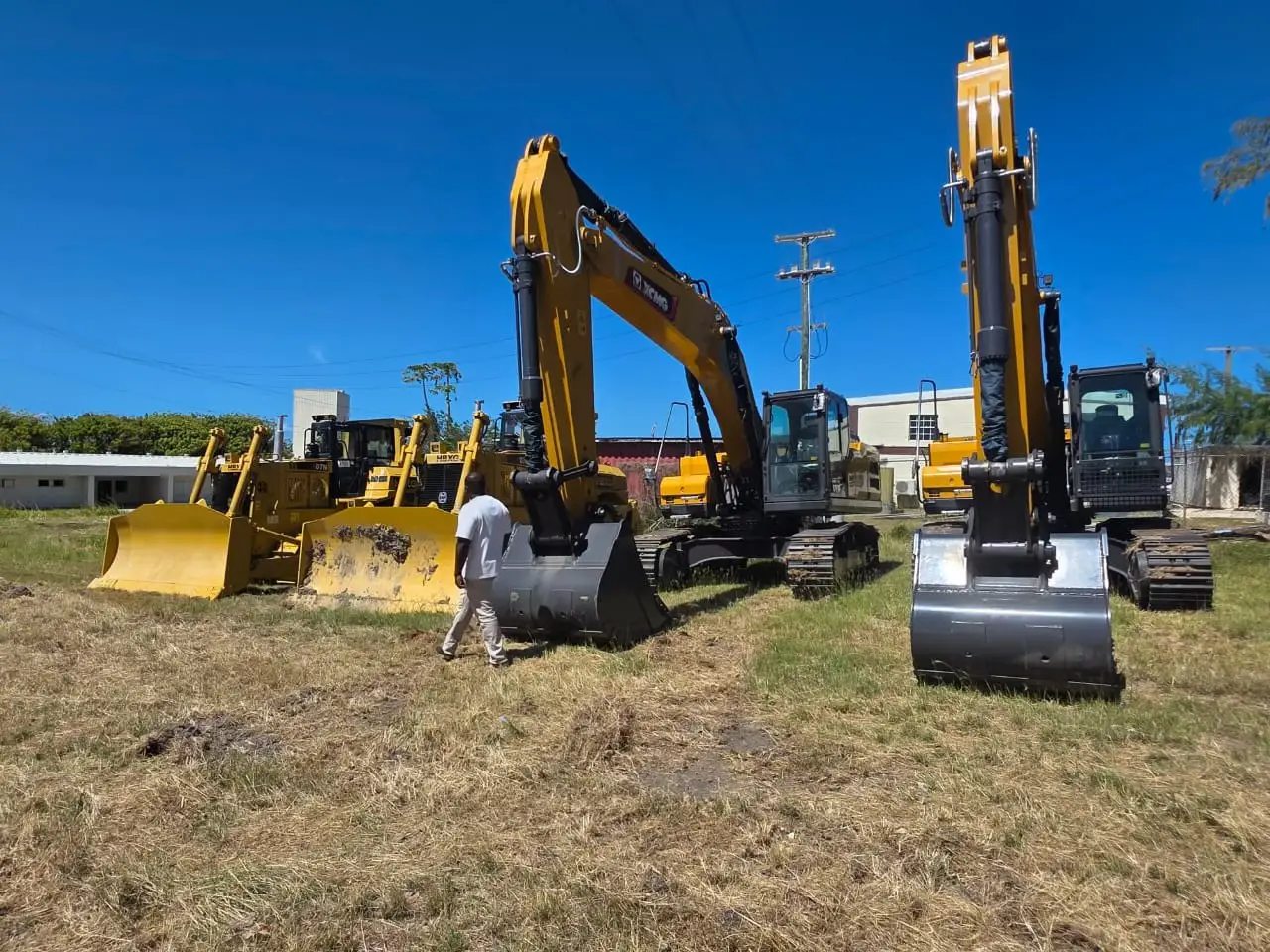
Cabinet also reaffirmed an earlier decision to pursue the acquisition of a new road milling
machine to strengthen the Ministry’s road rehabilitation capacity. Officials indicated that
consideration had been given to used equipment, but factors including age, availability of parts and
comparative costs supported proceeding with the acquisition of new equipment.
The Cabinet acknowledged the considerable volume of work being undertaken within a compressed
timeframe and urged the Ministry to continue employing extended working hours where practical to
complete the most critical areas ahead of CHOGM.
Prime Minister Browne emphasised that the intensified programme must not end with CHOGM.
The additional equipment, improved planning, staff training and strengthened management
arrangements are intended to increase the Ministry’s long-term capacity to execute road, drainage
and other public infrastructure projects throughout Antigua and Barbuda.
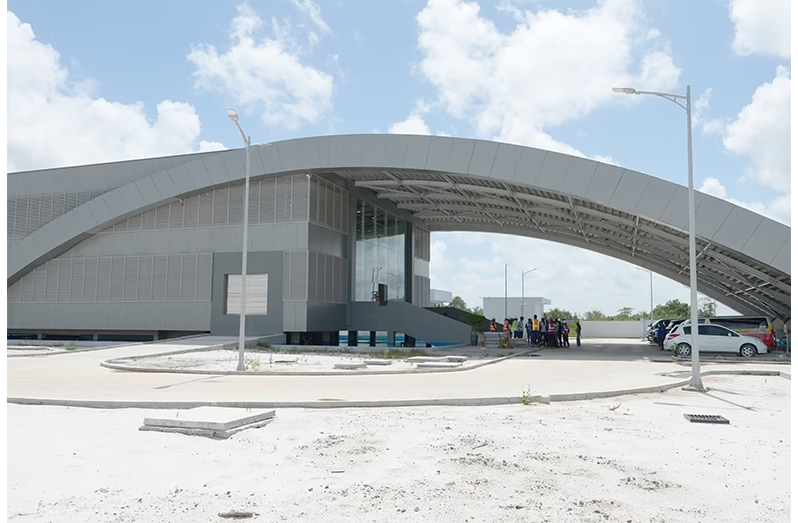
4. Cabinet Receives Update on Dredging Works at Crabbs and Progress on Development of New
Barbuda Port
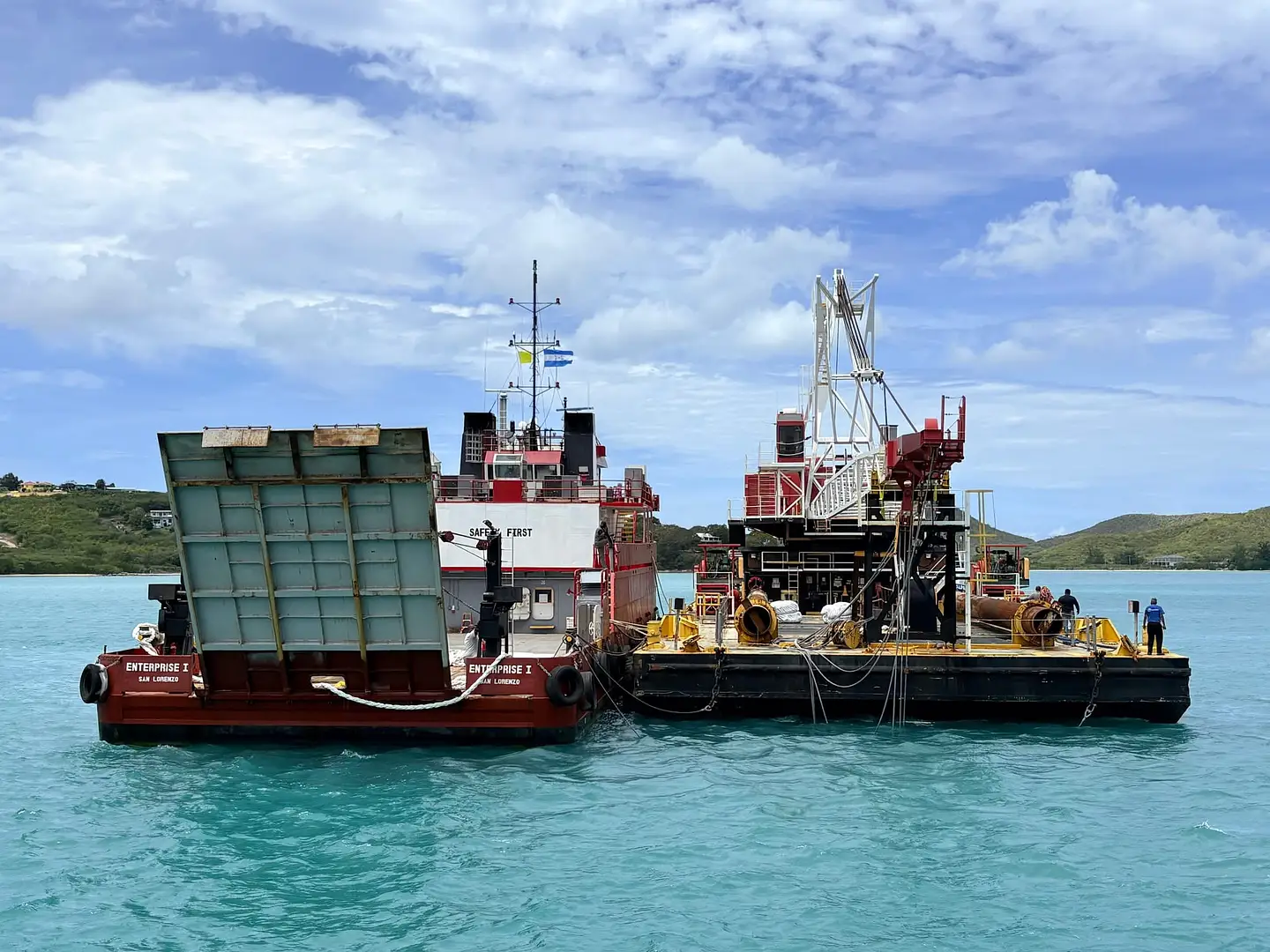
The Cabinet of Antigua and Barbuda on Wednesday received an update from Antigua and Barbuda
Port Authority Manager Darwin Telemaque on ongoing dredging works at Crabbs, the readiness of
the channel to accommodate vessels associated with energy operations in the area, and preparatory
works for the development of a new port on the sister island of Barbuda.
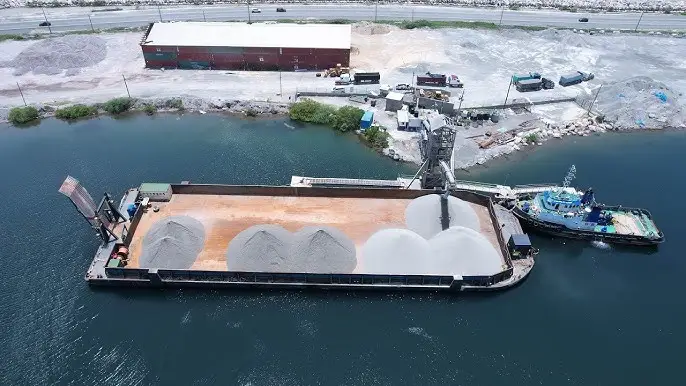
Mr. Telemaque informed Cabinet that important progress has been made on the channel at Crabbs
and that equipment required to complete outstanding works had arrived in the country. He indicated
that the Port Authority expects the remaining works to advance significantly within the coming days.
The Port Manager explained that assessments of the channel have confirmed sufficient depth along
the navigational route for the vessels currently expected to use the facility.
Cabinet was advised that the intention is to maintain an approximately seven-metre channel, while
the vessel presently contemplated for the operation requires approximately 6.5 metres. Mr.
Telemaque indicated that depths exceeding seven metres have been identified along sections of the
channel.
The Port Authority further advised Cabinet that, from its standpoint, there are no outstanding
navigational impediments preventing the relevant energy operation from proceeding once the
remaining works and requirements are completed.
Cabinet also discussed the possibility of further deepening the channel in the future to
approximately eight metres, which would provide greater capacity to accommodate larger vessels.
The preliminary estimate presented to Cabinet for such additional dredging was
approximately EC$1.5 million to EC$2 million.
Cabinet was also updated on significant progress being made towards the development of the
proposed new port on Barbuda.
Mr. Telemaque reported that geotechnical work has commenced on the area earmarked for the port,
representing an important stage in determining the suitability and engineering requirements of the
proposed site. The work is being undertaken by a company from Trinidad and Tobago and is
expected to be completed within 14 days.
Cabinet was further advised that coastal studies are expected to commence within two weeks. These
studies will proceed in parallel with the Environmental Impact Assessment (EIA) process, ensuring
that the environmental and coastal characteristics of the proposed site are fully considered as the
project moves towards implementation.
Engineering and design work has also commenced on the proposed Barbuda port. These technical
exercises will inform the final configuration and construction requirements for the new facility.
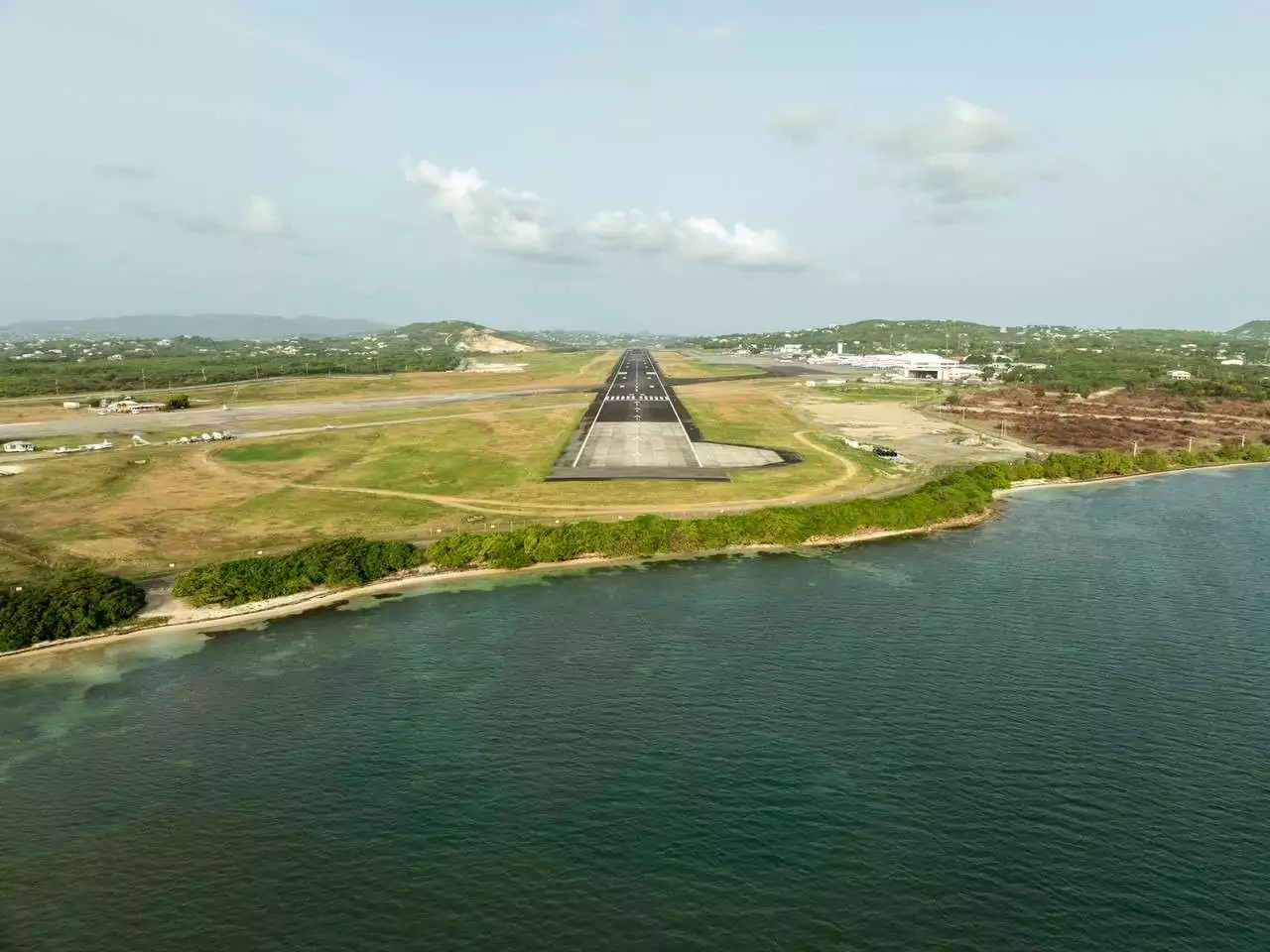
Subject to the necessary Development Control Authority (DCA) approval and completion of the
required preparatory processes, construction of the new Barbuda port is expected to commence
in December 2026.
Cabinet noted that the development of modern port infrastructure on Barbuda will be an important
component of the island’s continuing development, providing improved maritime access and
supporting the movement of people, goods and materials as economic activity on the island
expands.
The Cabinet welcomed the progress being made both at Crabbs and in Barbuda and noted the
strategic importance of maintaining and expanding Antigua and Barbuda’s maritime infrastructure to
support commercial, industrial and national development.
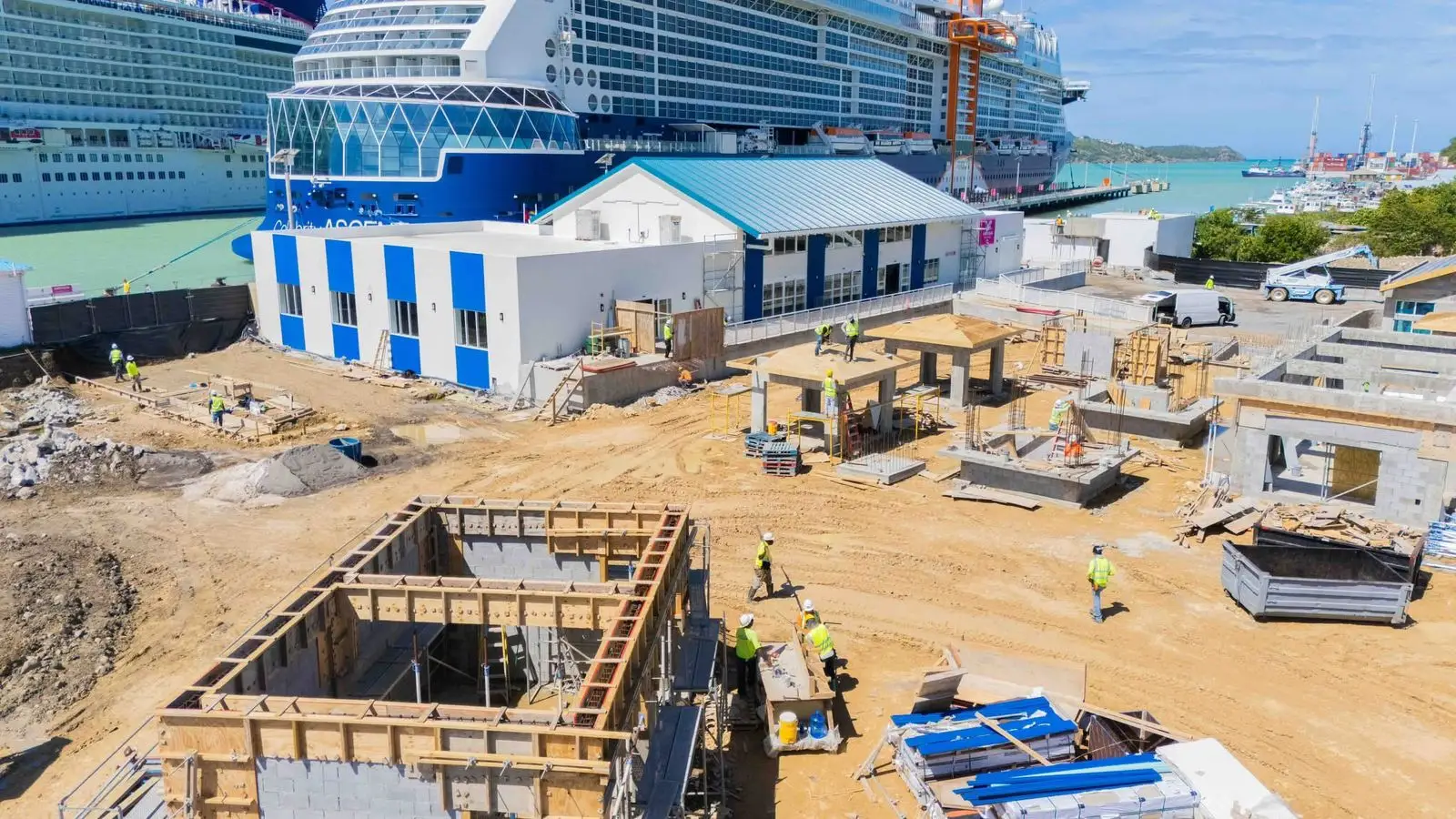
The Port Authority will continue its work at Crabbs while advancing other priority marine and
dredging activities, including works associated with St. John’s and Barbuda..— END —
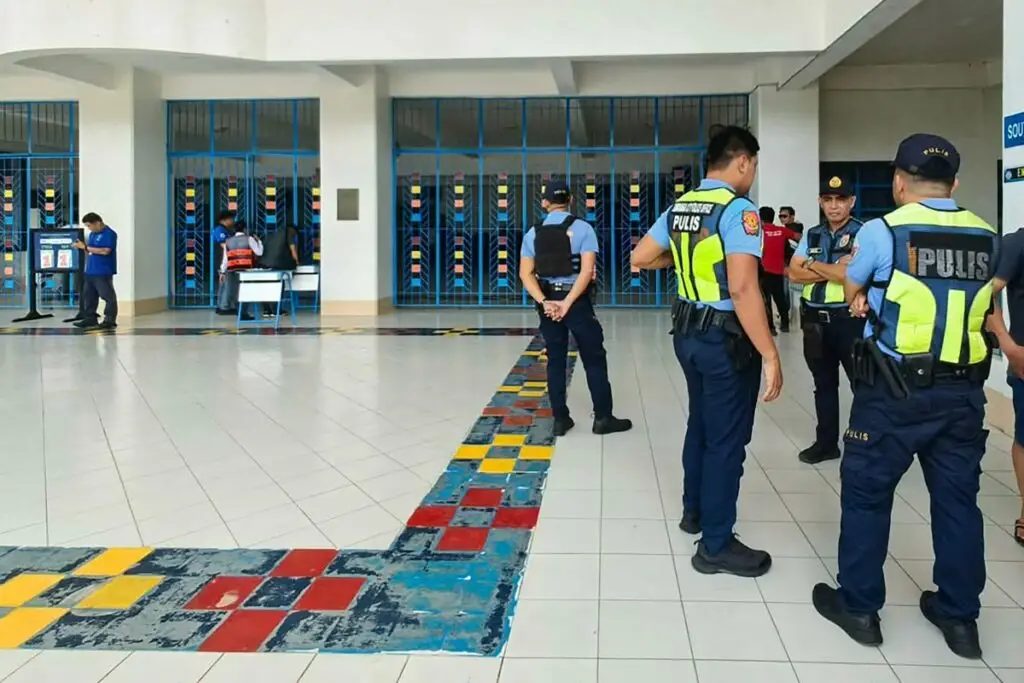
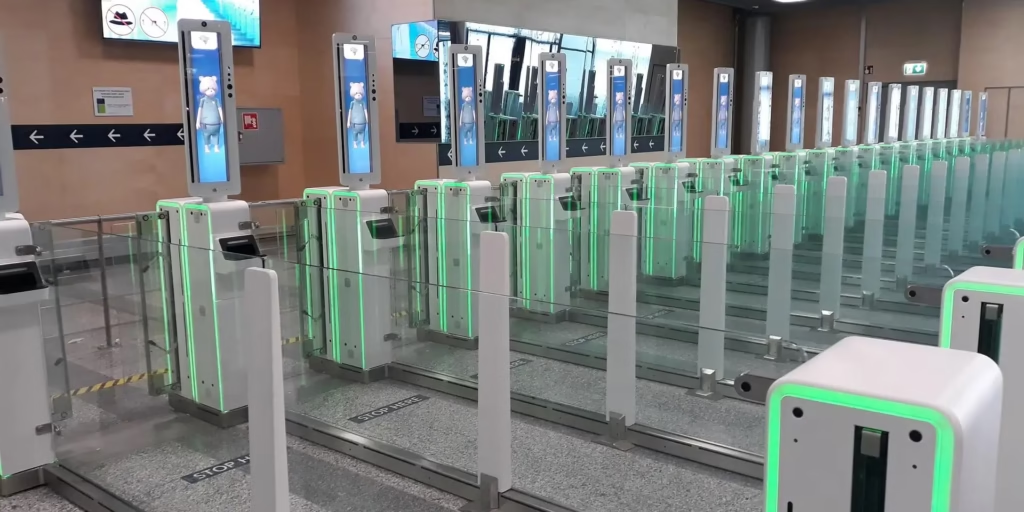
5. Cabinet Reviews Port Security and Calls for Stronger Container Screening and Customs-Port
Coordination
The Cabinet of Antigua and Barbuda on Wednesday held extensive discussions with Port Manager
Mr. Darwin Telemaque and Chief Security Officer Jason Roberts on strengthening security at the
country’s ports, with particular attention to containerised cargo, screening procedures and closer
coordination between the Antigua and Barbuda Port Authority and the Customs and Excise
Division.
The presentation, titled “Port Security: Adapting to Containerization,” examined changes in cargo
handling since containerisation was introduced in Antigua in 1972 and identified areas where
security procedures must continue to evolve to respond to modern risks.
Mr. Telemaque explained that before containerisation, cargo arrived primarily as loose bags, boxes,
pallets and individual packages and was processed through the transit shed, allowing considerably
greater physical visibility. Containerisation transformed that environment, with cargo now arriving
inside sealed containers and requiring different approaches to inspection and risk management.
The presentation identified a significant imbalance between the volume of cargo handled at the
container terminal and the level of scrutiny applied there. Cabinet was advised that approximately 88
per cent of cargo is handled through the container terminal, while approximately 12 per cent passes
through the warehouse. The Port Authority’s assessment concluded that greater security attention
should therefore be directed towards the terminal, where the larger volume of containerised cargo is
located.
The Port Authority recommended a stronger Customs presence at the container terminal and gate,
improved reconciliation of cargo records, greater use of scanning technology and closer real-time
information sharing between Customs and Port officials.
The Port Authority proposed that discharge information be reconciled promptly so that any
overlanded, short-shipped or otherwise discrepant containers can be immediately identified and
brought to the attention of the relevant authorities.
The presentation recommended a risk-based system of container screening, under which the level of
examination would correspond with the assessed level of risk. High-risk cargo would be subjected to
scanning and joint physical examination by Port and Customs officials before release; medium-risk
cargo would be scanned and verified against supporting documentation, with random physical
inspections; and lower-risk cargo would remain subject to documentation checks and random spot
inspections.
Cabinet welcomed the recommendations and agreed that modern port security must combine
technology, intelligence, effective procedures and inter-agency cooperation.
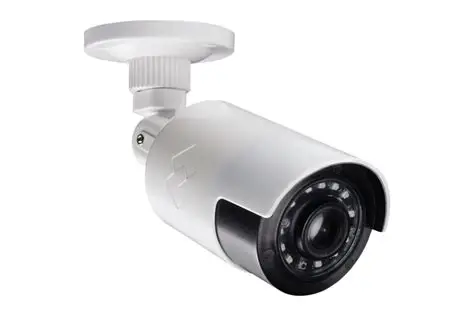
Among the measures presented were expanded CCTV coverage, adequate staffing for continuous
camera monitoring, background checks for employees, tighter control of persons and vehicles
entering operational areas, enhanced physical security, documented joint procedures between the
Port and Customs, and regular assessment of emerging threats.
Cabinet also discussed greater digitisation and integration of Port and Customs systems. The Port
Manager advised that technological infrastructure exists to facilitate greater electronic exchange of
information, but further work is required to achieve the necessary operational integration.
Cabinet encouraged the relevant agencies to advance discussions aimed at removing obstacles to
greater digitisation and ensuring that Customs, the Port Authority and other law-enforcement
agencies can exchange critical cargo information in a timely manner.
The Port Authority further recommended that clear standard operating procedures be developed
jointly by Port and Customs, designated security personnel receive appropriate training to identify
illicit items including firearms, and all scans, inspections and discrepancies be properly recorded.
Regular audits and reviews of risk profiles were also recommended.
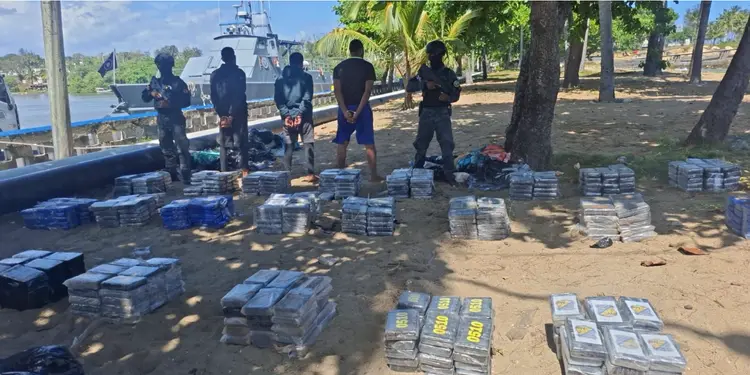
Cabinet noted that strengthening security at the nation’s principal points of entry is an important
component of the Government’s wider efforts to combat the illegal movement of firearms,
ammunition, narcotics and other contraband.
The Cabinet thanked mr. Telemaque and Mr. Roberts for their presentation and indicated that the
recommendations will form part of the continuing engagement among the Port Authority, Customs
and Excise Division and other relevant security and law-enforcement agencies to strengthen the
protection of Antigua and Barbuda’s borders.— END —
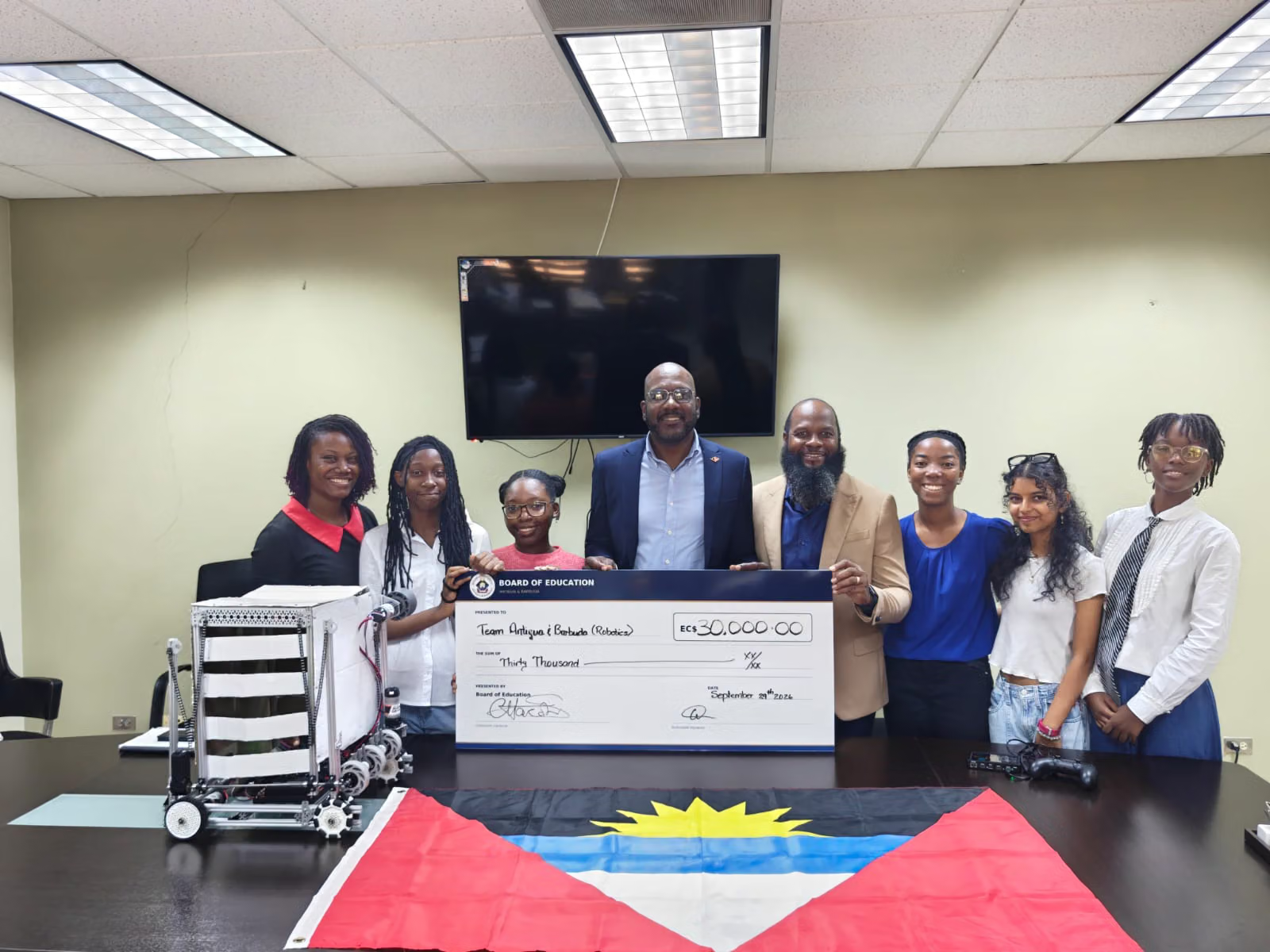
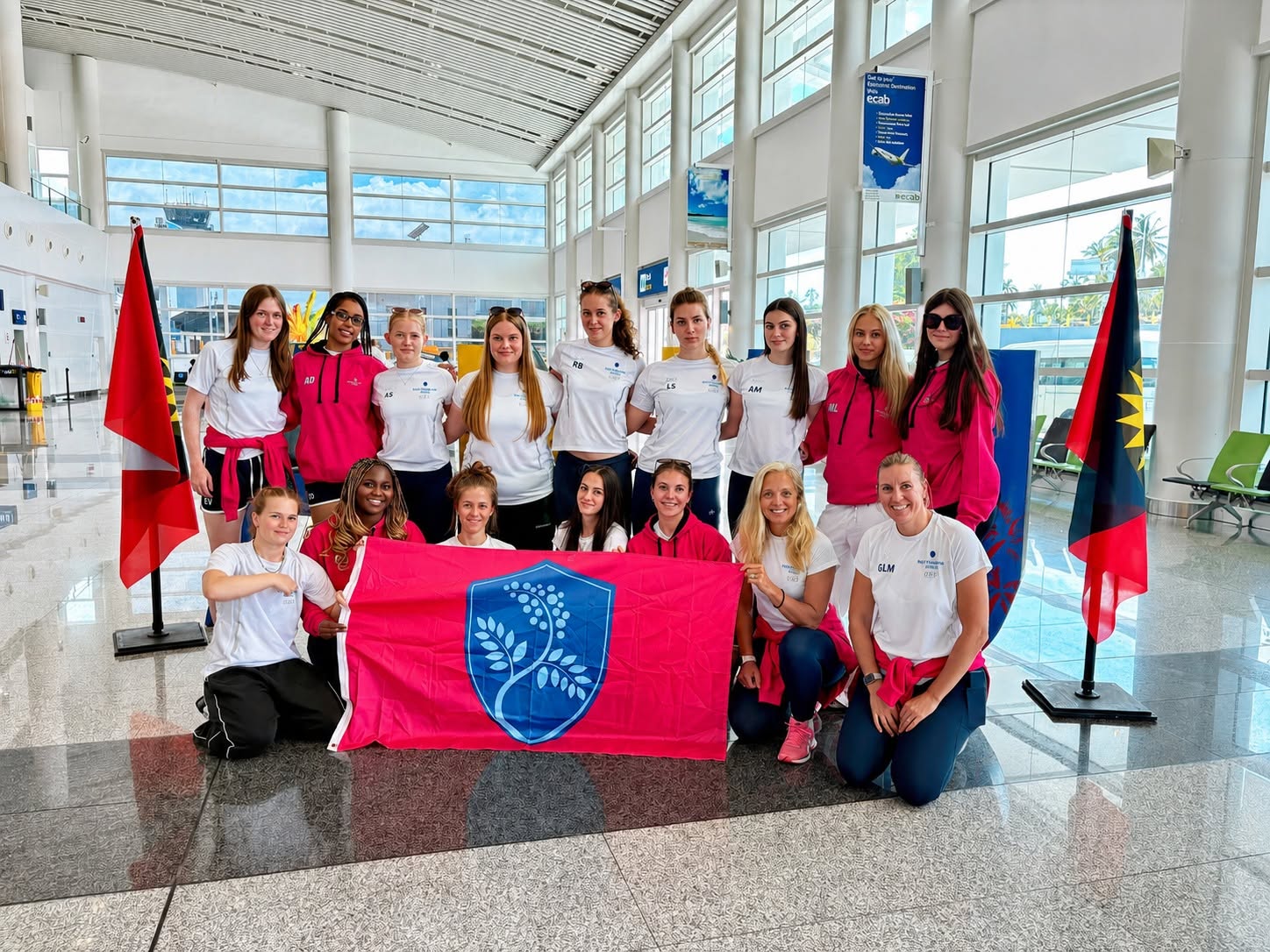
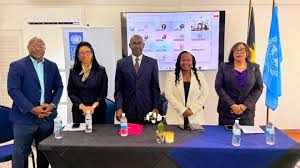
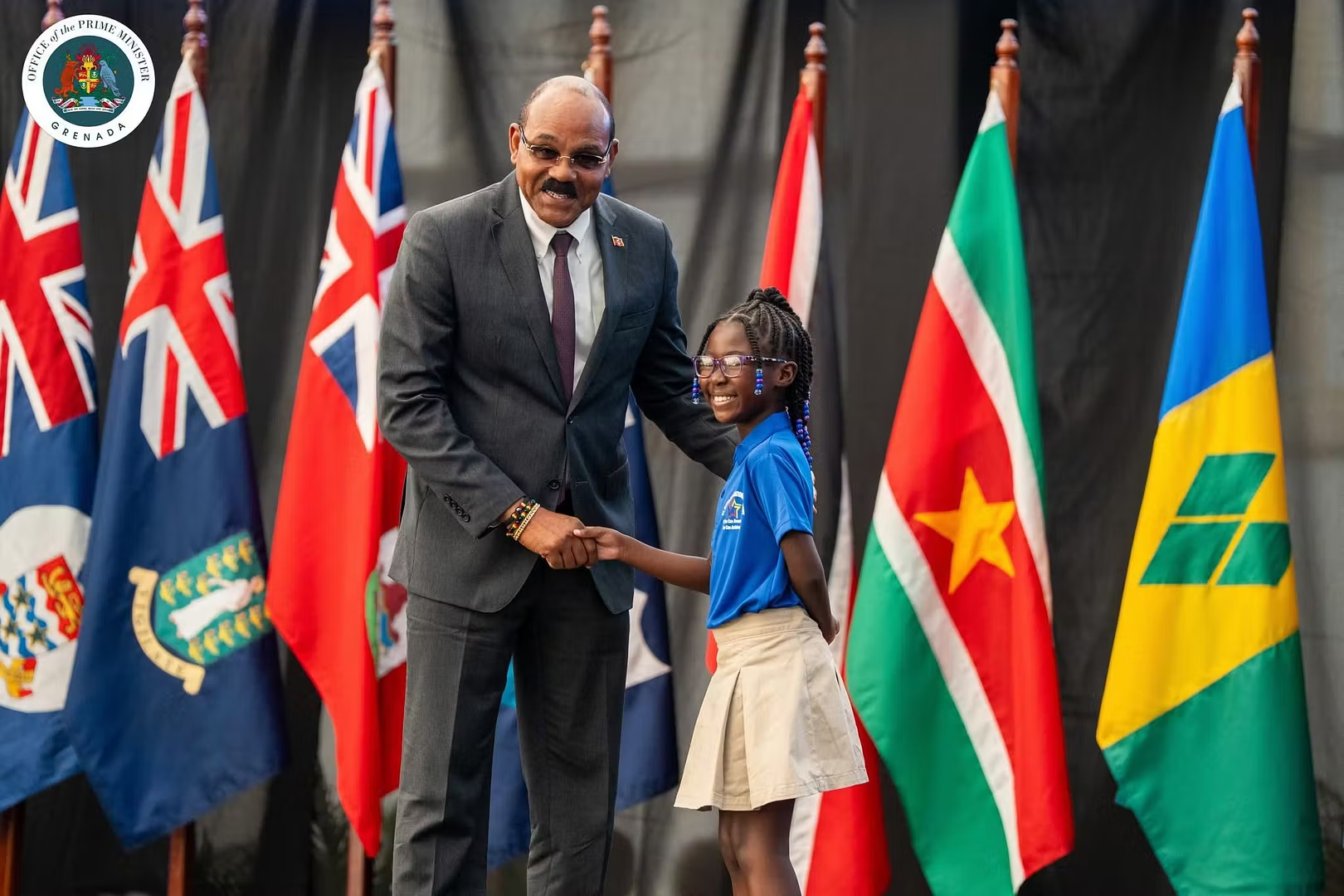
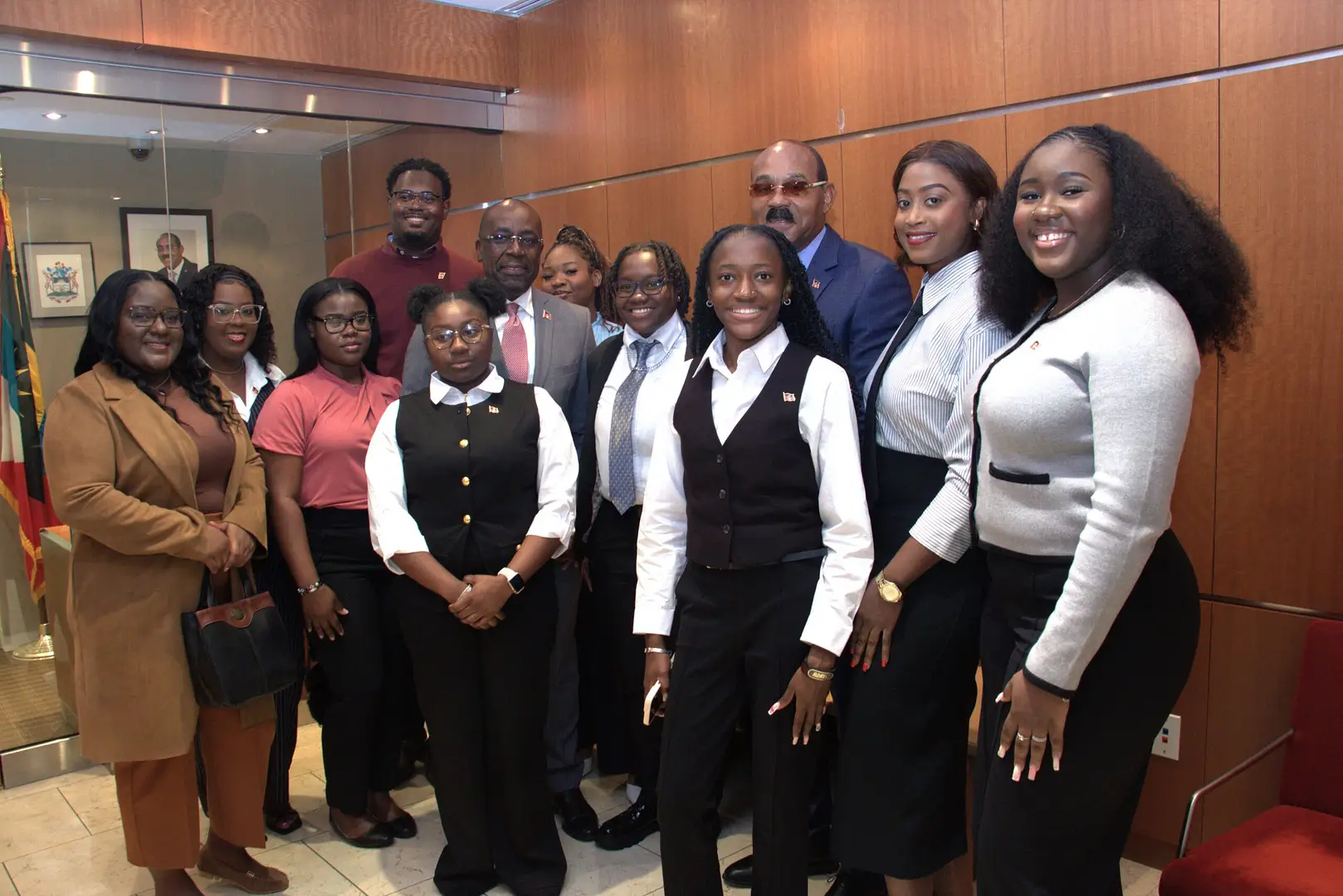
6. Cabinet Welcomes All-Girls STEM Team Ahead of FIRST Global Competition in South Korea
The Cabinet of Antigua and Barbuda on Wednesday welcomed a team of talented young female
scientists and innovators who are preparing to represent the country at the FIRST Global STEM
competition in South Korea.
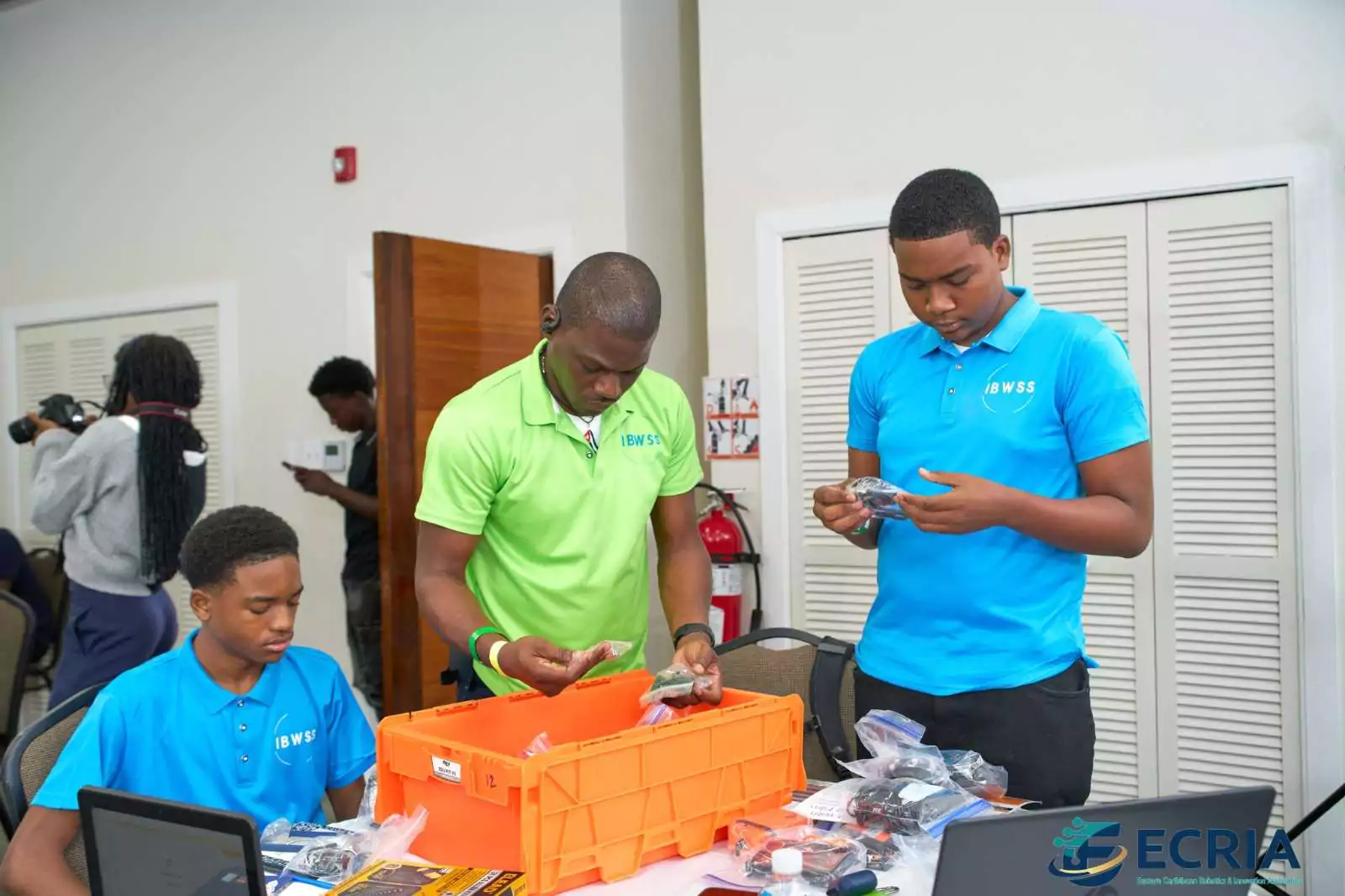
The young women were invited to Cabinet to showcase their work and demonstrate the robot they
have designed and constructed for the international competition. The team represents several
secondary schools across Antigua and Barbuda and emerged from the Government-supported
STEM programme, which seeks to expose young people to science, technology, engineering and
mathematics and encourage greater innovation and problem-solving among students.
Cabinet was advised that this year’s delegation is significant as it represents an all-girls team,
demonstrating the growing participation of young women in areas of science and technology
traditionally dominated by males.
The students introduced themselves to members of Cabinet and explained their individual roles on
the team, which include responsibilities for engineering, coding and operating the robot. The young
innovators, ranging in age from 14 to 16 years, also explained the extensive testing and modifications
being undertaken ahead of the international competition.
The team’s presentation included a demonstration and explanation of its specially designed robot,
affectionately named “Hot Spill.”
Team members explained that the FIRST Global competition requires participating countries to use
standard kits to design and construct robots capable of completing a series of prescribed tasks.
For one of the challenges, the Antigua and Barbuda team designed its robot to collect game pieces
and deposit them efficiently into a large container. The students incorporated an expandable
mechanism capable of collecting a greater quantity of game pieces, along with a lifting system
designed to deposit several pieces simultaneously rather than individually.
The robot is also being developed to perform a climbing component of the competition, with
additional points available for assisting another robot to climb. The students told Cabinet that
testing and modifications were continuing as they sought to maximise the robot’s performance
ahead of the competition.
Cabinet members expressed pride in the creativity, confidence and technical ability displayed by the
students and congratulated them on earning the opportunity to represent Antigua and Barbuda
internationally.
Cabinet was informed that the team emerged from the annual STEM Camp supported by the
Government, which provides young Antiguans and Barbudans with free exposure to STEM
disciplines.
Approximately 300 students participated in the programme this year, working in teams and
competing in various activities before the strongest performers were selected to form the national
team.
The Board of Education has provided approximately EC$30,000 towards the team’s participation in
the international competition.
Cabinet noted that the programme is consistent with the Government’s wider education objective of
developing a generation of thinkers, problem-solvers and innovators who are capable of using
science and technology to address real-world challenges.
The Government is also examining opportunities to expand STEM activities within the education
system and to establish additional after-school programmes that can provide young people with
constructive activities while developing skills relevant to the modern economy.
Cabinet noted that greater exposure to areas such as science, technology, engineering, mathematics,
innovation and financial literacy can provide young people with valuable pathways to further
education, entrepreneurship and future employment.
Prime Minister the Right Honourable Gaston Browne and members of Cabinet congratulated the
students on their achievement and wished them every success as they prepare to carry the flag of
Antigua and Barbuda onto the international STEM stage.
Cabinet reaffirmed the Government’s commitment to investing in STEM education and creating
opportunities that will allow more young Antiguans and Barbudans, particularly young women, to
develop their talents in science, engineering, technology and innovation.— END —
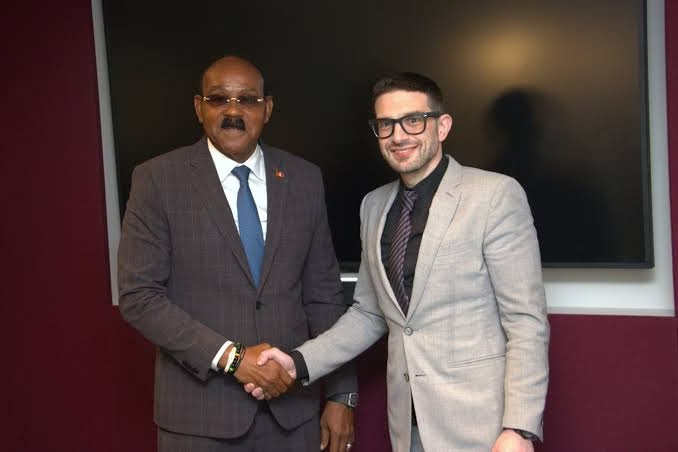
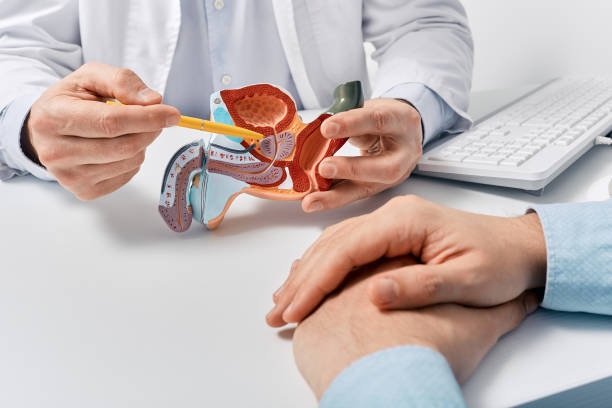
7. Renowned Urologic Oncologist Dr. David Samadi Presents Prostate Cancer and Robotic Surgery
Initiative to Cabinet
Internationally recognised urologic oncologist and robotic surgeon Dr. David Samadi visited the
Cabinet of Antigua and Barbuda on Wednesday to outline a proposal for expanding prostate cancer
screening, treatment and robotic surgical services in Antigua and Barbuda.
The presentation was particularly timely, taking place on September 30, the final day of Prostate
Cancer Awareness Month, and focused on opportunities to improve early detection and provide
more advanced treatment options for men diagnosed with prostate cancer.
Dr. Samadi told Cabinet that he has performed more than 11,000 robotic surgeries during his career
and has experience in open, laparoscopic and robotic prostate surgery. He outlined his work in the
Dominican Republic, where he helped develop a robotic surgery programme and continues to
provide specialist services to patients from across the region.
He informed Cabinet that a number of Antiguans and Barbudans have already travelled overseas to
access his services and expressed his willingness to work with local physicians and health authorities
to develop a sustainable programme in Antigua and Barbuda.
A central element of Dr. Samadi’s presentation was the establishment of a more
comprehensive national prostate cancer screening programme, including greater access to Prostate-
Specific Antigen (PSA) testing and increased public education encouraging men to undergo
appropriate screening.
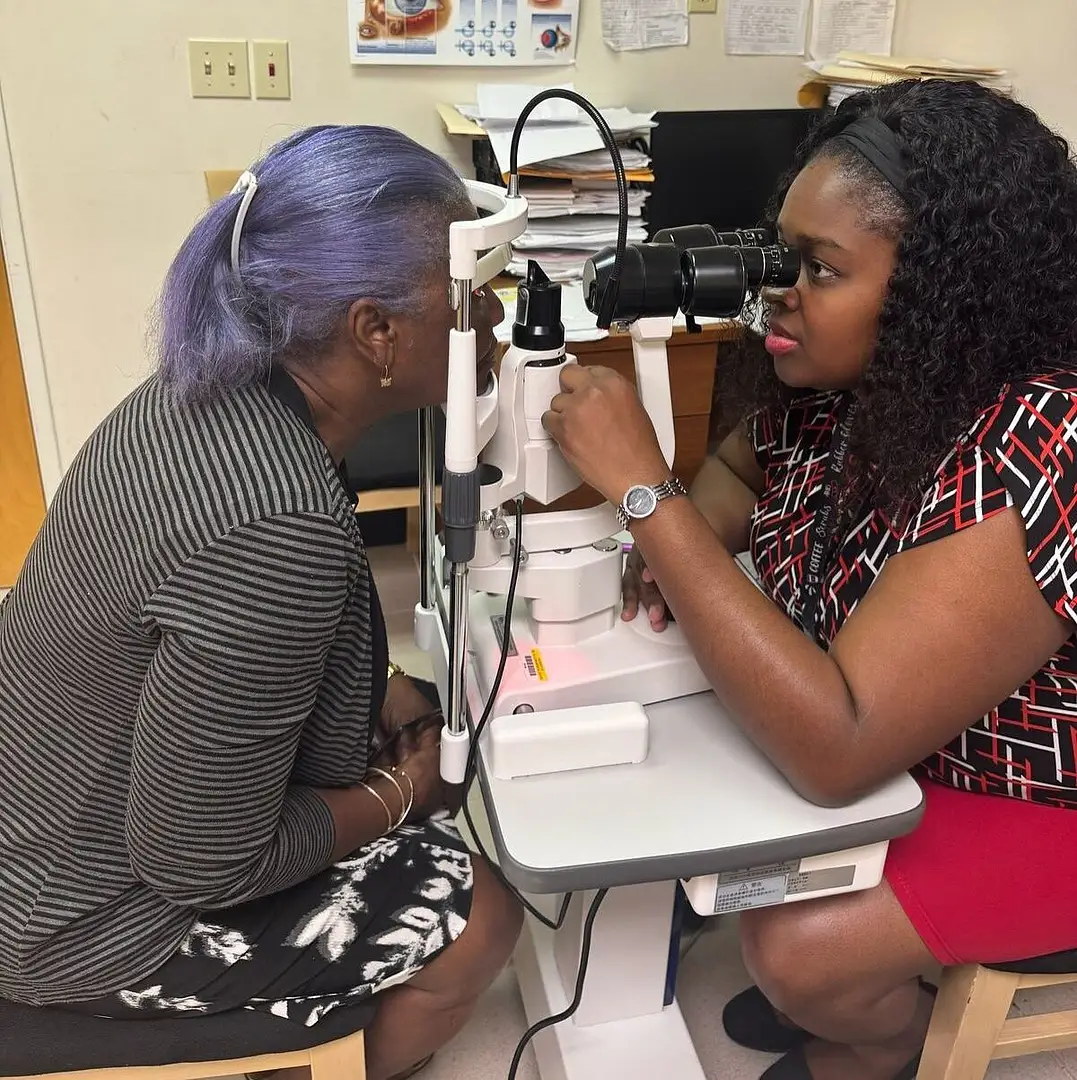
Dr. Samadi expressed concern that some patients from Antigua and Barbuda are presenting for
specialist care when their disease is already advanced. He therefore emphasised the importance of
earlier detection and timely medical intervention.
He proposed working alongside the Ministry of Health and local medical practitioners to strengthen
screening, training and specialist capacity. Dr. Samadi explained that PSA testing, while not by itself
specific for prostate cancer, can be a useful component of assessment when interpreted by
appropriately trained medical professionals.
Dr. Samadi also outlined the potential for introducing robotic surgery technology in Antigua and
Barbuda as part of a longer-term programme of specialist cancer care.
He advised that such an initiative would require investment in specialised equipment as well as
training and collaboration with local medical professionals. He estimated the acquisition cost of the
robotic surgical system discussed during the presentation at approximately US$2.5 million to US$3
million.
Dr. Samadi indicated that while prostate cancer treatment could form the initial focus, robotic
surgical technology has applications in other surgical specialties. He also expressed his willingness to
assist with the training of local physicians and other medical professionals.
The visiting specialist further suggested that the establishment of advanced surgical services could,
over time, reduce the need for some patients to travel overseas for treatment while positioning
Antigua and Barbuda to provide specialist medical services to patients from elsewhere in the
Caribbean. He also raised the longer-term potential for the development of medical tourism.
Following the presentation and discussions, Cabinet invited Dr. Samadi to prepare and submit a
comprehensive concept document and proposal for consideration by the Government.
The proposal is expected to provide greater detail on the services that could be offered, the
equipment and infrastructure required, training opportunities for local healthcare professionals,
possible arrangements for specialist visits, and the overall financial and operational requirements of
establishing such a programme.
Dr. Samadi indicated his willingness to work with the Government and local medical community in
developing the concept.
Cabinet welcomed the presentation, noting that the discussion on the final day of Prostate Cancer
Awareness Month underscored the importance of encouraging men to pay greater attention to their
health, seek appropriate medical advice and participate in recommended screening.— END —
You can join the WhatsApp group for summaries: https://chat.whatsapp.com/IOx7Pe7C9Dm8bUJDrw6czU?mode=gi_t
You can join the WhatsApp channel for a full list of articles: https://whatsapp.com/channel/0029VbBcJ3gKLaHkB4lQXM1m