
 English











































































































































































































































































































































































































































































































































































































































































































































































































































































































































































































































































































































































































































































































































































































































































































































































King Charles Faces Calls for Slavery Apology and Compensation

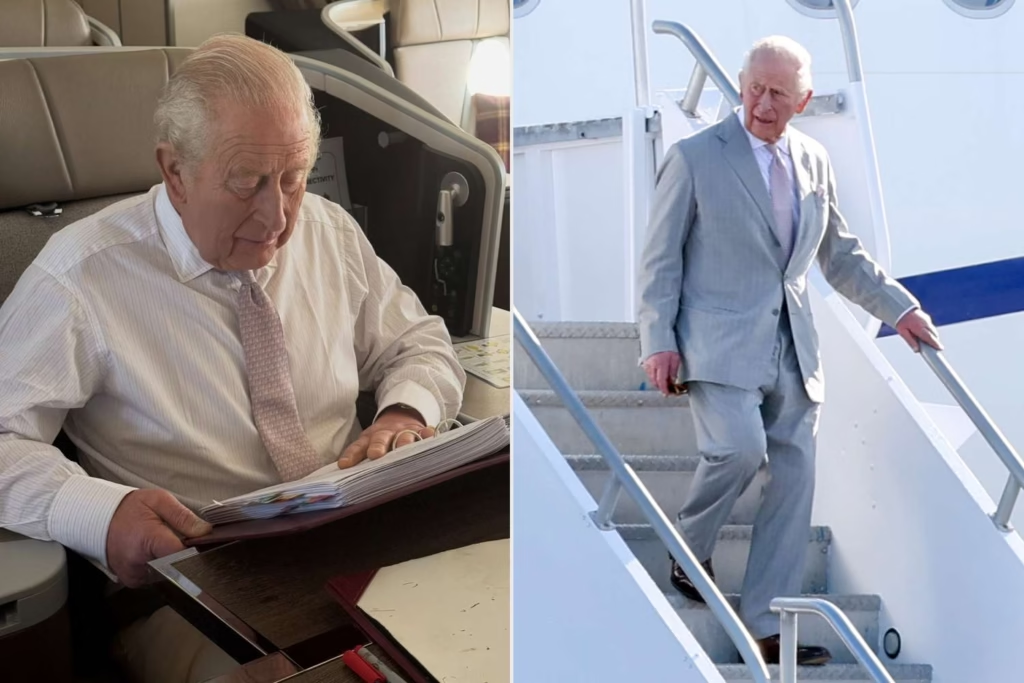
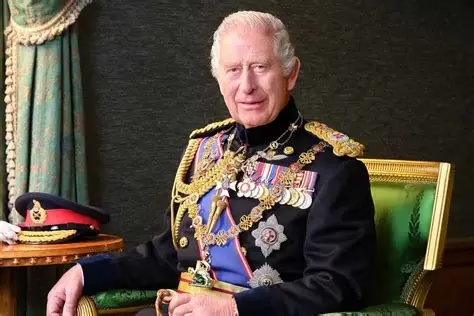
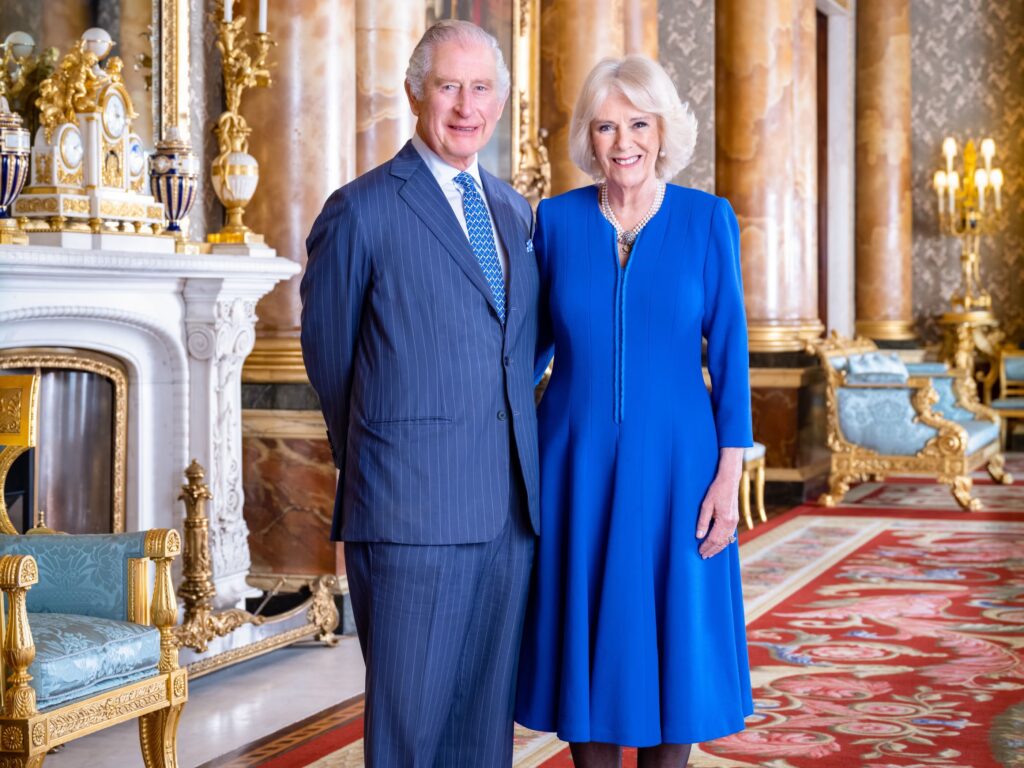
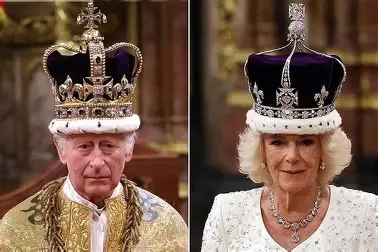
King Charles III faces growing calls for a formal slavery apology and compensation during his Caribbean tour. Campaigners want Britain to acknowledge its role in the transatlantic slave trade and address its lasting effects.
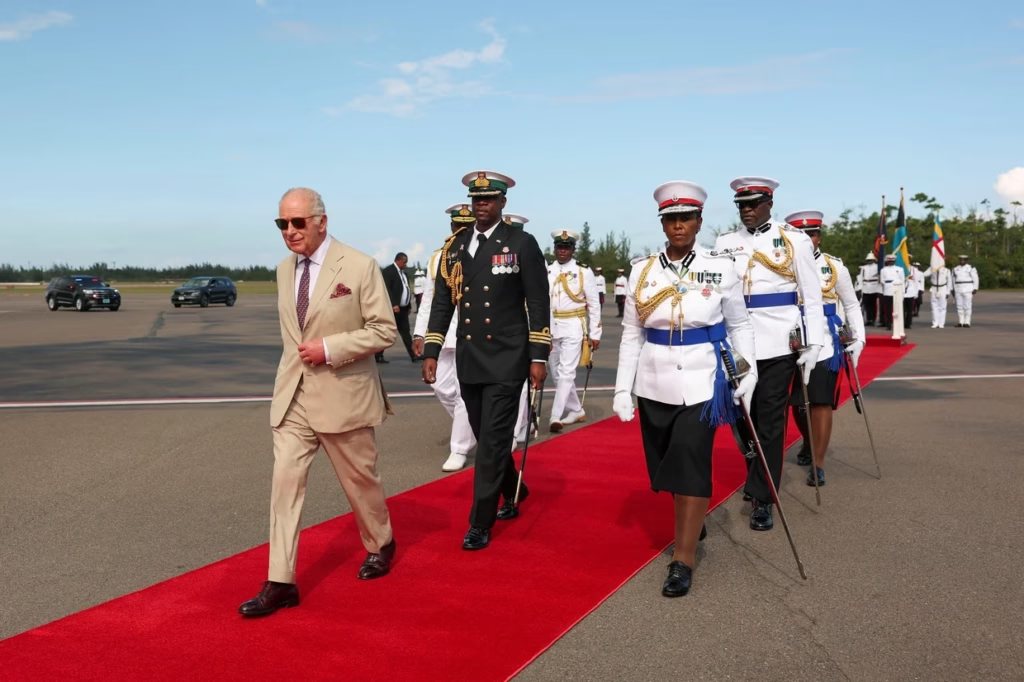
The king began his nine-day visit in the Bahamas, where he recognized the suffering caused by Britain’s colonial past. However, campaigners say his remarks did not go far enough.
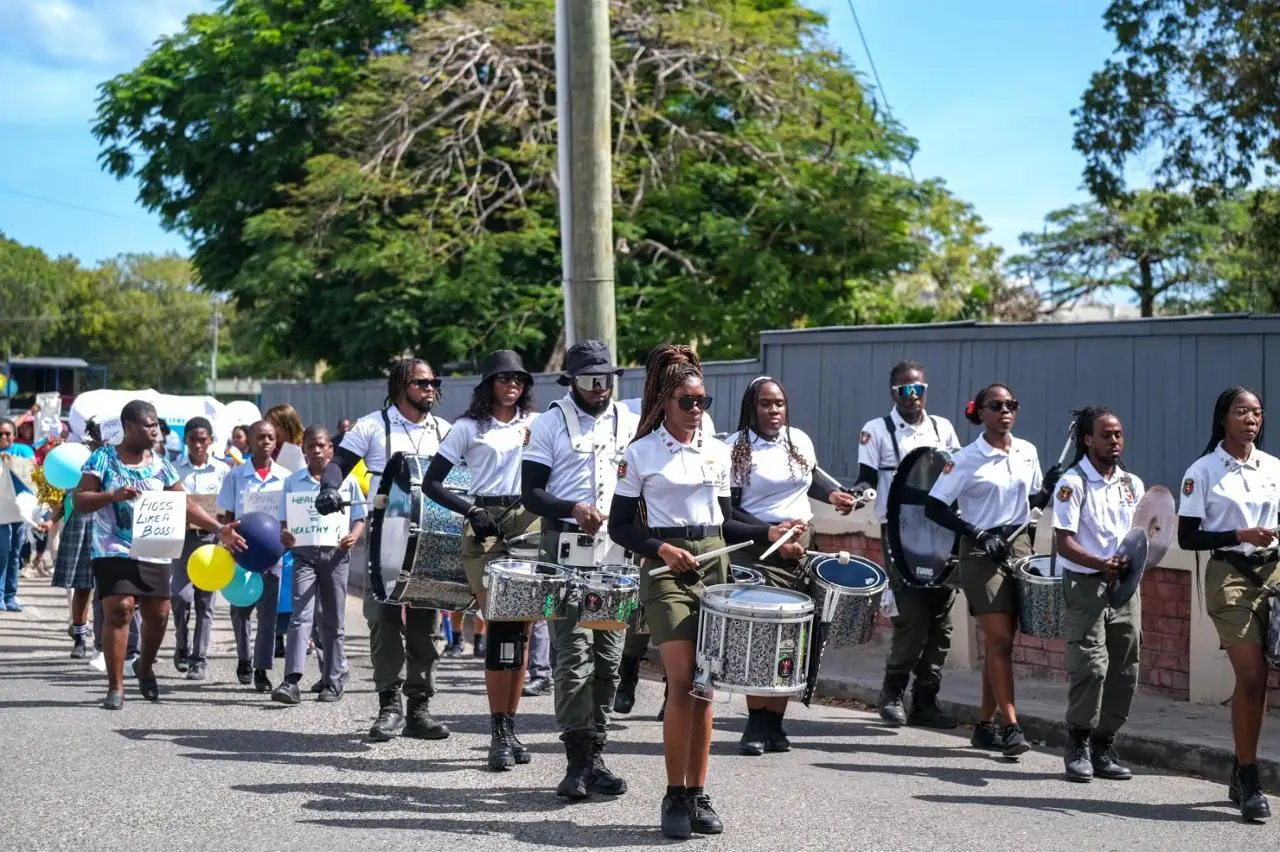
During celebrations in Nassau, protesters held signs reading, “Pay us what you owe us.” They demanded a formal apology and compensation for the harm caused by the slave trade.
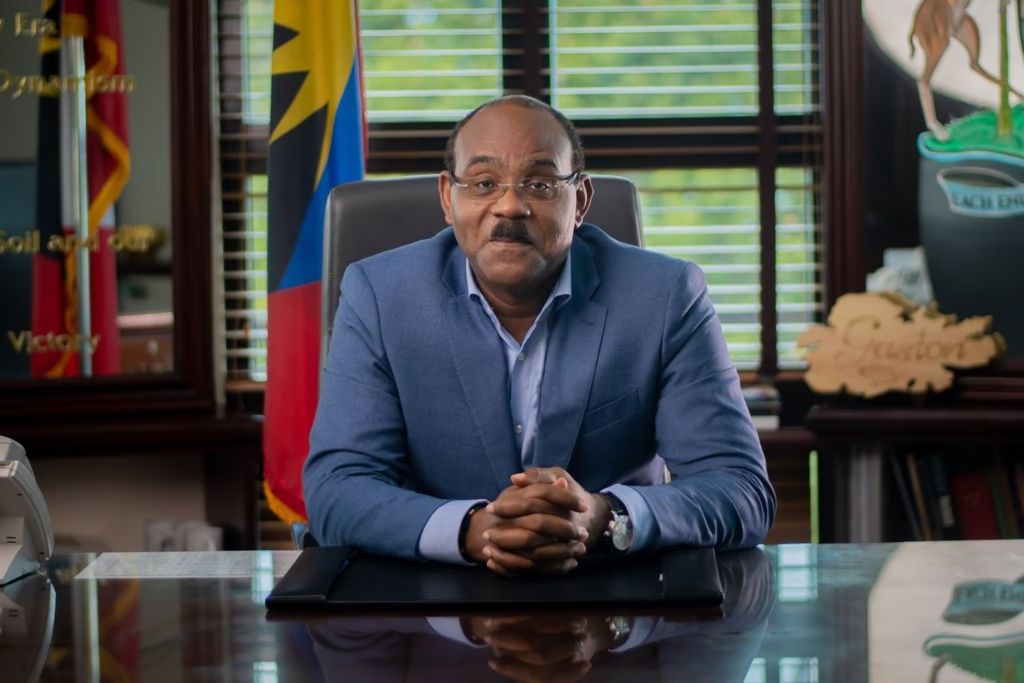
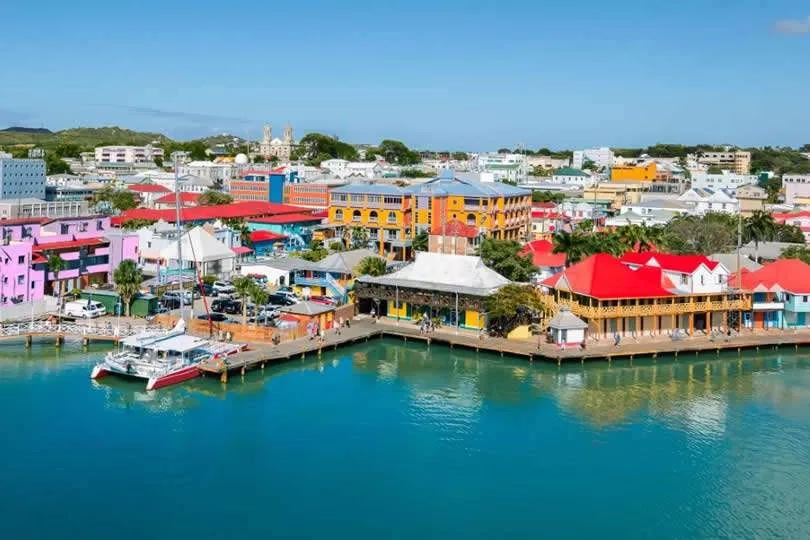
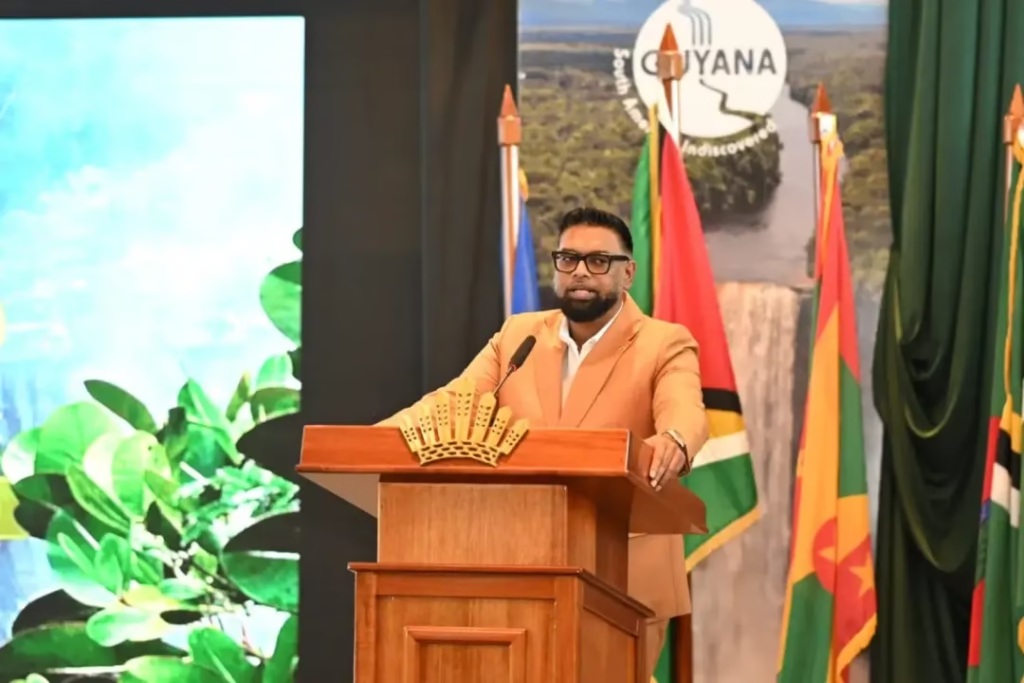
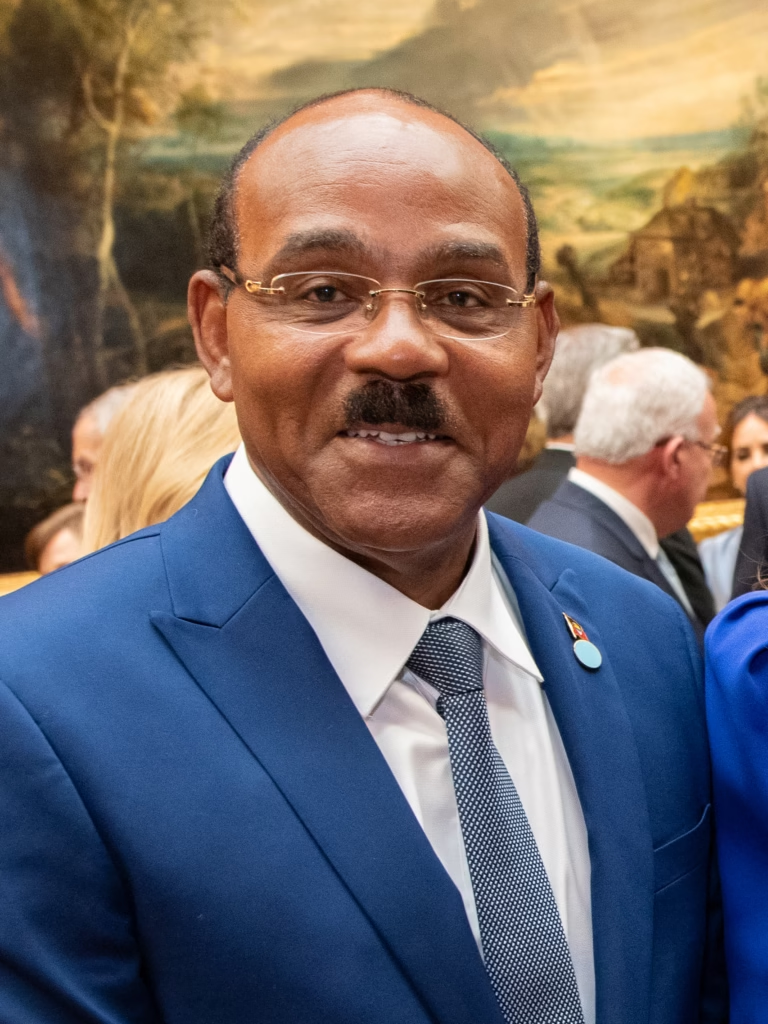
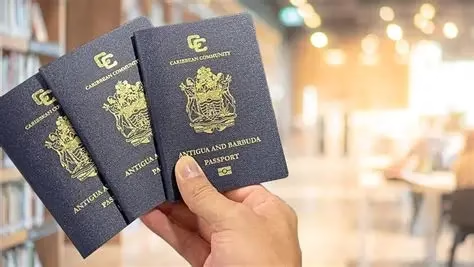
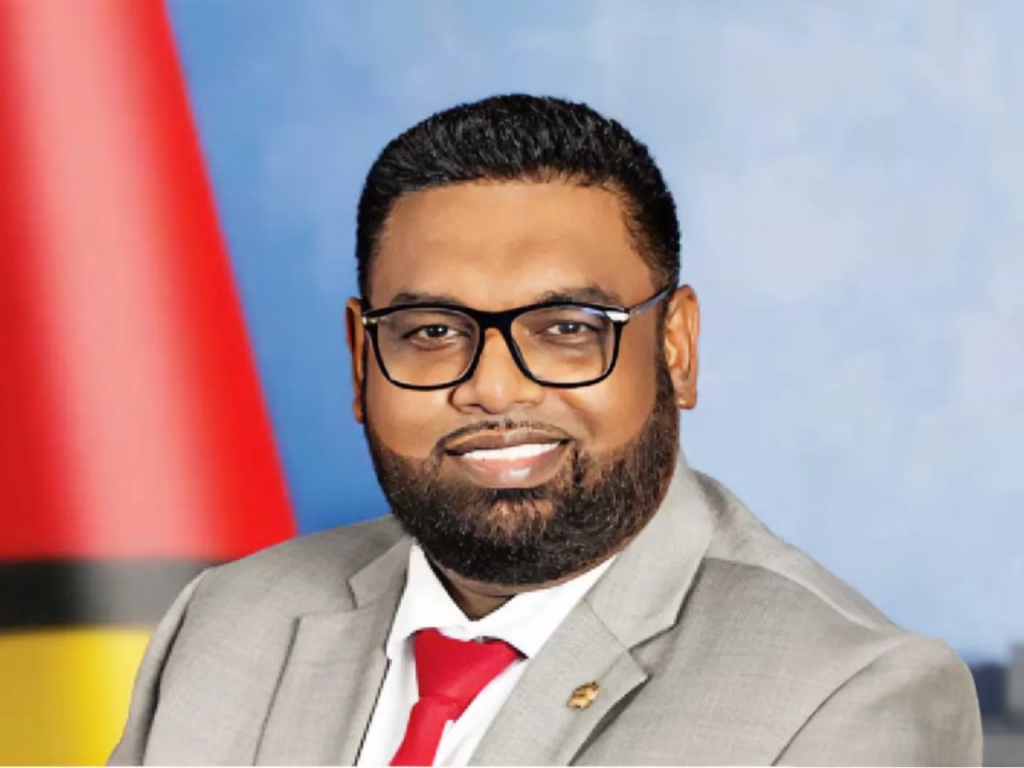
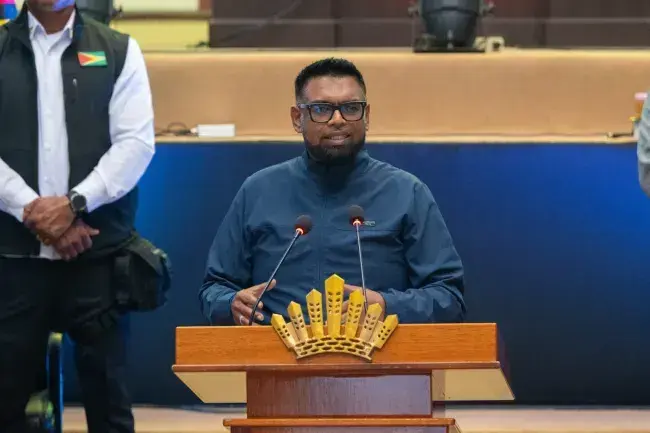
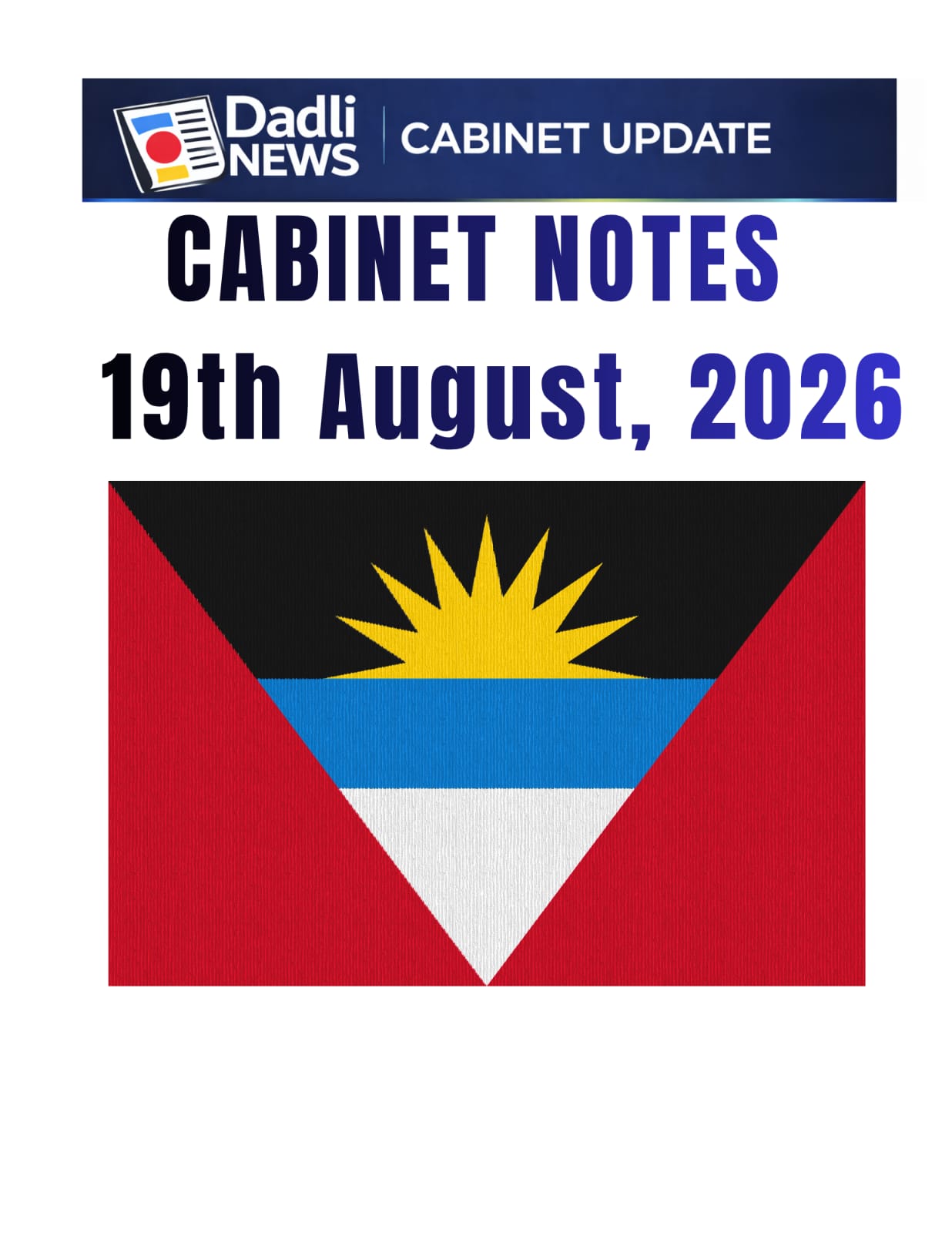
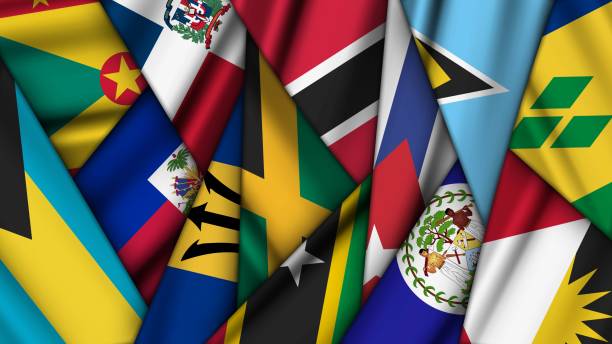
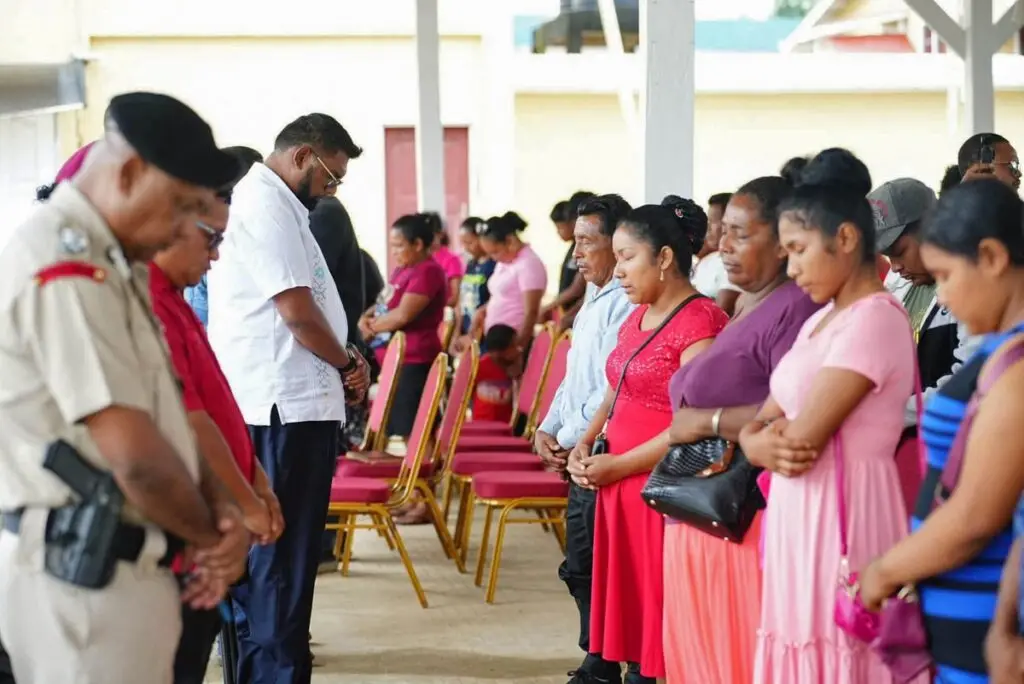
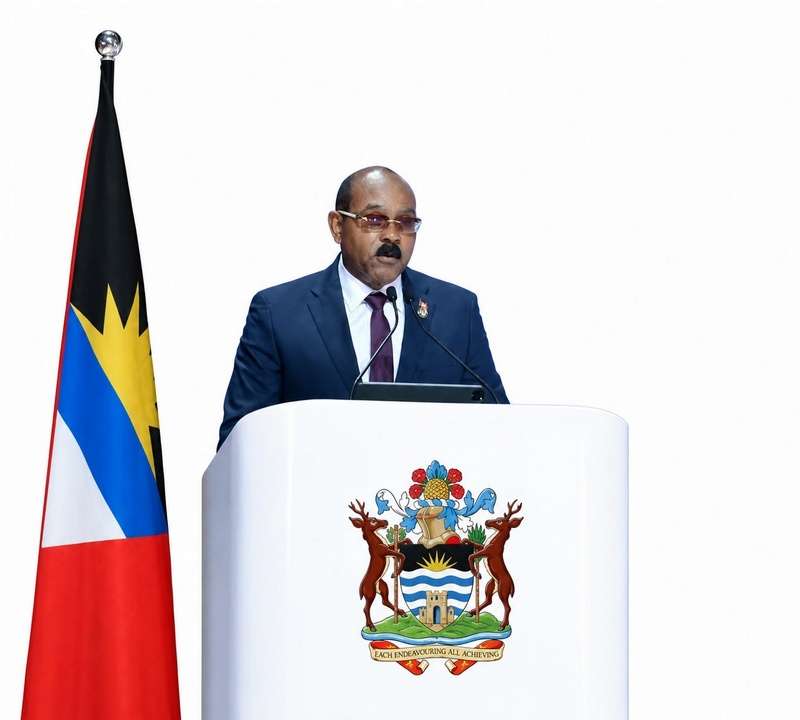
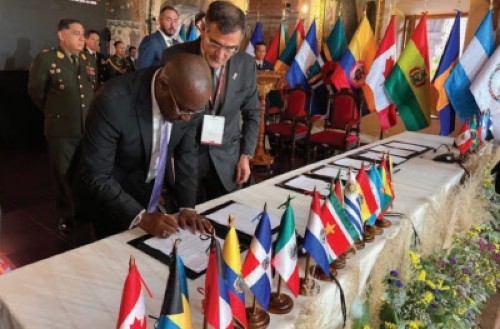
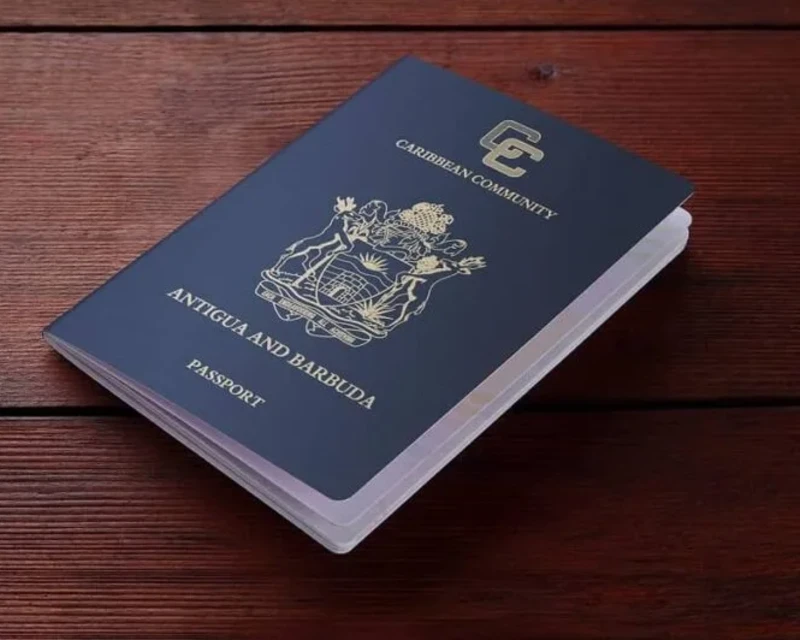
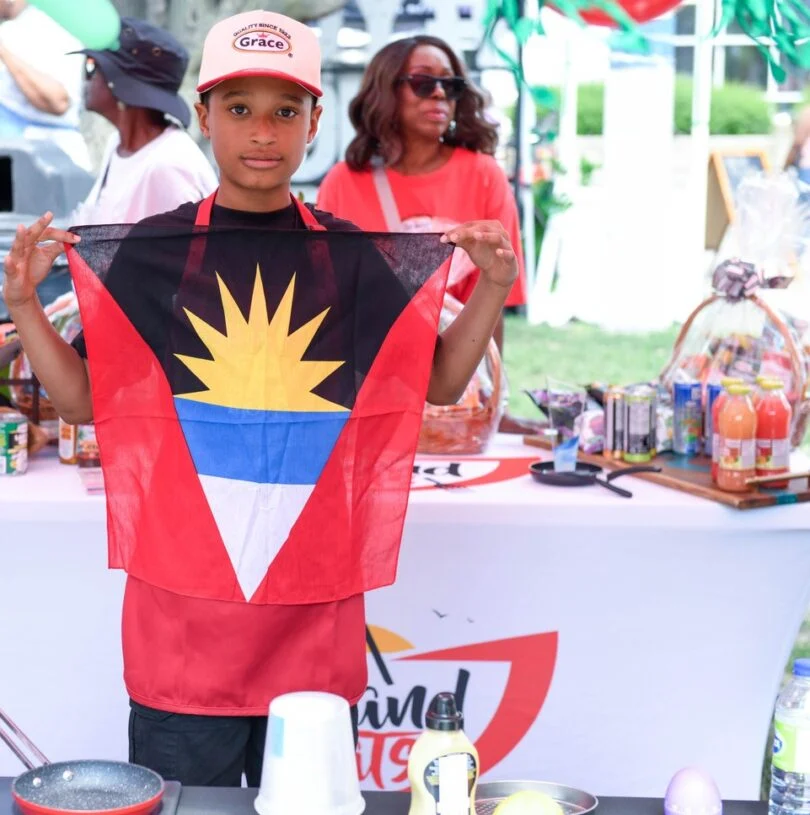
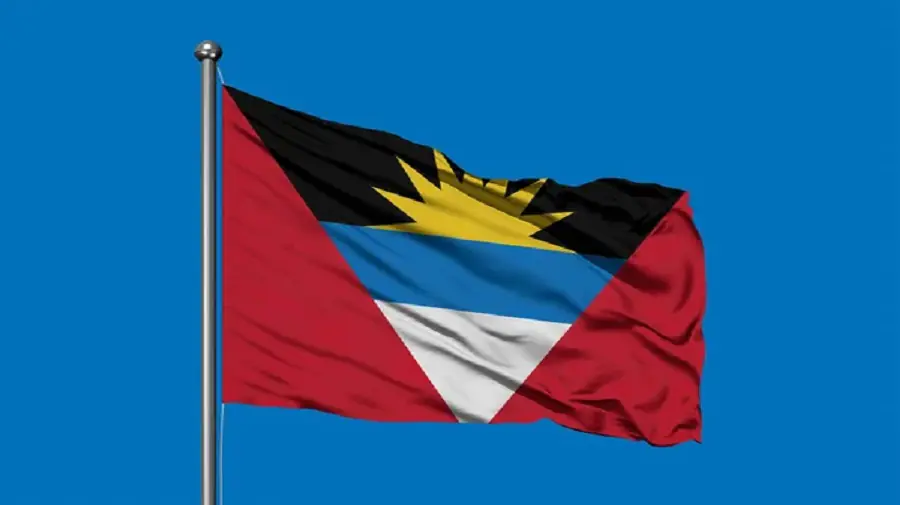
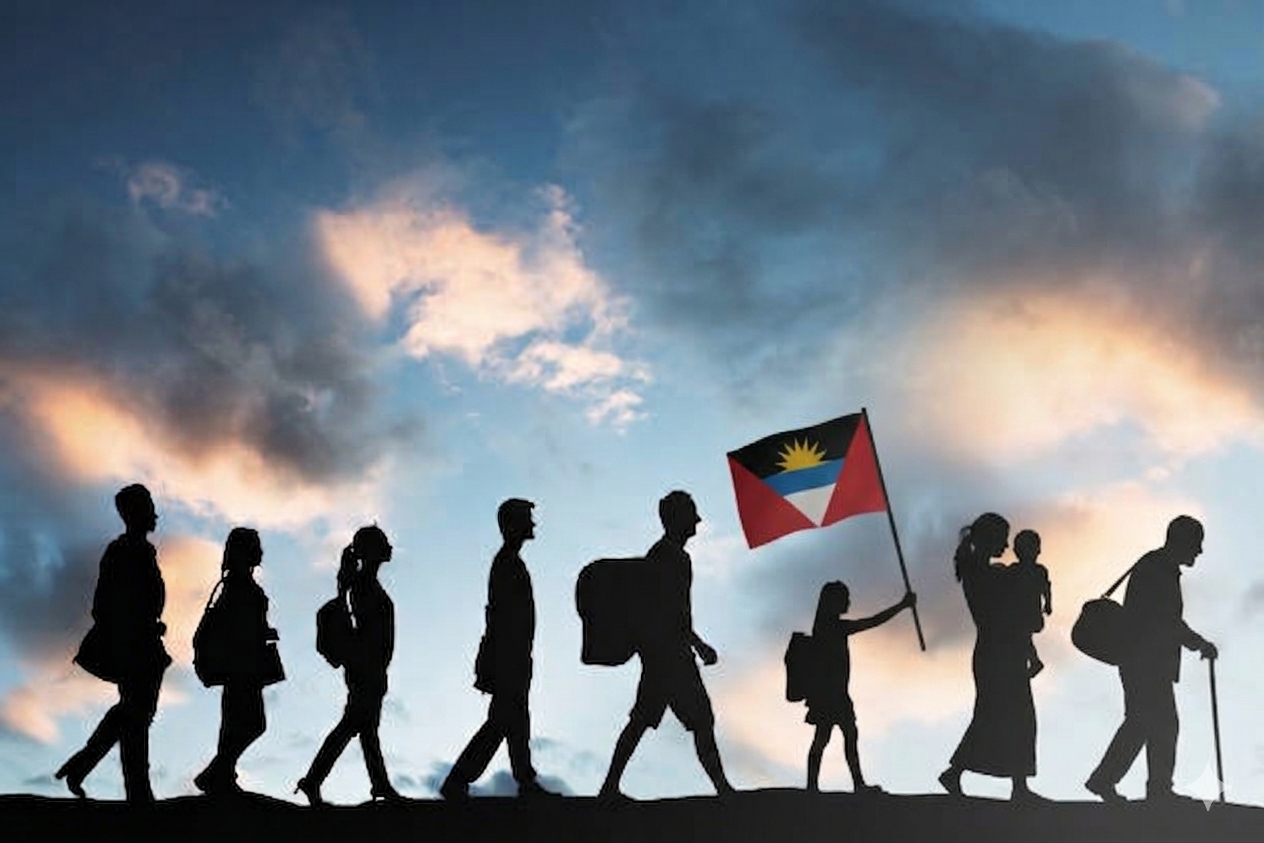
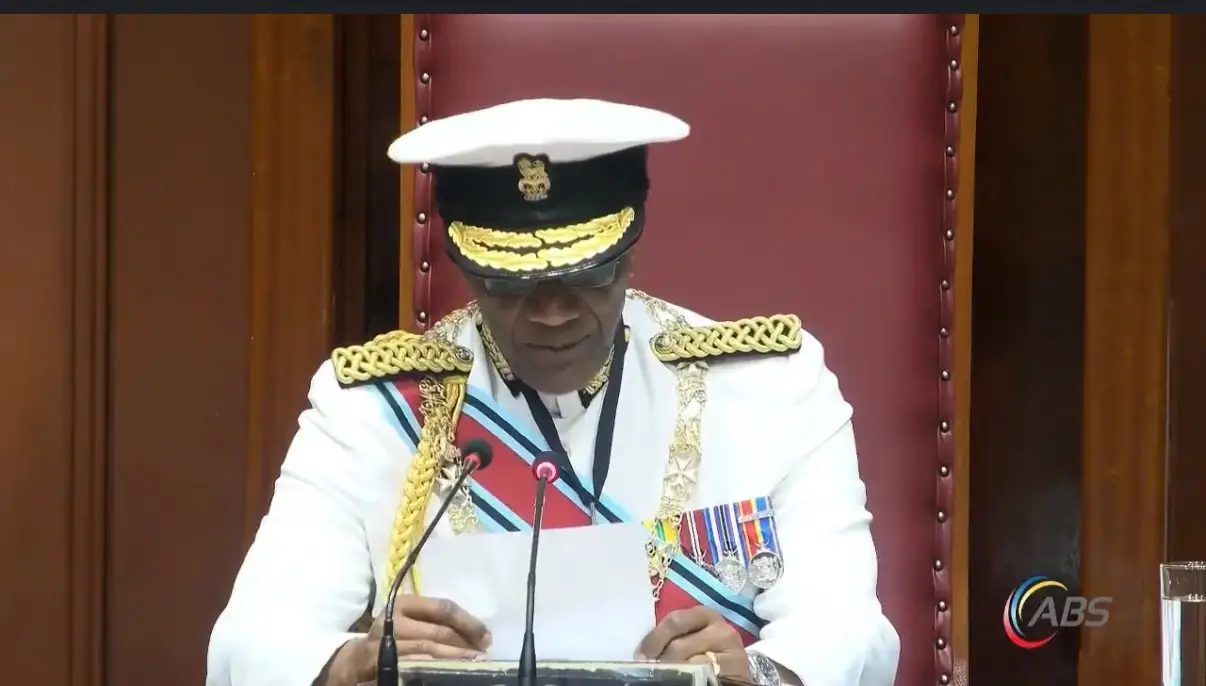
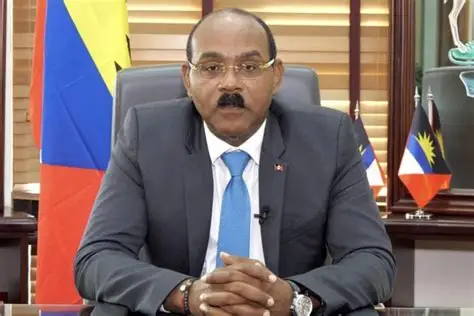
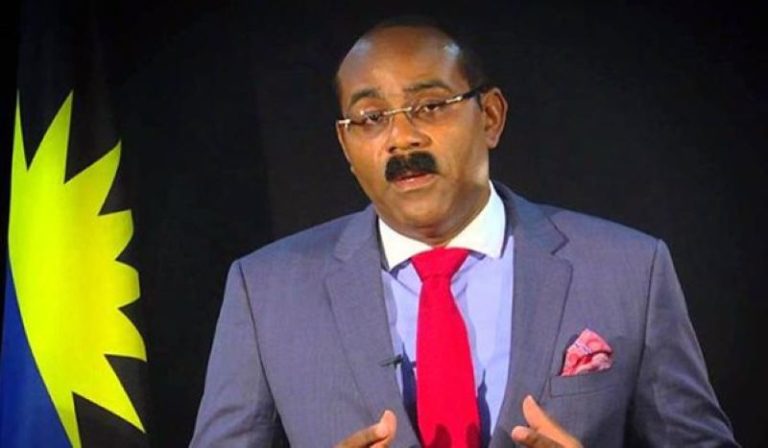
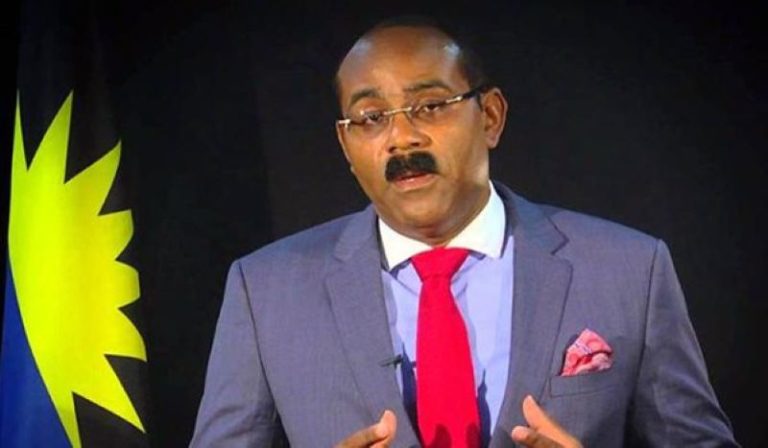
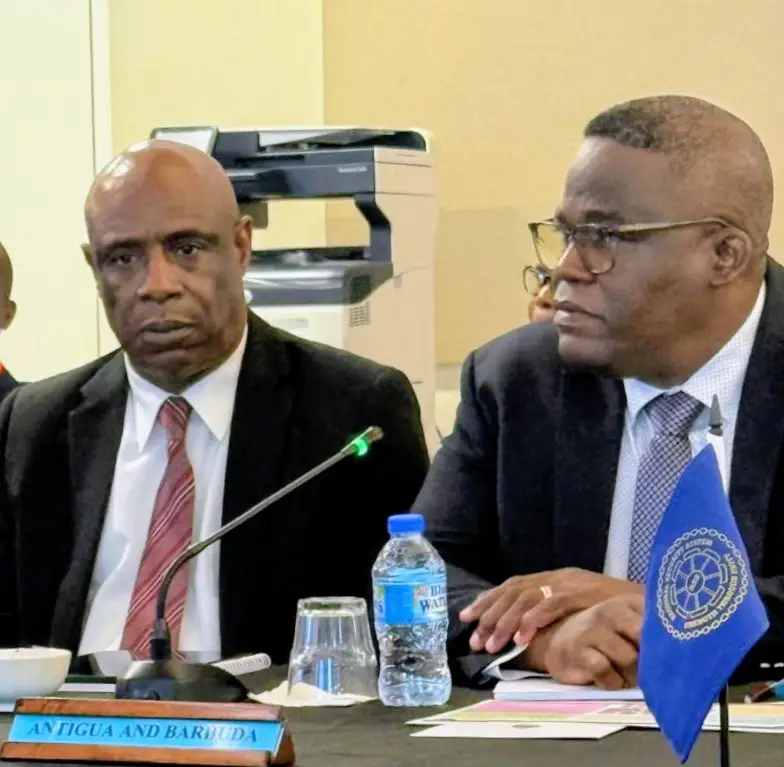
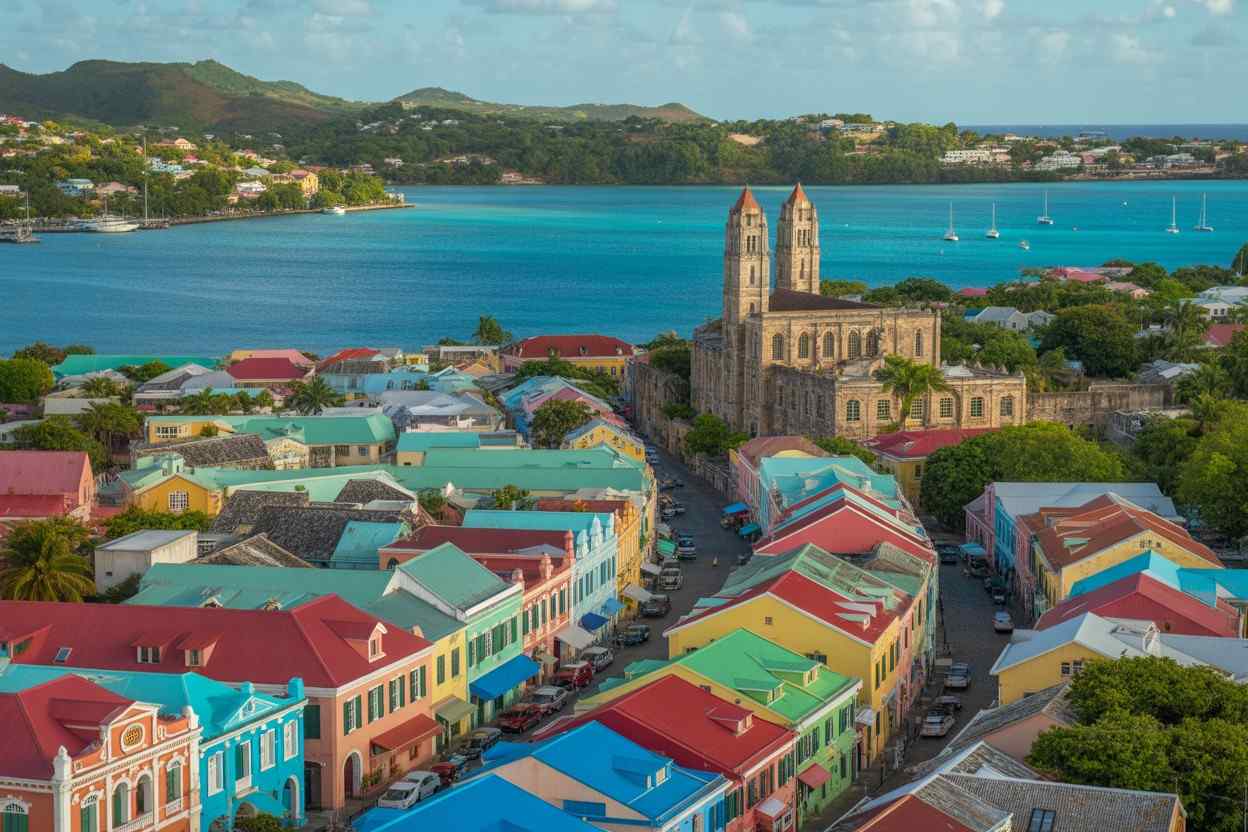
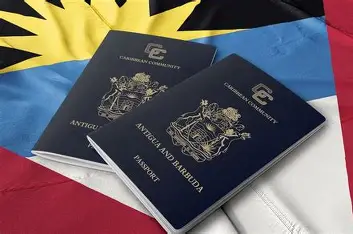
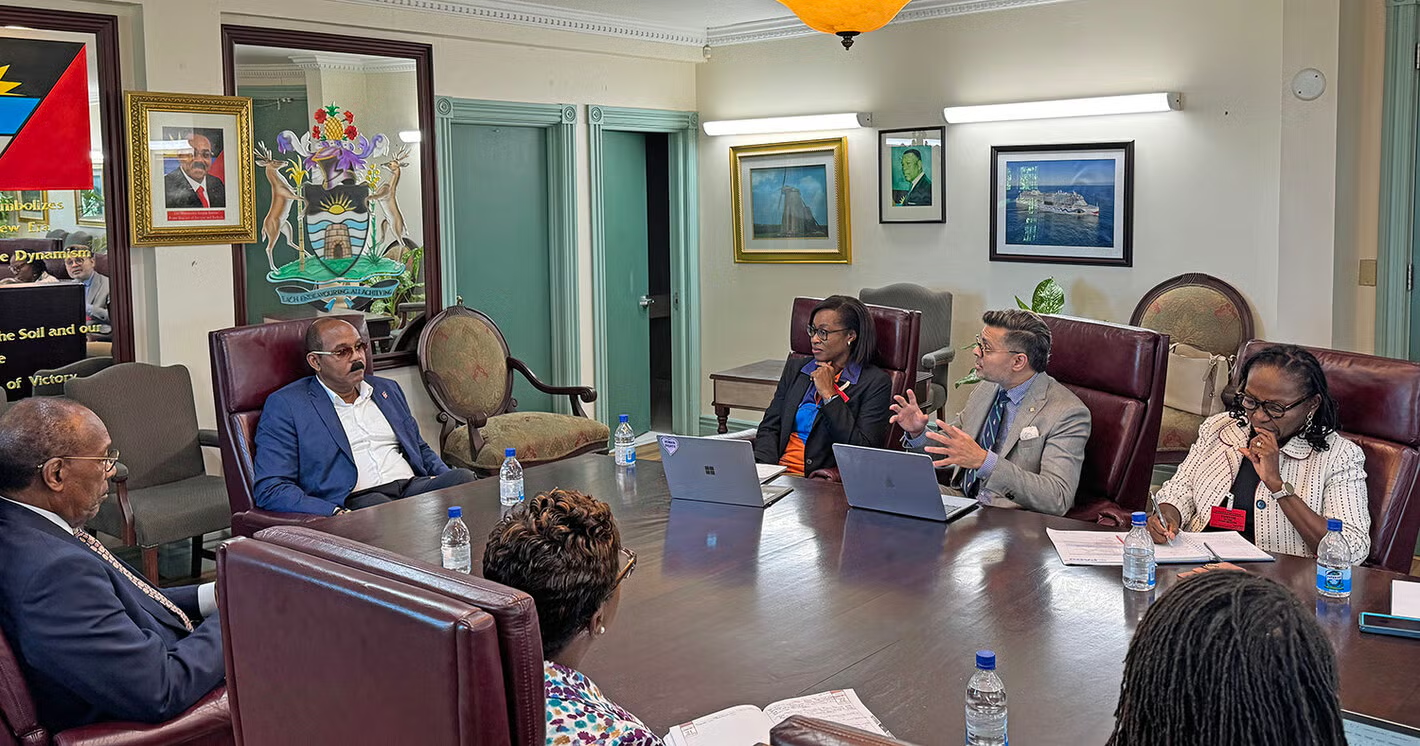
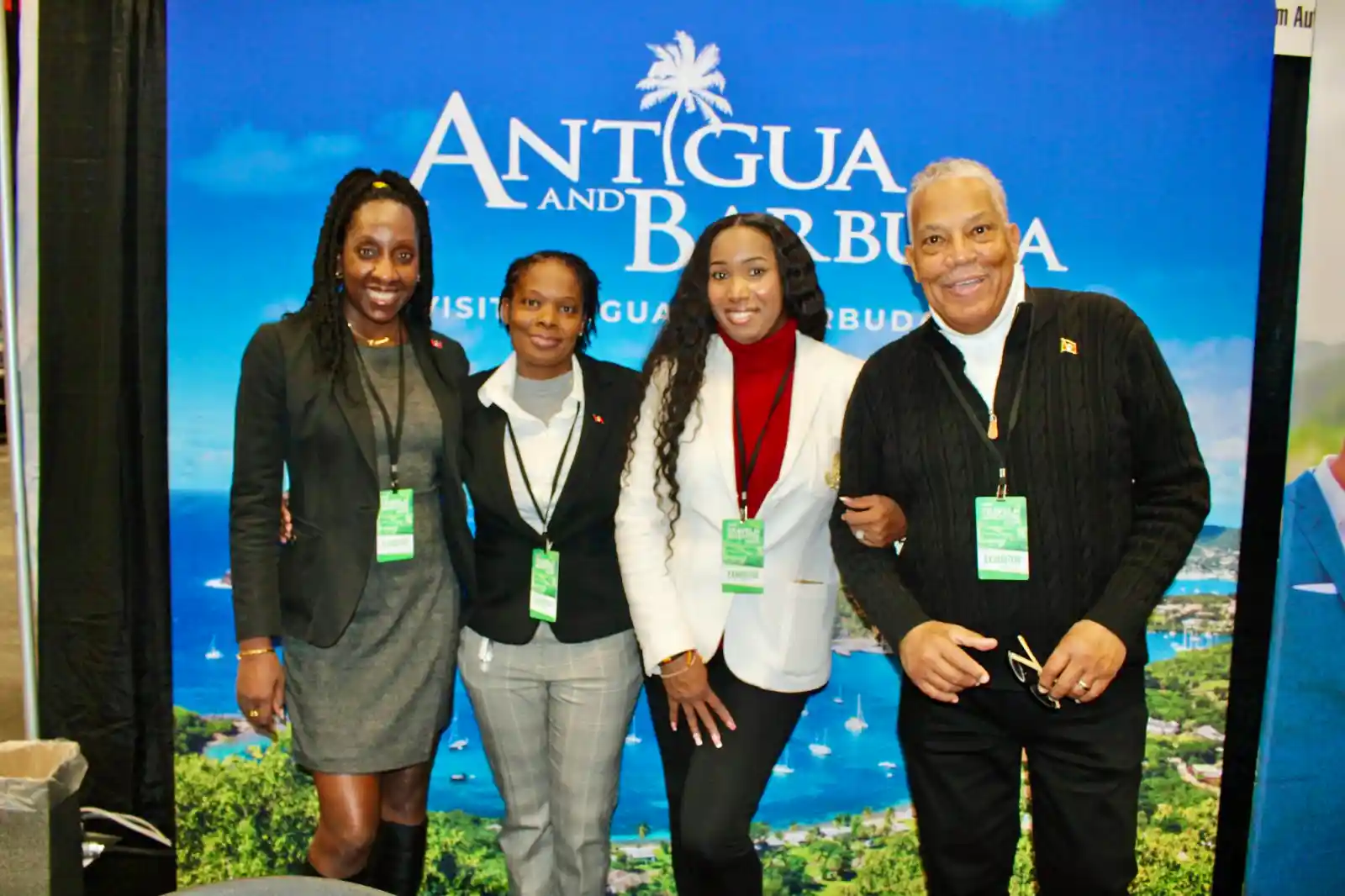
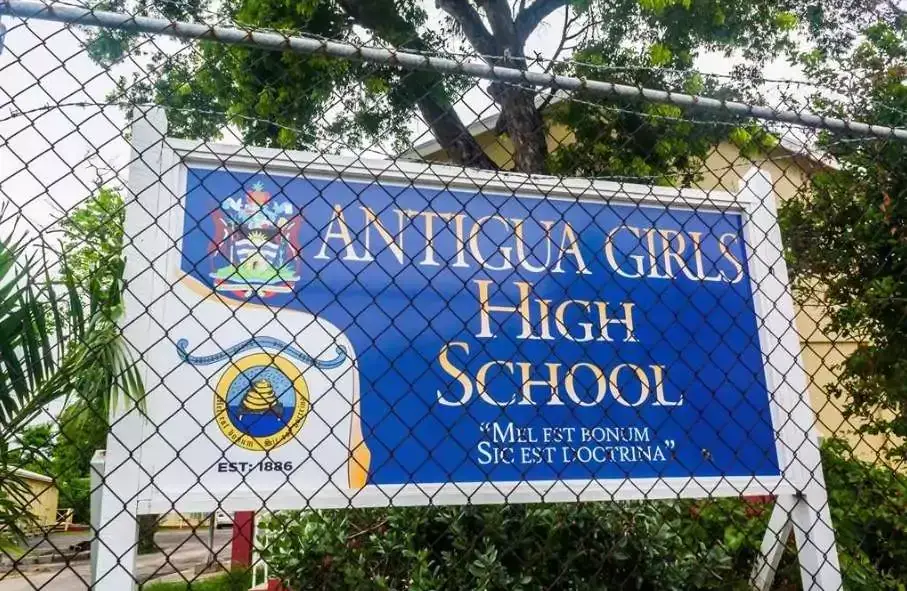
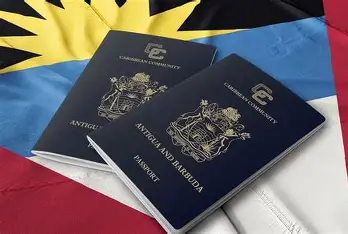
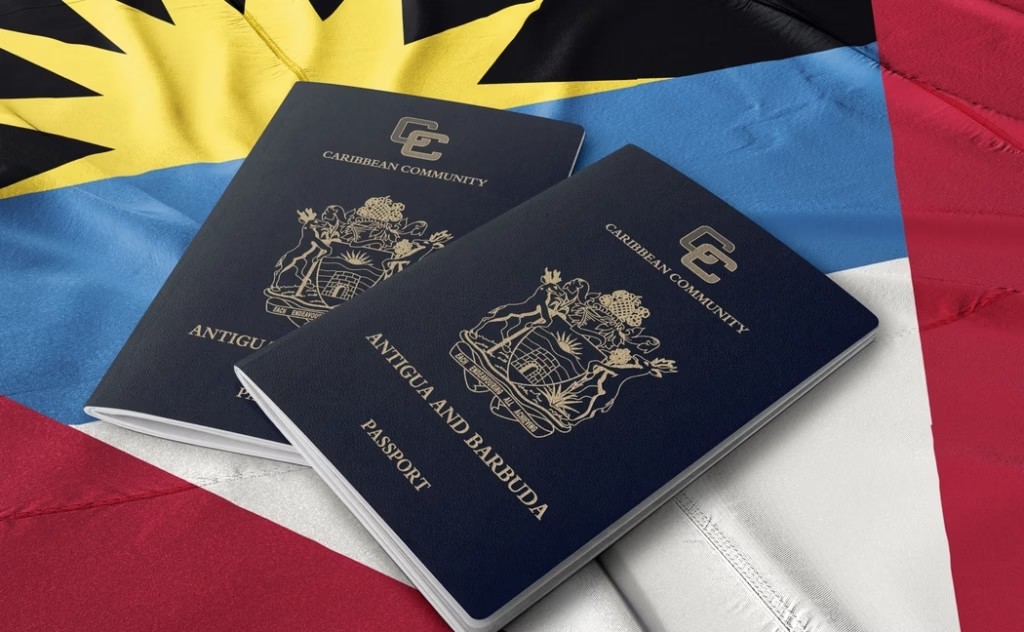
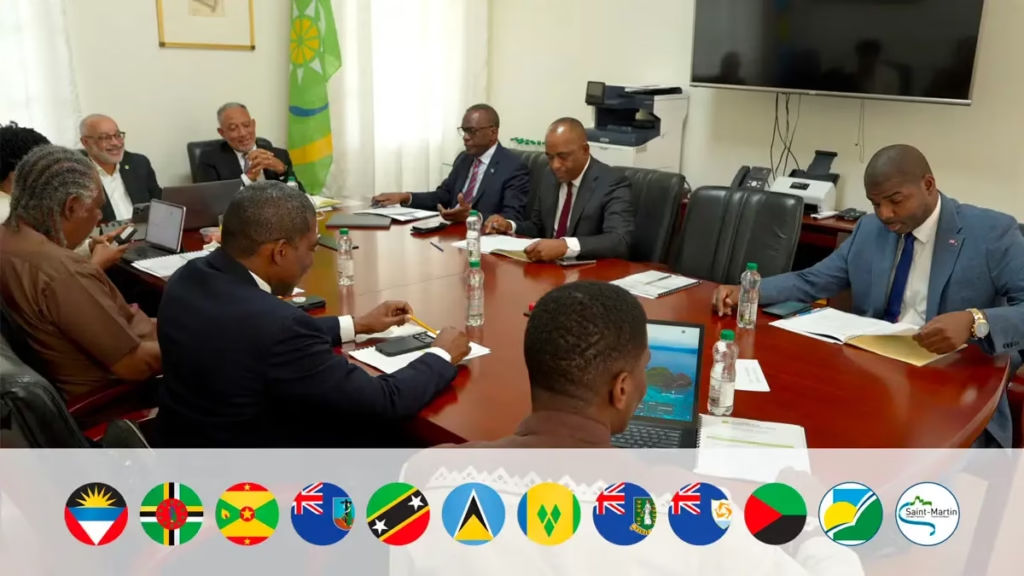
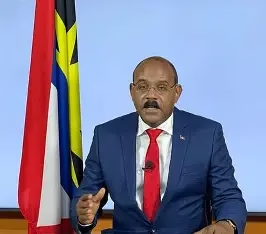
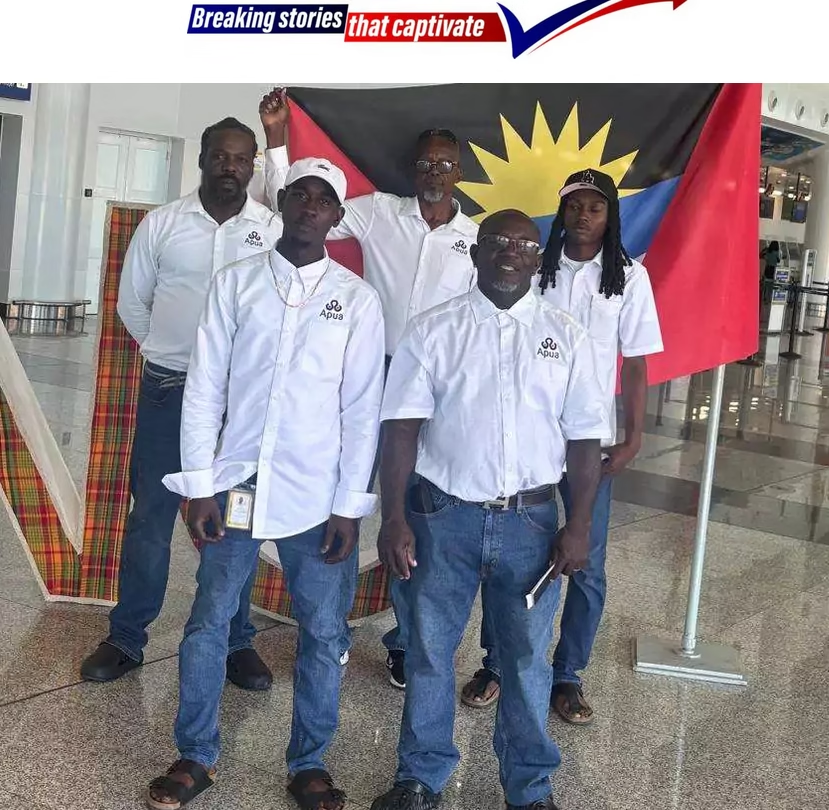
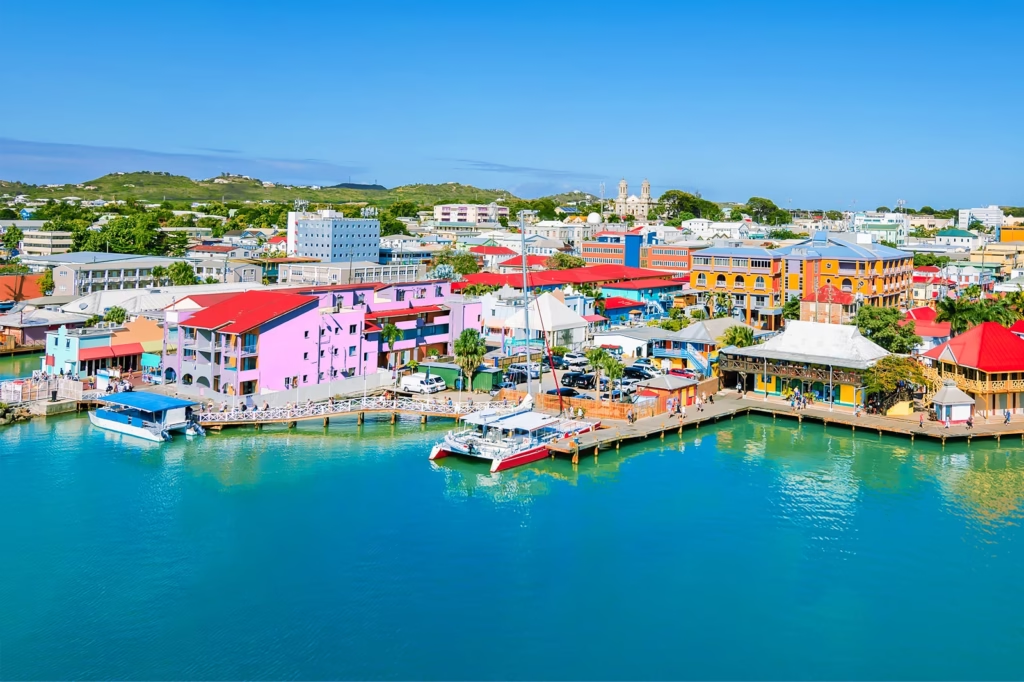
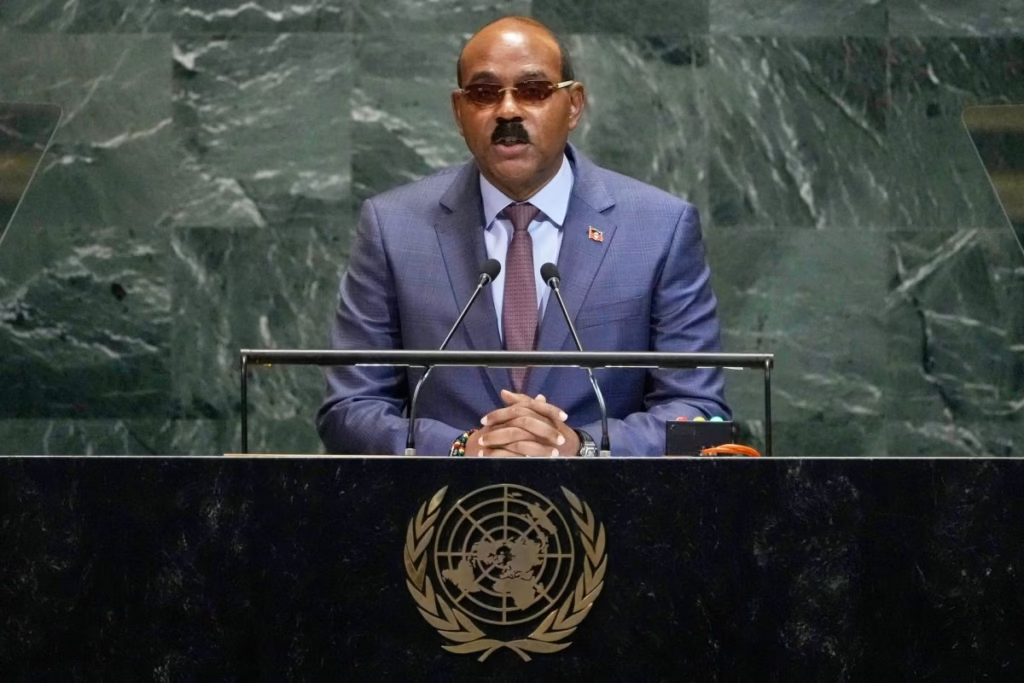
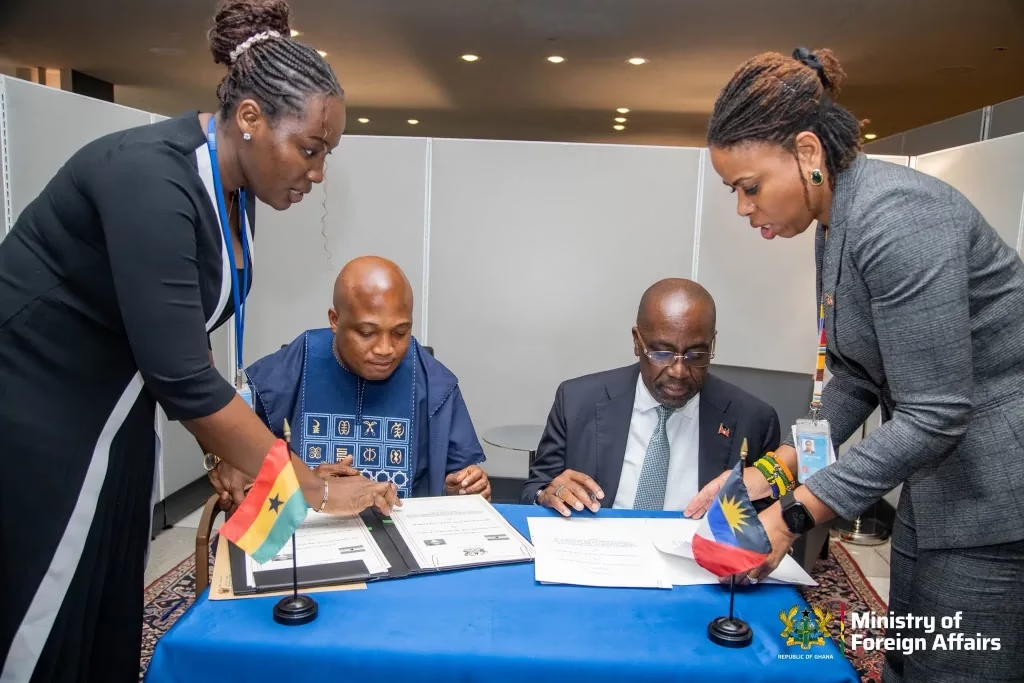
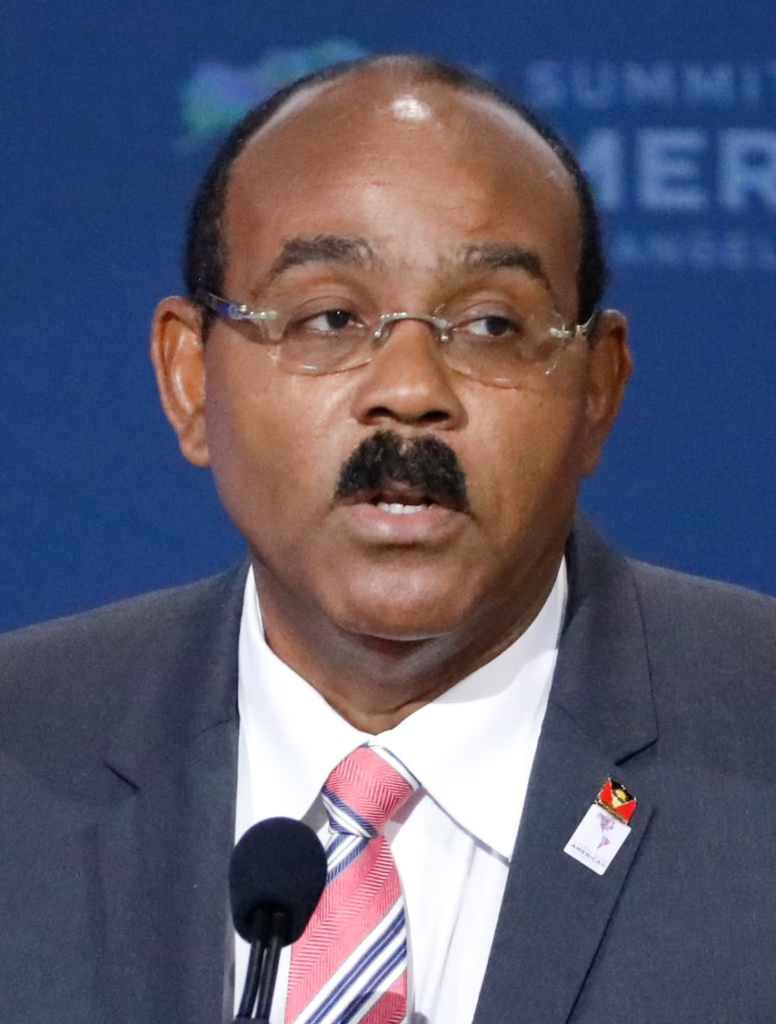
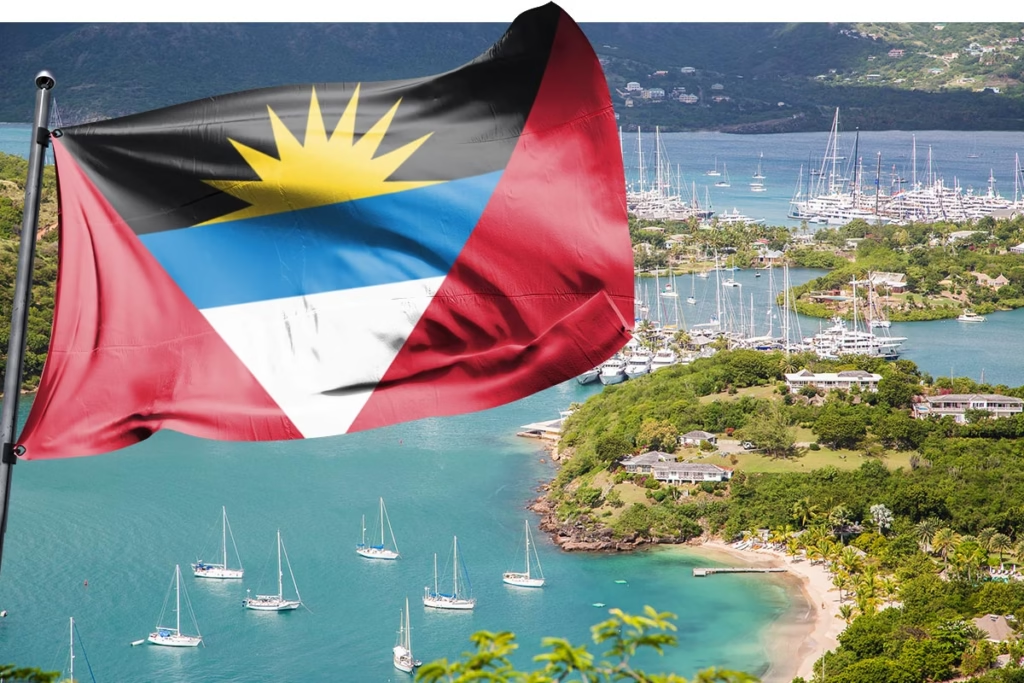
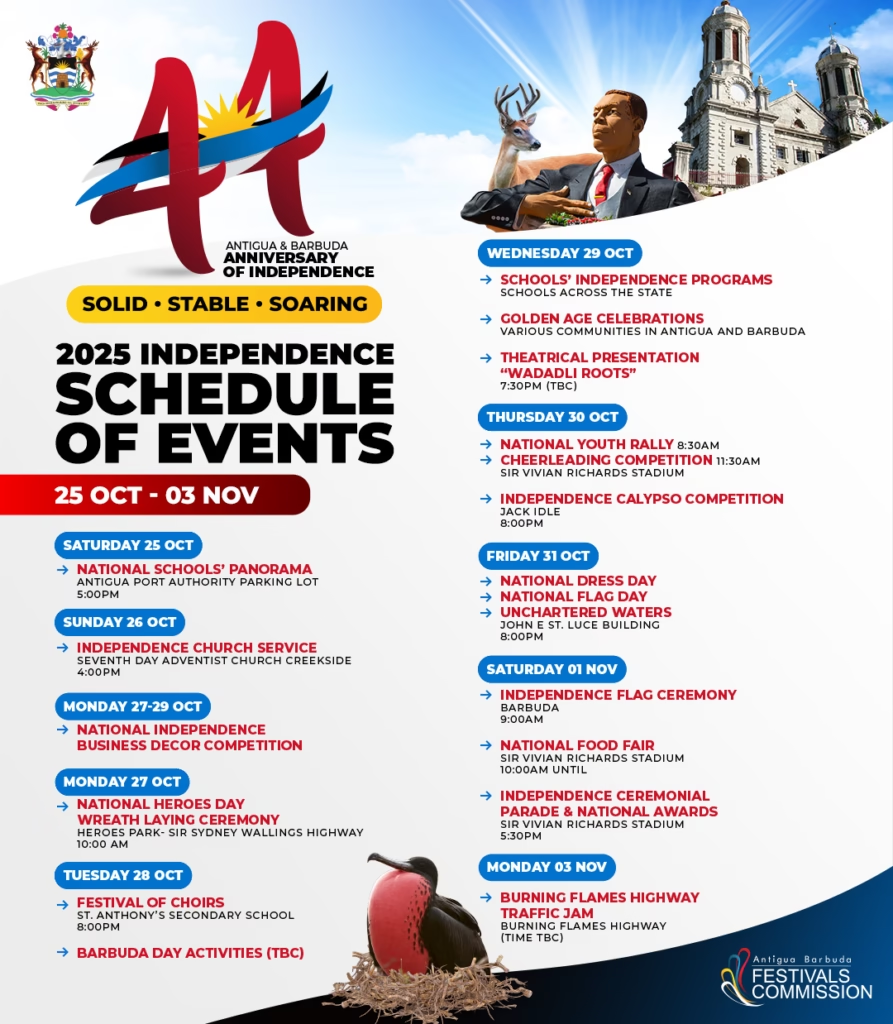
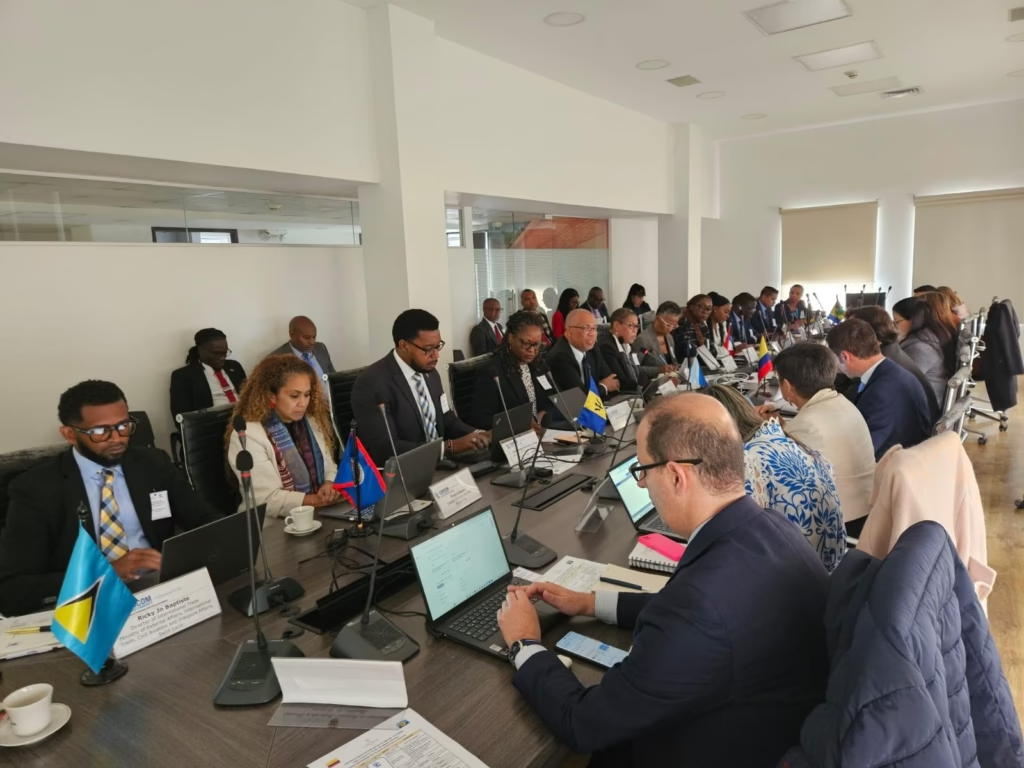
King Charles is scheduled to visit Guyana before traveling to Antigua and Barbuda for a meeting of Commonwealth leaders. The gathering is expected to include discussions about slavery’s legacy.
Buckingham Palace has said the king will not issue a formal apology. The palace argues that the British government must handle such decisions. However, King Charles remains open to broader discussions about Britain’s involvement in slavery.
Between the 15th and 19th centuries, approximately five million enslaved Africans crossed the Atlantic to the Caribbean. More than two million went to British colonies, where they endured brutal conditions on plantations.
Britain abolished slavery across most of its empire in 1834. The government allocated £20 million to compensate slave owners, but it gave nothing to the formerly enslaved people.
Calls for an apology have gained renewed attention in recent years. Caribbean leaders also want Britain to support education, healthcare and economic development to address slavery’s lasting effects.
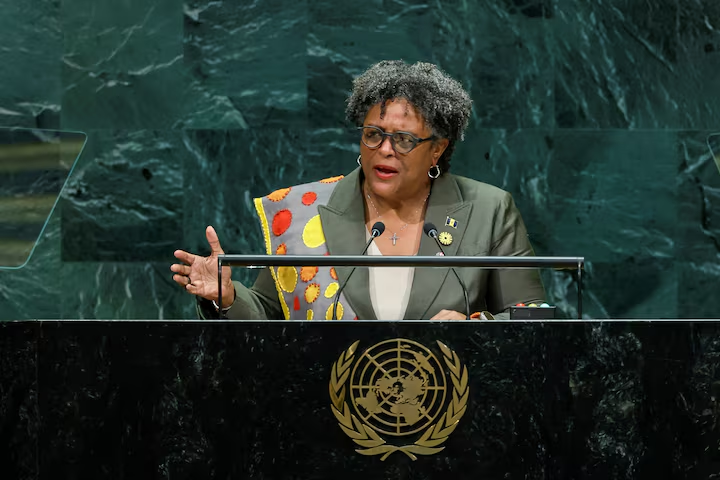
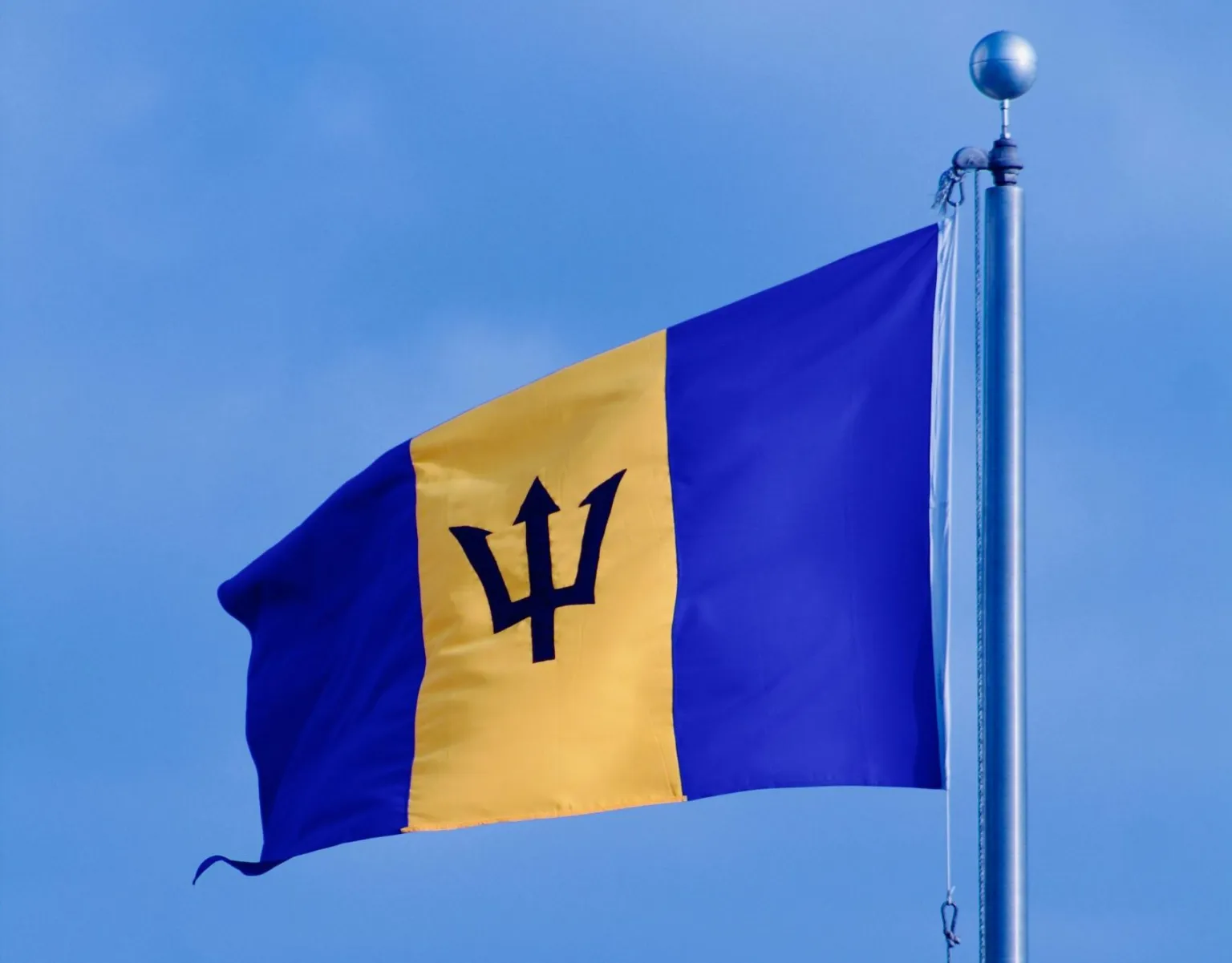
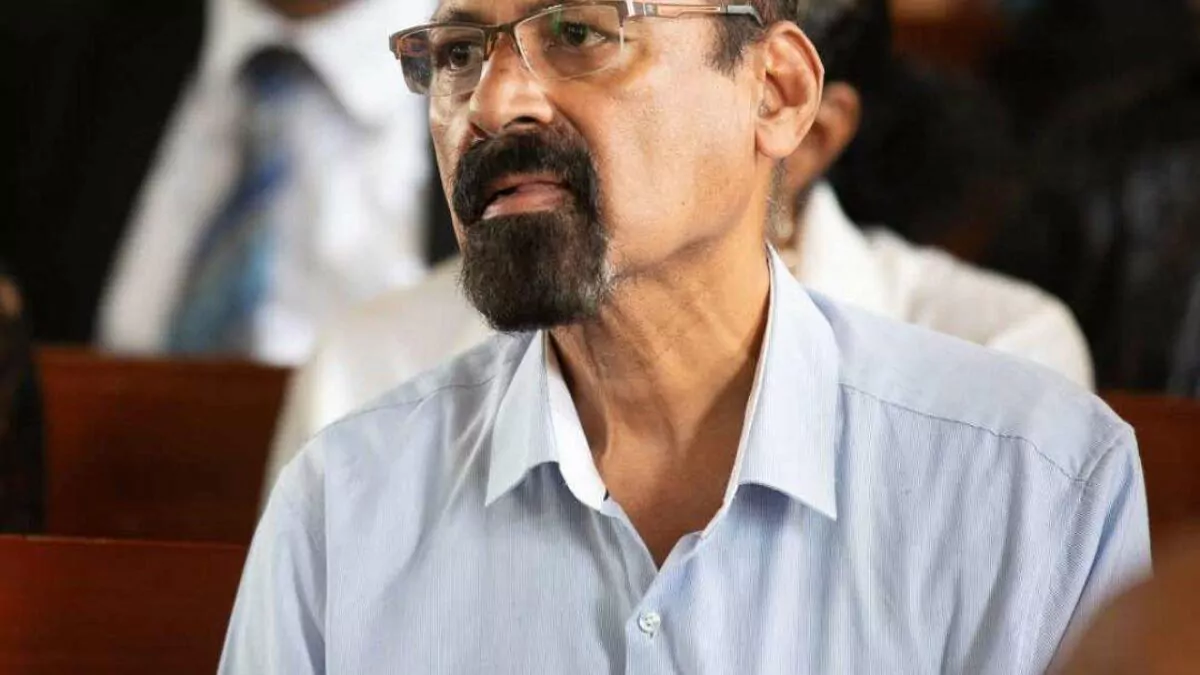
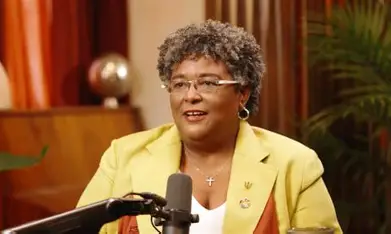
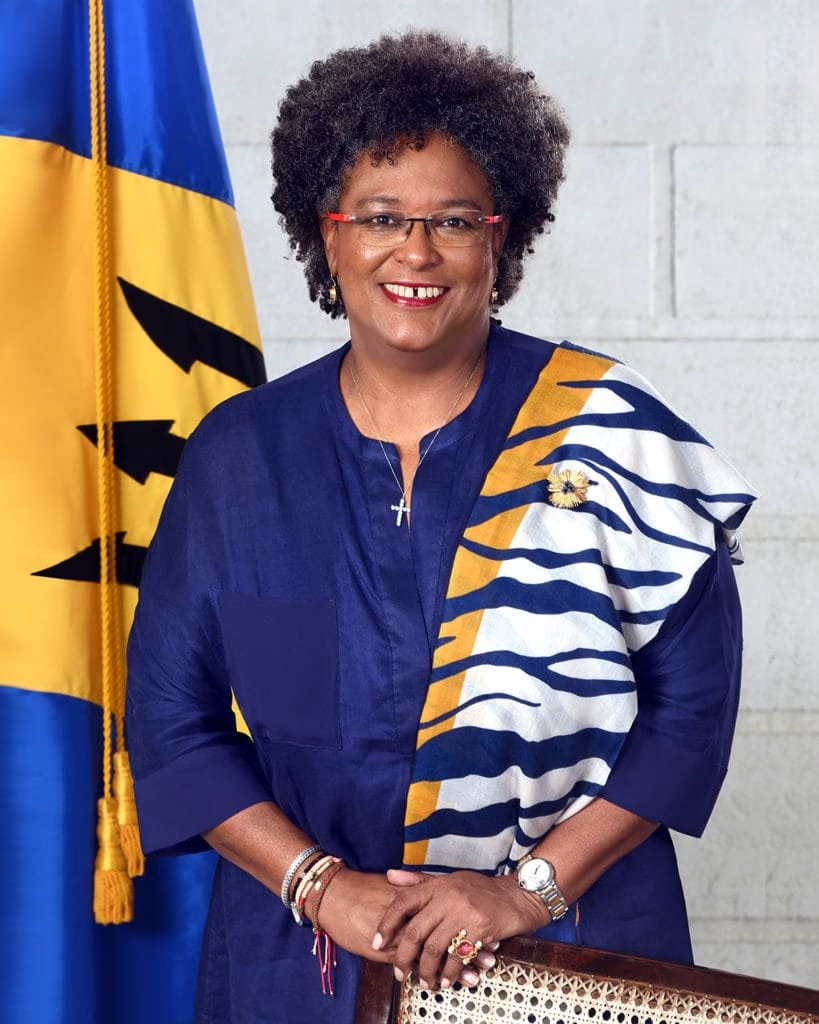
Barbados Prime Minister Mia Mottley has been a leading voice in the campaign for compensation. Hilary Beckles, head of the Caribbean Community Reparations Commission, has also urged British leaders to show remorse and support justice for Caribbean communities.
However, some critics oppose compensation. They argue that Caribbean governments must take greater responsibility for their countries’ economic challenges.
King Charles previously described slavery as an “appalling atrocity” that stained Britain’s history. Yet campaigners continue to demand a formal apology and meaningful action.
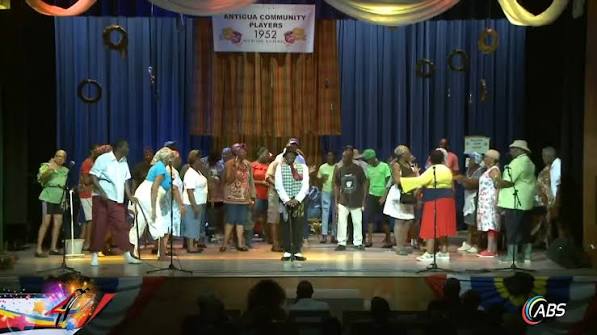
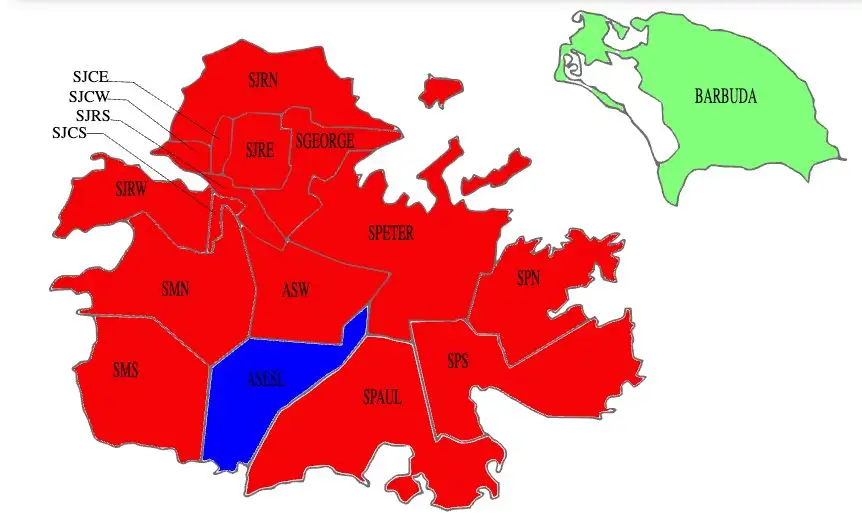
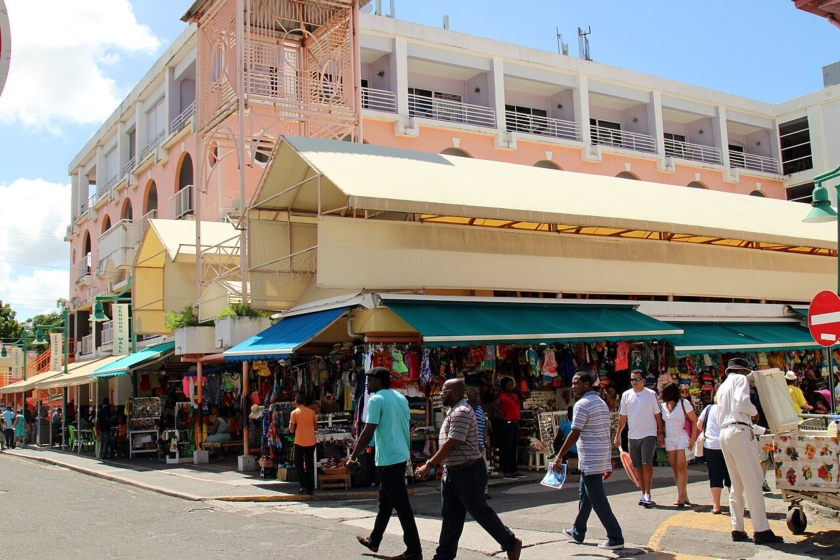
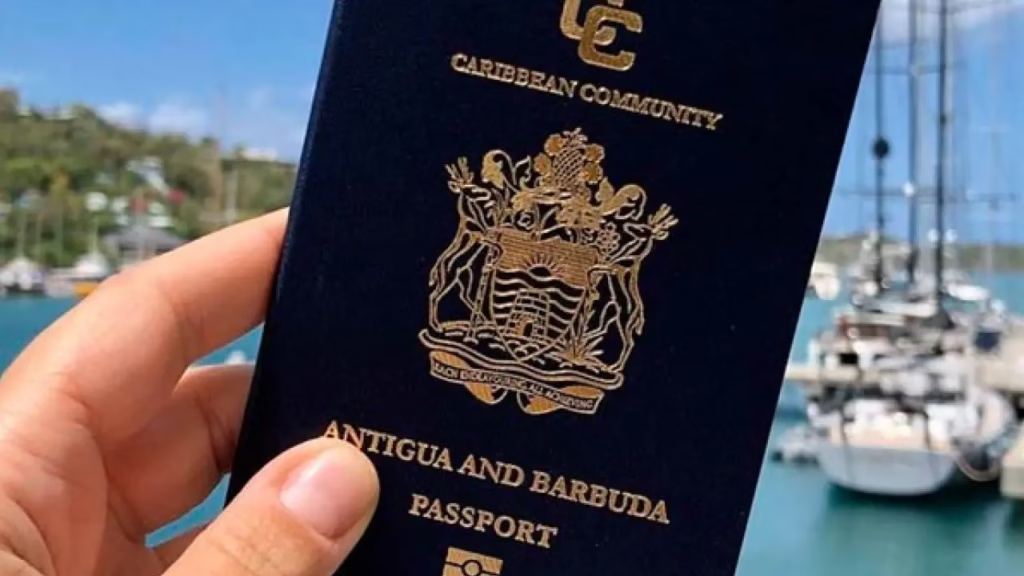
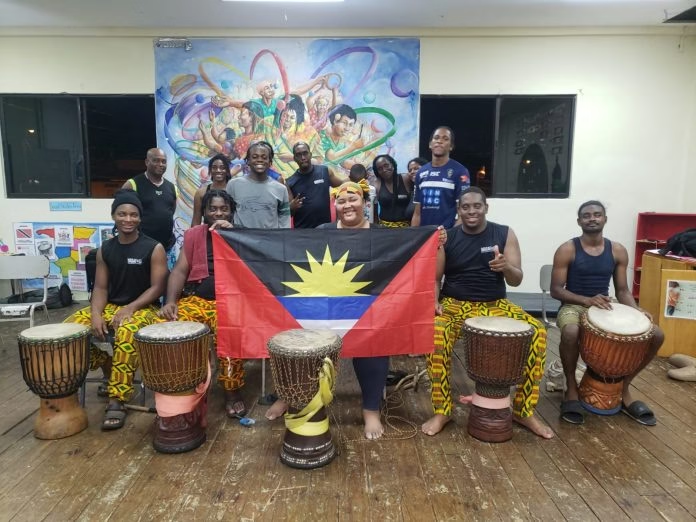
The debate remains important across the region. In Antigua and Barbuda, where King Charles serves as head of state, his visit brings fresh attention to calls for Britain to acknowledge its past.