
 English














































































































































































































































































































































































































































































































































































































































































































































































































































































































































































































































































































































































































































































































































































































































































































































































































































































































































































































































































































































































France Reports First Human Case of Shamonda Virus

France has reported the first documented human case of the Shamonda virus (Shav), a disease that primarily affects animals, according to French health authorities.
The patient died in early October after experiencing serious health complications. Officials described the infection as an exceptional case involving a severely immunocompromised person and said there was currently no risk to the wider public.
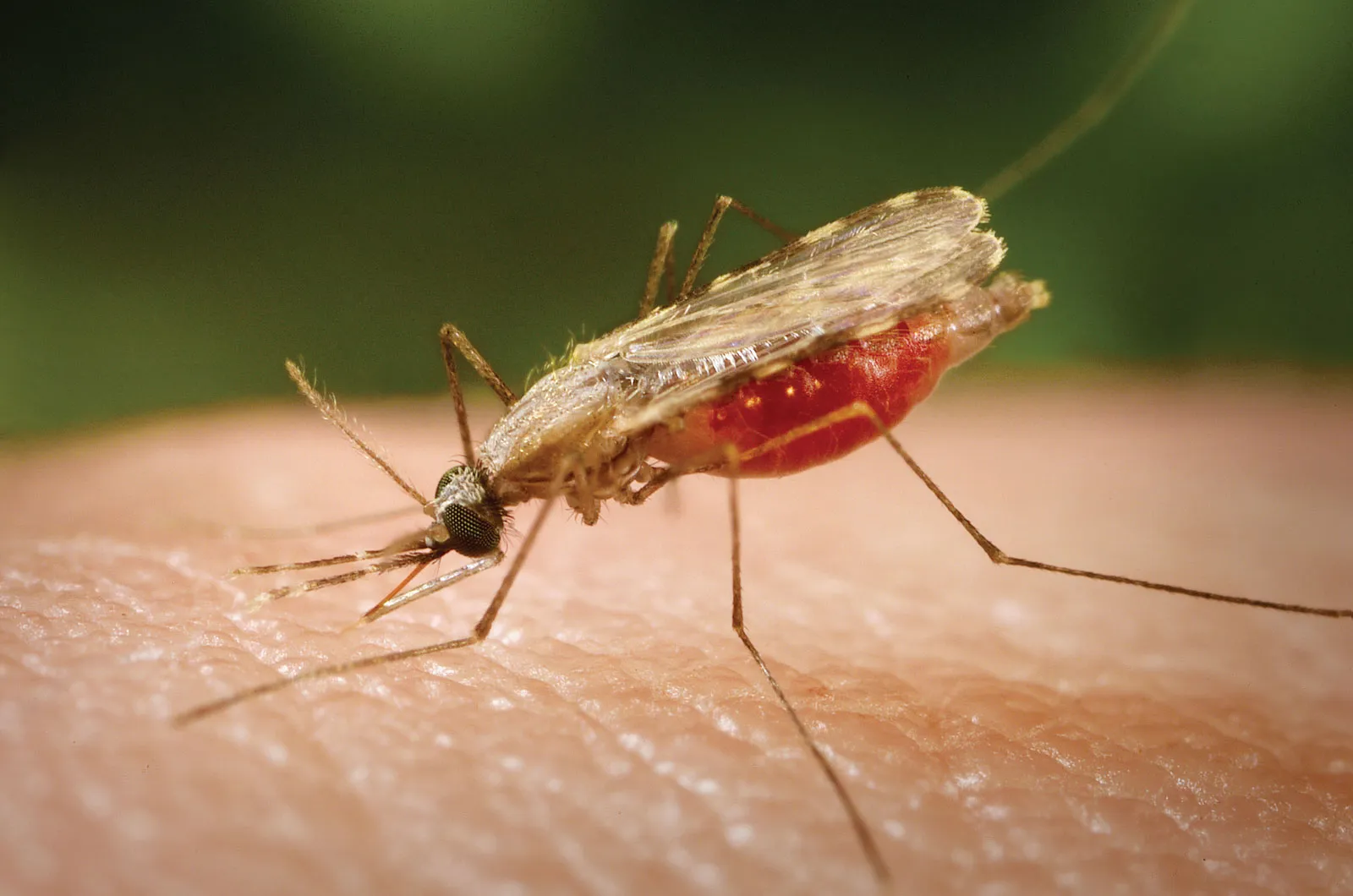
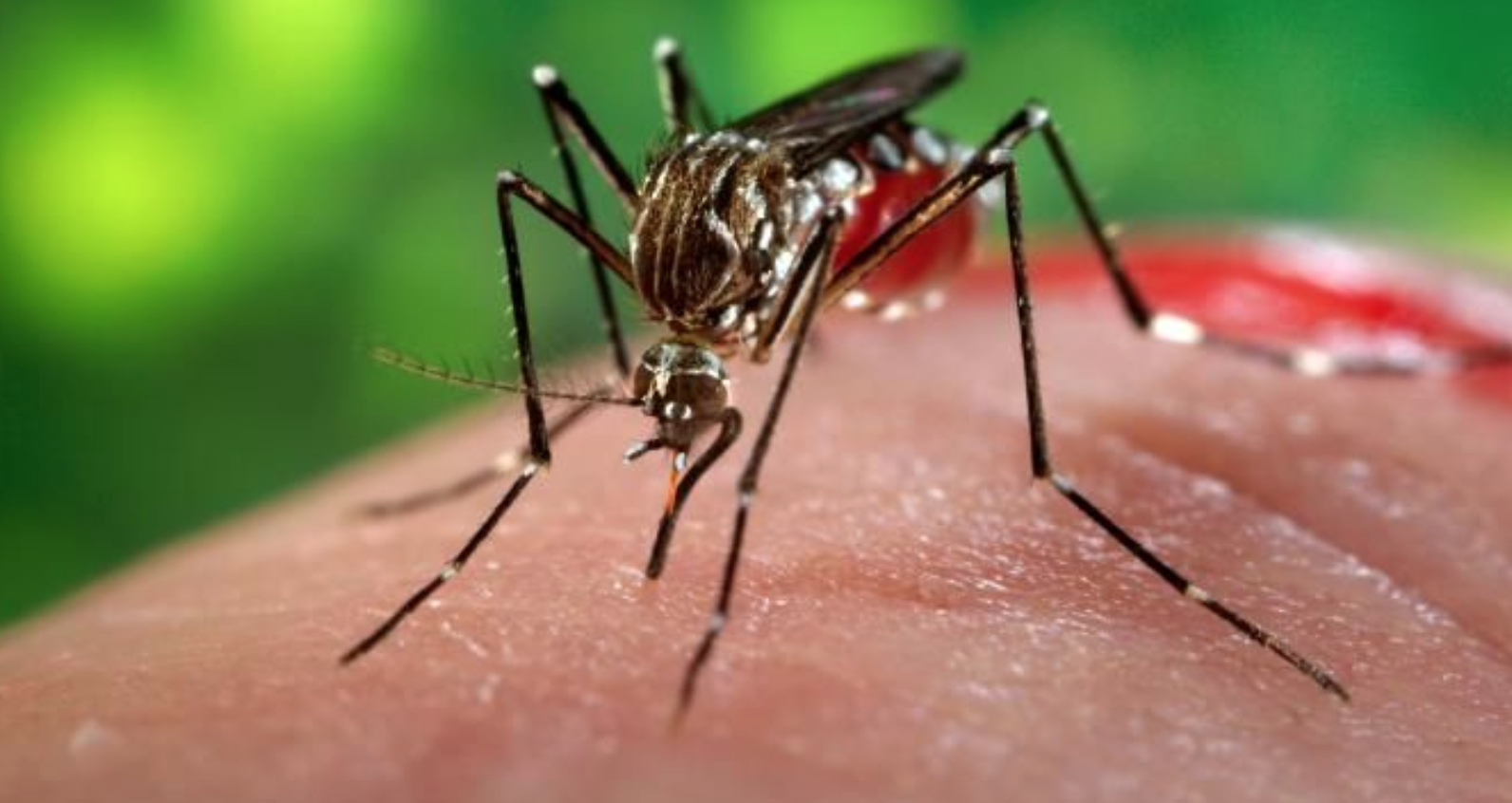
The virus mainly affects cattle and spreads through infected midges. It has also been detected in sheep, goats, alpacas and horses. Until this case, human infections had not been documented.
French health and agriculture ministries said the patient was receiving treatment for a serious illness at a hospital in Lyon when neurological complications developed. Initial findings suggested the complications were very likely linked to the Shamonda virus.
Investigators believe the patient may have contracted the infection through a midge bite in eastern France. The virus was first identified in animals in the country during the spring, and authorities are continuing to investigate how the infection occurred.
The World Health Organization (WHO) confirmed that this was the first documented human case. Although the organisation has not completed a formal risk assessment, it said available information suggests the case is isolated and unlikely to lead to wider transmission at this time.
The WHO also noted that the spread of viruses carried by midges generally decreases during cooler months.
The European Centre for Disease Prevention and Control (ECDC) is working with French and other European partners to investigate the potential public health implications of the case.
The Shamonda virus has been circulating among animals in Africa and Asia for decades. In cattle, infection can cause fever, diarrhea and reduced milk production, affecting dairy herds.
The virus has also been detected in farm animals in several European countries. The ECDC reported that the first cases in Europe were identified in late July, with subsequent detection in Ireland, Germany, Italy and Spain, as well as Jersey.
Despite the discovery of the first human infection, officials have emphasized that current evidence does not indicate a wider public health threat. Investigations remain ongoing as authorities work to understand how the virus crossed from animals to humans.