
 English












































































































































































































































































































































































































































































































































































































































































































































































































































































































































































































































































































































































































































































































































































































































































































































































‘Supersized’ El Niño May Become Strongest Ever Recorded, UN Says
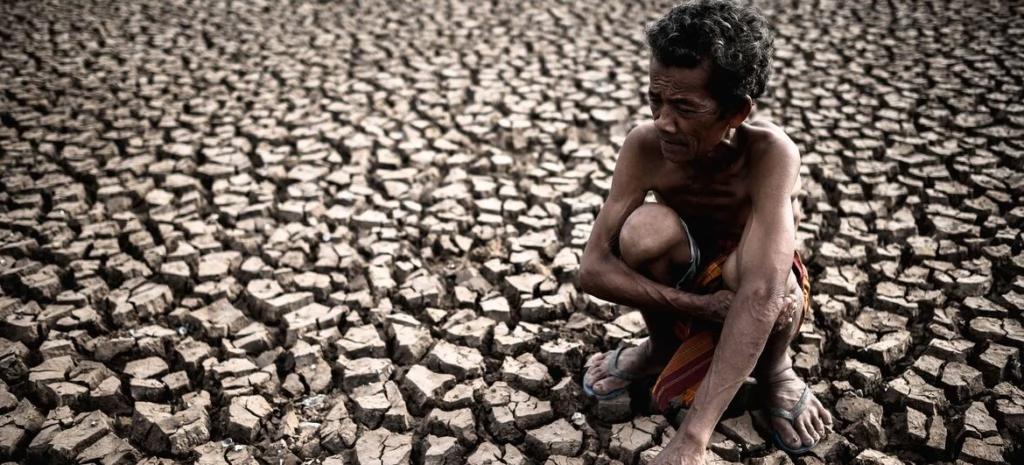
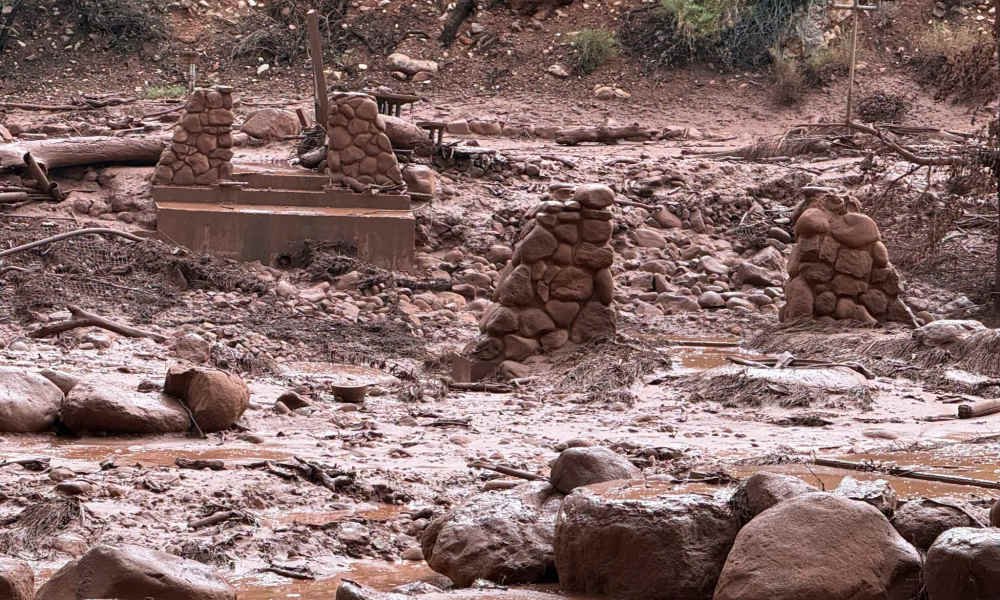
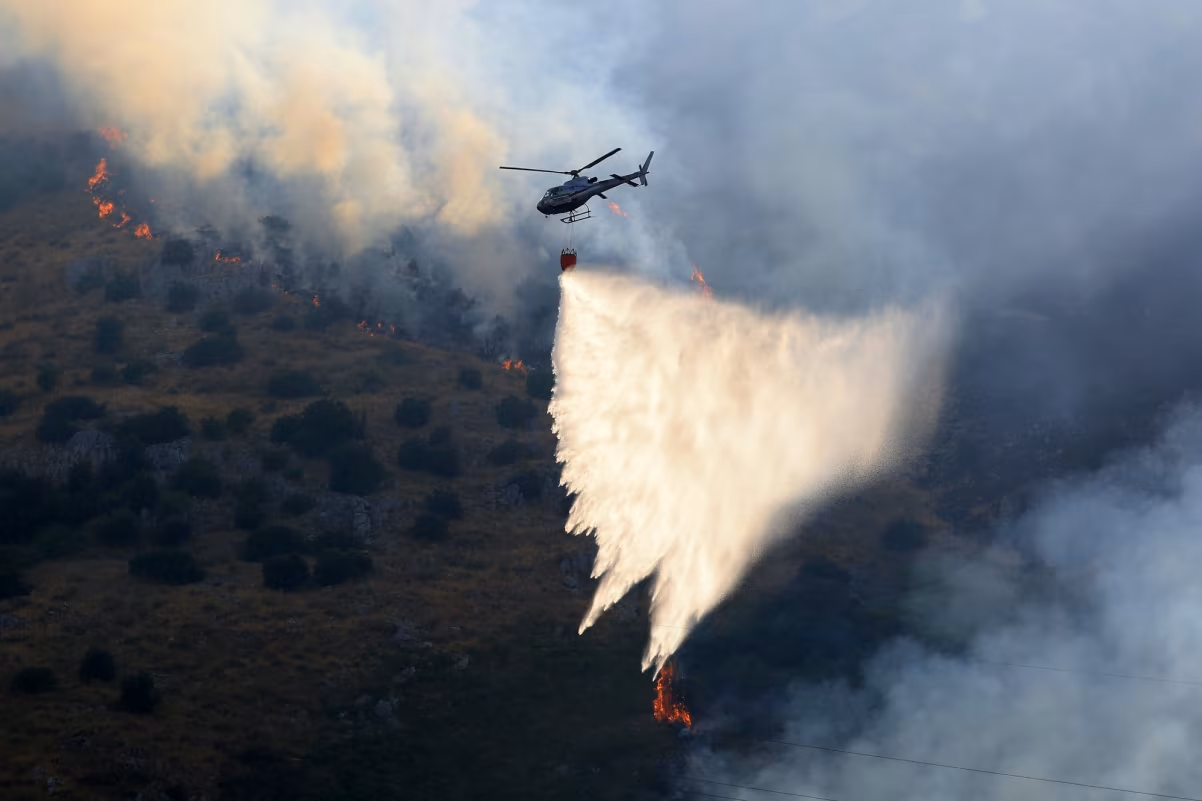
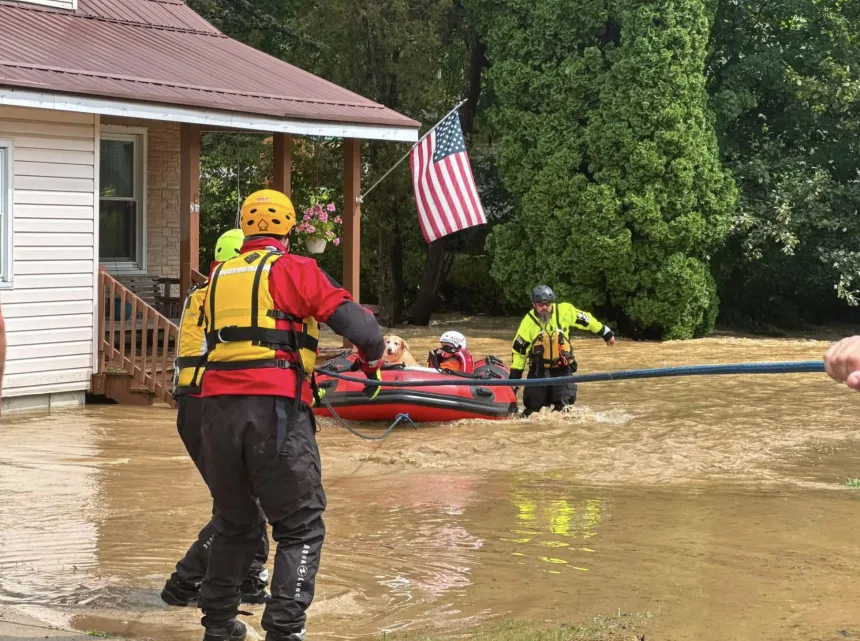
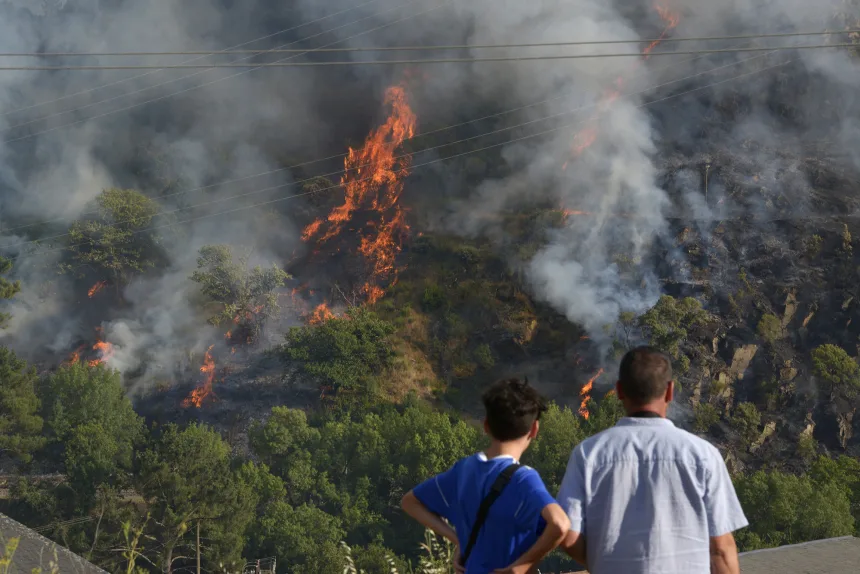
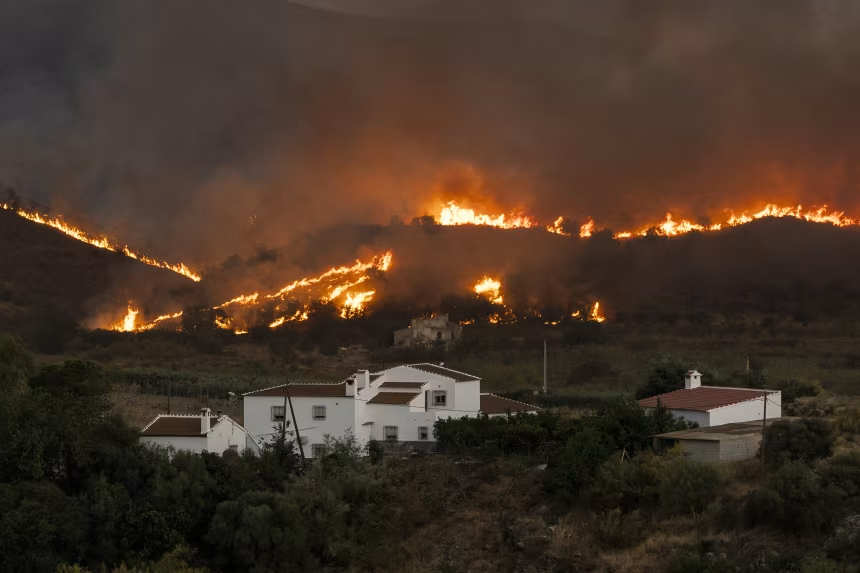
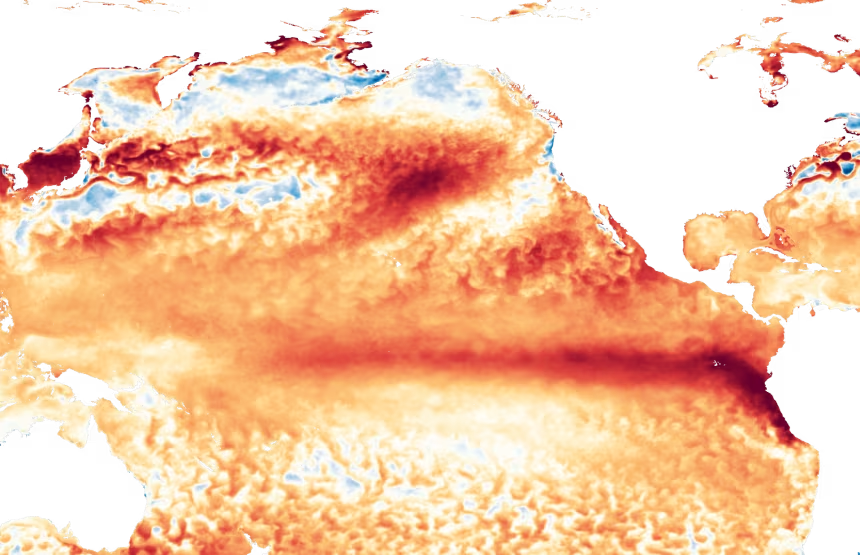
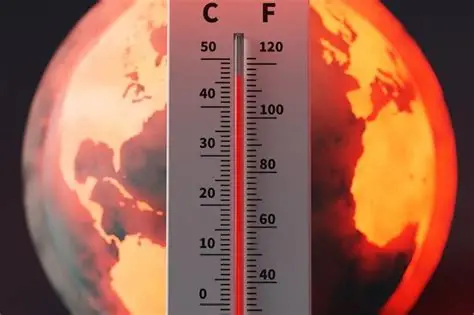
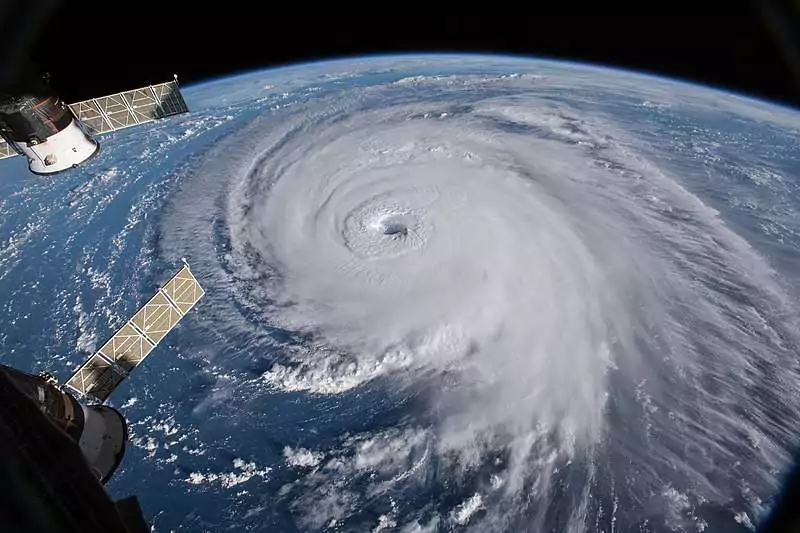
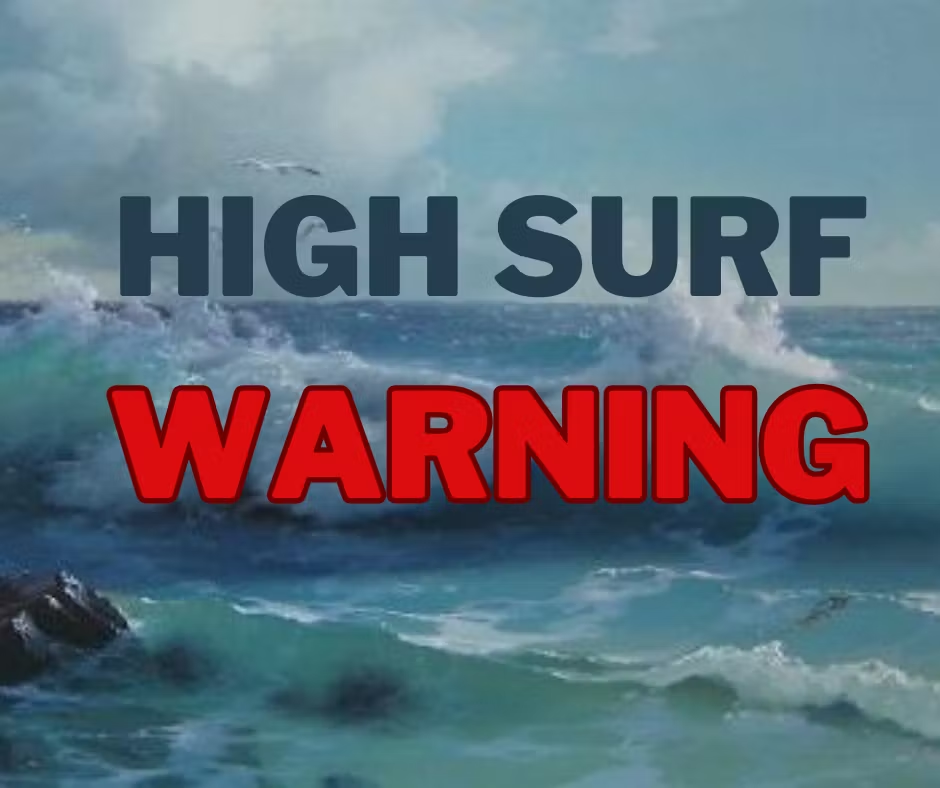
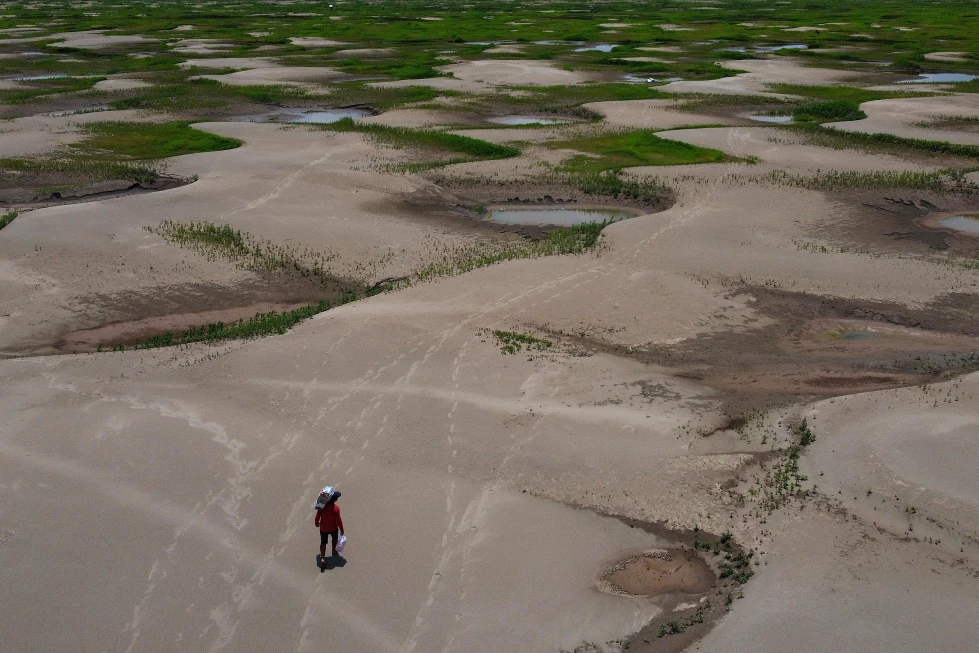
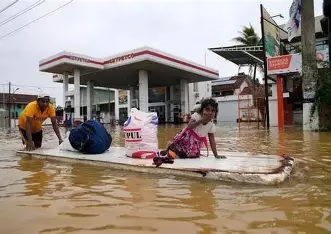
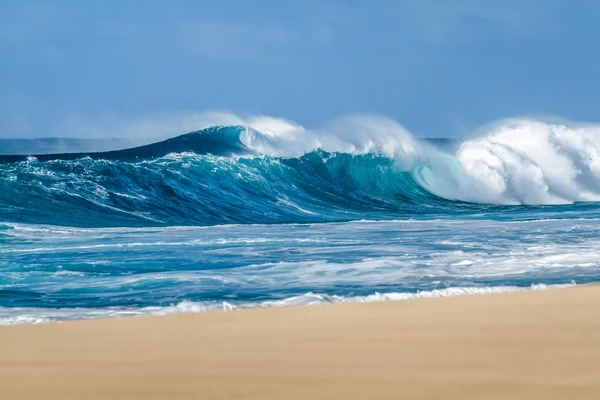
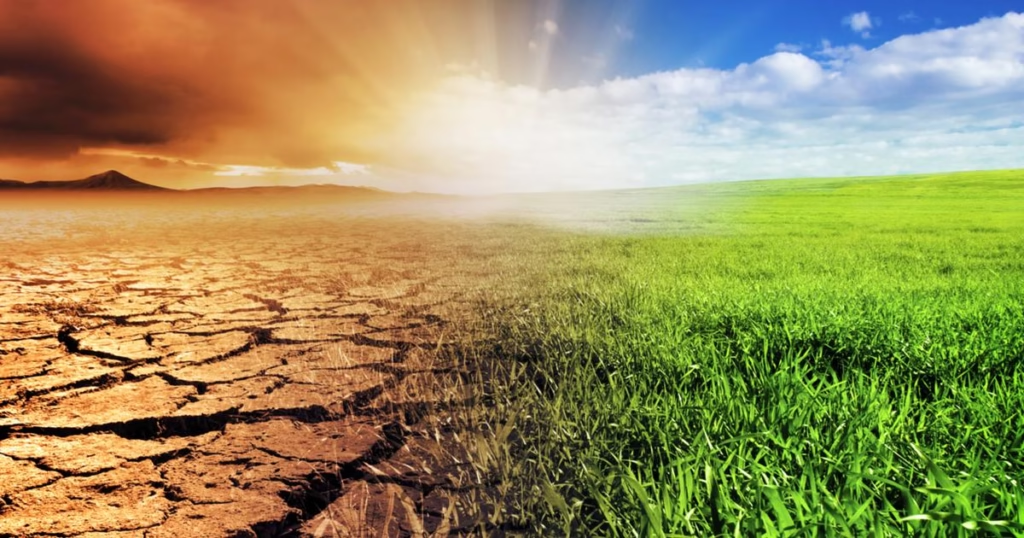
A “supersized” El Niño is rapidly strengthening in the Pacific Ocean. The United Nations says the event could become one of the strongest ever recorded. It could bring months of extreme heat, flooding, drought, and other disruptive weather around the world.
The World Meteorological Organization (WMO) says El Niño is already firmly established. Forecasters expect it to become “very strong” and peak around the end of 2026. They also give it a nearly 100 per cent chance of lasting through February 2027.
A large amount of unusually warm water sits below the tropical Pacific. This could give the supersized El Niño more fuel in the months ahead. In some areas, water temperatures were more than eight degrees Celsius above normal in July and early August.
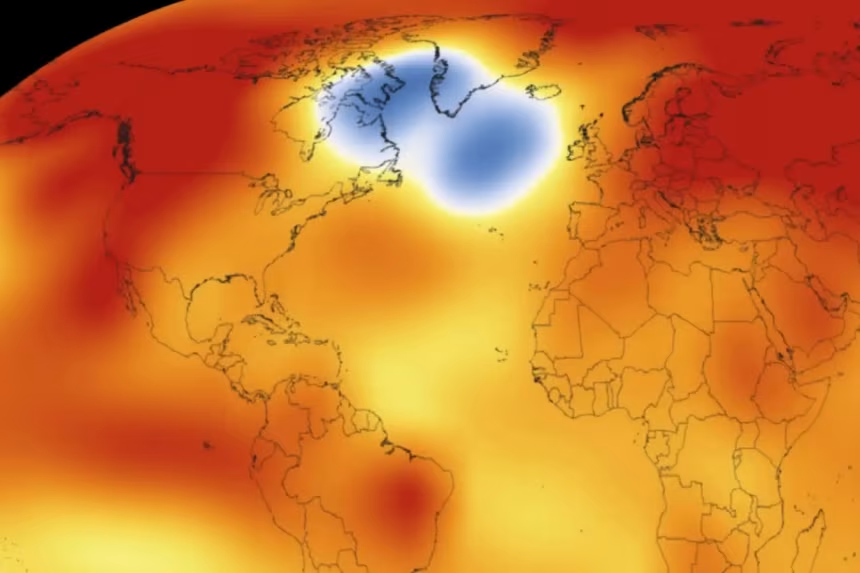
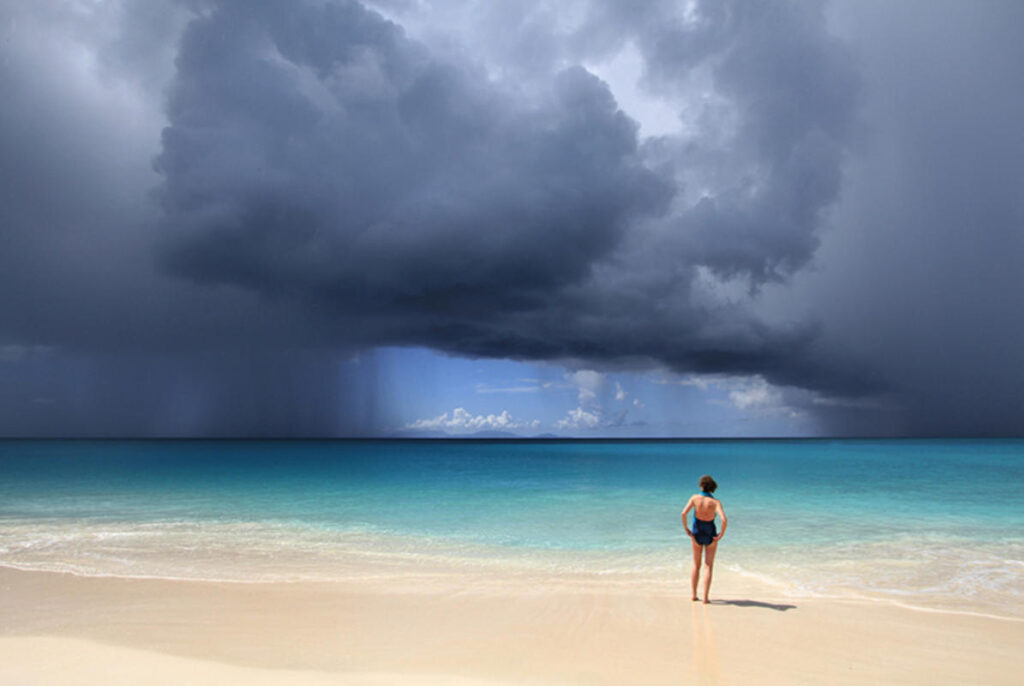
The event comes as oceans around the world remain exceptionally warm. Scientists have not confirmed that human-caused climate change is making El Niño stronger. However, warmer oceans and air can increase some of its effects. They can provide more heat and moisture for extreme weather.
Recent measurements show how quickly the supersized El Niño is developing. The Niño 3.4 index tracks water temperatures in the central tropical Pacific. It averaged 1.5°C above normal from May through July. By July, it reached 2°C. Weekly readings later climbed as high as 2.6°C.
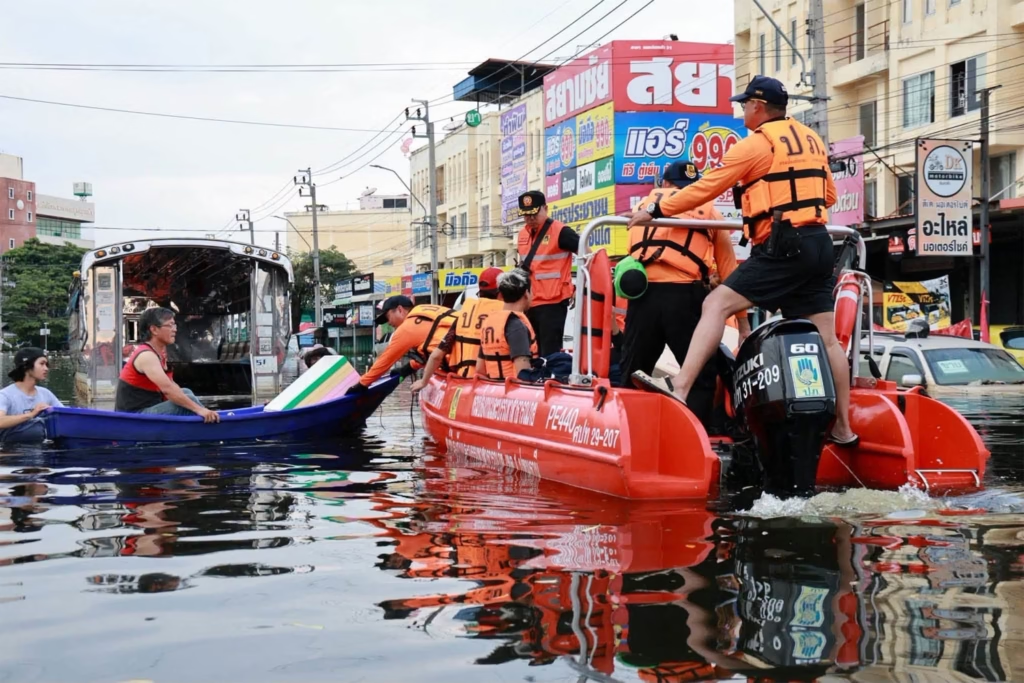
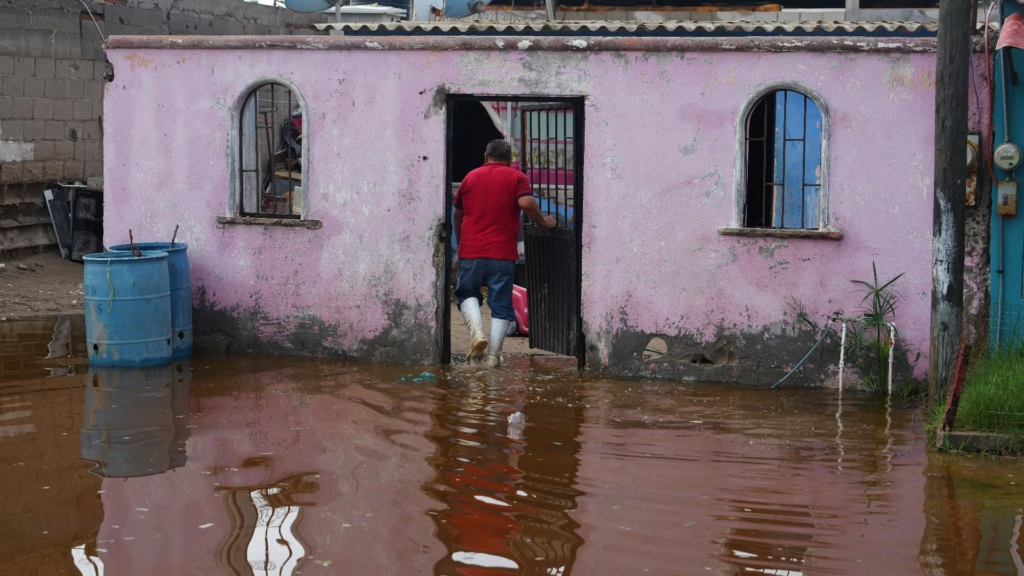
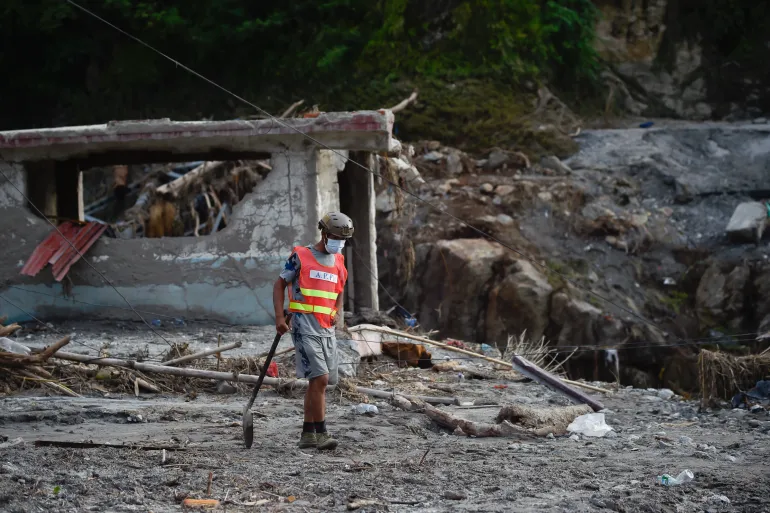
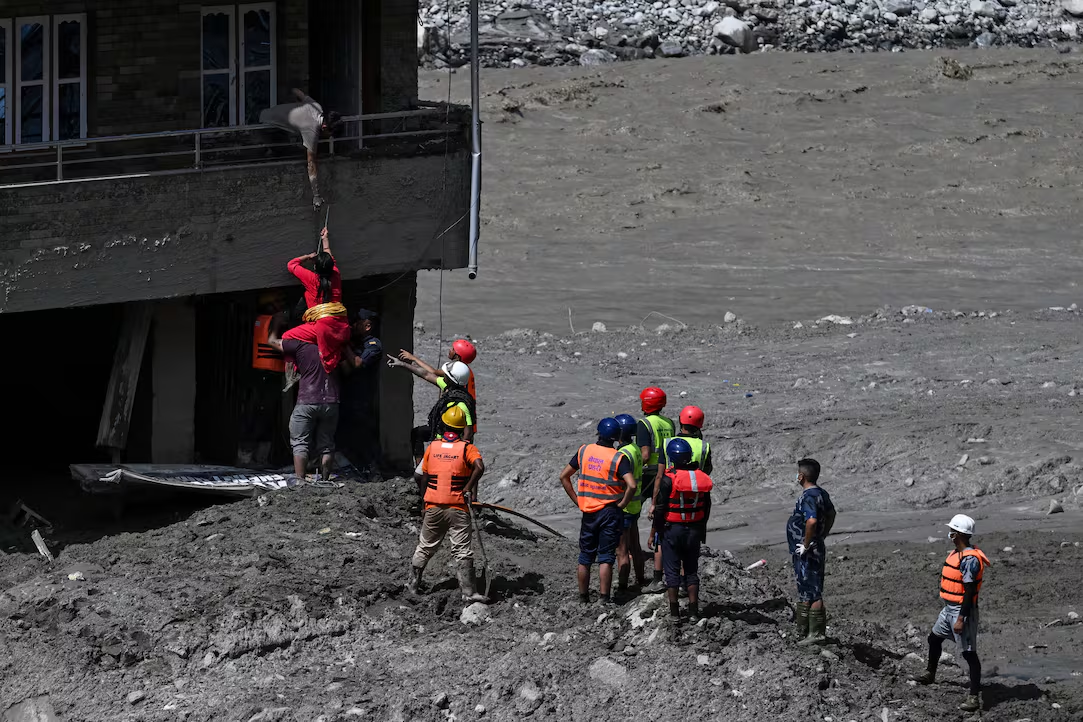
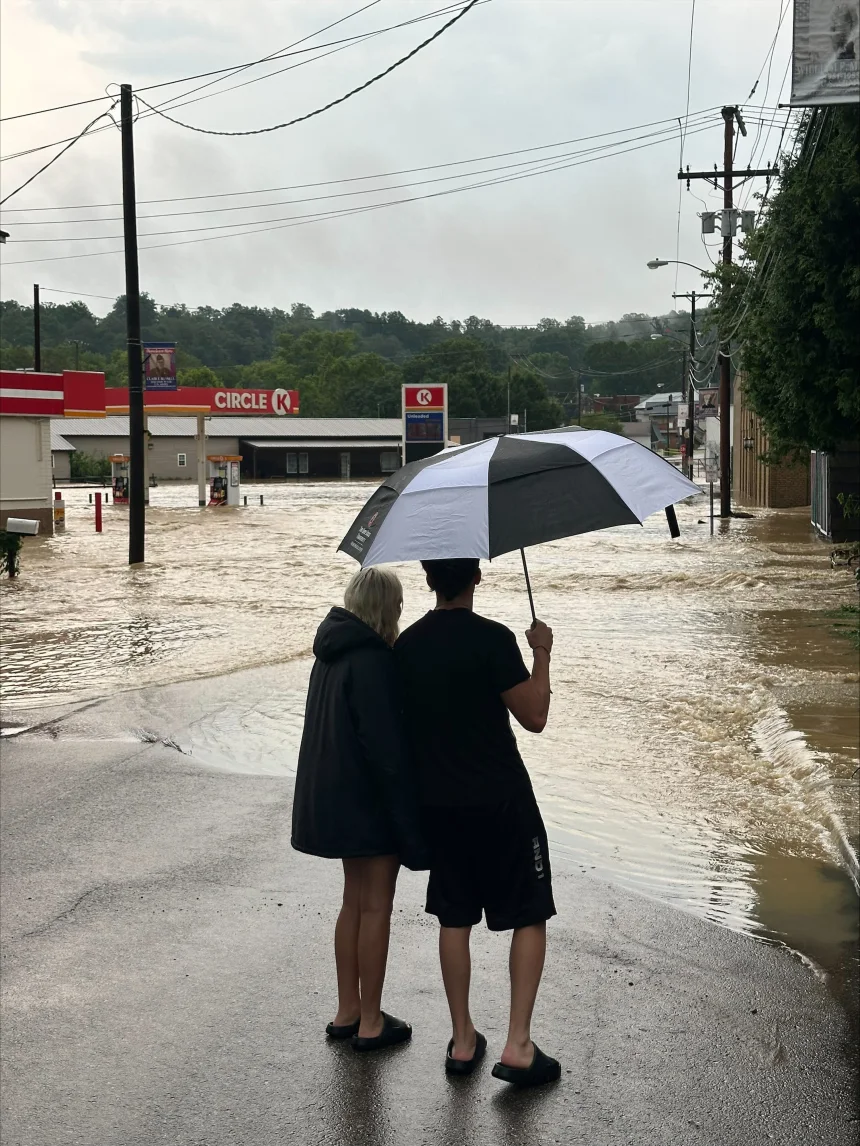
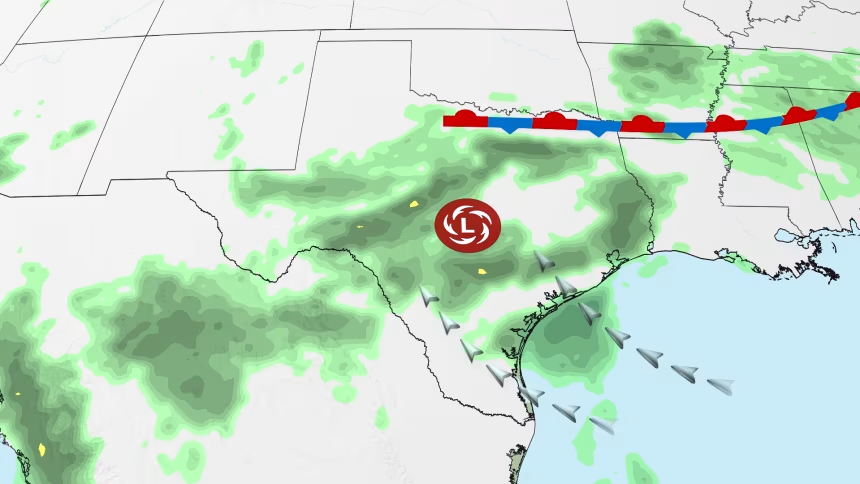
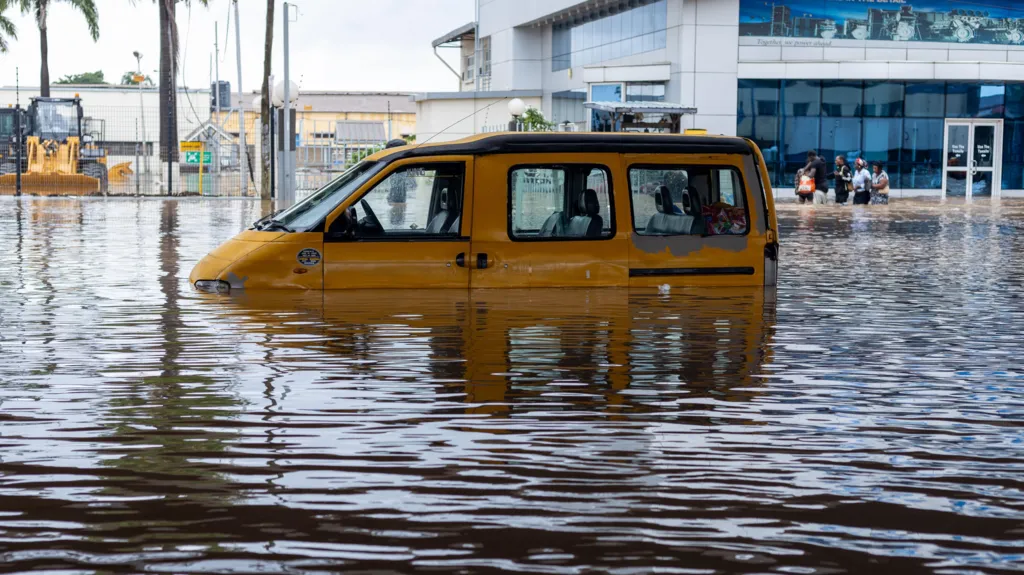
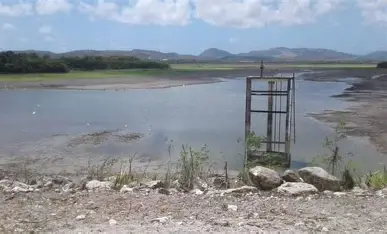
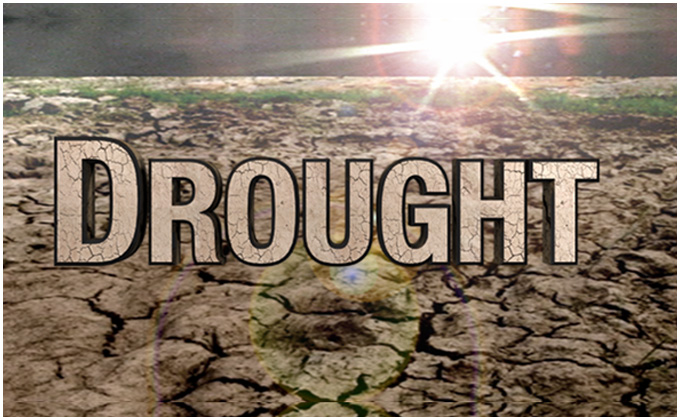
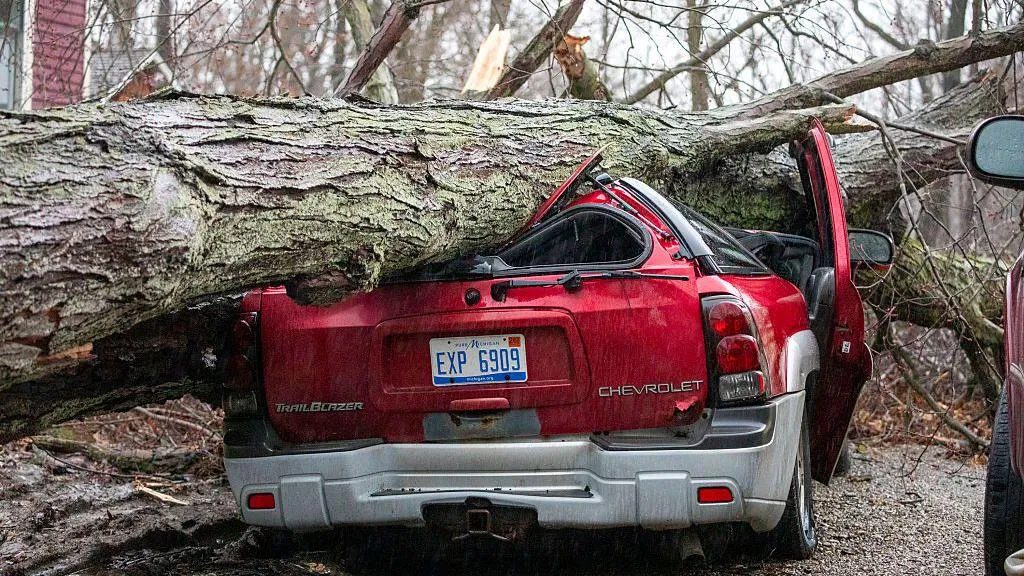
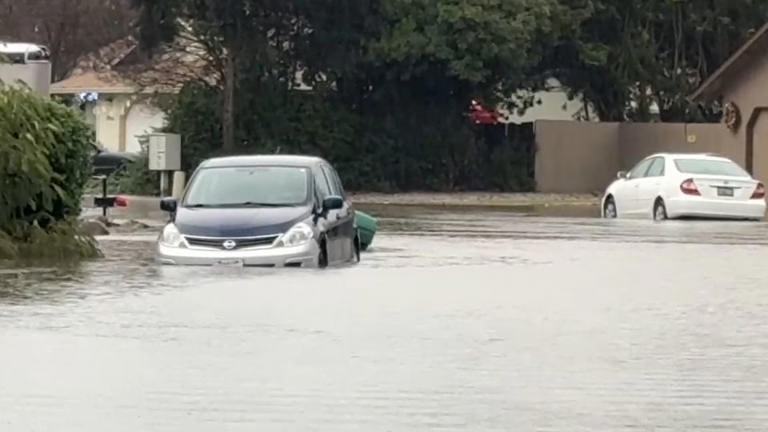
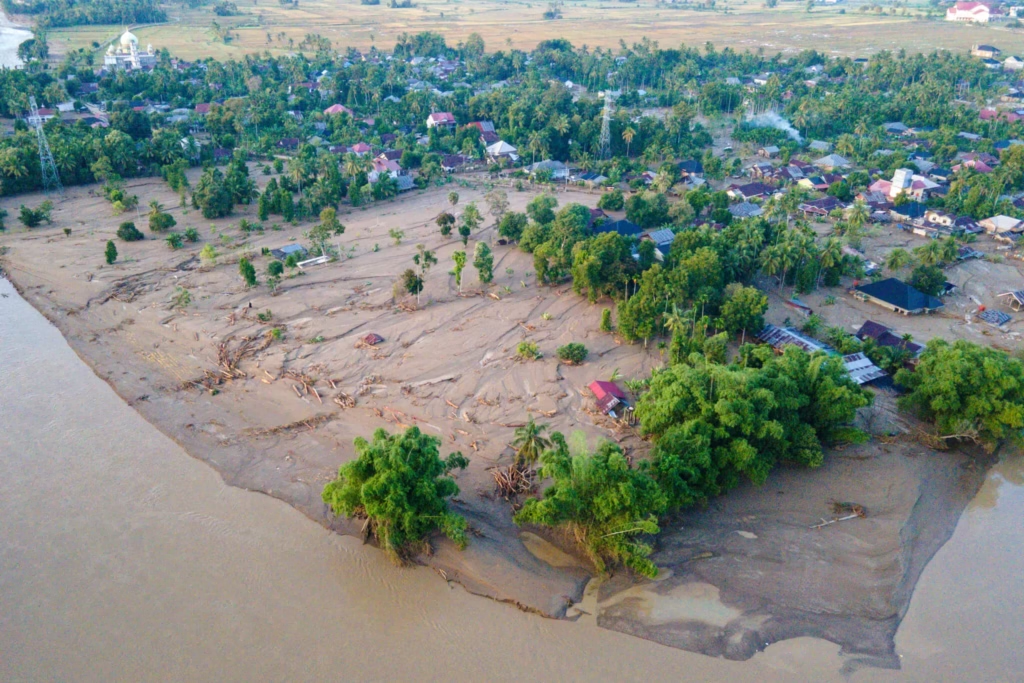
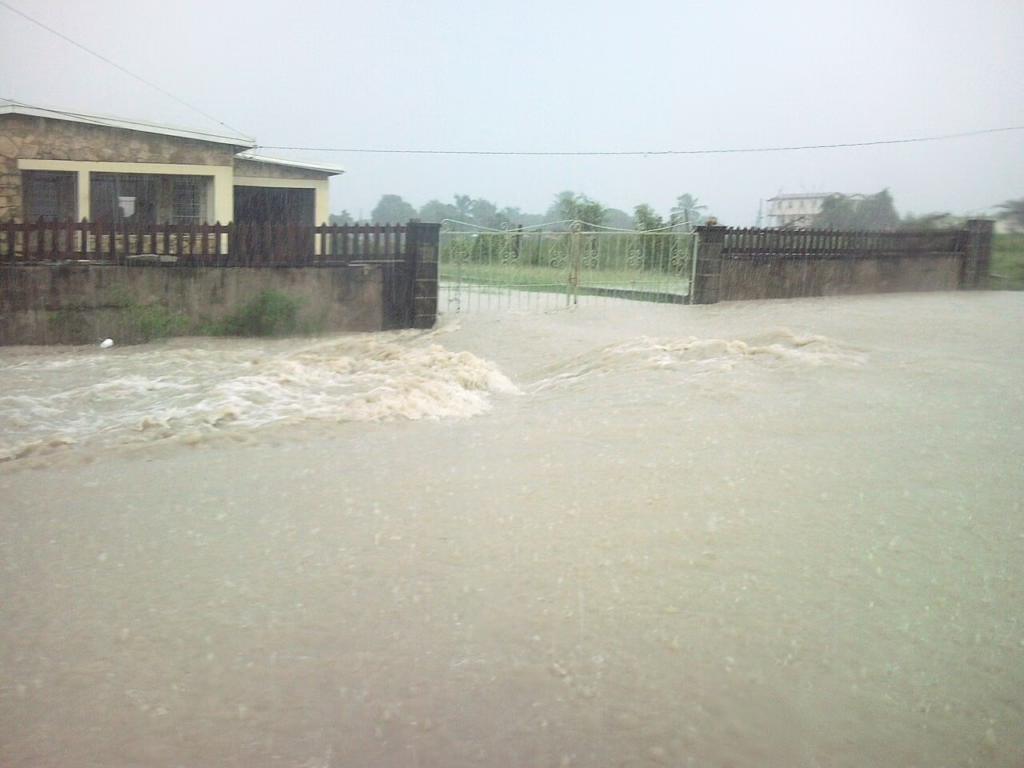
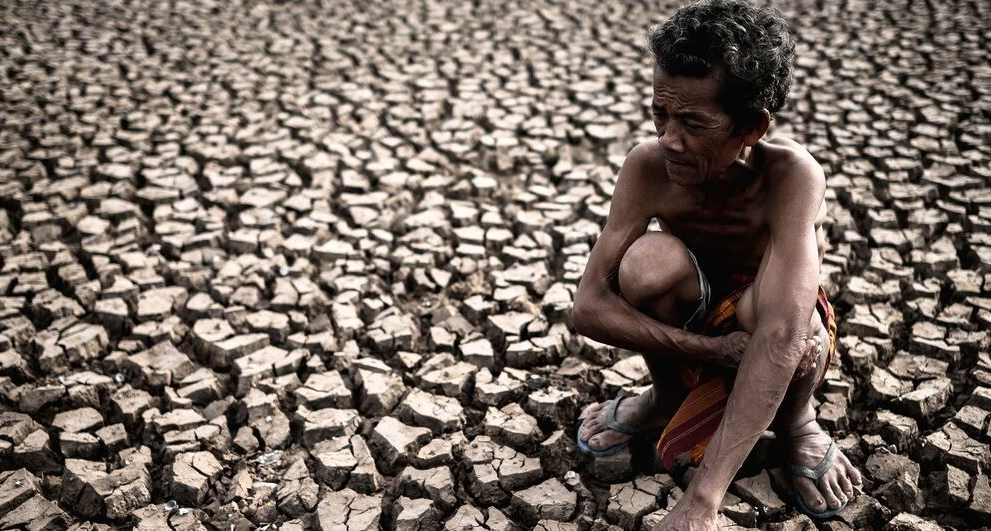
Forecasters expect above-normal temperatures across almost the entire planet from September through November. Rainfall patterns could also change. Some regions may face heavier rain and flooding. Others could experience drought.
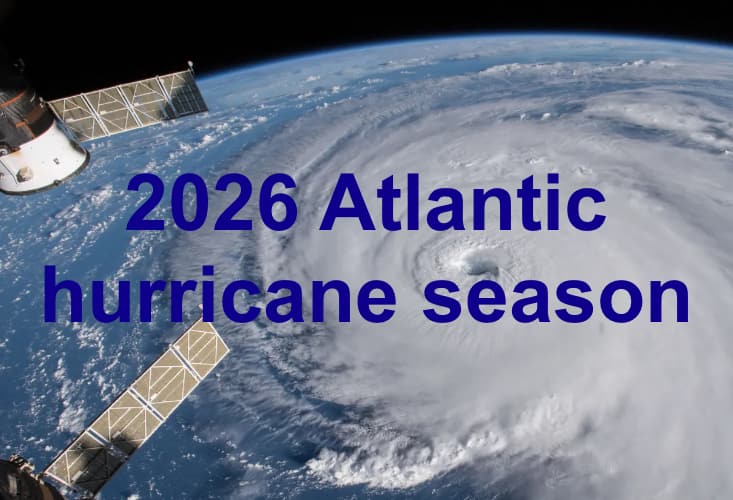
However, the strength of El Niño does not determine the exact conditions in every country. Other climate patterns may also affect the weather. These include a positive Indian Ocean Dipole and unusually warm waters in the tropical Atlantic.
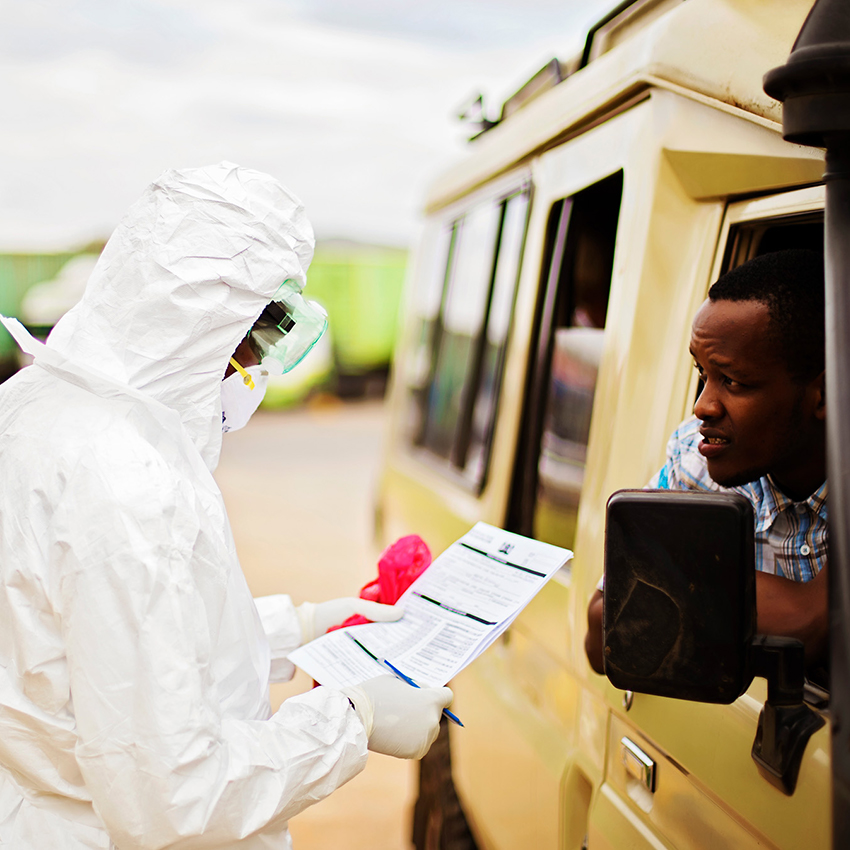
The World Health Organization has launched a major mobilisation with national weather agencies. The goal is to improve forecasts and early-warning systems. Governments and humanitarian groups can then prepare for possible impacts on agriculture, public health, energy, and water supplies.
The supersized El Niño has not reached its expected peak yet. The WMO is therefore urging countries to strengthen their preparations as the risks continue to grow.