
 English





























































































































































































































































































































































































































































































































































































































































































































































































































































































































































































































































































































































































































































































































































































































































































































































































































































































































































































Inside The Spectrum: When Little Questions Carry Heavy Mental Loads: “Mommy, Do I Have a Dad?”

“Mommy, do I have a dad?”
Not “Where is my dad?” Not “Why doesn’t he visit?”
“Do I have a dad?”
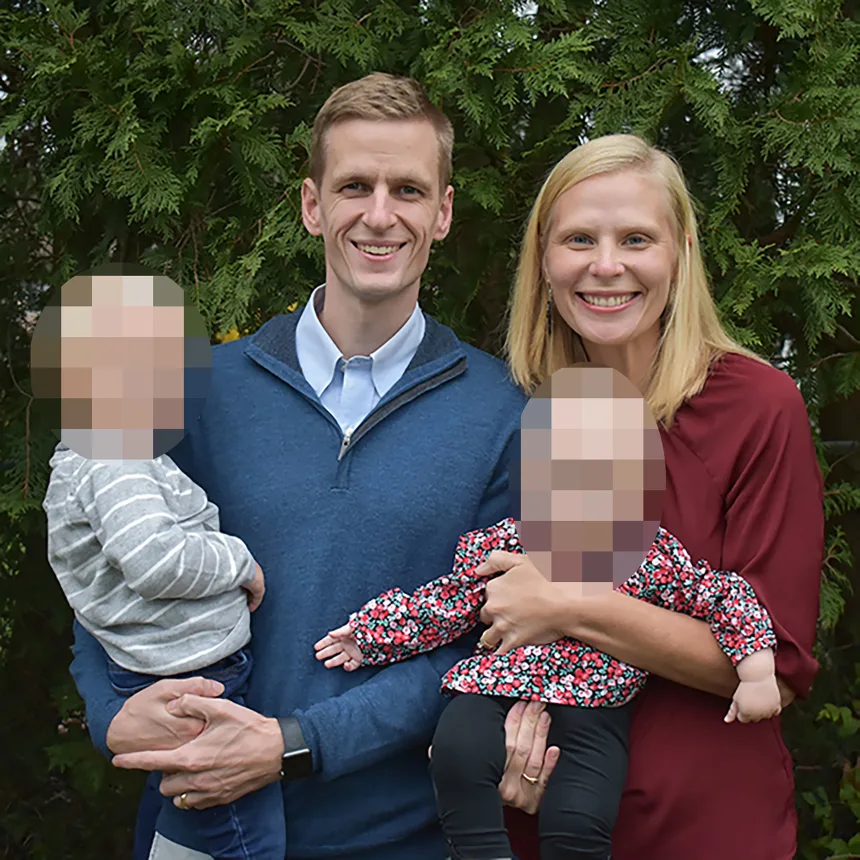
Nickolas asked me that question some time ago, and I have never forgotten it. He wasn’t simply asking about someone’s whereabouts. He was trying to make sense of his own family.
I found myself wondering: What does he think when people disappear from his daily life? Does he understand why they are no longer around? And, on a deeper, more personal level, could he believe that their absence is somehow his fault?
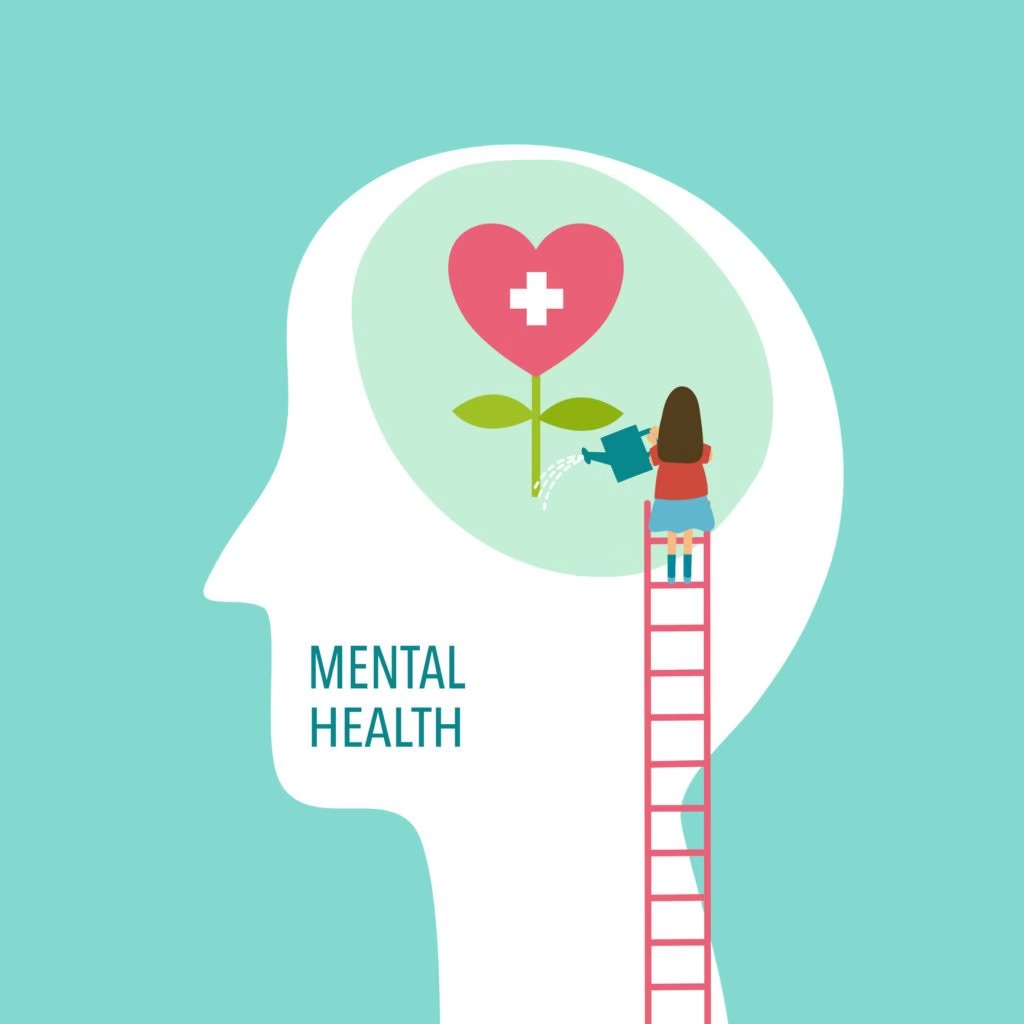
As we reflect on World Mental Health Day, observed on October 10, I want us to look beyond the usual conversations about autism services and ask a more difficult question: What is happening in the minds of the people living this journey?
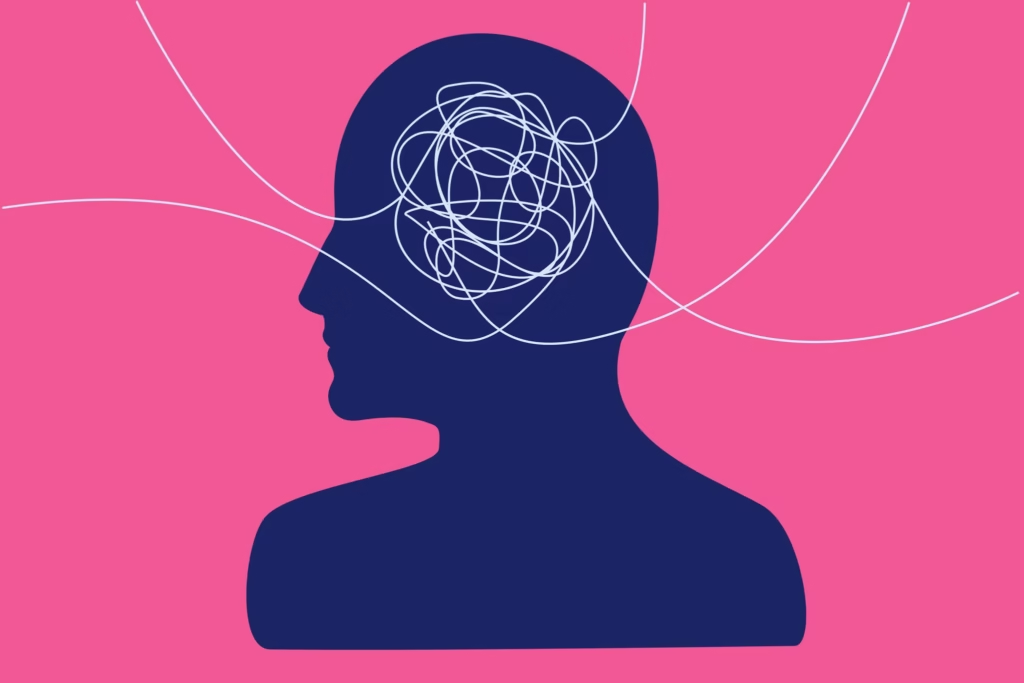
Mental health is not only about feelings. It also affects how we think, process experiences, cope with stress, make decisions and understand ourselves.
Recently, changes in our circumstances have meant that familiar people and routines are no longer part of Nickolas’s everyday life. I cannot presume to know exactly how he interprets every absence. However, I know these changes may raise questions that we need to listen for rather than brush aside.
Now, imagine a parent trying to answer those questions while managing appointments, schooling, therapies that may be difficult to access, transportation, finances, employment and concerns about the future. Imagine carrying all these responsibilities without another parent to share the decisions.
Consider the solo parent.
Who helps her think through a difficult decision when she is exhausted? Who steps in when she can no longer concentrate? Who notices when her mind is already racing through tomorrow’s problems before she has finished dealing with today’s?
Sometimes, the mental labour is more exhausting than the physical work. You can sit down and still struggle to rest because the planning, worrying, anticipating and problem-solving never seem to stop.
Moreover, these responsibilities do not disappear when a child reaches puberty, begins menstruating, experiences behavioural changes, enters adolescence or becomes an adult. Every stage brings new practical questions, often without a clear guidebook.
For some families, parental absence adds another layer of complexity. A parent may struggle to understand a child’s diagnosis, adjust to changing responsibilities or navigate challenges within the relationship. Whatever the circumstances, the parent who remains may find themselves making decisions alone while the child tries to understand the changes taking place within the family.
The mental and emotional effects of these changes deserve attention, not silence.
And what about the siblings? When one child’s needs require so much attention, who takes the time to ask what the other children are thinking and feeling? Do they feel less important? Are they afraid to raise their concerns because they do not want to add to an already stretched household?
We need services, trained professionals and accessible opportunities. Absolutely! However, one institution or centre cannot be the entire village.