
 English


































































































































































































































































































































































































































































































































































































































































































































































































































































































































































































































































































































































































































































































































































































































































































































SpaceX Launches 6,300 Pounds of Cargo to ISS
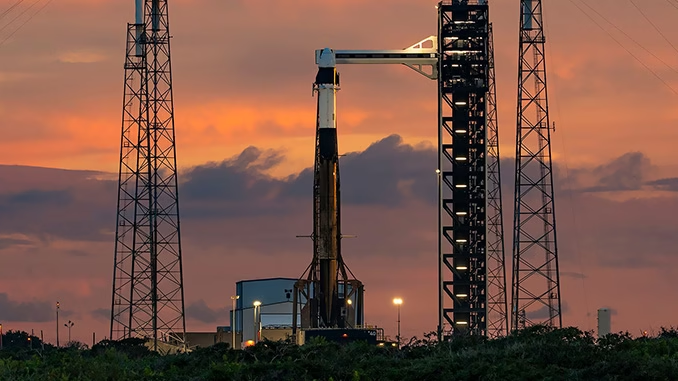
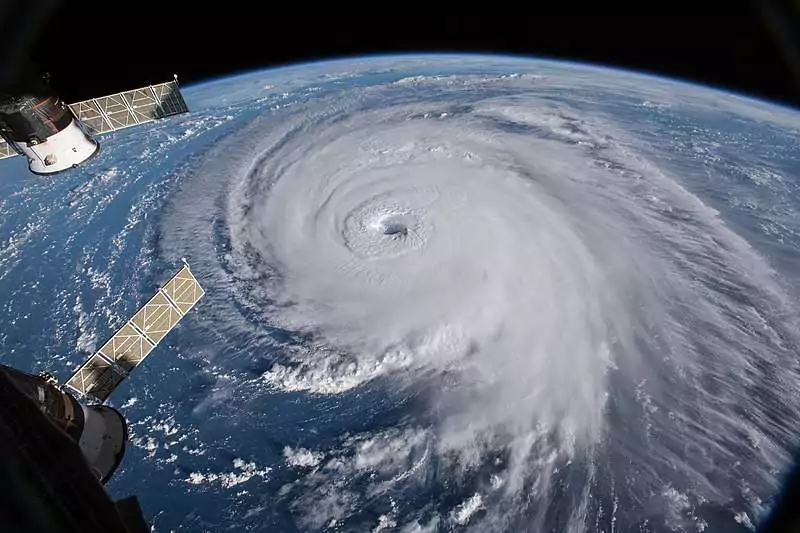
SpaceX has launched its latest cargo mission to the International Space Station (ISS). The spacecraft carries 6,300 pounds of supplies, solar arrays and scientific equipment for astronauts aboard the orbiting laboratory.
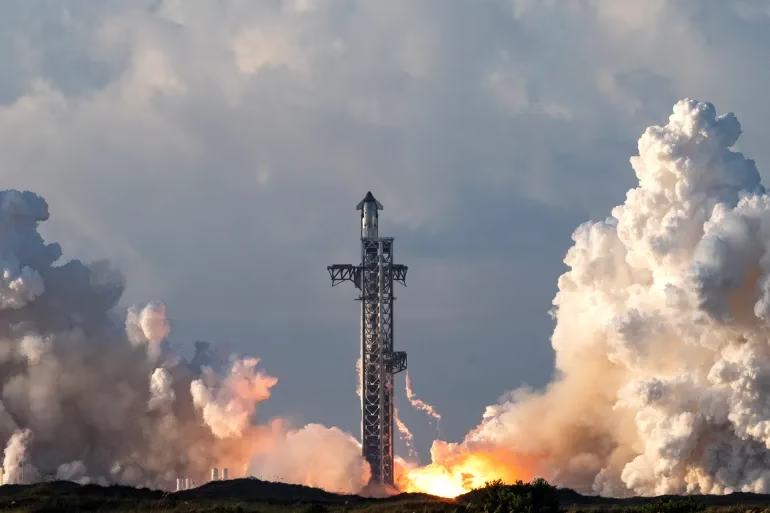
A Falcon 9 rocket lifted off from Cape Canaveral Space Force Station in Florida on Tuesday, October 13, at 6:35 a.m. EDT. The rocket carried a robotic Dragon capsule into orbit. This launch began CRS-35, the 35th resupply mission SpaceX has flown under its contract with NASA.
The Dragon capsule is expected to reach the ISS on Thursday, October 15. It will then dock autonomously with the station’s Harmony module. Meanwhile, astronauts will prepare to receive the cargo and support ongoing research.
One major item aboard the SpaceX spacecraft is the final set of International Space Station Roll-Out Solar Arrays. These arrays will increase the station’s available power supply. In addition, the shipment includes equipment for several scientific experiments.
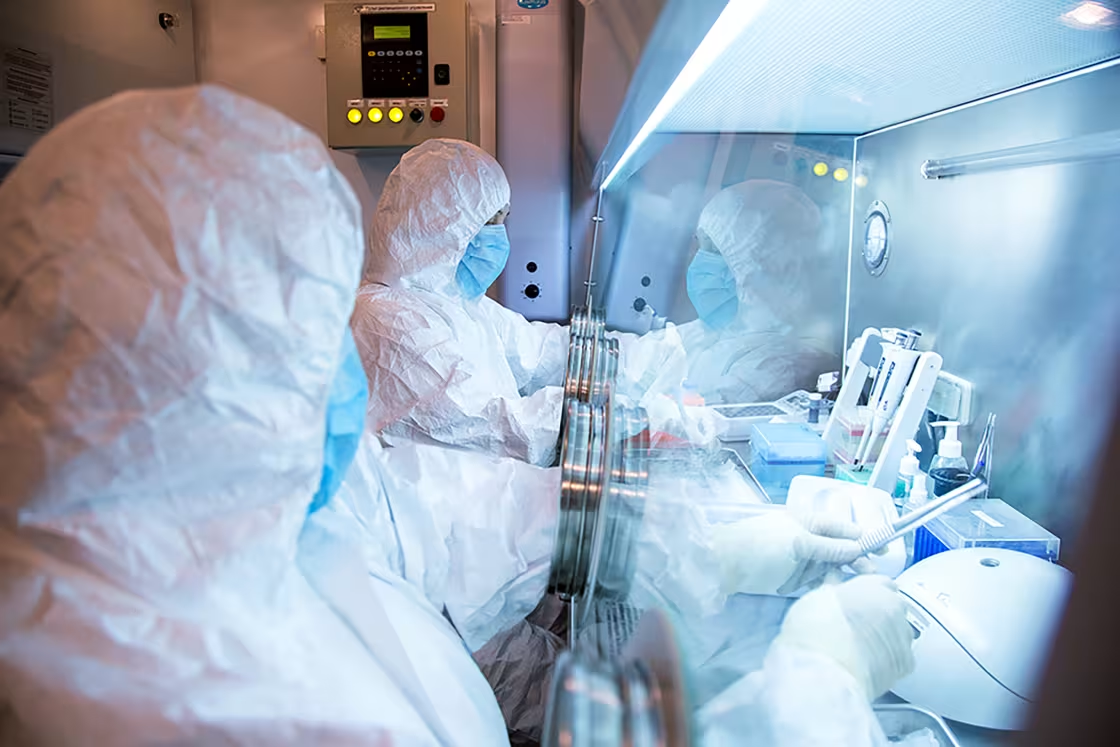
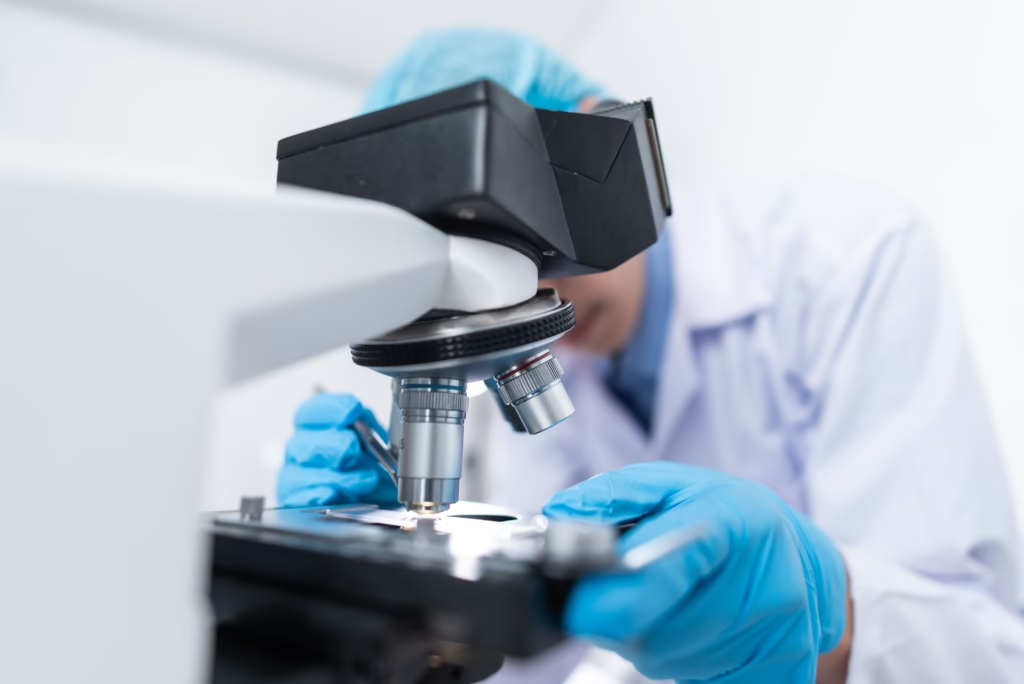
According to NASA, the cargo includes hardware for manufacturing artificial retinas in microgravity. Researchers hope this work will help restore vision on Earth. The mission also carries equipment to create three-dimensional heart tissue models. These models could support large-scale drug testing during future missions.
Furthermore, SpaceX is delivering materials to study how a new type of glass forms in microgravity. Scientists will also examine brain organoids. This research could help identify potential treatment targets for diseases such as Alzheimer’s, Parkinson’s and multiple sclerosis.
The Dragon spacecraft will remain attached to the ISS for about a month. Afterward, it will return to Earth carrying scientific experiments and other equipment. The capsule will use parachutes before splashing down in the Pacific Ocean off California’s coast.
SpaceX’s Dragon is currently the only operational cargo spacecraft capable of returning cargo from the ISS to Earth. By comparison, Russia’s Progress, Japan’s HTV-X and Northrop Grumman’s Cygnus XL are expendable vehicles. They burn up in Earth’s atmosphere after completing their missions.