
 English



















































































































































































































































































































































































































































































































































































































































































































































































































































































































































































































































































































































































































































































































































































































































































































































































































































































































































































































































































Rare Earthquake Wave Shifted Japan
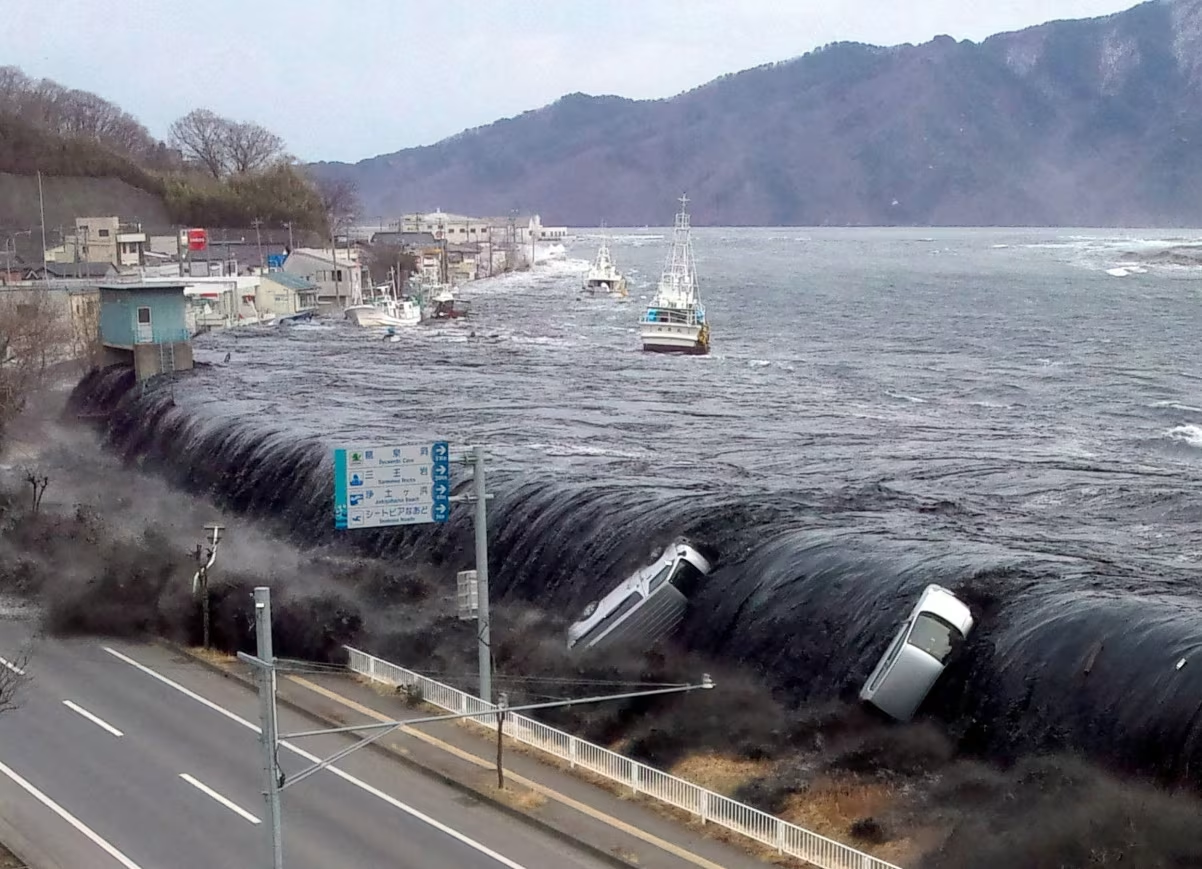
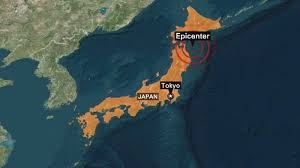
A new study has revealed that a rare seismic phenomenon caused nearly all of Japan to shift eastward following the powerful 9.0 magnitude earthquake that struck the country on March 11, 2011.
About 15 minutes after the earthquake began, GPS stations recorded a small but permanent movement of approximately 5 to 6 millimeters across mainland Japan. Researchers initially believed the readings were a data error. However, years of analysis confirmed that the shift was real and linked to a previously undocumented event.
Scientists found that seismic waves from the earthquake traveled deep into Earth, reached the liquid outer core, and then rebounded back toward the surface. The returning waves displaced four major tectonic plates and triggered movement across an area stretching roughly 1,800 miles from Hokkaido to Kyushu.
Researchers described the event as a rare and extraordinary occurrence. While scientists already knew earthquake waves could reach Earth’s core, they believed the energy would weaken before returning to the crust. The study suggests otherwise.
The movement affected a much larger area than typical earthquake-related ground shifts. Researchers estimate the event released energy comparable to a magnitude 7.5 earthquake. However, because the energy spread across such a broad region, its effects were less intense than a typical earthquake of that size.
The 2011 earthquake remains the strongest ever recorded in Japan. It triggered a devastating tsunami, contributed to a nuclear crisis, and killed an estimated 20,000 people.
Scientists say the discovery could improve understanding of seismic hazards. Unlike aftershocks, the journey of seismic waves to Earth’s core and back takes about 15 minutes. Researchers believe this timing may help scientists better understand and potentially anticipate similar events in the future.
The findings also suggest that large earthquakes may continue influencing fault systems long after the main rupture. Researchers say the observation provides another piece of the puzzle in understanding how Earth’s crust responds to major seismic events.