
 English


































































































































































































































































































































































































































































































































































































































































































































































































































































































































































































































































































































































































































































































































































































































































































































































































































































































































































































AI Could Put 60,000 Jamaican Jobs at Risk

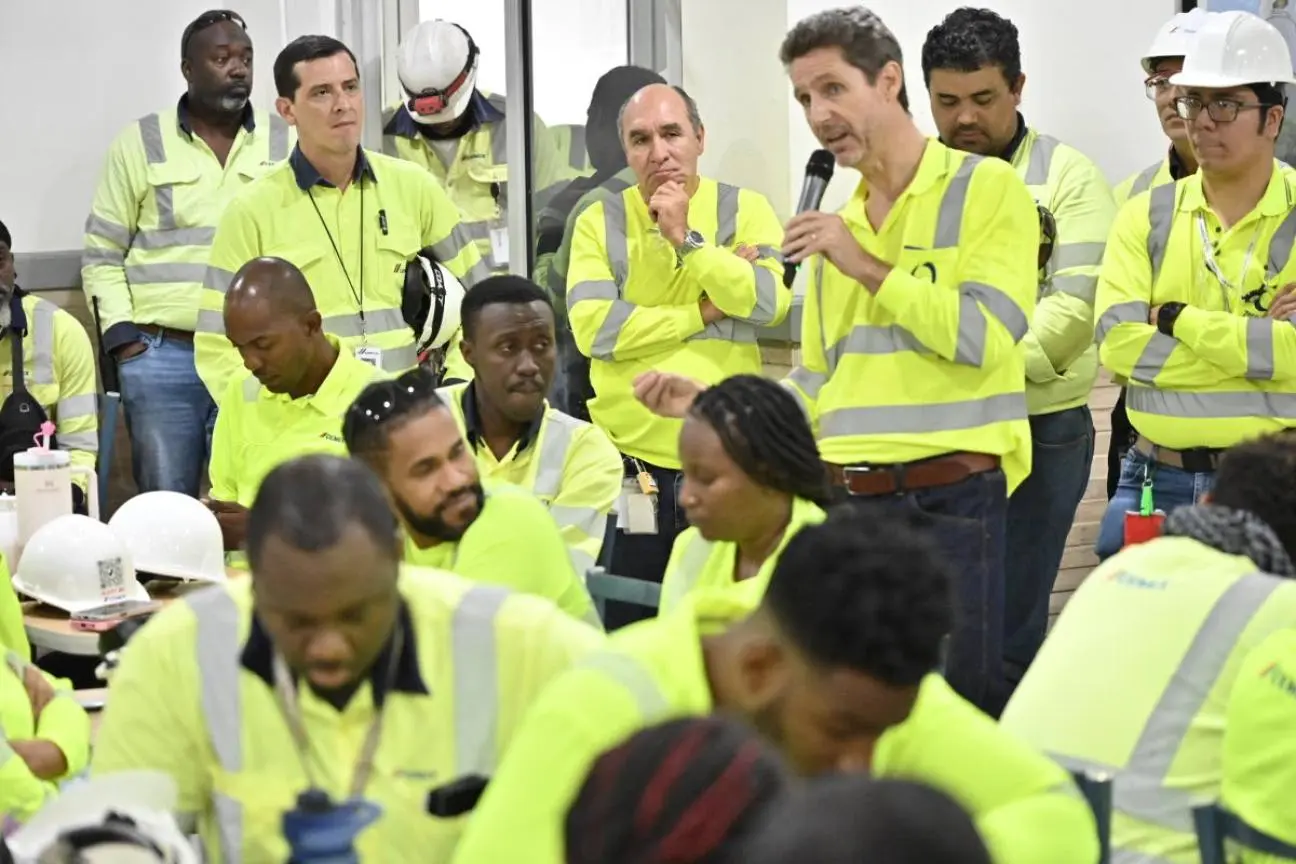
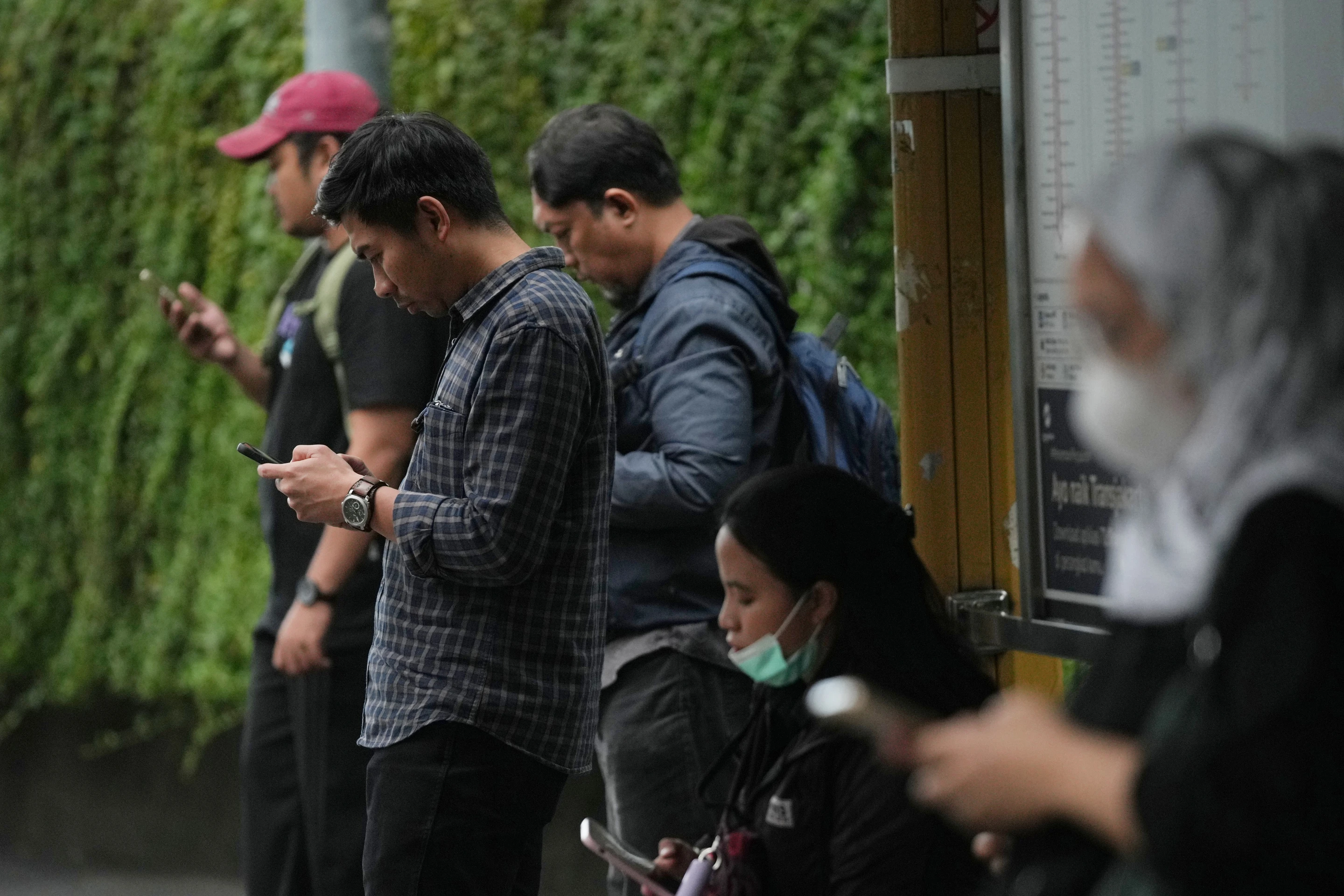
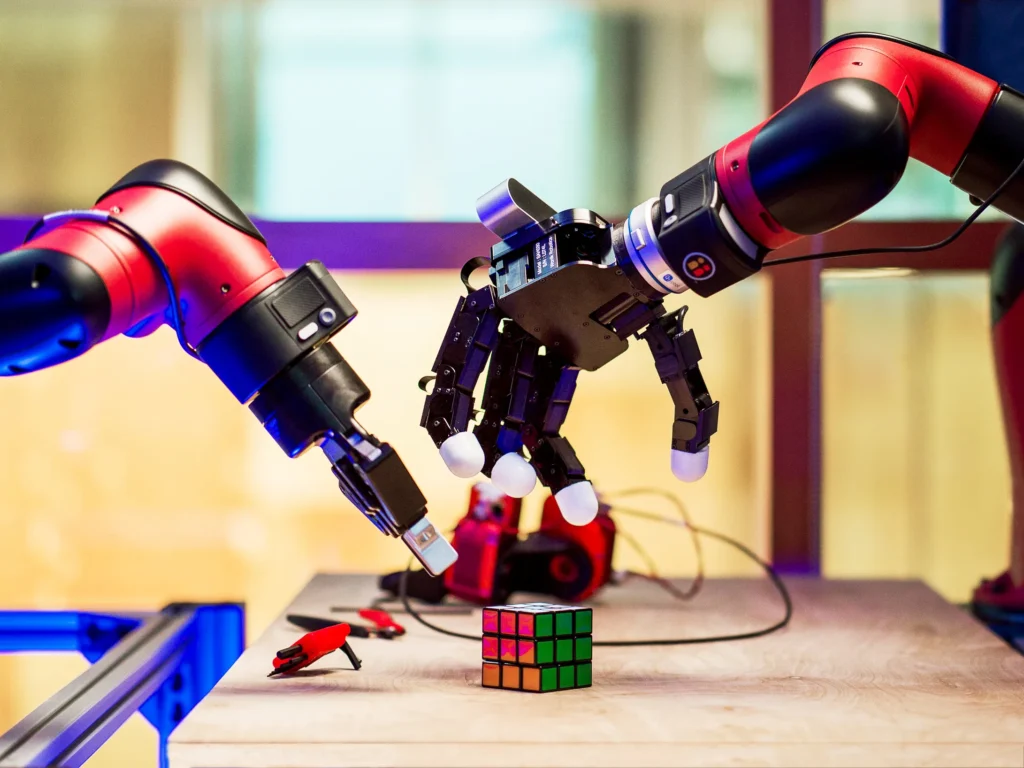
Artificial intelligence (AI) could significantly reshape Jamaica’s workforce, with an estimated 60,000 jobs facing possible elimination as the technology becomes more advanced.
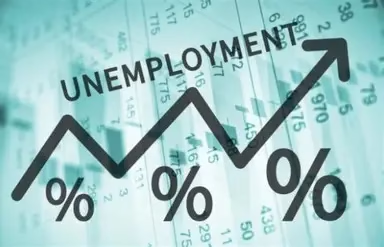
Research conducted by former University of Technology (UTech) dean Professor Paul Golding found that around 22 per cent of Jamaica’s workforce has some level of exposure to AI. Using International Labour Organization (ILO) methods and local labour market data, the study showed that approximately 256,000 workers are employed in occupations that could be affected by AI. Of those, about 60,000 jobs may be at risk of being replaced.
The analysis found that women could be among the most severely affected. About 144,000 women work in occupations exposed to AI, compared with 112,000 men. Many of the vulnerable roles are in female-dominated fields such as call centres, data entry, secretarial work, banking support services, and entry-level accounting. These jobs often involve routine tasks that AI systems can perform more easily.
Golding explained that AI may either assist workers through job augmentation or replace them through job elimination. He warned that while previous technological revolutions created new jobs, it remains uncertain whether AI will generate enough opportunities to replace those that disappear.
Jobs requiring specialised knowledge, human judgement, or complex decision-making currently appear less vulnerable. These include healthcare, science, engineering, information technology, agriculture, forestry, fishing, and some forms of skilled manual work.
Meanwhile, PricewaterhouseCoopers (PwC) Jamaica Director of Consulting Services Hugh Thompson said future employment success will depend heavily on AI fluency. Employers are increasingly seeking workers who can use AI tools effectively, evaluate their results, and apply critical thinking when making decisions.
Thompson also highlighted concerns within higher education, noting that while AI use among university students is widespread, institutions must ensure that students continue to develop critical thinking and problem-solving skills. He said universities should adapt their teaching and assessment methods to reflect the growing role of AI while preparing students for an evolving workforce.