
 English








































































































































































































































































































































































































































































































































































































































































































































































































































































































































































































































































































































































































































































































































































































































































































































































































































































































































































































Scientists Warn of Atlantic Ocean ‘Cold Blob’
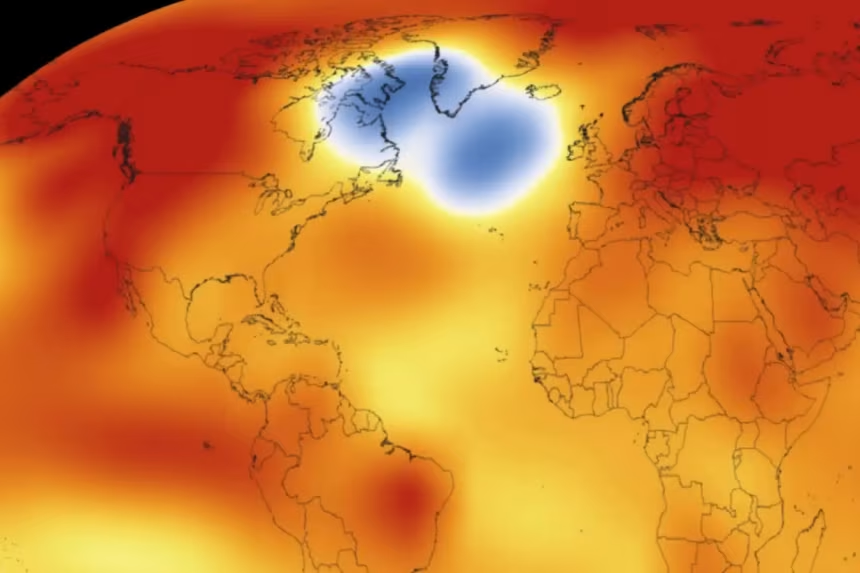
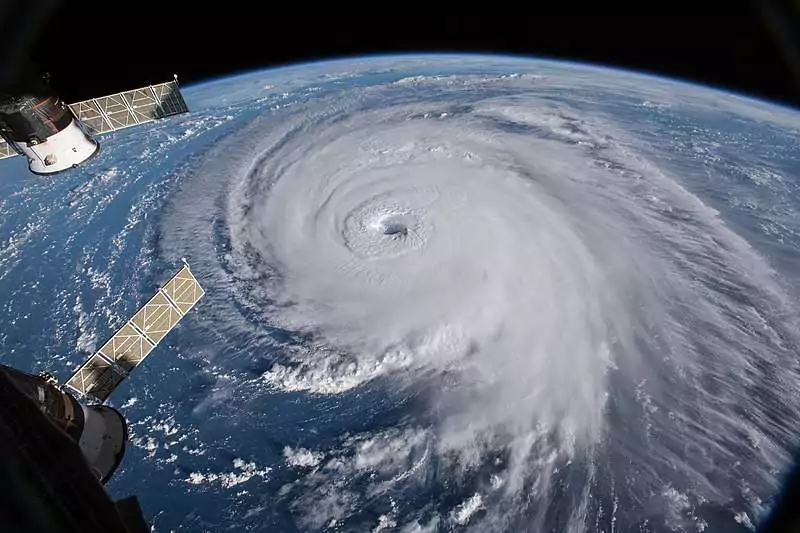
Scientists say a large patch of unusually cold water in the North Atlantic Ocean may be a sign that one of the planet’s most important ocean current systems is weakening.
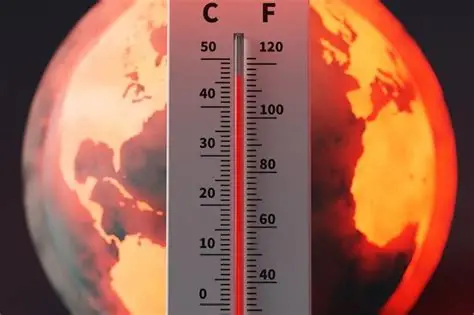
The area, known as the “cold blob” or “warming hole,” lies south of Greenland and Iceland. While most of the world’s oceans have warmed over the past century, this region has cooled by nearly 1 degree Celsius since 1900. The unusual pattern has puzzled researchers for years.
A new study suggests the cooling is linked to changes in the Atlantic Meridional Overturning Circulation (AMOC). This vast system of ocean currents carries warm water from the tropics toward the Northern Hemisphere. As the water cools, it sinks and flows back south, helping regulate temperatures around the world.
Scientists have long debated whether the cold blob was caused by changes in atmospheric conditions, such as winds and clouds, or by a weakening AMOC. Researchers behind the new study combined ocean heat measurements from satellites and instruments with climate models to investigate the issue.
Their findings showed that the cooling is occurring not only at the surface but also deep within the ocean. Because winds and clouds have less influence below the surface, the researchers concluded that changes in ocean heat transport are the more likely explanation.
Study author Stefan Rahmstorf of Potsdam University said the evidence points to a weakening AMOC affecting the movement of heat through the Atlantic Ocean. He noted that other studies have also found signs that the current system may be weaker than it has been in centuries.
Scientists warn that a major slowdown or collapse of the AMOC could have far-reaching effects. Potential impacts include faster sea-level rise along the eastern coast of the United States, much colder winters across parts of Europe, and changes to rainfall patterns in Africa that could increase the risk of prolonged drought.
Experts not involved in the study said the findings strengthen the case for a connection between the cold blob and the AMOC. However, they stressed that uncertainties remain and that more research is needed before the question can be fully settled.