
 English



























































































































































































































































































































































































































































































































































































































































































































































































































































































































































































































































































































































































































































































































































































































































































































































































































































A Second Suspected Ebola Case Tests Negative in Brazil
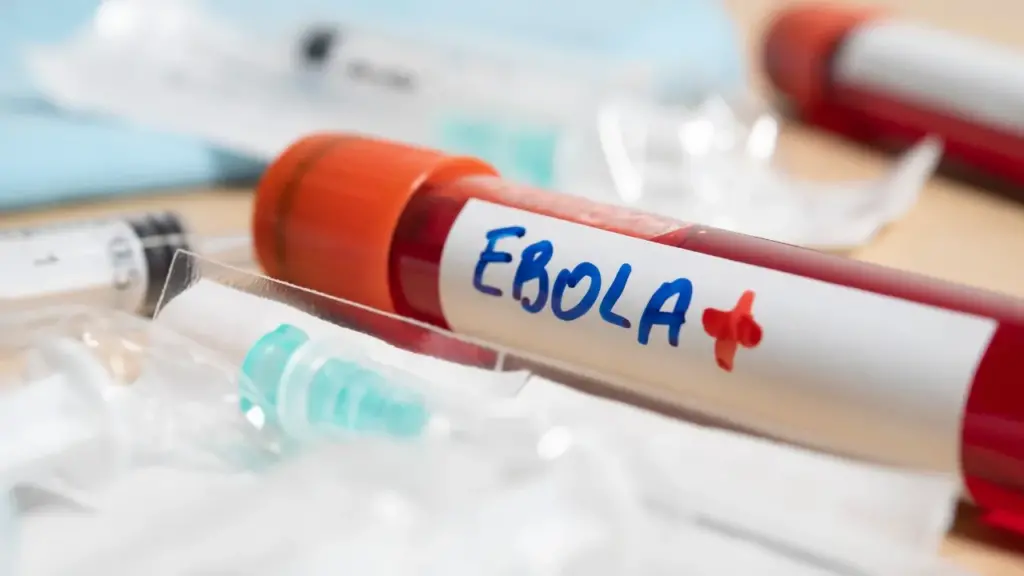
A second suspected Ebola case in Brazil has tested negative, according to health authorities. The result has eased concerns about the virus entering the country as health officials continue to monitor outbreaks in parts of Africa.
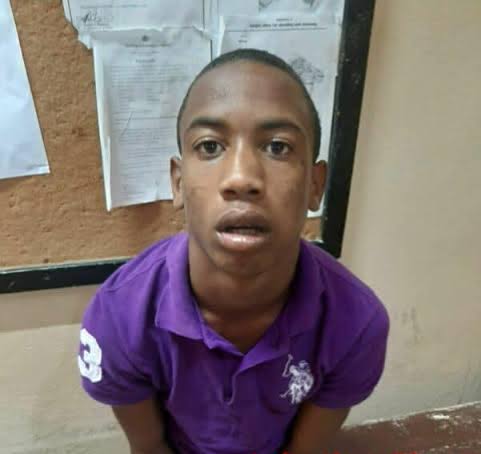
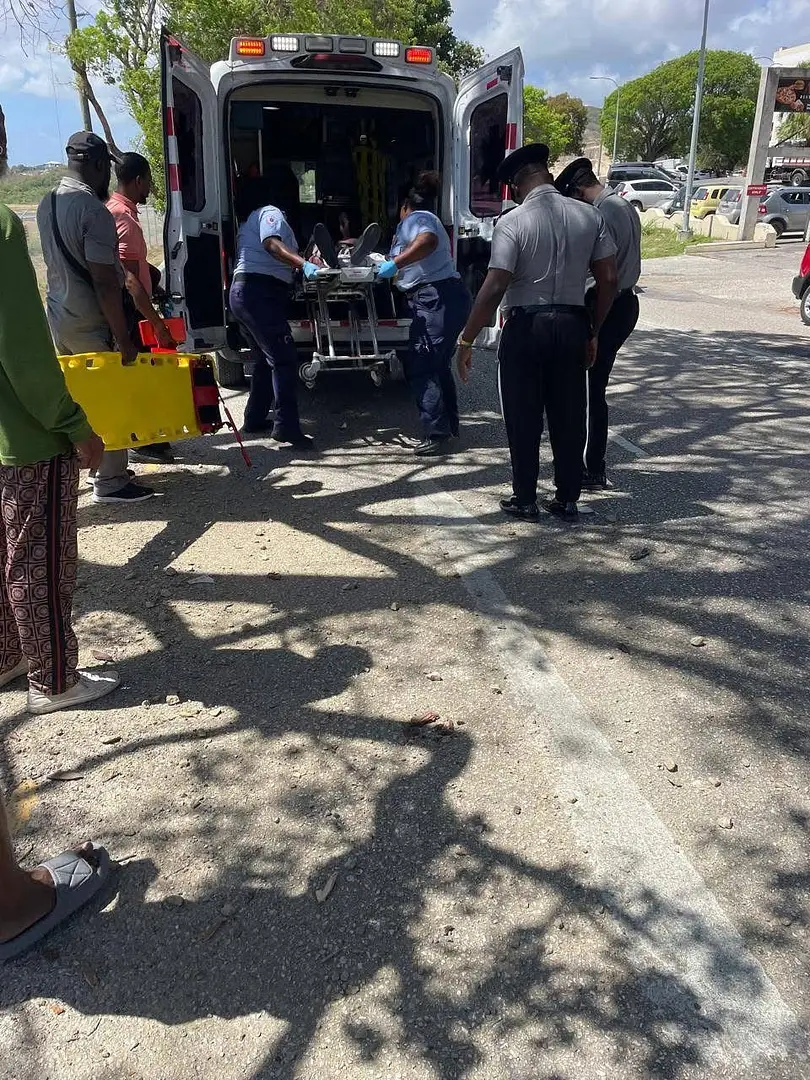
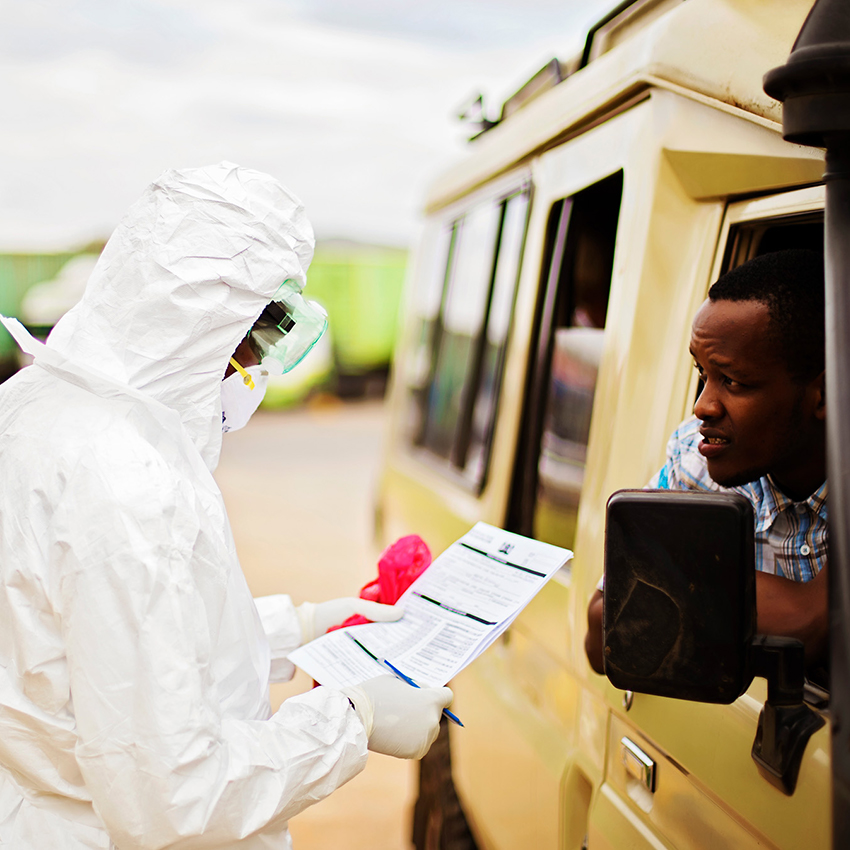
The patient, a 37-year-old man, arrived in Brazil after traveling from the Democratic Republic of Congo (DRC). Doctors placed him in isolation when he showed symptoms that could have indicated a serious viral illness. After conducting medical tests, healthcare workers determined that he had meningitis and not Ebola.
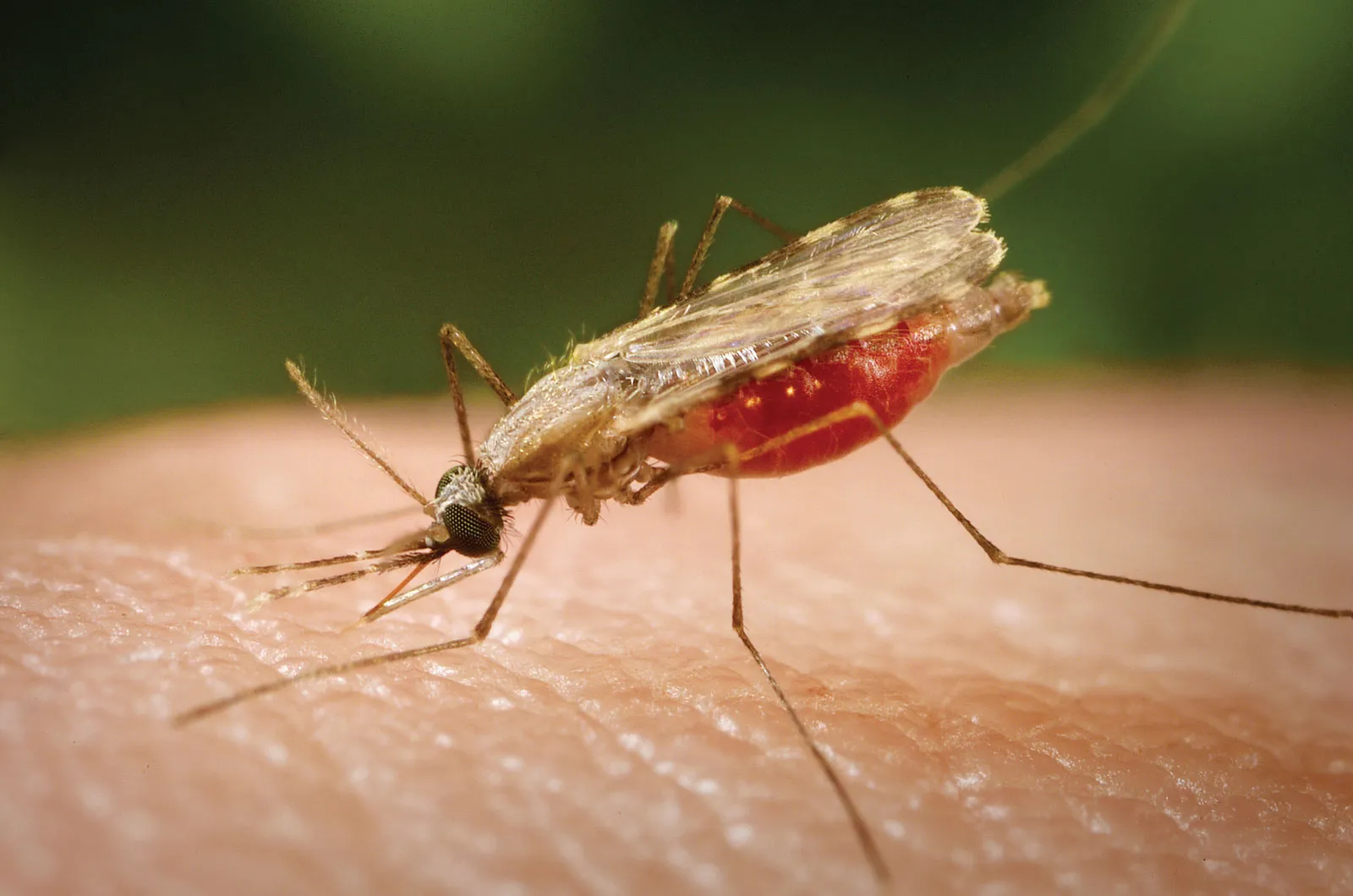
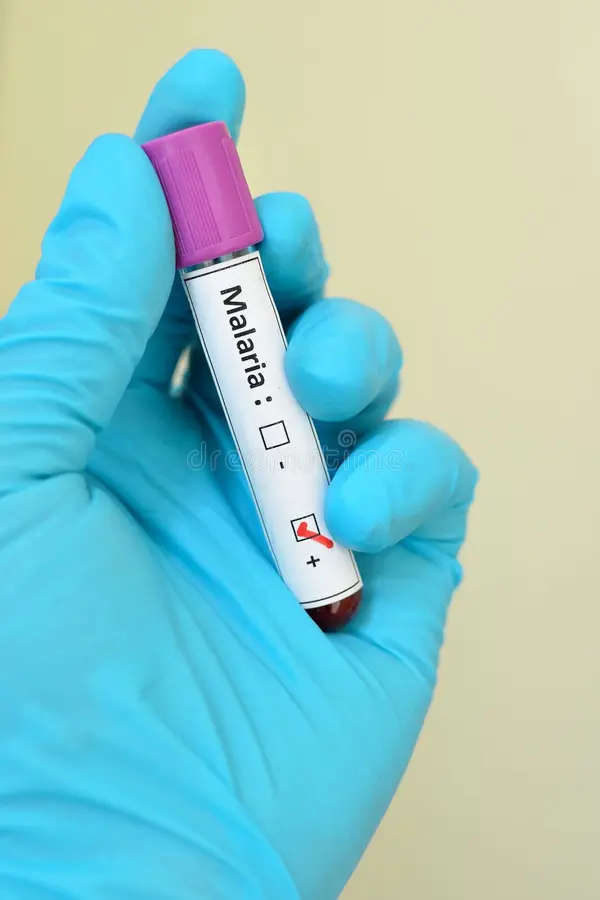
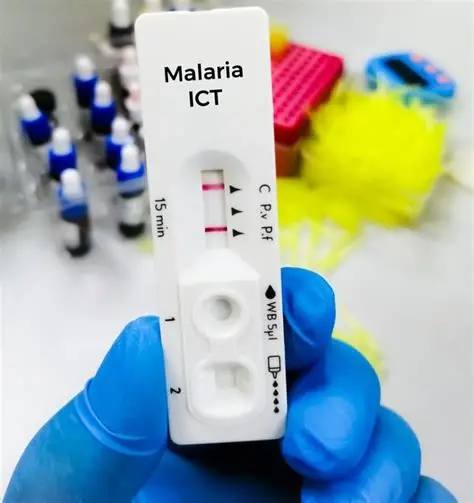
The case followed another health alert in Rio de Janeiro. Authorities isolated a man who had recently traveled from Uganda after he developed symptoms that raised concerns. Medical teams later diagnosed him with malaria. Laboratory testing also confirmed that he did not have Ebola.
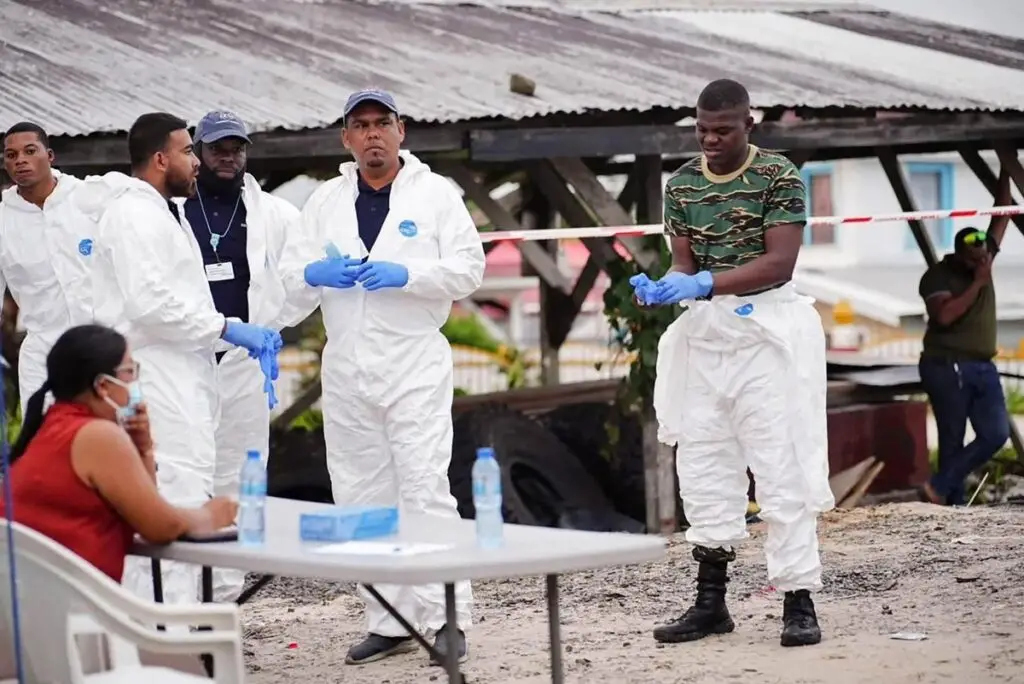
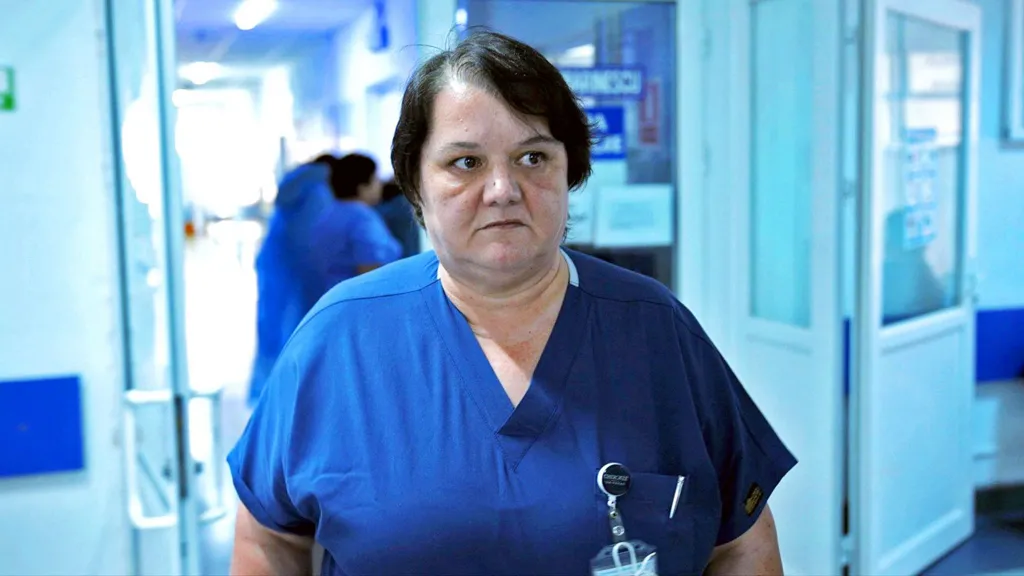
Brazil’s Ministry of Health said both patients received care under established public health procedures. Officials moved quickly to assess the risks and prevent any possible spread of disease while awaiting test results.
Health authorities continue to stress that the risk of Ebola reaching Brazil or other countries in South America remains very low. They said strong monitoring systems and rapid response measures help reduce the likelihood of the virus spreading across borders.
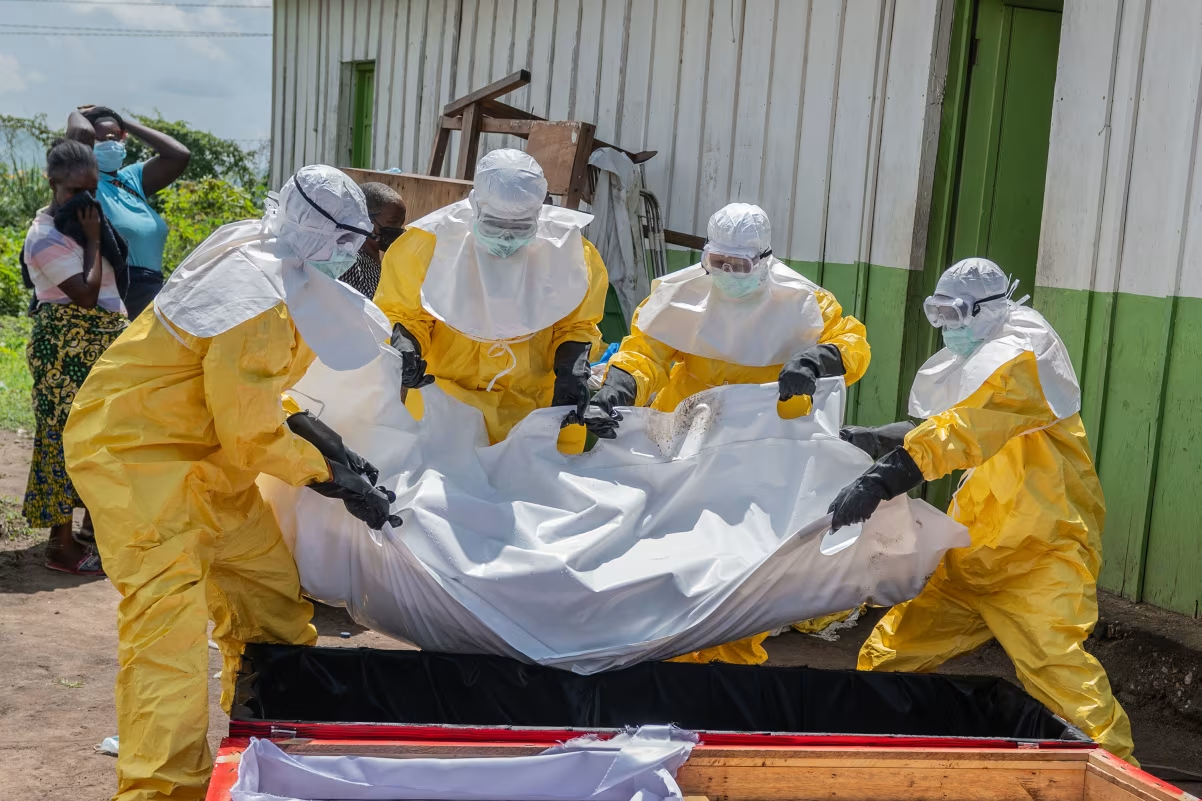
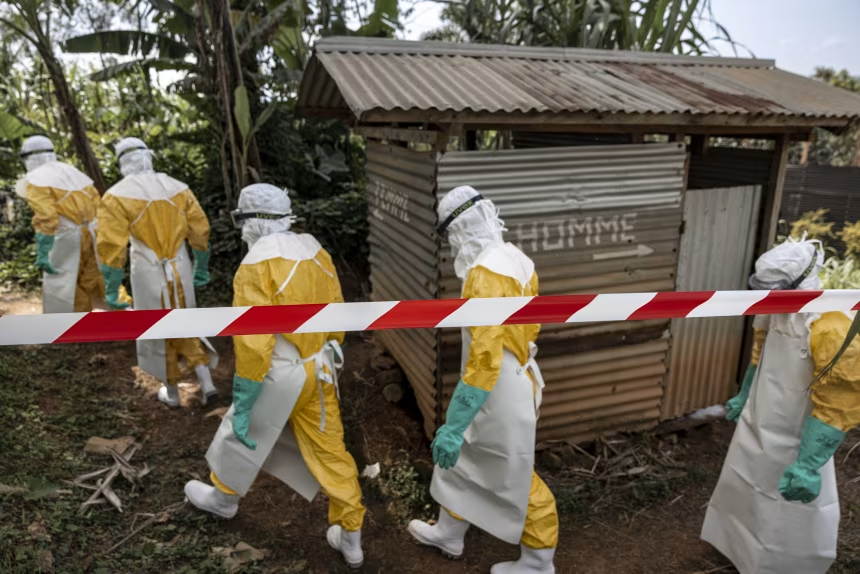
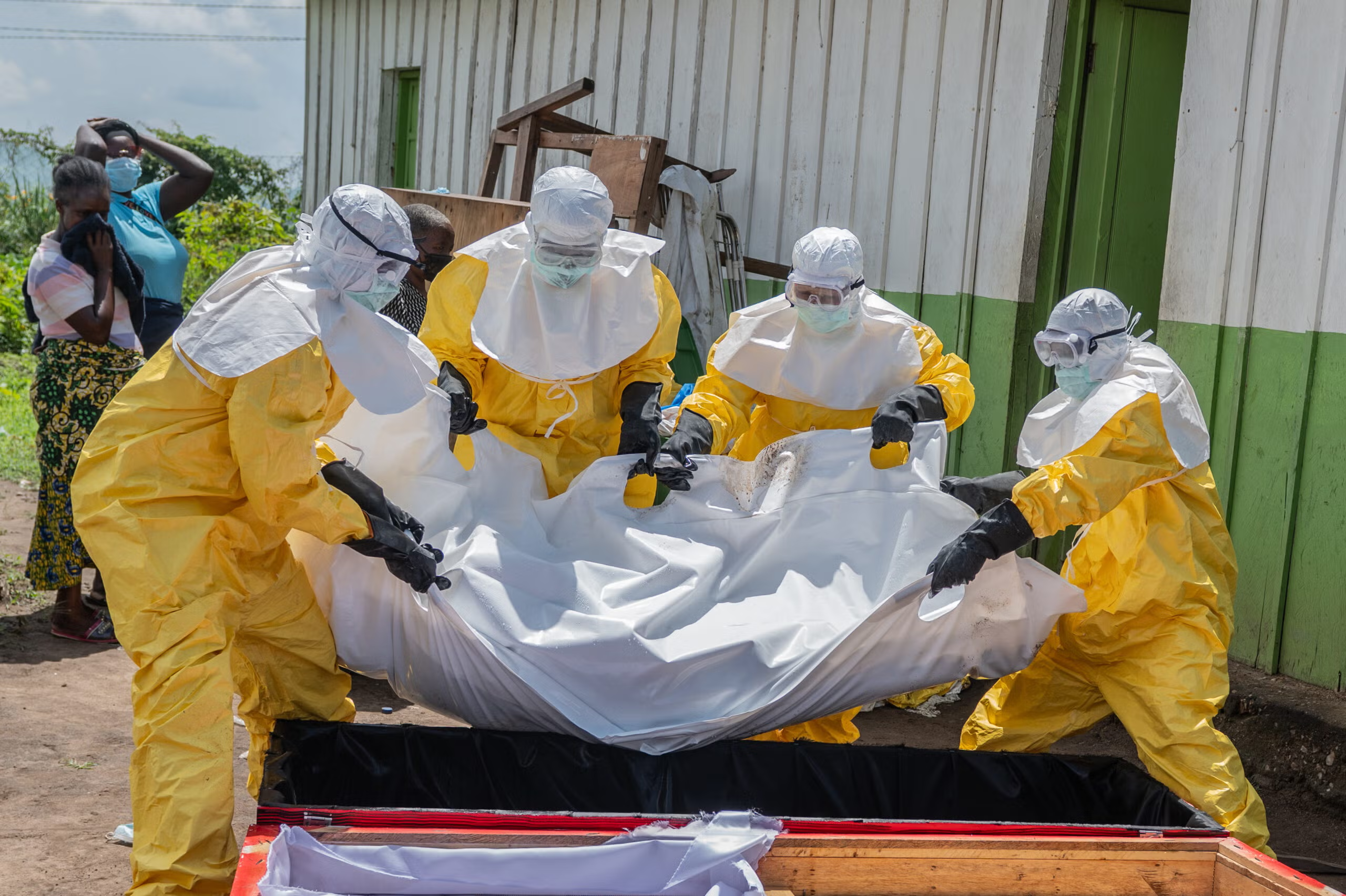
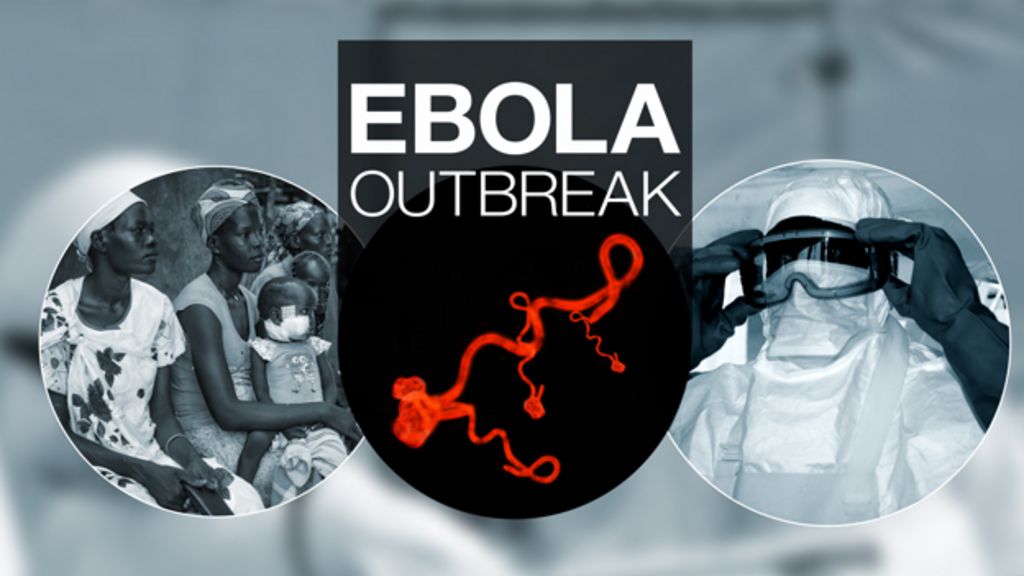
The update comes as several African countries work to contain Ebola outbreaks. The Africa Centres for Disease Control and Prevention reported more than 1,000 suspected cases in the DRC since the outbreak began on May 15. The agency has also recorded nearly 250 deaths linked to the outbreak.
Neighboring Uganda has reported several confirmed infections and one death. Public health teams in the region continue to track contacts, provide treatment, and strengthen disease surveillance efforts.
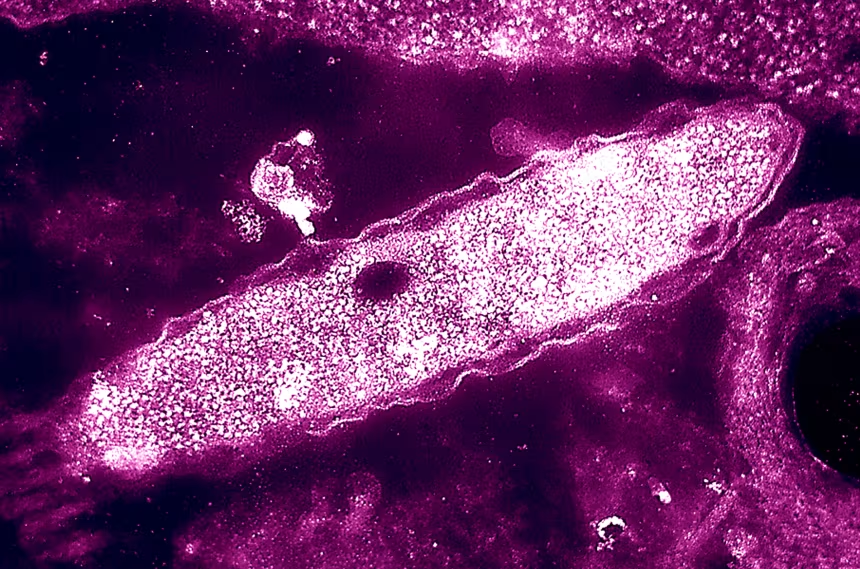
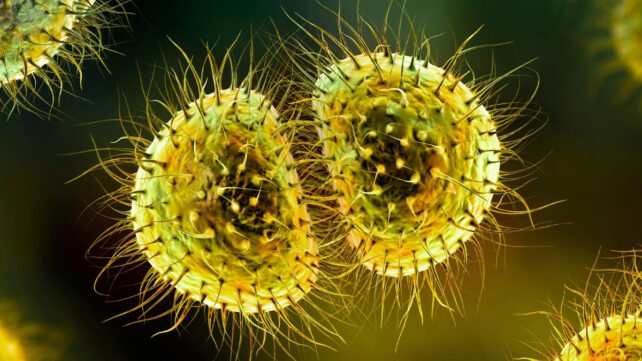
Ebola is a serious disease that can cause severe illness and death. However, it does not spread easily through casual contact. People usually contract the virus through direct contact with the bodily fluids of an infected person. Health experts say early detection, isolation, and treatment remain key tools in controlling outbreaks and limiting transmission.