
 English
































































































































































































































































































































































































































































































































































































































































































































































































































































































































































































































































































































































































































































































15th June Cabinet Update
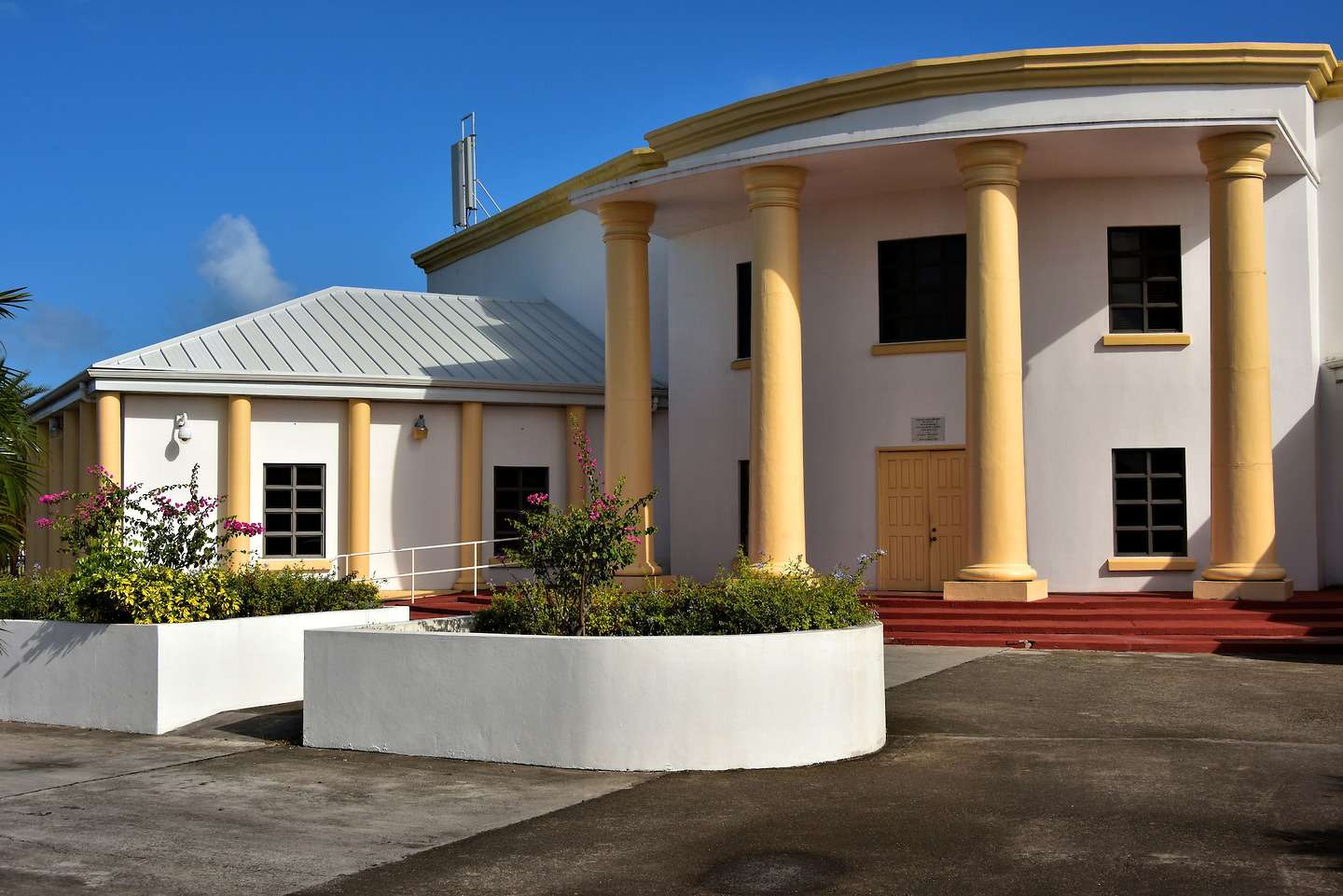
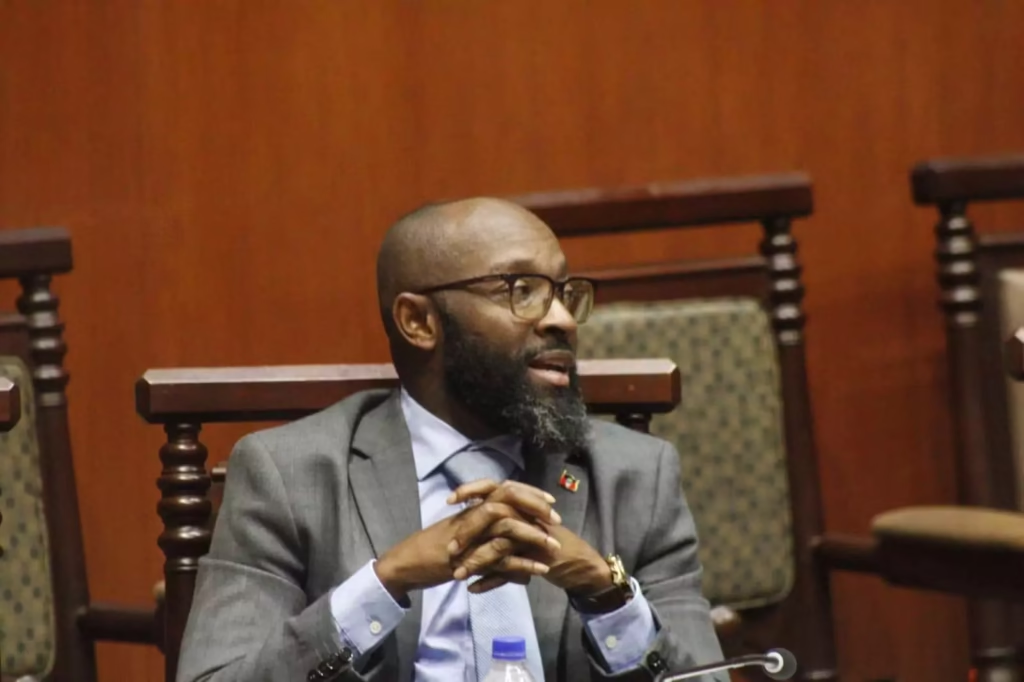
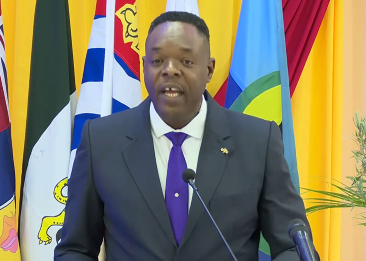
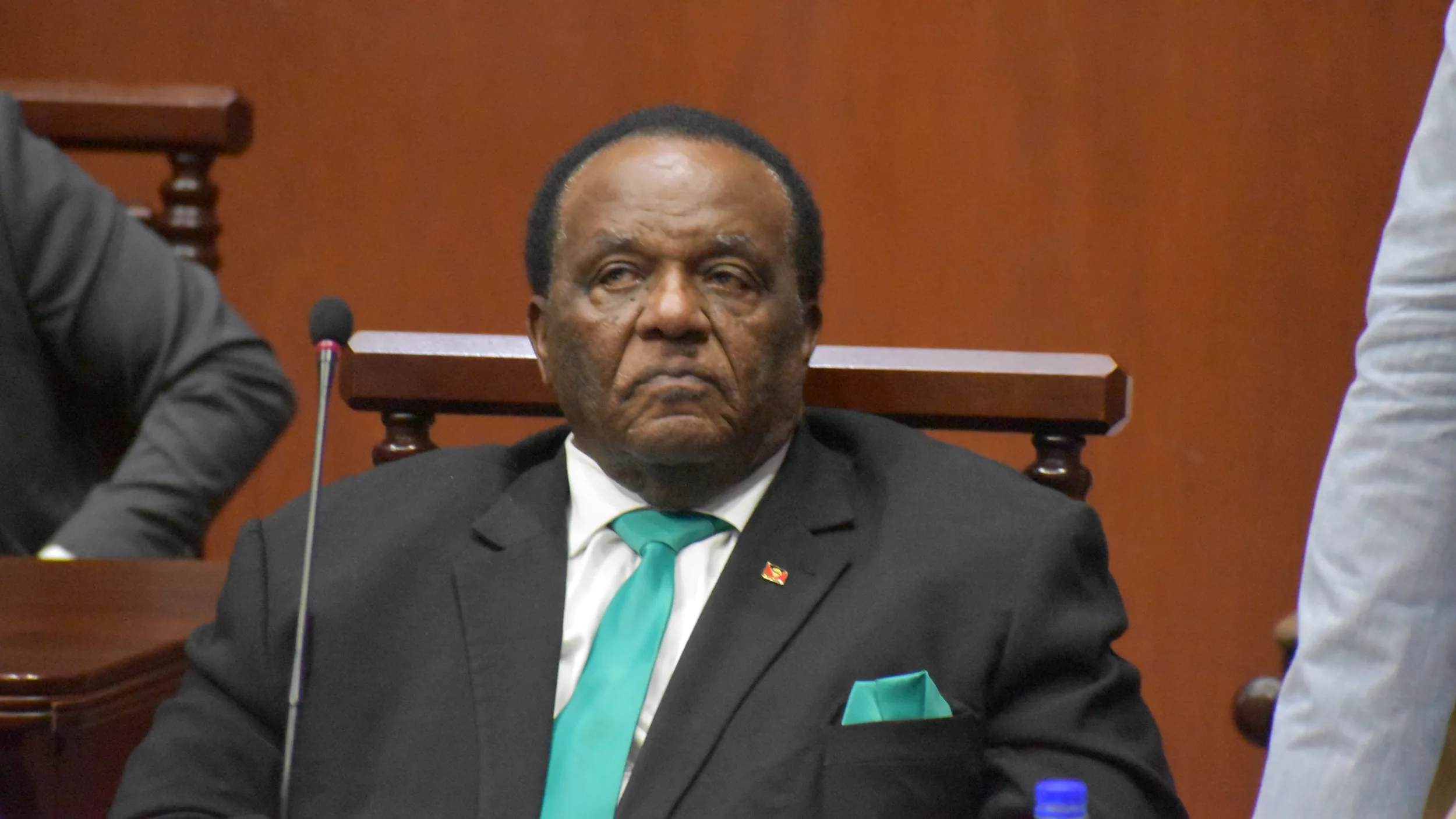
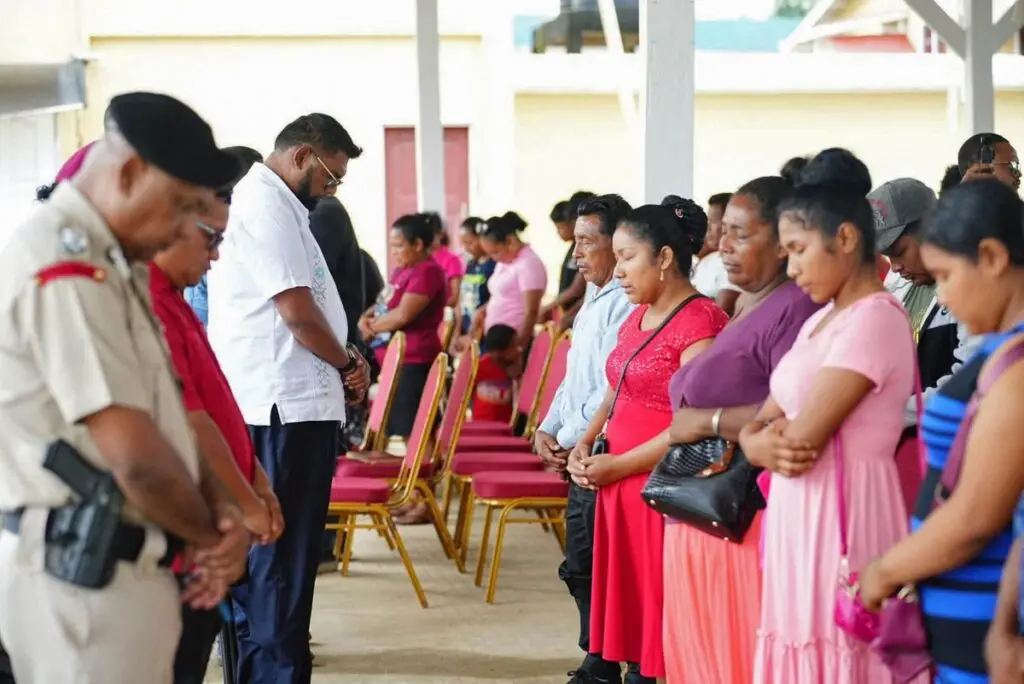
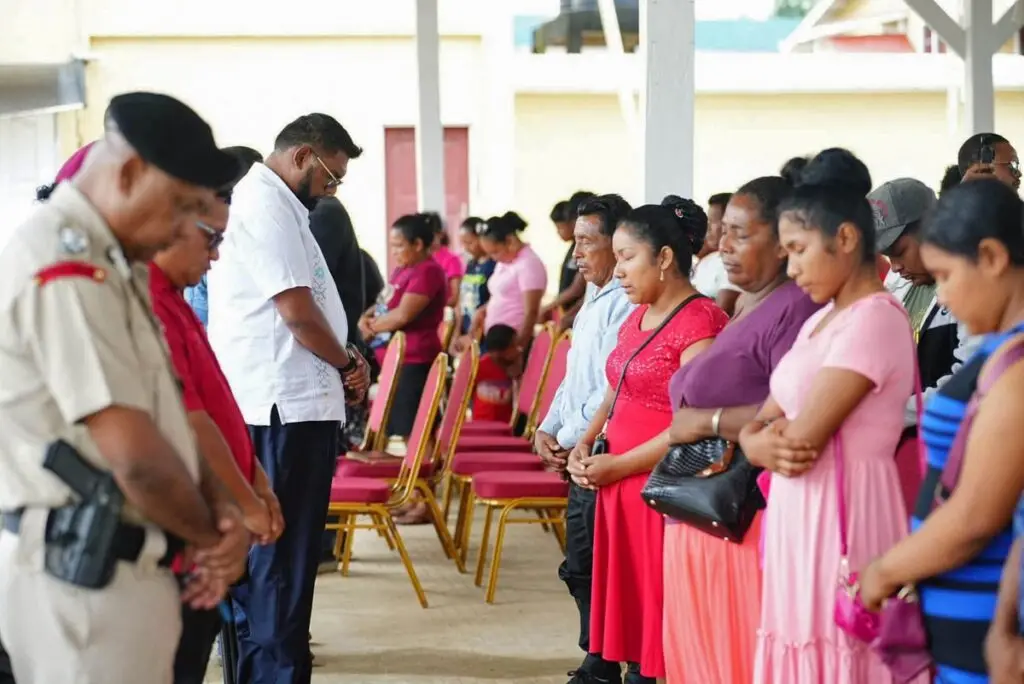
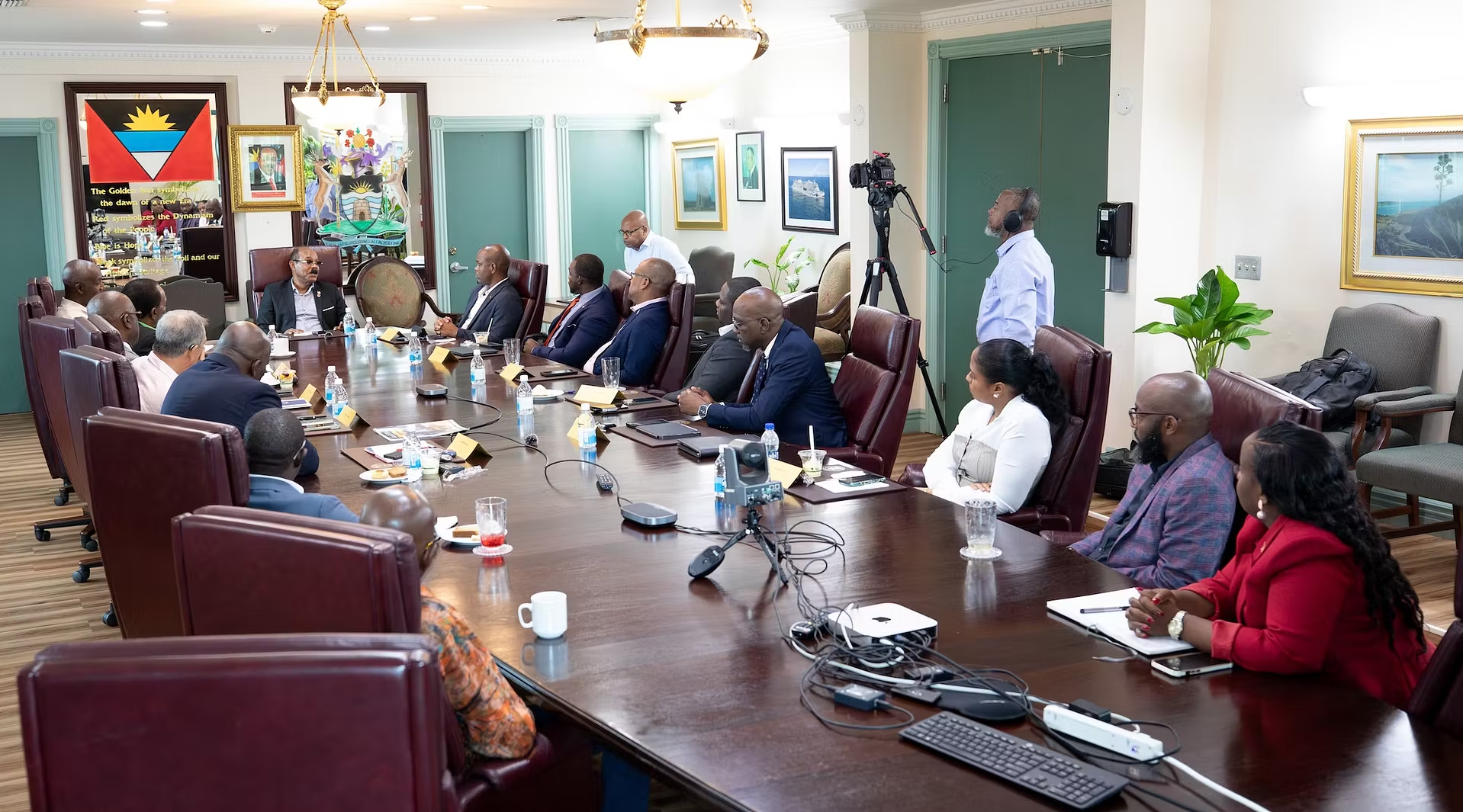
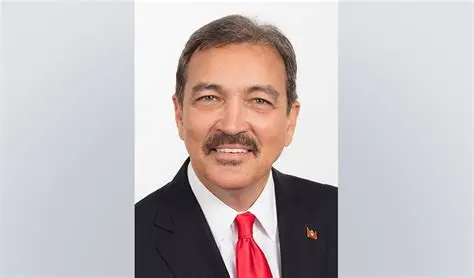
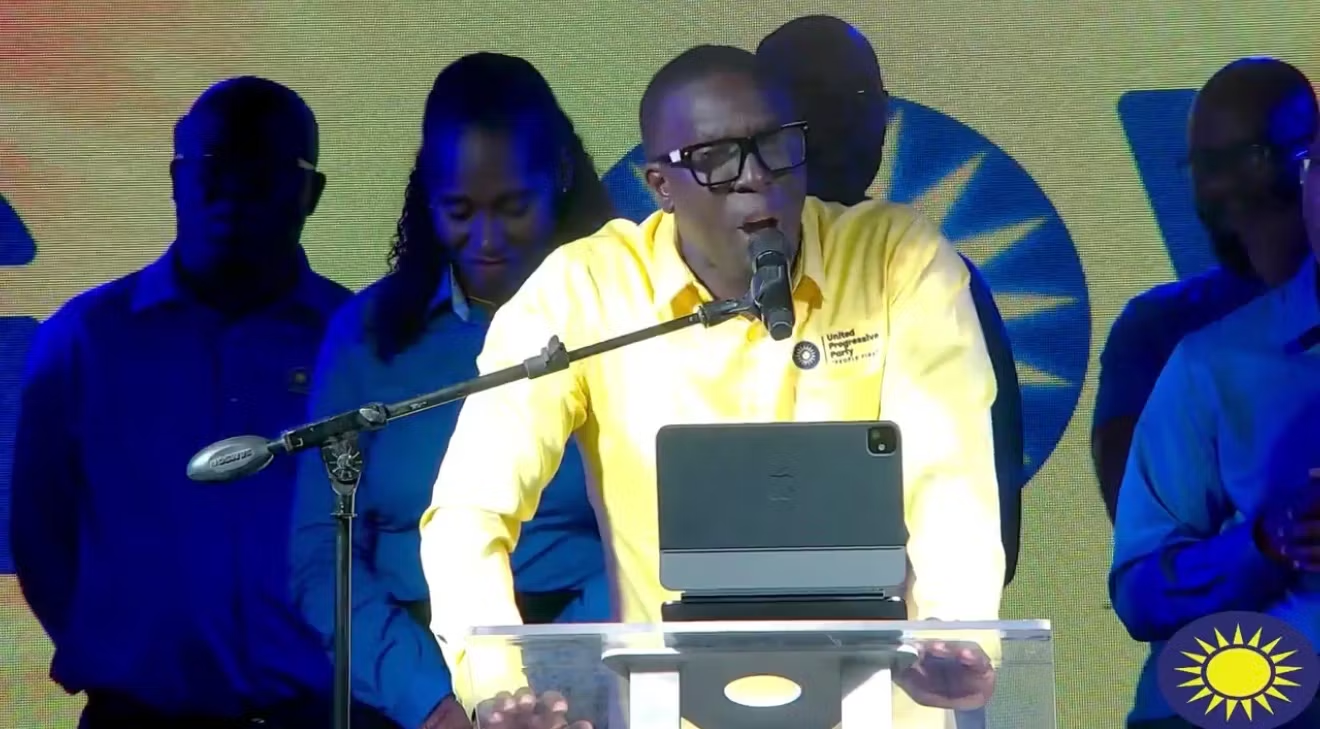
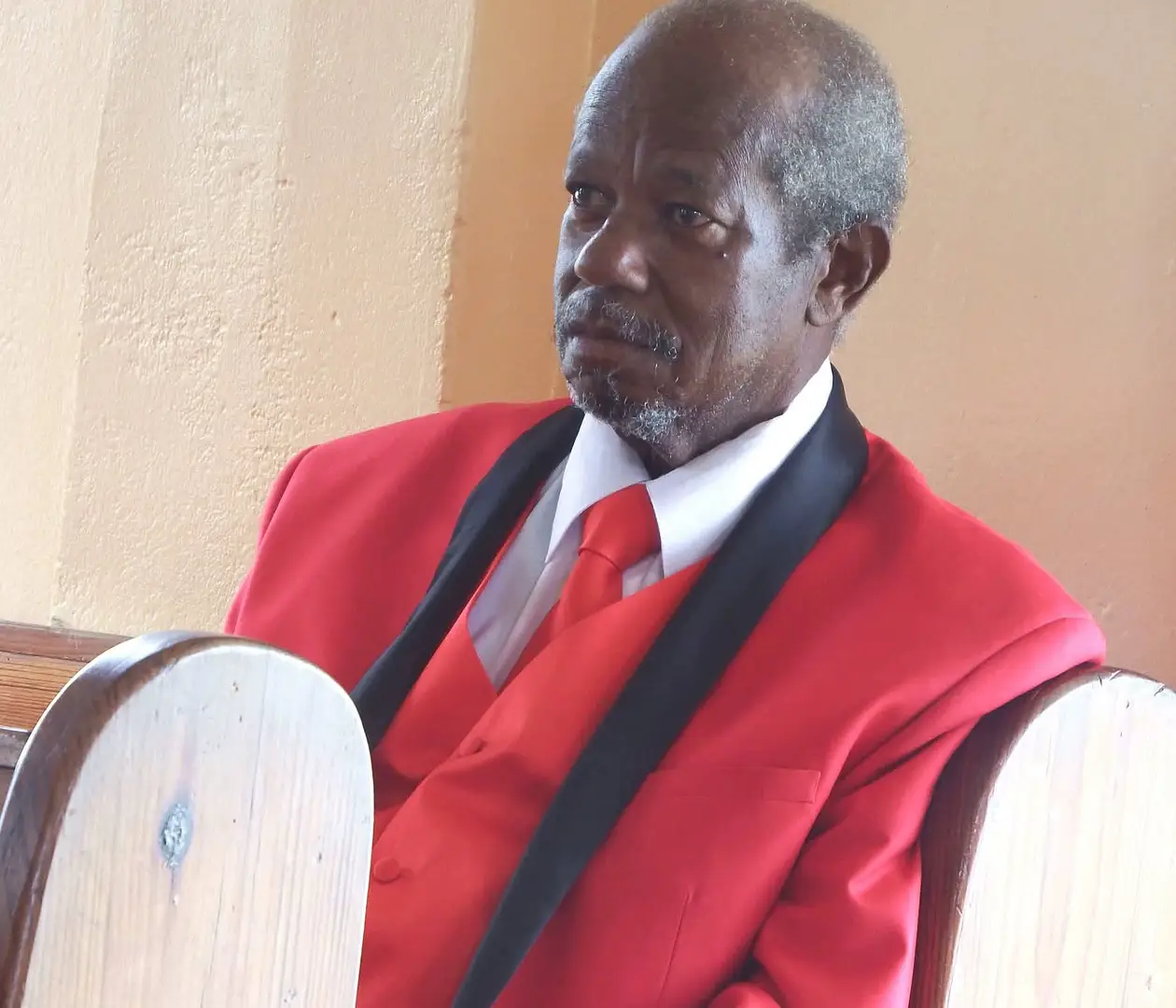
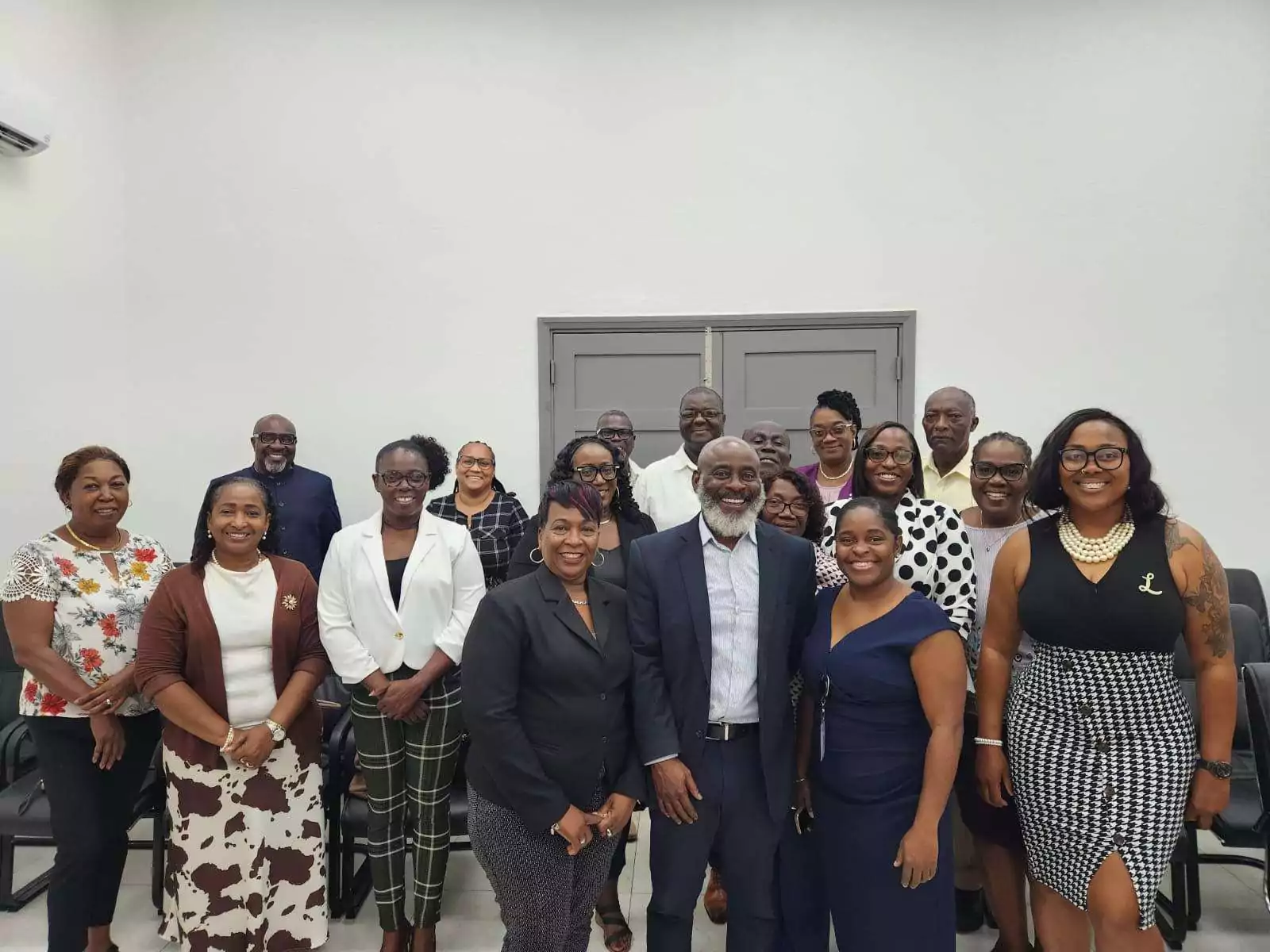
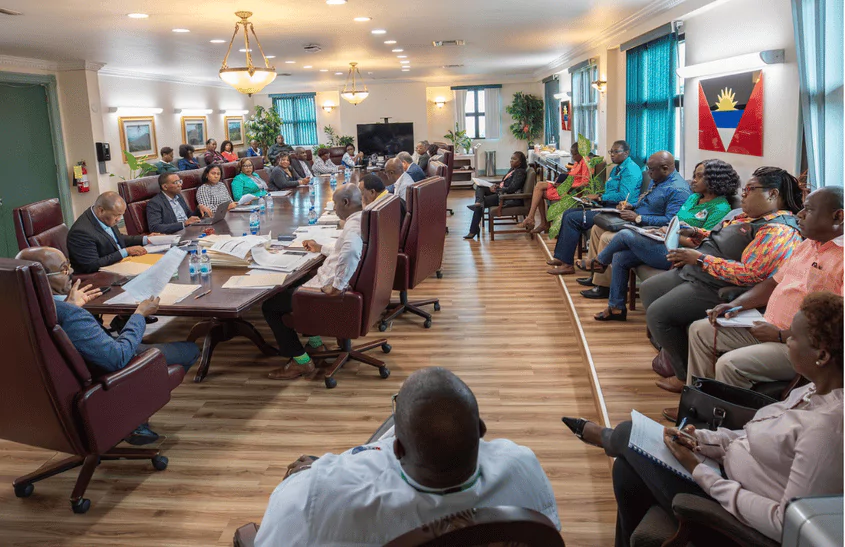
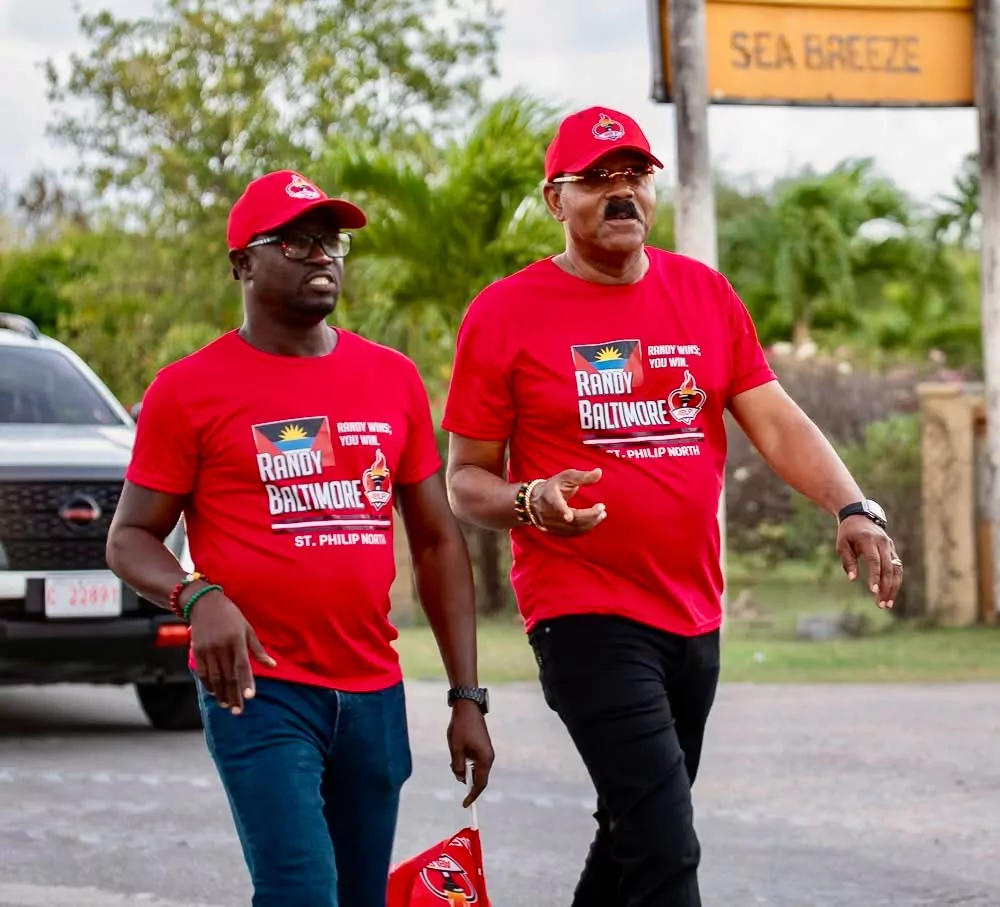
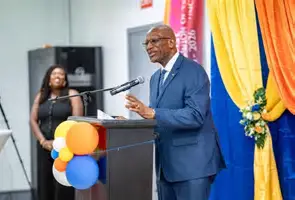
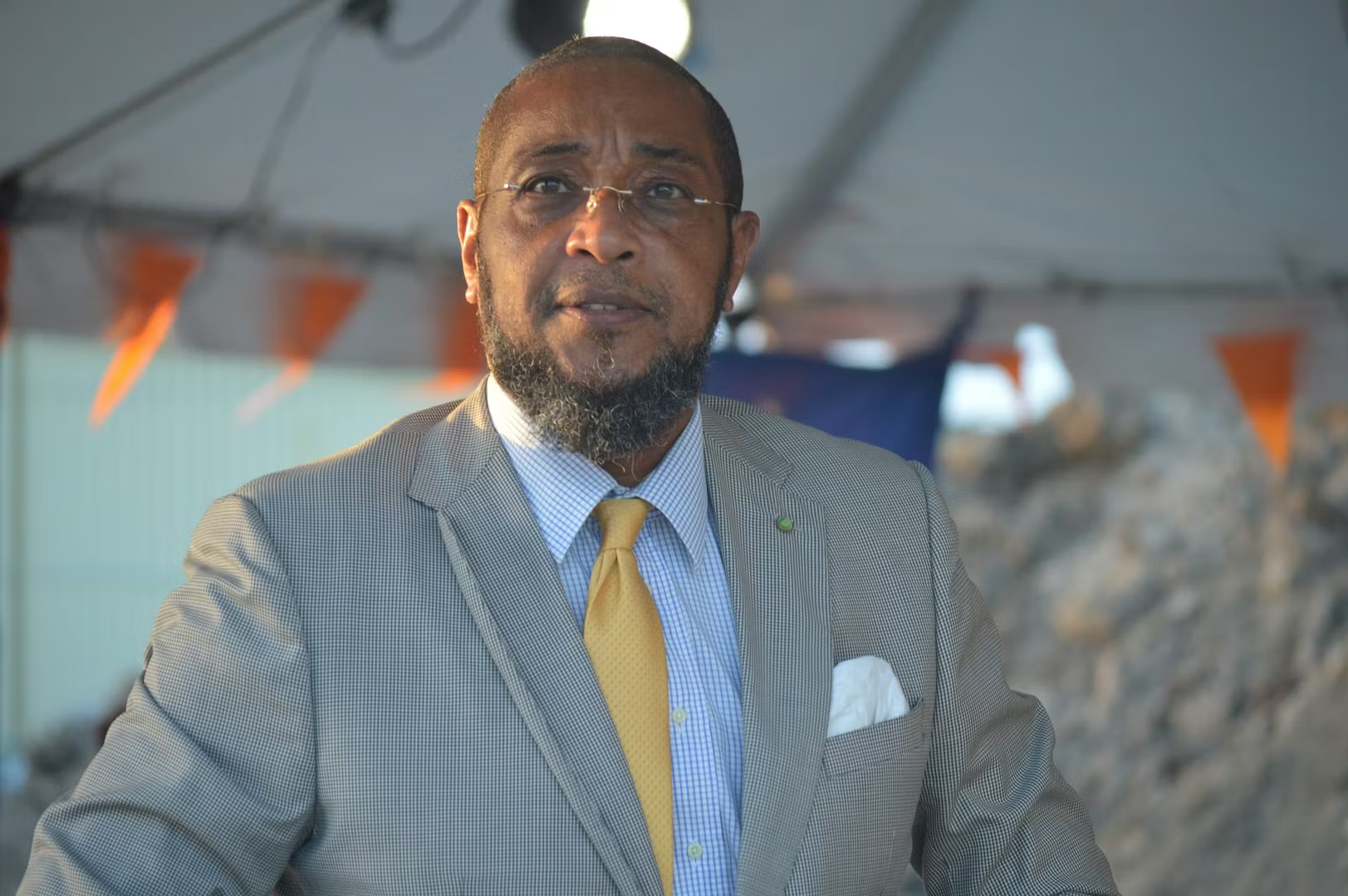
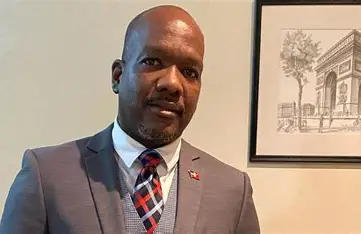
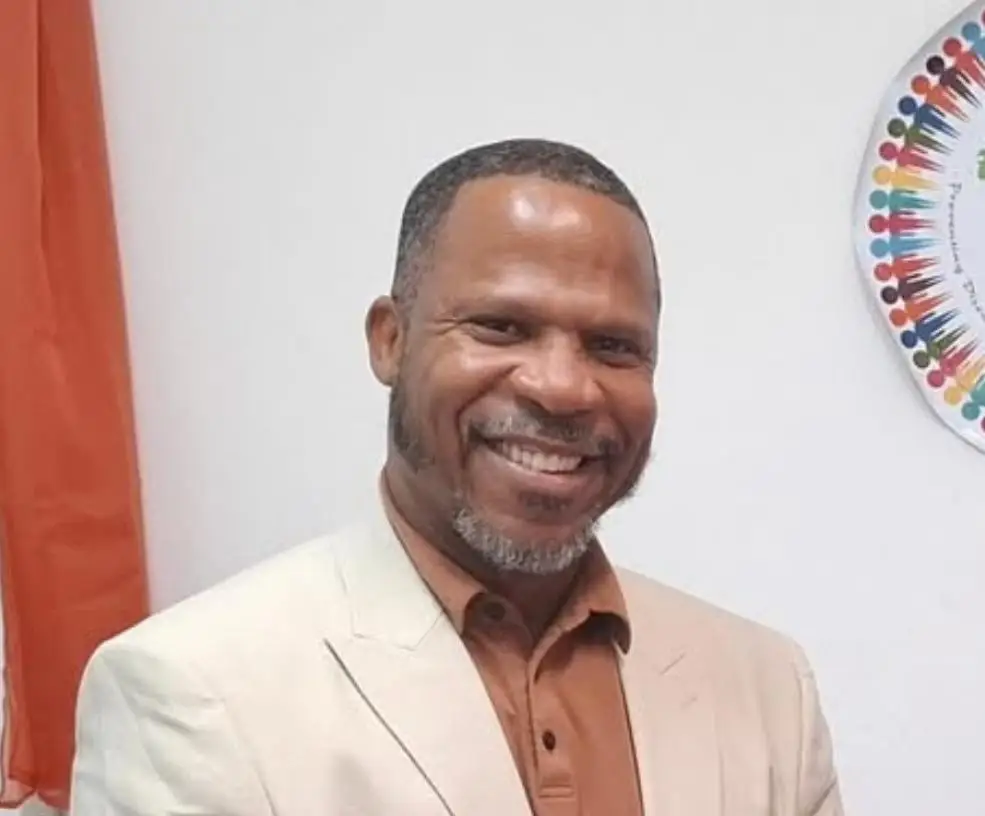
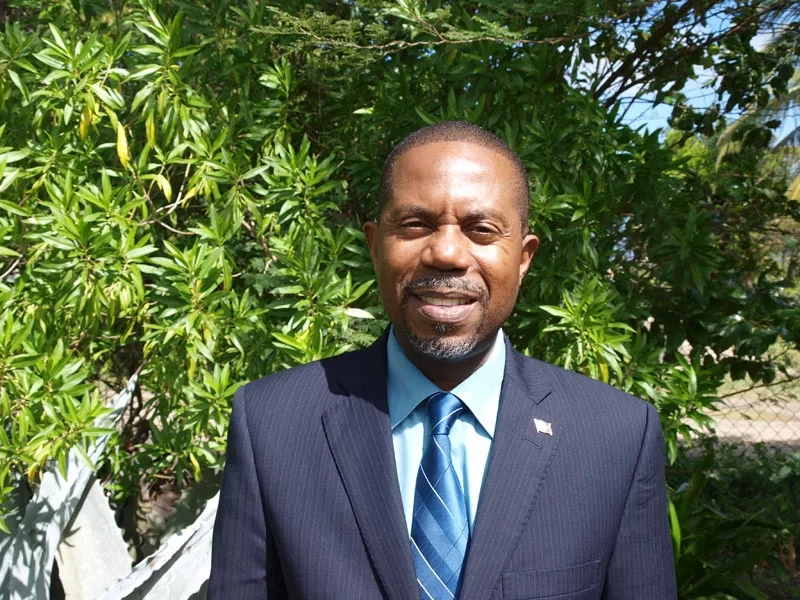
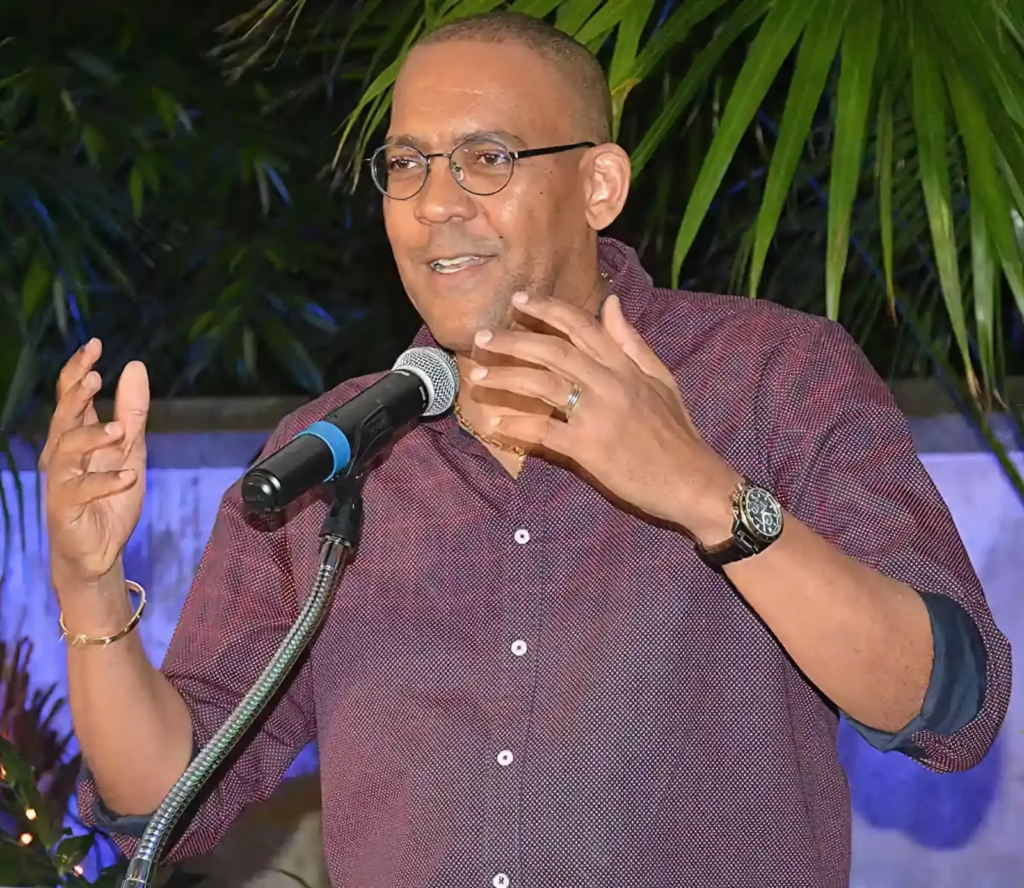
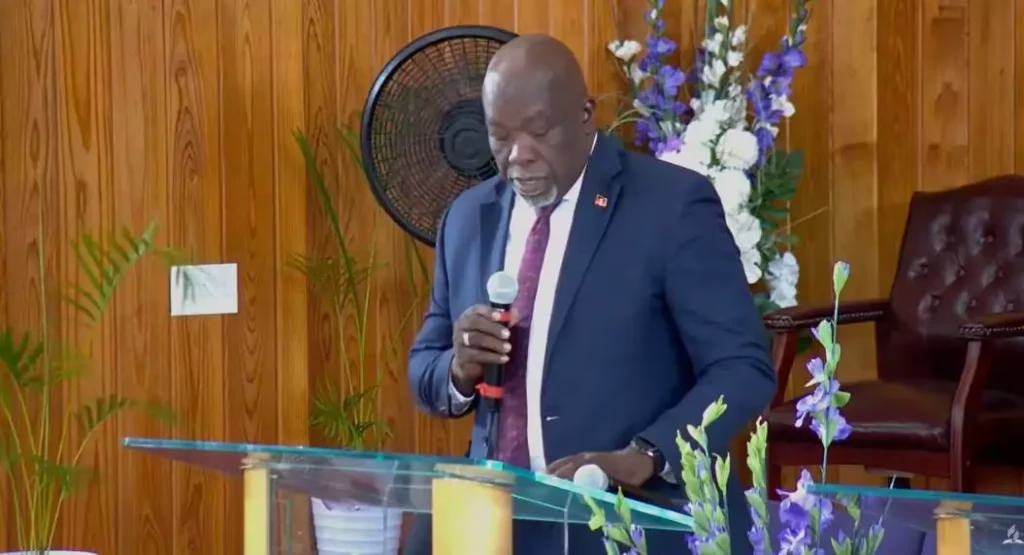
Pastor Baltimore opened the Cabinet meeting with prayer and a meditation drawn from 2 Chronicles 20:12 and the verses that follow, reminding members that even the strongest leaders will encounter moments when the challenges before them appear greater than their own strength and wisdom.
He recounted the story of a young woman who had reached a point of profound despair and had lost hope in life itself. Surrounded by difficulties and unable to see a way forward, she believed that her circumstances would never improve. Yet, with constant prayer and when she turned to God in her darkest moment, she discovered that hope had not abandoned her. Through faith, prayer, and trust in God’s unfailing presence, she found renewed purpose, courage, and the strength to continue.
Pastor Baltimore explained that her story reflects the experience of many individuals and even nations that face overwhelming obstacles. There are times when human resources, intellect, and experience seem insufficient to overcome the challenges at hand. In such moments, God’s Word provides a clear example through King Jehoshaphat’s prayer: “We do not know what to do, but our eyes are upon You.” It was only after the people placed their confidence in God that He assured them, “The battle is not yours, but God’s.”
He encouraged Cabinet members to remember that leadership carries immense responsibility and often requires making difficult decisions under pressure. While careful planning, sound judgment, and diligent work are essential, they should always be accompanied by humility before God and a willingness to seek His guidance. He urged the members never to allow discouragement, uncertainty, or adversity to overshadow their faith, but instead to look to God for wisdom, strength, and peace.
Pastor Baltimore concluded by reminding Cabinet that when leaders place their trust in God, they are better equipped to serve their people with courage, integrity, and compassion. He prayed that God would continue to grant the Cabinet wisdom in its deliberations, unity in its decisions, and confidence that no challenge is insurmountable when their eyes remain fixed upon Him.
1.
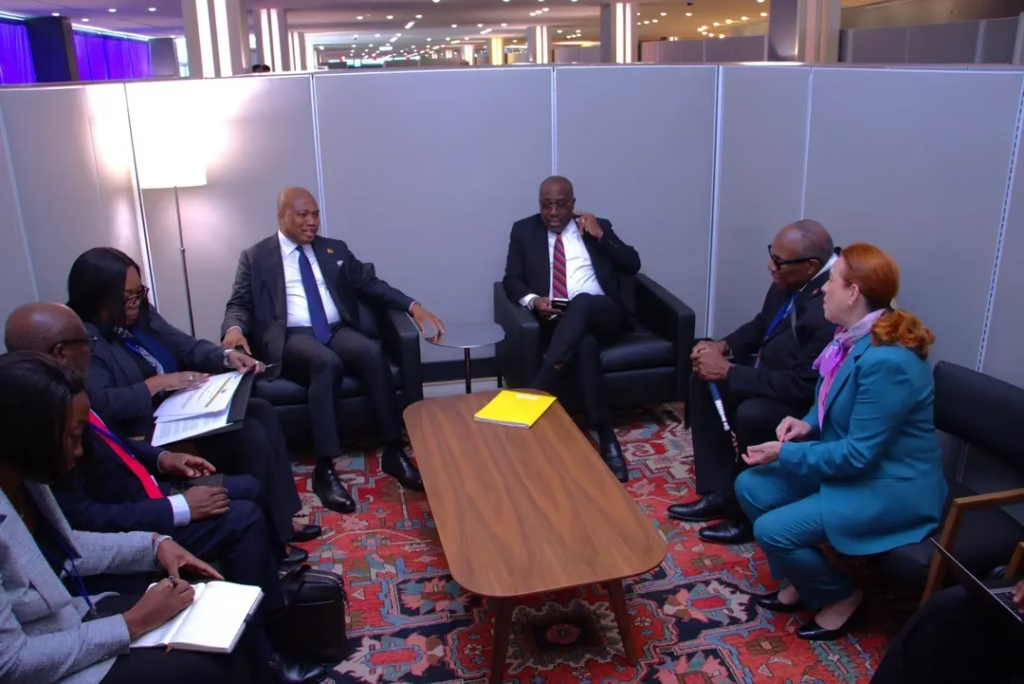
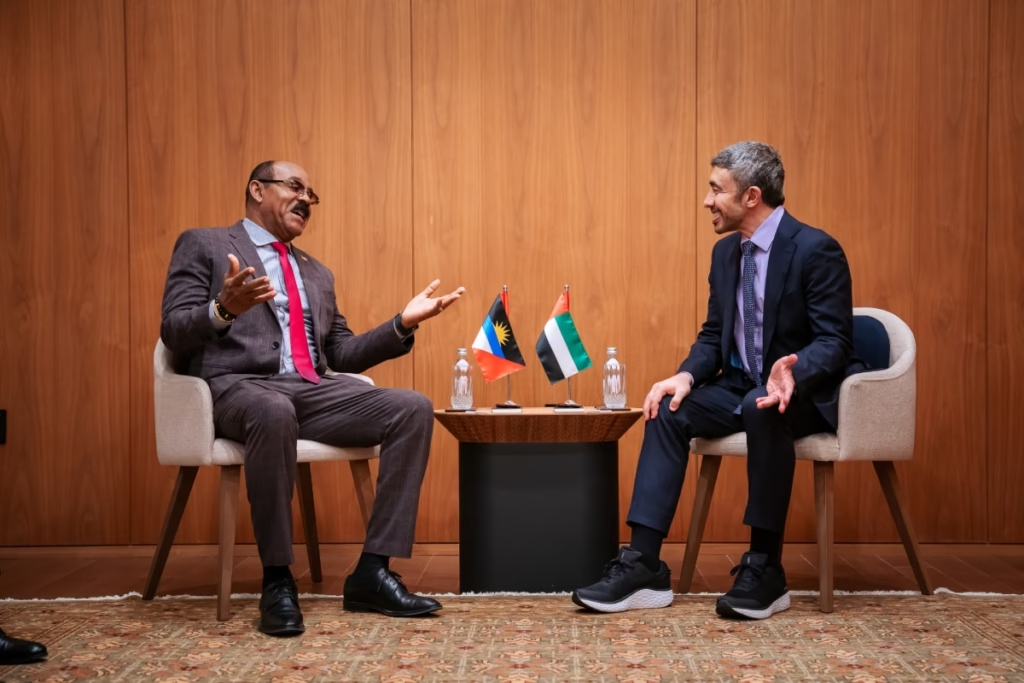
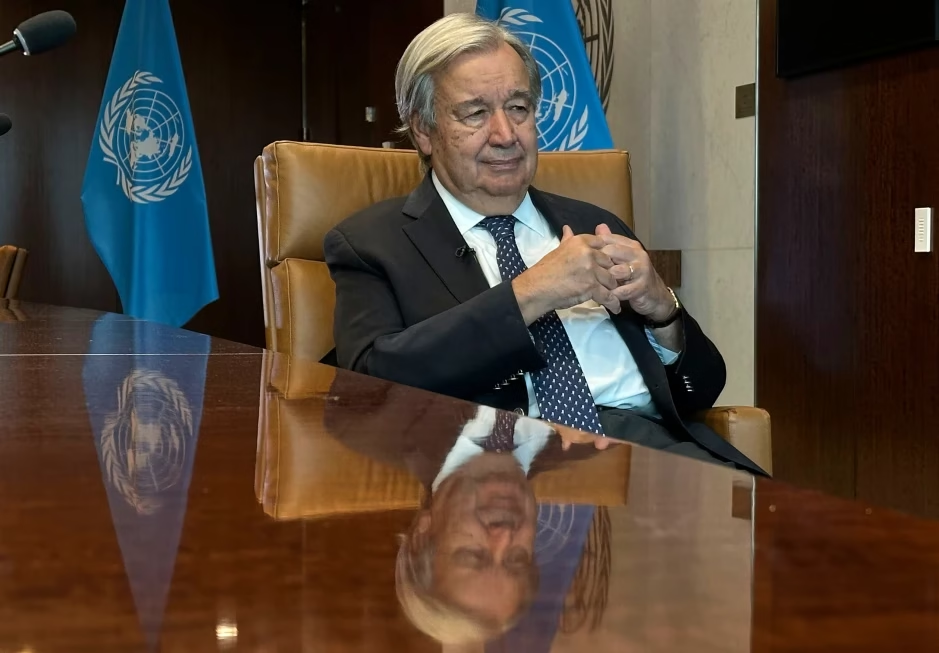
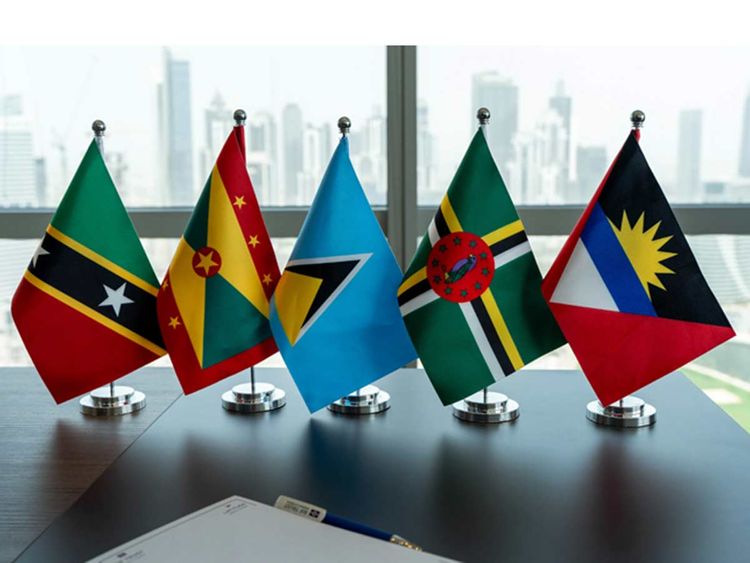
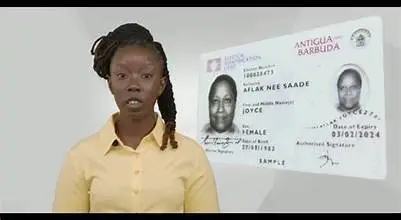
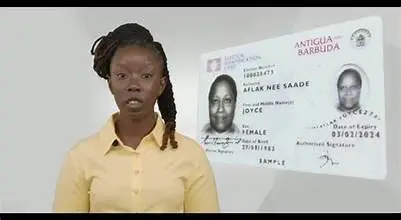
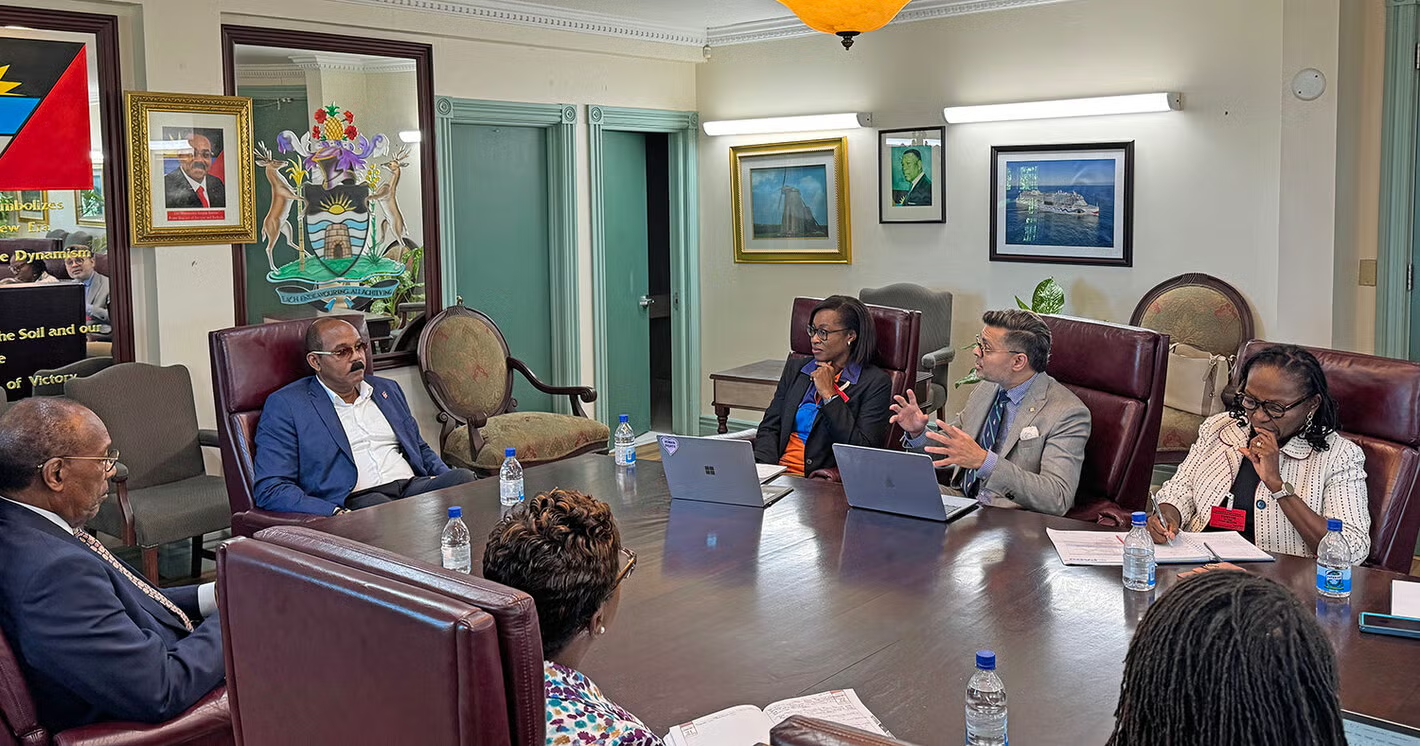
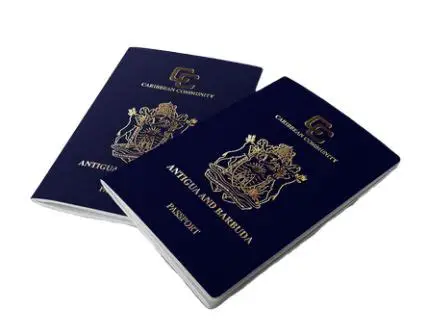
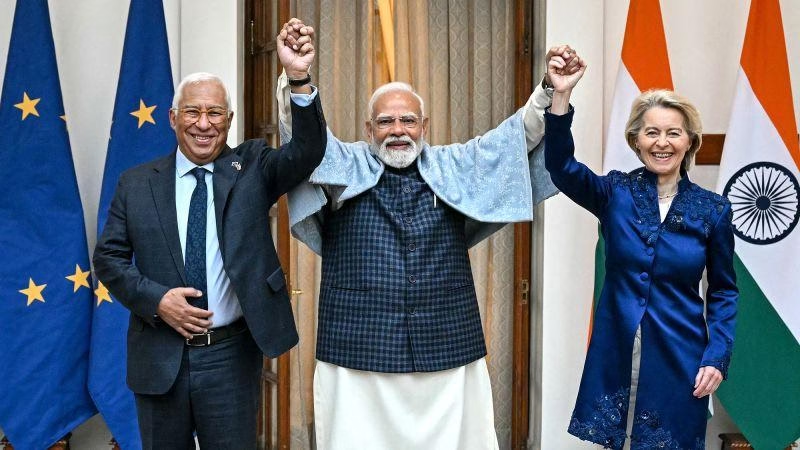
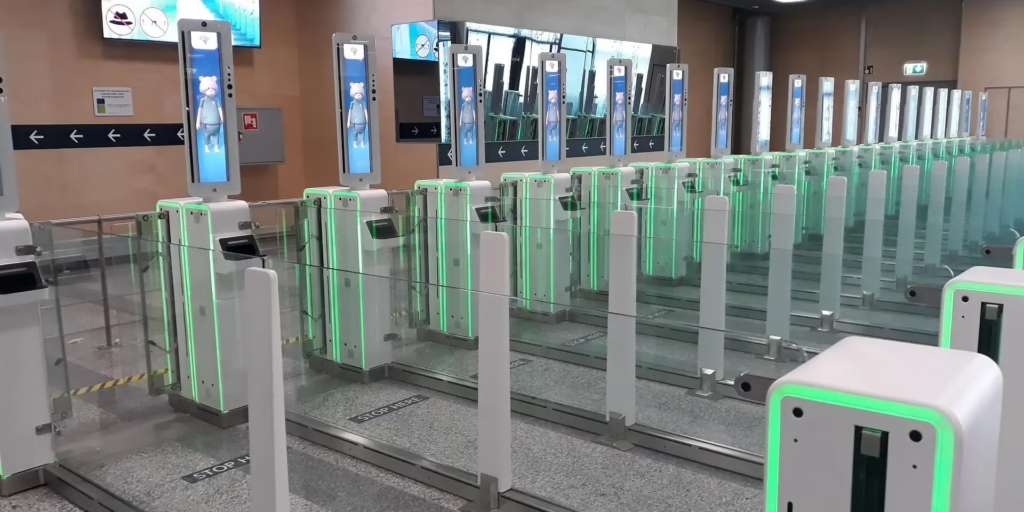
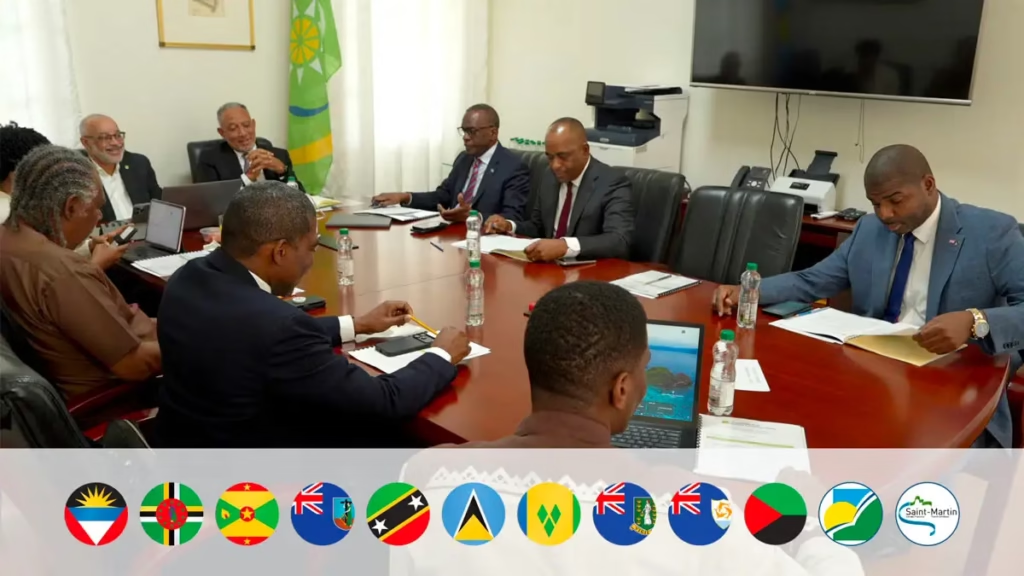
The Cabinet of Antigua and Barbuda devoted considerable time to discussing the European Union’s proposal to require Caribbean countries operating Citizenship by Investment (CIP) programmes to phase out these programmes within the next two years as a condition for maintaining visa-free access to the Schengen Area.
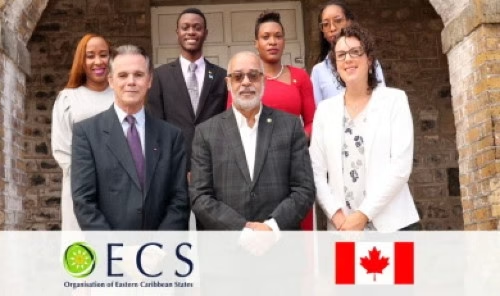
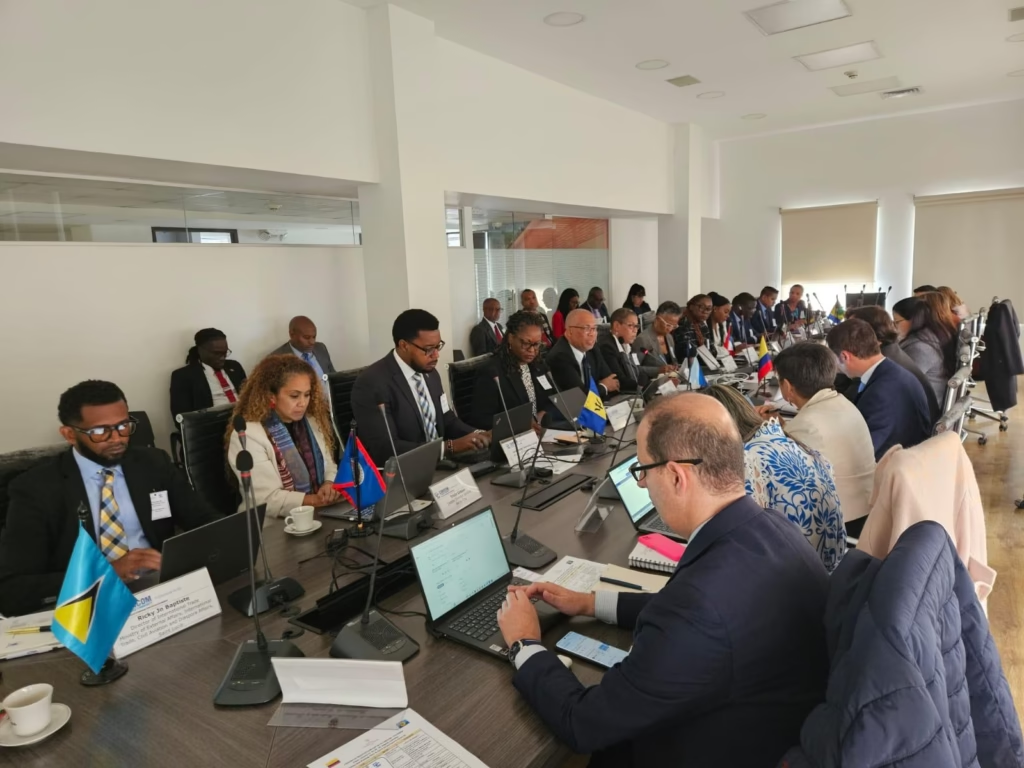
Cabinet was updated on the extensive deliberations that took place during the recent Organisation of Eastern Caribbean States (OECS) Heads of Government Meeting, where Member States reaffirmed their shared commitment to protecting their sovereign right to determine their own economic development strategies while maintaining constructive engagement with the European Union.
Cabinet noted that Antigua and Barbuda’s Citizenship by Investment Programme has been a critical pillar of the country’s economic resilience, financing transformative national development projects, strengthening public infrastructure, supporting climate resilience initiatives, reducing public debt, and creating opportunities for economic growth without imposing additional tax burdens on citizens.
While acknowledging the concerns raised by the European Union, Cabinet reaffirmed that Antigua and Barbuda has consistently demonstrated its commitment to maintaining one of the region’s most robust and transparent due diligence frameworks. Over the years, the Government has implemented successive reforms, strengthened international partnerships, enhanced background screening processes, and collaborated with regional and international stakeholders to ensure that the Programme meets the highest standards of integrity, transparency, and security.
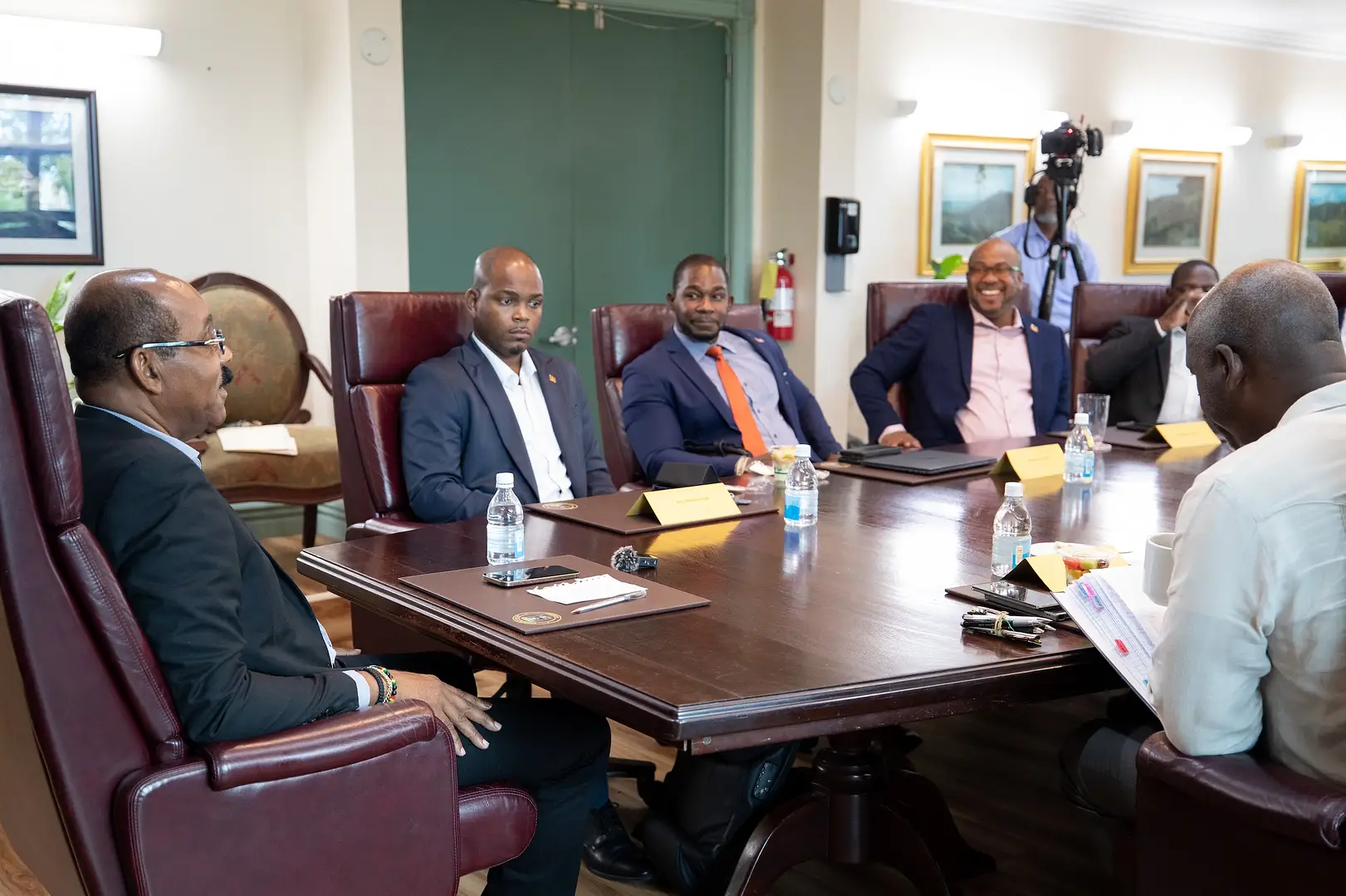
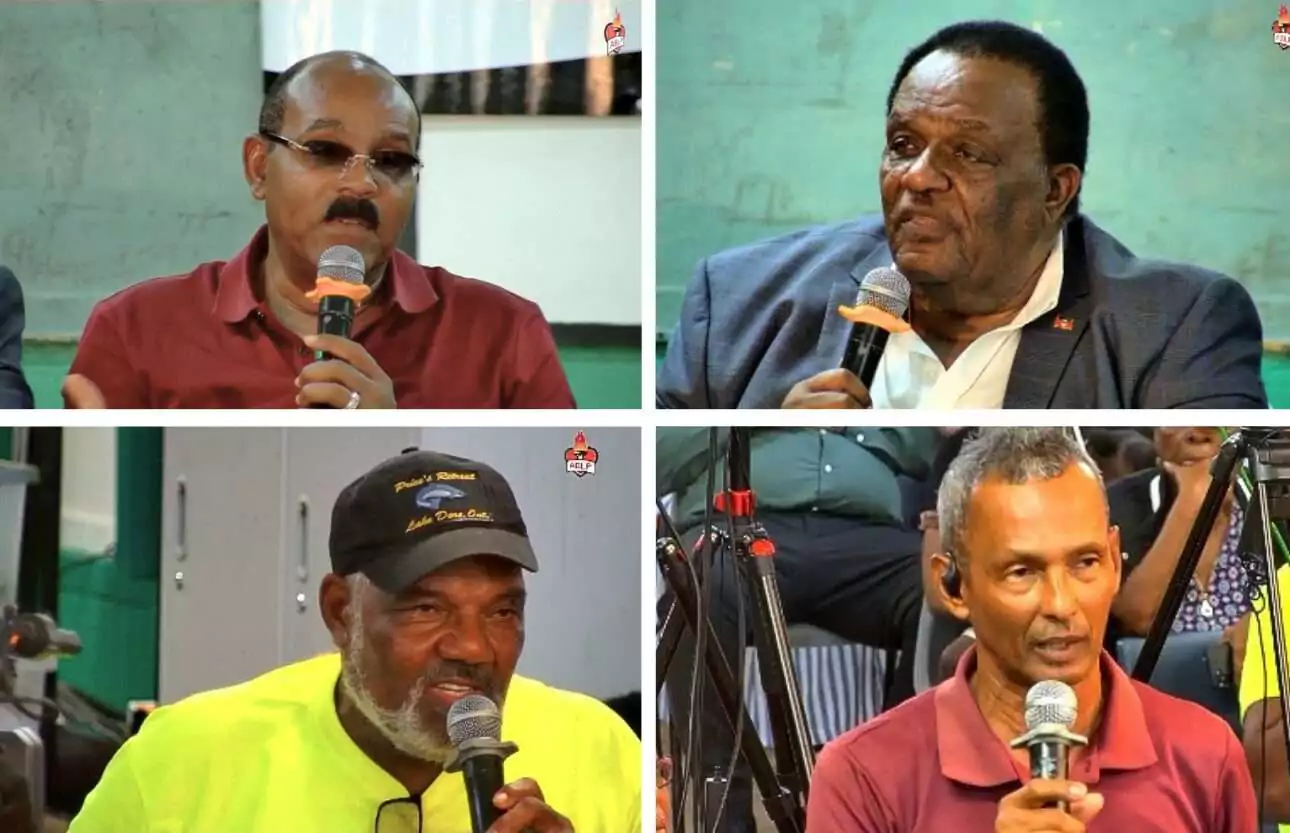
Cabinet agreed that Antigua and Barbuda will continue to examine all available options in responding to the European Union’s proposal. In doing so, the Government will be guided by the national interest, the long-term sustainability of the country’s economy, and the need to preserve the sovereign right of the State to pursue legitimate economic development policies. A number of industry stakeholders were invited to cabinet to share their views on the request of the European Union.
Cabinet further agreed that Antigua and Barbuda will continue to work in close collaboration with its OECS counterparts and other regional partners to develop a coordinated and unified regional response.
The Government believes that continued dialogue and engagement with the European Union remain the most constructive path toward achieving an outcome that addresses mutual concerns while respecting the sovereignty and developmental priorities of participating states.
The Cabinet reiterated its confidence that through diplomacy, regional solidarity, and continued enhancement of programme governance, Antigua and Barbuda will continue to safeguard the integrity and viability of its Citizenship by Investment Programme while protecting the broader interests of the nation and the region.
- Cabinet Endorses Vision for Modern Livestock Development Complex and National Abattoir Project
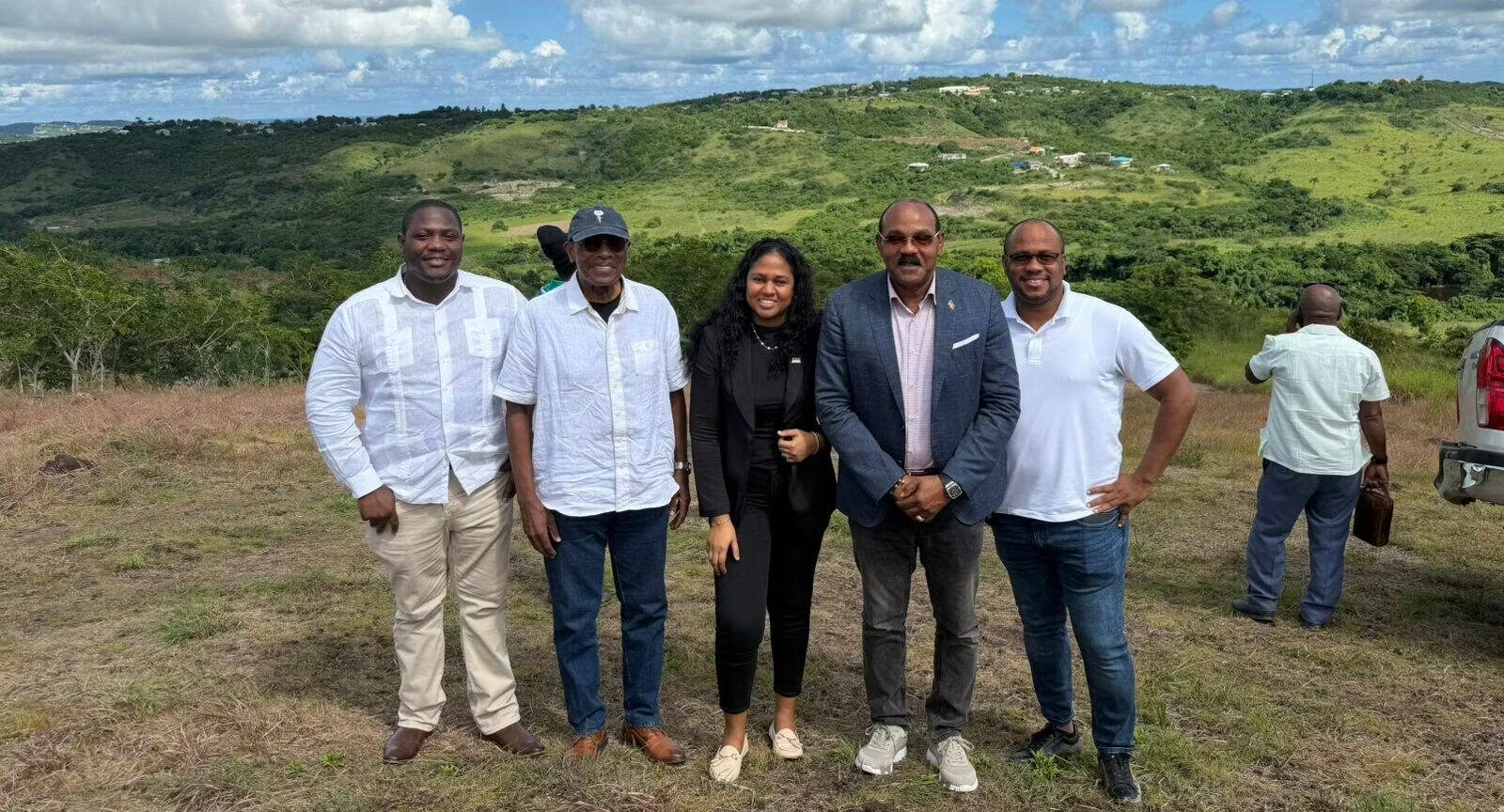
The Cabinet of Antigua and Barbuda on Wednesday received a comprehensive presentation from the Director of Agriculture, the Permanent Secretary in the Ministry of Agriculture, Lands and the Blue Economy, the project’s consultant, and the Project Manager on the Government’s plans to establish modern livestock processing facilities at Betty’s Hope.
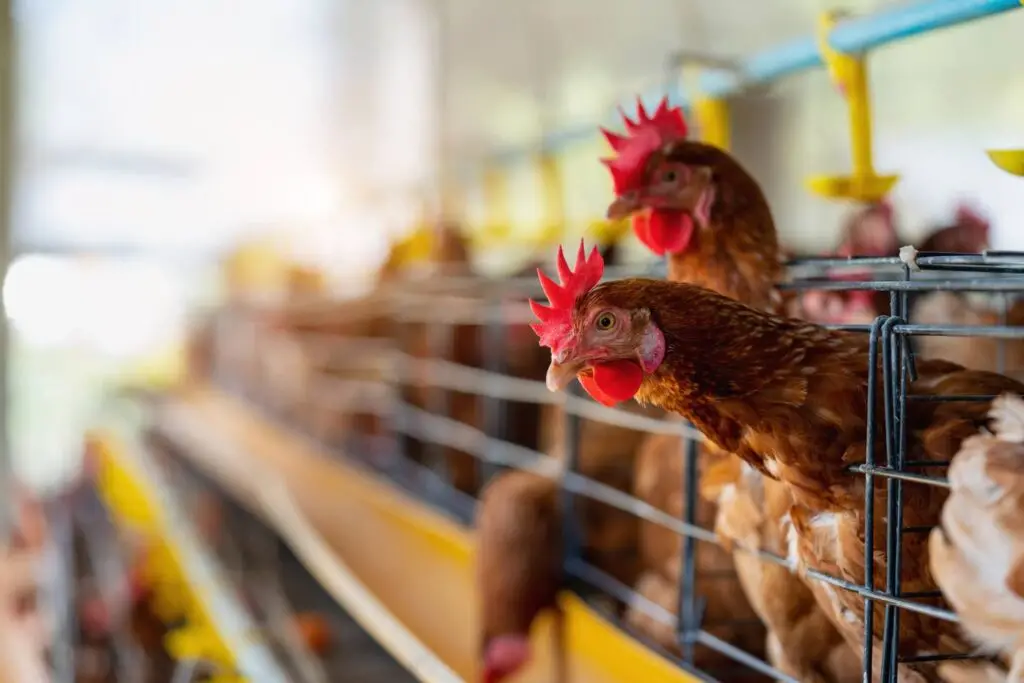
The presentation outlined the first phase of a broader national strategy that will see the construction of a modern small ruminant and swine abattoir, together with a dedicated poultry processing facility. Cabinet was advised that these facilities form the foundation of a long-term vision to establish a Veterinary and Livestock Development Complex that will serve as a national centre of excellence for livestock production, veterinary services, food processing, research, training and agribusiness development.
The presenters explained that the availability of Crown lands at Betty’s Hope provides an ideal location to consolidate veterinary, livestock and regulatory services while creating a permanent home for the Veterinary and Livestock Division. This integrated approach is expected to improve operational efficiency, strengthen coordination among agencies and generate long-term cost savings.
Cabinet was informed that Antigua and Barbuda possesses favourable climatic conditions, land resources and technical expertise to support a vibrant livestock industry. However, the sector has experienced decades of decline due to increased competition from imported products, praedial larceny, changing land-use patterns, rising production costs and climate-related challenges.
The proposed development is therefore intended to do far more than provide modern slaughter facilities. It is designed to strengthen national food security, improve food safety standards, reduce dependence on imported meat products, expand opportunities for livestock farmers, and build greater resilience within the agricultural sector.
The presentation also outlined a phased development strategy that includes expanding national livestock populations through improved breeding programmes, better animal nutrition, enhanced veterinary services and stronger farmer support initiatives. Future phases would incorporate meat packaging and processing, cold storage, feed production, by-product utilisation and other value-added agricultural enterprises that will create employment and retain greater economic value within Antigua and Barbuda.
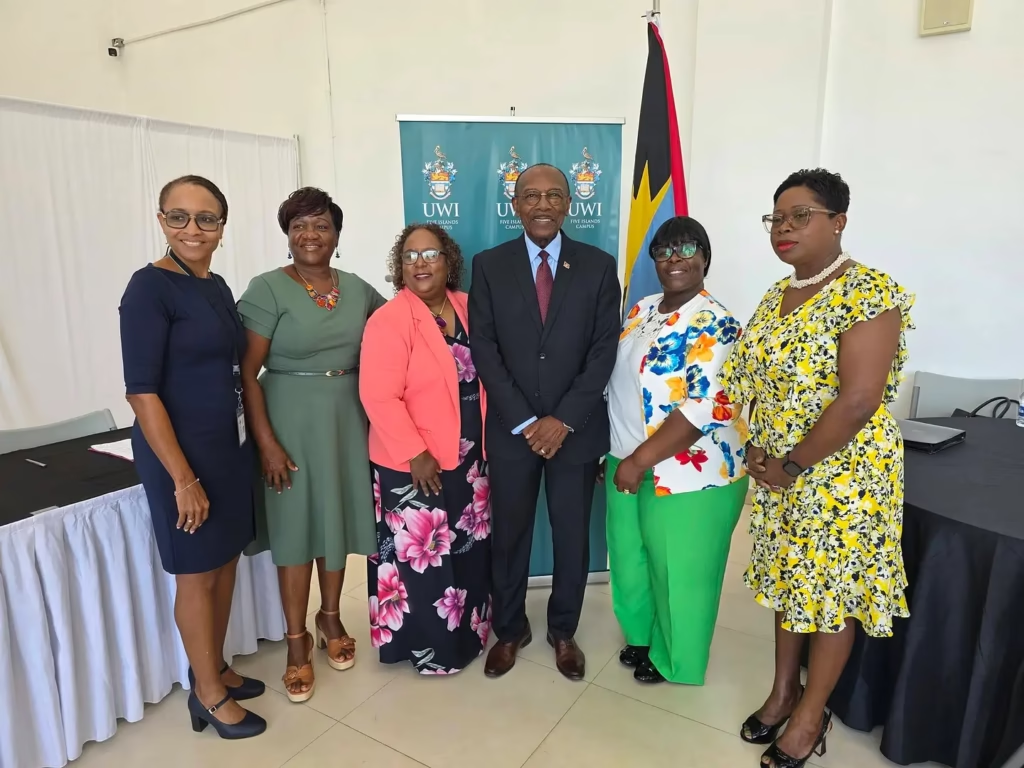
Cabinet further welcomed plans to establish specialised training programmes in livestock production, veterinary science, food safety, meat processing, genetics and agribusiness management. The vision also includes partnerships with the University of the West Indies and other regional institutions to develop a training campus capable of producing the skilled professionals required to support a modern livestock industry.
Particular emphasis was placed on the establishment of a national nucleus breeding programme to improve livestock genetics, increase productivity and reduce dependence on imported breeding stock. Cabinet noted that successful livestock development models in countries such as New Zealand, Ireland and Brazil demonstrate the benefits of integrating production, processing, veterinary services, research and education within a single development framework.
Cabinet expressed its full support for the initiative, recognising it as a transformative national investment that aligns with the Government’s broader agenda to strengthen food security, promote sustainable agriculture, stimulate economic growth and create new opportunities within the livestock sector.
Members agreed that the establishment of the Betty’s Hope facilities represents the beginning of a comprehensive livestock development programme that will position Antigua and Barbuda as a regional leader in livestock production and innovation. The project is budgeted at $15 Million ECD.
Cabinet also endorsed the recommendation that the project be supported by an appropriate agricultural security framework to safeguard public and private investments, including livestock assets, genetic resources, critical infrastructure and institutional knowledge.
In reaffirming its commitment to the initiative, Cabinet underscored the principle that food security is national security and pledged its continued support for policies and investments that strengthen domestic food production and enhance the country’s long-term resilience.
3.
Cabinet Receives Presentation on Proposed US$100 Million Horse Racing and Equine Industry Development
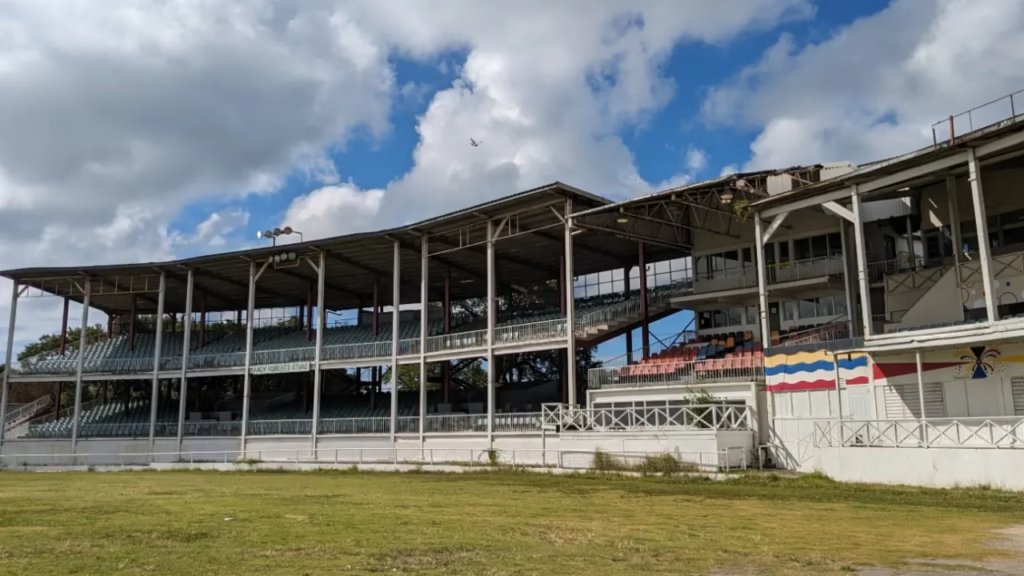
The Cabinet of Antigua and Barbuda on Wednesday received a comprehensive presentation from a consortium of international investors outlining an ambitious proposal to establish a world-class horse racing and equine industry in Antigua and Barbuda.
The proposed development, valued at approximately US$100 million, envisions the creation of a fully integrated horse racing and equine ecosystem that would position Antigua and Barbuda as the premier destination for horse racing and equine services in the Caribbean. The investors indicated that Phase One of the project is estimated at approximately US$25 million.
During the presentation, Cabinet was advised that the project extends well beyond the construction of a racetrack. The master plan includes the development of an international-standard racecourse, a thoroughbred breeding centre, an equine veterinary hospital, a biosecurity and quarantine centre, equine education and training facilities, hospitality and tourism amenities, and supporting infrastructure designed to attract international racing events and investment.
The investors outlined the significant economic and social benefits anticipated from the project, including the creation of employment opportunities, increased tourism arrivals, expanded business opportunities for local enterprises, international partnerships, professional training programmes, and opportunities for youth development through equine sports and related industries.
The proposal also highlighted Antigua and Barbuda’s strategic location, stable political environment, strong tourism brand, and sound economic foundation as key competitive advantages that could support the development of an internationally recognised horse racing industry.
Cabinet welcomed the presentation and acknowledged the potential of the initiative to diversify the country’s tourism product, stimulate investment, and create new avenues for economic growth.
Given the scale and complexity of the proposed investment, Cabinet agreed that further engagement is required to fully examine the project’s financial, regulatory, environmental, and operational components. The investor group will therefore make a series of follow-up presentations to Cabinet, during which additional technical details, implementation timelines, investment structures, and regulatory considerations will be reviewed before any decisions are taken.
The Cabinet reaffirmed its commitment to carefully evaluating investment proposals that have the potential to generate sustainable economic growth, create employment, and strengthen Antigua and Barbuda’s position as a competitive destination for international investment while ensuring that all developments are aligned with the country’s national development priorities.
4.
Cabinet Advances Agricultural Land Redistribution Programme to Boost Food Production
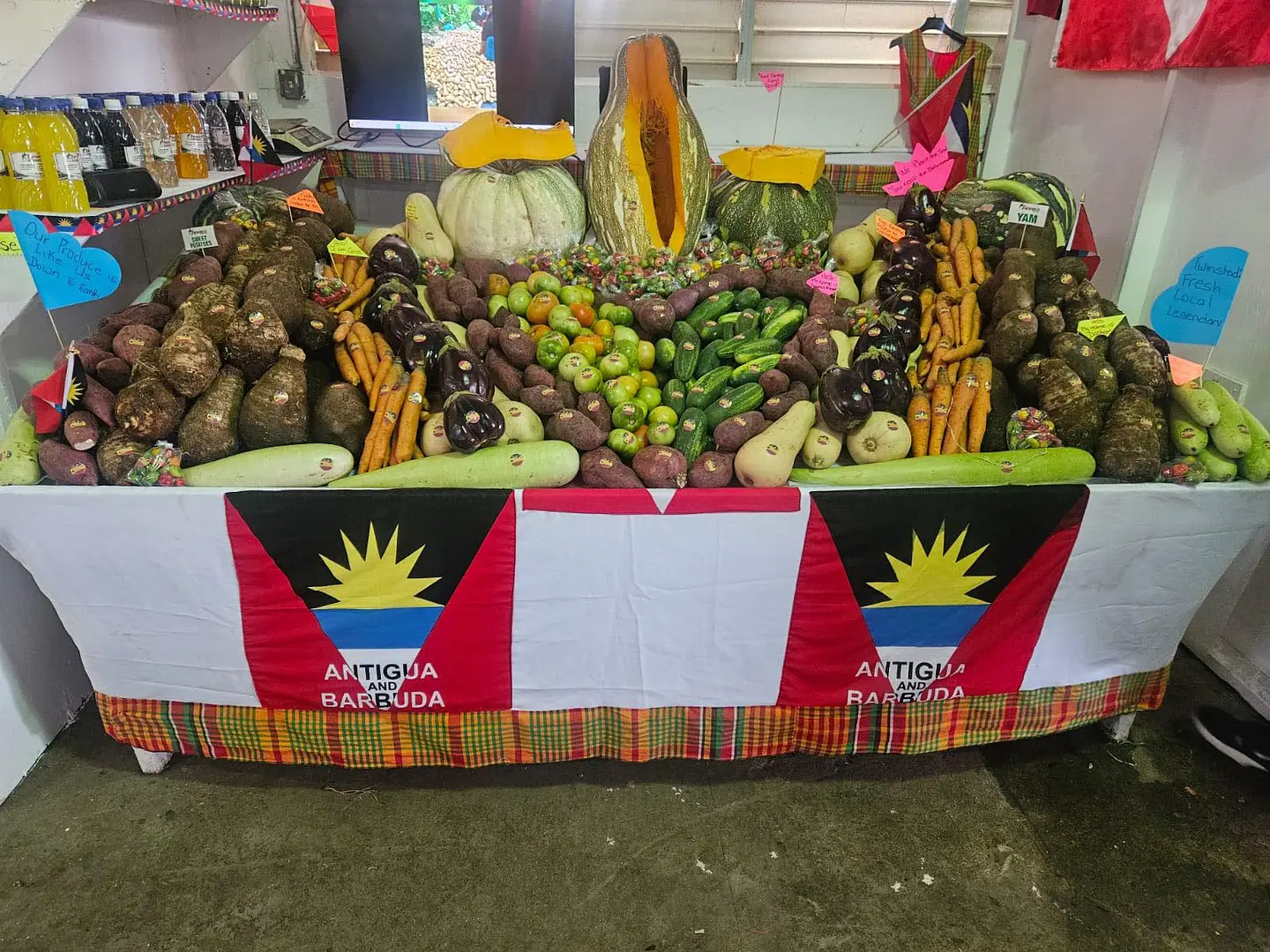
The Cabinet of Antigua and Barbuda has reaffirmed its commitment to strengthening national food security and expanding agricultural production following an update from the Hon. Minister of Agriculture on the Government’s agricultural land redistribution programme.
The Minister informed Cabinet that the Ministry of Agriculture has identified and taken possession of approximately 682 acres of abandoned and underutilized agricultural lands that have remained unproductive for more than four years. The lands, which have been categorized through a comprehensive assessment conducted by the Agriculture Extension Division, include properties under the Extension Division, the Agricultural Development Corporation (ADC), livestock holdings, and parcels with unresolved ownership.
Cabinet was advised that the lands have been earmarked for redistribution to qualified farmers who have demonstrated a commitment to agricultural production. The first phase of the programme will see 50 vetted farmers receiving land allocations to increase domestic food production and improve national food security.
The Ministry also reported that a pool of applicants has already been vetted through the Agriculture Extension Division, with allocations to be made in accordance with the order in which applications were received and approved.
To ensure accountability and productive use of the land, Cabinet agreed that the initial allocations will be granted for a six-month probationary period. During this period, the Ministry of Agriculture will closely monitor cultivation, productivity, and adherence to agreed development plans. Farmers who demonstrate active and sustained production will be granted longer-term occupancy.
The Minister further advised that a significant portion of abandoned livestock lands, particularly in the Northeast District—including Pares, Parham Lodge, Betty’s Hope, and Comfort Hall—has been identified for conversion into crop production to maximize agricultural output.
Cabinet noted that the repossession initiative is intended to ensure that Government-owned agricultural lands are utilized efficiently and that scarce agricultural resources are placed in the hands of productive farmers capable of contributing to the nation’s food supply.
The Minister also updated Cabinet on the Government’s concession programme for the agricultural sector. Cabinet reaffirmed its policy that duty-free and tax concessions on agricultural and fisheries equipment will be granted only to registered farmers and fisherfolk who are actively engaged in production. The policy is intended to ensure that Government incentives benefit bona fide producers while safeguarding public resources and promoting accountability within the sector.
Cabinet reiterated that agriculture remains a pillar of the Government’s economic diversification strategy. By reclaiming abandoned lands, expanding access to productive acreage, and directing incentives toward genuine producers, the Government continues to create opportunities for increased local food production, reduced dependence on imports, enhanced rural livelihoods, and greater national resilience.
The Cabinet emphasized that the redistribution programme reflects the Government’s long-standing policy that agricultural lands must be actively cultivated and managed in the national interest. Those prepared to farm productively will continue to receive the Government’s support through access to land, technical assistance, and targeted incentives aimed at building a modern, sustainable, and competitive agricultural sector.
5.
Cabinet Receives Update on National CCTV Surveillance Programme
The Cabinet of Antigua and Barbuda has received an update from the Minister for Public Safety, the Hon. Sir Steadroy Benjamin, on the implementation of the Government’s national Closed-Circuit Television (CCTV) surveillance programme, a major initiative aimed at enhancing public safety and strengthening crime prevention across the country.
Sir Steadroy advised Cabinet that significant progress has been made in the rollout of the project, with 42 strategic locations now identified for the installation of high-definition surveillance cameras across Antigua and Barbuda. Installation is progressing according to schedule and is expected to be completed by the final week of August.
The Minister explained that the locations were selected following careful assessments of traffic patterns, commercial activity, public spaces, and other areas considered critical to national security and law enforcement operations.
Once operational, the CCTV network will be fully integrated into the Royal Police Force of Antigua and Barbuda’s security infrastructure, providing law enforcement officers with enhanced real-time monitoring capabilities, improved situational awareness, and valuable investigative tools to support the detection, prevention, and prosecution of criminal activity.
Cabinet noted that the surveillance system will serve as an important force multiplier for the Police, enabling more effective monitoring of public areas, assisting with traffic management, supporting emergency response operations, and providing evidentiary footage to aid criminal investigations and prosecutions.
The Minister emphasized that the installation of the CCTV network forms part of the Government’s wider public safety strategy, which also includes strengthening the capabilities of the Police Force, expanding the use of modern technology in policing, increasing personnel, and investing in crime prevention initiatives.
Cabinet welcomed the progress achieved thus far and reaffirmed its commitment to providing the Royal Police Force with the technological resources necessary to safeguard communities and improve national security.
The Government remains steadfast in its efforts to modernize law enforcement through the strategic use of technology, recognizing that enhanced surveillance systems are an essential component of a comprehensive approach to crime prevention and public safety.
6.
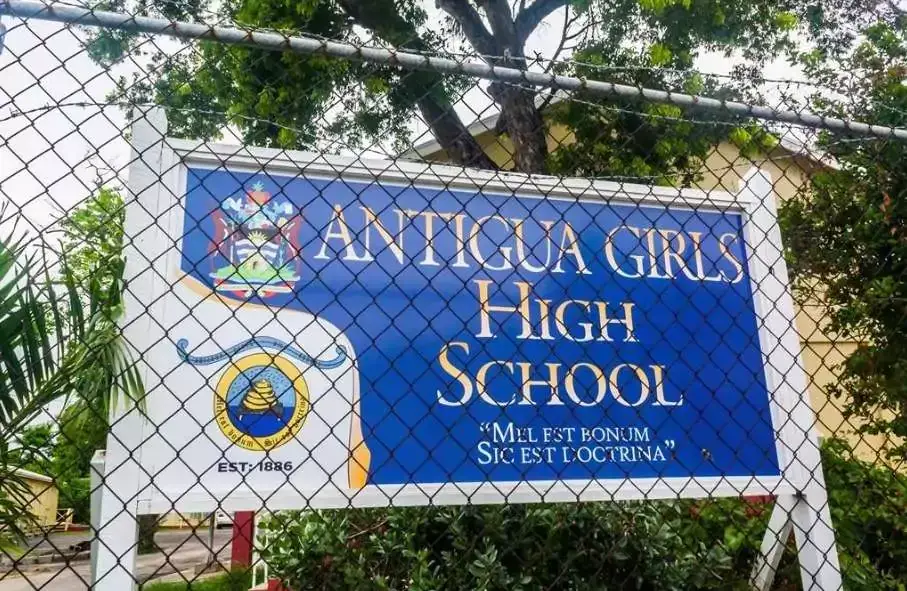
Cabinet Formalizes Government-Funded CXC Examination Fee Programme
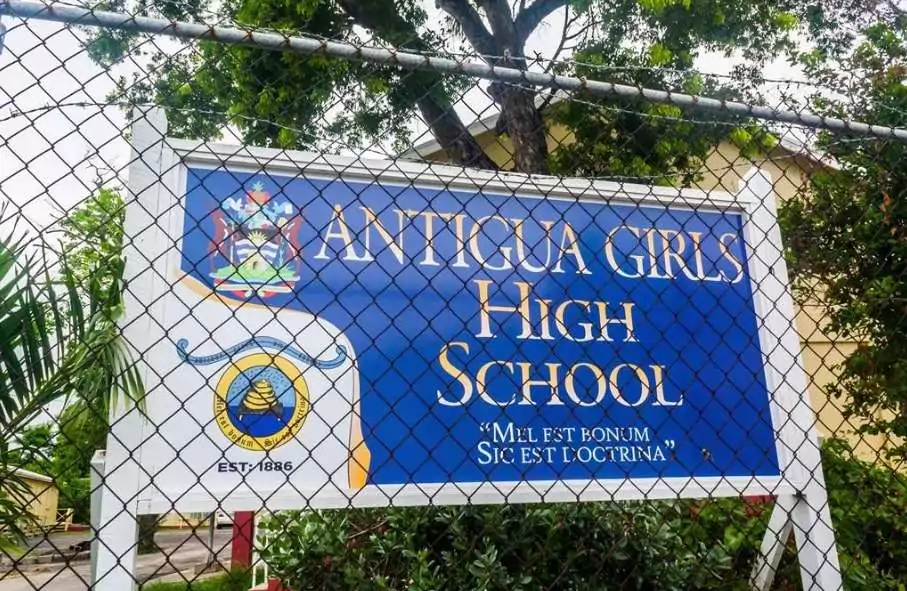
The Cabinet of Antigua and Barbuda has approved a recommendation from the Ministry of Education, Science and Technology to formally adopt the Government’s National CXC Examination Fee Support Programme, cementing a landmark education initiative that was first introduced during the last academic year.
The programme, which has already enabled hundreds of students to sit Caribbean Examinations Council (CXC) examinations without the burden of examination fees, is now an established Government policy, ensuring that financial constraints do not prevent qualified students from accessing regional certification.
Under the policy, the Government will continue to pay examination fees for eligible students enrolled in public and private secondary schools, the Antigua and Barbuda College of Arts and Sciences (ABCAS), and approved home-schooling programmes who are sitting Caribbean Certificate of Secondary Level Competence (CCSLC), Caribbean Secondary Education Certificate (CSEC), and Caribbean Advanced Proficiency Examination (CAPE) subjects.
The approved policy provides Government funding for:
• Candidate entry fees;
• Subject fees; and
• Local examination fees.
Coverage is as follows:
• Up to five CCSLC subjects;
• Up to ten CSEC subjects; and
• Up to five CAPE subjects.
Cabinet emphasized that the initiative represents a significant investment in the nation’s human capital by expanding access to quality education, increasing opportunities for tertiary education and employment, and strengthening Antigua and Barbuda’s future workforce.
To ensure accountability and encourage academic commitment, students benefiting from the programme will be required to maintain satisfactory attendance, complete all School-Based Assessments (SBAs), demonstrate appropriate conduct, and sit the examinations for which Government has provided funding. Students who fail to complete SBAs or fail to sit registered examinations without an approved reason may be required to reimburse the associated costs.
Eligibility for the programme will be limited to students who:
• Are citizens of Antigua and Barbuda, or citizens of OECS member states that provide reciprocal benefits;
• Are enrolled in registered public or private secondary schools, approved home-schooling programmes, or ABCAS;
• Are recommended by their school principal;
• Meet the Ministry of Education’s attendance requirements; and
• Are first-time candidates for the subjects being entered.
The policy also clearly outlines exceptions. Government funding will not apply to examination resits, subject rewrites intended to improve previous grades, late registration penalties, amendment fees after registration deadlines, script reviews, or additional subjects beyond the approved limits. Students choosing to rewrite examinations will remain responsible for those associated costs.
Cabinet further approved the establishment of a formal administrative framework requiring the Ministry of Education to include annual budgetary allocations for examination fees, verify student eligibility before payment, monitor programme expenditure, and conduct annual evaluations measuring participation rates, student performance, tertiary enrolment, and overall programme effectiveness.
In endorsing the formal policy, Cabinet reaffirmed that education remains one of the Government’s highest priorities. The institutionalization of the National CXC Examination Fee Support Programme ensures that future generations of students will continue to benefit from equitable access to regional examinations while reinforcing the principle that no qualified student should be denied educational opportunity because of financial hardship.
7.
Cabinet Reaffirms Commitment to Live Broadcasting of Antigua Carnival Shows
The Cabinet of Antigua and Barbuda has reaffirmed its commitment to ensuring that all official Antigua Carnival events remain accessible to the widest possible audience by deciding that all Carnival shows will continue to be streamed live.
The matter was discussed in Cabinet following the circulation of a directive proposing a mandatory 24-hour delay in the rebroadcast and streaming of all Antigua Carnival 2026 shows. The Minister for Festivals strongly expressed concern that such a restriction would significantly diminish public access to one of the country’s premier cultural events and undermine the Government’s efforts to showcase Antigua and Barbuda to regional and international audiences.
After careful consideration, Cabinet unanimously agreed that the public interest is best served by maintaining live broadcasts and livestreams of all official Carnival events.
Cabinet noted that Antigua Carnival is not only the nation’s premier cultural festival but also an important tourism and economic product that benefits from real-time exposure across traditional and digital media platforms. Live broadcasts provide Antiguans and Barbudans at home and abroad, regional viewers, international audiences, and persons unable to attend the events in person with the opportunity to participate in and celebrate the festival as it unfolds.
Cabinet further recognized that live coverage serves as a powerful promotional tool for Antigua and Barbuda, generating international visibility for the country’s culture, creative industries, tourism sector, and local artistes. It also enhances sponsorship value and strengthens the overall Carnival brand by extending its reach well beyond the confines of Carnival City.
While acknowledging the importance of encouraging attendance at Carnival events, Cabinet concluded that live broadcasting and strong gate attendance are not mutually exclusive. Instead, both can coexist and contribute to the continued growth and success of Antigua Carnival by expanding the festival’s audience while preserving the unique experience of attending the events in person.
Accordingly, Cabinet has directed that all official Antigua Carnival 2026 shows shall be streamed live to the public, and that no mandatory delay shall be imposed on their broadcast or digital transmission.
The Government remains committed to working collaboratively with the Antigua and Barbuda Festivals Commission, media houses, broadcast partners, sponsors, promoters, and other stakeholders to ensure that Antigua Carnival continues to grow as a world-class festival that celebrates the nation’s culture while maximizing opportunities for public participation, tourism promotion, and economic activity.