
 English






















































































































































































































































































































































































































































































































































































































































































































































































































































































































































































































































































































































































































































































































































































Cuba’s Health System Nears Breaking Point
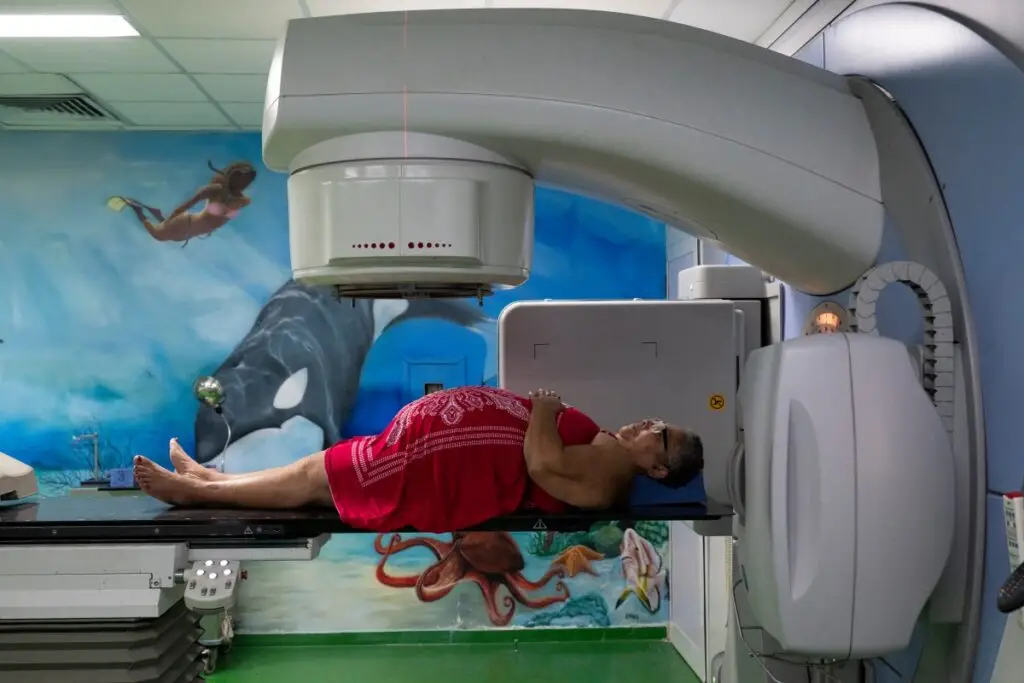
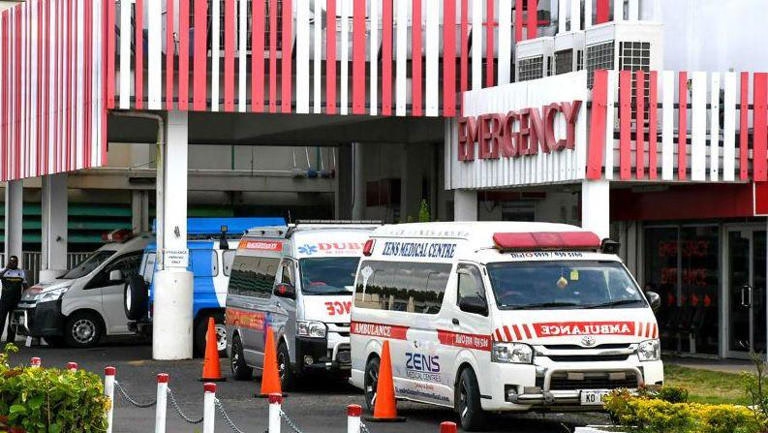
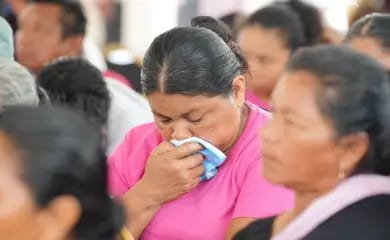
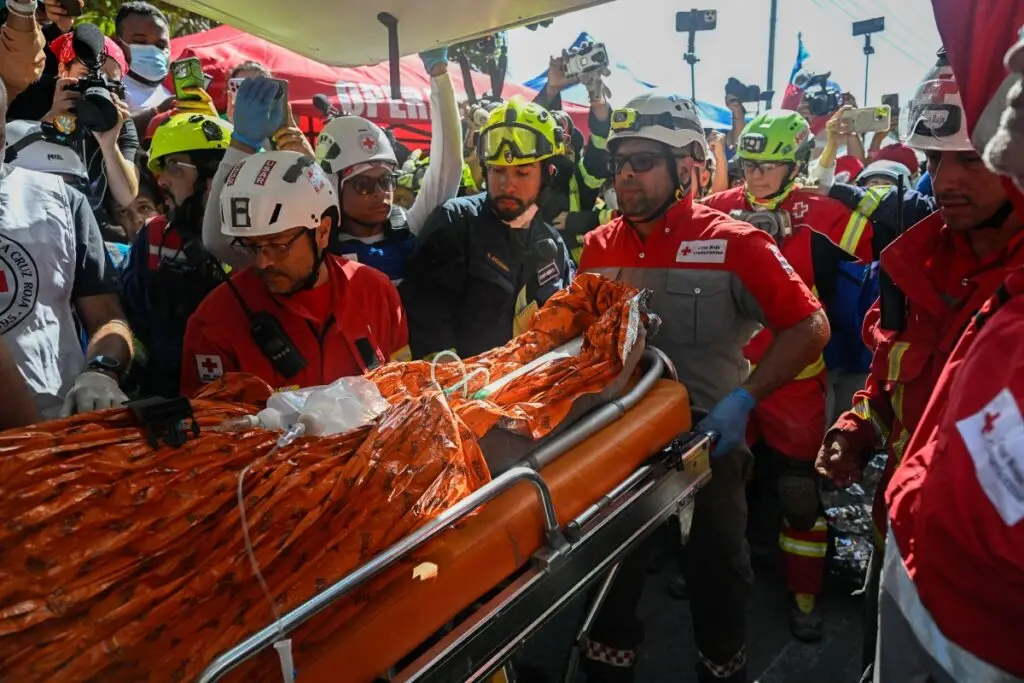
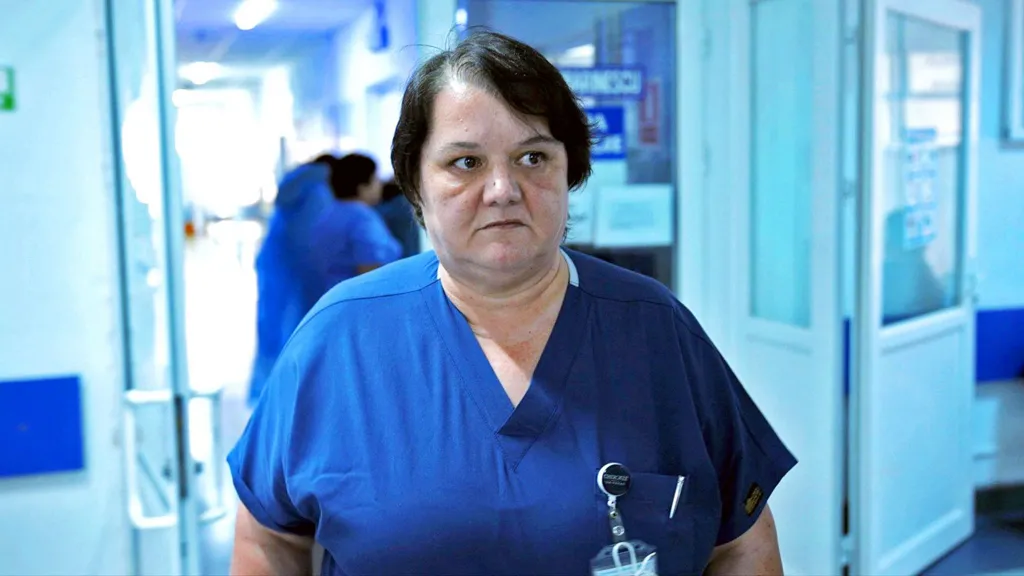
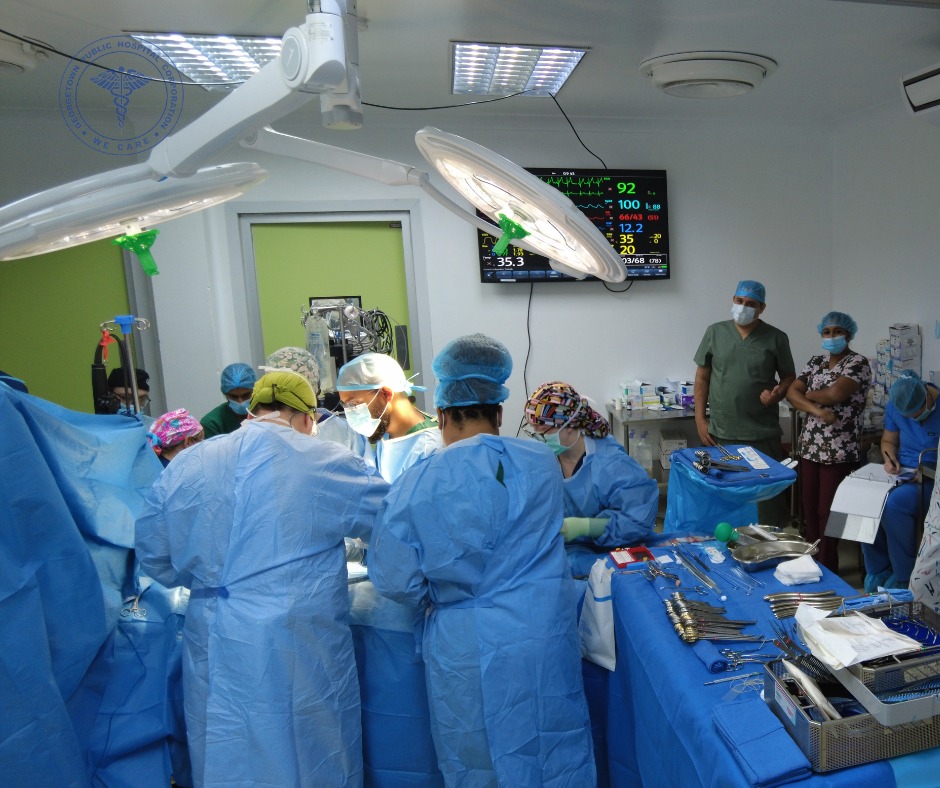
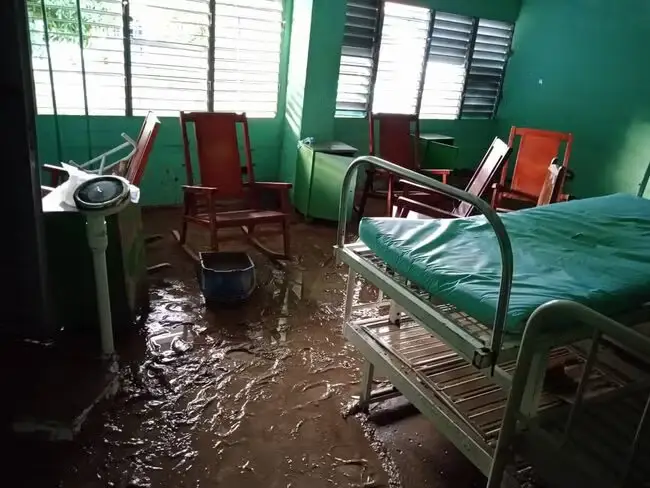
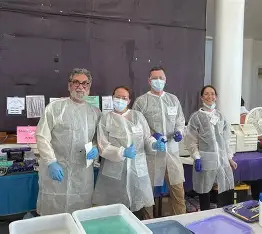
Cuba’s once highly regarded public healthcare system is facing one of its most serious crises in decades. Patients are experiencing long delays for life-saving tests and treatments as hospitals struggle with broken equipment, medicine shortages and a lack of medical staff.
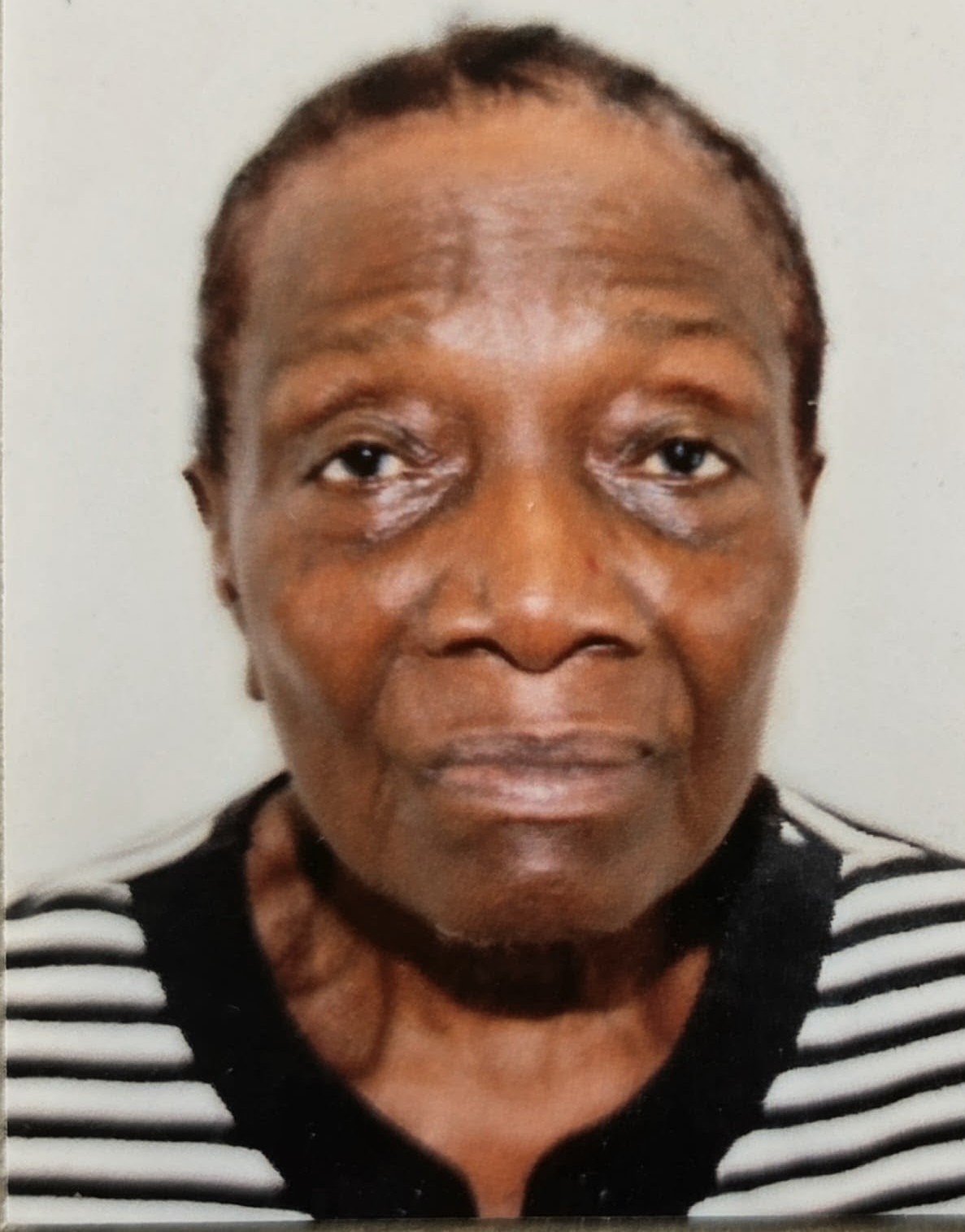
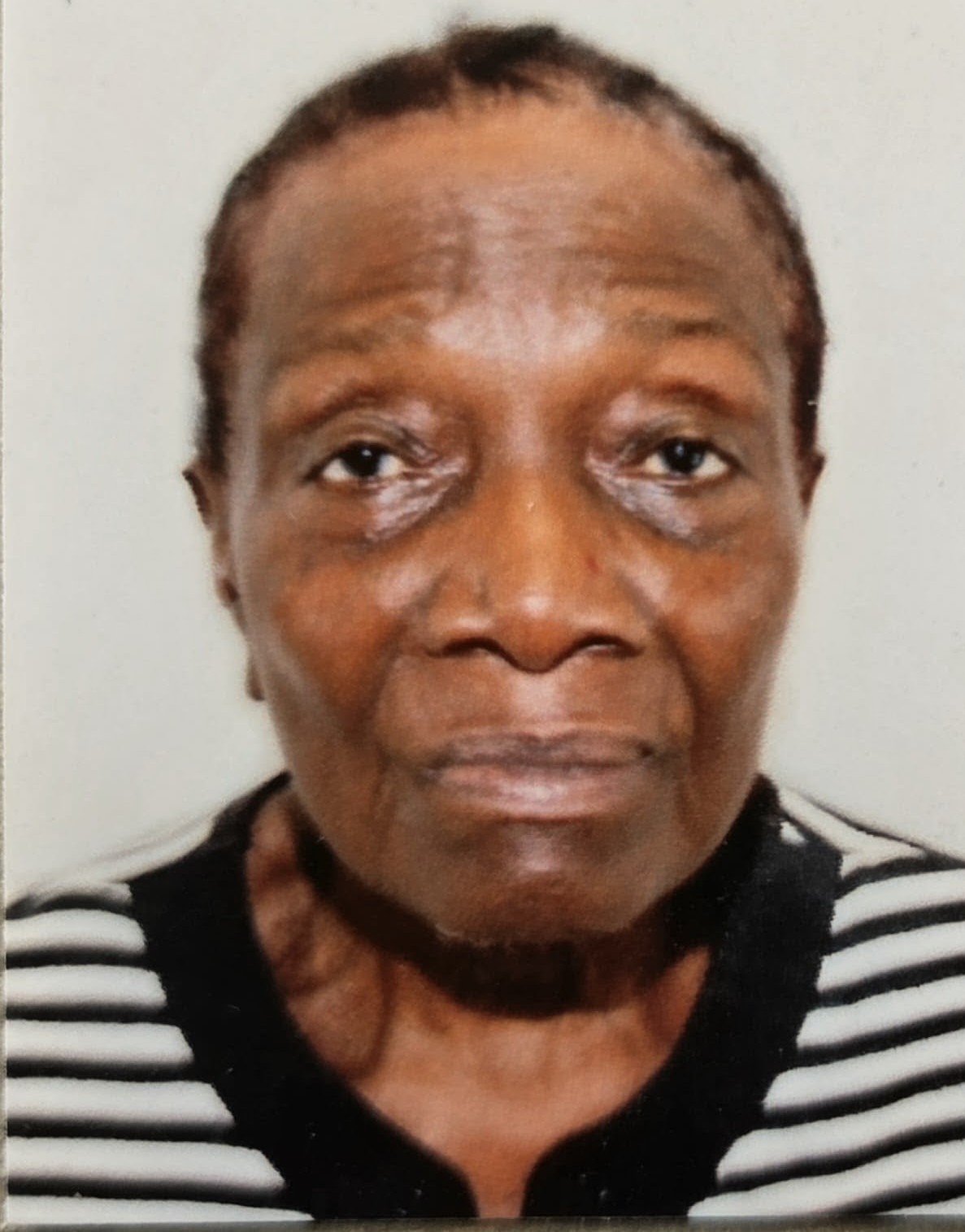
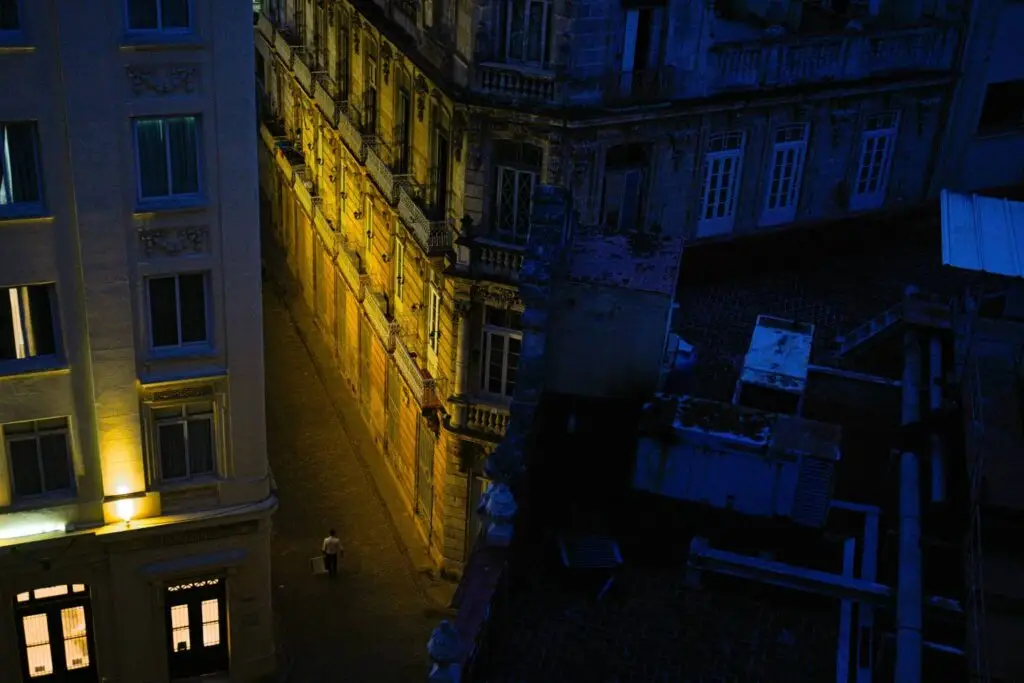
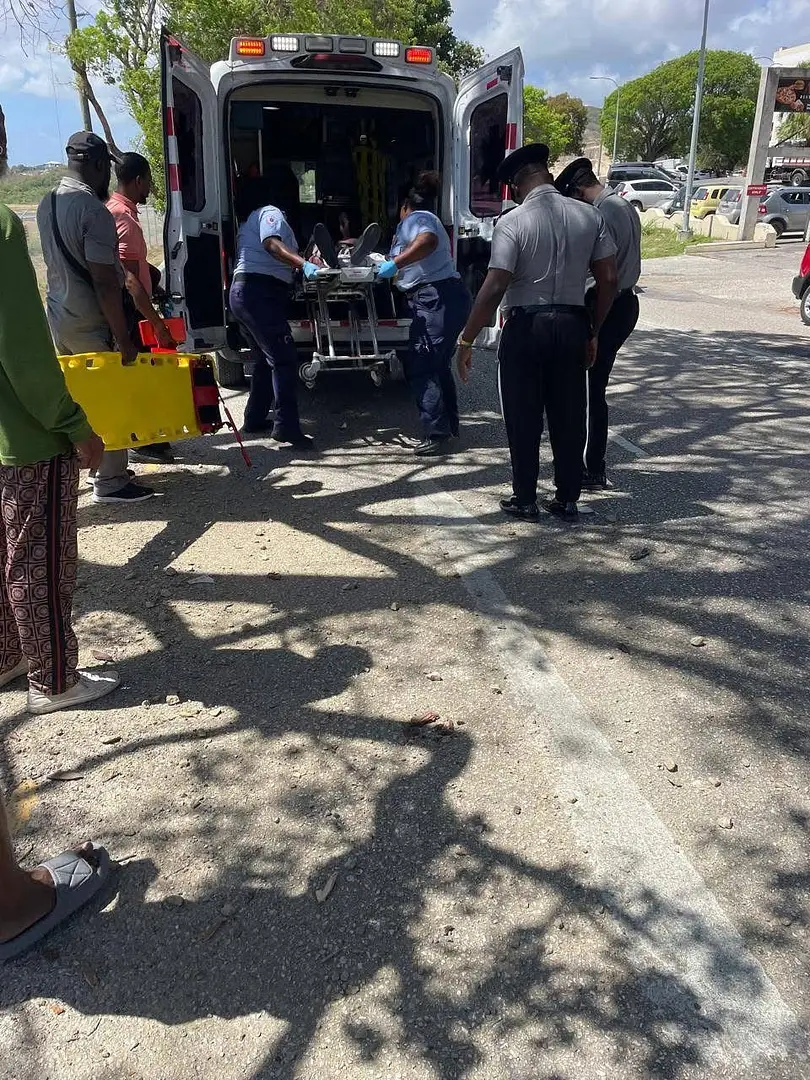
At Havana’s main cancer hospital, 64-year-old Rosa Valentina Perez has spent weeks waiting for a CT scan after losing mobility in her legs. Doctors believe the scan is urgently needed to determine whether her breast cancer has spread to her spine. However, the only working CT scanner in the capital is located at another hospital, leaving patients to wait as their conditions worsen.
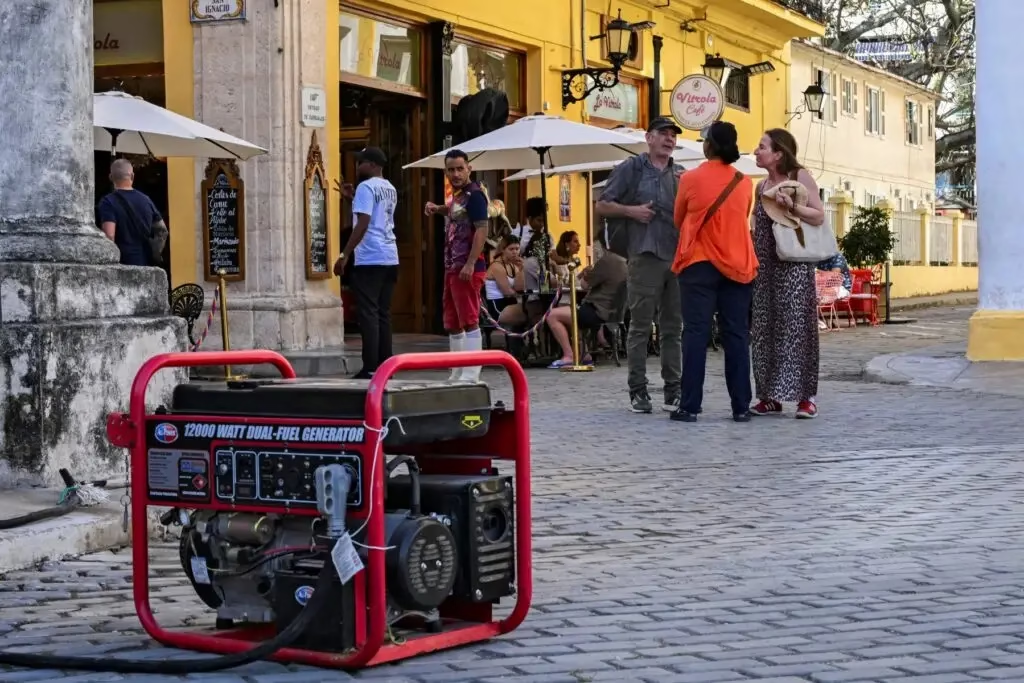
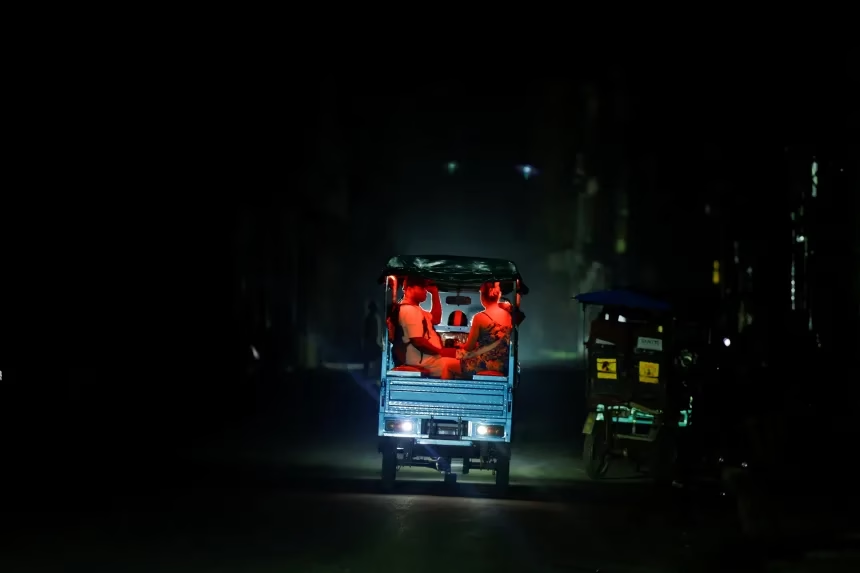
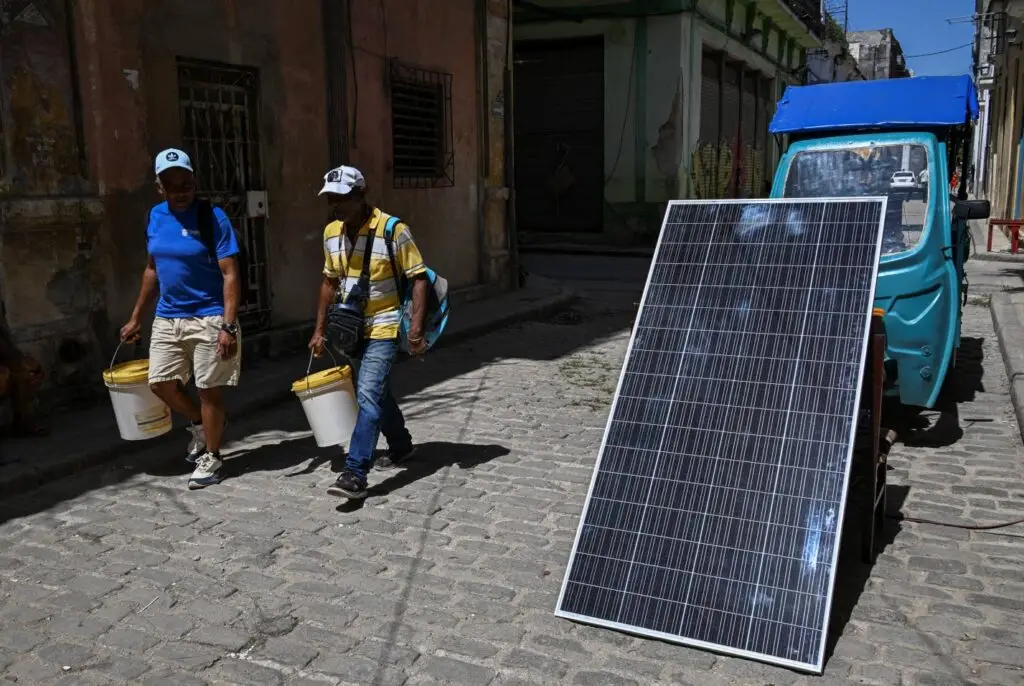
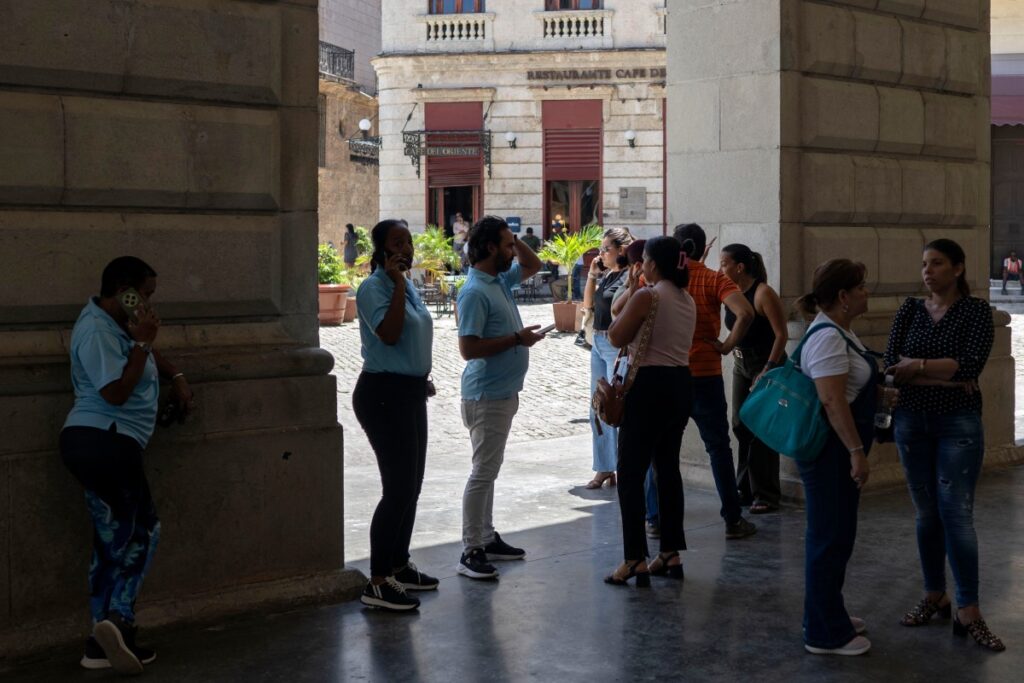
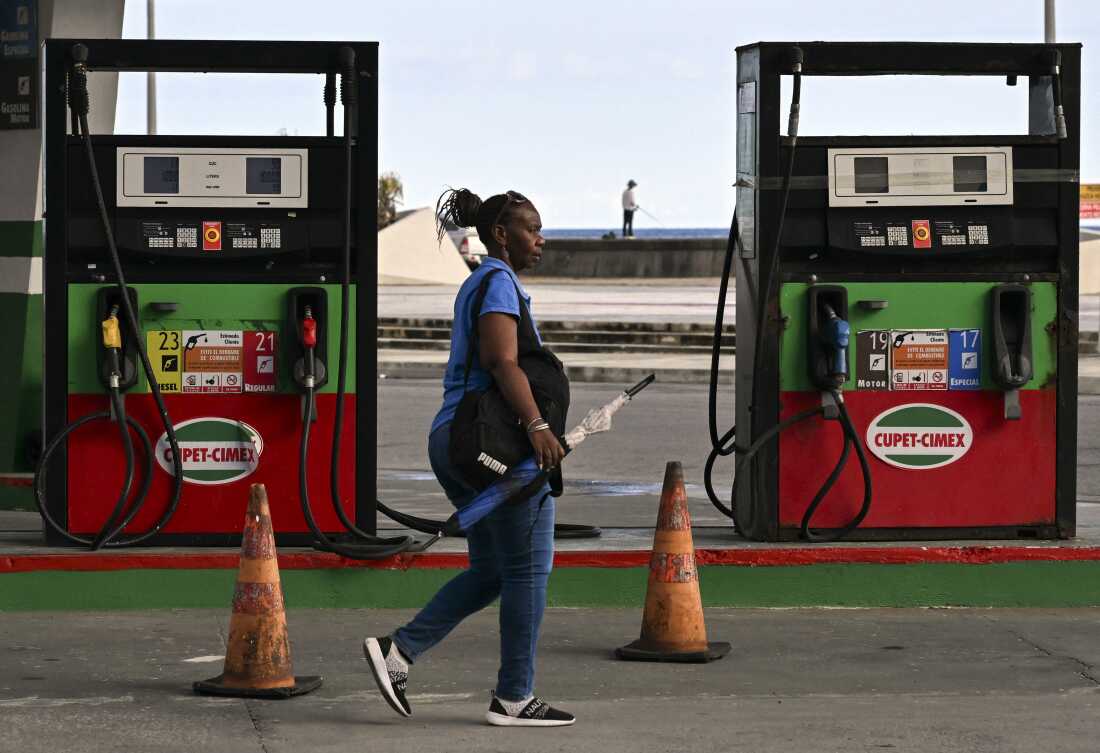
The healthcare system, once promoted as one of the Cuban Revolution’s greatest achievements, has been placed under growing pressure in recent years. Officials say the combined effects of the COVID-19 pandemic, tighter United States sanctions, an ongoing energy crisis and fuel shortages have strained hospitals across the country. Frequent power outages, limited medical supplies and ageing equipment have further reduced the system’s ability to provide timely care.
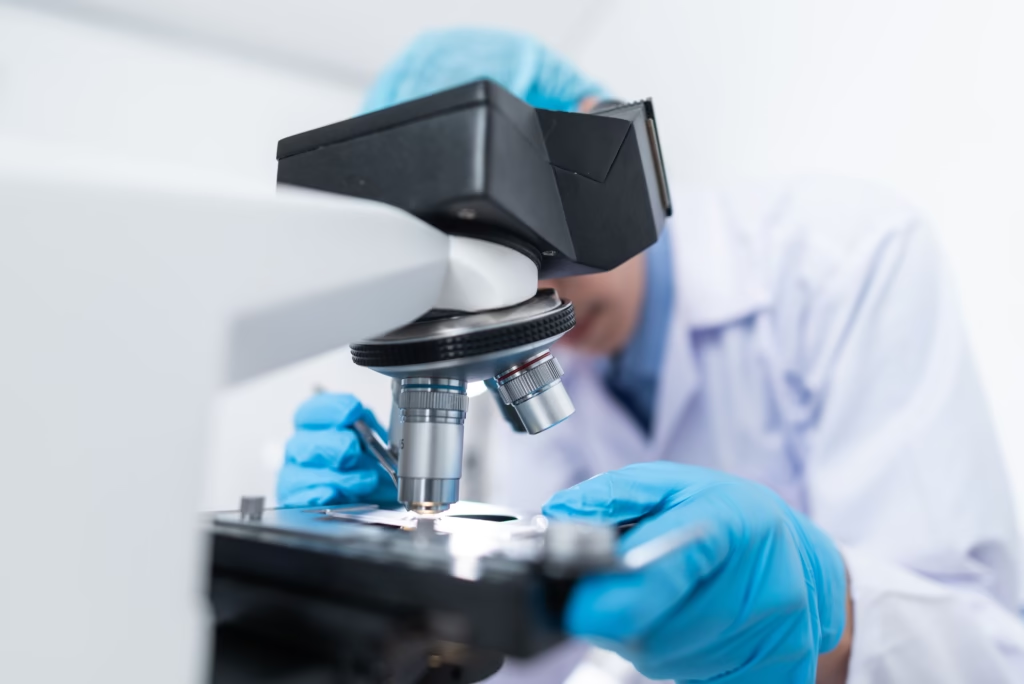
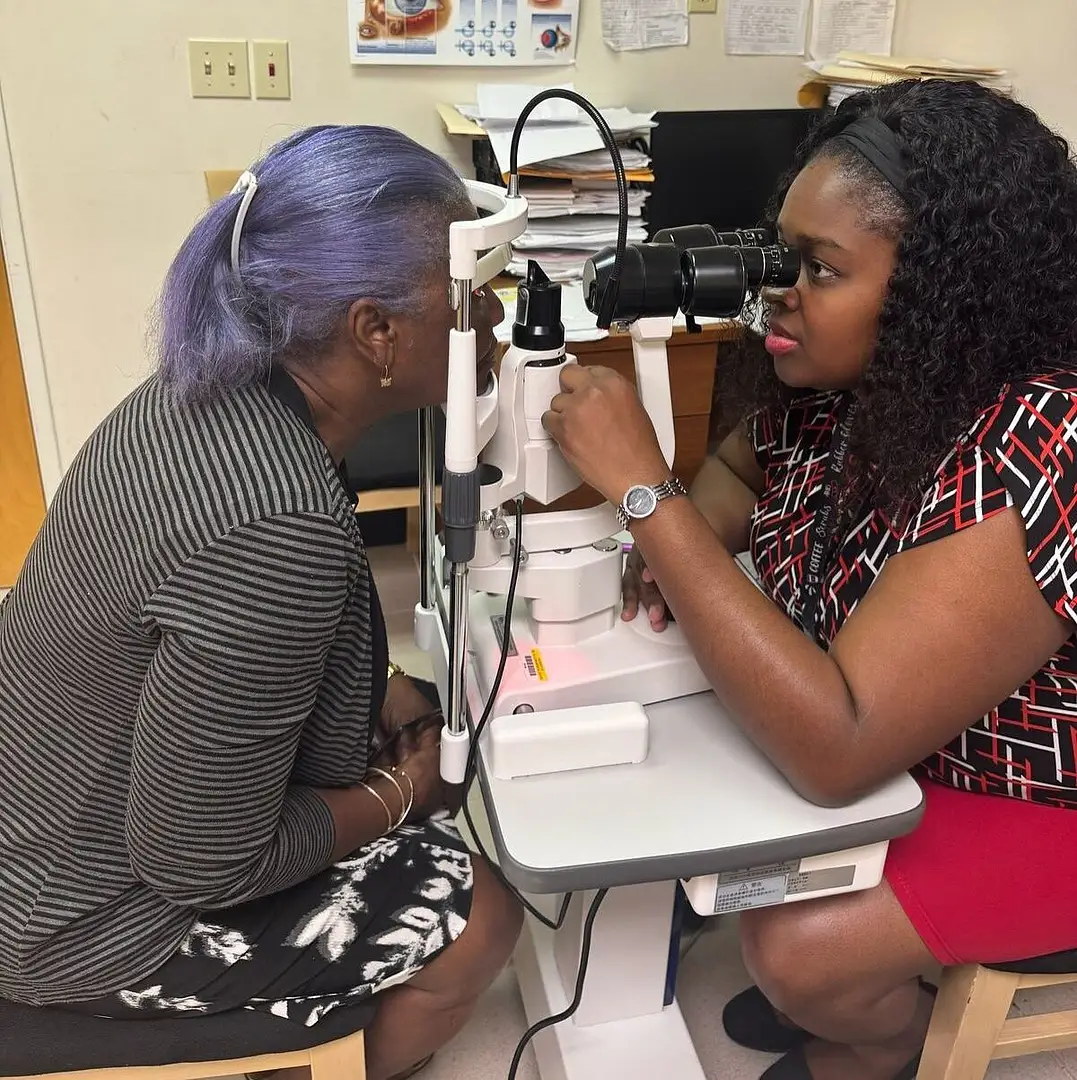
Even hospitals that receive priority funding are struggling. At Cuba’s National Institute of Oncology and Radiobiology, more than 1,200 patients are waiting for radiotherapy. Hospital officials say around 80 percent of diagnostic and treatment equipment is outdated or no longer functioning. As a result, doctors are sometimes forced to provide treatment without the laboratory tests needed to monitor how patients are responding.
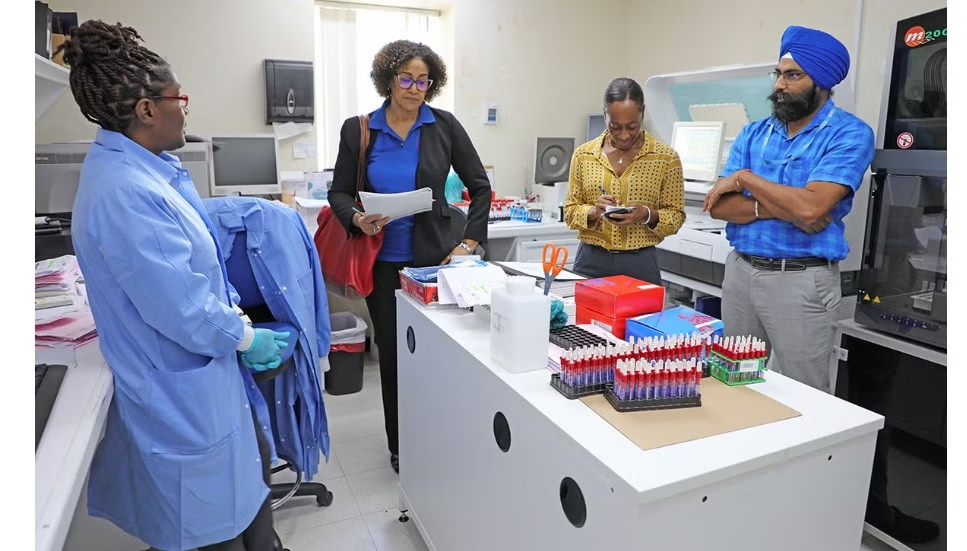
Children with cancer have also been affected despite being prioritised for treatment. Government figures show the childhood cancer survival rate has fallen from 85 percent before the crisis to about 65 percent today. Medical staff say routine blood tests are often delayed because of shortages of equipment and fuel needed to transport samples between hospitals. While technicians continue repairing ageing machines whenever possible, healthcare workers say the shortages are making it increasingly difficult to provide the level of care patients need.