
 English












































































































































































































































































































































































































































































































































































































































































































































































































































































































































































































































































































































































































































































































































































































































































































































































































































































































































































































































































































































Heat Waves Now Trigger Sudden Droughts Worldwide
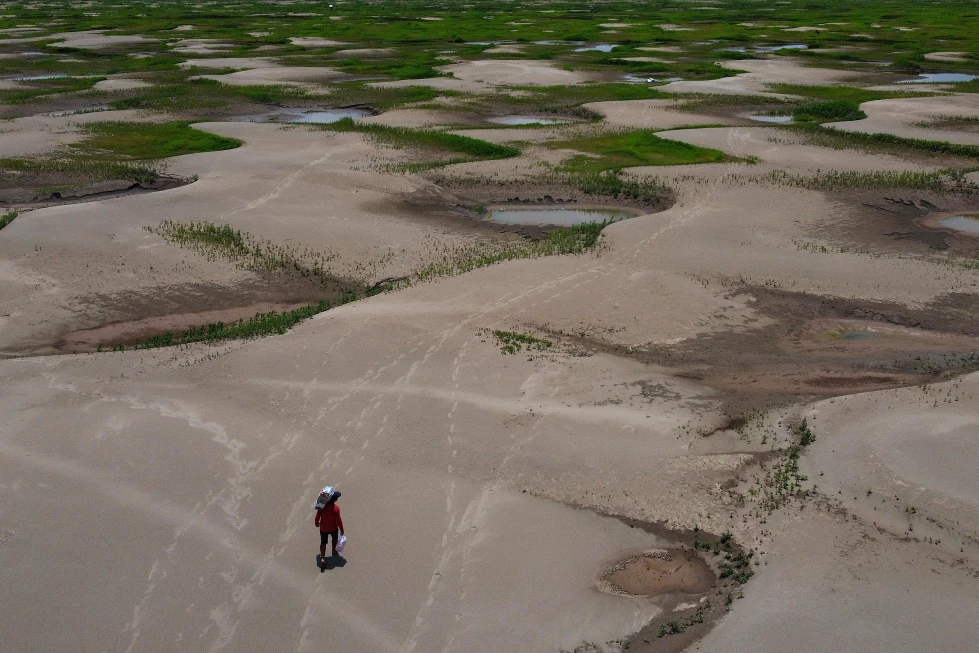
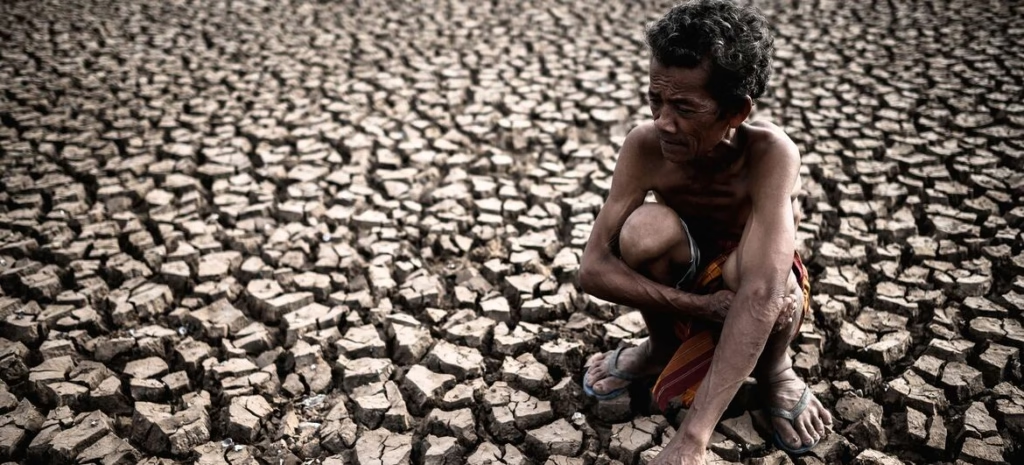
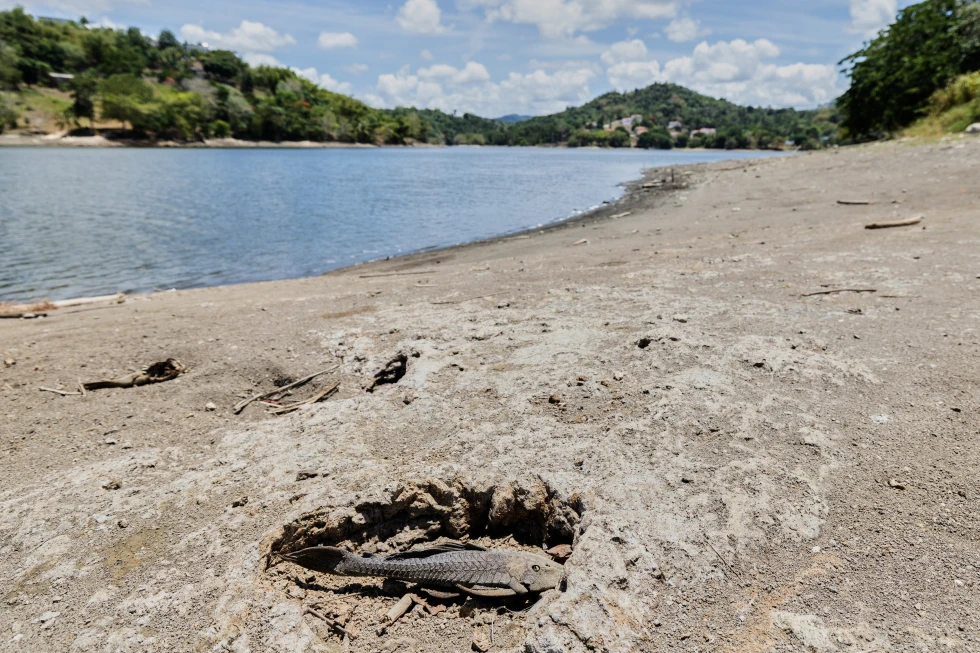
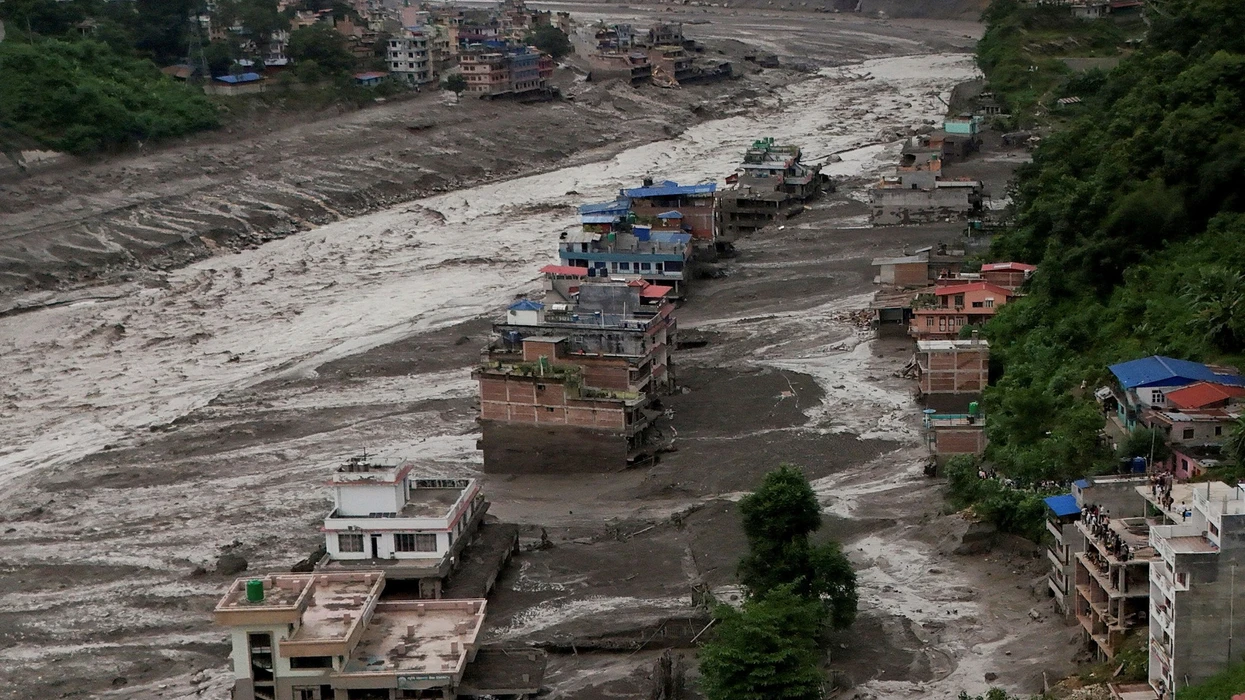
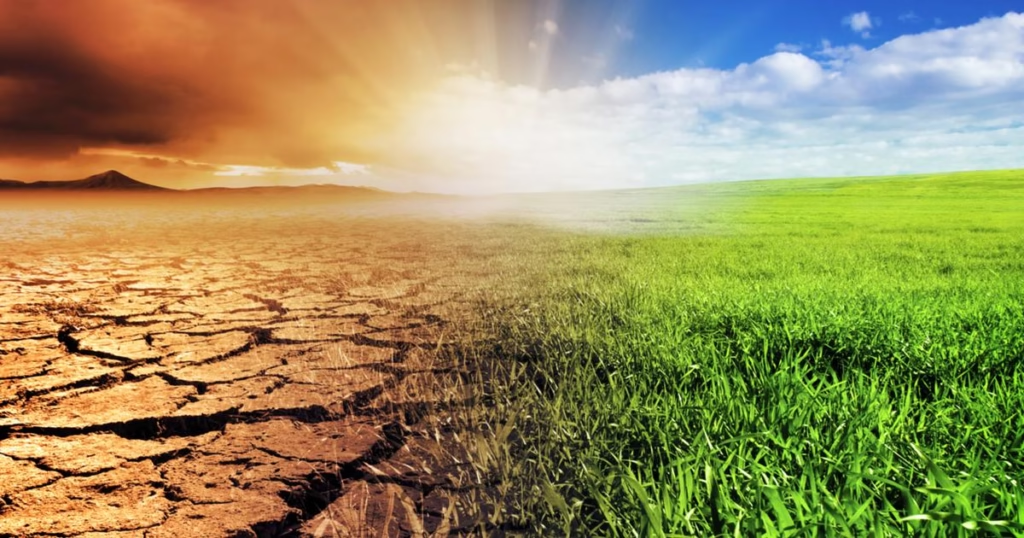
Heat waves that spark damaging droughts are spreading faster around the world. A new study warns the trend is accelerating.
Researchers from Hanyang University in South Korea and scientists in Australia studied extreme weather patterns. Specifically, they examined events where heat and drought strike together.
First, they looked at cases where heat arrives before drought. Then, they measured how often those events occurred over time.
The results were striking.
In the 1980s, heat-first droughts affected about 2.5% of Earth’s land each year. However, by 2023 the figure jumped to 16.7%.
Meanwhile, the long-term average over the past decade reached nearly 8%. Researchers say the number likely climbed even higher recently.
For example, 2024 recorded the hottest global temperatures ever measured. Likewise, 2025 remained nearly as warm.
The study appeared Friday in the journal Science Advances.
Importantly, scientists say the speed of change matters most.
From 1980 through the late 1990s, these compound extremes grew slowly. After 2000, however, the rate increased dramatically.
In fact, the rise during the past 22 years has been eight times faster than earlier decades.
Researchers also studied the opposite pattern. In many places, drought still arrives before heat. Yet scientists say heat-first events cause stronger impacts.
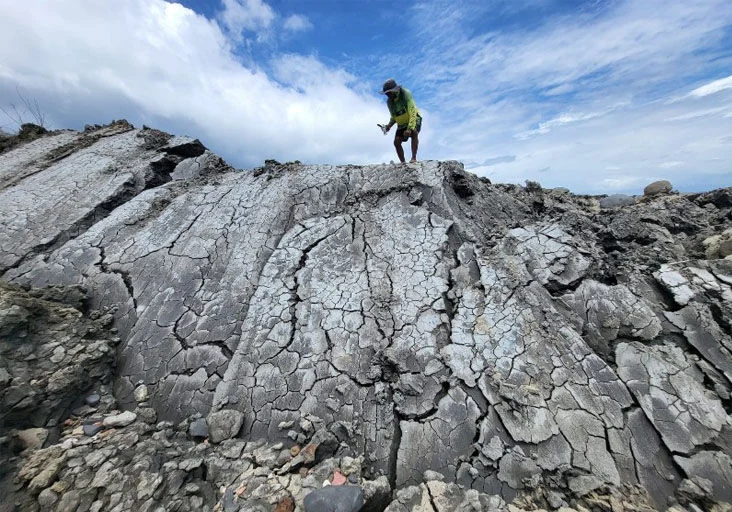
When heat arrives first, soil moisture drops quickly. As a result, drought intensifies faster.
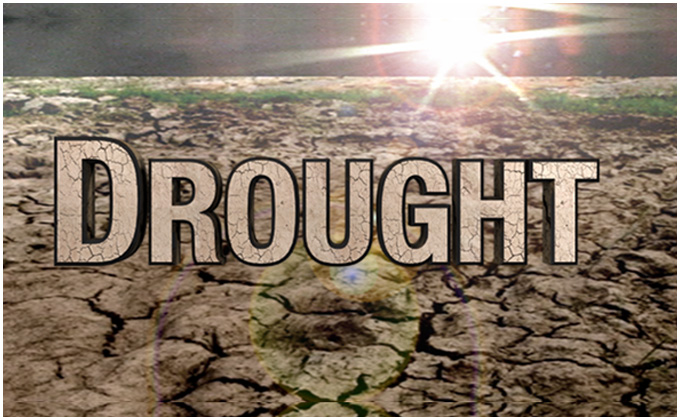
This process often creates “flash droughts.” These droughts develop suddenly and leave little time to prepare.
Warm air worsens the problem. Because hotter air holds more moisture, it pulls water from soil faster.
Therefore, farms, forests, and water supplies can dry out rapidly.
Climate scientists say this pattern shows how climate change multiplies risks.
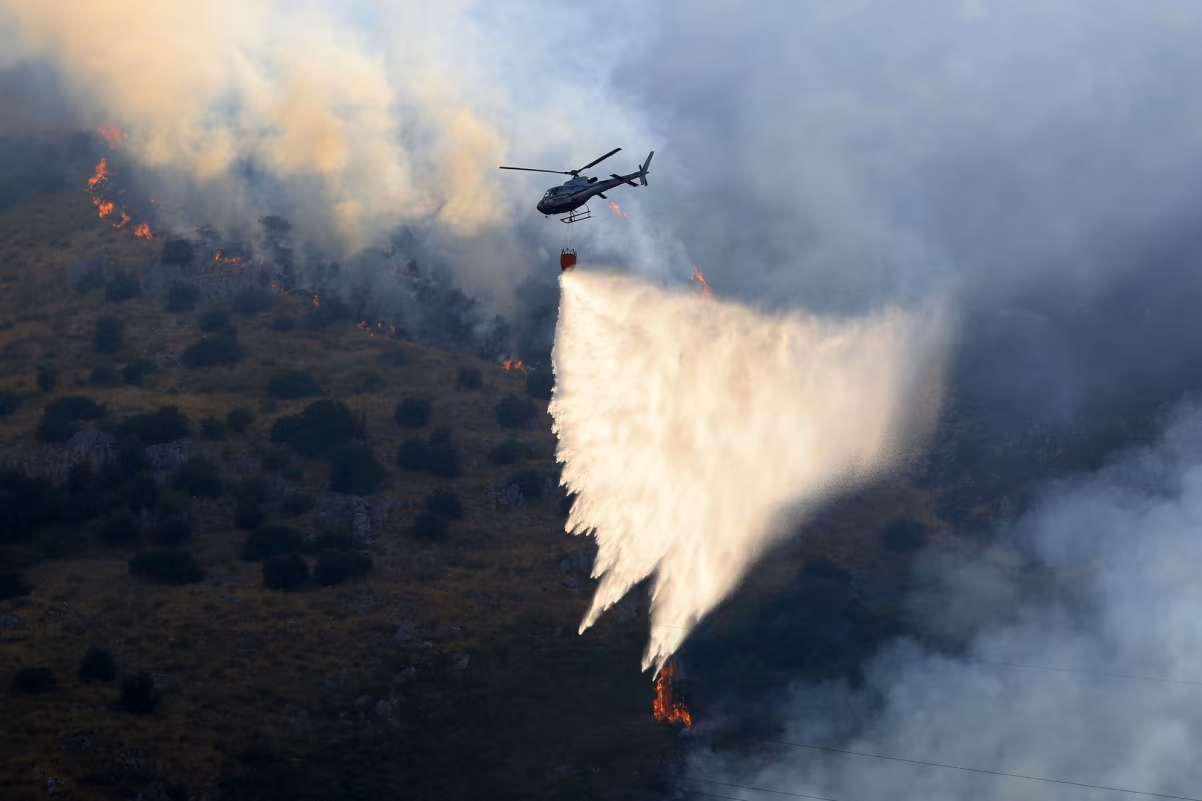
For instance, the devastating 2010 Russian Heat Wave combined extreme heat, drought, and wildfire danger.
Similarly, the 2019–2020 Australian bushfires followed intense heat and dryness.
Another example came during the 2021 Pacific Northwest Heat Dome in Canada and the United States.
Temperatures approached 50°C in the town of Lytton, British Columbia. Soon after, extreme drying helped fuel destructive wildfires.
The new study also identified hotspots for rising heat-first droughts.
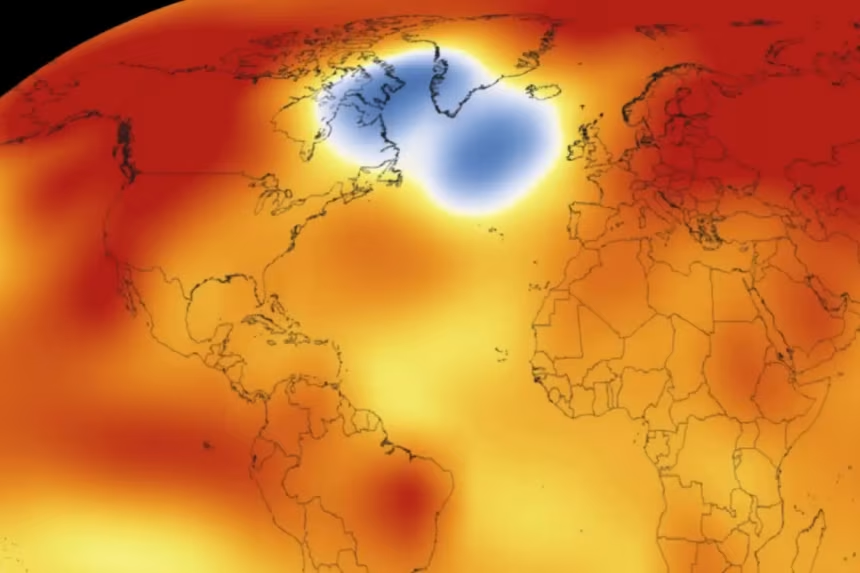
These regions include South America, western Canada, Alaska, the western United States, and parts of central and eastern Africa.
Researchers noticed another surprising pattern.
Around the year 2000, the increase suddenly accelerated. Scientists call this a “change point.”
Some experts link the shift to rapid warming in the Arctic and shrinking sea ice.
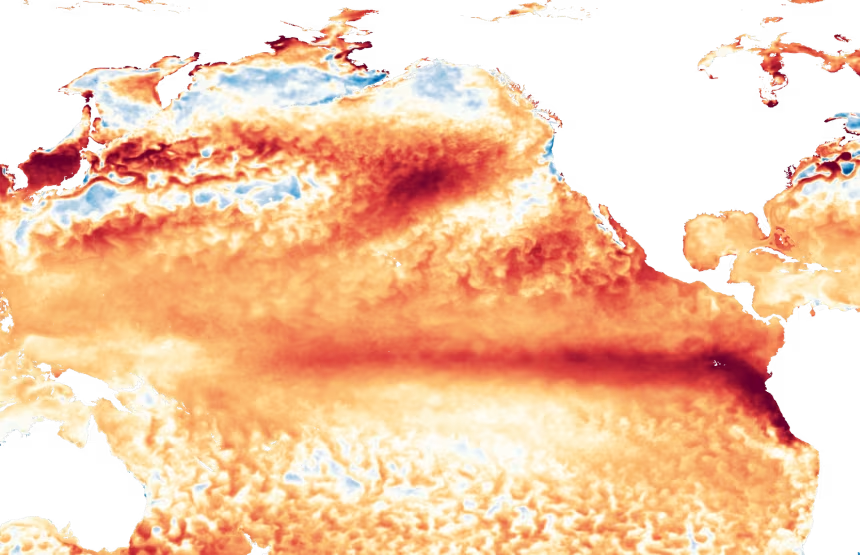
Others point to the powerful El Niño event in 1997–98 as a possible trigger.
However, scientists still debate whether the shift marks a permanent climate tipping point.
Even so, researchers agree on one key message.
As the planet warms, extreme weather events will increasingly combine.
And when heat and drought strike together, the damage can escalate quickly.