
 English























































































































































































































































































































































































































































































































































































































































































































































































































































































































































































































































































































































































Traveler Dies After Imported Malaria Cases Confirmed
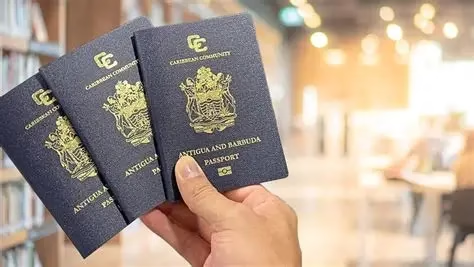
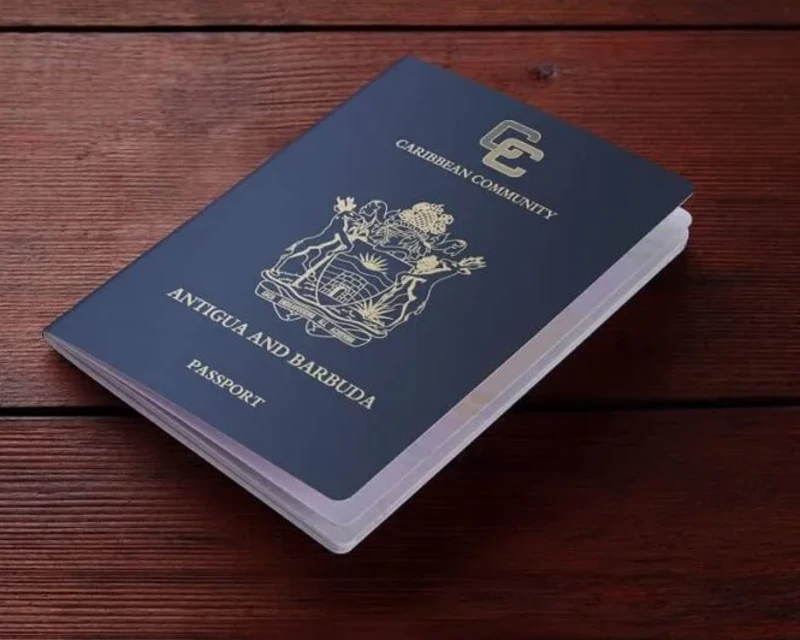
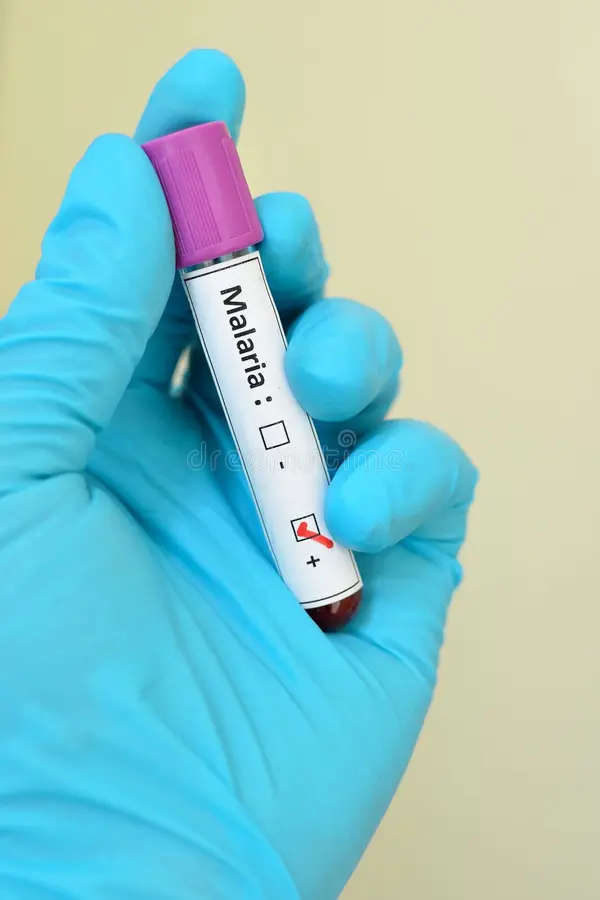
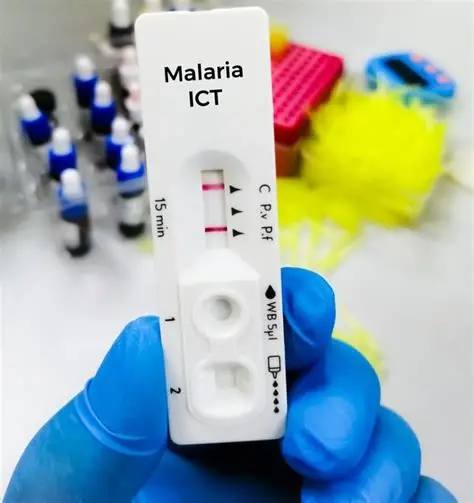
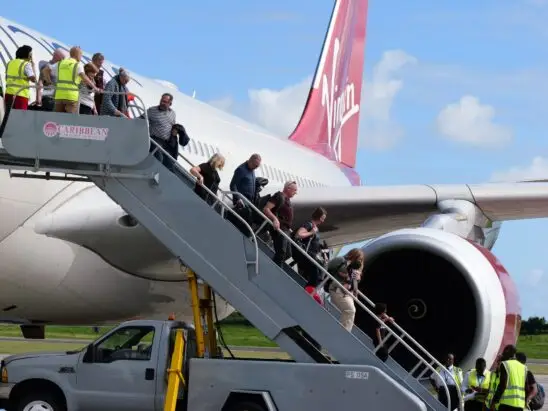
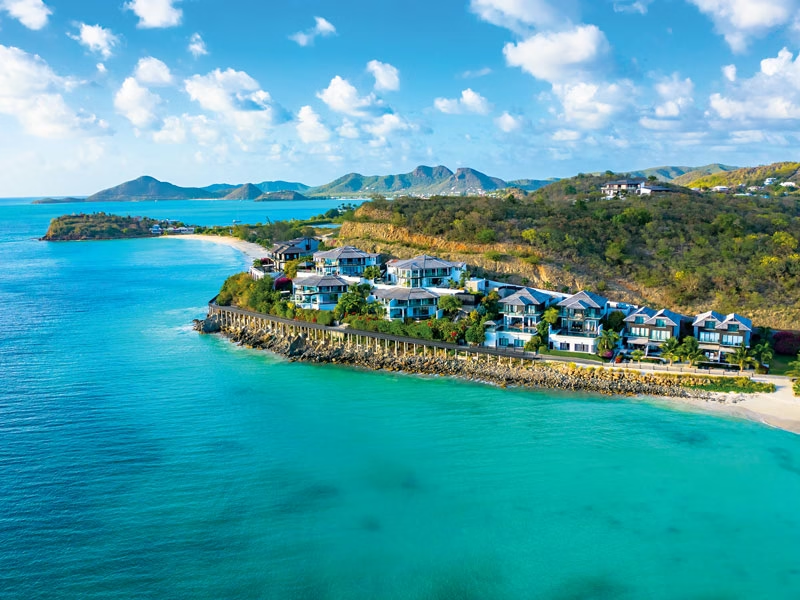
Traveler health concerns have increased after officials confirmed two imported malaria cases in Antigua and Barbuda. Additionally, one traveler later died after becoming seriously ill.
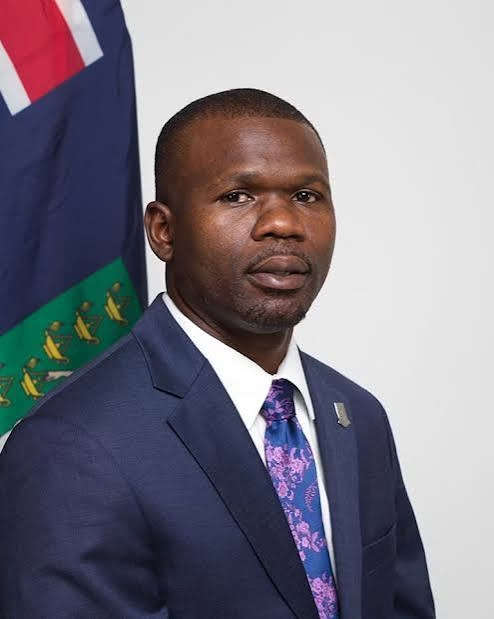
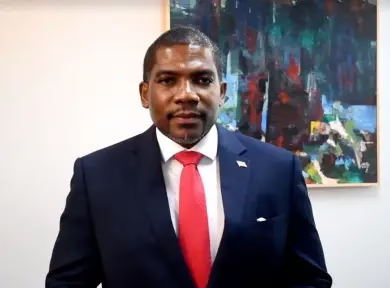
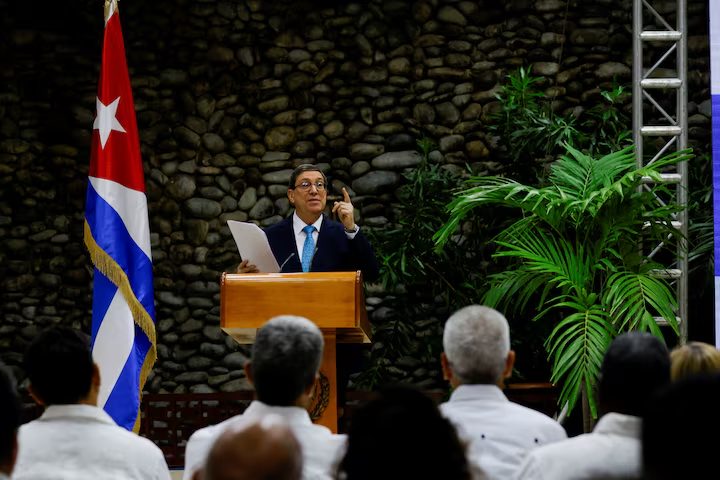
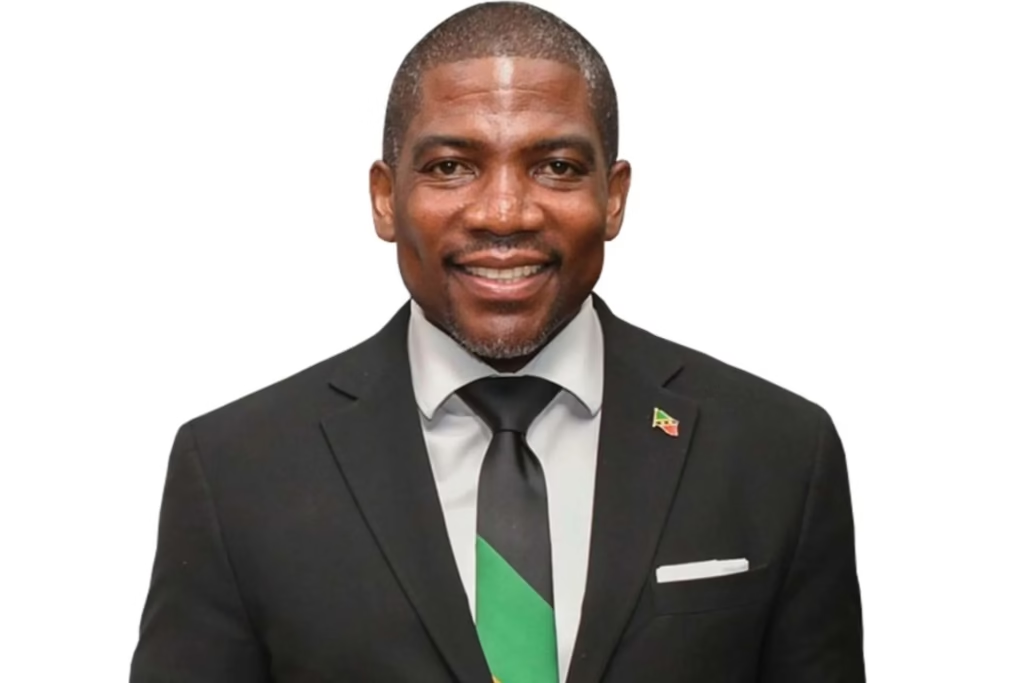
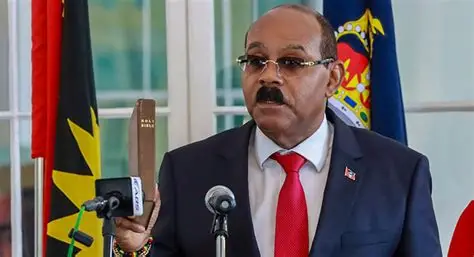
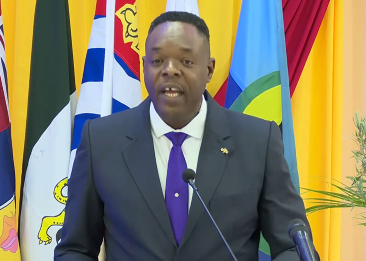
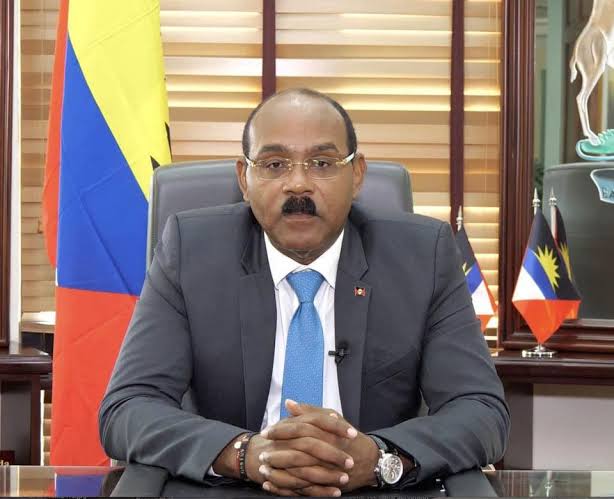
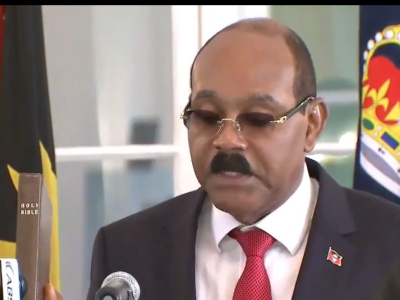
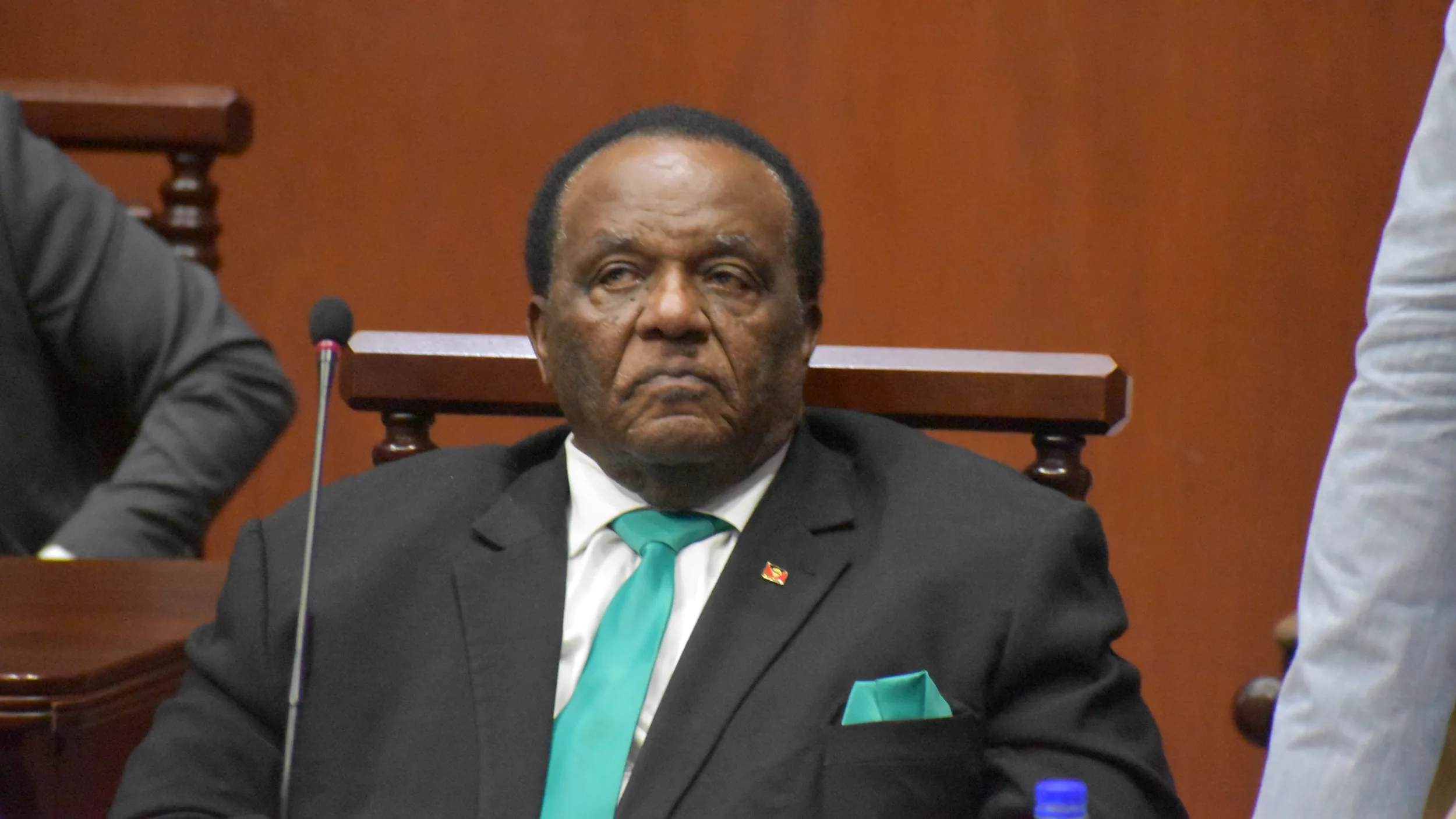
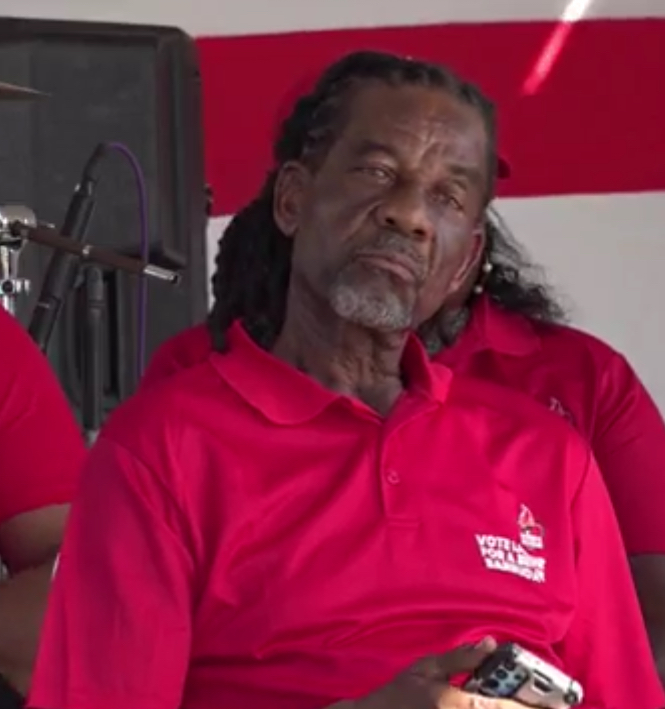
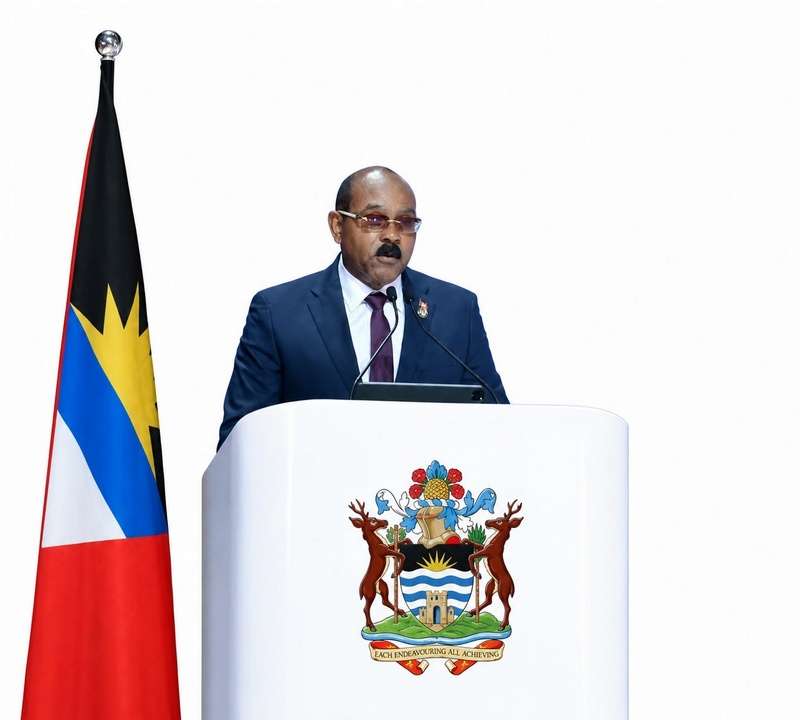
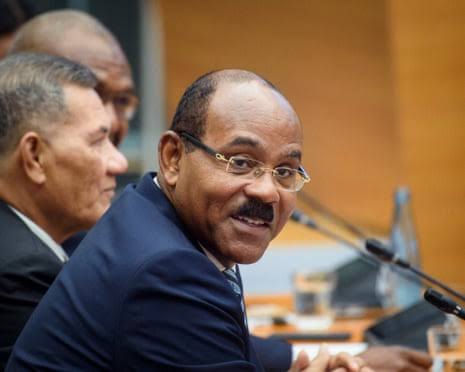
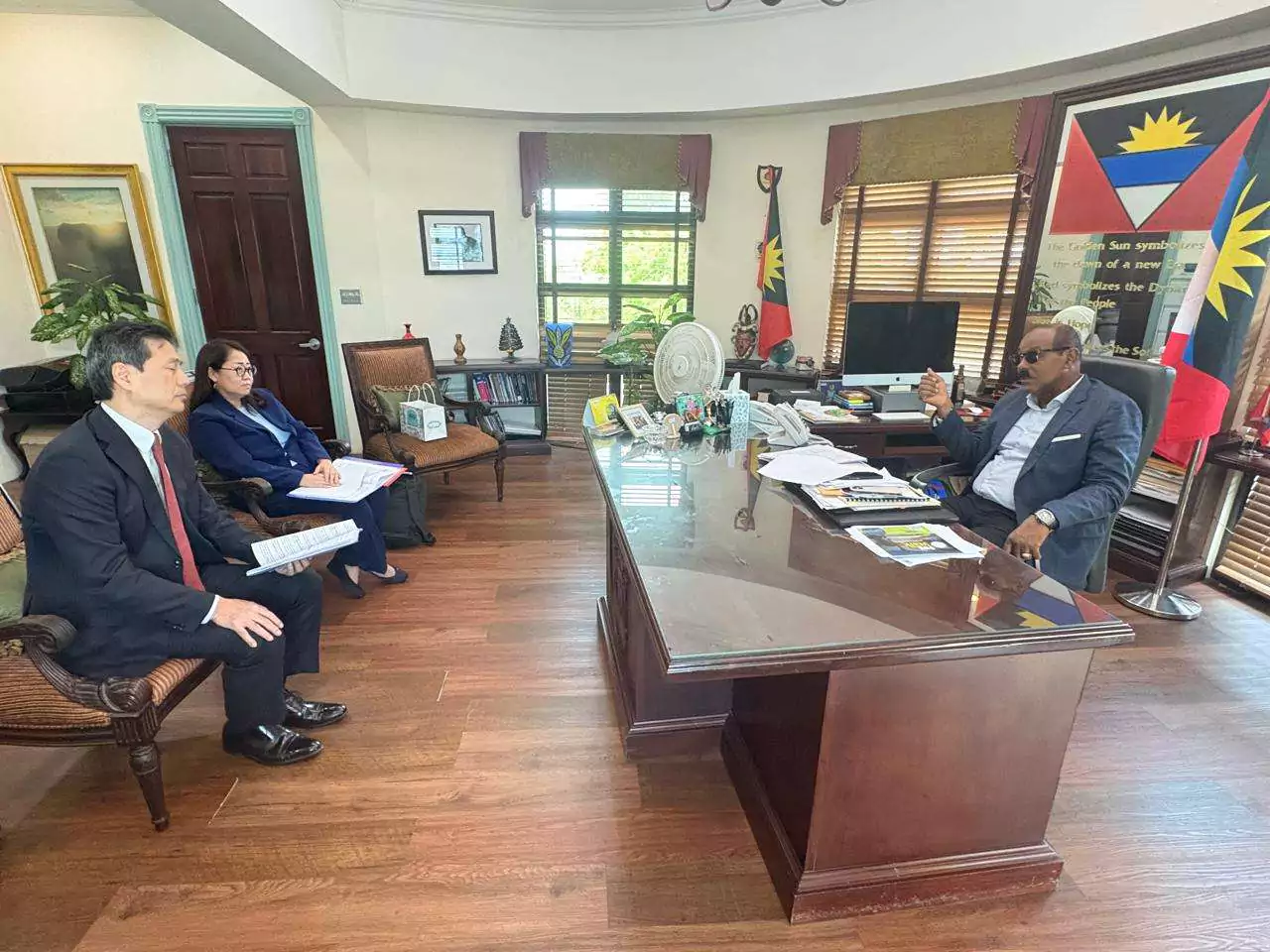
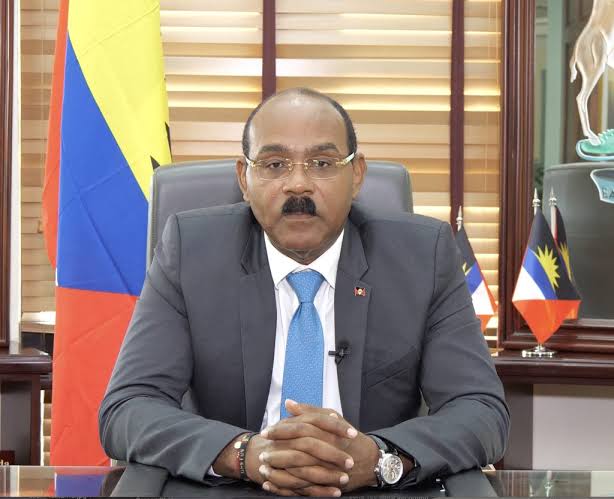
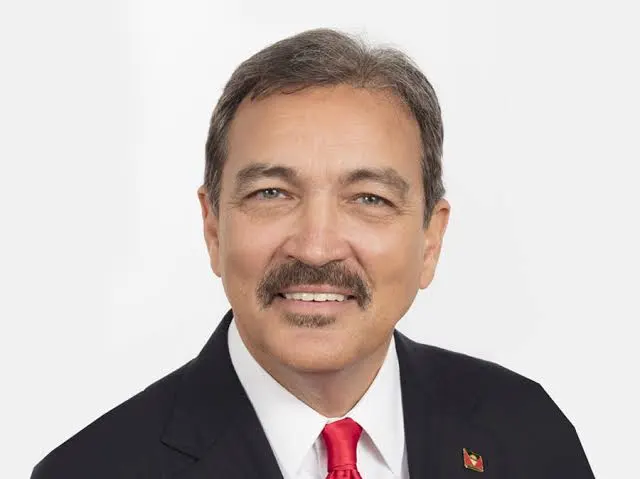
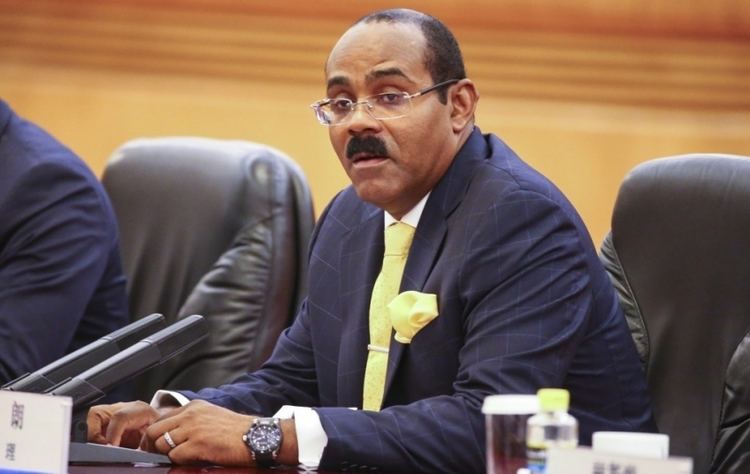
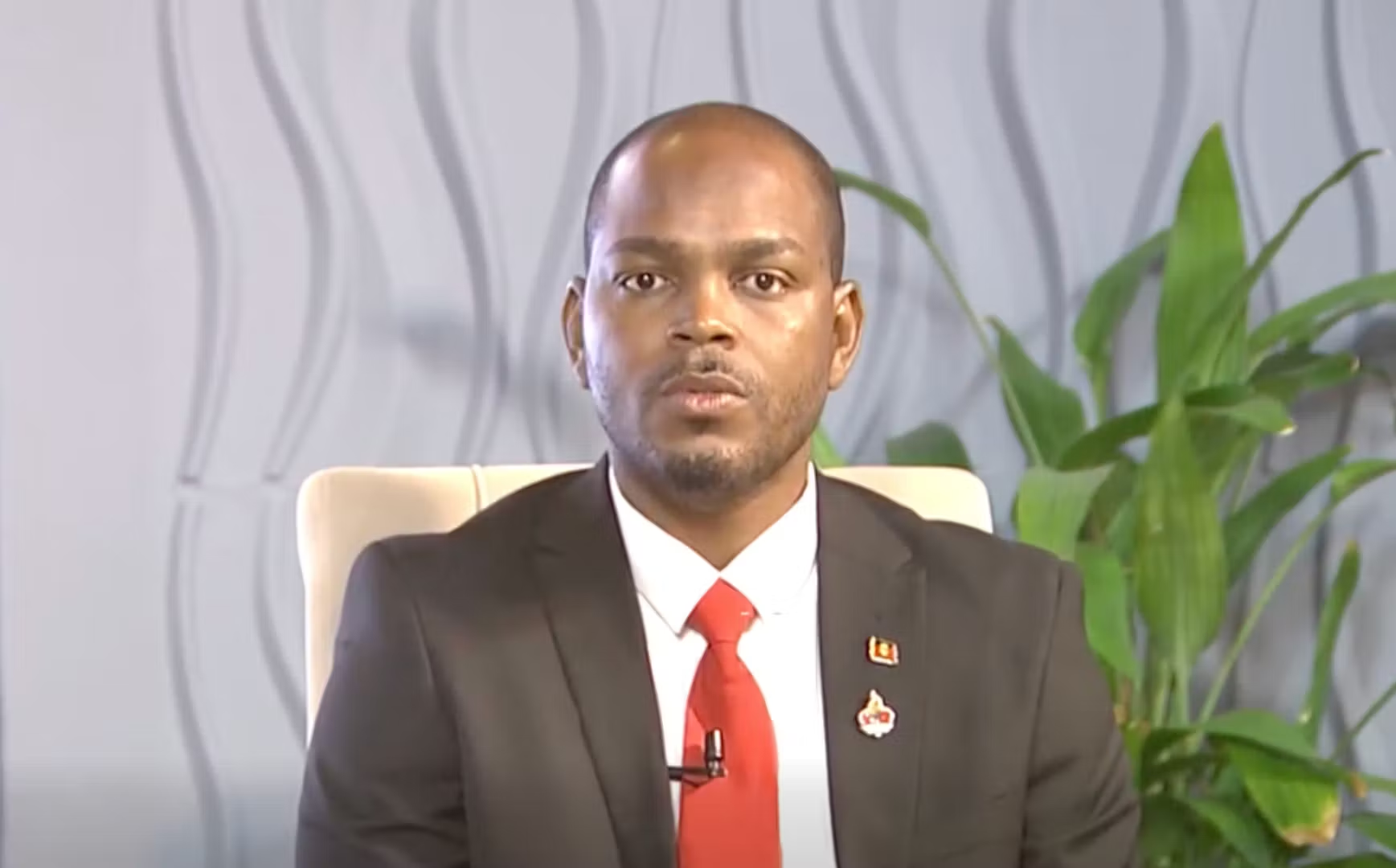
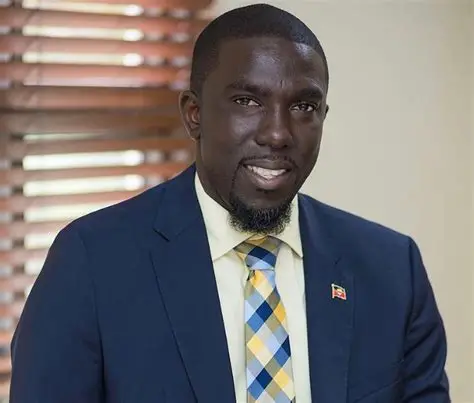
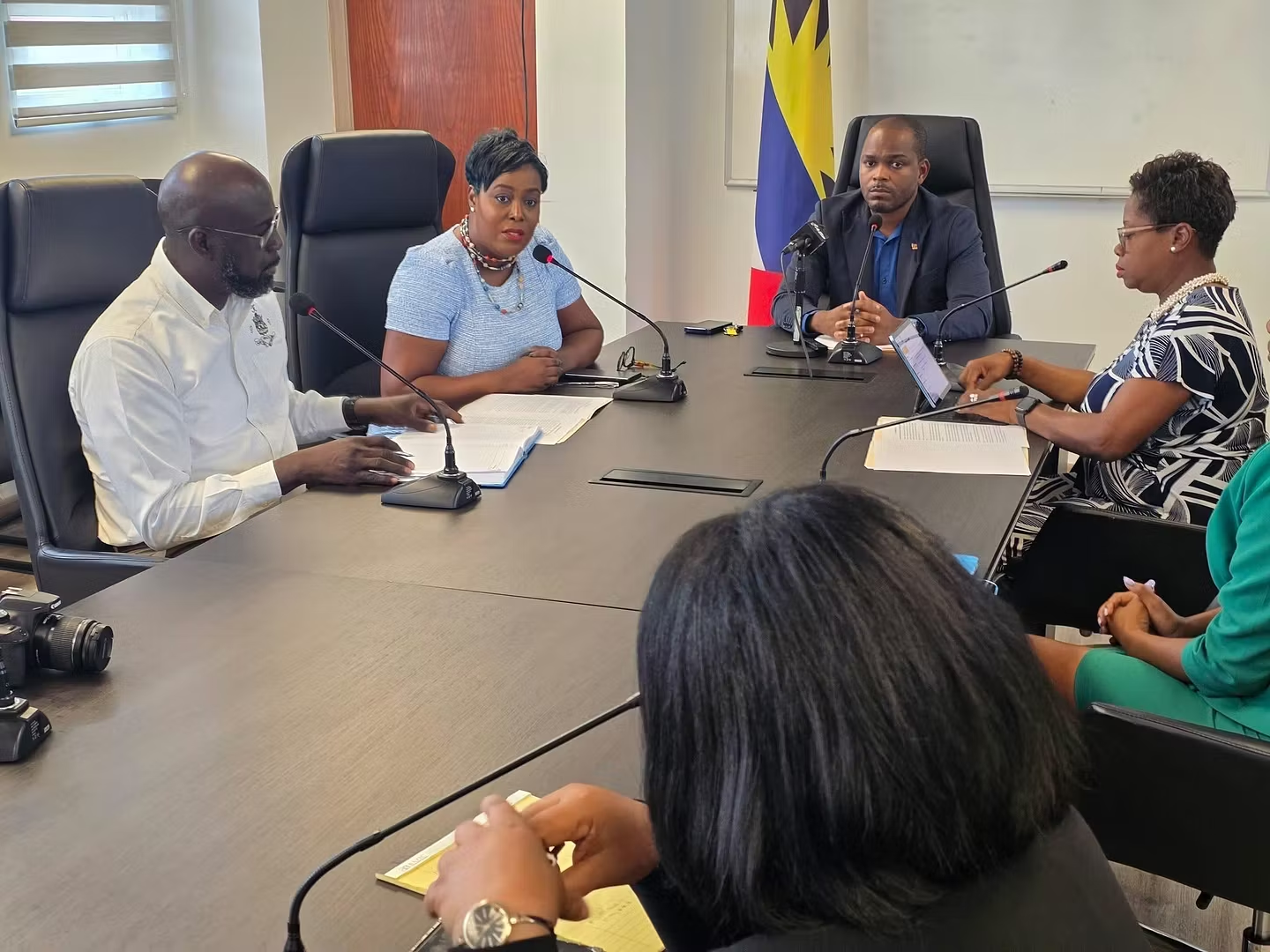
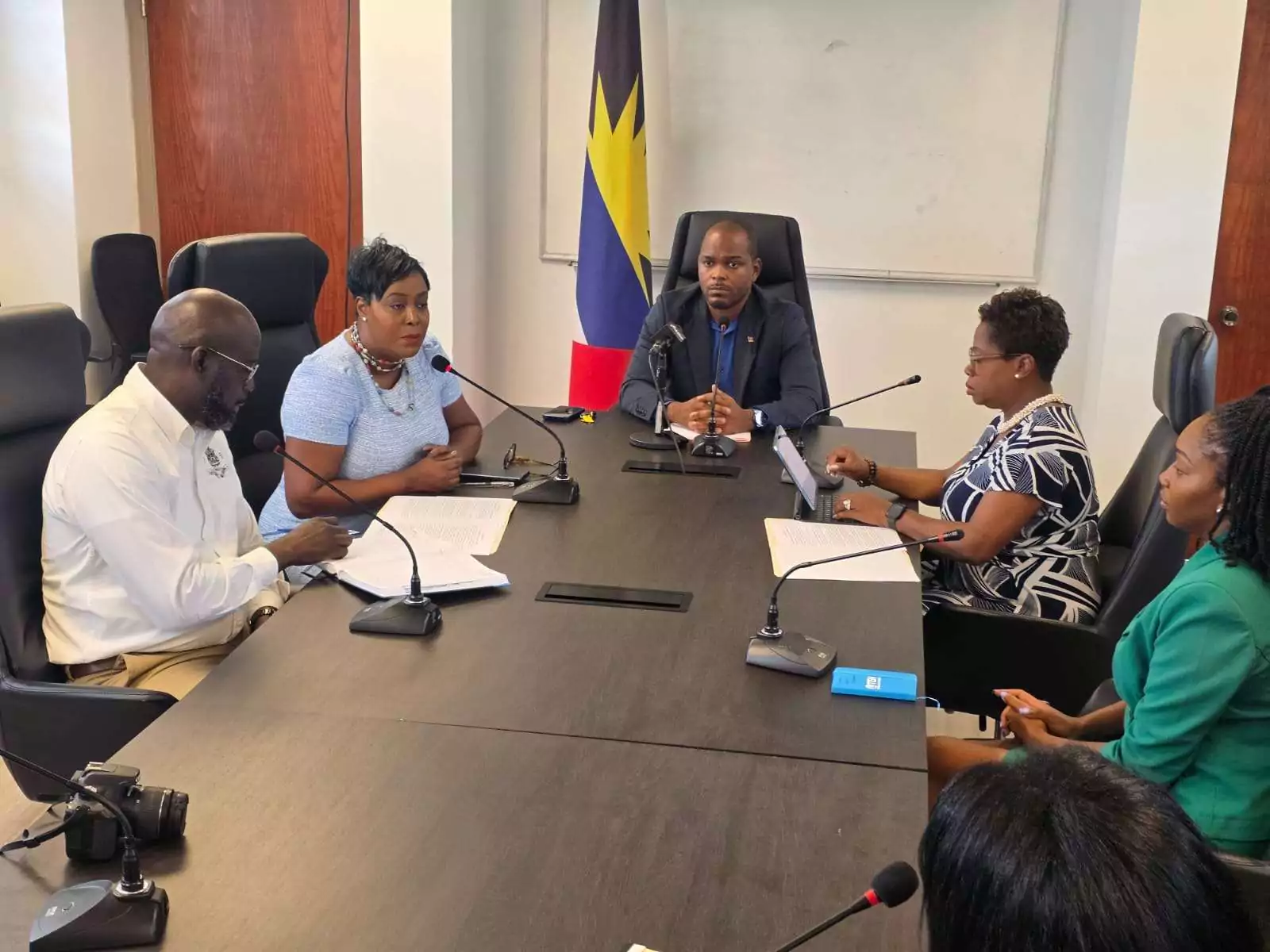
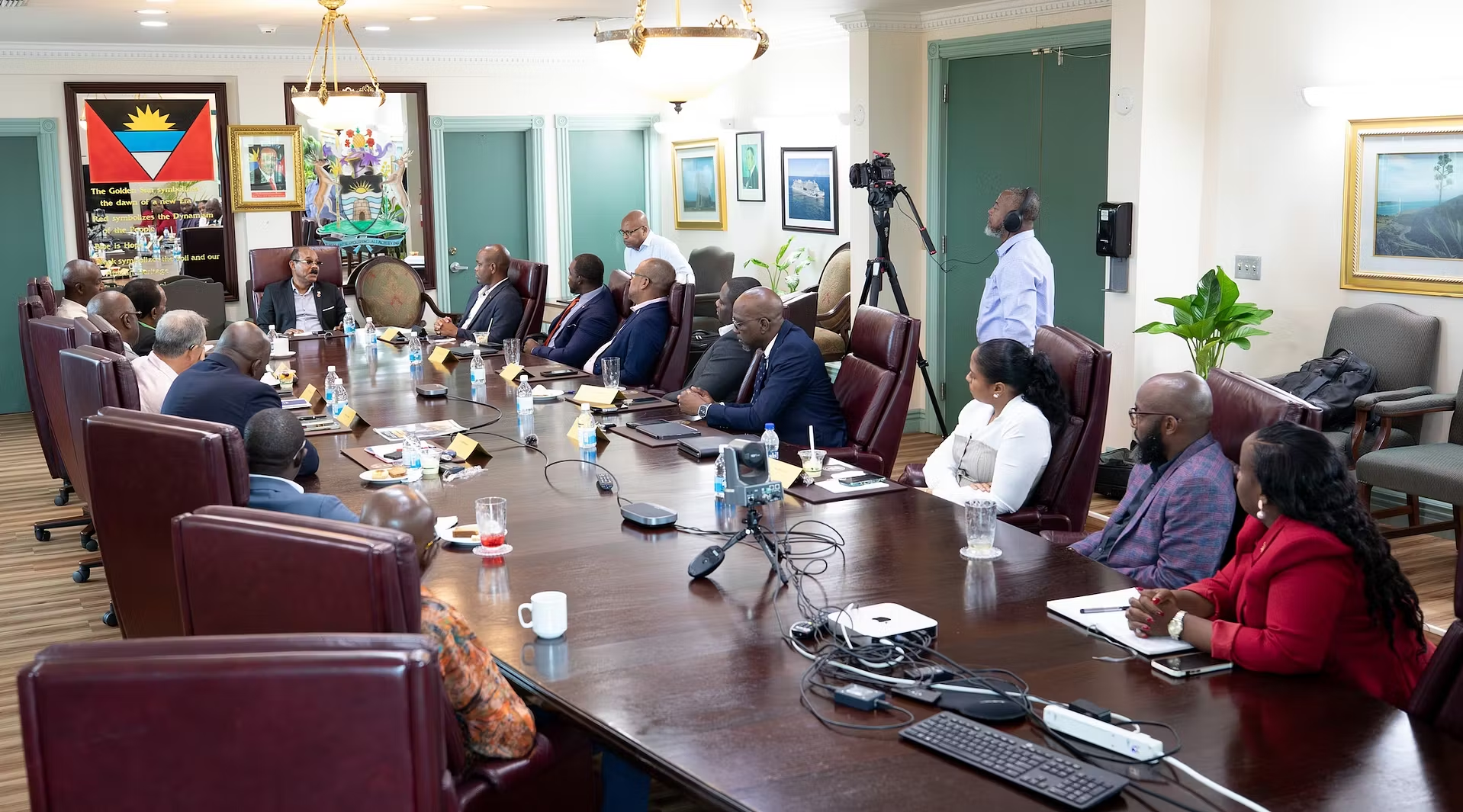
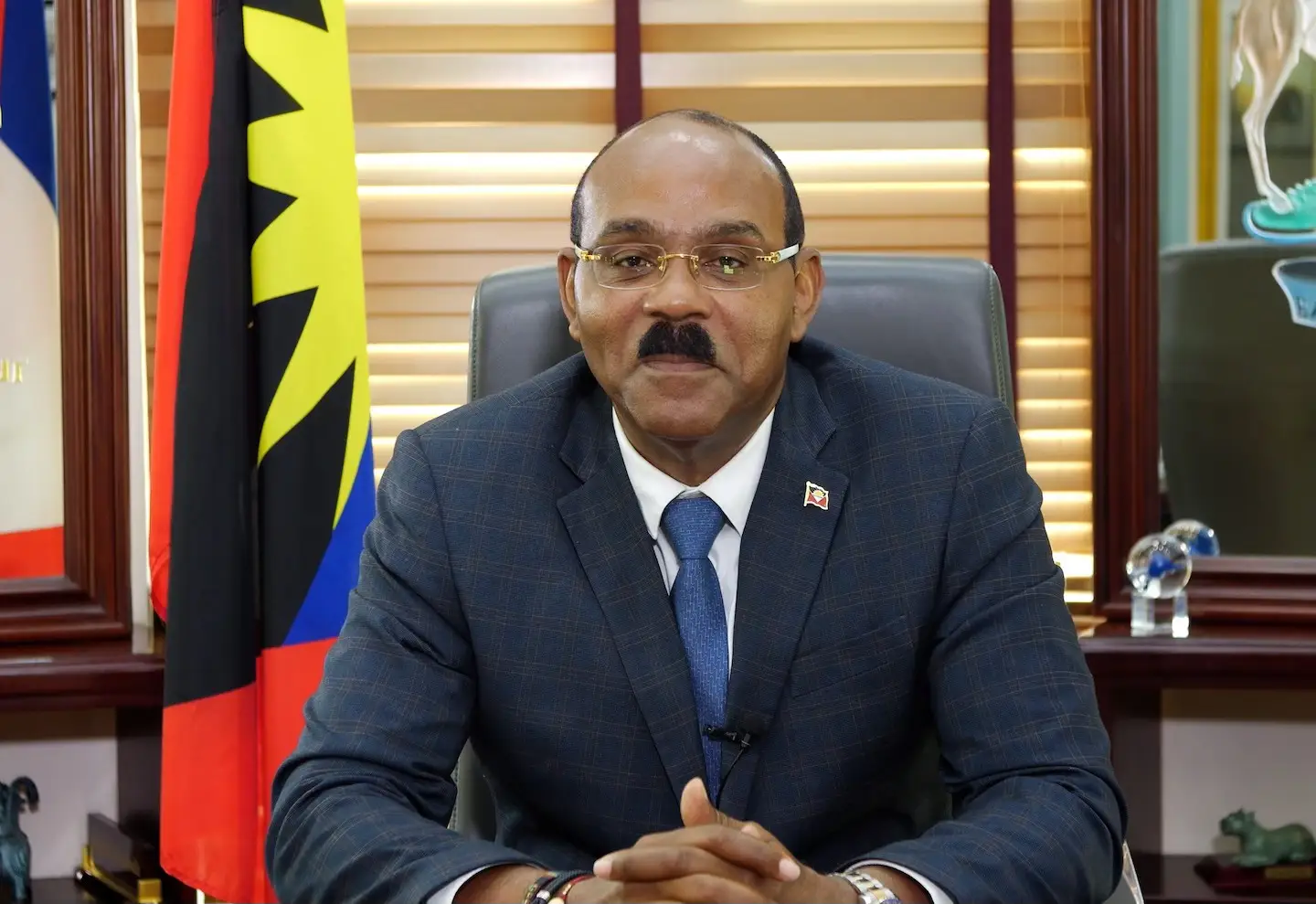
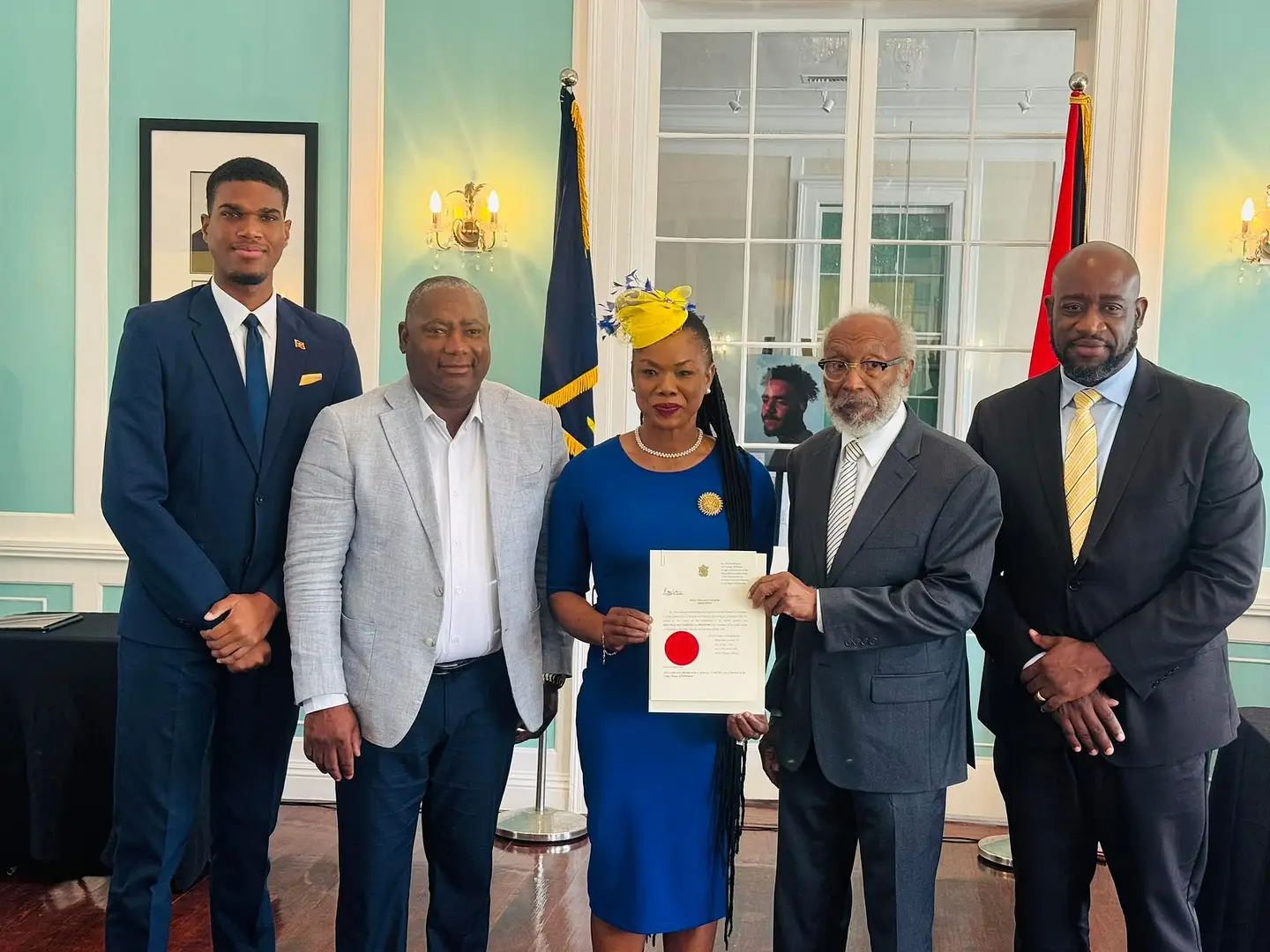
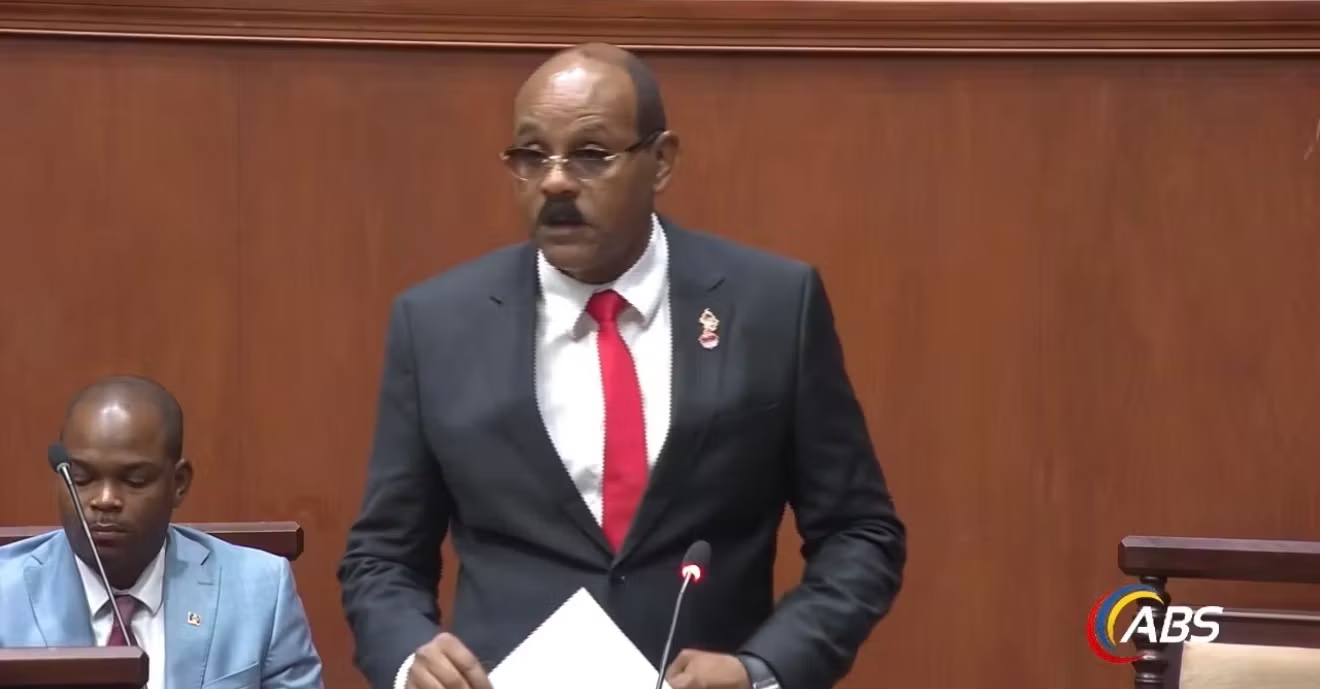
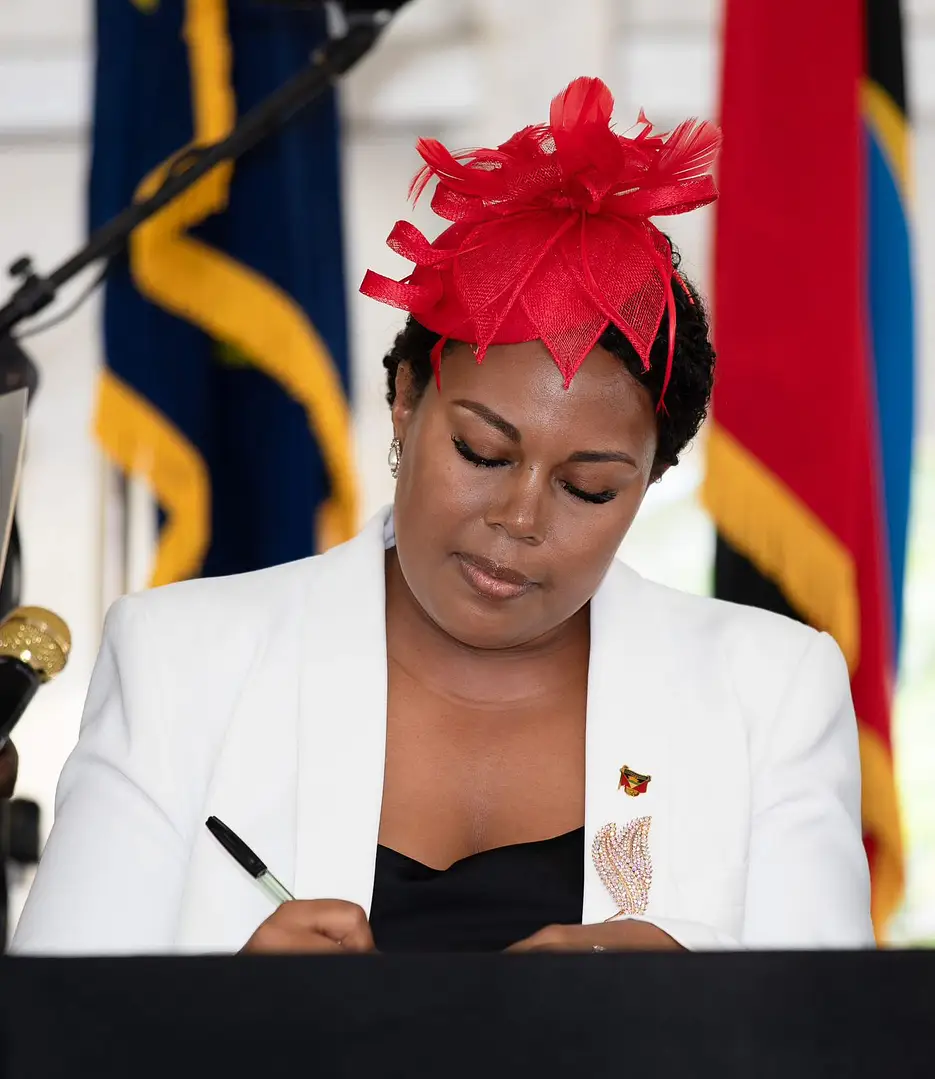
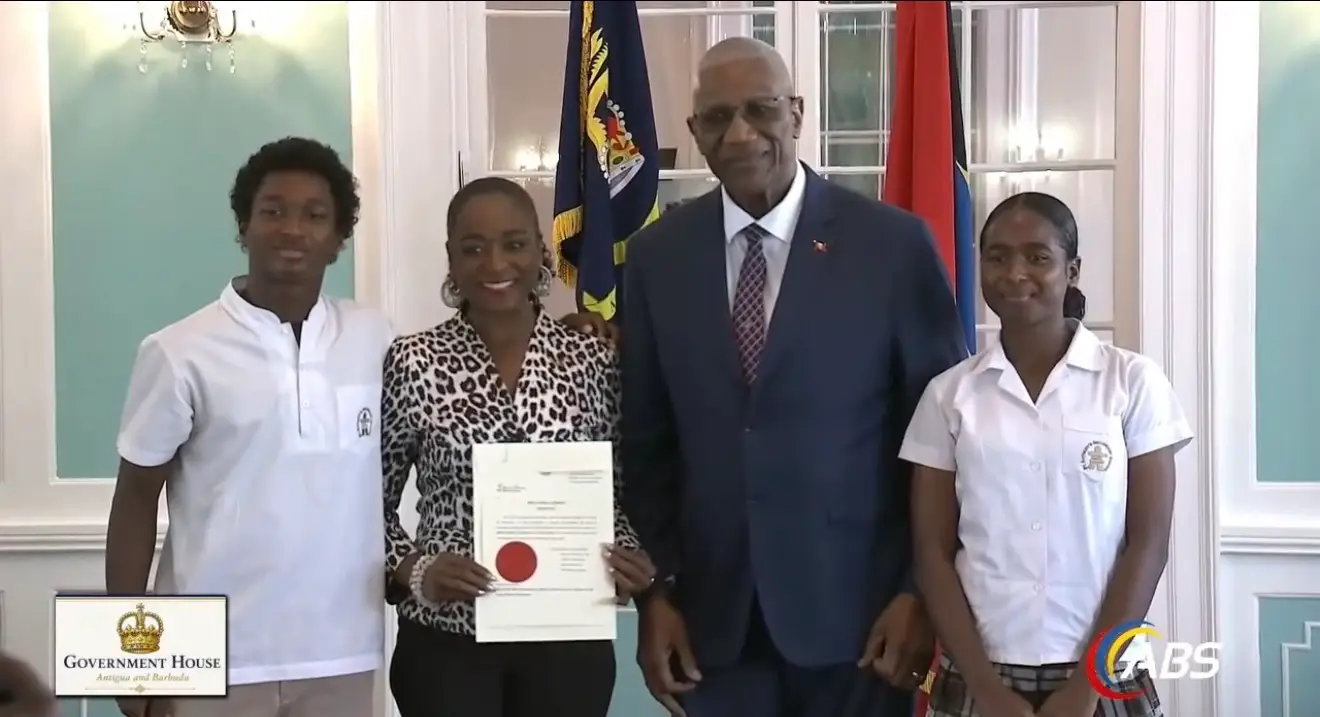
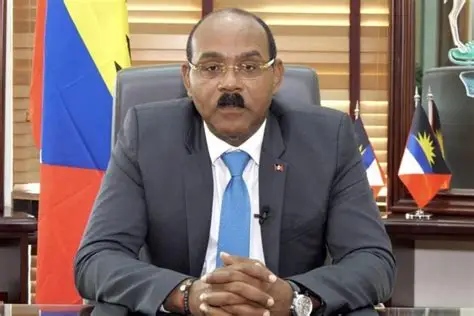
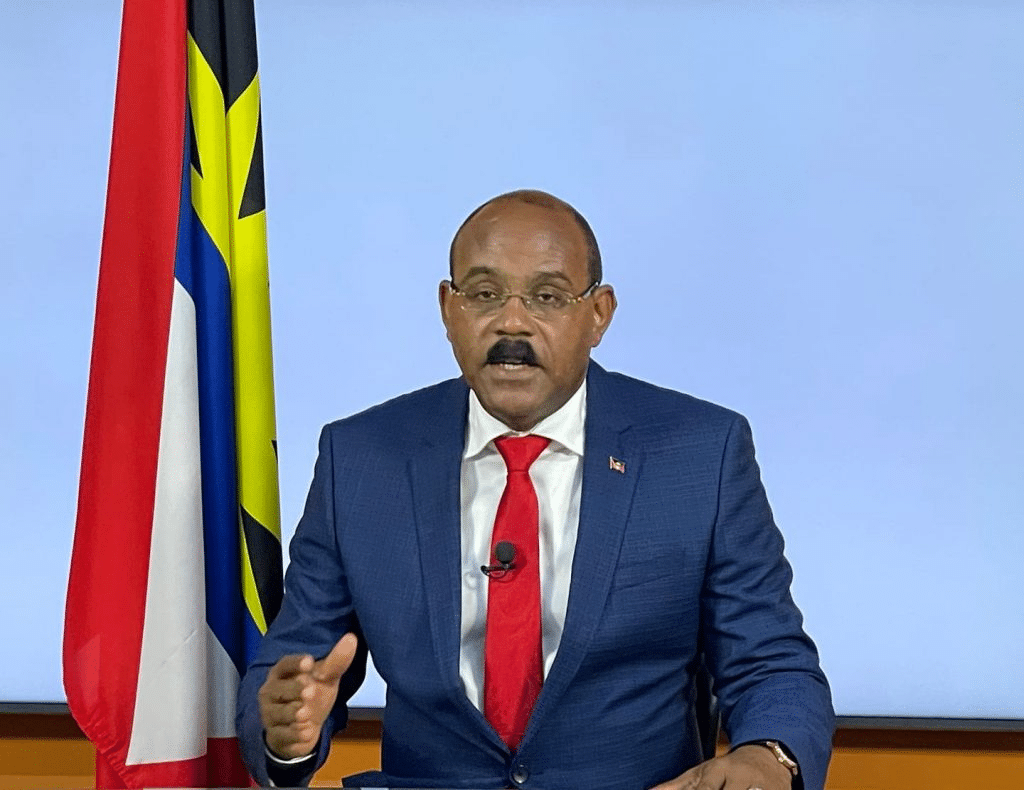
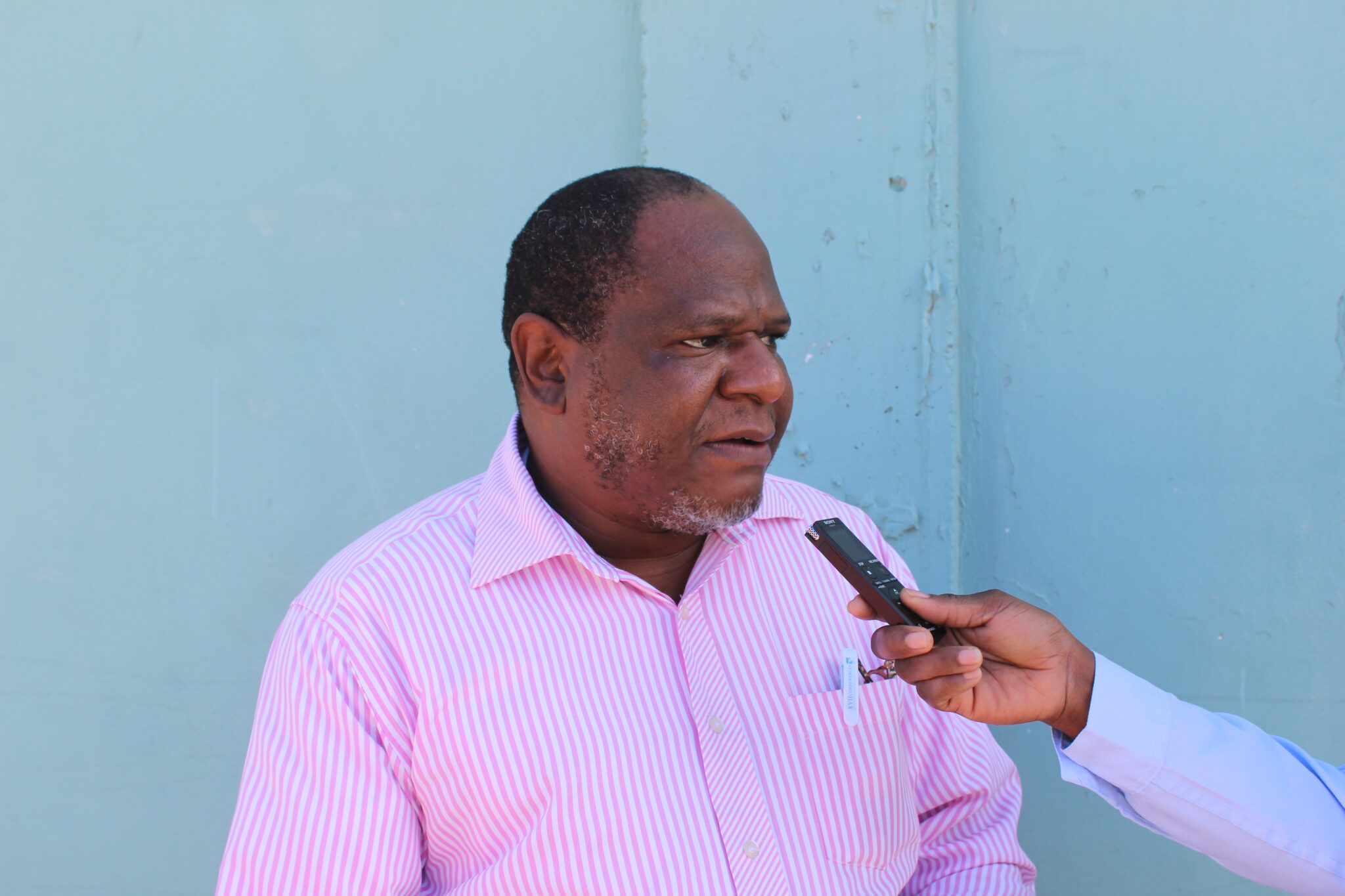
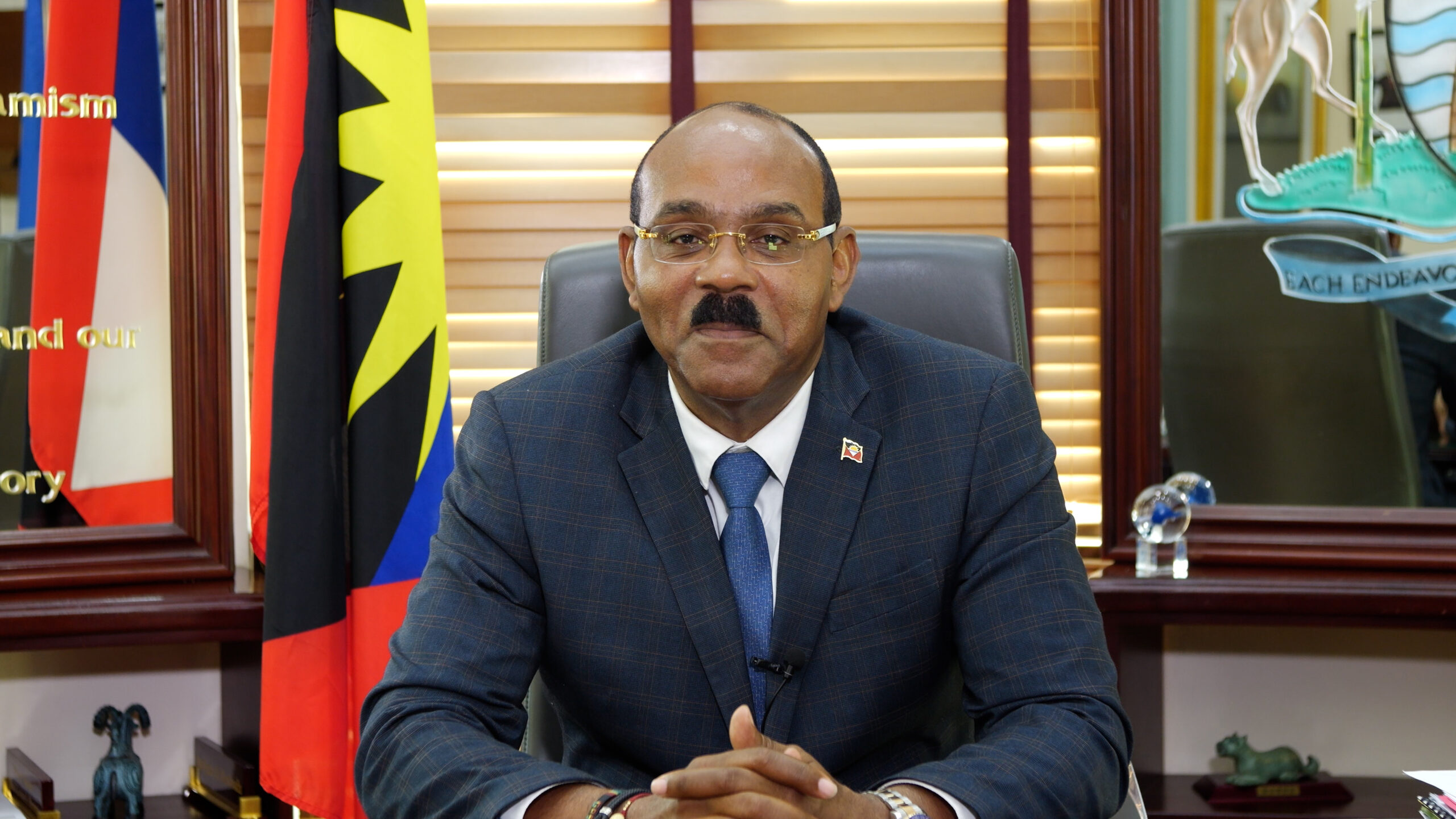
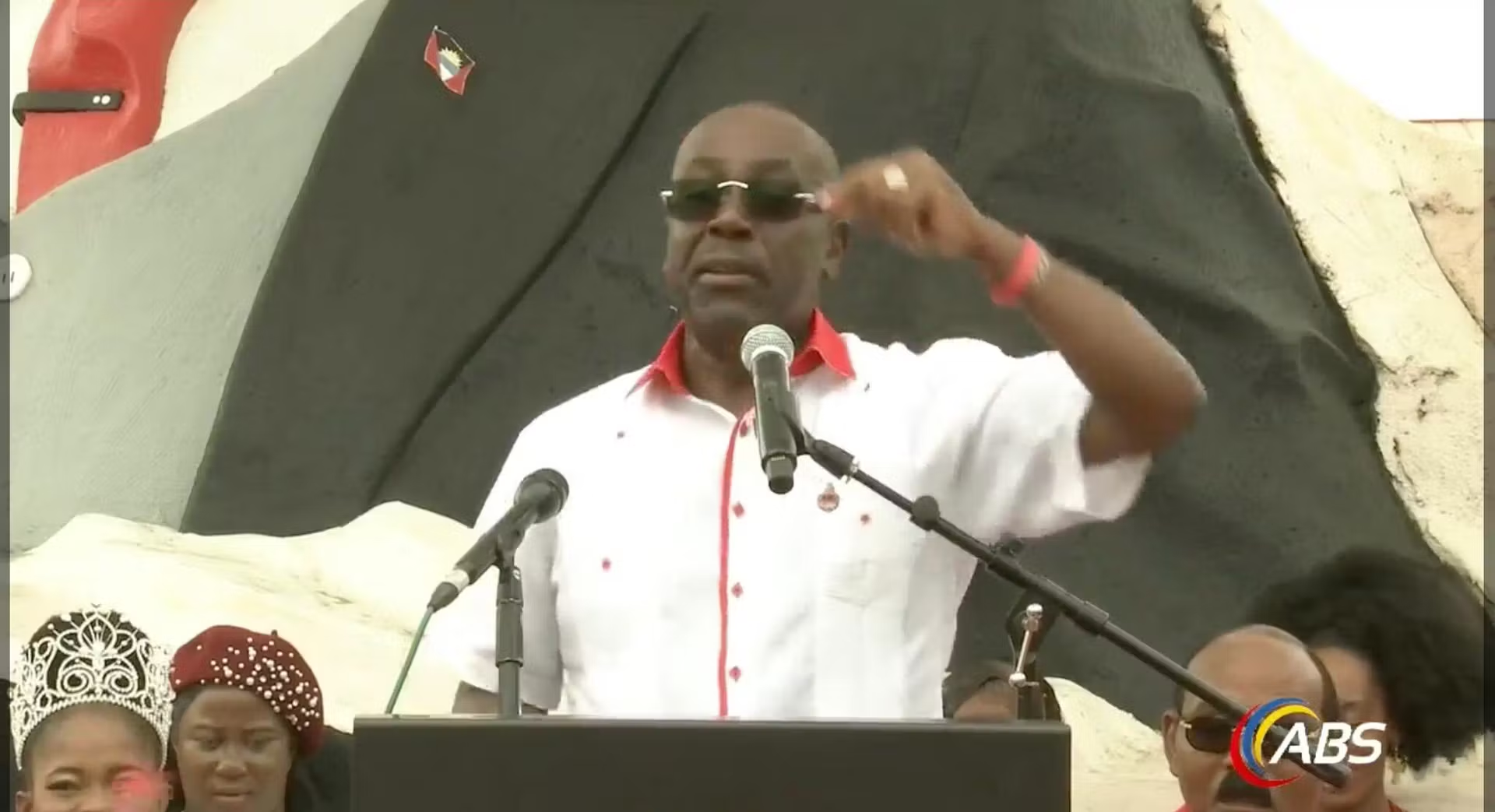
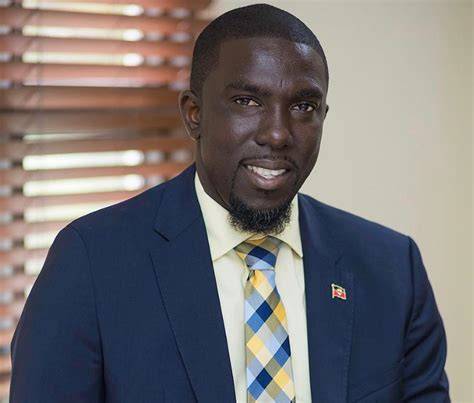
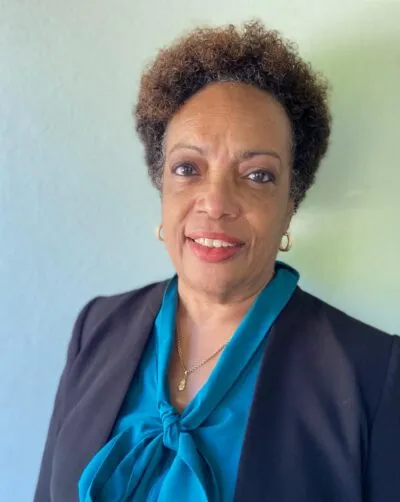
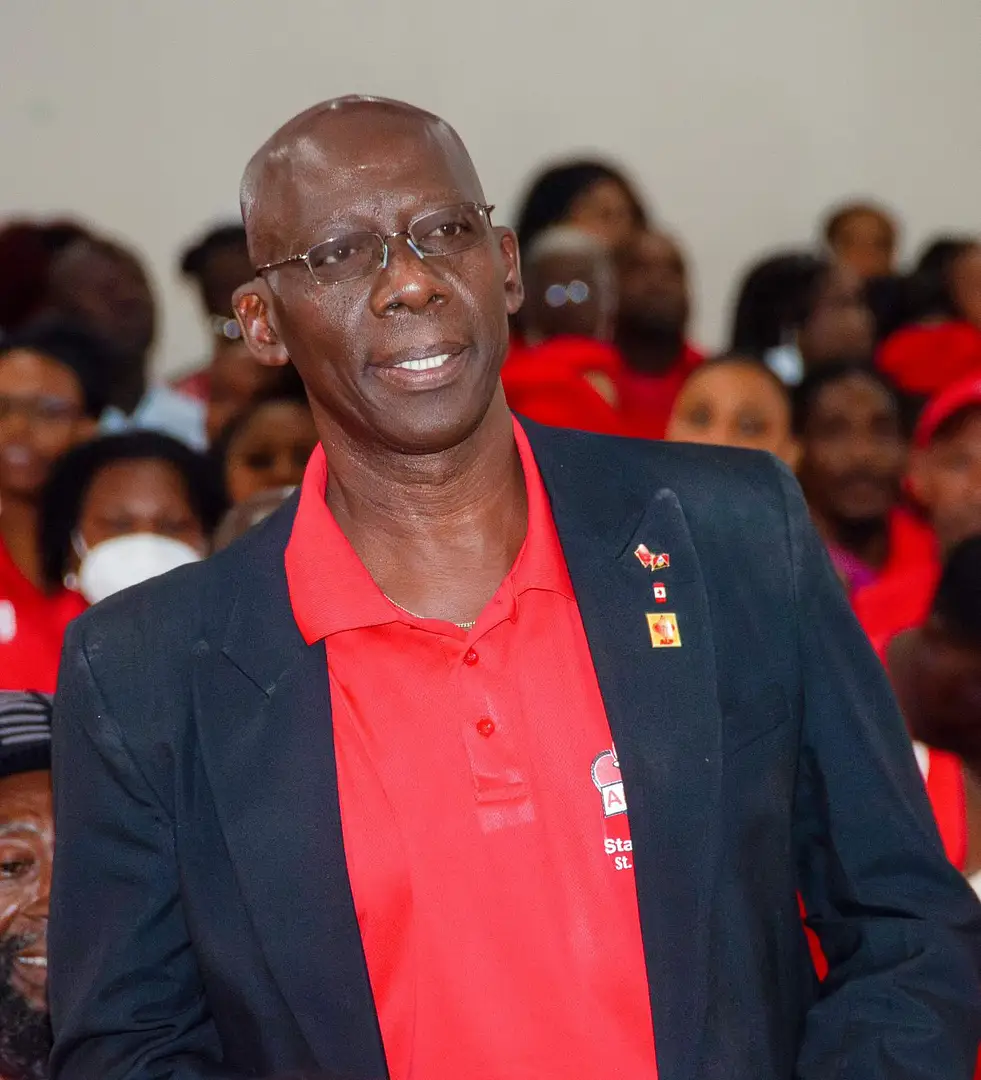
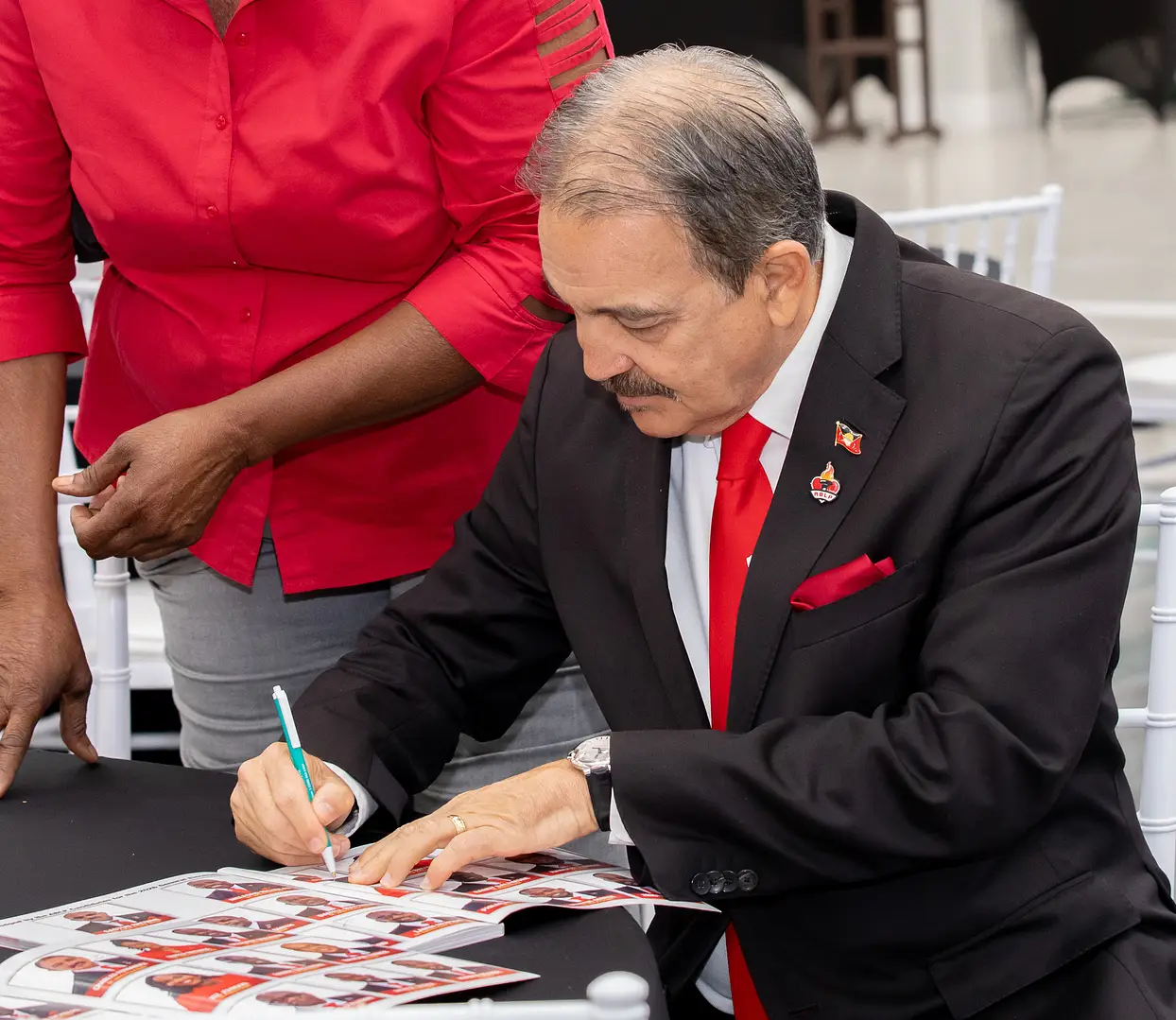
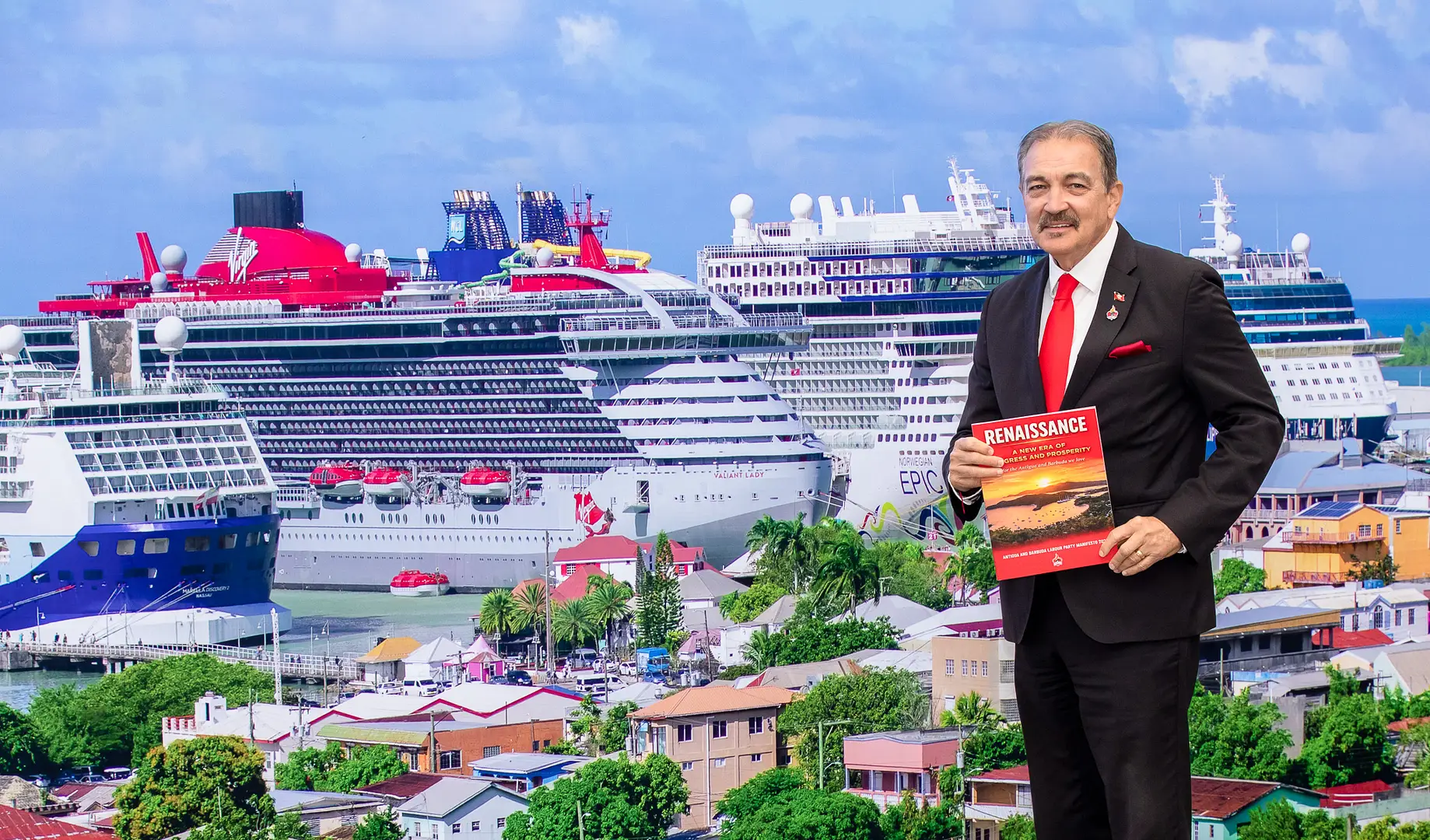
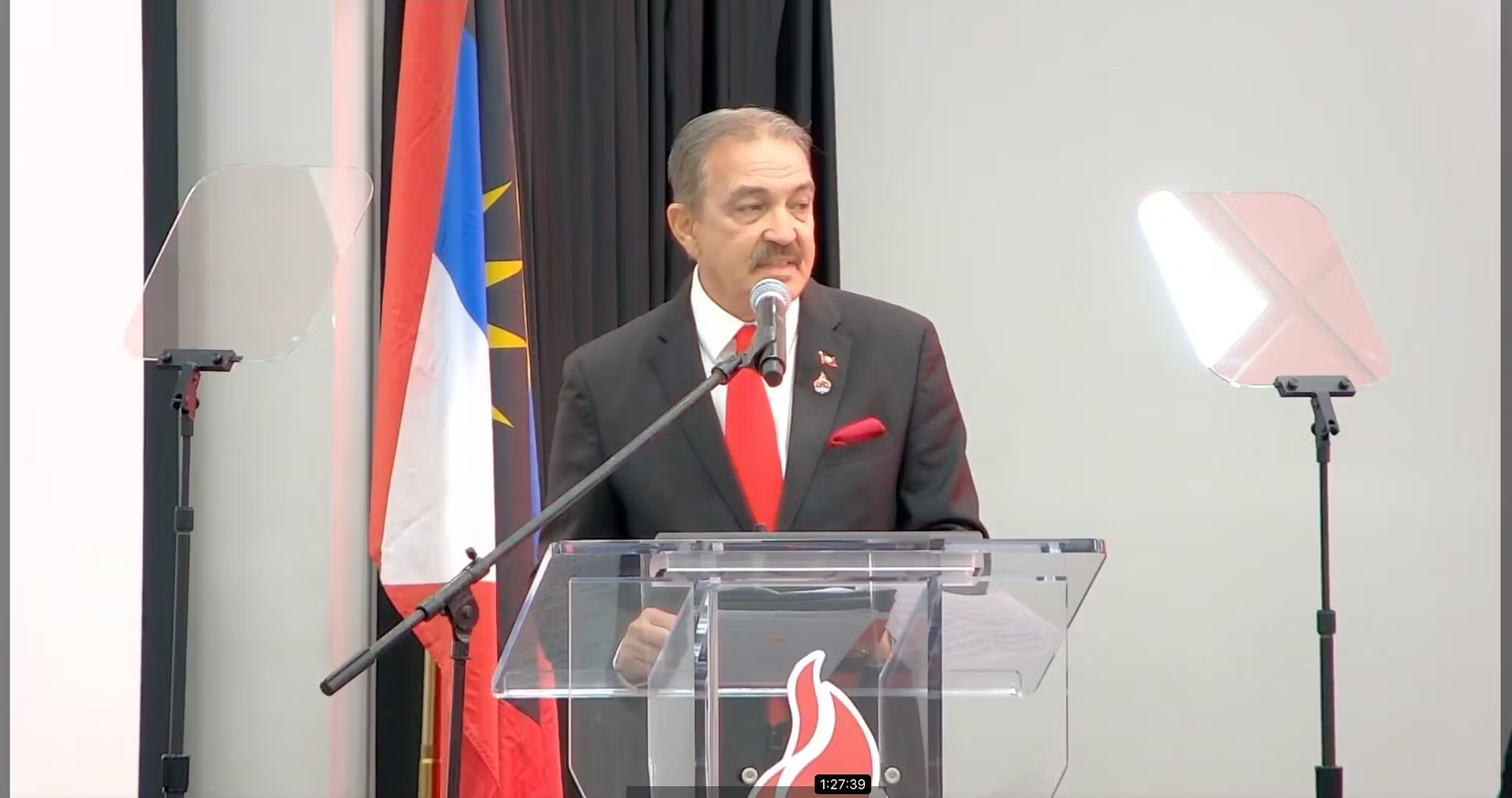
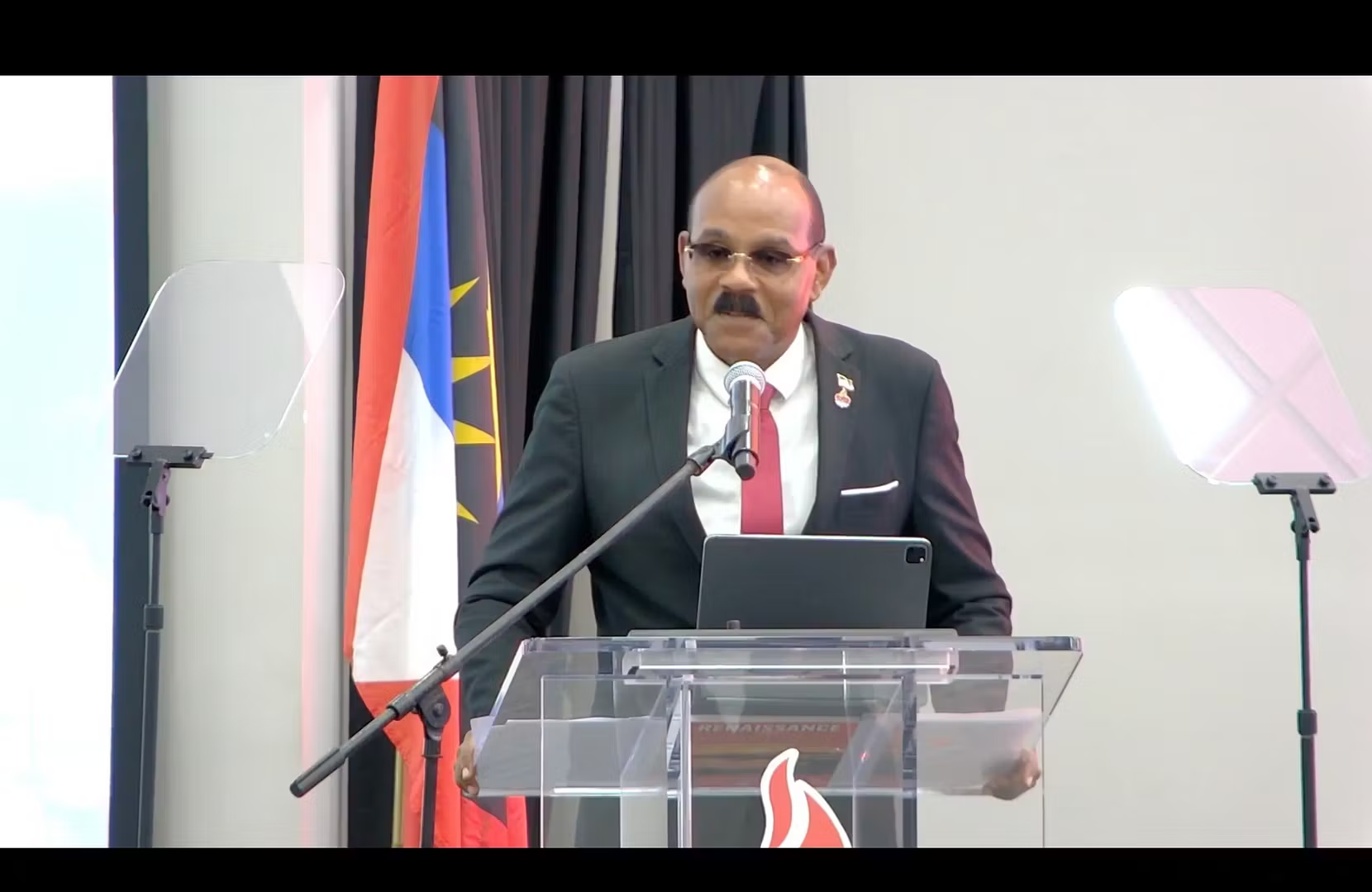
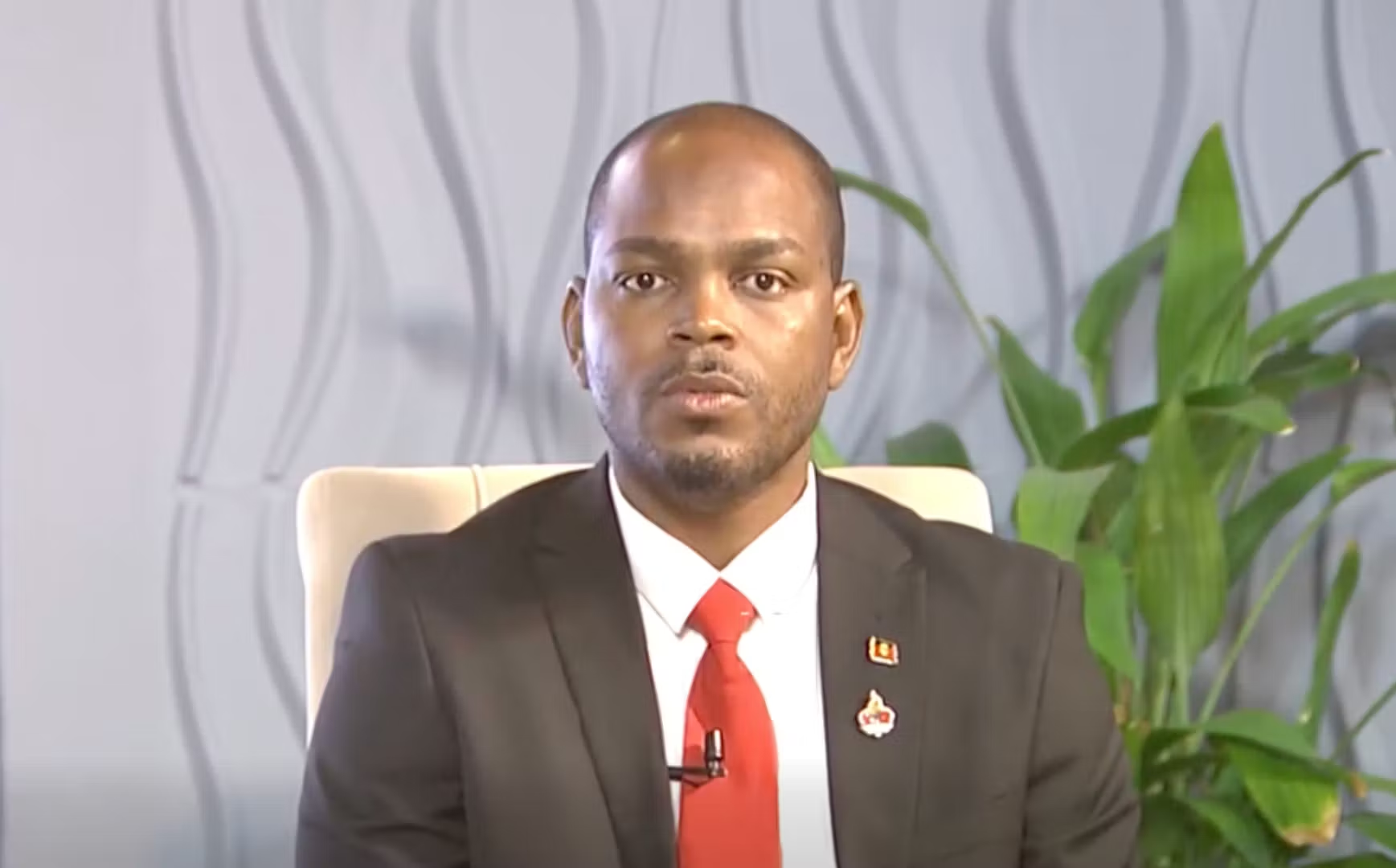
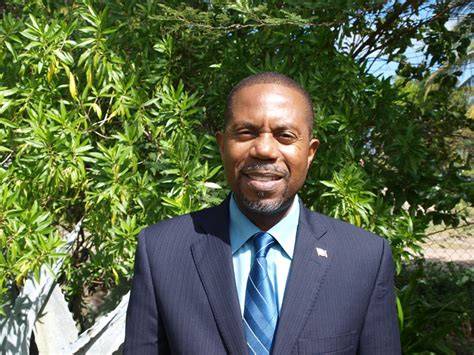
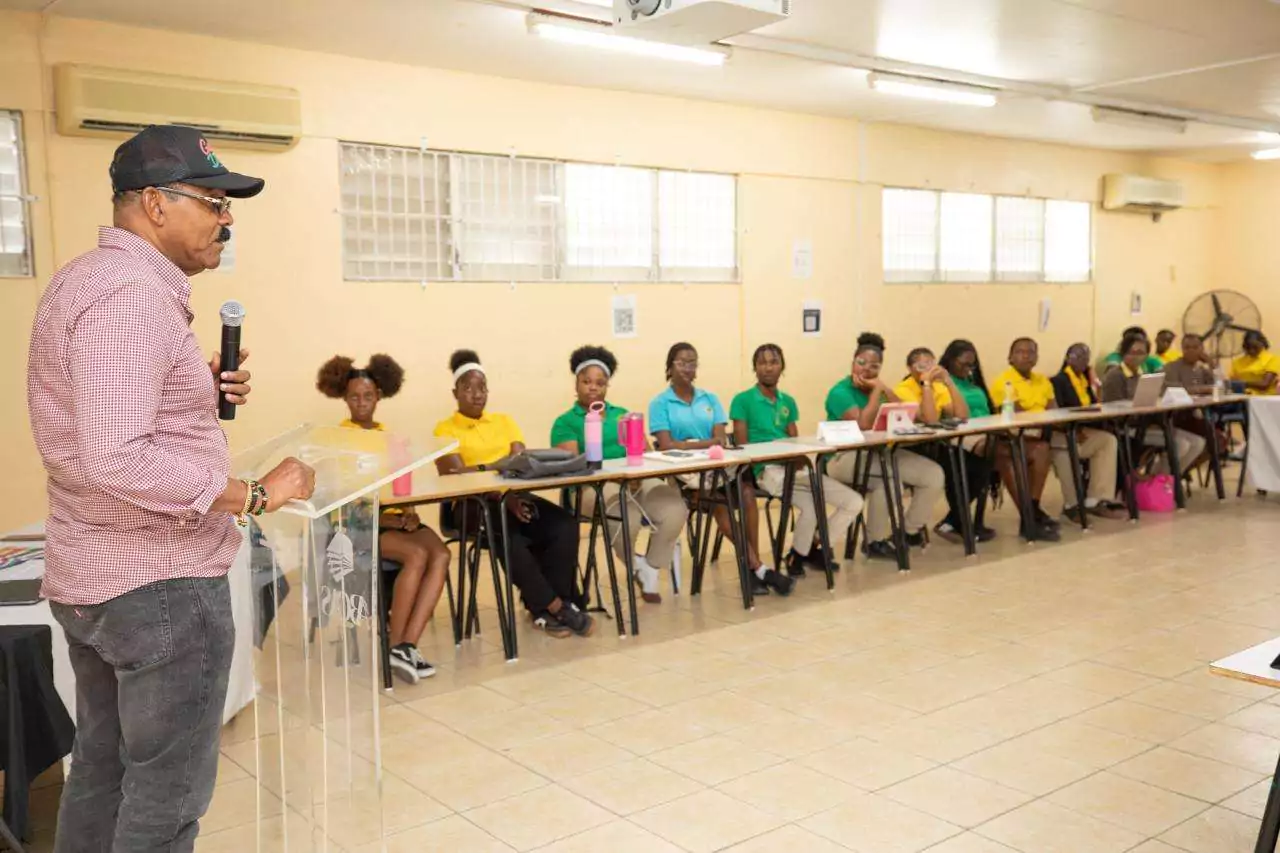
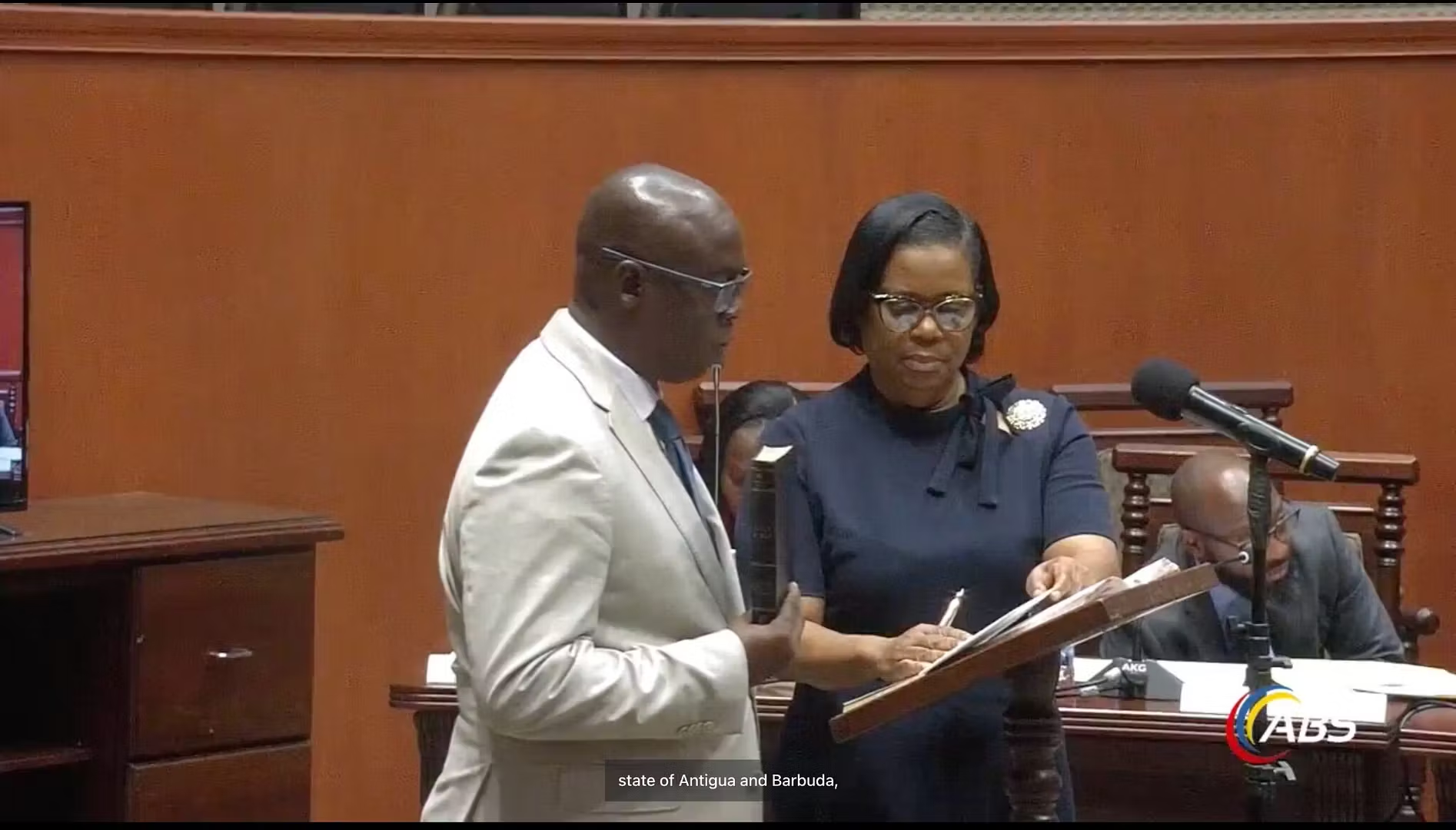
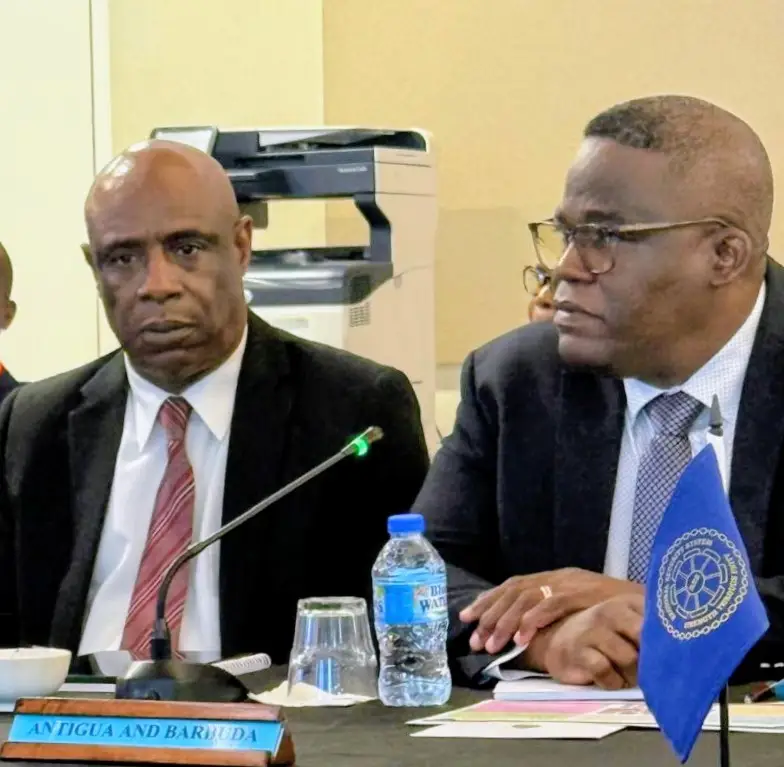
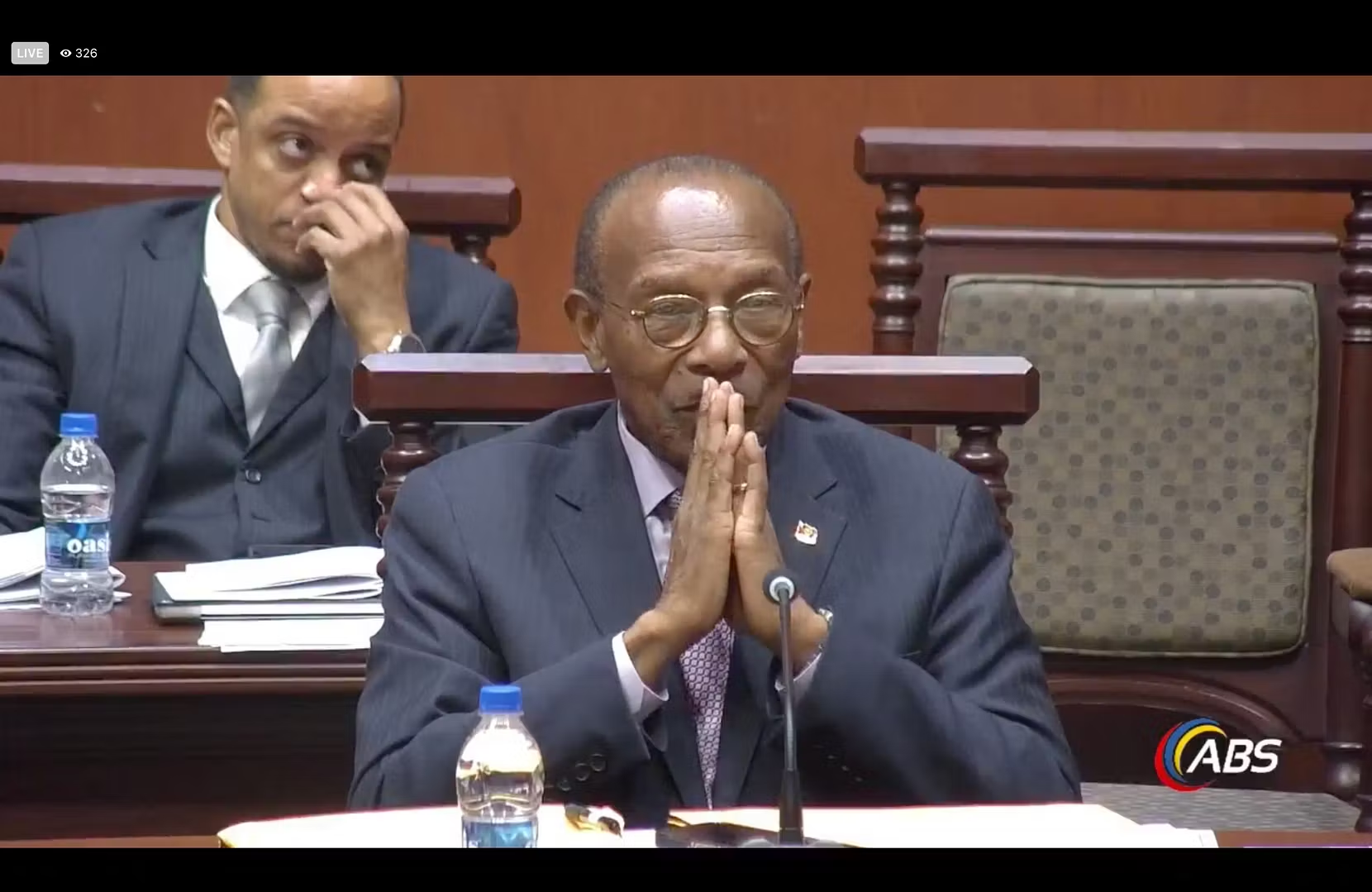
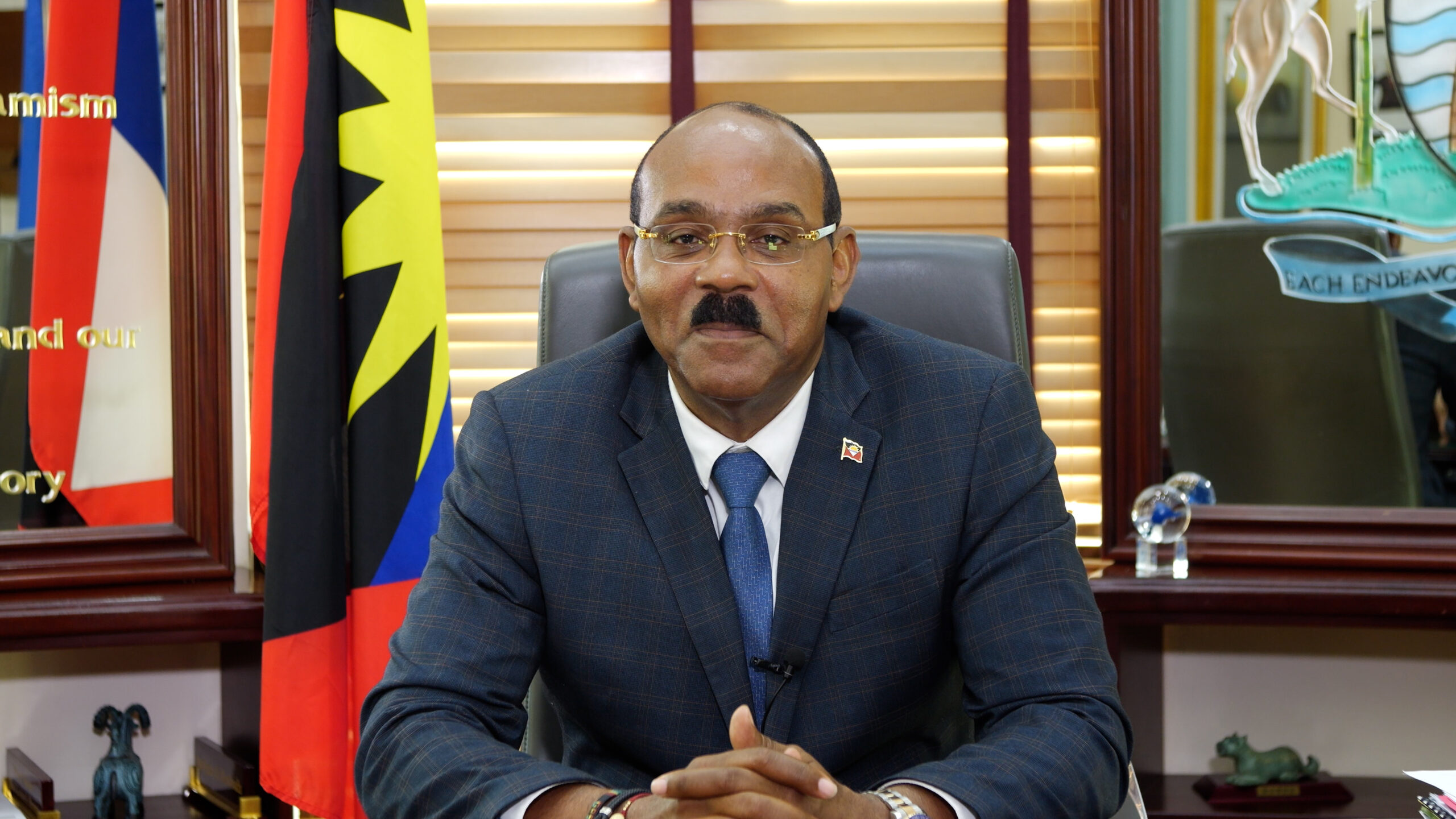
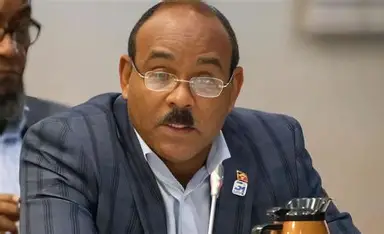
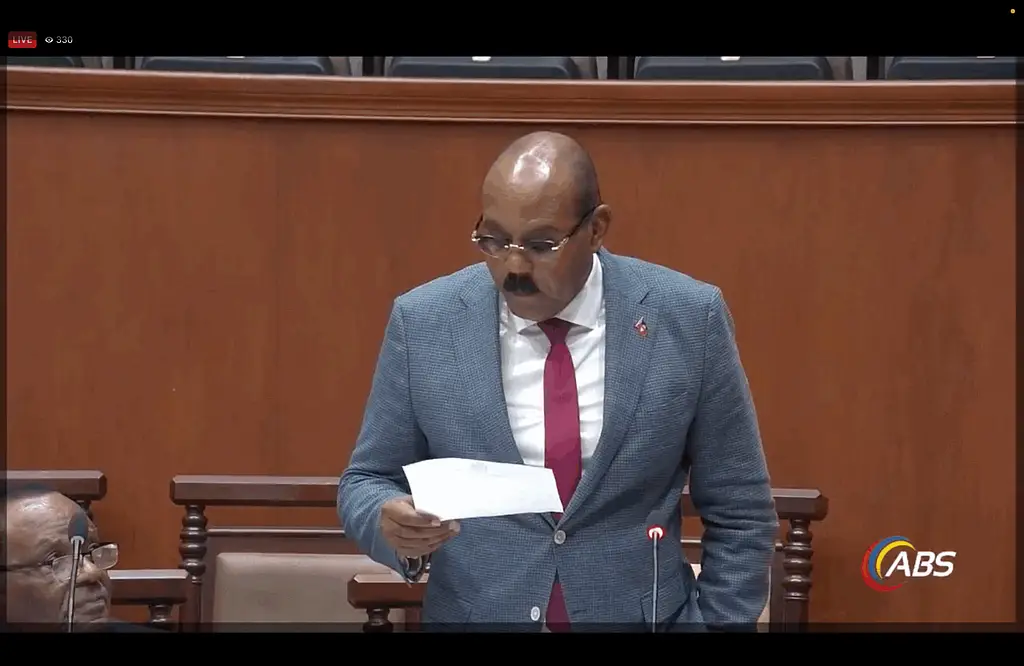
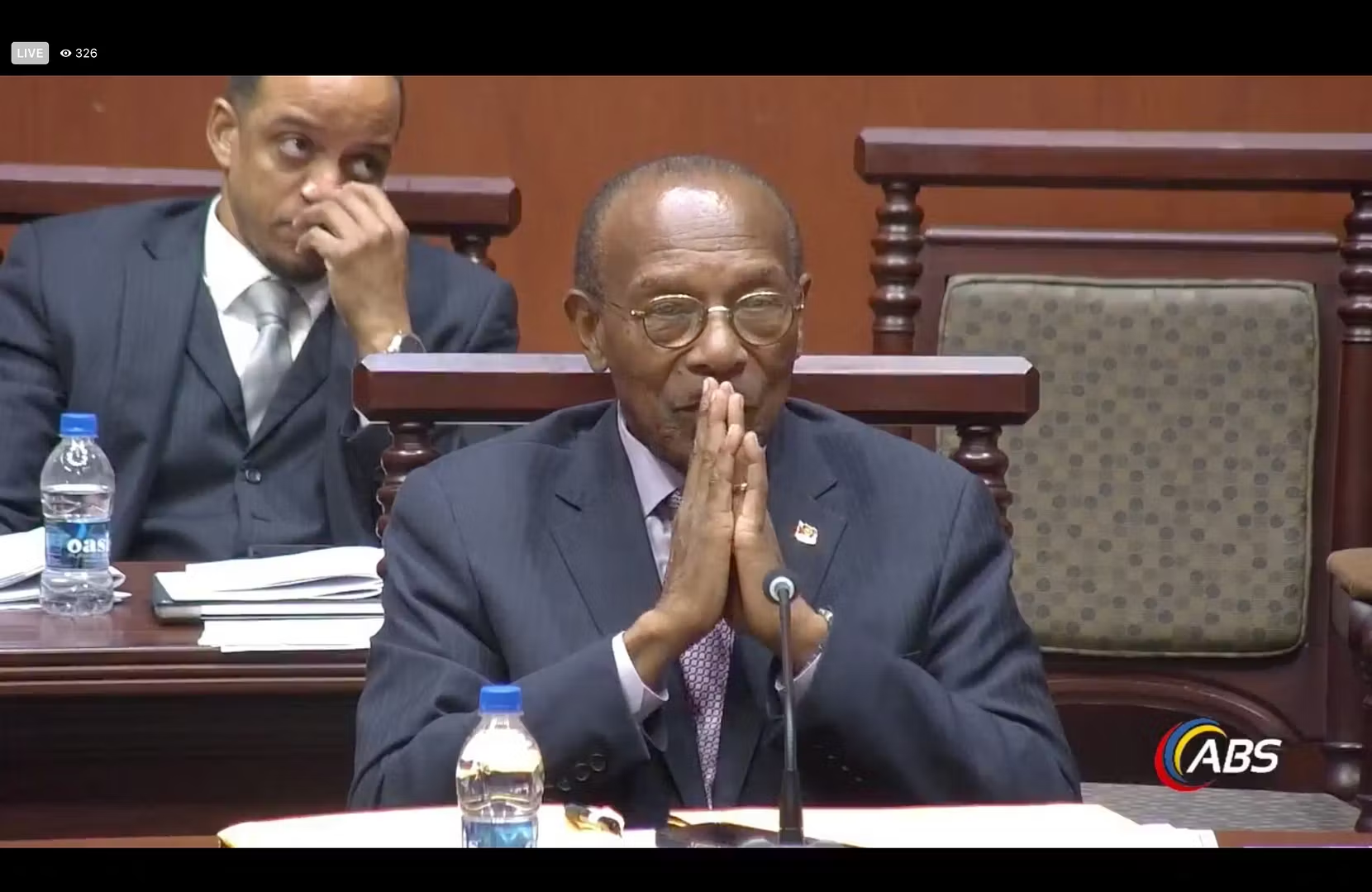
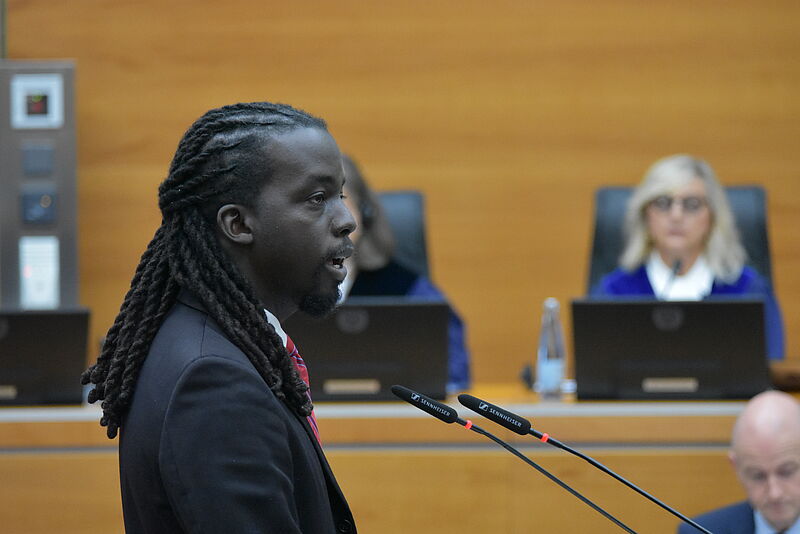
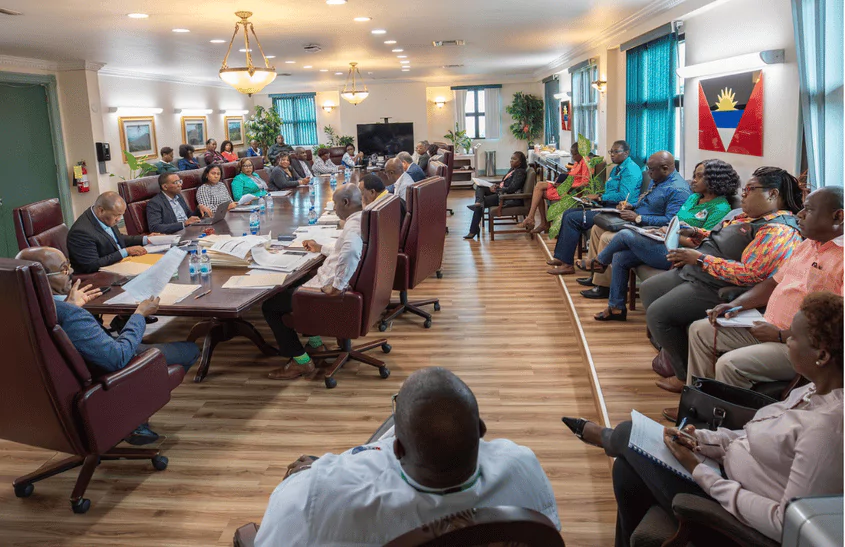
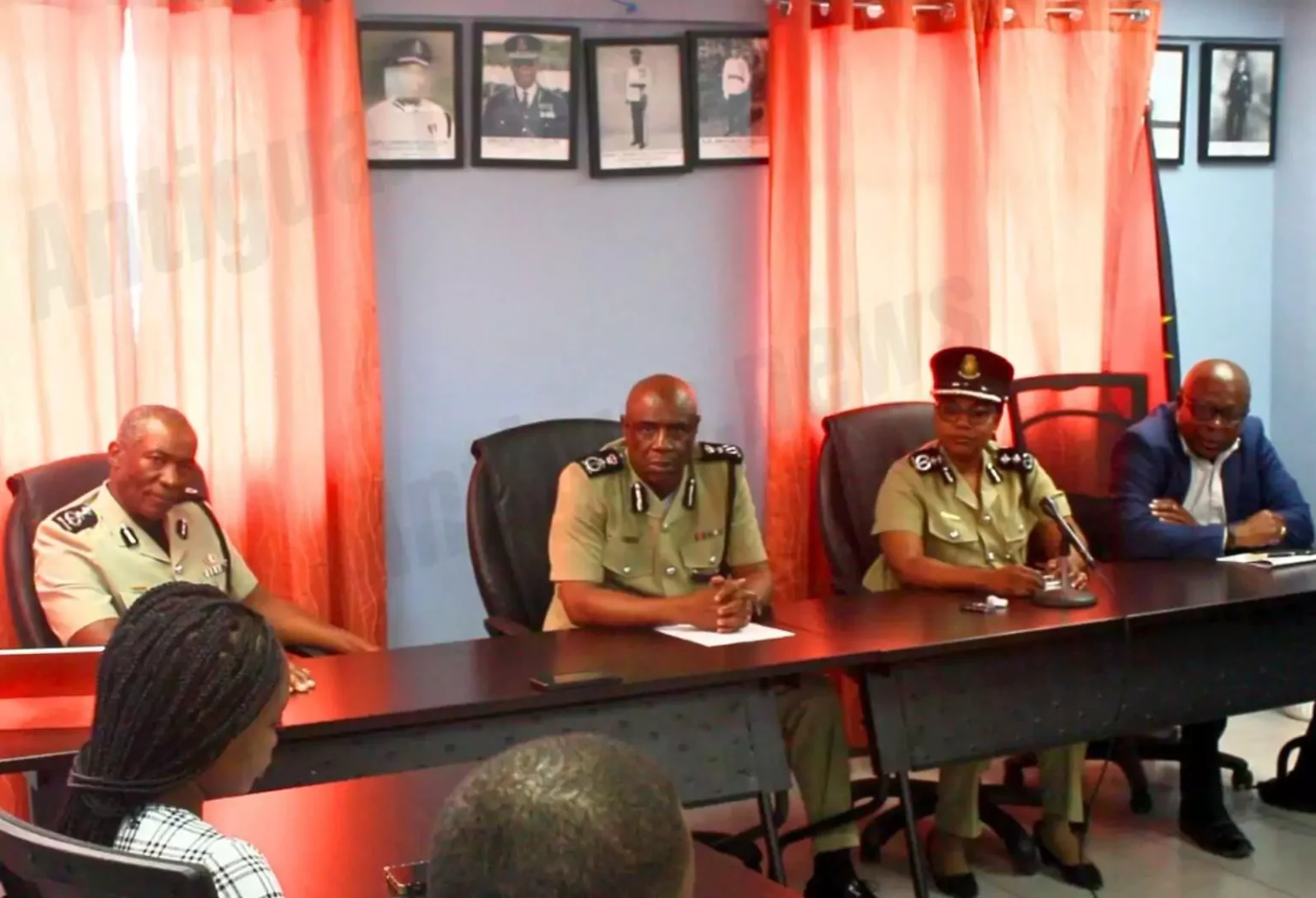
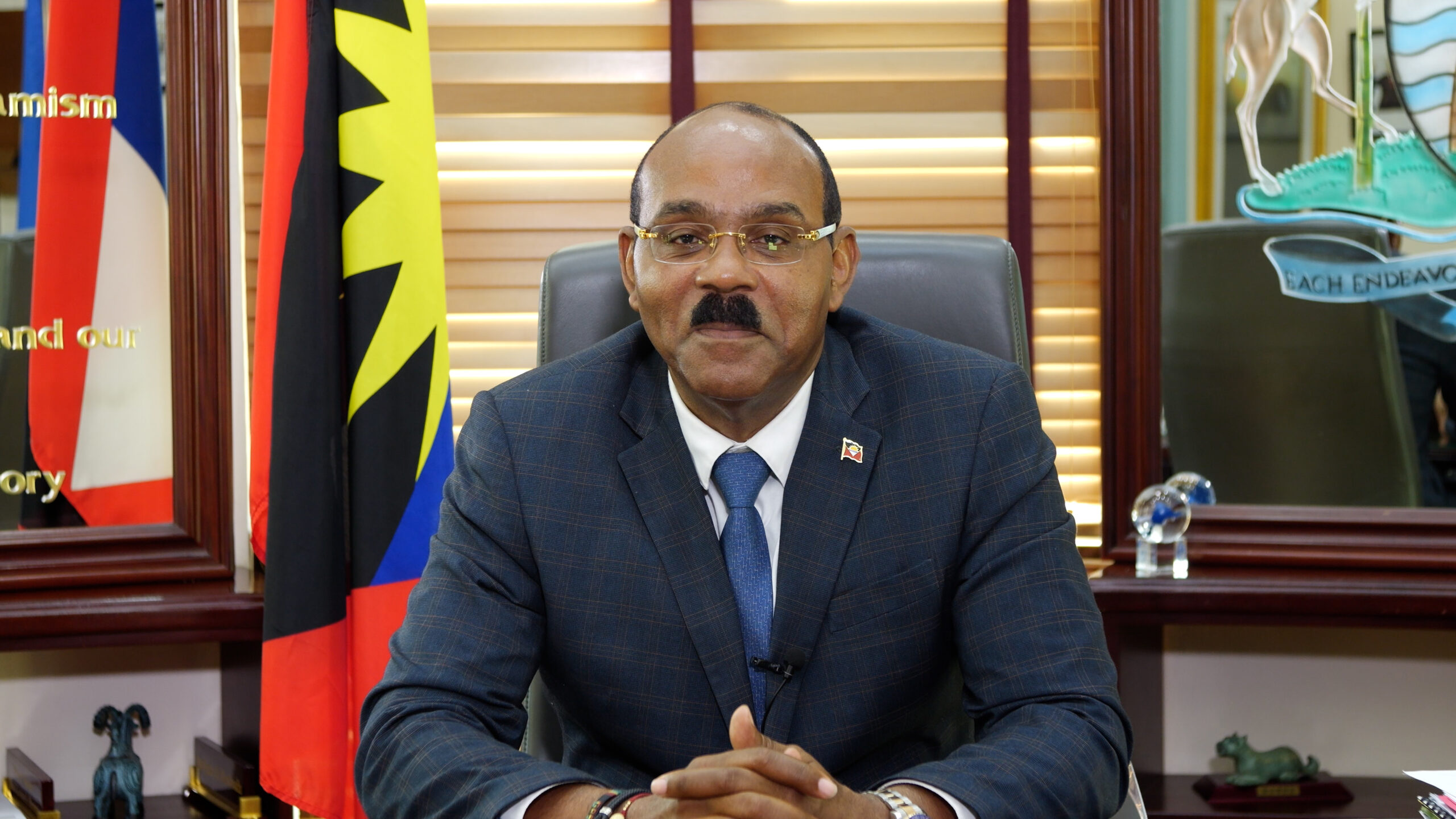
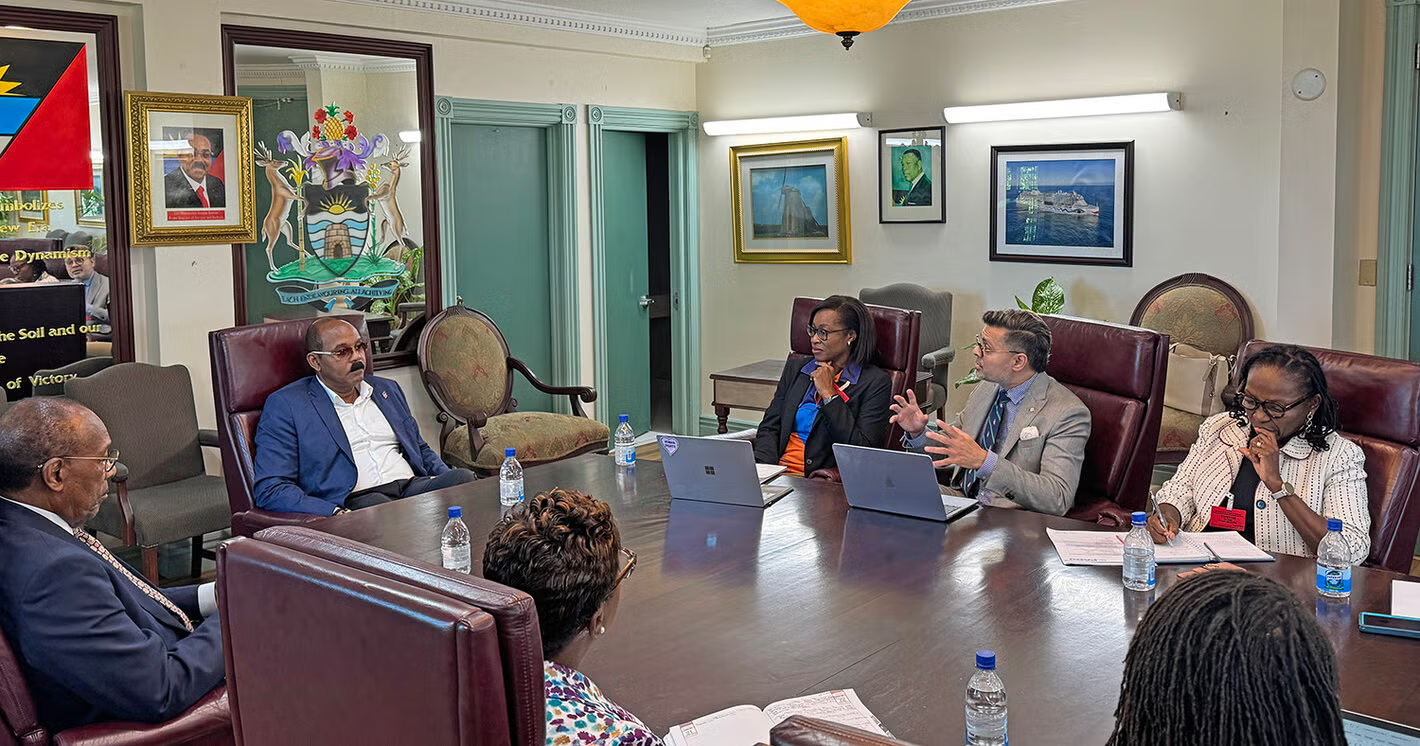
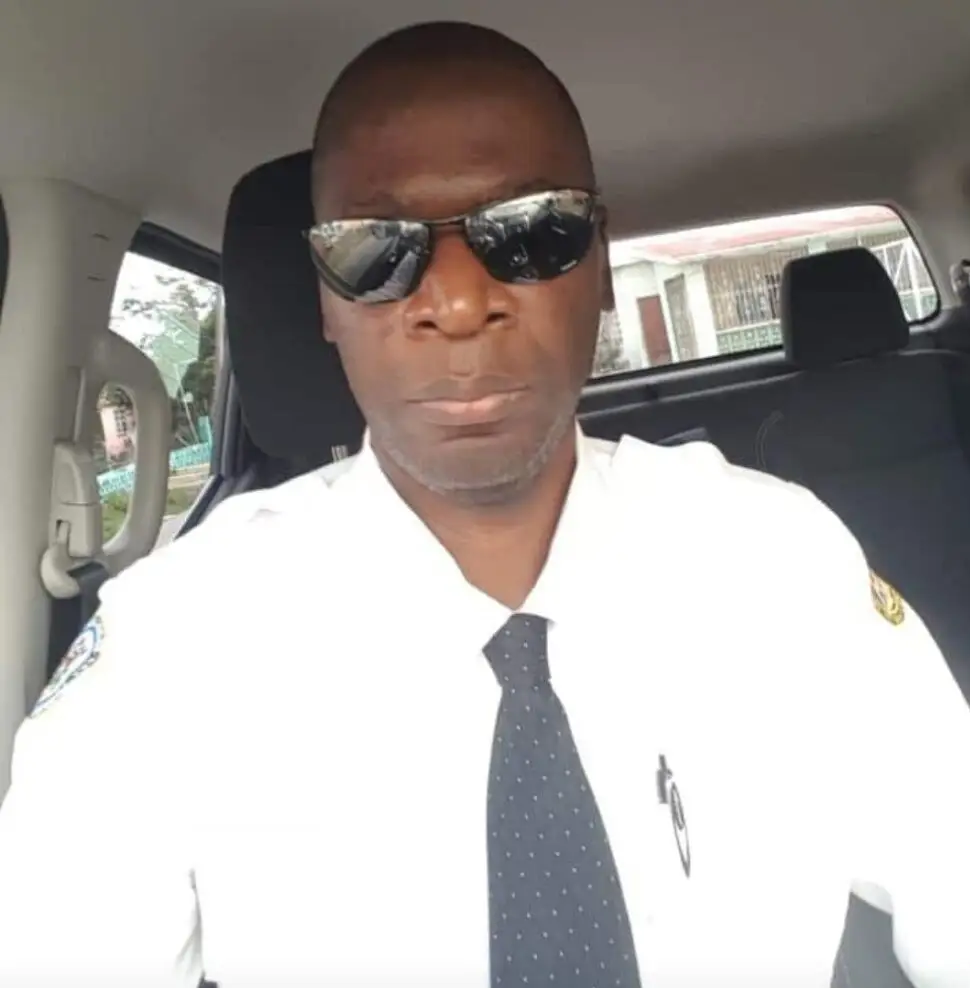
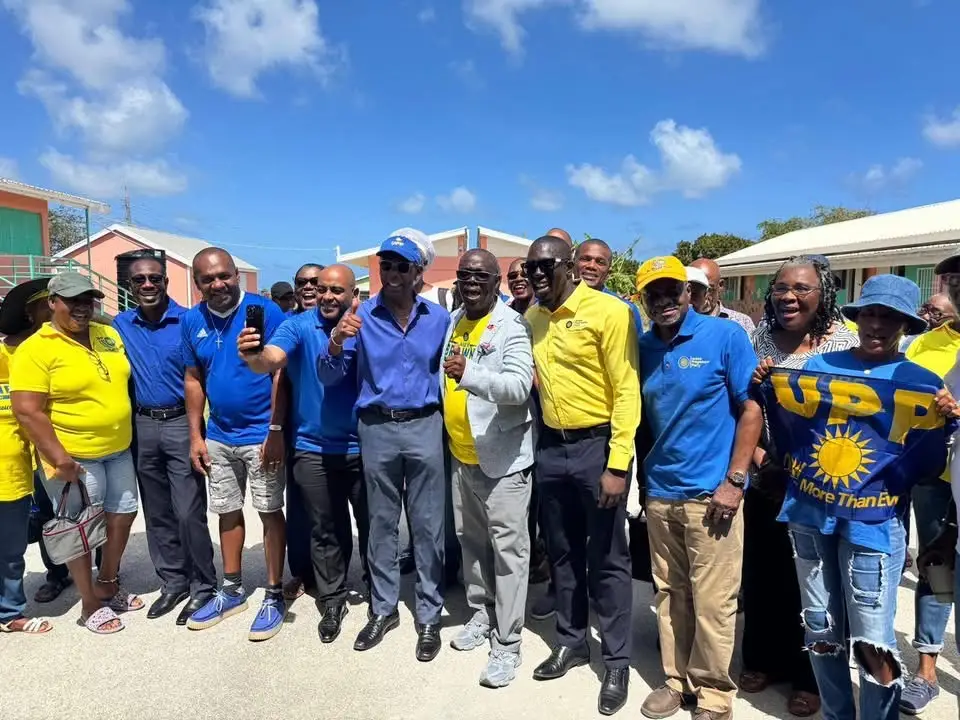
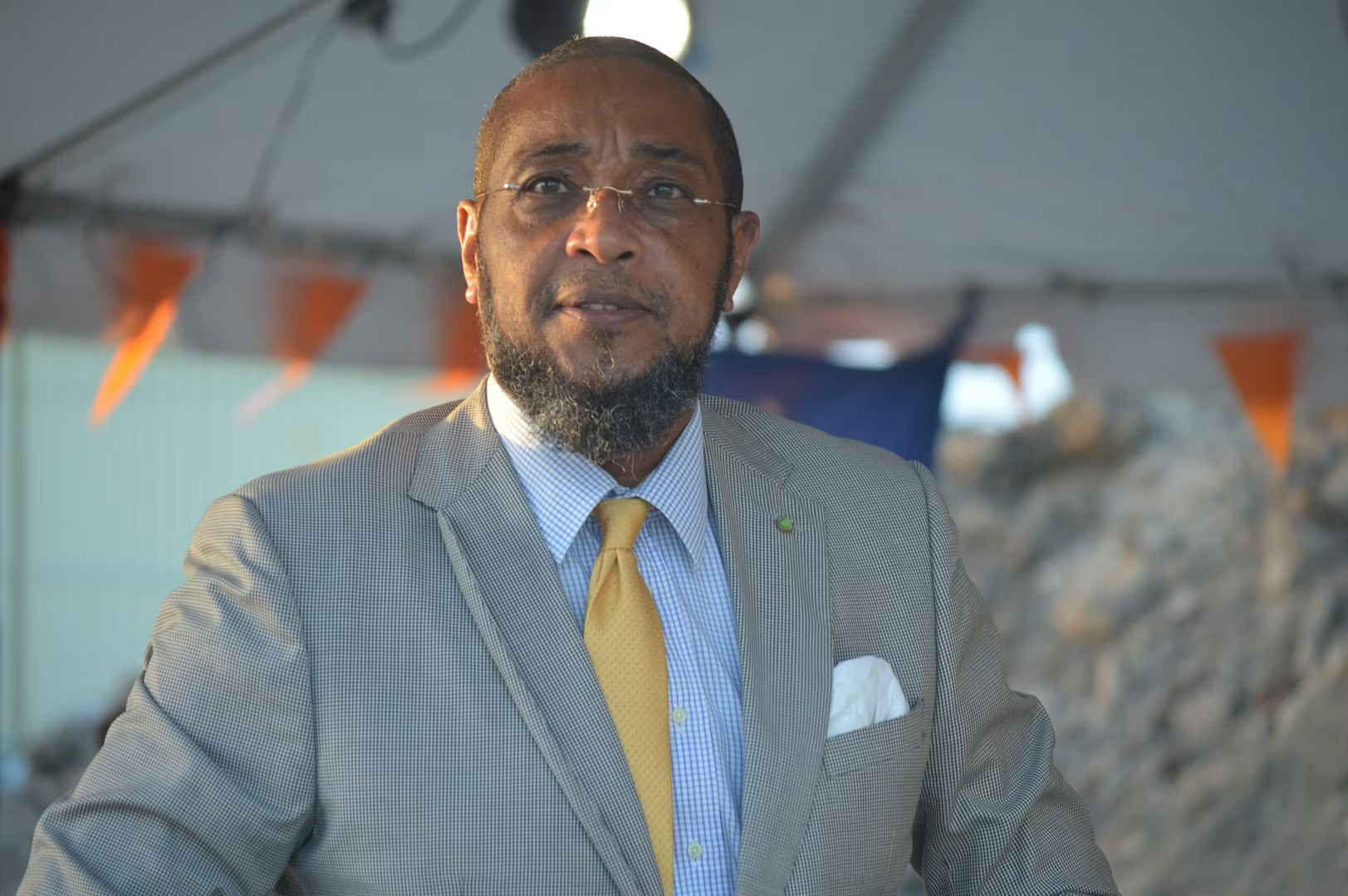
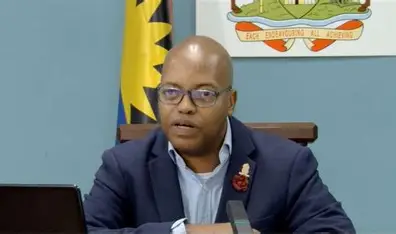
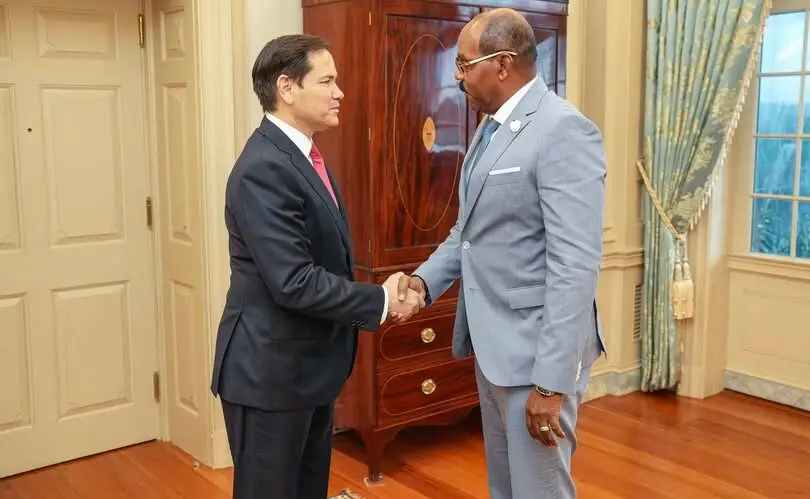
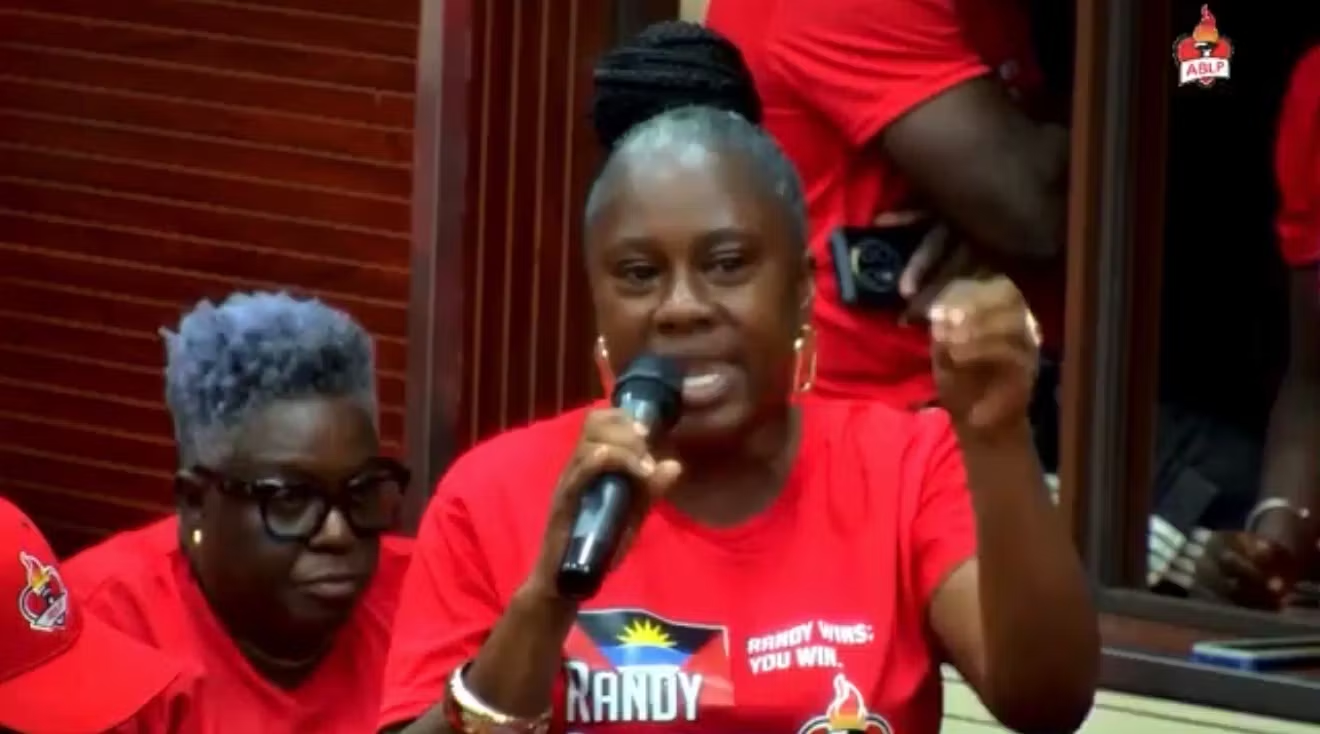
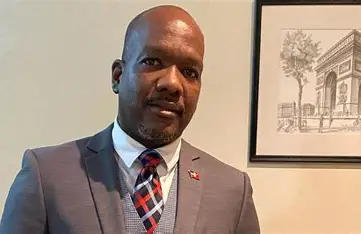
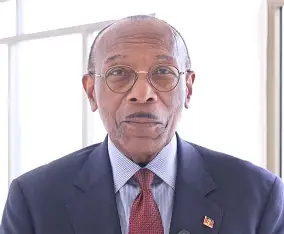
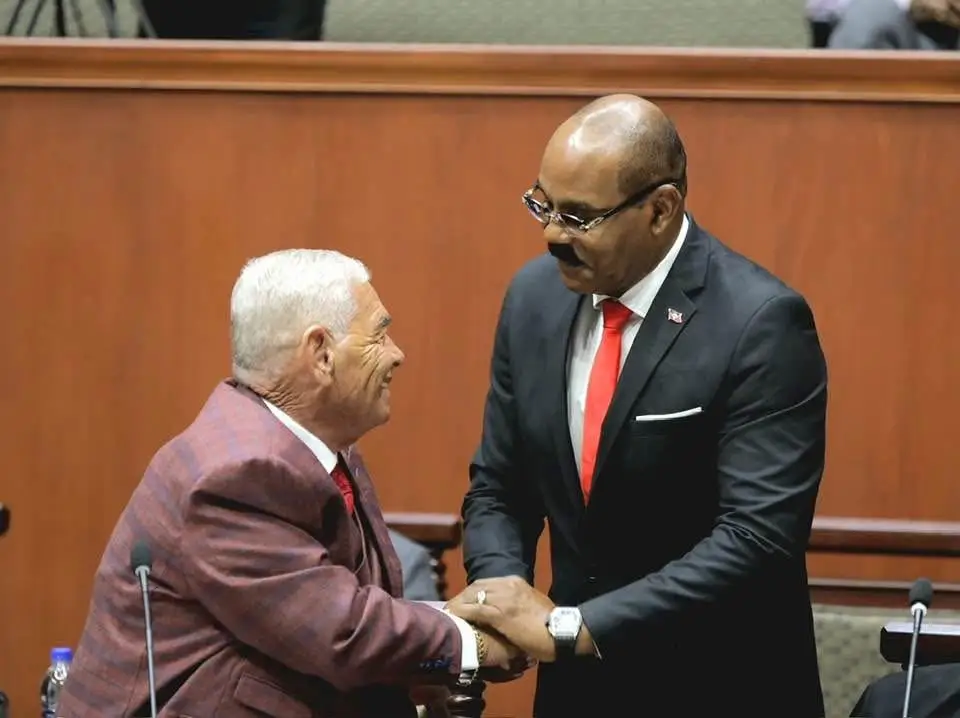
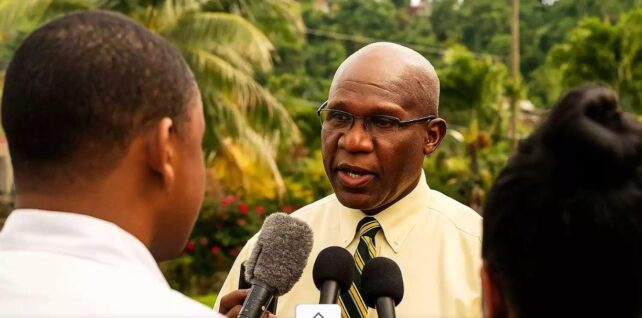
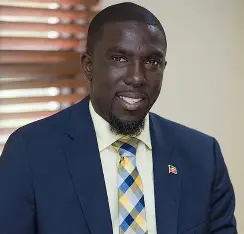
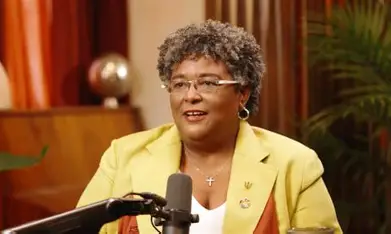
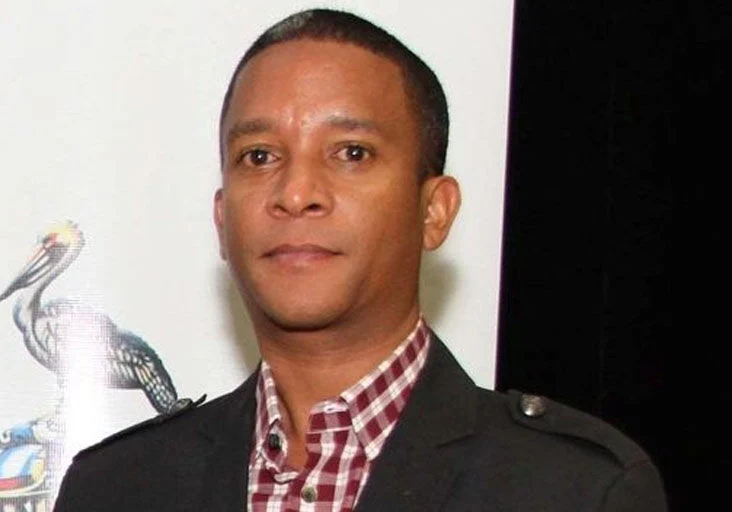
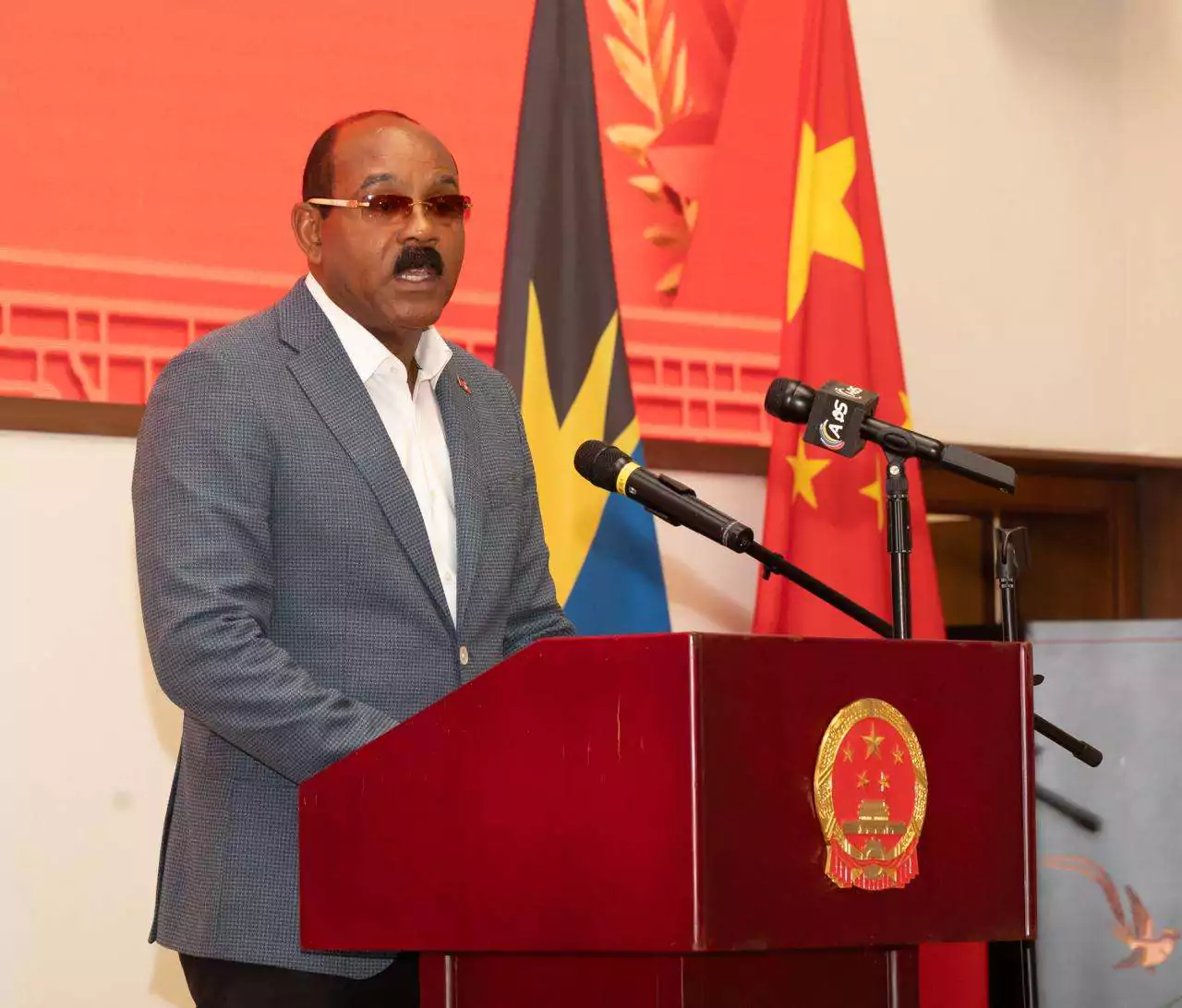
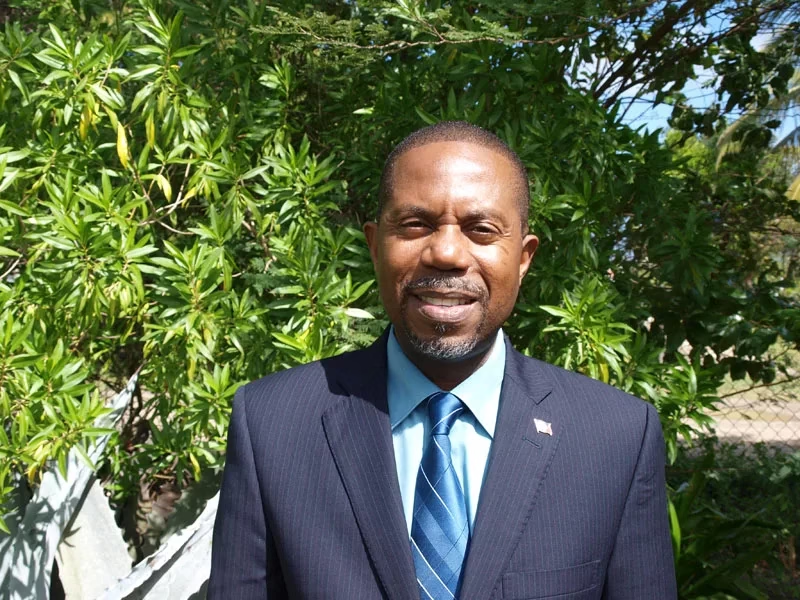
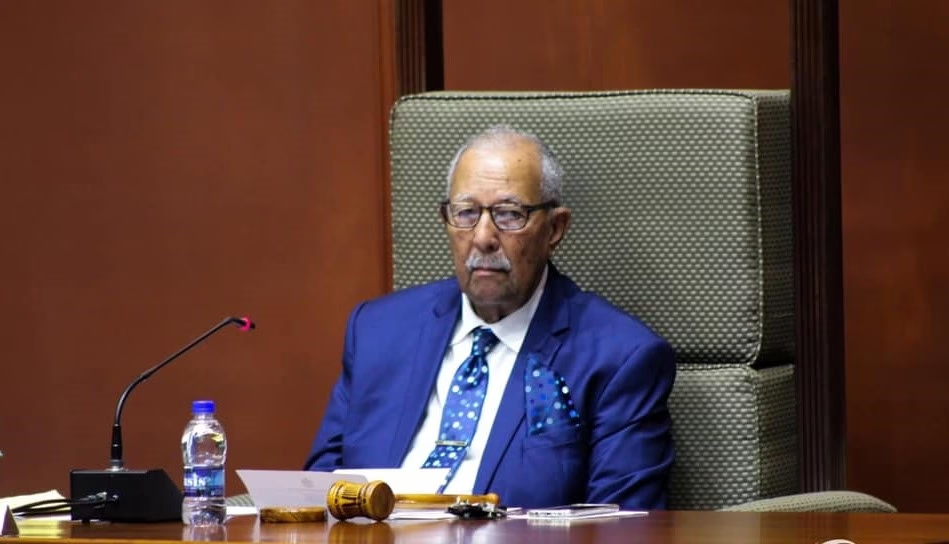
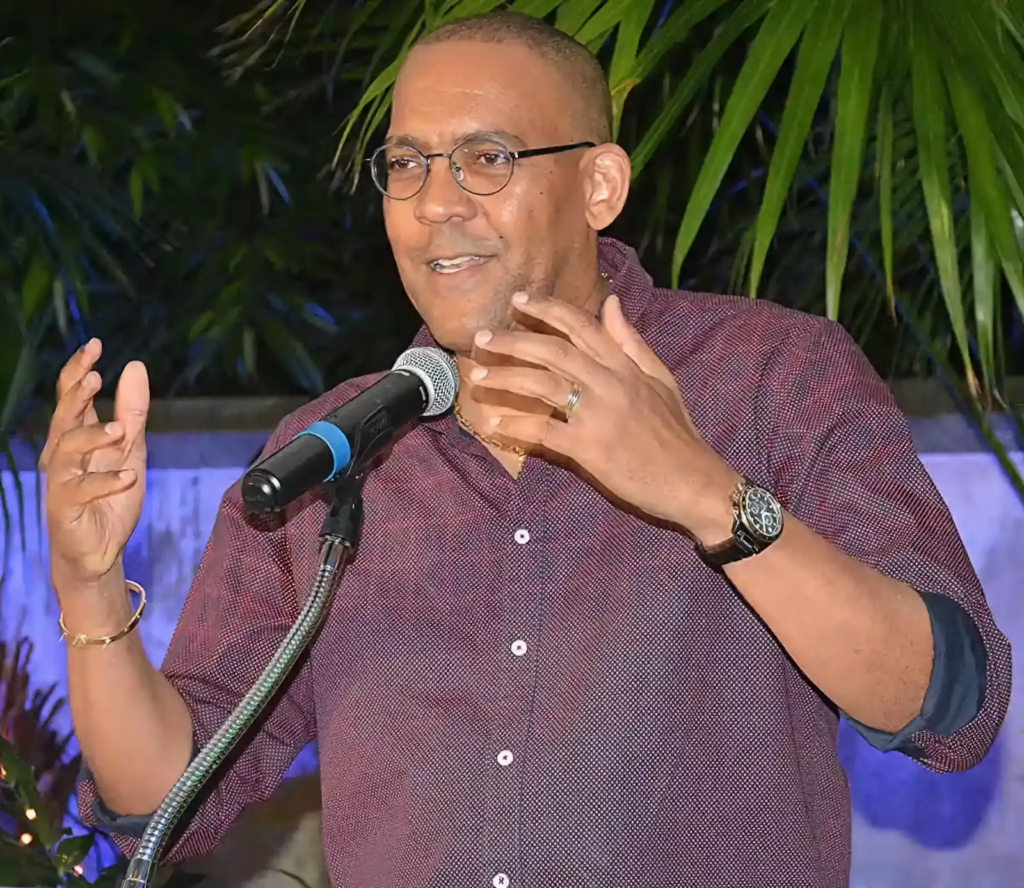
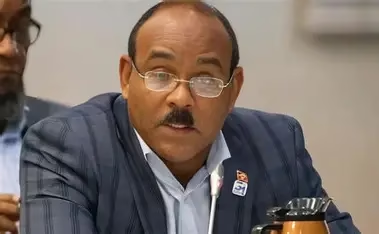
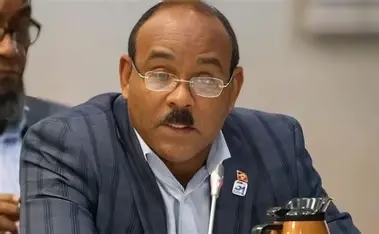
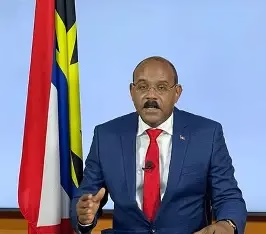
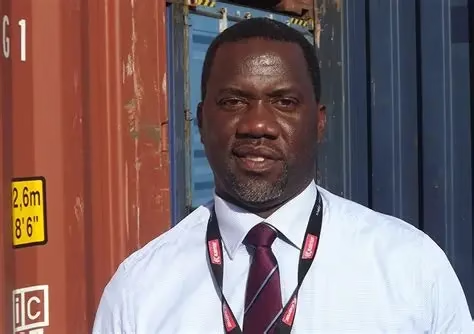
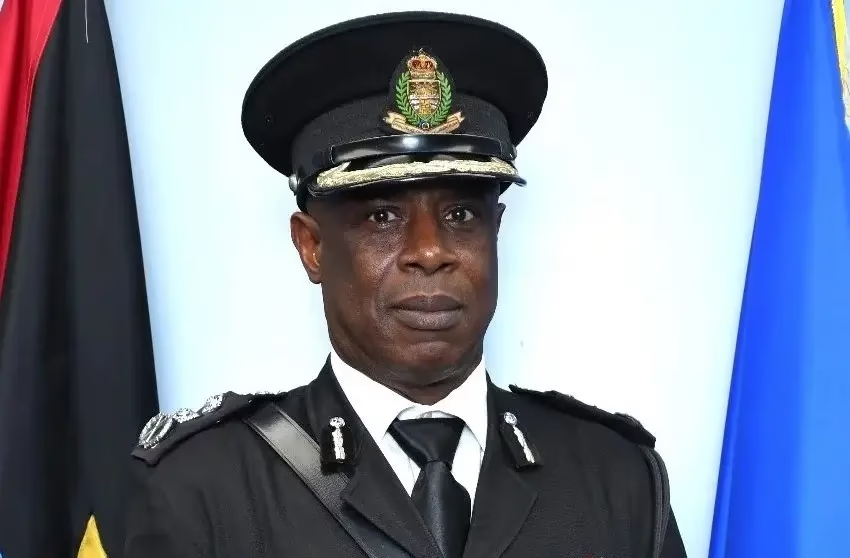
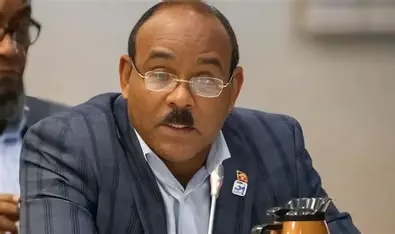
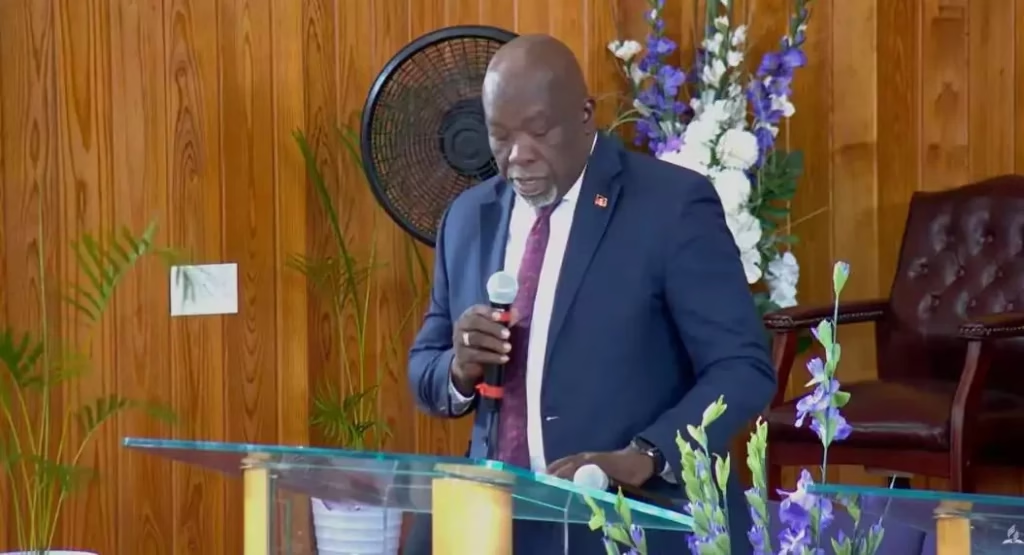
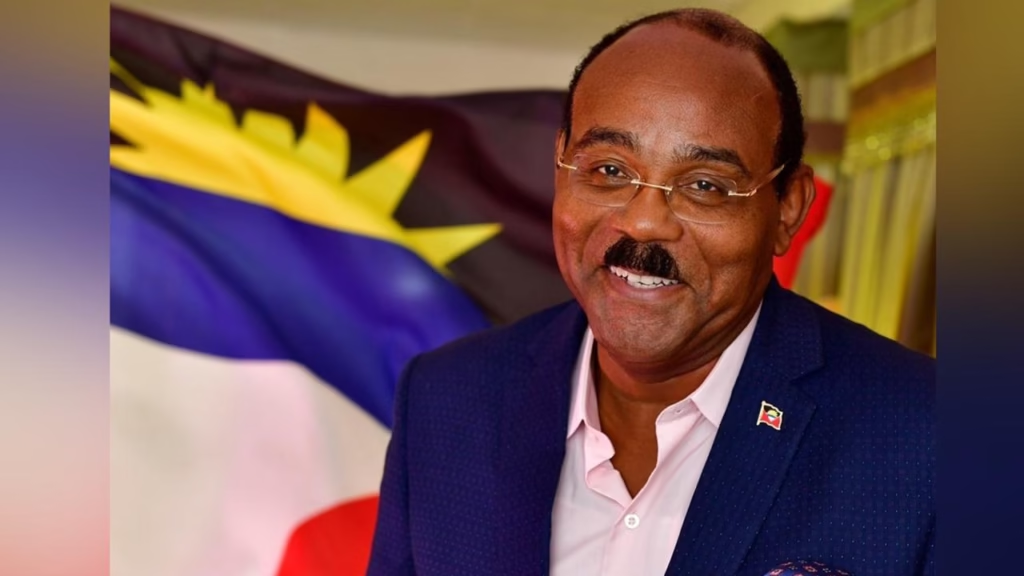
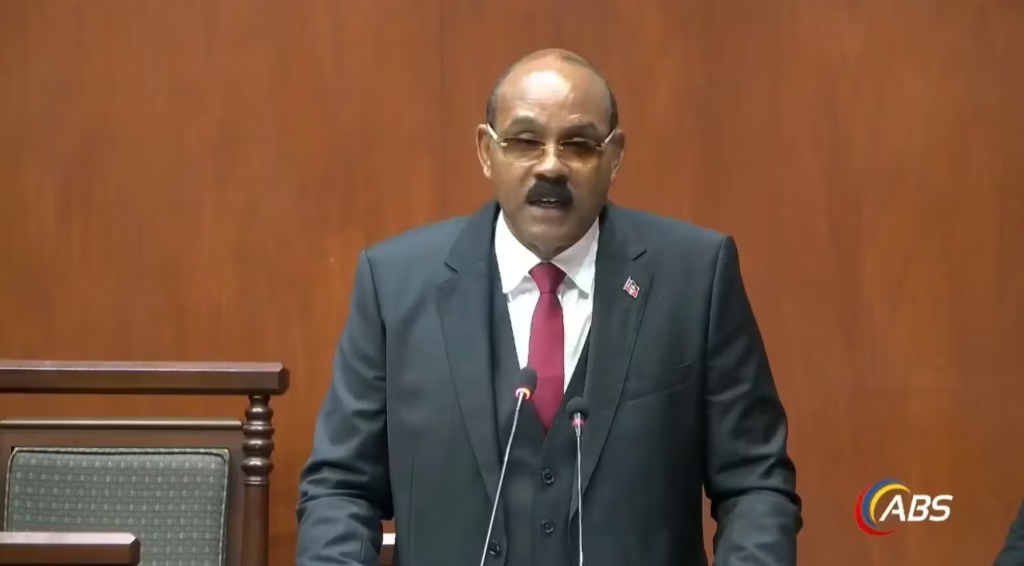
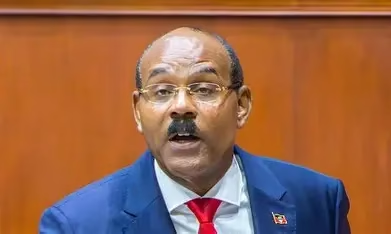
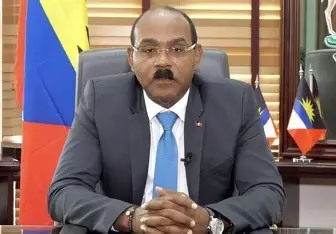
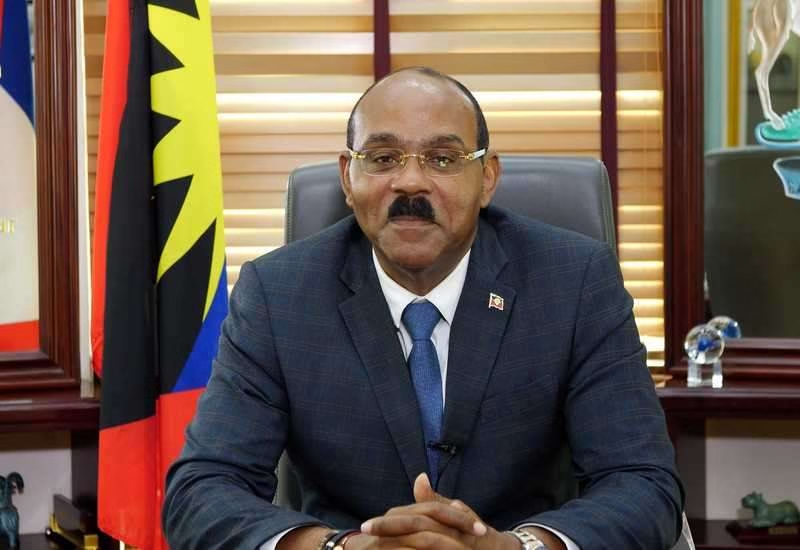
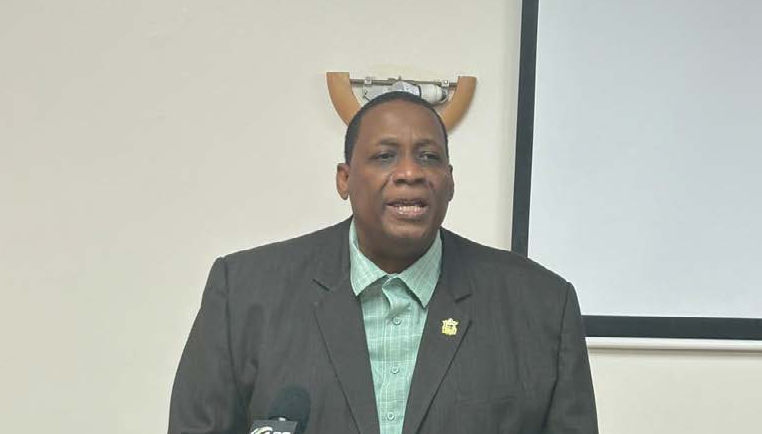
Health Minister Michael Joseph shared the update Thursday during a press briefing. He said both cases involved men arriving from malaria-endemic regions.
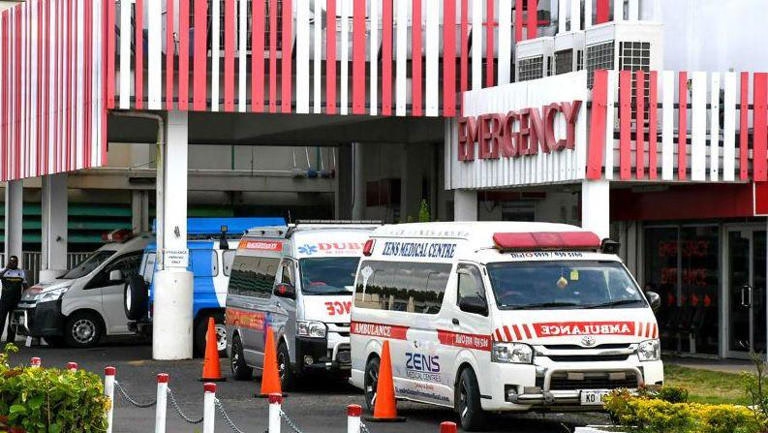
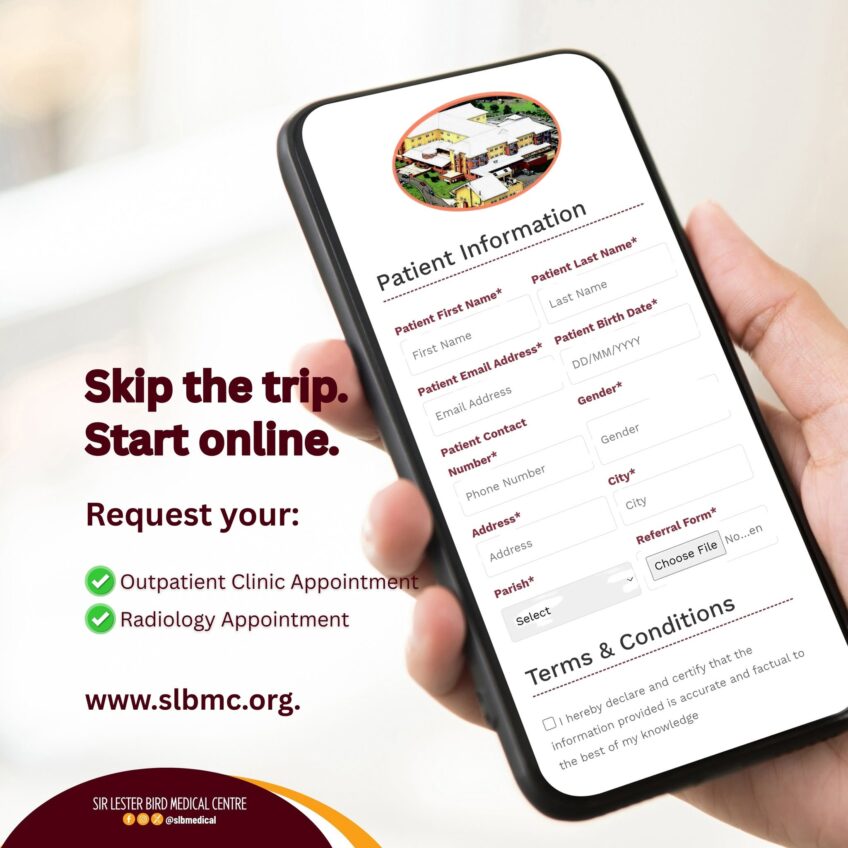
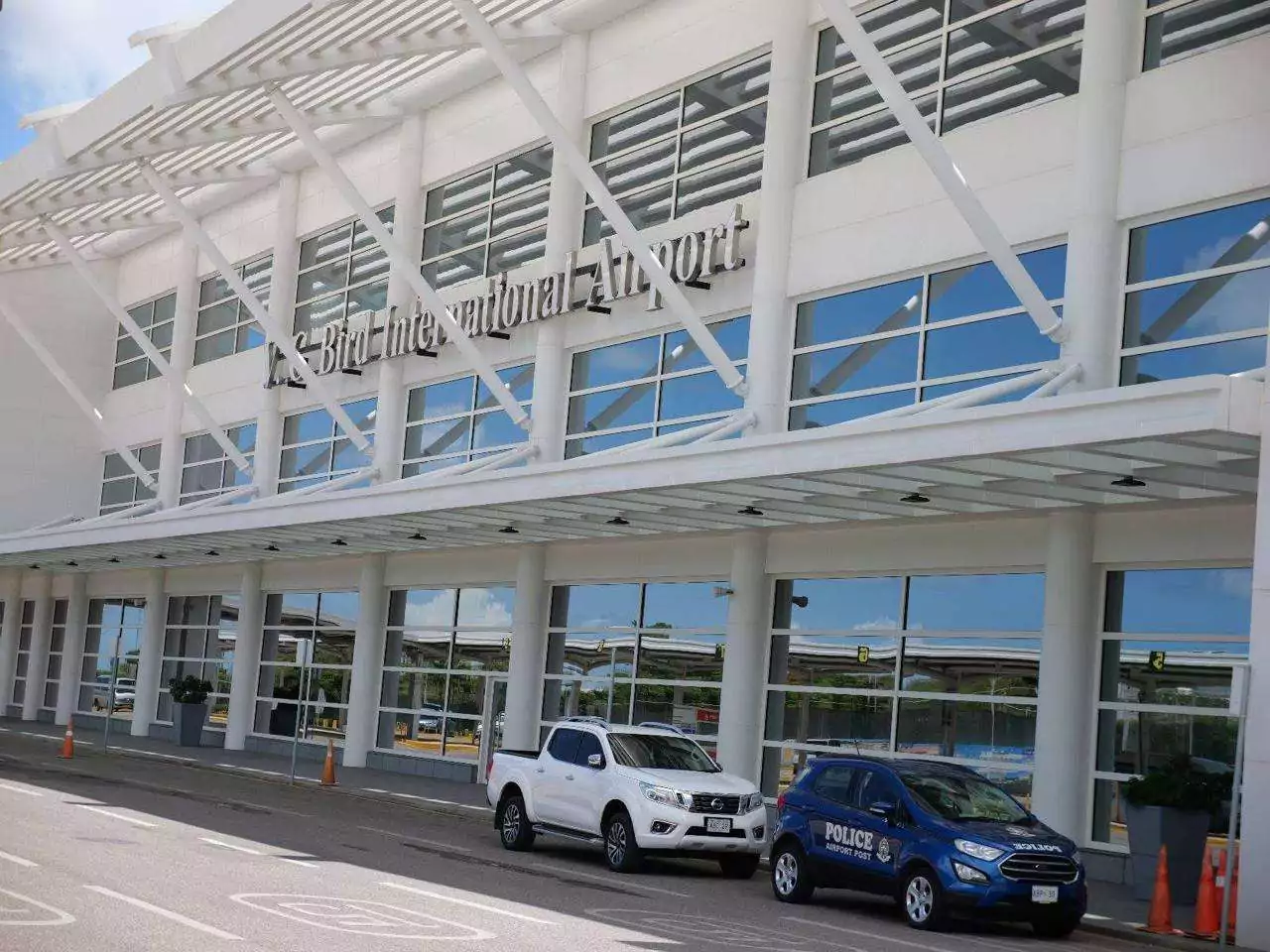
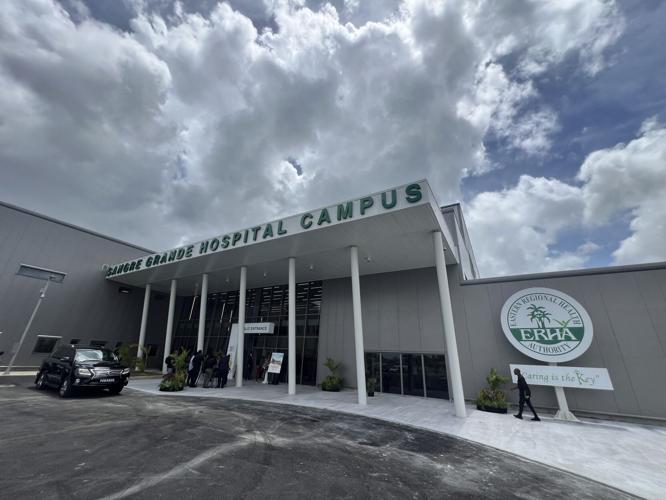
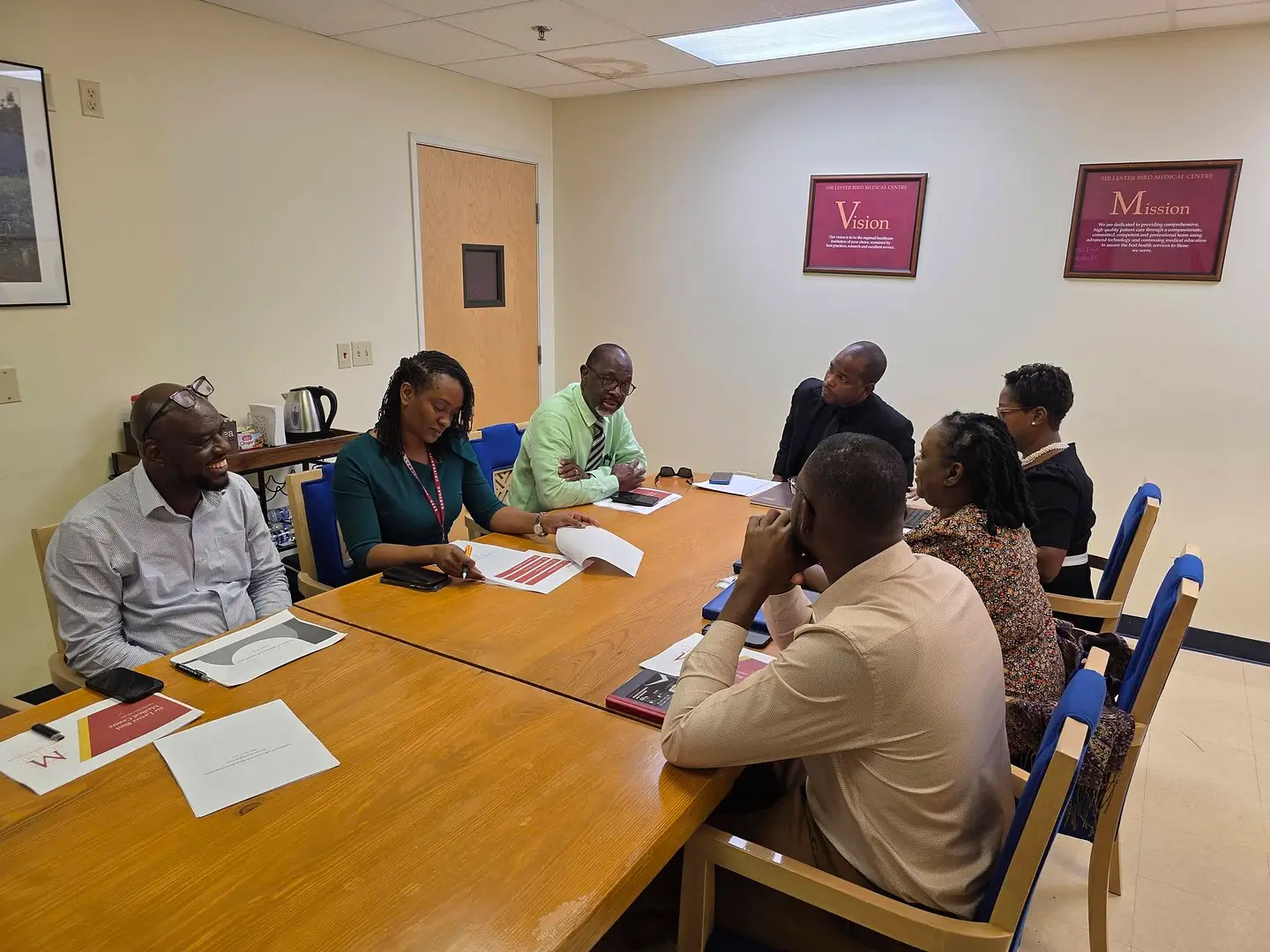
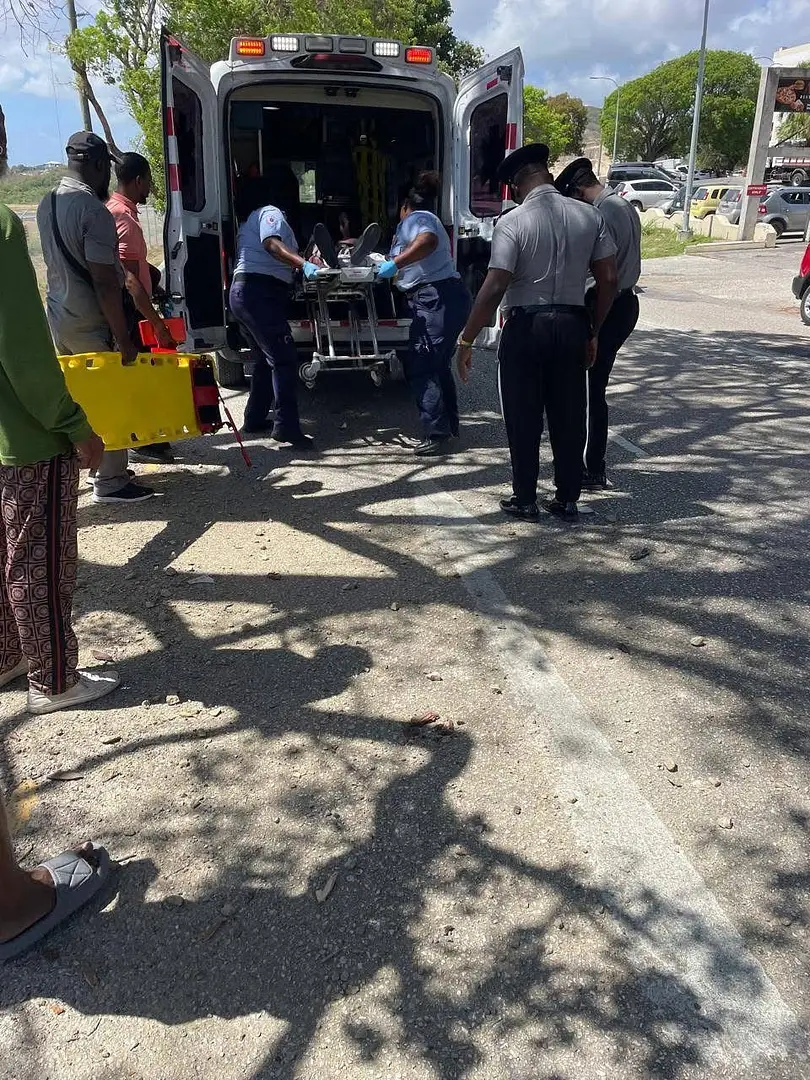
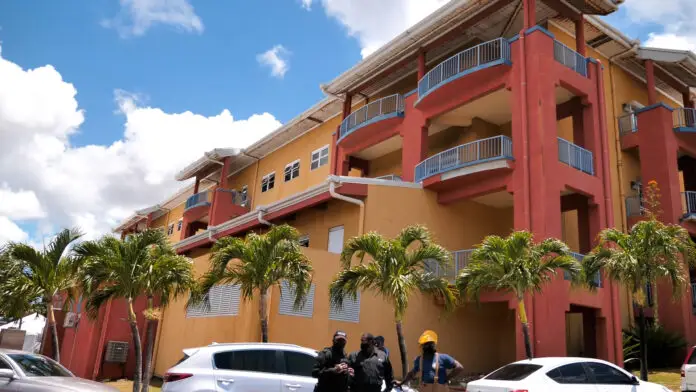
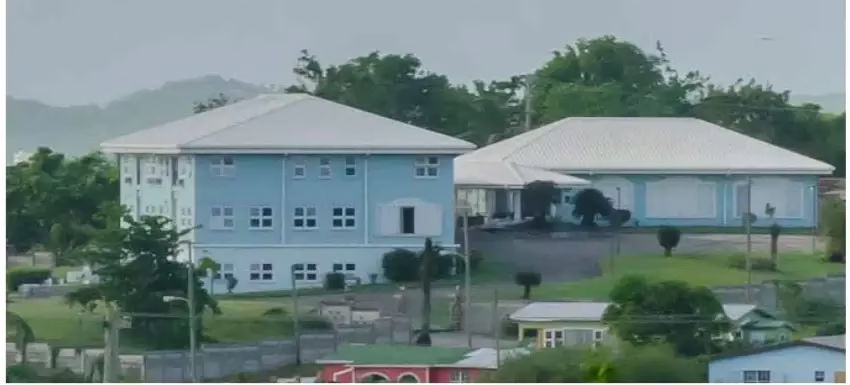
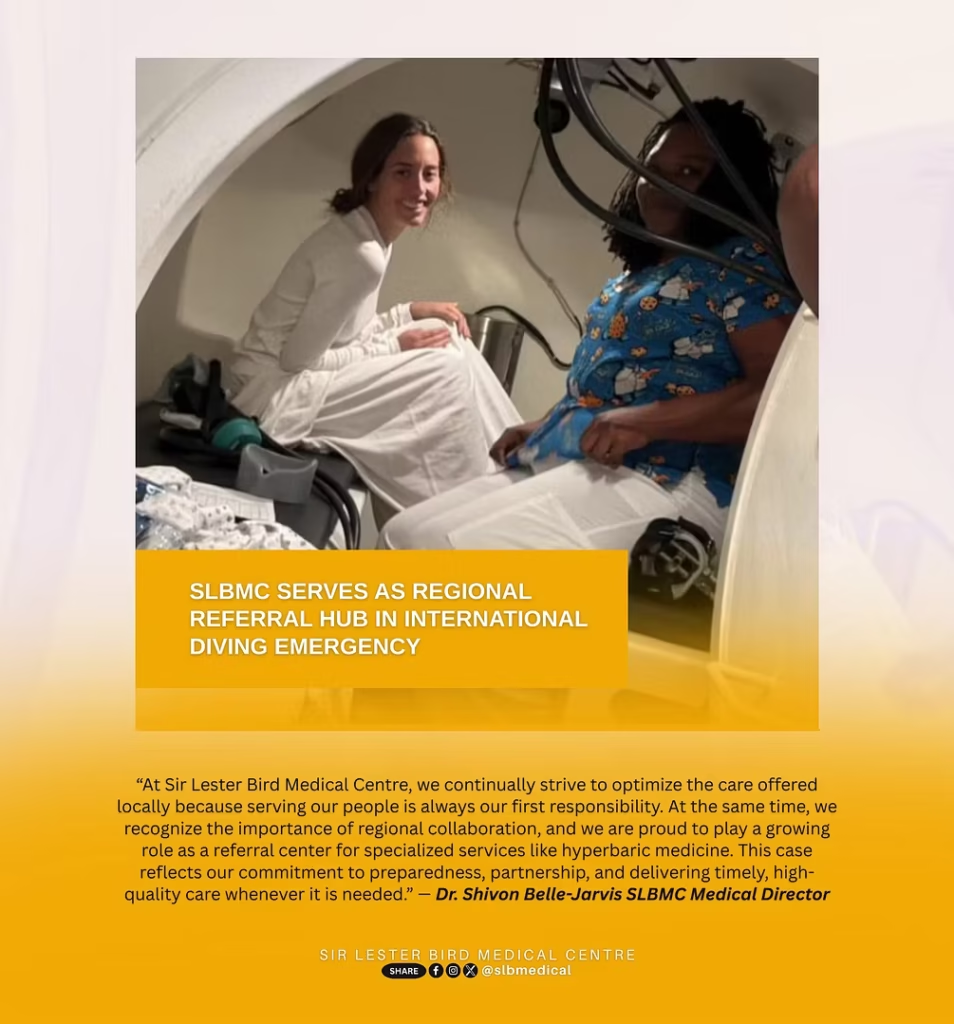
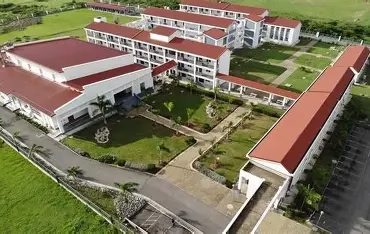
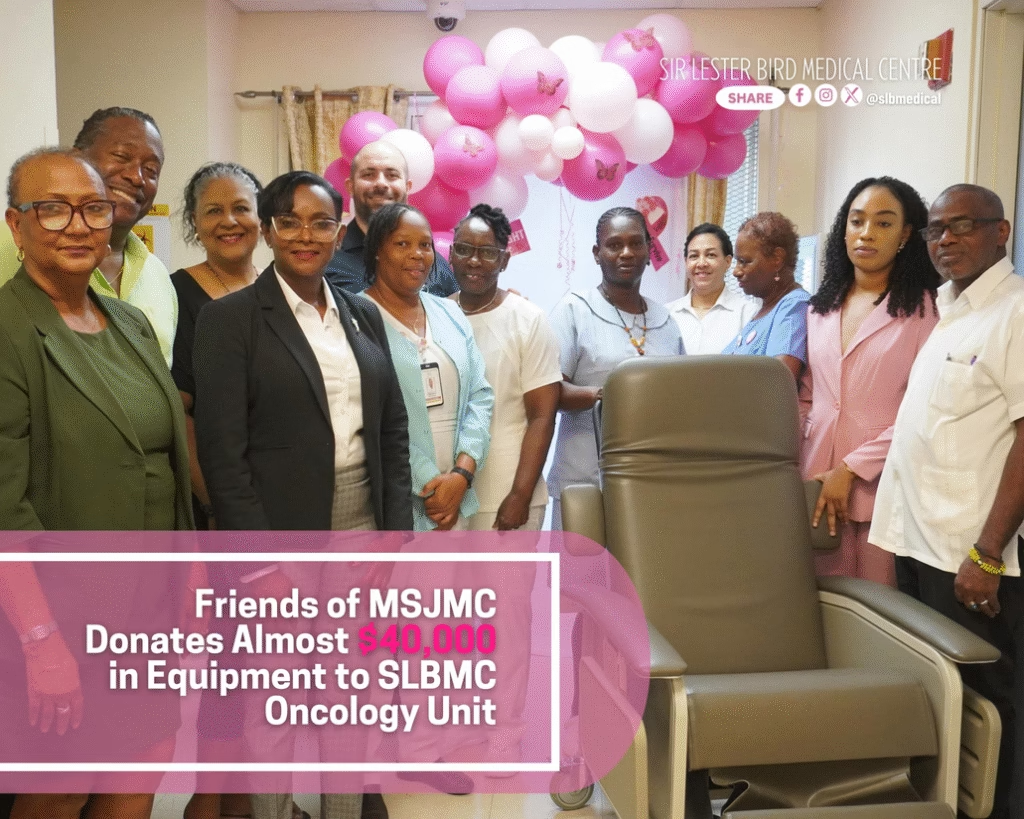
Joseph explained that the first traveler became ill shortly after arriving in Antigua and Barbuda. He later sought treatment at the Sir Lester Bird Medical Centre in severe condition.
“He remained in Antigua and Barbuda for approximately five days before succumbing to his illness,” Joseph said.
Meanwhile, the second traveler also became ill soon after arrival. However, health officials treated and hospitalized him successfully.
Joseph said the second patient later recovered and left the country after about five days.
Importantly, officials stressed that both infections were imported cases. Furthermore, health authorities said there is no evidence of local malaria transmission.
“We wish to advise the public that yes, there were two confirmed, however imported, cases,” Joseph said.
Following the discoveries, health officials immediately activated surveillance and response measures. As a result, authorities launched epidemiological investigations and contact tracing efforts.
Officials also increased vector surveillance and public health monitoring across affected areas.
Investigators determined both men either arrived with symptoms or developed symptoms shortly afterward. Therefore, officials classified both infections as imported based on travel history and illness timing.
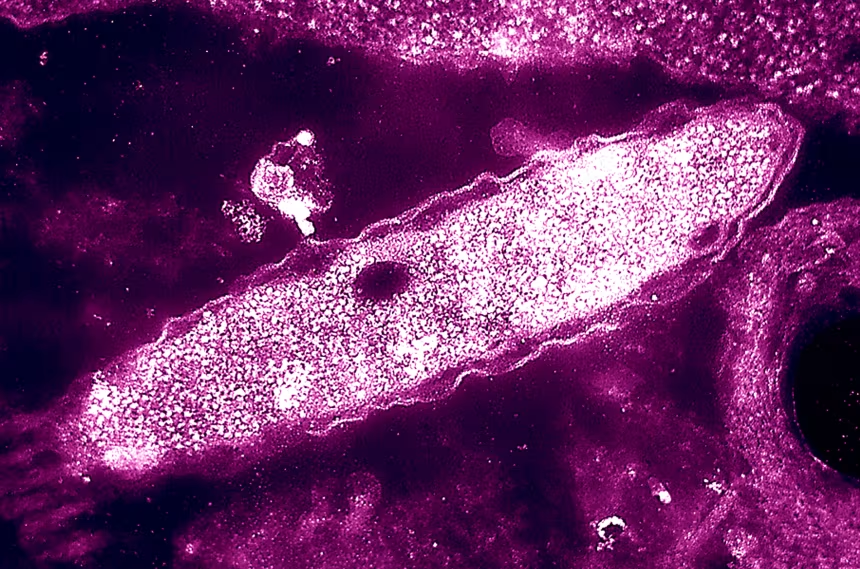
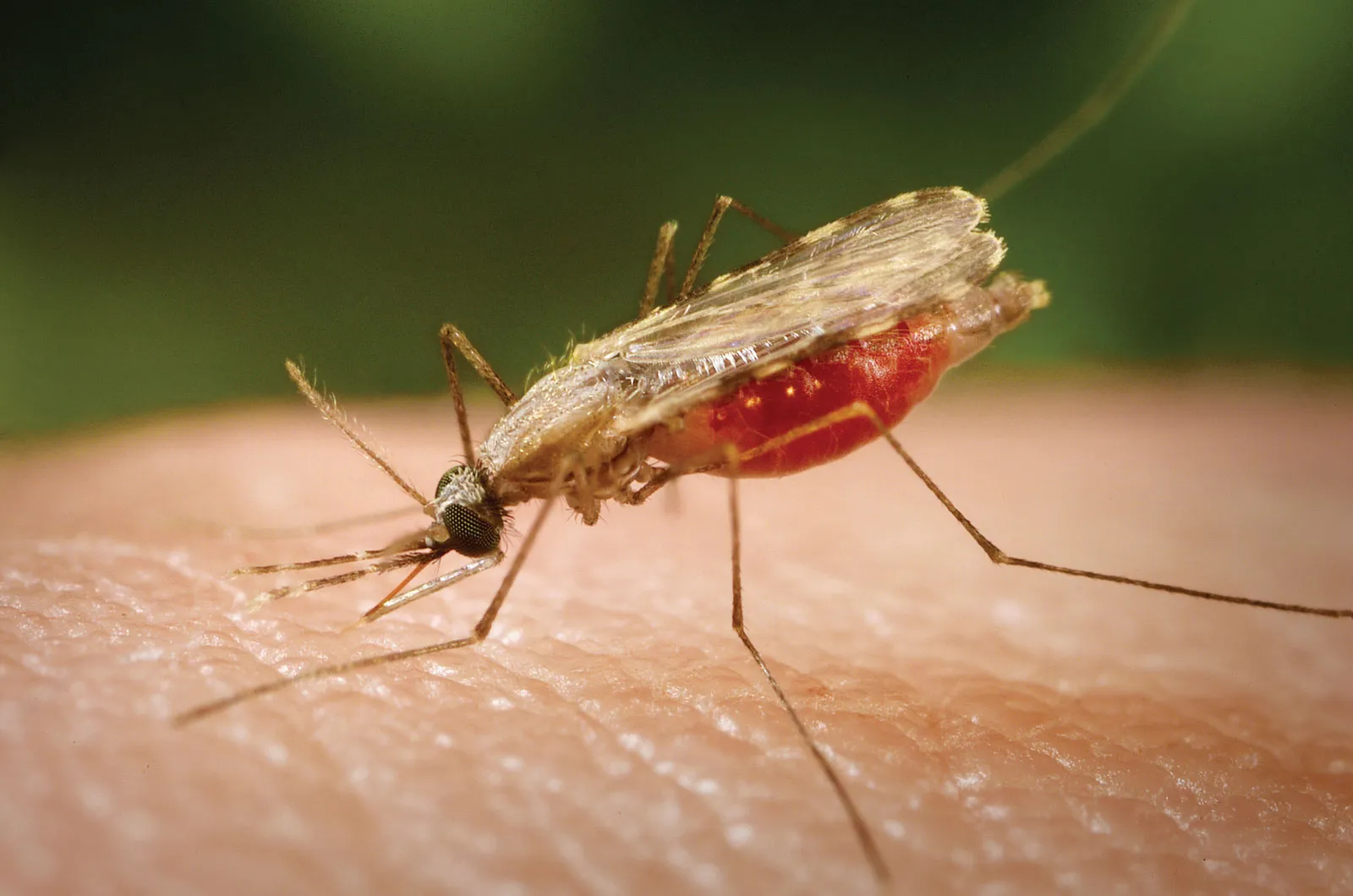
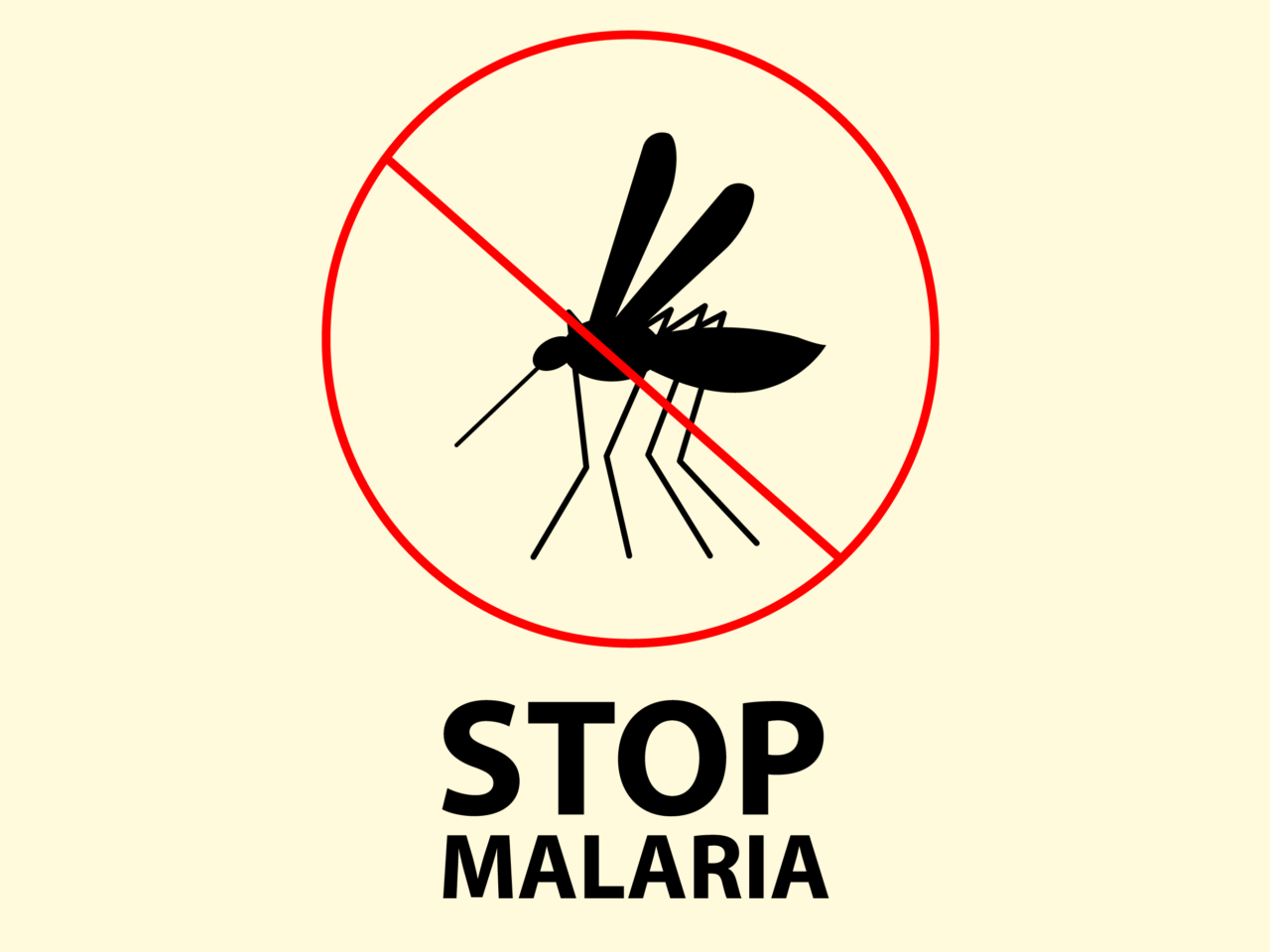
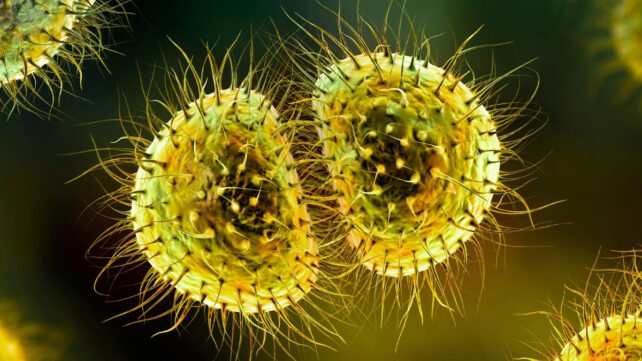
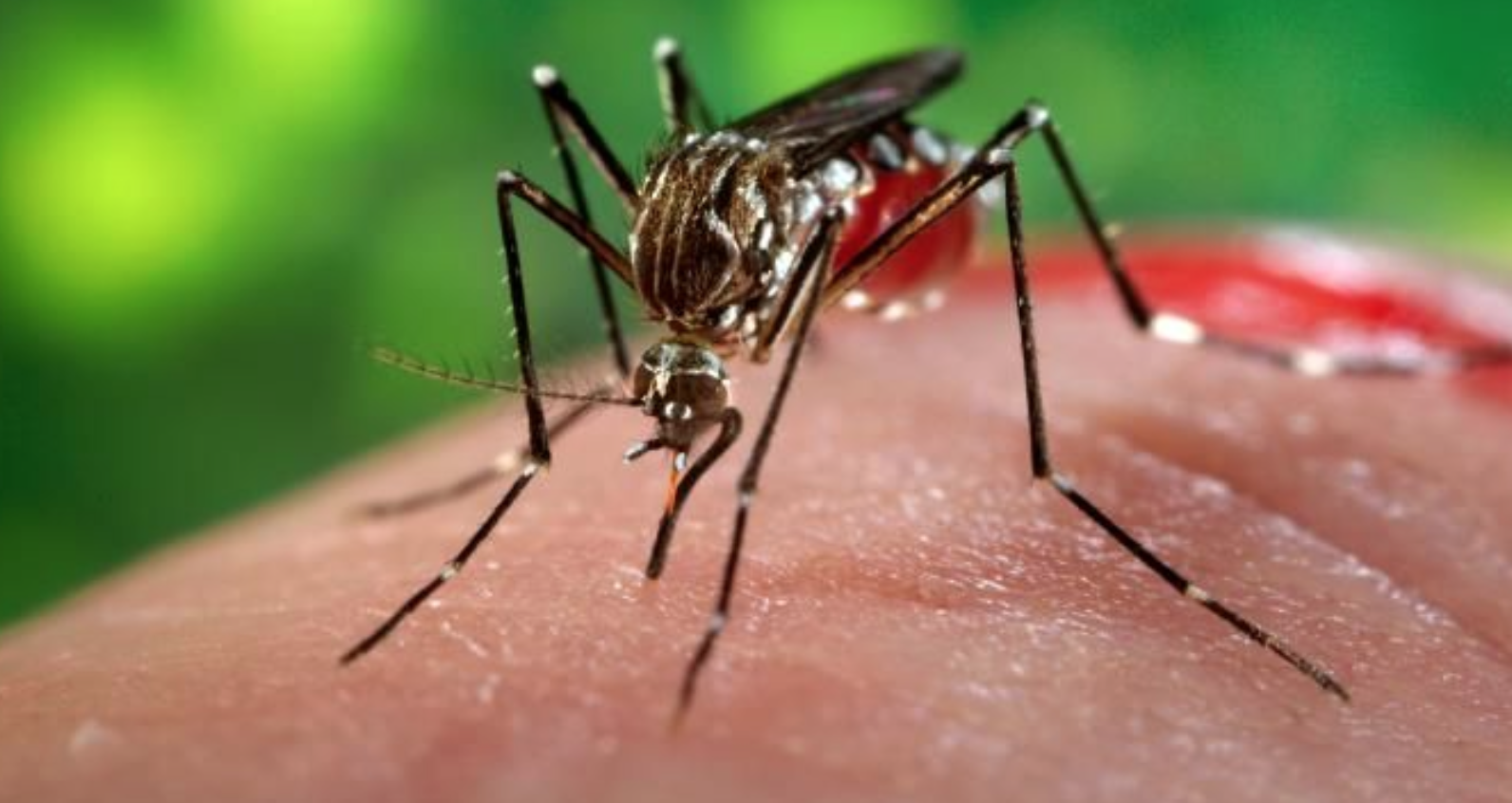
Joseph explained that malaria comes from the plasmodium parasite. Additionally, infected female Anopheles mosquitoes mainly spread the disease.
Common symptoms include fever, chills, headaches, weakness, nausea and body aches.
Although Anopheles mosquitoes exist locally, Joseph said surveillance shows the population remains limited. Consequently, officials believe the current public health risk remains low.
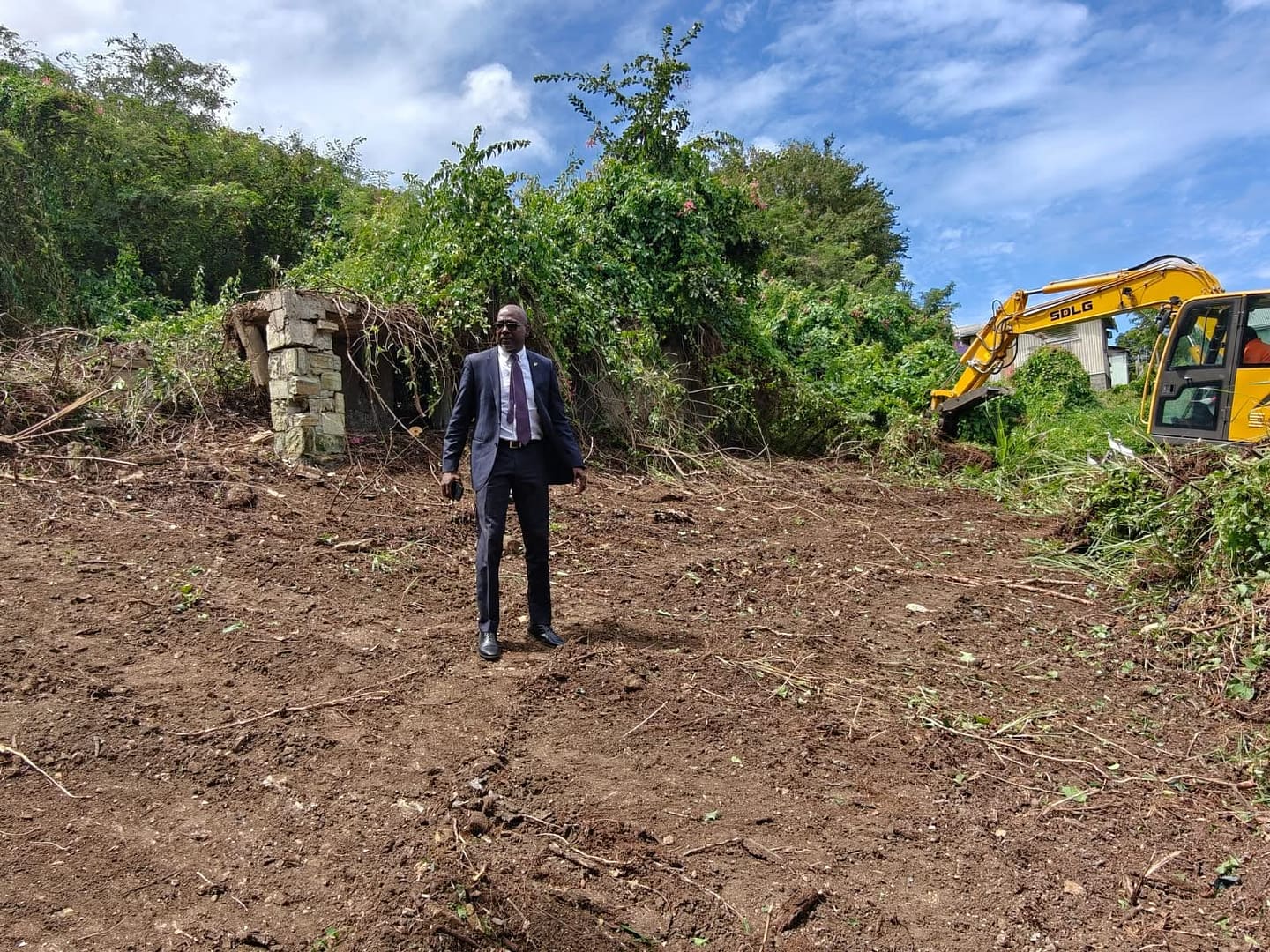
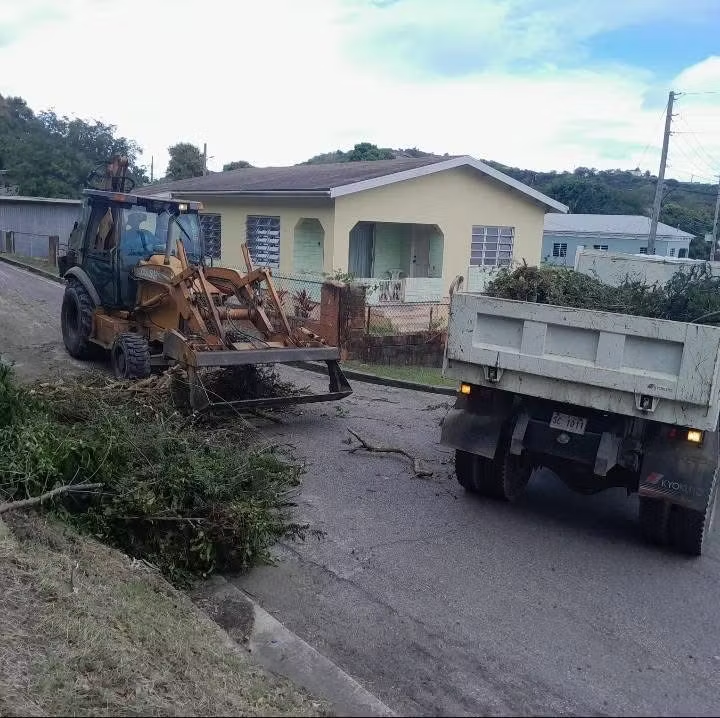
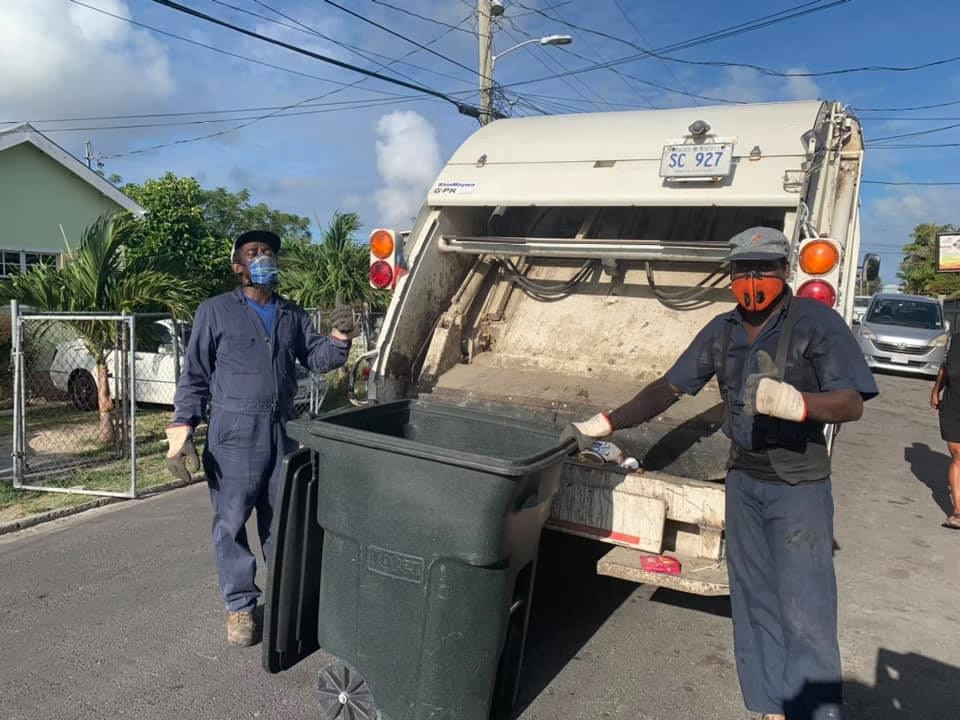
Meanwhile, the Central Board of Health has intensified mosquito control operations. These efforts include environmental inspections, larviciding, targeted fogging and continued mosquito monitoring.
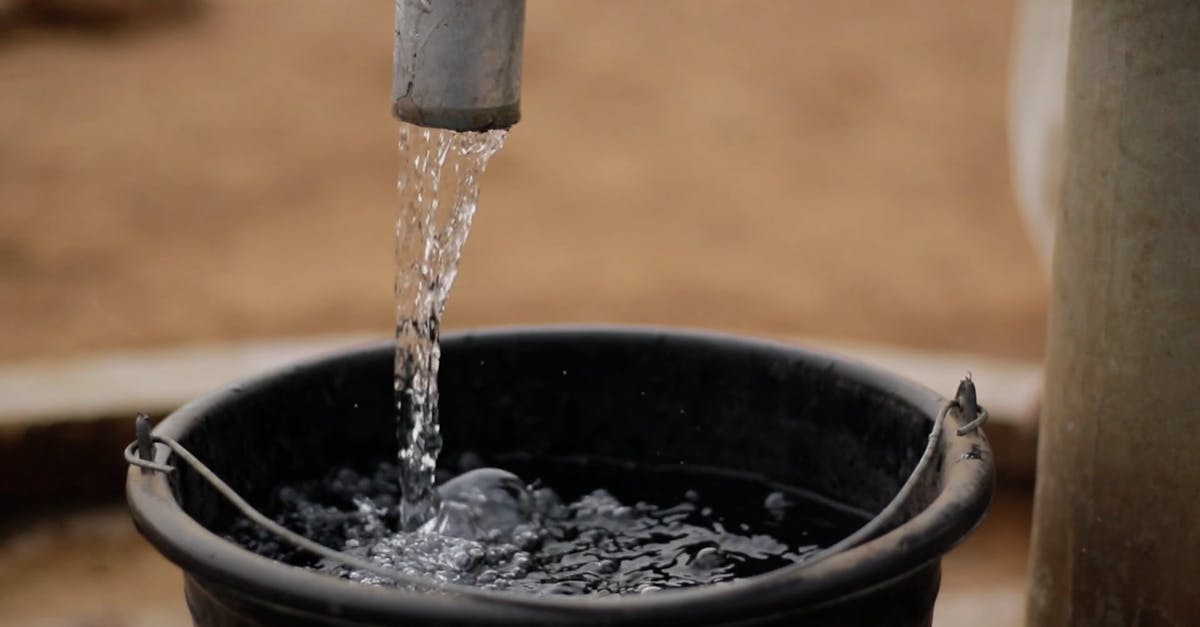
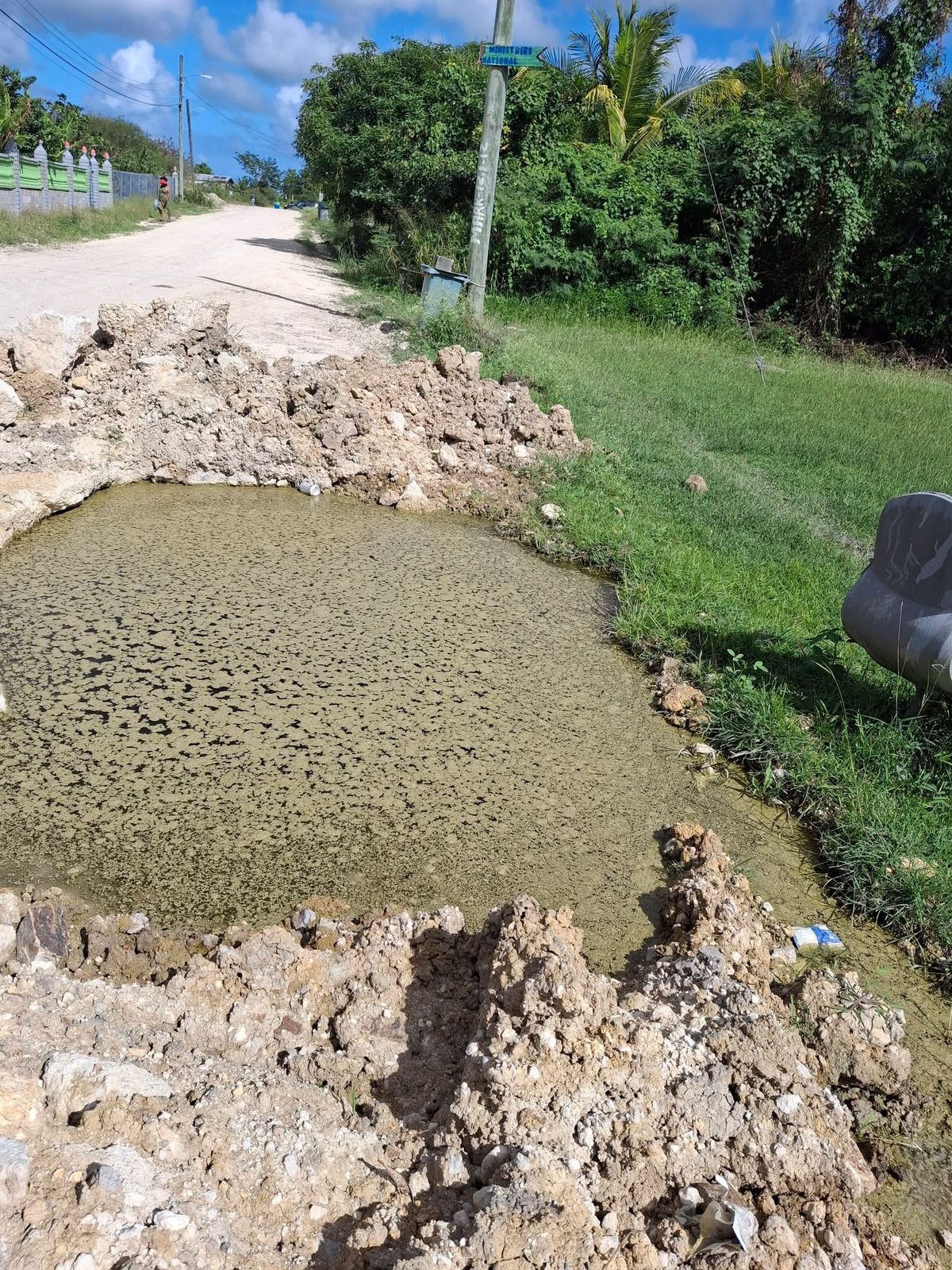
Joseph also urged residents to support prevention efforts. He encouraged people to remove standing water, clean drains and cover water containers.
In addition, residents should use mosquito repellents and maintain proper window and door screens.
He further advised anyone with fever or flu-like symptoms after travel to seek medical attention quickly.
“The Ministry’s surveillance and response systems remain active and fully engaged,” Joseph said.