
 English





































































































































































































































































































































































































































































































































































































































































































































































































































































































































































































































































































































































































































































































































































































































































































































































































































































































































































































































































































































Stigma Fears Delaying Mental Health Care, Nurse Warns

Stigma continues to block many people from seeking mental health care in Antigua and Barbuda. As a result, a community mental health nurse warns that delays can cause serious harm.
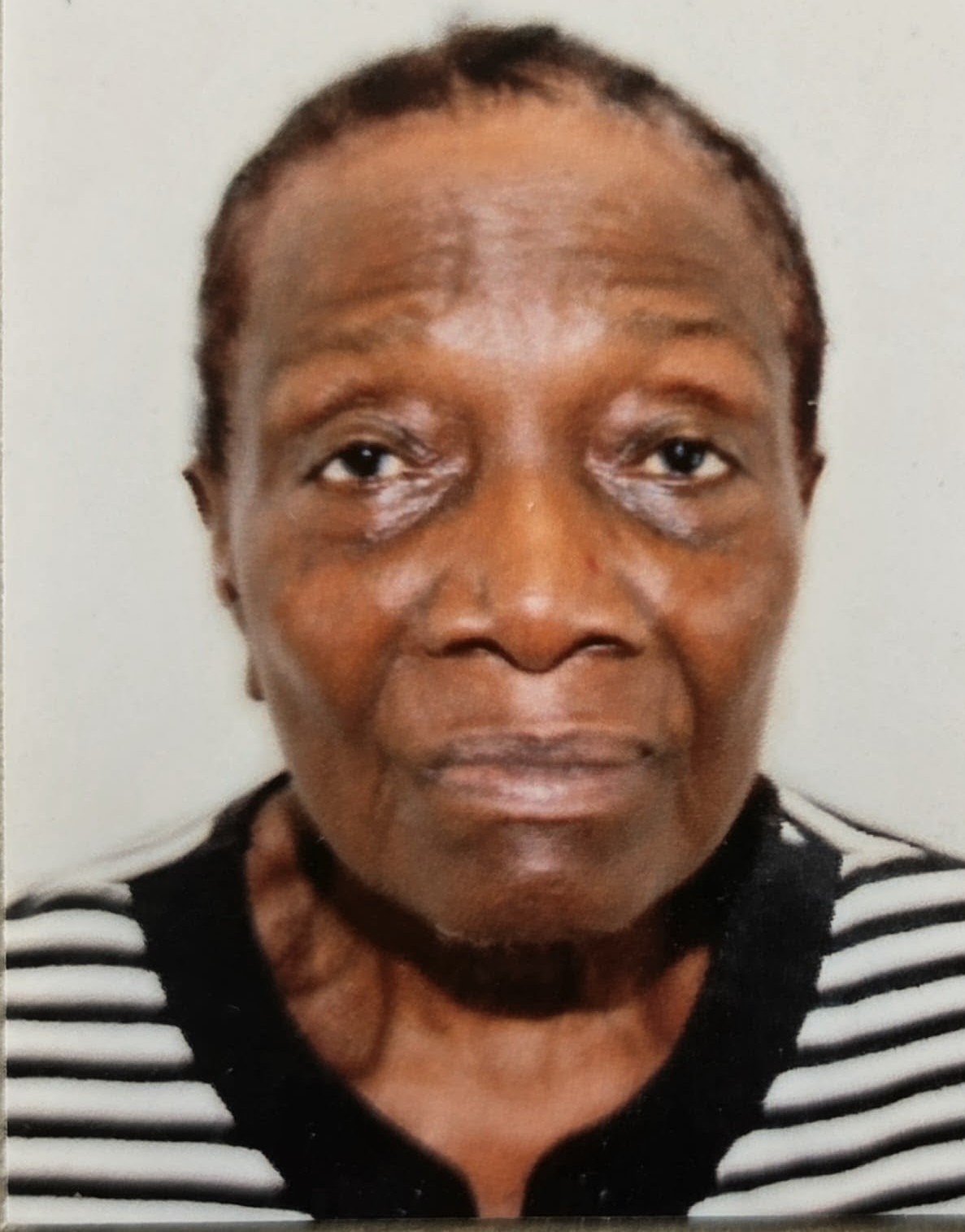
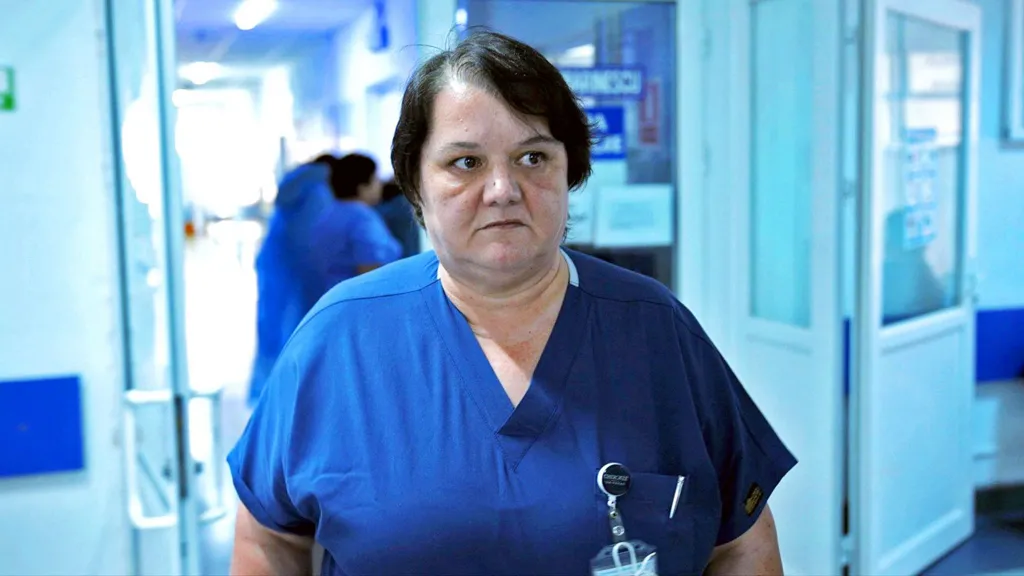
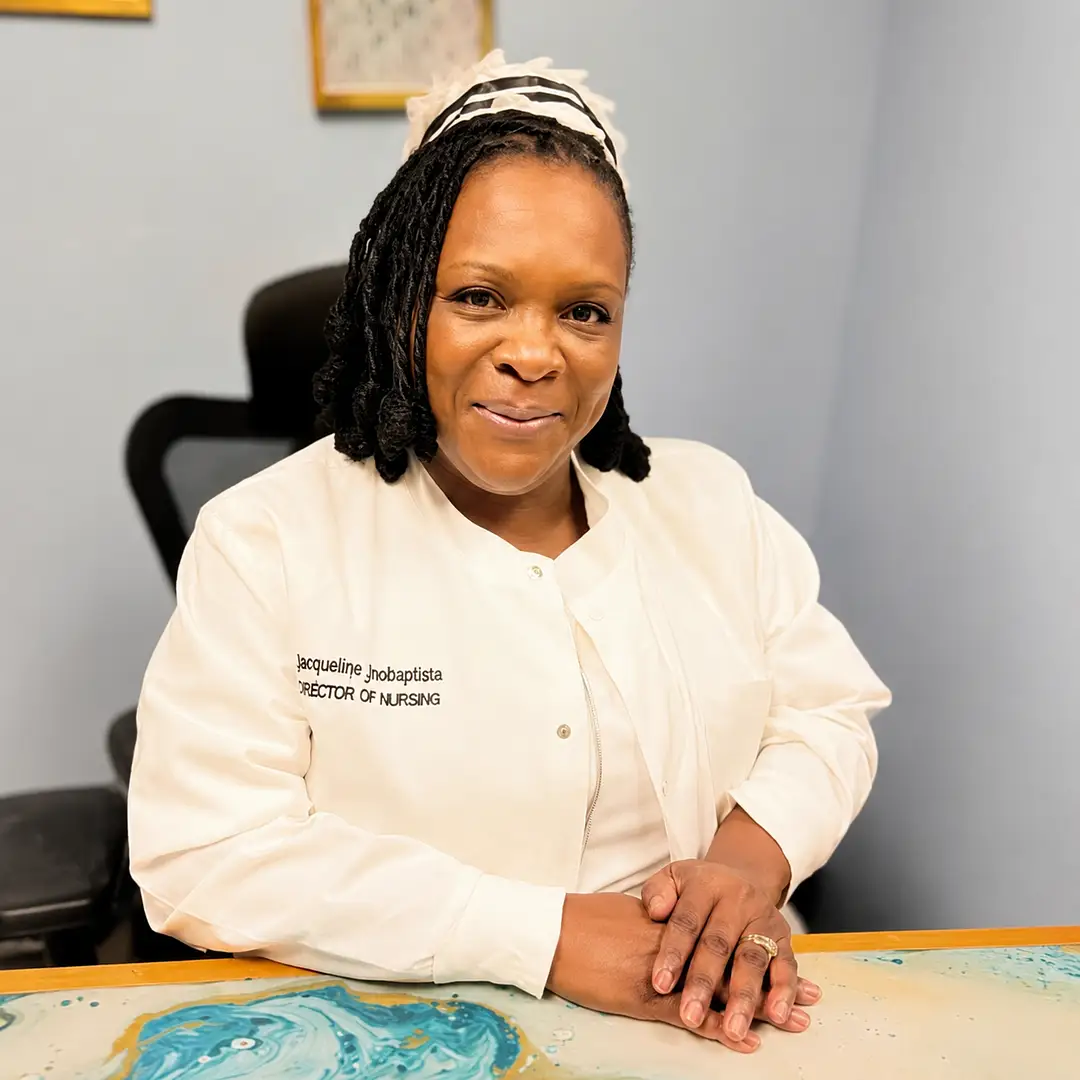
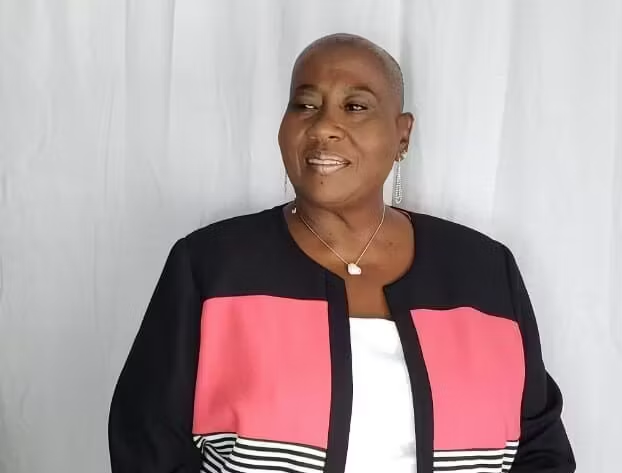
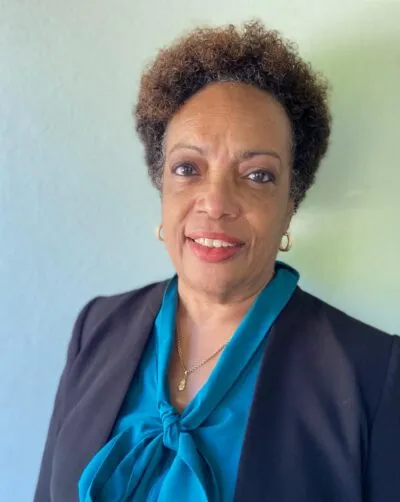
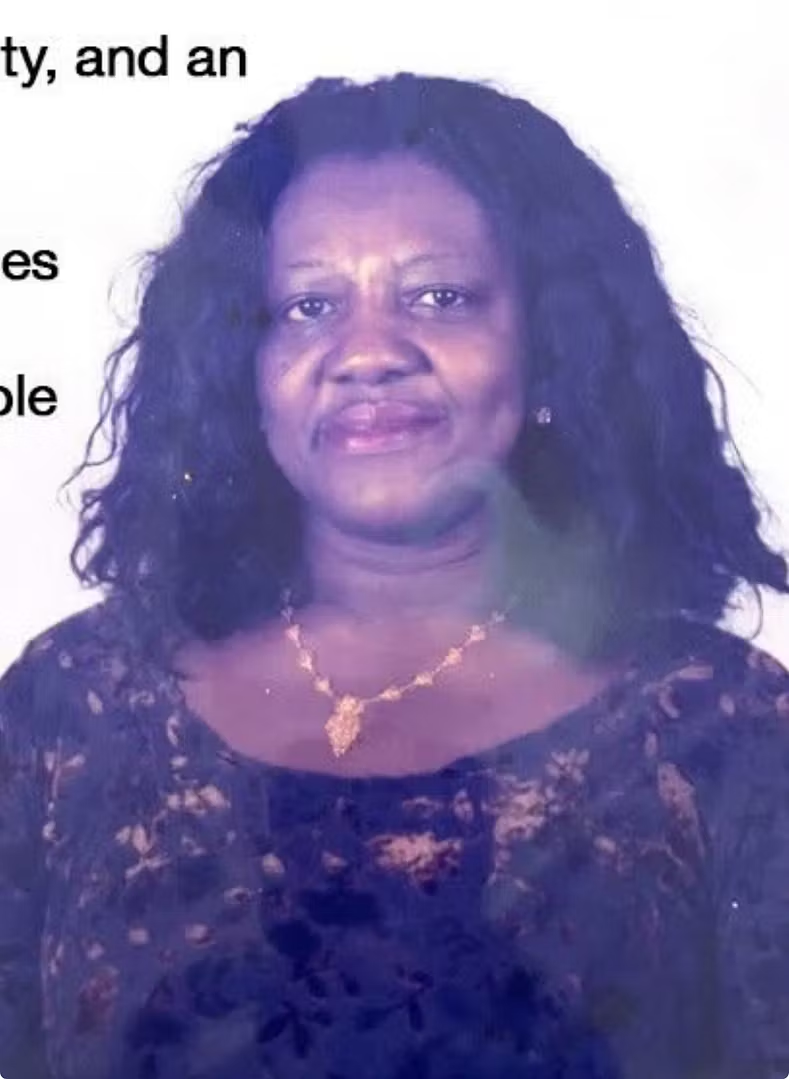
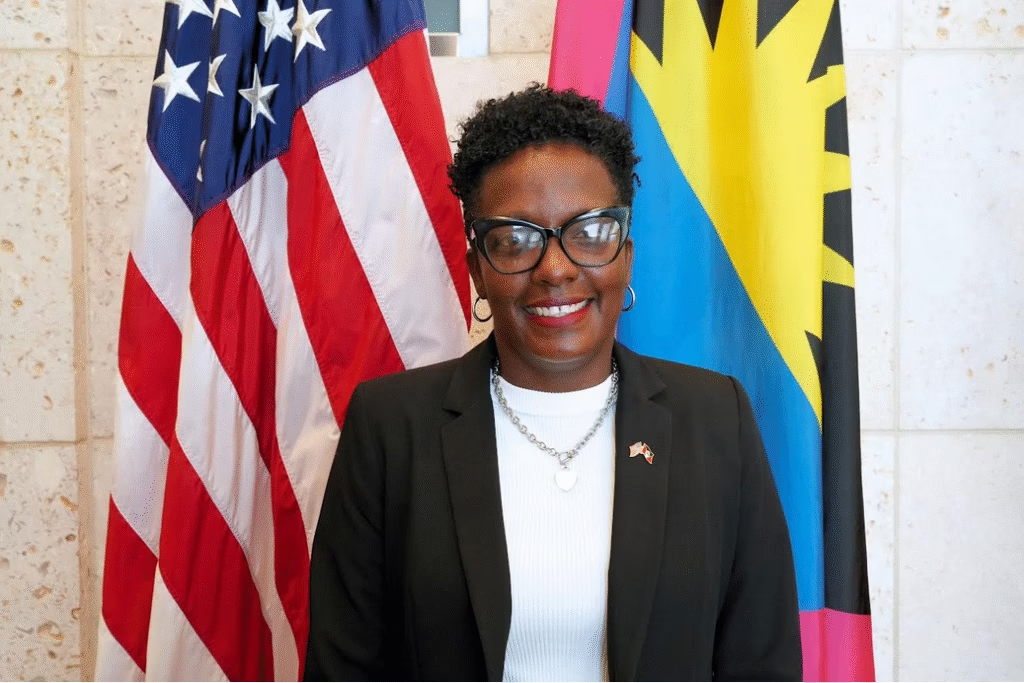
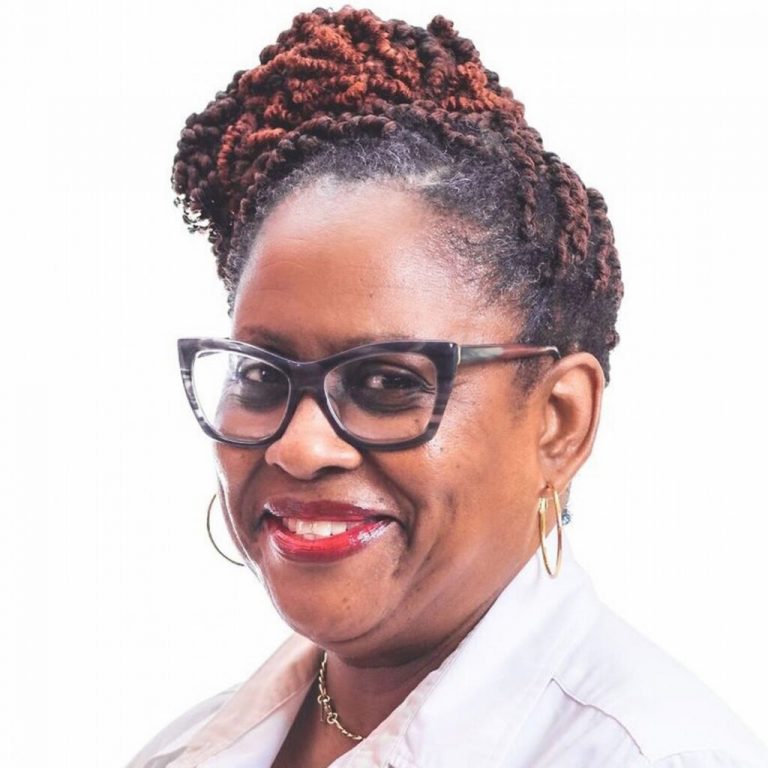
Nurse Tavernier, who works in All Saints and Glanvilles, said fear and shame remain major barriers. Consequently, many patients avoid psychiatric treatment for years.
Instead, some residents visit clinics with physical complaints. However, doctors later discover the problem is psychological.
“They only understand the physical part of it,” Tavernier said during an interview on Observer AM.
She explained that many people refuse to accept diagnoses because of stigma. Therefore, conditions often worsen before treatment begins.
Tavernier warned that delayed intervention can damage the brain over time. Moreover, untreated anxiety, depression, and schizophrenia may become harder to manage later.
“When we don’t diagnose the person early enough, it damages the brain more,” she said.
Additionally, many working adults hide their mental health conditions from employers. They fear judgment, gossip, or losing their jobs.
Still, Tavernier stressed that many patients manage their illnesses successfully with medication and regular care.
“You should be comfortable, just as you’re diabetic and hypertensive,” she said.
She added that society must normalize mental health treatment. Furthermore, she urged people to speak openly about conditions like bipolar disorder and depression.
According to Tavernier, stigma affects men heavily in rural communities. Many young men, she said, keep emotional struggles hidden to protect their pride.
“The men don’t,” Tavernier observed. “They may keep it in there because they are ashamed.”
She also linked some mental health struggles in males to teenage marijuana use. In many cases, symptoms begin between ages 15 and 17.
However, problems often become severe during a person’s mid-twenties.
Meanwhile, women tend to use community support systems more often. Men, by contrast, usually suffer in silence.
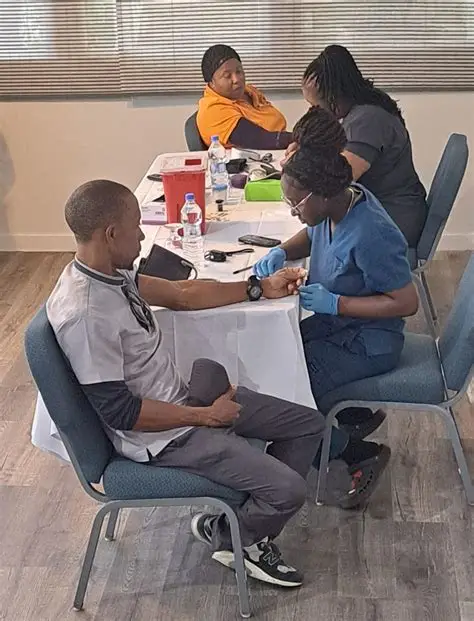
Tavernier said clinics continue hosting education sessions to encourage discussion. In addition, she encouraged residents to check on relatives and neighbours more deeply.
She also recommended simple activities, including morning walks, to improve emotional health naturally.
Ultimately, Tavernier urged families not to hide loved ones with mental illness.
“Don’t be ashamed to seek help,” she said.