
 English






























































































































































































































































































































































































































































































































































































































































































































































































































































































































































































































































































































































































































































































Male Childhood Trauma Declared Regional Security Threat
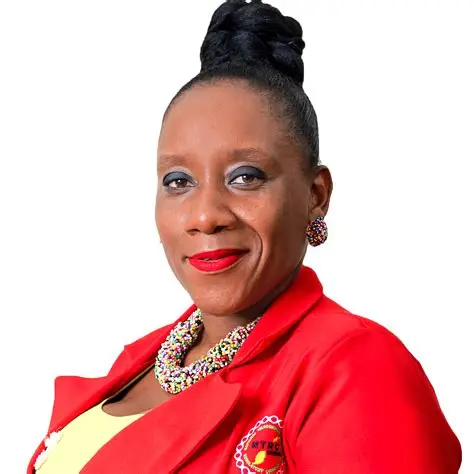
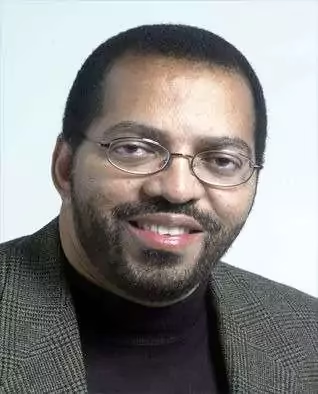
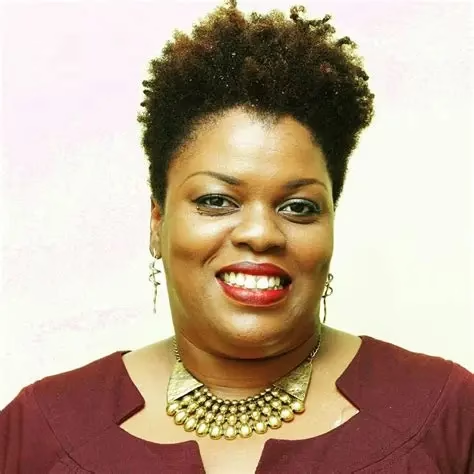
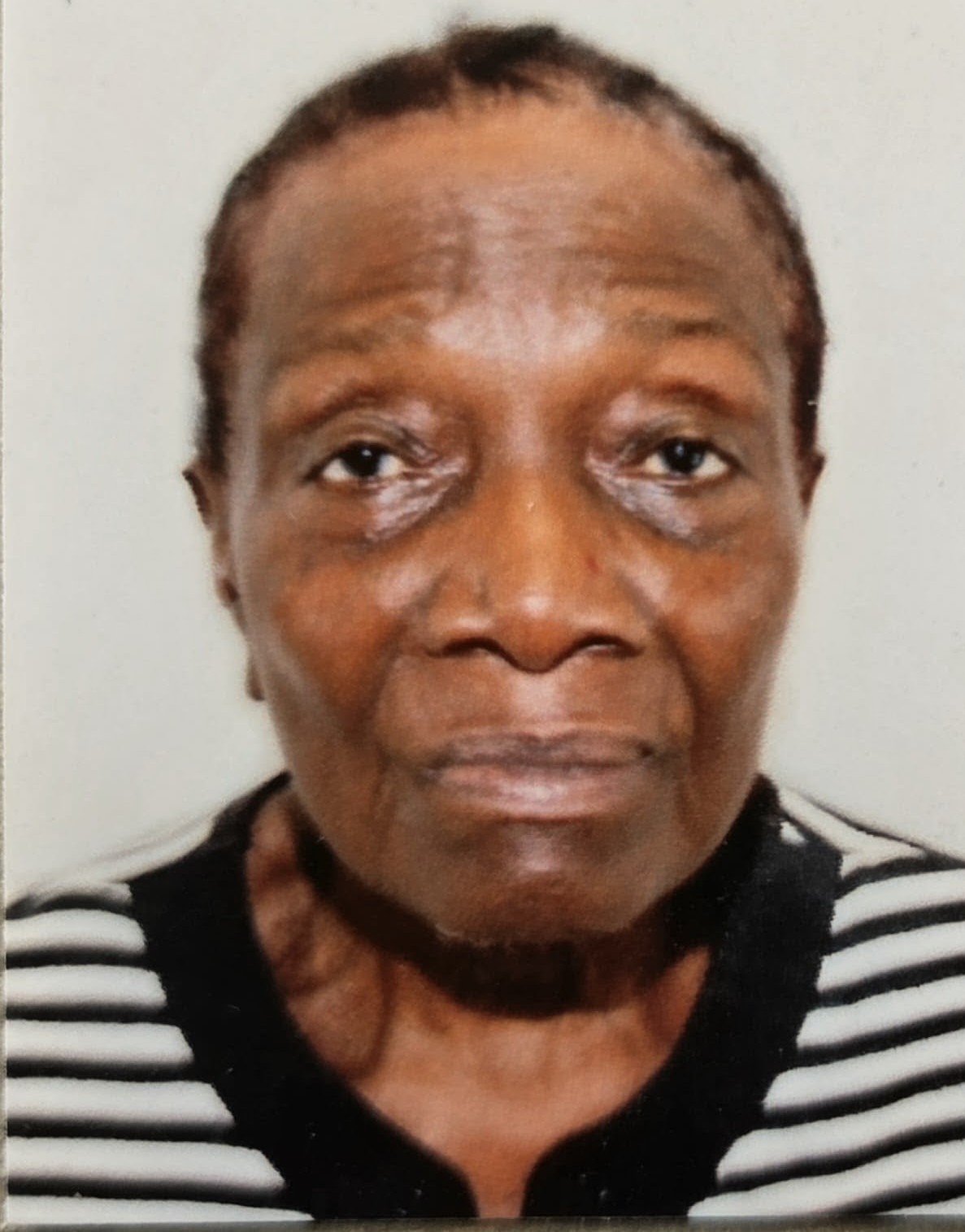
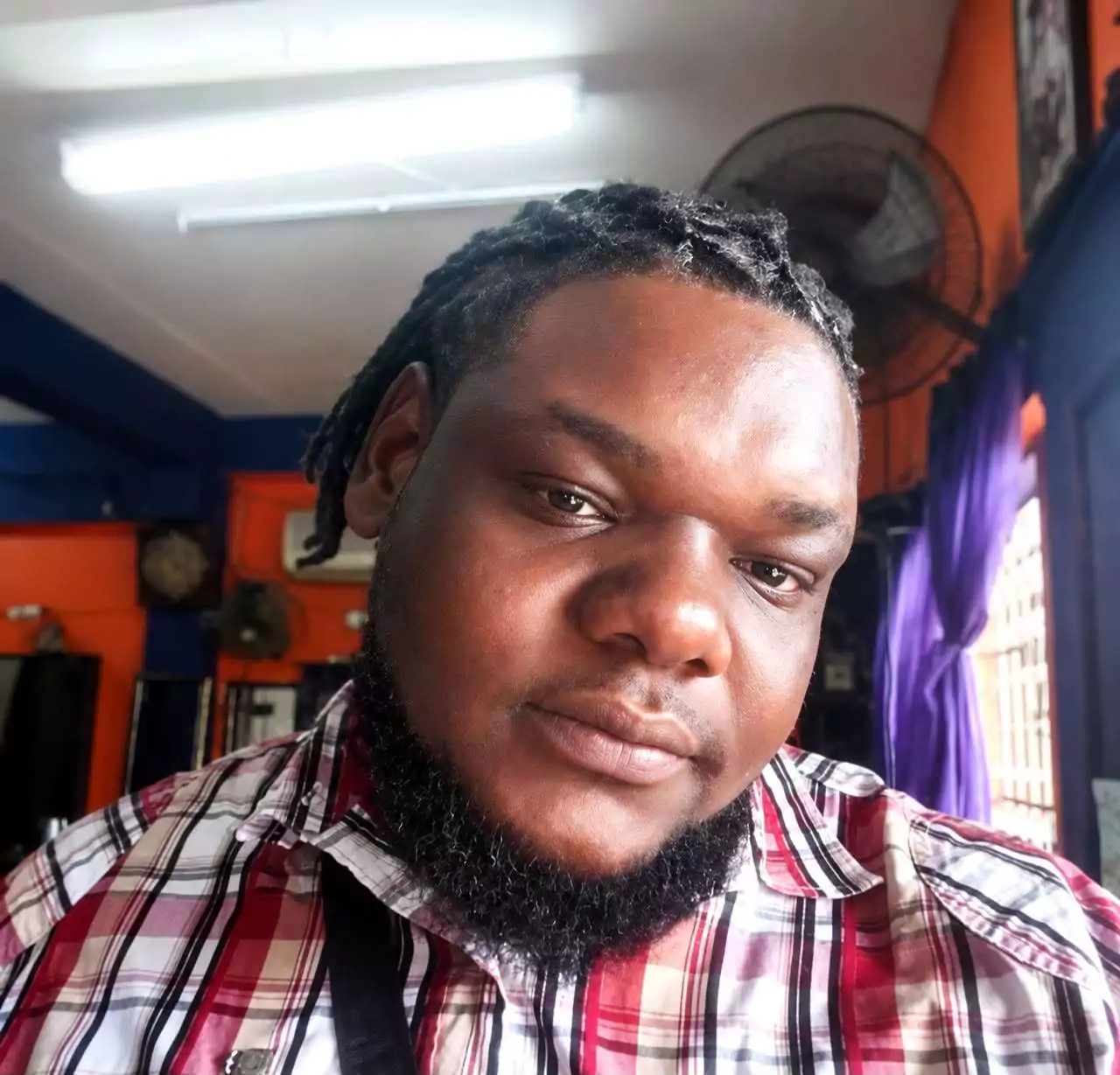
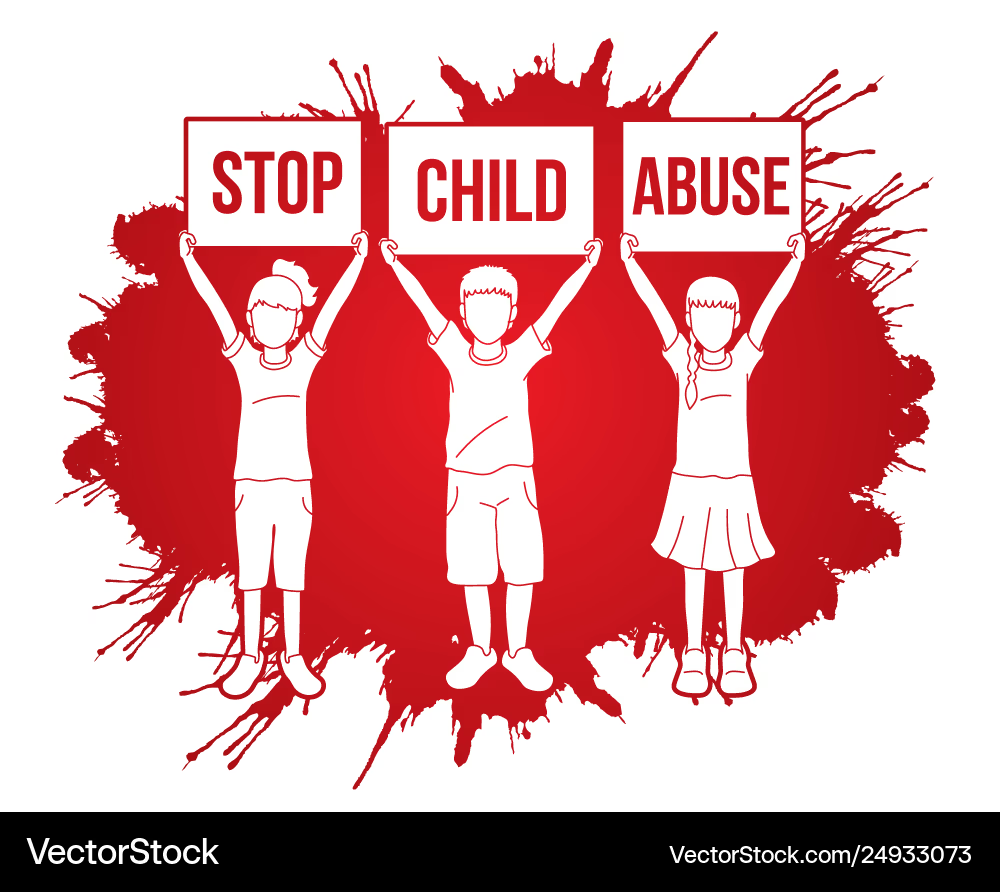
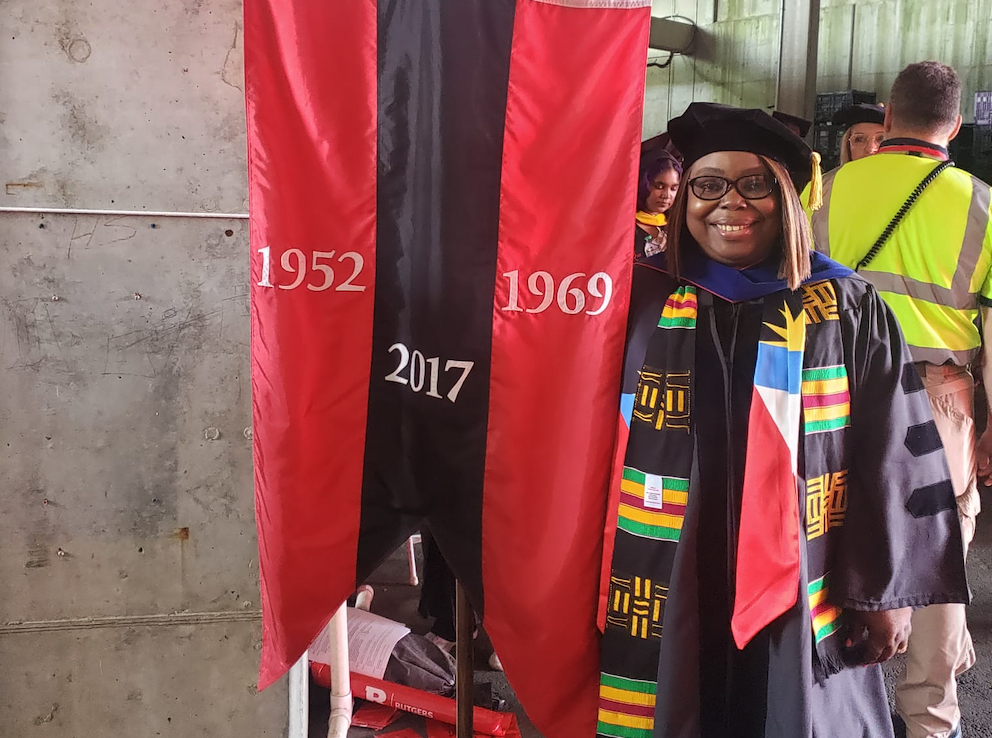
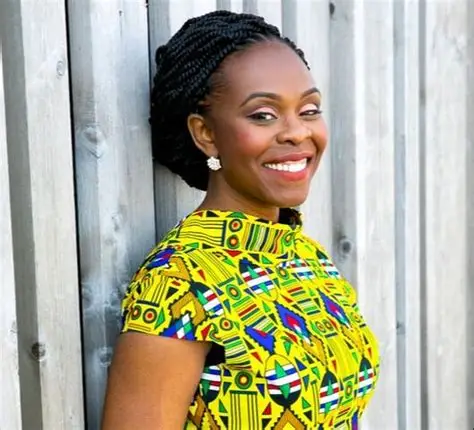
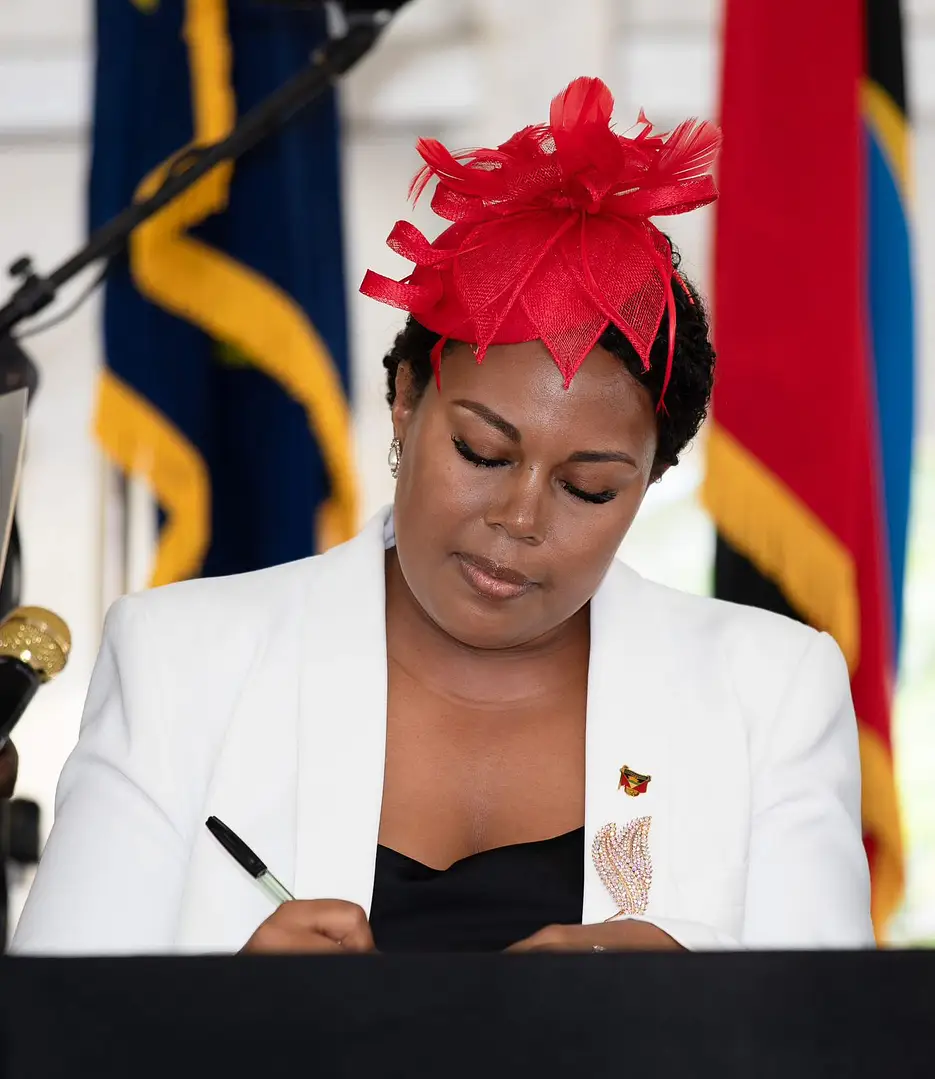
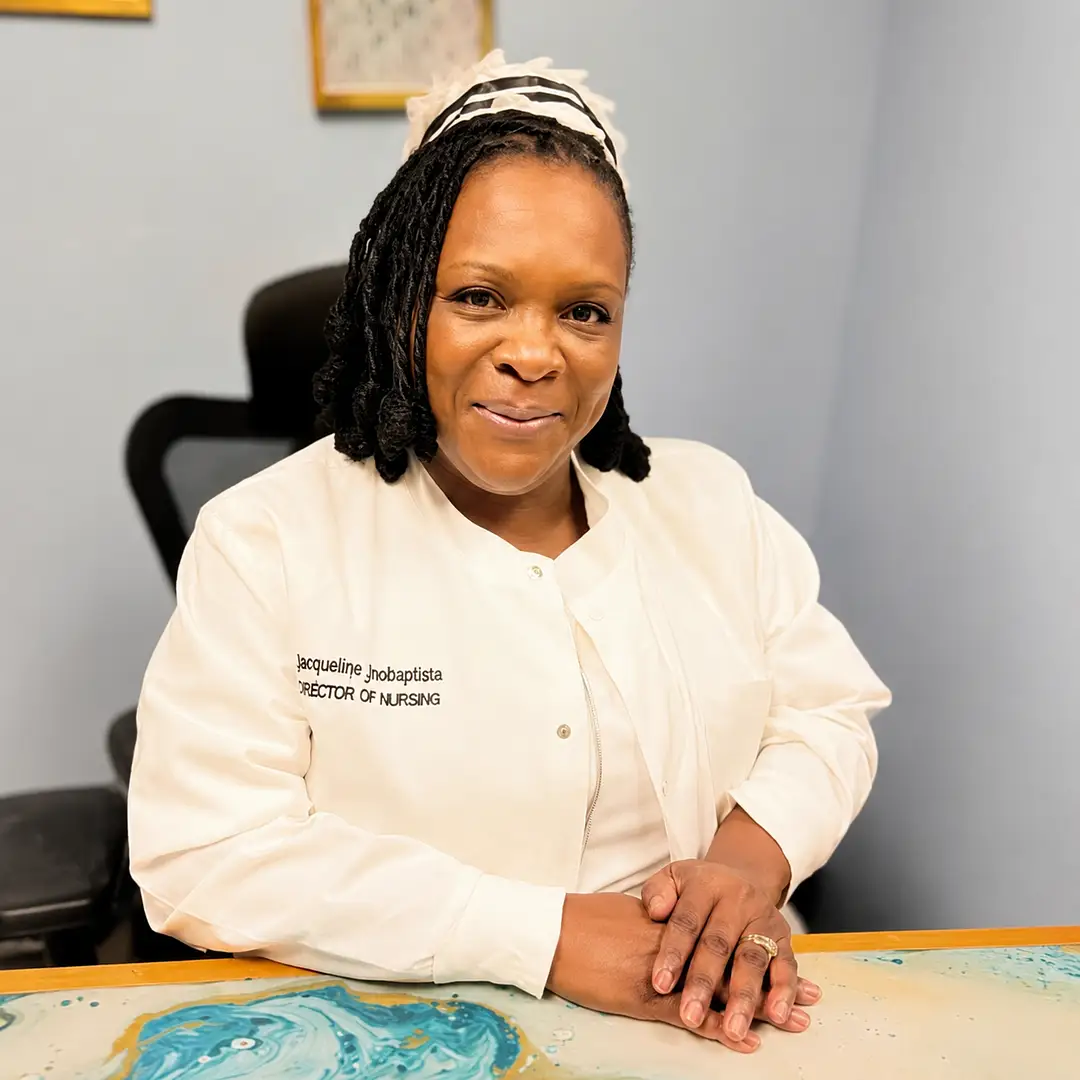
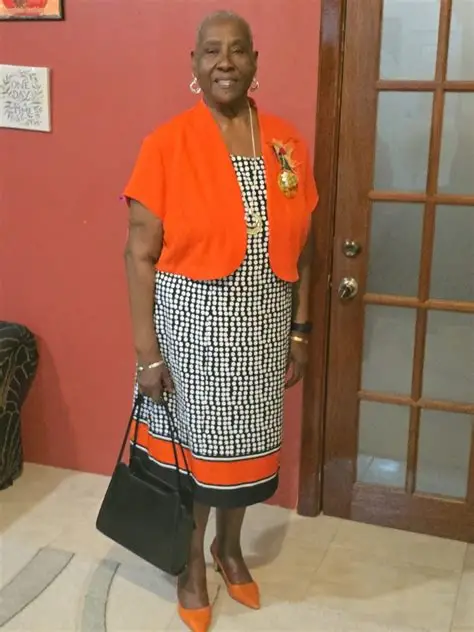
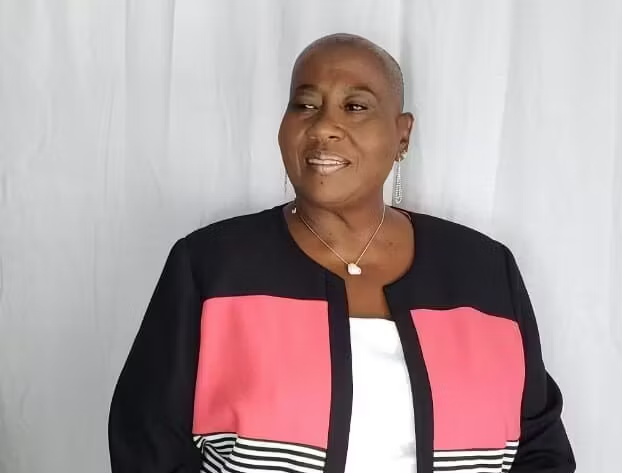
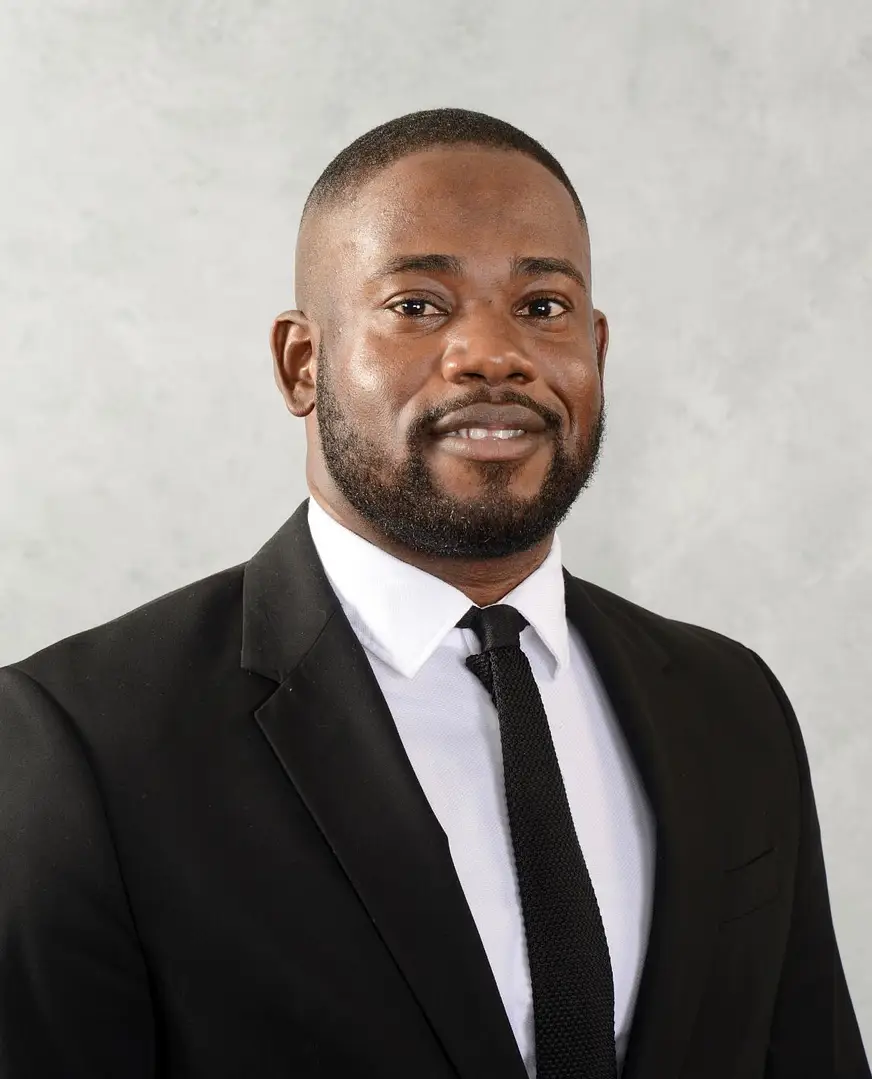
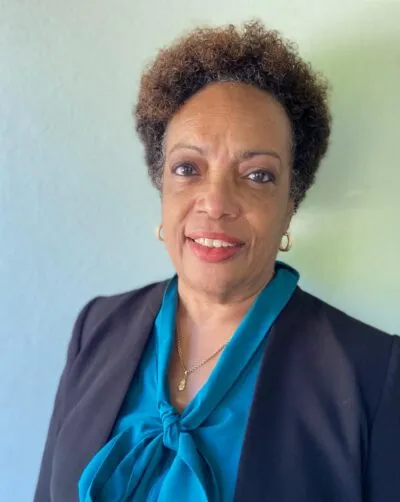
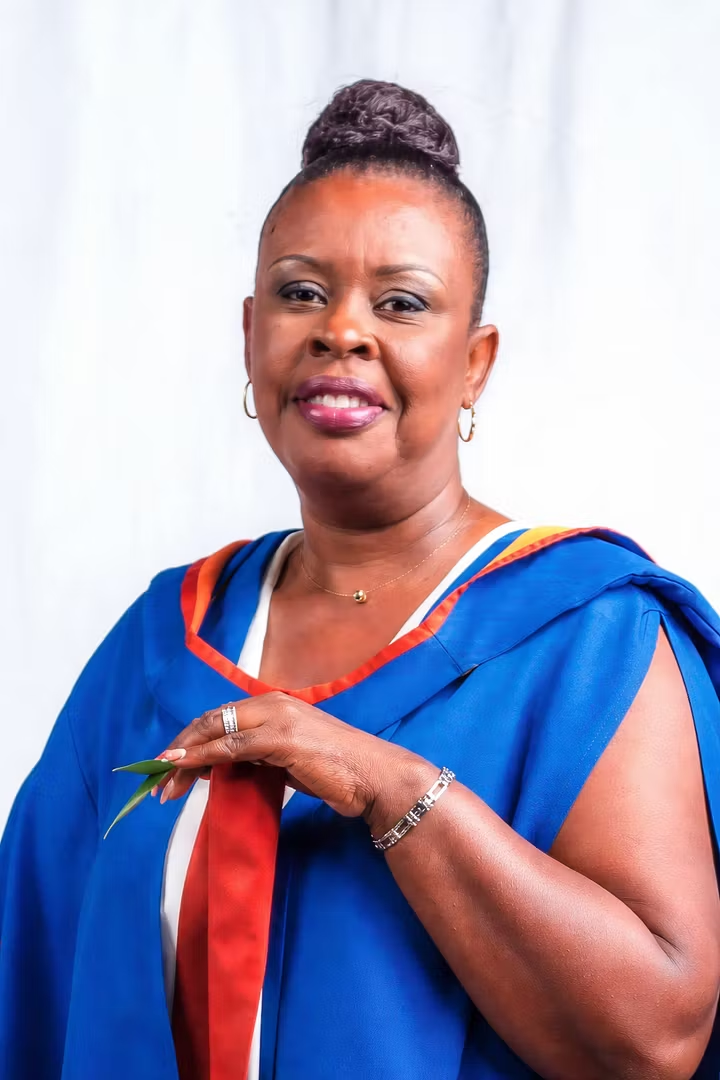
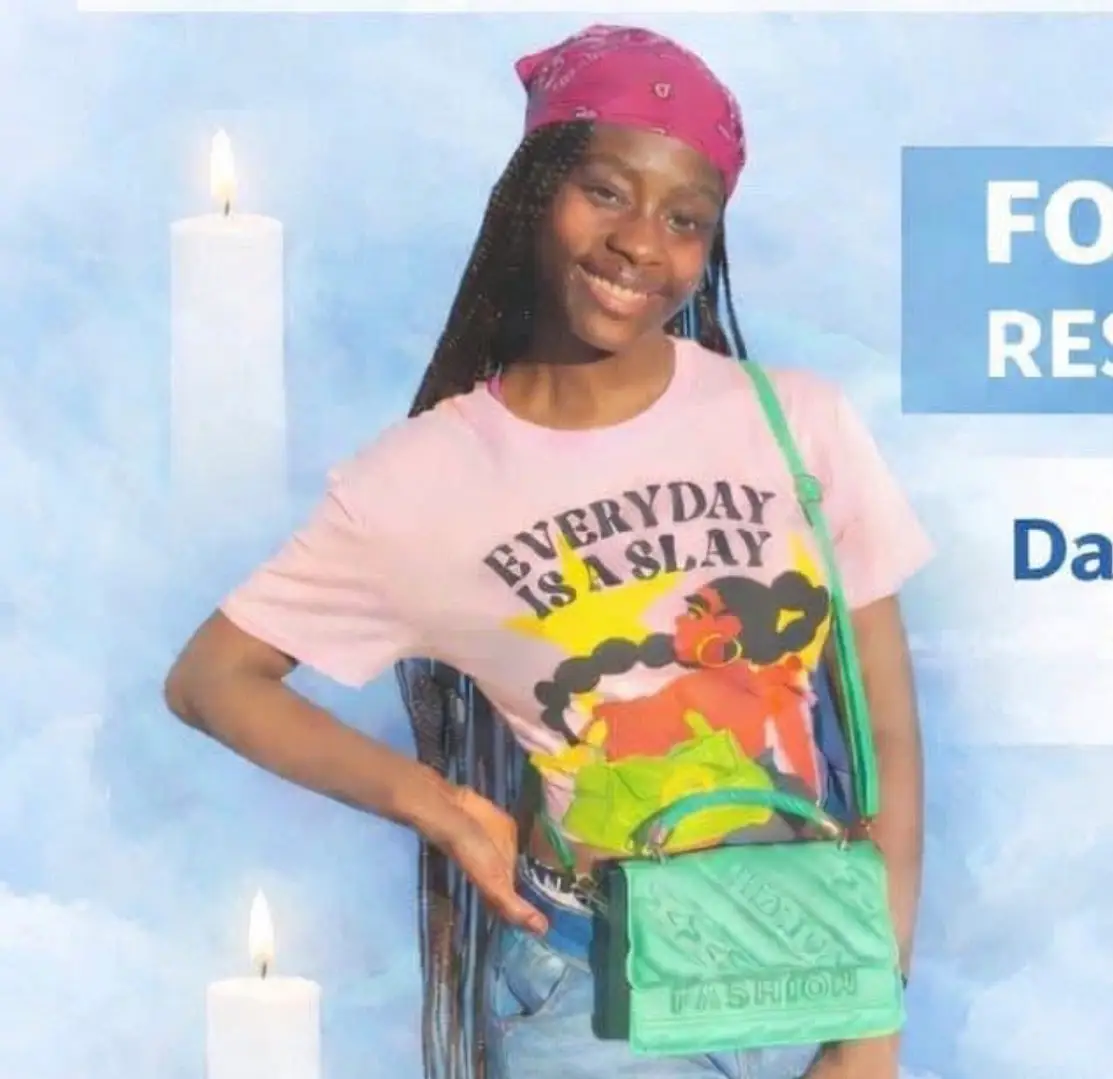
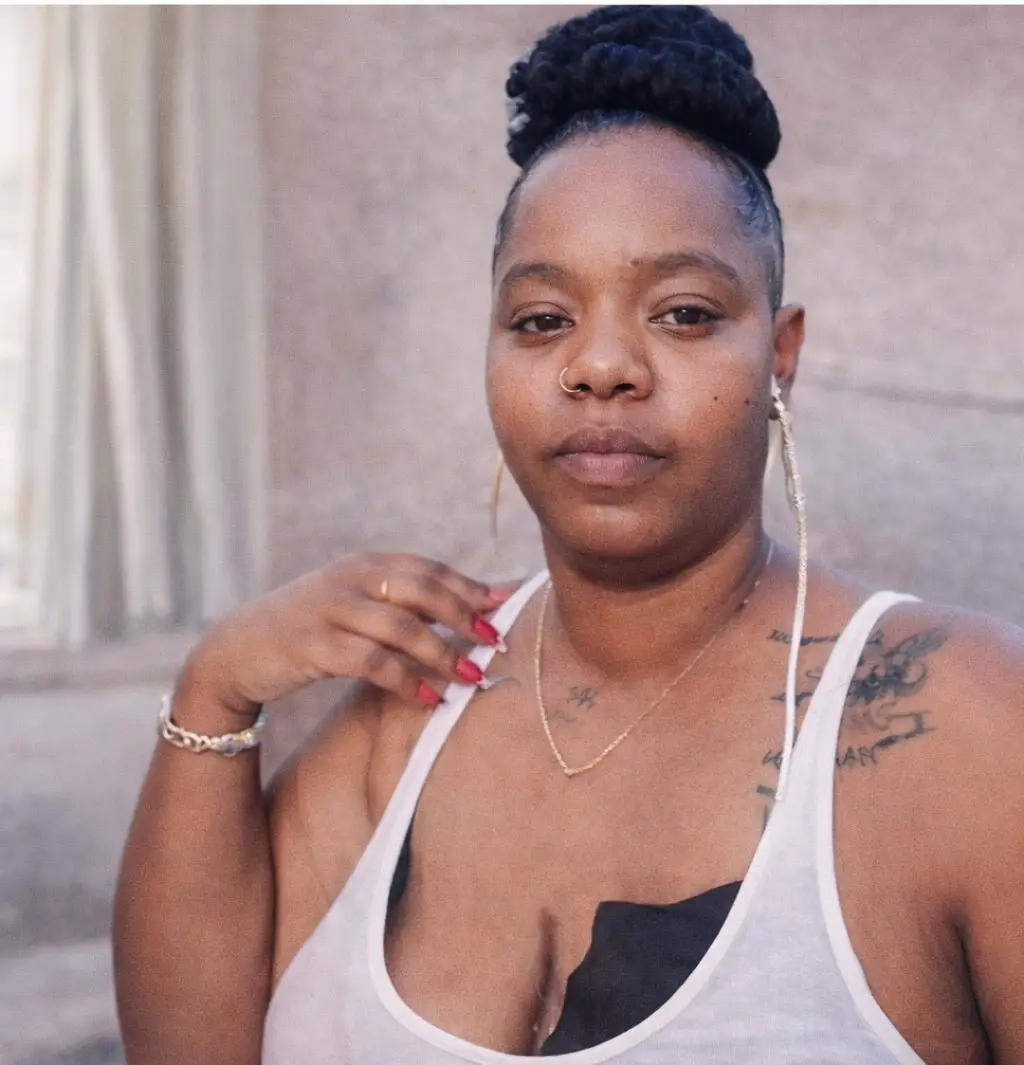
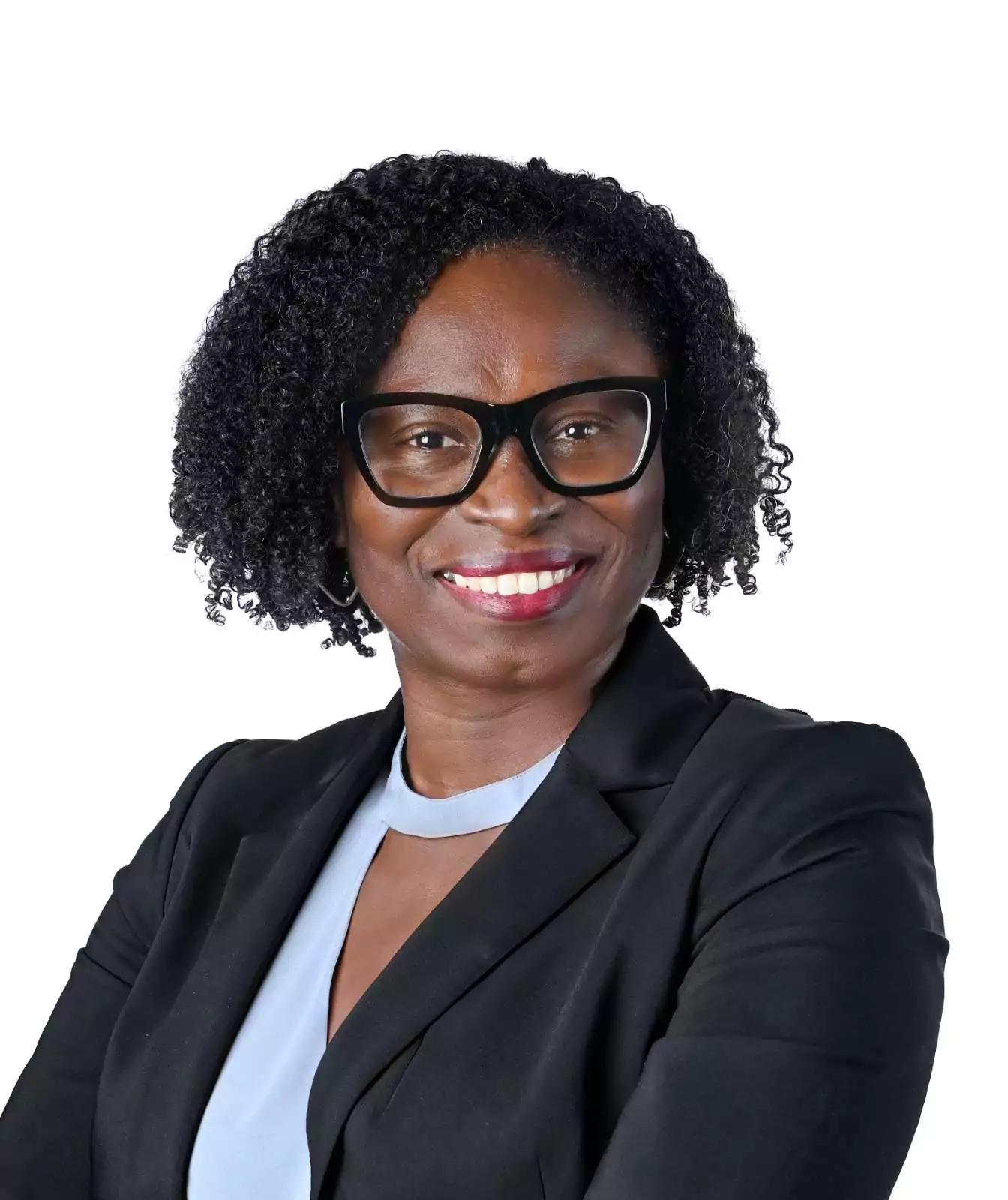
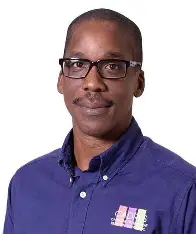
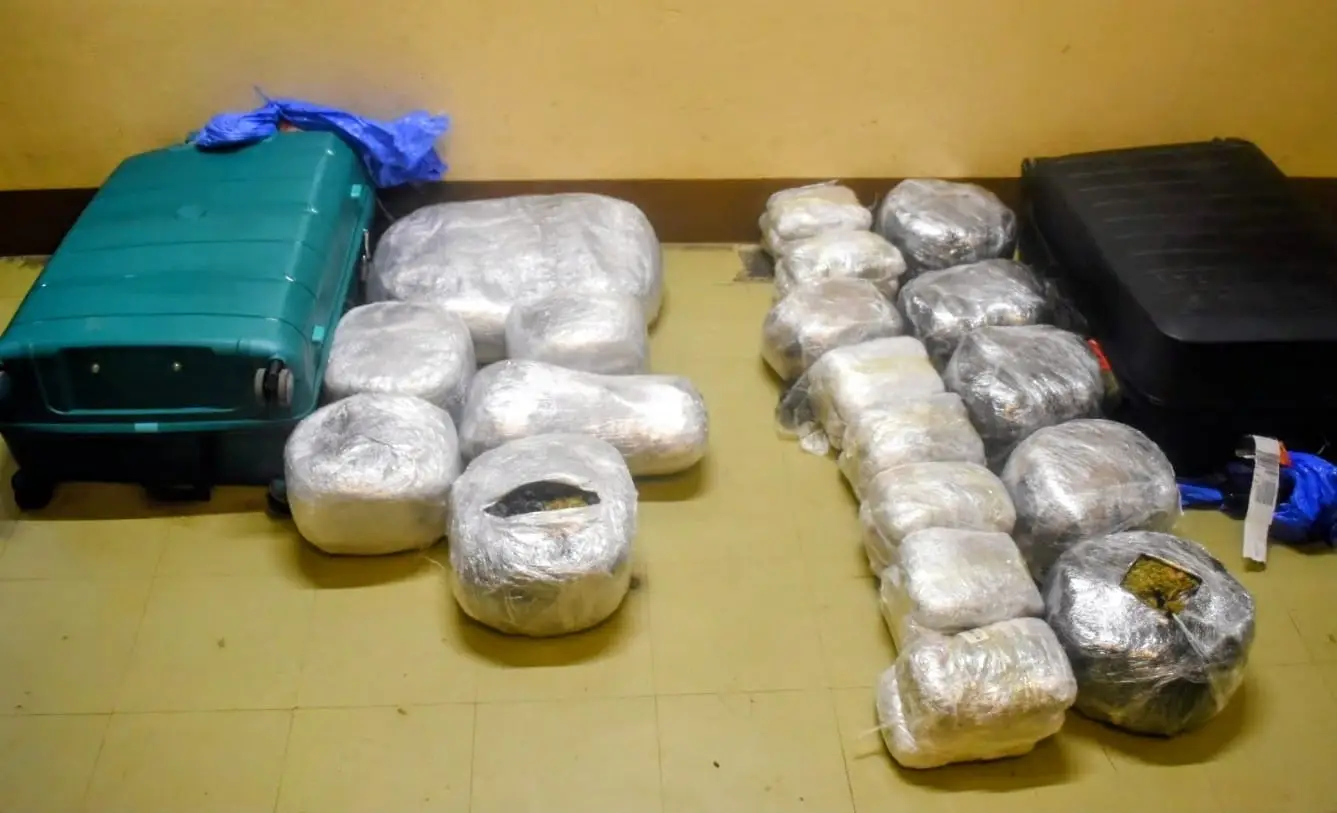
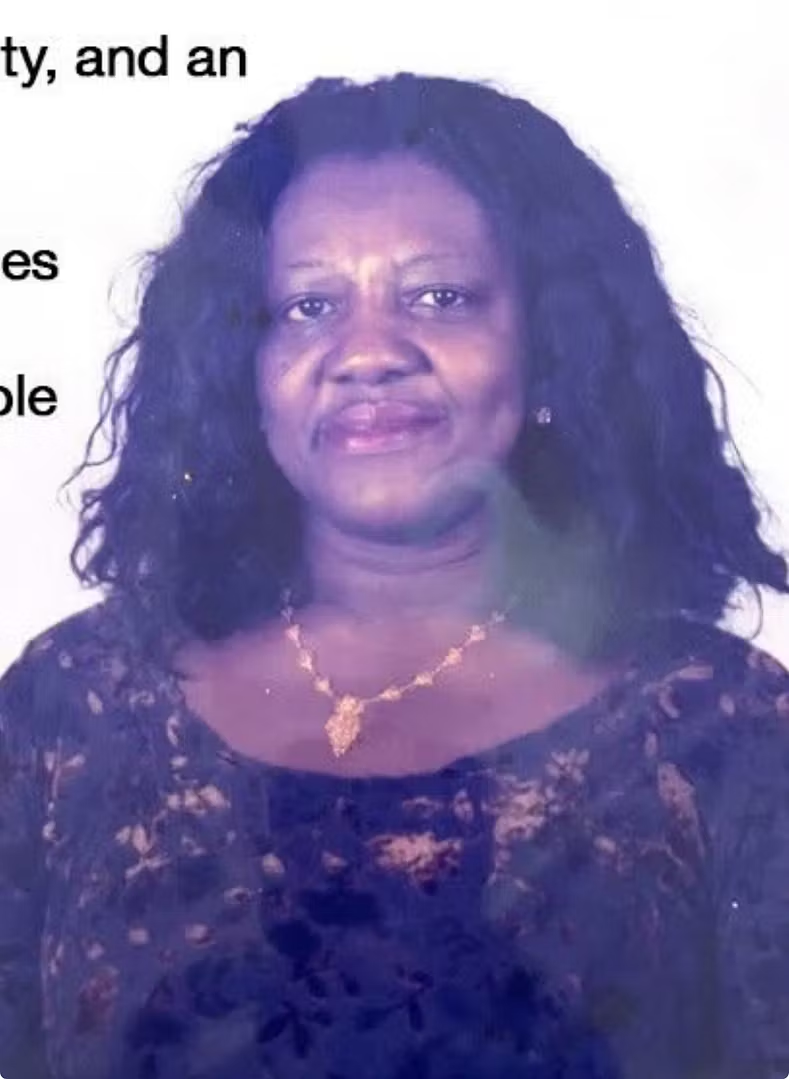
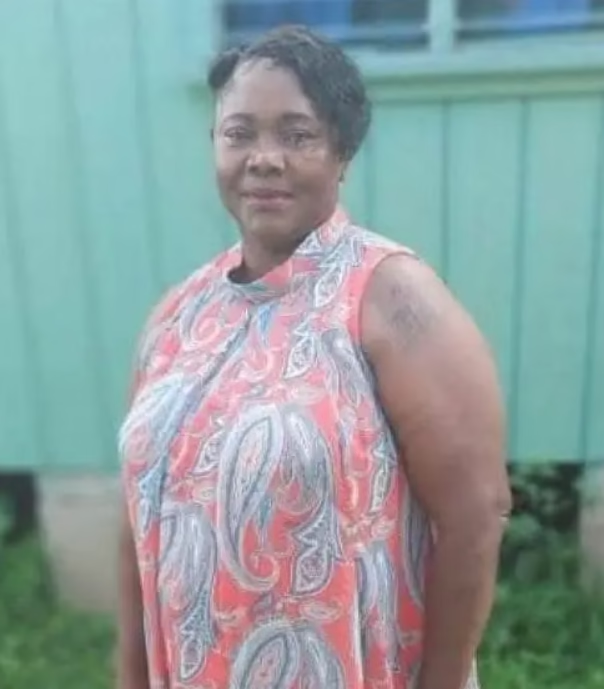
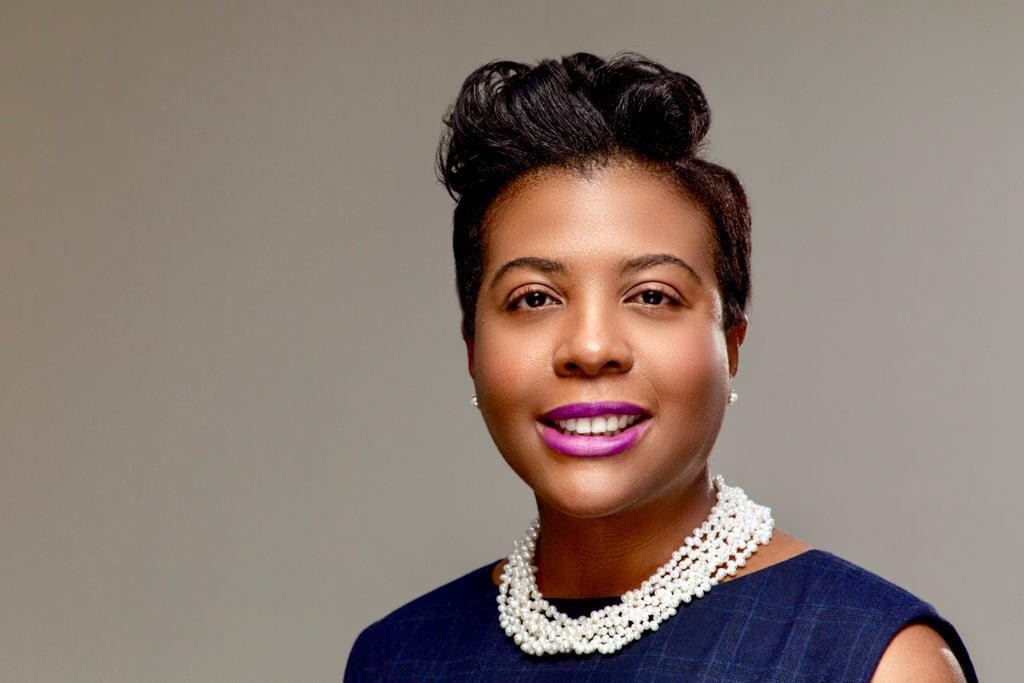
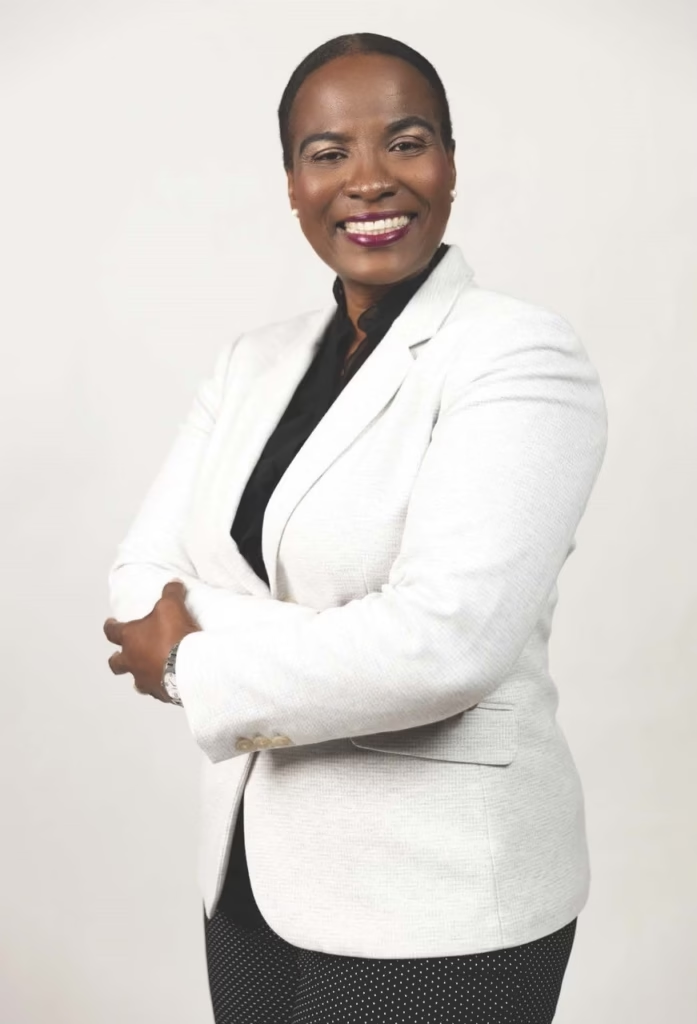
Male childhood trauma now ranks as a regional security threat in the Caribbean. A mental health advocate urges OECS and CARICOM to act fast. She calls for mandatory early intervention and counselling systems. Hadasha Buckmire leads Empower HER Caribbean Inc and raises the alarm. She links untreated male trauma to rising violence and weak development.
She points to a regional study on serious adult crimes. The study links these crimes to childhood trauma. Buckmire warns that silence around abuse worsens long-term behaviour. She says early help must start in schools, homes, and communities. Without action, she warns, violence will keep repeating across generations.
Buckmire reports a key figure from her research. She says 98 percent of boys in abusive homes repeat harmful behaviours as adults. However, she stresses that early psychological support can break this cycle. Many boys, she says, face hidden abuse and domestic violence. In turn, that pain often turns into aggression later in life.
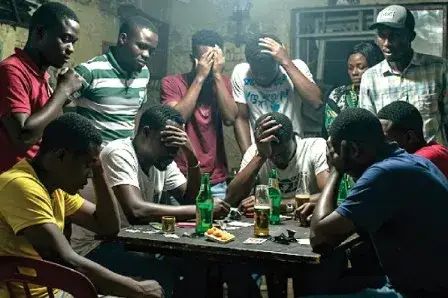
She also highlights cultural pressure on boys. Society tells them to “man up” and hide emotion. As a result, many boys avoid asking for help. This silence traps them in long-term emotional harm. It also spreads harm across families and communities.
Buckmire links male mental health to regional stability. She says leaders with unhealed trauma shape harmful systems. She warns that this affects governance and development. Healthy leadership, she argues, depends on emotional healing.
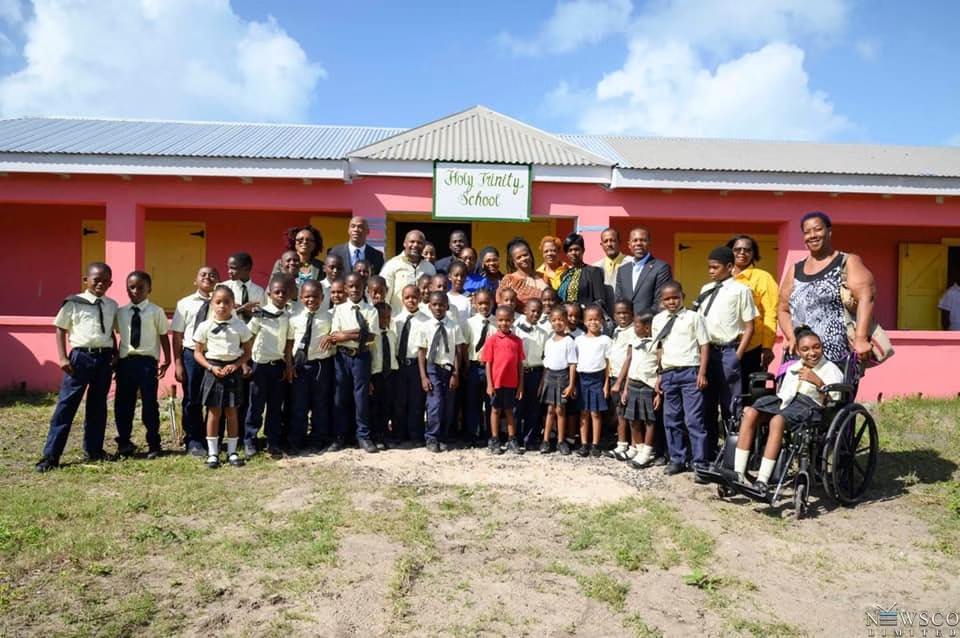
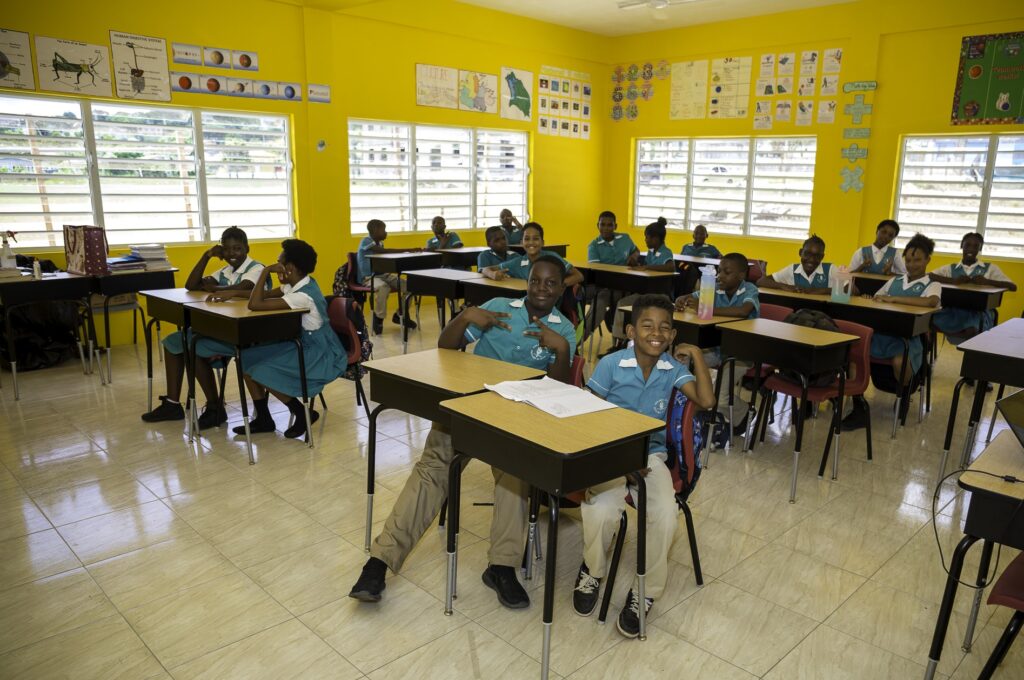
She urges governments to fund counselling systems across institutions. These systems should operate in schools, churches, and law enforcement. She pushes for early, non-judgmental support for children and teens.
Buckmire rejects crime-only responses. She says punishment without healing will fail. Instead, she calls for prevention through childhood support. She says the roots of violence start early in life.
She warns that violent crime already strains justice systems. It also slows economic growth across the region. Therefore, she calls for urgent reform and early intervention.
Buckmire stresses one final point. She says the region must treat childhood trauma as a security issue. She argues that real safety starts with protecting children early.