
 English















































































































































































































































































































































































































































































































































































































































































































































































































































































































































































































































































































































































































One in Three Antiguans Born Overseas, New Migration Data Finds
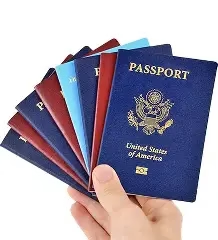
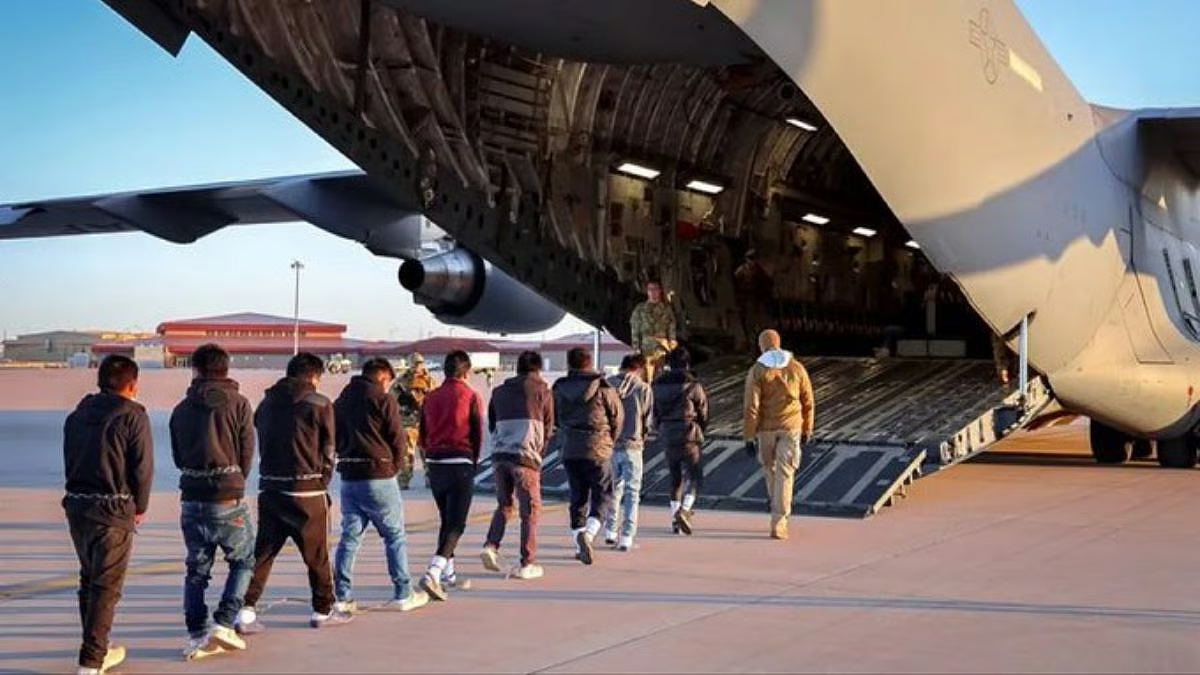
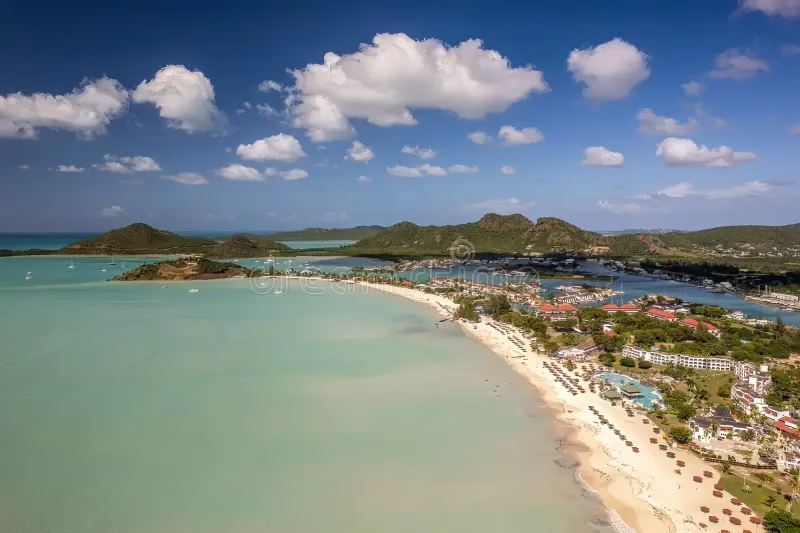
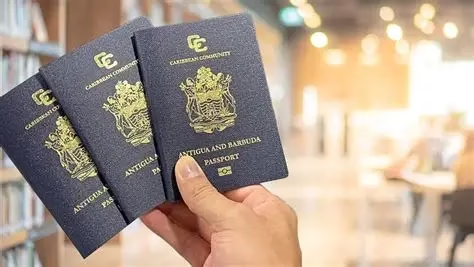
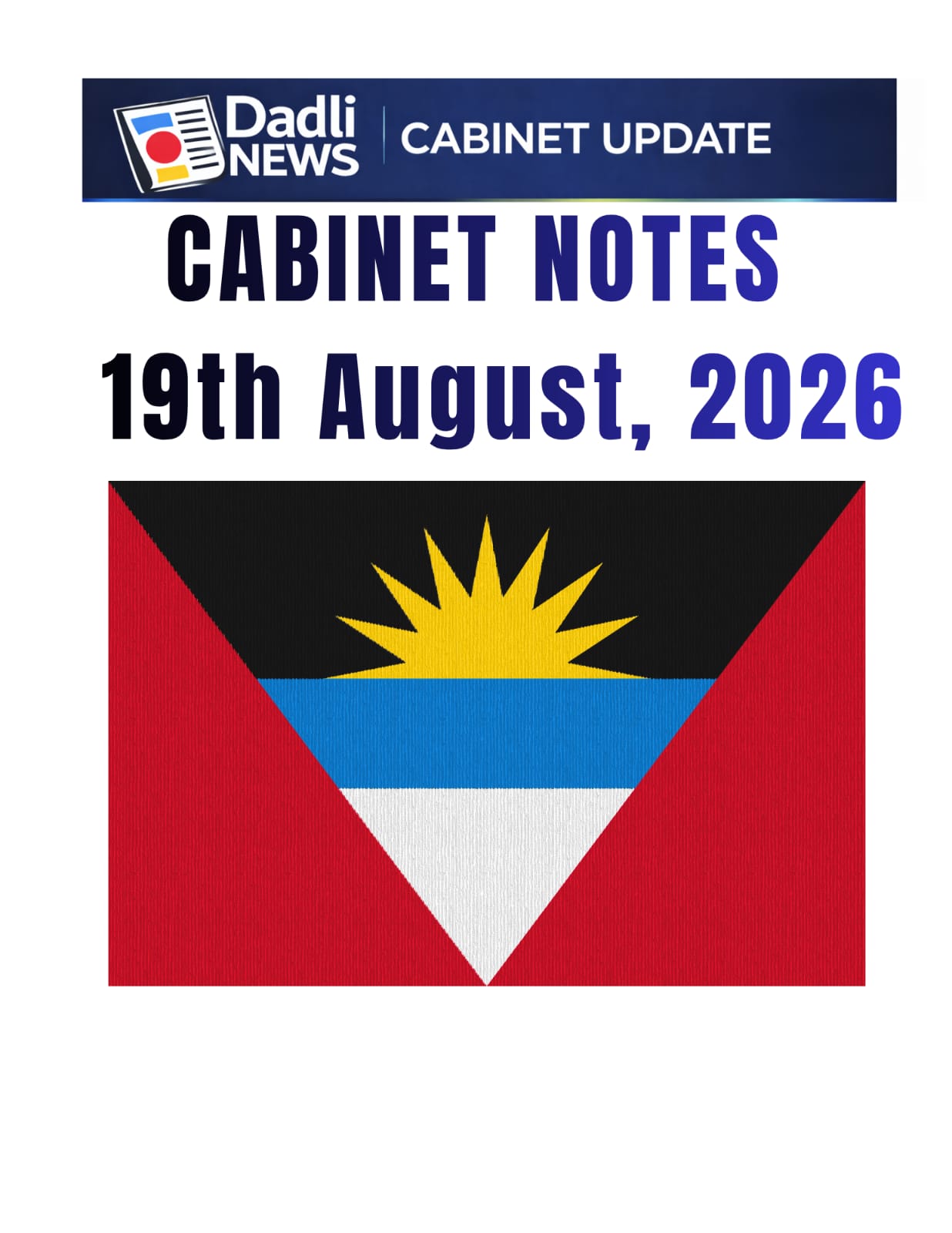
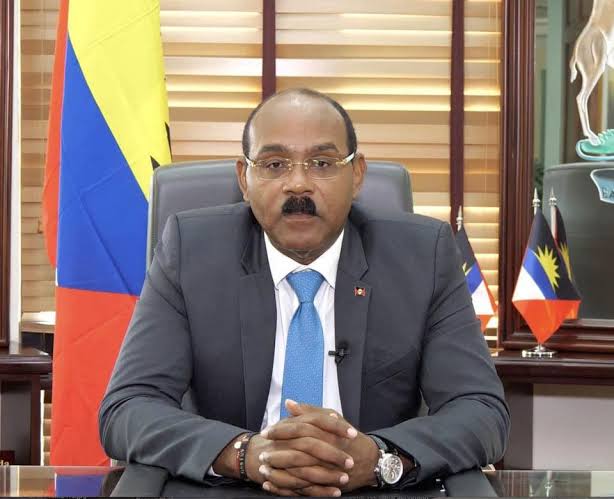
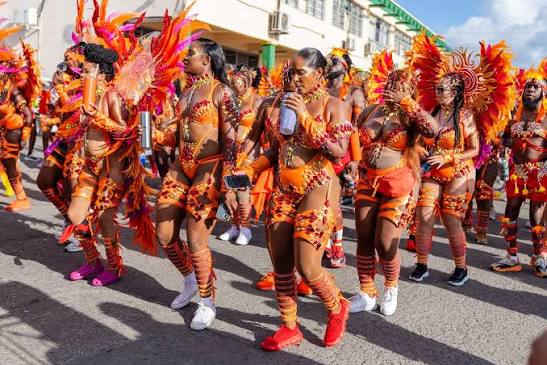
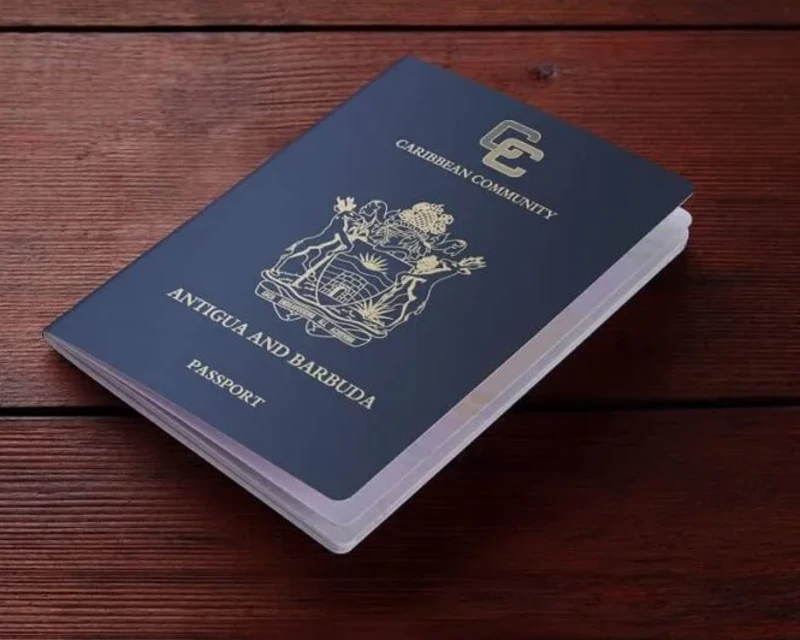
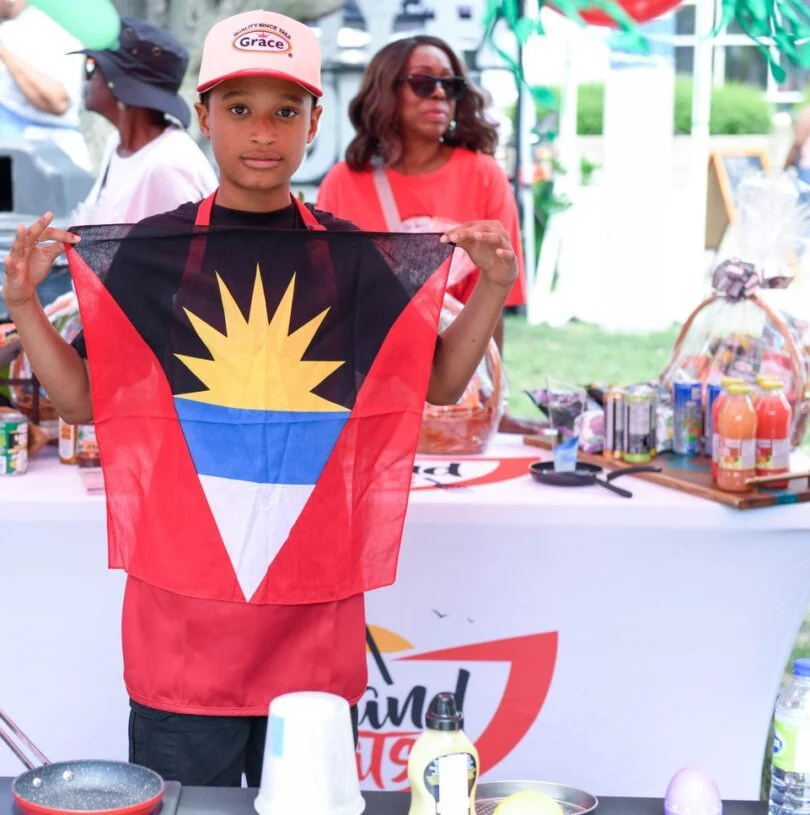
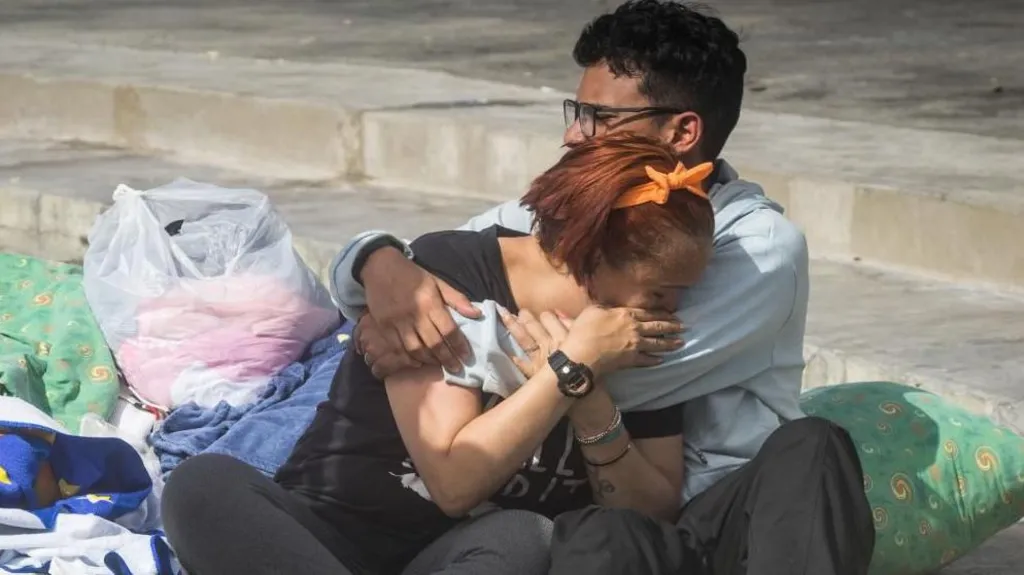
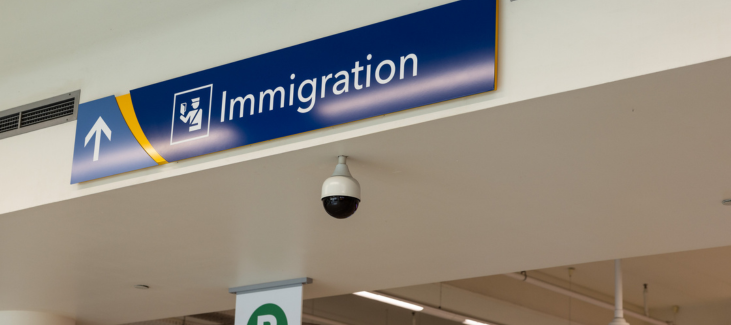
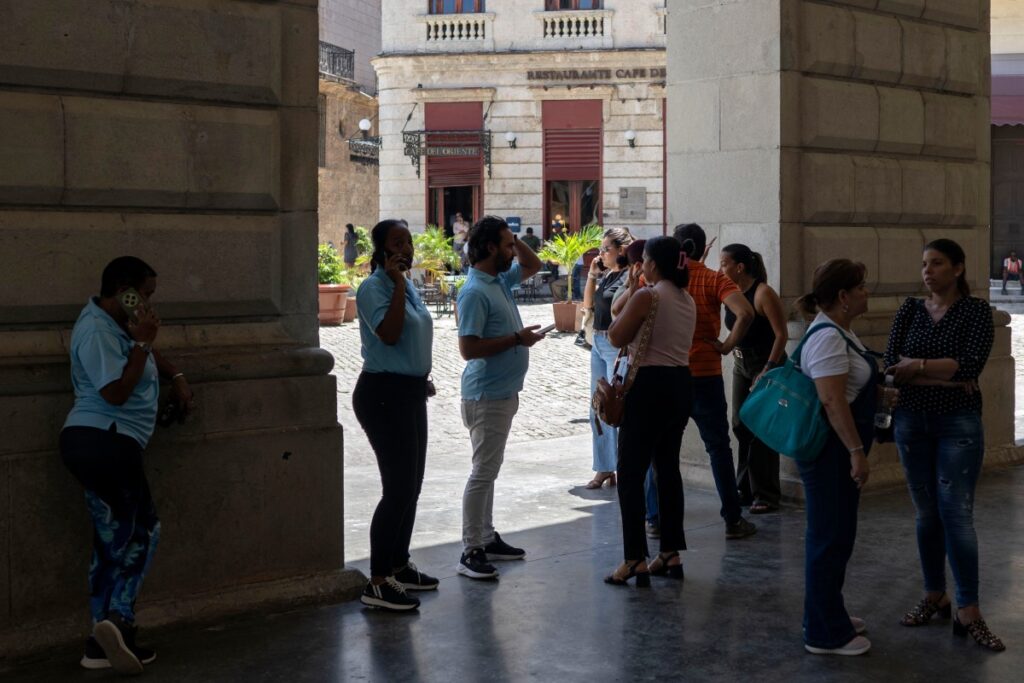
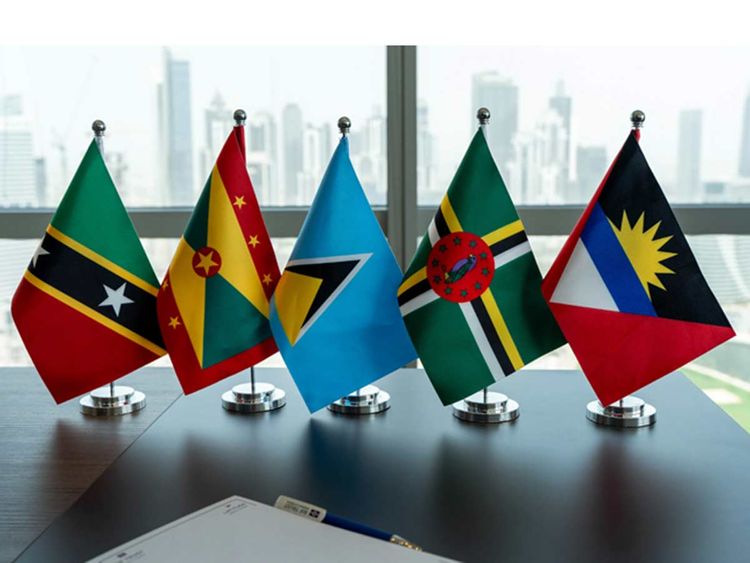
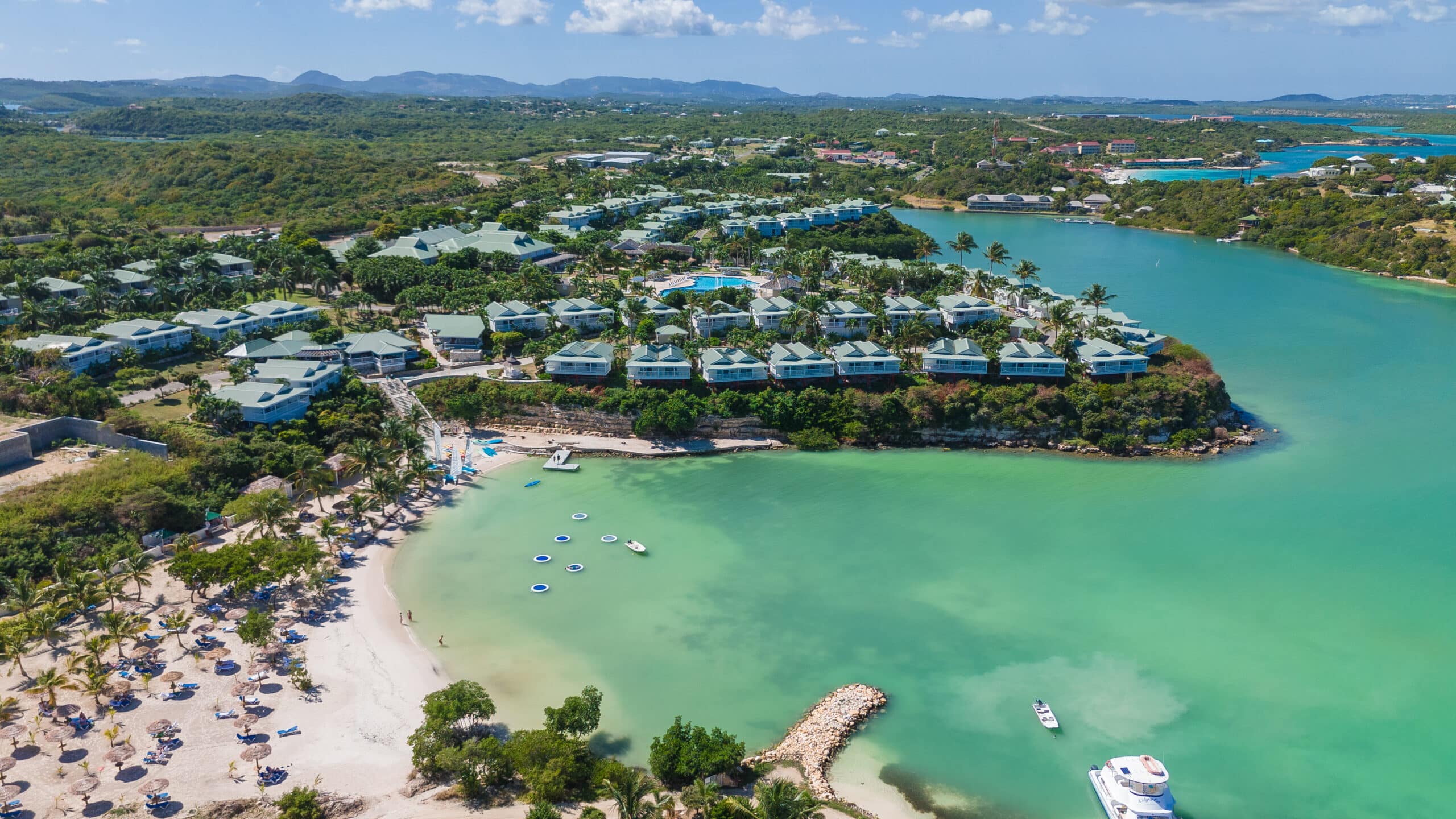
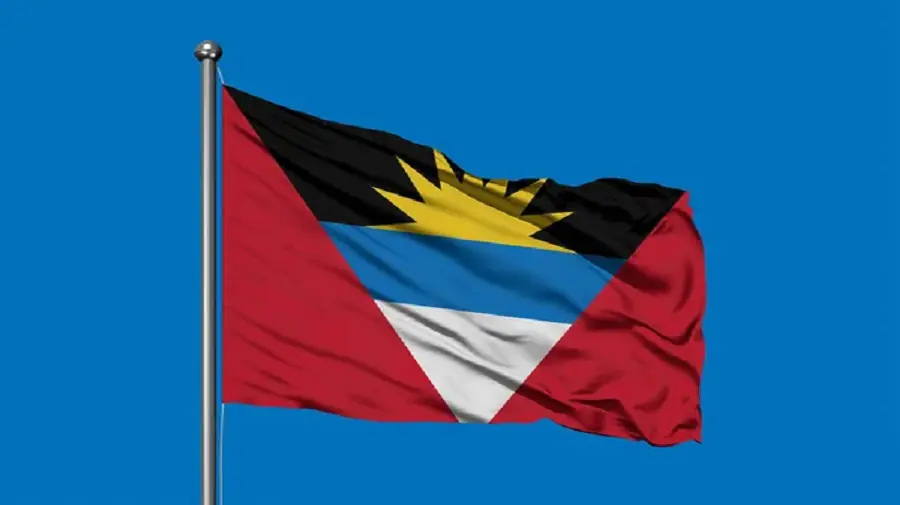
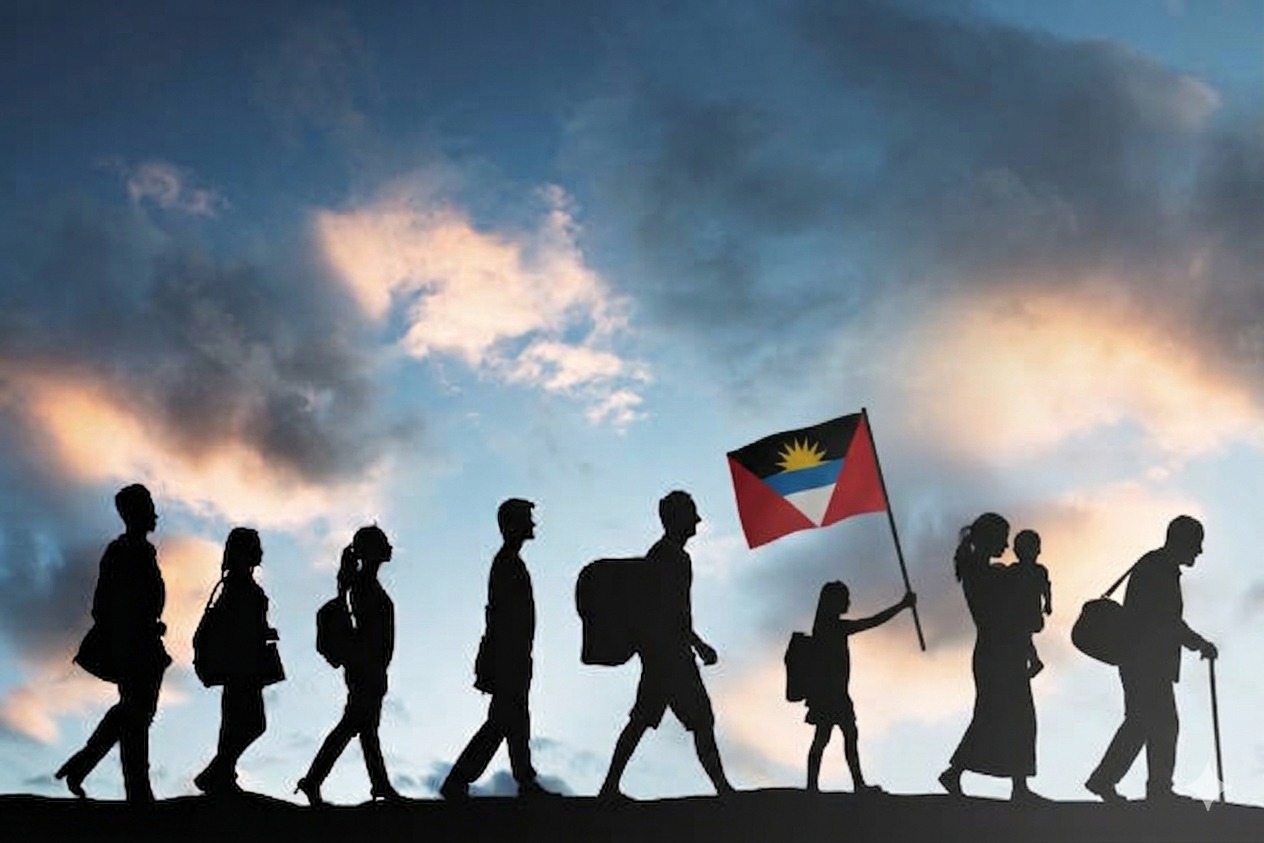
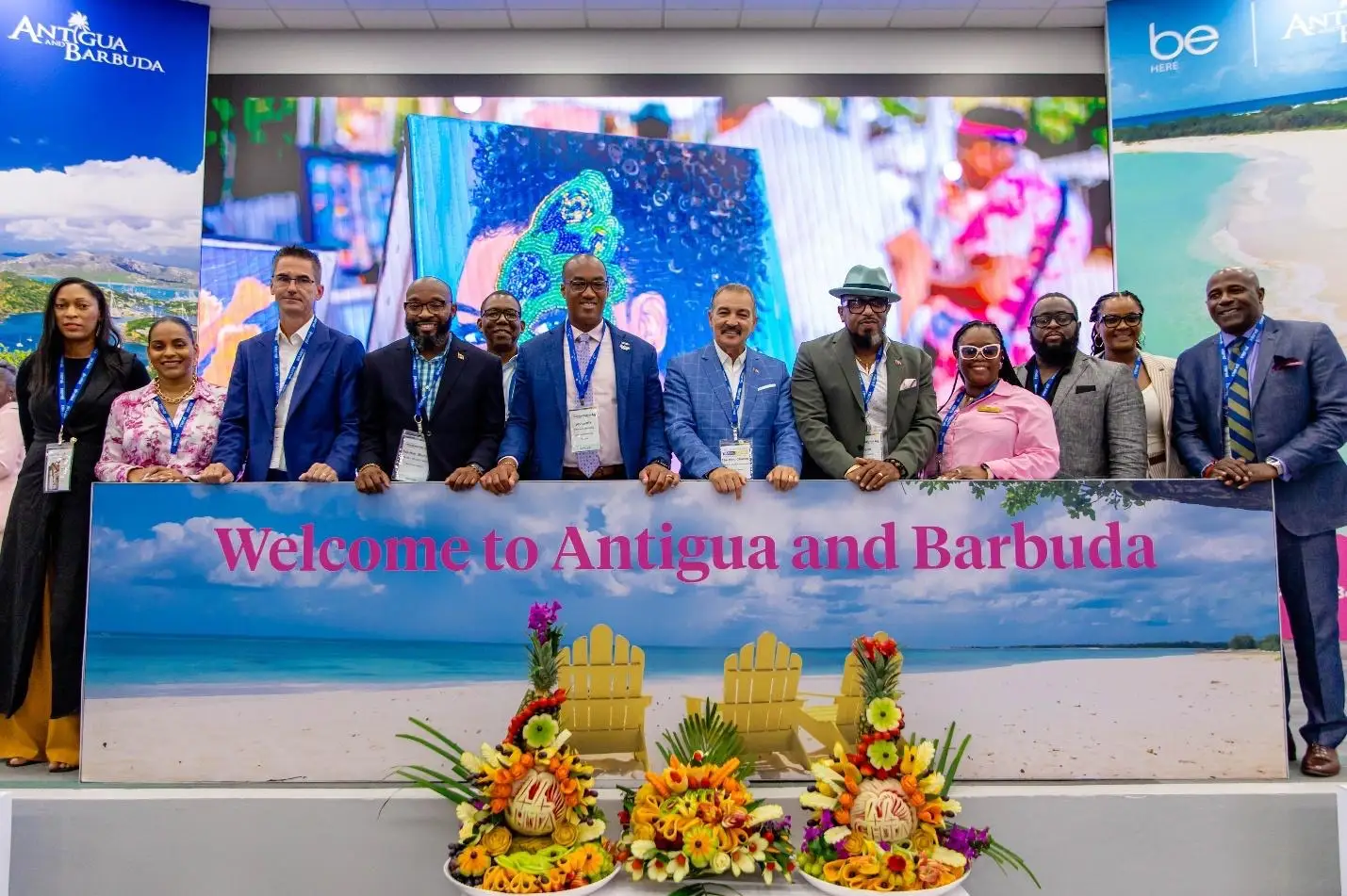
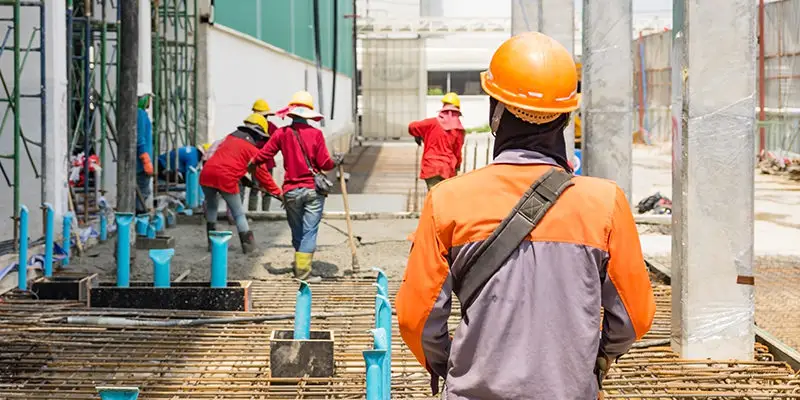
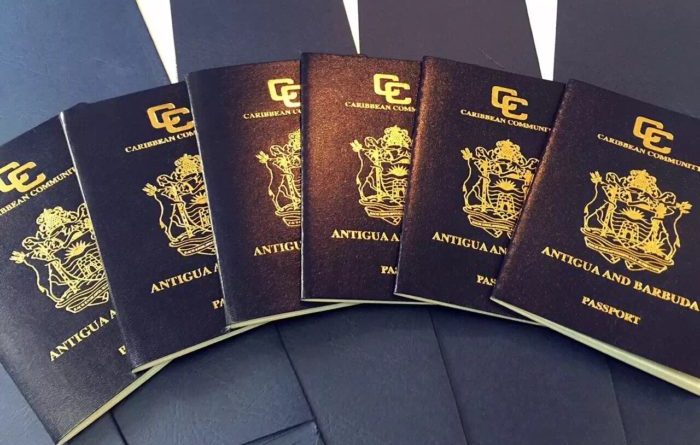
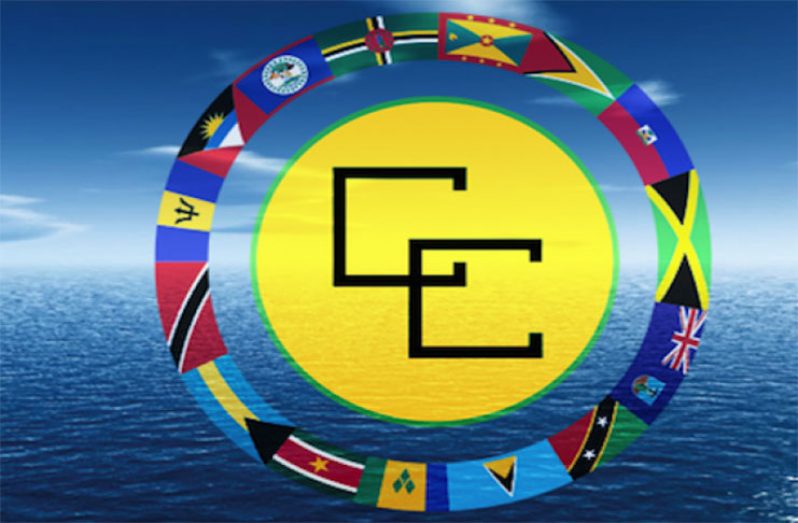
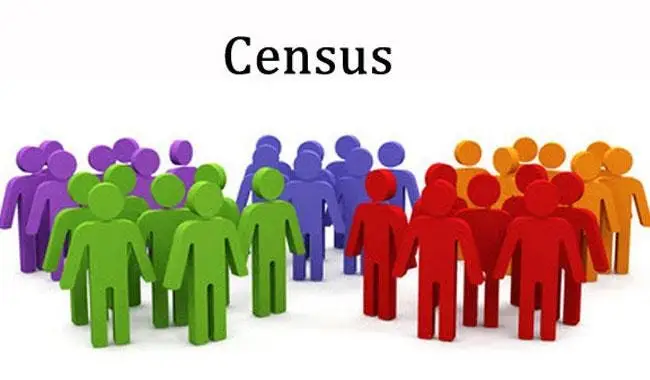
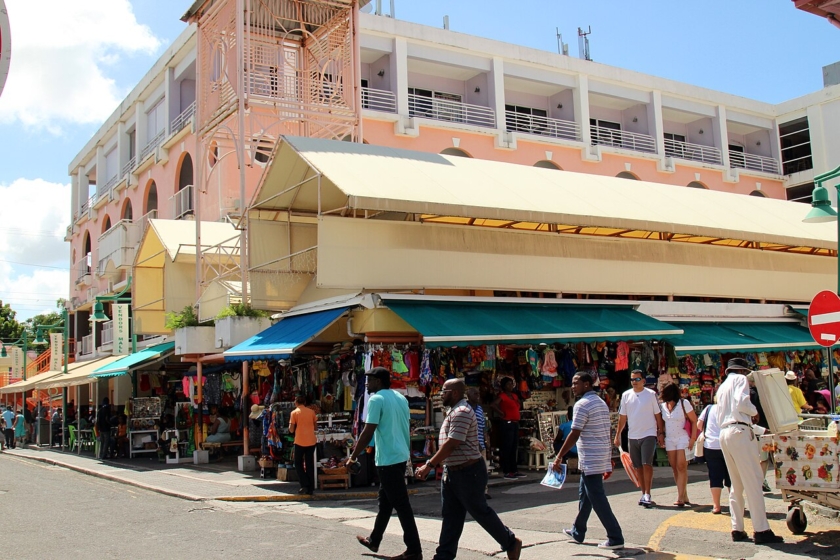
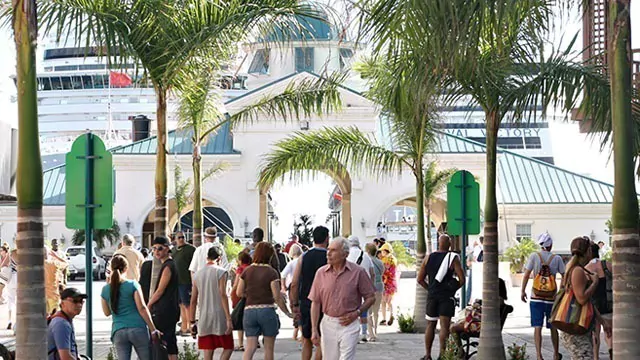
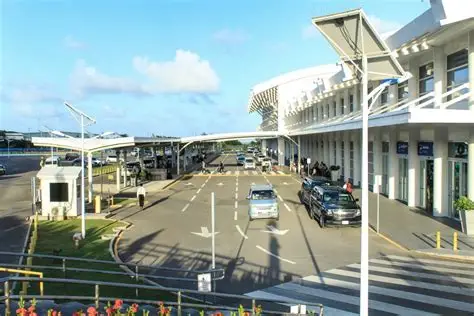
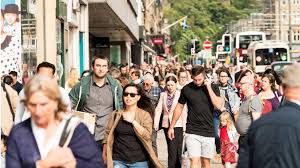
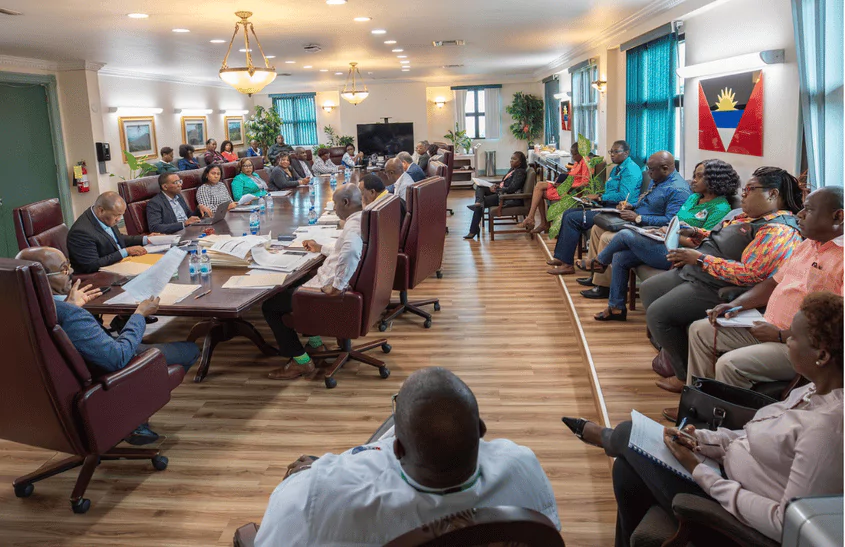
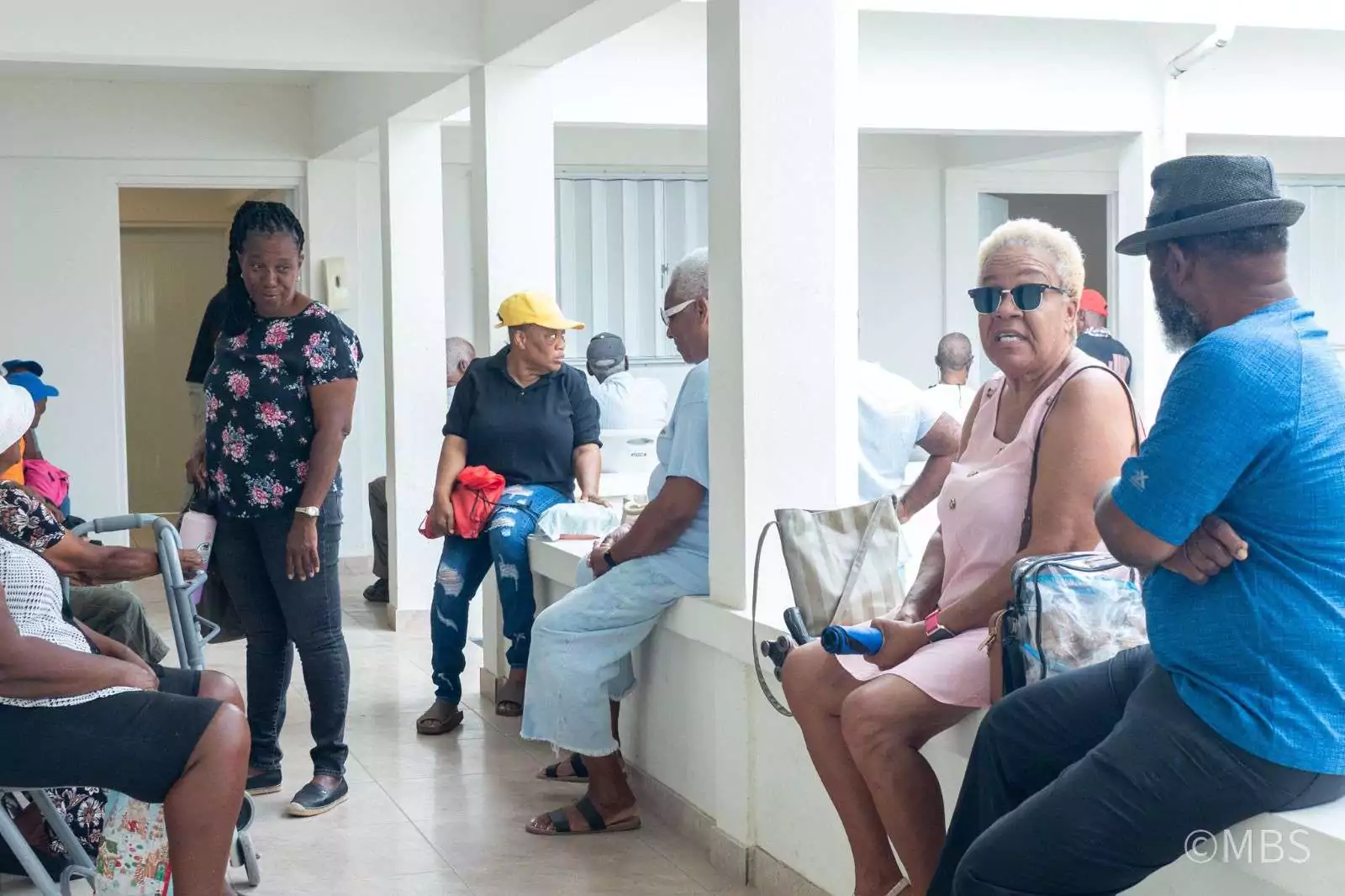
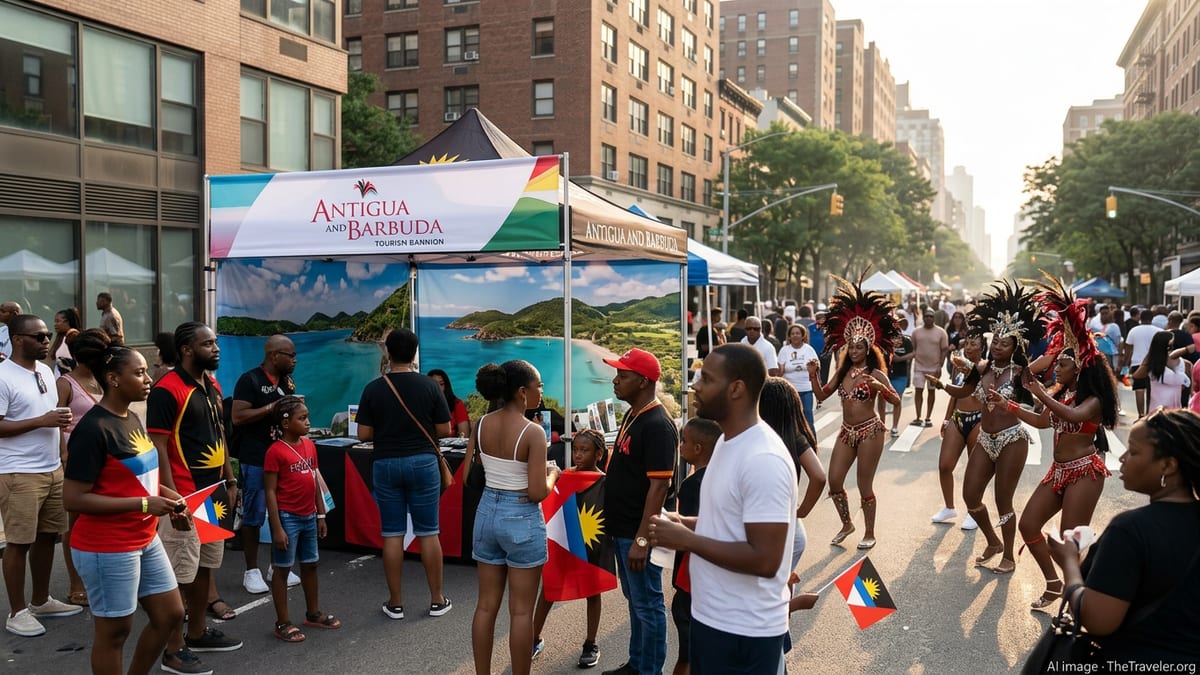
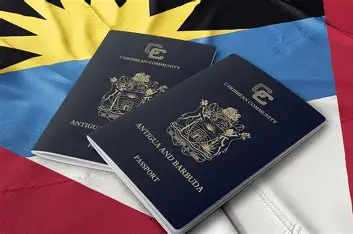
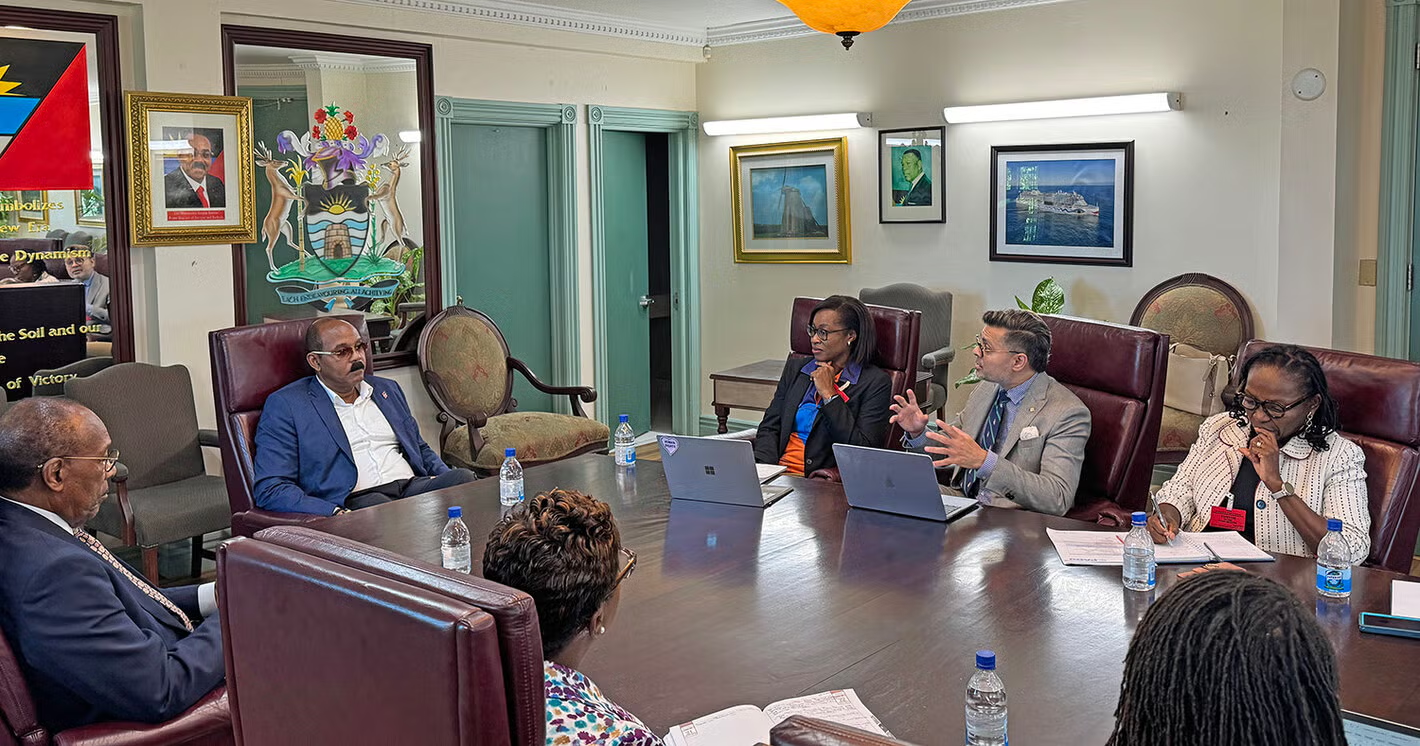
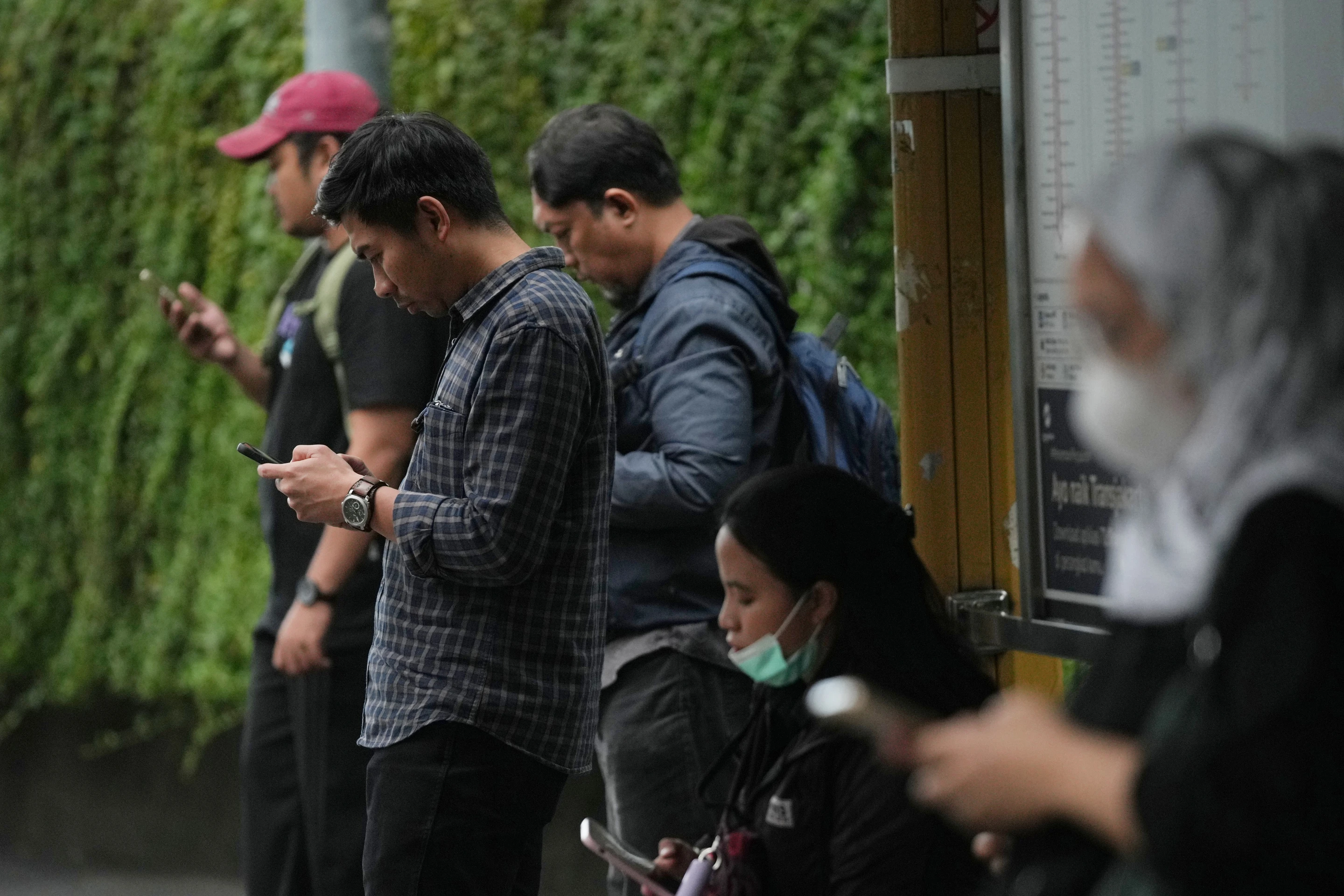
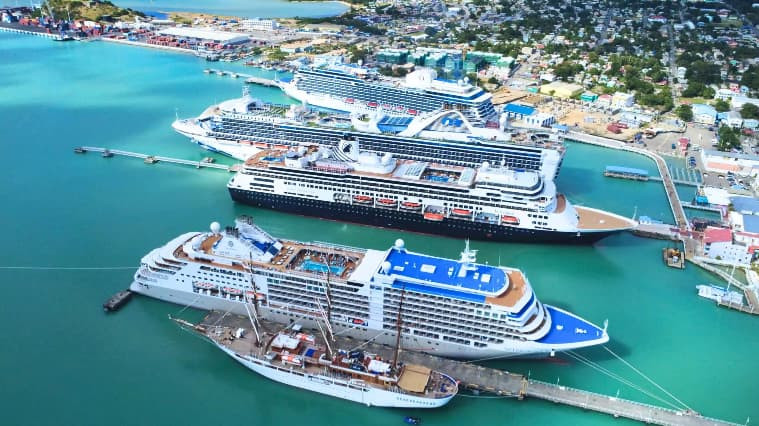
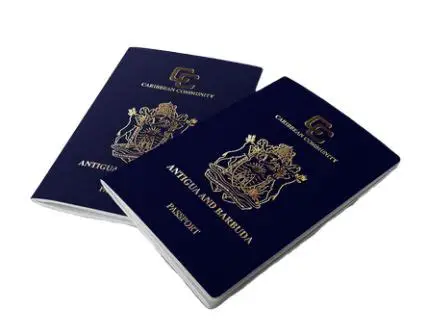
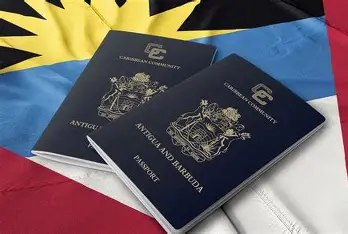
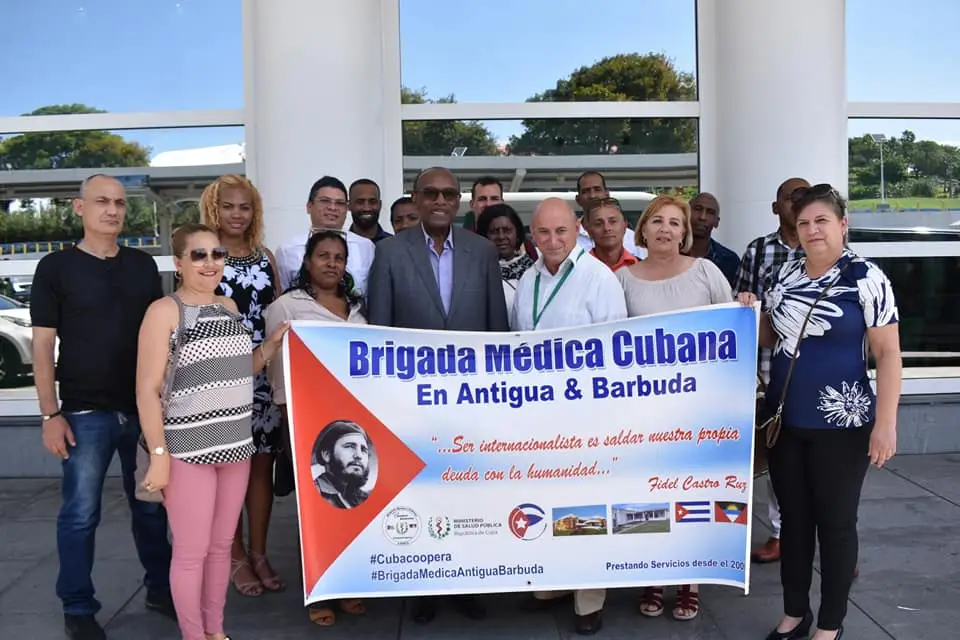
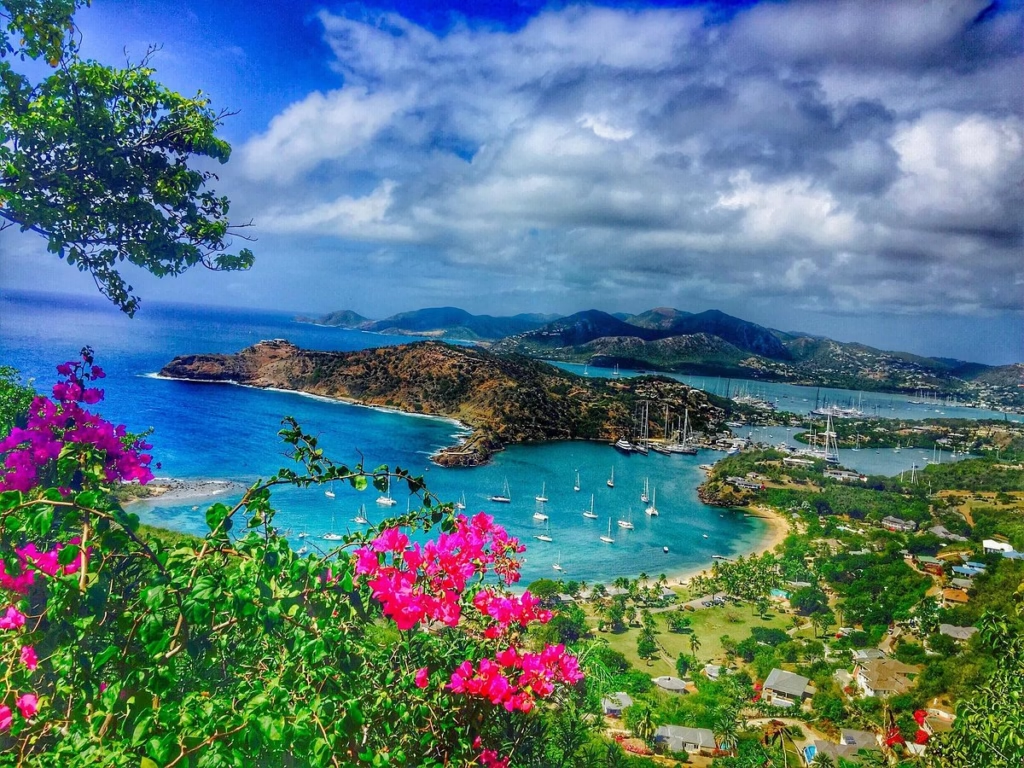
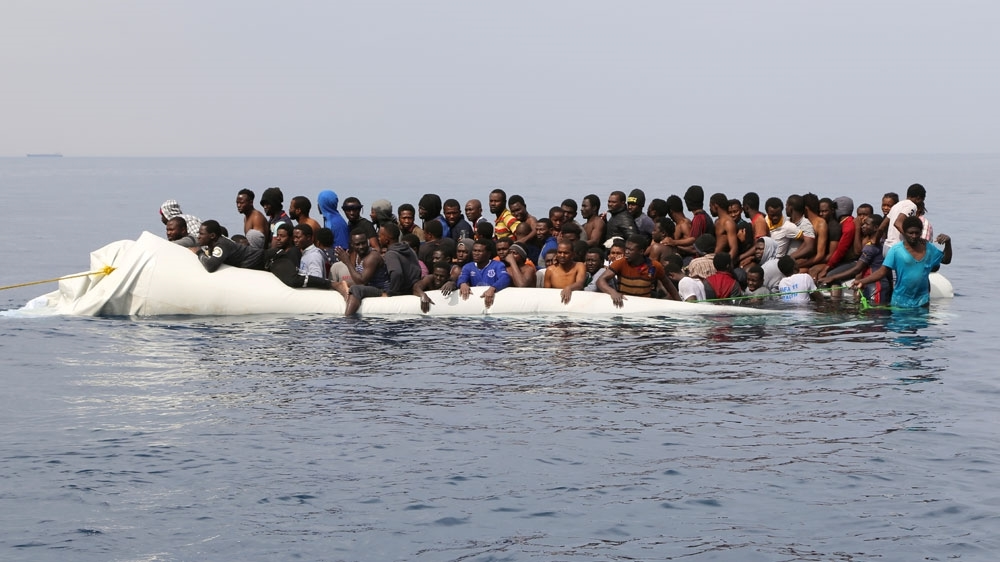
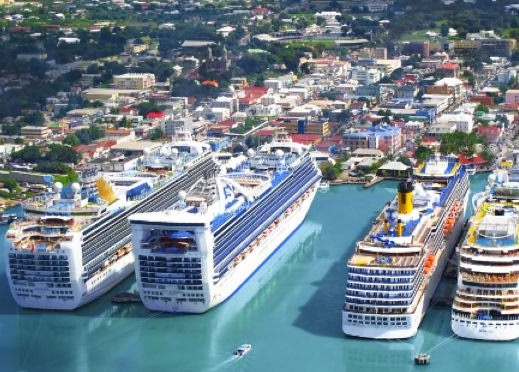
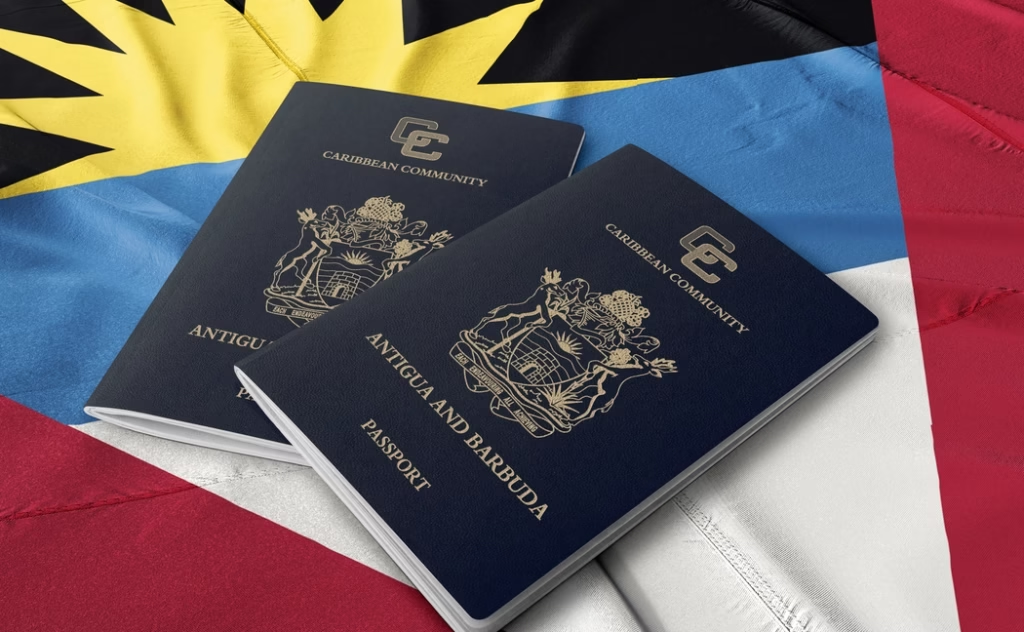
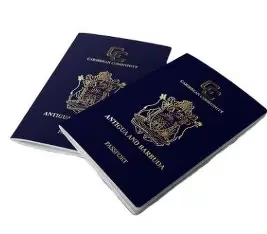
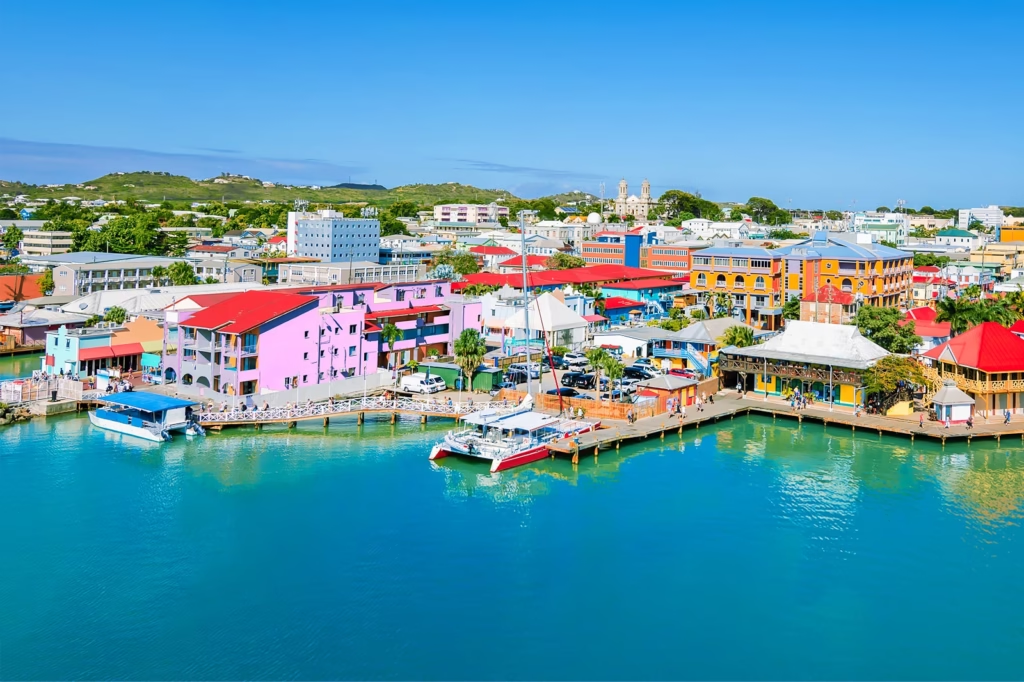
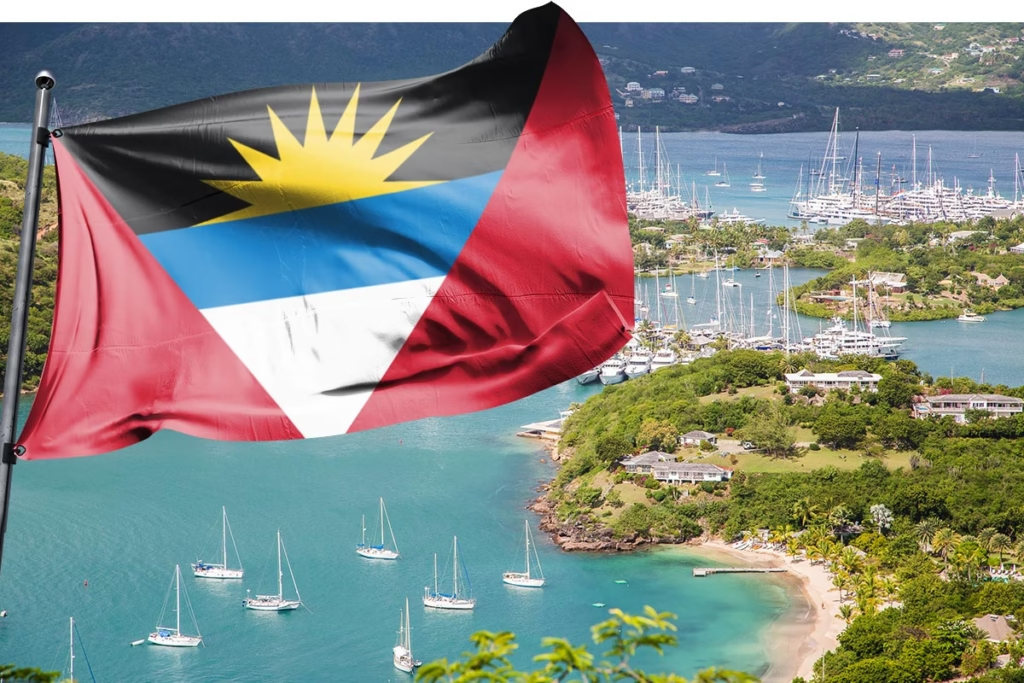
One in three residents of Antigua and Barbuda was born overseas, underscoring the powerful role migration plays in Caribbean societies. New data from the International Organization for Migration, based on UNDESA mid-year 2024 estimates, shows wide variation in migrant populations across CARICOM countries.
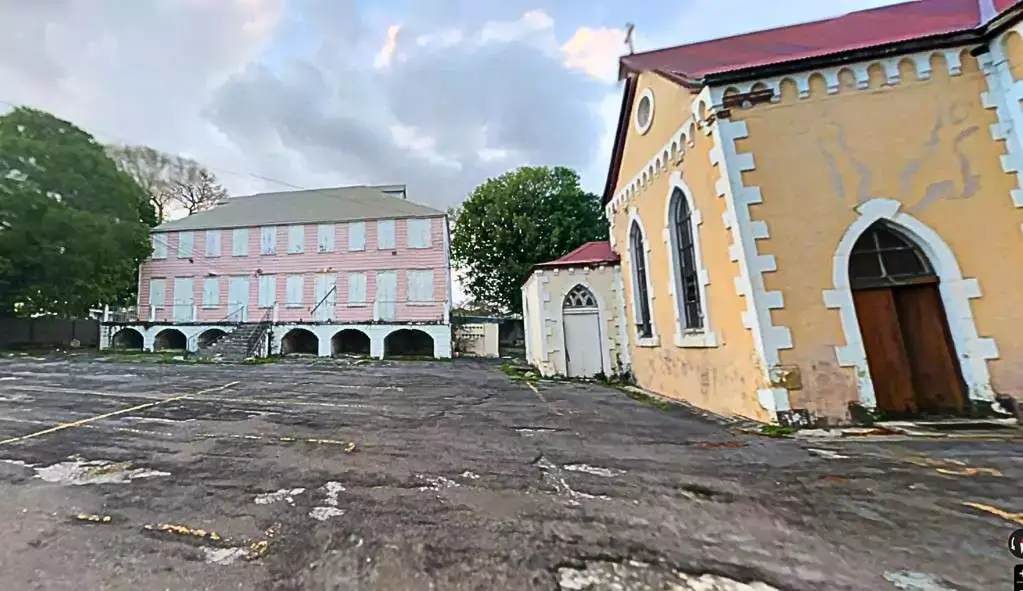
Antigua and Barbuda leads the region, with foreign-born residents accounting for about 33 percent of the population. Montserrat follows closely at 32 percent, placing both territories at the top of the regional scale. In these countries, migration is central to everyday life, shaping labor markets, communities, and cultural identity.
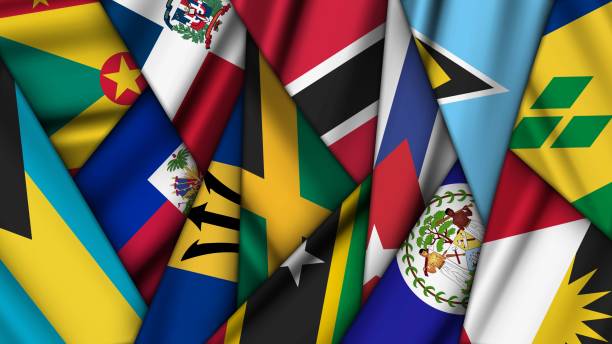
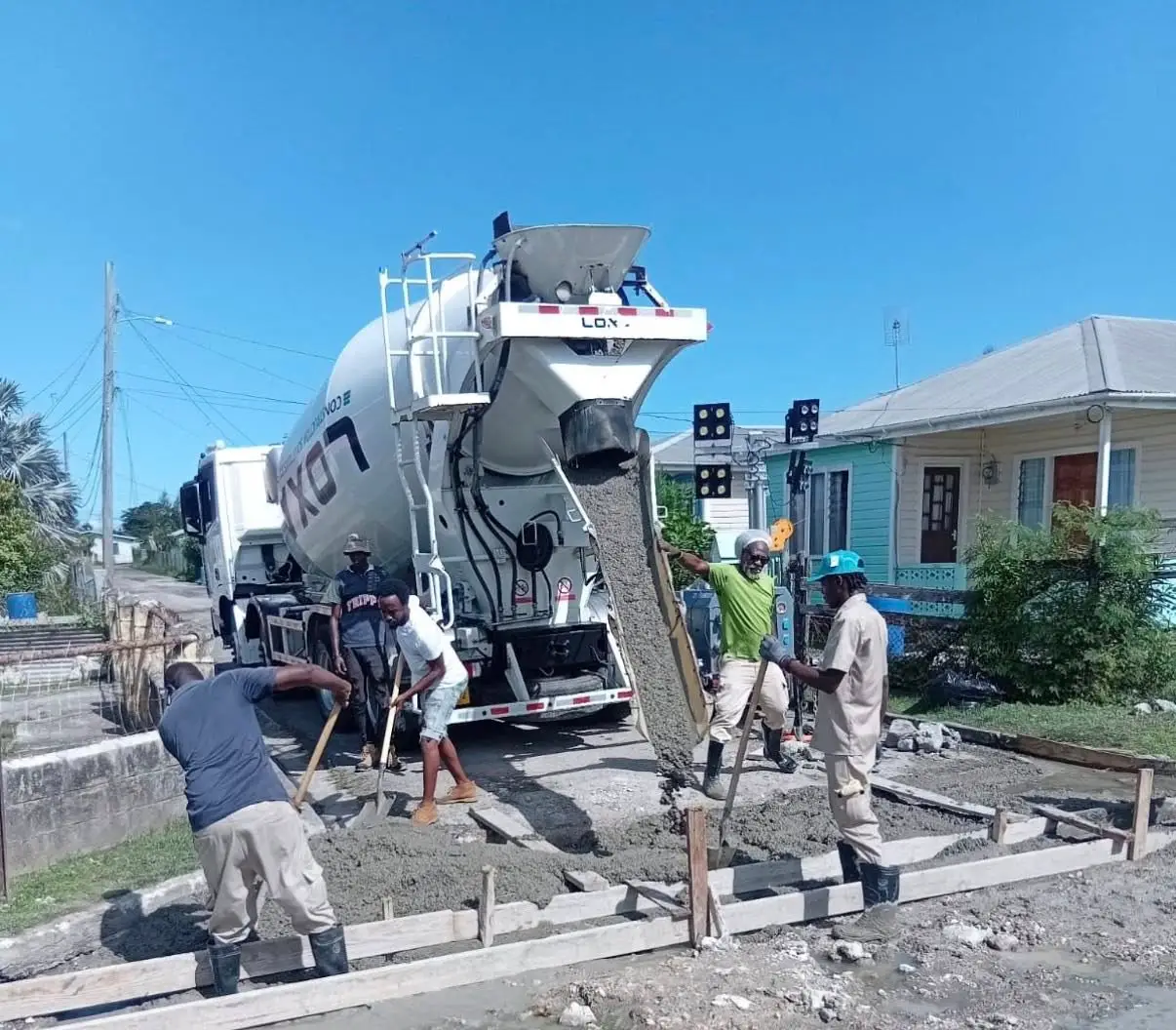
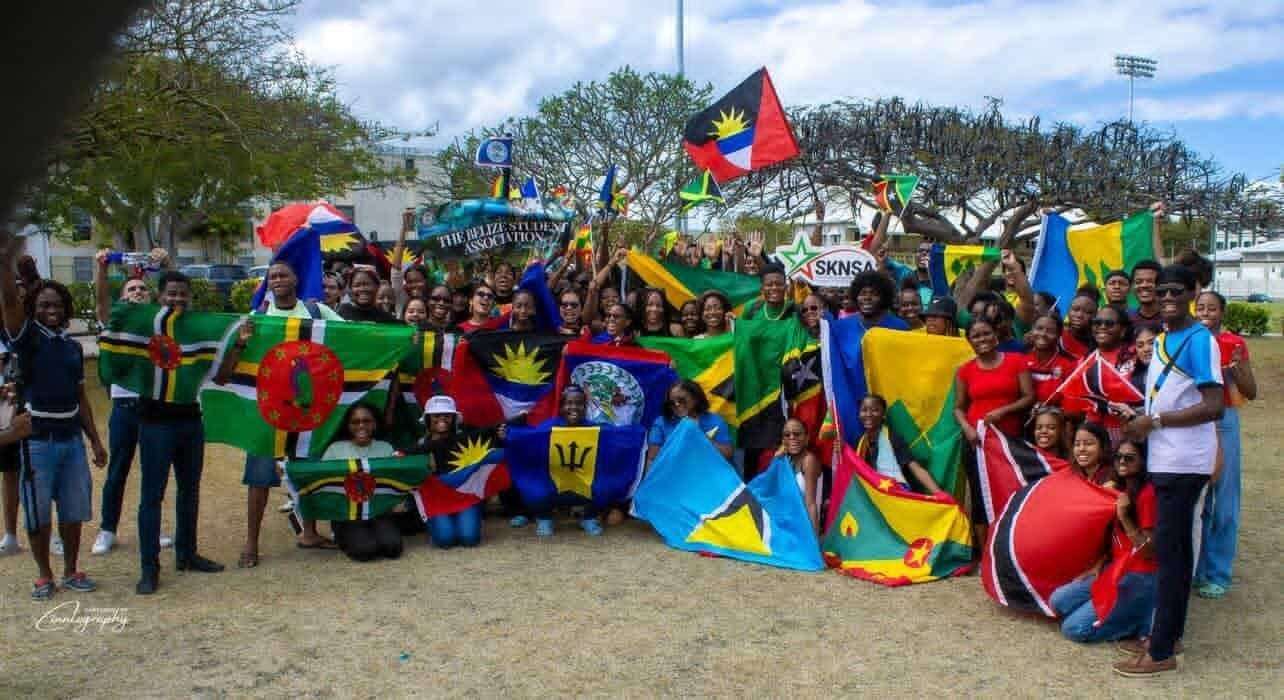
A second group of countries also shows strong migrant presence. Belize, The Bahamas, and St. Kitts and Nevis each report migrant populations of 17 percent. Barbados and Dominica follow at 13 percent. In these nations, migration supports key sectors such as tourism, construction, and services, while also strengthening regional and international connections.
Elsewhere, migrant populations are more moderate. Suriname and Trinidad and Tobago each record 8 percent of residents born abroad, while Guyana stands at 7 percent. In these countries, migration plays a steady but less visible role, though migrants continue to contribute skills, labor, and cultural exchange.
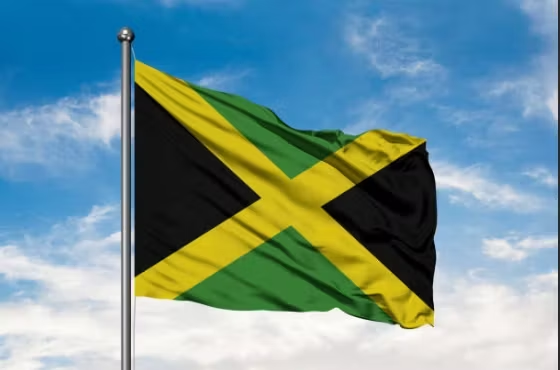
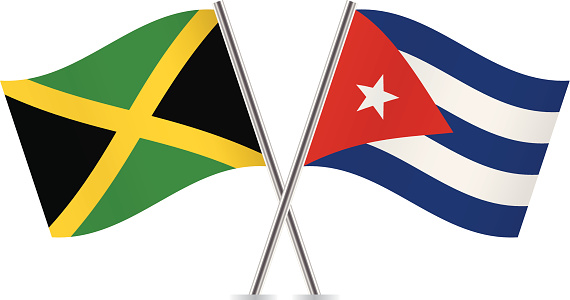
At the lower end of the scale, Grenada and Jamaica each report 6 percent foreign-born residents. St. Lucia and St. Vincent and the Grenadines record the smallest shares at 5 percent. Although migration is less prominent in these societies, its impact is still felt through remittances, family networks, and regional movement.
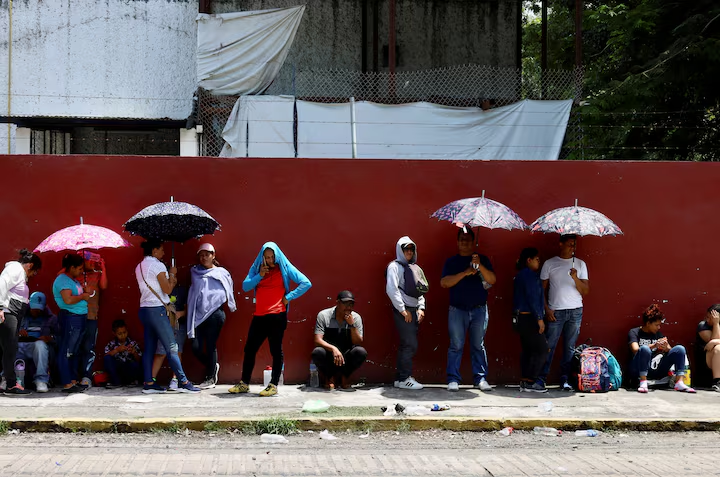
According to the IOM, these differences reflect geography, economic opportunity, and historical ties. Some islands attract workers and long-term residents, while others experience more outward migration. In addition, CARICOM’s free movement arrangements influence where people choose to live and work.
As the year comes to a close, the data offers a clear reminder that migration remains a defining feature of the Caribbean. While its scale varies from country to country, movement continues to shape the region’s social and economic landscape.
Join the Dadli News WhatsApp Group: https://chat.whatsapp.com/L04JxtMbG39FLBbxYWlz9T
Join the Dadli News WhatsApp Channel: https://whatsapp.com/channel/0029VbBcJ3gKLaHkB4lQXM1m
For more information: IOM Displacement Tracking Matrix, Migration Trends in the English and Dutch Speaking Caribbean, 2024 (using UNDESA mid-year 2024 data)