
 English














































































































































































































































































































































































































































































































































































































































































































































































































































































































































































































































































































































































































































































































































































































































































































































































































































































































































New Flu Strain Puts Severe Pressure on Europe’s Health Systems, Says WHO

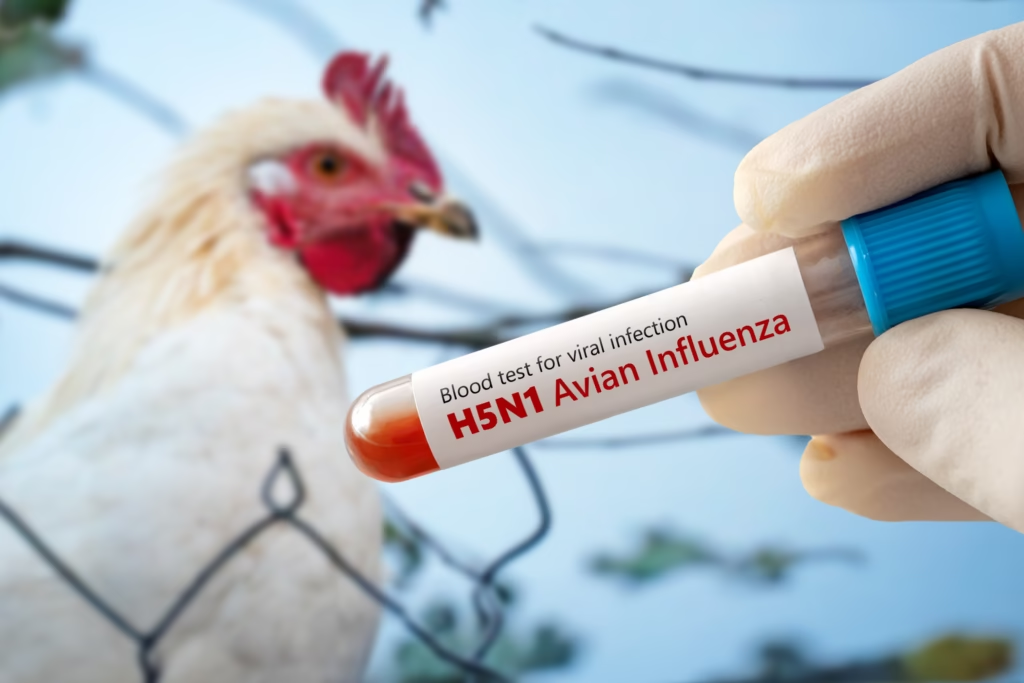
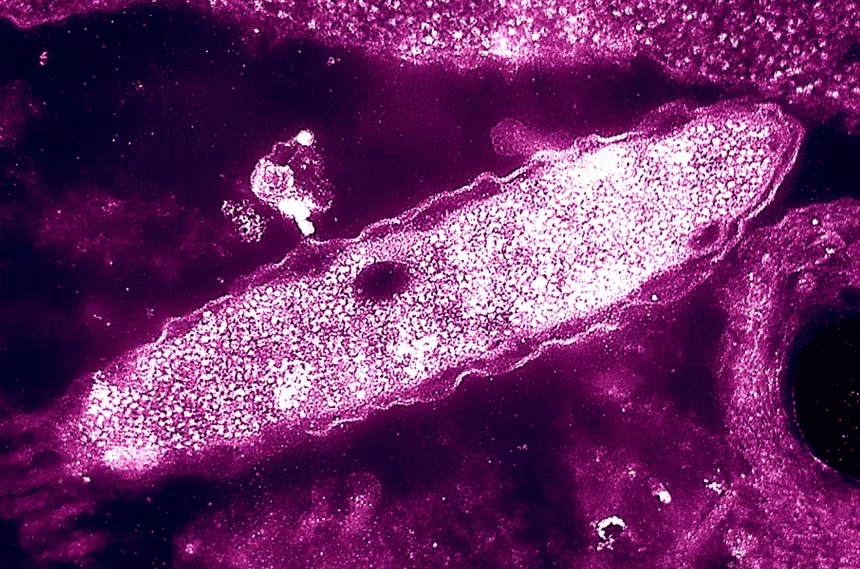
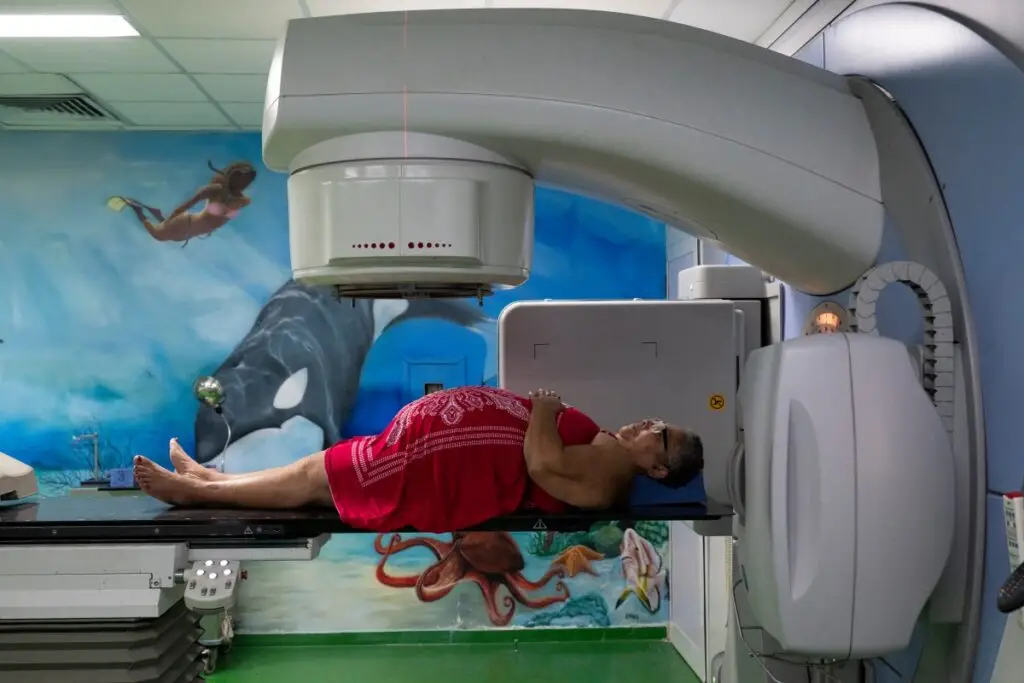
New flu cases are rising sharply across Europe, driven by a dominant A(H3N2) sub-clade K virus, the WHO reports.
At least 27 of 38 European countries are seeing high or very high influenza activity. Six countries, including Ireland, Serbia, Slovenia, and the UK, report over half of flu-like patients testing positive.
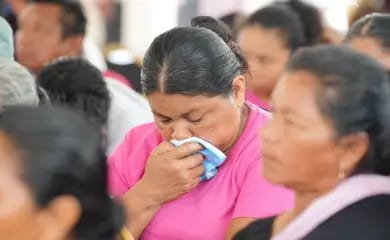
The flu season began about four weeks earlier than usual. Health officials urge vaccination, staying home when sick, and wearing masks if symptomatic.
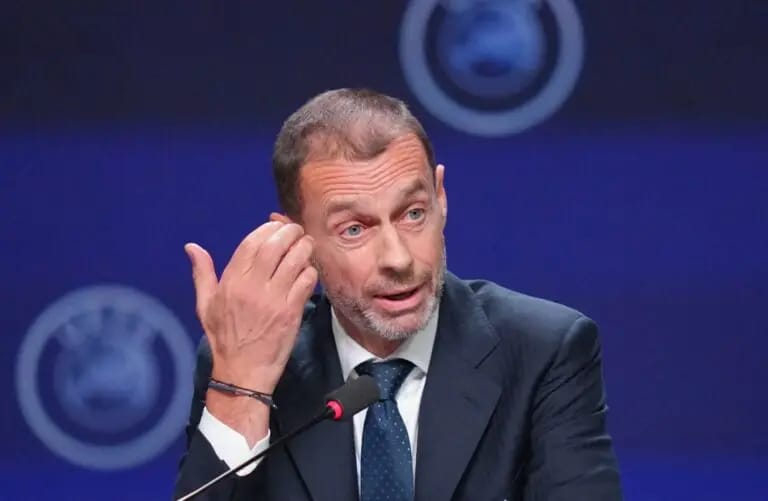
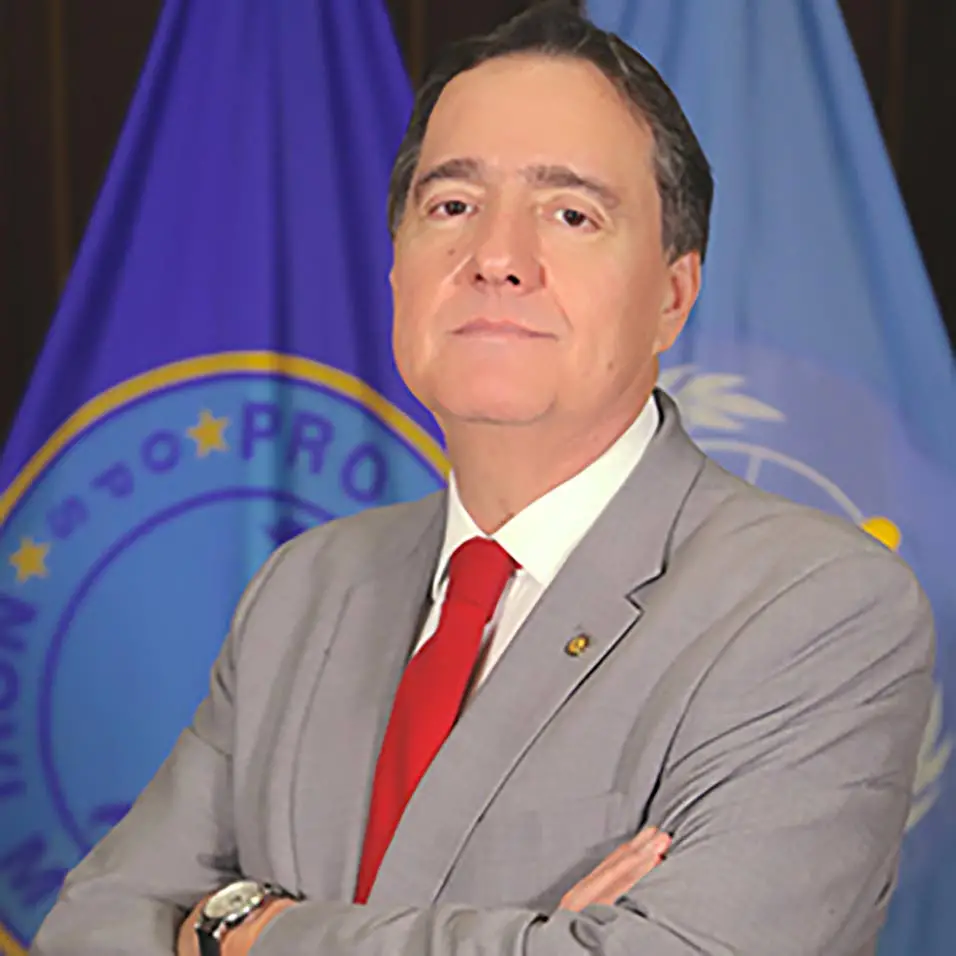
WHO’s regional director for Europe, Hans Henri Kluge, said the small genetic variation in the virus is putting enormous pressure on hospitals.
“Flu comes around every winter, but this year is a little different,” Kluge said. “It shows how a minor change can stress health systems.”
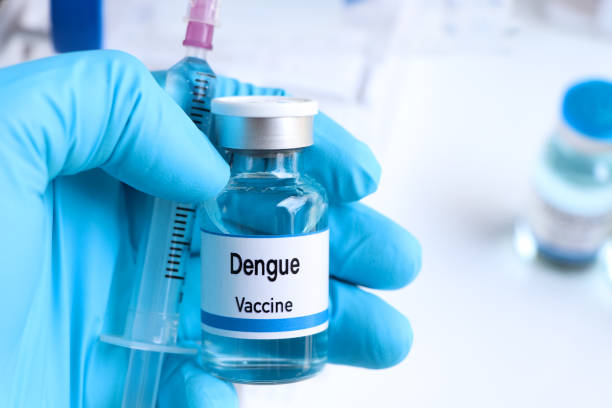
Early UK data shows the flu vaccine reduces severe illness risk from this strain, although it may not prevent infection entirely. Vaccination remains the most important preventive step.
The WHO stressed that older adults, people with underlying conditions, pregnant women, children, and health workers are particularly at risk. These groups should prioritize getting vaccinated.
School-age children continue to drive community transmission. Meanwhile, adults aged 65 and older make up most severe cases requiring hospital care.
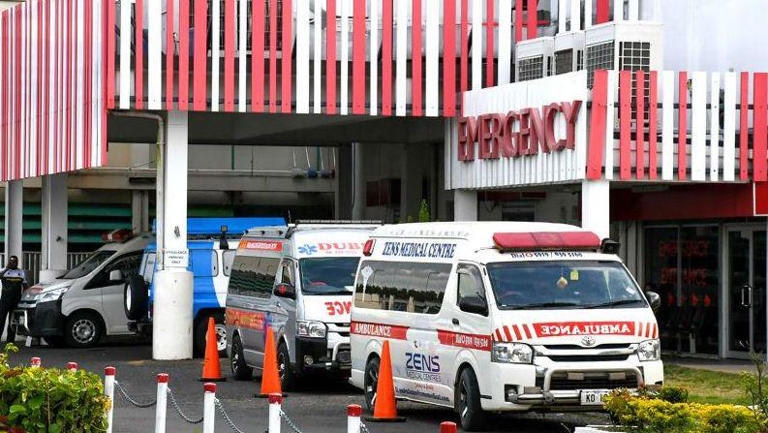
Several countries report early and intense outbreaks. Britain’s NHS expects one of its worst winters on record, with pressure on GP surgeries, hospitals, and ambulance services.
Germany’s Robert Koch Institute confirmed the flu season started two to three weeks early. In France, cases are rising in all age groups, and emergency department visits are increasing.
Spain is seeing infection rates higher than last year’s winter peak. Hospitalisations there have doubled in just one week. Romania and Hungary are also reporting strong surges.
Kluge emphasized the importance of credible information. He warned against misinformation and urged reliance on trusted sources like national health agencies and the WHO.
The flu season is expected to peak in late December or early January. While serious, Kluge said it does not match the global emergency of COVID-19.
He noted that health systems are experienced in managing influenza. Safe vaccines and clear protective measures exist, making prevention and early intervention effective.
Europeans are advised to stay vigilant, get vaccinated, and follow public health guidance to reduce flu impact this winter.
Join the Dadli News WhatsApp Group: https://chat.whatsapp.com/L04JxtMbG39FLBbxYWlz9T
Join the Dadli News WhatsApp Channel: https://whatsapp.com/channel/0029VbBcJ3gKLaHkB4lQXM1m