
 English



















































































































































































































































































































































































































































































































































































































































































































































































































































































































































































































































































































































































































































































































































































































































































































































































































































Major Quake Rocks Japan’s North-East, Triggers Tsunami Alerts
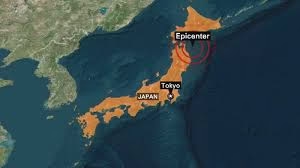
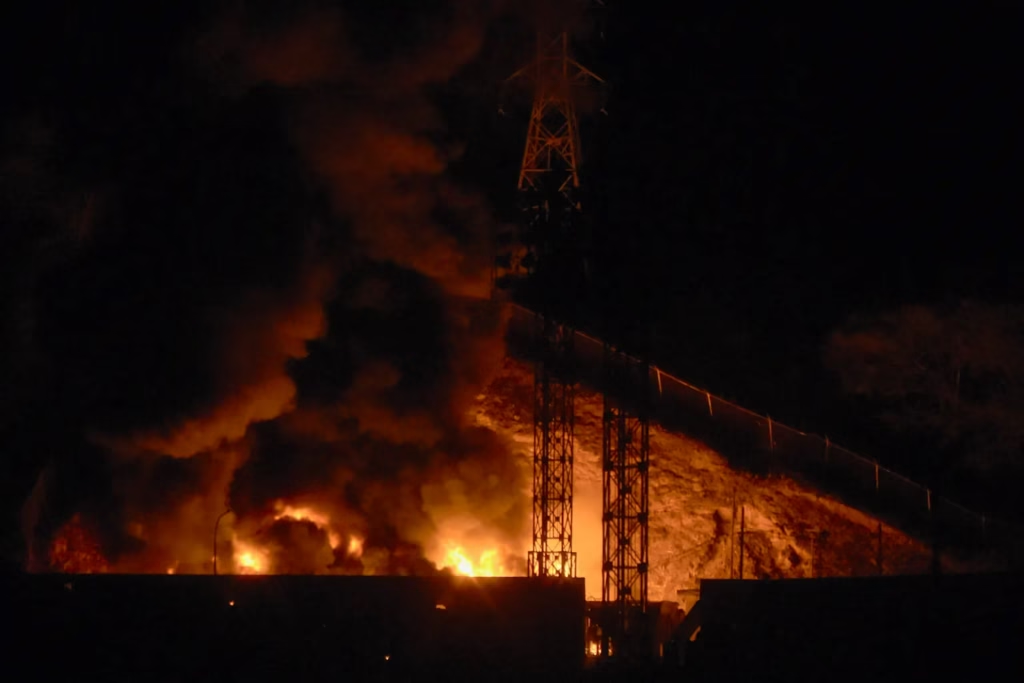
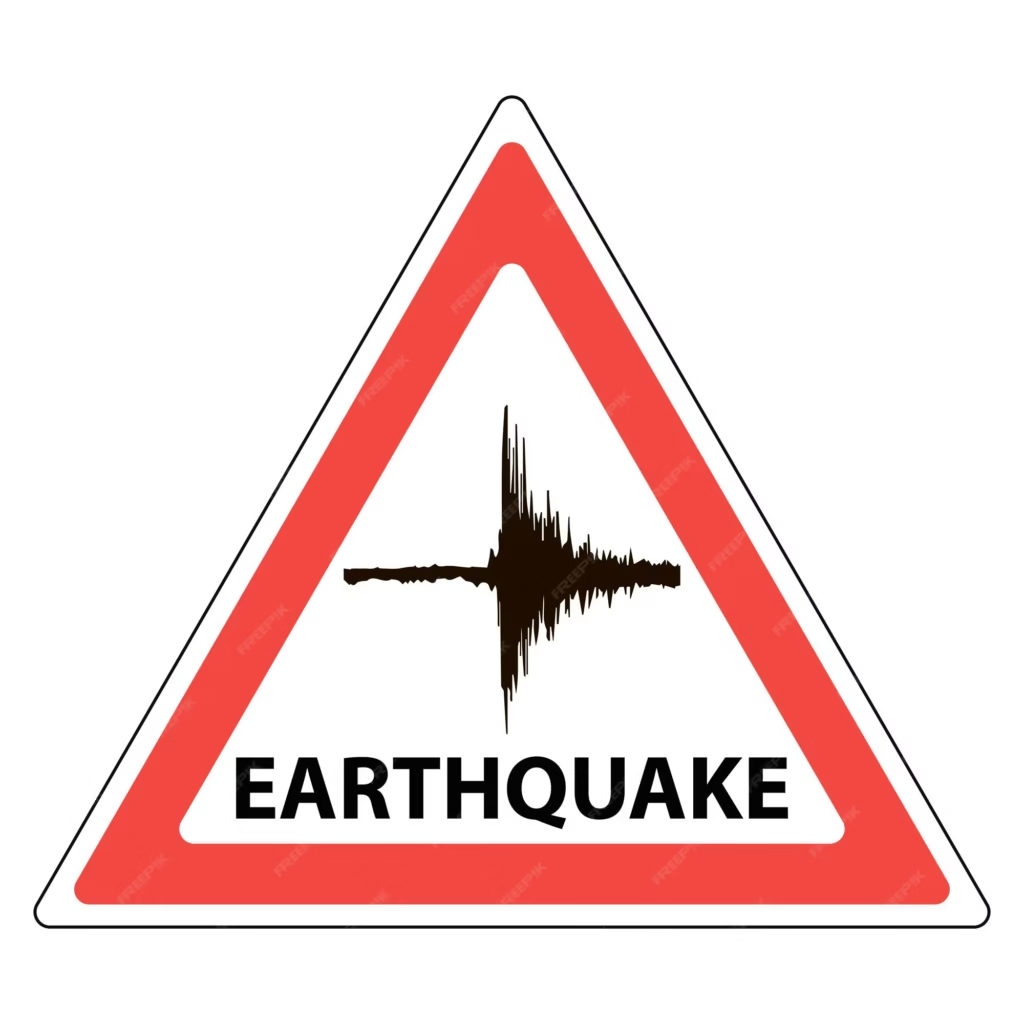
Major earthquake shocks hit Japan’s north-east on Monday night. The 7.6-magnitude quake struck at 23:15 local time. It hit about 80km off Aomori’s coast. The Japan Meteorological Agency says the quake struck at a depth of 50km.
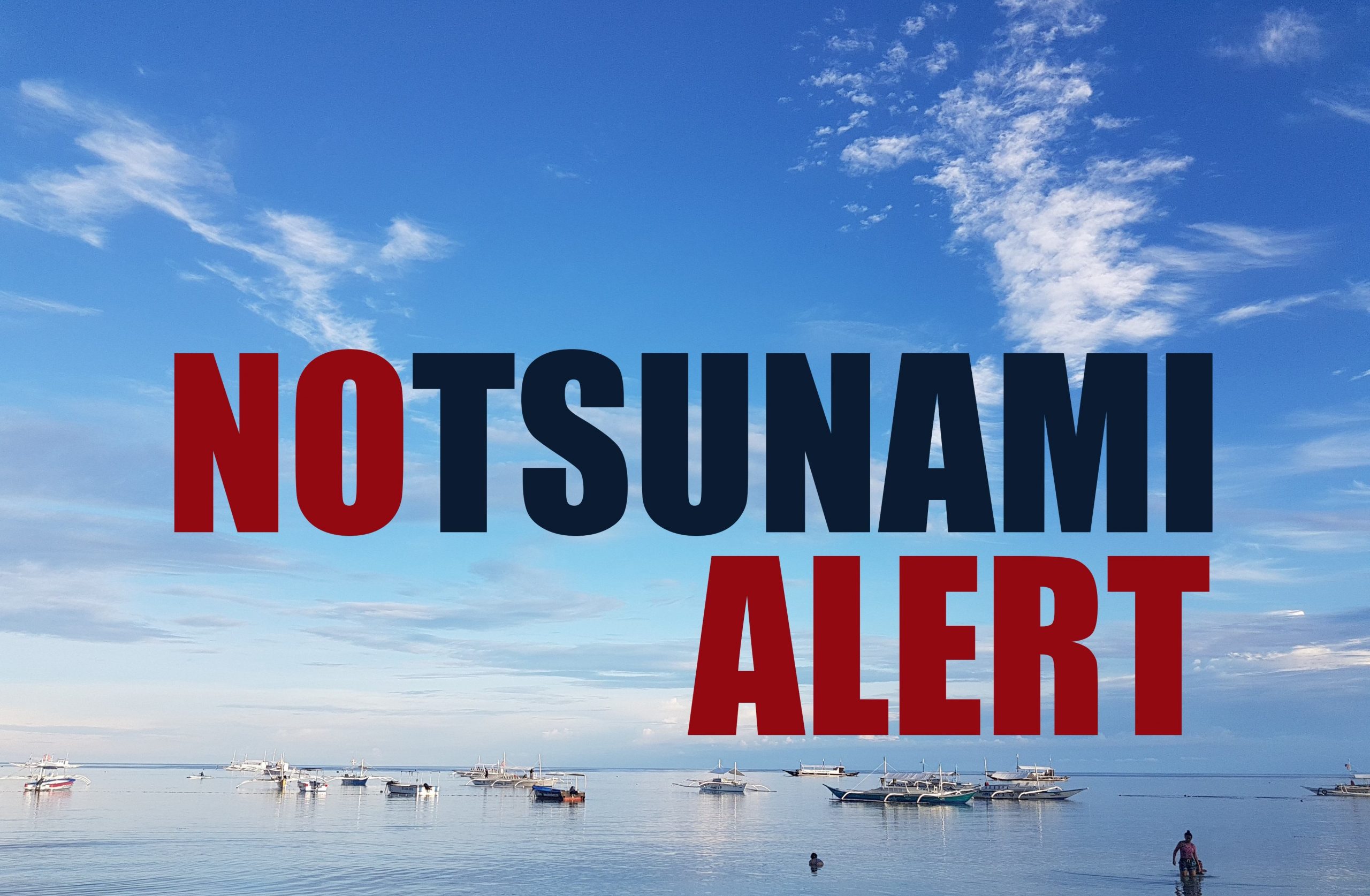
However, tsunami warnings soon shifted to milder advisories. Even so, waves reached about 40cm in several coastal areas. Local officials urged caution. Trains stopped across the region as a safety step.
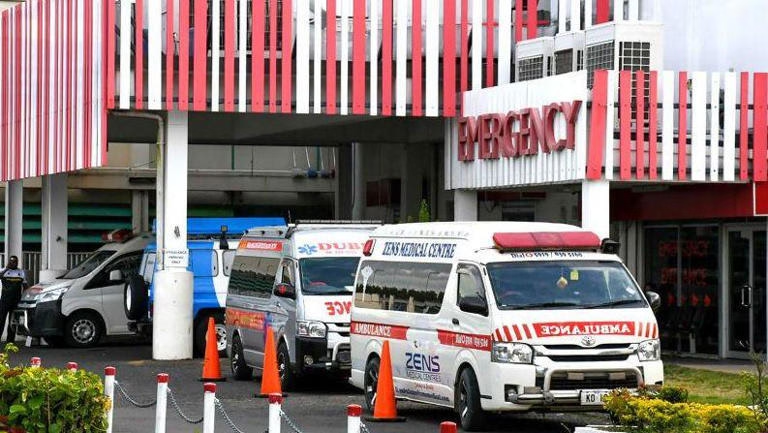
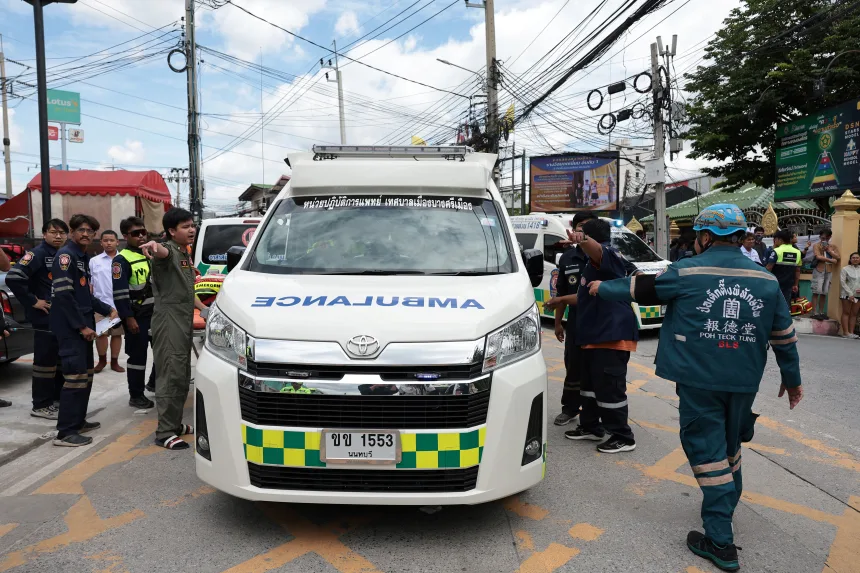
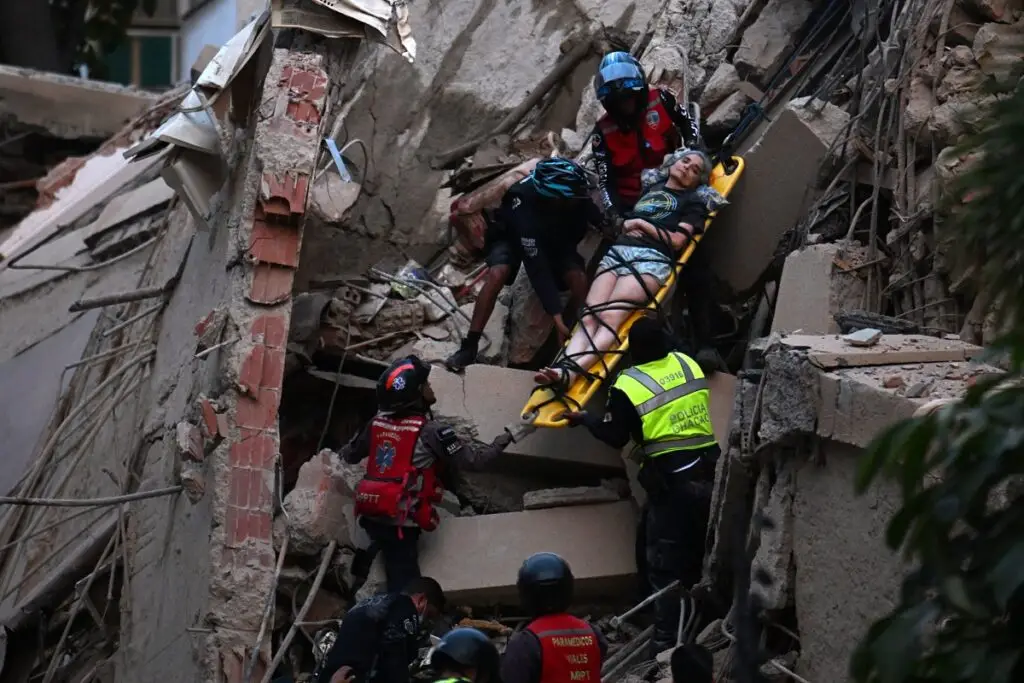
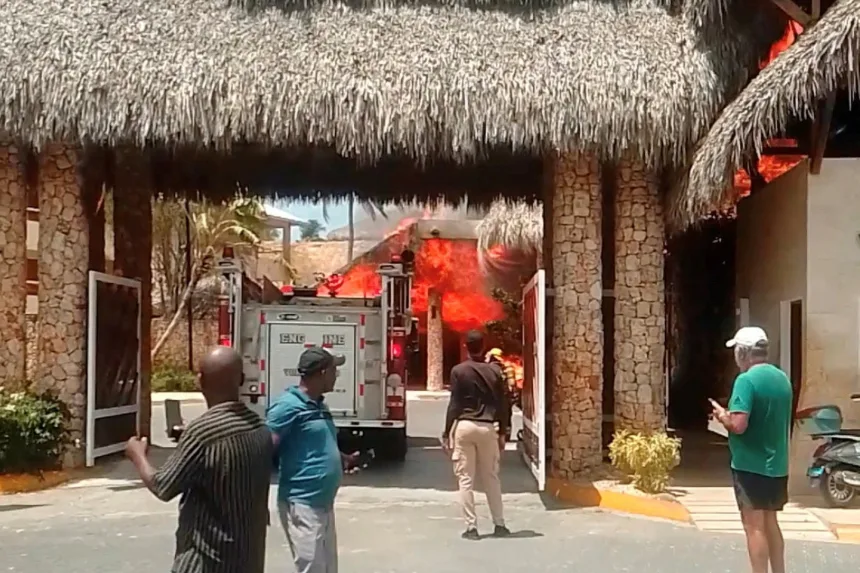
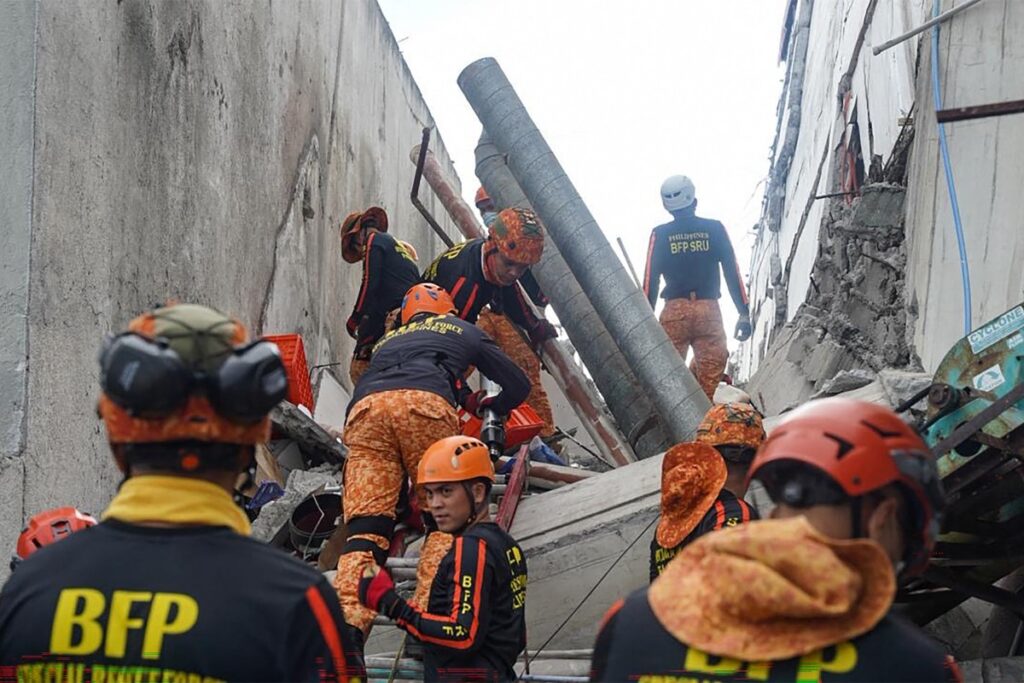
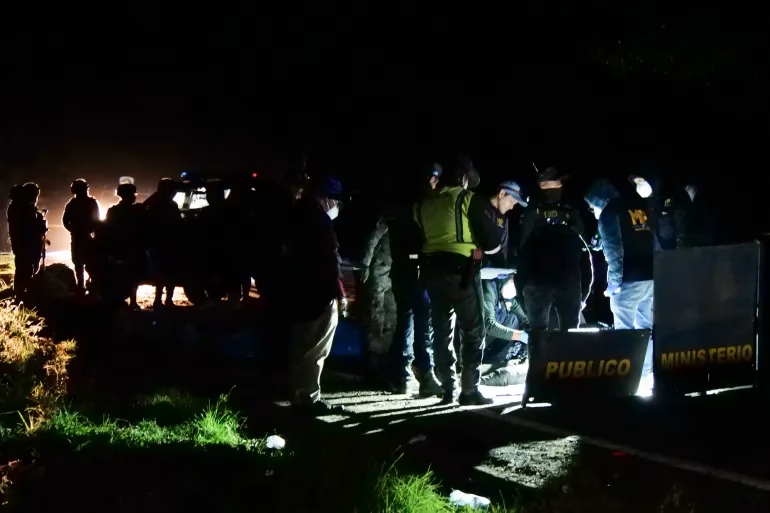
Moreover, local media reports say several people suffered injuries. A hotel worker in Hachinohe said guests and staff were hurt. Emergency crews moved quickly, and hospitals prepared for more cases.
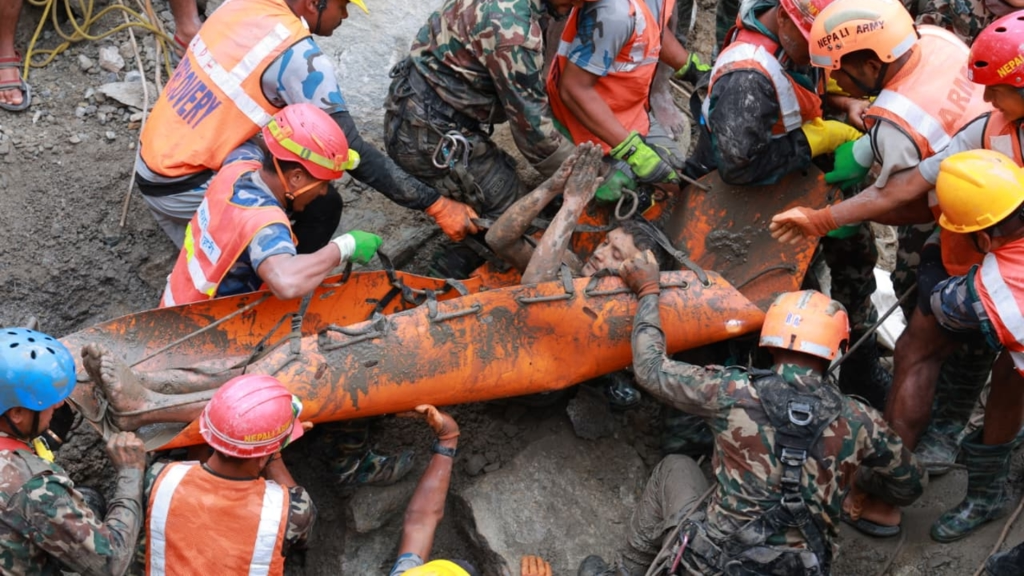
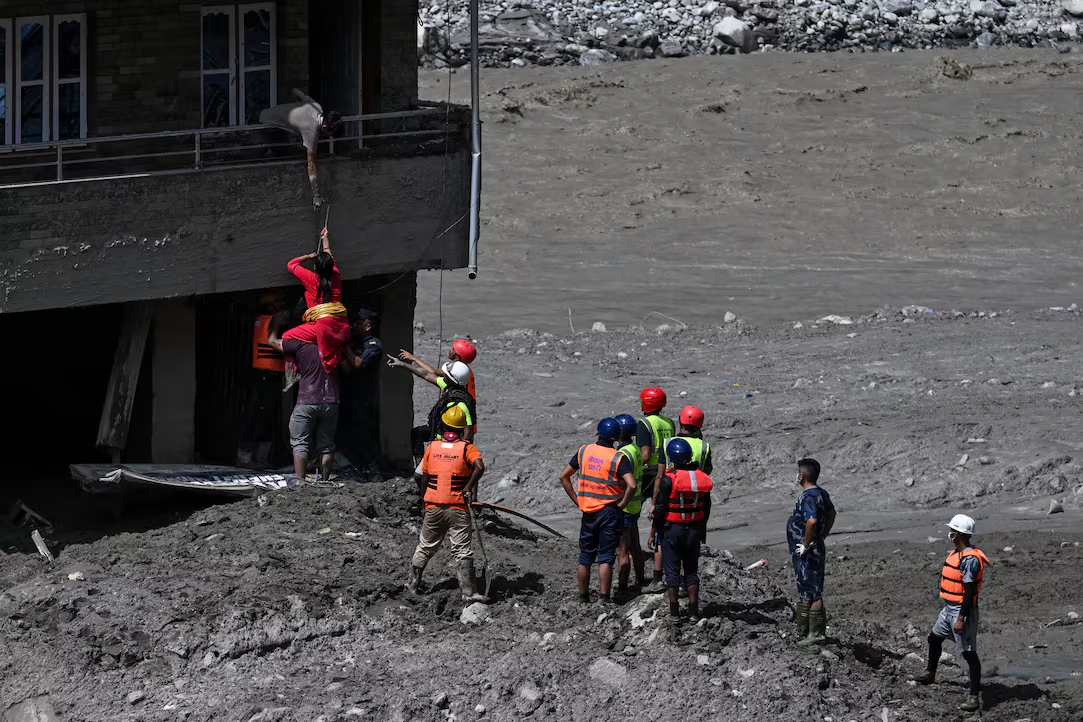
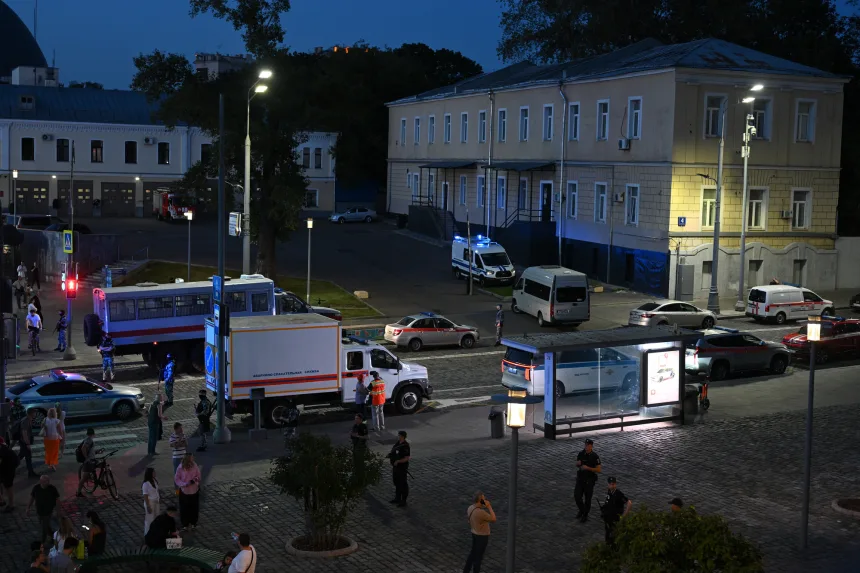
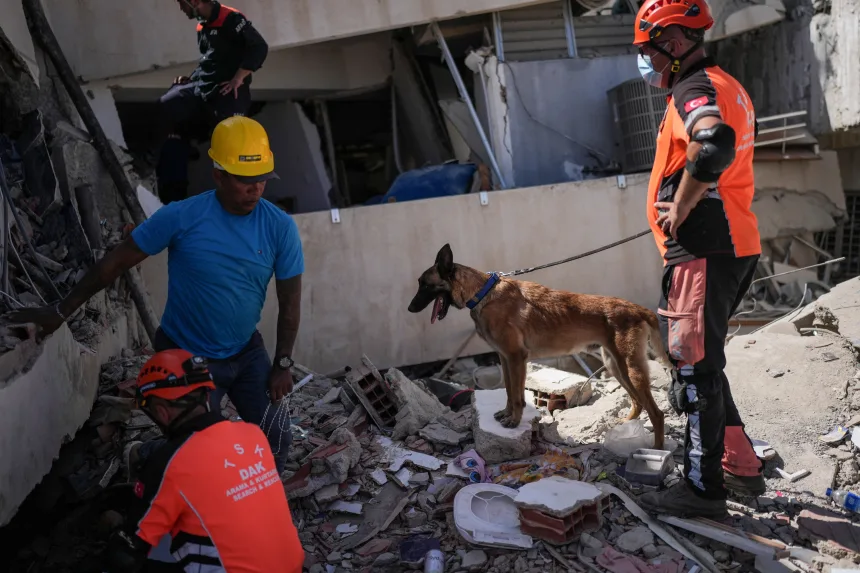
Meanwhile, the government activated its crisis response office. Chief Cabinet Secretary Minoru Kihara said teams were gathering information fast. He added that rescue and relief efforts were already underway. Authorities also coordinated with regional leaders to speed support.
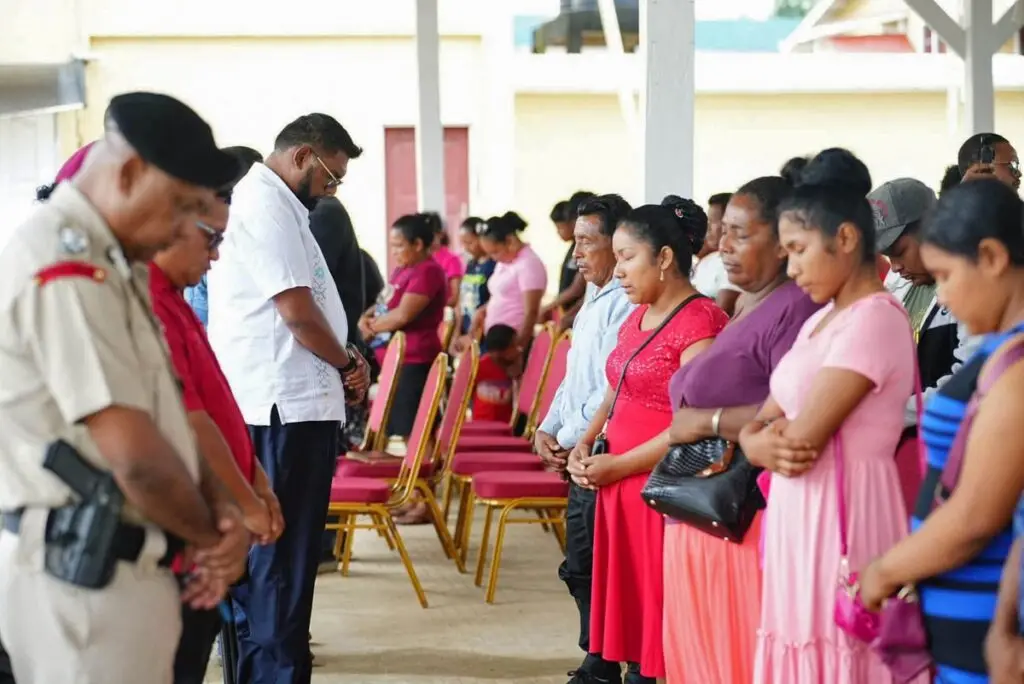
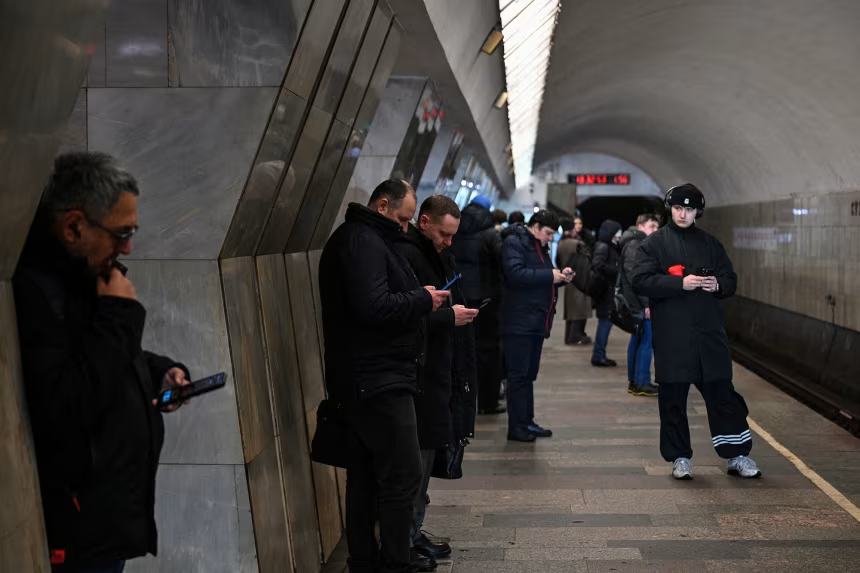
Furthermore, evacuation orders covered nearly 90,000 residents. Many people moved to higher ground or public shelters. Crowds stayed calm, yet fear spread as aftershocks continued. Officials warned residents to remain alert for several hours.
Even so, there were no reported issues at key nuclear sites. Tohoku Electric Power confirmed normal conditions at the Higashidori and Onagawa plants. Additionally, Japanese regulators told the International Atomic Energy Agency that Fukushima also showed no irregularities.
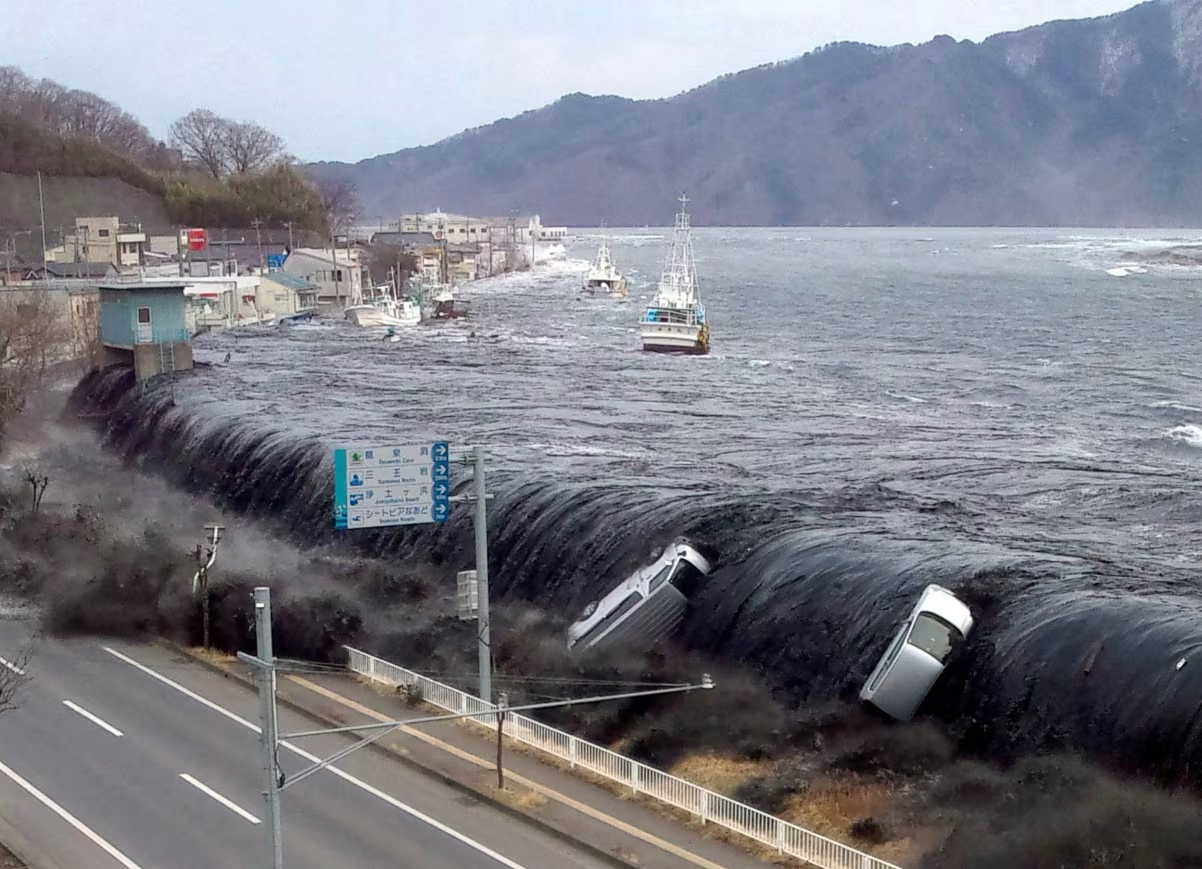
This reassurance mattered because Japan still remembers the 2011 disaster. That earlier 9.0-magnitude quake triggered a huge tsunami. It killed more than 18,000 people. Entire towns disappeared under waves. Consequently, today’s quake revived painful memories for many residents.
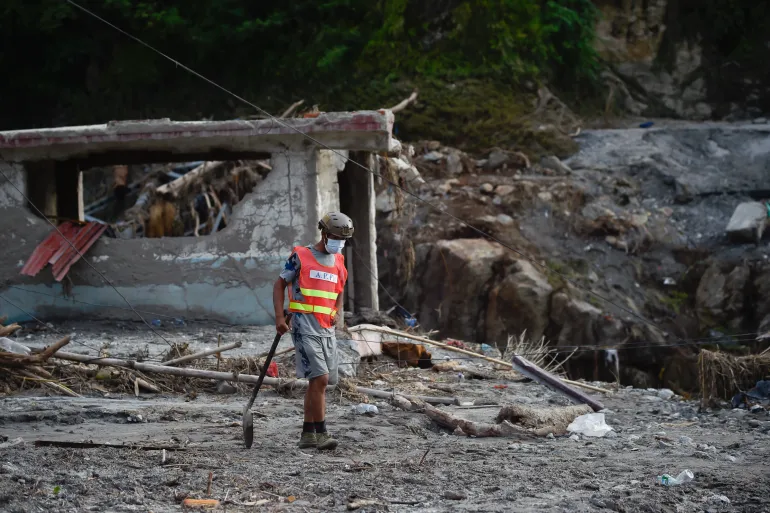
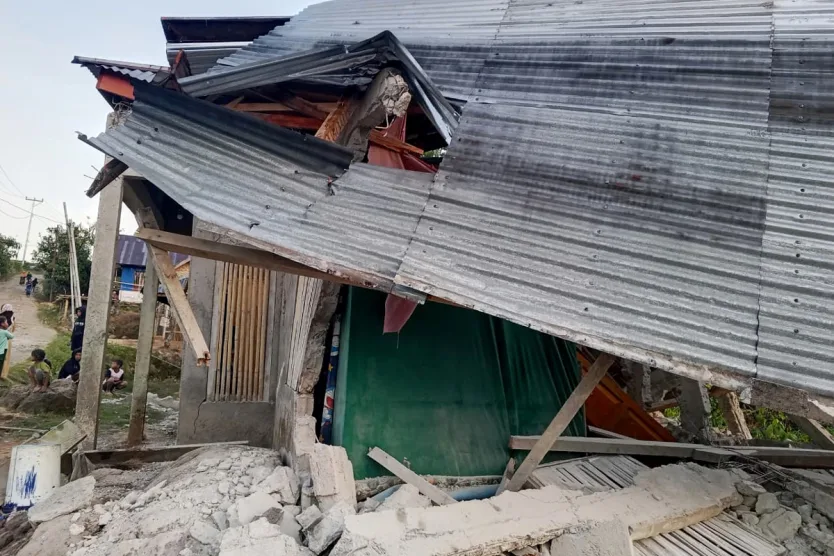
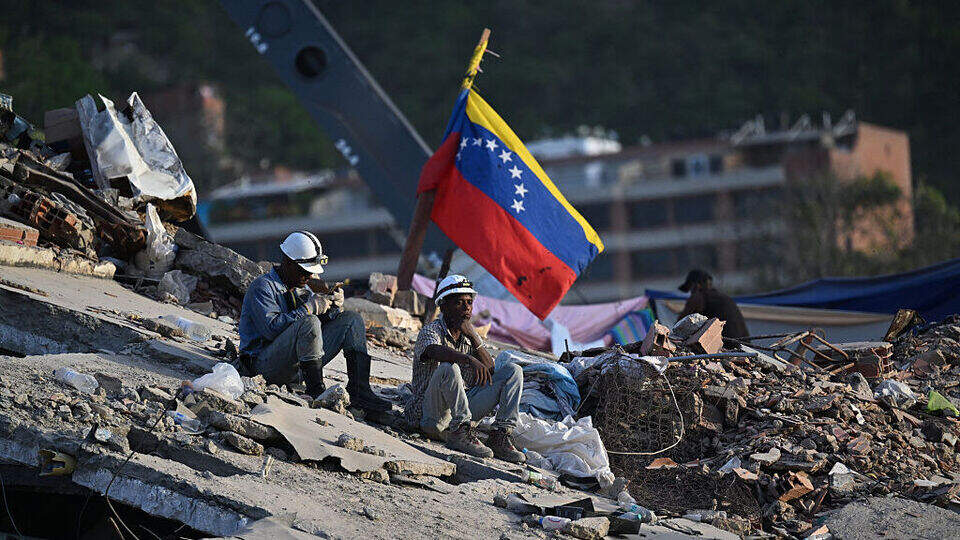
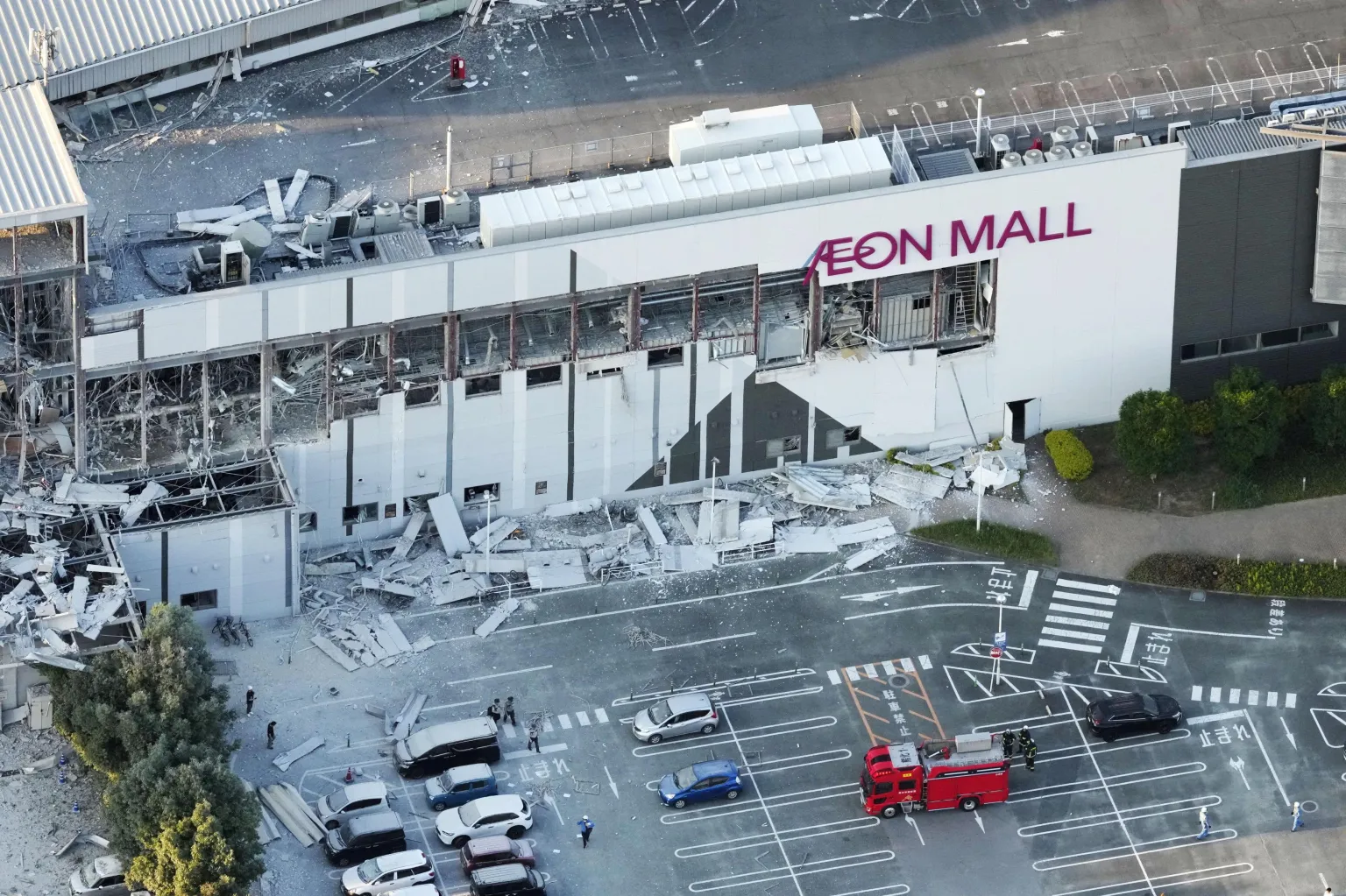
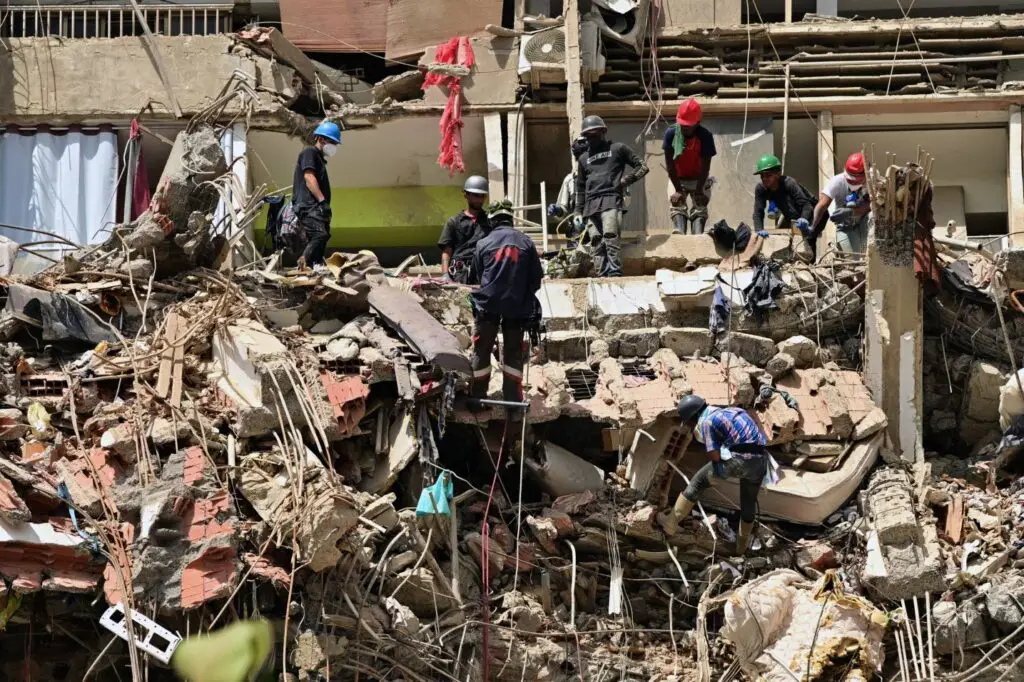
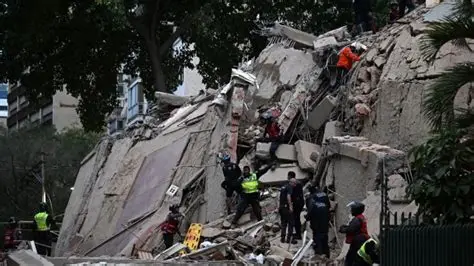
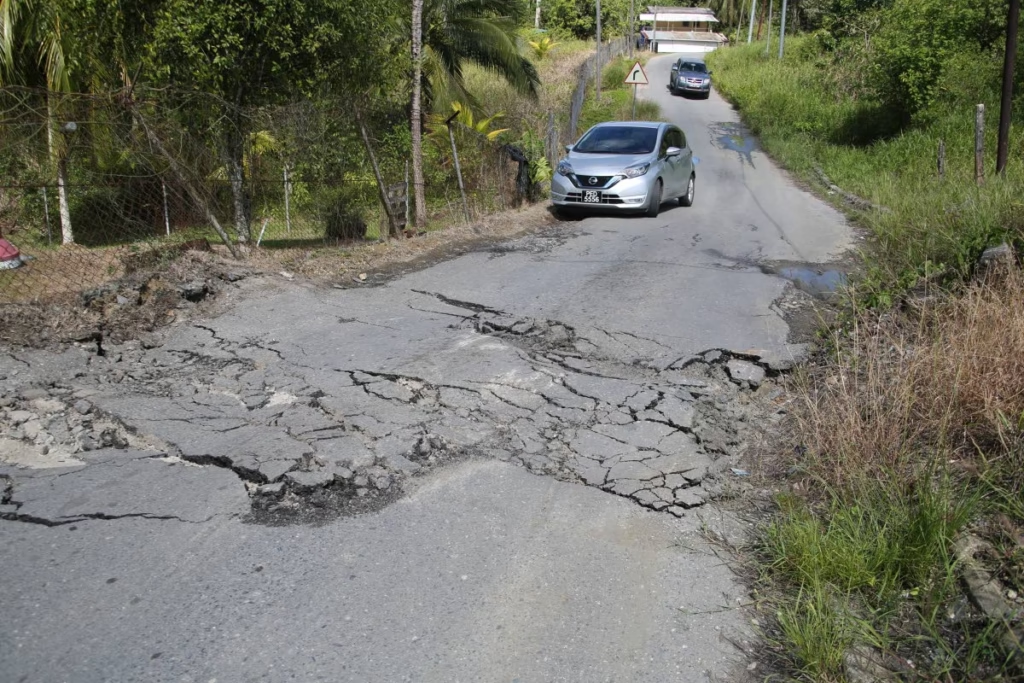
Still, experts noted that Japan’s strict building rules reduced widespread destruction this time. Reinforced structures kept damage limited in many cities. Engineers continue assessing bridges, ports, and rail lines.
Also, meteorologists warned that aftershocks could last for days. They urged people to avoid cliffs, old buildings, and unstable roads. Emergency crews remain active across Aomori and nearby prefectures.
In addition, communication lines stayed open, which helped families check on loved ones. Broadcasters like NHK aired constant updates. Shelters offered blankets, water, and charging stations.
As night turned to early morning, officials stressed patience and vigilance. More assessments will shape the next steps. Even though damage seems manageable, the situation remains fluid. Japan’s emergency network continues working nonstop to keep residents safe.
Join the Dadli News WhatsApp Group: https://chat.whatsapp.com/L04JxtMbG39FLBbxYWlz9T
Join the Dadli News WhatsApp Channel: https://whatsapp.com/channel/0029VbBcJ3gKLaHkB4lQXM1m