
 English








































































































































































































































































































































































































































































































































































































































































































































































































































































































































































































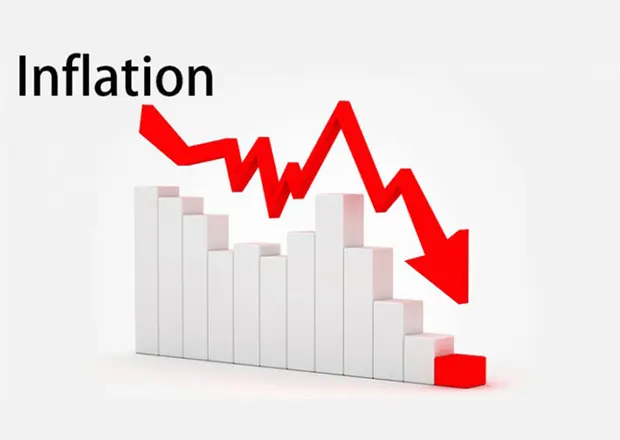




























































































































































































































































































































































































































































































































































































































































































Inflation Falls to 1.4% as Economy Keeps Growing
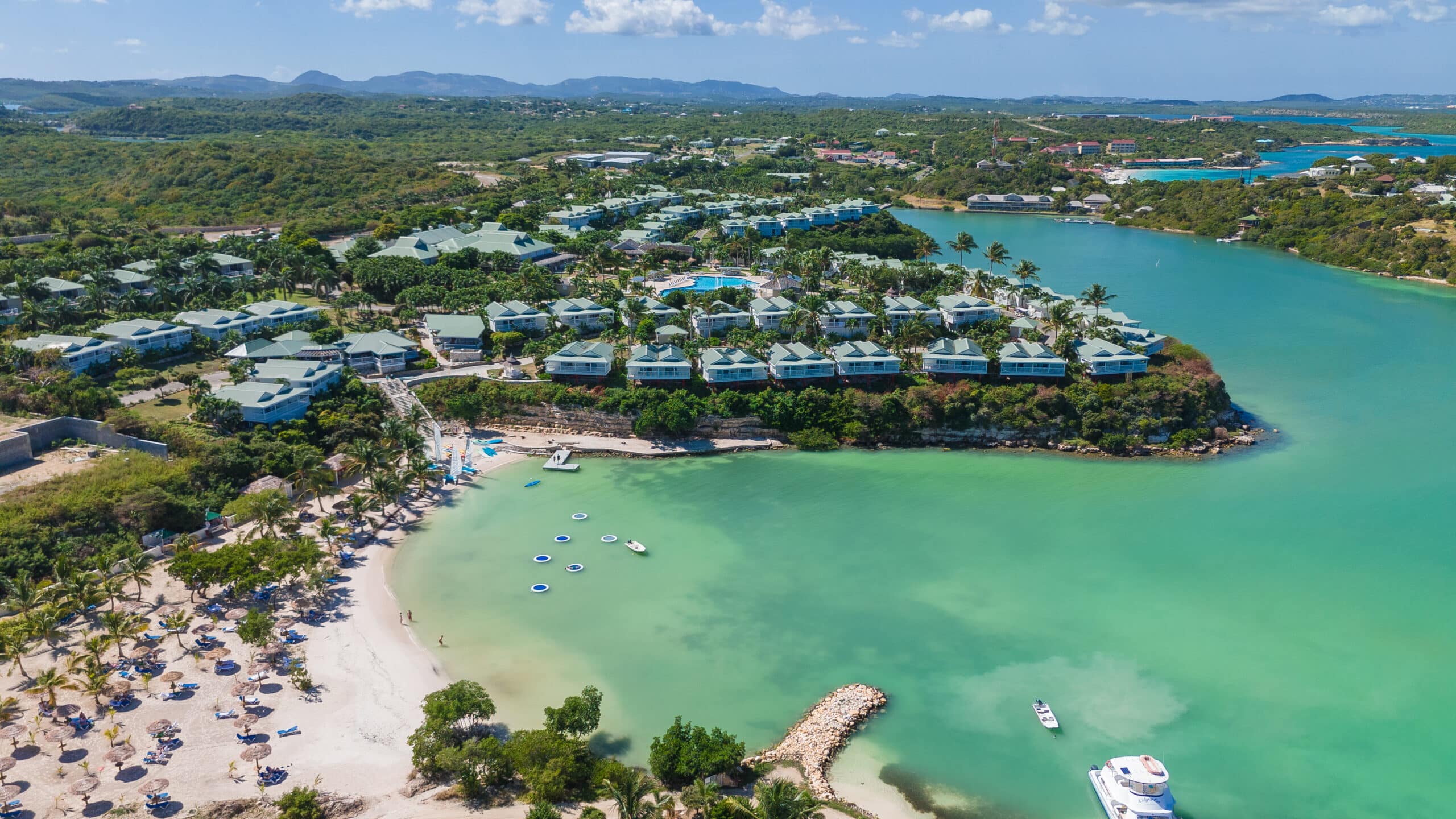
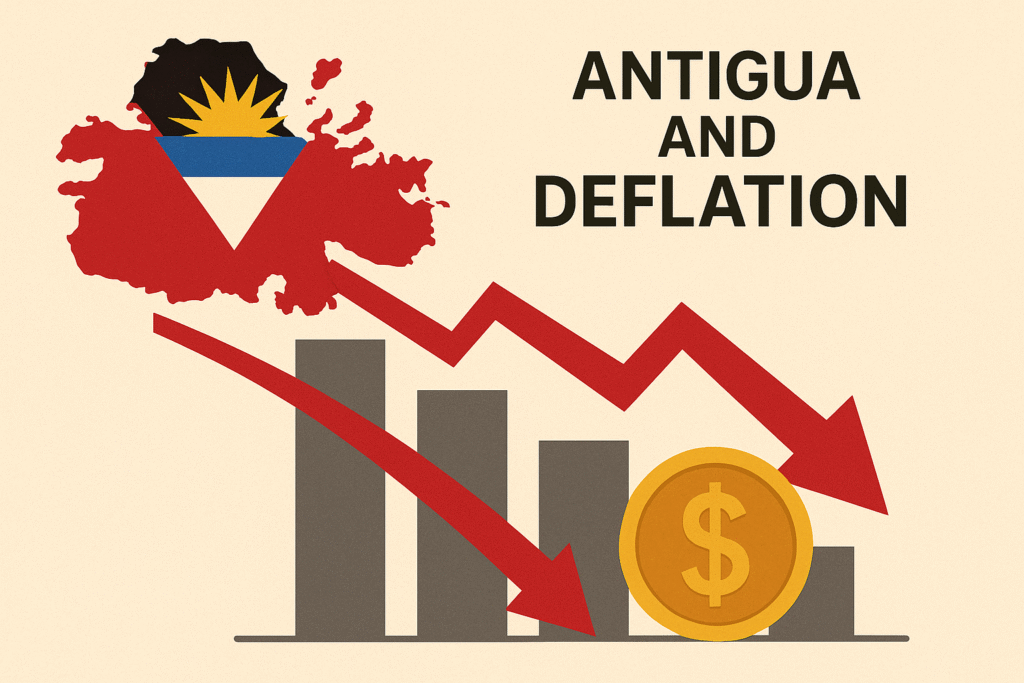
Inflation dropped sharply in Antigua and Barbuda during 2025, according to the International Monetary Fund. At the same time, the country’s economy continued to expand despite slower tourism activity.
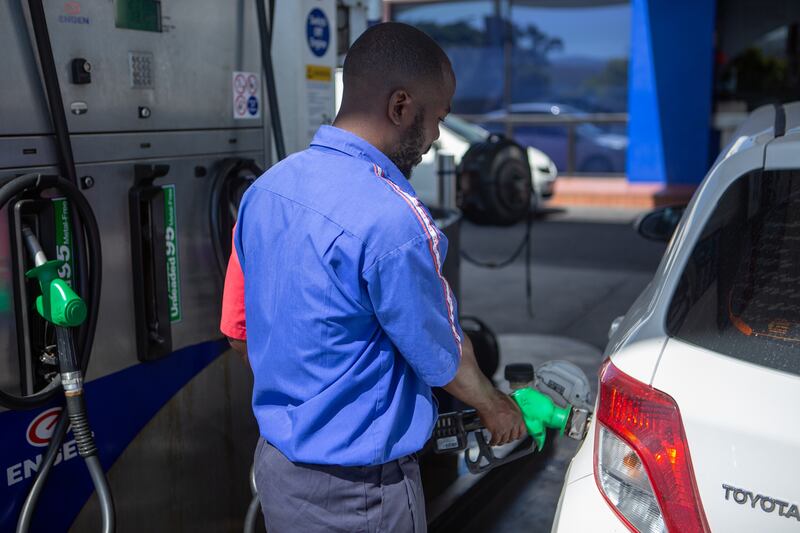
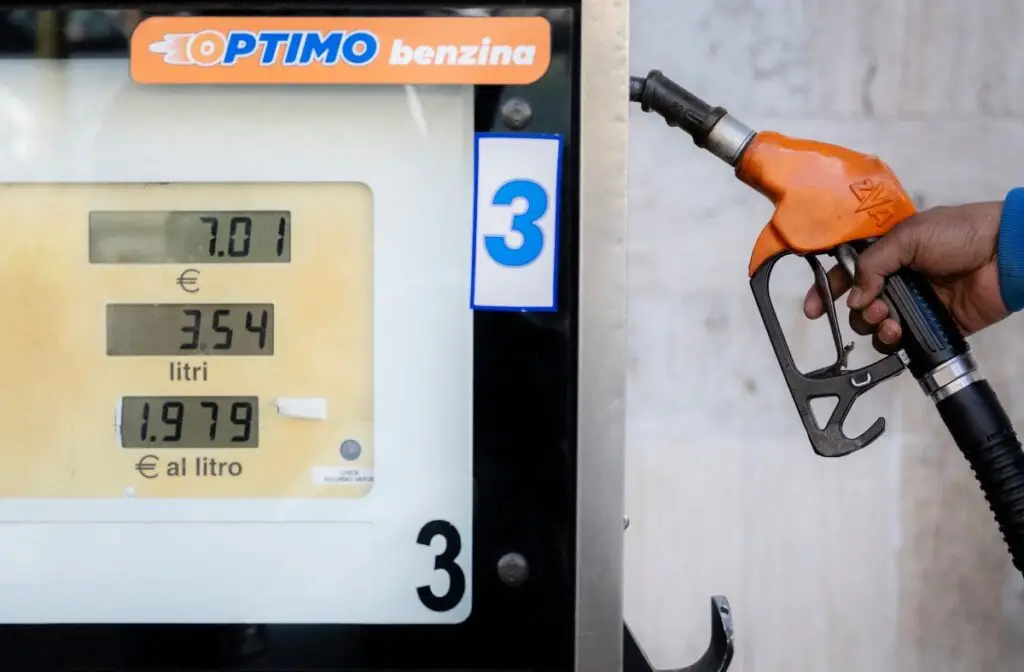
The IMF said average inflation fell to 1.4 percent in 2025. In comparison, inflation stood above 6 percent in 2024. As a result, consumers faced much lower price pressures this year.
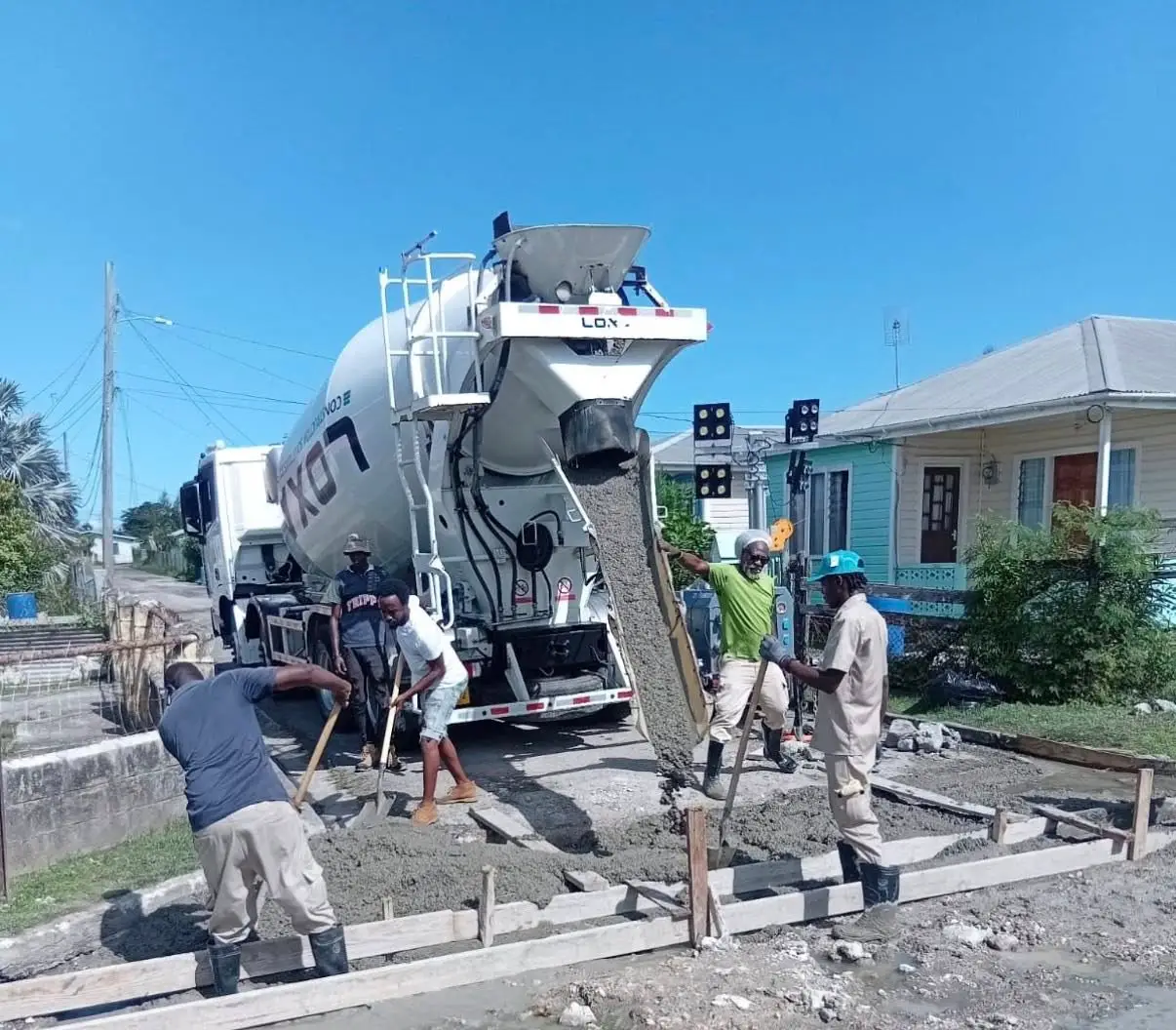
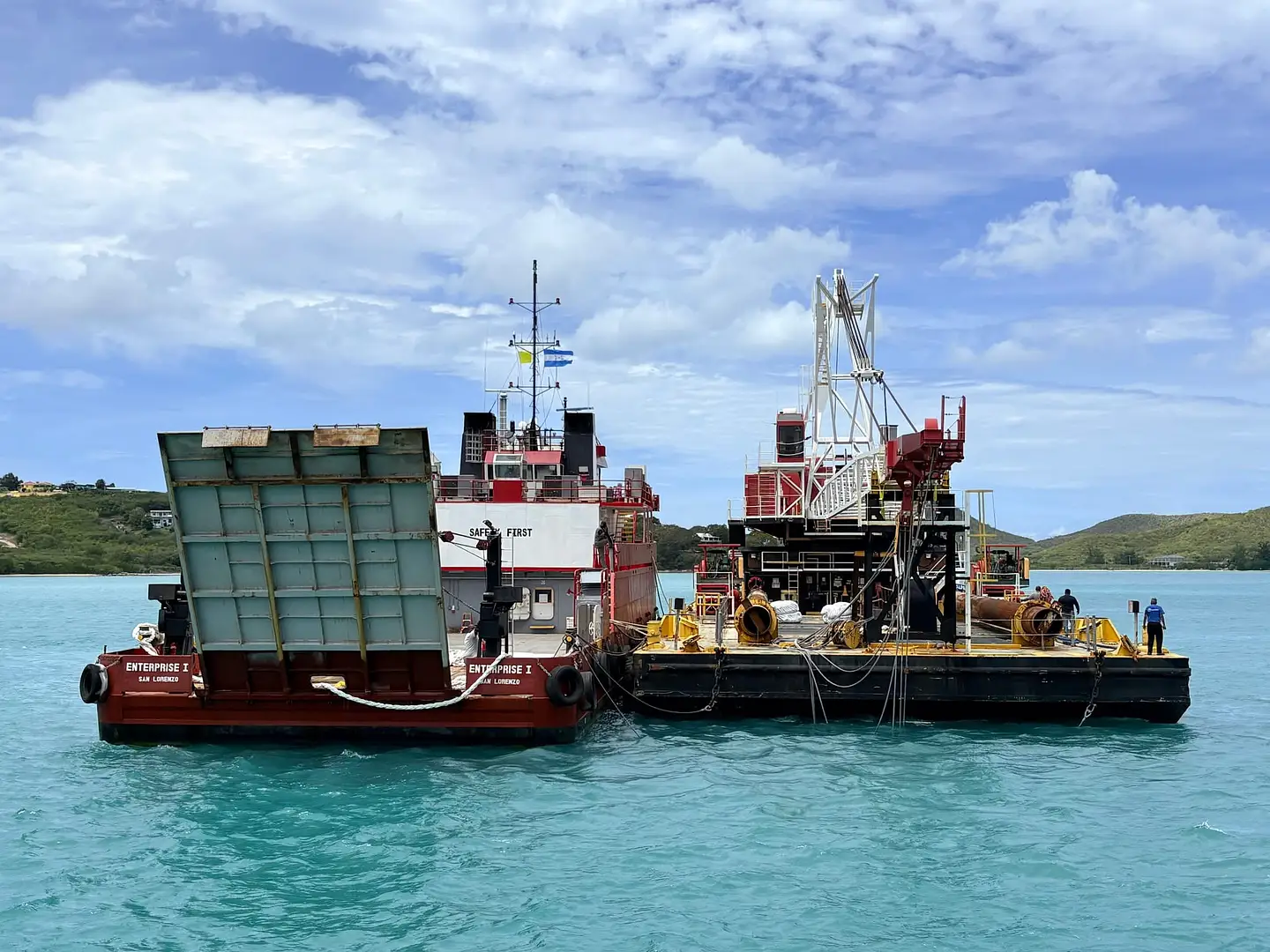
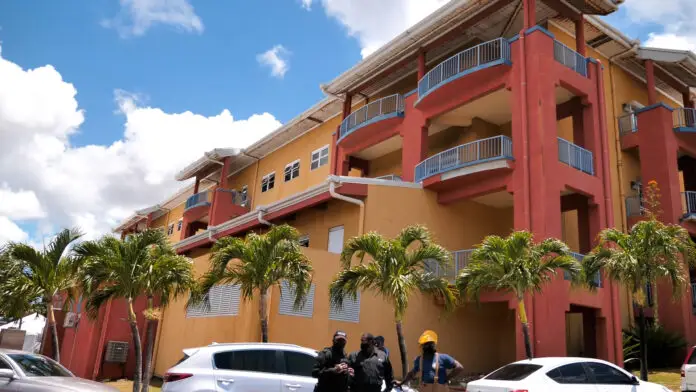
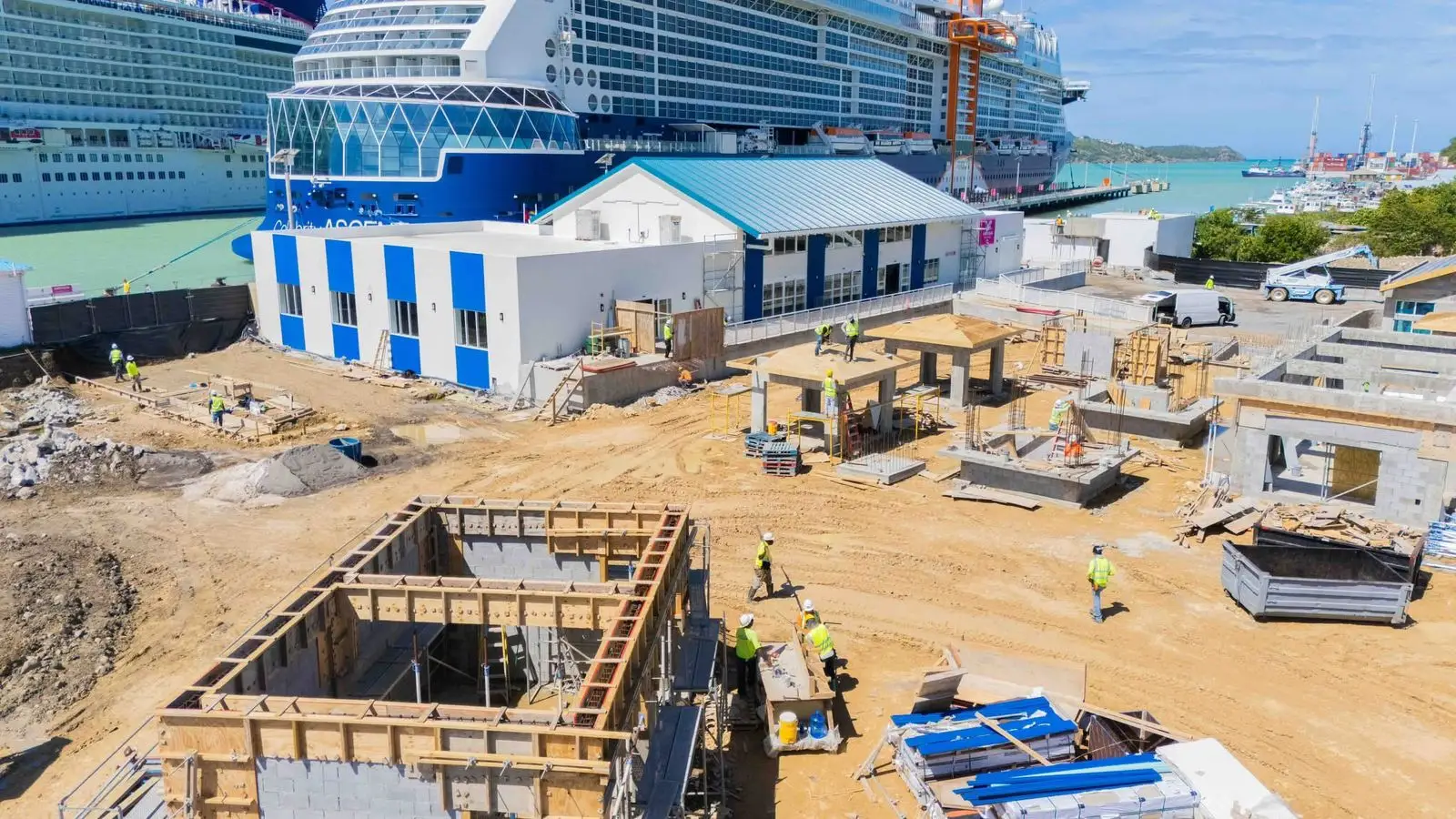
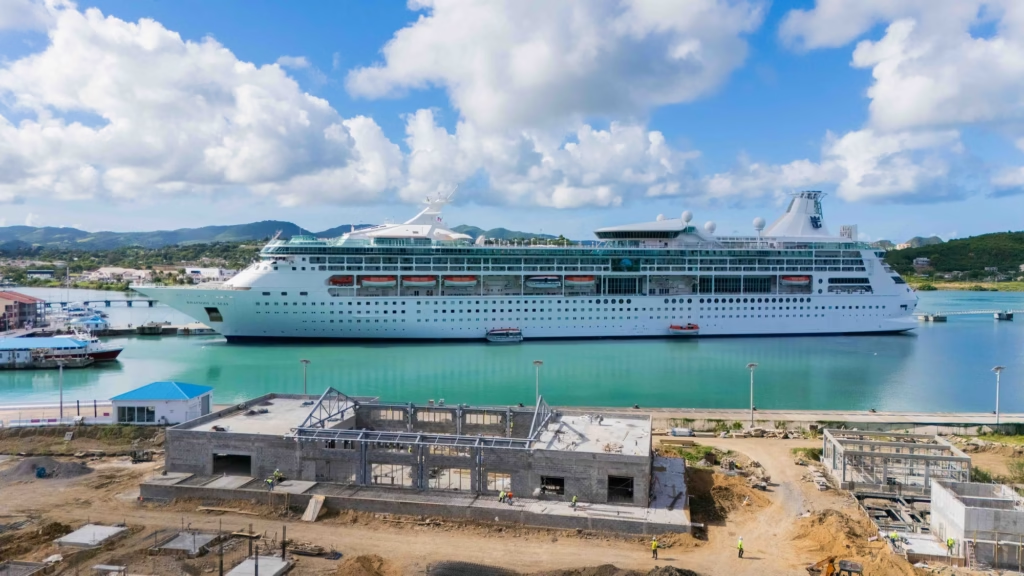
Meanwhile, economic growth remained positive across the country. The IMF estimated real GDP growth at 3 percent in 2025. Construction activity mainly supported that expansion.
Although tourism activity slowed, the economy still showed resilience. The IMF said steady construction projects helped maintain growth momentum throughout the year.
In addition, employment conditions continued to improve. The report noted that jobs gradually recovered to pre-pandemic levels. Therefore, more people returned to work as economic activity increased.
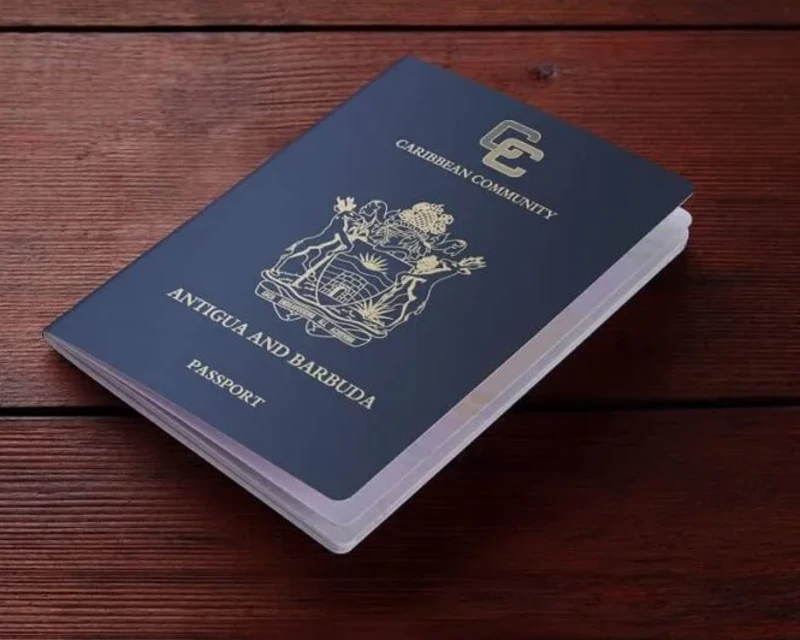
The IMF also highlighted stronger fiscal performance over the past two years. According to the report, improved tax collection supported government revenues. Furthermore, increased Citizenship-by-Investment Programme inflows strengthened public finances.
At the same time, the government maintained restraint in current spending. Consequently, fiscal conditions improved further during the period.
Public debt also continued to decline steadily. The IMF estimated debt fell from 101 percent of GDP in 2020 to 68 percent in 2025. As a result, the country strengthened its fiscal position significantly over five years.
Despite these gains, the IMF warned that risks remain tilted to the downside. Global uncertainty continues to affect economic conditions worldwide. In addition, commodity price volatility could create fresh challenges for small economies.
The IMF also pointed to possible slowdowns among major trading partners. Therefore, weaker external demand could affect future growth prospects.
However, the report also outlined possible opportunities for stronger growth. For example, stronger tourism demand could improve economic activity in the coming years.
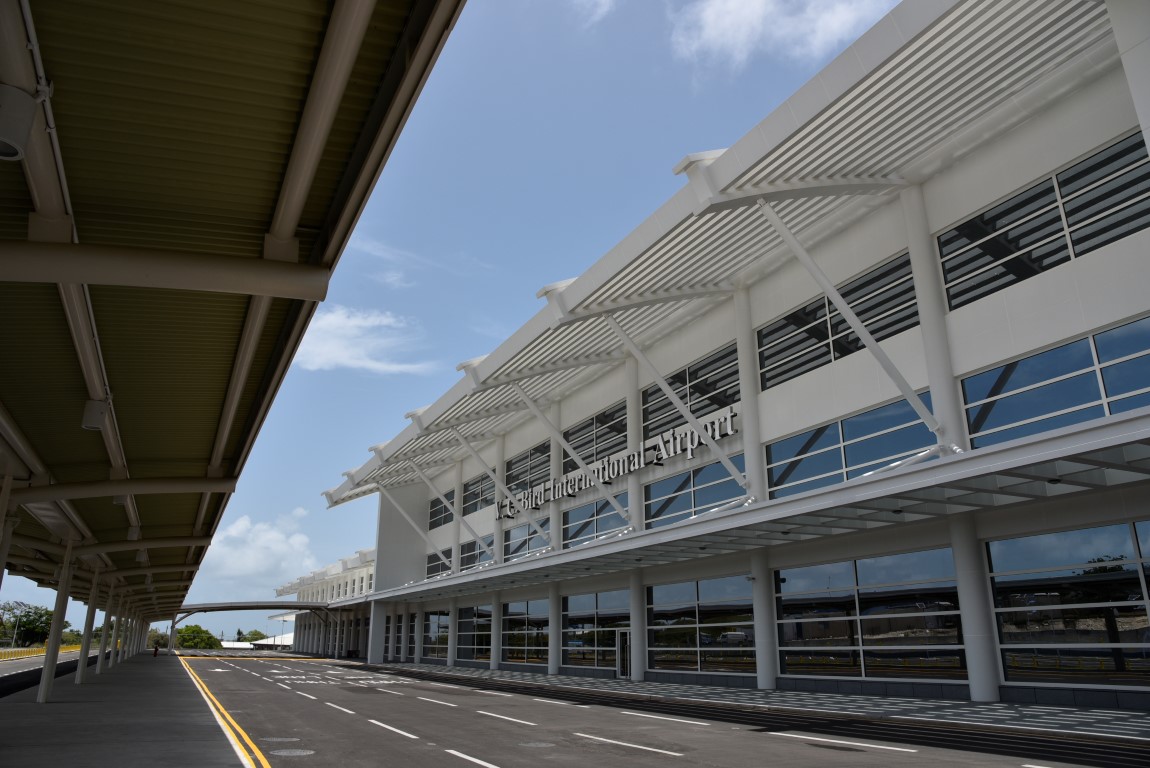
Moreover, improved connectivity could support trade and visitor arrivals. The IMF added that productivity-enhancing reforms may also strengthen long-term economic performance.
Overall, the IMF described Antigua and Barbuda’s economy as stable but still vulnerable to outside pressures. While inflation eased sharply and growth continued, global risks remain an important concern for the country’s outlook.