
 English
































































































































































































































































































































































































































































































































































































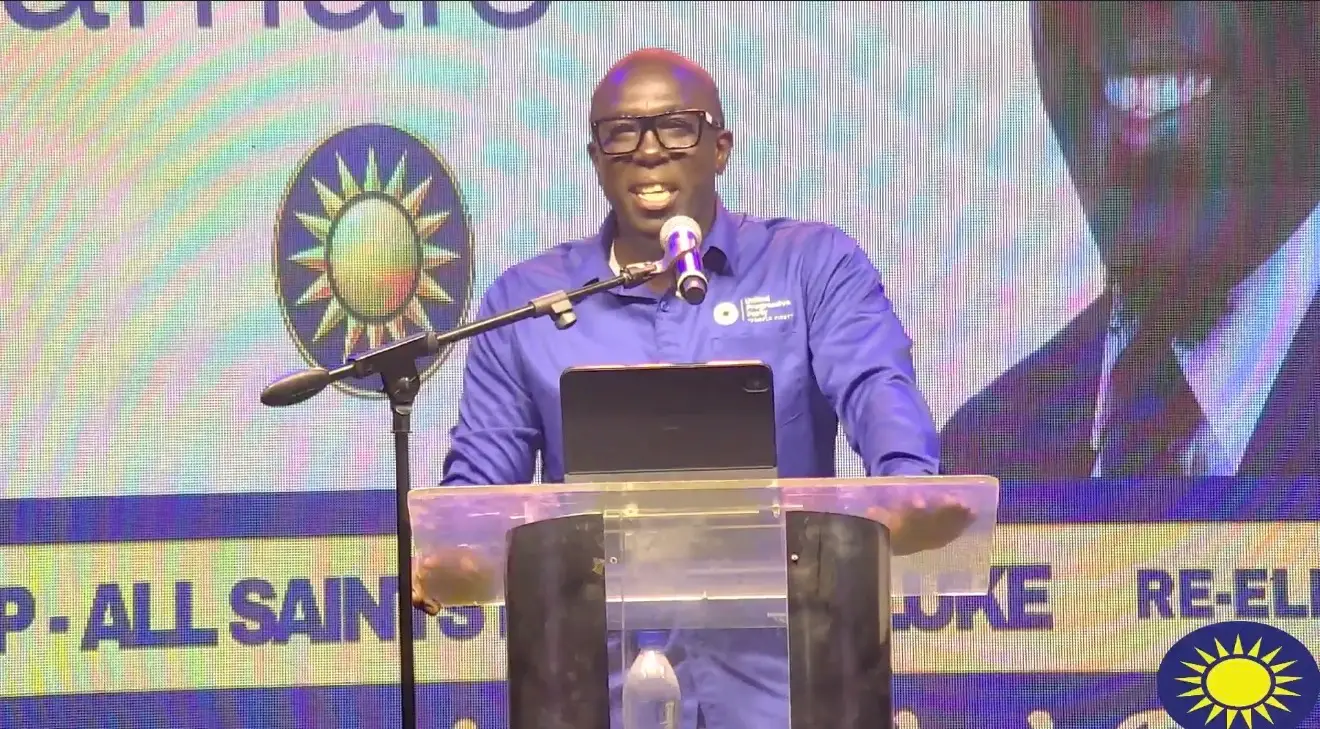


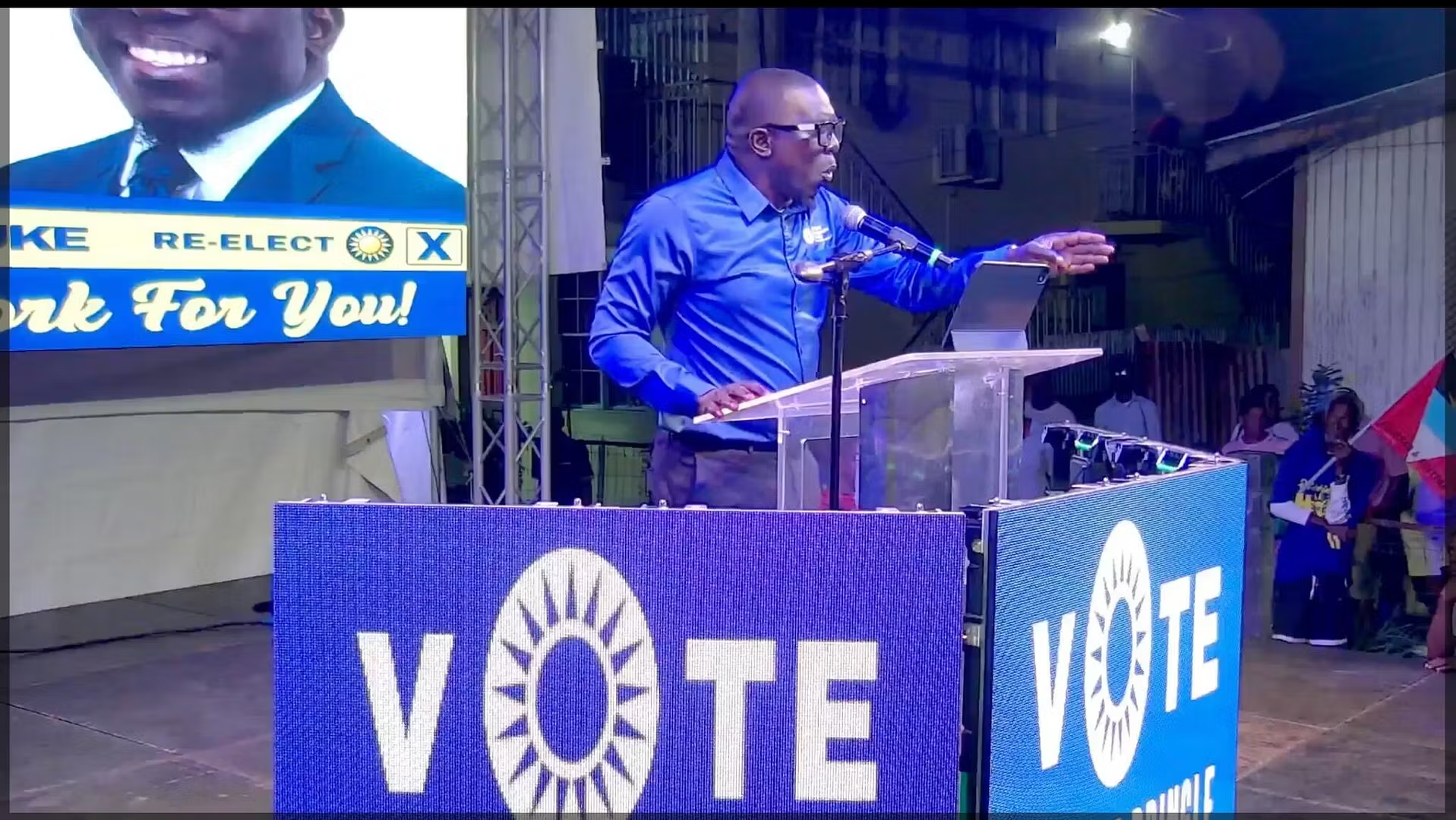


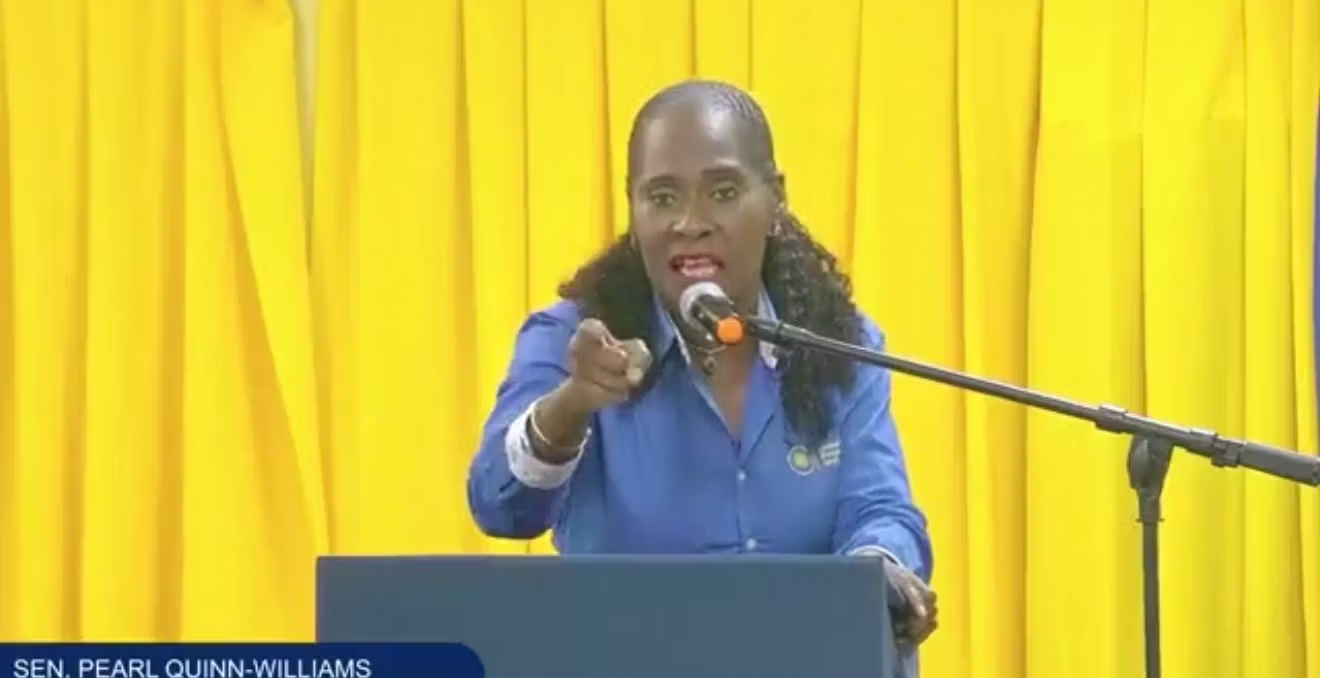



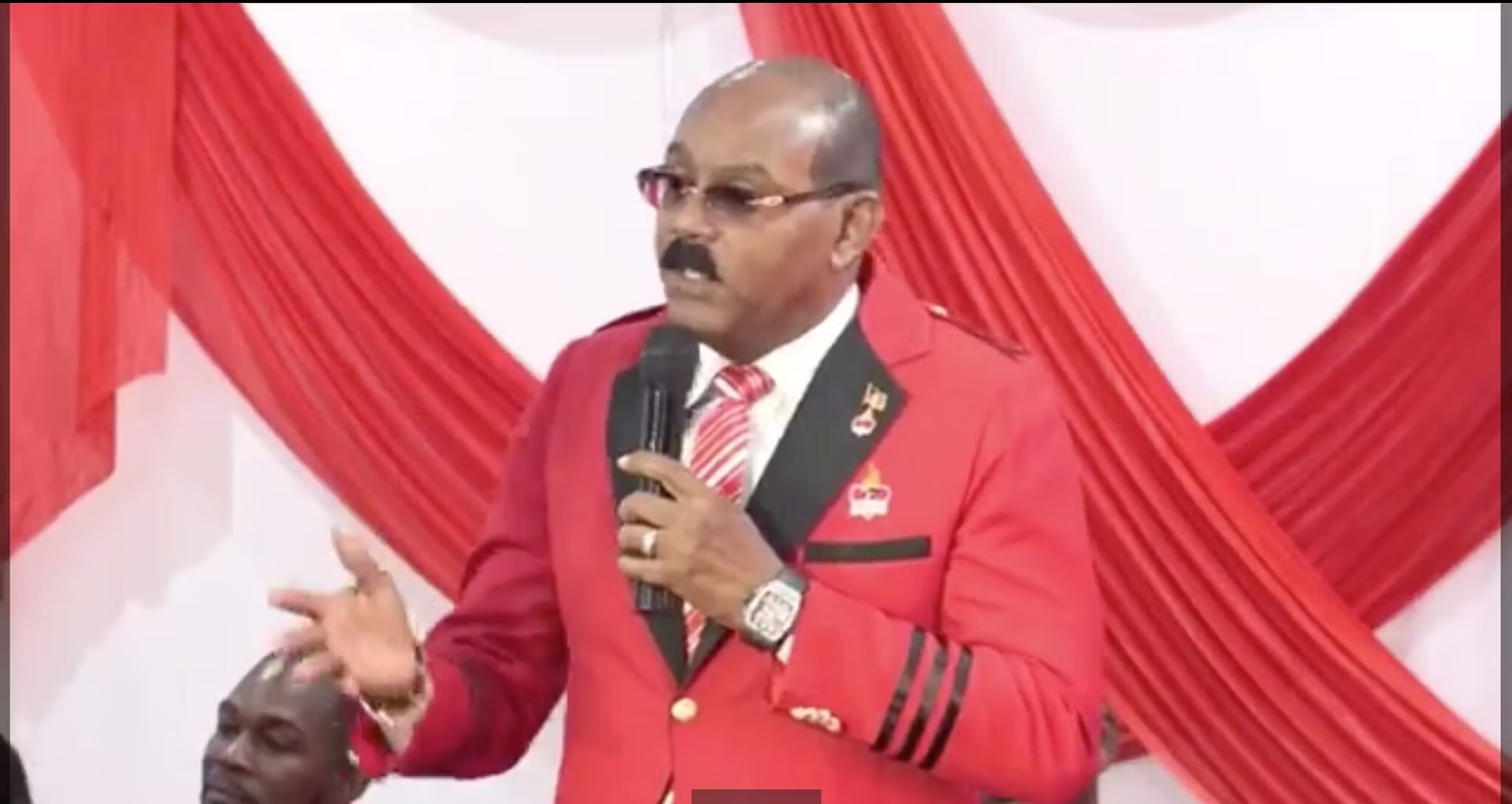

























































































































































































































































































































































































































































































































































































































































































































































































Antigua drops monarch oath in historic reform
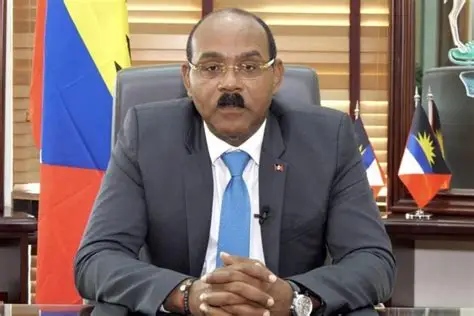
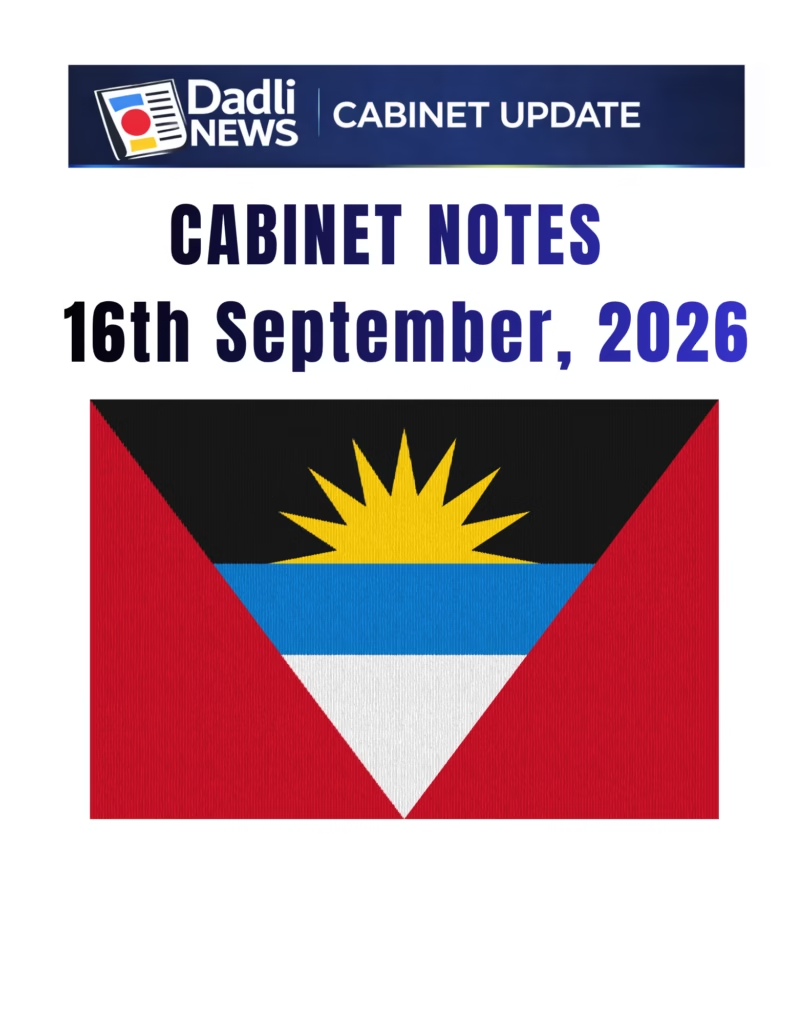
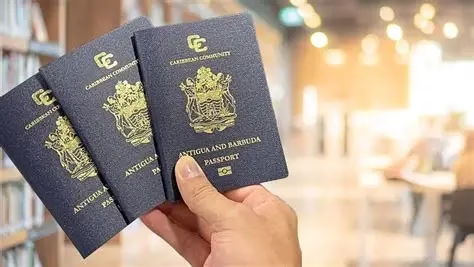
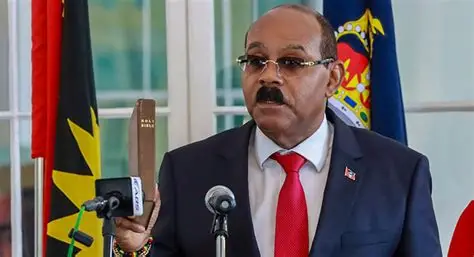
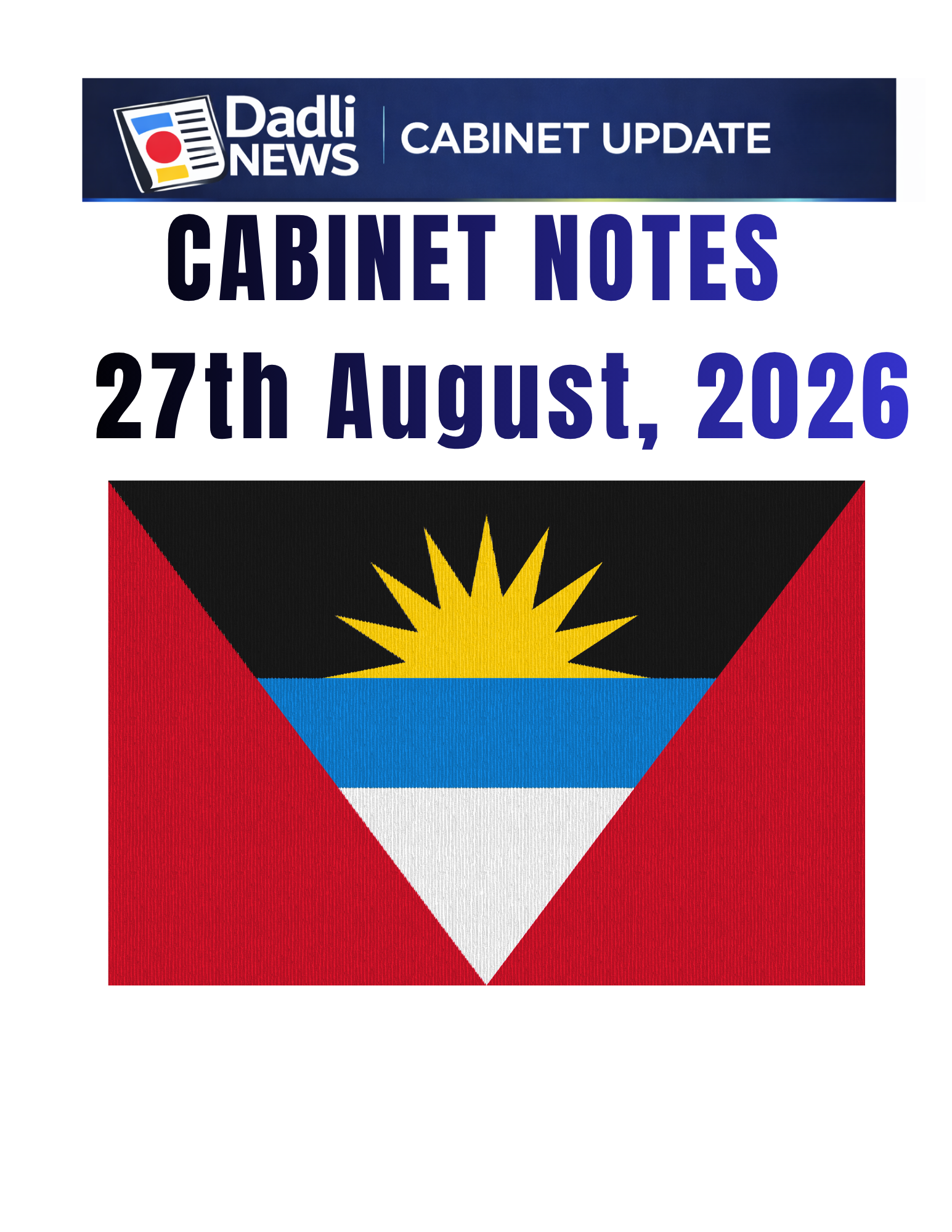
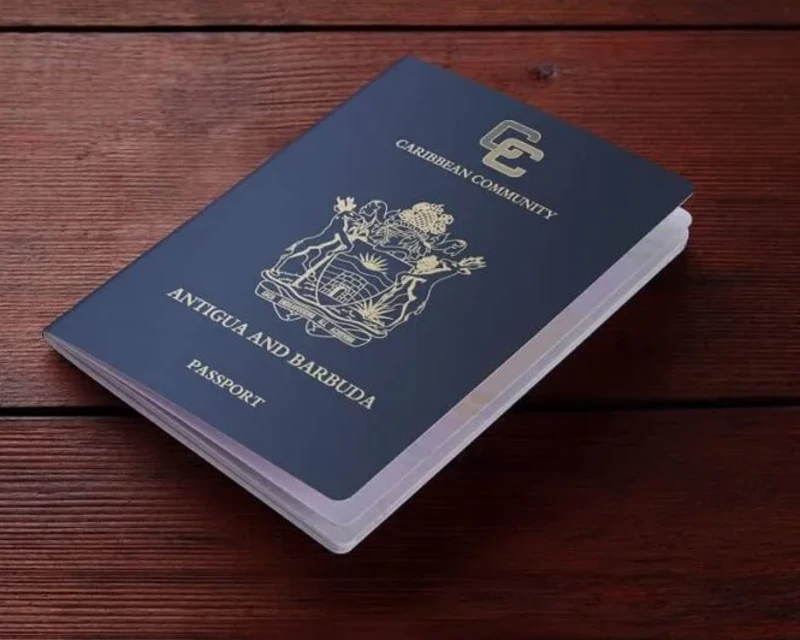
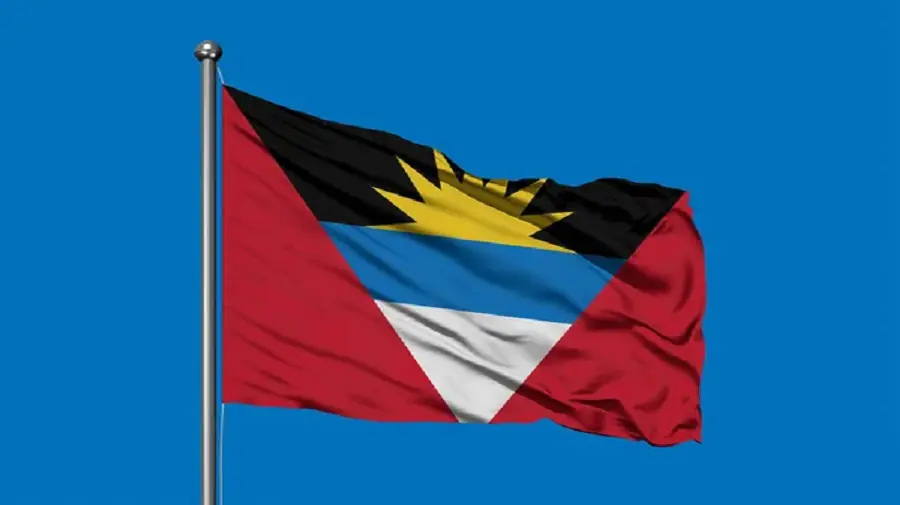
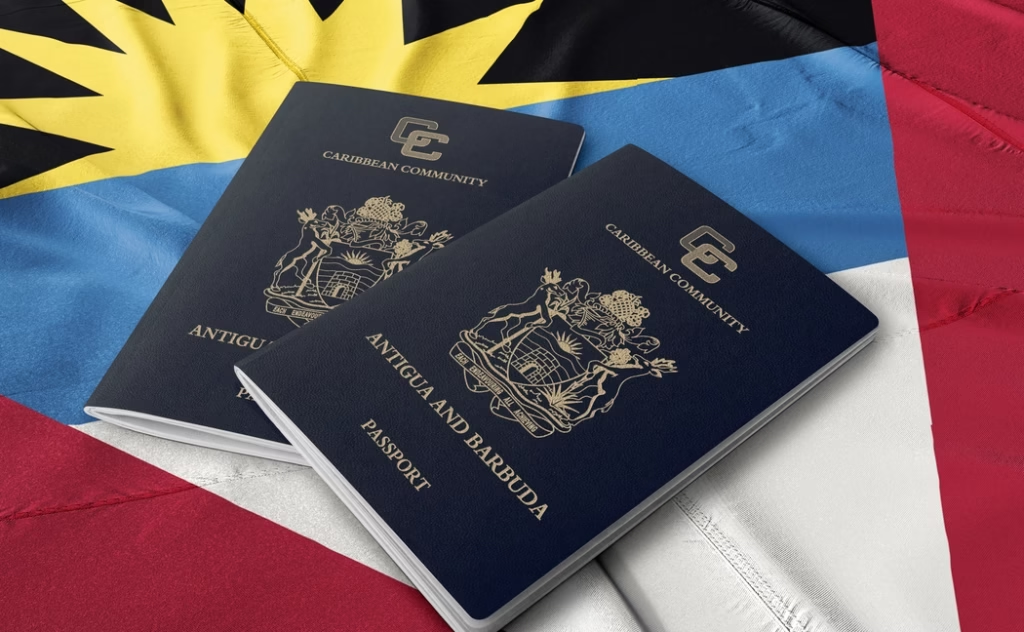
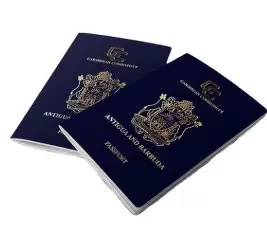
Antigua and Barbuda has officially ended the oath of allegiance to the British monarch.
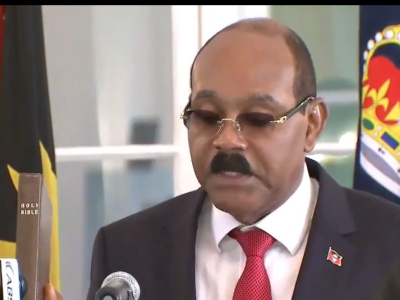
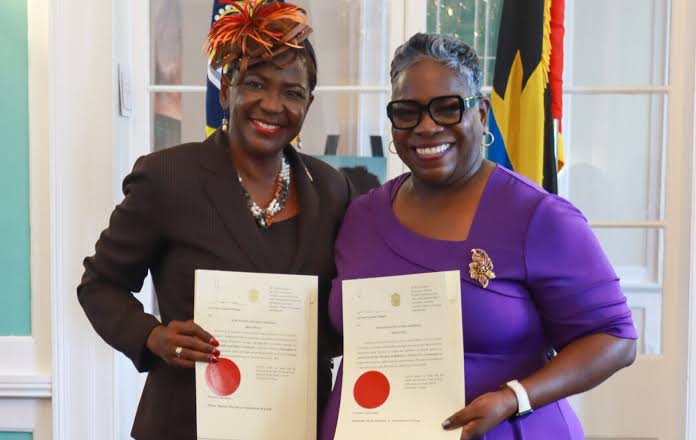
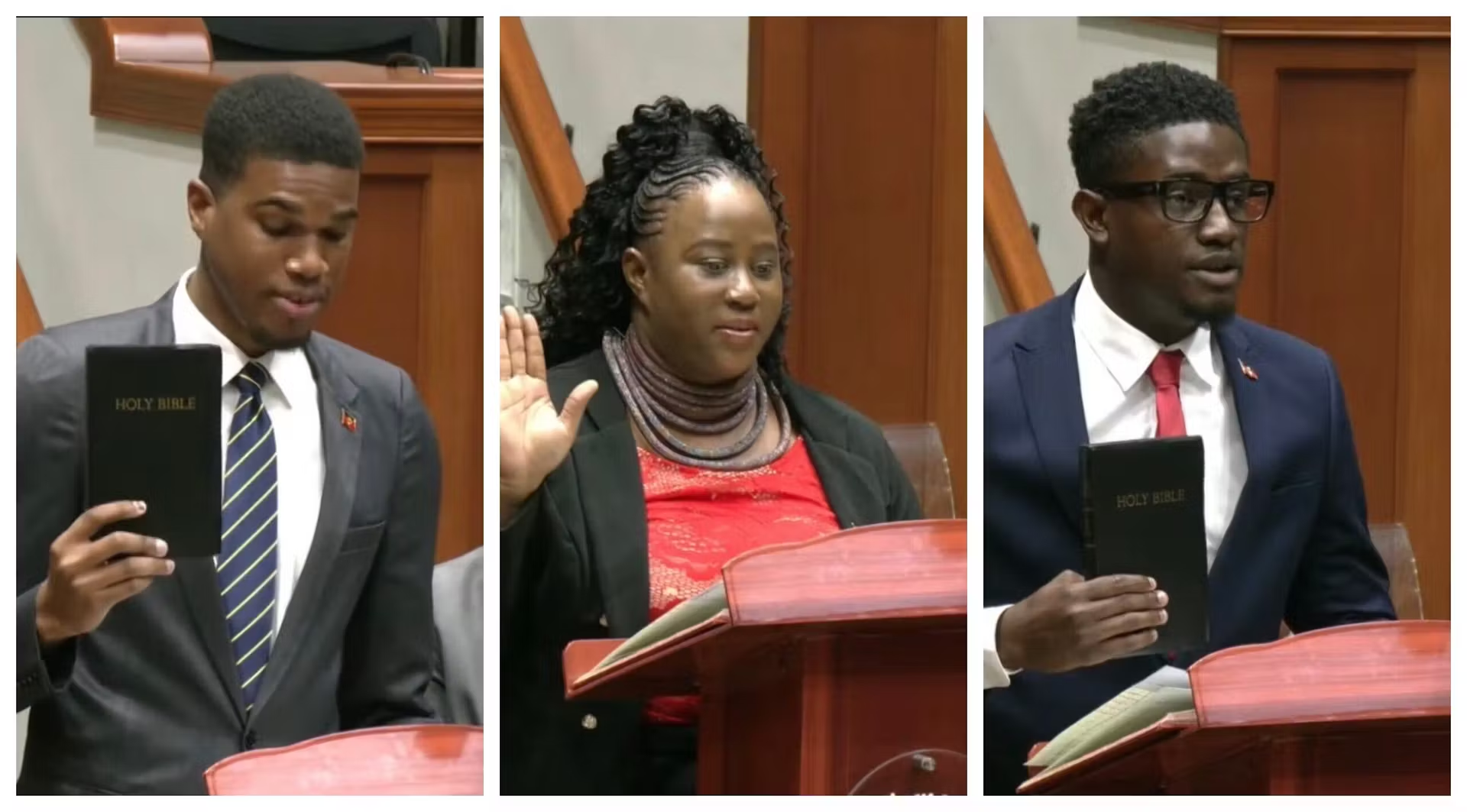
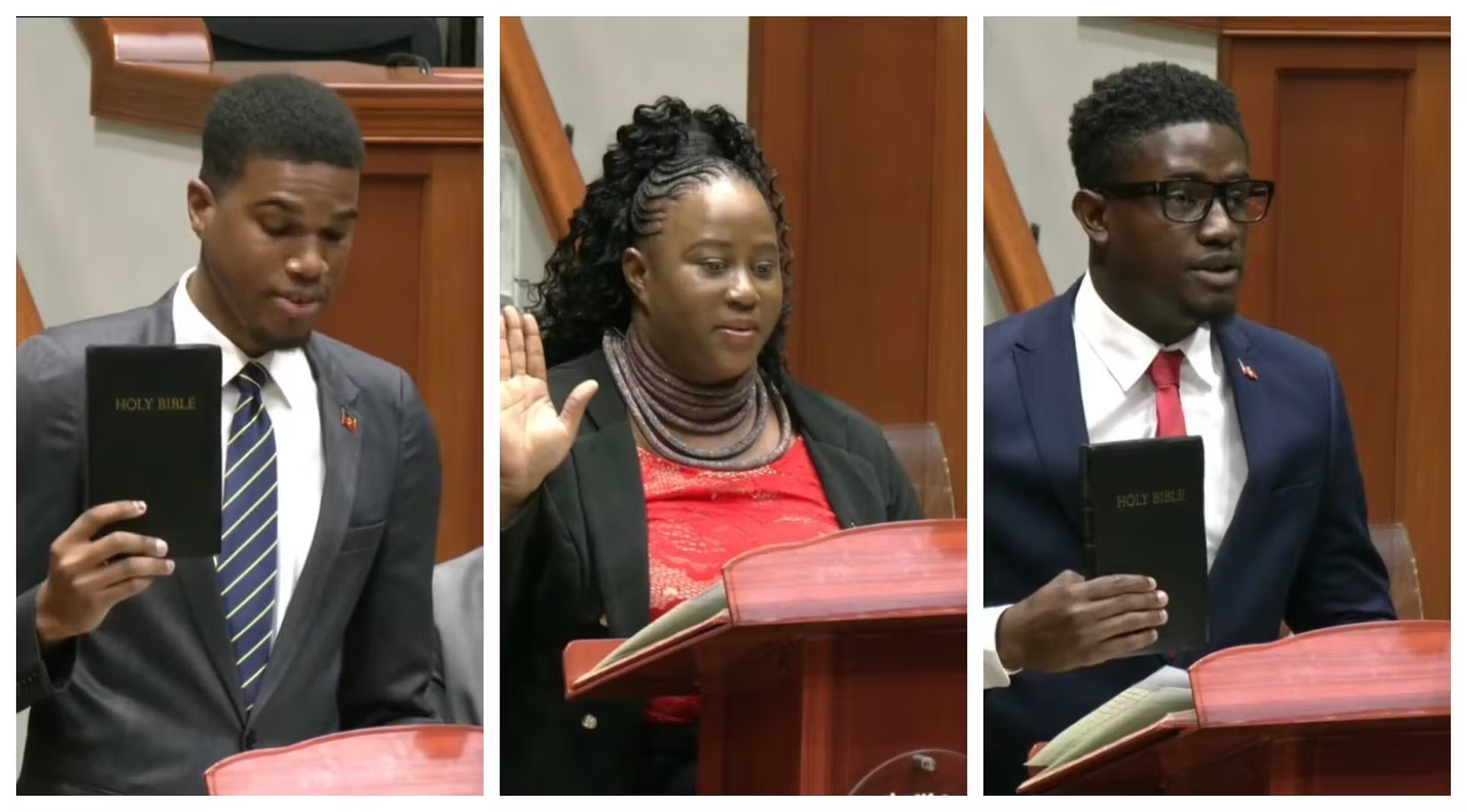
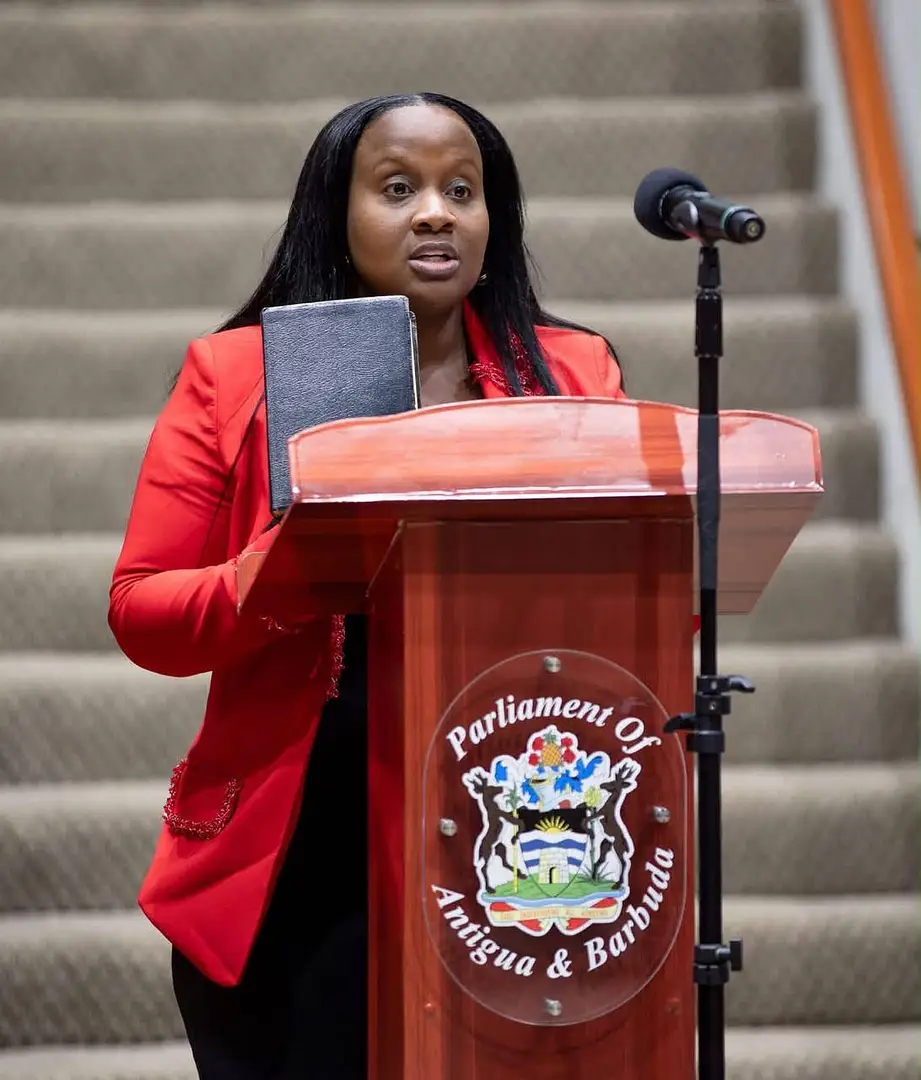
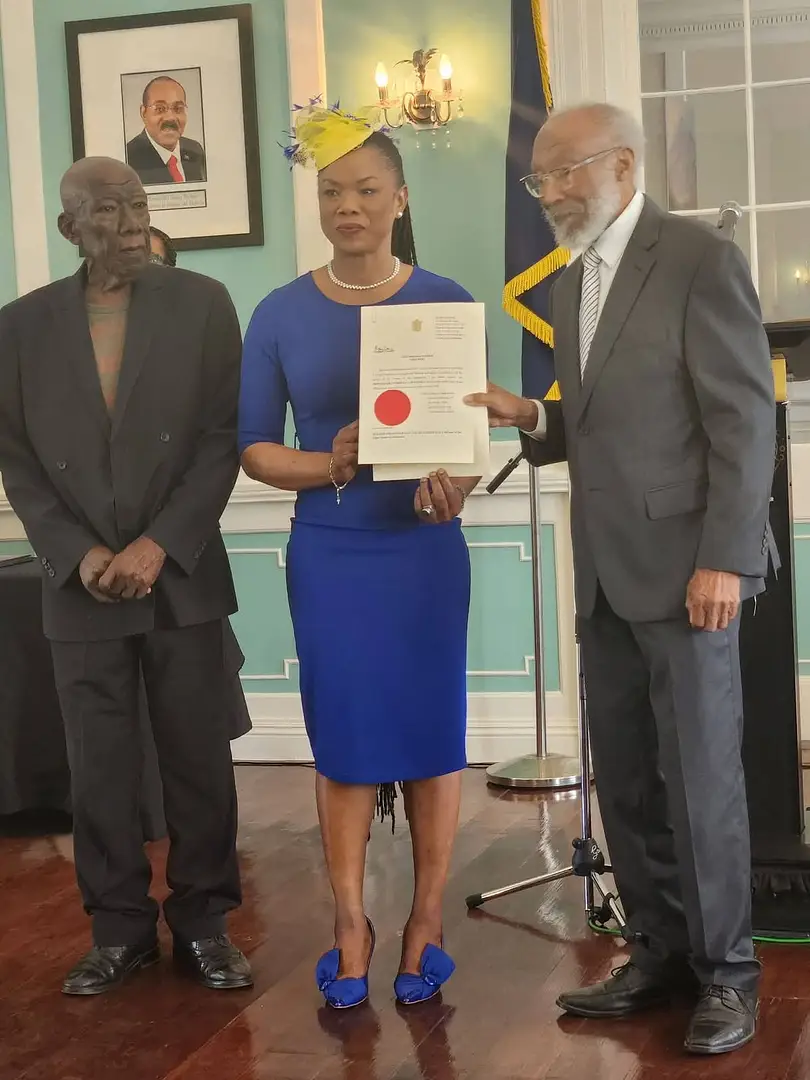
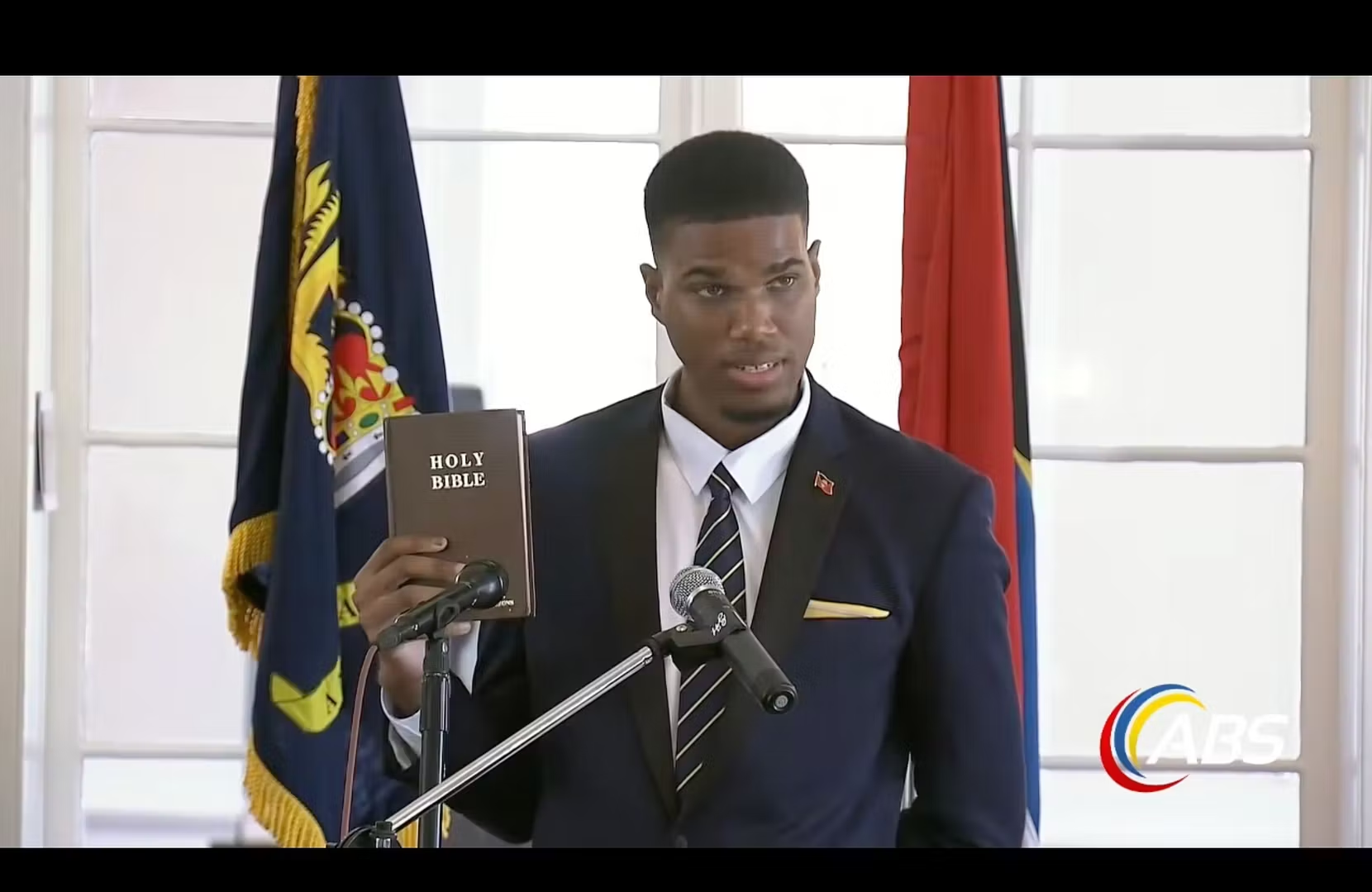
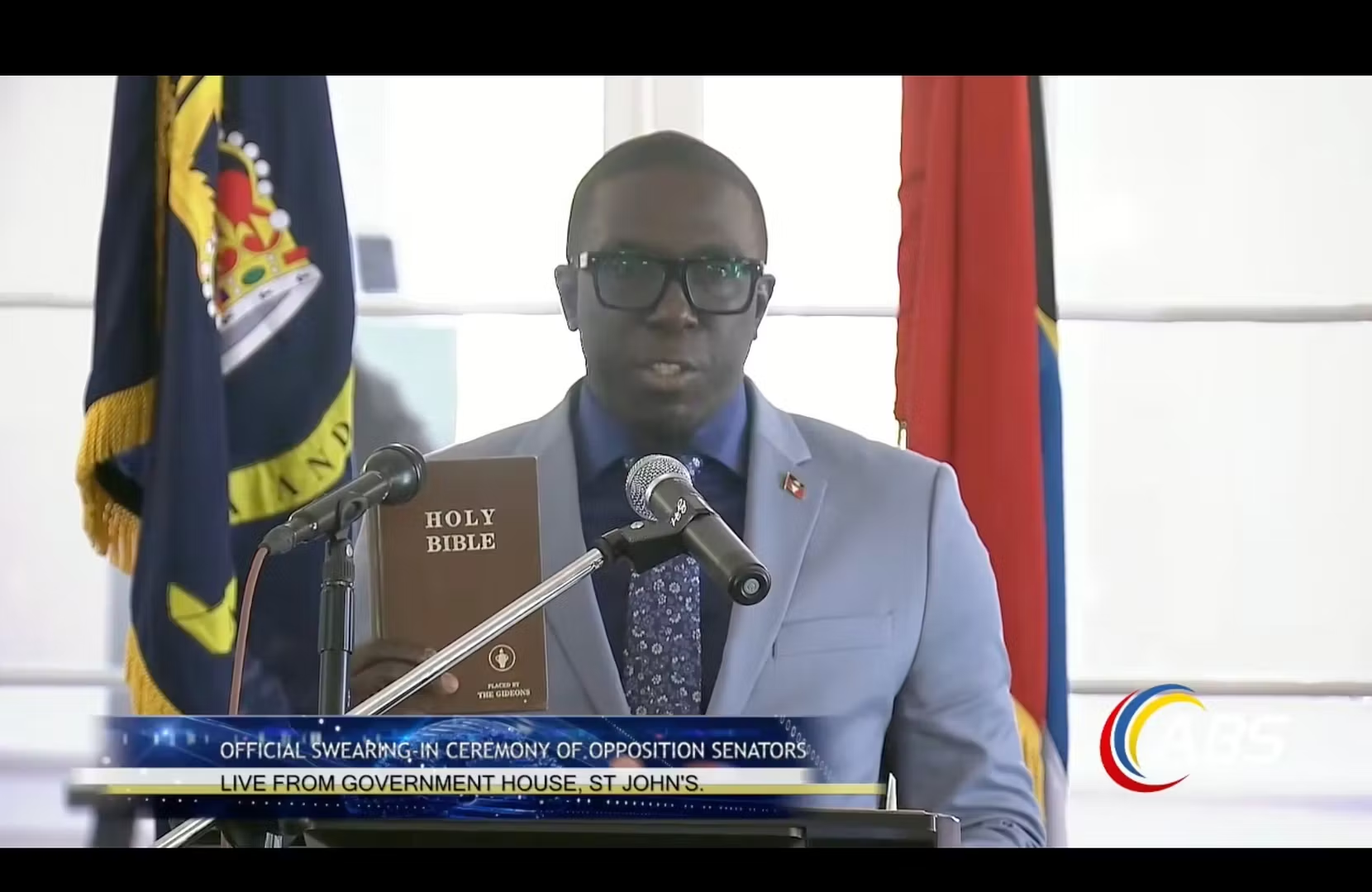
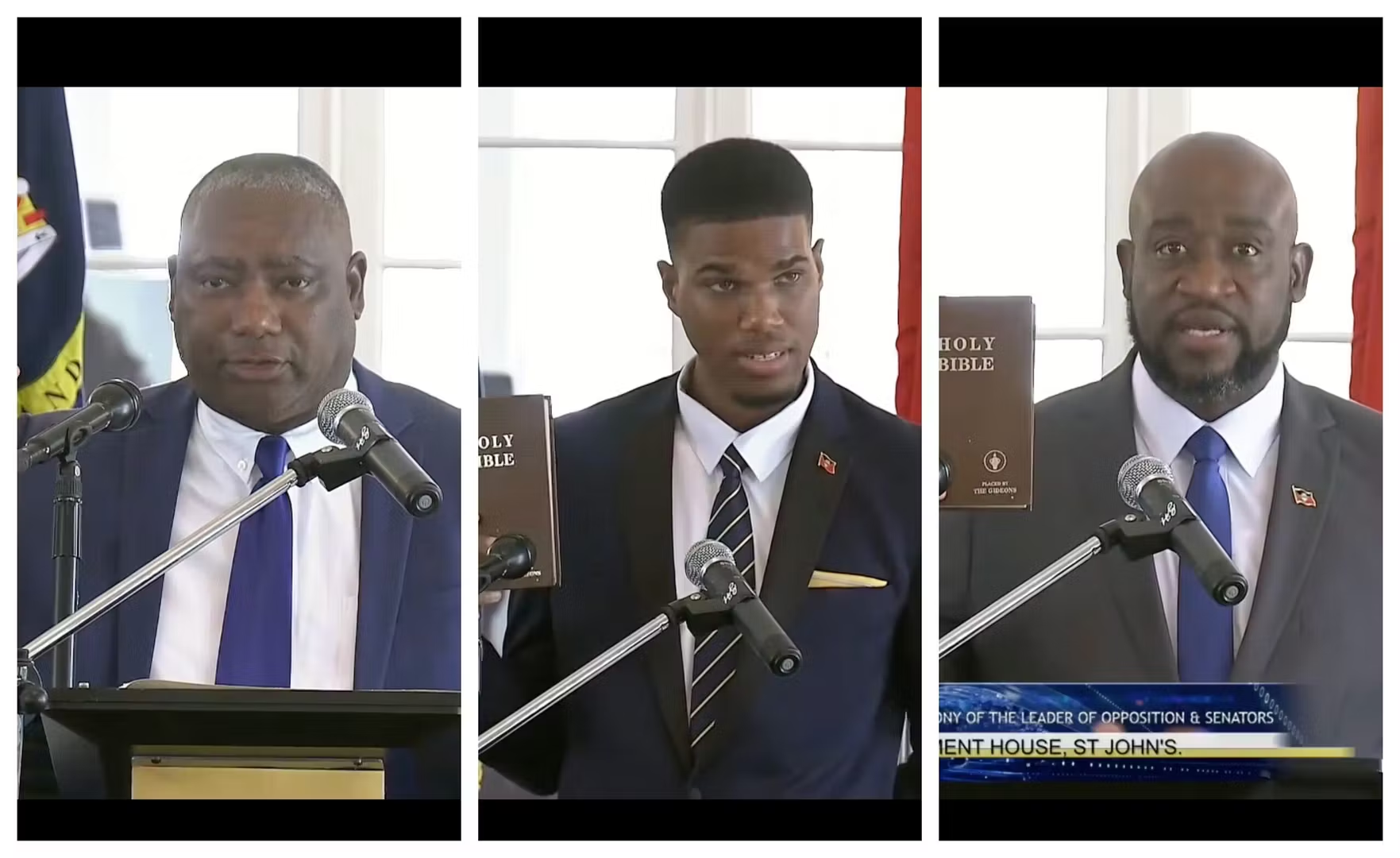
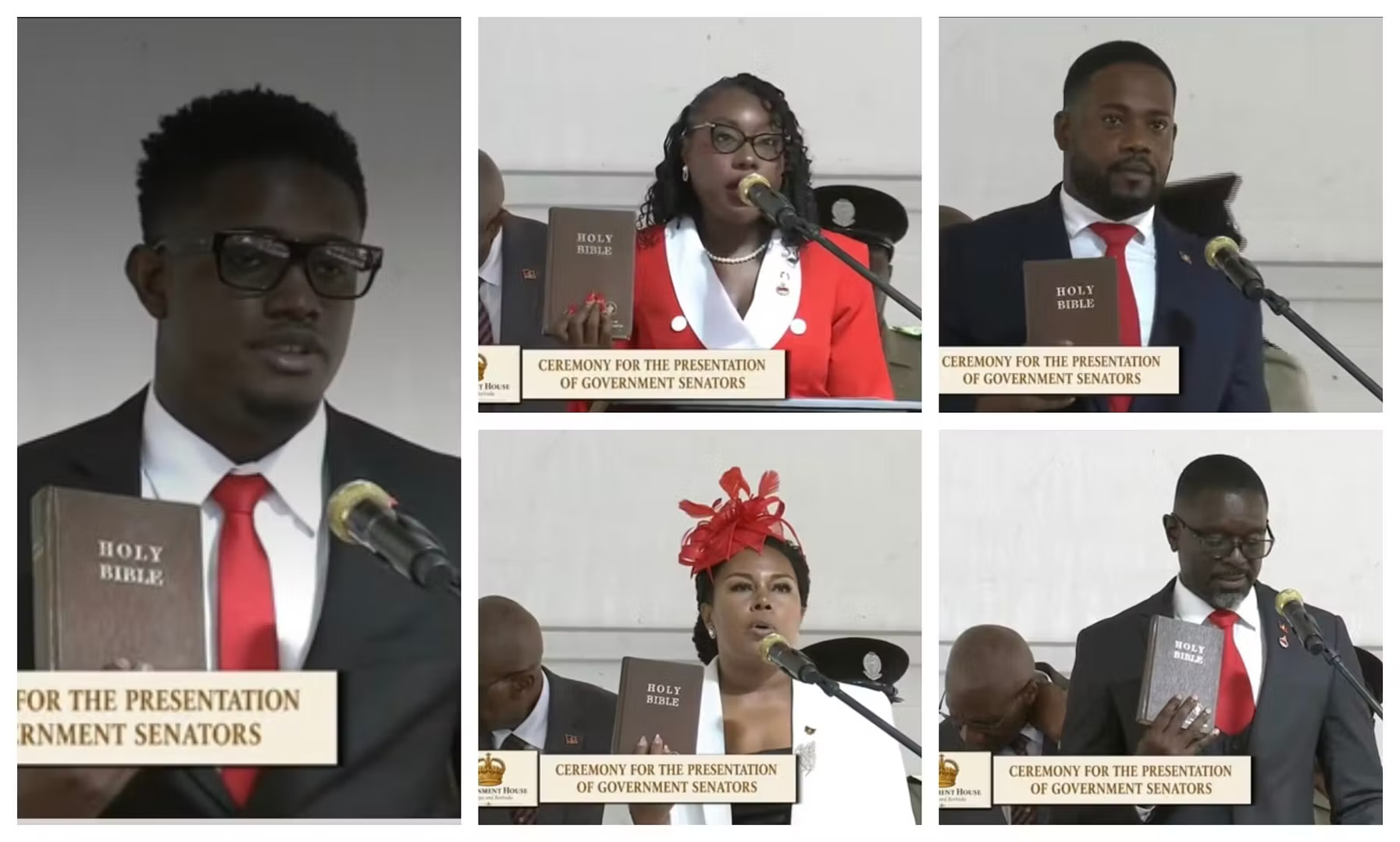
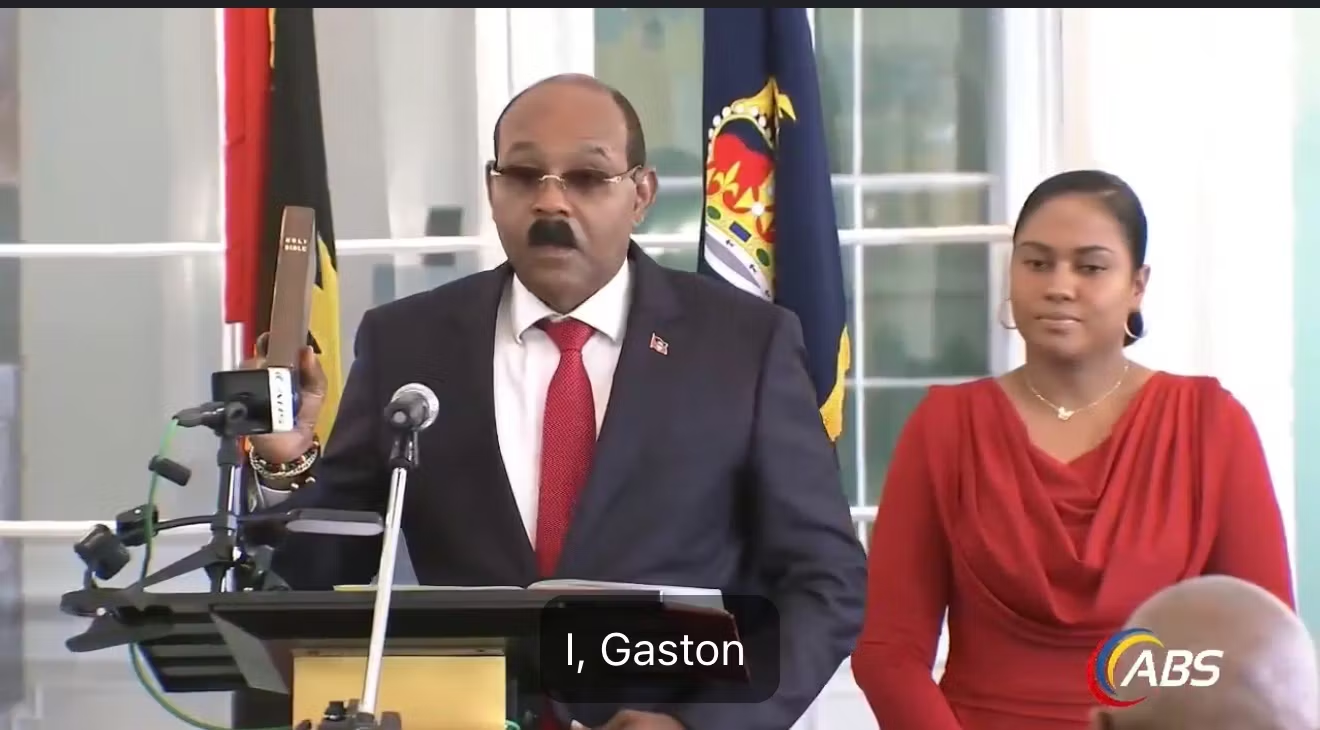
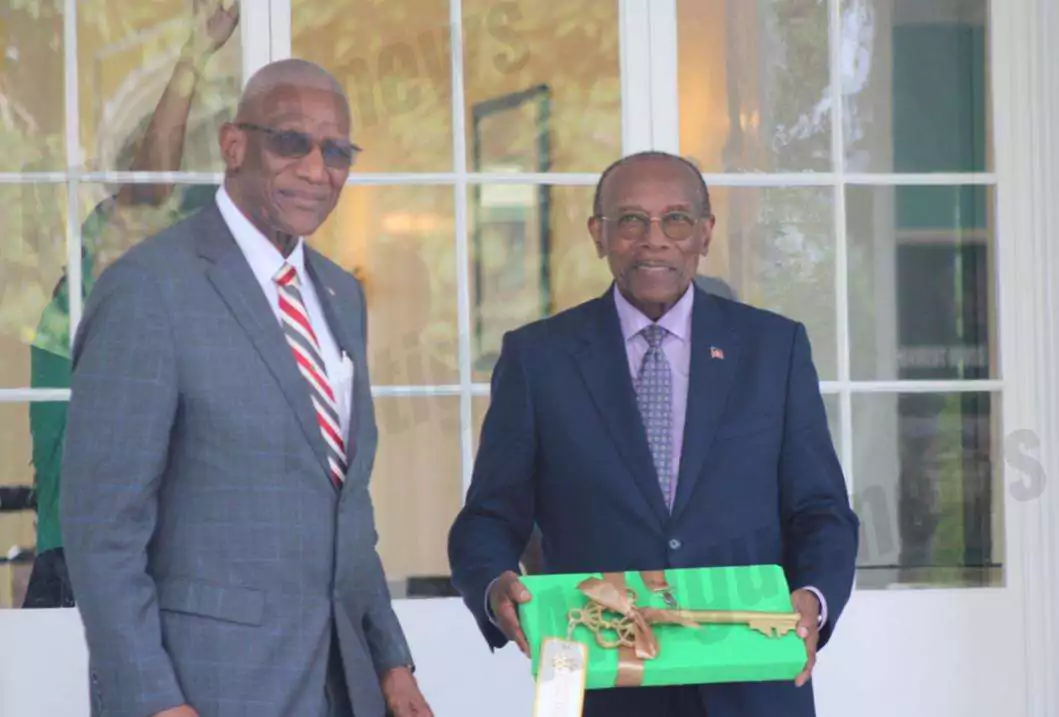
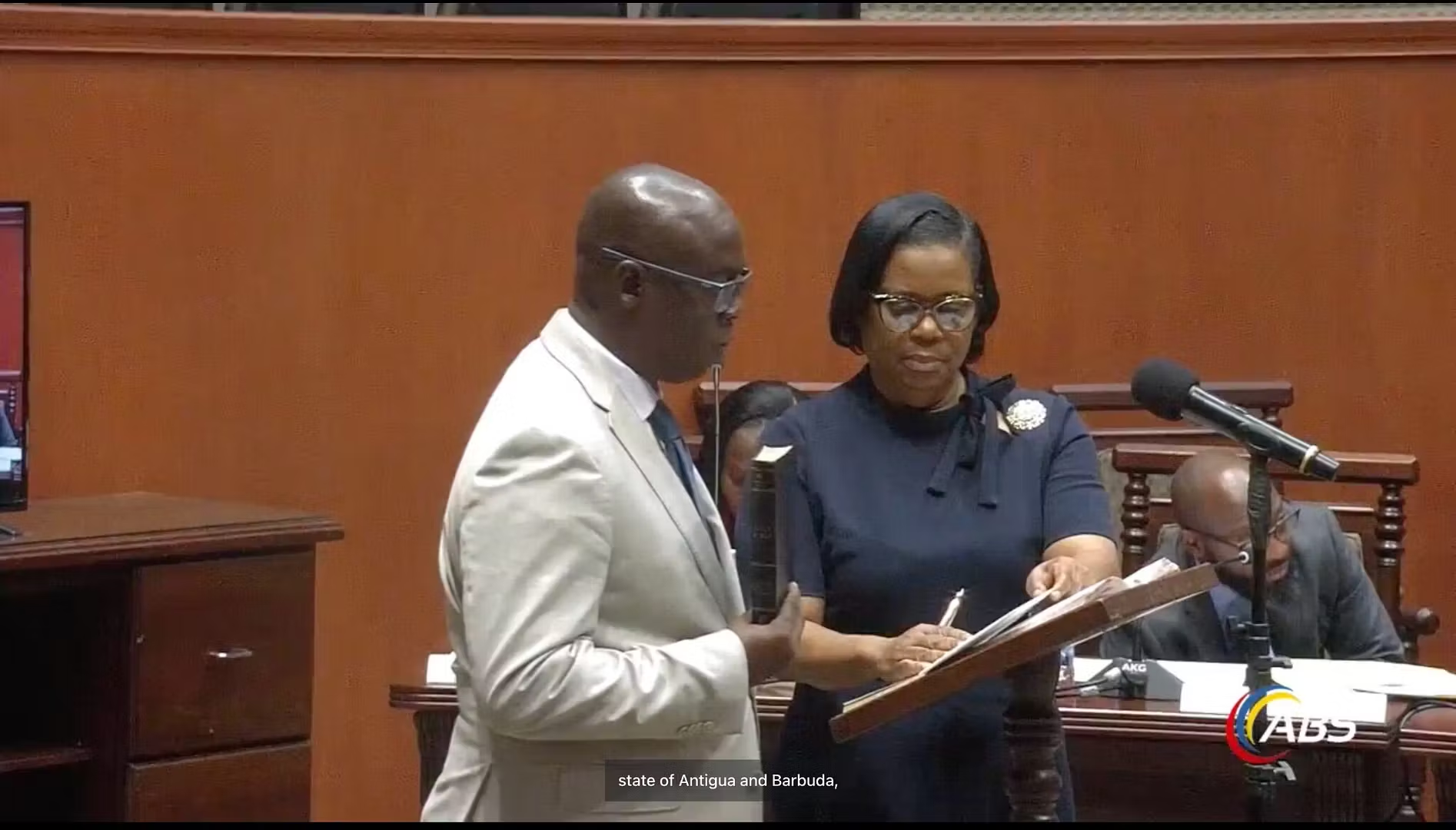
Instead, government ministers now swear loyalty only to the nation, its Constitution, and its laws. The change marks a major constitutional shift for the Caribbean country.
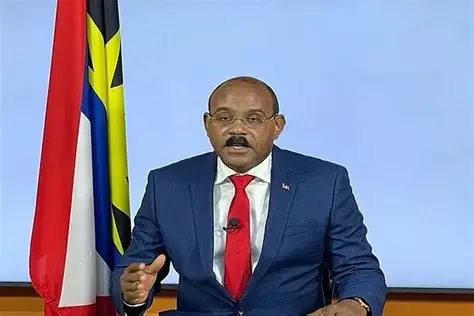
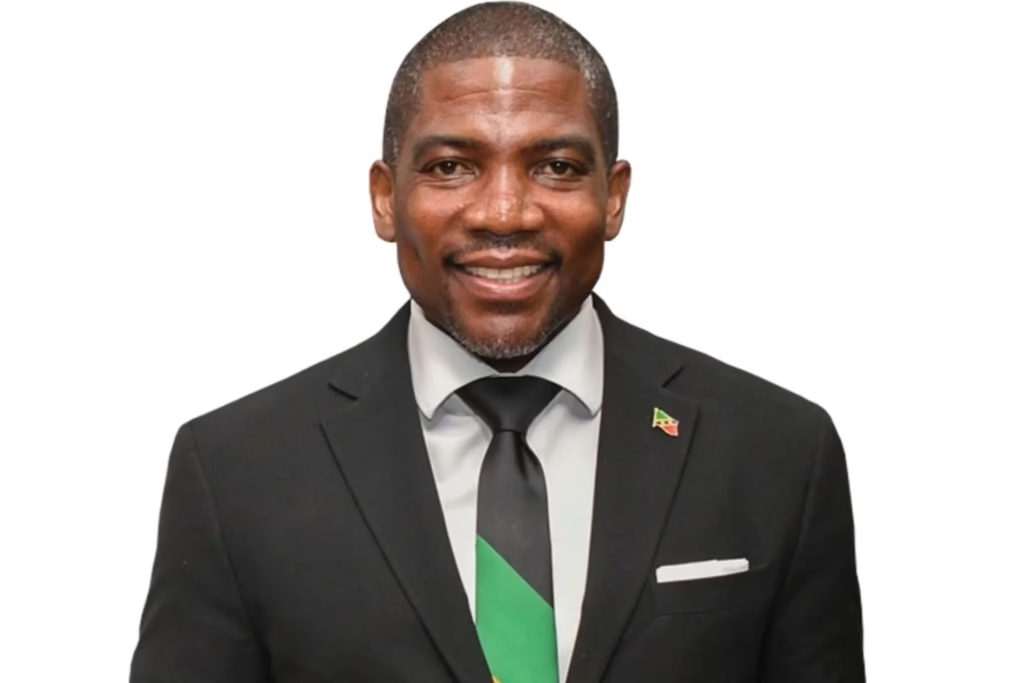
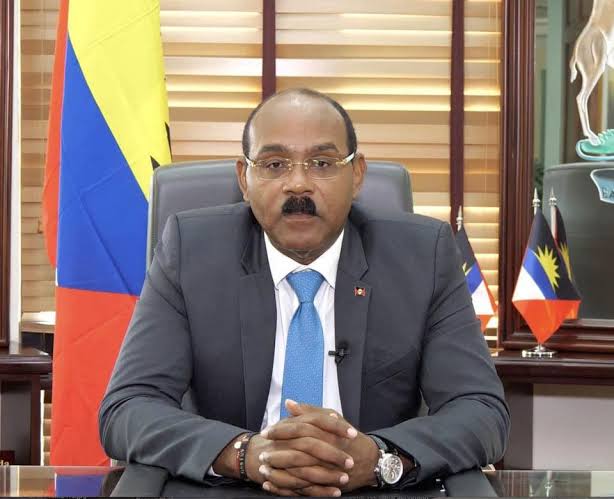
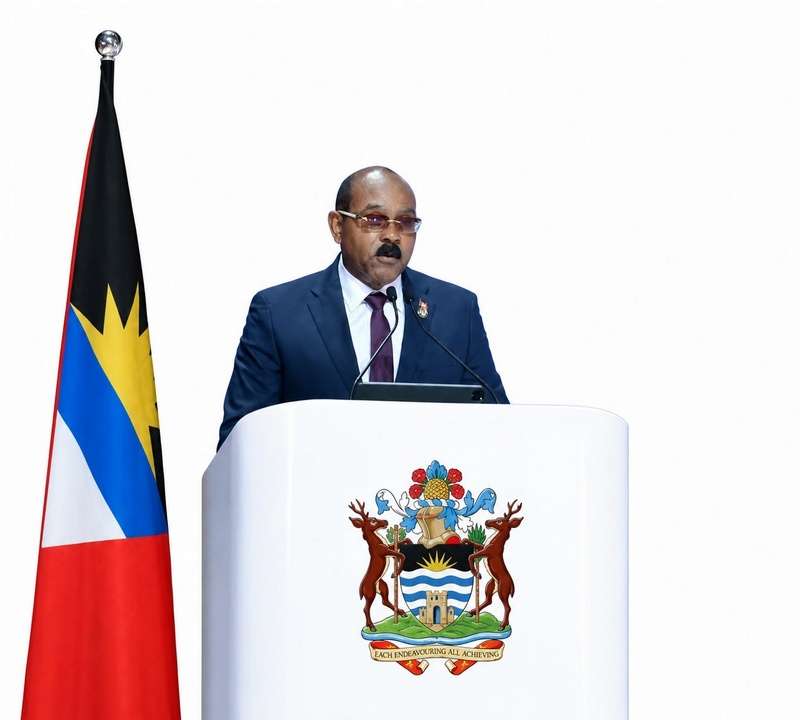
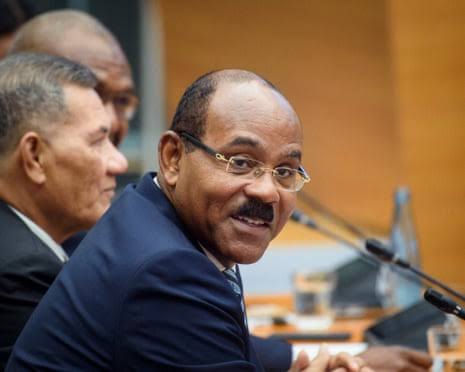
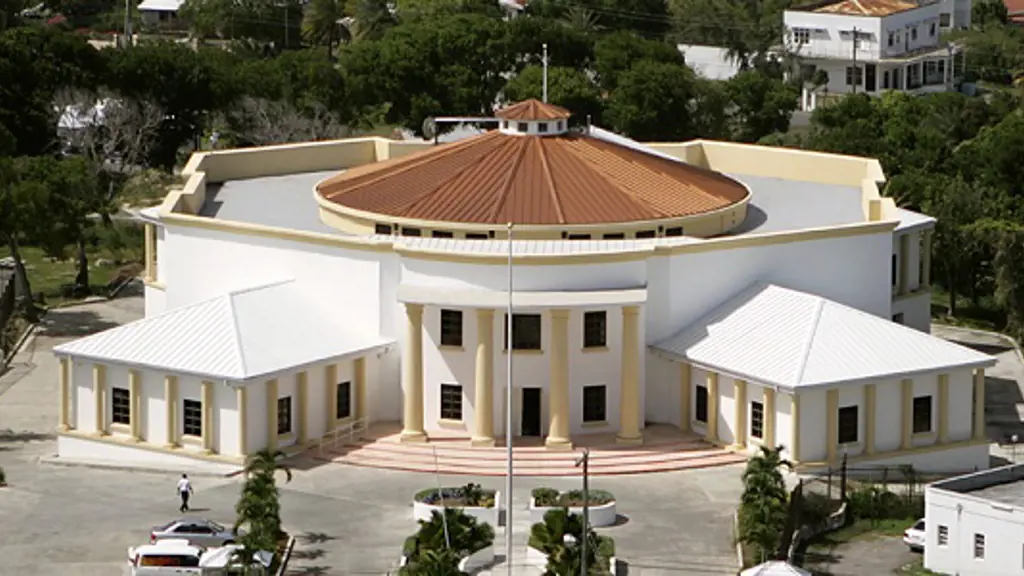
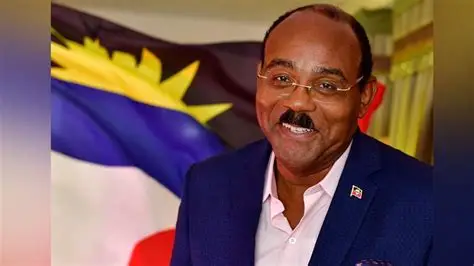
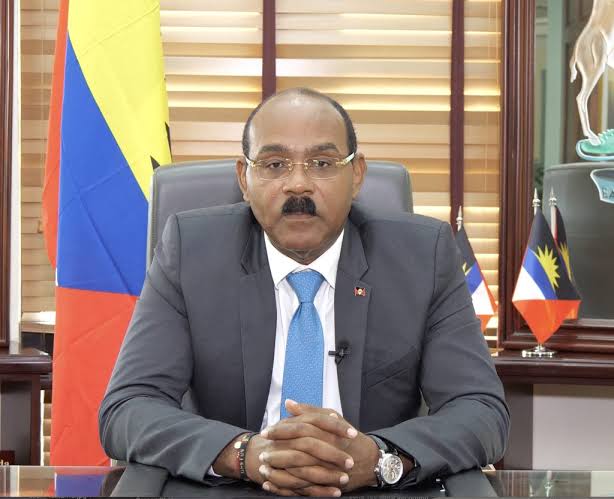
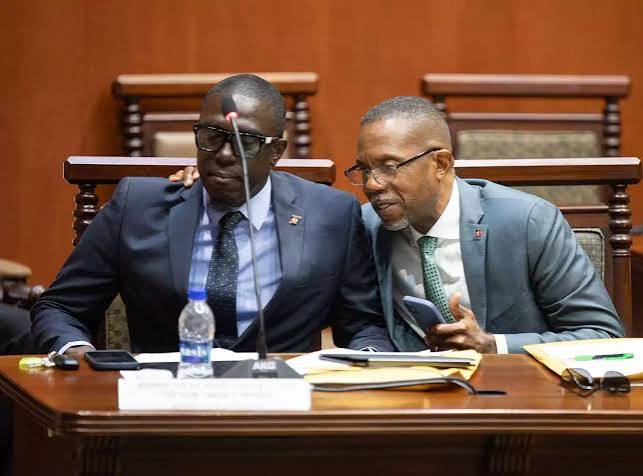
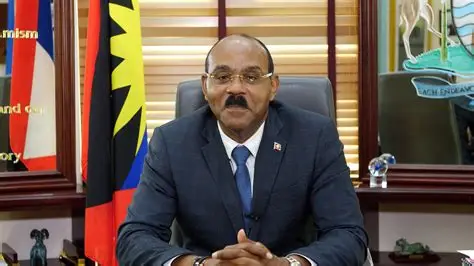
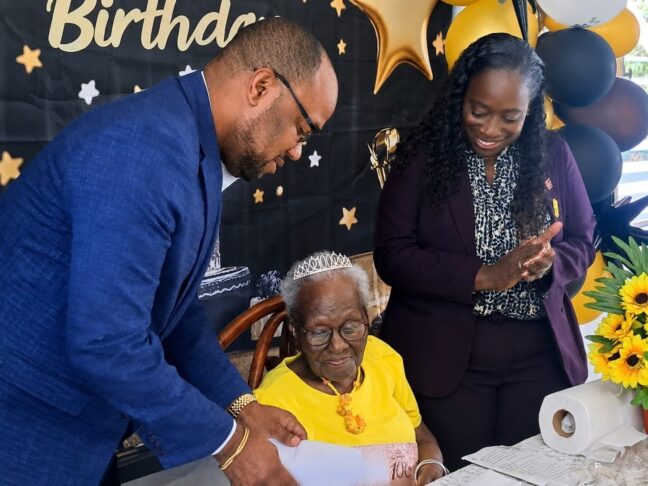
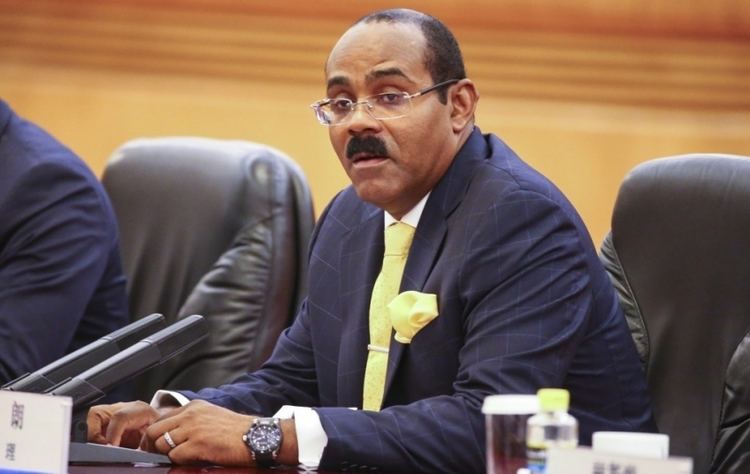
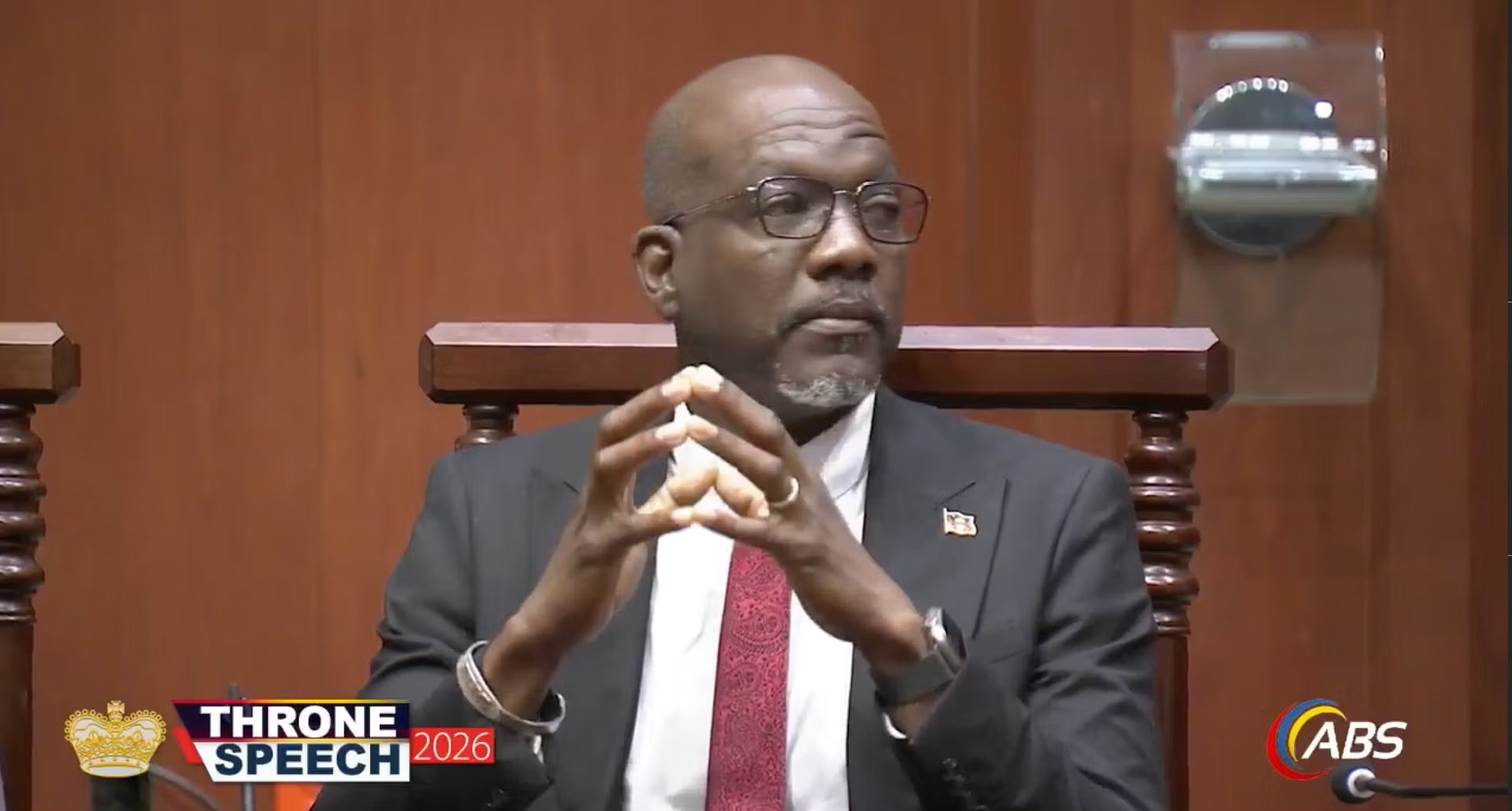
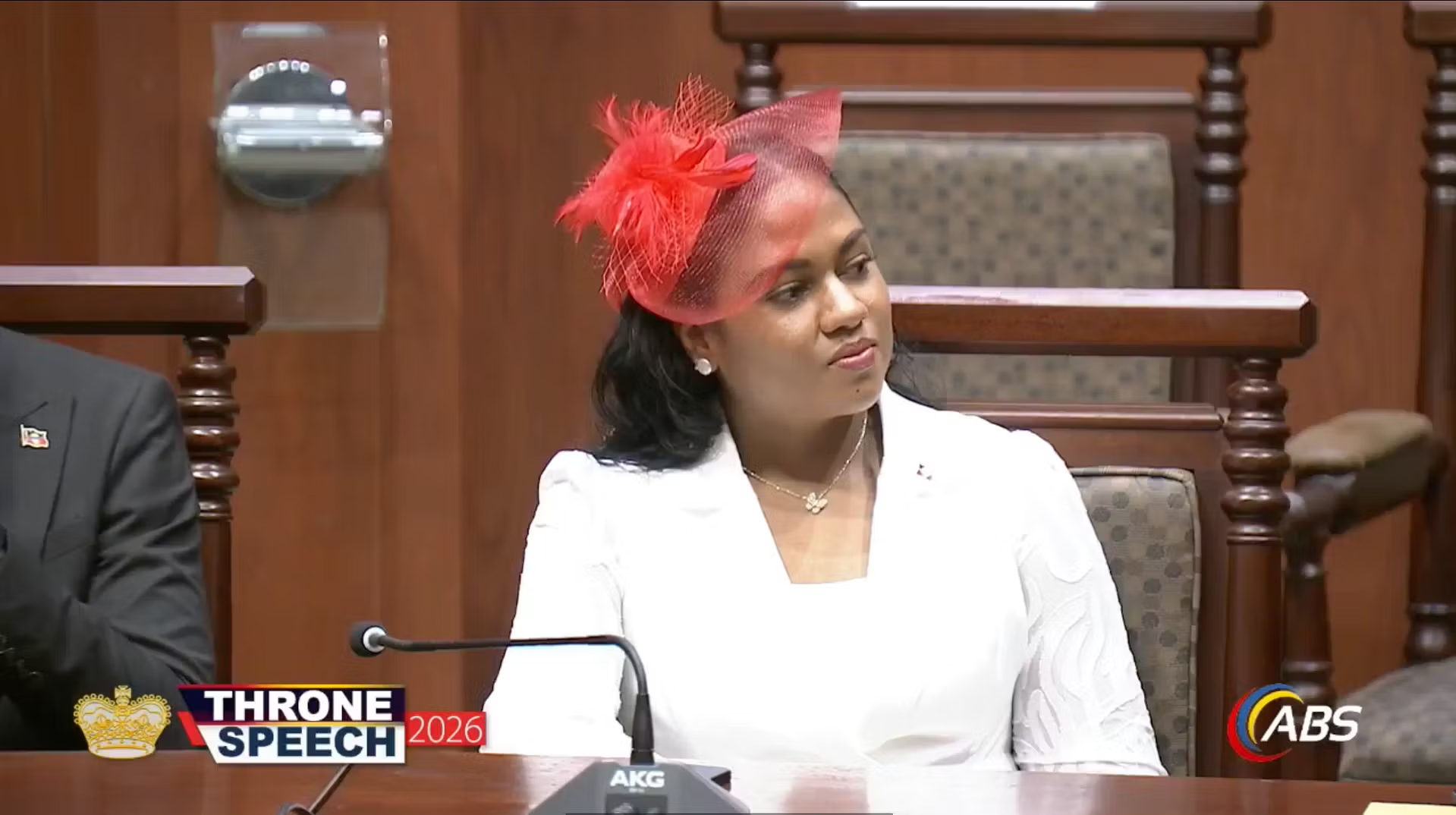
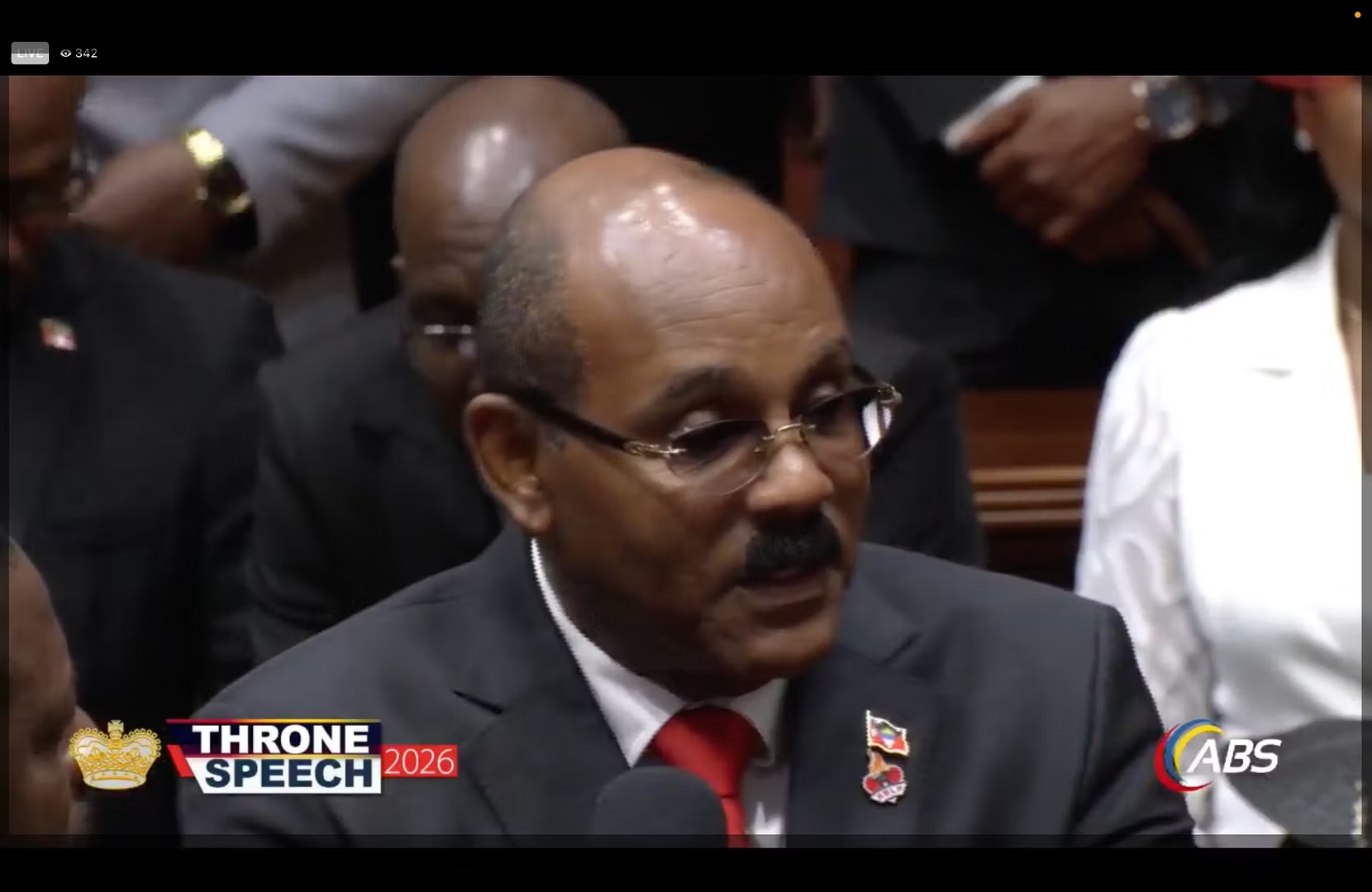
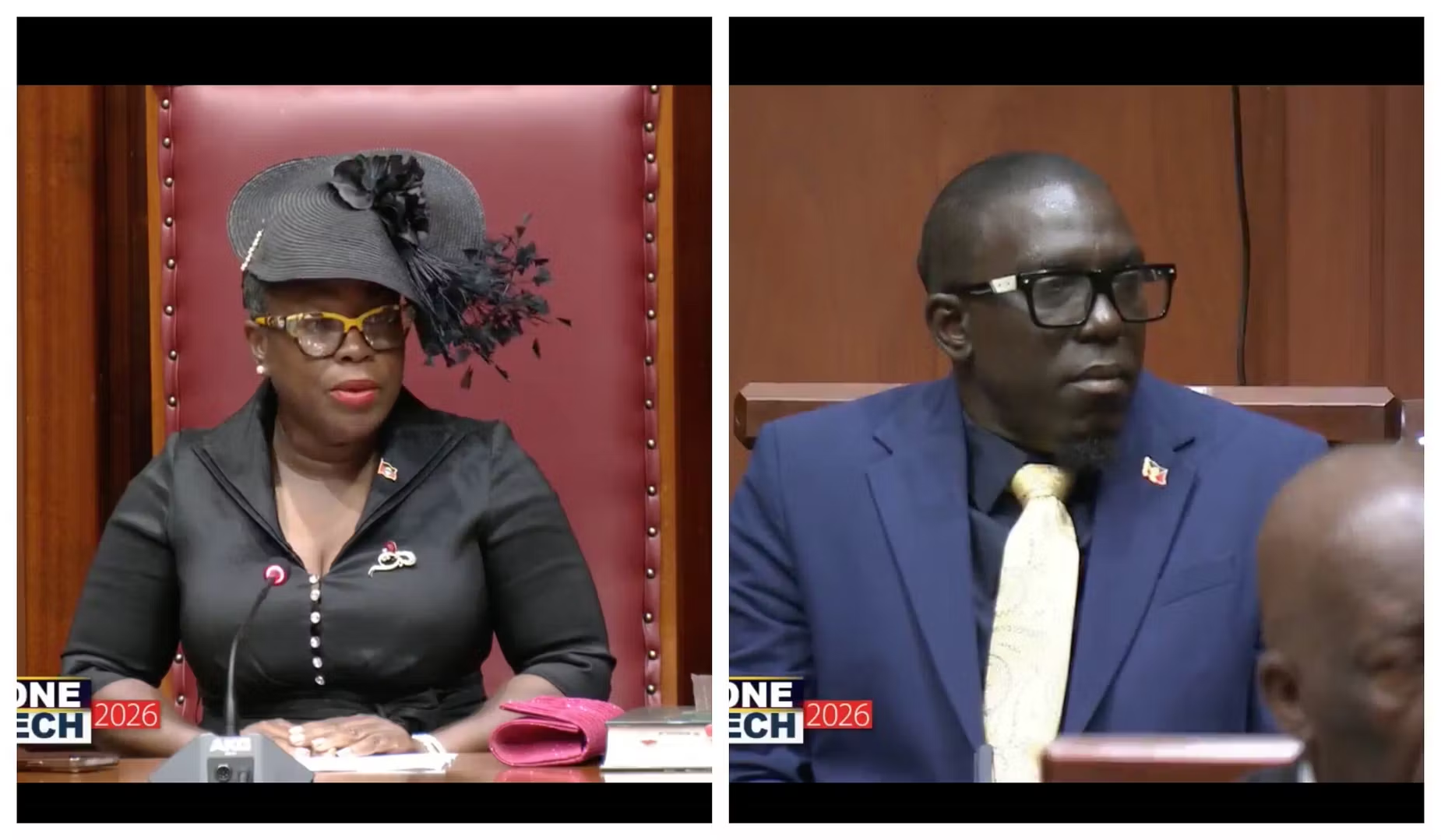
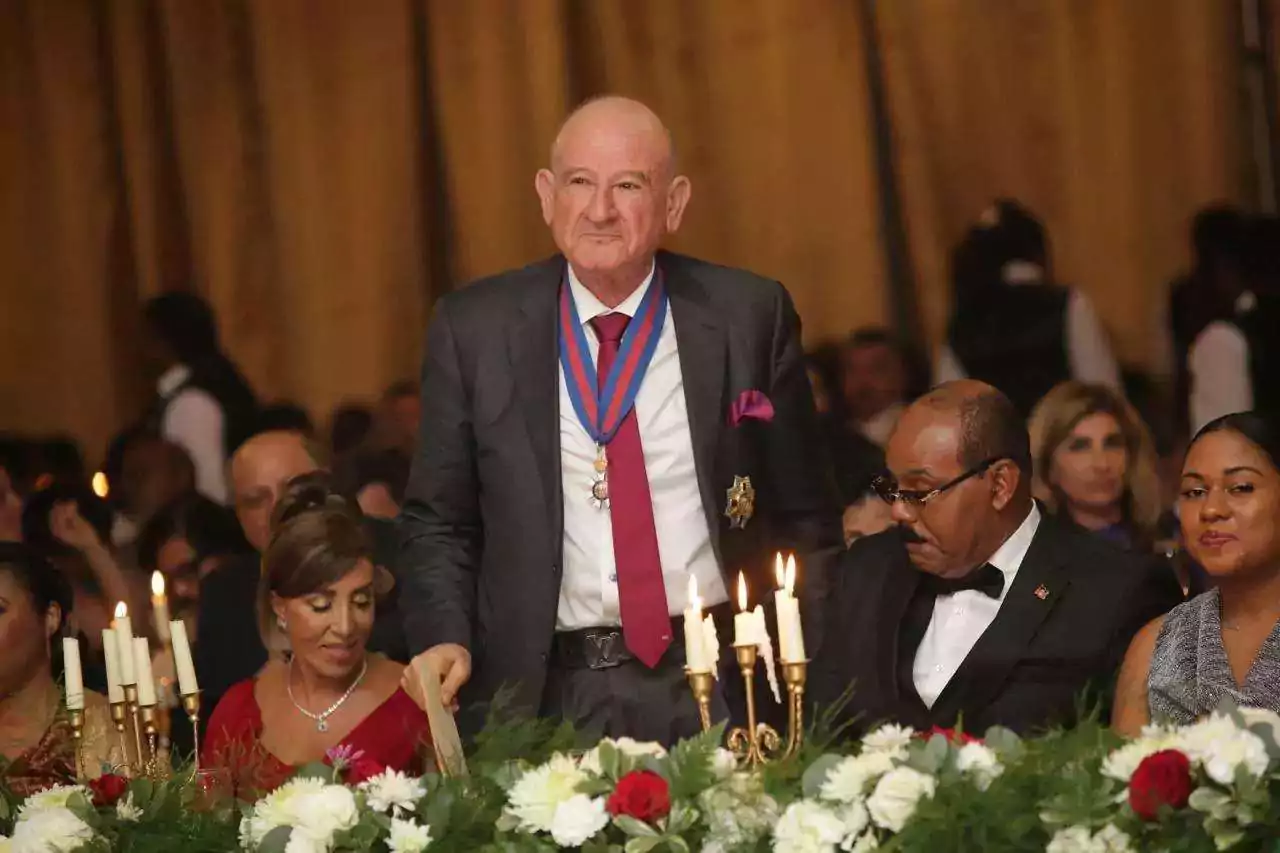
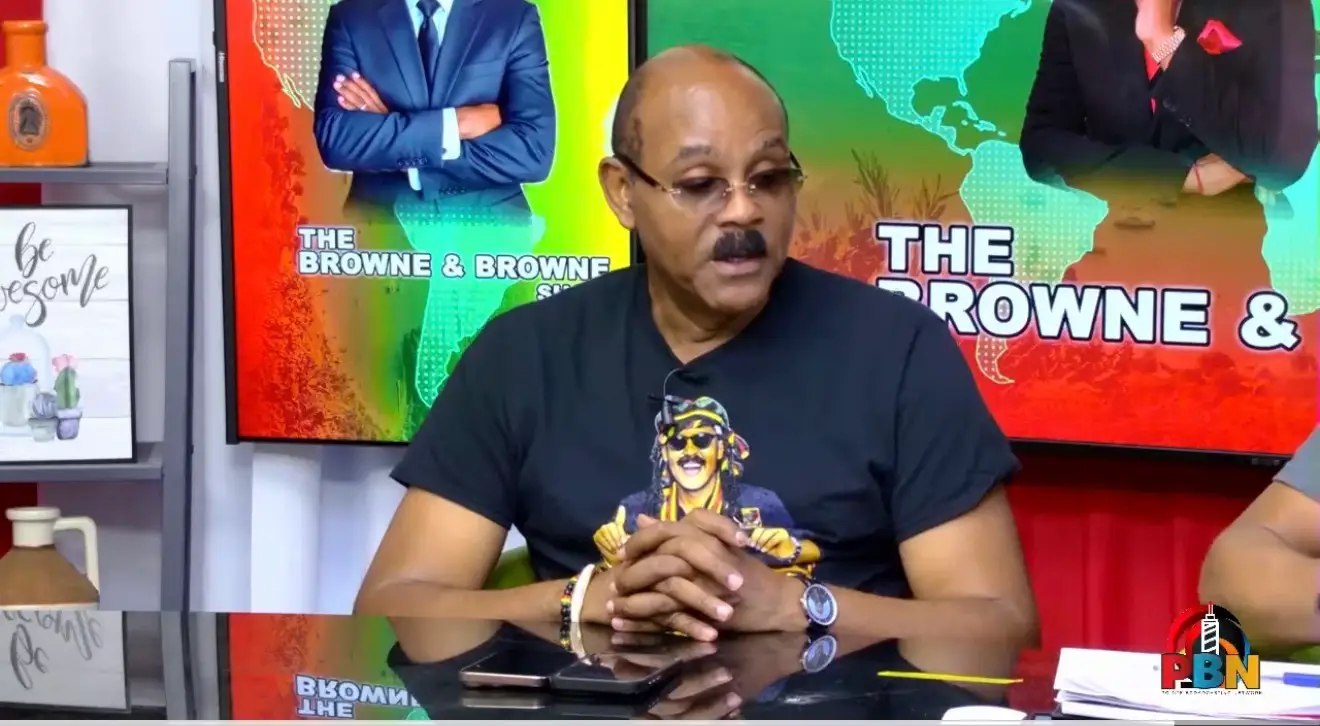
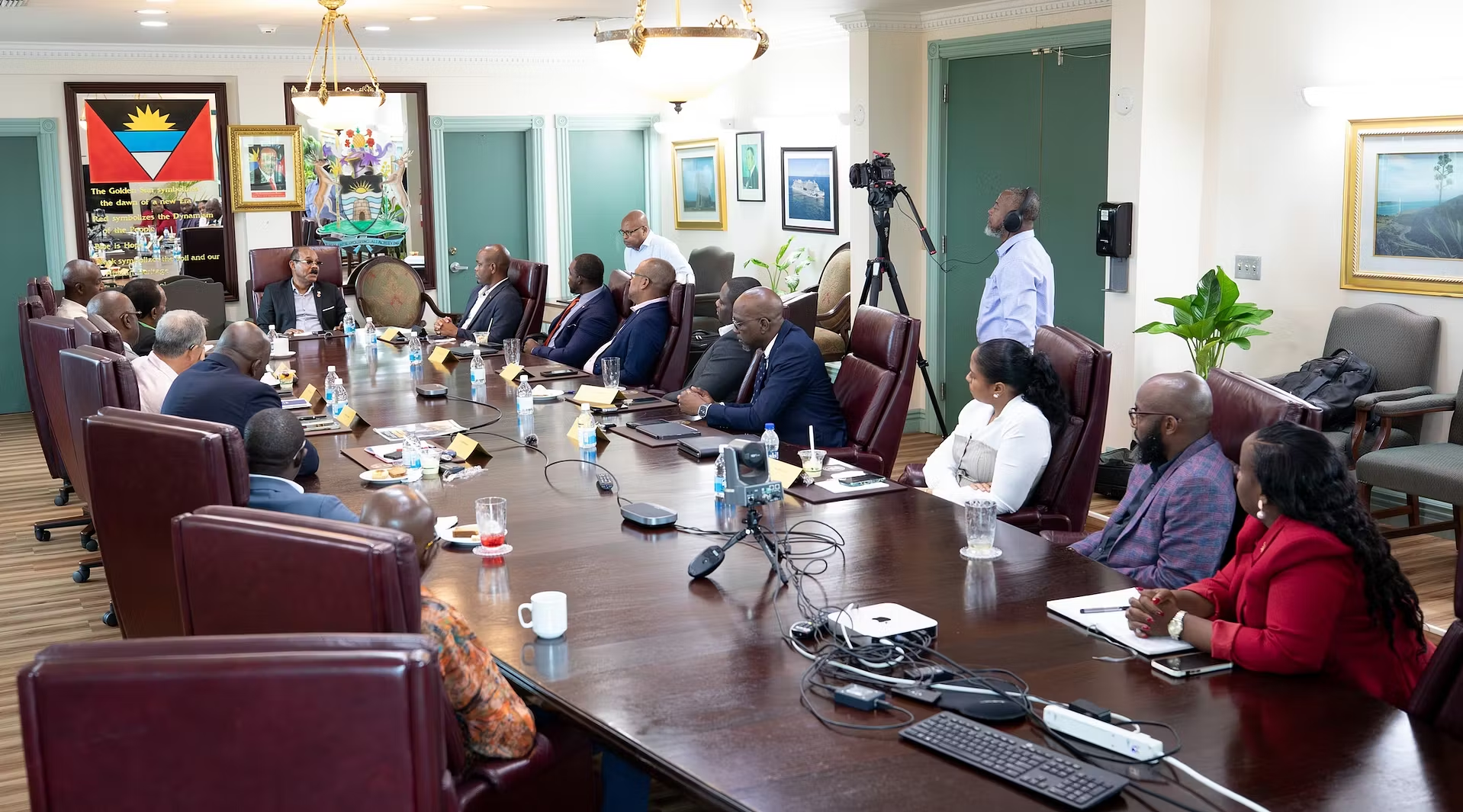
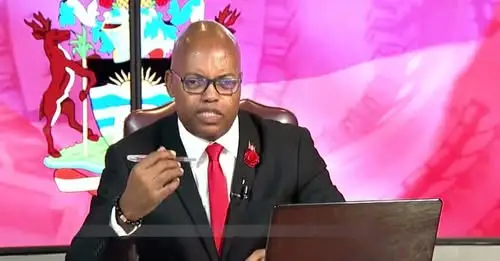
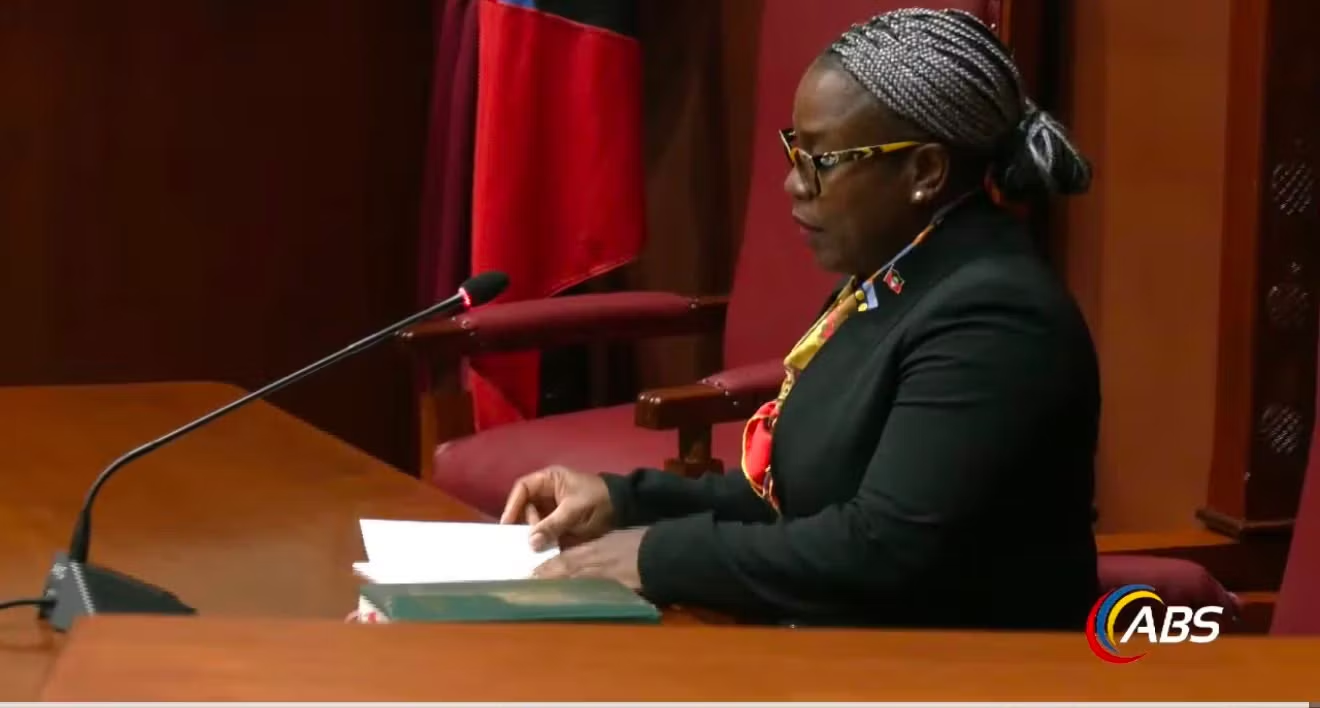
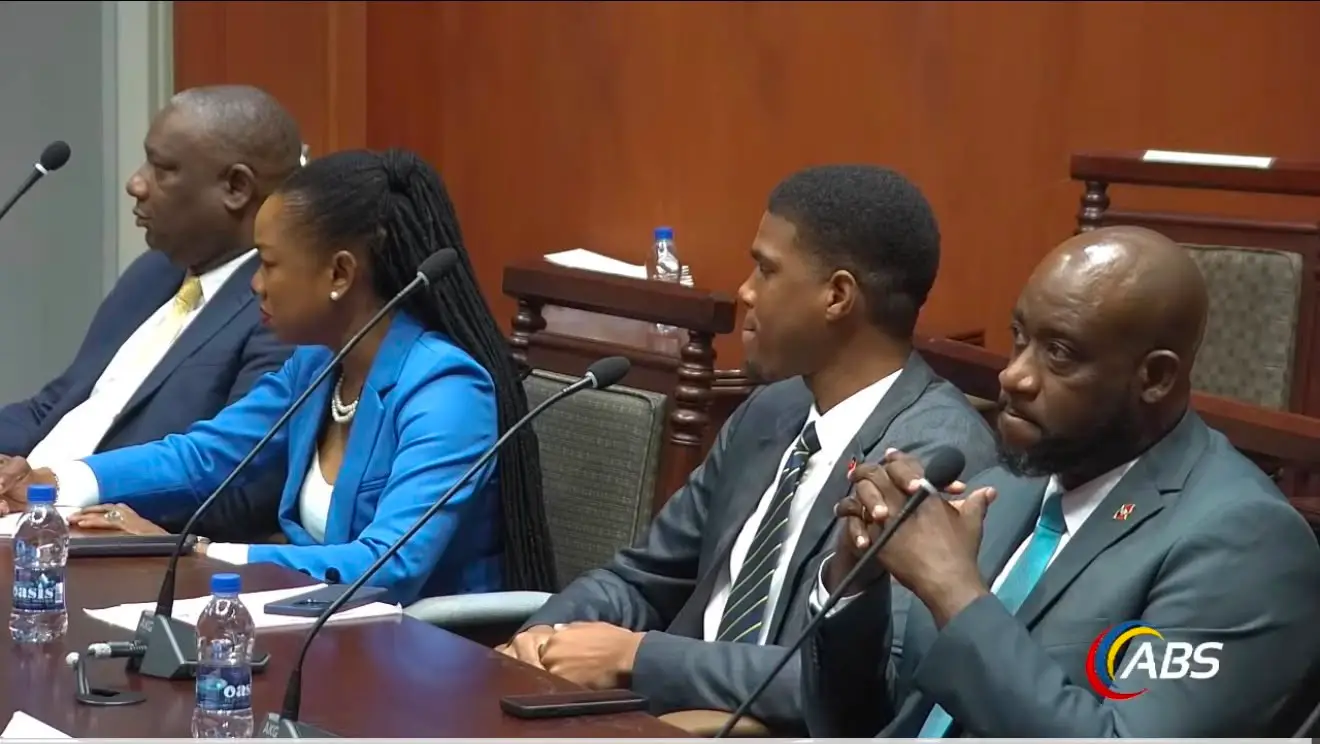
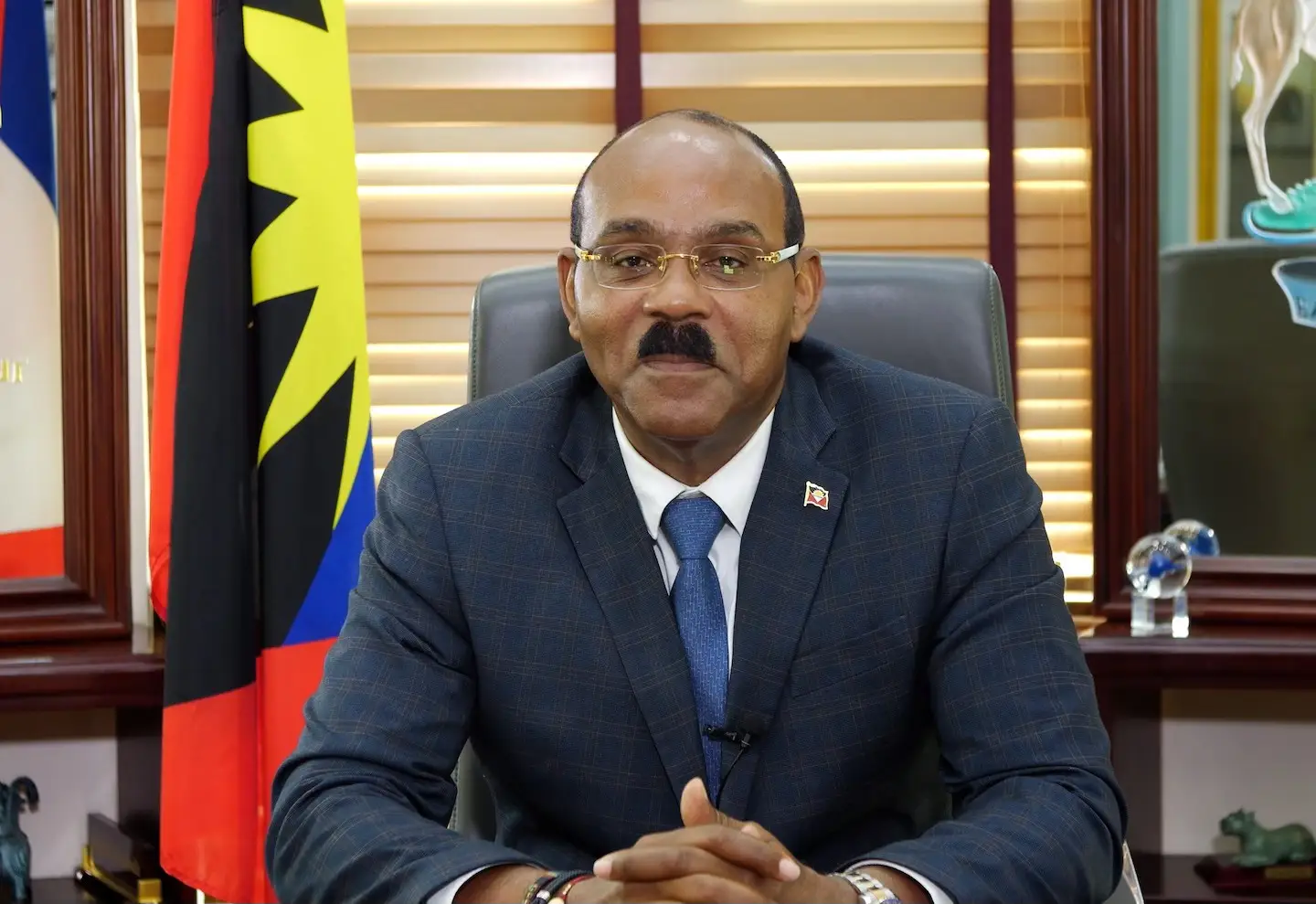
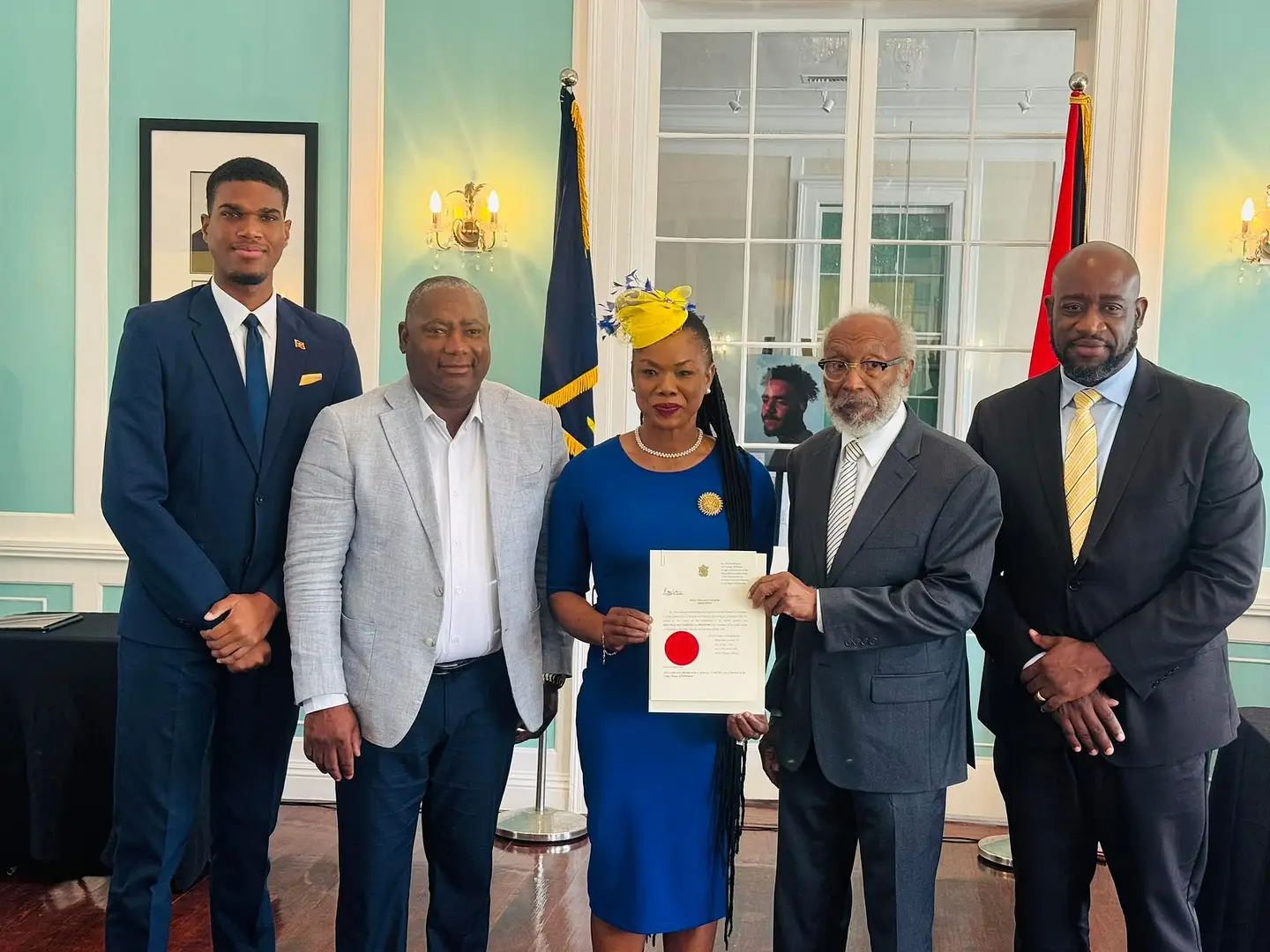
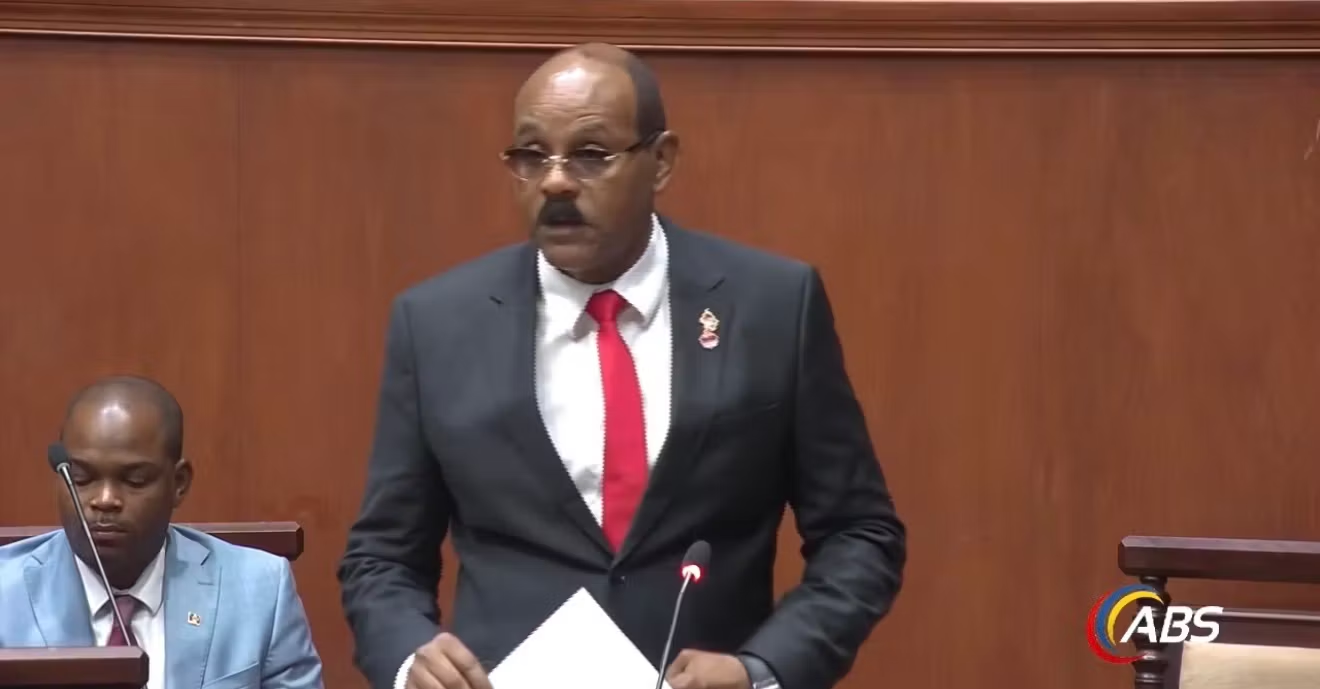
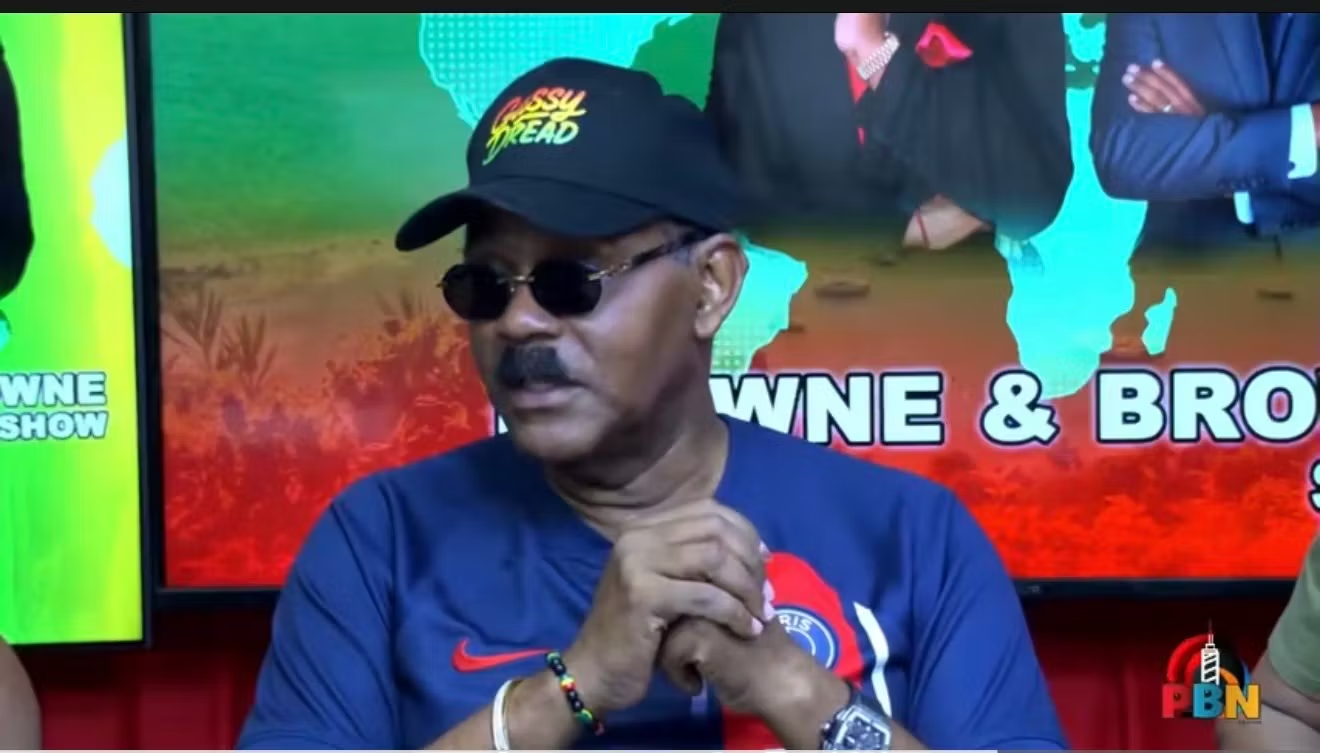
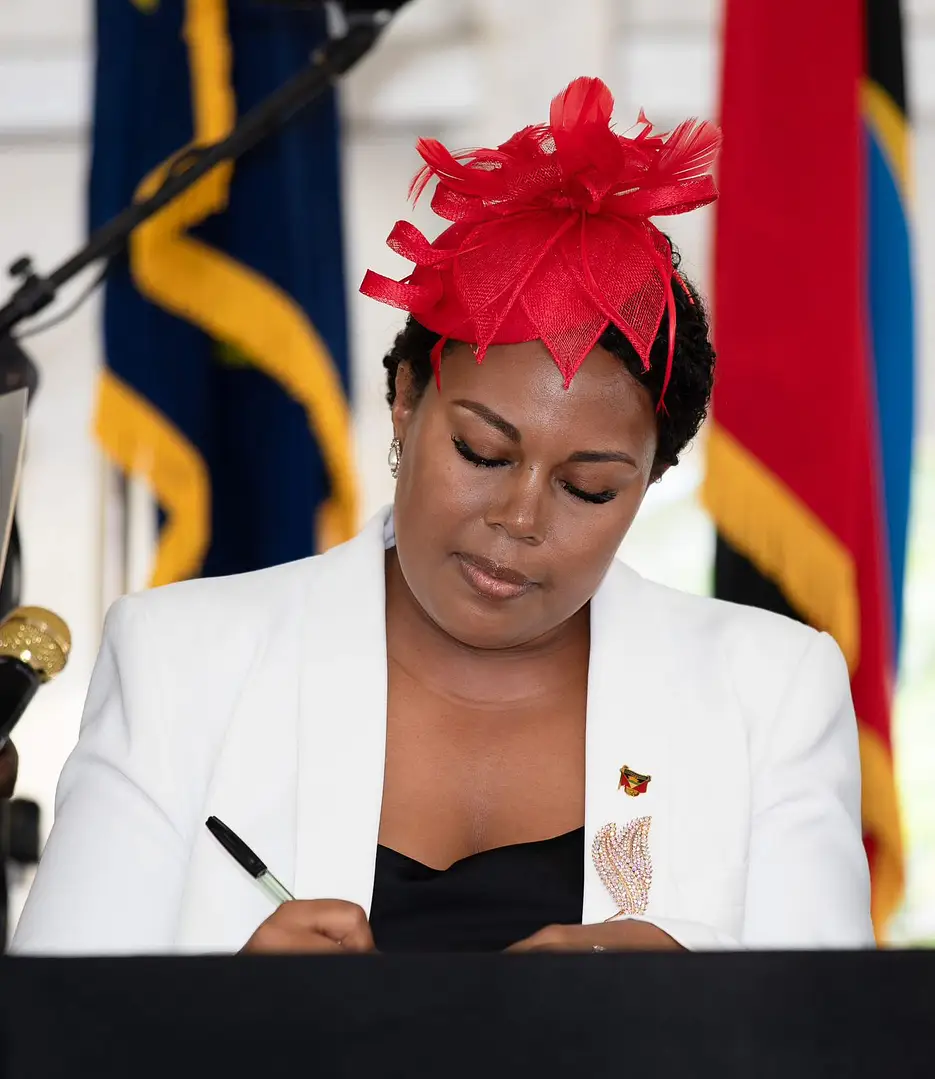
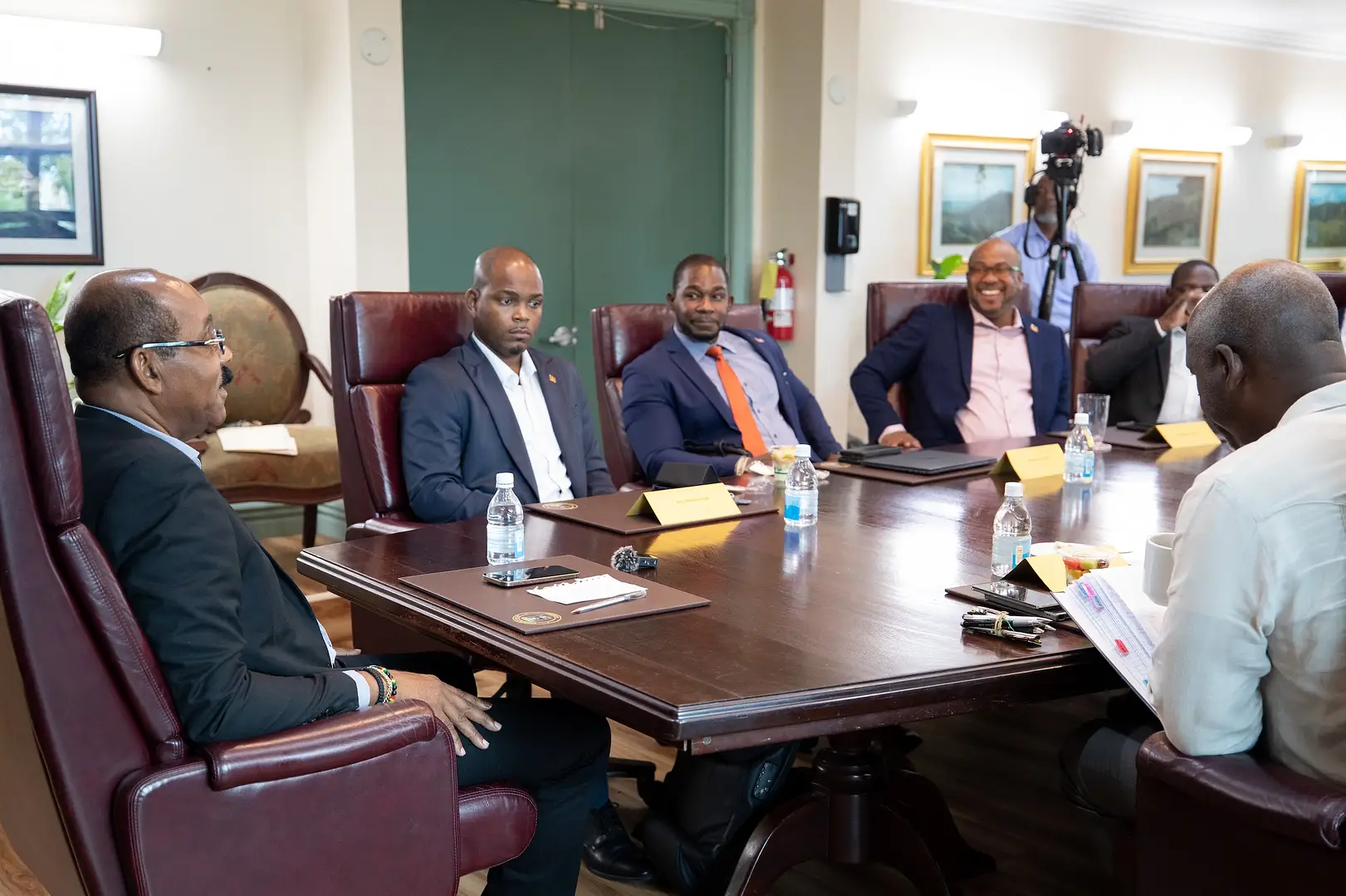
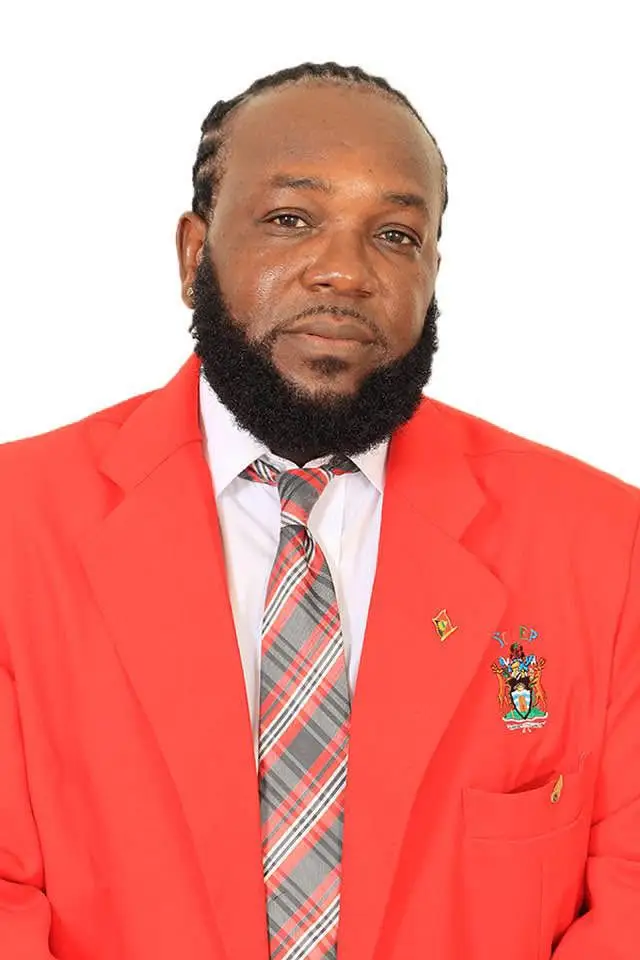
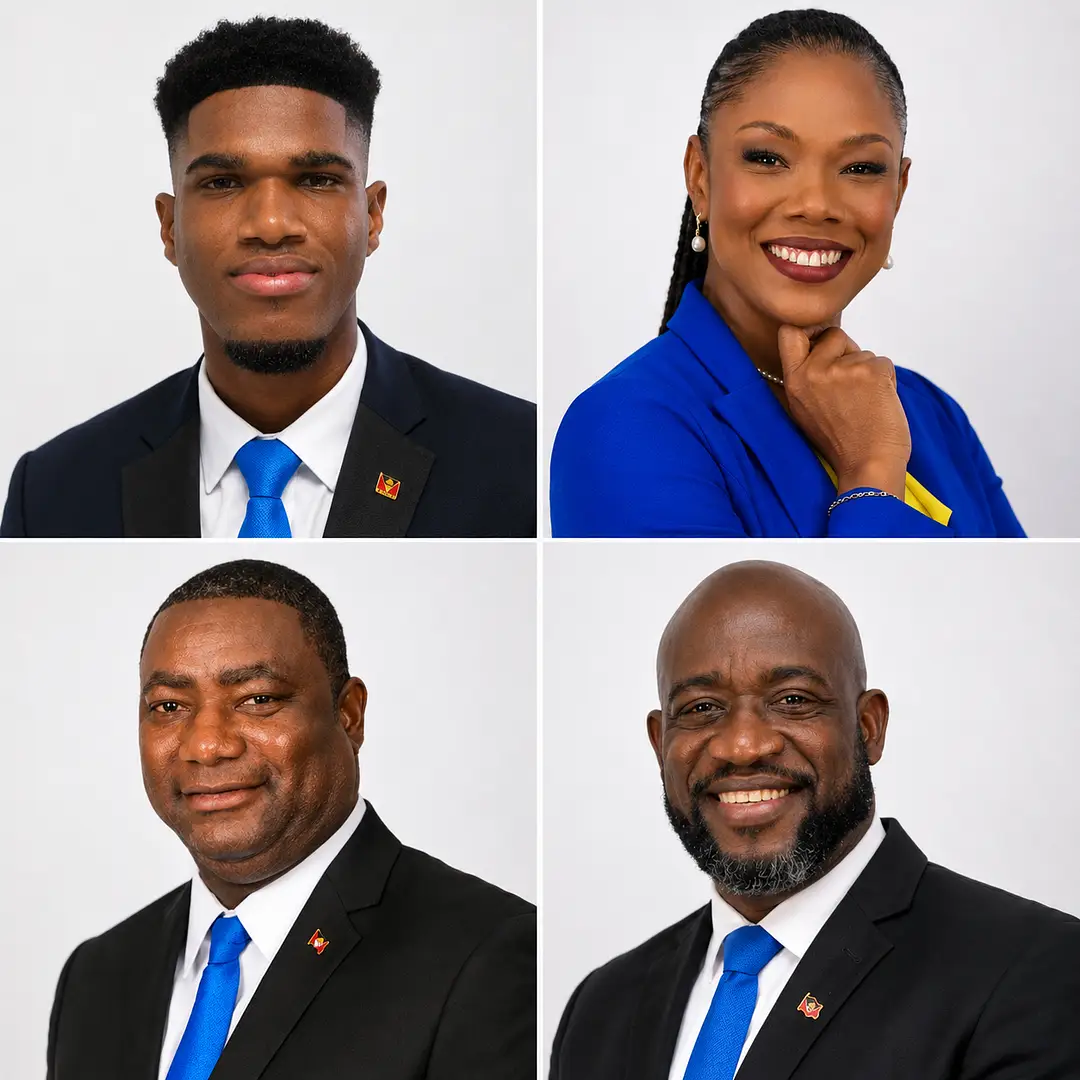
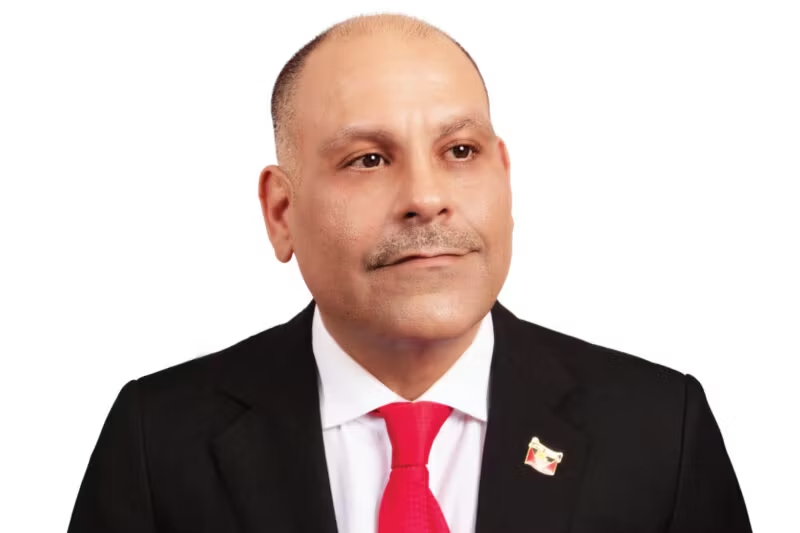
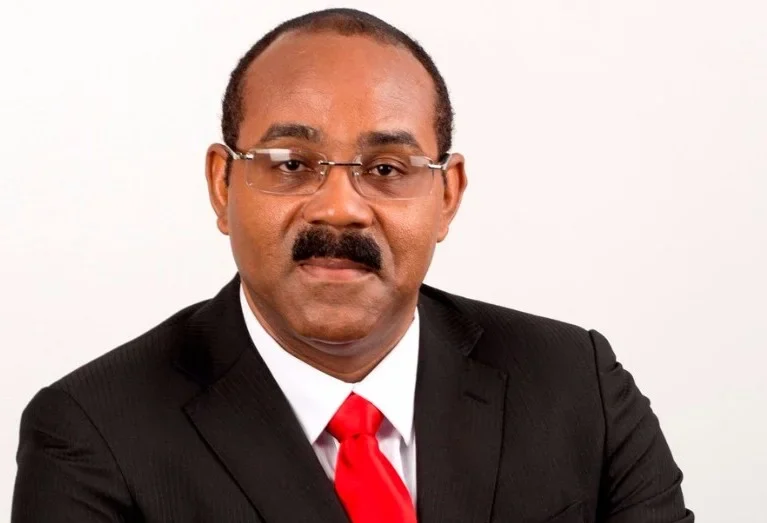
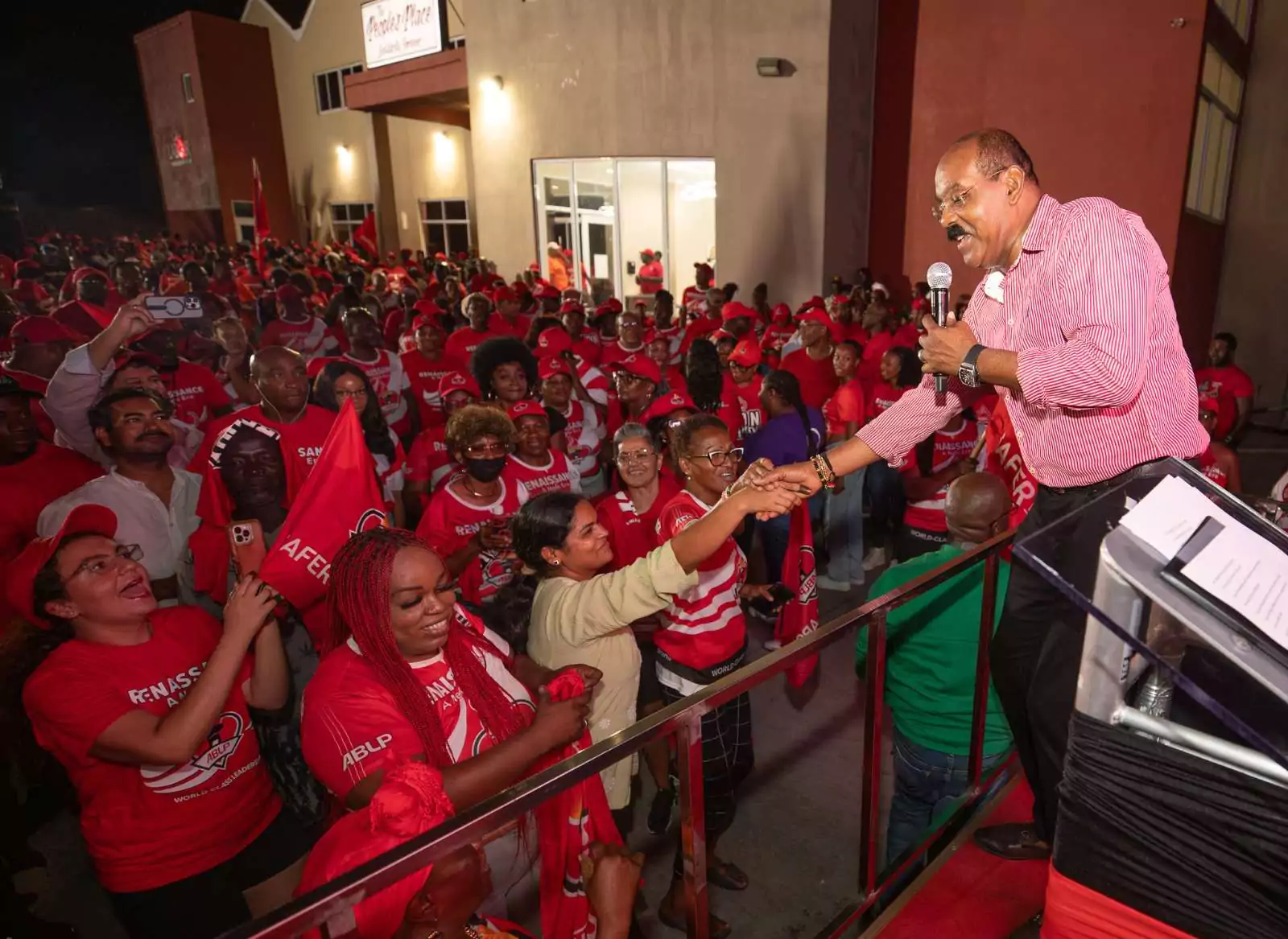
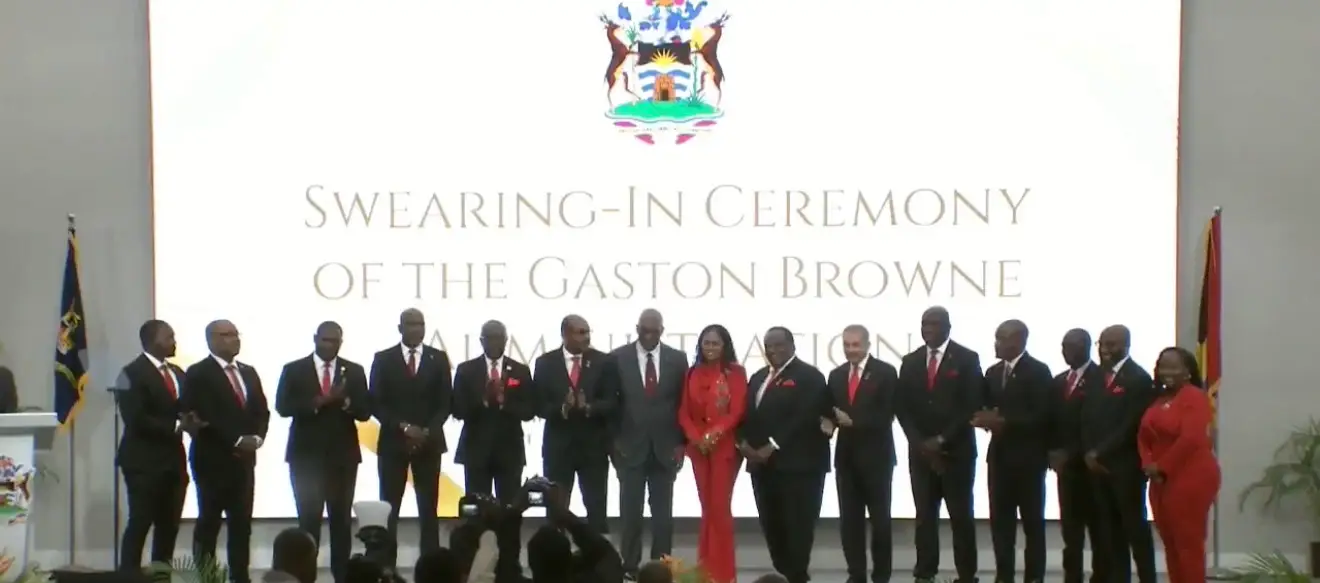
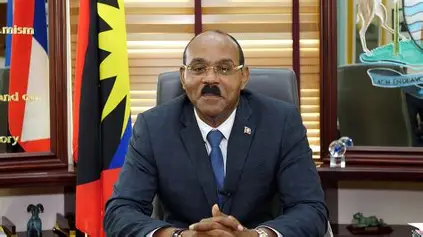
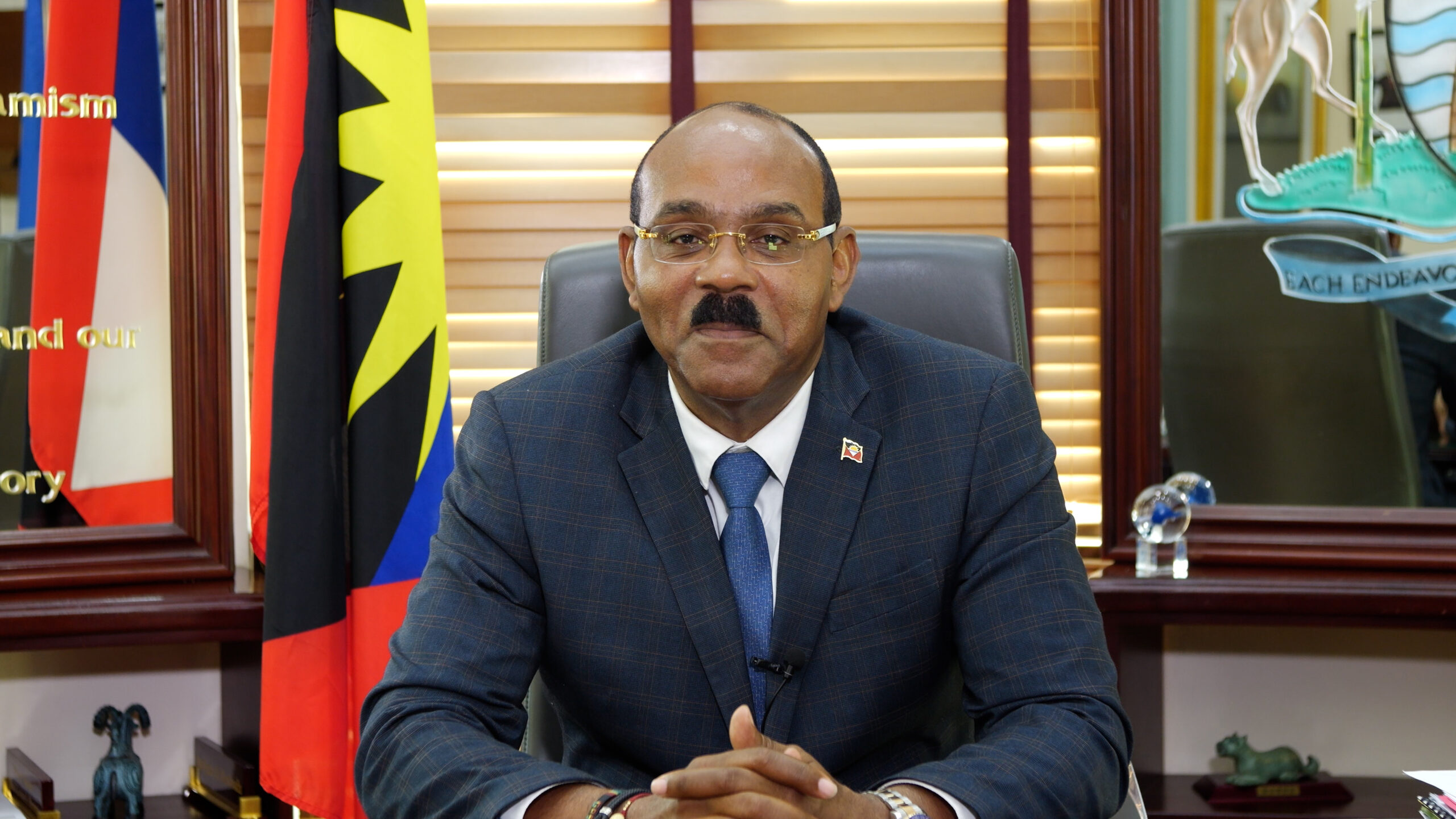
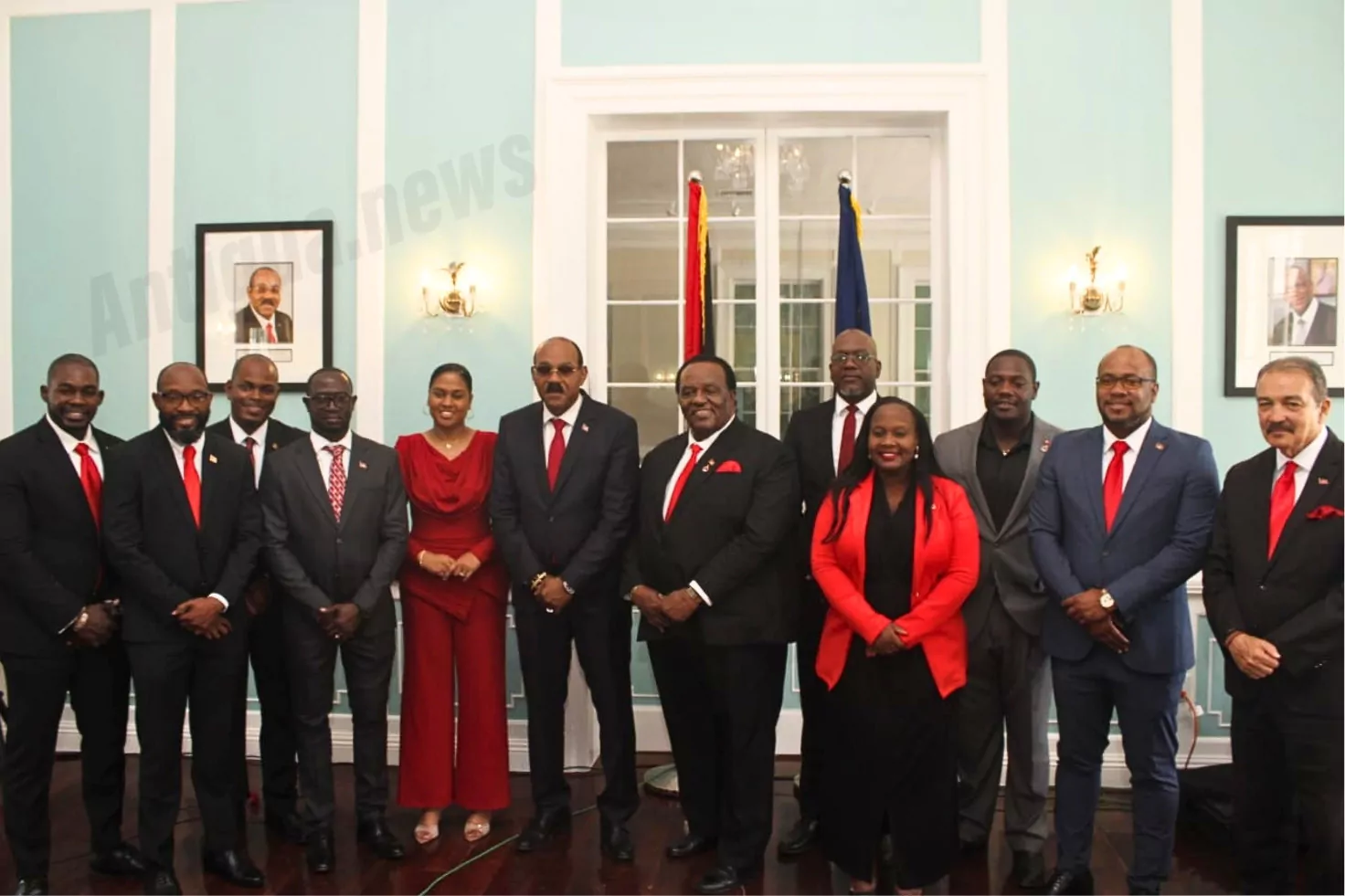
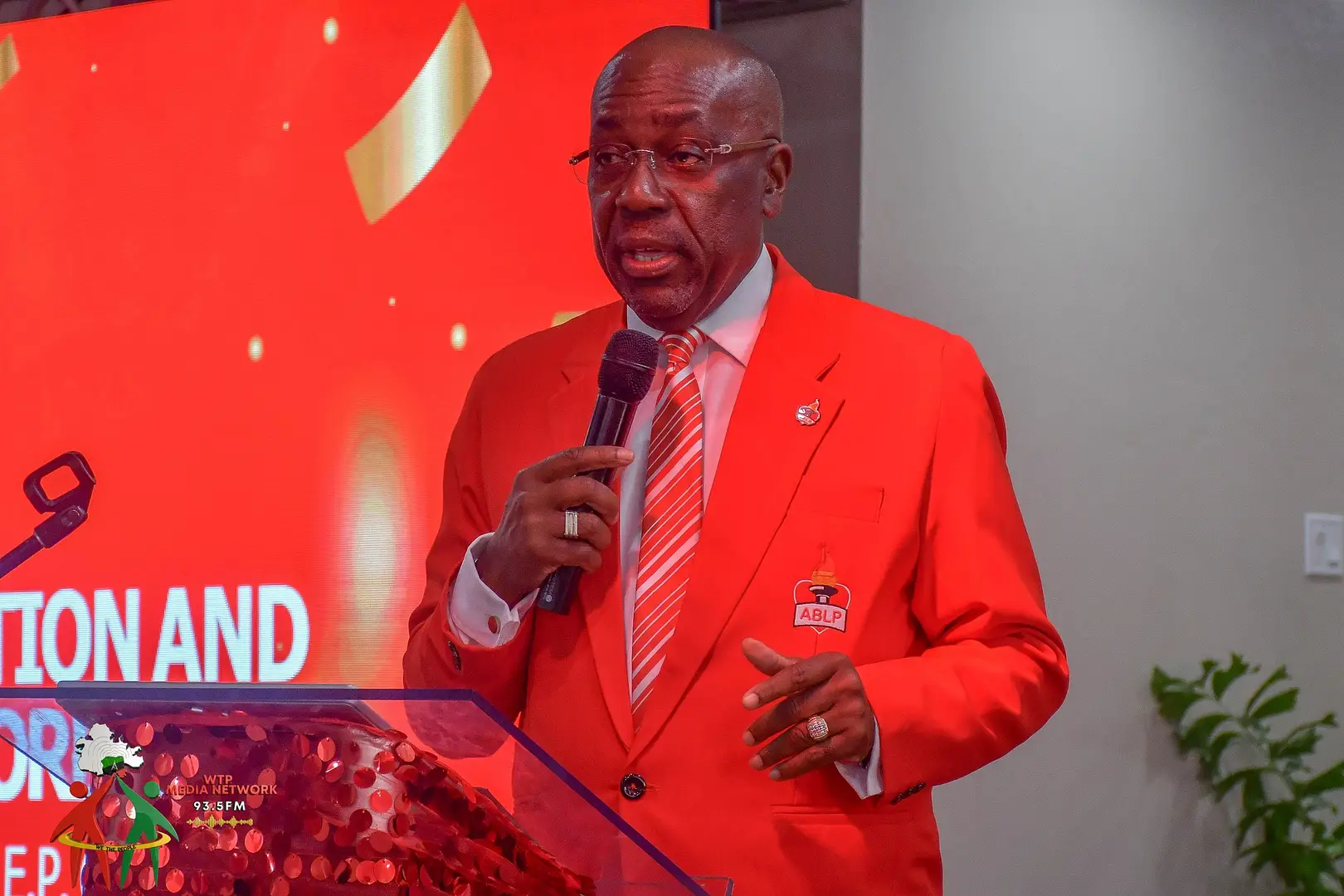
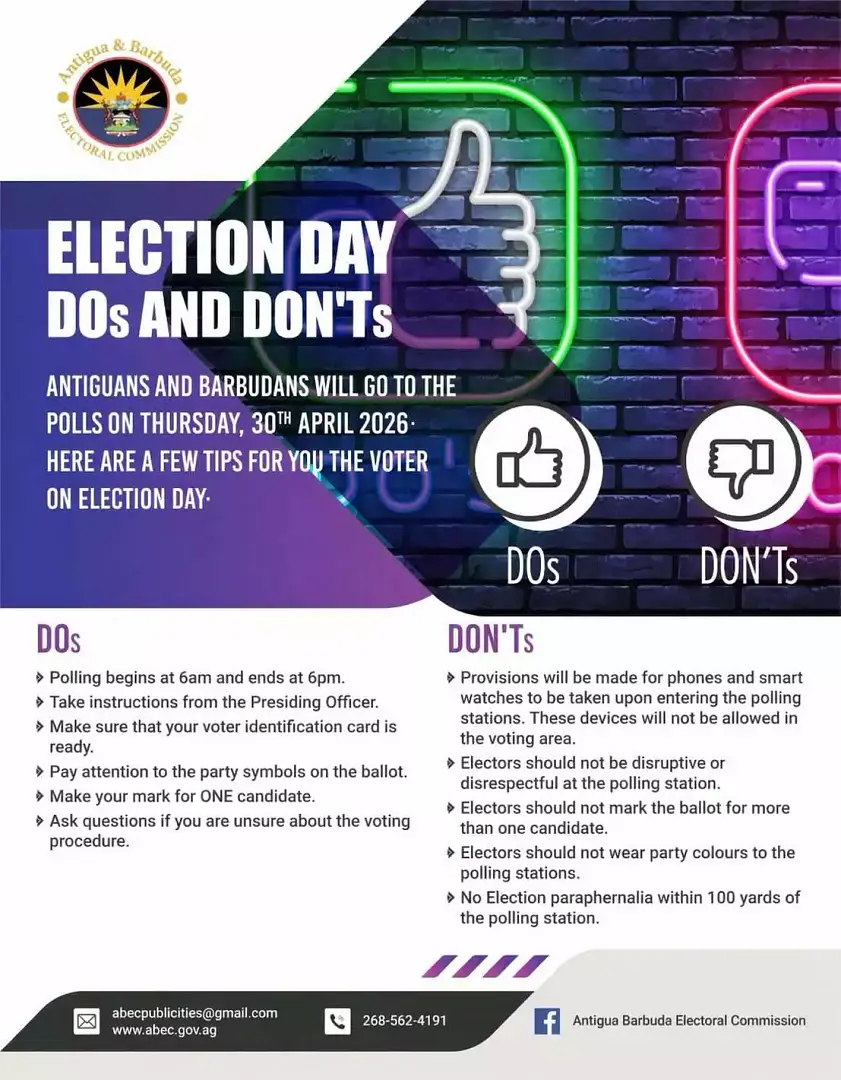
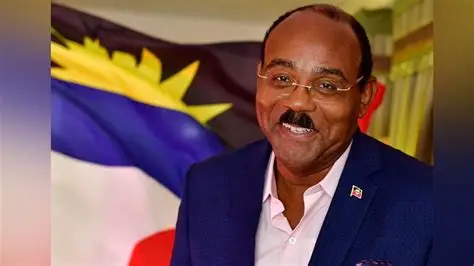
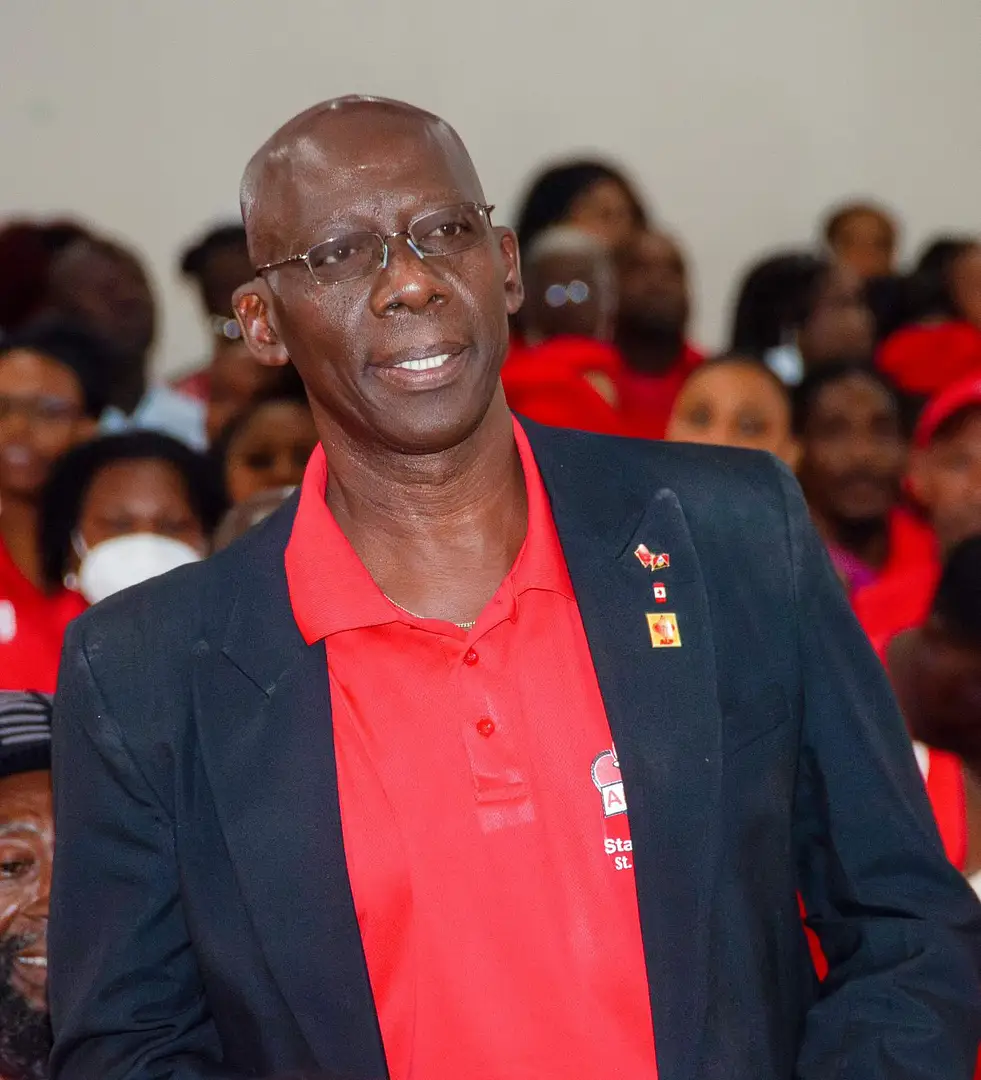
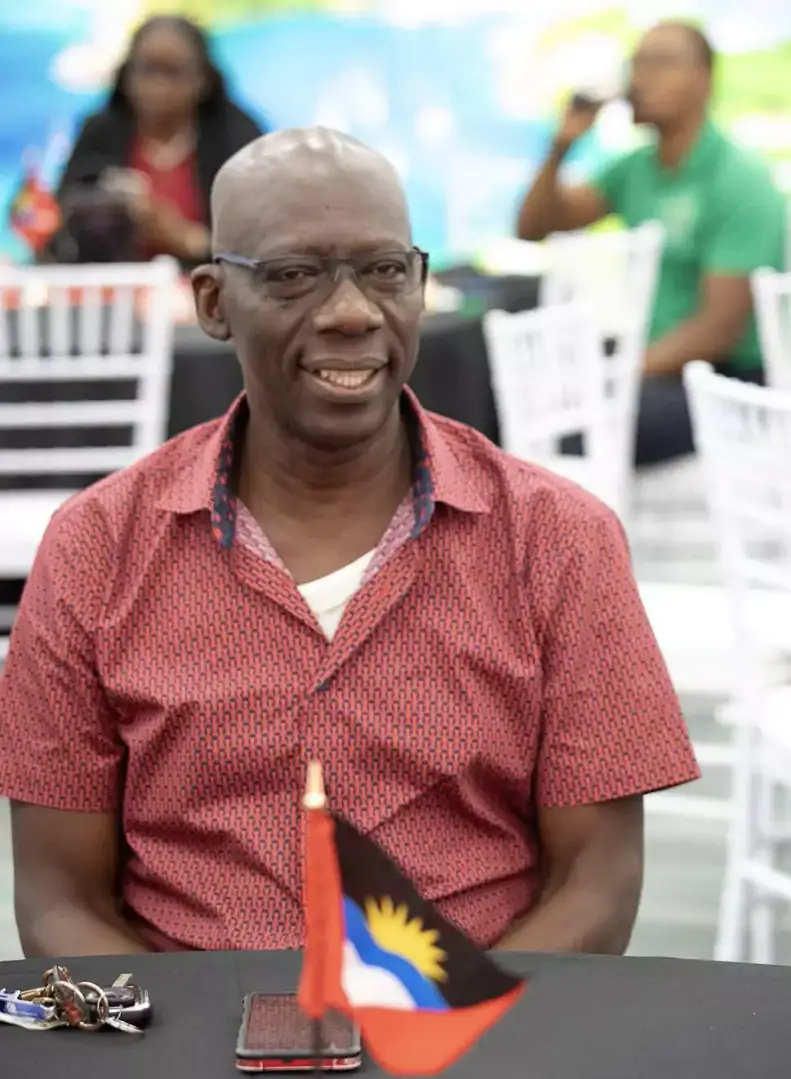
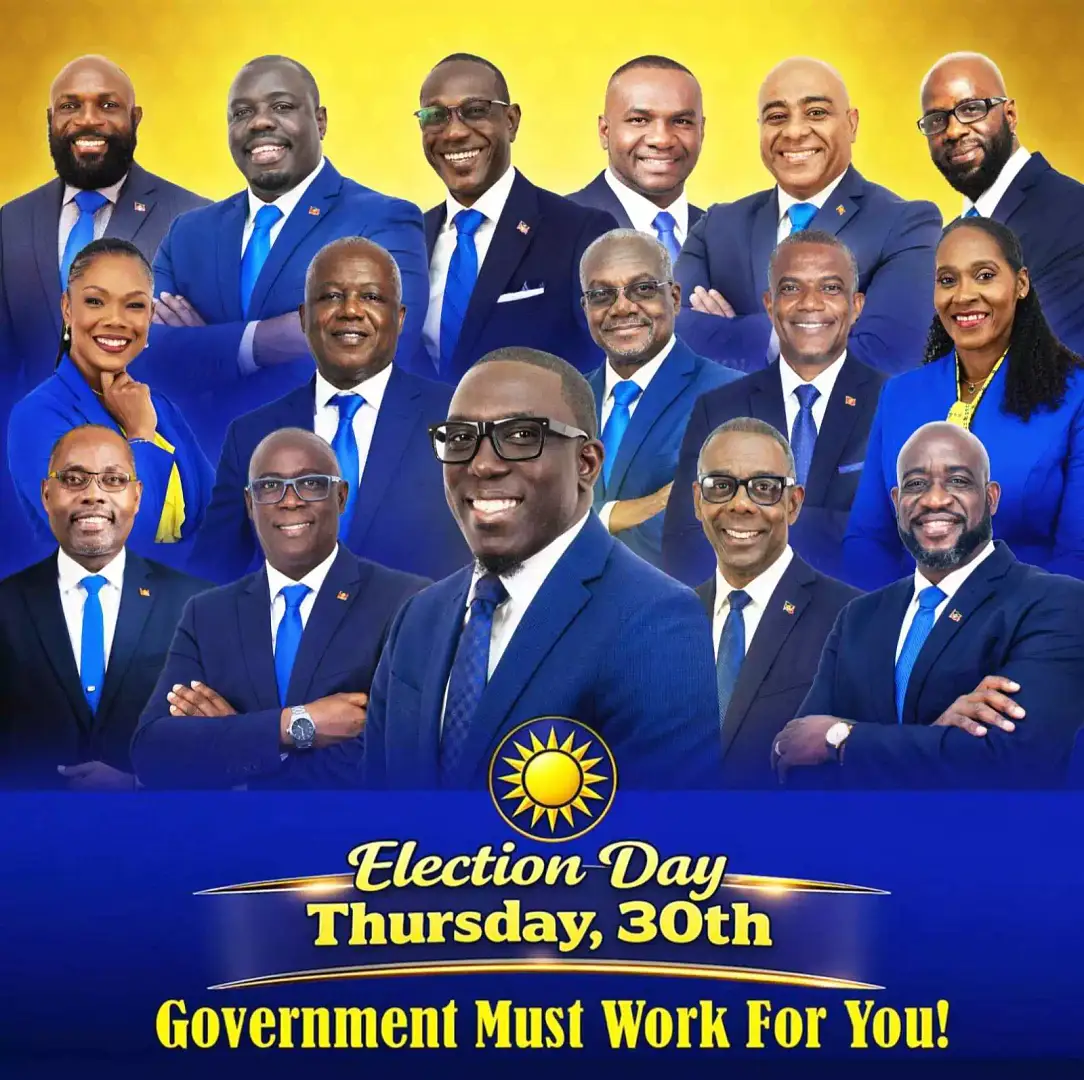
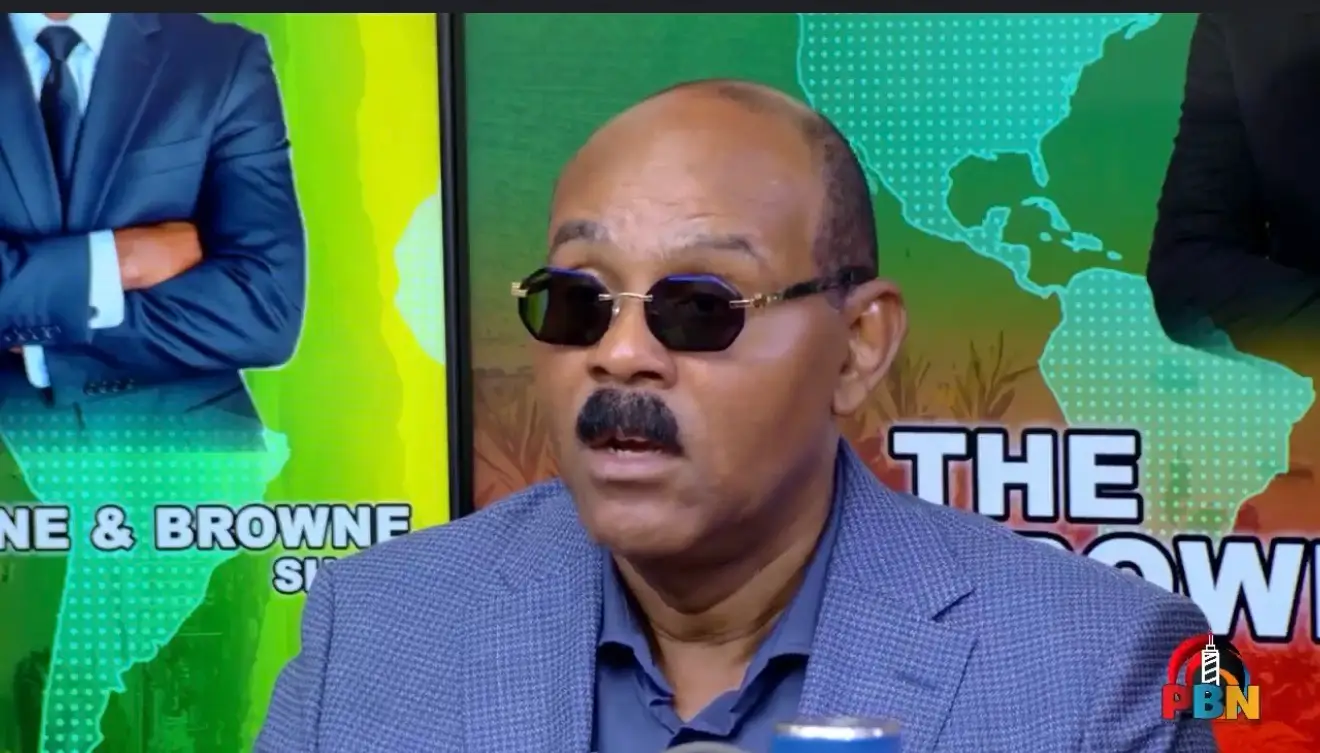
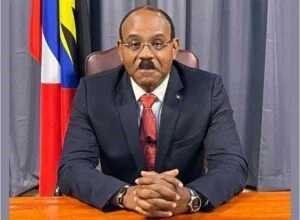
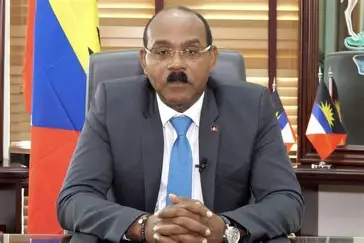
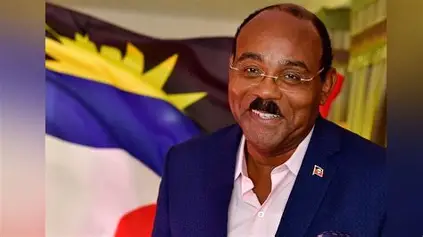
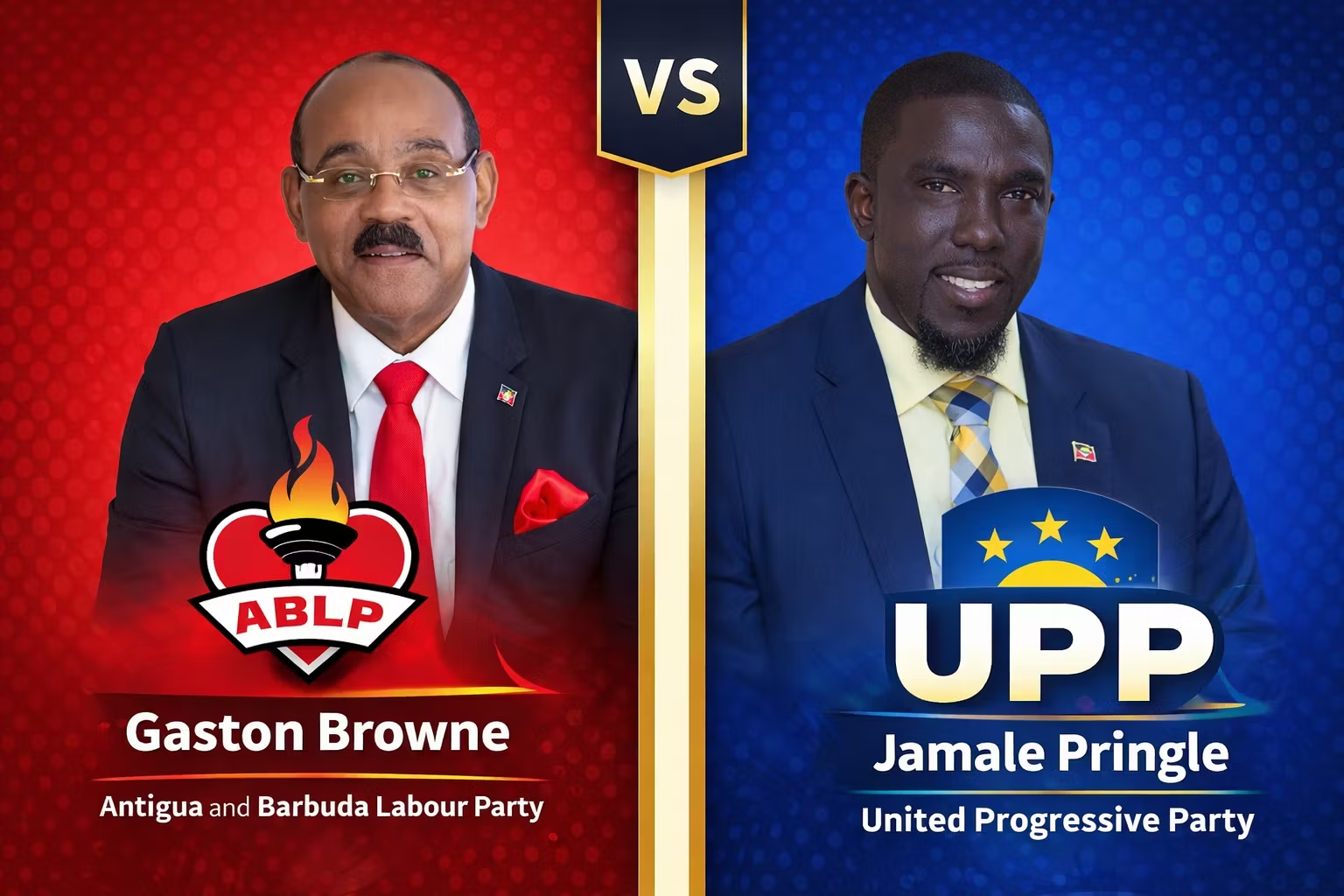
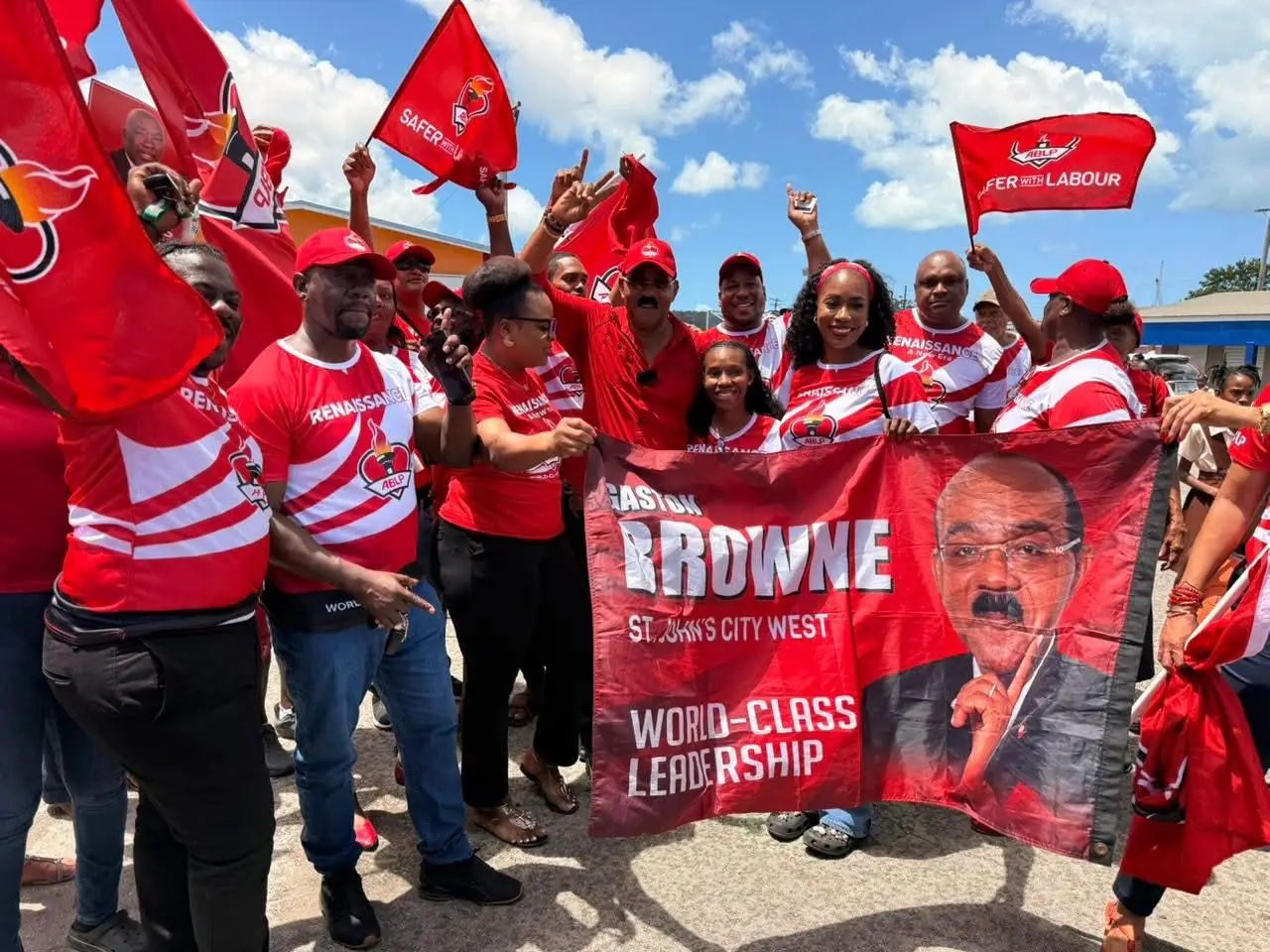
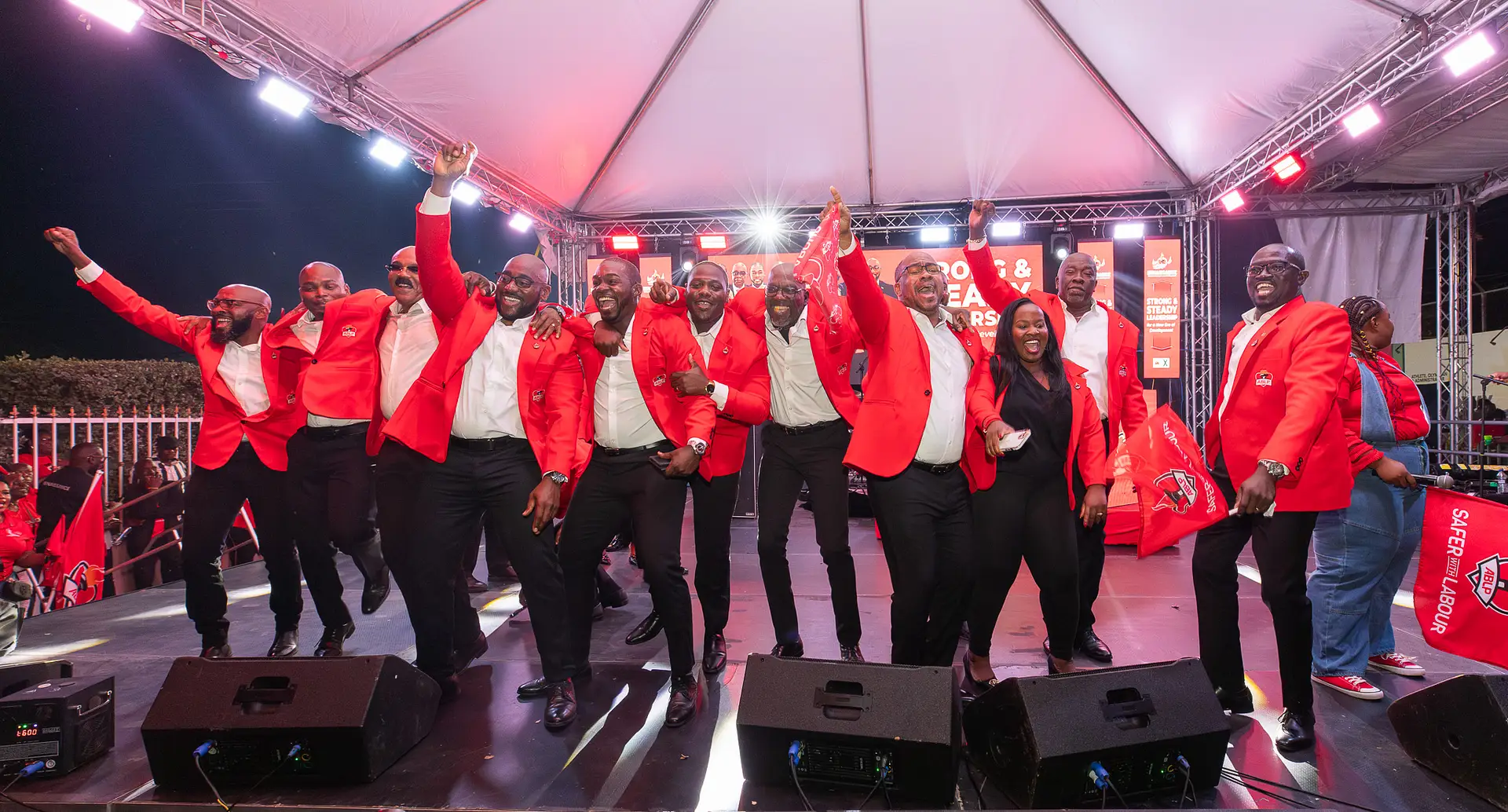
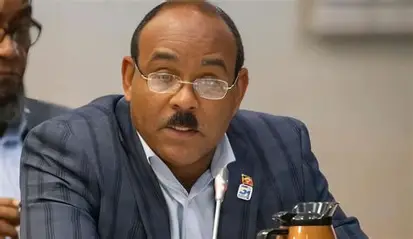
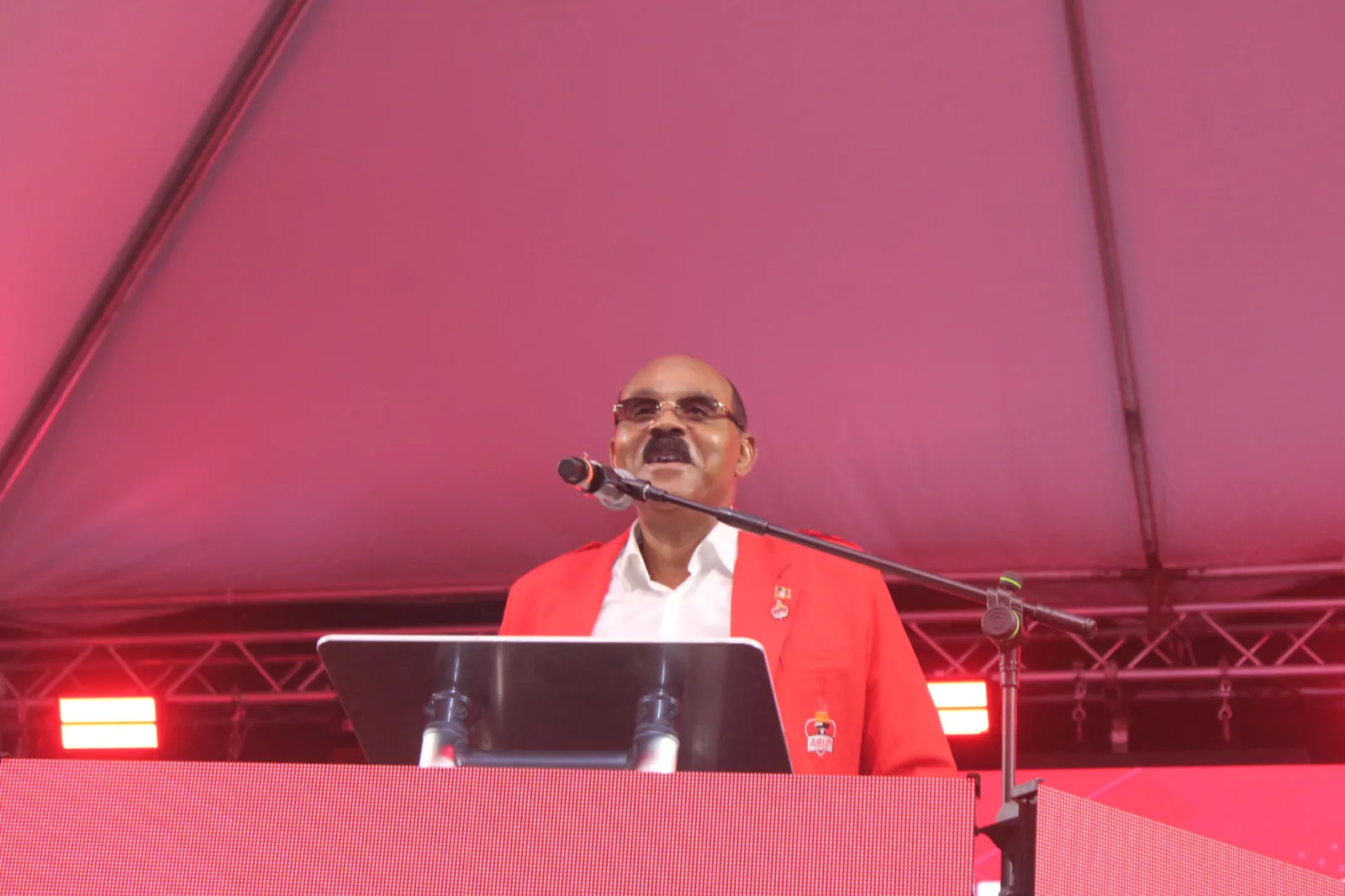
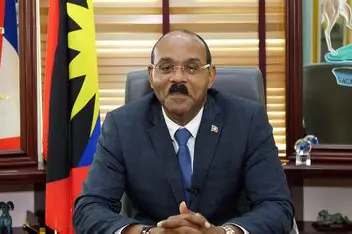
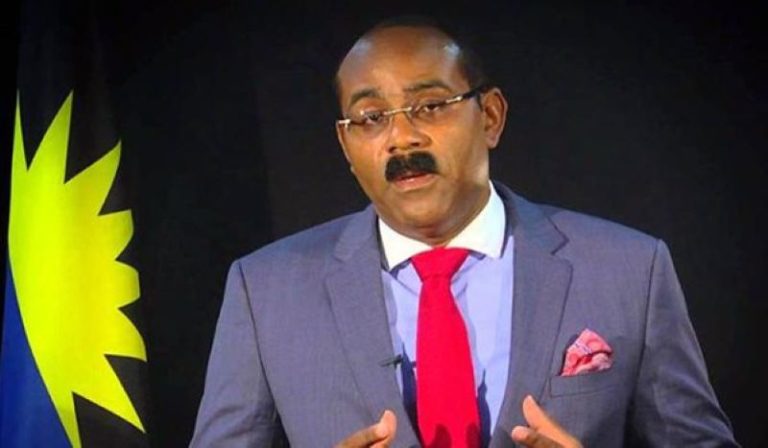
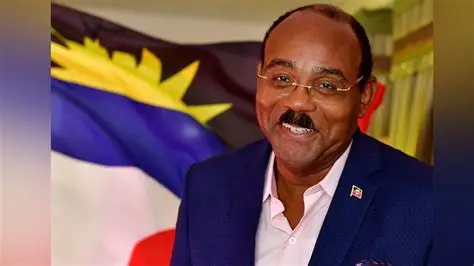
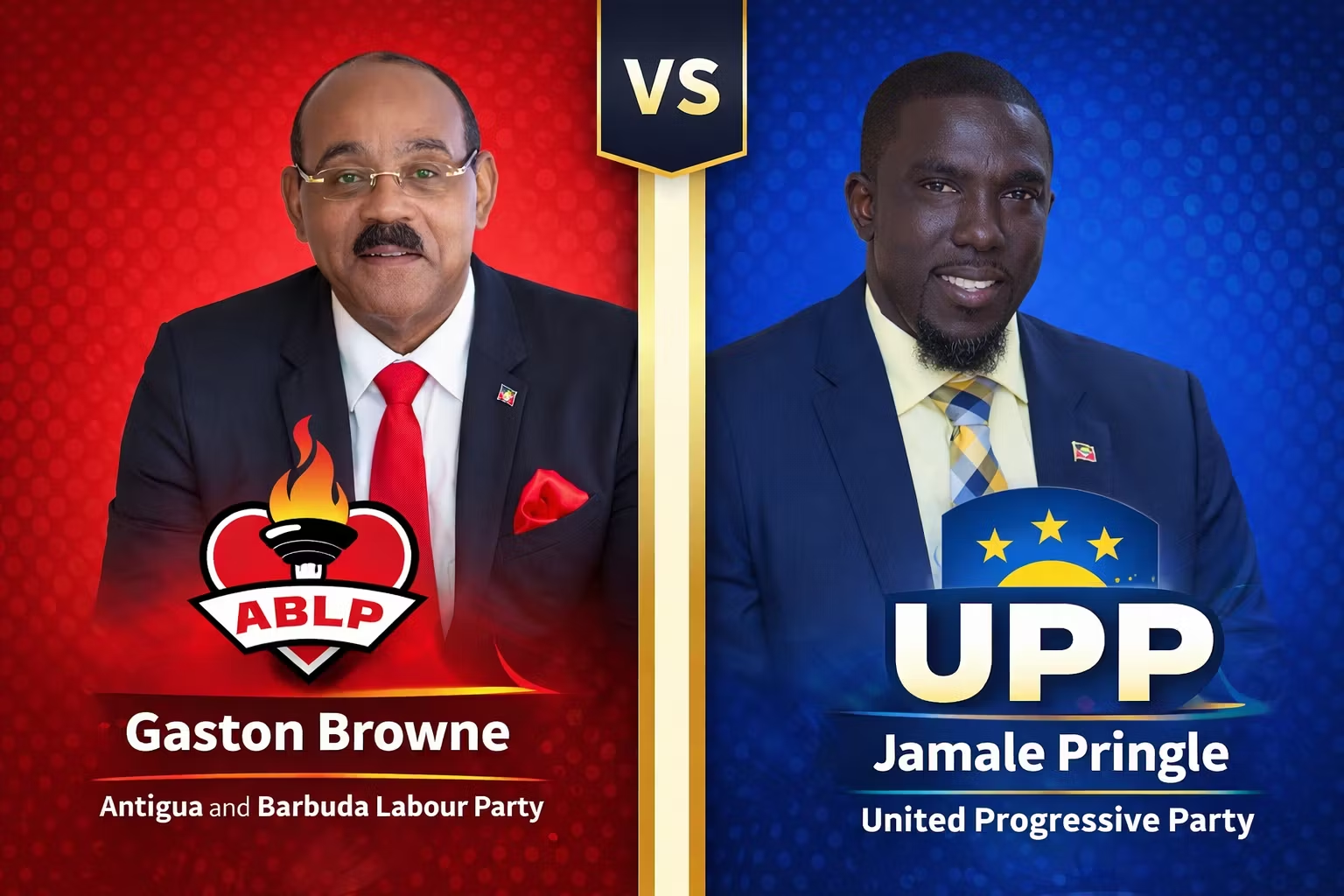
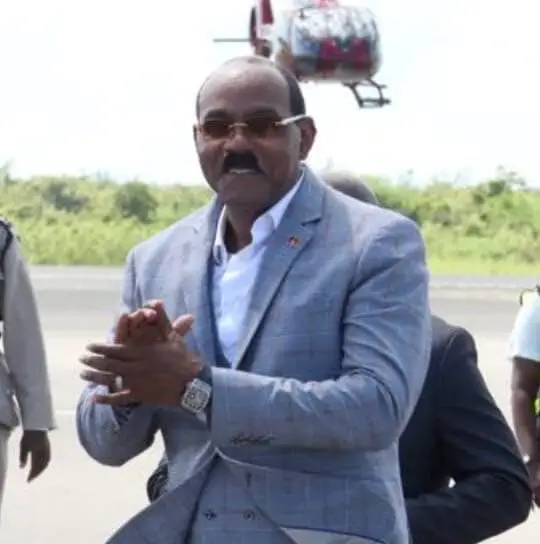
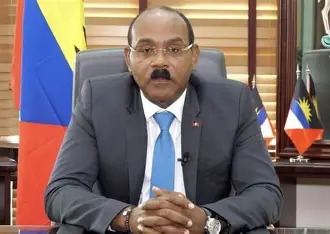
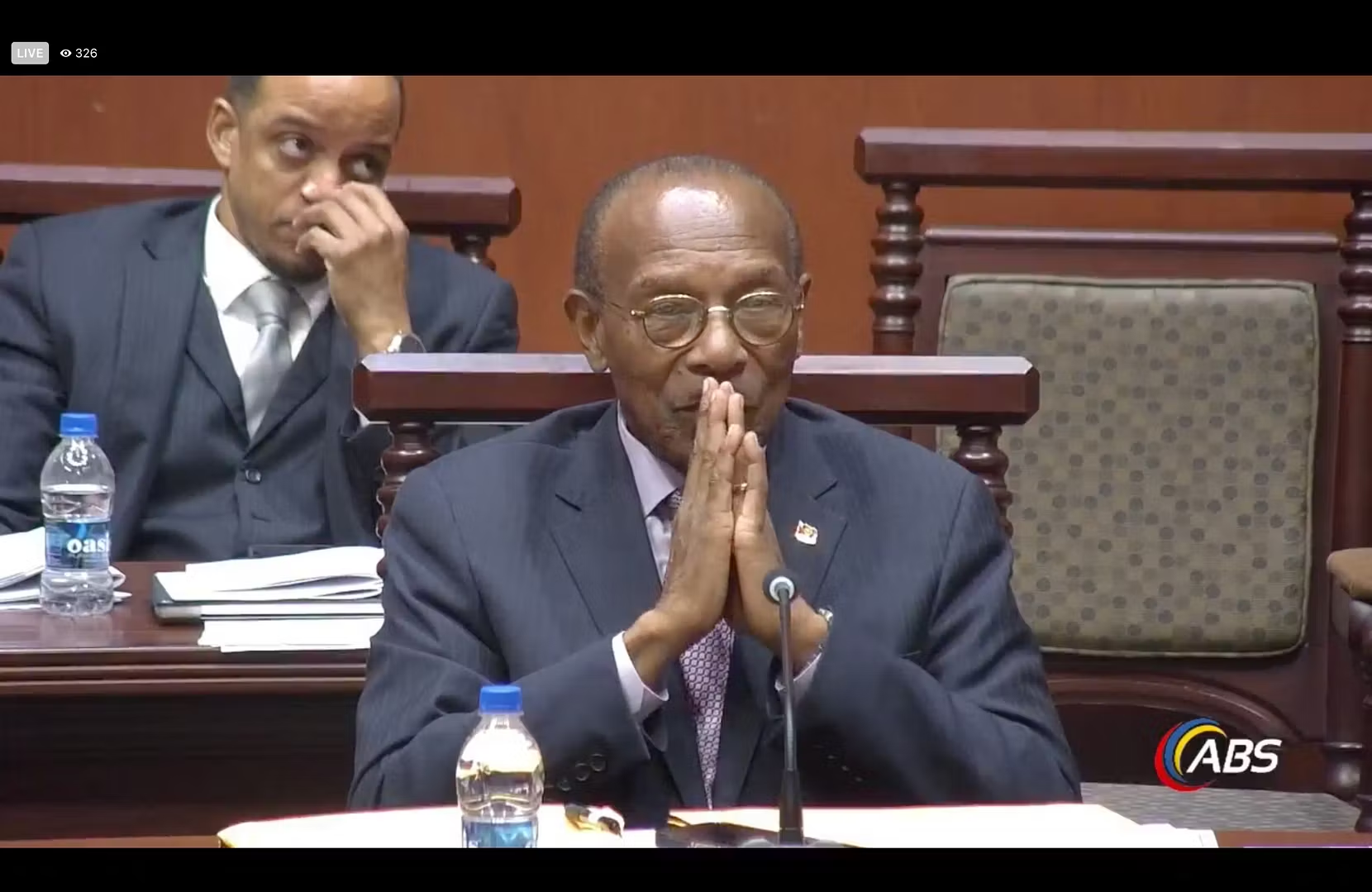
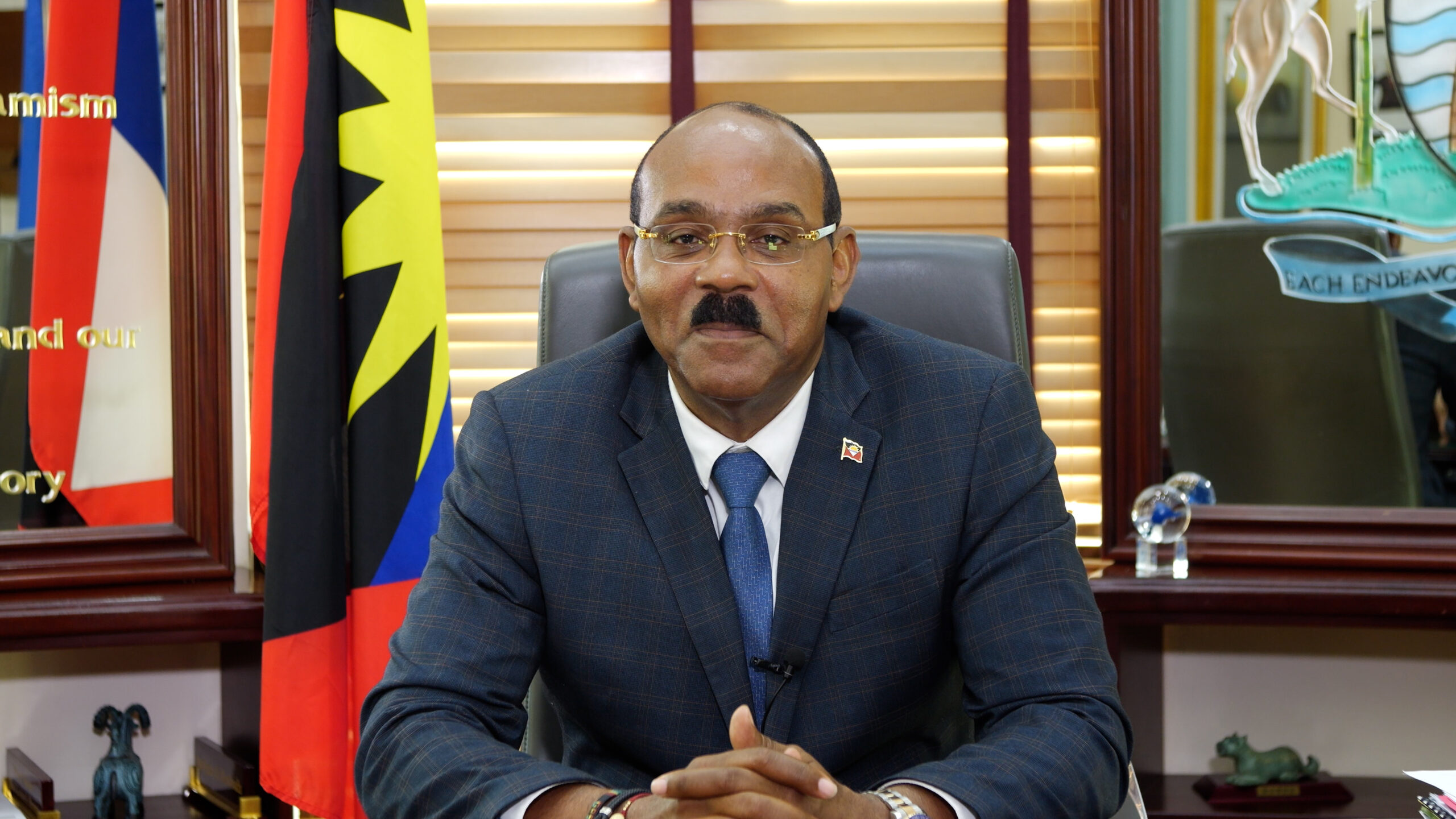
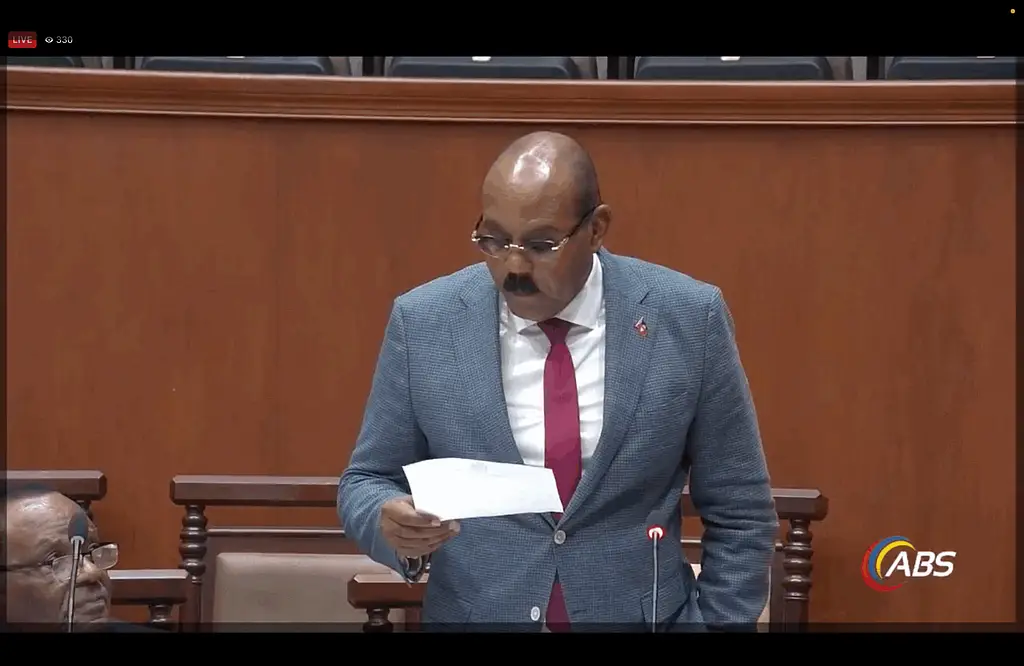
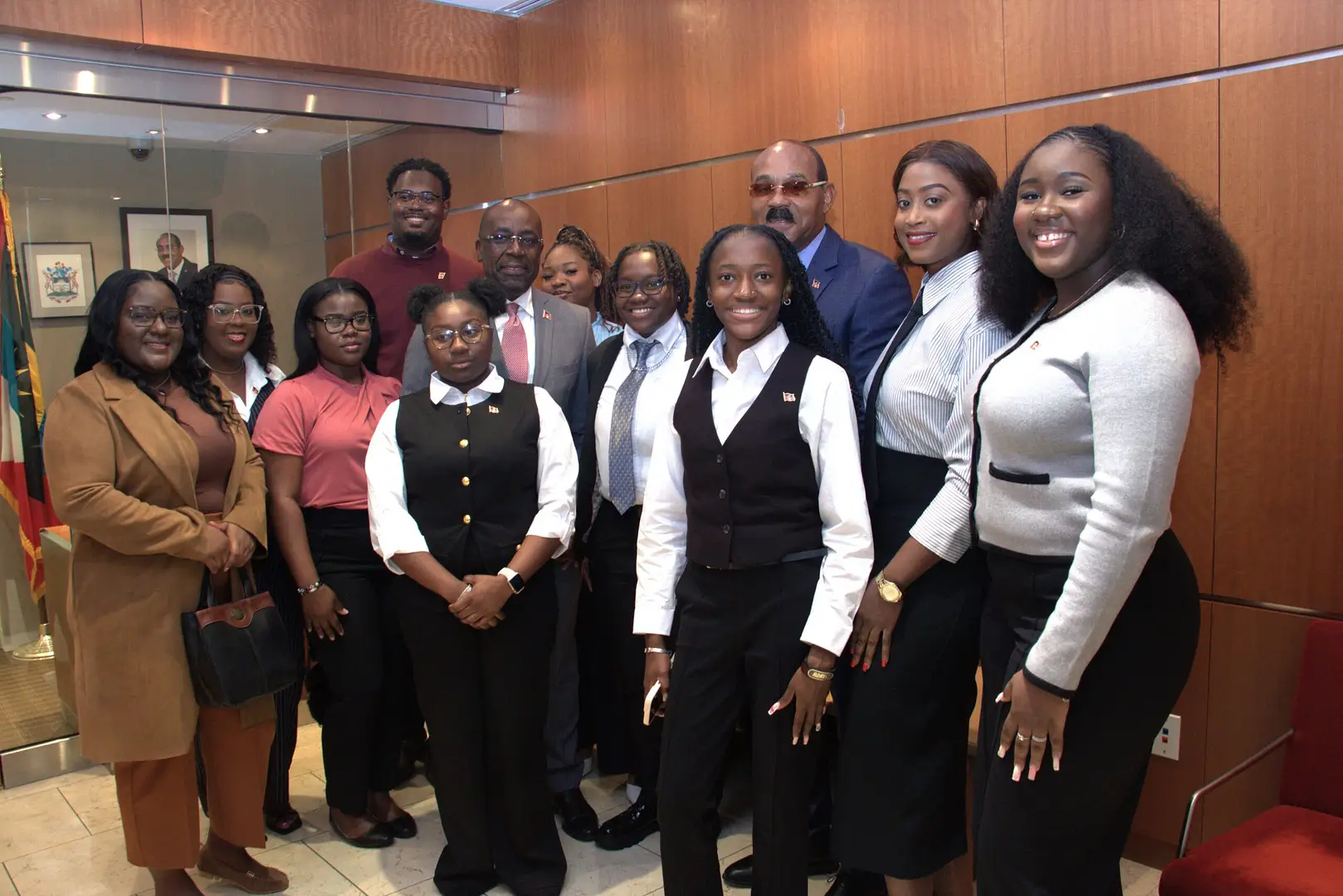
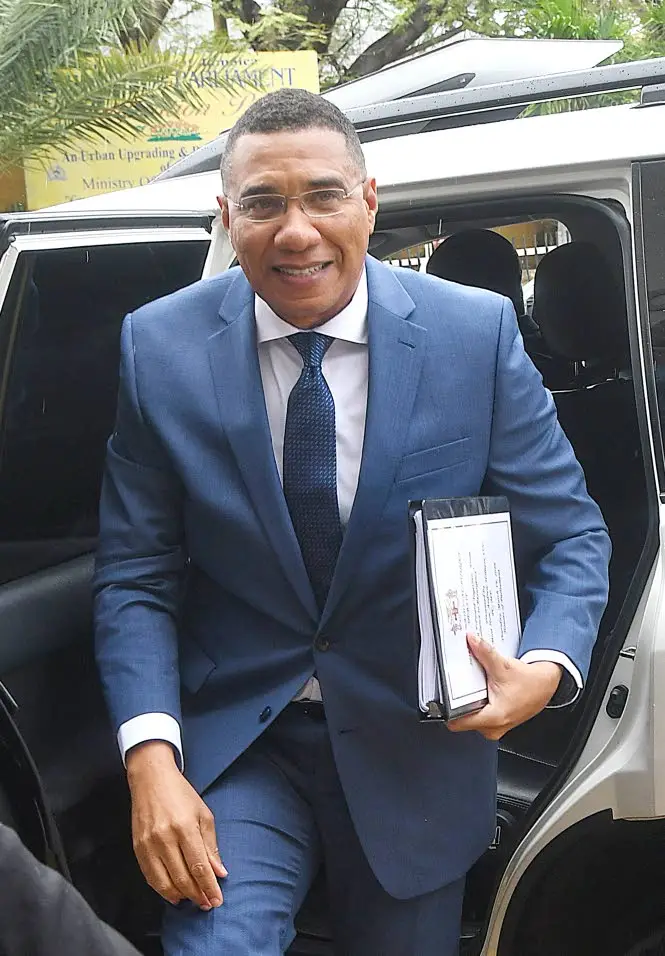
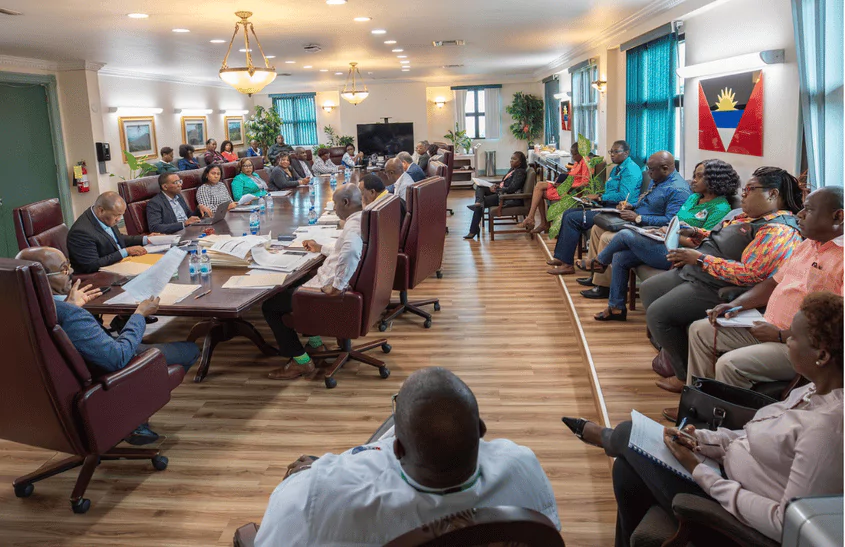
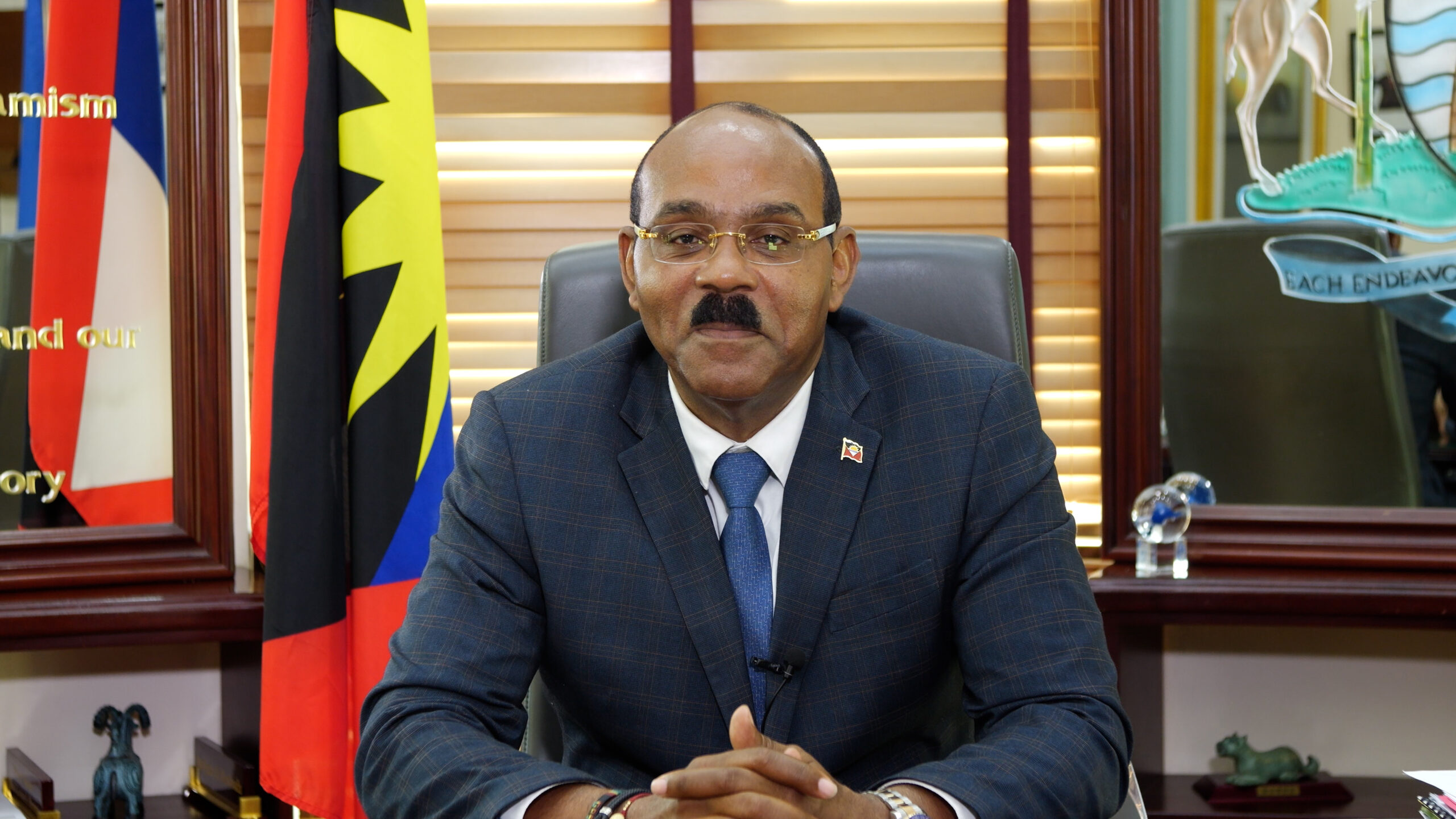
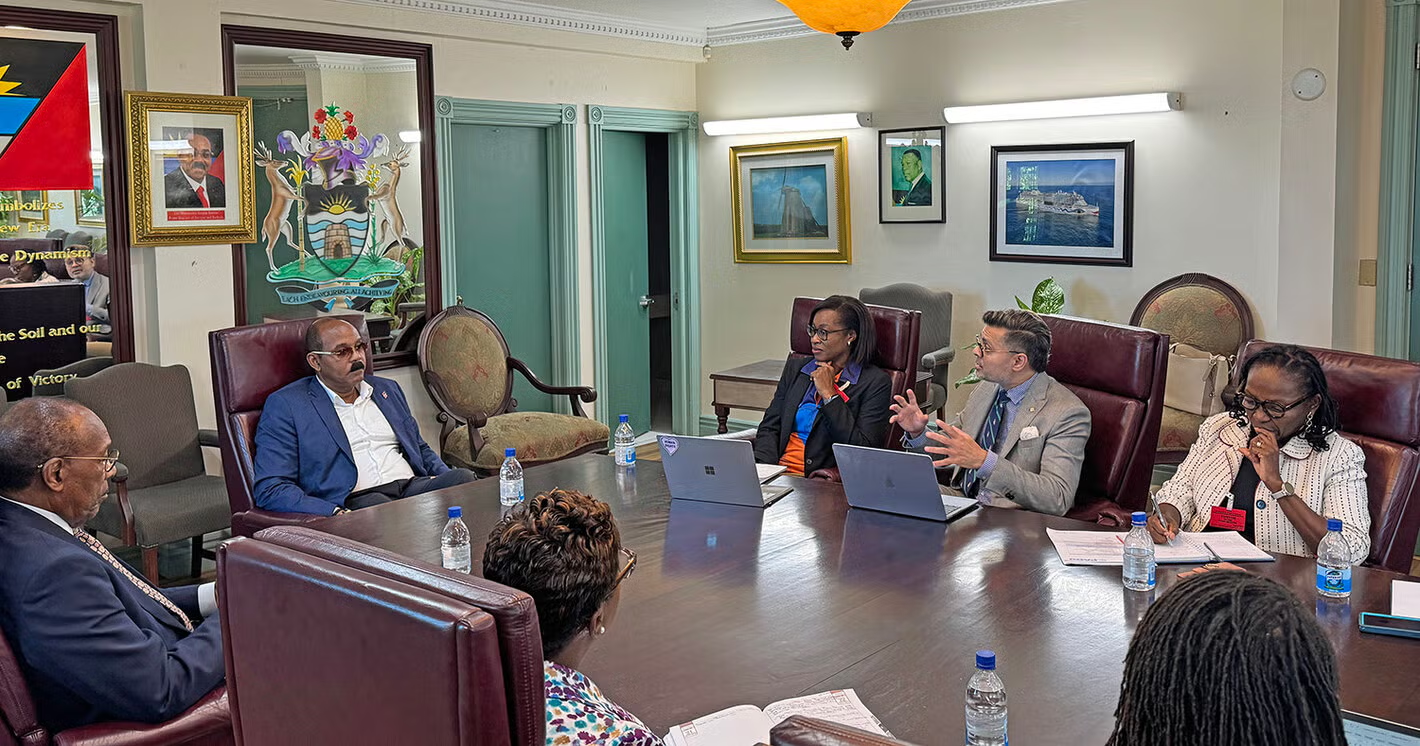
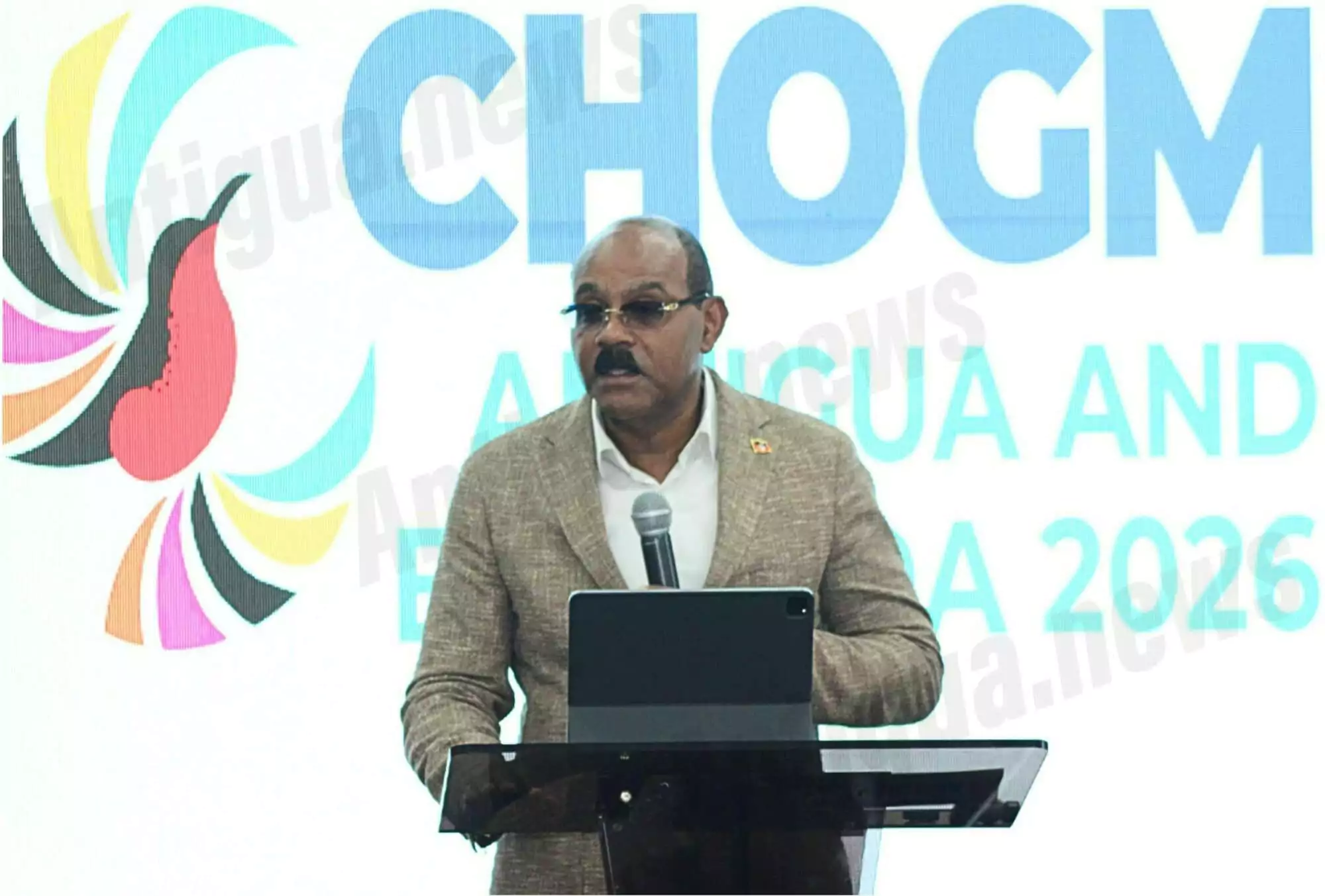
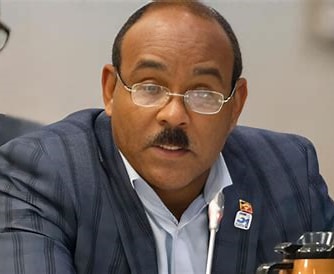
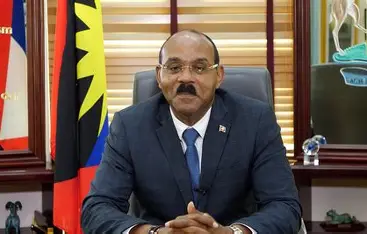
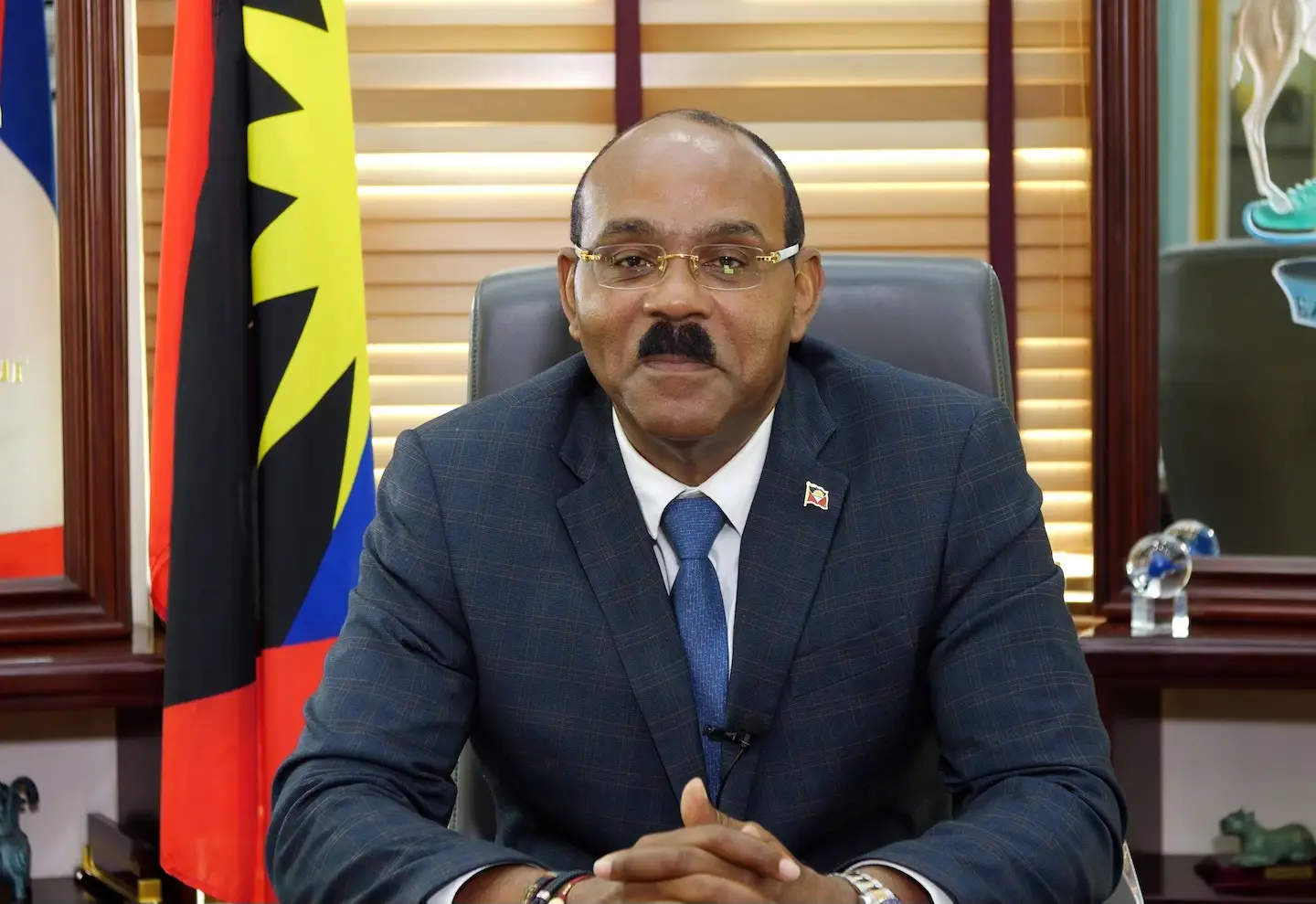
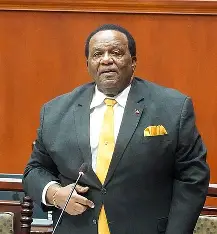
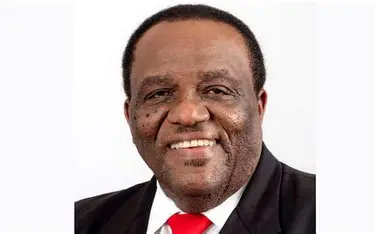
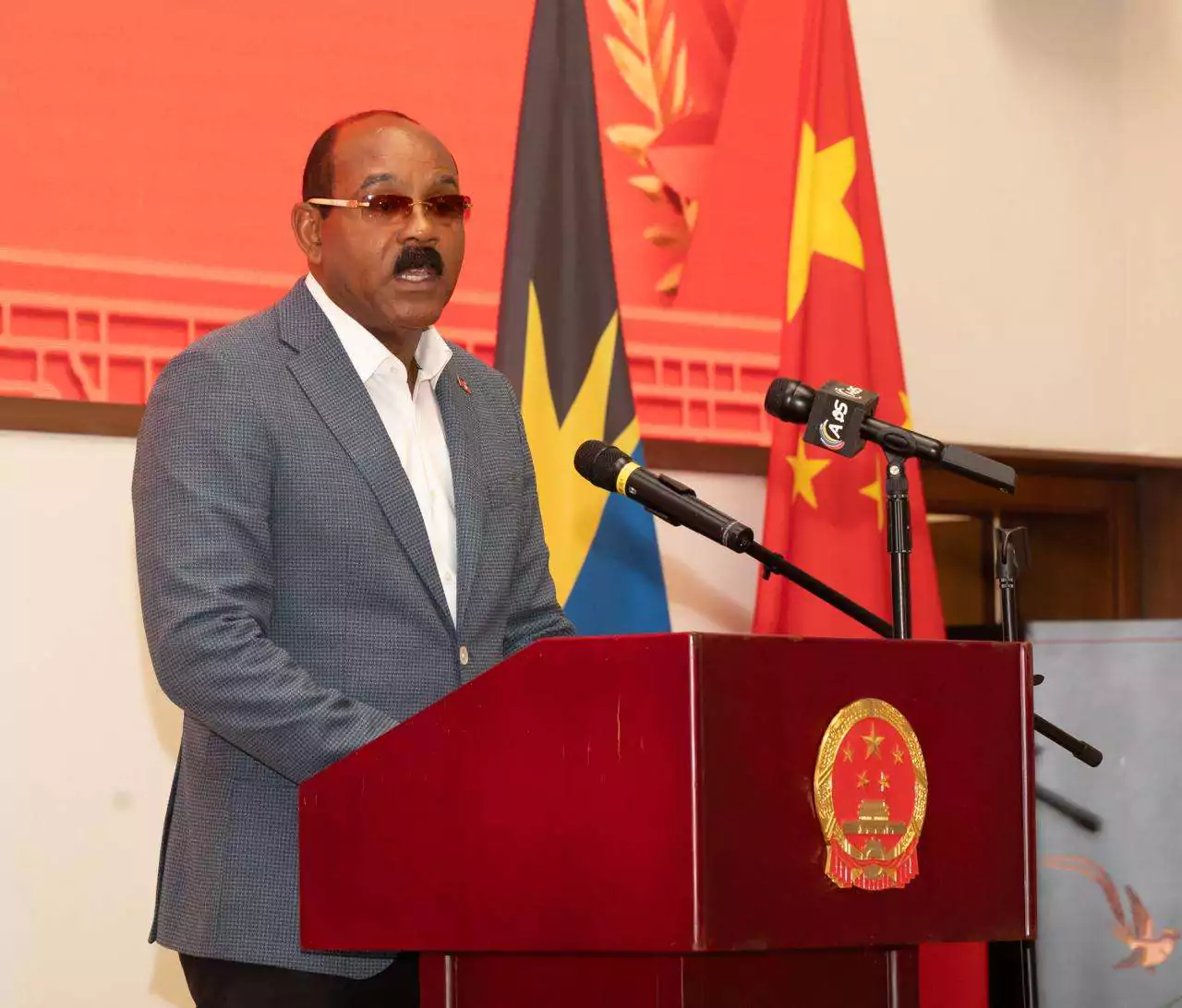
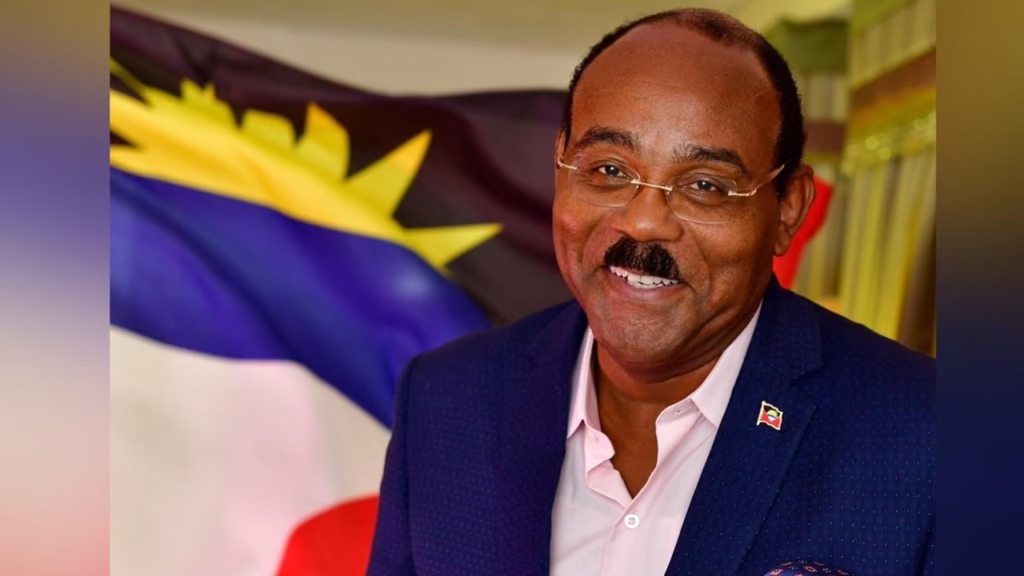
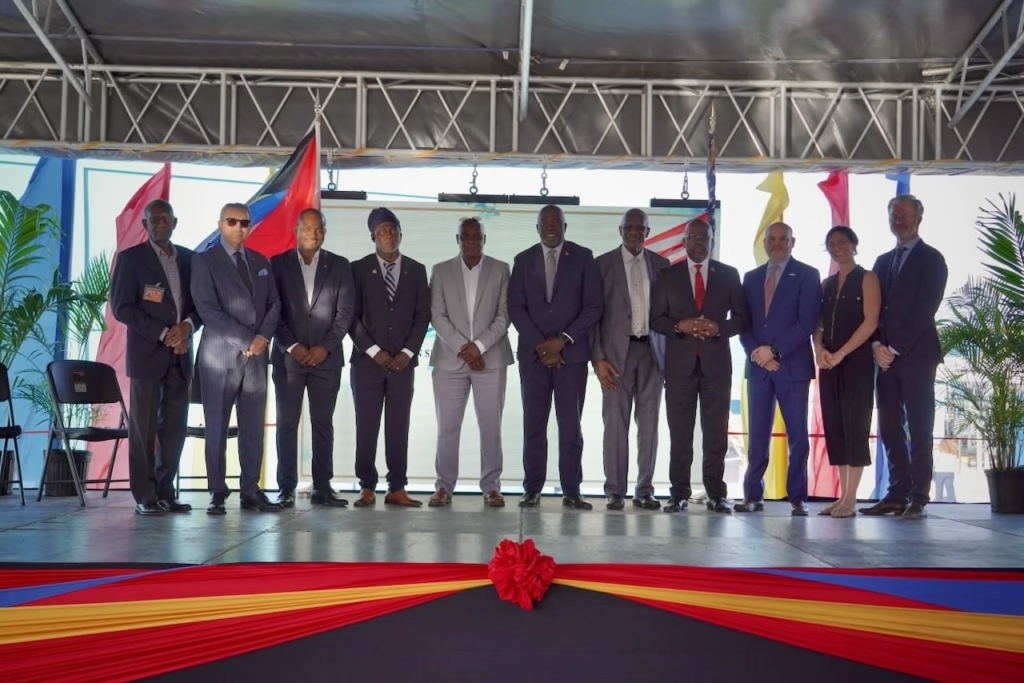
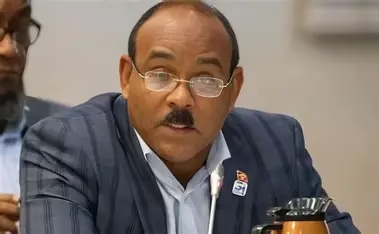
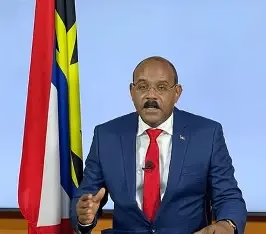
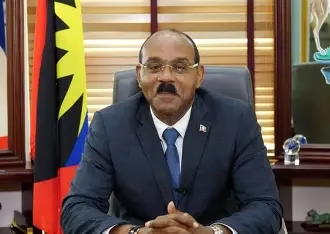
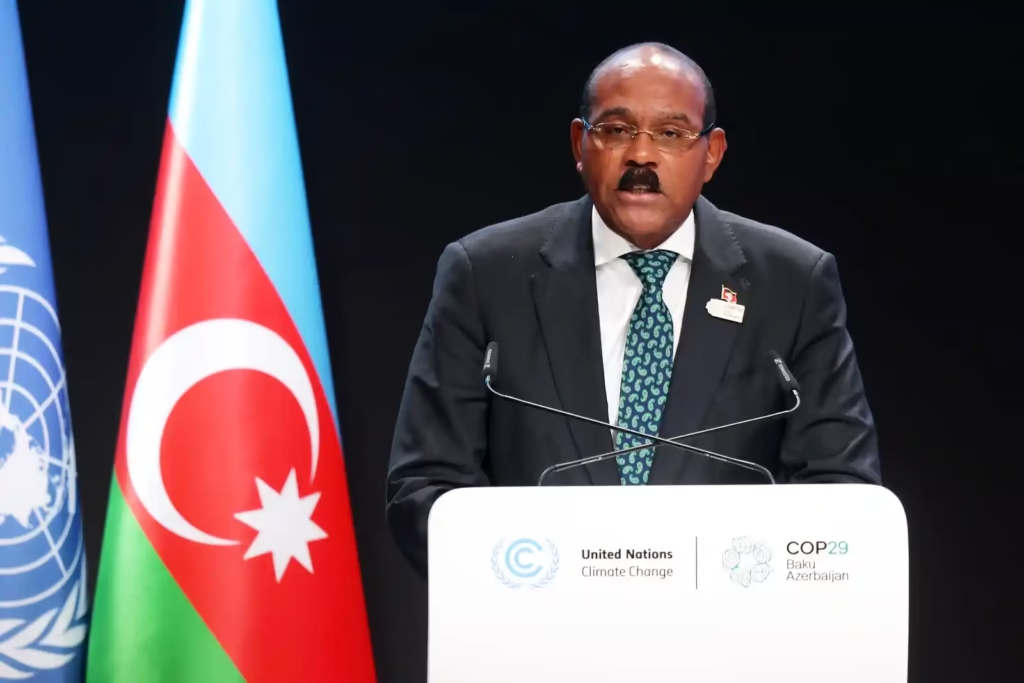
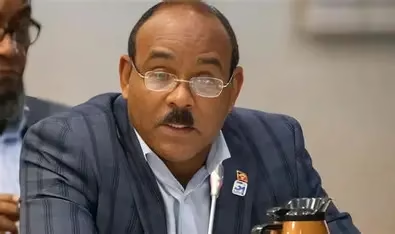
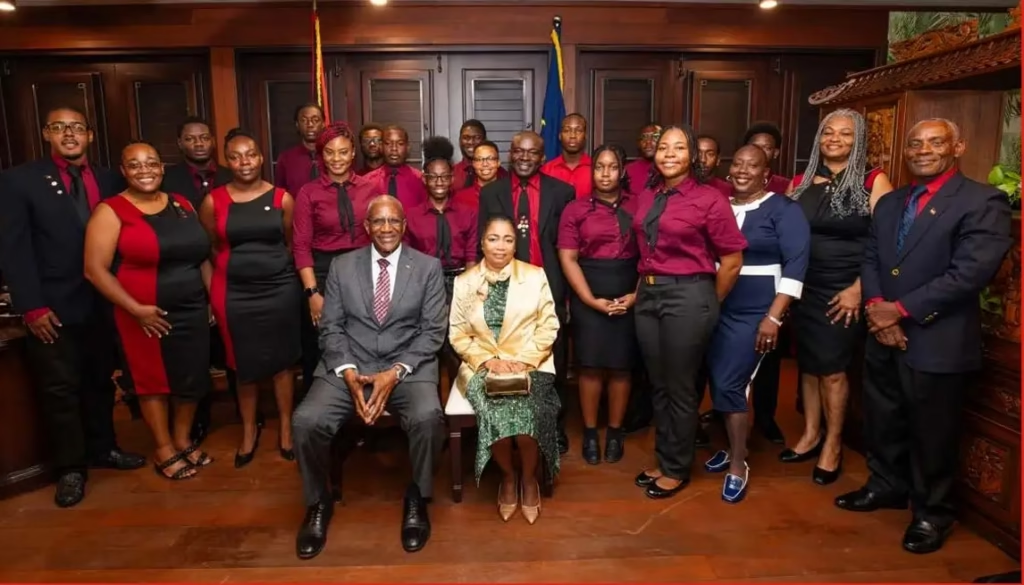
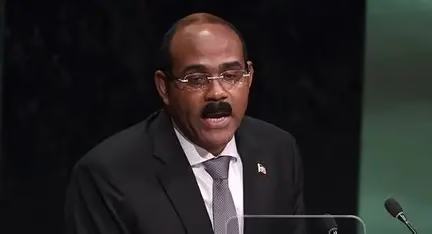
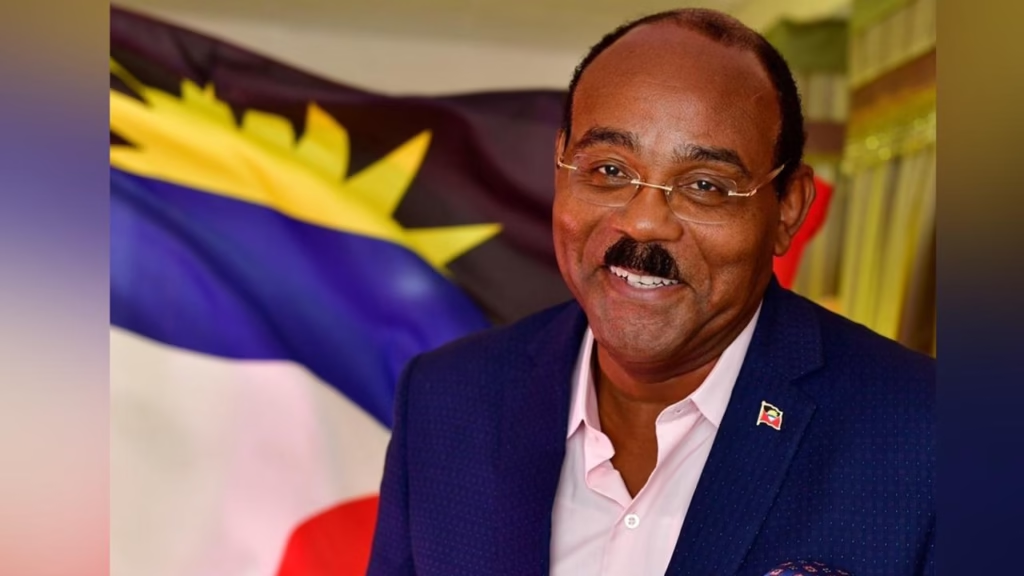
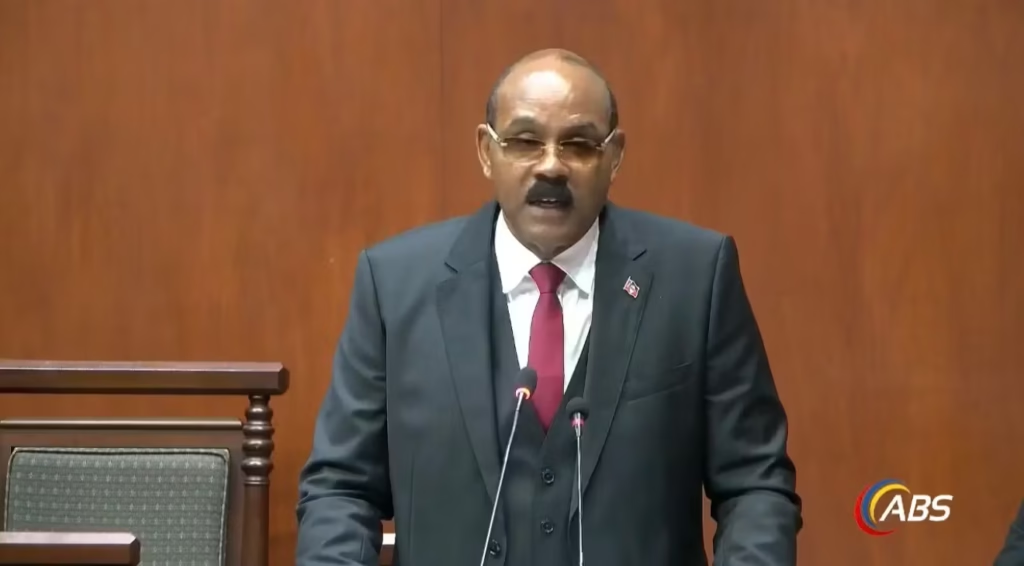
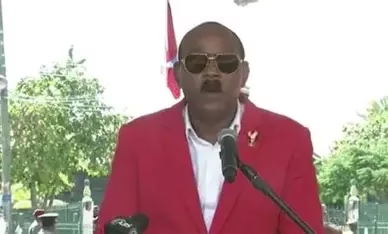
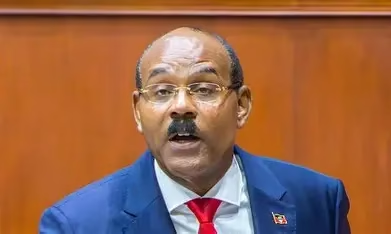
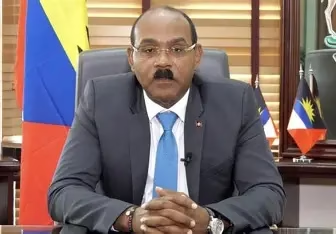
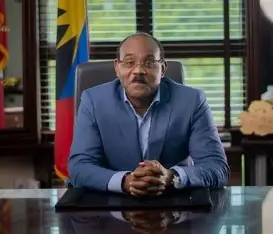
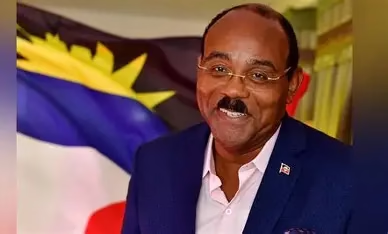
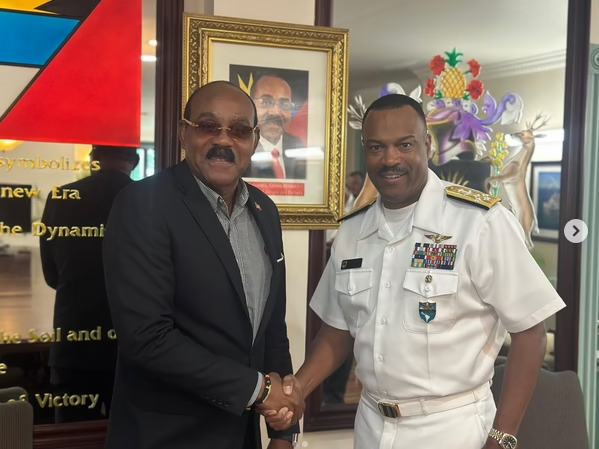
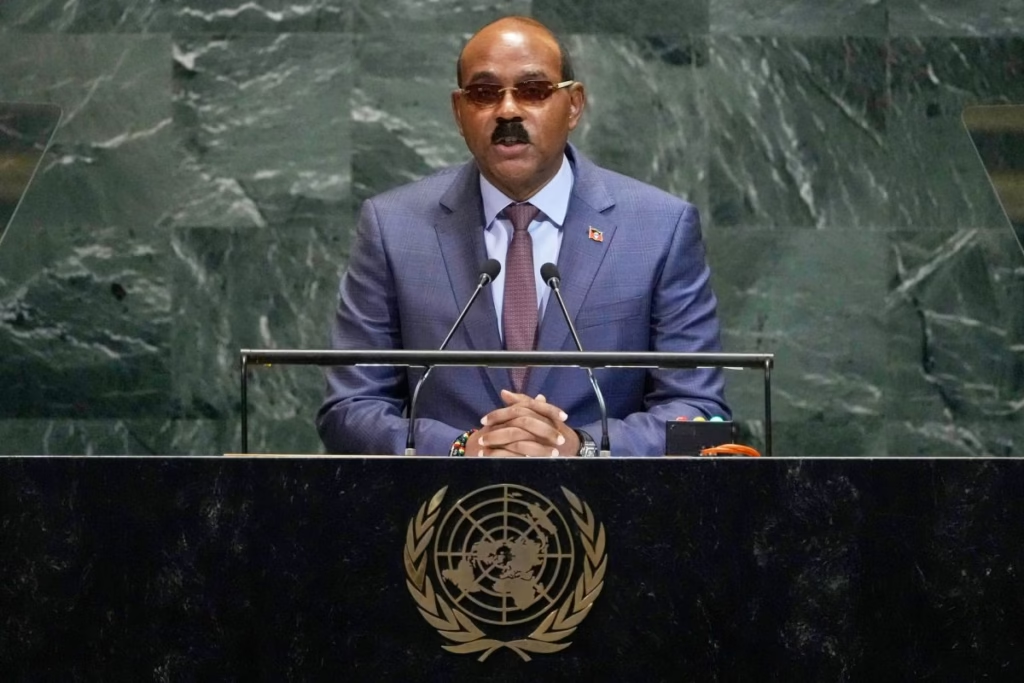
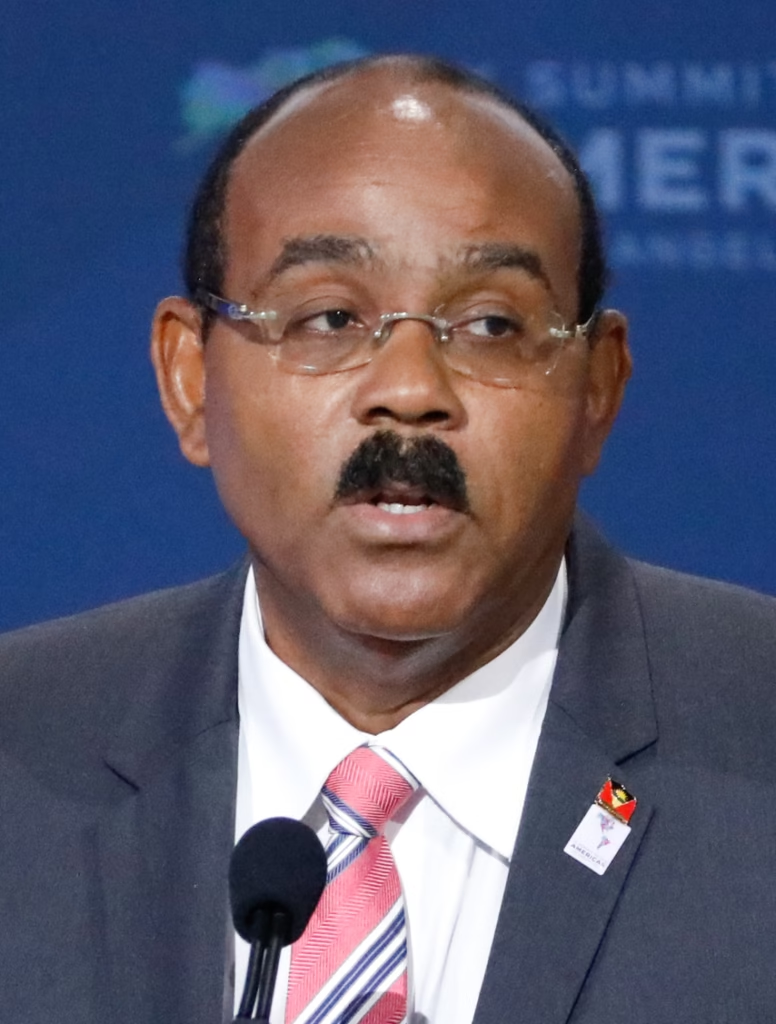
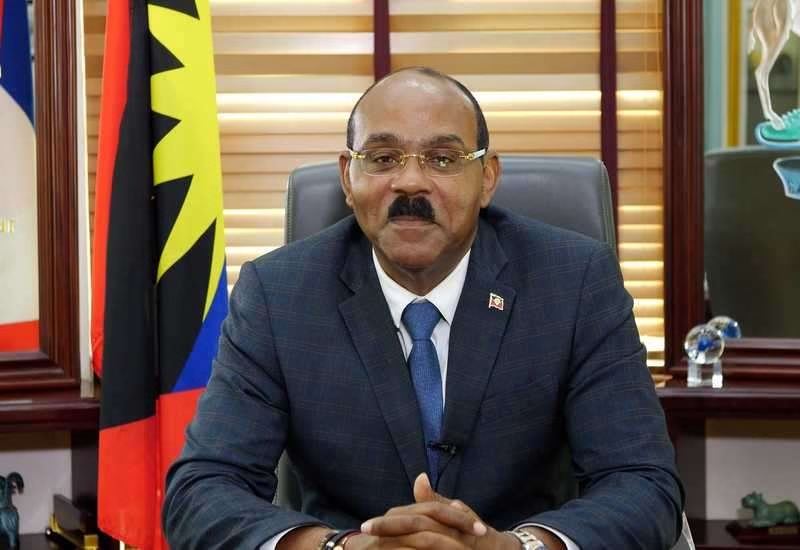
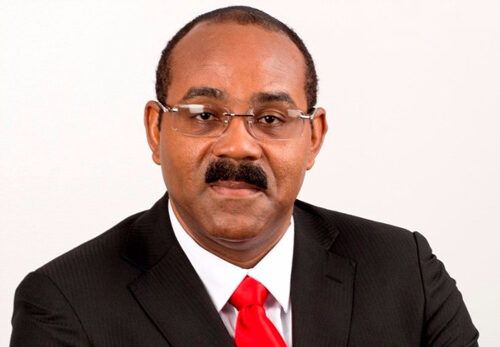
The new Cabinet took the revised oath after the recent snap general election. Prime Minister Gaston Browne returned to office with a strong parliamentary majority.
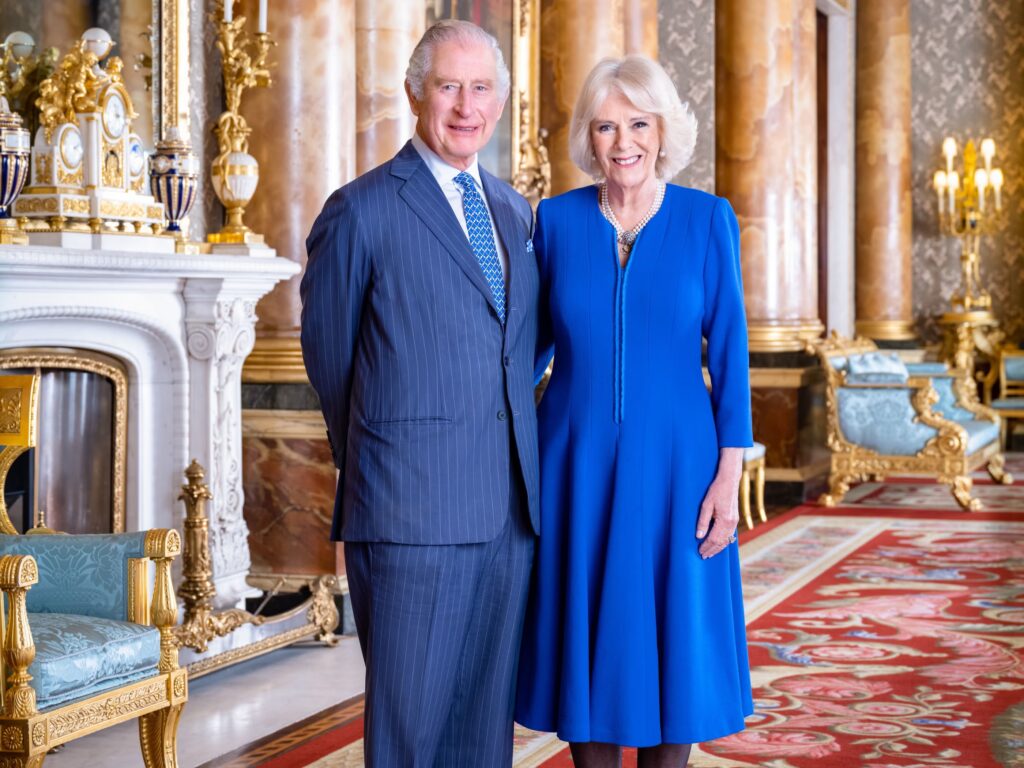
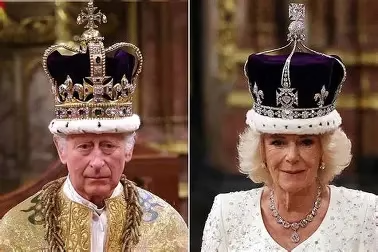
Previously, ministers pledged allegiance to Charles III, his heirs, and successors. However, Parliament approved a constitutional amendment in December 2025 that removed those references.
As a result, Antigua and Barbuda reshaped an important national tradition while remaining a member of the Commonwealth.
The reform reflects growing calls for stronger national identity and political independence. At the same time, officials stressed that the country still values its Commonwealth ties.
Moreover, the updated oath places greater focus on local governance and constitutional responsibility. Supporters say the move strengthens national pride and democratic accountability.
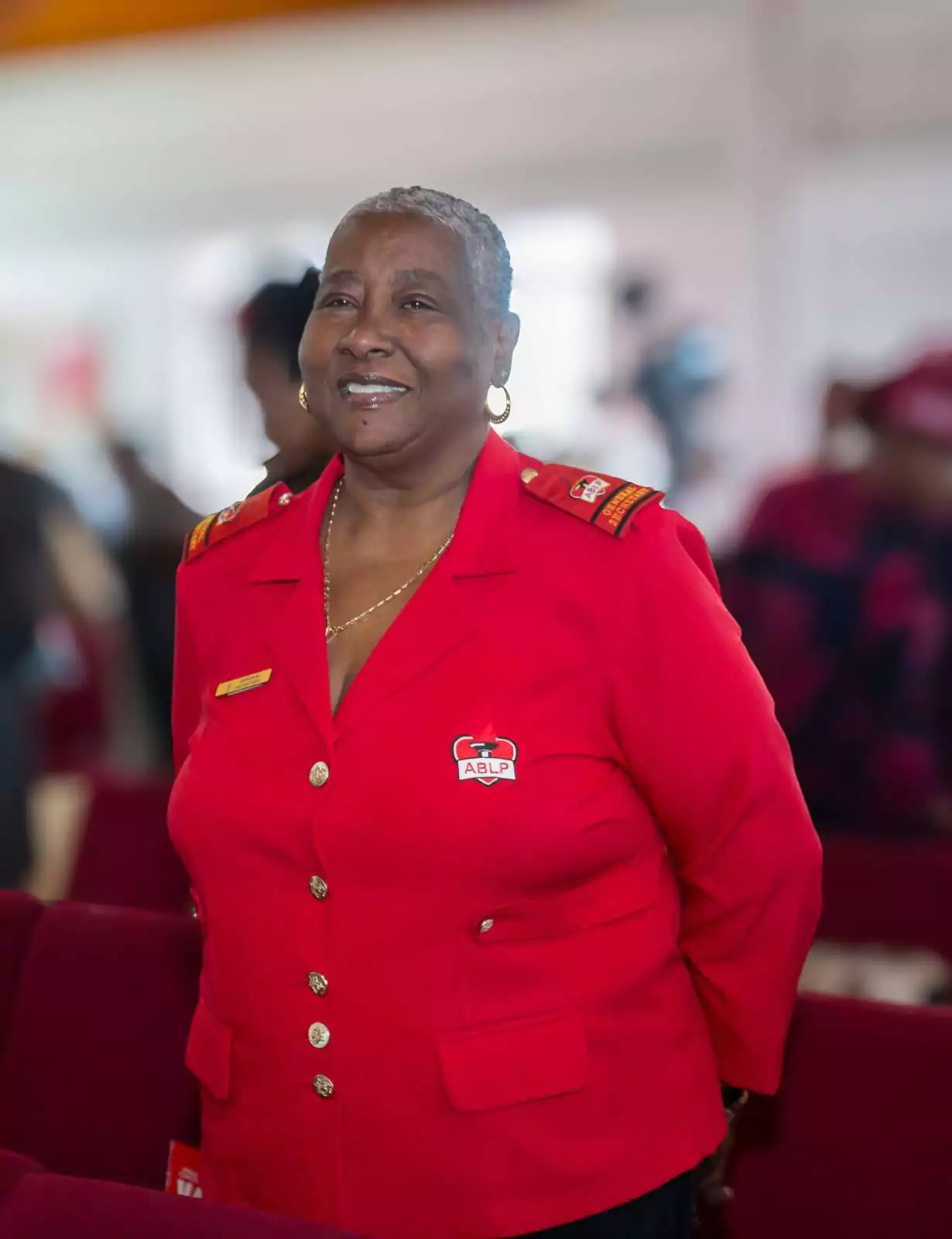
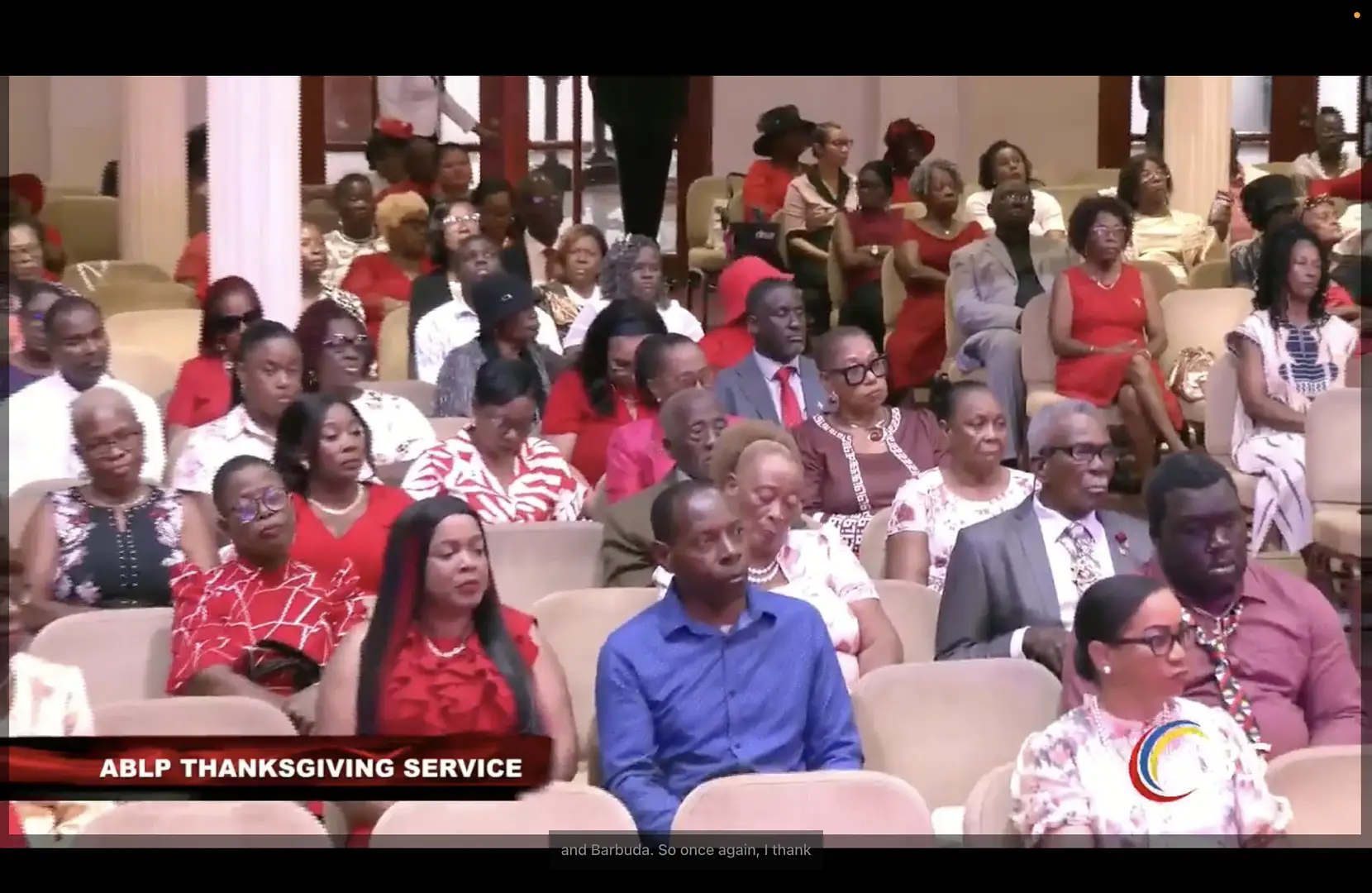
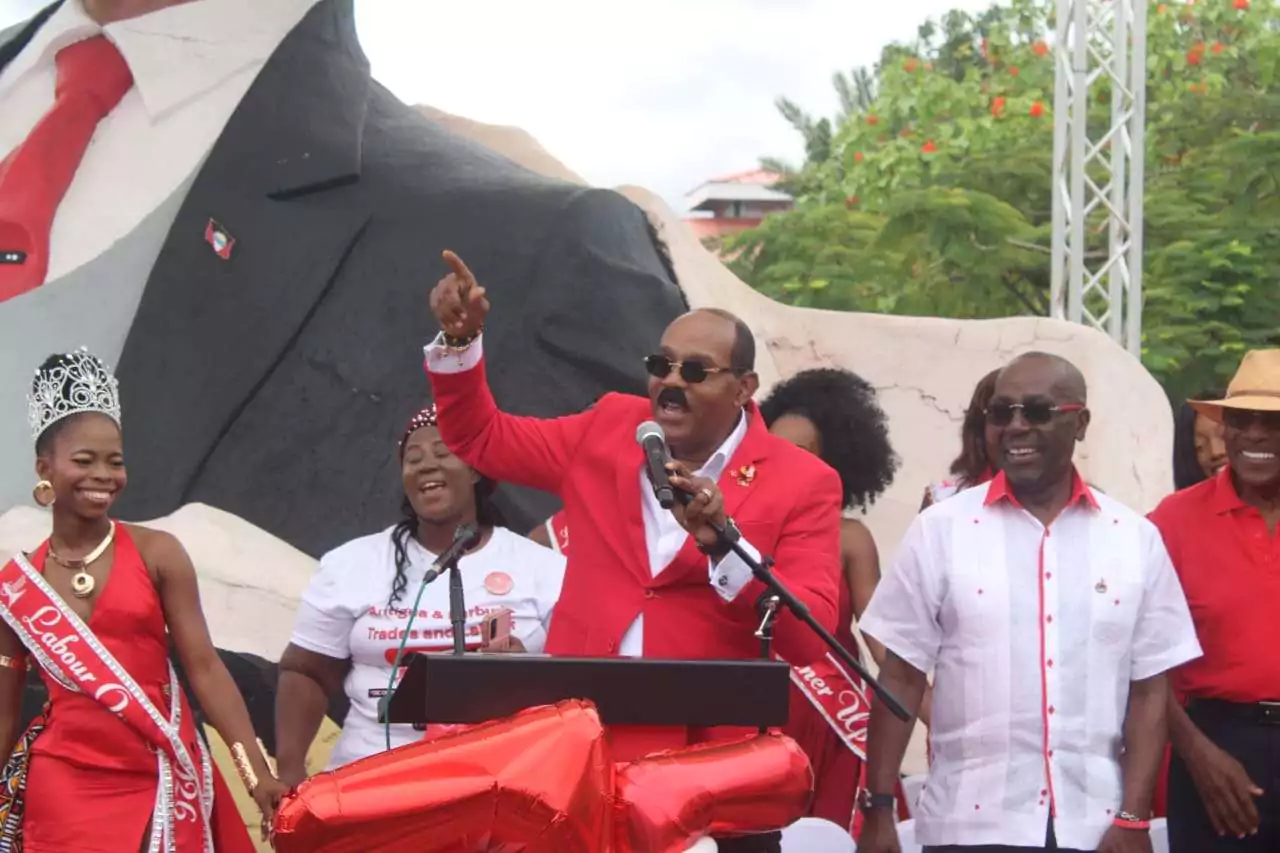
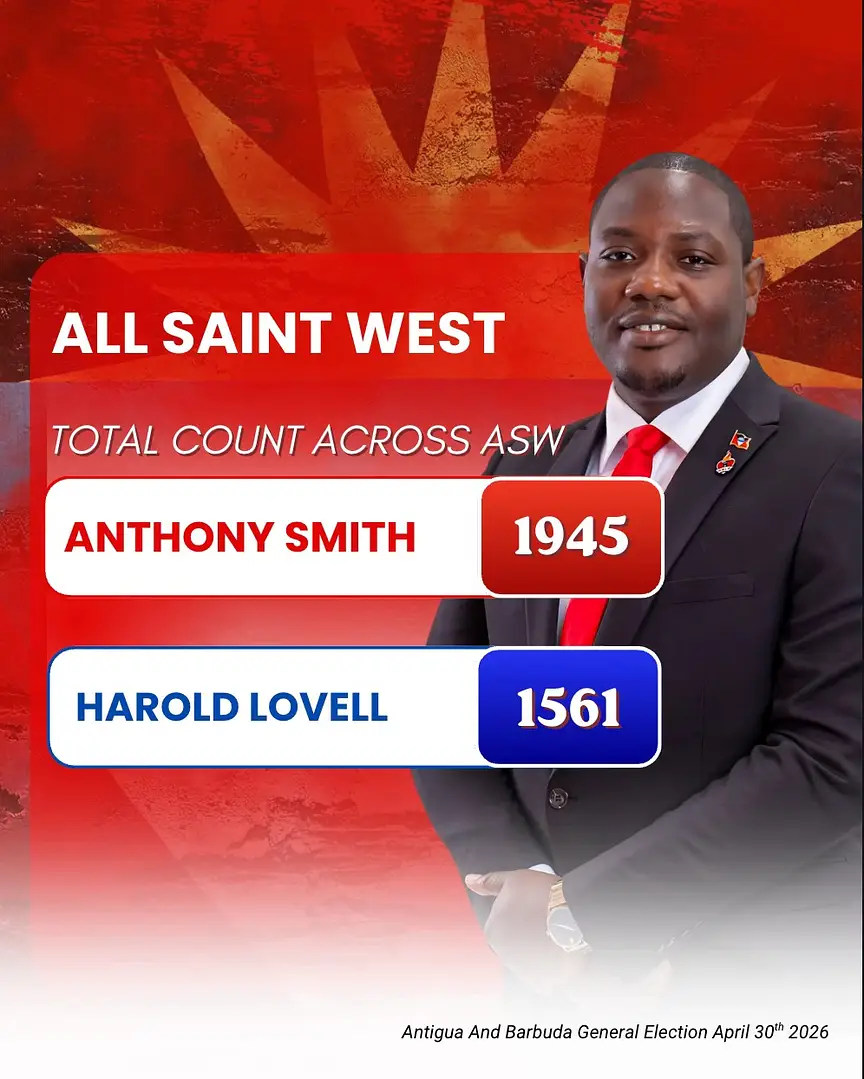
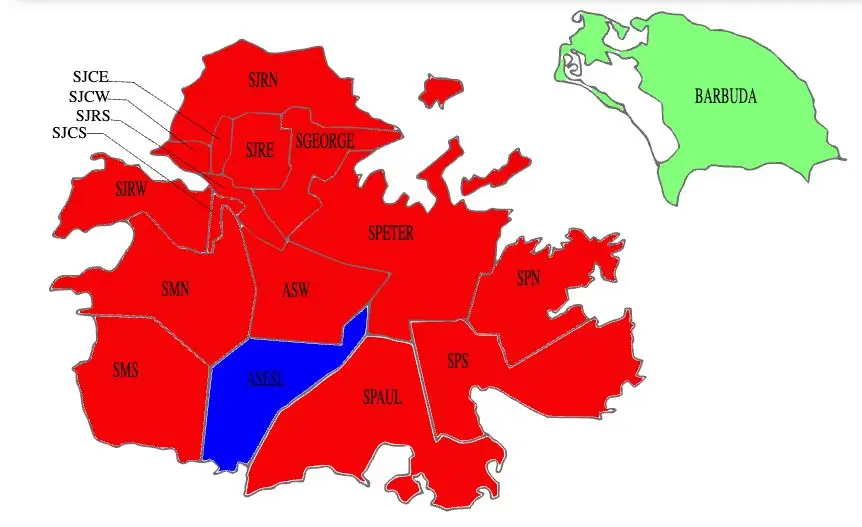
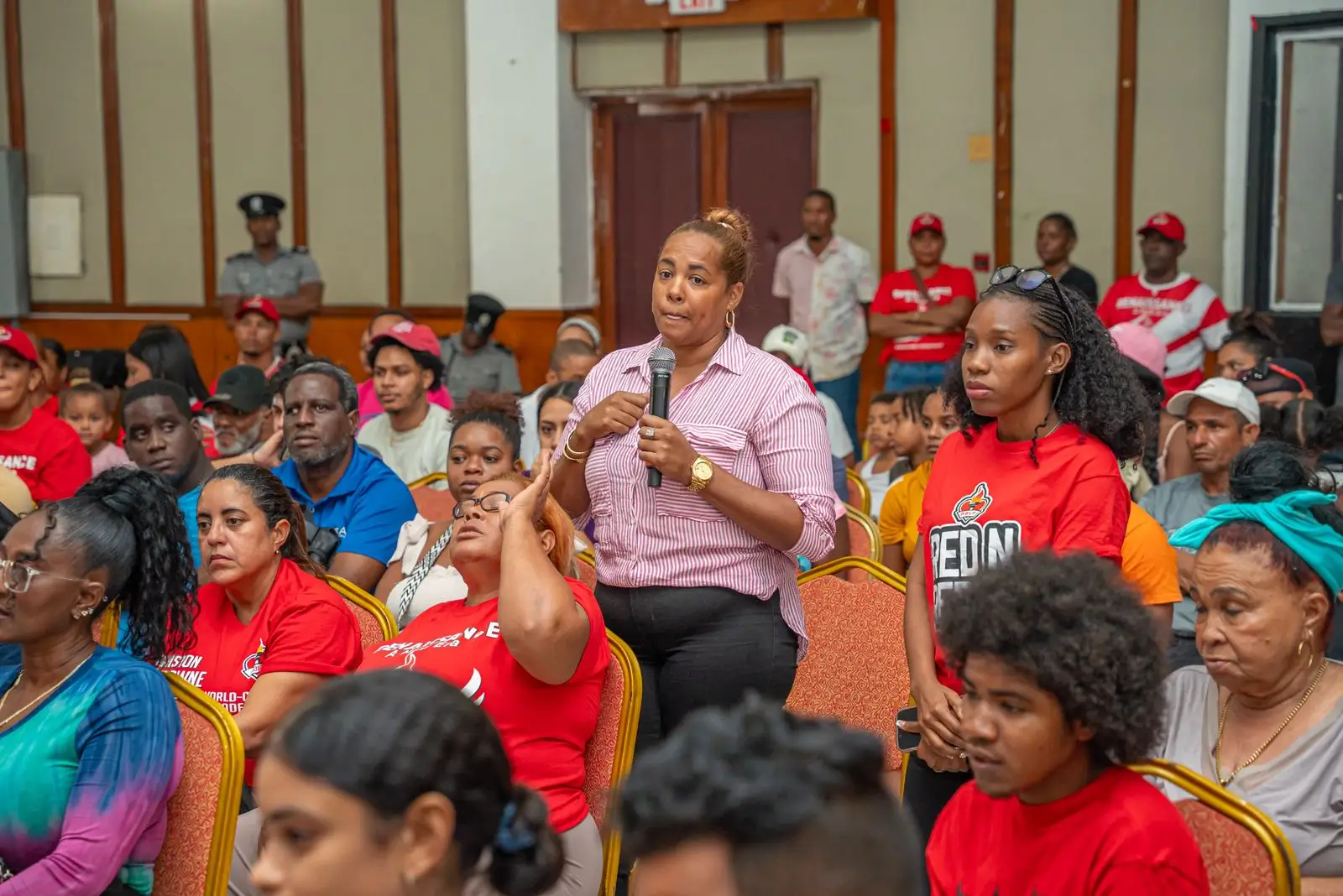
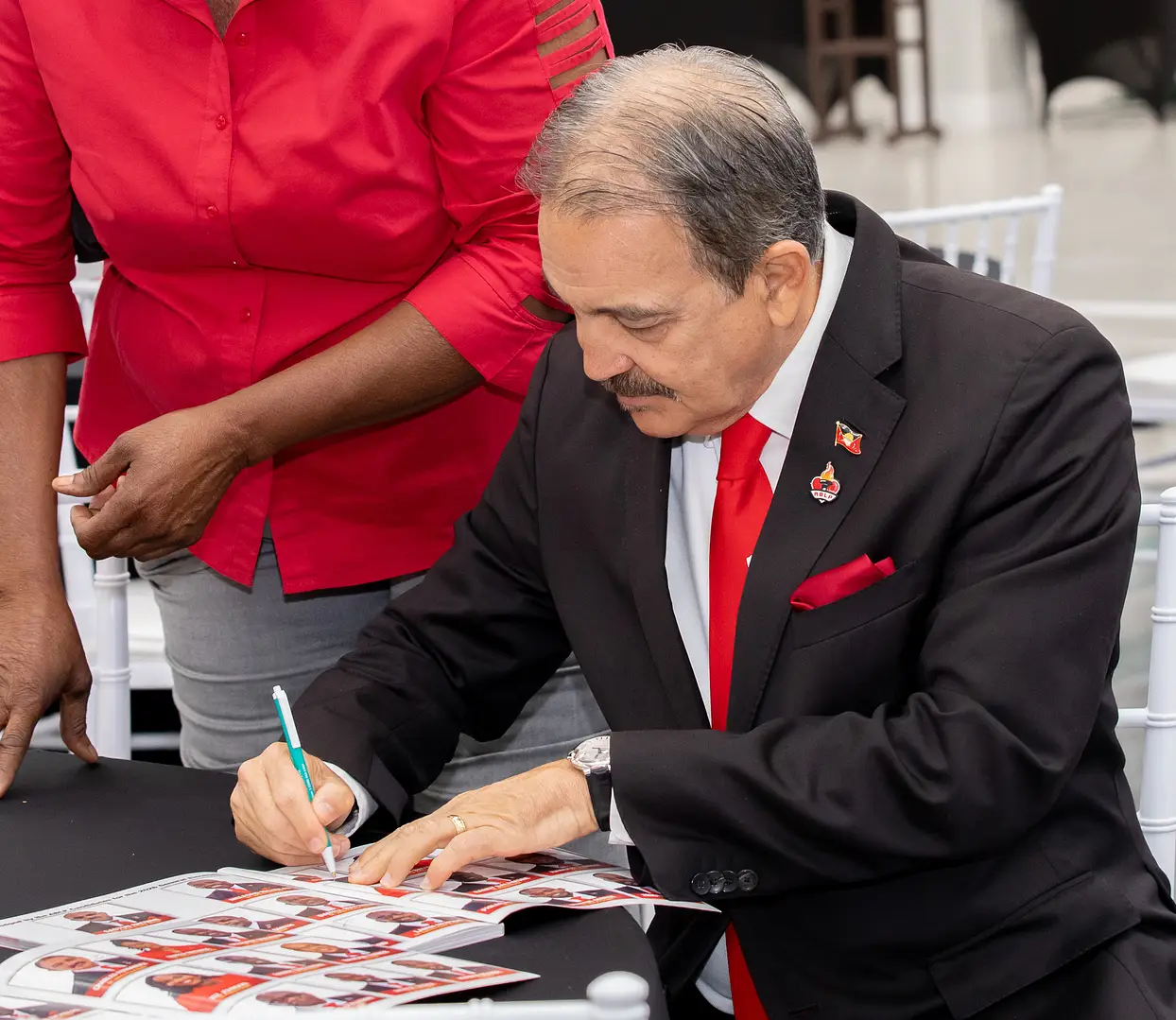
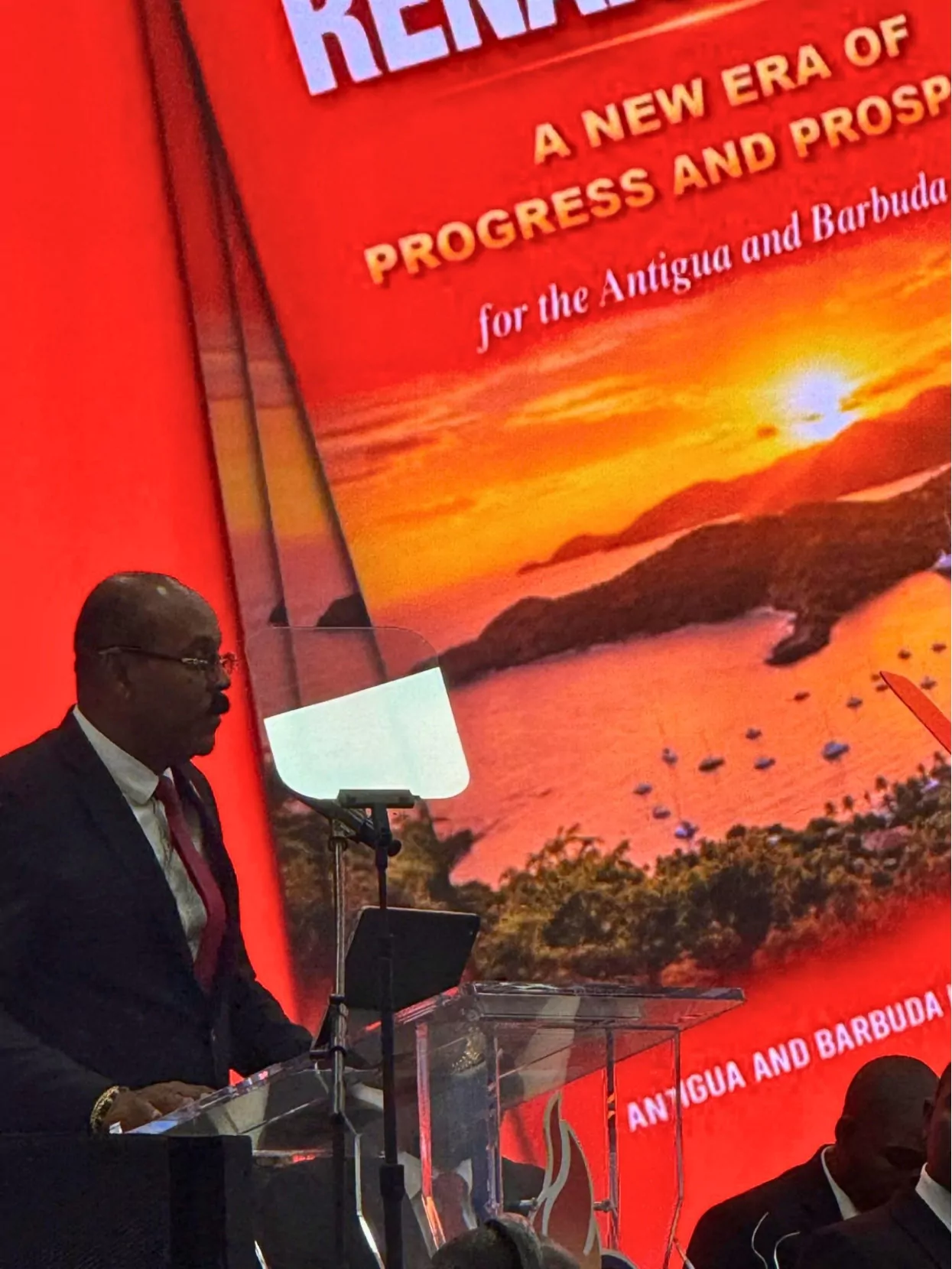
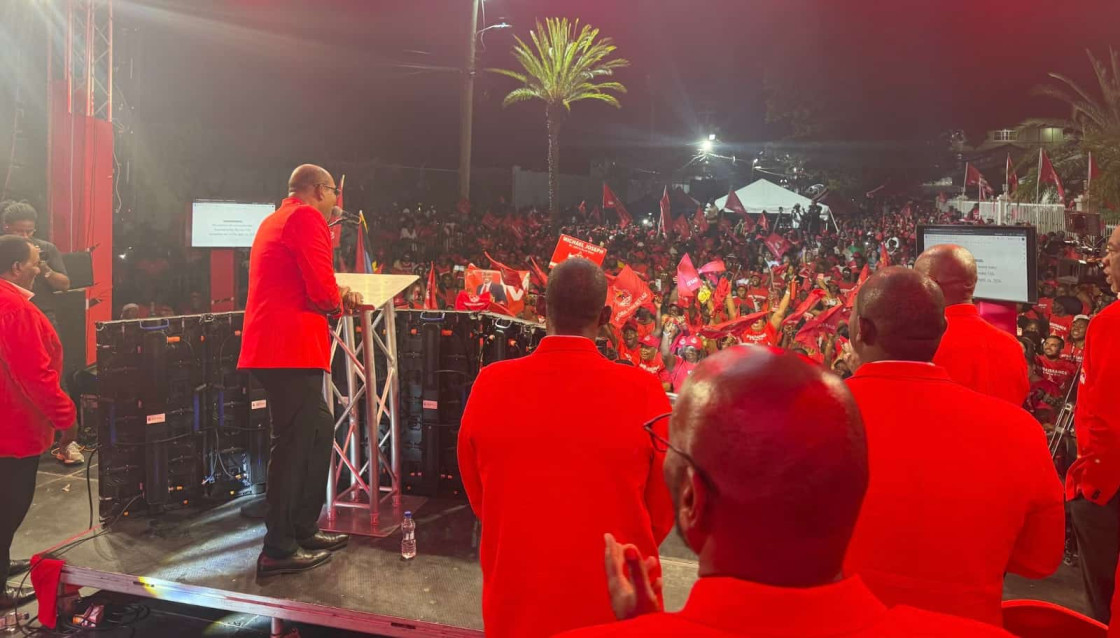
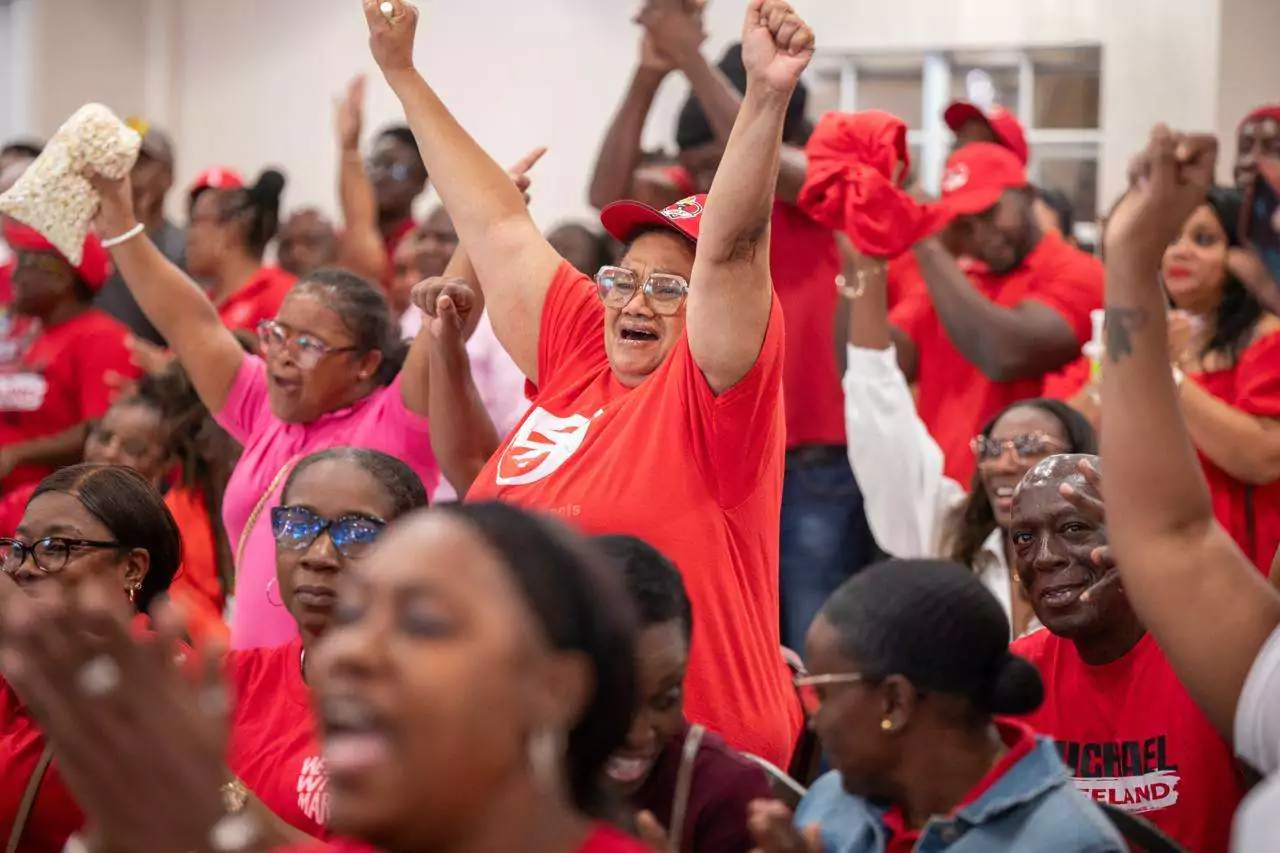
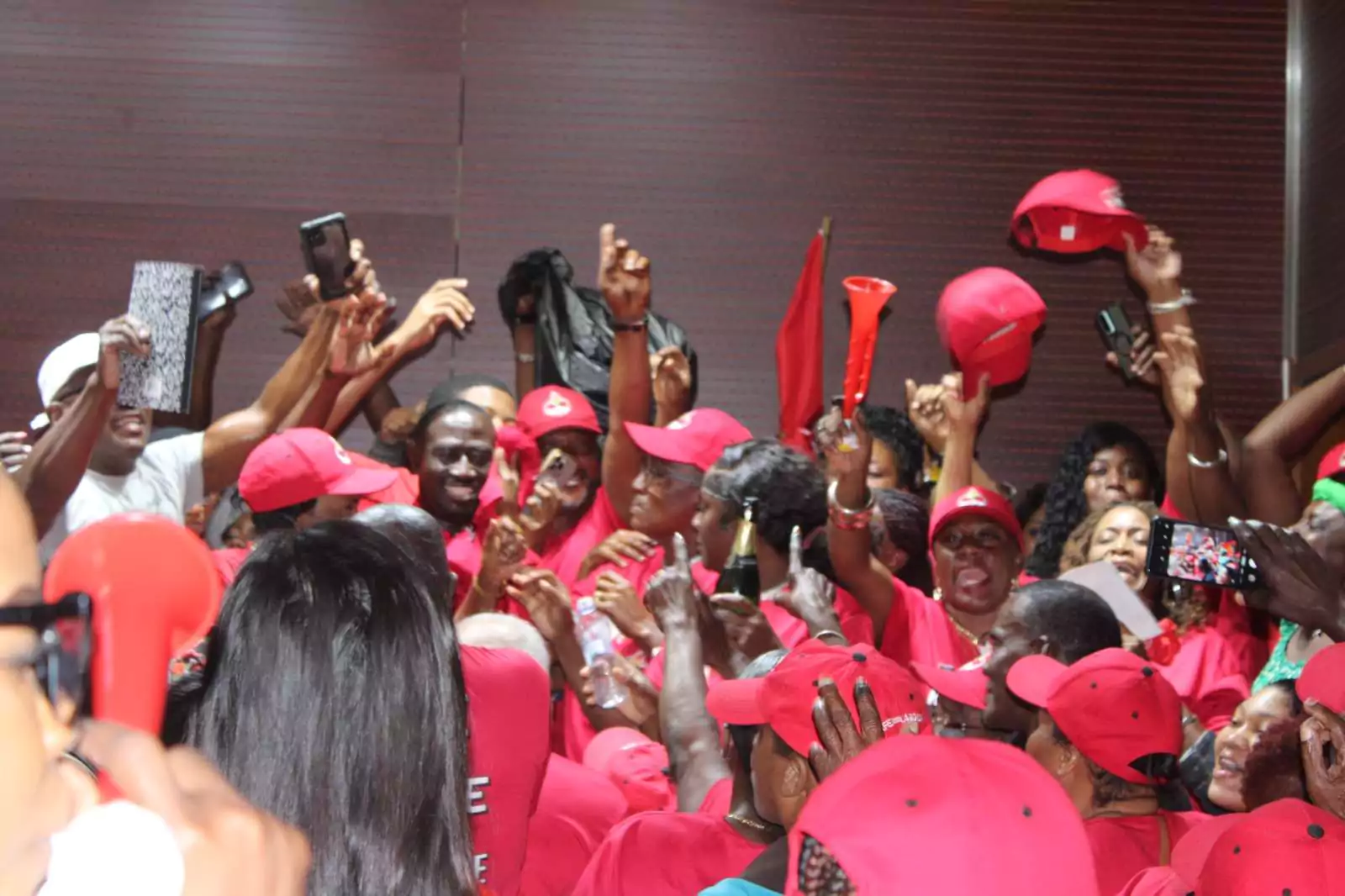
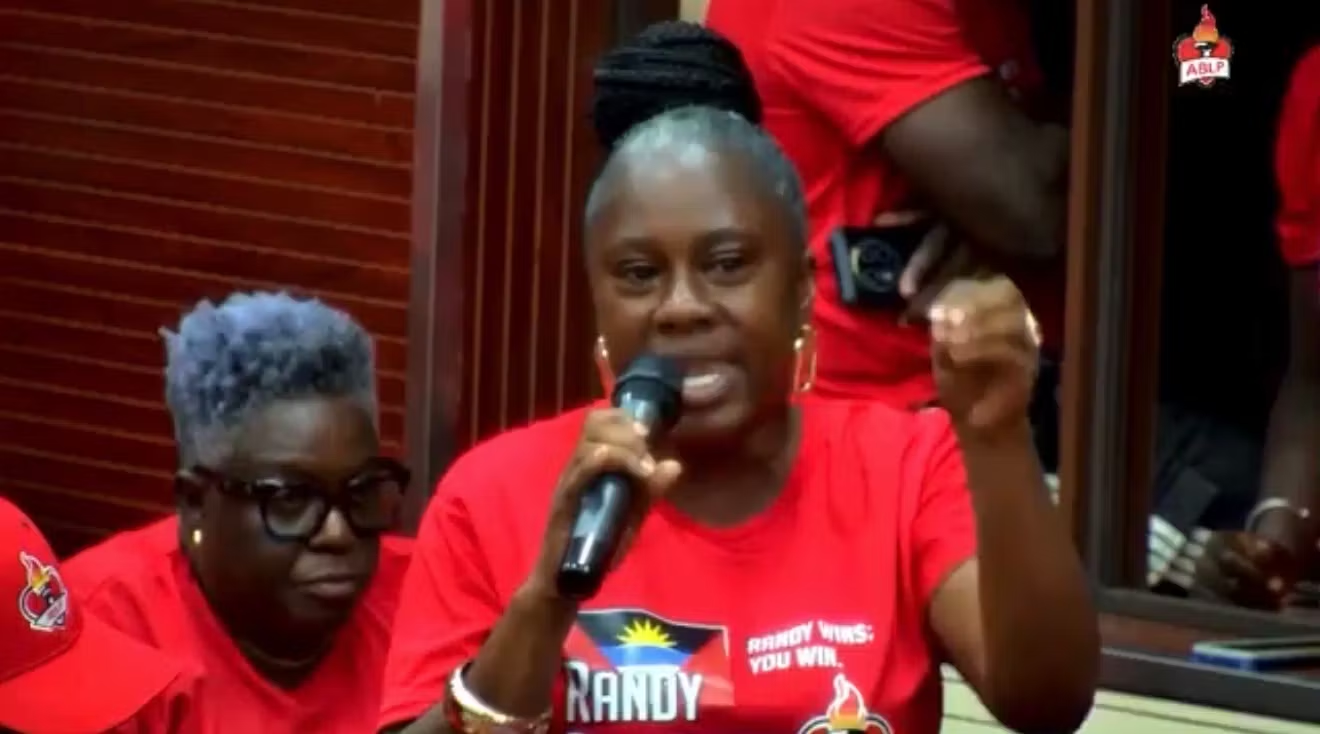
Meanwhile, the governing Antigua and Barbuda Labour Party secured an overwhelming election victory. The party won a commanding majority, leaving the opposition with limited seats in Parliament.
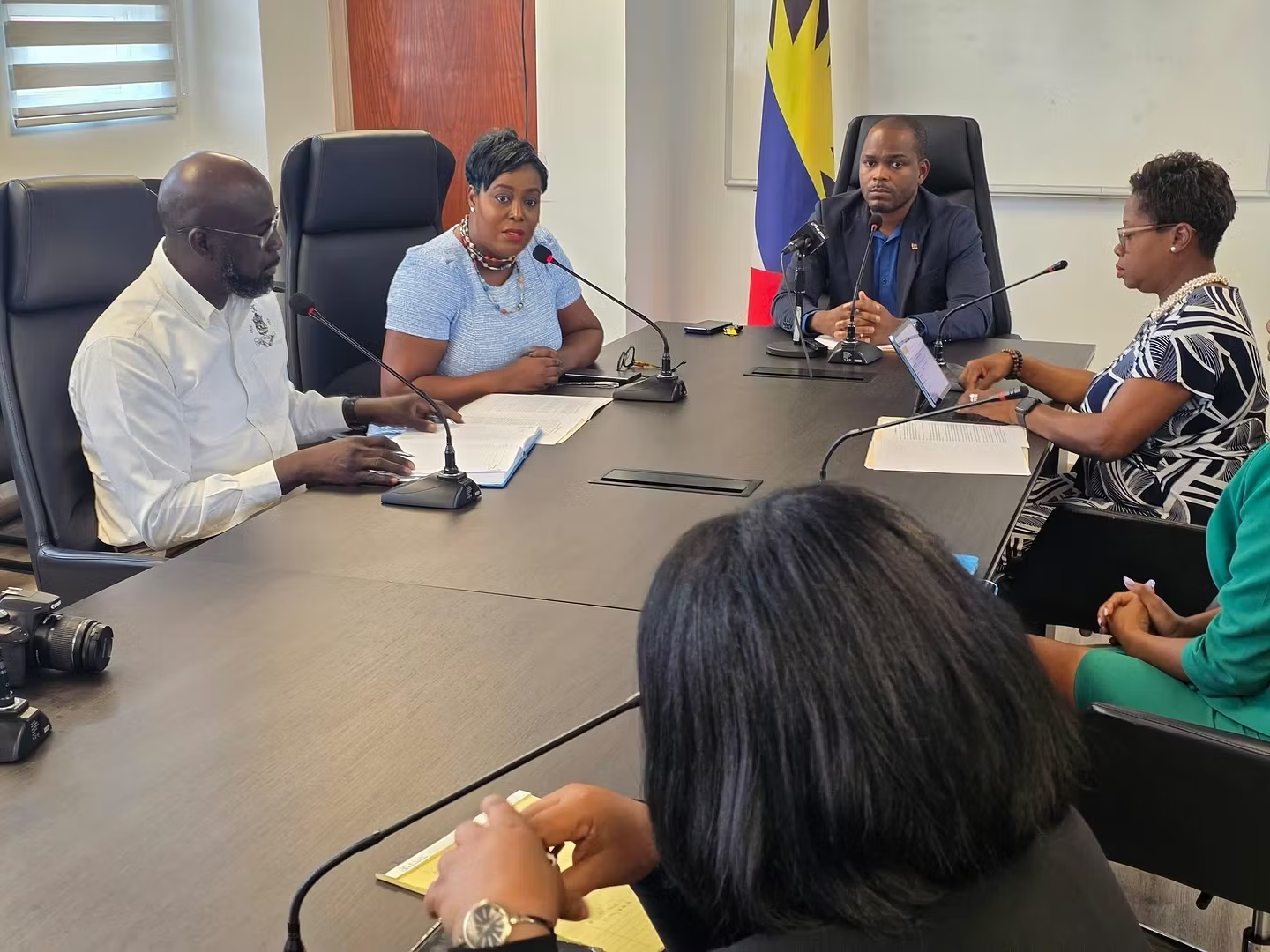
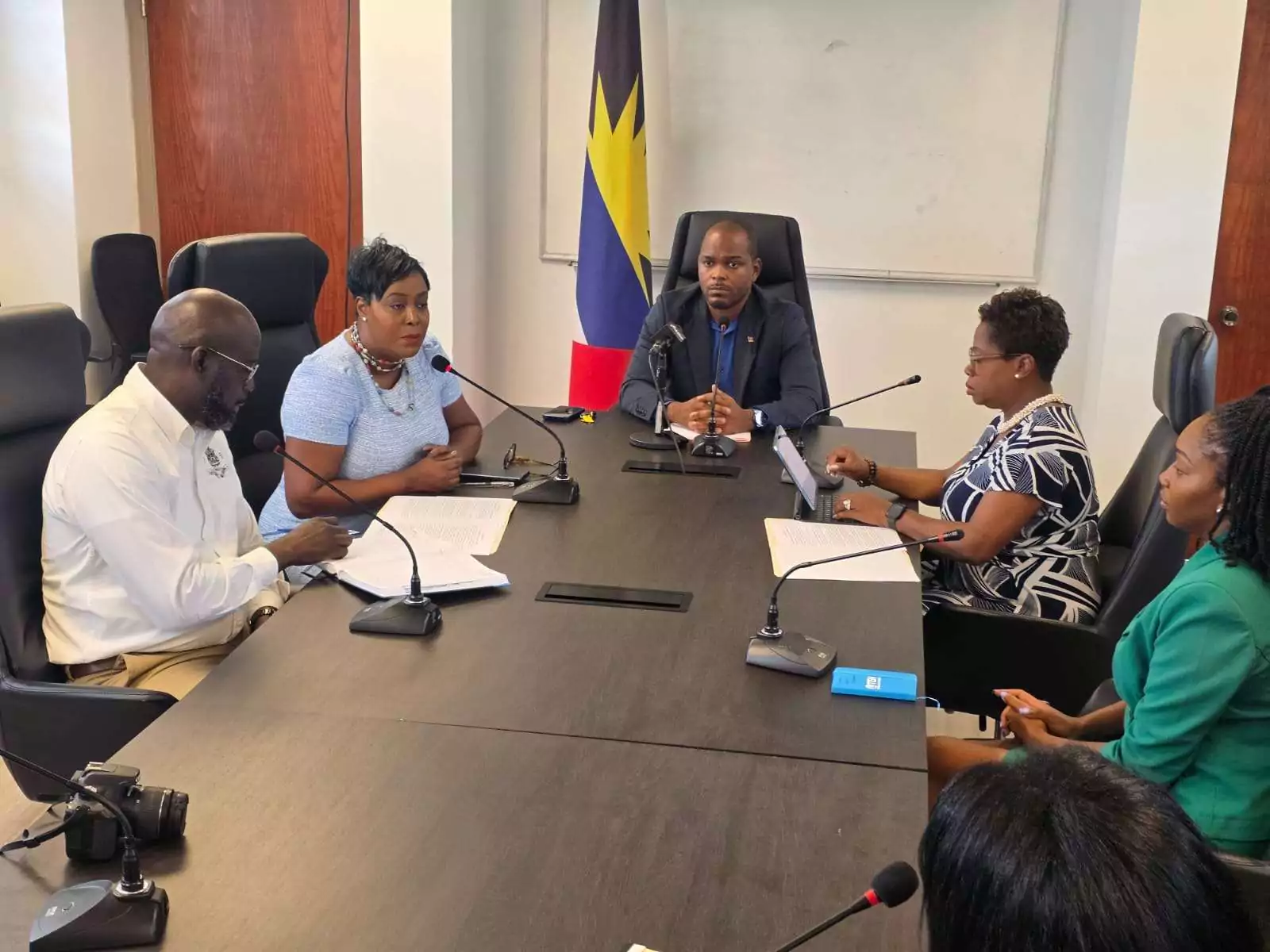
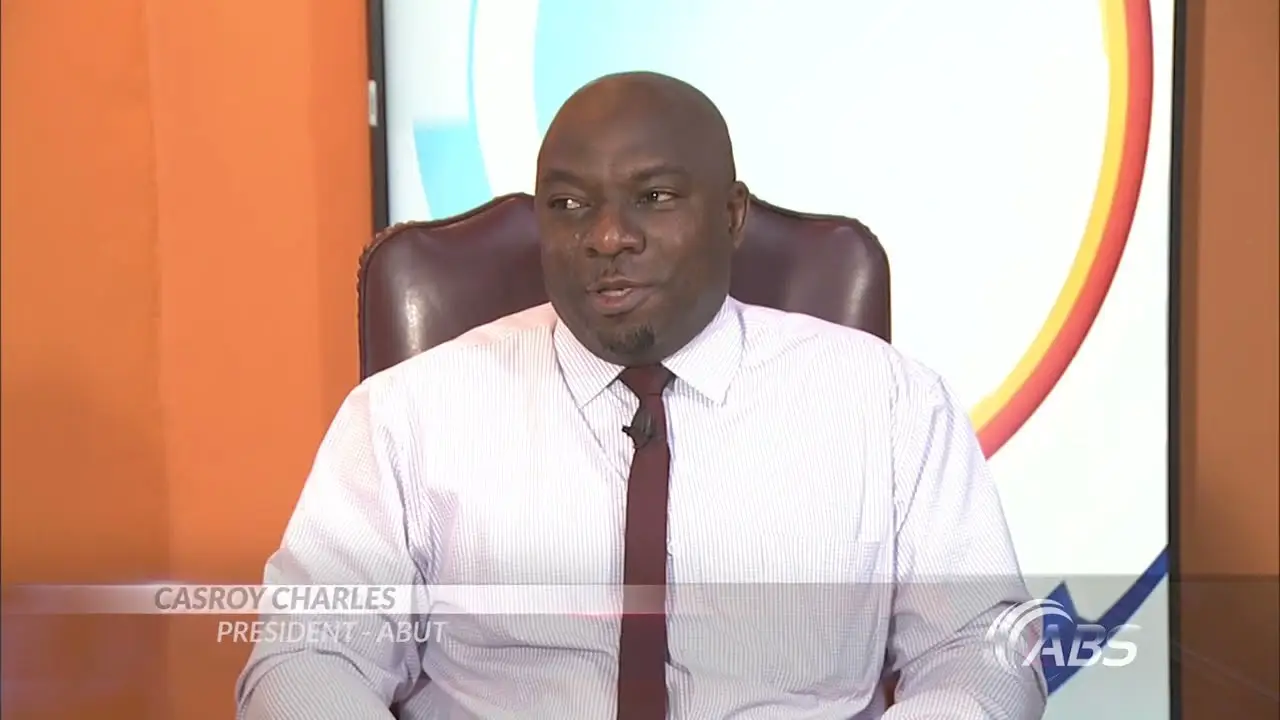
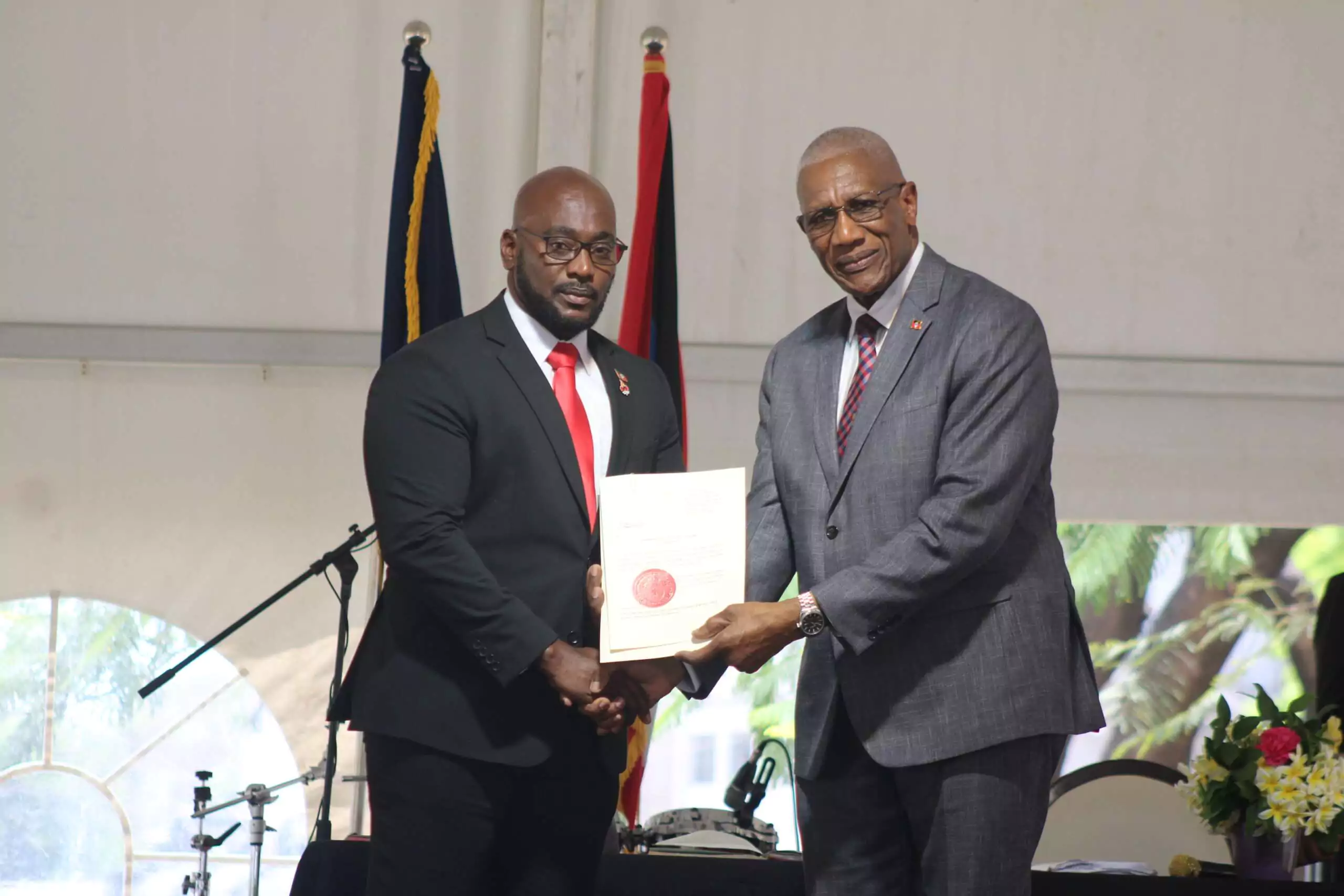
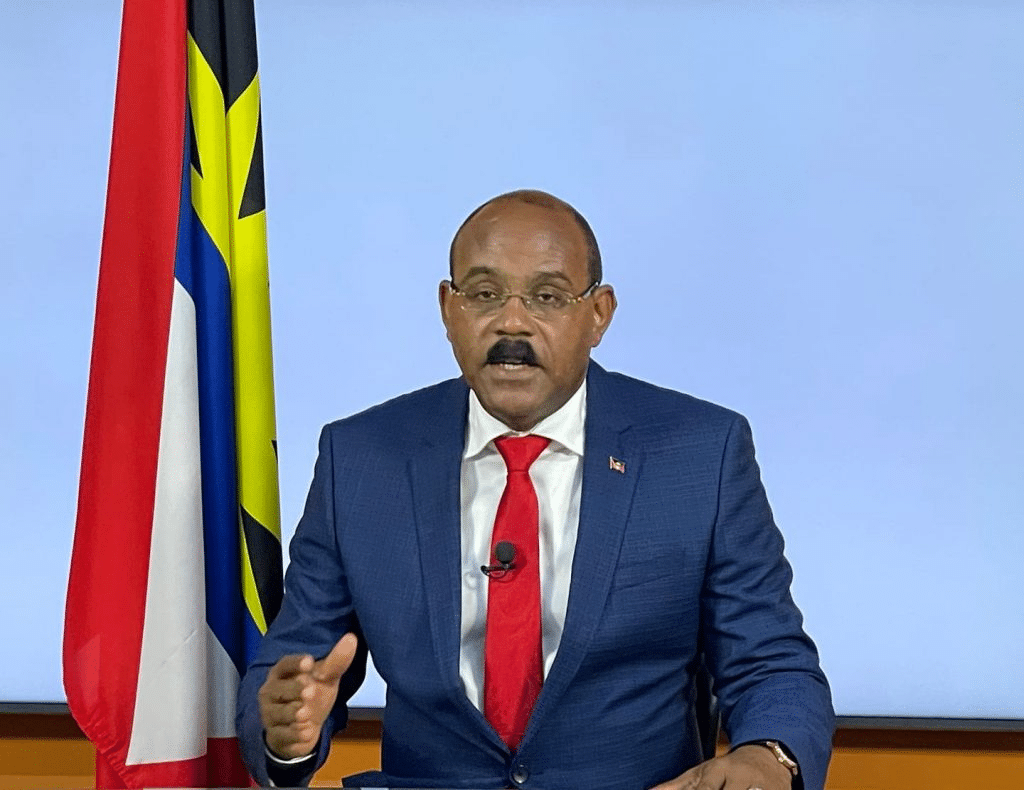
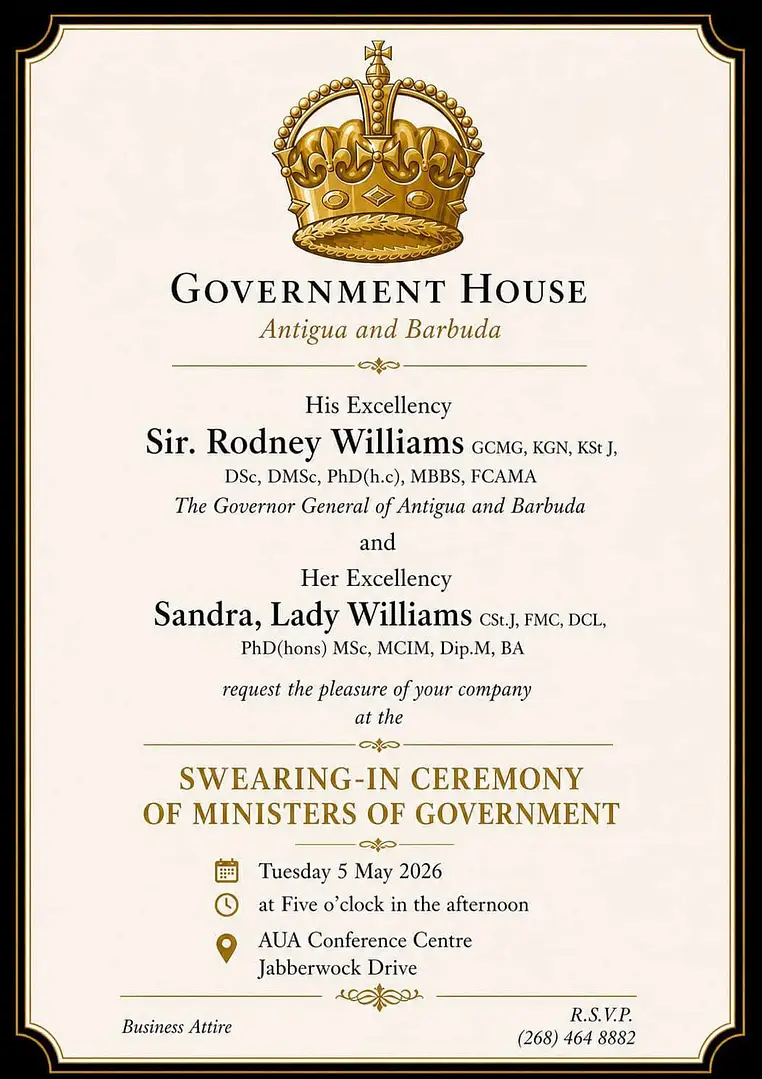
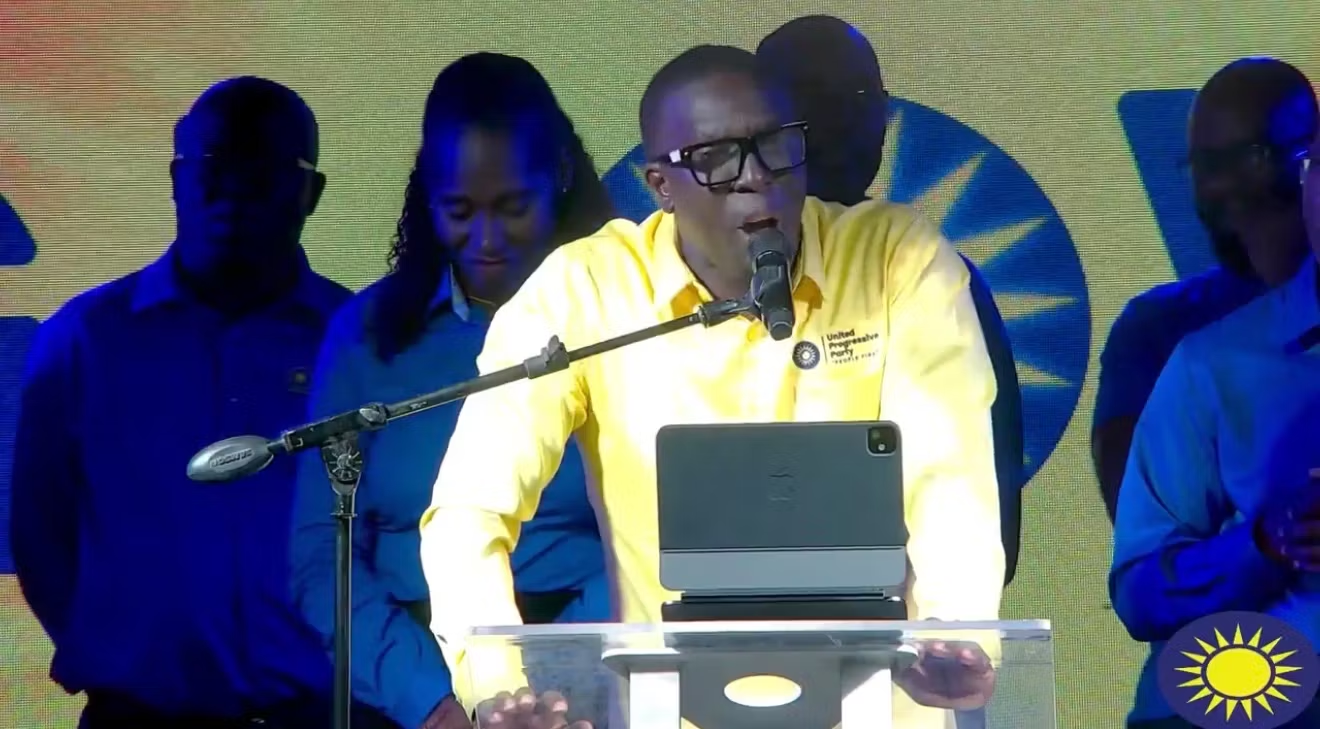
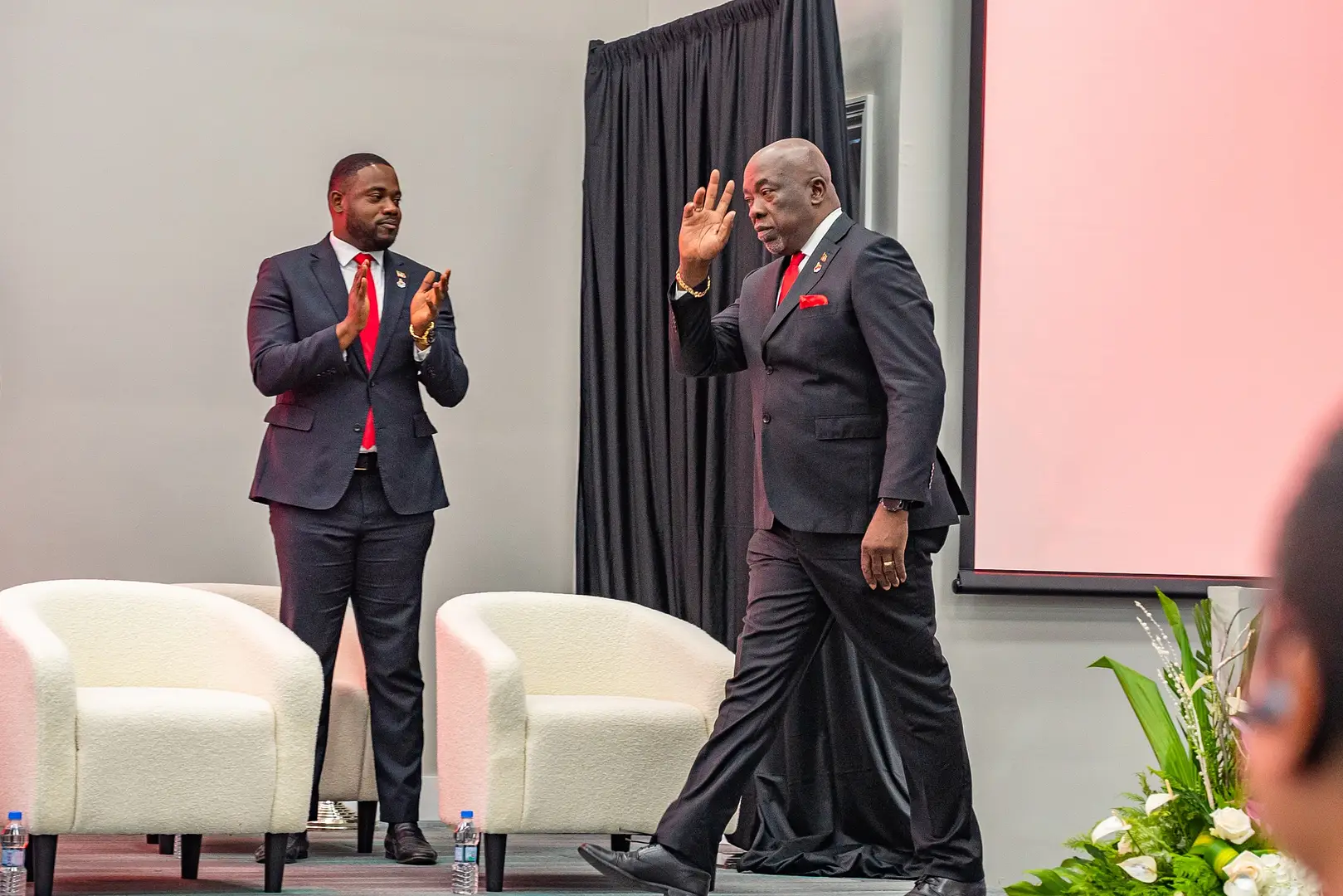
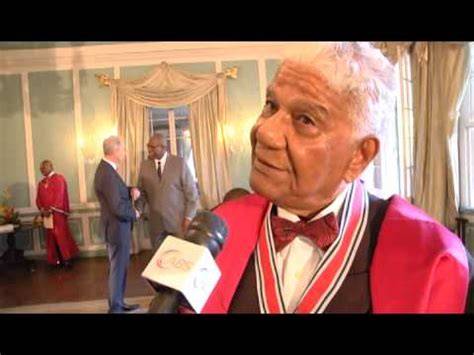
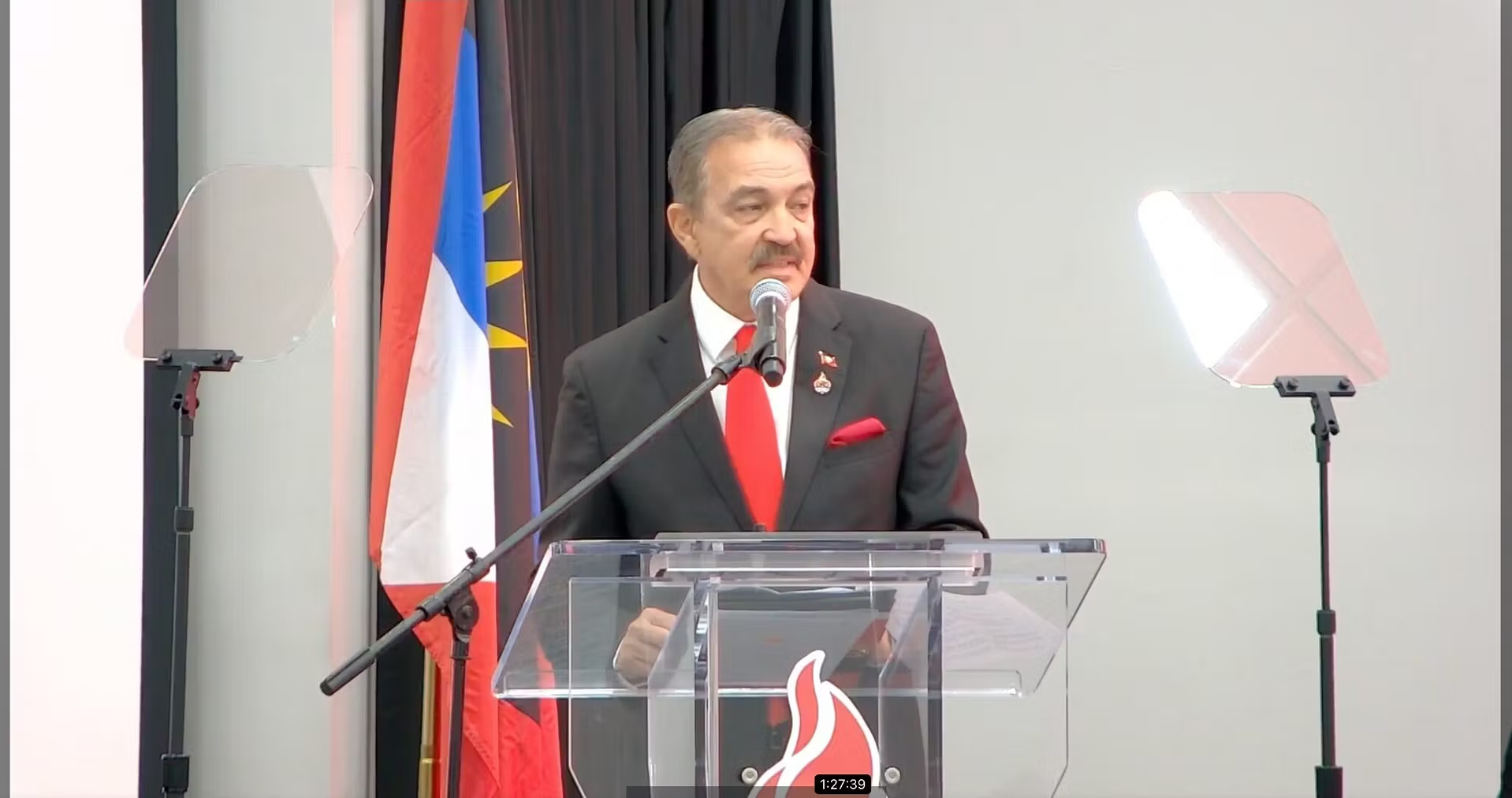
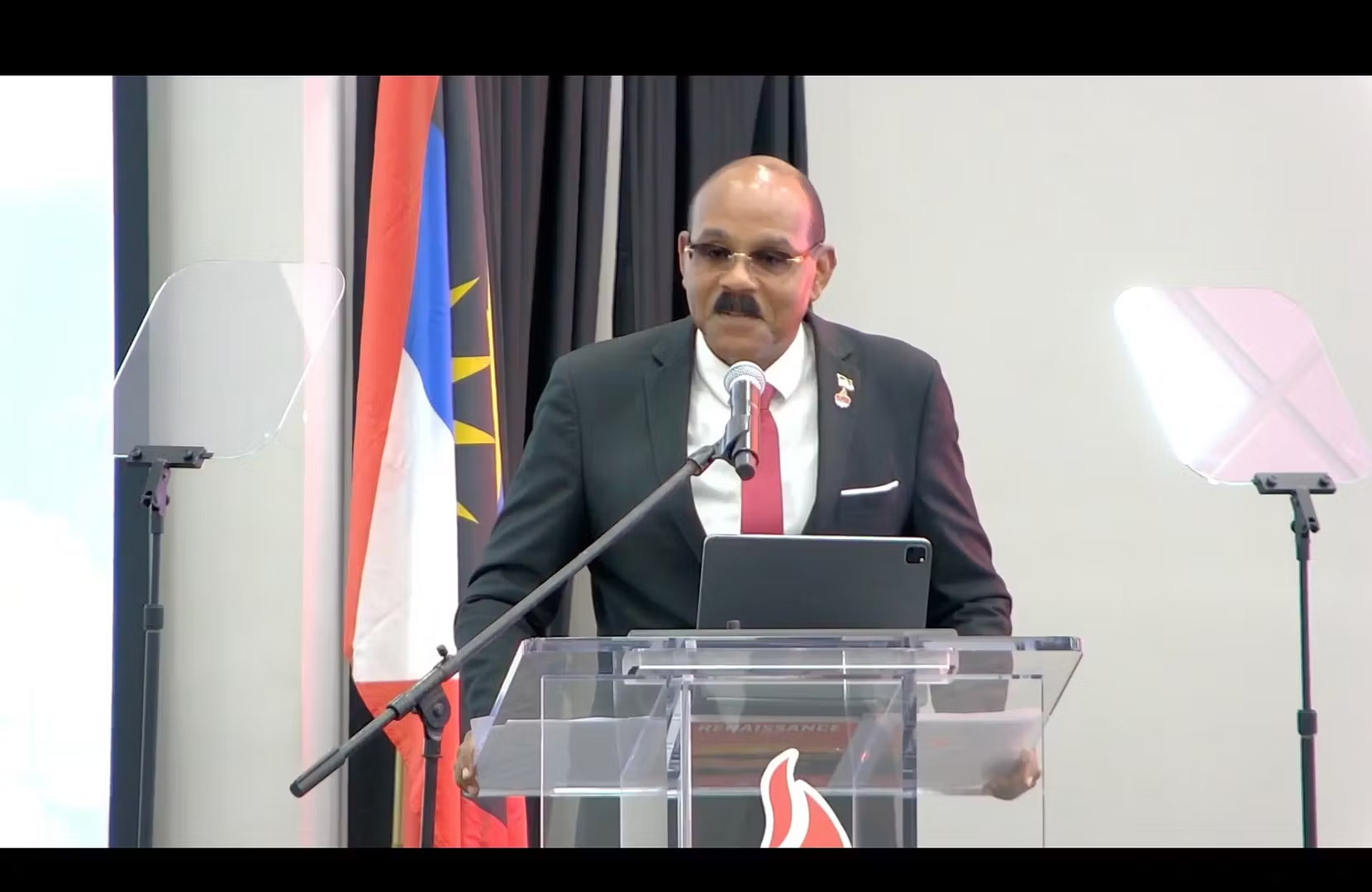
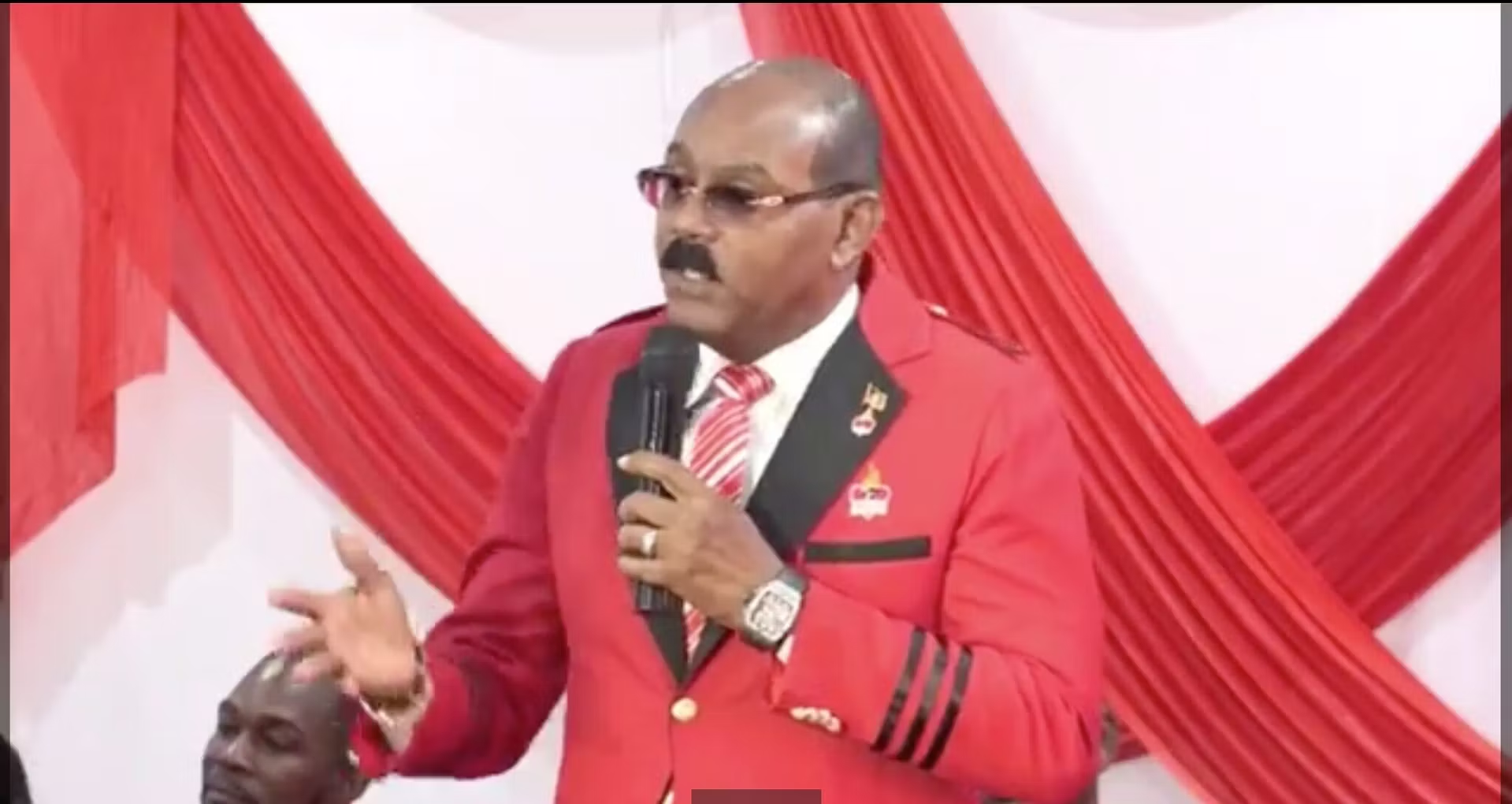
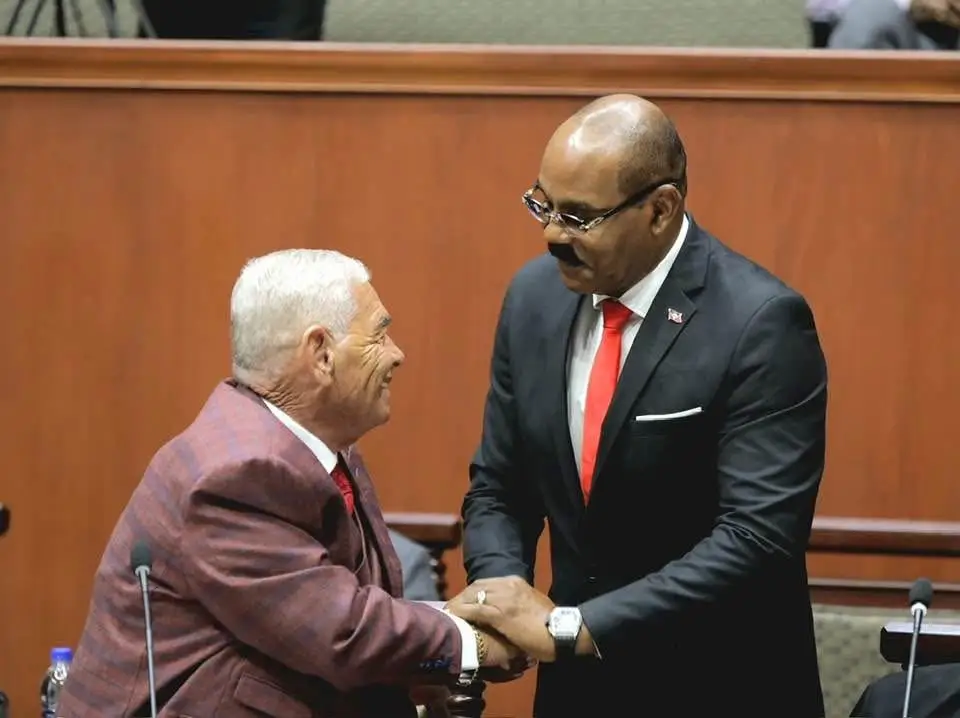
During the swearing-in ceremony, Browne reminded ministers about the public’s trust. He also urged Cabinet members to govern with unity and discipline.
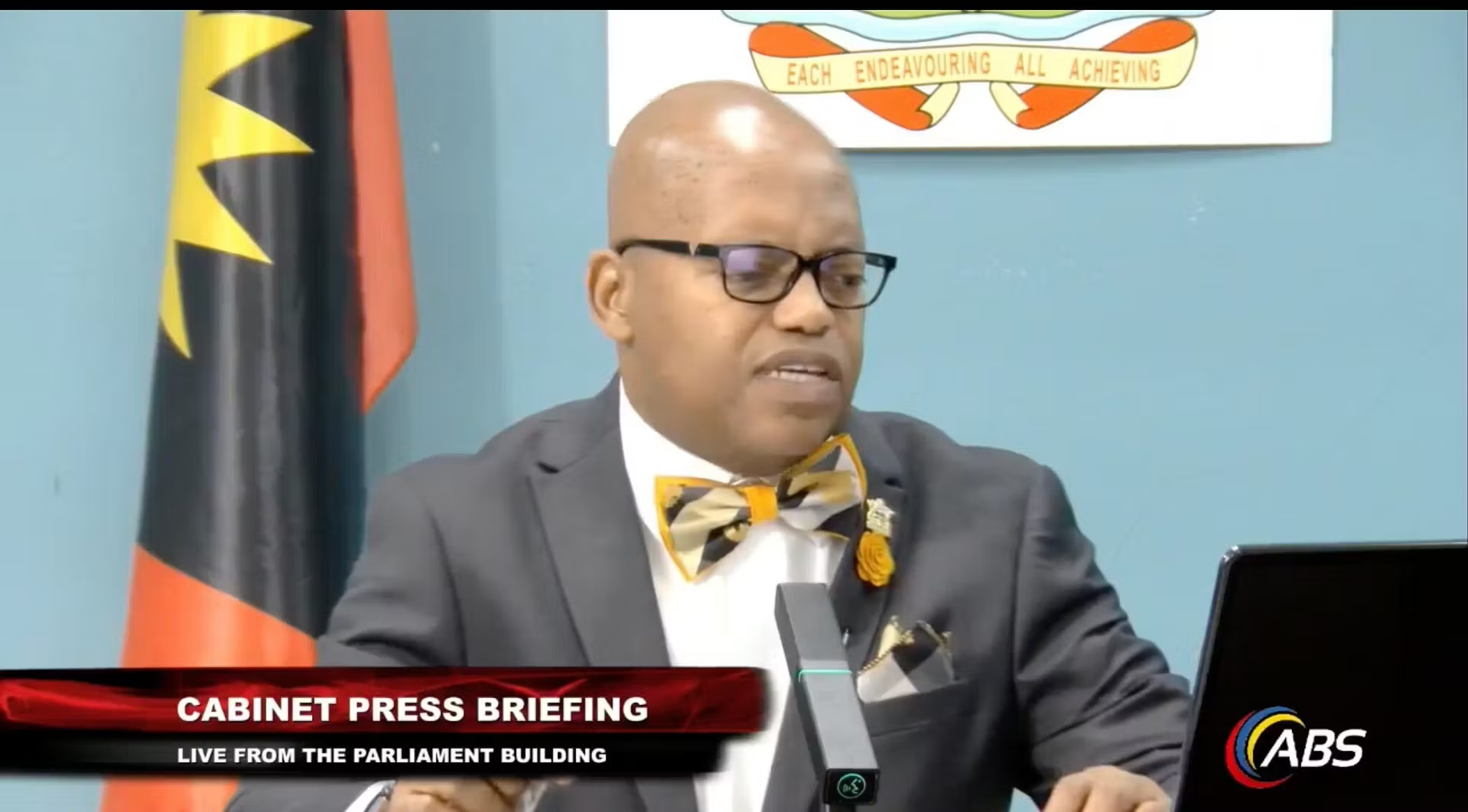
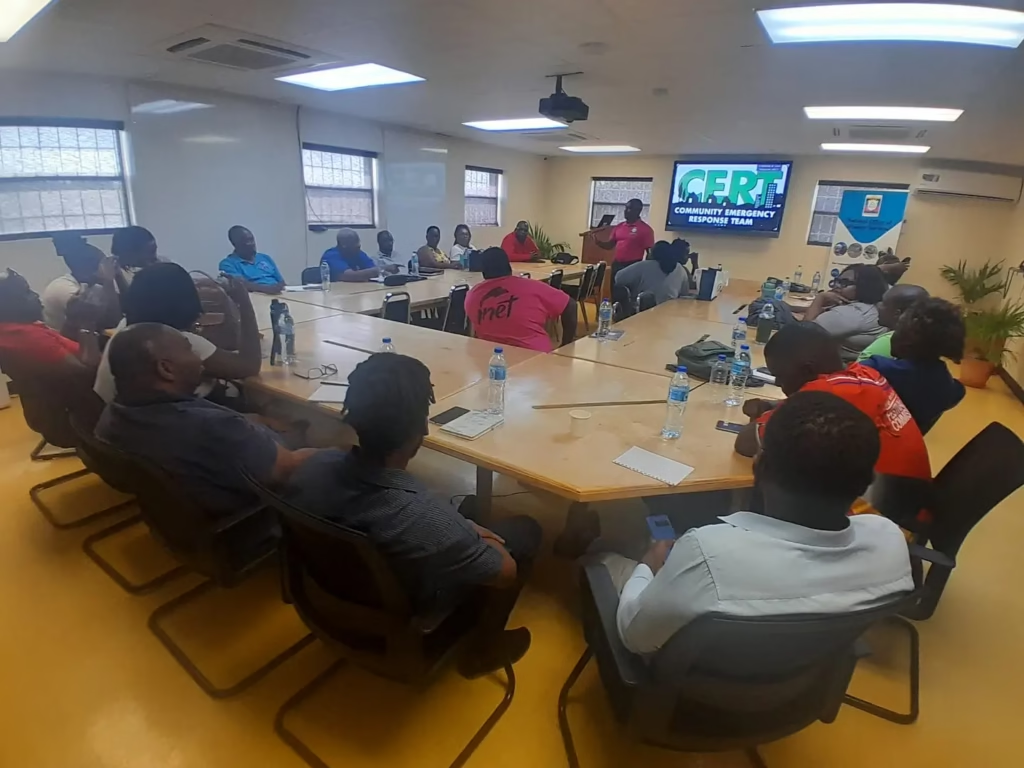
In addition, the government plans to continue work on major national issues. These include rising living costs, housing, infrastructure, and economic development.
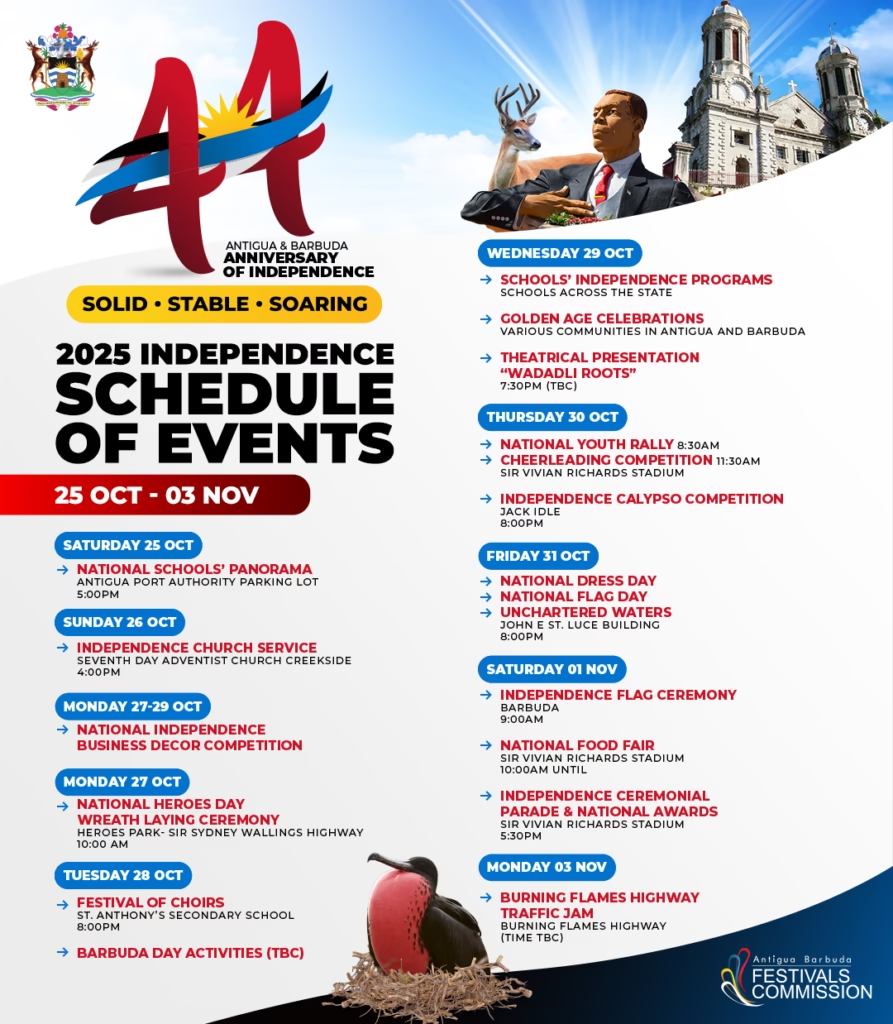
Antigua and Barbuda gained independence from the United Kingdom in 1981. However, the British monarch remained the country’s official head of state for decades.
Since independence, leaders have gradually adjusted the nation’s constitutional framework. Therefore, many observers see the oath reform as another step toward deeper national self-definition.
Even so, the country has not announced plans to become a republic. Instead, officials describe the change as a modern constitutional update.
Across the Caribbean, debates about sovereignty and colonial-era systems continue to grow. Consequently, Antigua and Barbuda’s decision could influence similar discussions in neighboring states.
For now, the government says the revised oath better reflects the country’s values, democracy, and future direction.