
 English



















































































































































































































































































































































































































































































































































































































































































































































































































































































































































































































































































































































































































































































































































































































































































































































































































































































































































































































































Canada loses 100,000 jobs as tariffs bite

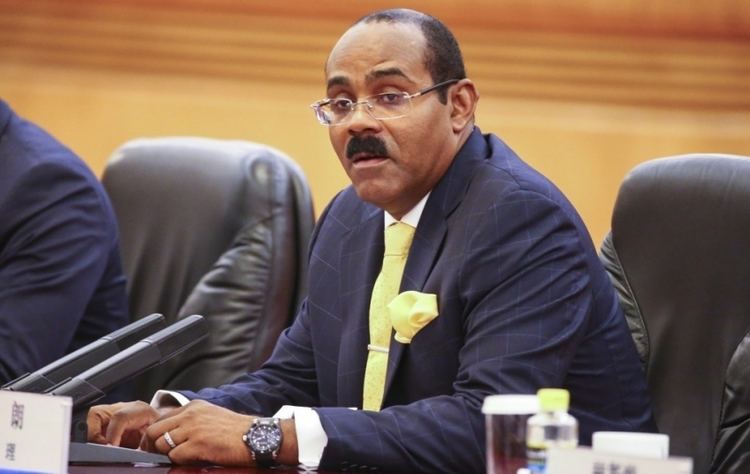
Canada lost more than 100,000 full-time jobs in the first two months of 2026. As a result, pressure is rising on Prime Minister Mark Carney and his government.
At the same time, the unemployment rate climbed to 6.7%. That figure now ranks as the second-highest among G7 nations. Only France has a higher rate.
February saw the sharpest job drop since the COVID-19 pandemic. Consequently, much of the job growth from late 2025 disappeared.
In particular, wholesale and retail trade suffered the largest losses. Many companies slowed hiring. Others cut staff as uncertainty grew.
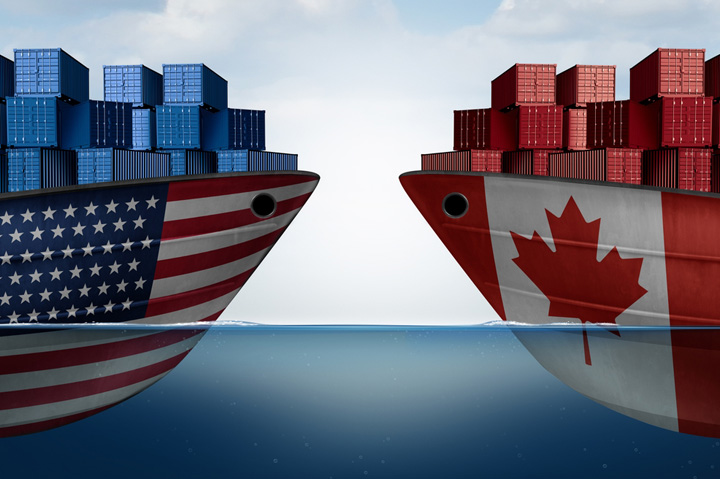
Meanwhile, Carney blamed trade tensions with the United States. He said new tariffs are forcing “big adjustments” in Canada’s economy.
However, Carney also pointed to positive signs. For instance, wages have continued to rise across many sectors. In addition, the unemployment rate remains slightly lower than when he took office in March 2025. At that time, the rate stood at 6.8%.
Still, critics say the new labour report looks troubling.
Opposition leader Pierre Poilievre called the figures “terrible news.” He argued that Canada’s economy now lags behind other G7 countries.
According to Poilievre, global problems are real. Yet he said government policies also play a role. “All countries face tariffs,” he said. “However, none are shrinking like Canada.”
Soon, Poilievre will travel to the United States. There, he plans to meet auto industry leaders and lawmakers. He wants to discuss his party’s plan for the ongoing trade dispute.
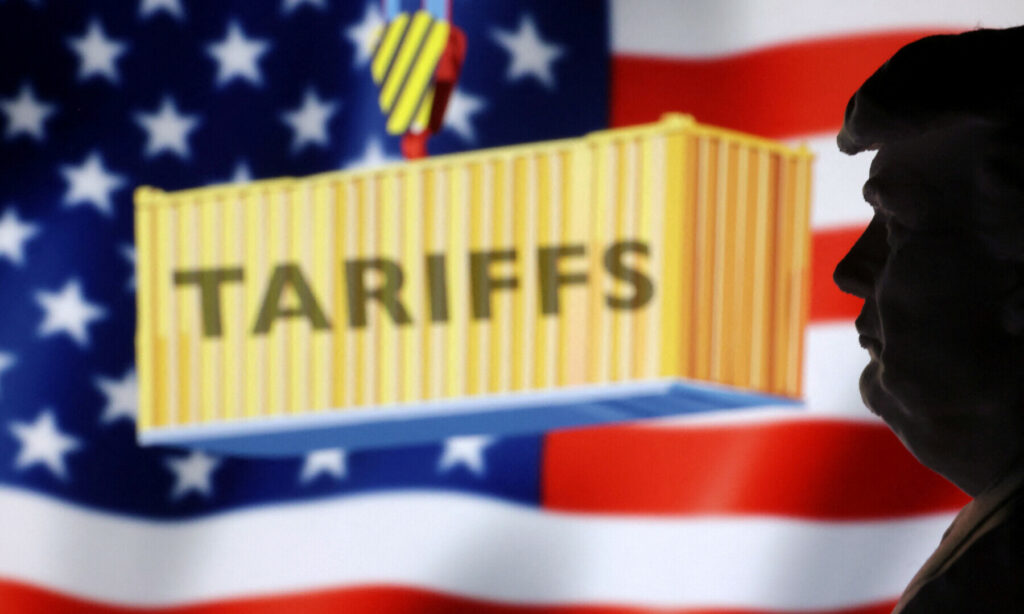
Since returning to power, Donald Trump has imposed tariffs on key Canadian industries. These include automobiles, steel, and aluminum.
As a result, several factories reduced production. Thousands of workers also lost their jobs.
Furthermore, Trump introduced a global 10% tariff on many imports. However, some Canadian goods remain protected under the United States–Mexico–Canada Agreement.
Even so, the future of that deal looks uncertain. A mandatory review will take place later this year. Trump has suggested scrapping the pact or negotiating separate deals.
Because of this uncertainty, economists warn the labour market could weaken further.
For example, CIBC Capital Markets economist Katherine Judge described the report as worrying.
She said businesses now hesitate to invest or hire. Consequently, economic activity has slowed.
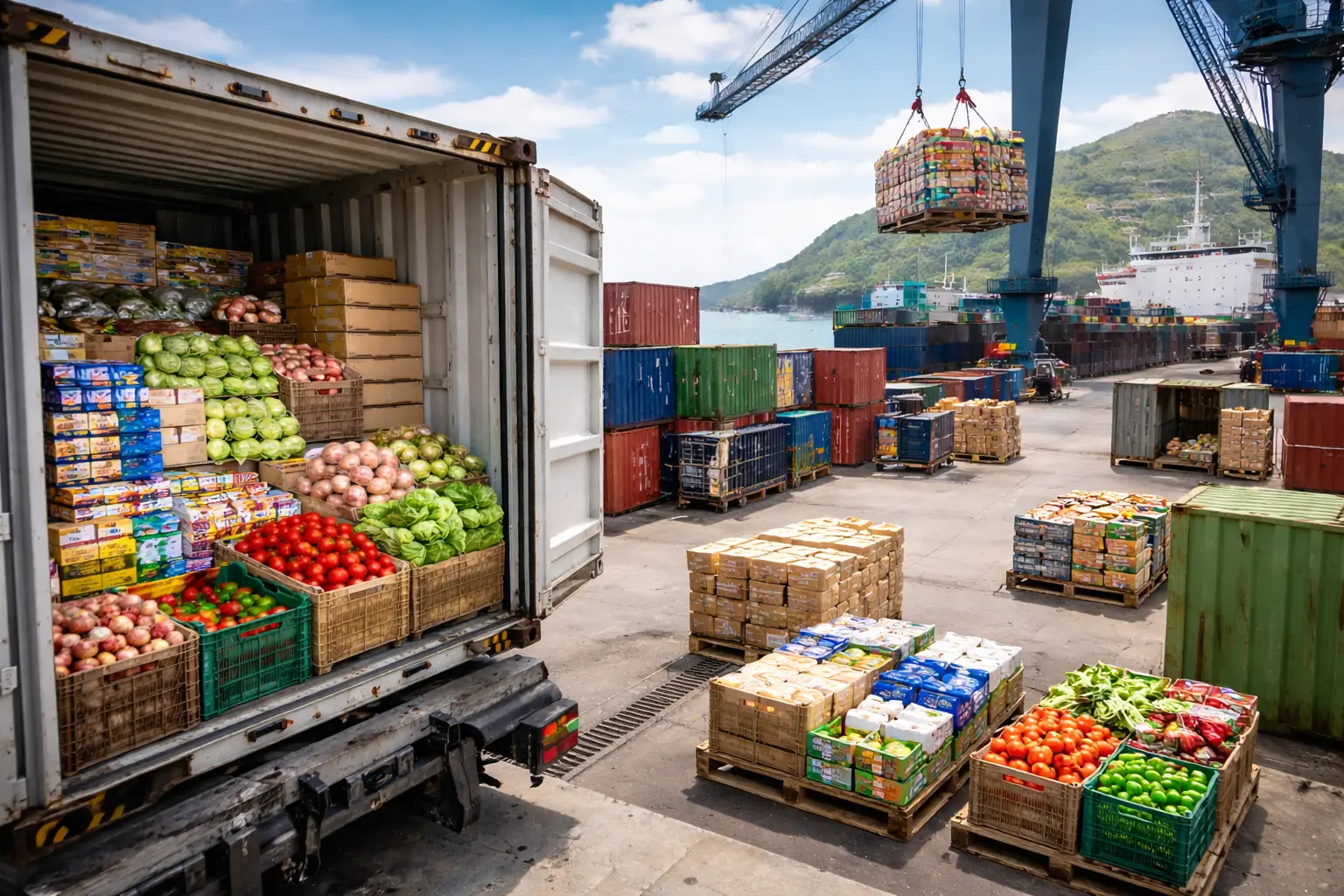
The United States remains Canada’s largest export market. Historically, about three-quarters of Canadian goods went south.
Recently, however, that share has dropped to roughly 67%. As trade tensions grow, Canada’s economy faces increasing pressure.