
 English

















































































































































































































































































































































































































































































































































































































































































































































































































































































































































































































































































































































































































































































































































































































































































































































































































































































































































































































































African Solar-Powered Micro Car Aims to Transform EV Market
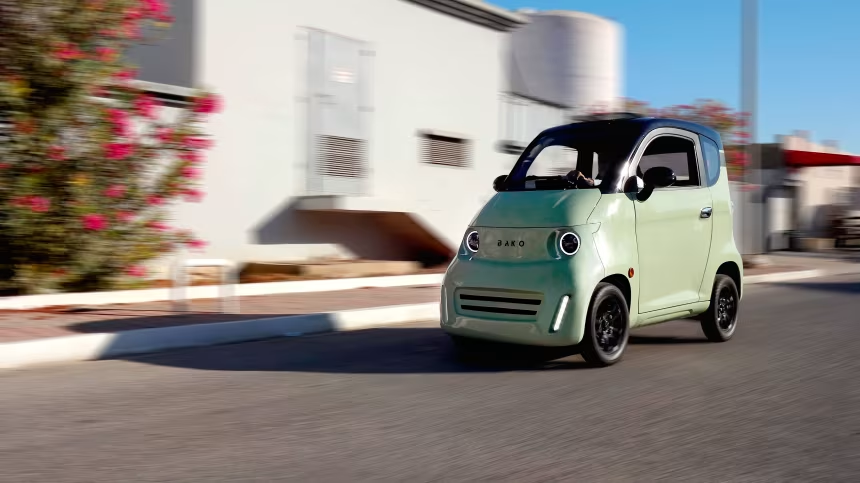
African innovation is helping reshape the future of electric vehicles. A small solar-powered car could change how people travel.
Across the continent, interest in electric vehicles continues to grow. In fact, experts expect strong growth in the coming years.
According to research by Mordor Intelligence, Africa’s electric vehicle market could reach $4.2 billion by 2030. That figure would more than double today’s value.
However, most electric vehicles still rely on electricity from the power grid. In many areas, that electricity comes partly from fossil fuels.
Because of this challenge, a startup in Tunisia is trying a different approach. The company wants to power vehicles using sunshine.
The startup, Bako Motors, builds small electric vehicles with solar panels on their roofs. These panels help charge the batteries during the day.
As a result, drivers can gain extra power without plugging into the grid. The vehicles still include lithium batteries for regular charging.
According to founder and CEO Boubaker Siala, solar energy provides more than half the vehicle’s daily needs.
For example, the company’s commercial vehicle, the B-Van, gains about 50 kilometers of solar-powered driving each day. Over a year, that could add up to about 17,000 kilometers.
The company launched in 2021 and first built three-wheeled cargo vehicles. However, it has since expanded to four-wheel models.
One of its main products is the B-Van. The vehicle can carry up to 400 kilograms of cargo. It also offers a driving range between 100 and 300 kilometers.
Businesses can use it for deliveries and logistics services. Prices start at about $8,500.
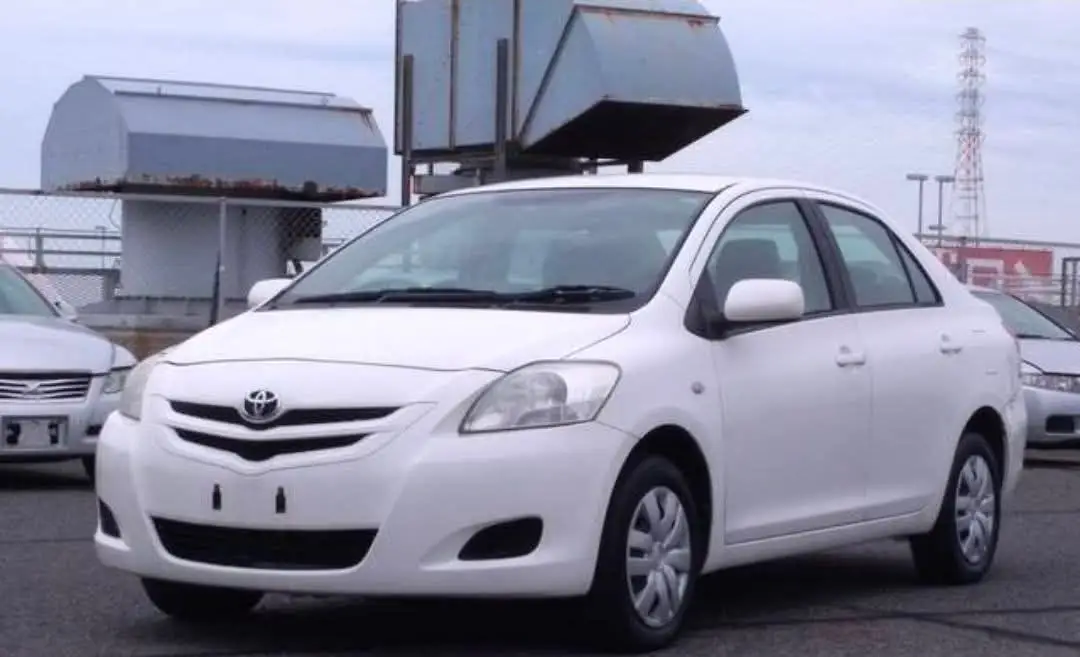
Meanwhile, the company also sells a small two-seat car called the Bee. This compact vehicle focuses on short city trips.
The Bee travels between 70 and 120 kilometers on a charge. It also reaches a top speed of 45 kilometers per hour.
According to COO Khaled Habaieb, engineers are now developing another model called the X-Van. This version will include more cargo space.
Importantly, more than 40 percent of vehicle parts come from local suppliers. These include steel and lithium-iron-phosphate batteries.
Because of this, the company also creates jobs in the local economy.
Experts say solar support can help solve a common EV concern known as Range Anxiety. Drivers worry about running out of power.
Industry observer Bob Wesonga of the Africa E-Mobility Alliance says solar power can extend driving range and boost confidence.
Meanwhile, Bako Motors plans to expand production. A larger factory is already under construction in Tunisia.
The facility could open by the end of 2026. Once complete, it may produce up to 8,000 vehicles each year.
Ultimately, the company hopes to sell vehicles across Africa, the Middle East, and Europe. If successful, solar-powered mobility could soon become a common sight on African roads.