
 English







We Celebrate Independence. But Are We Creating Opportunities For It?
-
Dadli News Editorial Team / 12 minutes

- November 13, 2026
- 0
- 3 min read
We Celebrate Independence. But Are We Creating Opportunities For It?
We Celebrate Independence. But Are We Creating Opportunities For It?
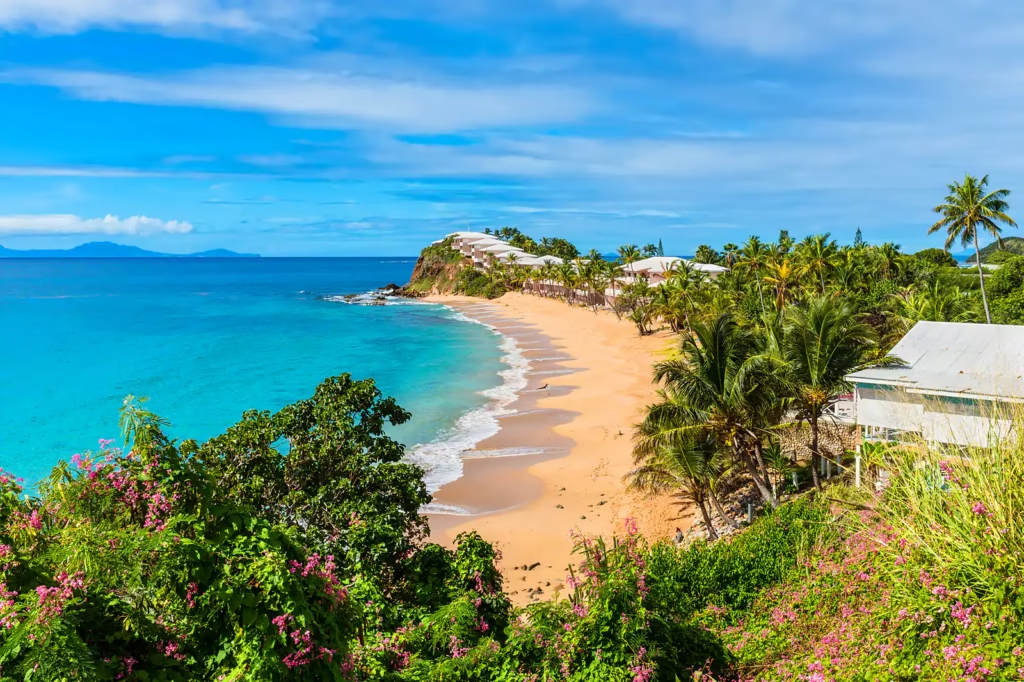
As Antigua and Barbuda marked its 45th Independence anniversary on November 1, we were reminded of the importance of freedom. However, the celebrations also give us an opportunity to consider whether everyone has the chance to experience independence in their own lives.
We often describe independence as the ability to make decisions, manage responsibilities and live without relying on others. But does needing help mean a person cannot be independent?
For our nation, independence represents the freedom to govern ourselves and shape our future. Yet, even independent countries depend on international relationships, trade and cooperation.
The same principle applies to individuals, particularly those on the autism spectrum.
Rethinking Independence
As the mother of an autistic young adult, I often think about what independence will look like for my son, Nickolas.
Can he manage his finances, travel safely, make decisions, build friendships and eventually live with greater autonomy?
At times, I have felt overwhelmed by the idea of helping him achieve complete independence. However, I have come to realise that expecting anyone to manage every aspect of life without assistance is unrealistic.
Even people who are not autistic need help at different stages of life. So why should we measure independence differently for someone on the spectrum?
Perhaps I focused too much on how little support Nickolas would need rather than how much freedom he could experience.
An autistic young adult who needs help with transportation can still decide where he wants to go. Someone who requires assistance managing money can still have a say in how it is spent.
Support does not take away independence. In many situations, it makes greater freedom possible.
Are We Creating Opportunities for Everyone?
This reflection brings me back to our national celebrations.
As Antigua and Barbuda celebrates its freedom, are we creating opportunities for autistic citizens to make choices and participate in society?
Are our schools preparing students for adulthood? Do our communities provide opportunities for participation? Can children explore their abilities, make mistakes and develop new skills?
Independence should not depend solely on someone’s ability to stand alone. Sometimes, it means having the freedom to make choices while knowing that support is available when needed.
Perhaps the question should not simply be, “Can he do it alone?”
Instead, are we providing the freedom to try, the opportunity to choose and the support to succeed?
Parents, educators and community members all have a role in building an inclusive environment where autistic individuals can participate and develop greater independence.
The Importance of Community
Whether your child was recently diagnosed or you have been navigating this journey for years, you do not have to face it alone.
Sometimes, we simply need a listening ear from someone who understands without judgment.
I invite you to become part of our Super Parents community, where families can learn from, encourage and support one another.
About the Author
Tanya is an Autism Acceptance Advocate, Caribbean Sign Language Interpreter and mother to a young autistic adult. With two decades of experience as a biology educator, she is passionate about promoting inclusion and supporting families through a Caribbean-centred perspective on neurodiversity.
For feedback, comments and suggestions, contact Tanya at joseph.tanya2009@gmail.com or call/WhatsApp 1-268-789-9009.
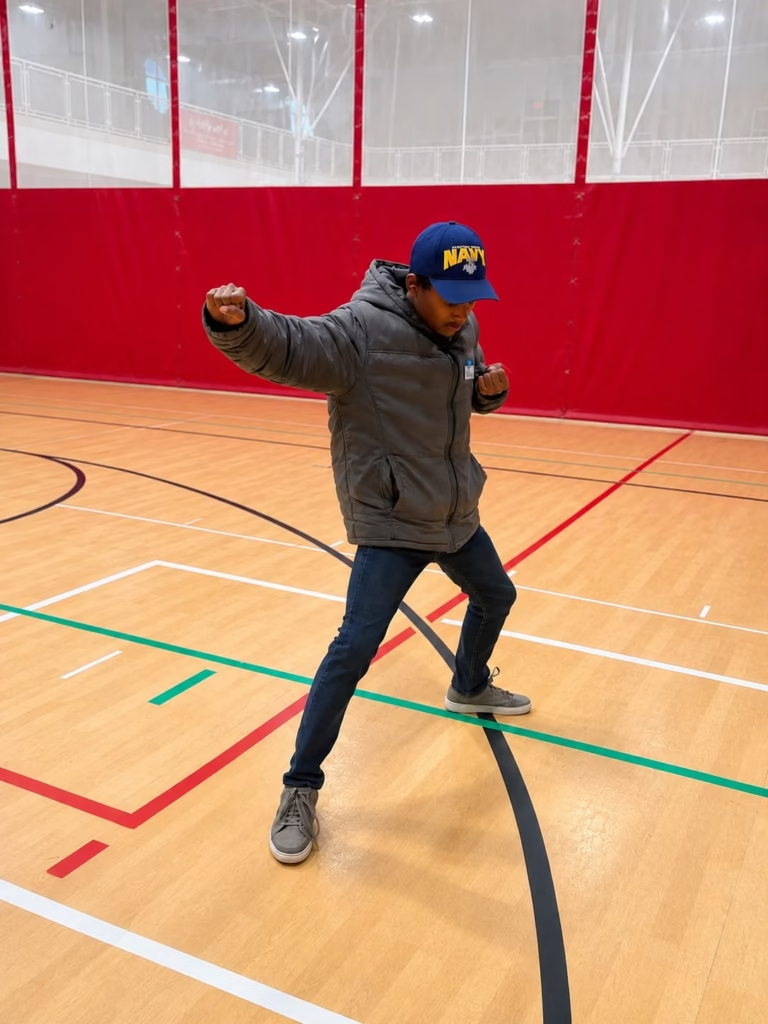
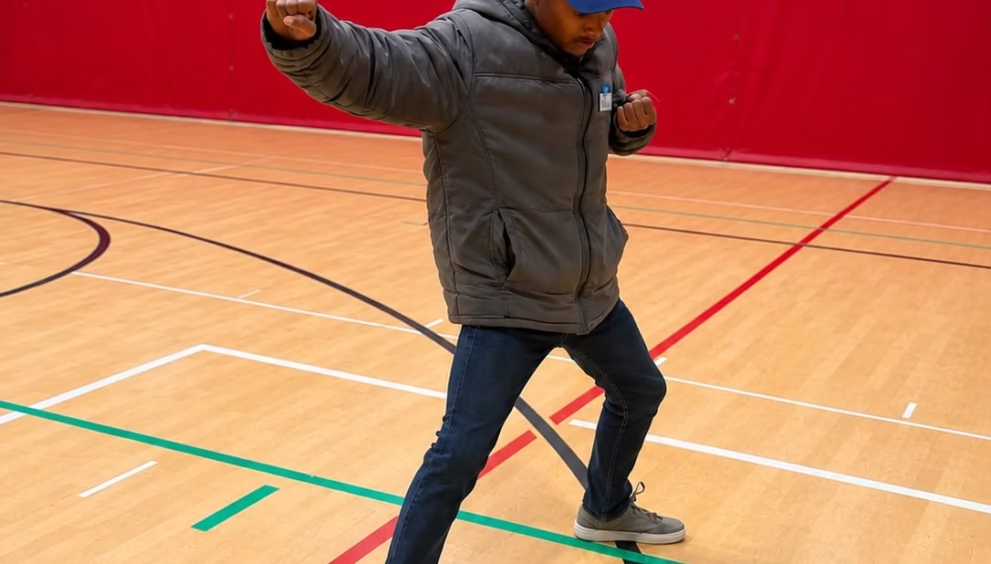
Photo Caption: The freedom to try, the opportunity to choose and the support to succeed — Nickolas’s karate journey is inclusion in action.