
 English
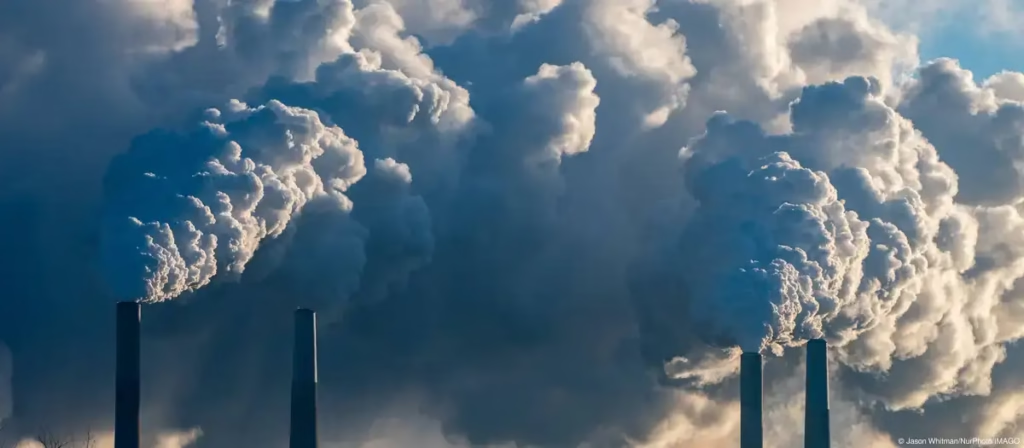









Iran War Oil Shock Drives Drop in Global Emissions
-
Dadli News Editorial Team / 4 minutes

- November 11, 2026
- 0
- 2 min read
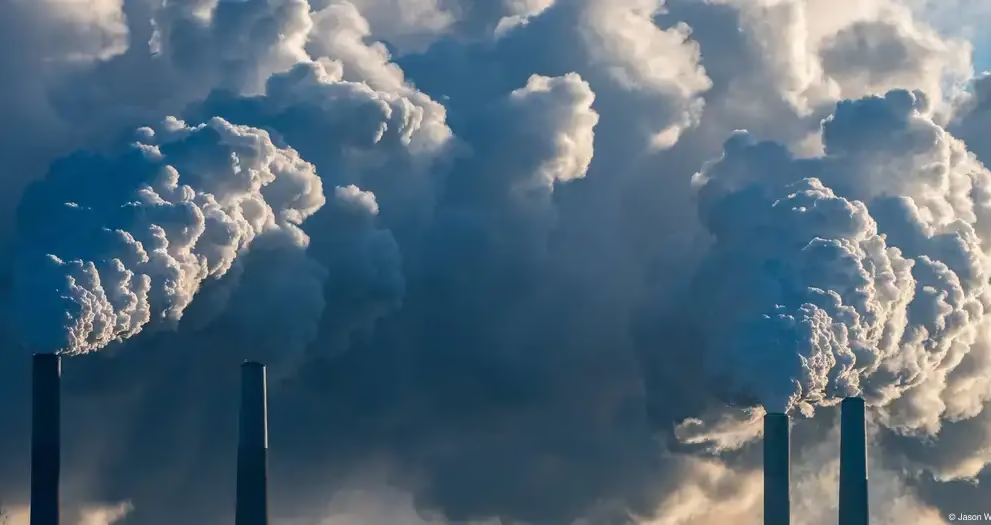
Global carbon emissions are expected to decline slightly in 2026, largely because of higher energy prices following the Iran war and disruptions to oil supplies through the Strait of Hormuz.
A new study by the Global Carbon Project estimates that emissions from fossil fuels will fall by 0.4% this year. This would mark a change from the previous decade, when emissions from oil, gas and coal increased by an average of 0.9% annually.
Study co-author Glen Peters, a scientist at Norway’s CICERO Center for International Climate Research, said the decline was largely connected to the conflict involving Iran and its impact on energy supplies.
He described the development as a small positive result occurring for the wrong reasons, since the reduction was not primarily driven by lasting changes in energy production or consumption.
The findings were released as world leaders gathered in Turkey for the United Nations COP31 climate conference.
Iran War Disrupts Energy Emissions
The study found that oil emissions are expected to decline by 1.9% in 2026, while natural gas emissions are projected to fall by 0.3%.
However, coal emissions are expected to increase by approximately 0.6%, showing that fossil fuel use has not declined across every major energy source.
Peters warned that a single year of lower emissions does not mean global pollution has reached its peak. He explained that lasting progress would require a longer-term pattern of declining emissions rather than a temporary reduction caused by economic or geopolitical disruptions.
Global Emissions Could Rise Again
The report noted that this is the third recent period in which global carbon emissions have fallen. Previous declines occurred during the 2009 global financial crisis and the COVID-19 pandemic in 2020. In both cases, emissions increased again as economic activity recovered.
Although higher energy prices linked to the Iran war contributed to the latest decline, renewable energy also played a role. Solar panels, wind farms and electric vehicles helped reduce emissions, but their impact was not enough to produce a sustained decrease on their own.
Study co-author Pierre Friedlingstein said the long-term solution remains the rapid expansion of clean energy technologies.
The report also warned that total global carbon dioxide emissions could still rise by around 1% in 2026. This is because emissions linked to land-use changes, including deforestation and peat fires, increased enough to outweigh the reduction from fossil fuel use.
The findings highlight the difference between a temporary decline and lasting progress in tackling climate change.