
 English










































































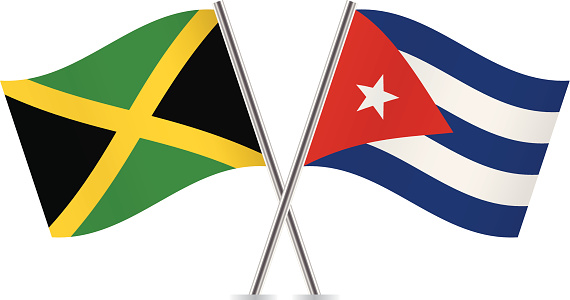






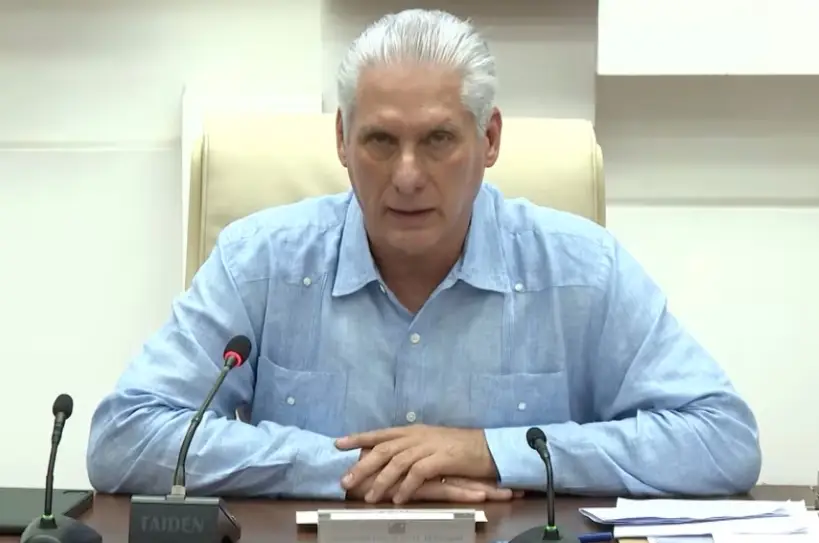


















































































































































































































































































































































































































































































US Tells Caribbean Nations There Are Alternatives to Cuban Medical Programme
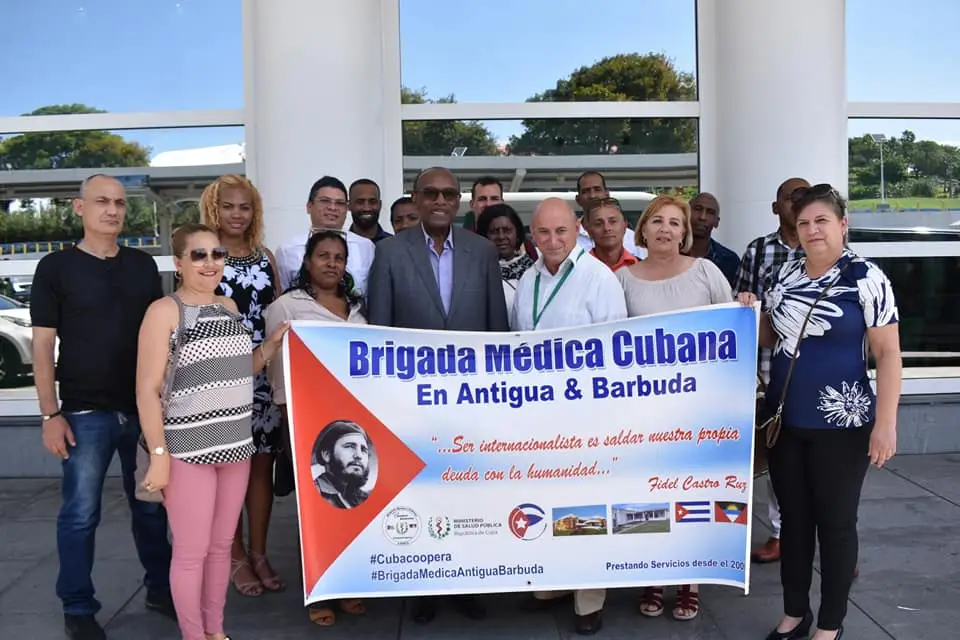
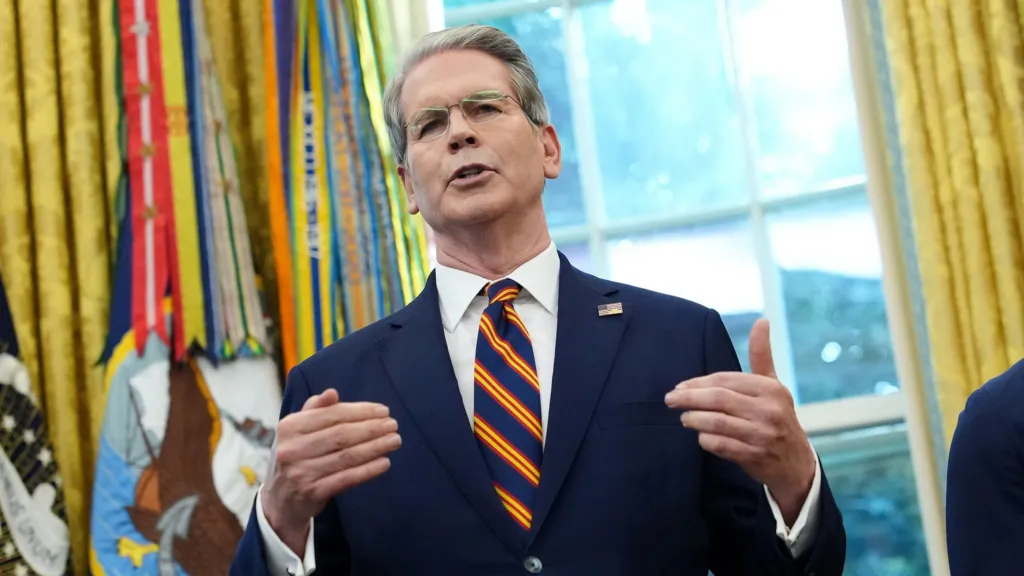
US on Friday urged Caribbean countries to explore alternatives to Cuba’s health brigade programme.
In a post on the US Embassy in Barbados Facebook page, officials criticized Cuba’s medical missions. They said these programmes involve forced labour.
“Foreign governments participating in these programmes become complicit in the abuses of Cuban workers,” the statement said.
The US highlighted that Caribbean nations have other options. These alternatives can ethically recruit foreign medical workers to meet local healthcare needs.
“Caribbean countries should reject forced labour schemes and demand accountability and respect for human rights,” the statement added.
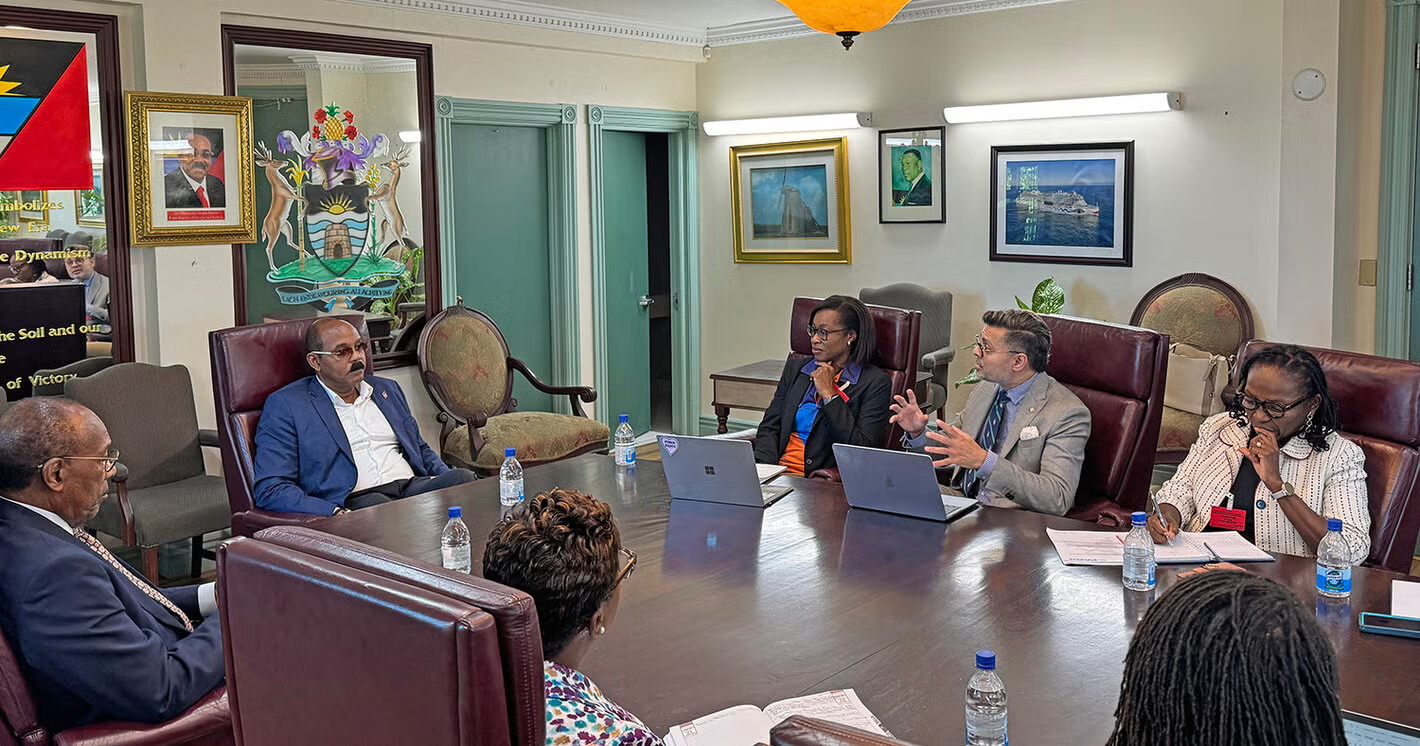
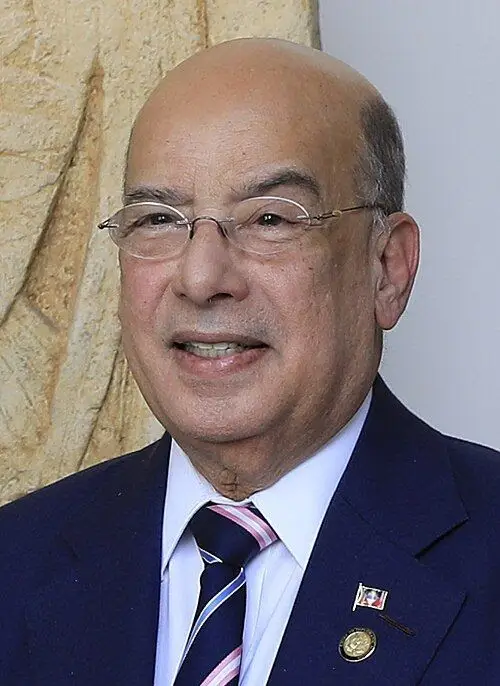
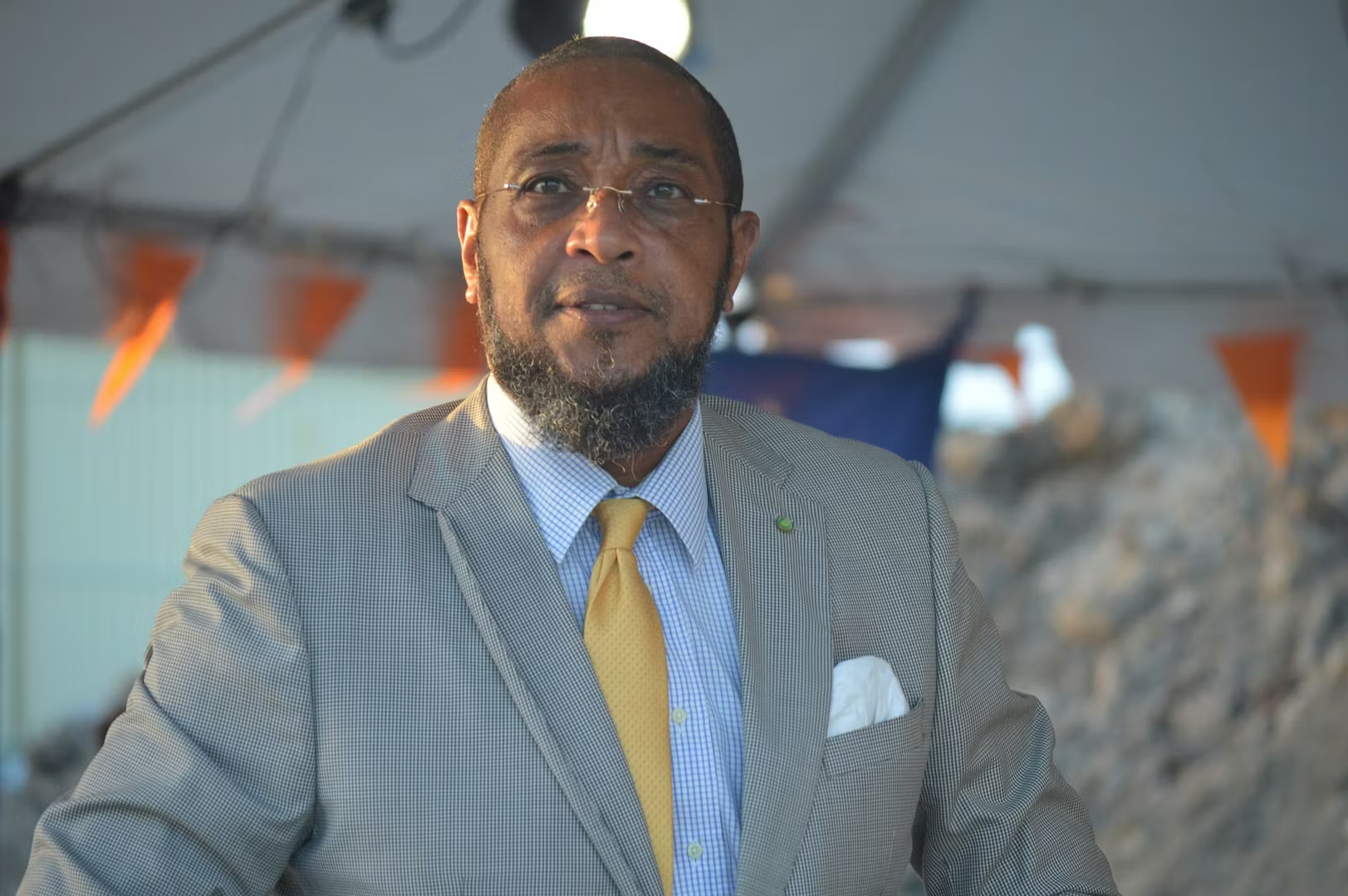
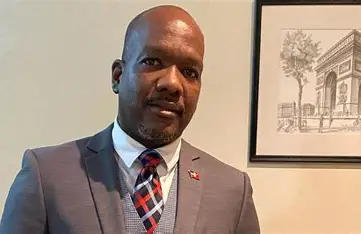
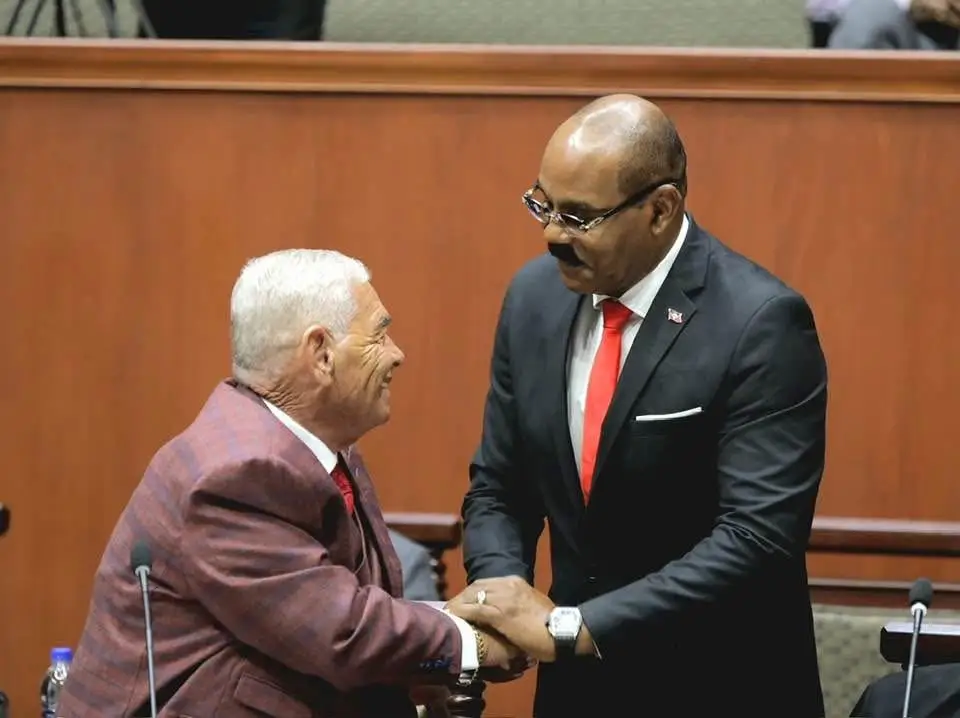
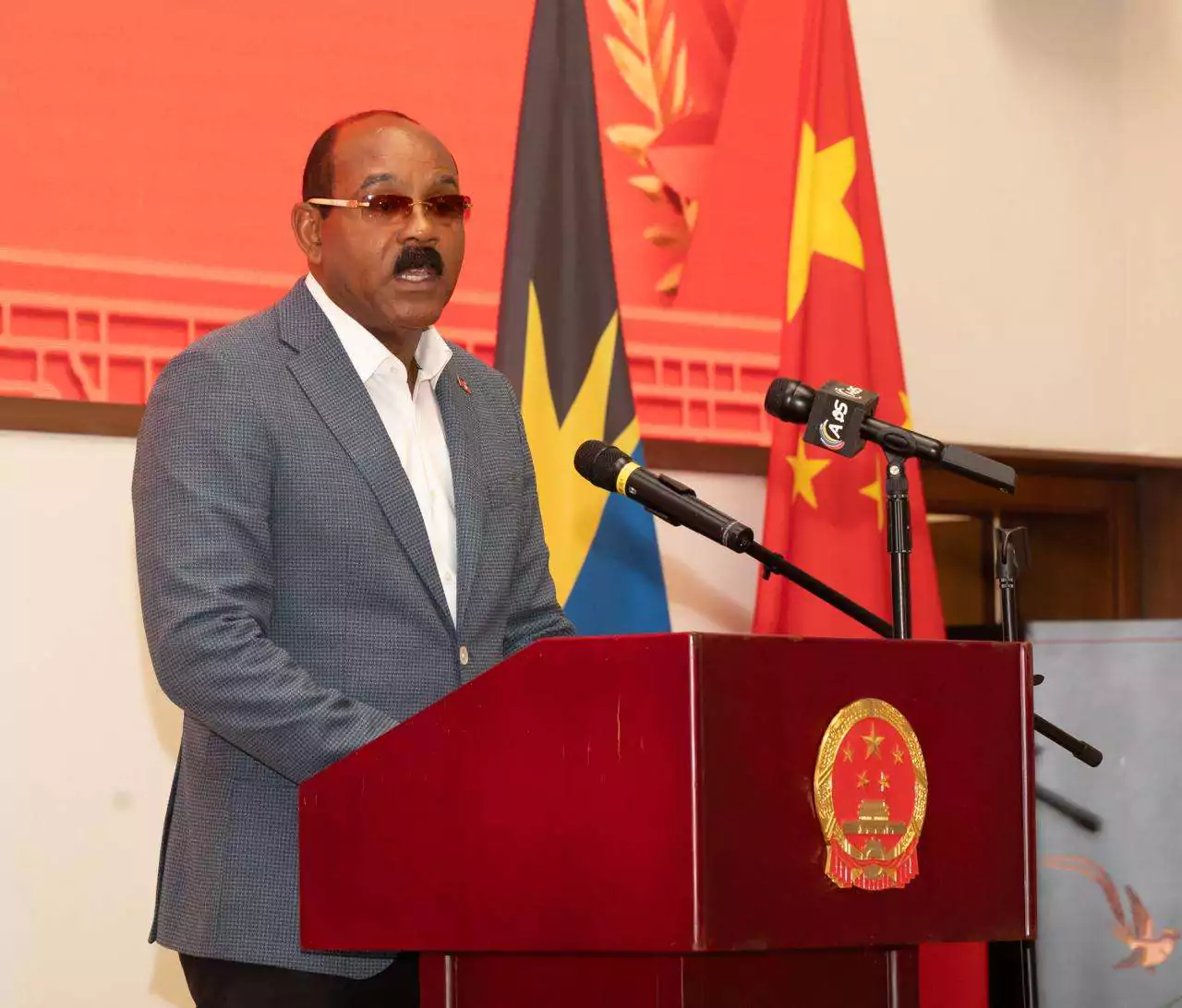
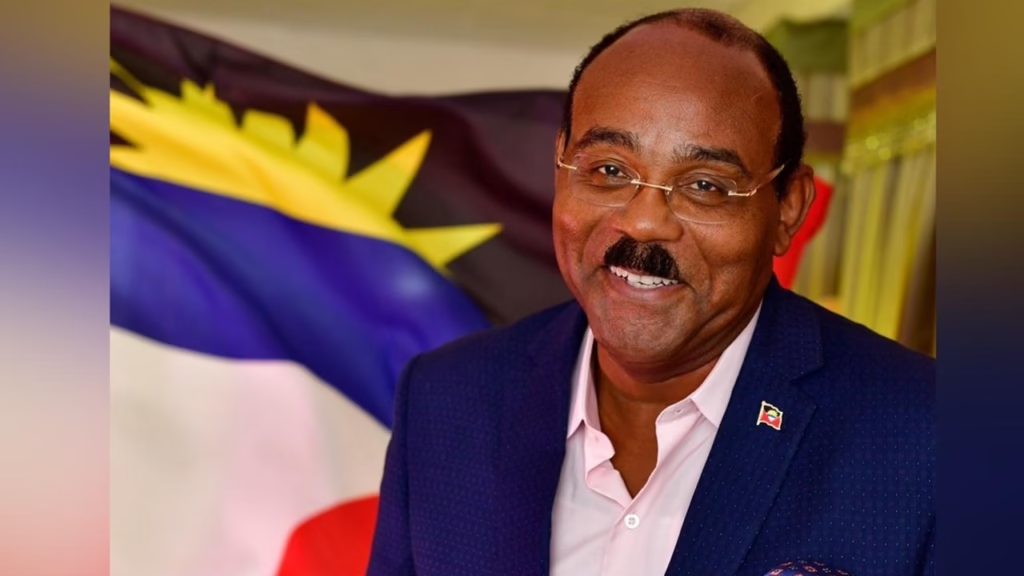
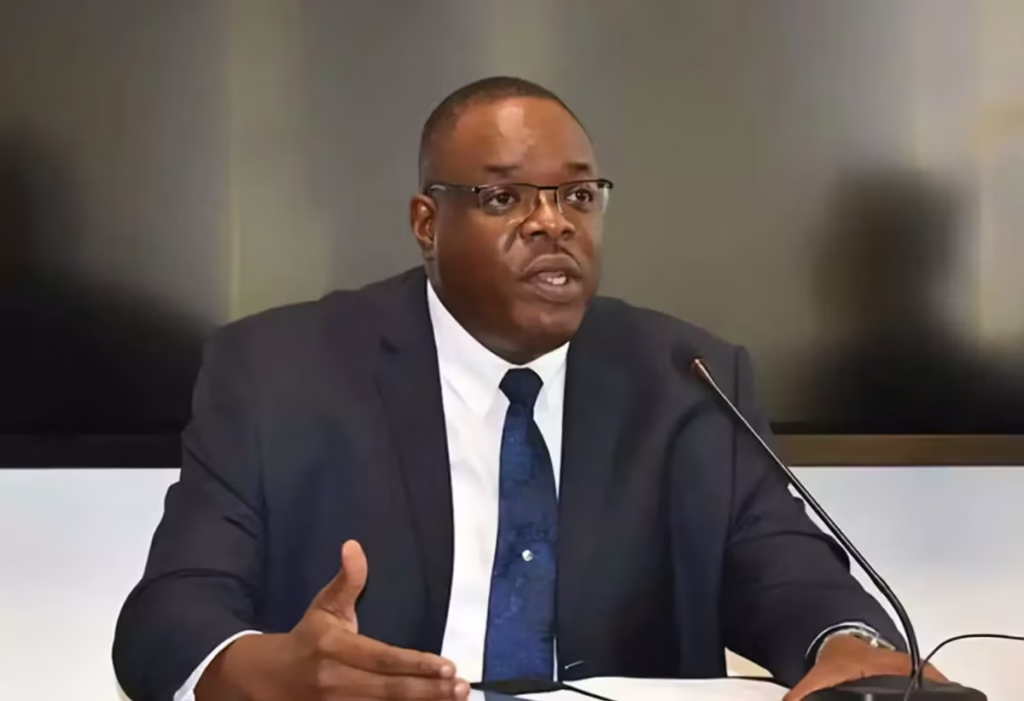
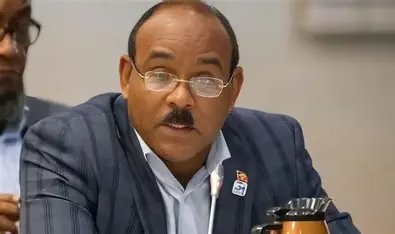
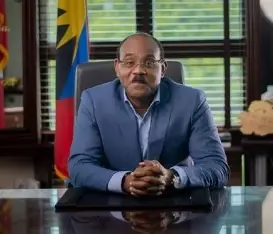
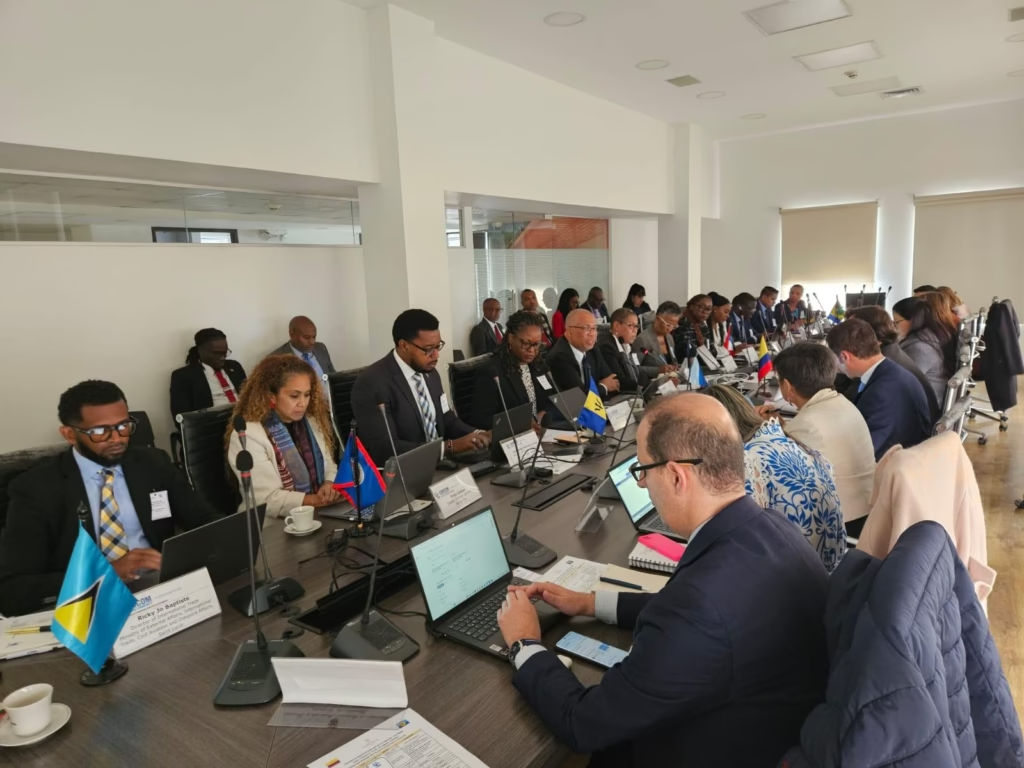
Earlier this week, US officials said they had not recently spoken with St Lucia about international education. This followed Prime Minister Phillip J Pierre’s claim that Washington asked Castries to stop sending nationals to study medicine in Cuba.
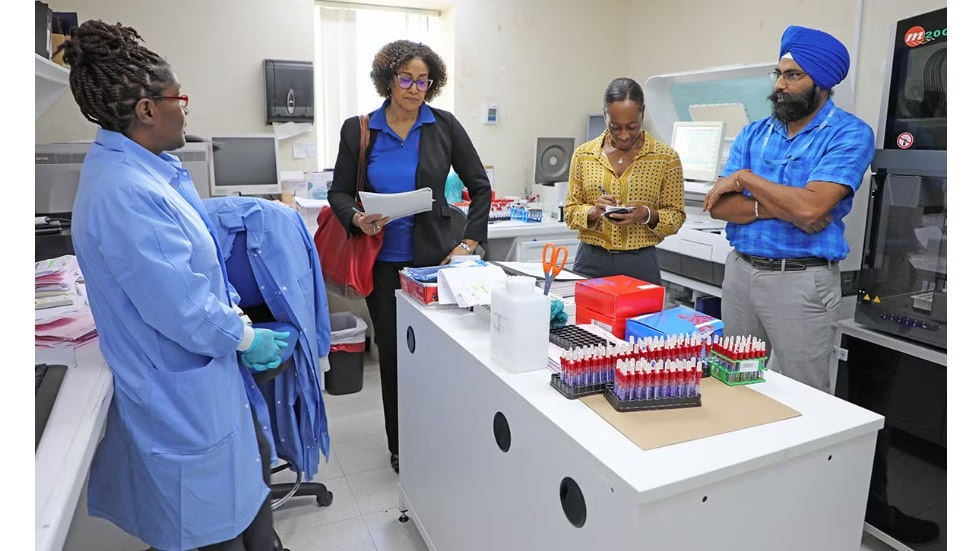
Pierre expressed concern, noting that many of St Lucia’s doctors trained in Cuba. “Now the United States has said we can’t do that any longer,” he said at the World Congress on Racial and Ethnic Health Disparities.
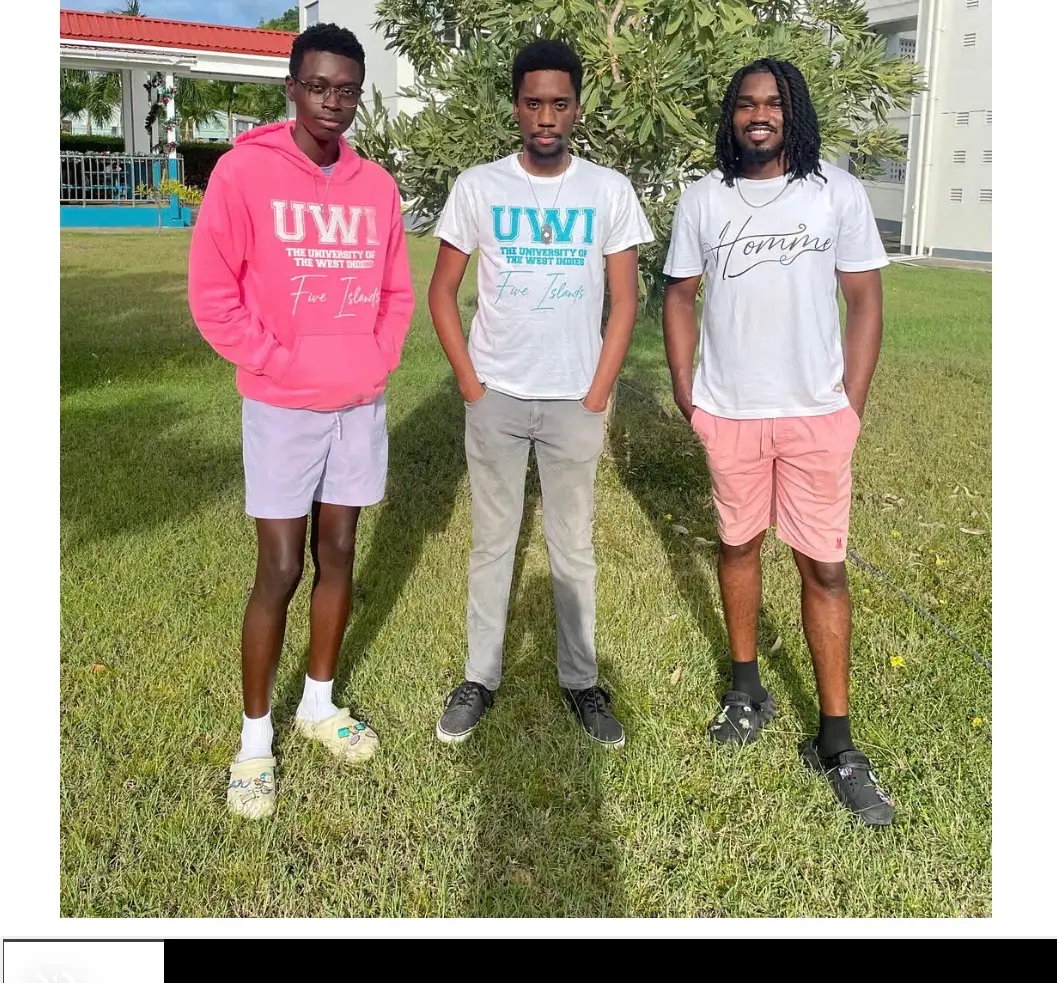
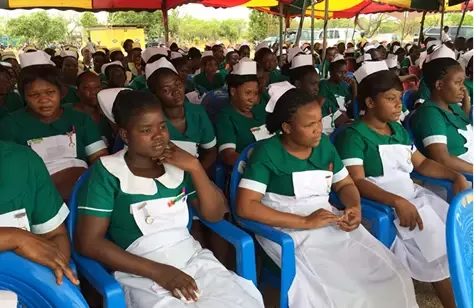
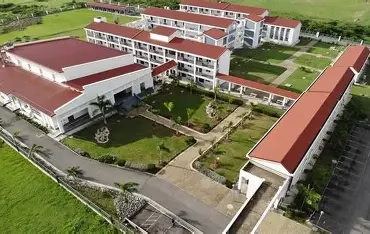
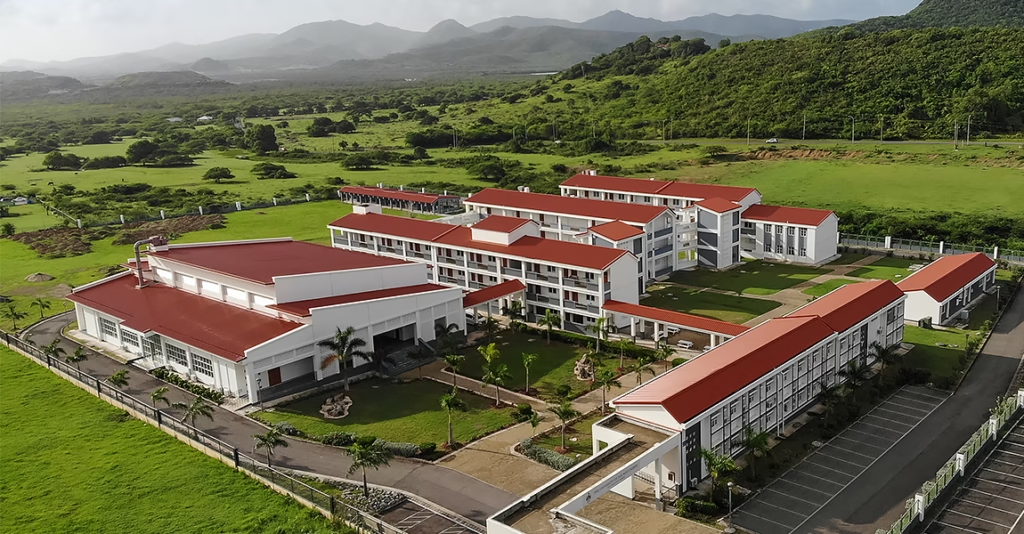
Cuba has long offered scholarships through the Latin American School of Medicine (ELAM) in Havana. Since its inauguration in 1999, ELAM has trained doctors from underserved communities across Latin America and the Caribbean.
The programme provides free tuition, accommodation, and meals. It was intended to improve healthcare access in poorer regions.
However, the US says Havana profits from these missions. Officials claim the Cuban government rents out medical personnel at high costs, keeping the revenue for regime elites.
“It treats doctors as commodities, not human beings,” the statement said. “This is forced labour, not a humanitarian gift.”
Washington insists the Cuban regime must end its coercive labour export scheme. They also call on Caribbean nations to explore ethical recruitment methods.
The US emphasizes that alternatives exist for training and recruiting healthcare professionals without violating human rights.
Caribbean leaders now face a choice: continue partnerships with Cuba or adopt new recruitment strategies that respect ethical and human rights standards.
The debate over Cuba’s medical programme is likely to continue as regional countries weigh healthcare needs against human rights concerns.