
 English
























































































































































































































































































































































































































































































































































































US Military Faces Scrutiny Over Second Strike That Killed Survivors

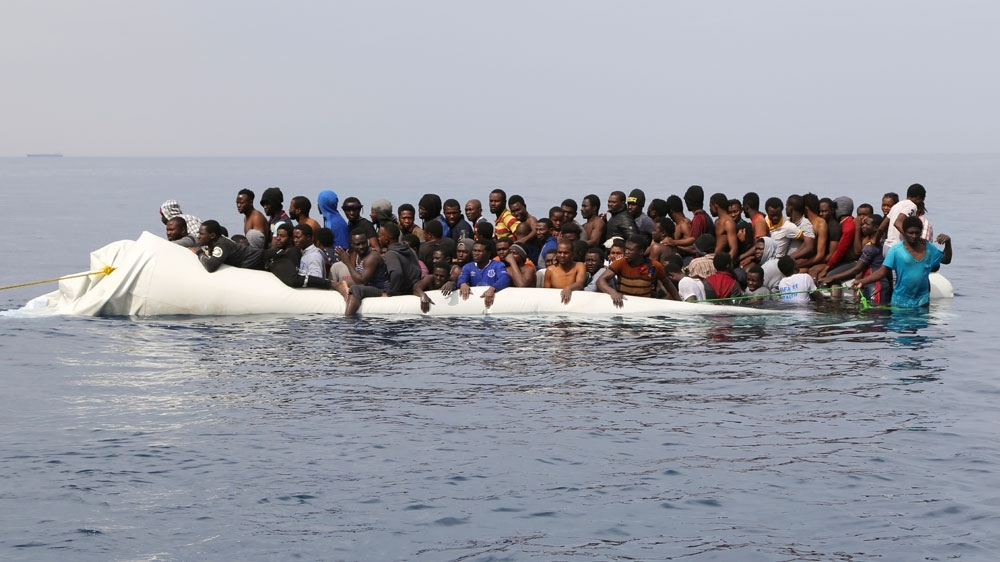
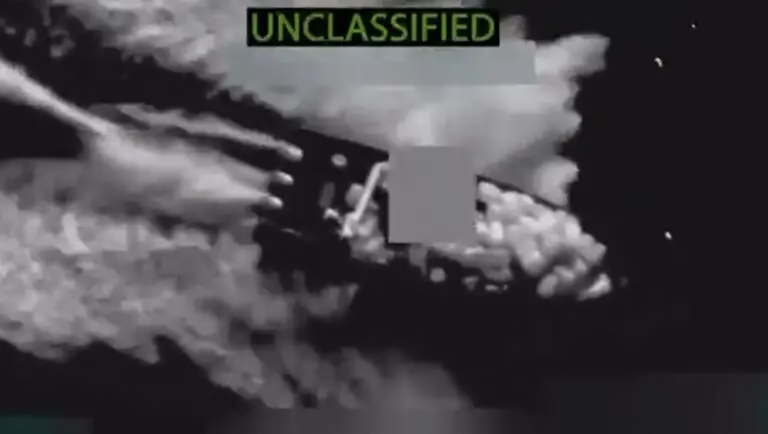
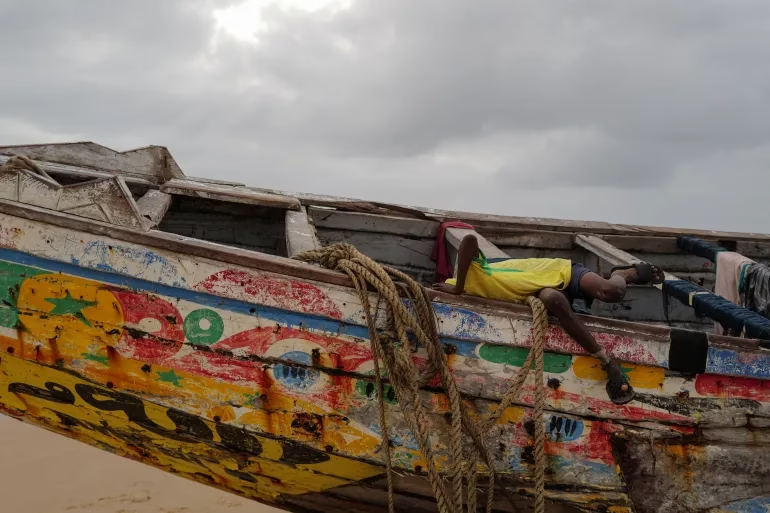
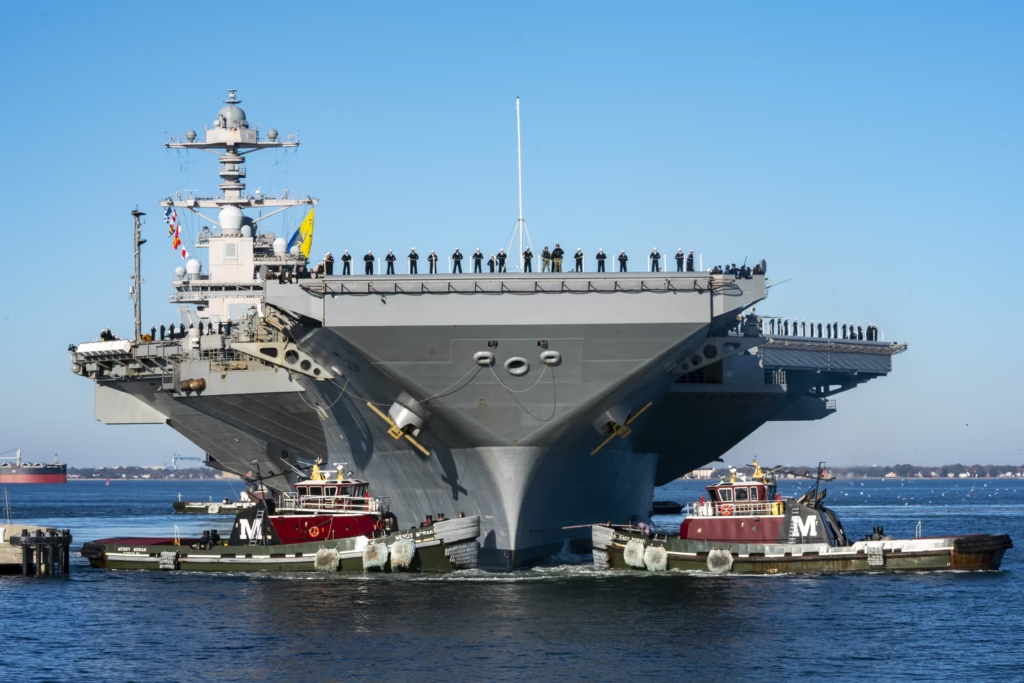
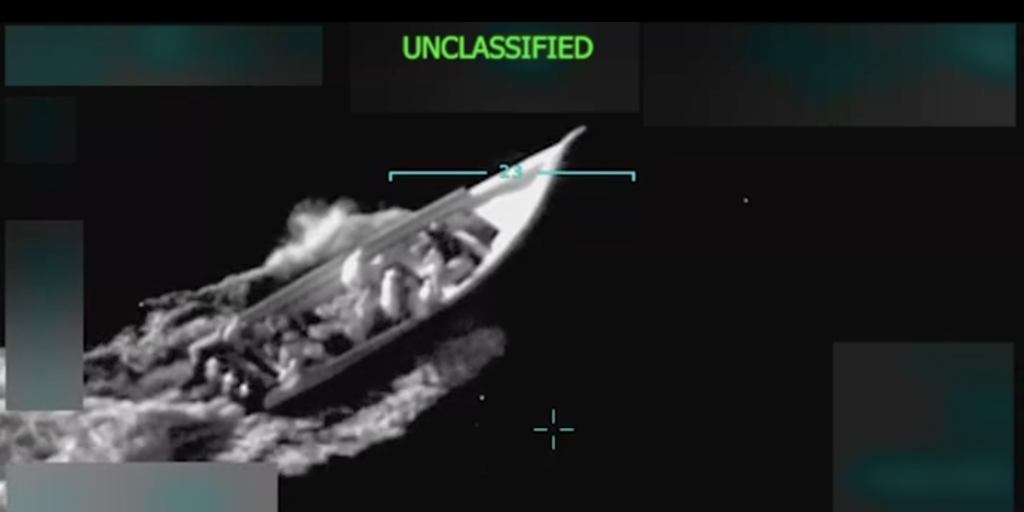
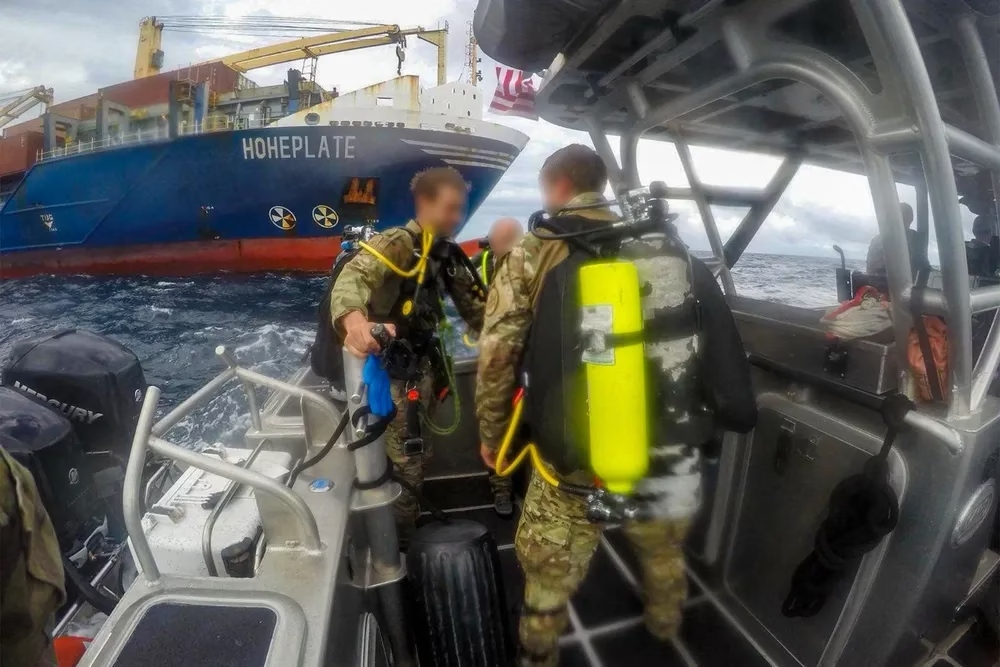
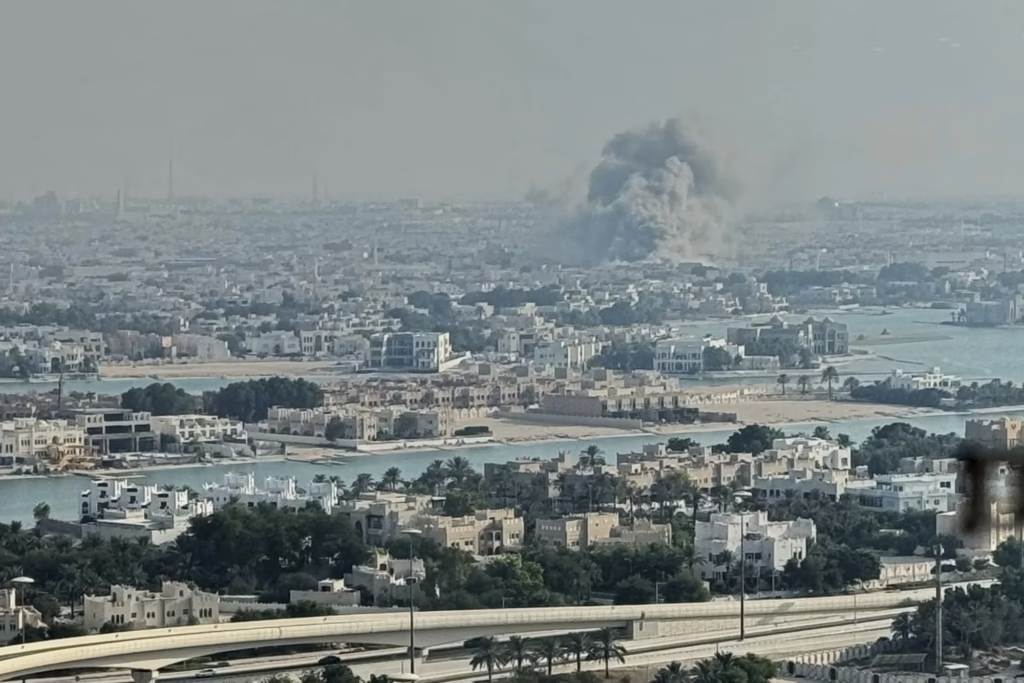
US military actions in the Caribbean are drawing sharp scrutiny after sources revealed that troops carried out a second strike that killed survivors on a suspected drug boat in early September.
The new details raise serious legal and ethical questions about the expanding campaign against alleged narcoterrorist vessels.
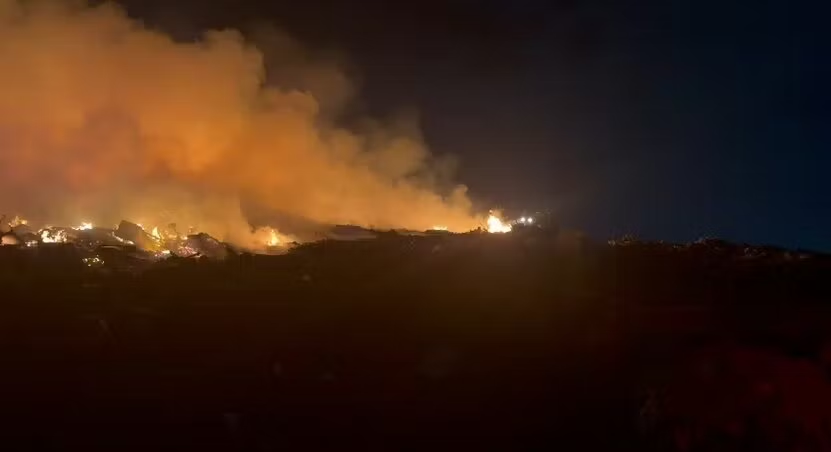
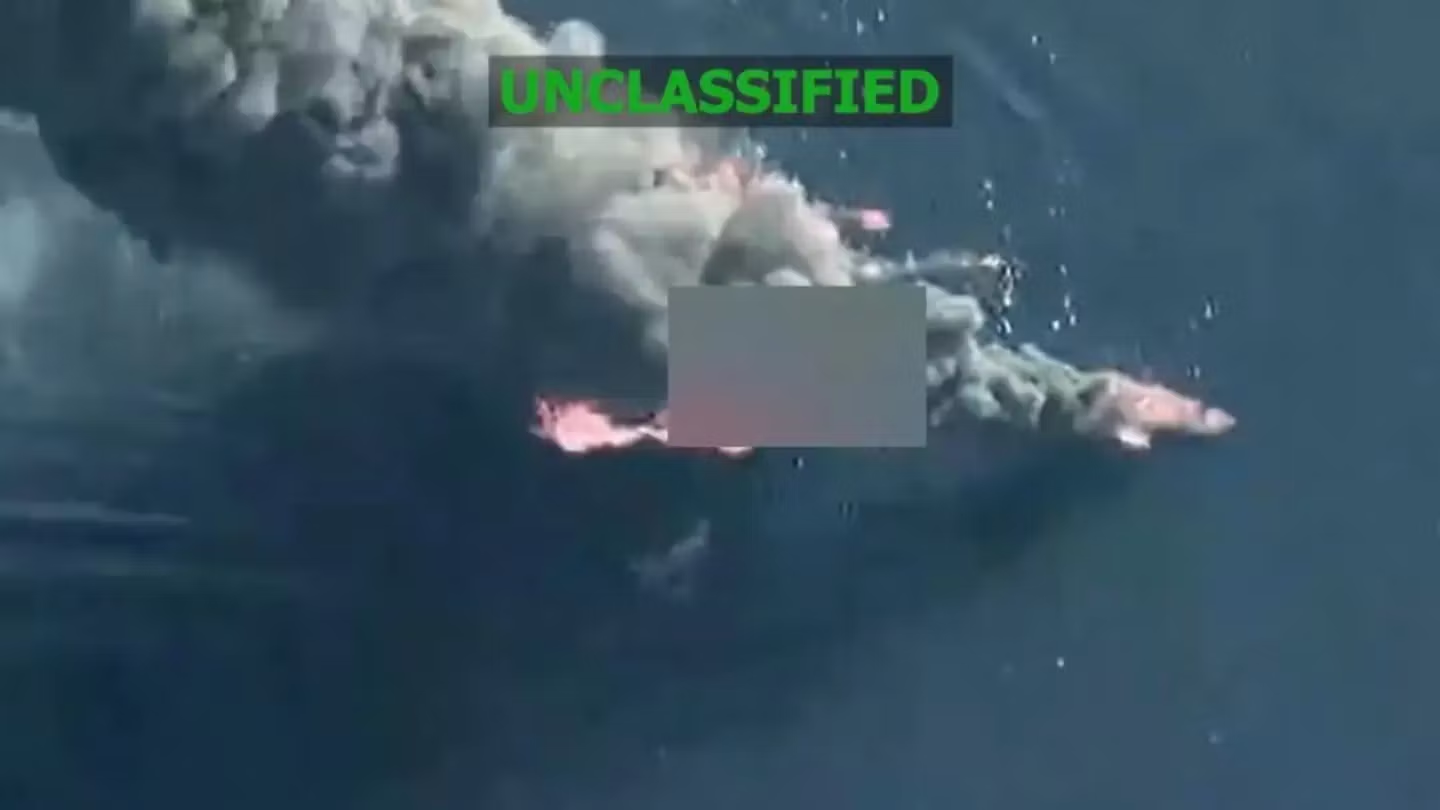
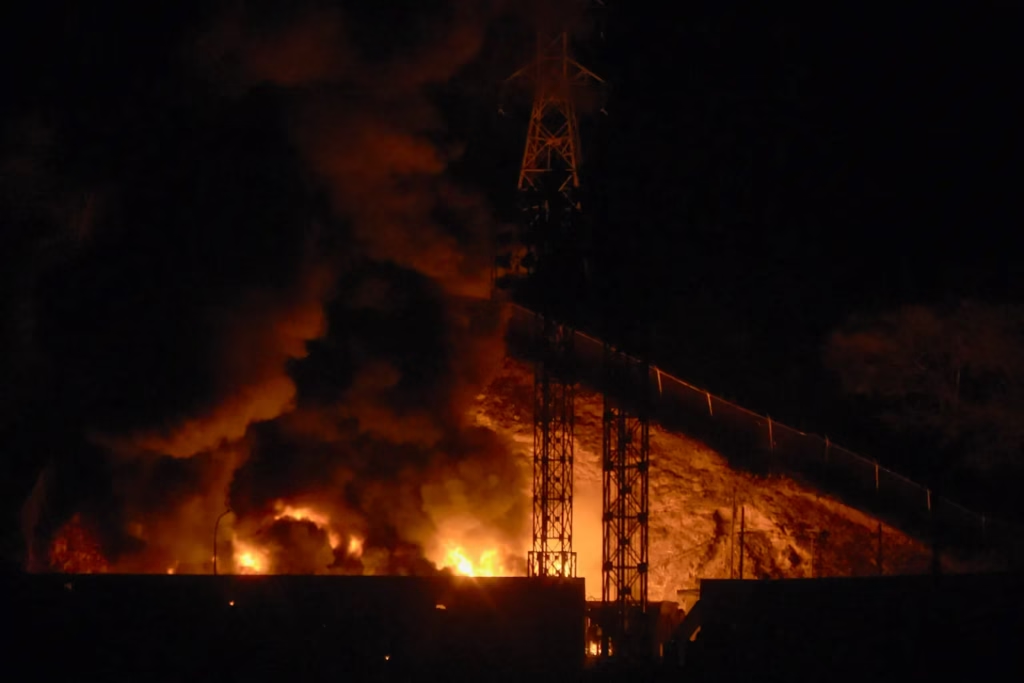
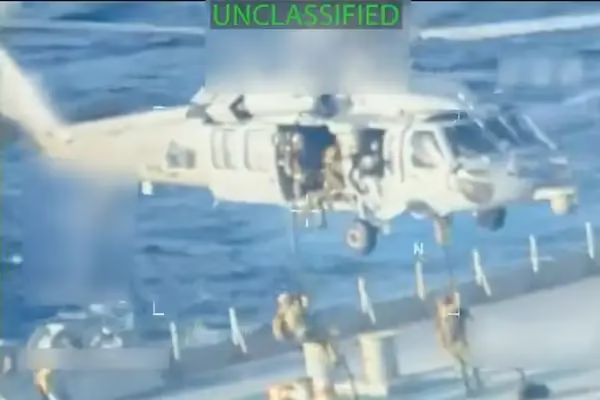
The first strike on September 2 disabled the boat and killed several crew members.
However, officials assessed that some people survived the blast.
Because of that, the military launched a second strike that killed the remaining survivors and fully sank the vessel.
Sources say the death toll reached 11.
Secretary of Defense Pete Hegseth had instructed commanders to ensure that the operation killed everyone on board.
Yet one source said it remains unclear whether he knew survivors were still alive before the follow-up strike.
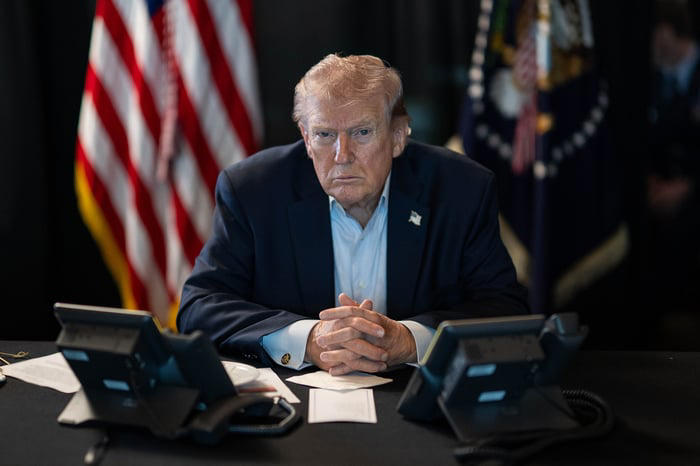
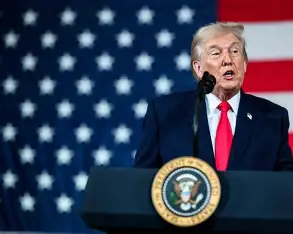
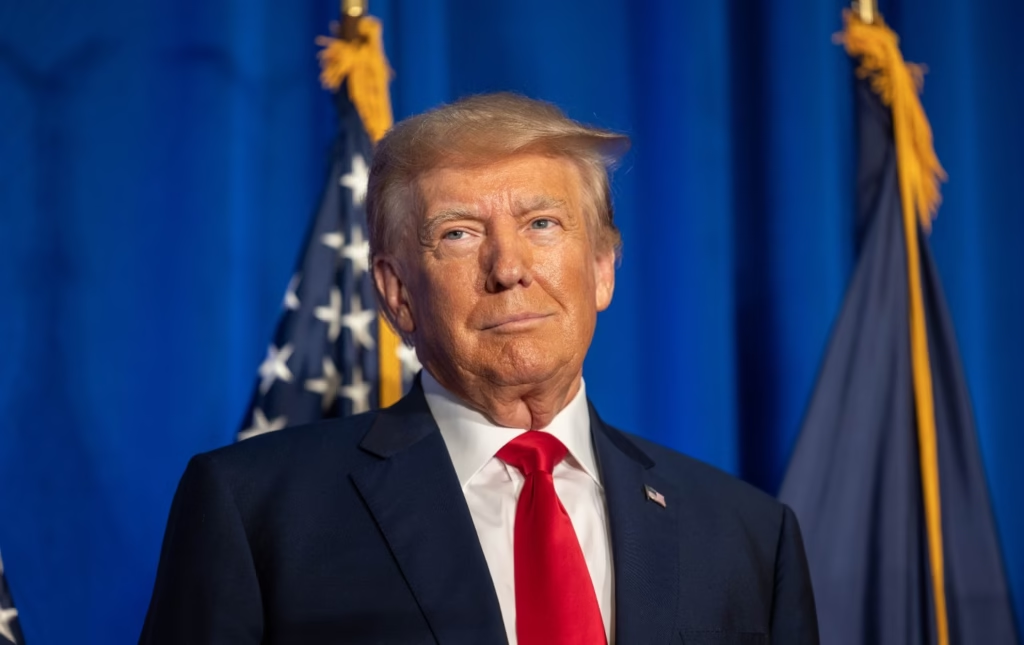
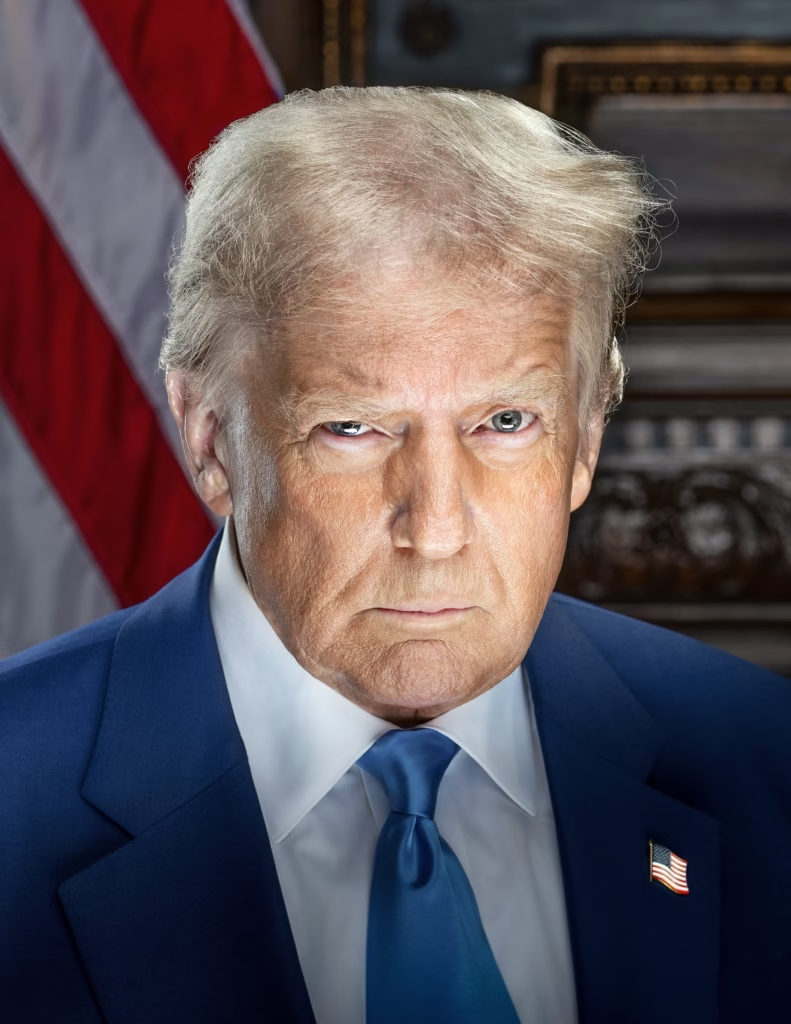
President Donald Trump announced the attack on the same day but never acknowledged that survivors were killed afterward.
The administration also never publicly admitted that the second strike occurred.
Meanwhile, defense officials continue to defend the broader campaign.
They argue that the targets are linked to dangerous cartels and pose an imminent threat.
Hegseth said on Friday that all actions follow U.S. and international law.
Even so, legal experts across the political spectrum disagree.
They say most traffickers are civilians, not combatants.
Therefore, the strikes may qualify as extrajudicial killings.
International law also prohibits killing individuals who are “hors de combat,” meaning injured or unable to fight.
Members of Congress have also raised concerns.
Democratic Rep. Madeleine Dean said she reviewed classified documents and saw no clear legal basis for the deaths.
She questioned why Congress was never consulted before the strikes began.
Senior military leaders have voiced discomfort as well.
Adm. Alvin Holsey, head of U.S. Southern Command, reportedly offered to step down after challenging the legality of the missions.
He will leave his post in December, only one year into his tenure.
Additionally, U.S. allies are distancing themselves.
The United Kingdom stopped sharing intelligence on suspected drug vessels because it does not want to be tied to the strikes.
The administration continues to insist the operations are lawful.
However, the revelation of the September 2 “double-tap” strike has intensified debate over how far the United States can go in targeting suspected traffickers on the open sea.
Join the Dadli News WhatsApp Group: https://chat.whatsapp.com/L04JxtMbG39FLBbxYWlz9T
Join the Dadli News WhatsApp Channel: https://whatsapp.com/channel/0029VbBcJ3gKLaHkB4lQXM1m