
 English

















































































































































































































































































































































































































































































































































































































































































U.S. Halts Immigrant Visas For Several Caribbean Nations
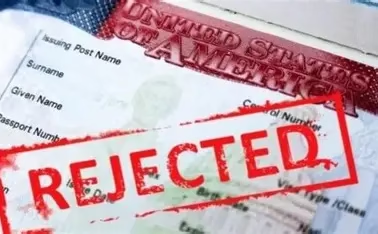
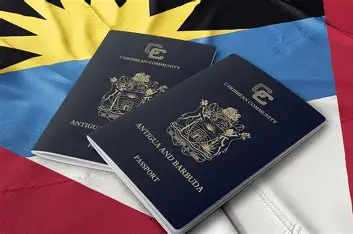
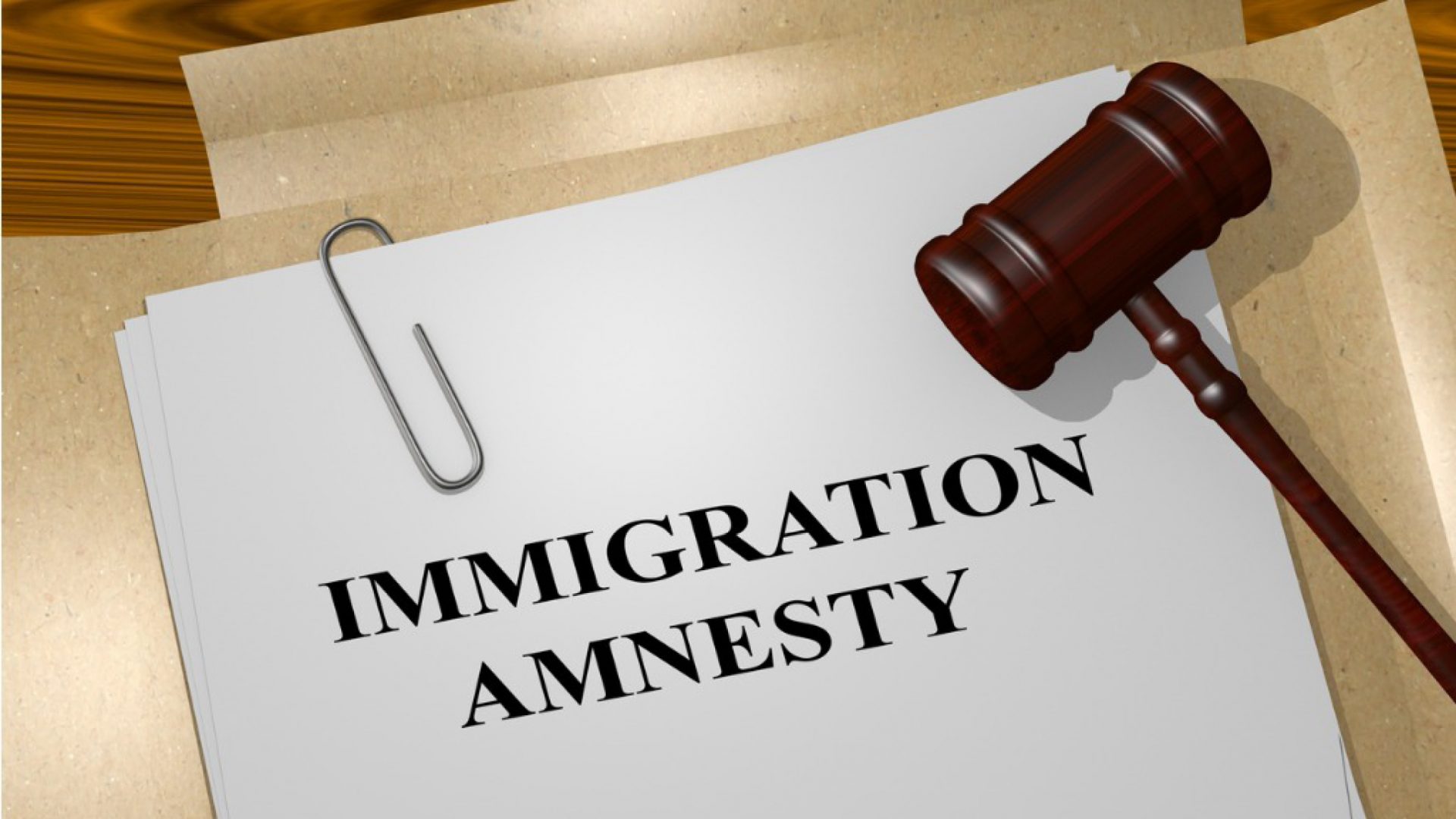
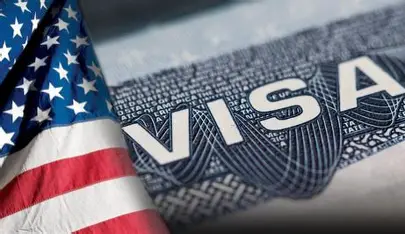
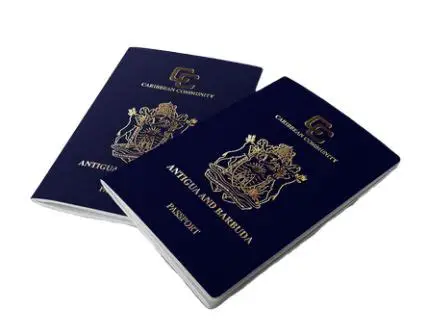
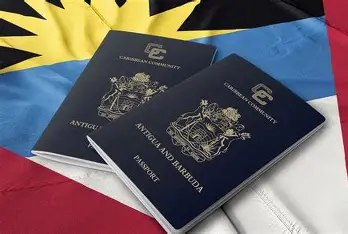
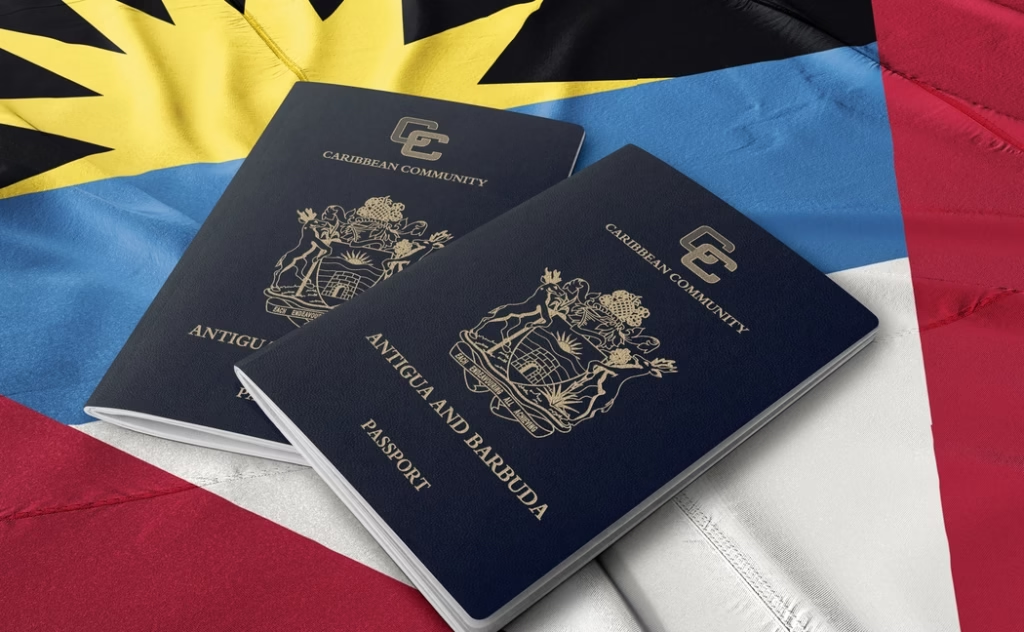
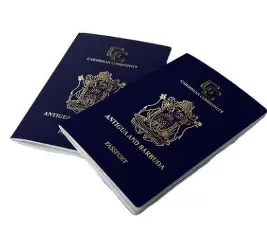
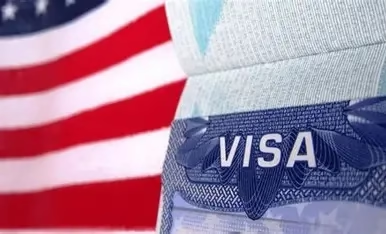
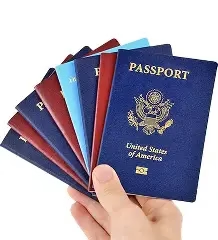
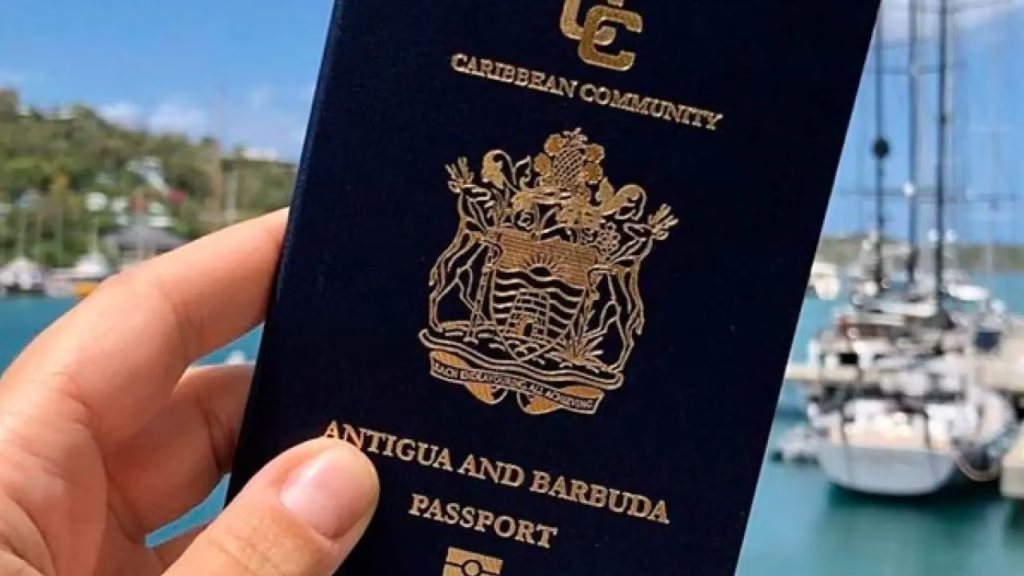
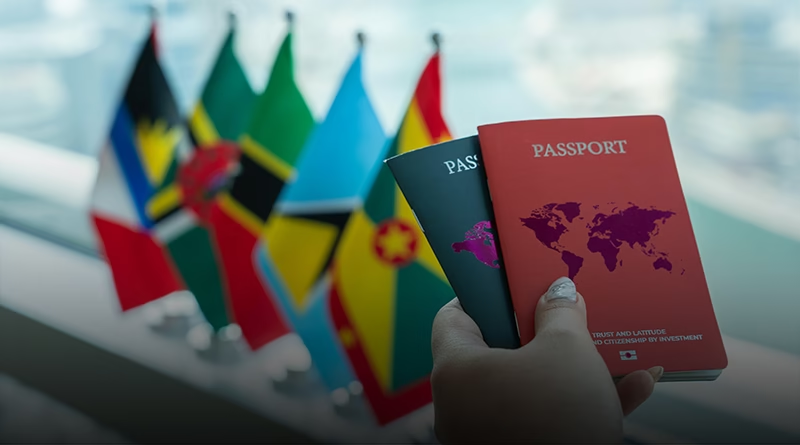
U.S. authorities will pause immigrant visa processing for several Caribbean nations. The pause starts on January 21. According to a State Department memo seen by FOX News, the move forms part of a larger review. Overall, the review affects 75 countries worldwide.
Why the U.S. Is Pausing Visas
Importantly, the pause will remain in effect indefinitely. The U.S. government linked the decision to “public charge” immigration rules. Under these rules, officers may deny visas. They can do so if applicants may rely on public assistance.
As a result, consular officers must refuse immigrant visas during the review. At the same time, officers will apply existing immigration law. Meanwhile, the State Department will reassess screening and vetting standards.
Caribbean Countries Affected
Specifically, several Caribbean nations fall under the pause. These countries include:
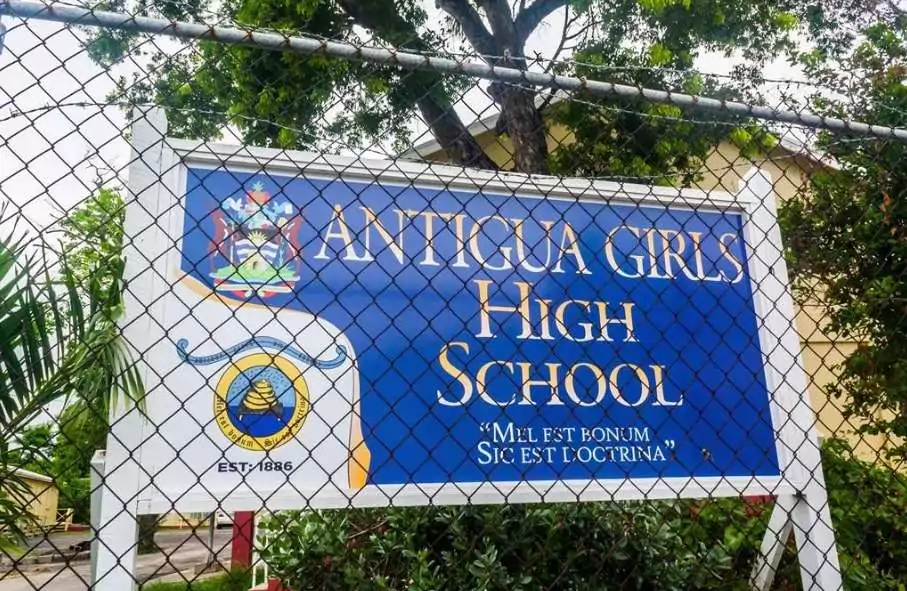
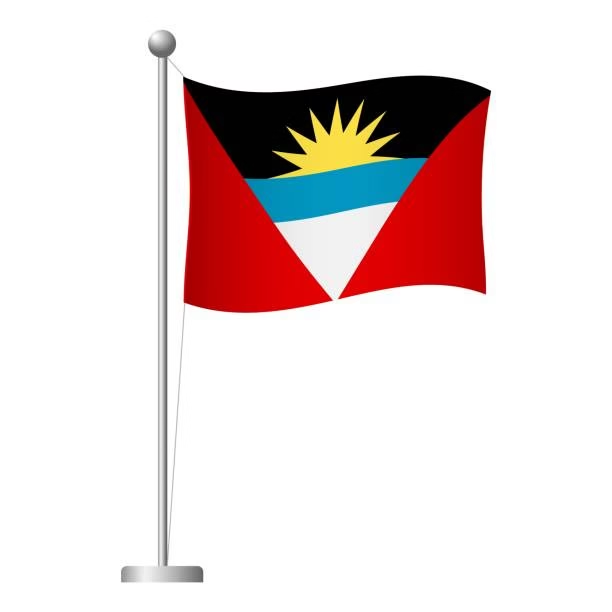
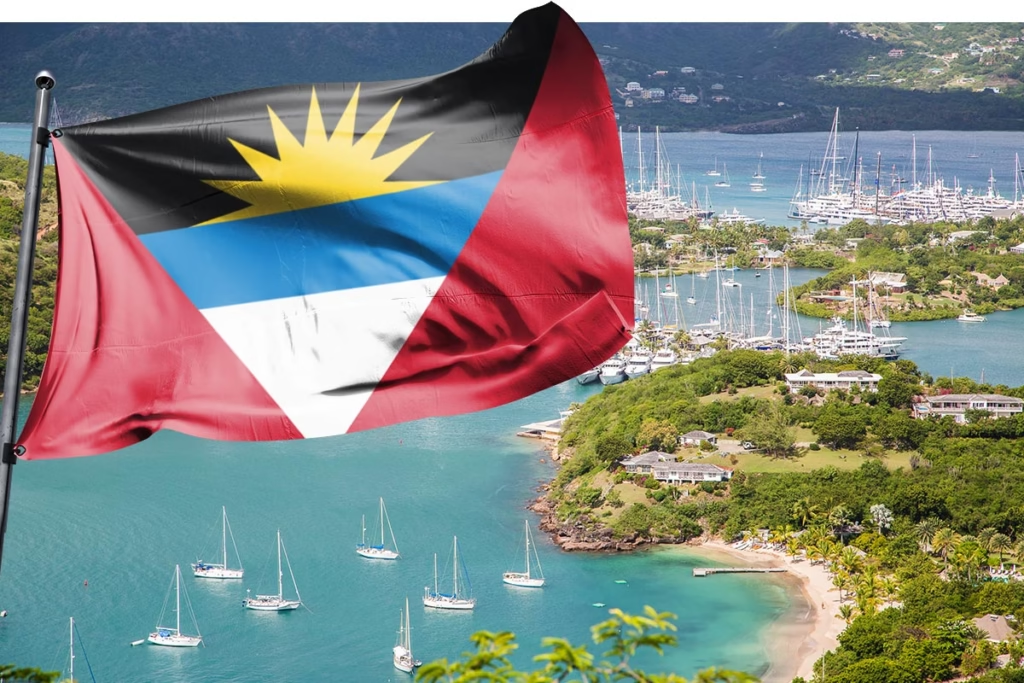
- Antigua and Barbuda
- Bahamas
- Barbados
- Belize
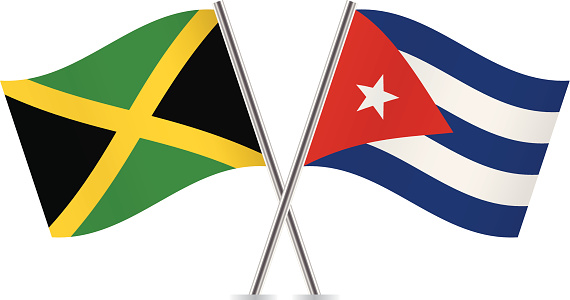
- Cuba
- Dominica
- Grenada
- Haiti
- Jamaica
- Saint Kitts and Nevis
- Saint Lucia
- Saint Vincent and the Grenadines
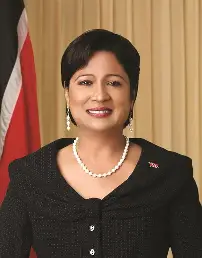
However, Trinidad and Tobago does not appear on the list.
Other Countries Included in the Review
Beyond the Caribbean, the memo lists many other countries. These nations span Africa, Europe, Asia, and Latin America.
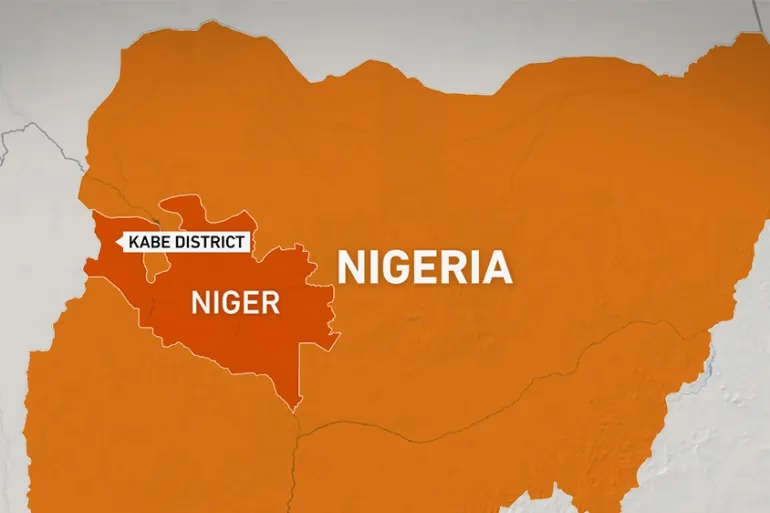
They include Afghanistan, Albania, Algeria, Armenia, Azerbaijan, and Bangladesh. The list also includes Brazil, Colombia, Egypt, Ethiopia, Iran, Iraq, Nigeria, Pakistan, Russia, and Sudan. In total, 75 countries face the pause.
What the Review Will Examine
According to the memo, the review focuses on the public charge standard. Officers must consider age and health. They must also review English skills. In addition, finances and job prospects matter.
Furthermore, officers will examine medical needs. Past use of government cash assistance may also affect decisions. Institutional care history may raise concerns as well.
Official Response and Policy Background
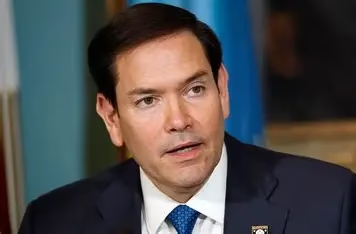
State Department spokesperson Tommy Piggott addressed the policy. He said the department will use long-standing authority. He also confirmed visa processing will stay paused during the review.
Historically, the public charge rule has existed for decades. However, enforcement has changed over time. Previously, the Biden administration applied a narrower version. Earlier, President Donald Trump expanded the rule.
What Happens Next
Finally, officials expect few exceptions. Applicants must first clear public charge concerns. Only then may officers approve a visa.
Join the Dadli News WhatsApp Group: https://chat.whatsapp.com/L04JxtMbG39FLBbxYWlz9T
Join the Dadli News WhatsApp Group: https://chat.whatsapp.com/L04JxtMbG39FLBbxYWlz9T