
 English


















































































































































































































































































































































































Trinidad PM Criticises CARICOM on Cuba, Venezuela at Summit
Trinidad PM Criticises CARICOM on Cuba, Venezuela at Summit
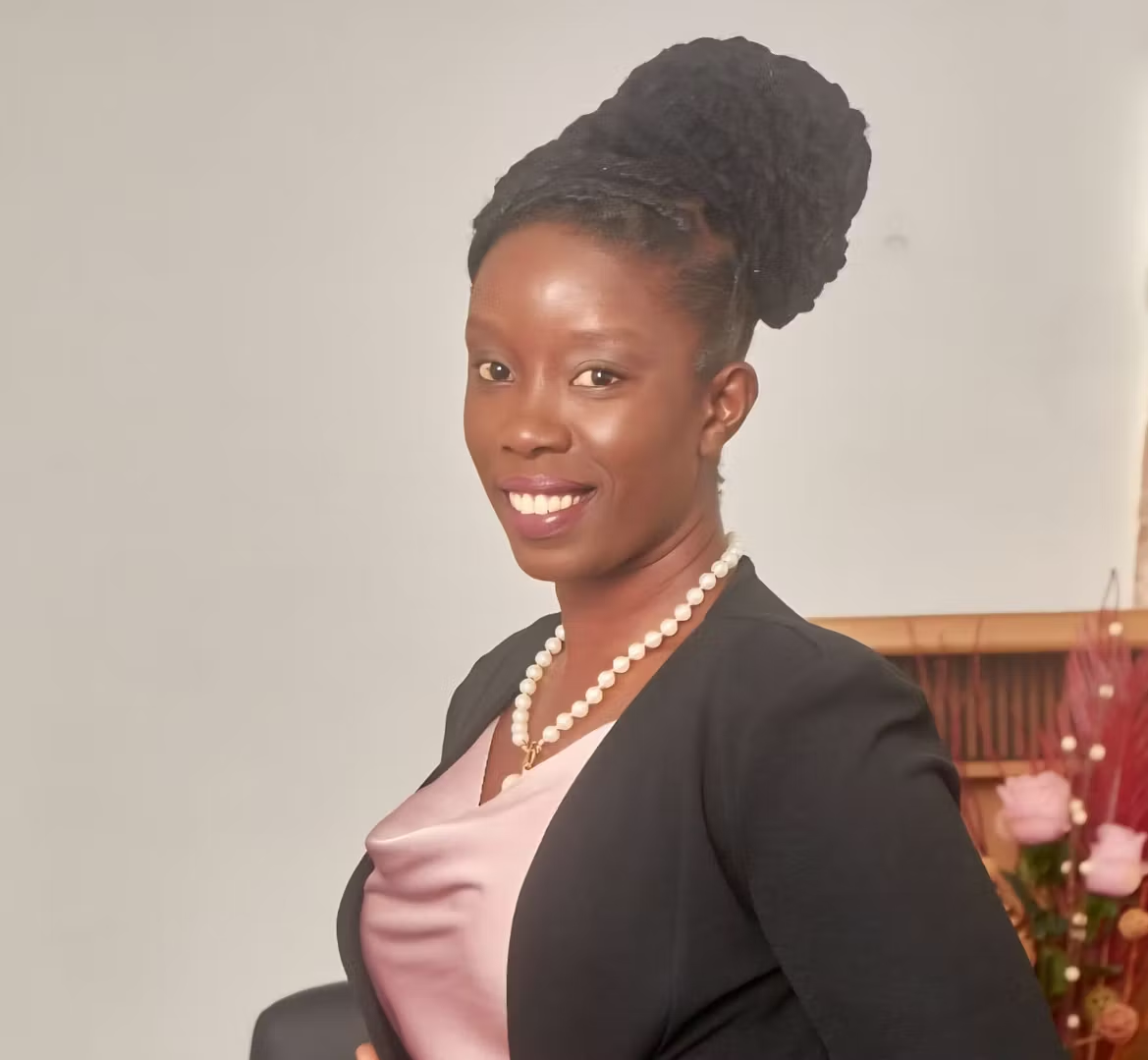
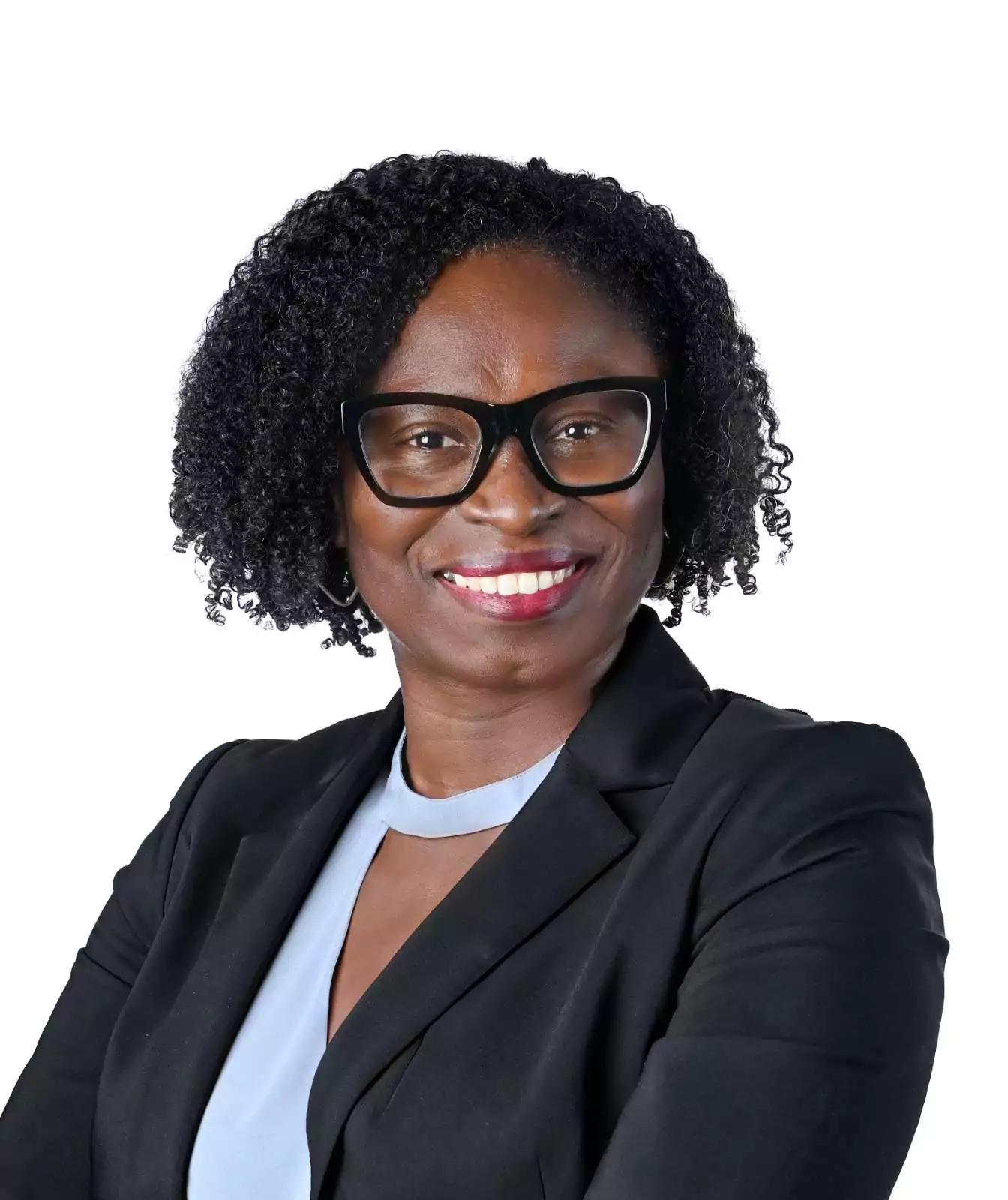
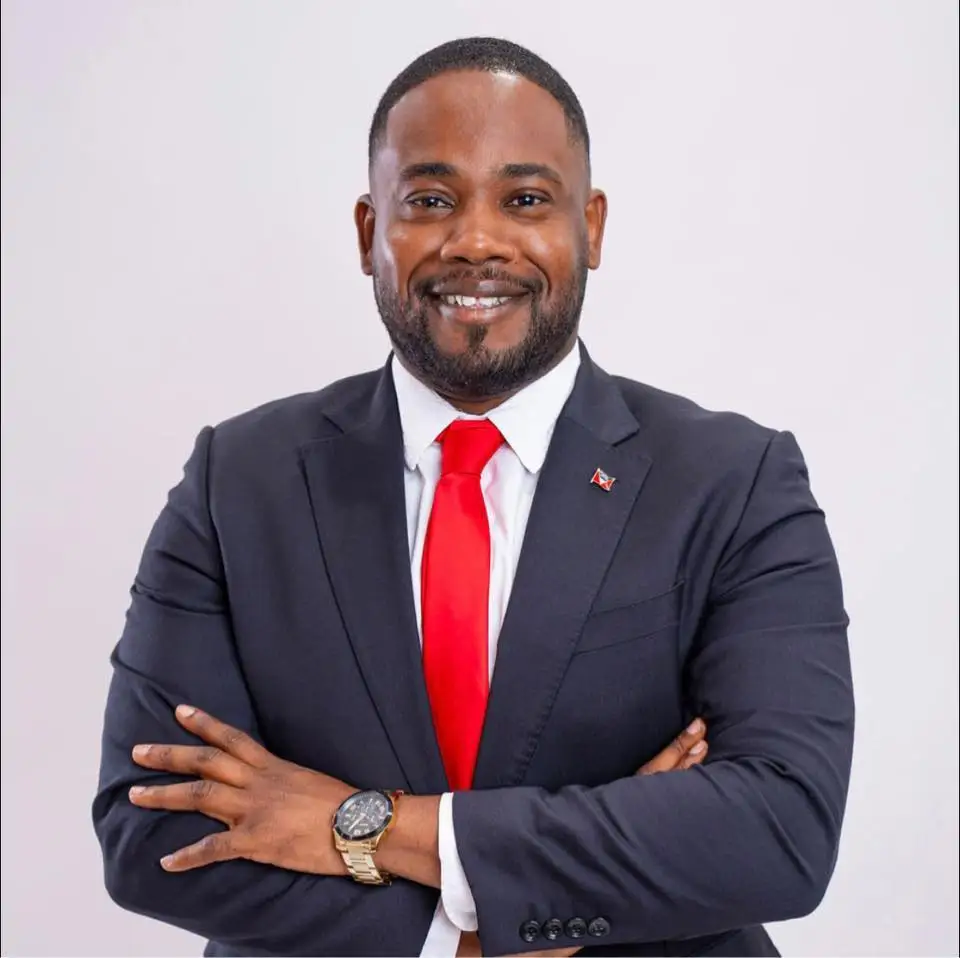
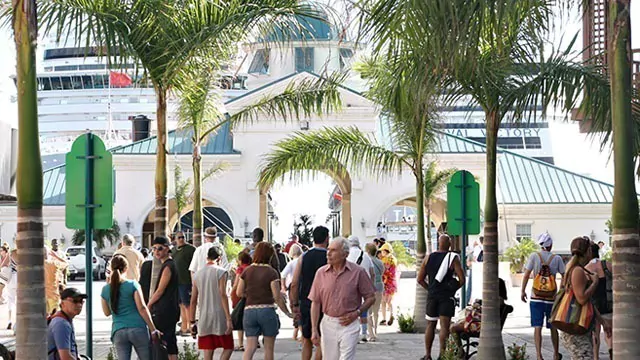
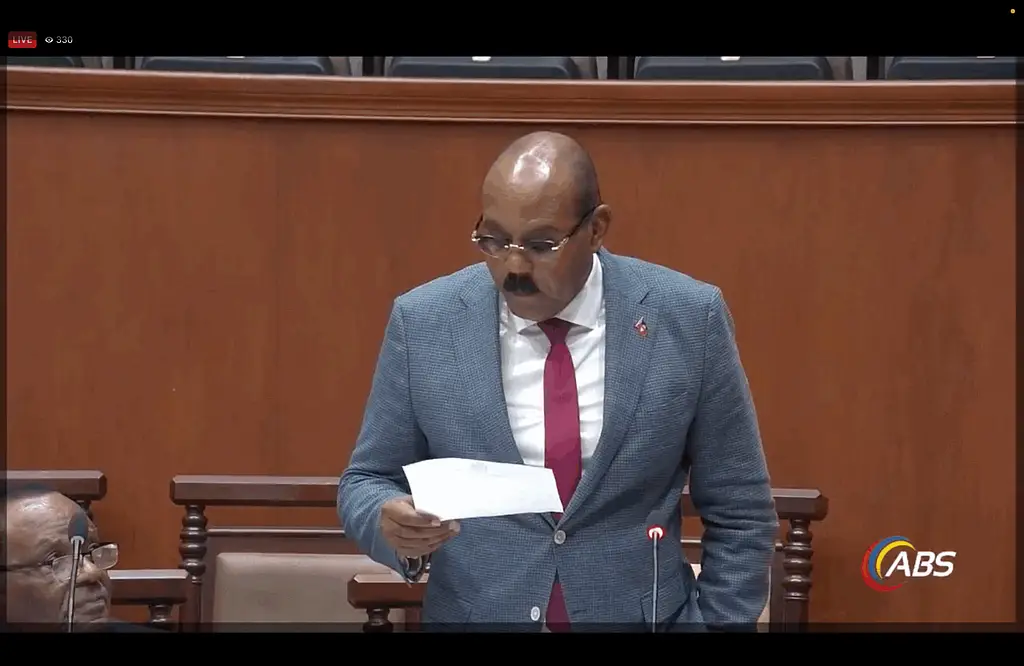
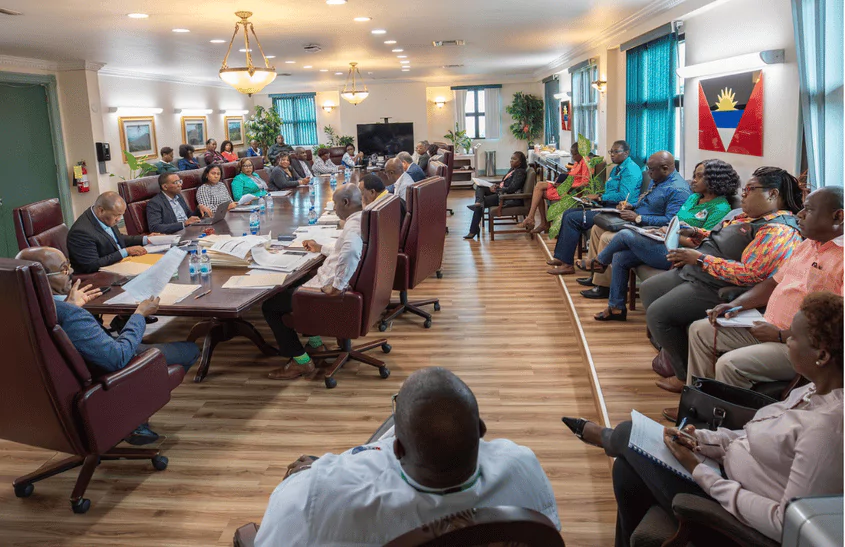
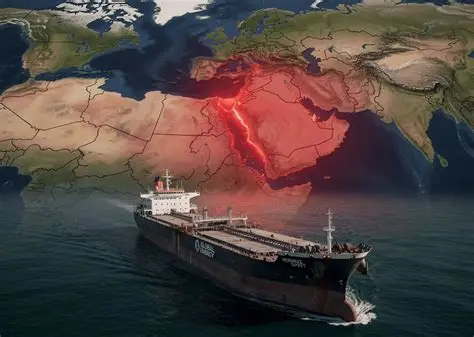
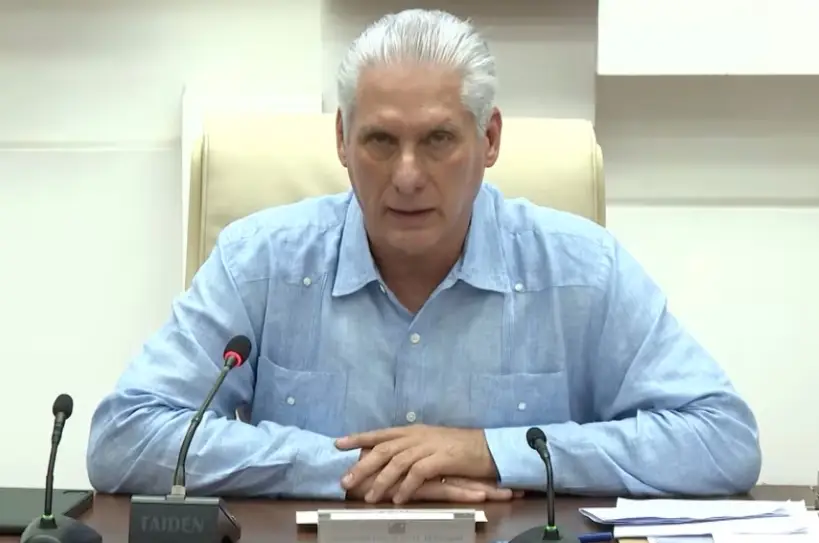
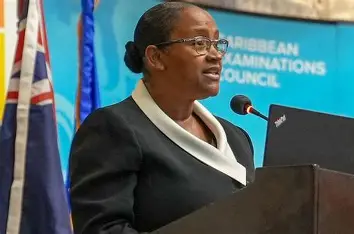
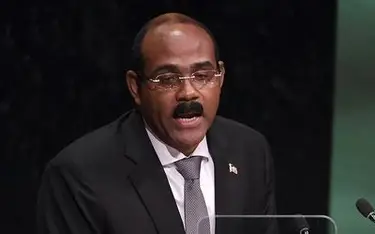
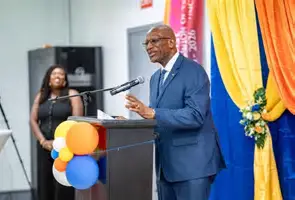
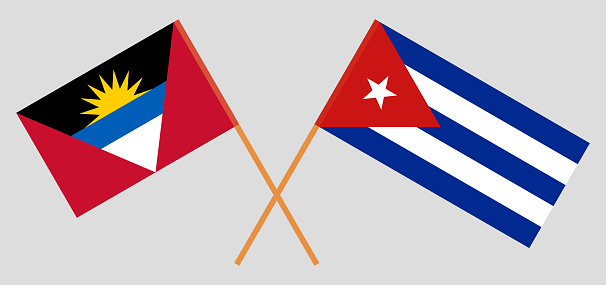
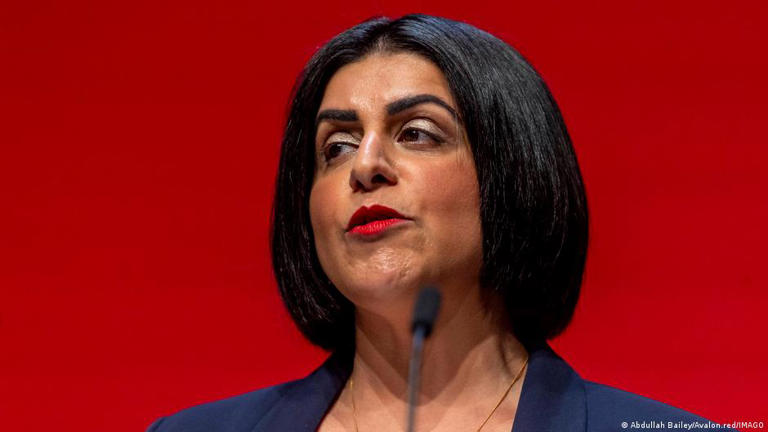
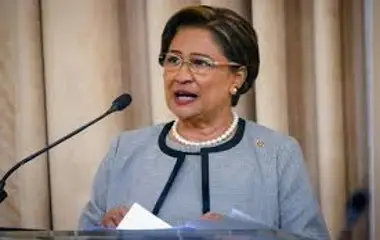
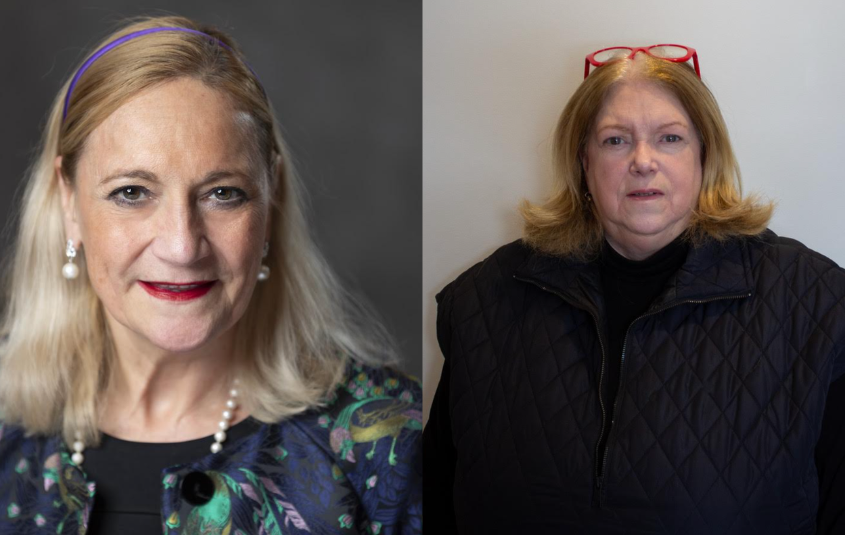
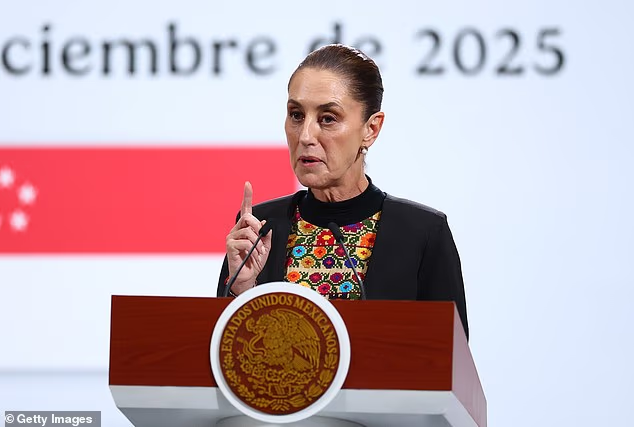
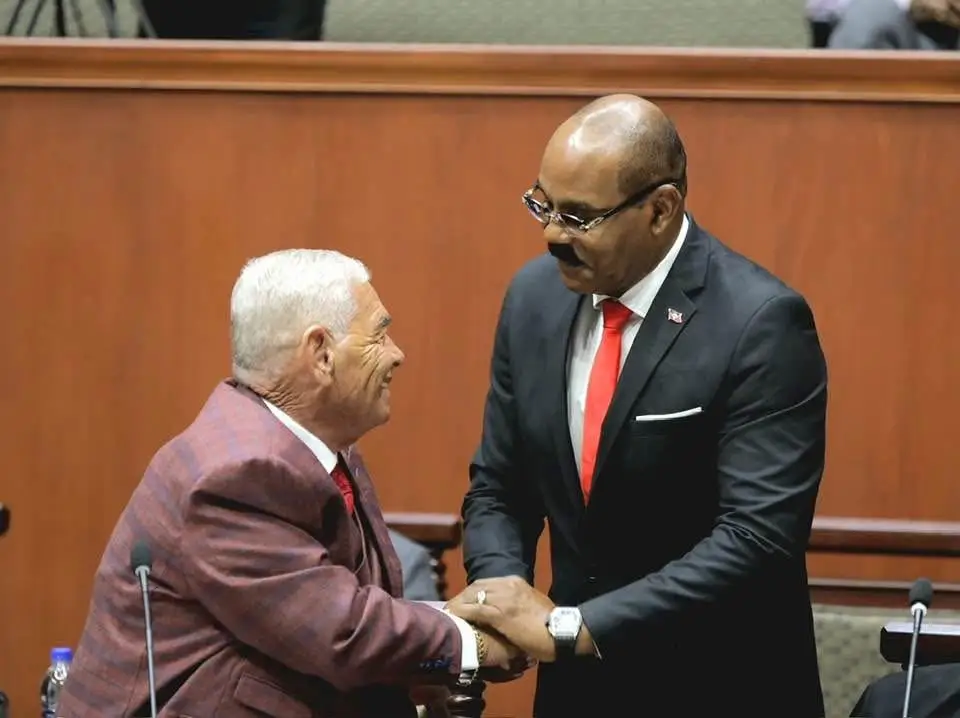
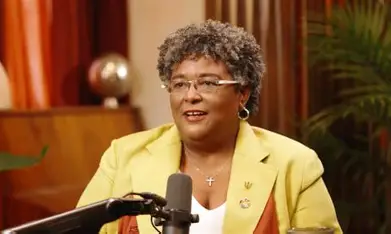
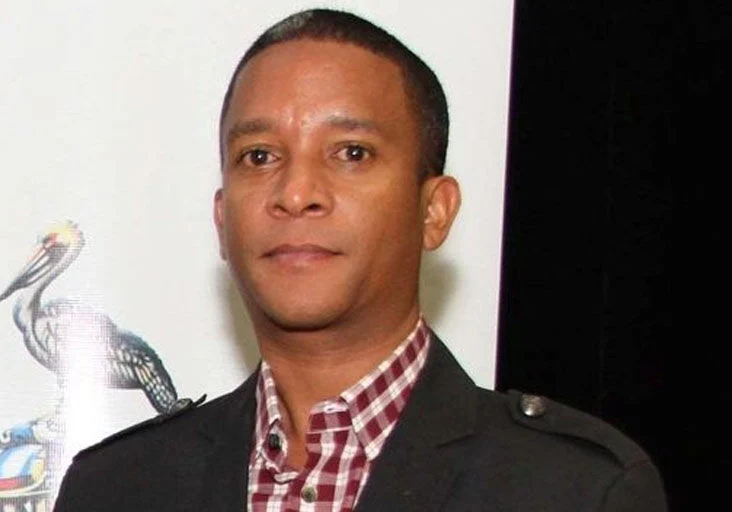
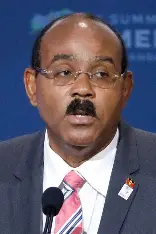
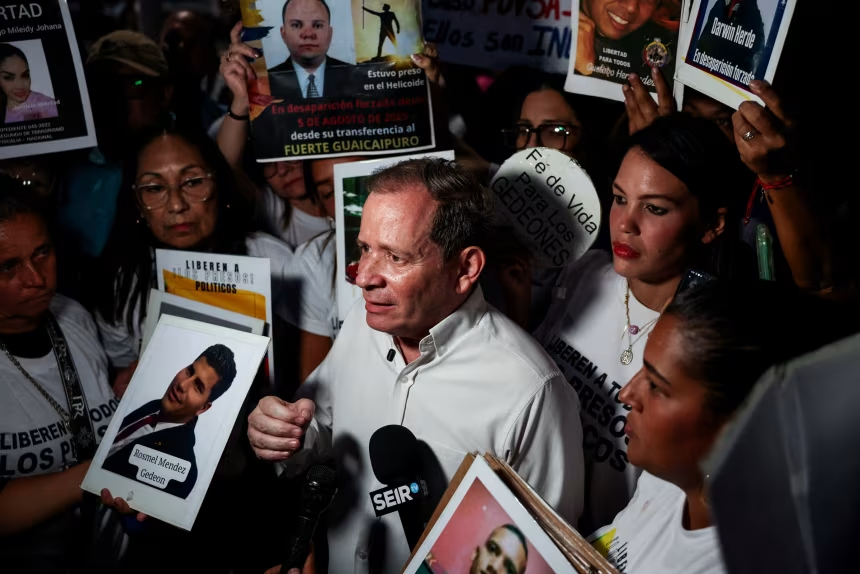
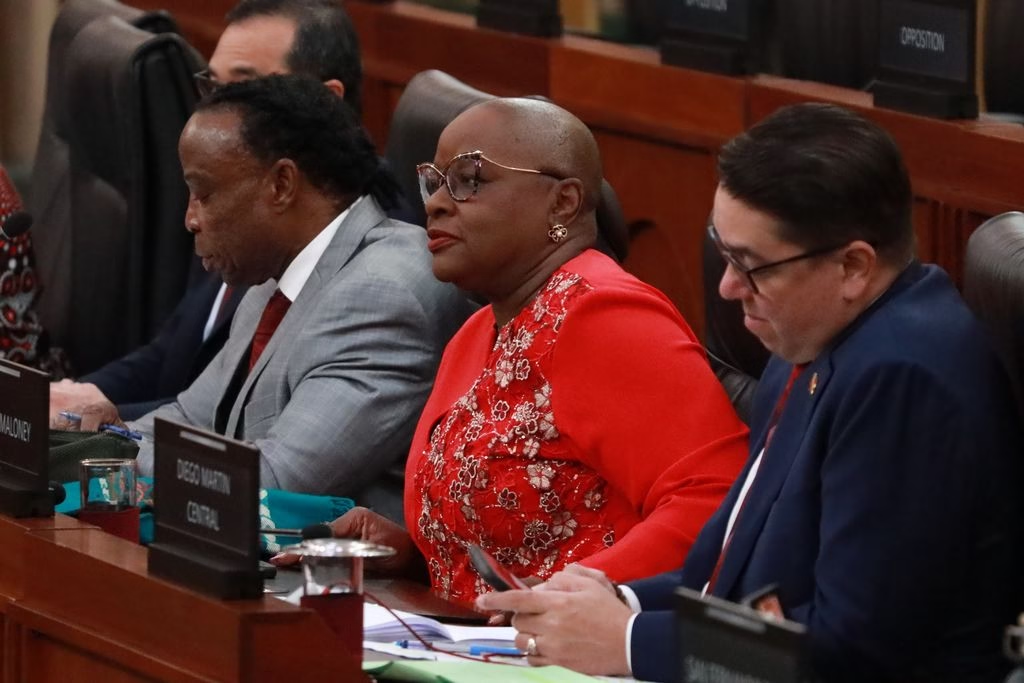
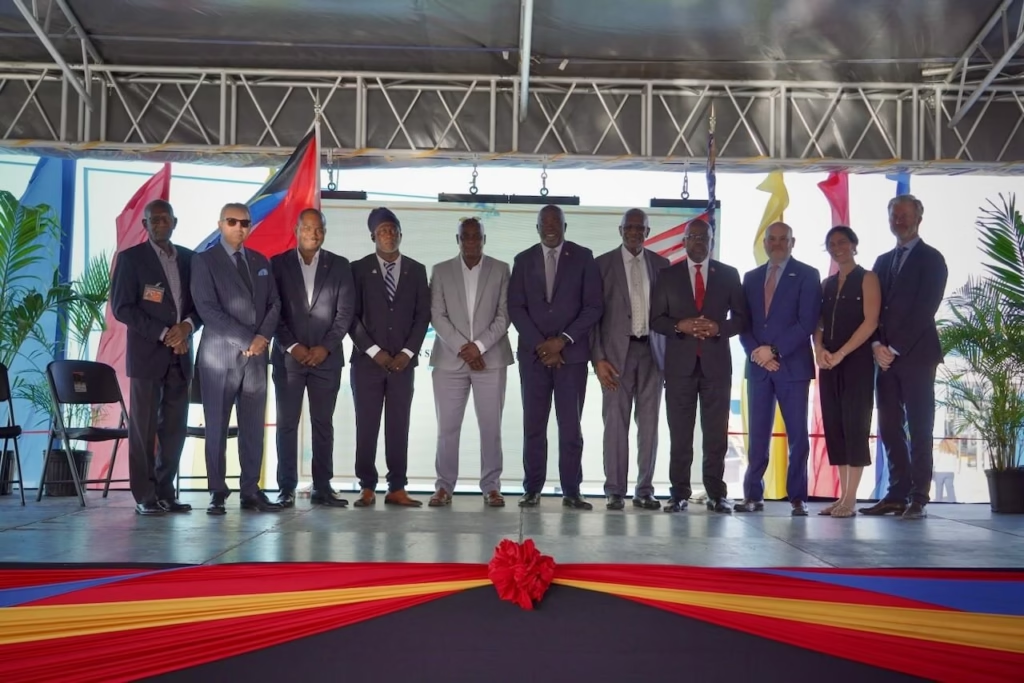
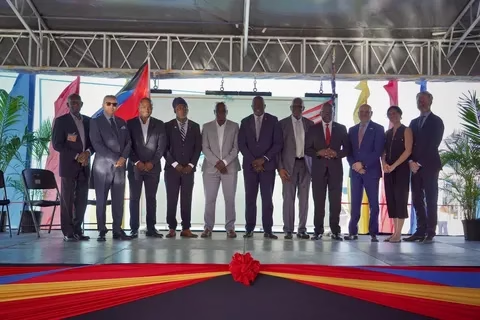
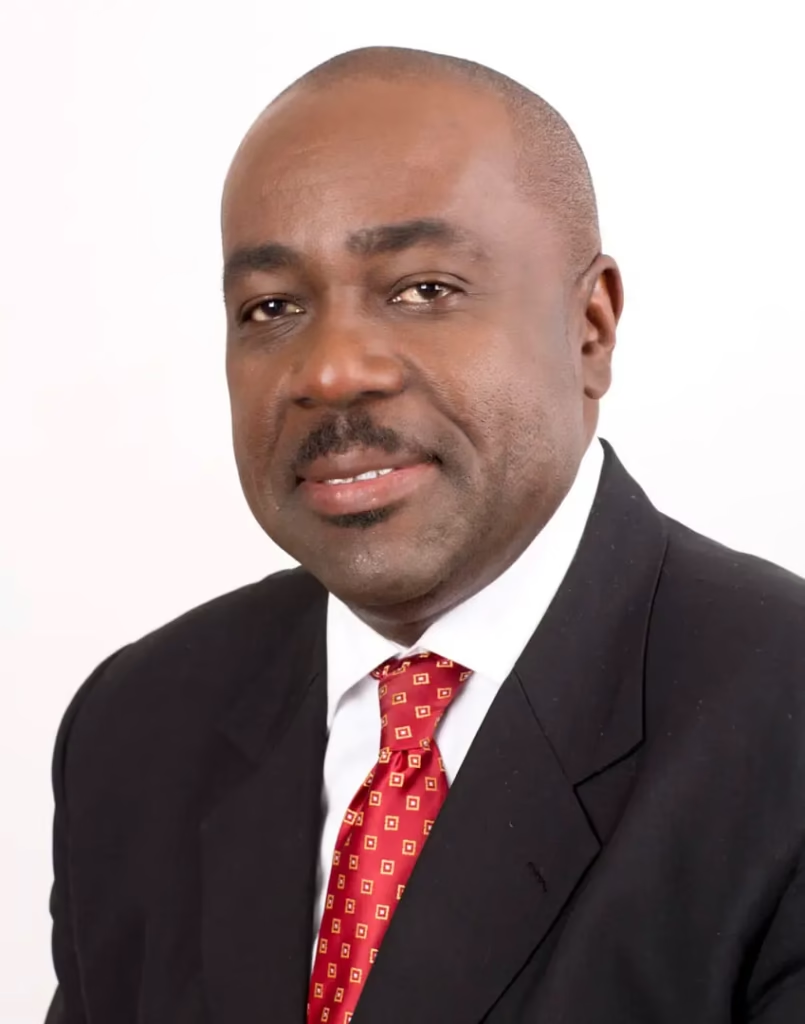
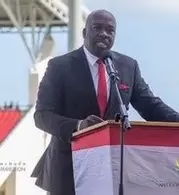
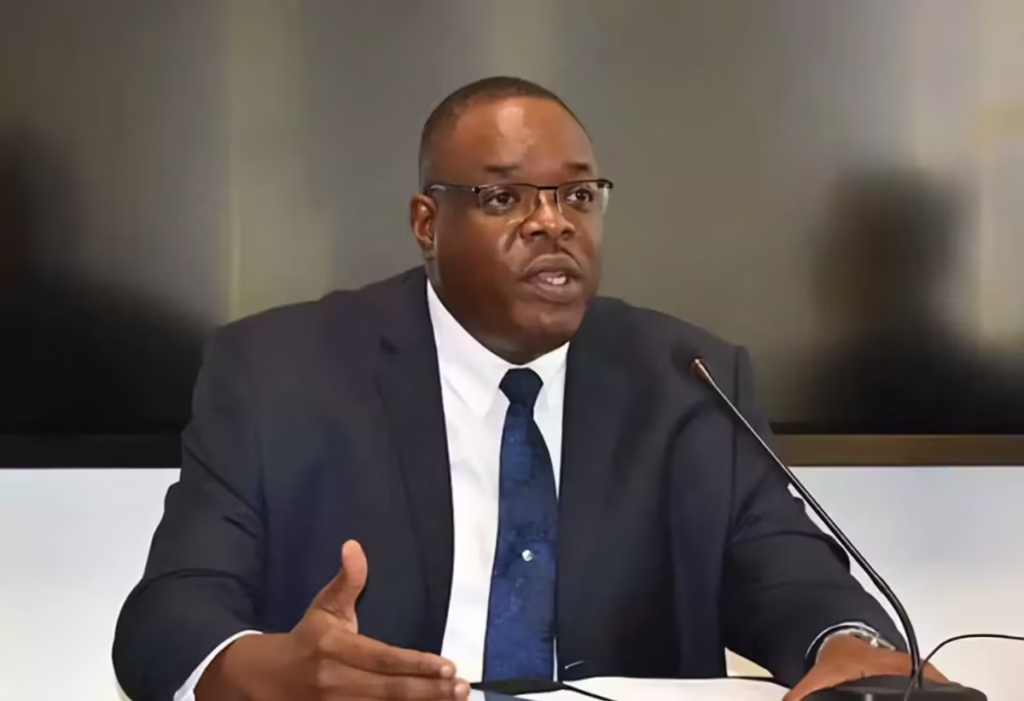
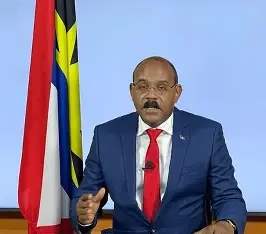
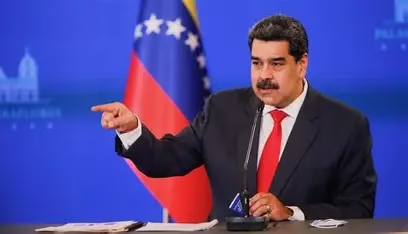
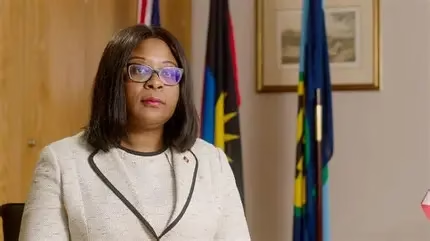
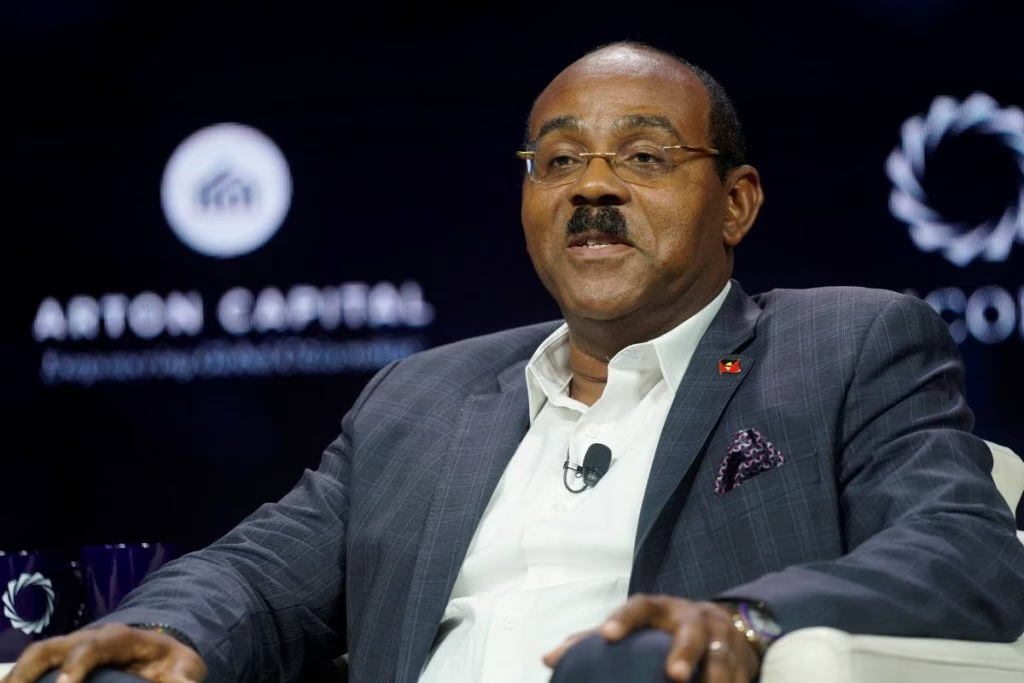
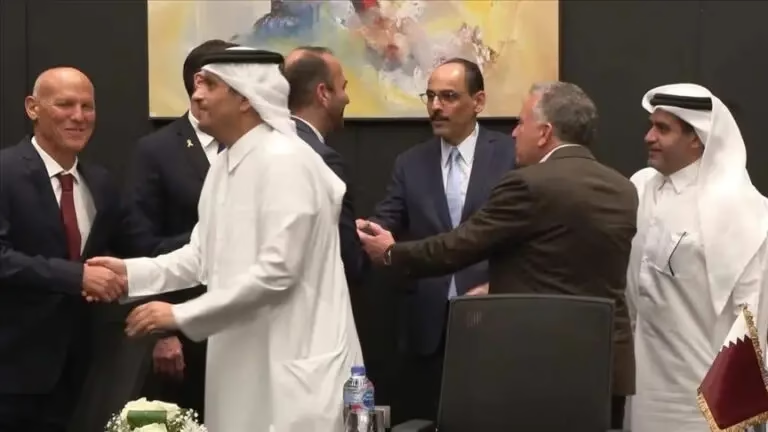
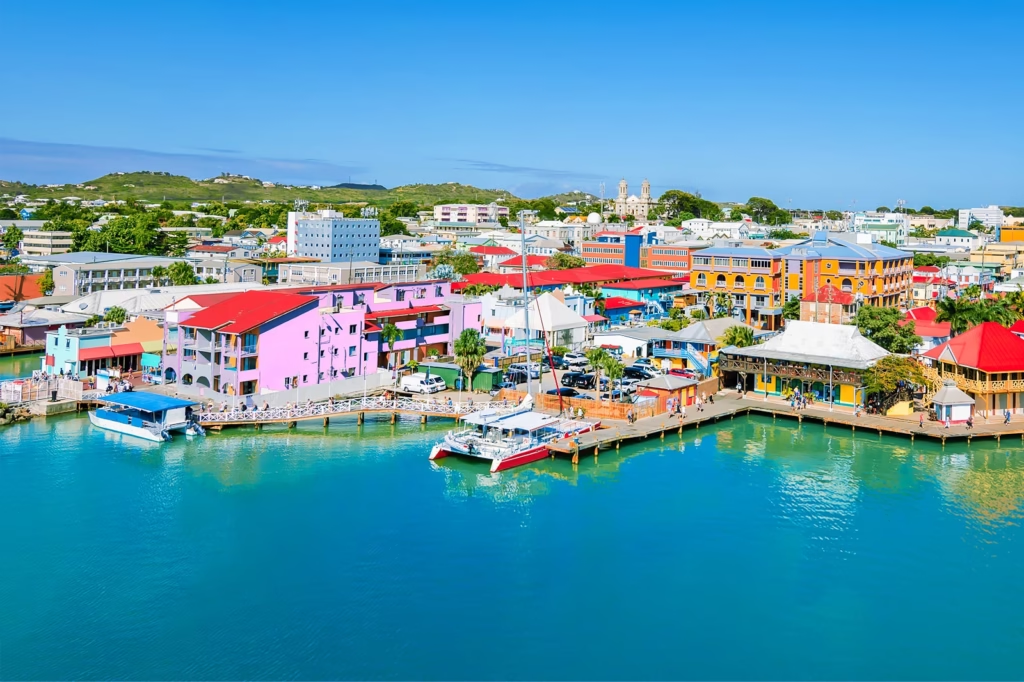
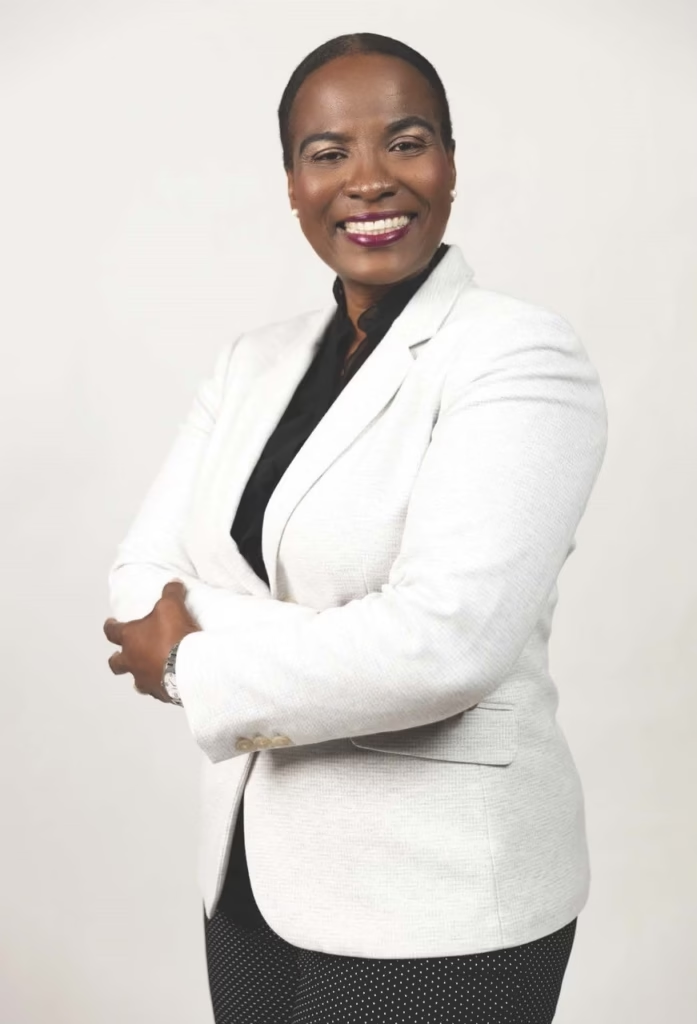
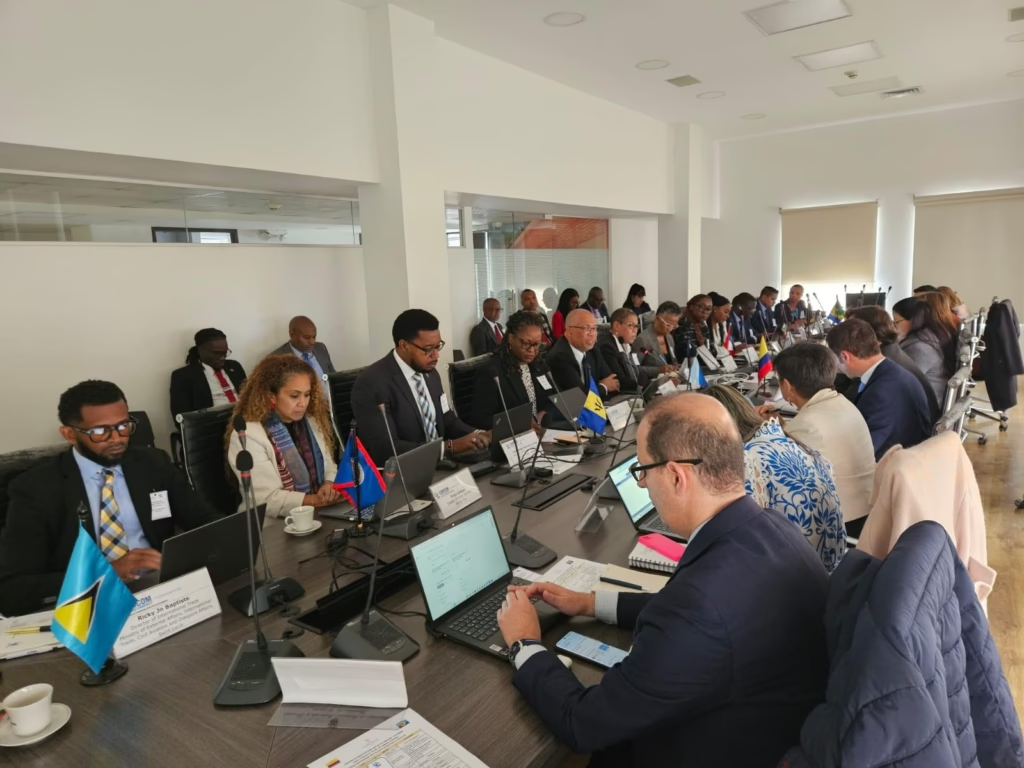
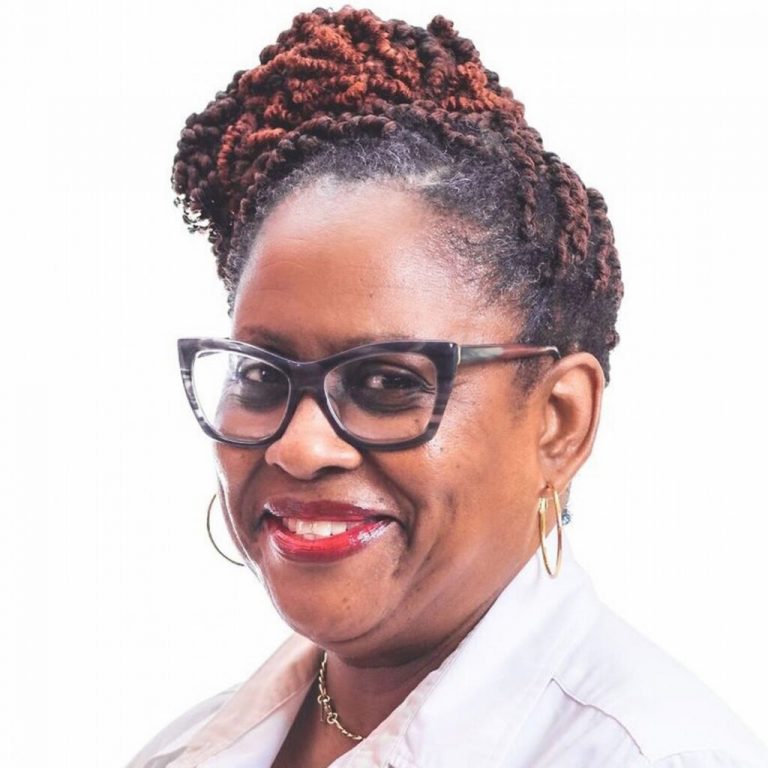
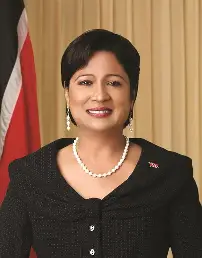
At the opening of the 50th Caribbean Community Heads of Government meeting in St Kitts and Nevis, Kamla Persad-Bissessar sharply criticised the regional body’s foreign policy. She said CARICOM has failed to take a firm stance on Cuba and Venezuela. Consequently, she aligned her government with calls from the United States for regime change in both nations.
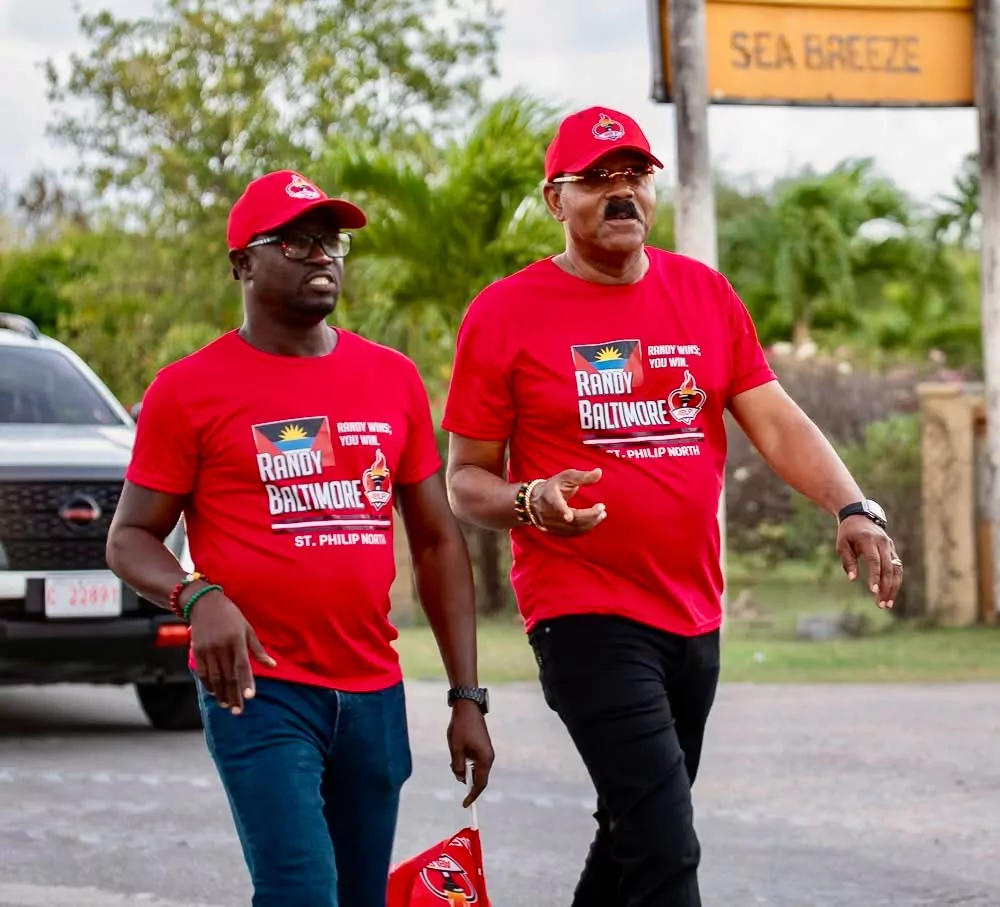
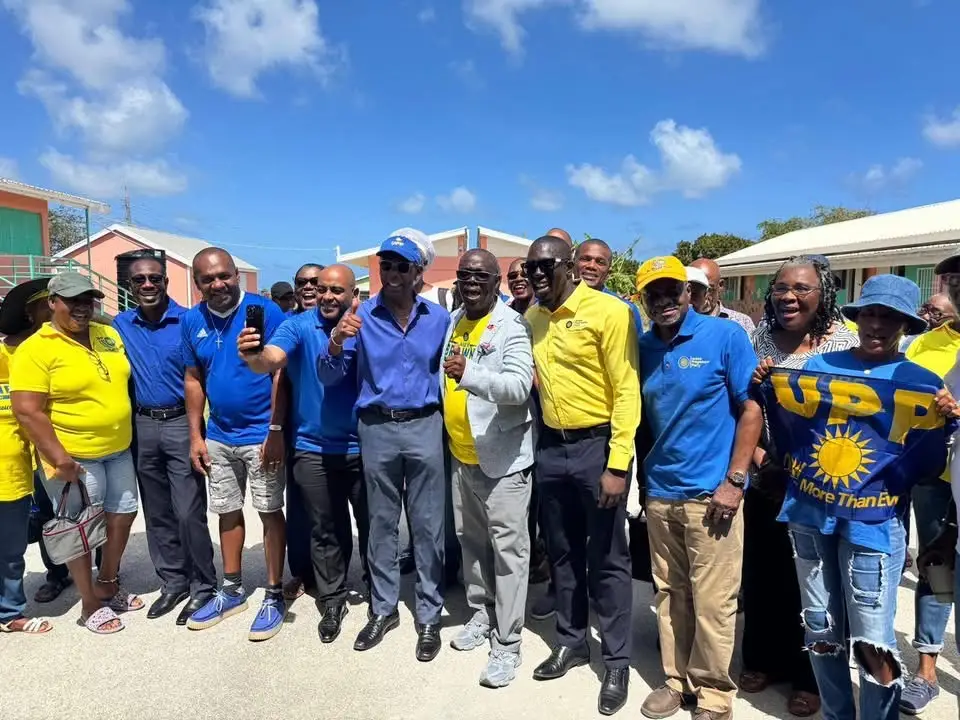
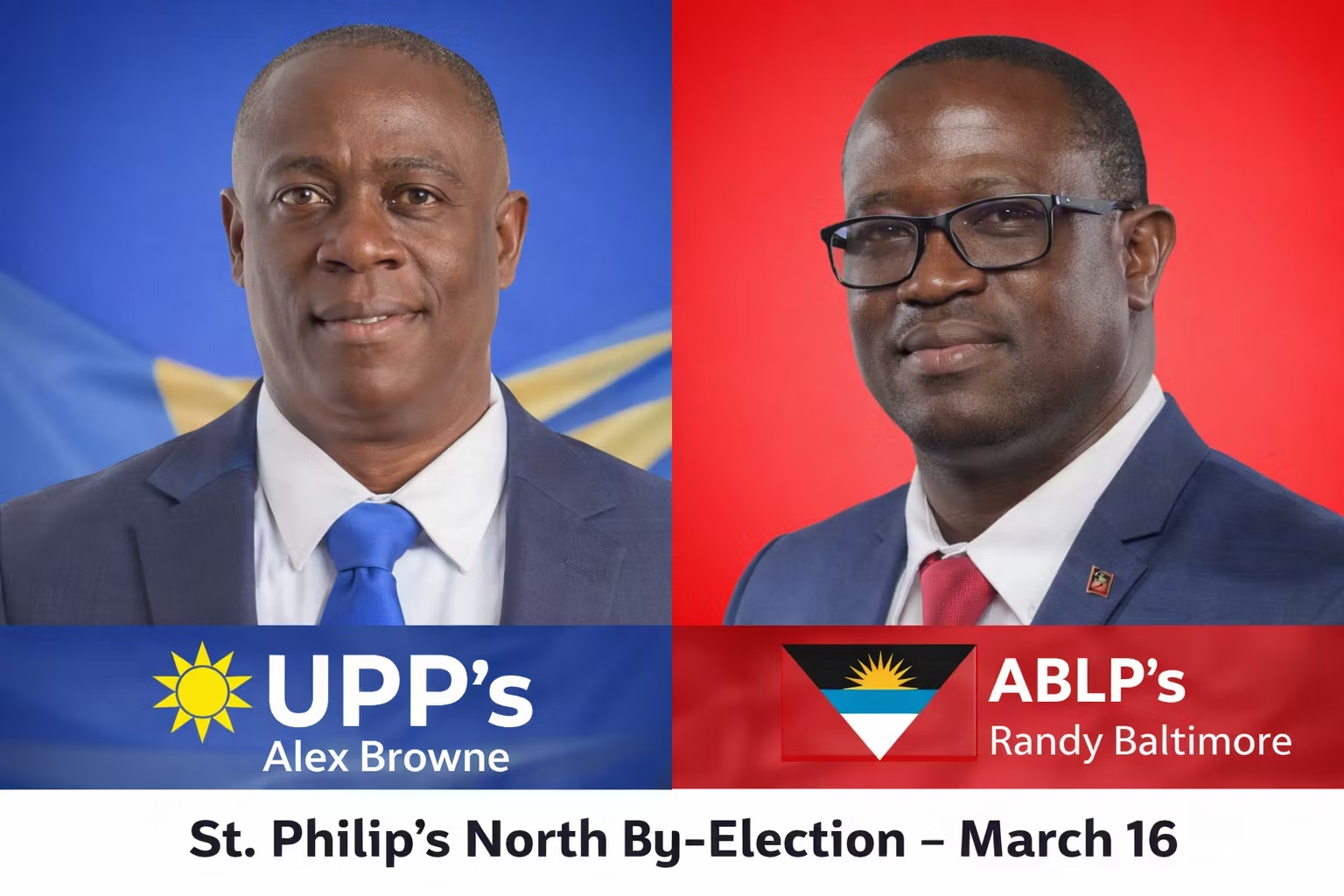
Persad-Bissessar argued that CARICOM’s approach has been too soft and unclear. She said the regional body did not act strongly enough on threats against fellow member states. In particular, she mentioned what she called unanswered concerns regarding a 2022 letter about a kidnapped Trinidadian national. Furthermore, she criticised some member states for sending political operatives to campaign in other countries’ elections, calling such actions inappropriate.
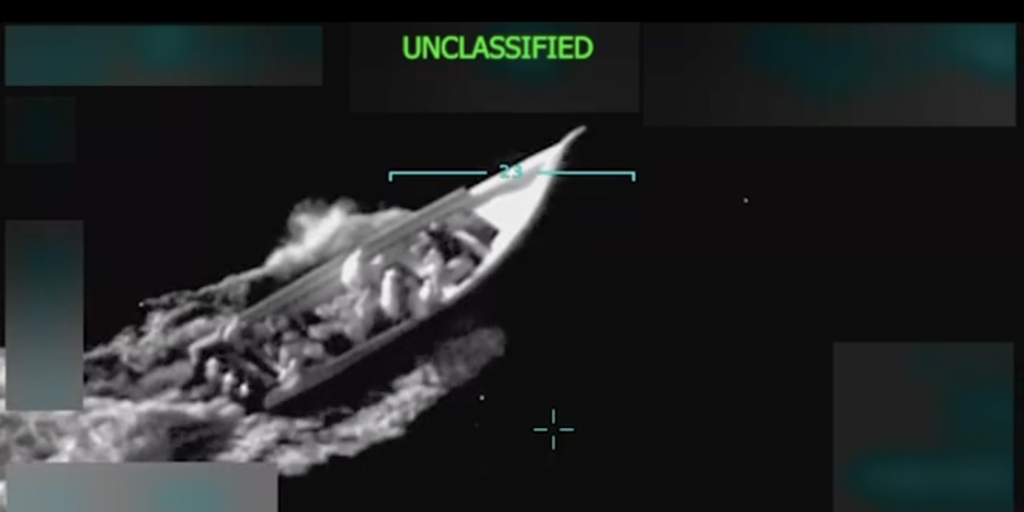
Moreover, Persad-Bissessar used her address to push her government’s broader foreign policy views. She said Trinidad and Tobago supports stronger cooperation with the United States on security issues. She praised US efforts against criminal networks in the region and reiterated that national security must come first. Thus, she signalled a willingness to break from CARICOM consensus in certain areas, especially on Cuba and Venezuela policies.
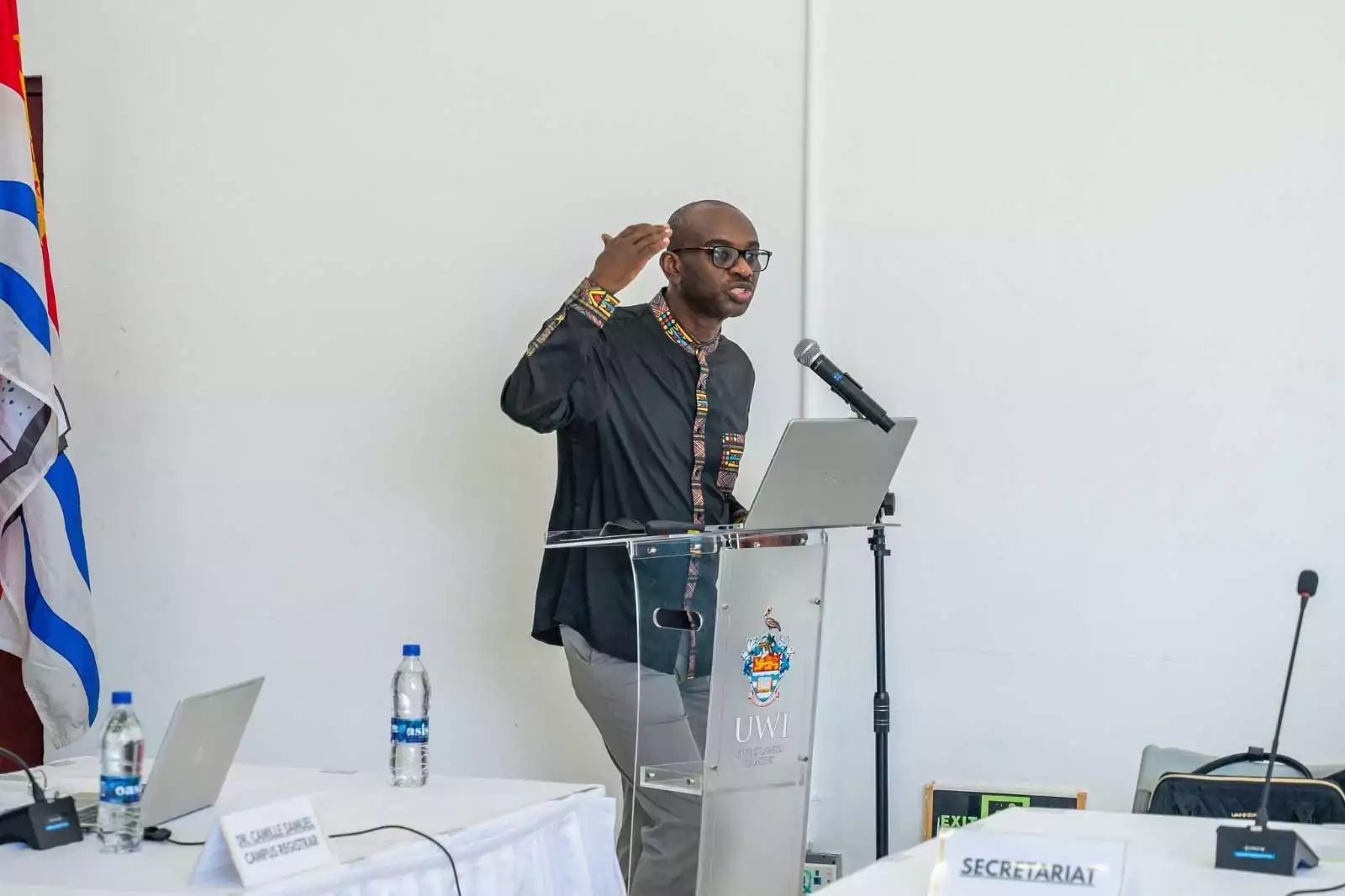
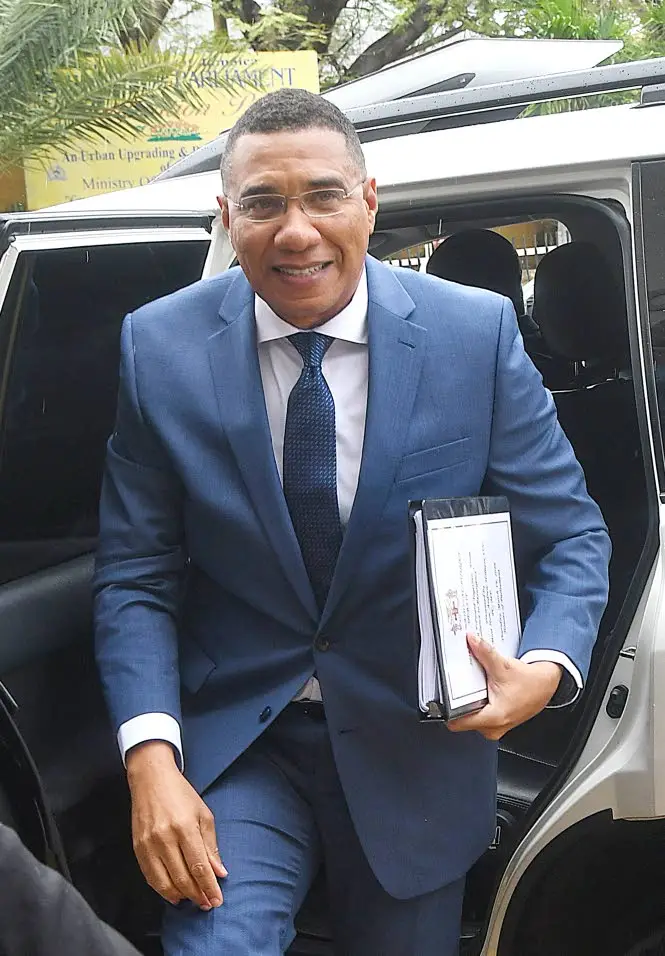
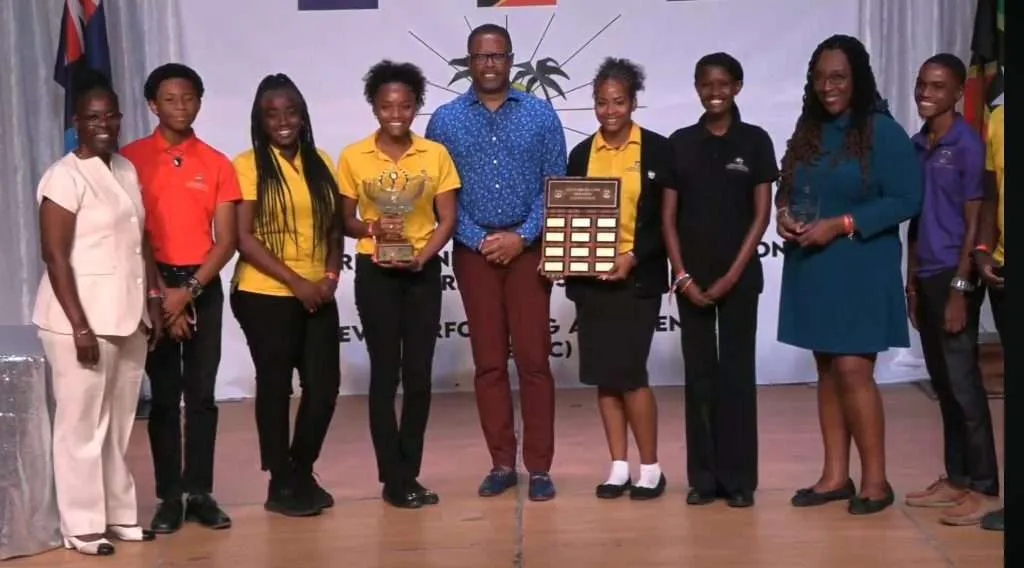
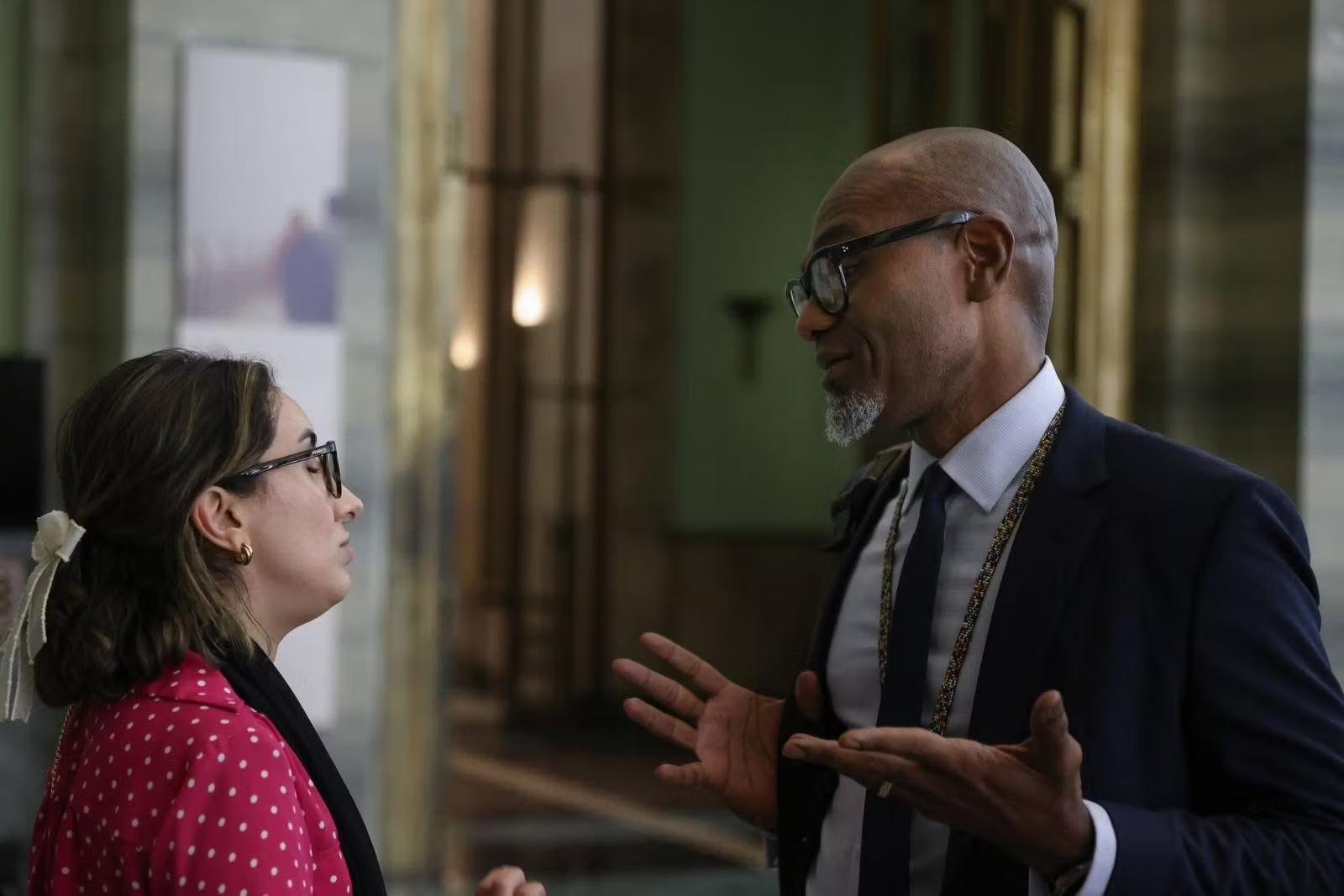
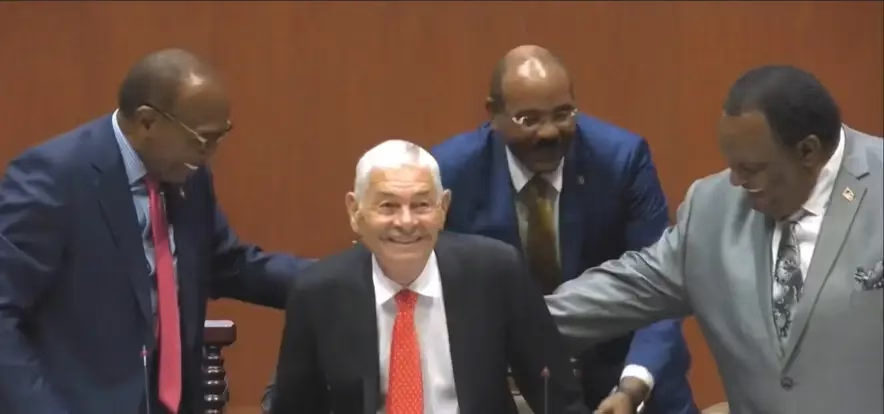
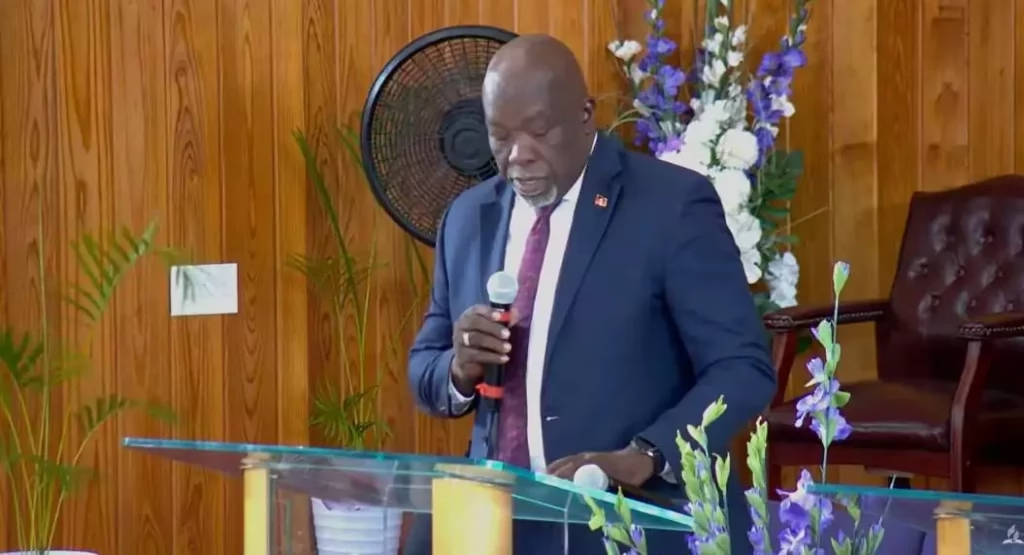
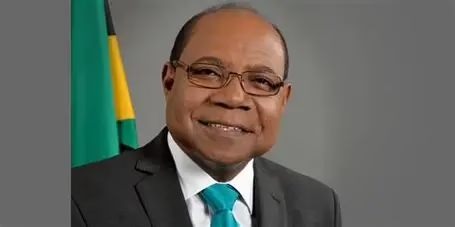
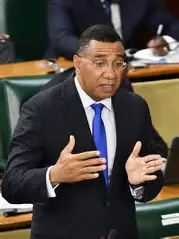
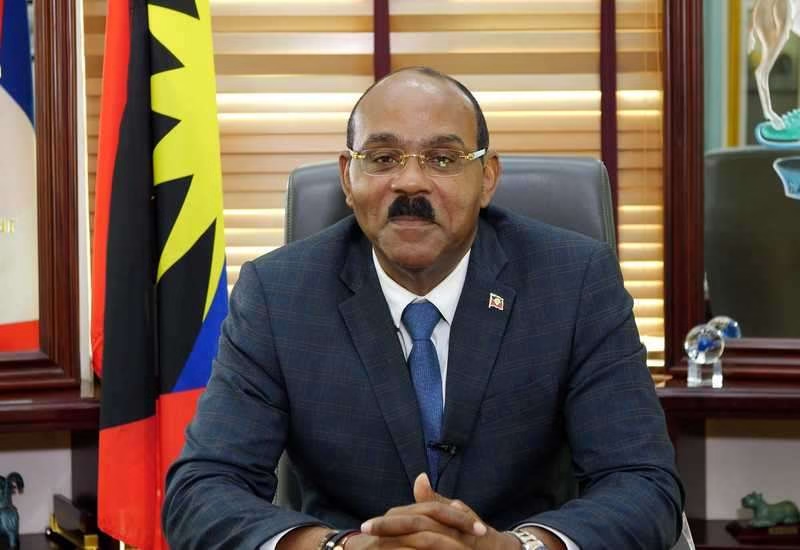
Outgoing CARICOM chair and Andrew Holness of Jamaica responded by saying CARICOM was never designed as a political union. Instead, he said it should remain a partnership of sovereign states with diverse views. His comments sought to calm rising tensions among member states at the summit’s start.
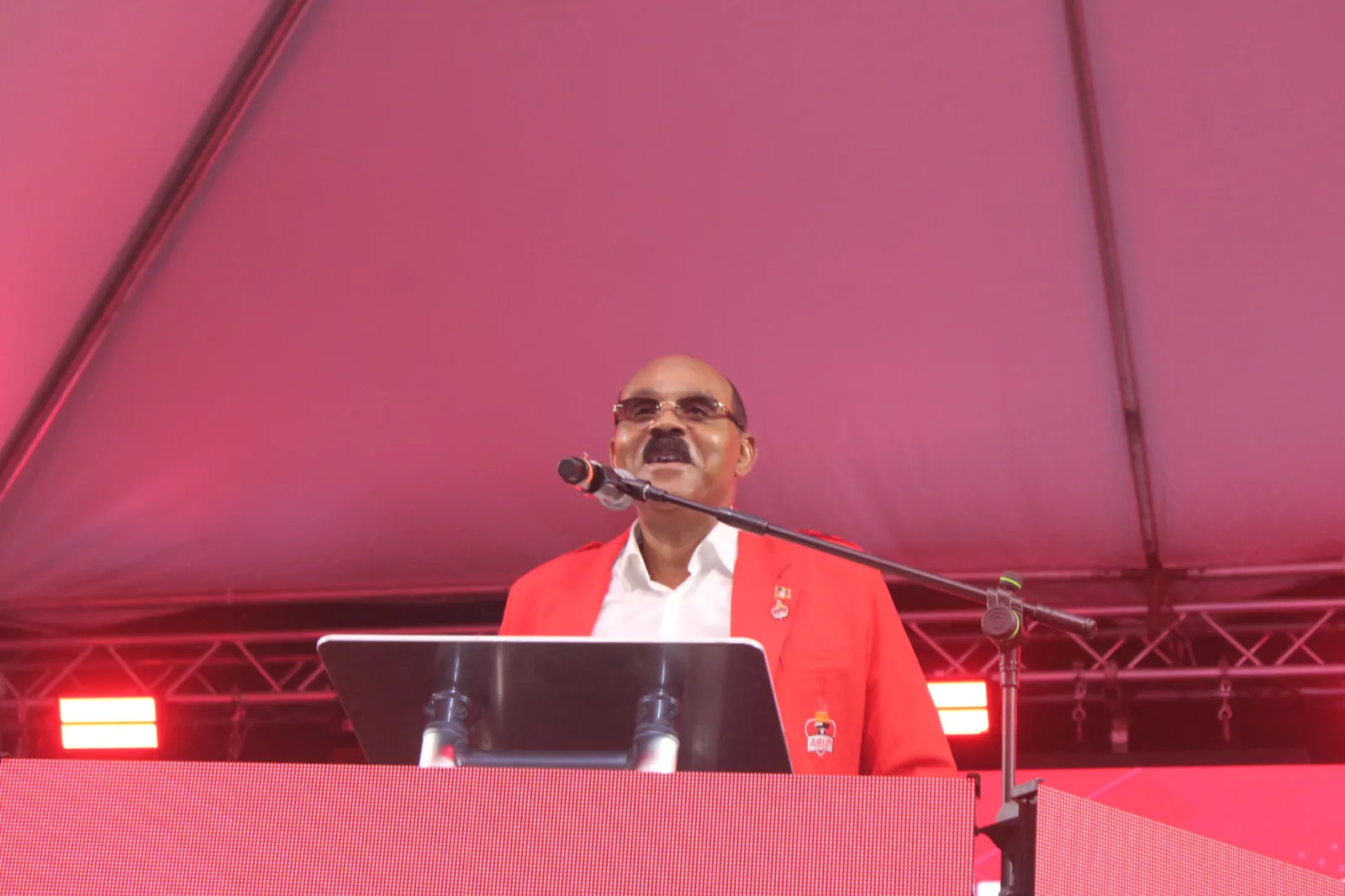
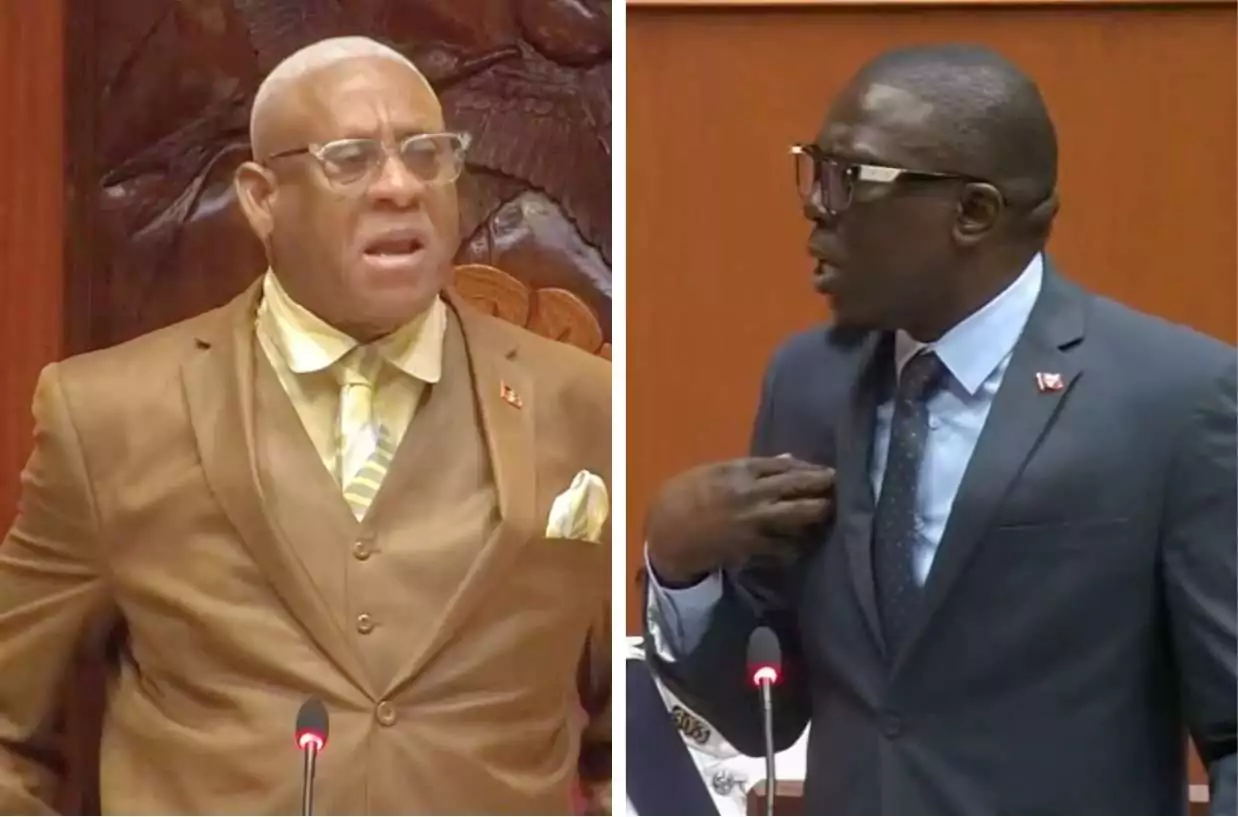
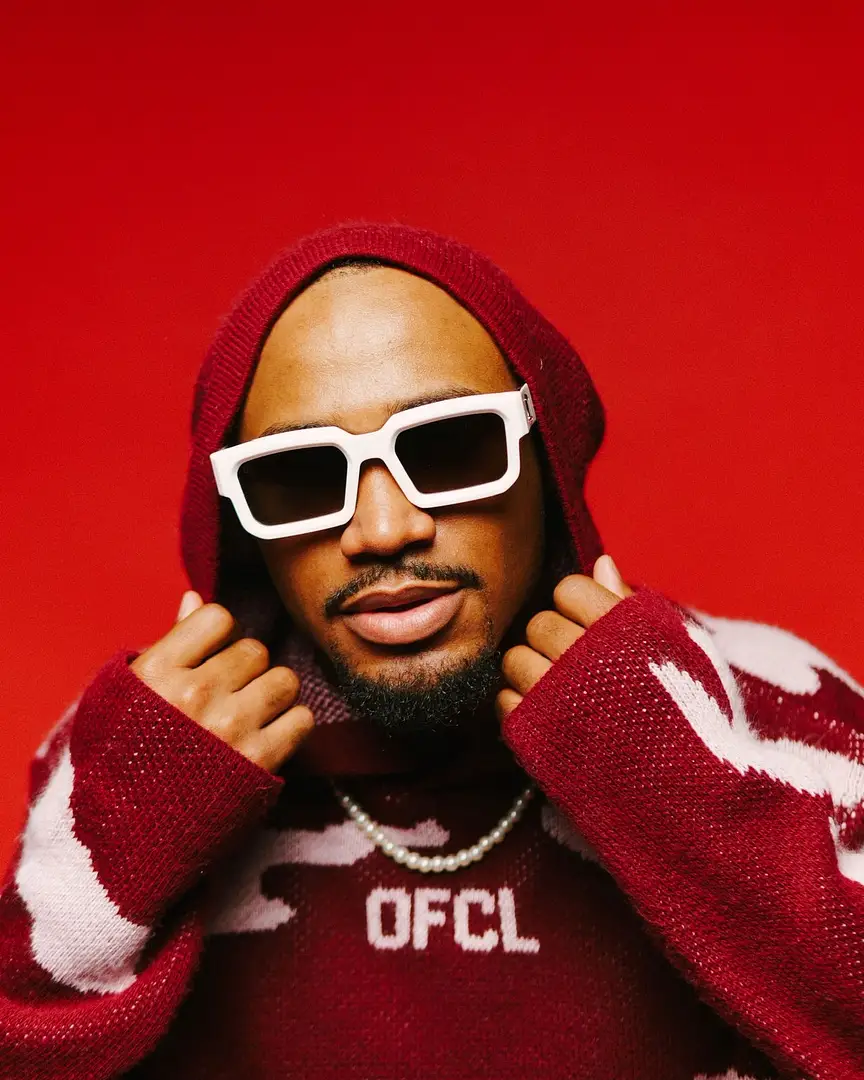
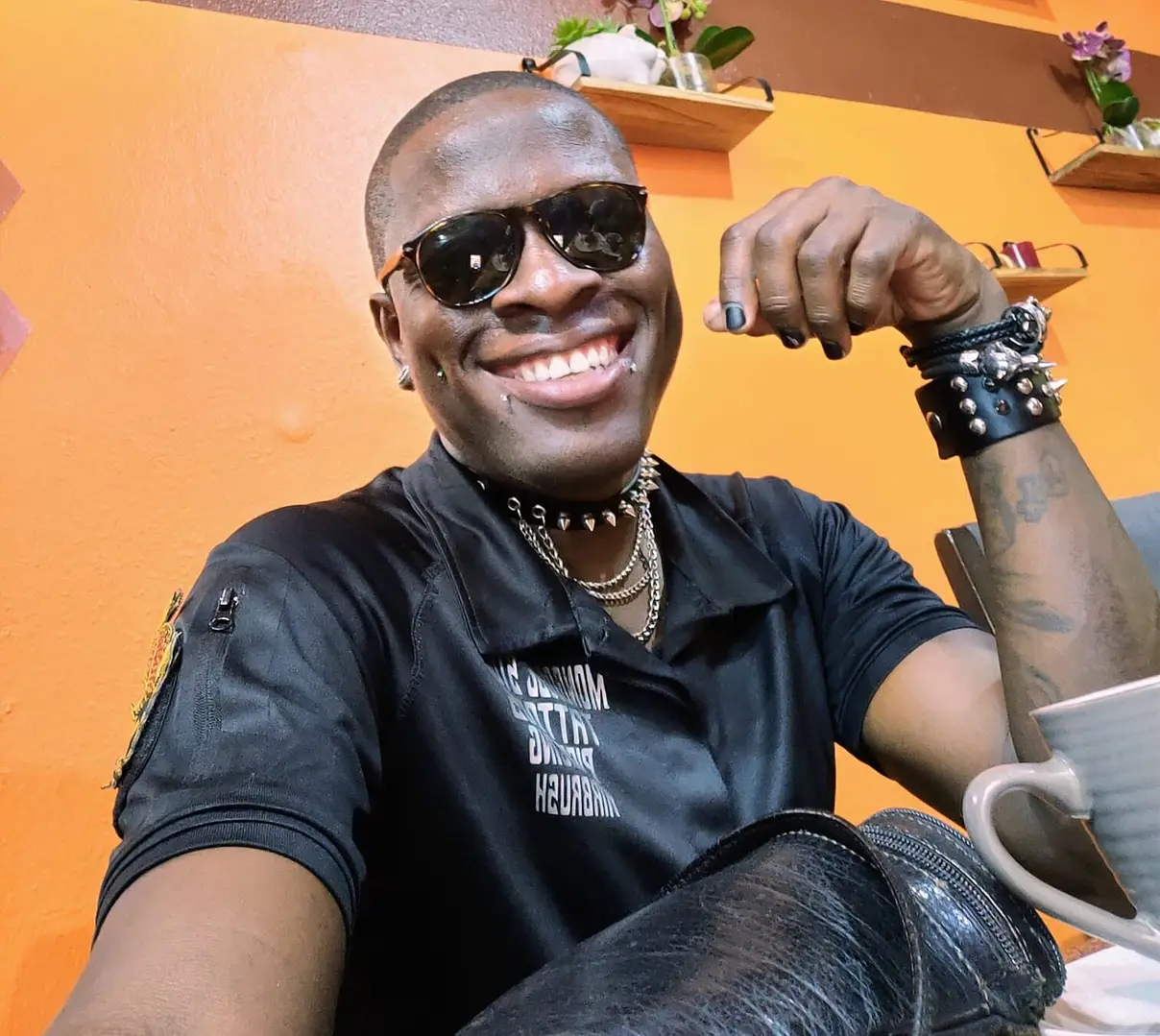
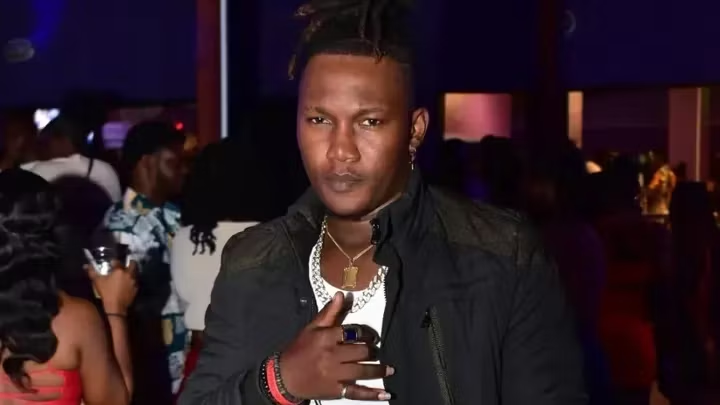
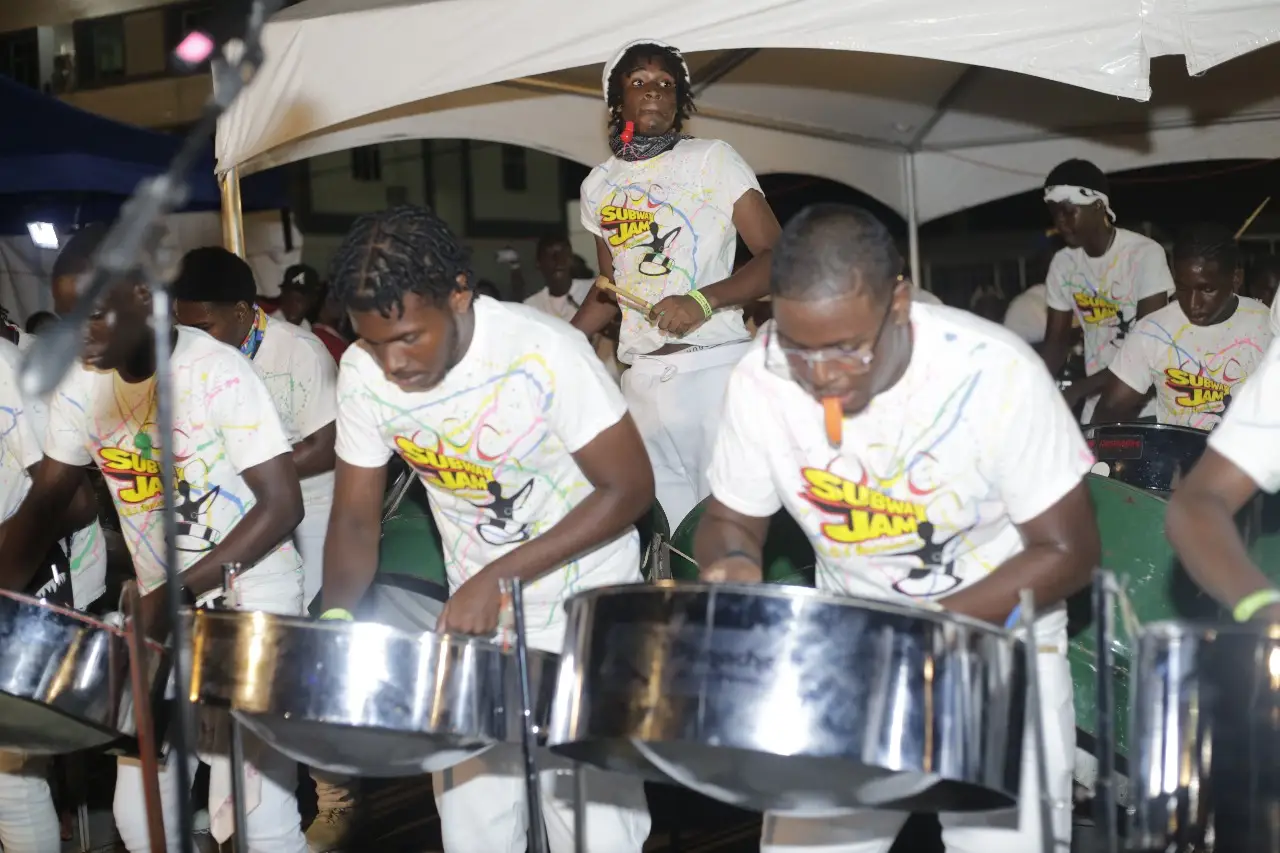
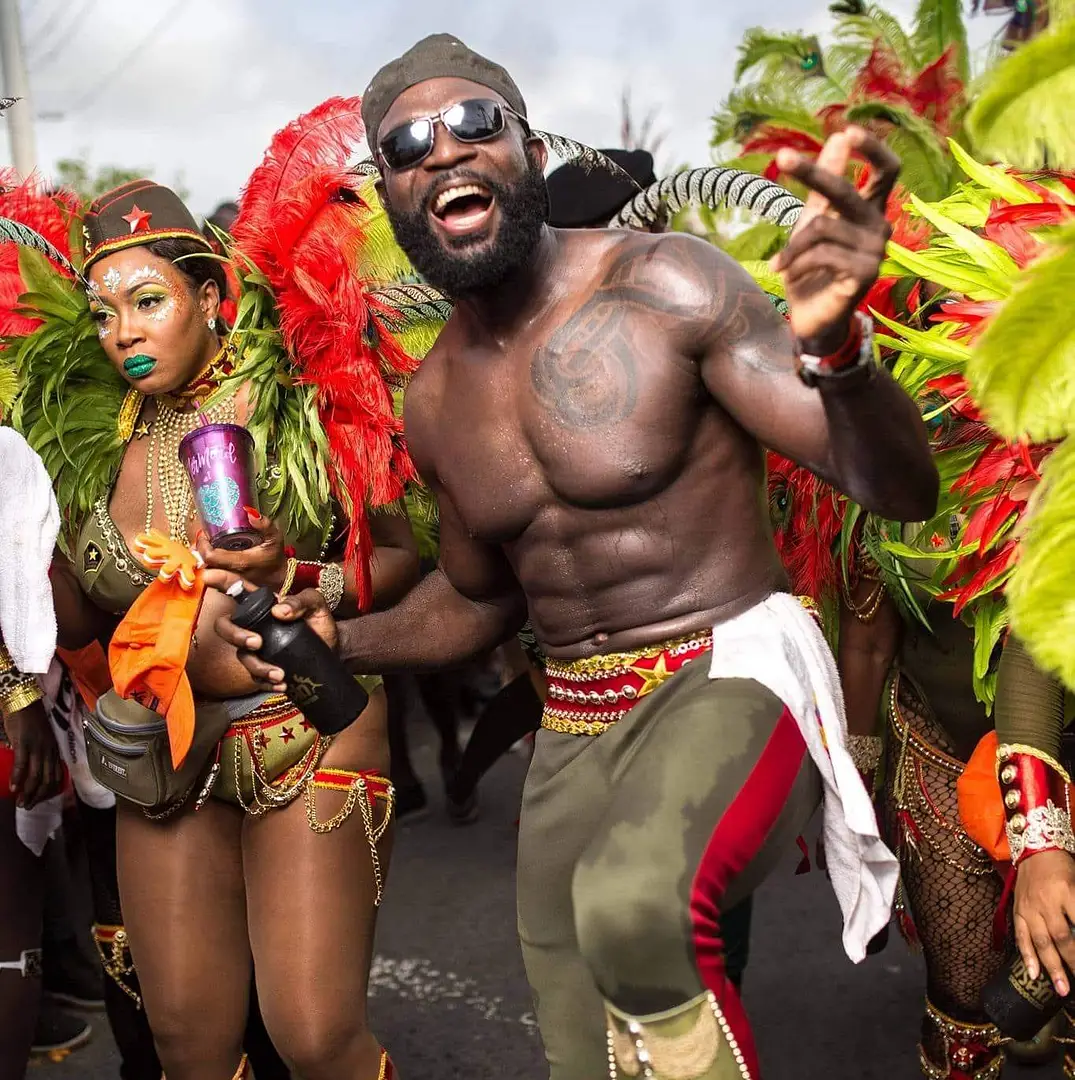
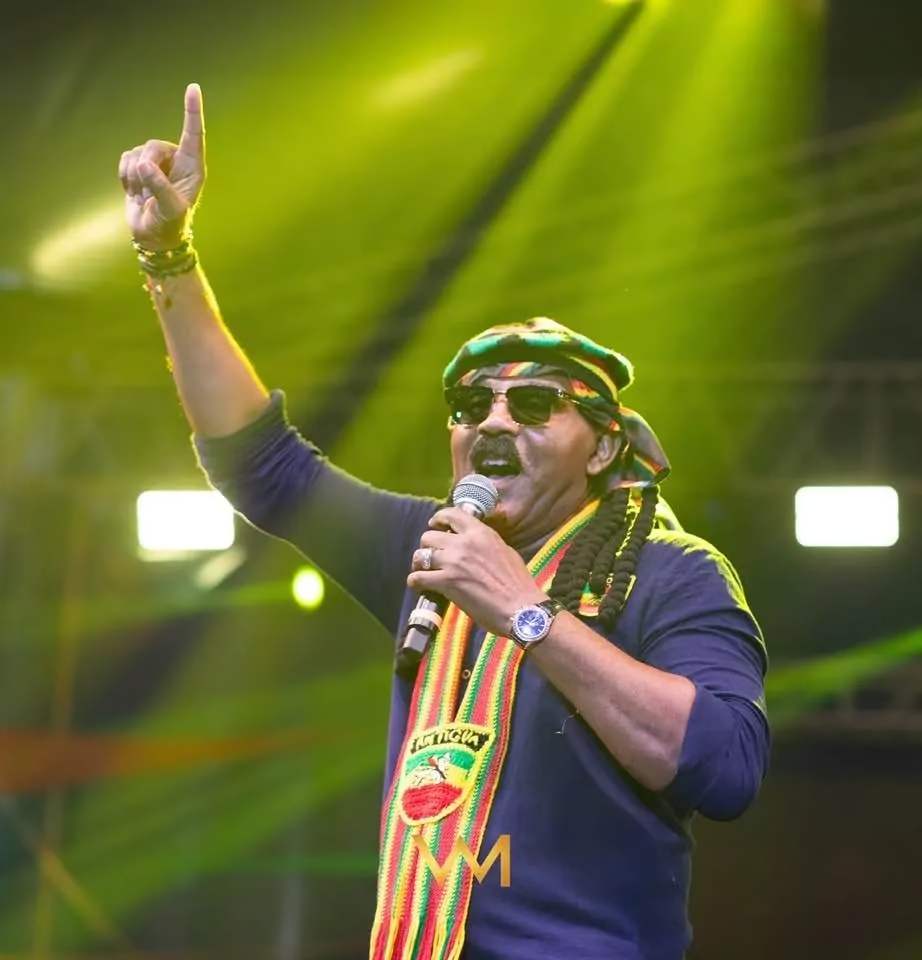
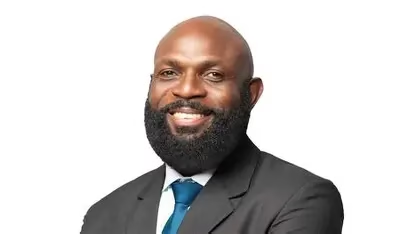
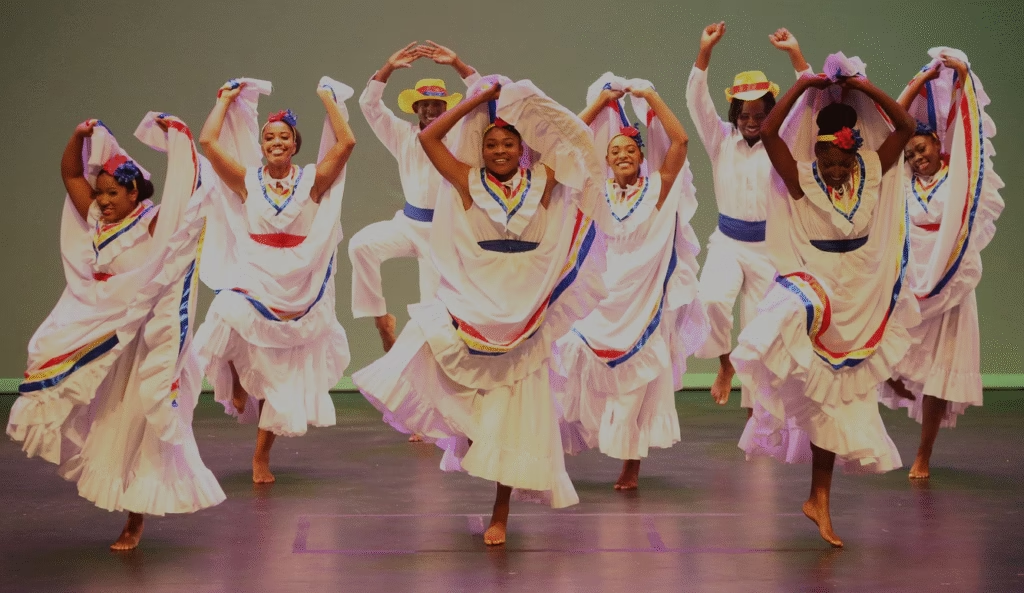
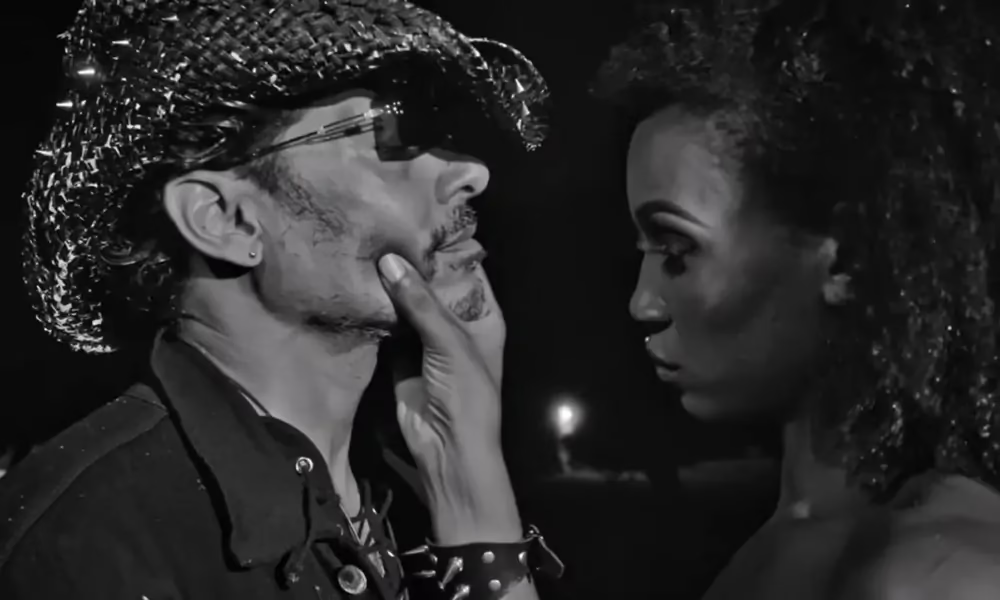
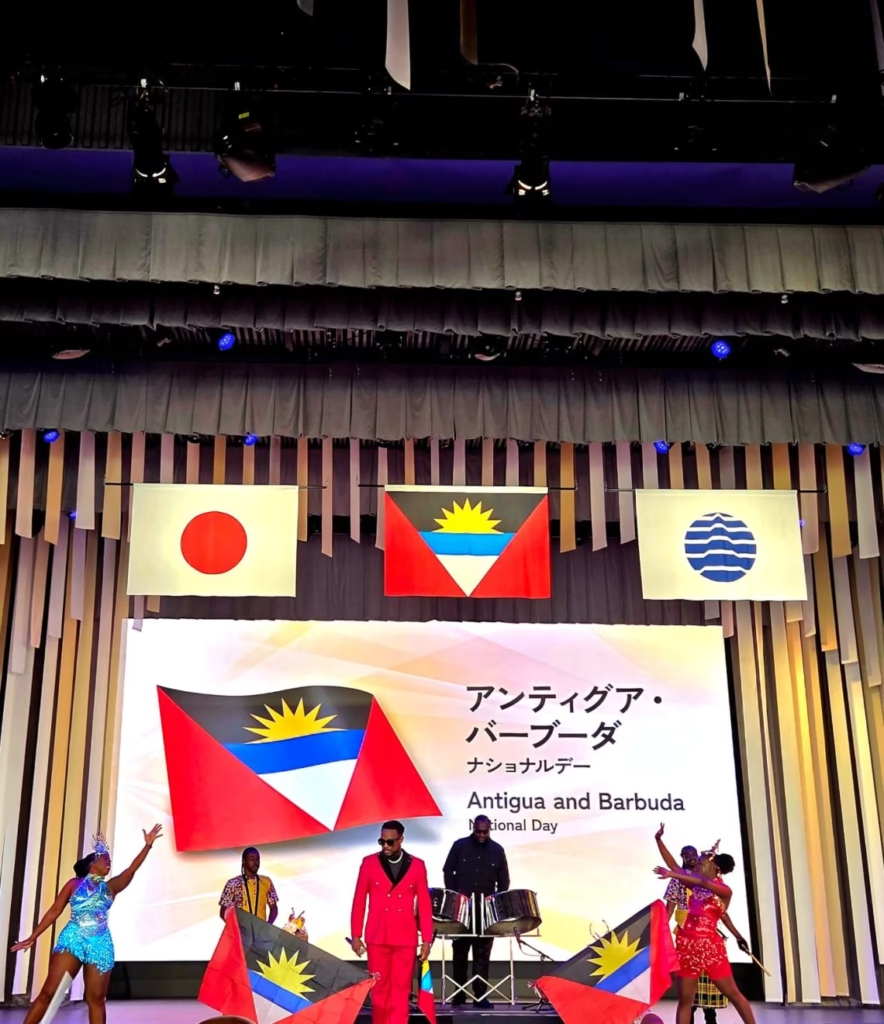
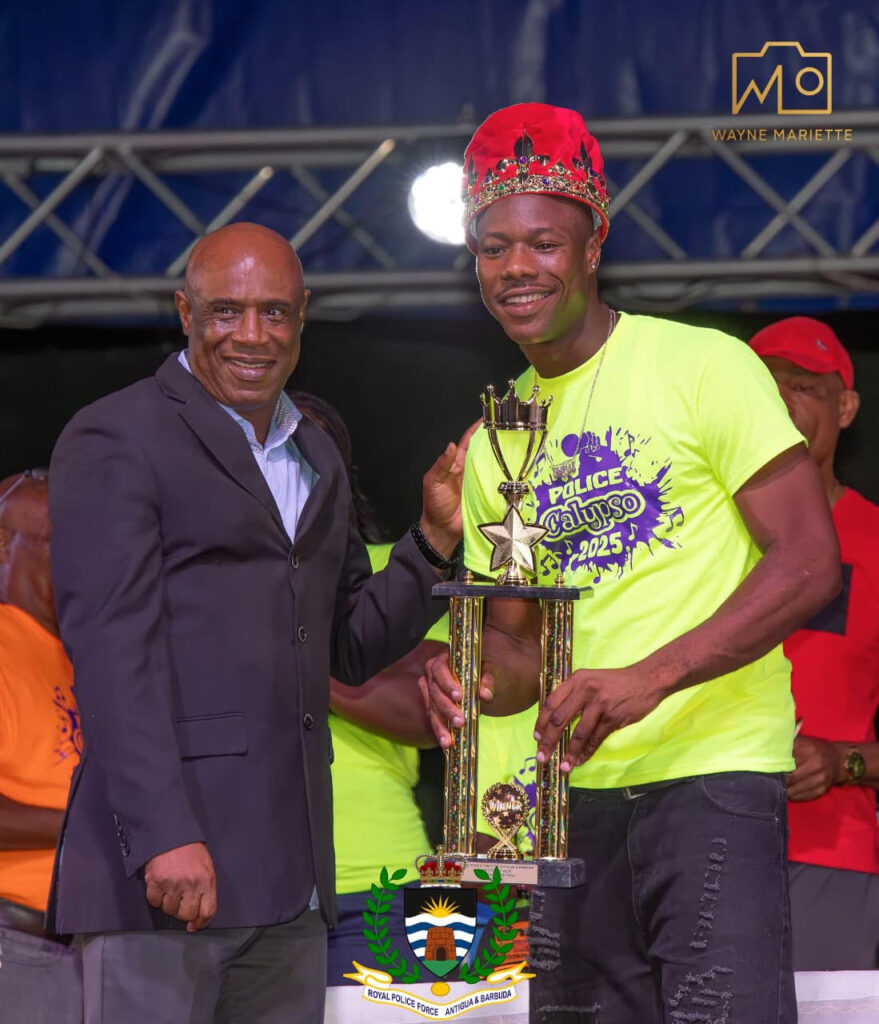
The summit’s opening session ended on an unusual note. Konris Maynard performed a calypso song that touched on the debate. During the performance, he criticised Trinidad and Tobago’s stance while still expressing respect for diplomatic ties with global powers.
Persad-Bissessar’s remarks reflect growing divisions within CARICOM over how to respond to shifting geopolitical pressures. Members differ on how to balance regional unity with national security priorities. As discussions continue, leaders will need to navigate these divisions carefully to maintain cooperation and a collective regional voice.