
 English






















































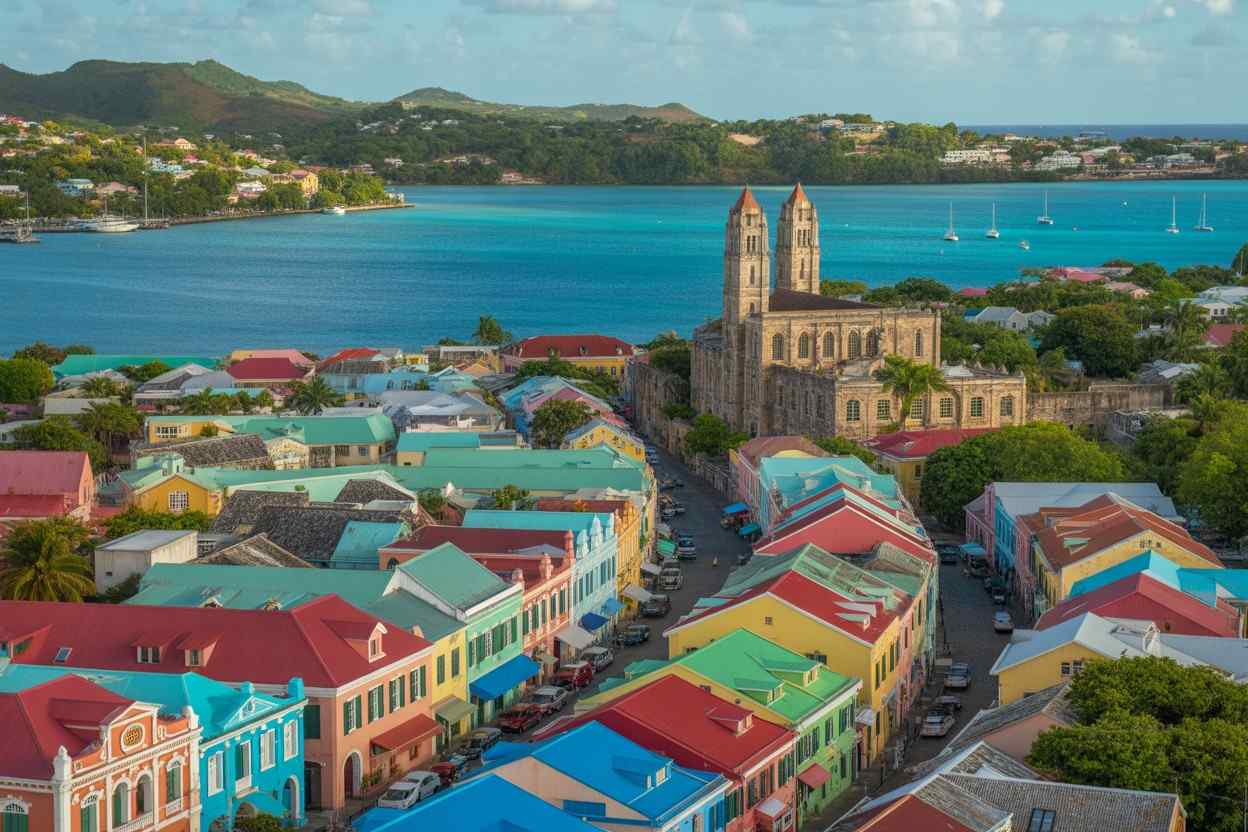























































































































































































































































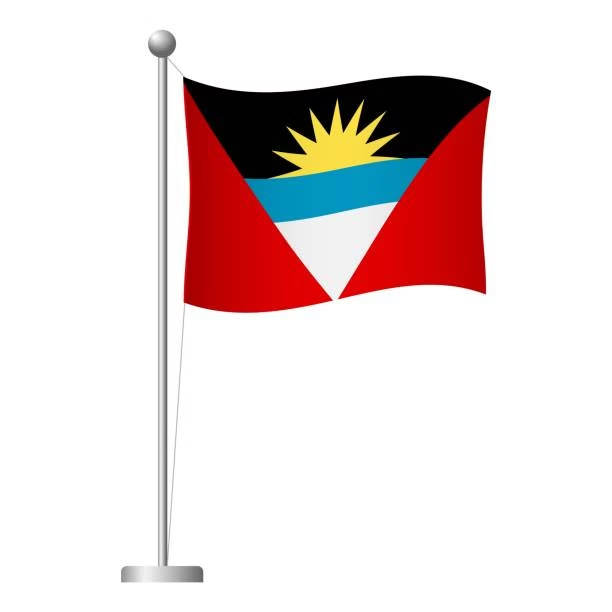


































































































































































































































































Renewable Energy Drives Change in Antigua and Barbuda
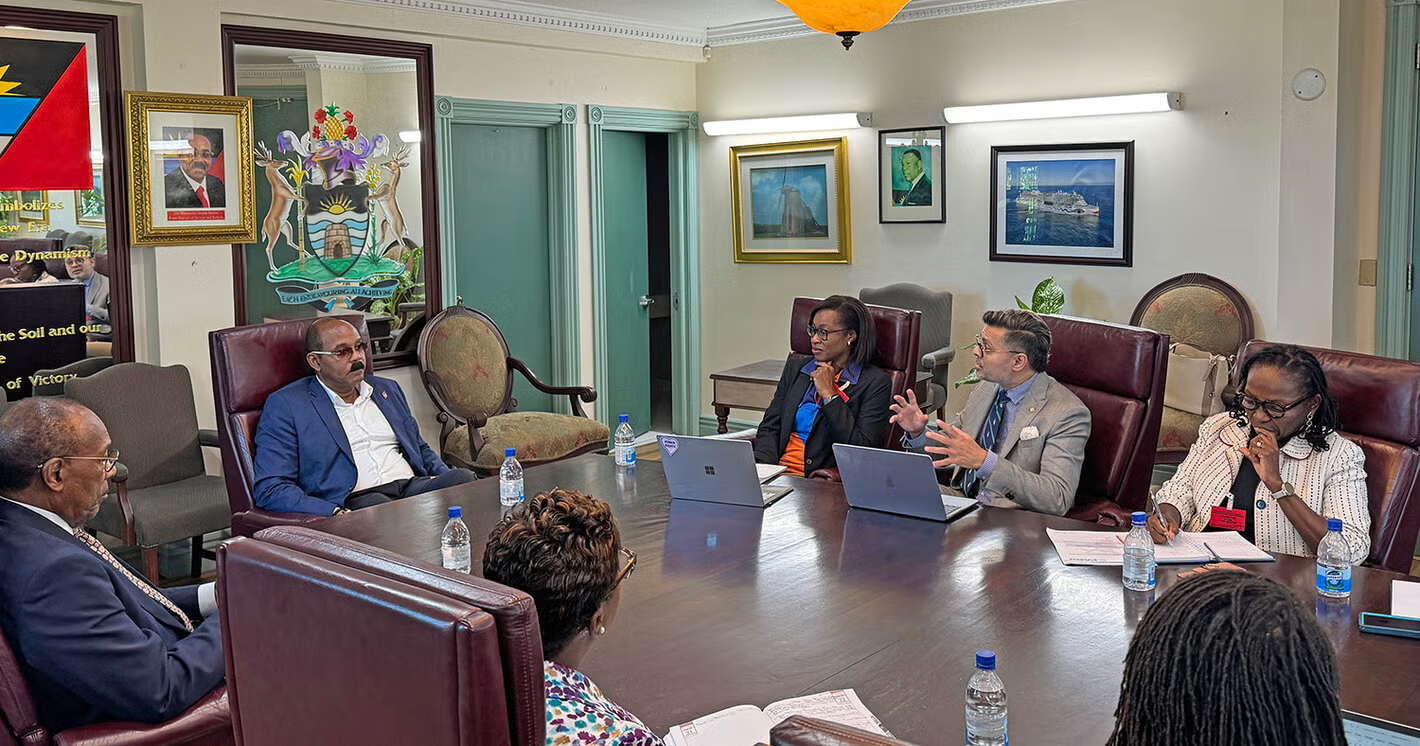
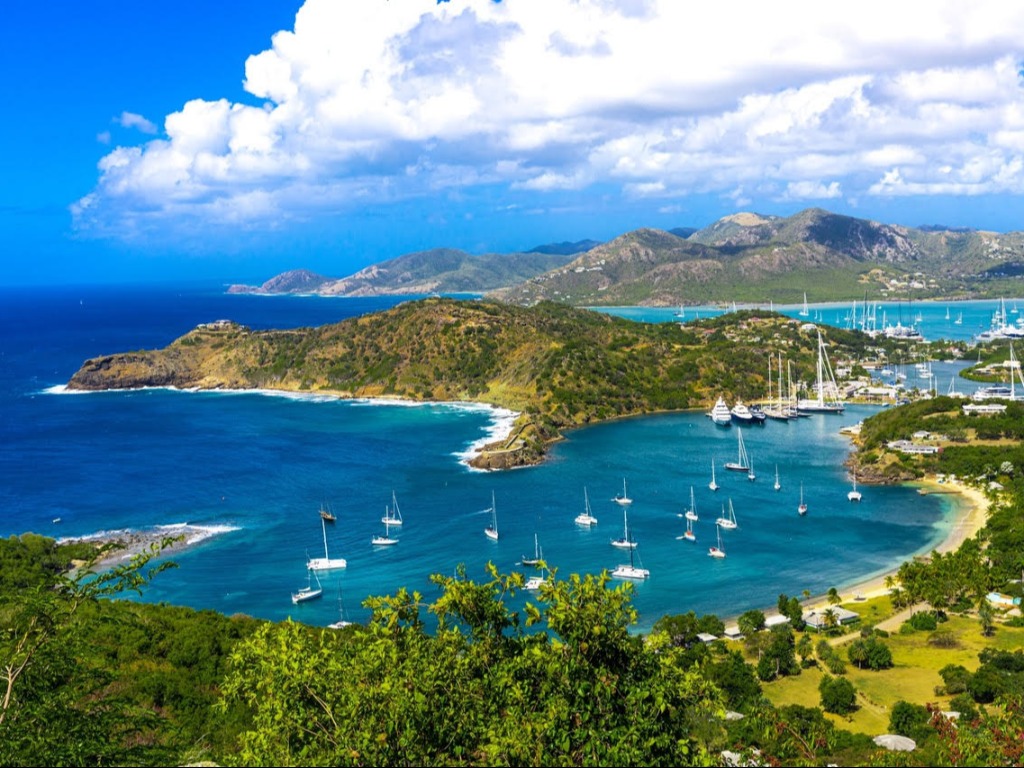
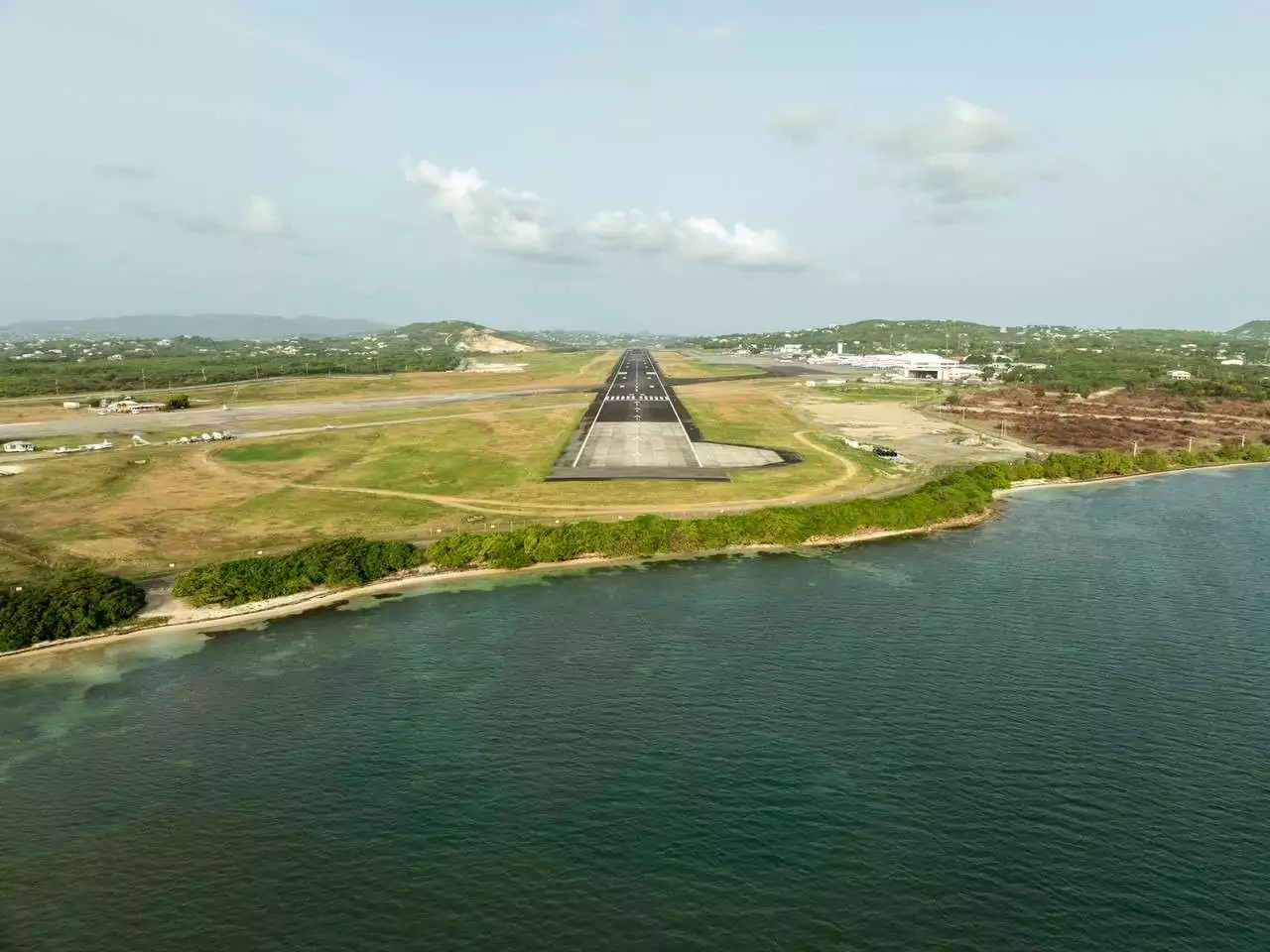
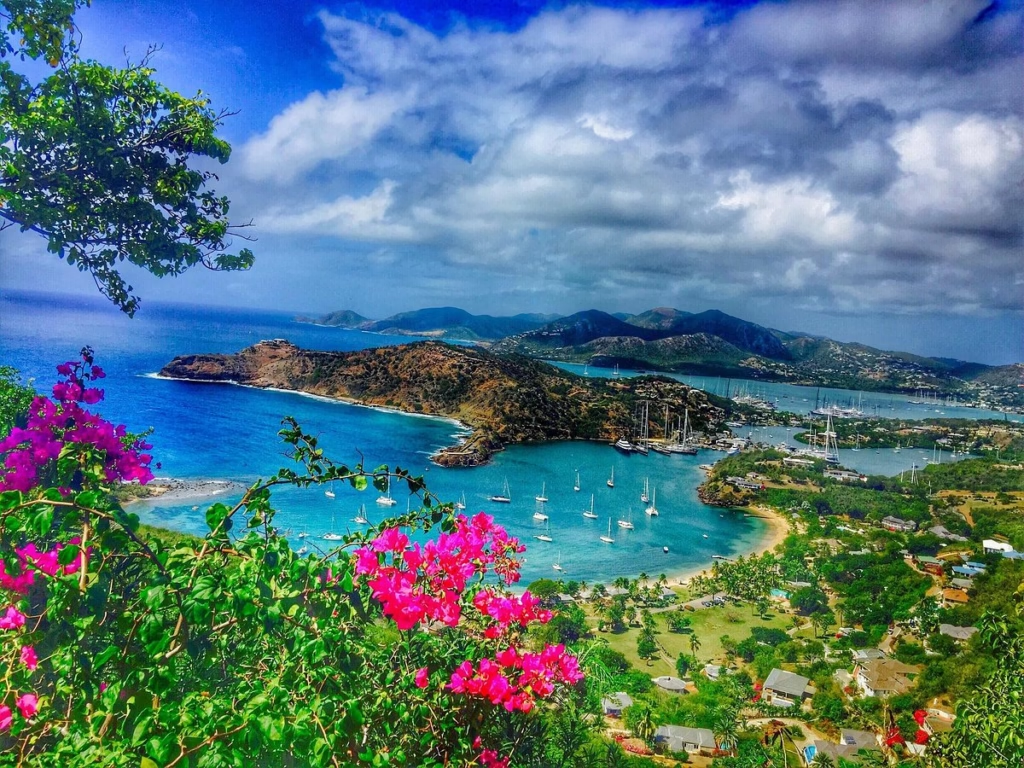
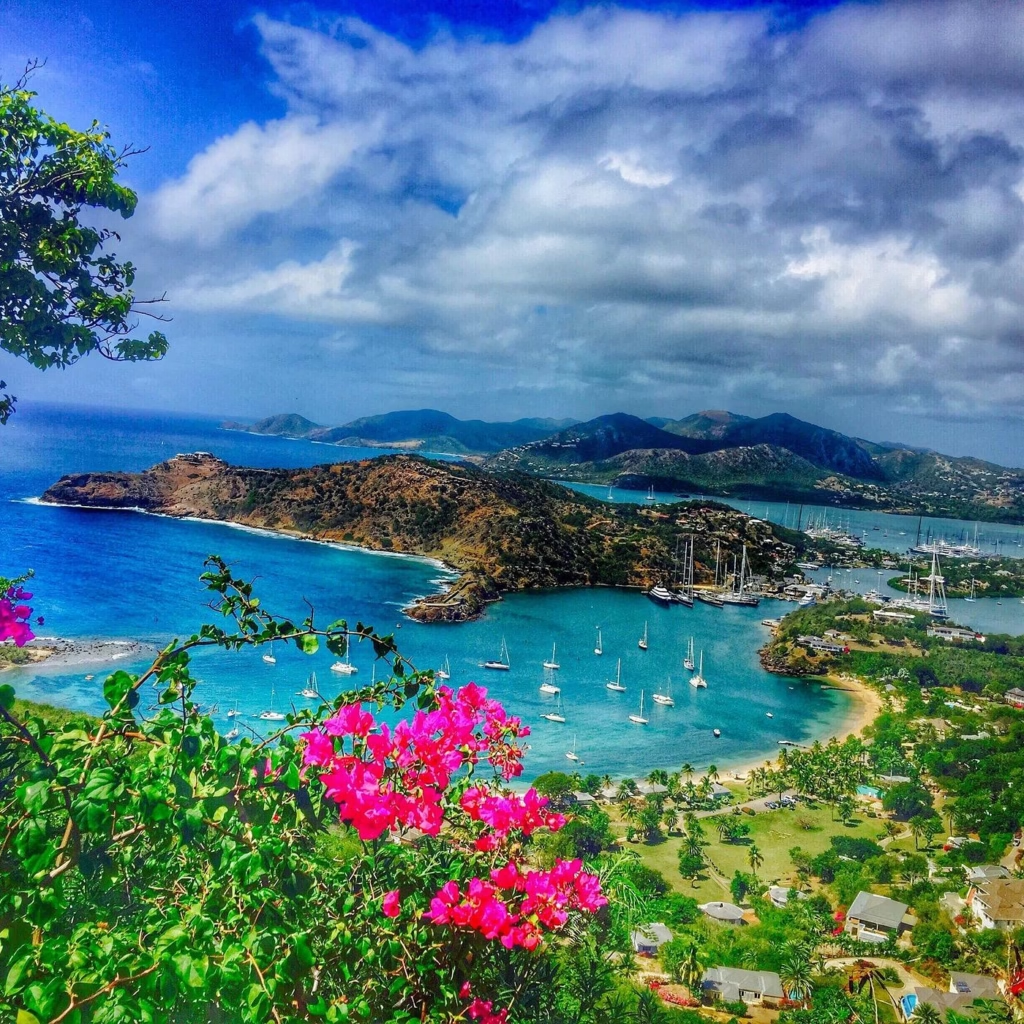
Renewable energy is reshaping Antigua and Barbuda. Rising fuel costs and climate risks push this shift forward. For years, the country depended on imported fossil fuels. As a result, energy prices often changed quickly. However, leaders now see clean energy as necessary.
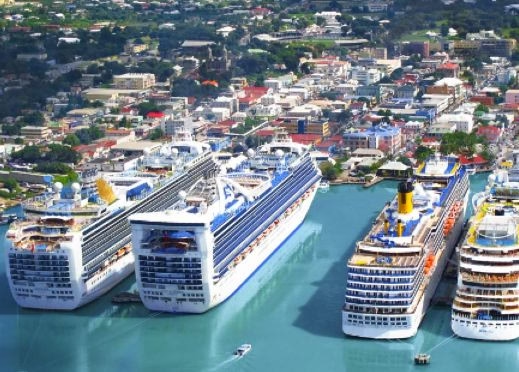
Moreover, hurricanes and tourism pressures expose economic weakness. Therefore, renewable energy offers stability and protection. Today, national plans strongly support green projects. In fact, clean energy is now linked to survival.
The country has set bold goals. It targets 86% renewable electricity by 2030. In addition, it plans full renewable energy for water services. Despite its size, it aims for 483 MW capacity. However, current renewable use is still near 7%.
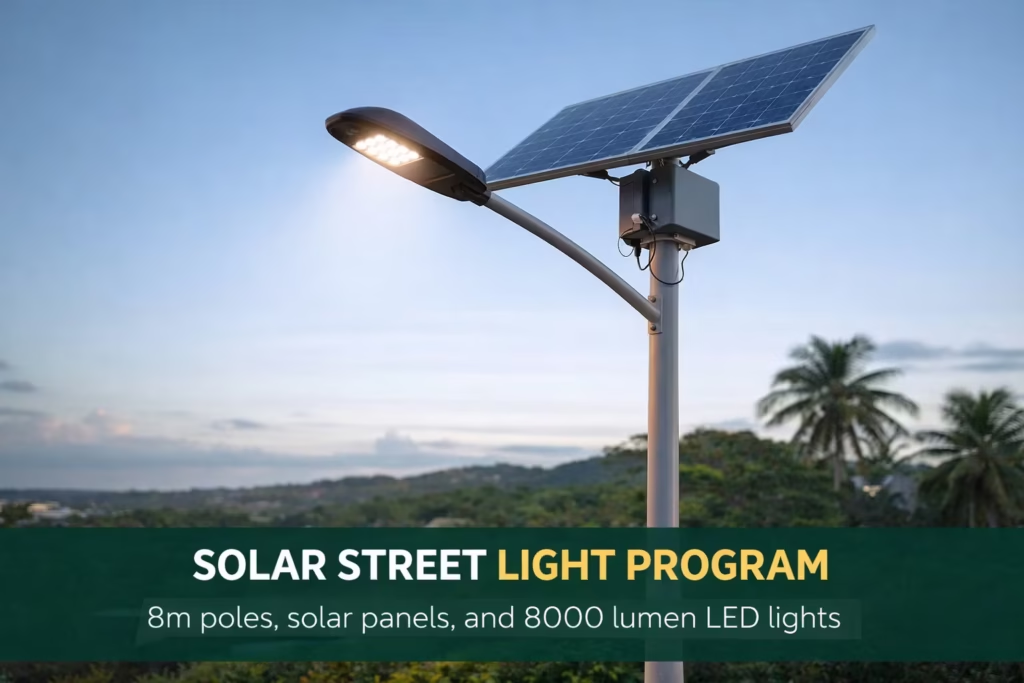
Among options, solar power leads clearly. The islands receive over 4,300 sunlight hours yearly. As a result, solar systems are growing fast. Furthermore, off-grid solar projects are expanding. These systems keep power running after storms.
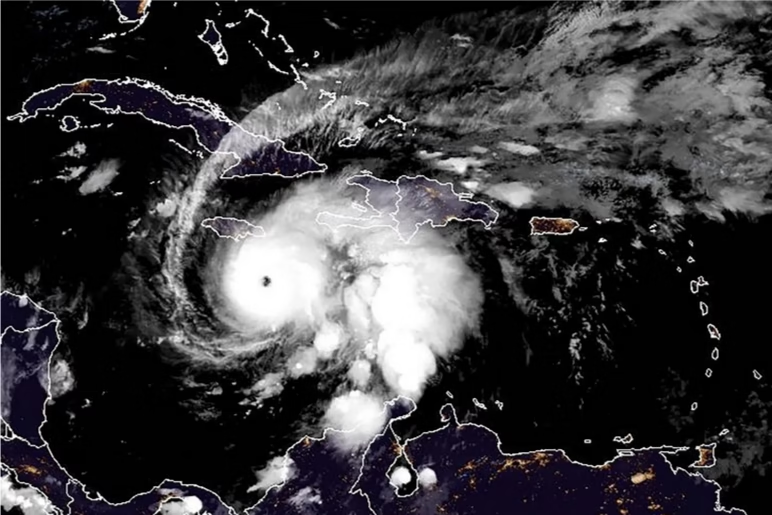
Meanwhile, wind energy brings mixed results. Trade winds are strong and steady. However, hurricanes can damage turbines. For example, a major storm in 2017 stopped key projects. Therefore, wind plans remain careful.
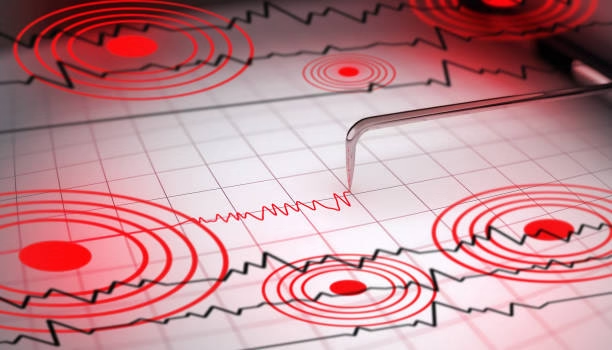
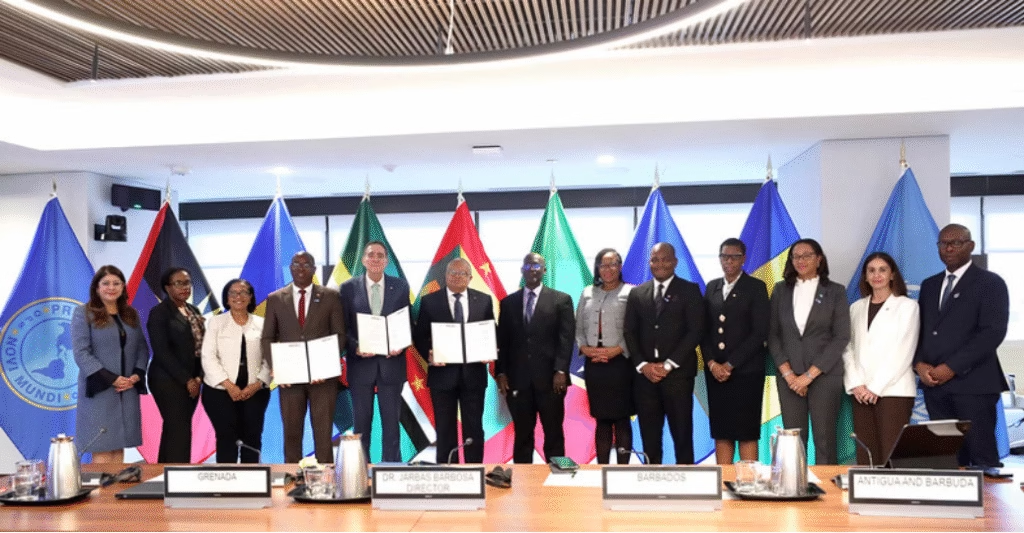
Geothermal energy also offers promise. The islands sit near active zones. Consequently, new partnerships are exploring this source. Regional cooperation is also increasing. This strengthens shared energy efforts.
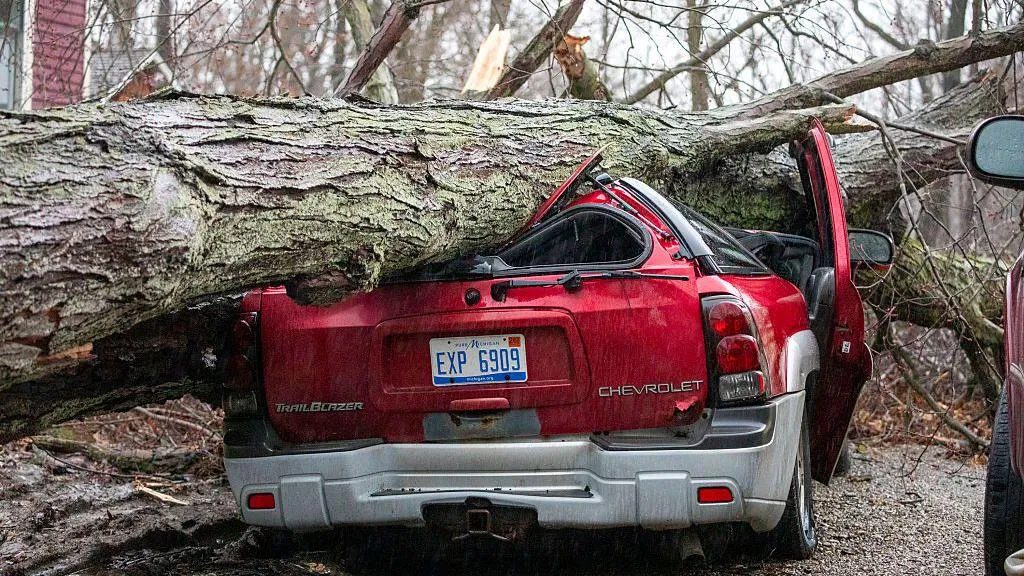
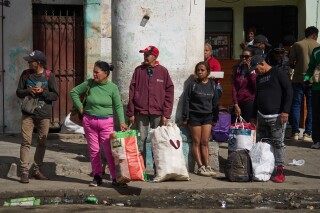
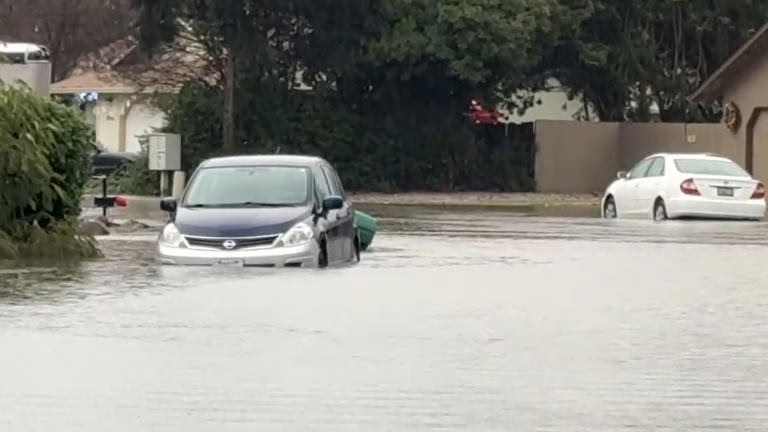
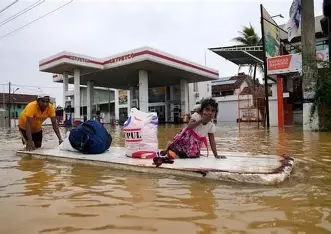
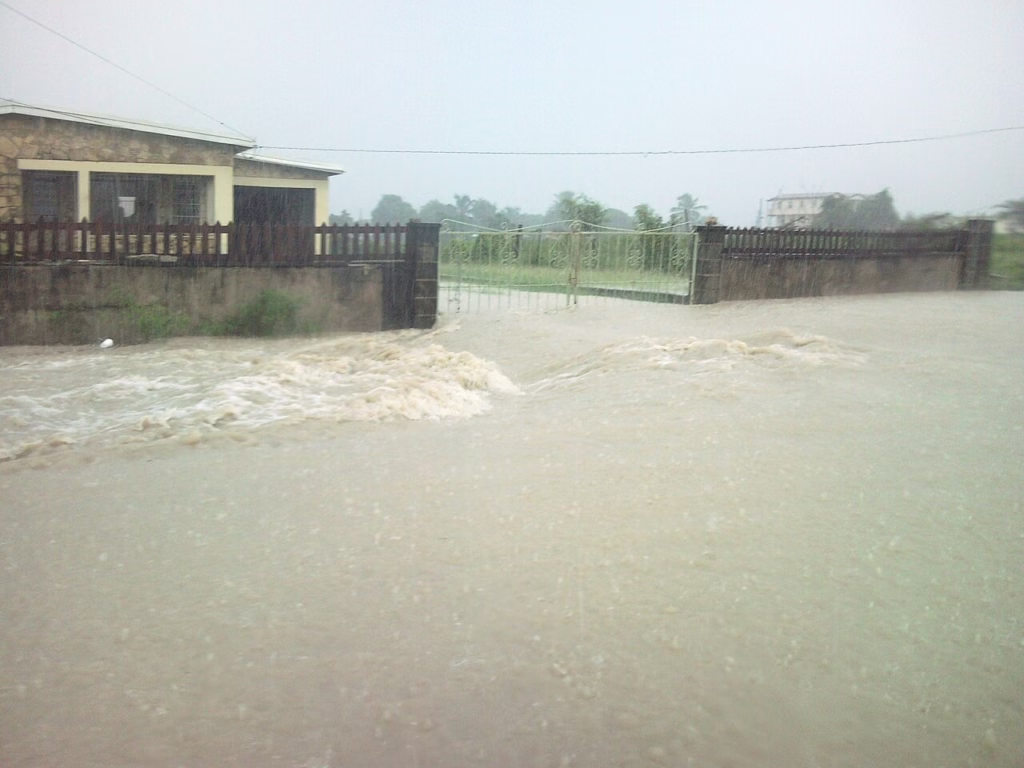
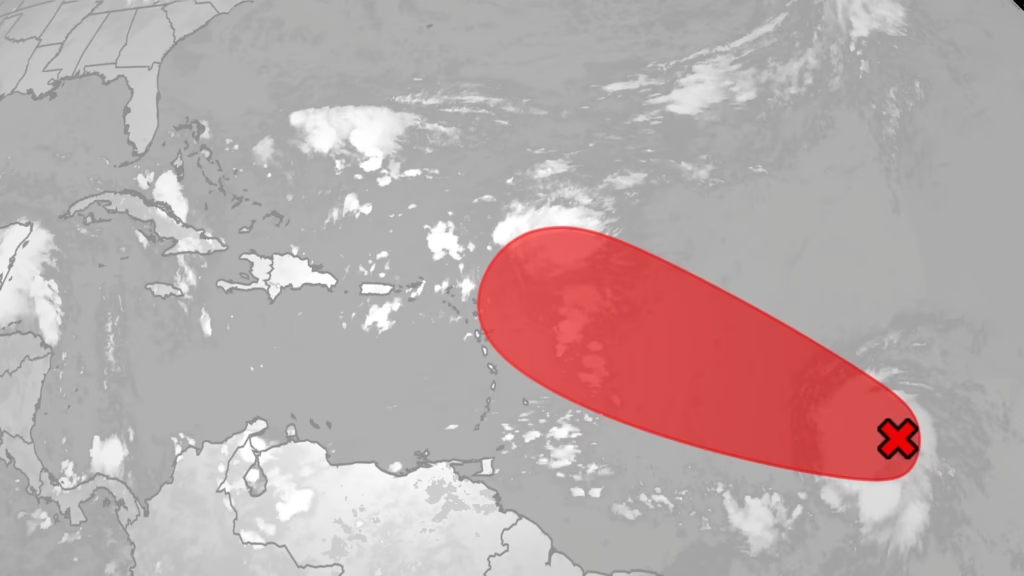
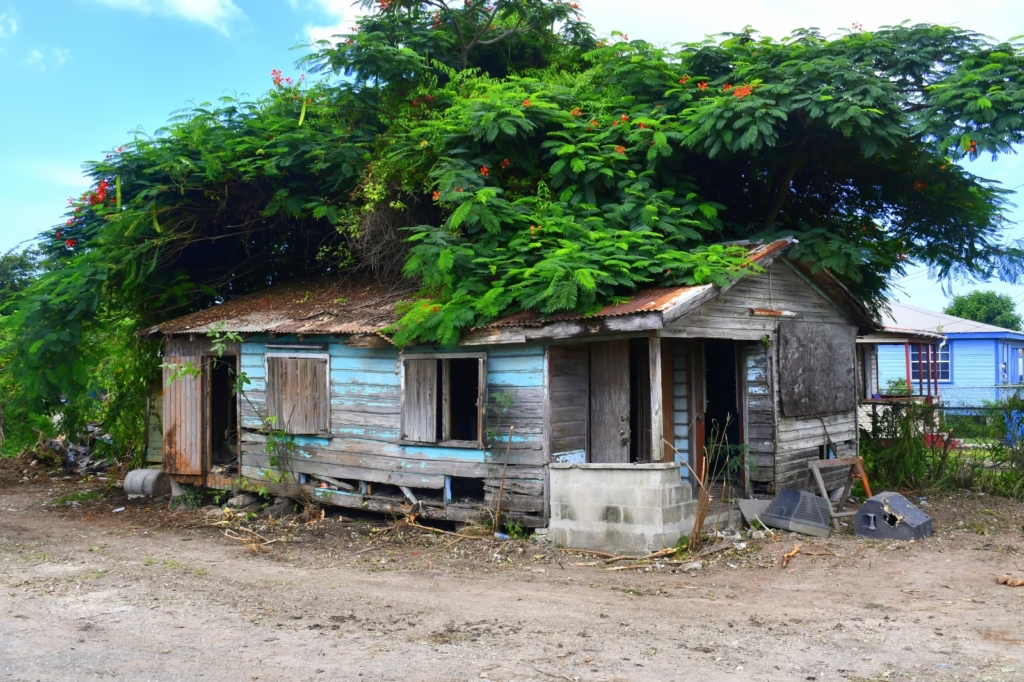
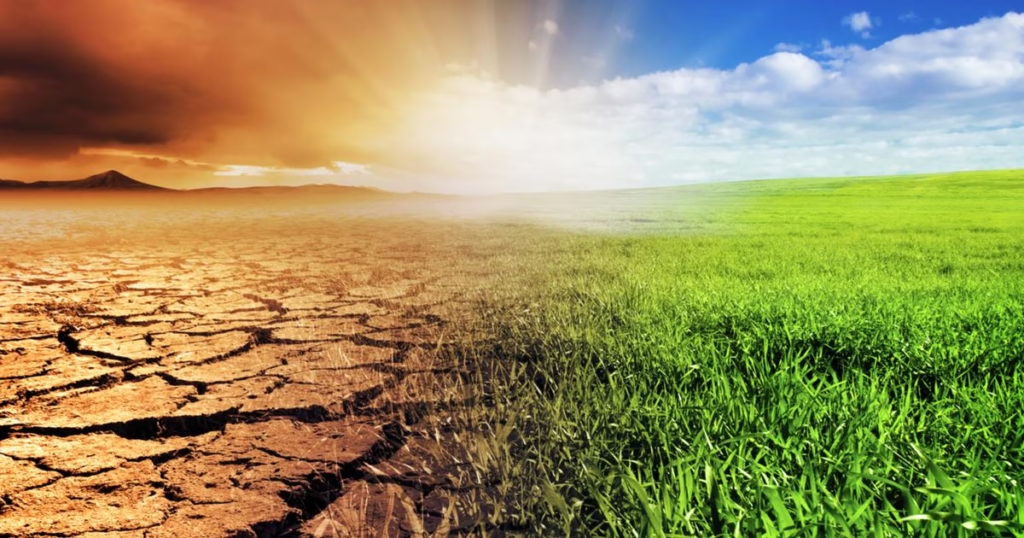
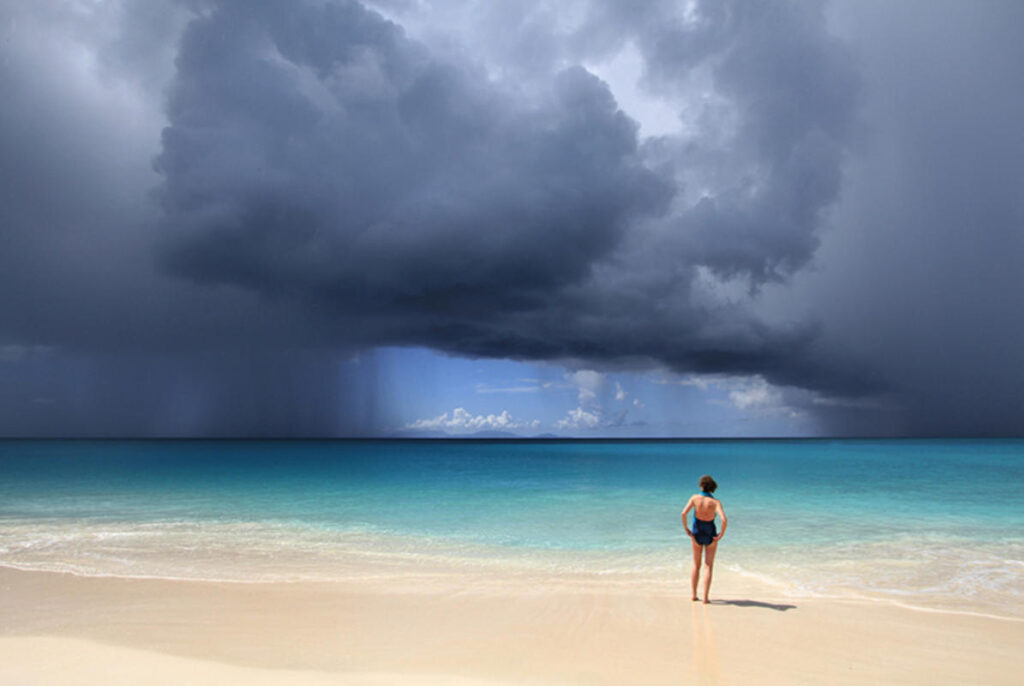
At the same time, climate change affects daily life. Poor communities face higher risks. For instance, storms disrupt jobs and services. In addition, recovery takes longer after disasters.
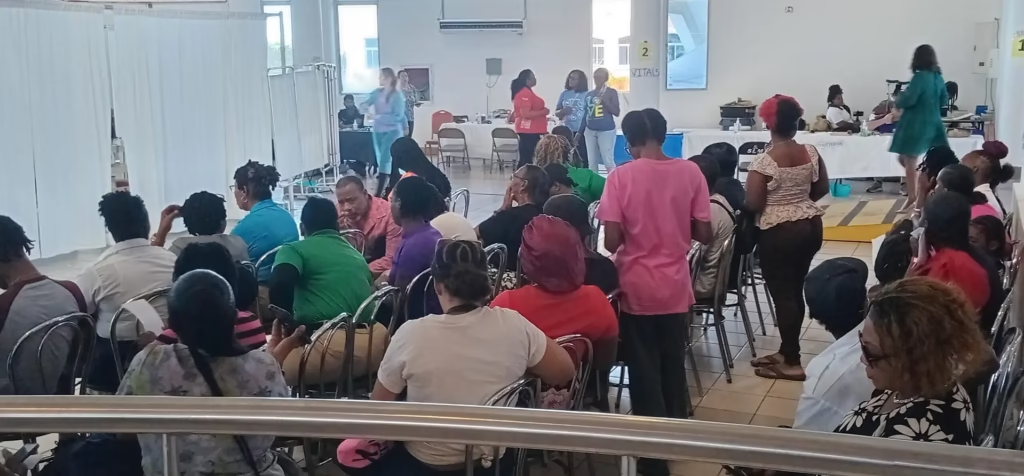
Women feel these impacts strongly. Many work in tourism and public sectors. Moreover, they often lead households. Therefore, policies now include gender concerns. Training and financial support are growing.
Importantly, renewable energy can lower costs. Studies show prices may fall significantly. Cleaner energy also creates jobs. As a result, economic stability can improve.
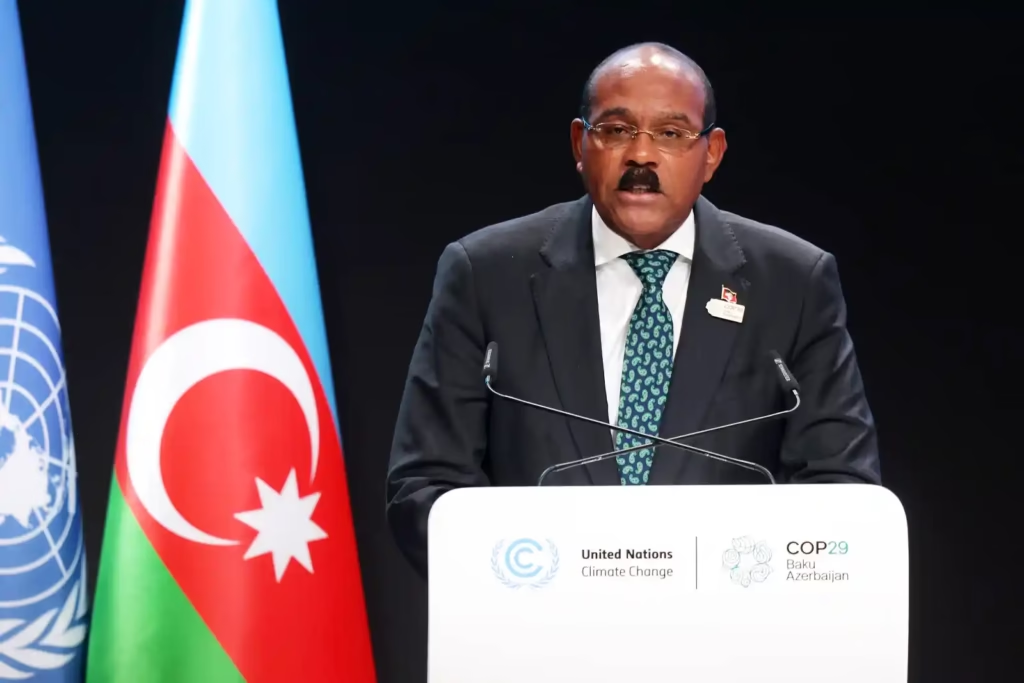
Finally, small island states lead climate action. Although they produce little carbon, they face early impacts. Therefore, they demand stronger global action. In conclusion, renewable energy offers a safer future.