
 English







































































































































































































































































































































































































































































































































































































































































Prices Continue Falling in Antigua and Barbuda Into 2026
Prices in Antigua and Barbuda continued falling at the start of 2026, according to the latest Consumer Price Index (CPI) data.
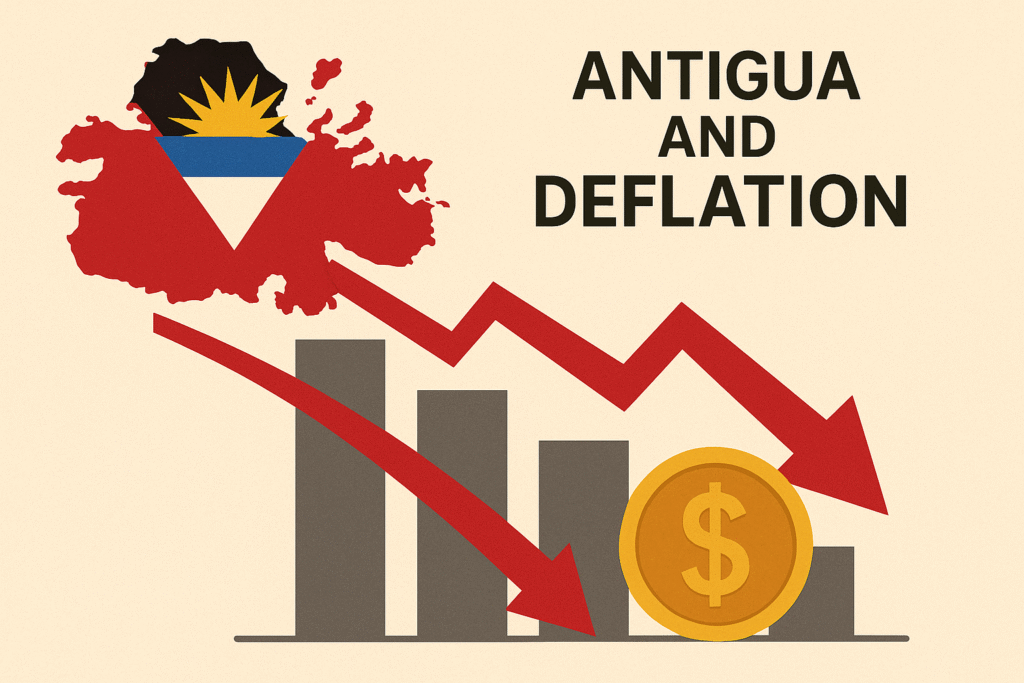
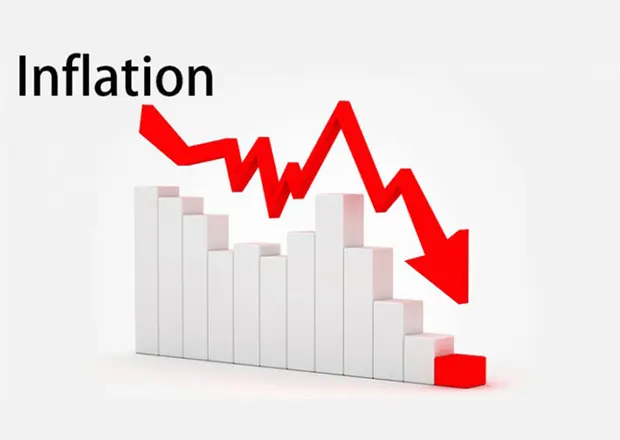
Headline inflation dropped 1.3% in the twelve months to January 2026. This extends the downward trend that began late last year.
Moreover, prices fell 1.9% between December 2025 and January 2026, showing that the easing trend has carried into the new year.
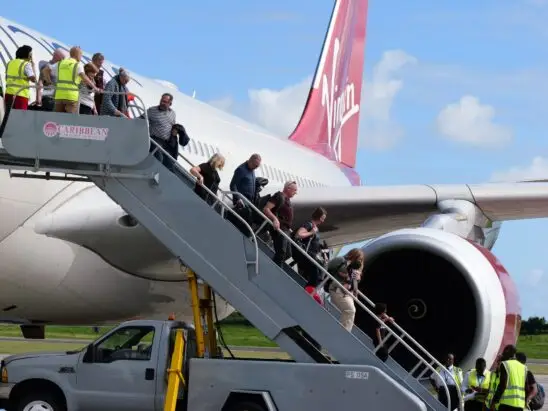
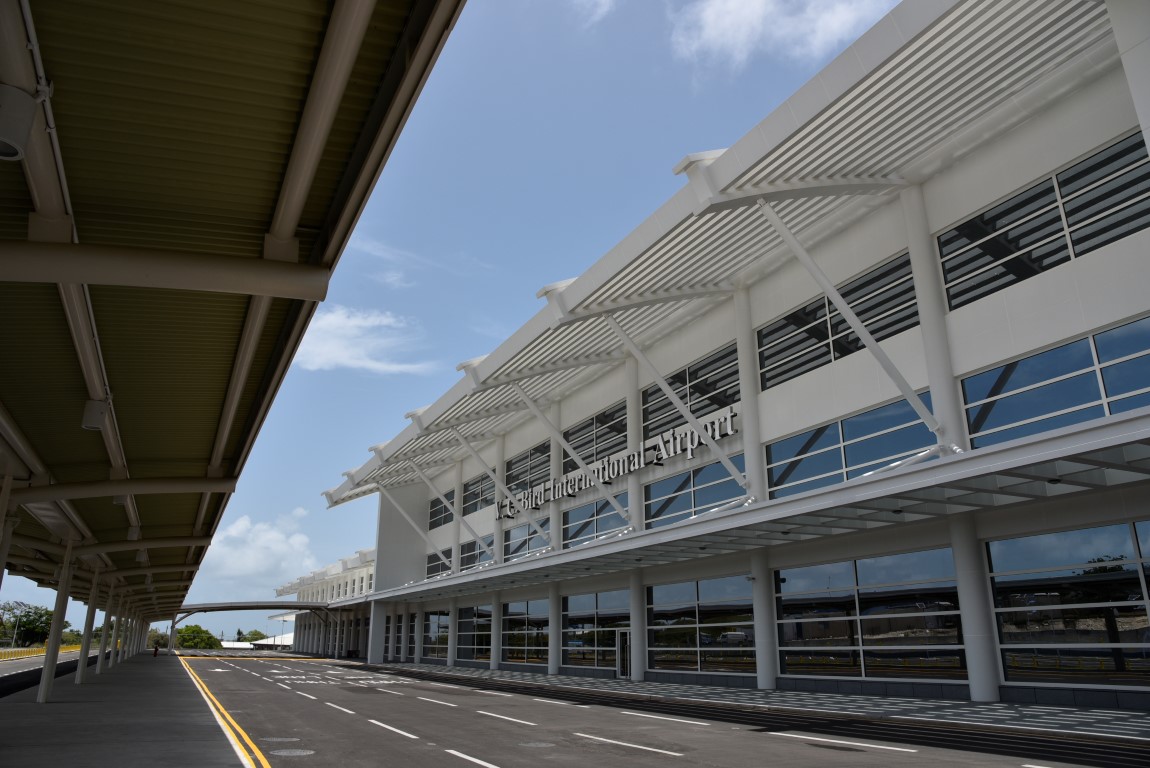
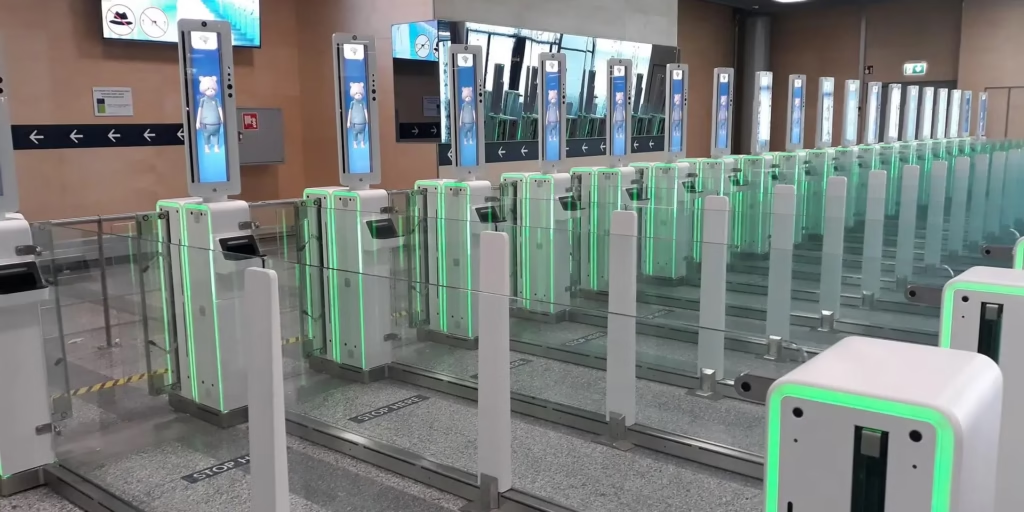
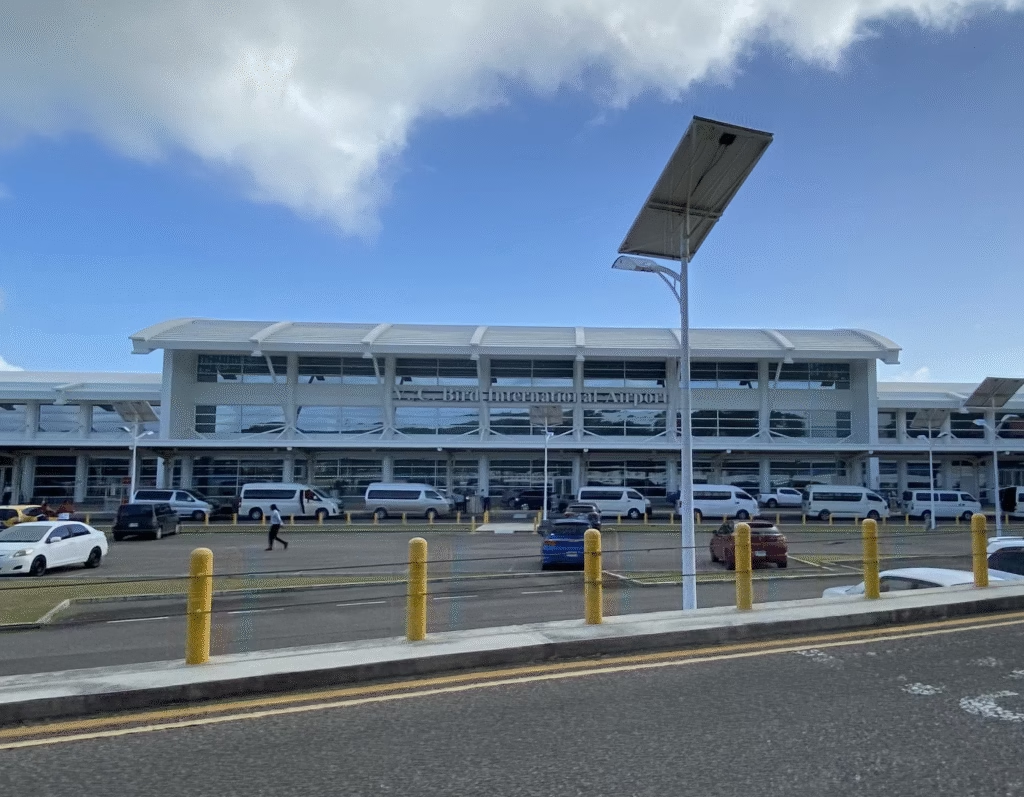
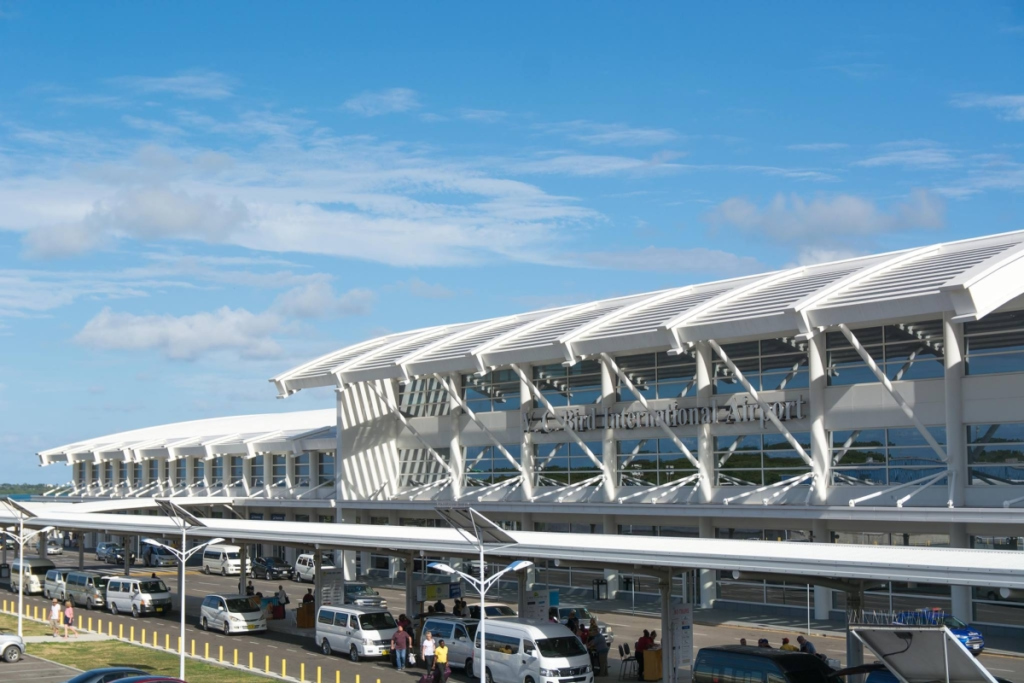
Transport services recorded one of the steepest reductions. Airline fares have dropped sharply over the past year.
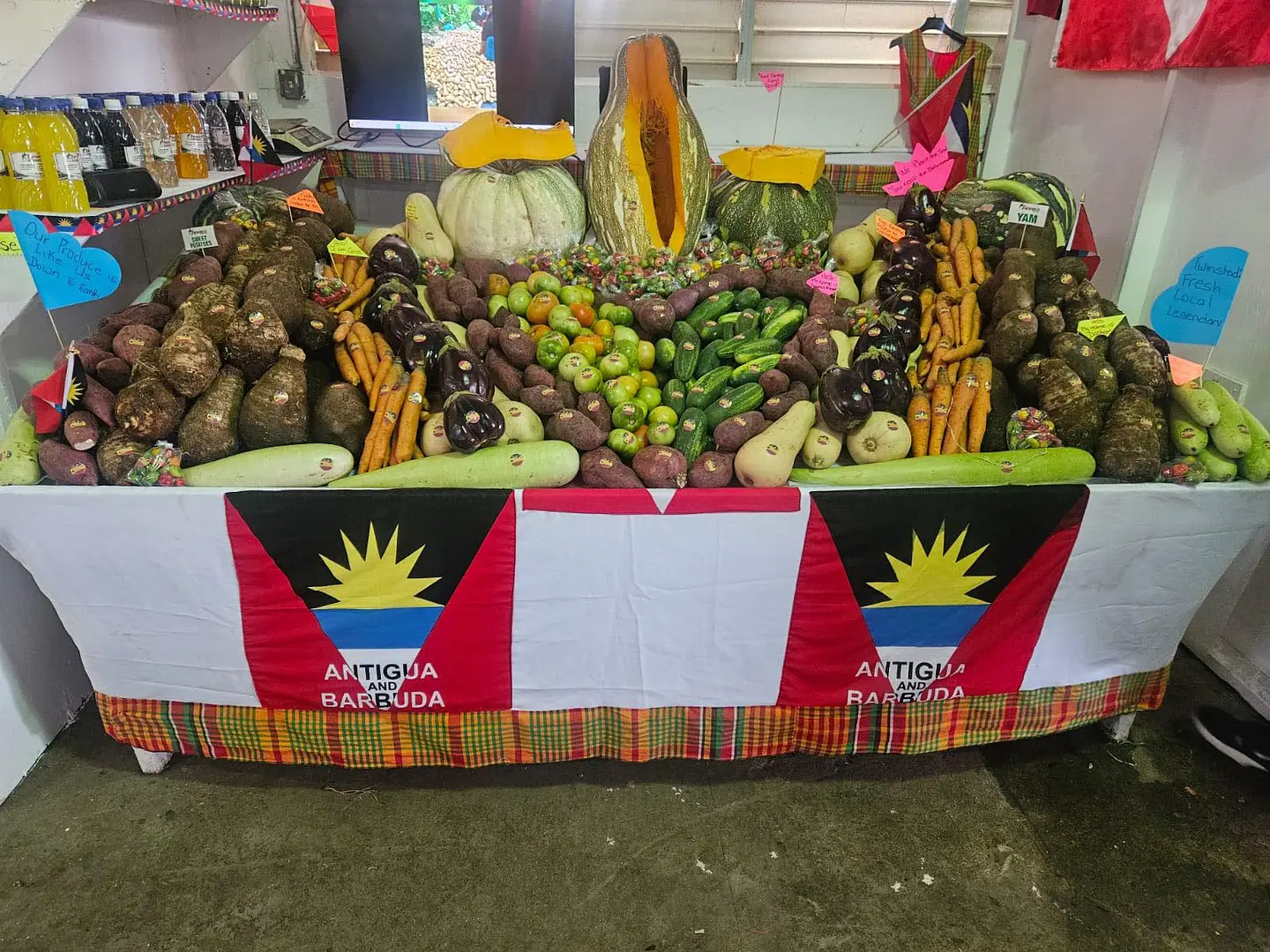
Food prices also fell significantly, helping to drive the overall decline in consumer costs.
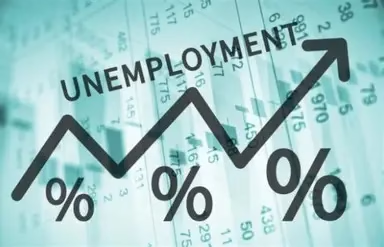
Statistical charts indicate that inflation fluctuated throughout 2025 but began moderating at the end of the year.
The January 2026 decline reflects falling prices across major categories, including transport, food, and miscellaneous goods and services.
The CPI measures the average change in prices for a household basket of goods and services. It is the primary gauge of inflation and cost-of-living trends.
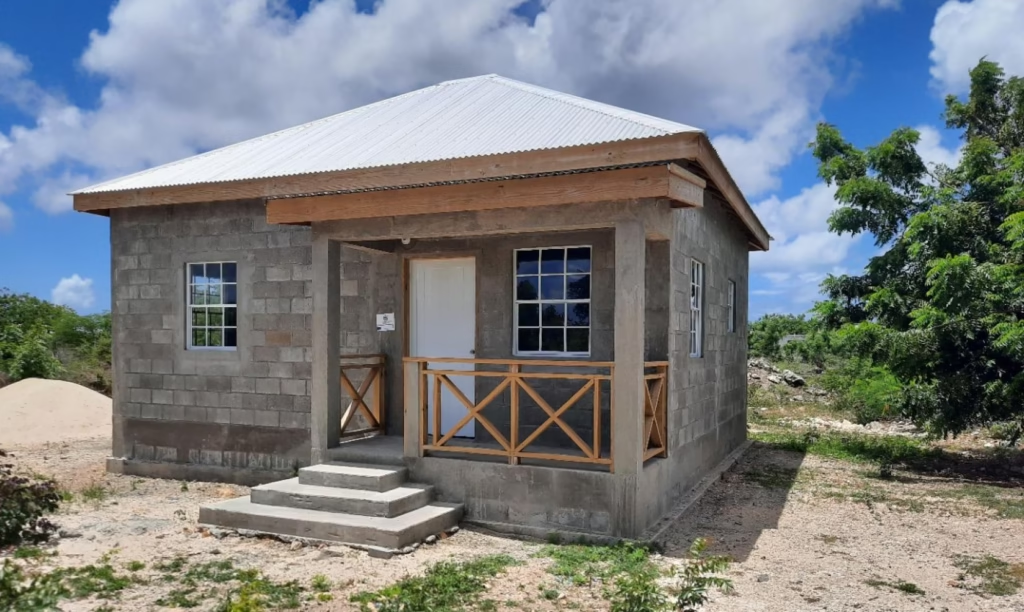
Housing remains the largest household expense in Antigua and Barbuda. CPI data shows housing accounts for 218.3 out of every 1,000 units of spending.
Food follows closely, representing 214.2 out of every 1,000 units. Grocery and supermarket purchases remain central to family budgets.
Transport and communication combined account for 153.5 out of every 1,000 units of household spending.
These weights come from the CPI “shopping basket,” which tracks prices of hundreds of commonly purchased goods and services.
Spending patterns help analysts see how price changes in different sectors affect overall inflation.
Housing and food costs have the greatest impact on household budgets. Small changes in these categories can shift the overall cost of living.
Analysts say the data highlights the importance of monitoring basic expenses. Consumers benefit when price pressures ease in major categories.
Overall, the CPI shows that Antigua and Barbuda’s inflation has moved from rising pressures in 2025 to a cooling trend in early 2026.
Policymakers and households can use this data to plan spending, manage budgets, and anticipate further shifts in costs.