
 English





























































































































































































































































































































































































































































































































































PM Browne Pushes Rules-Based Partnership at EU Assembly
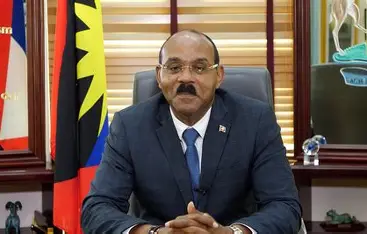
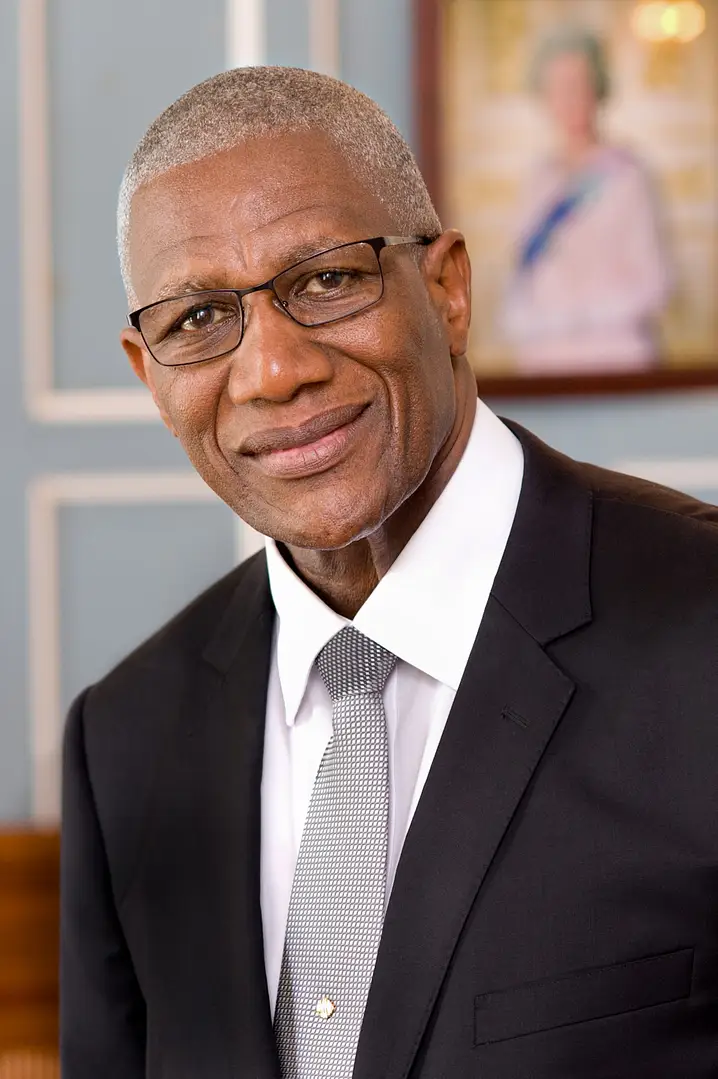
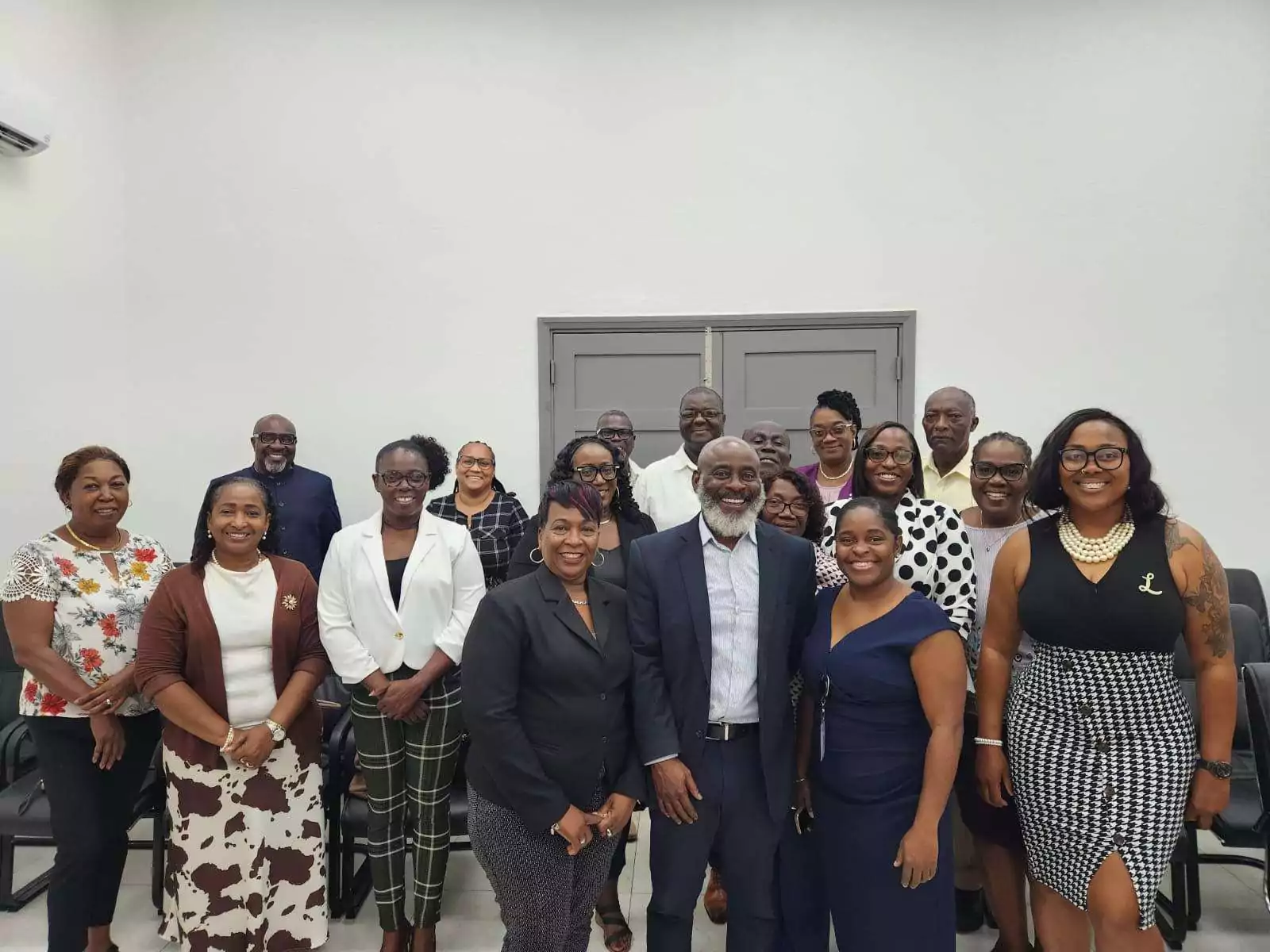
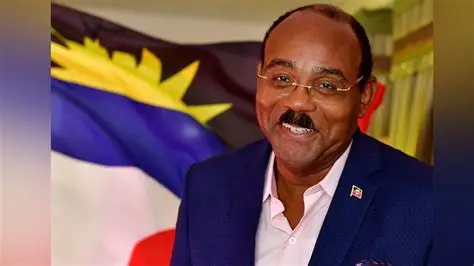
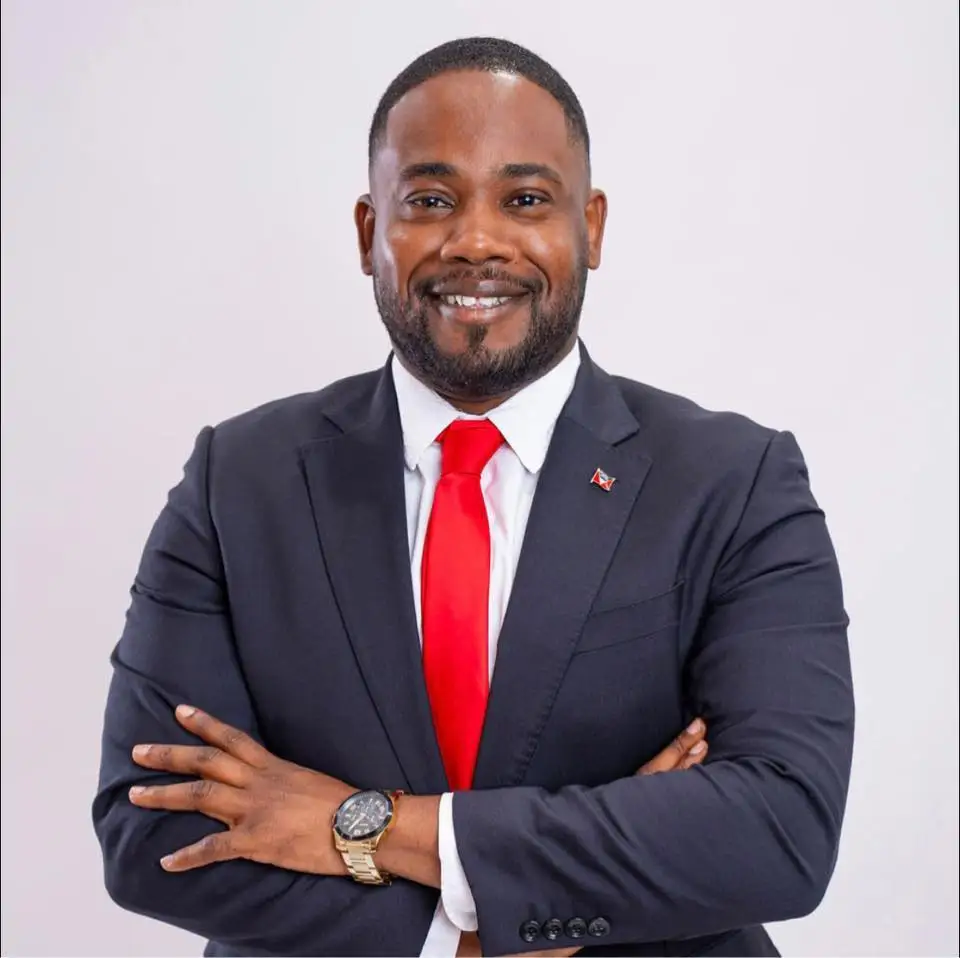
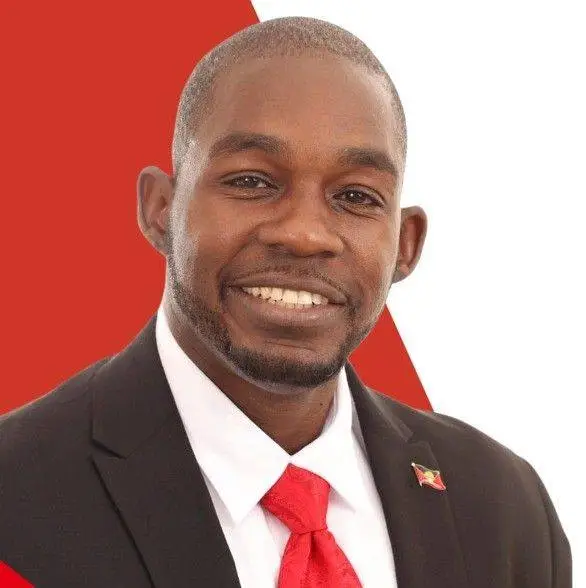
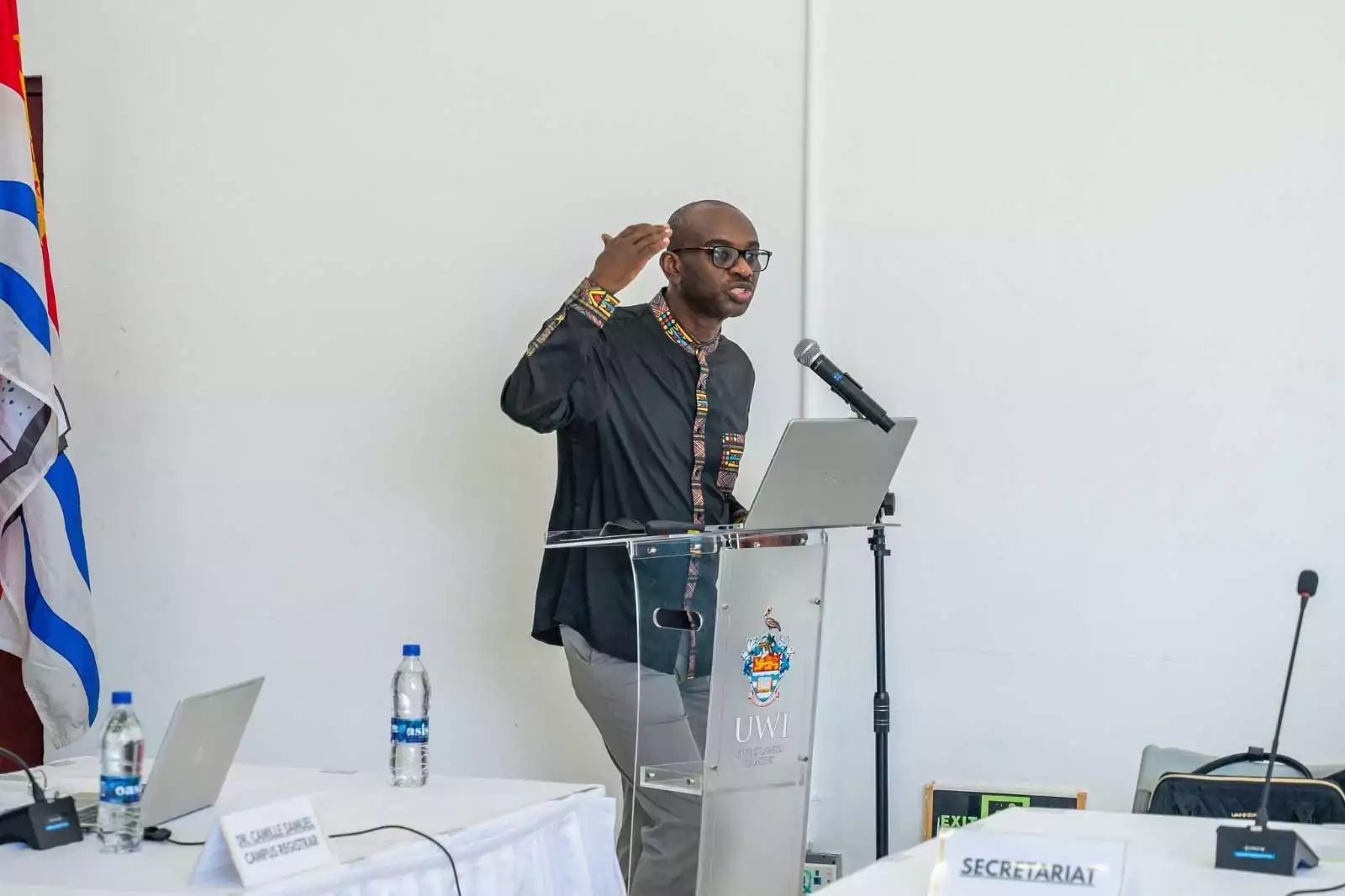
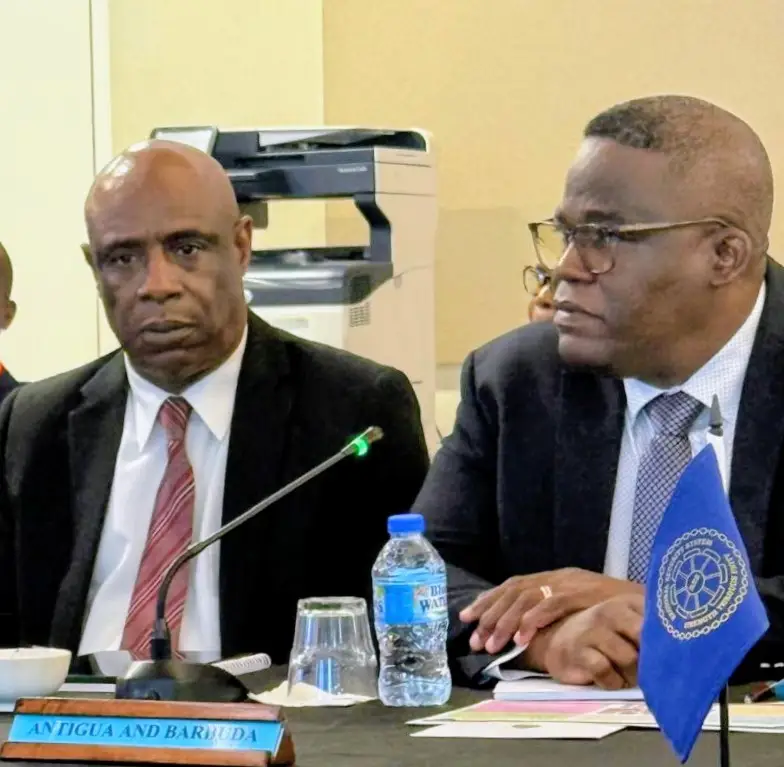
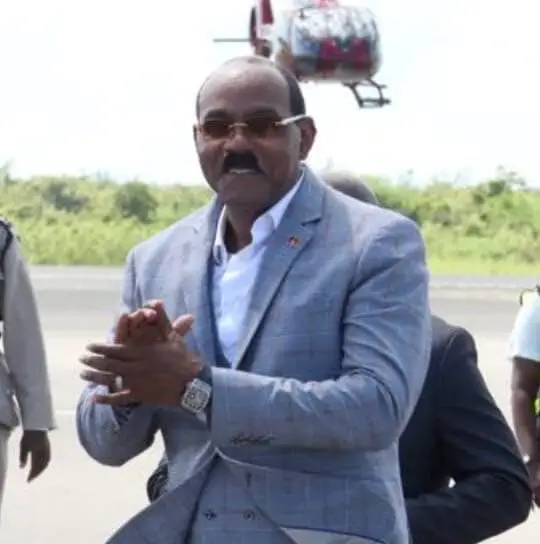
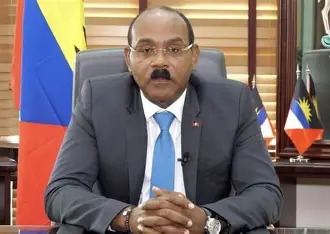
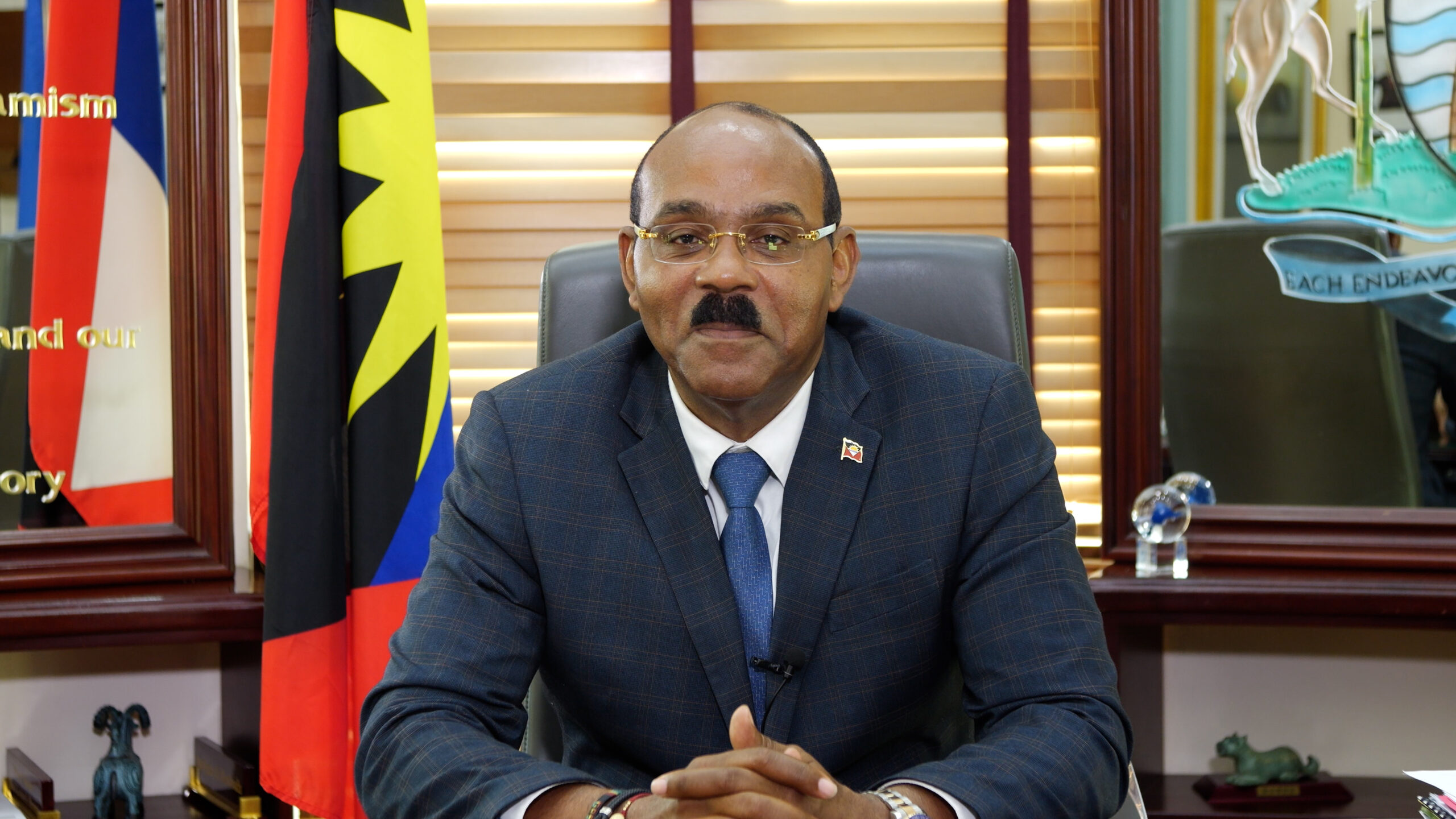
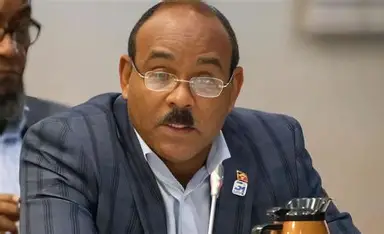
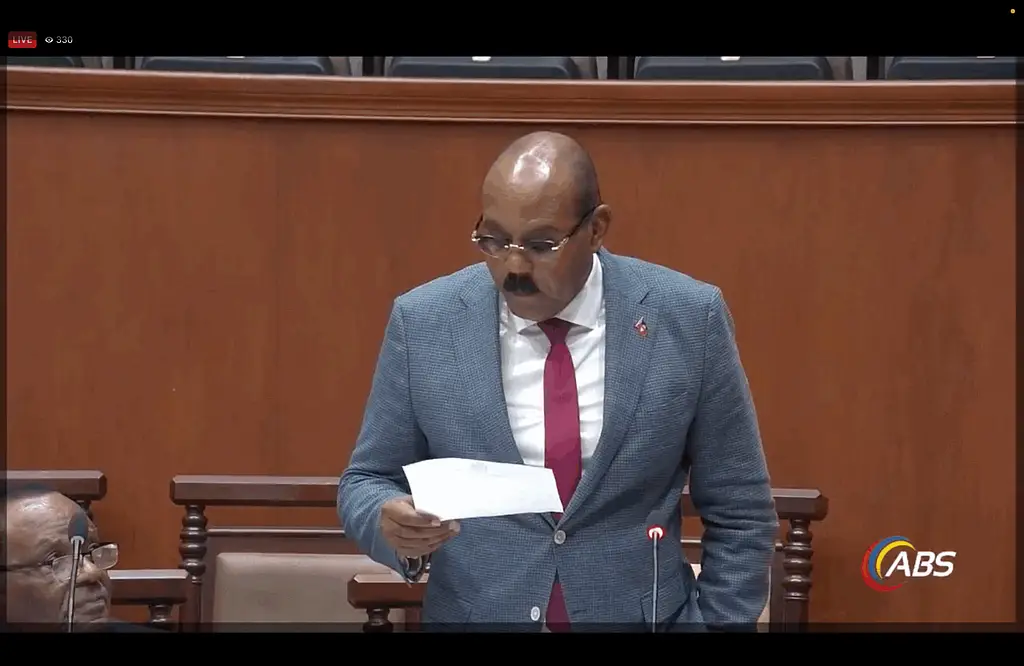
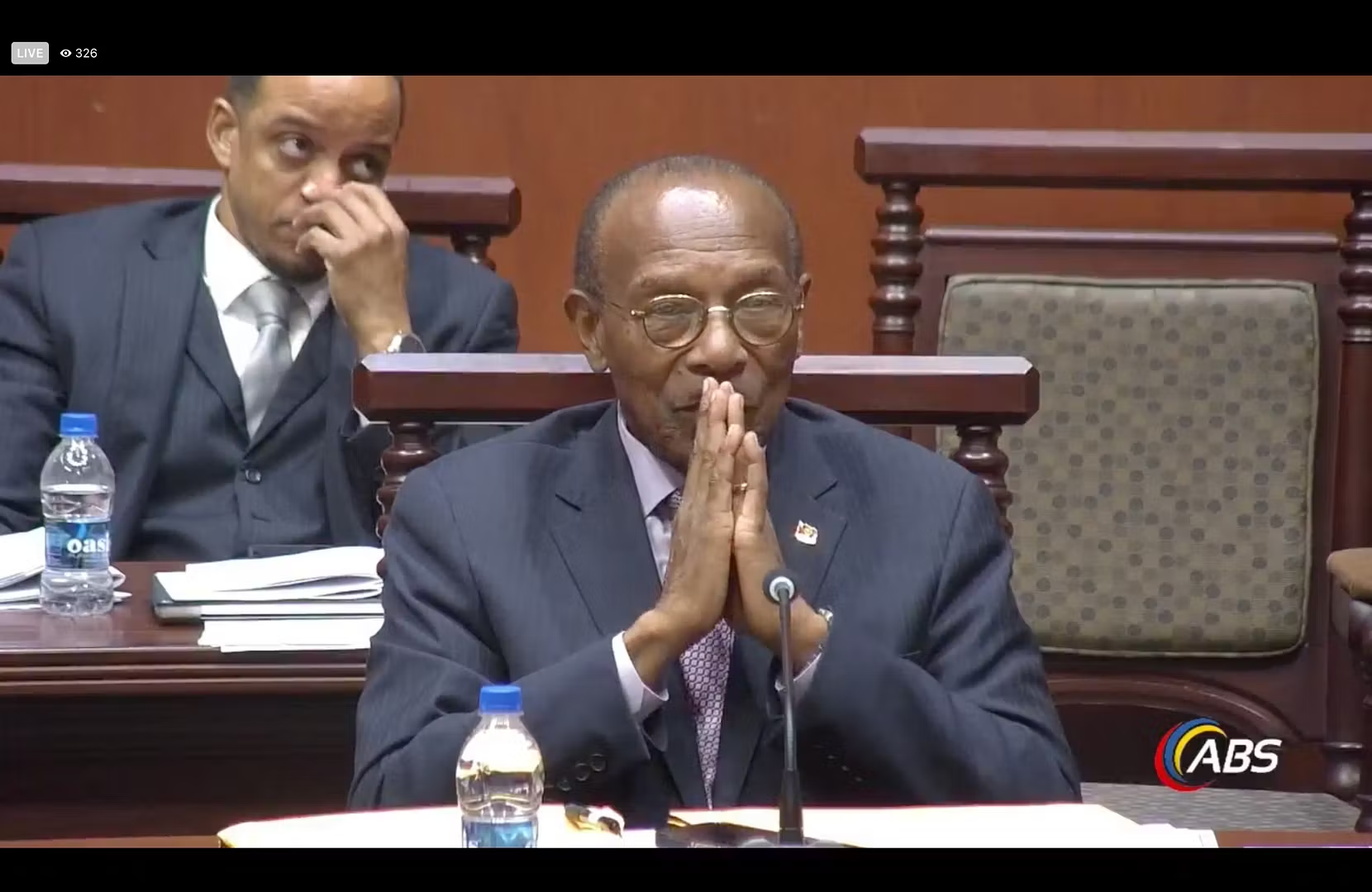
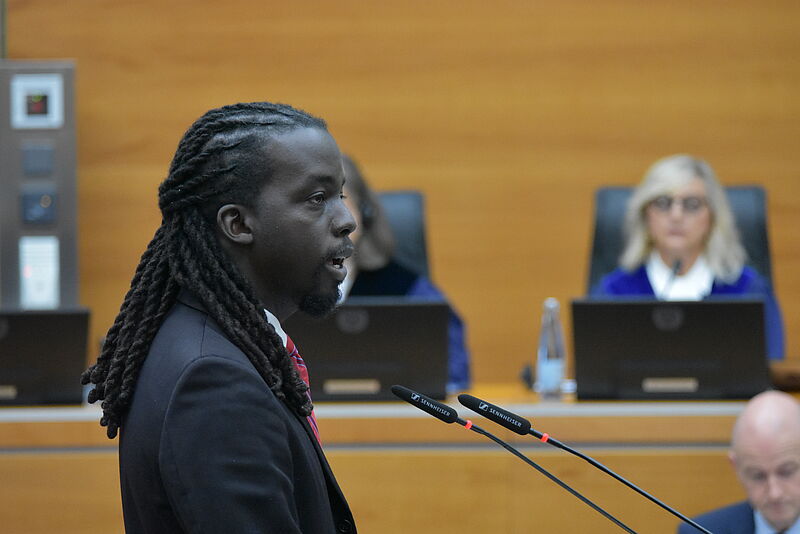
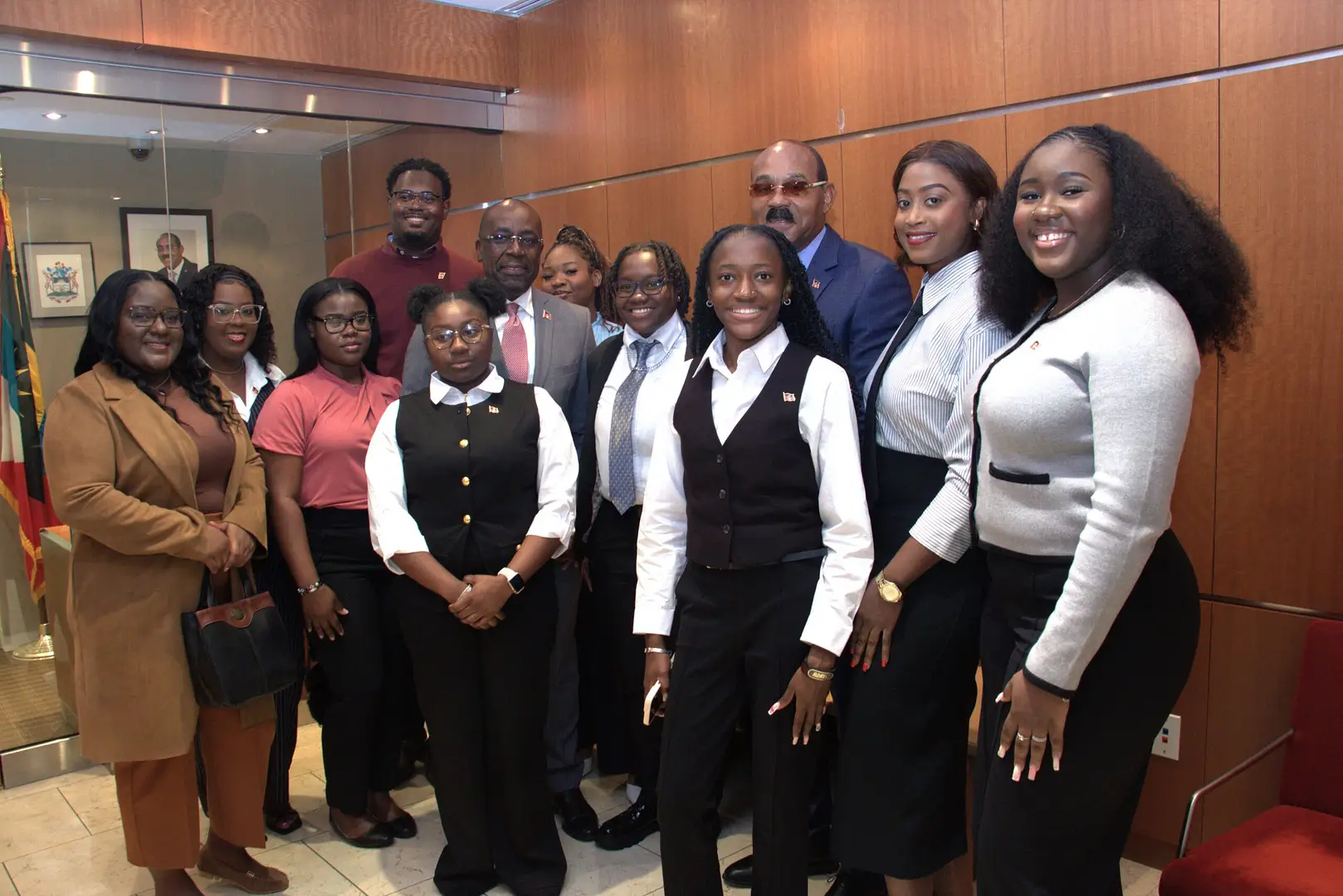
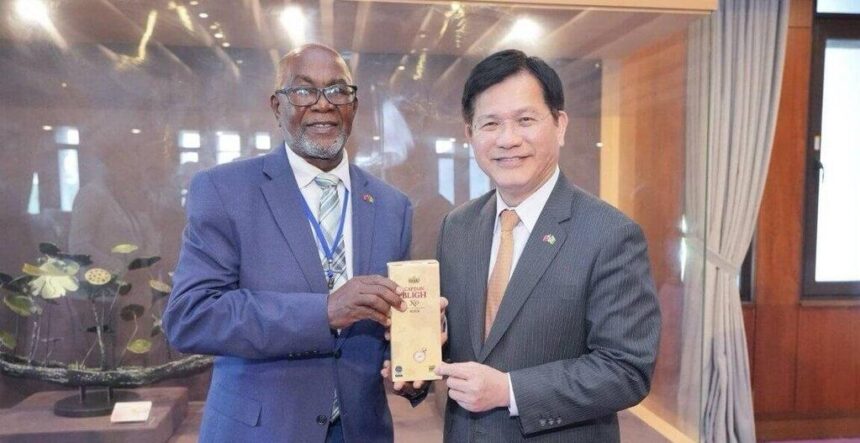
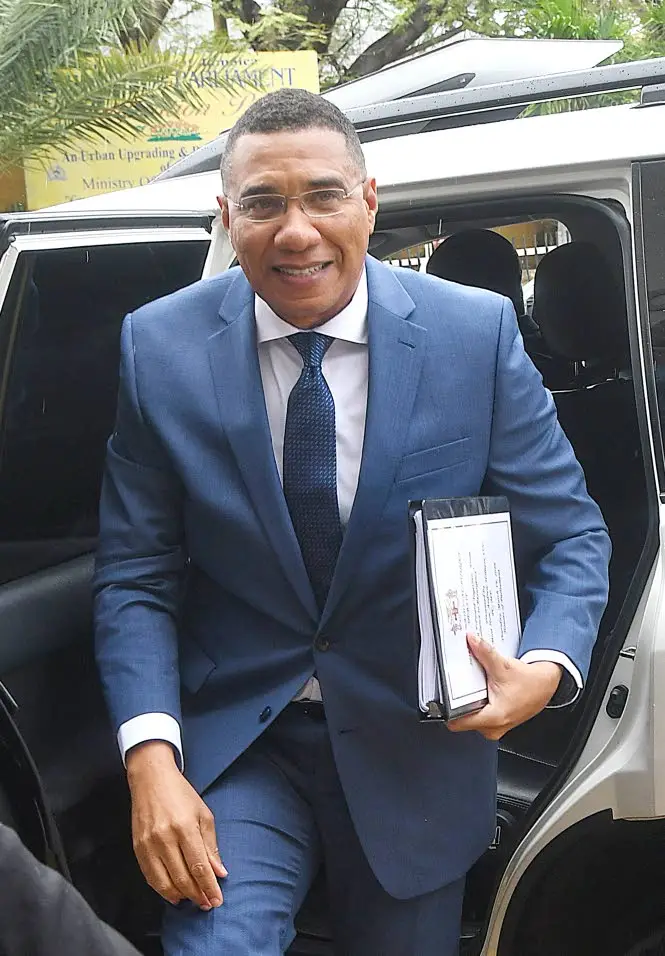
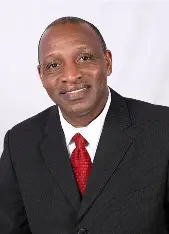
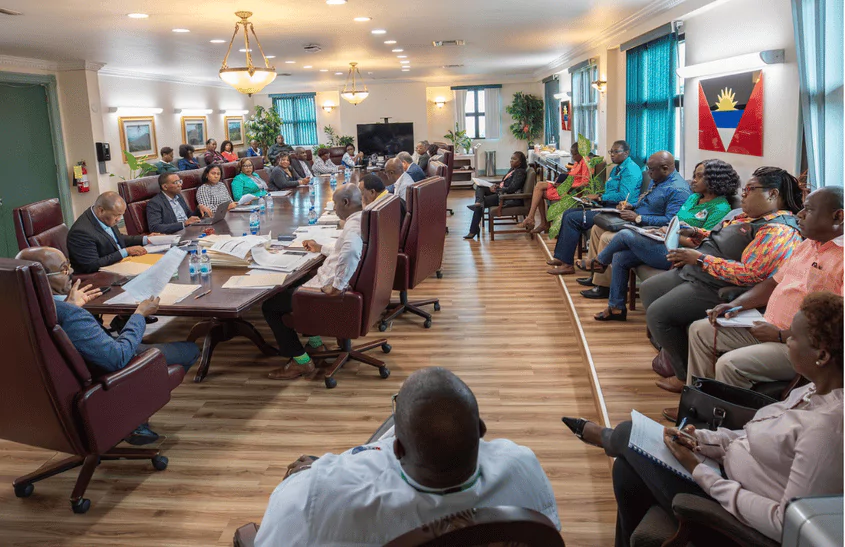
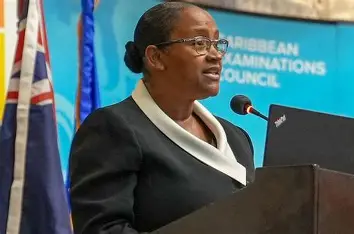
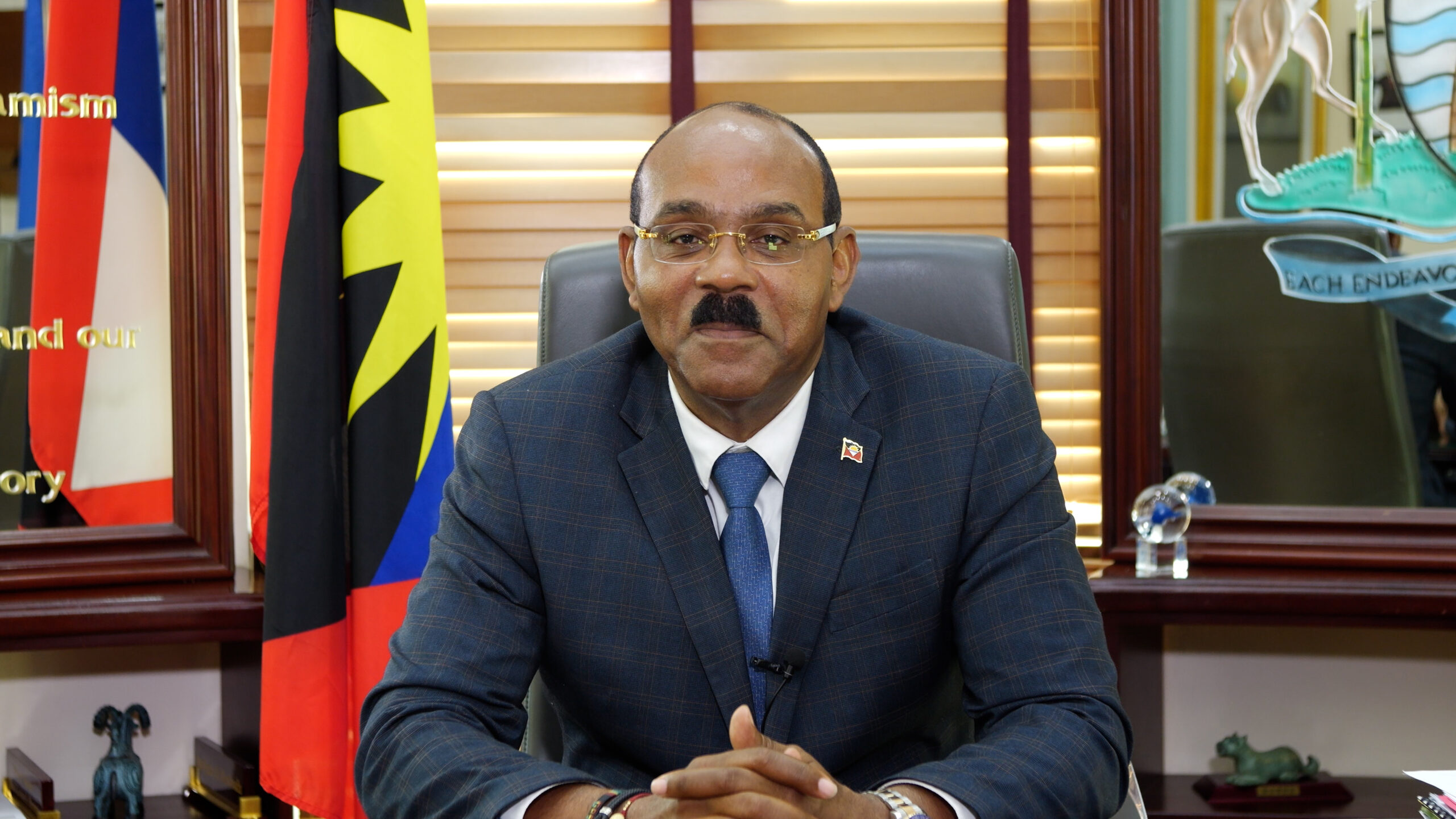
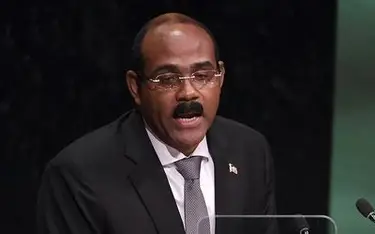
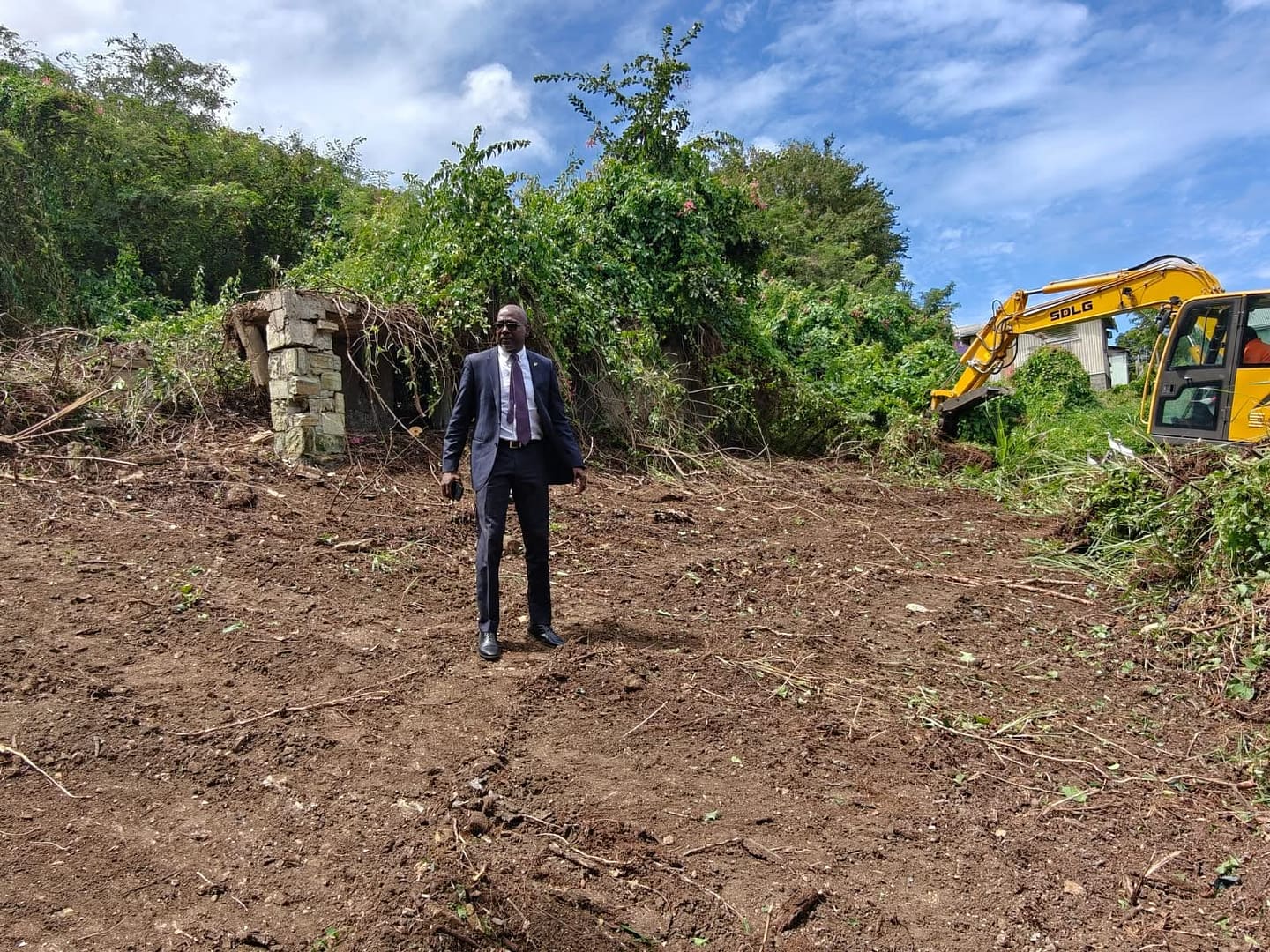
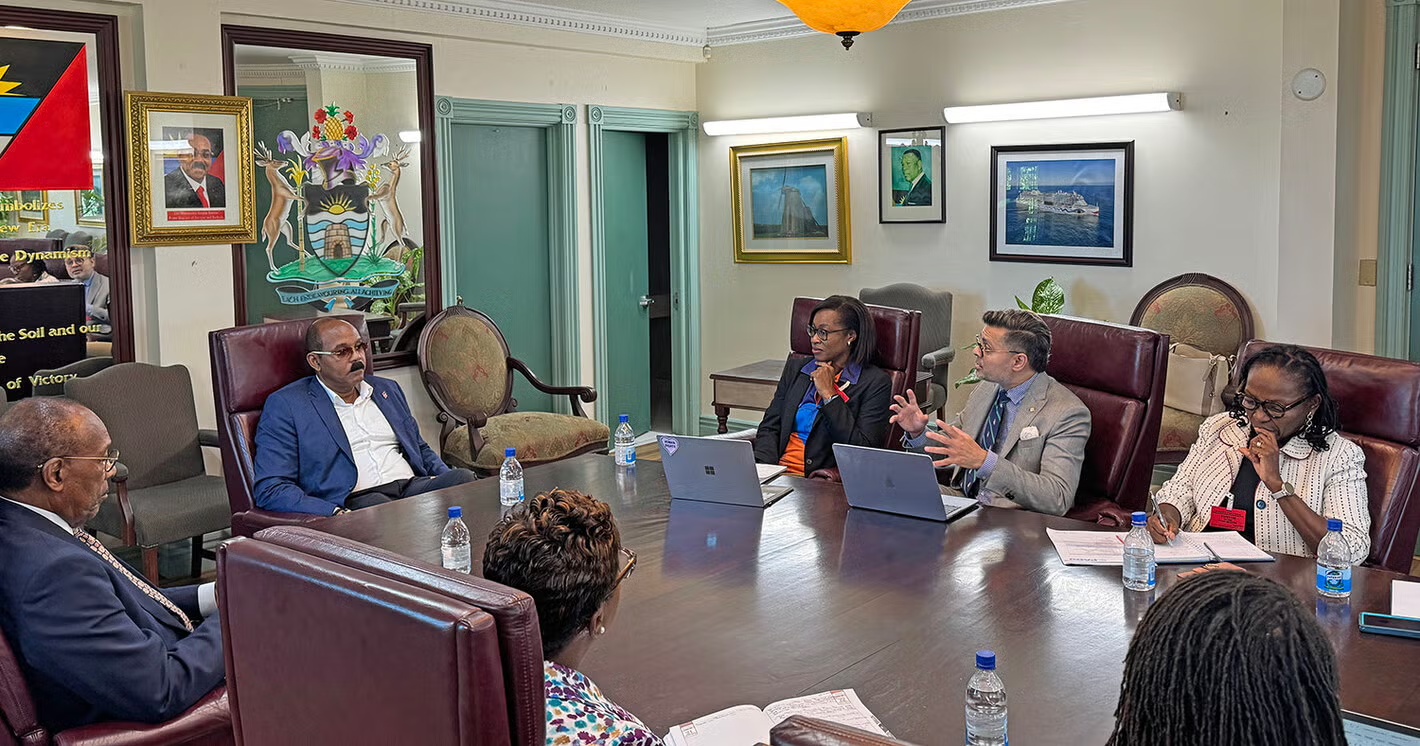
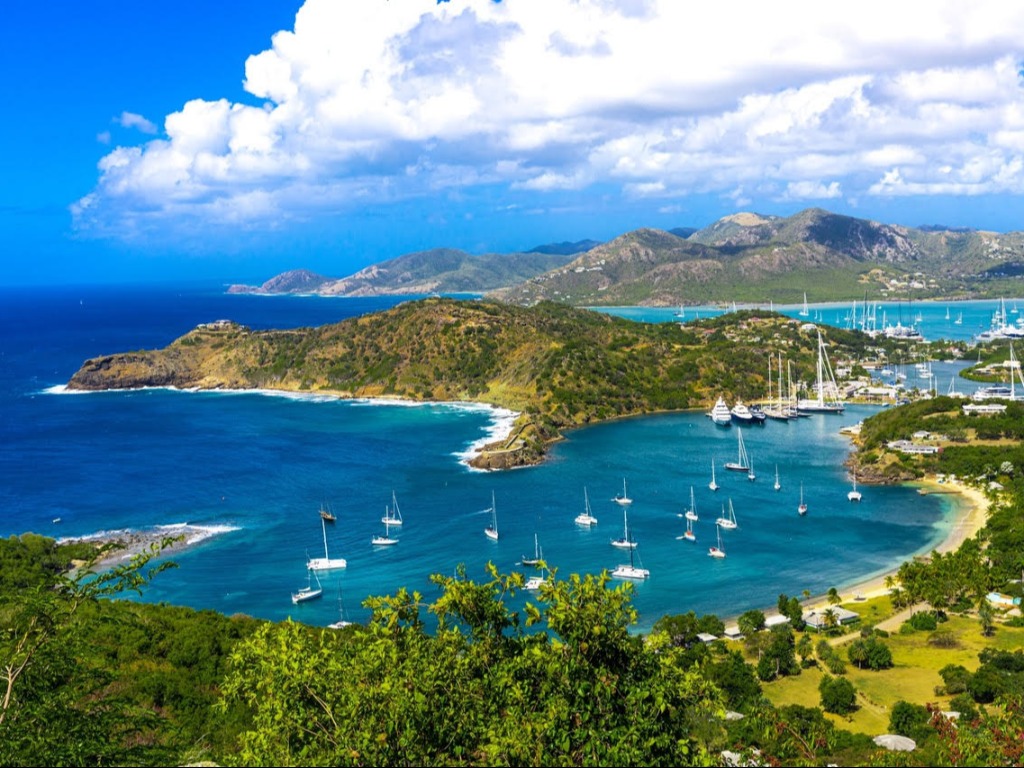
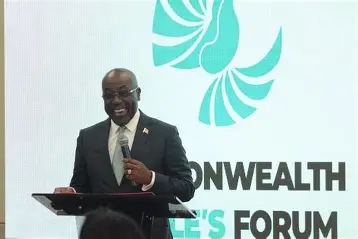
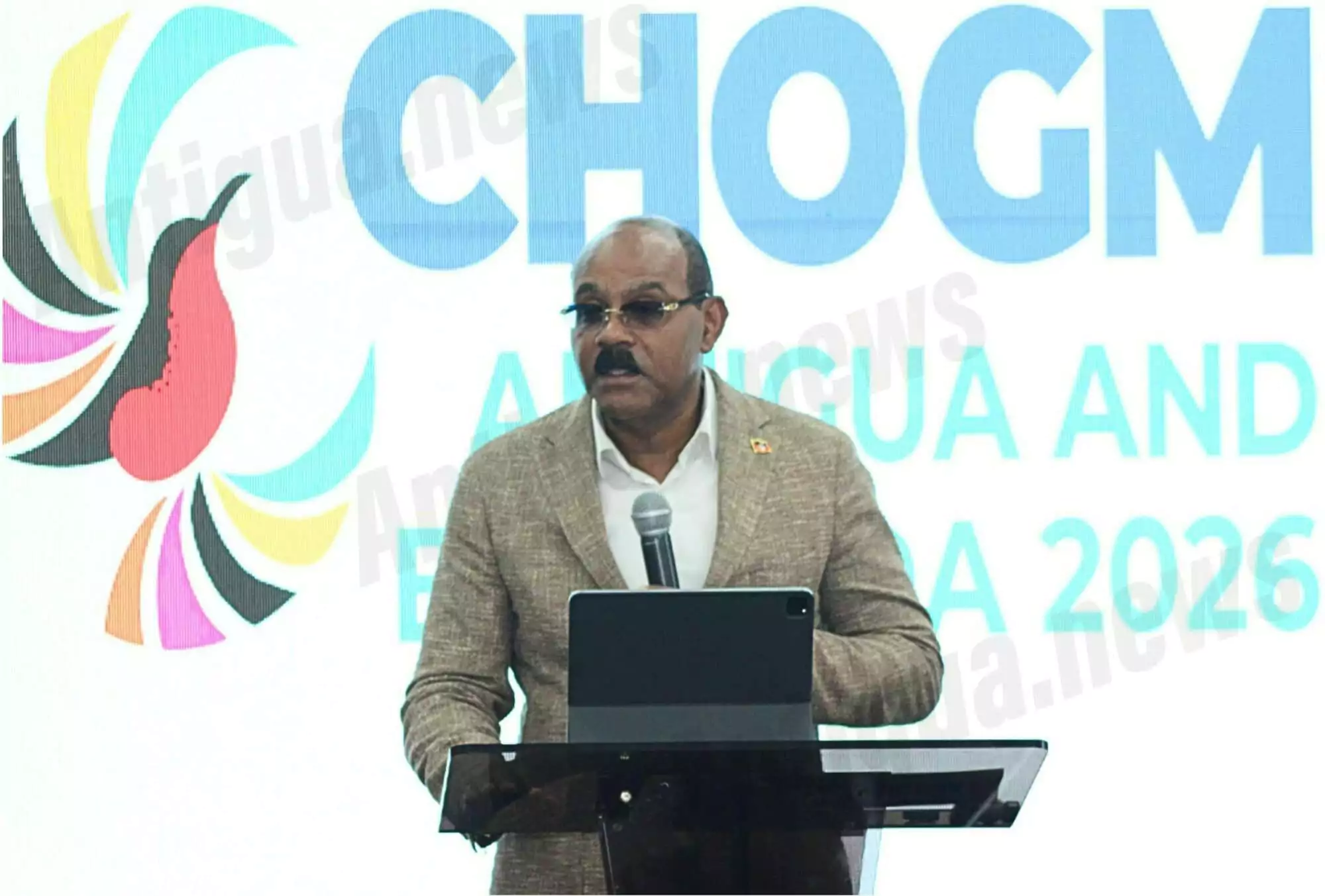
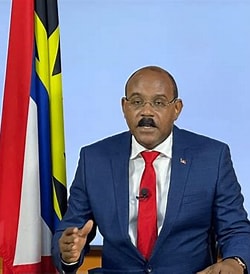
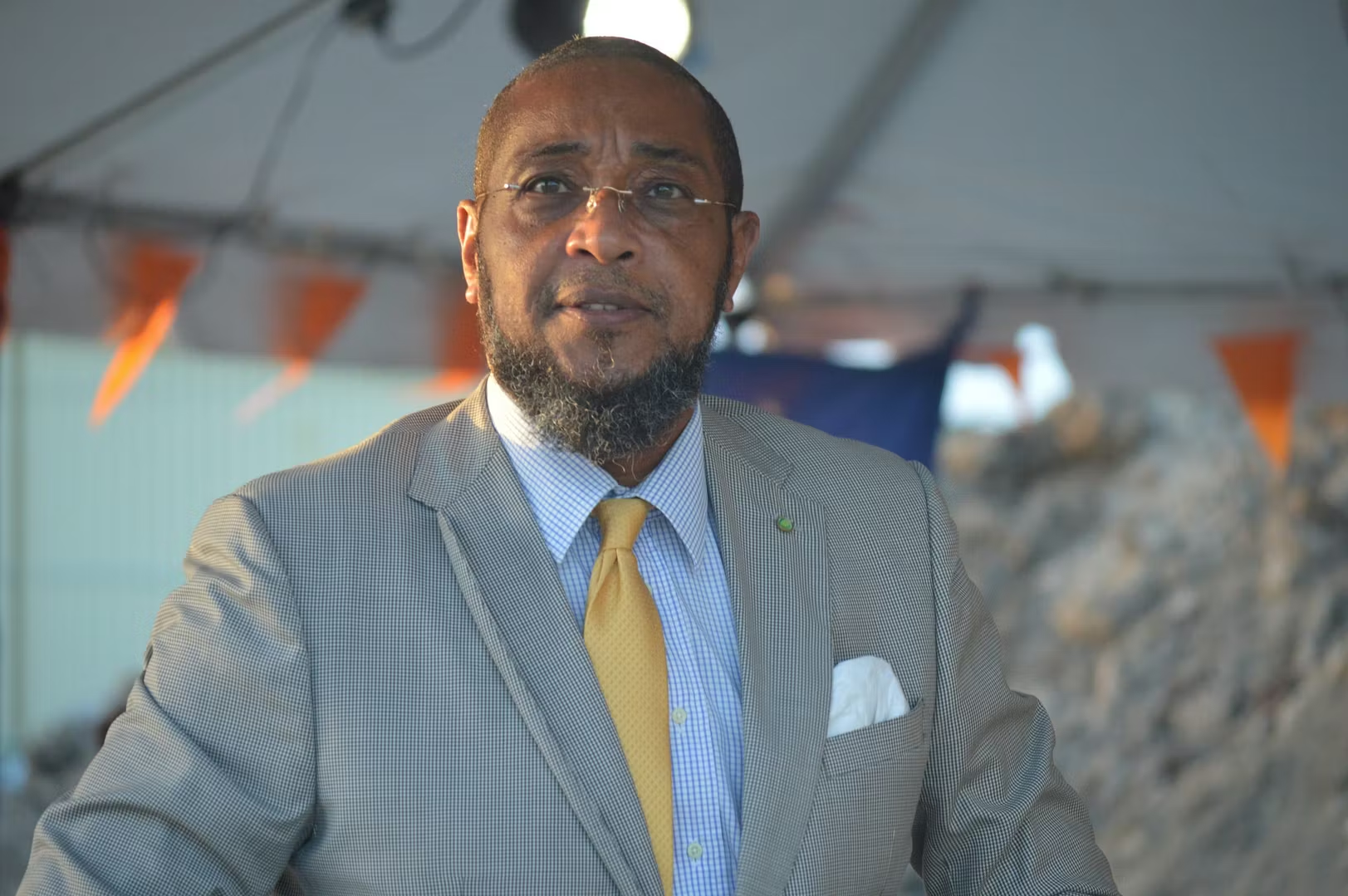
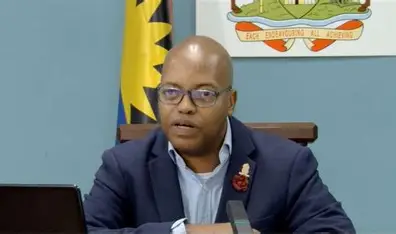
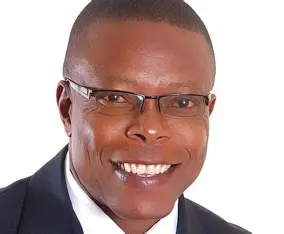
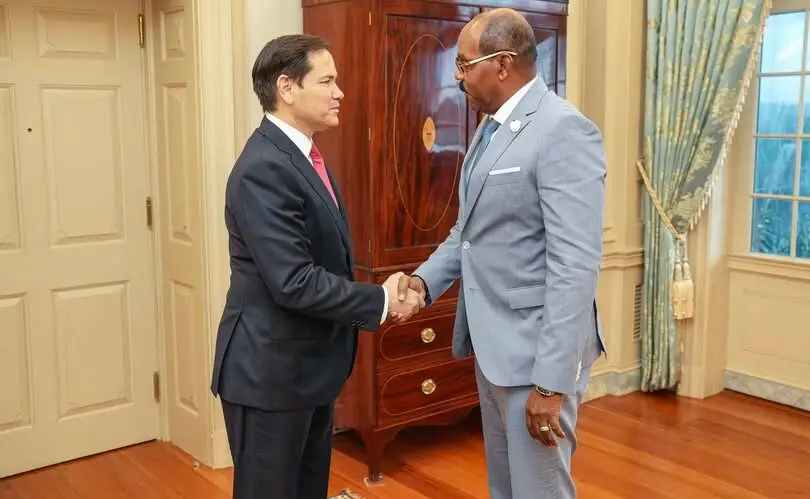
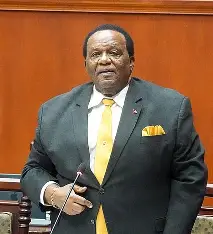
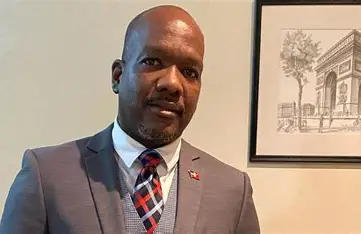
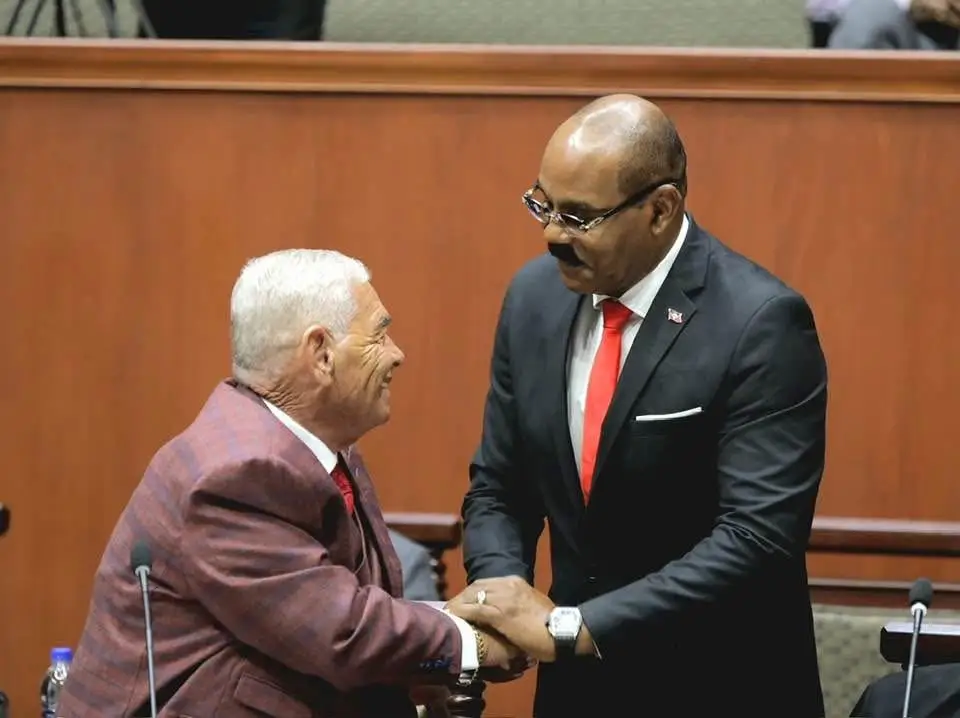
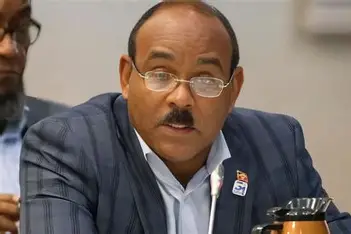
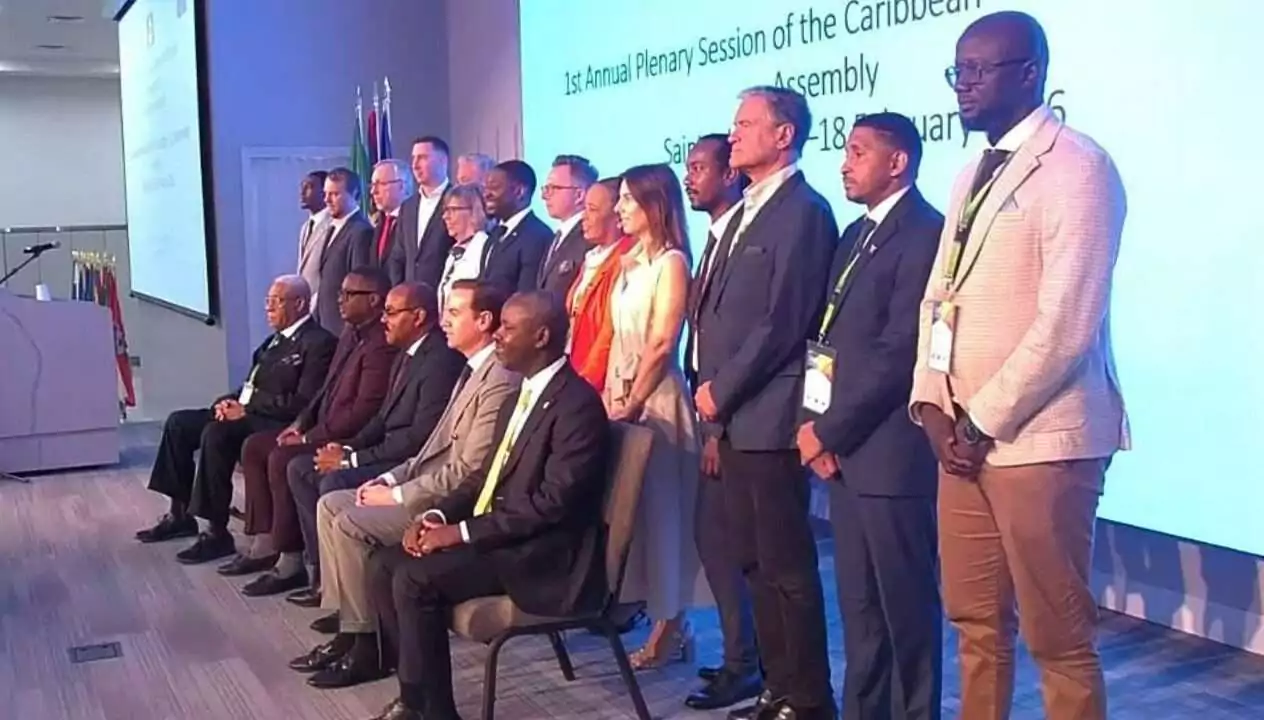
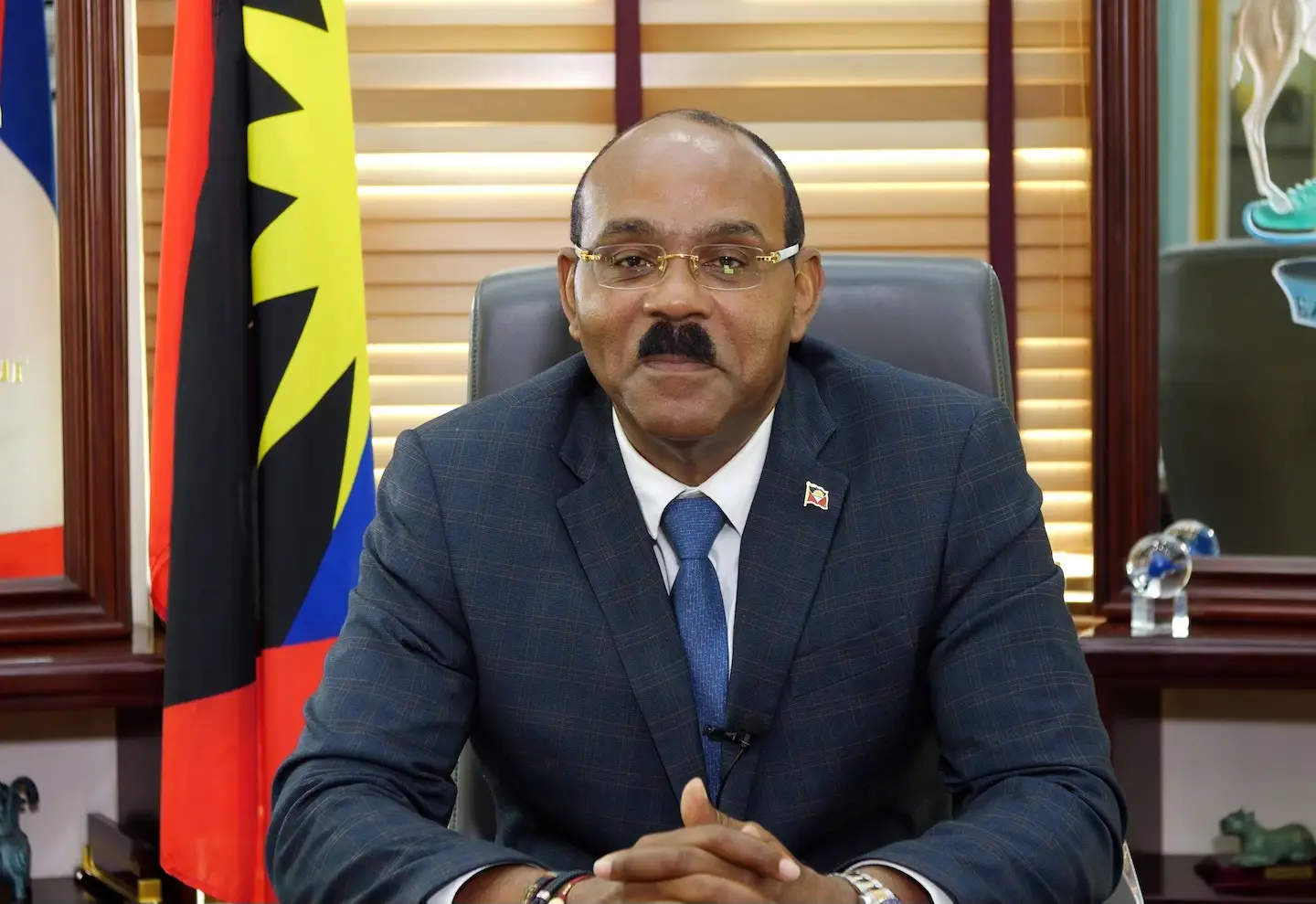
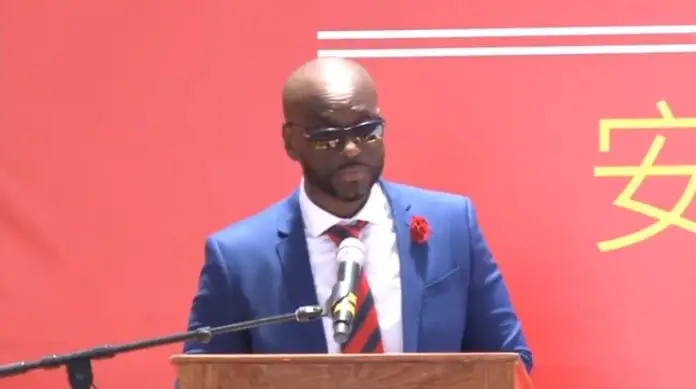
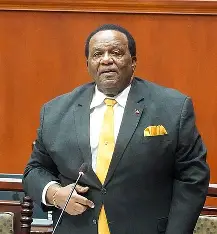
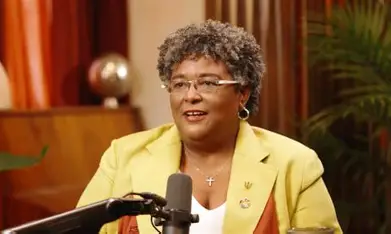
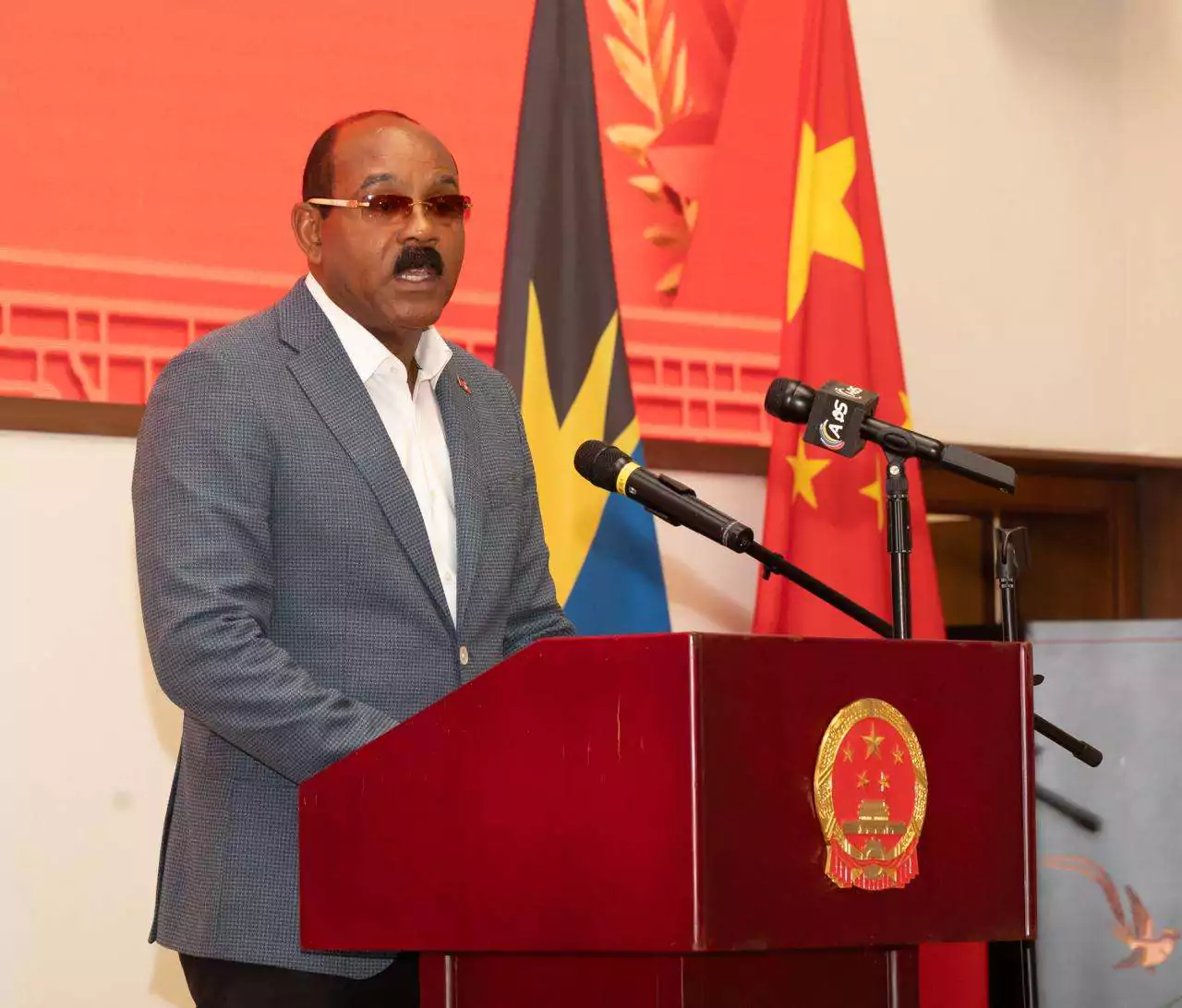
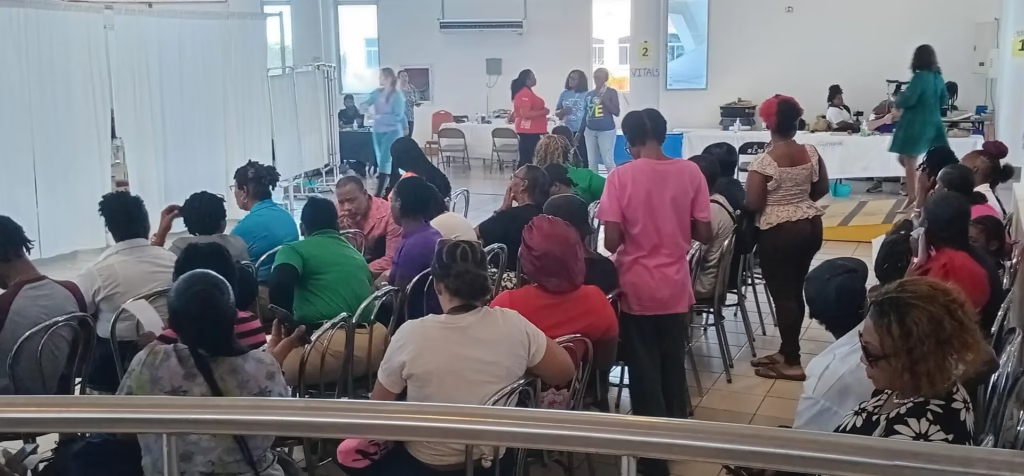
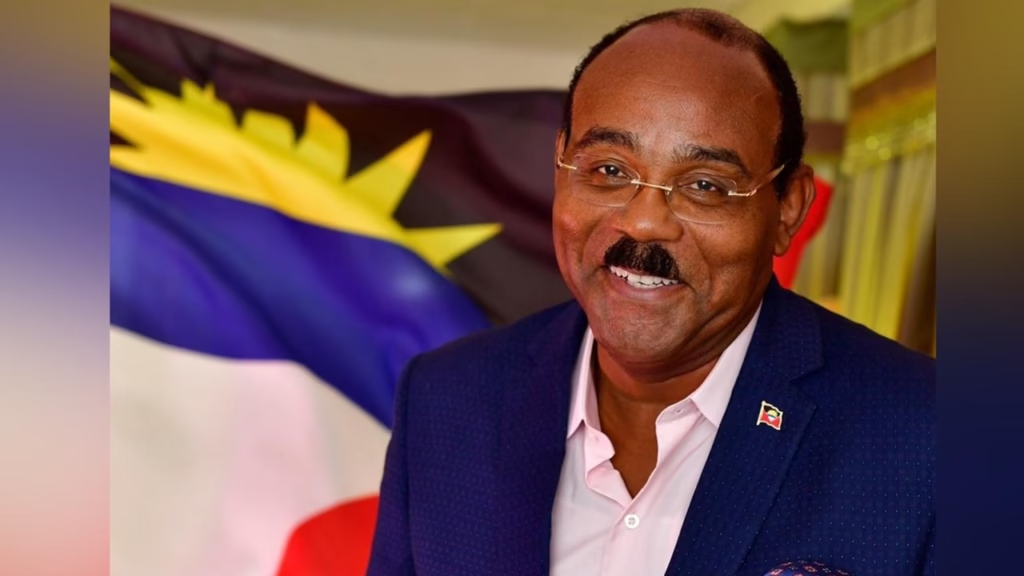
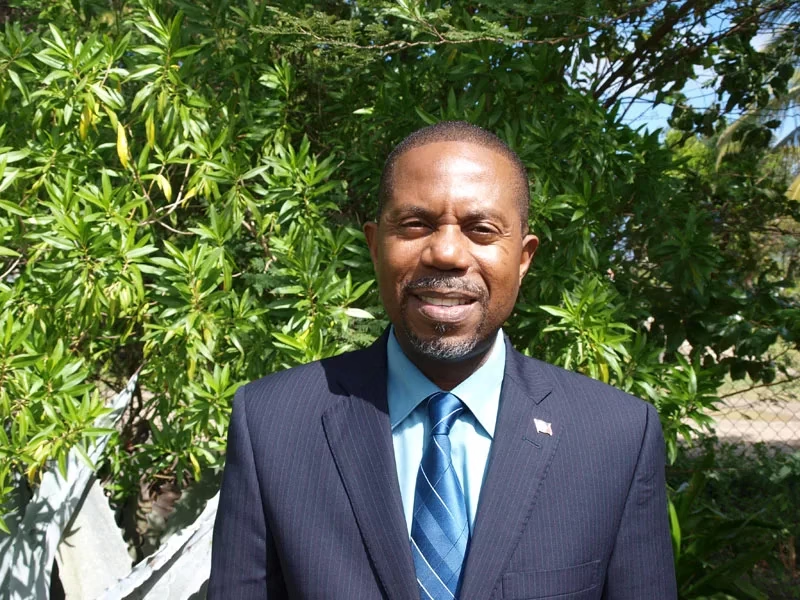
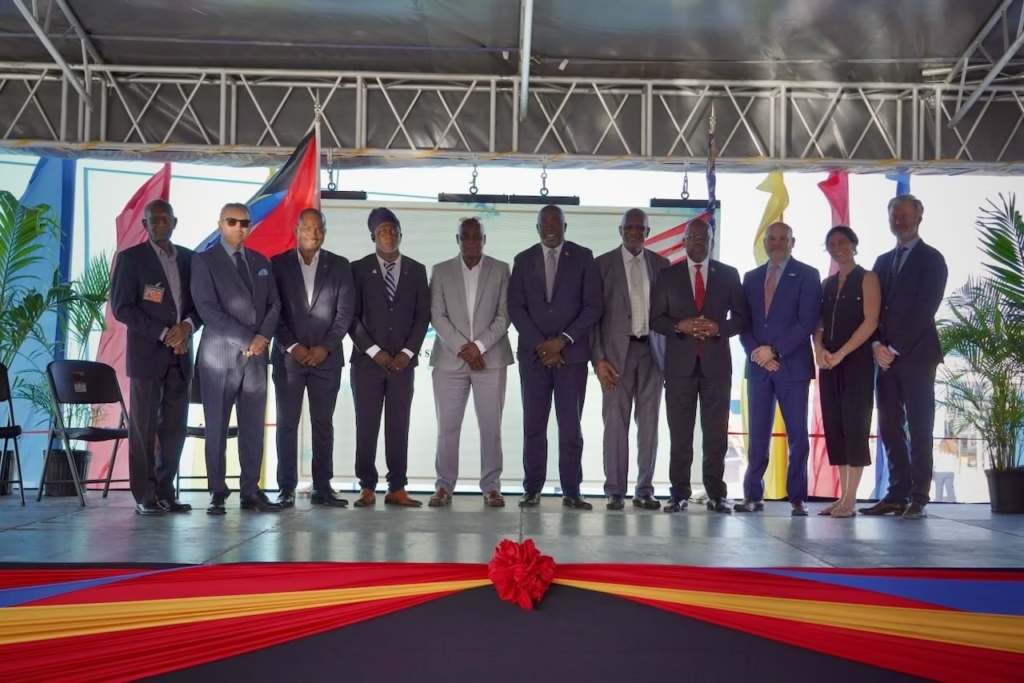
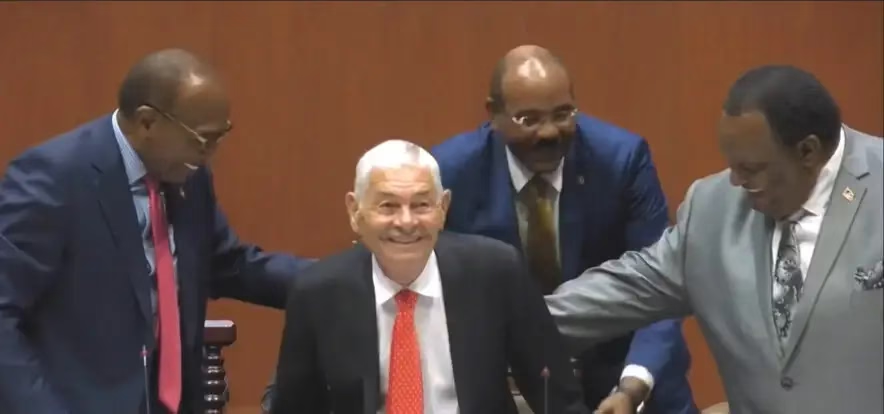
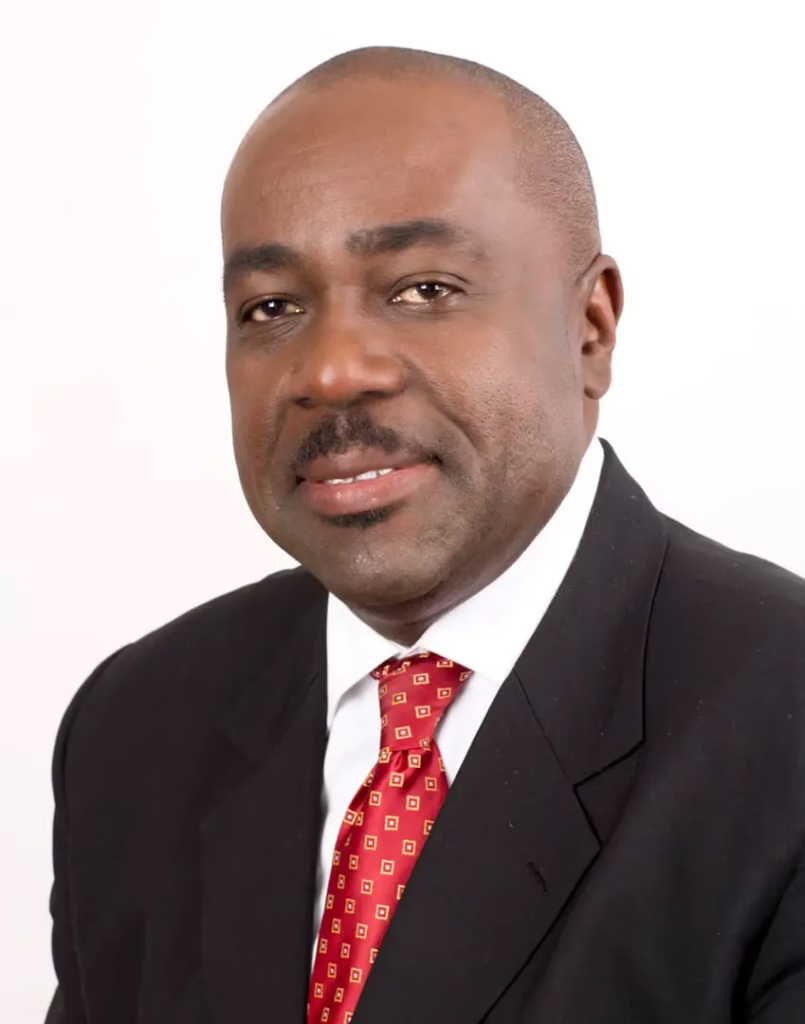
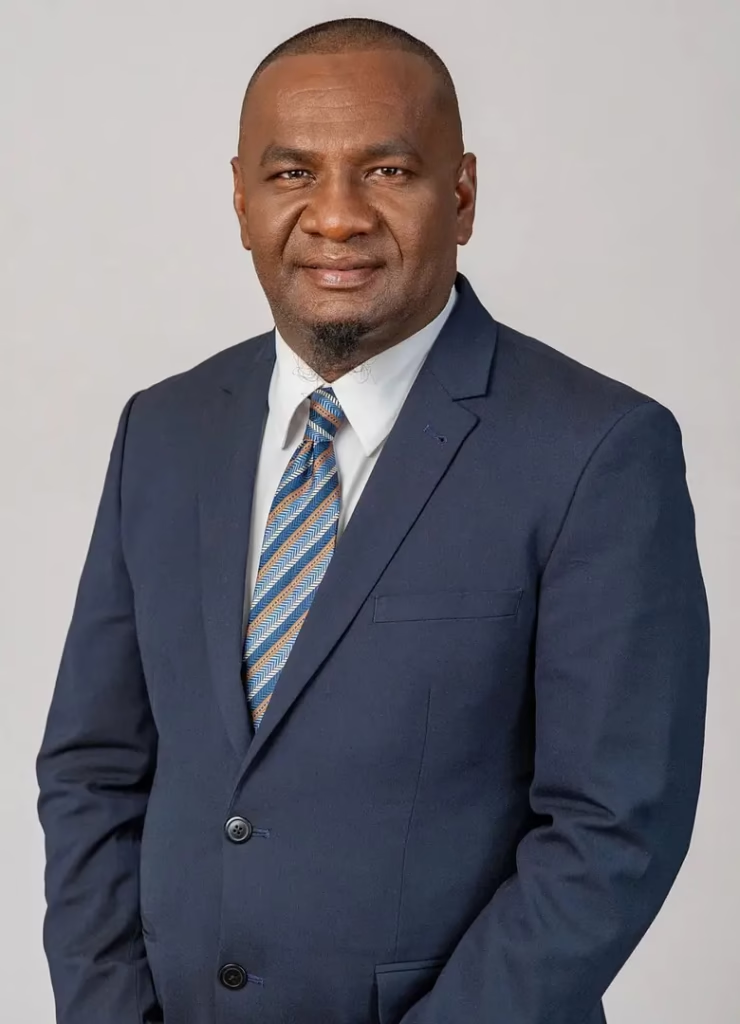
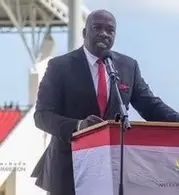
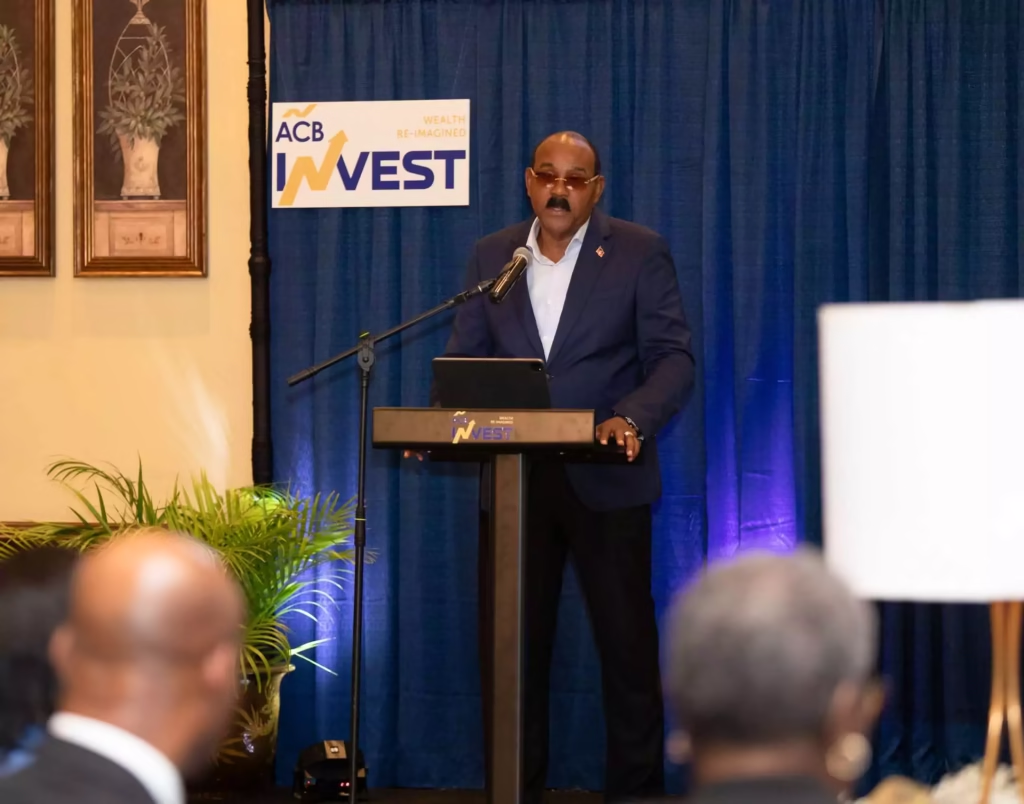
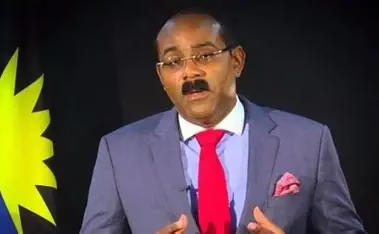
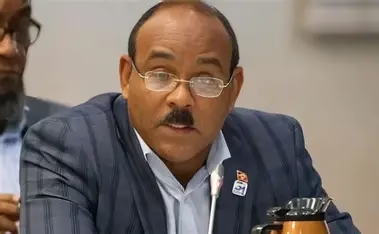
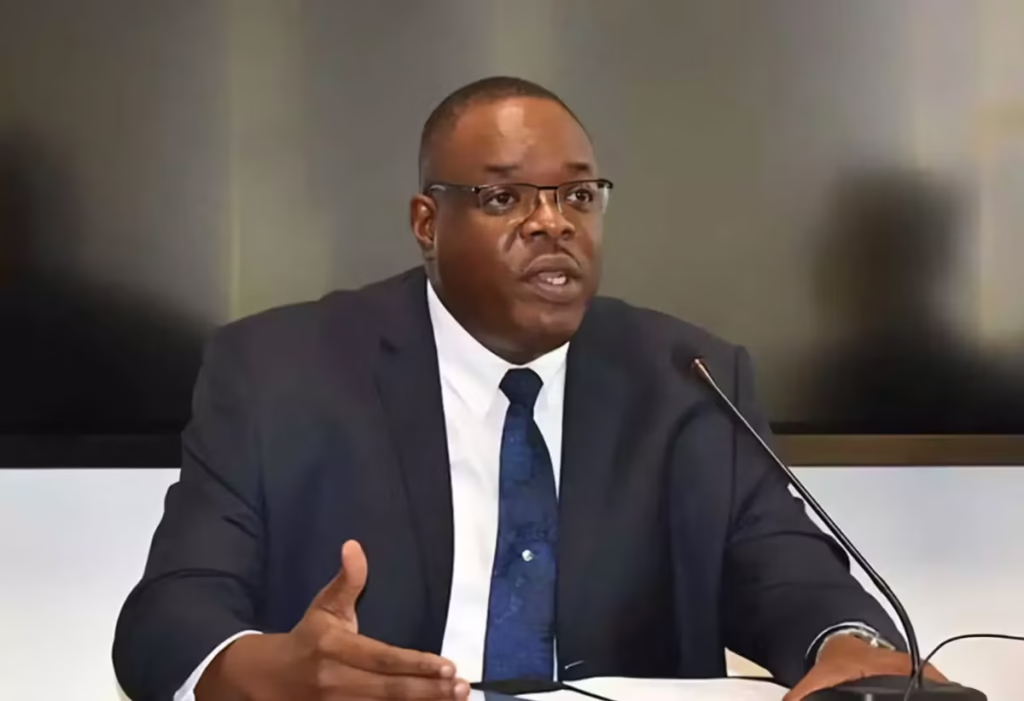
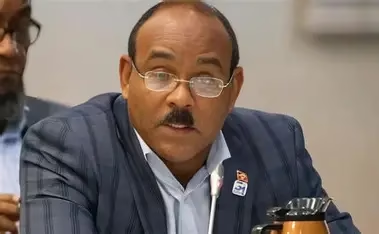
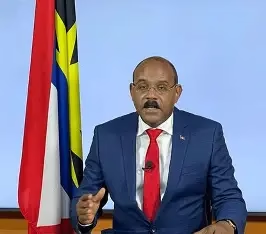
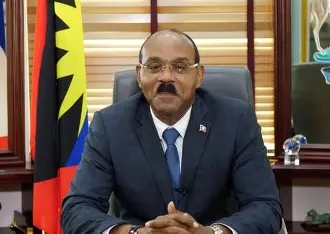
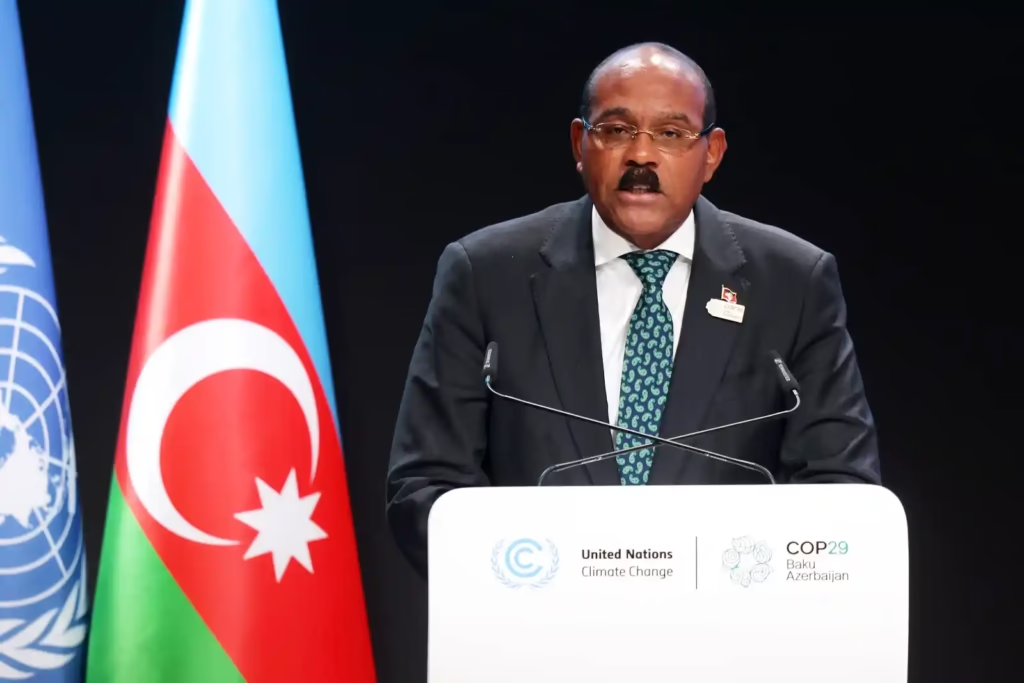
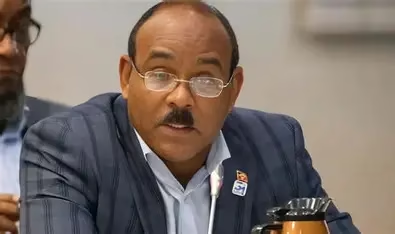
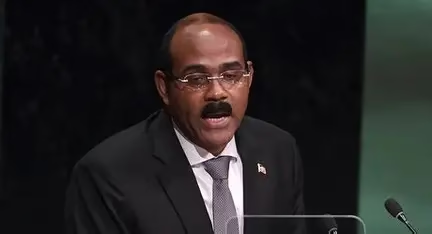
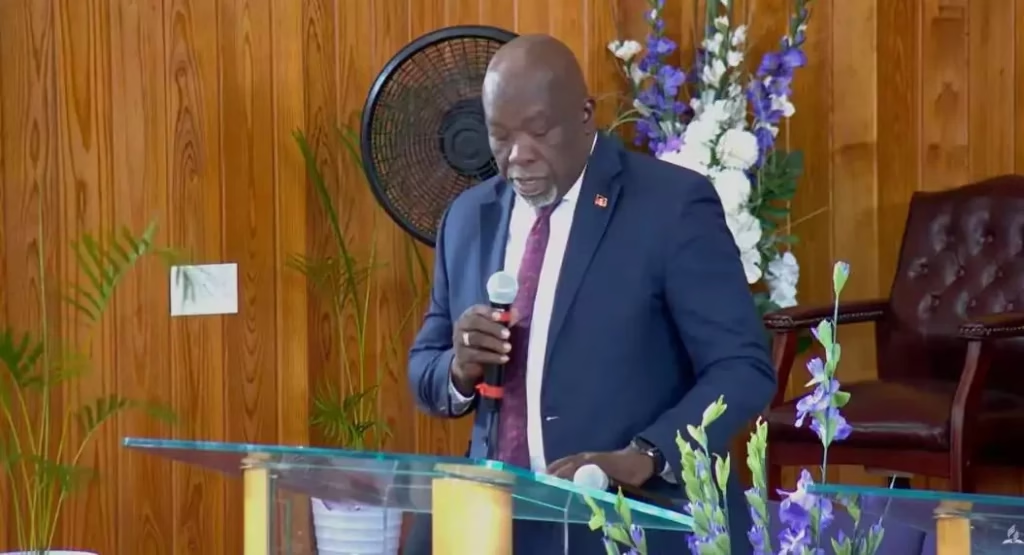
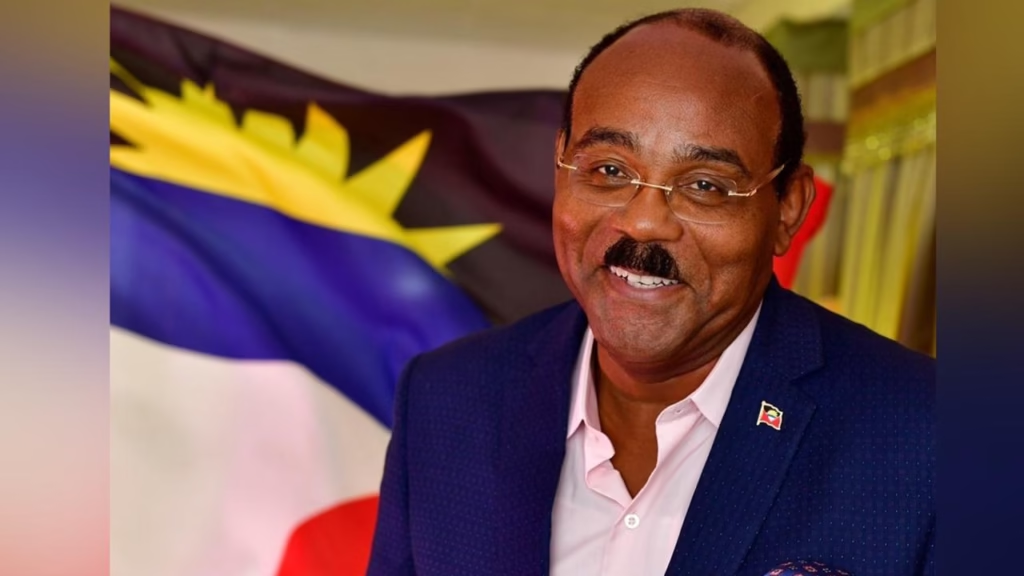
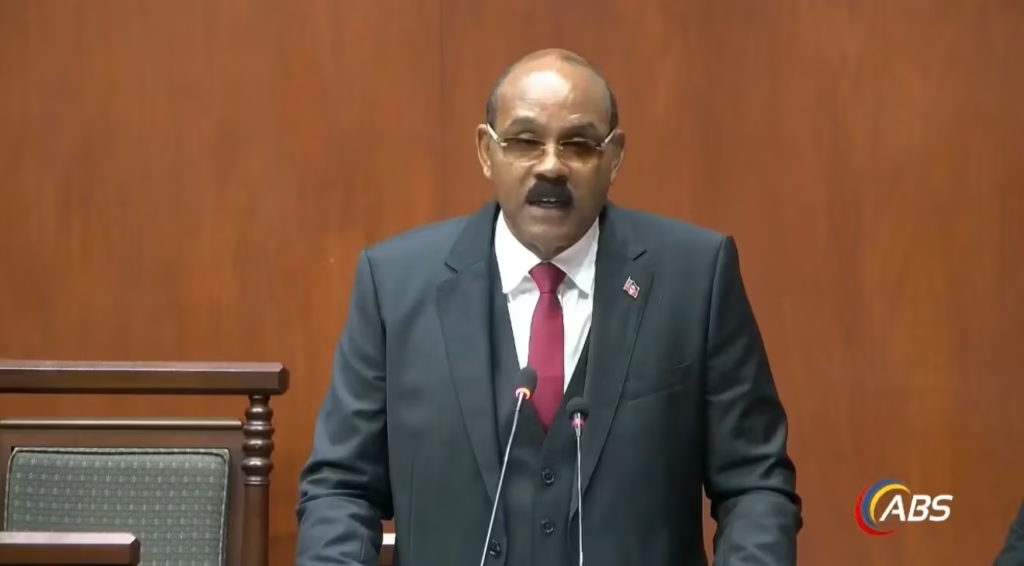
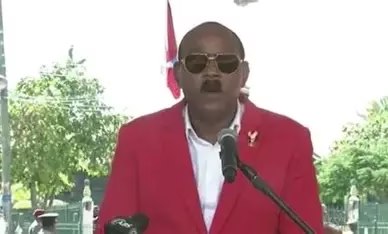
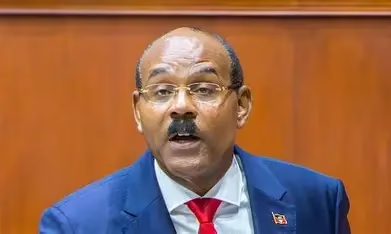
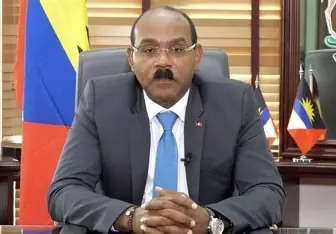
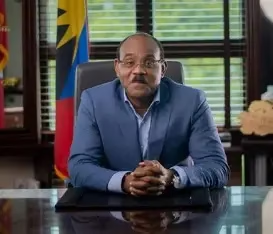
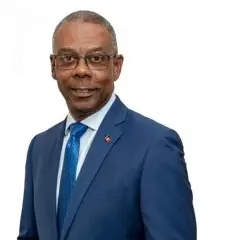
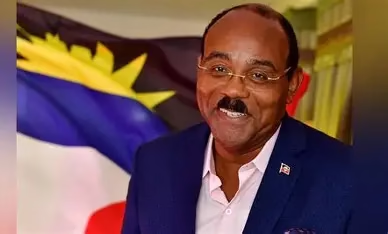
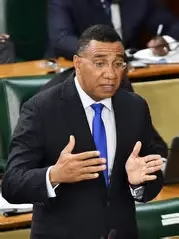
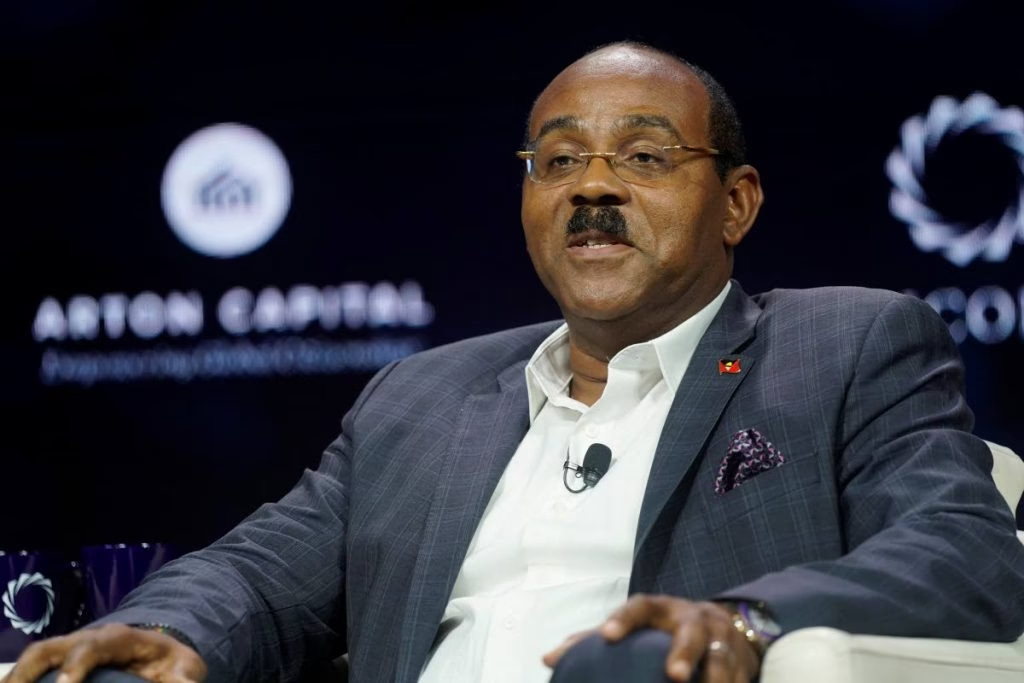
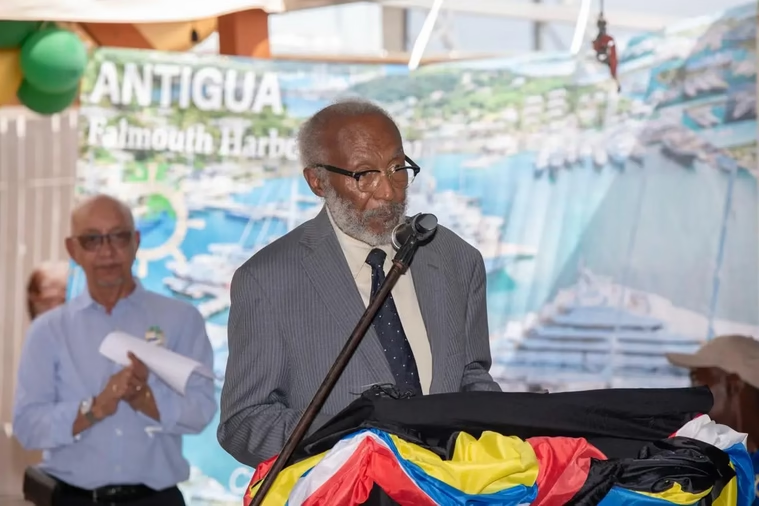
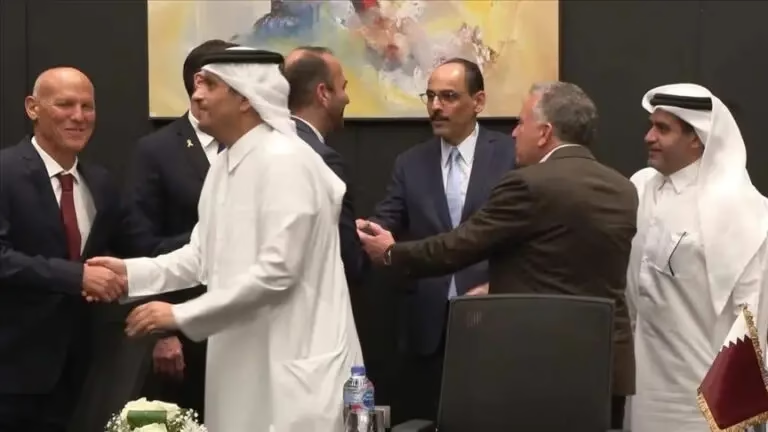
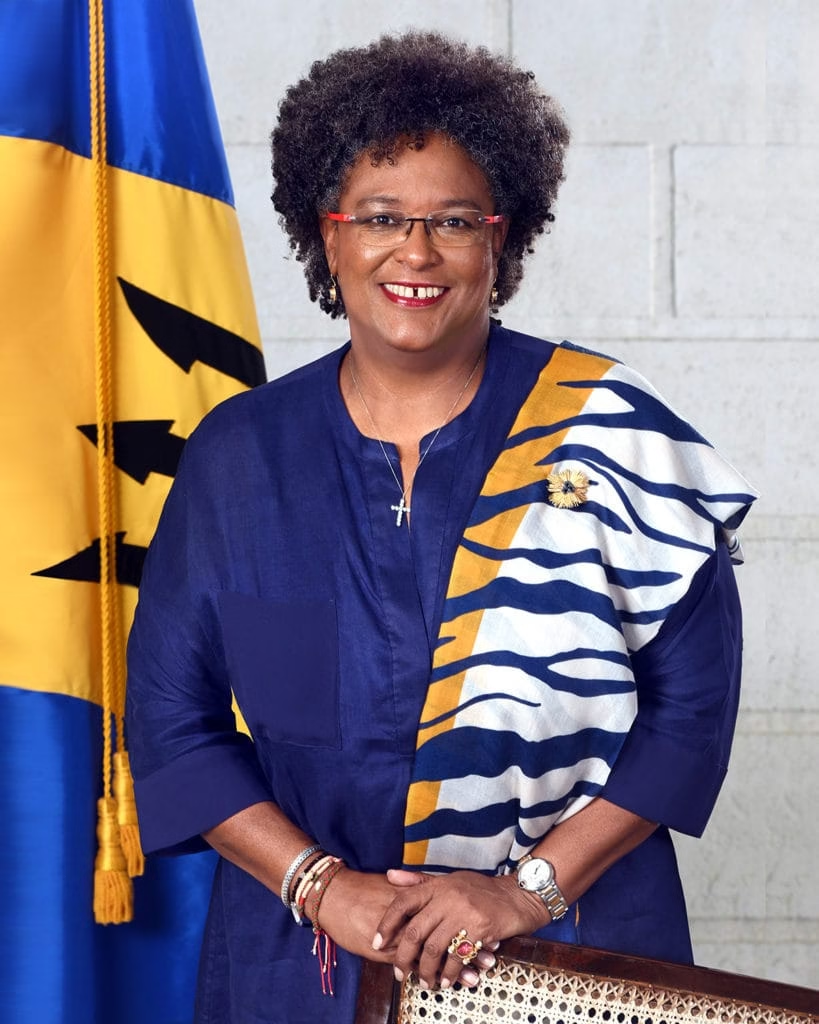
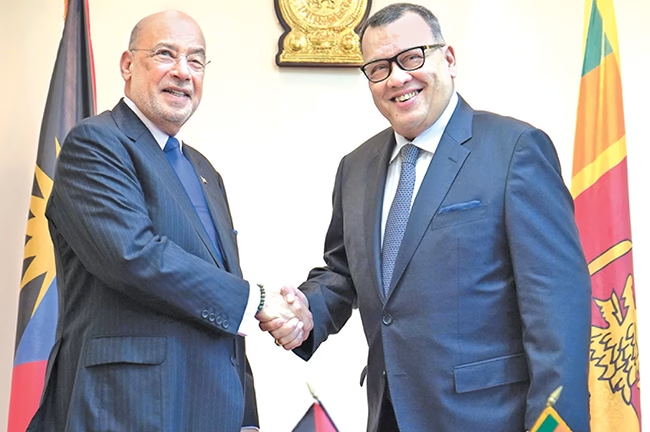
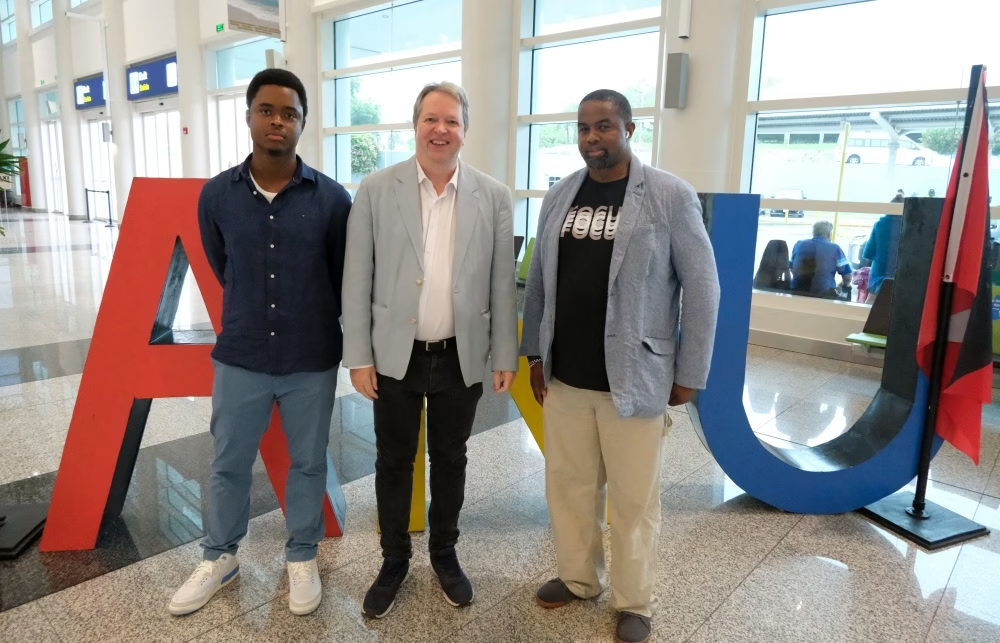
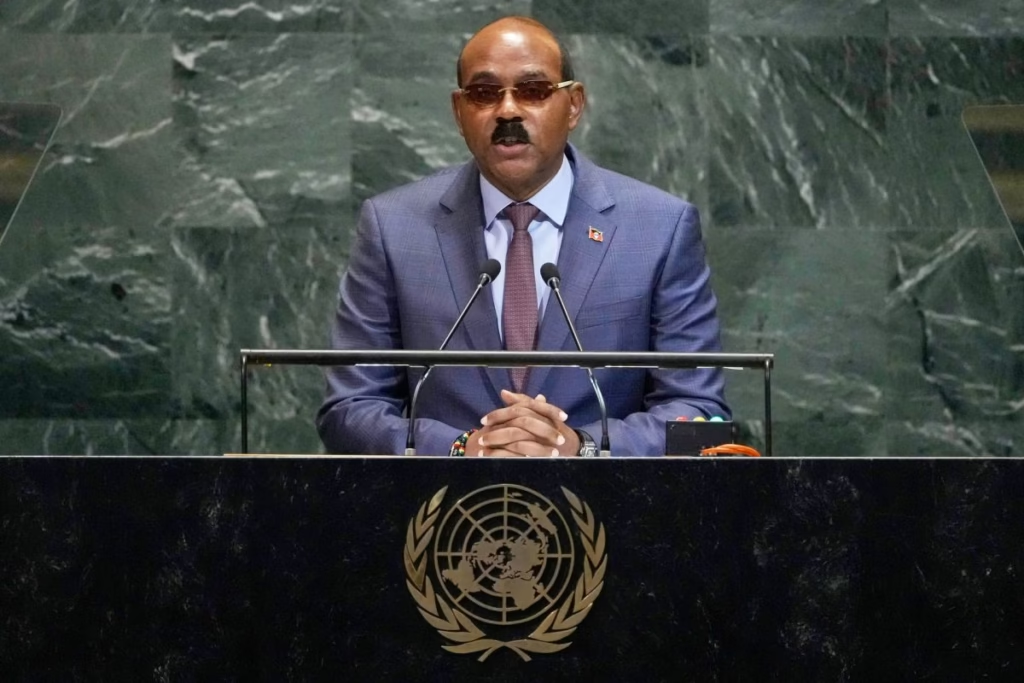
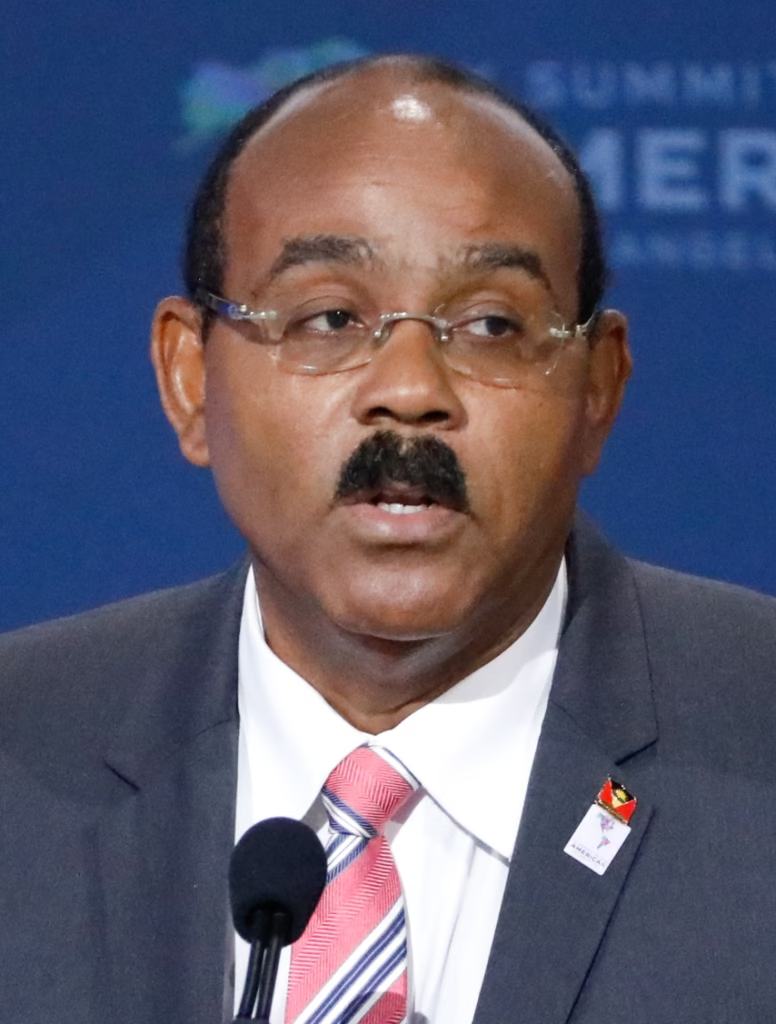
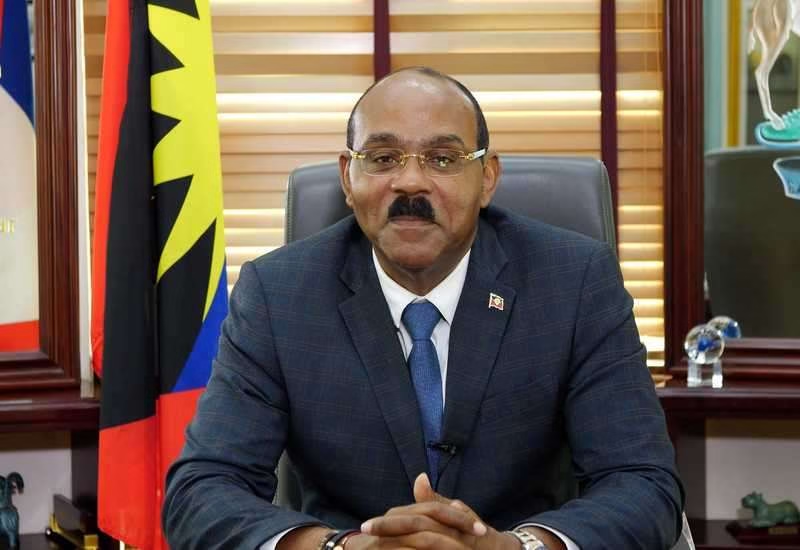
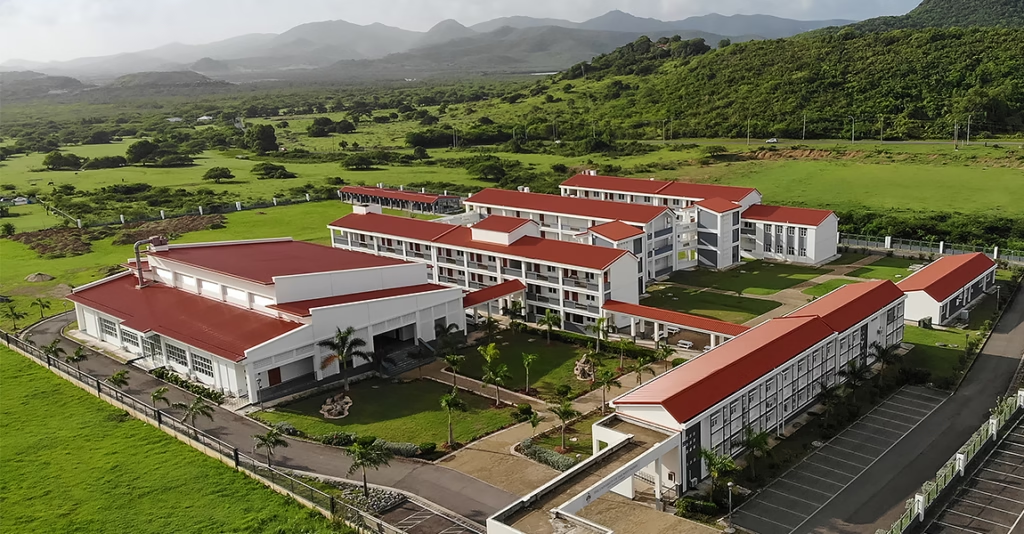
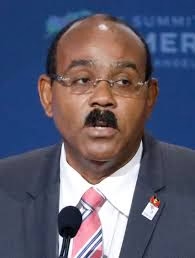
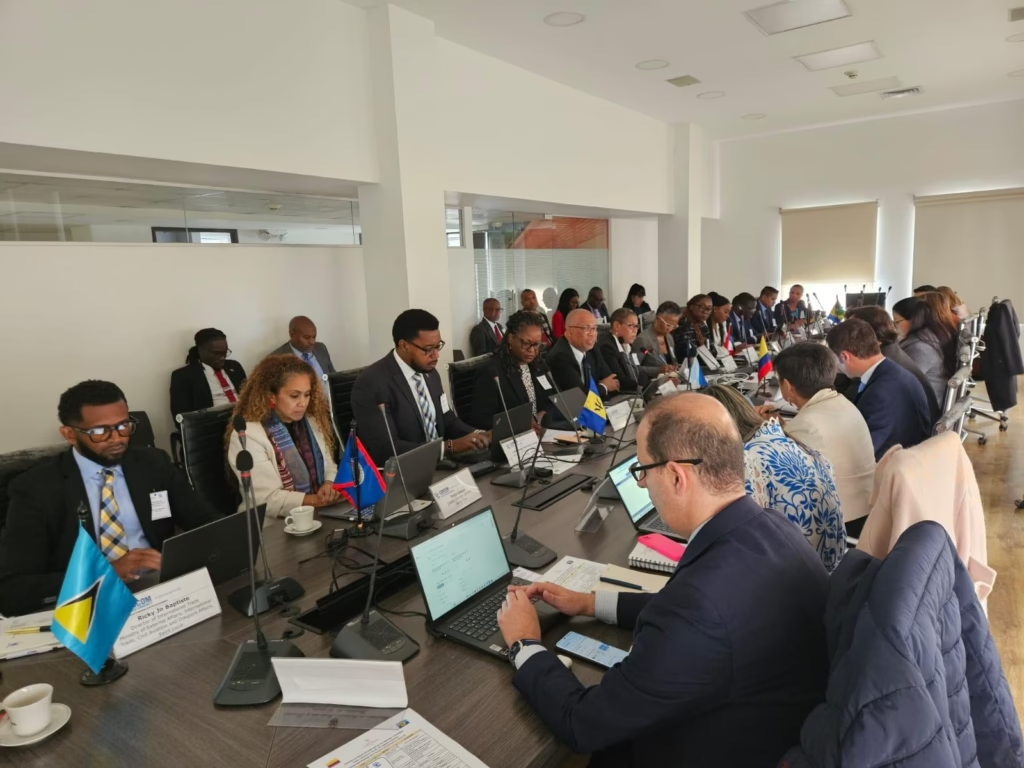
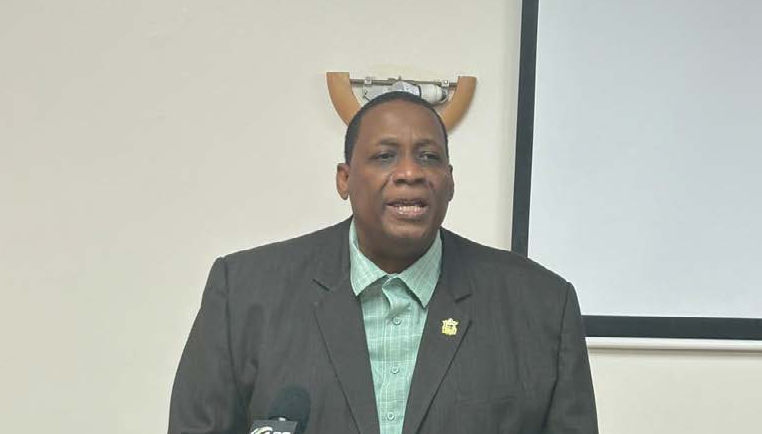
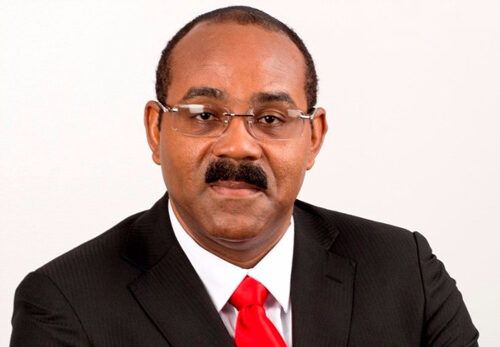
PM Browne delivered a keynote address at the American University of Antigua yesterday. He marked the opening of the first plenary session of the Caribbean-European Union Parliamentary Assembly.
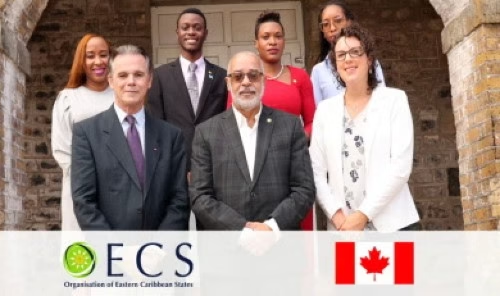
He spoke to lawmakers and diplomats from both regions. Moreover, he framed the meeting as a clear choice. Leaders must choose cooperation over coercion, he said.
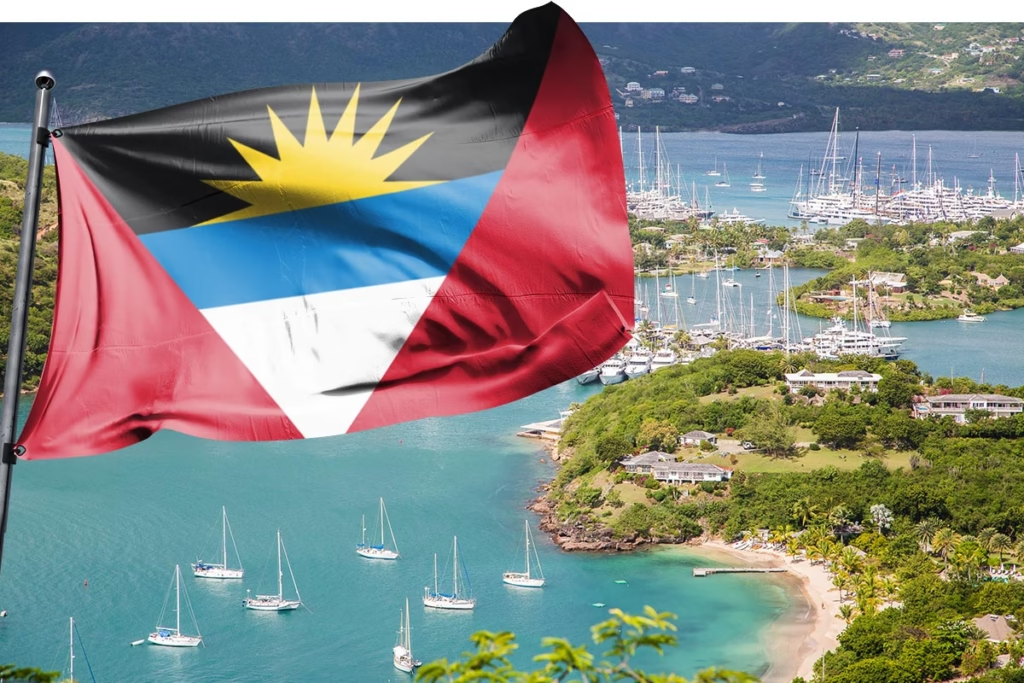
He stressed that small island states depend on multilateralism. For Antigua and Barbuda, rules-based order acts as protection. It shields small nations from unequal power and unfair economic systems.
Therefore, he urged a shift in Caribbean-European relations. He called for partnership built on shared risk and shared responsibility. In addition, he said both sides must move beyond traditional aid models.
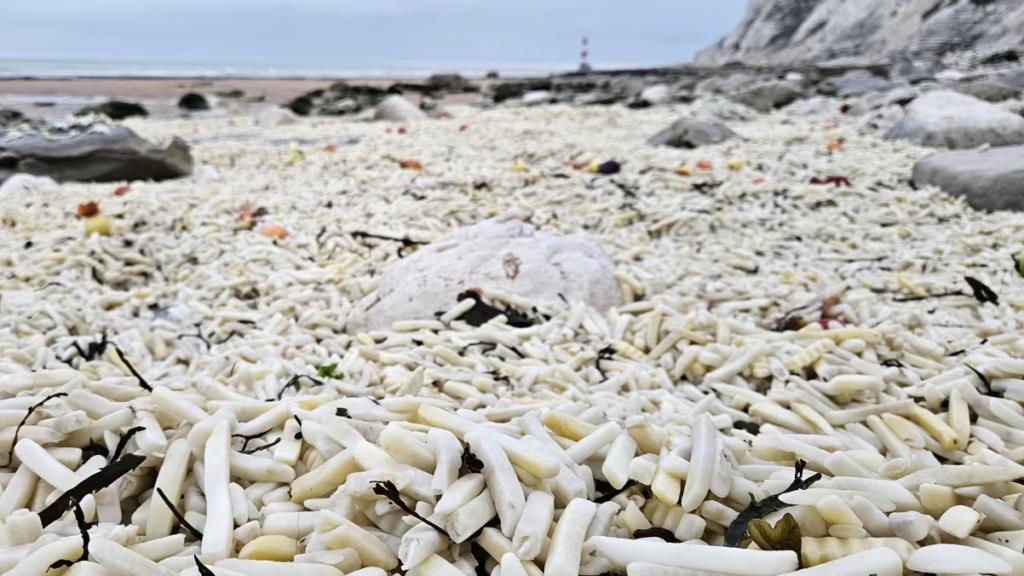
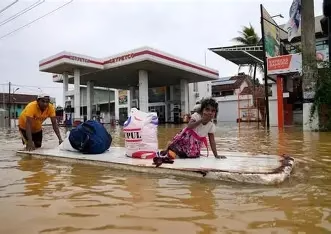
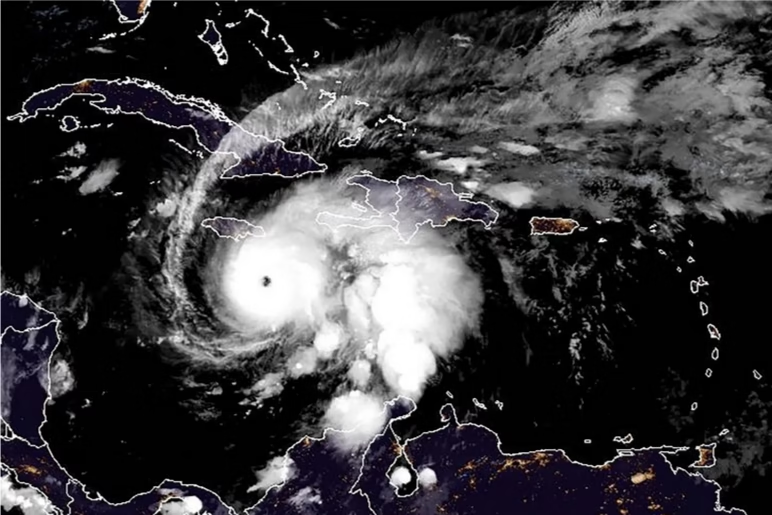
Climate change stood at the center of his remarks. He described it as the region’s defining challenge. Rising sea levels and coastal erosion threaten communities. At the same time, sargassum continues to harm economies.
He warned that climate impacts now outpace the region’s response capacity. Furthermore, he said large polluters must cut emissions at the source. If the Caribbean perishes, he cautioned, climate change will strike other vulnerable nations next.
Turning to economic growth, he called for deeper European investment. He highlighted renewable energy, blue and orange economies, and digital services. He welcomed the European Union’s Global Gateway Initiative. However, he urged faster delivery and real financing.
Financing for resilient infrastructure must move quickly, he said. It should reflect vulnerability, not outdated income classifications.
He also addressed the EU-CARICOM Economic Partnership Agreement. While legal frameworks exist, he said small businesses struggle. Regulatory complexity and limited technical capacity create barriers.
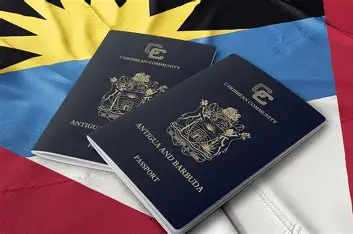
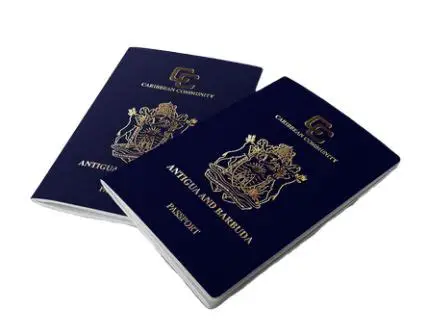
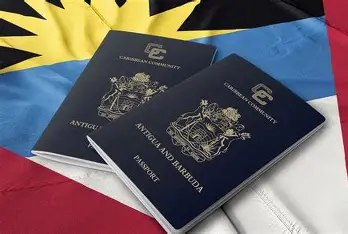
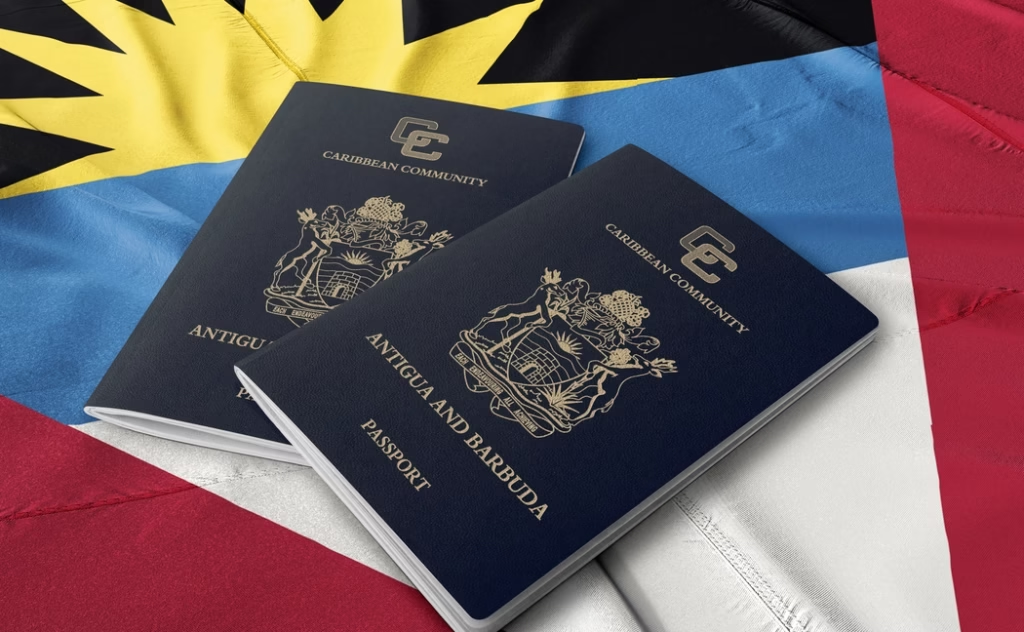
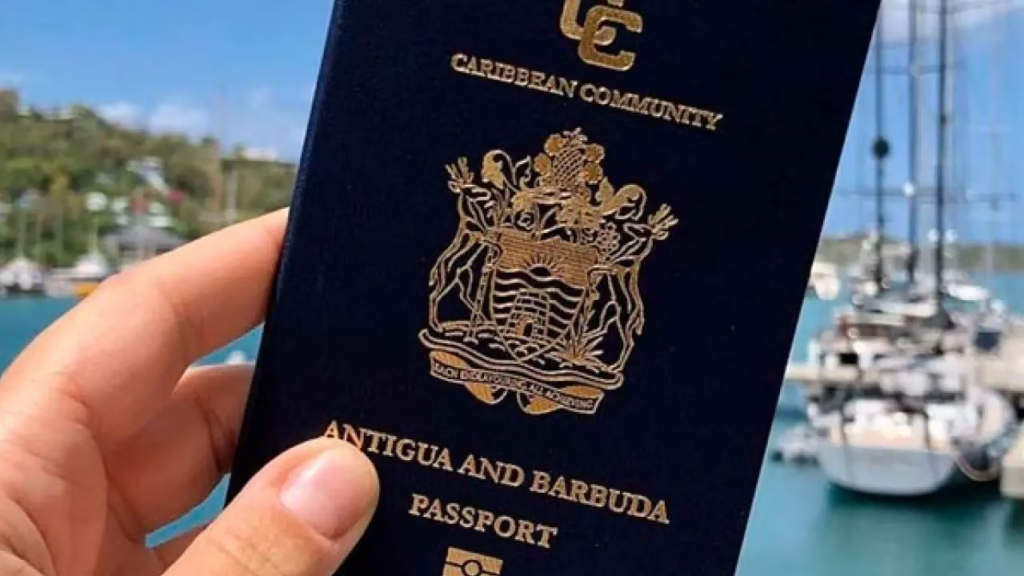
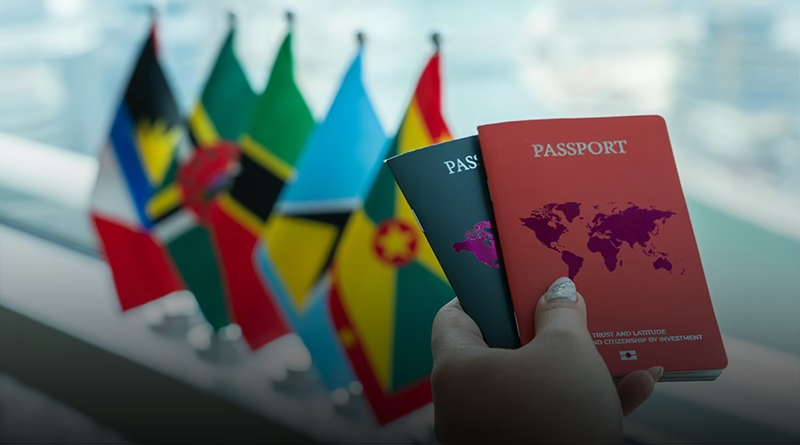
In addition, he defended regional investment immigration programs. He described them as lawful and transparent development tools. He noted that governments strengthened them with international partners.
Moreover, he called for easier movement of entrepreneurs, artists, and researchers. Human capital, he argued, remains the best investment in shared prosperity.
Throughout his speech, he emphasized political stability in the Caribbean. He pointed to a strong commitment to the rule of law. Finally, he said the ingredients for a reset already exist. What remains, he added, is the political will to act.