
 English




























































































































































































































































































































































































































Peace begins within as mental health shapes lasting stability

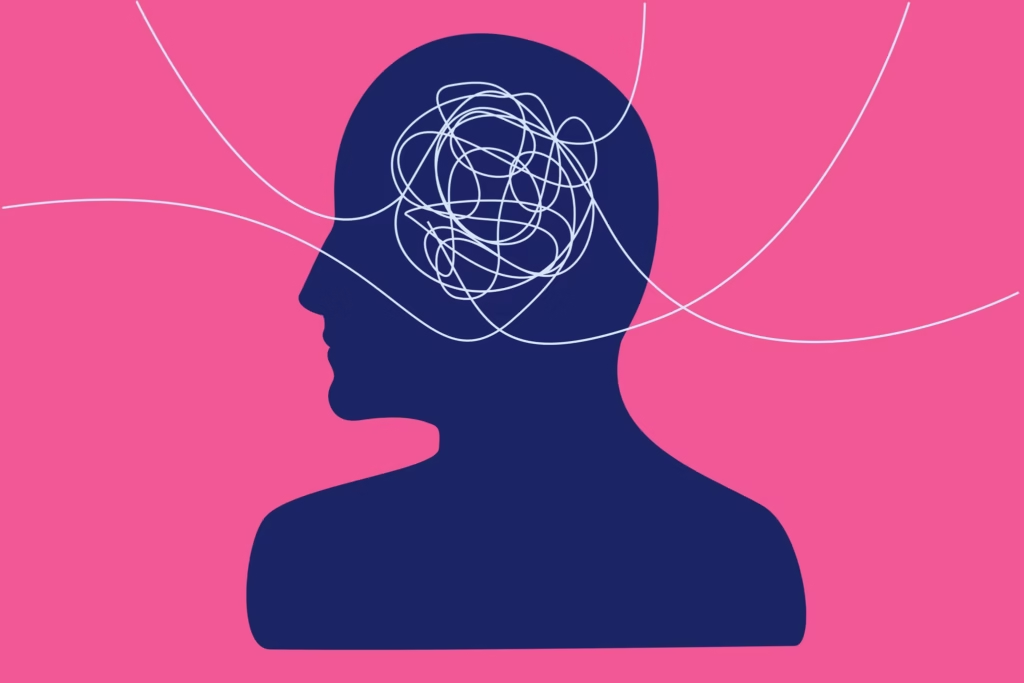
Peace begins within the human mind and body.
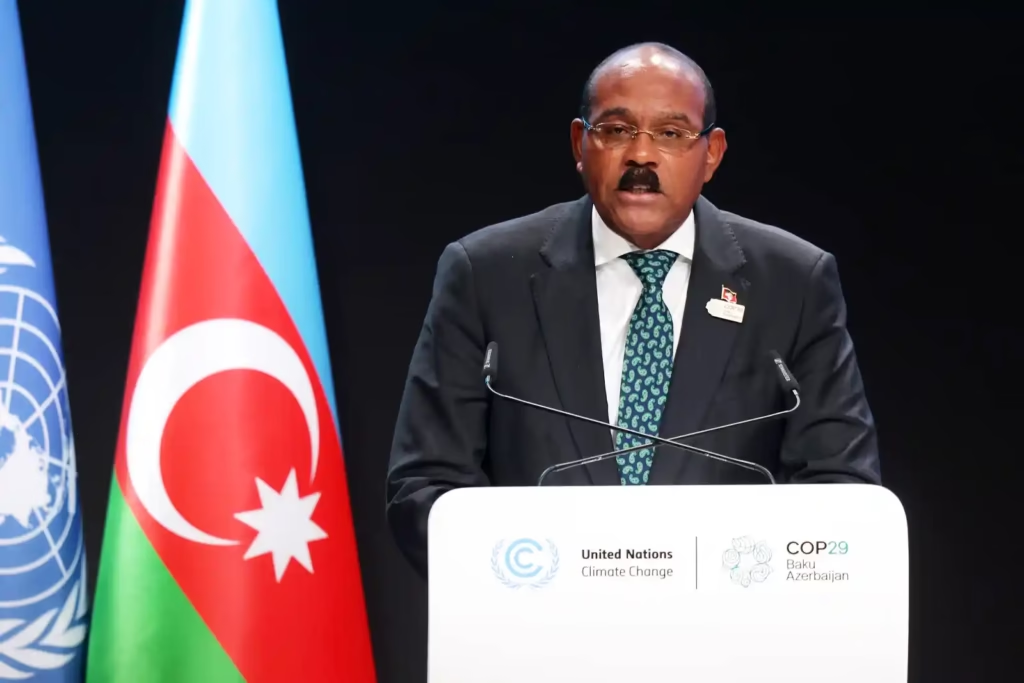
This truth became clear during a global peace summit last year.
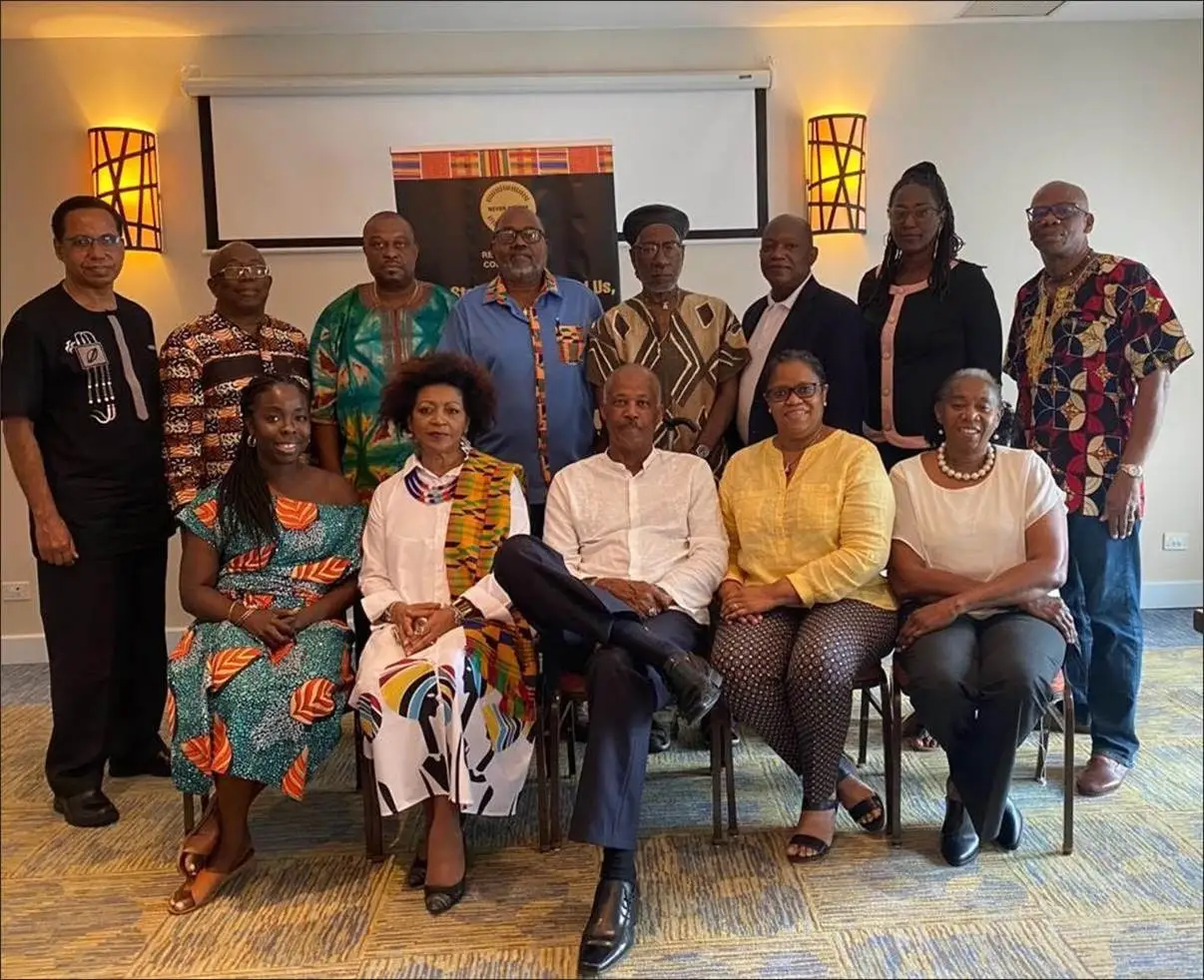
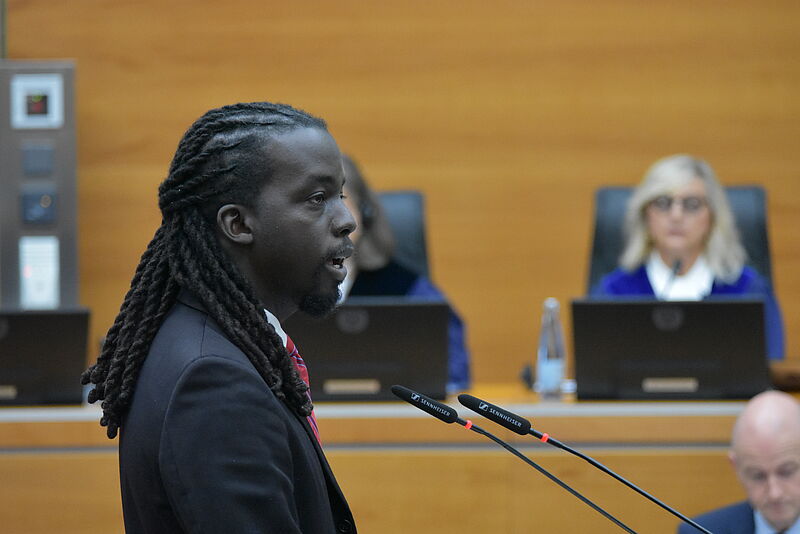
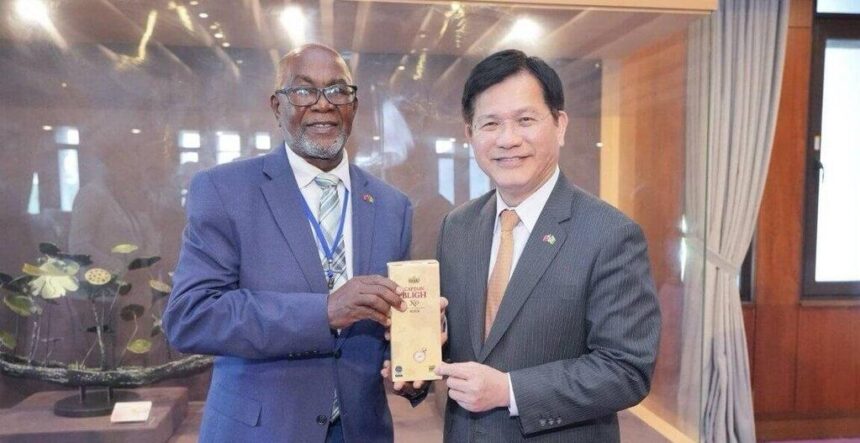
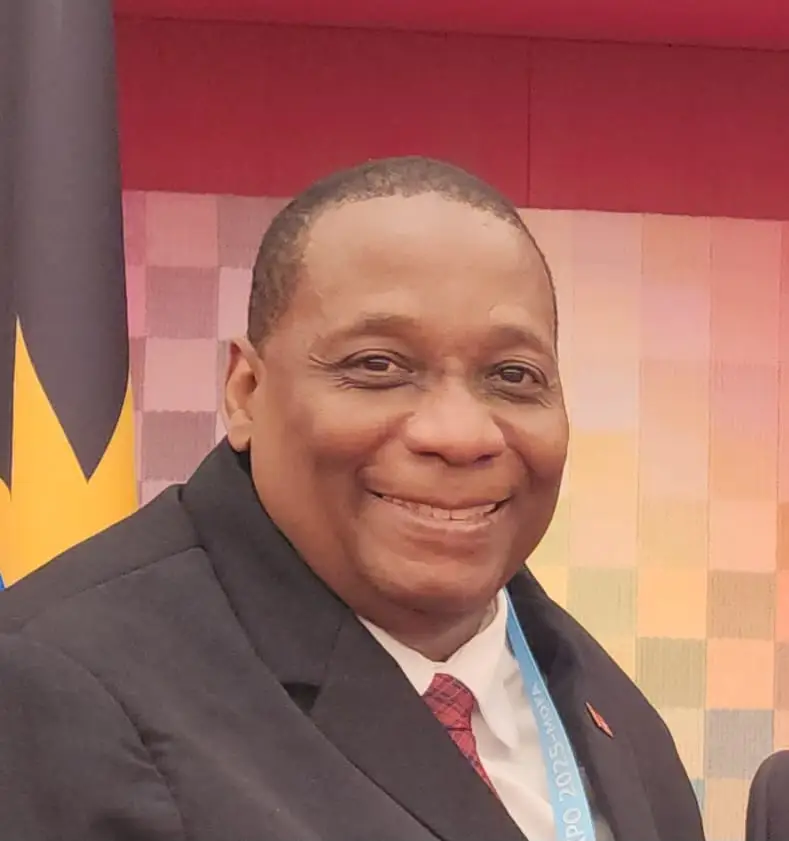
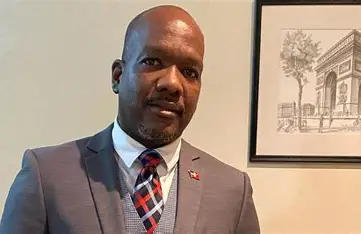
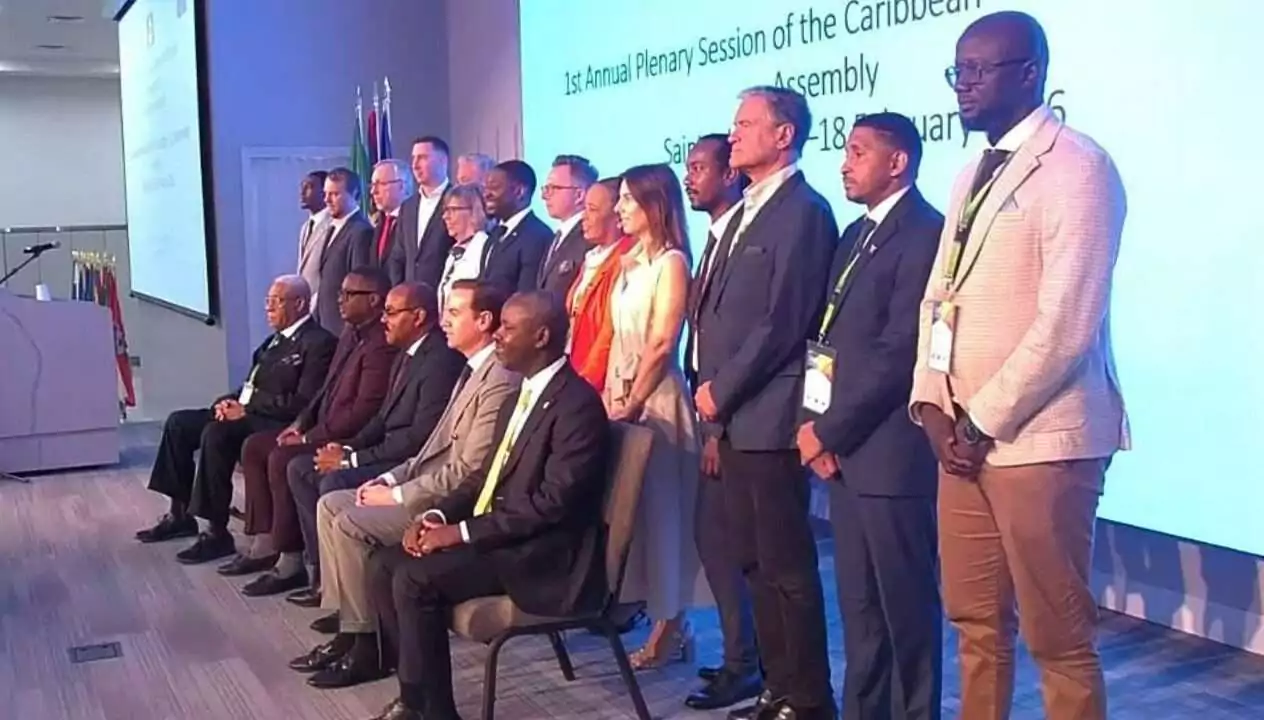
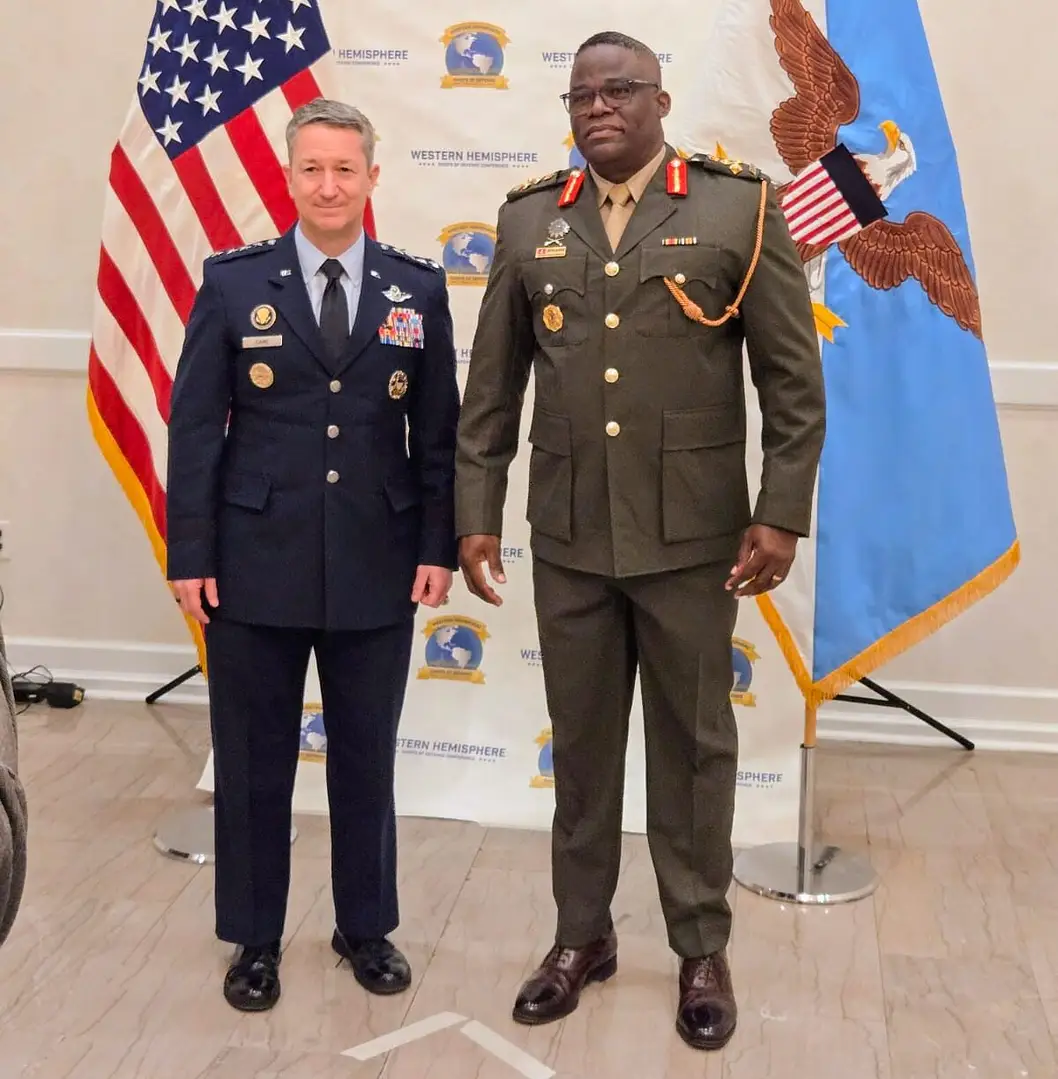
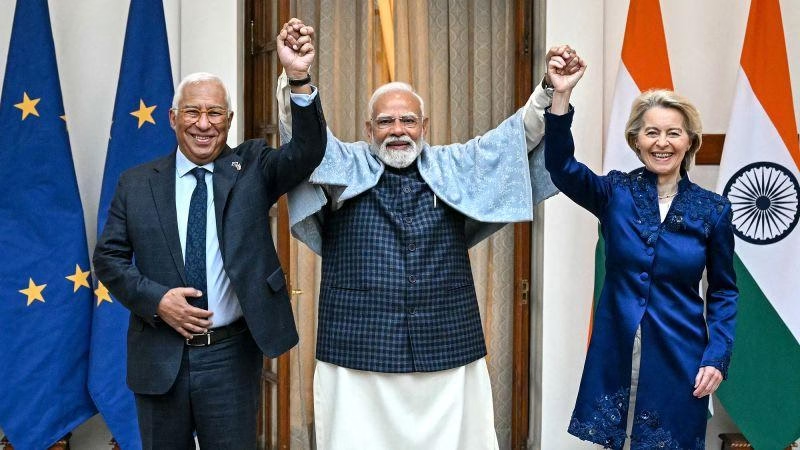
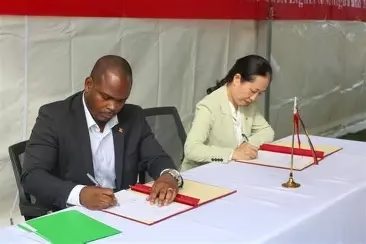
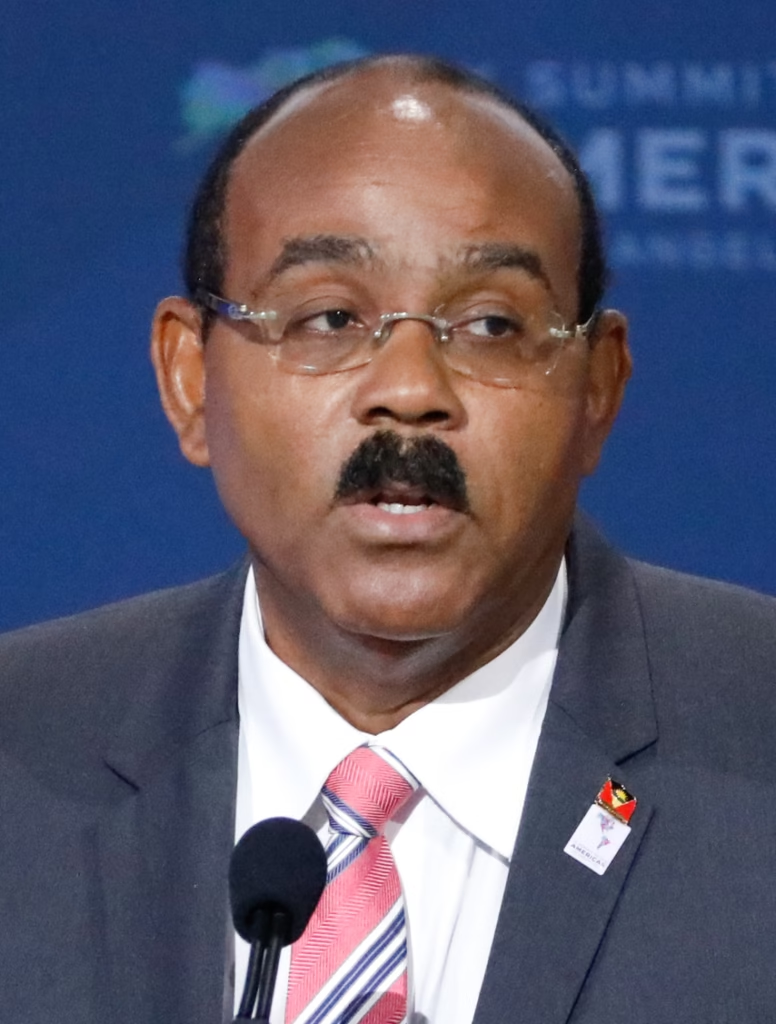
While attending the HWPL World Peace Summit in South Korea, I listened closely.
Peacebuilders discussed war, law, education, and diplomacy.
However, a deeper pattern quietly emerged.
Many conflicts stemmed from unresolved human distress.
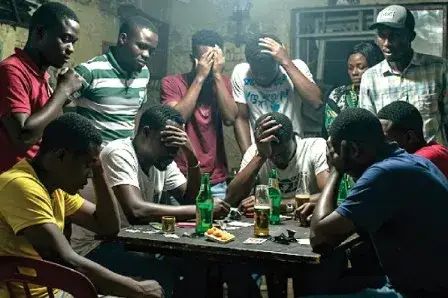
Delegates spoke of polarization, violence, and youth disengagement.
Yet mental health rarely took center stage.
Still, emotional pain sat beneath the policy language.
Inequality, trauma, and chronic stress shaped many outcomes.
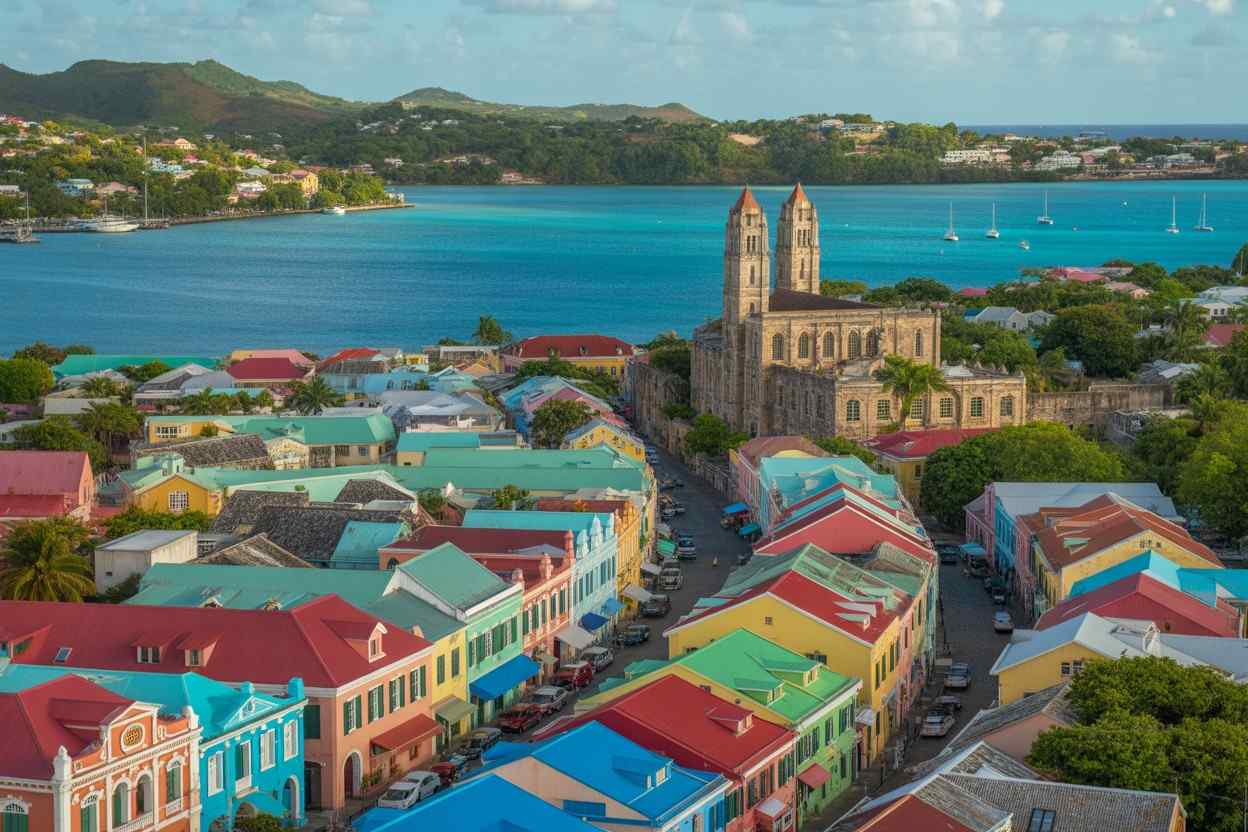
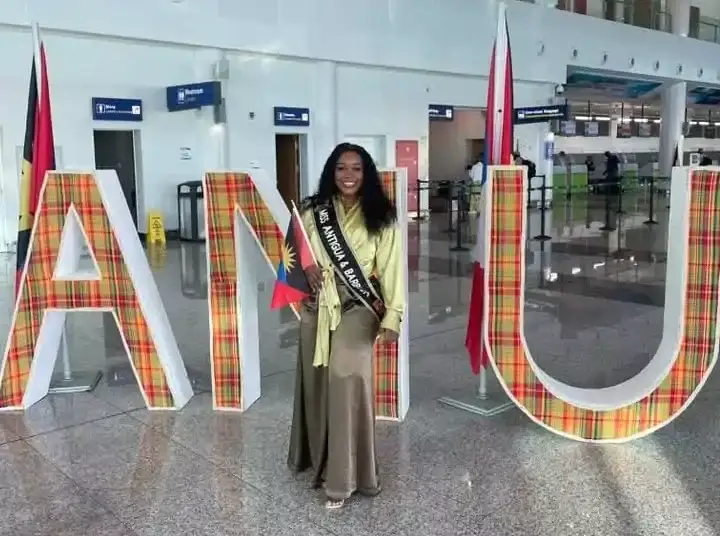
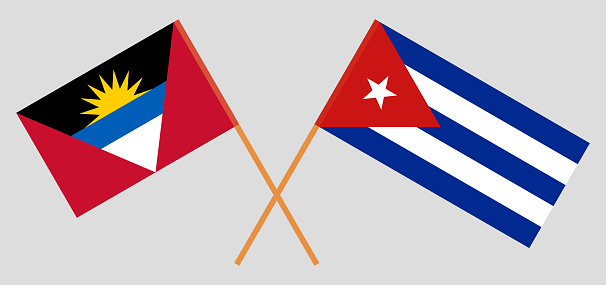
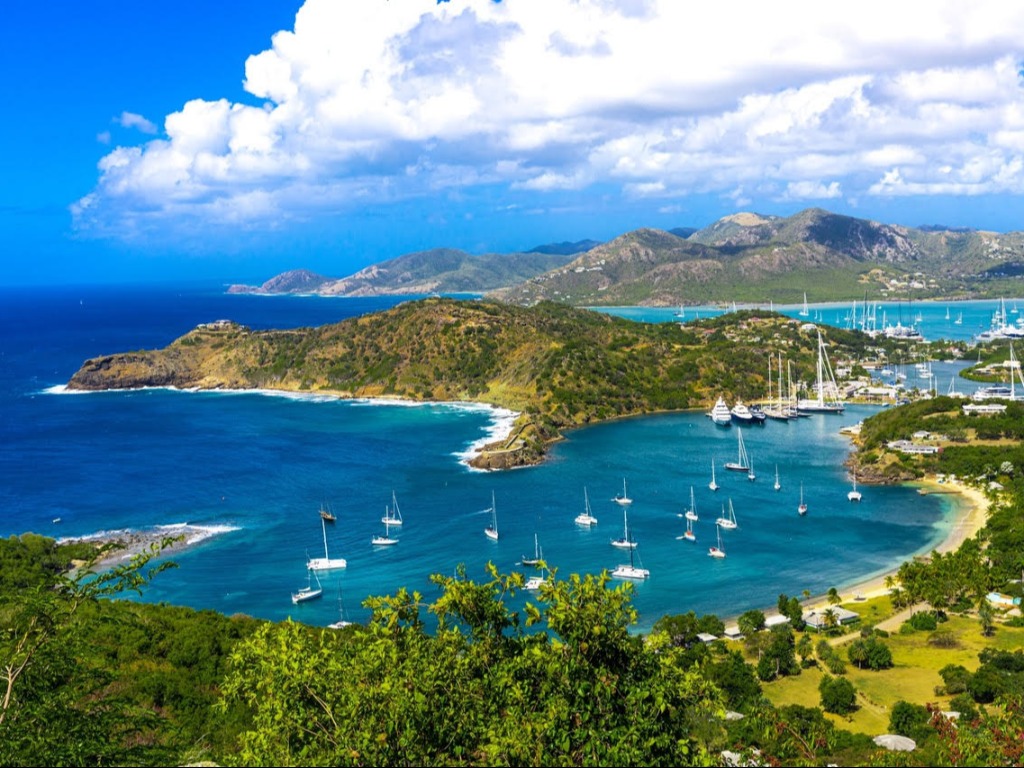
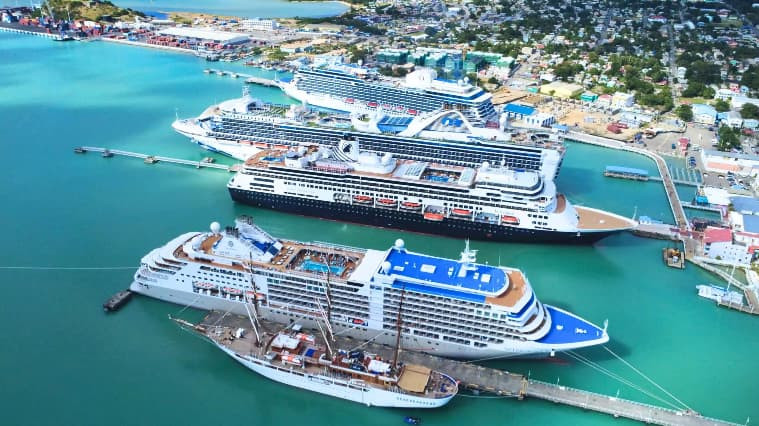
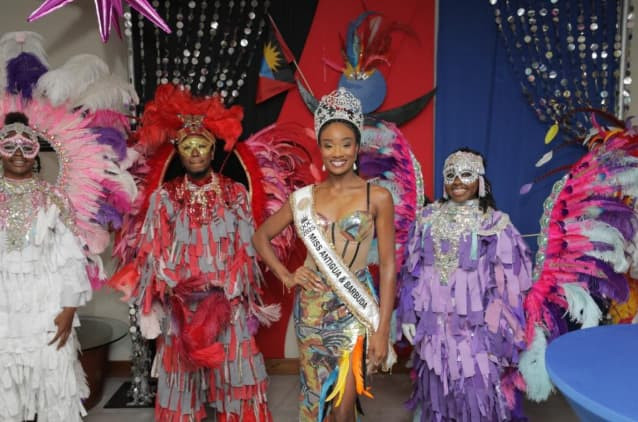
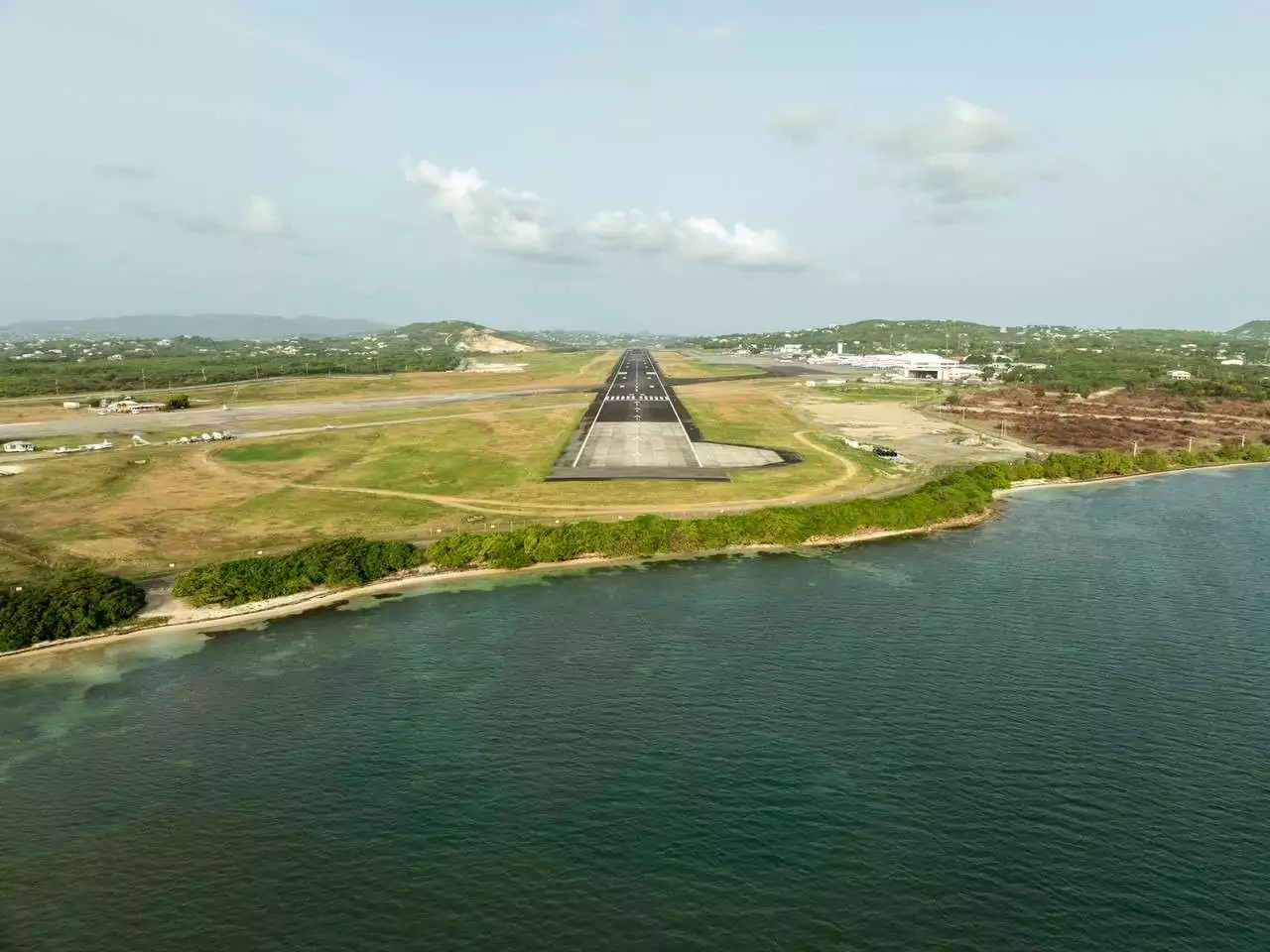
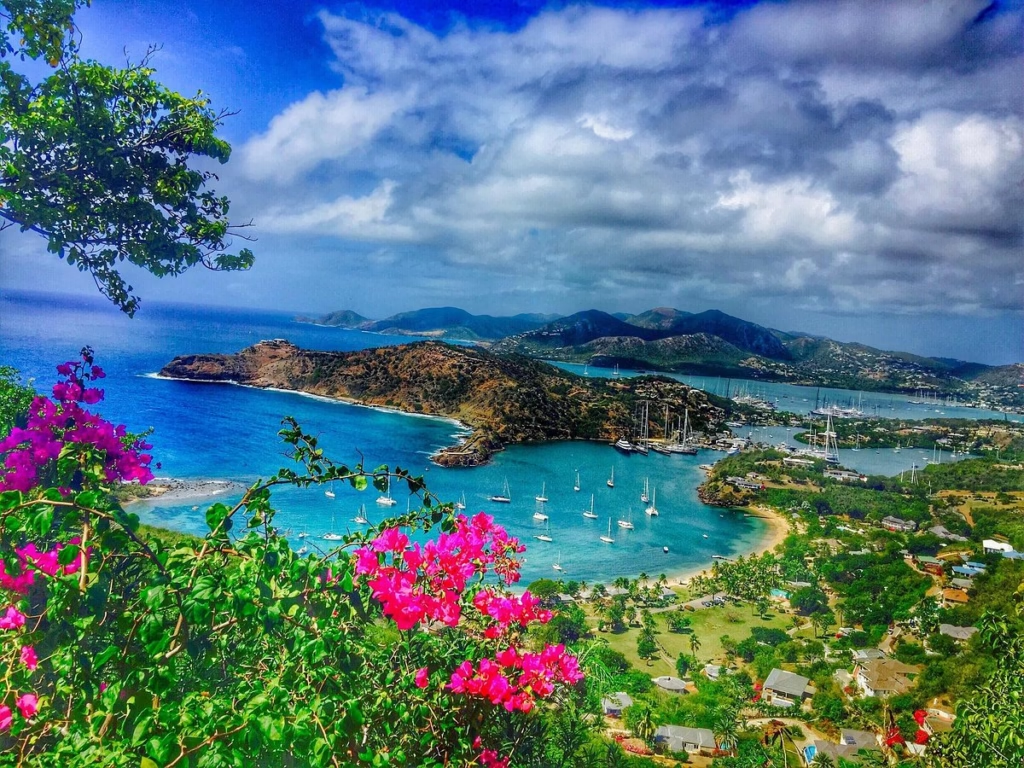
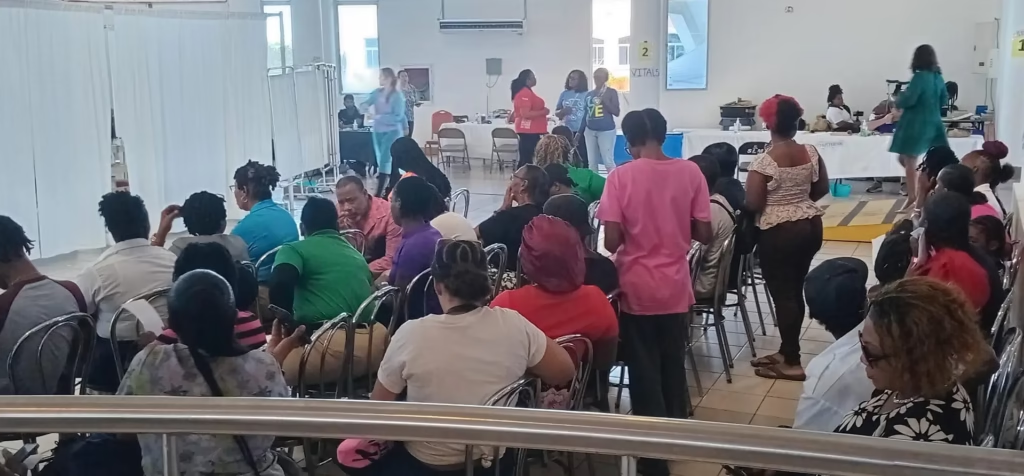
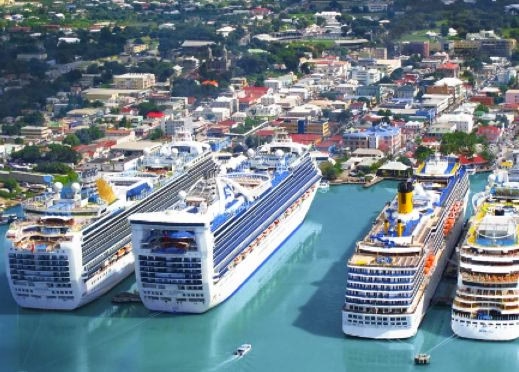
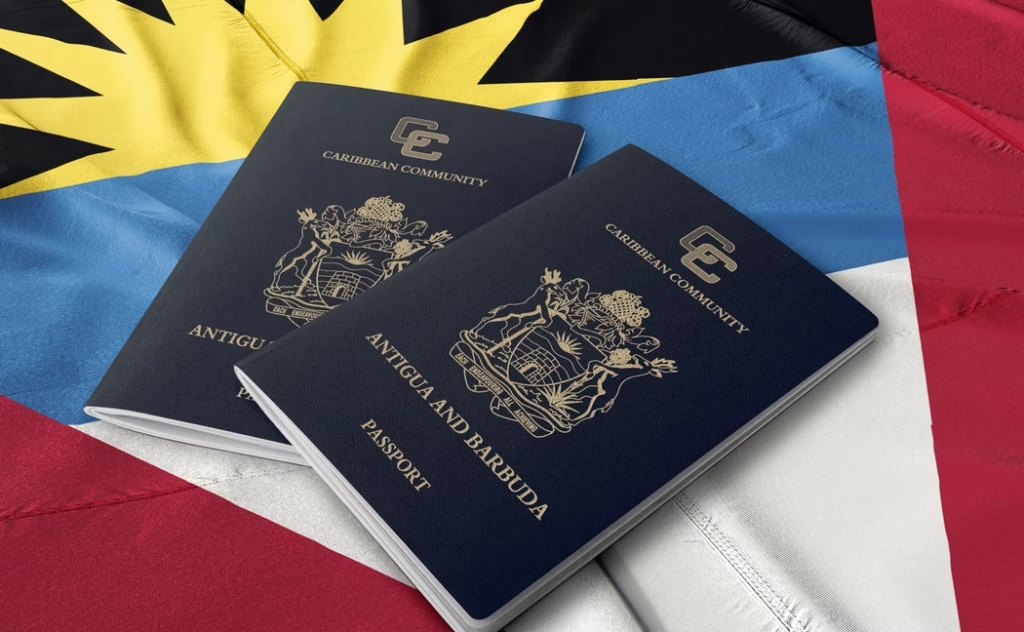
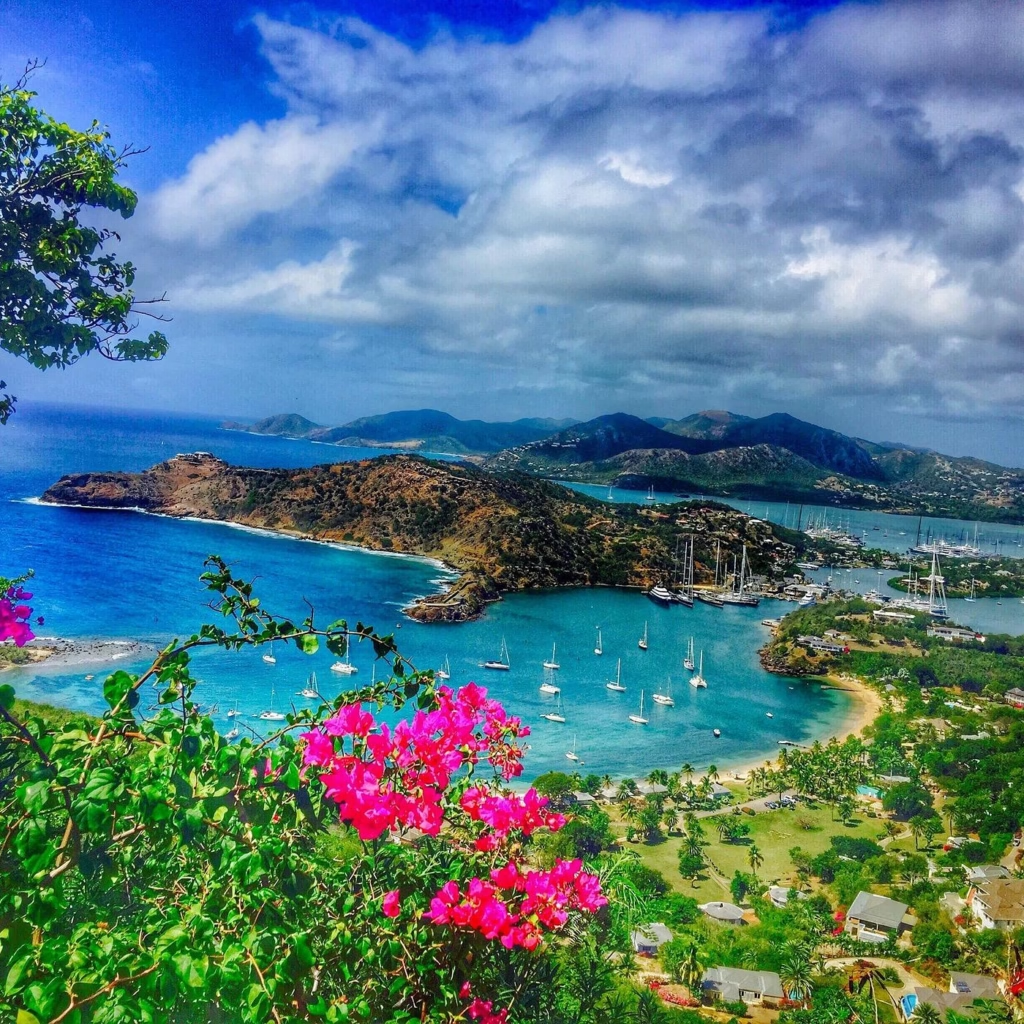
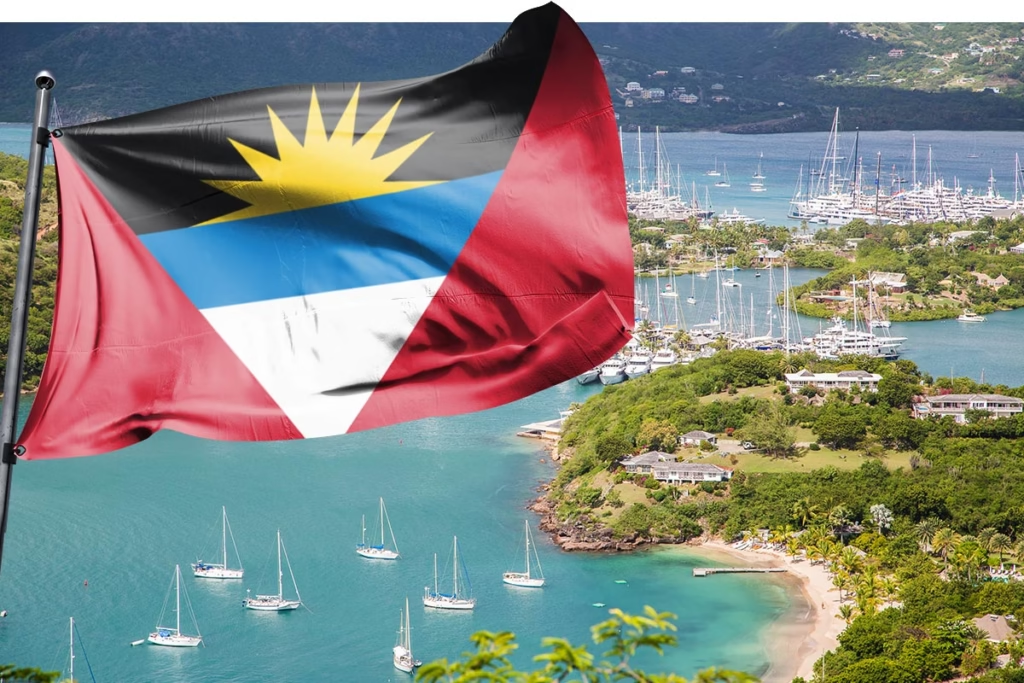
After returning to Antigua and Barbuda, the contrast felt sharp.
Our country is peaceful by global standards.
We face no war and enjoy stable institutions.
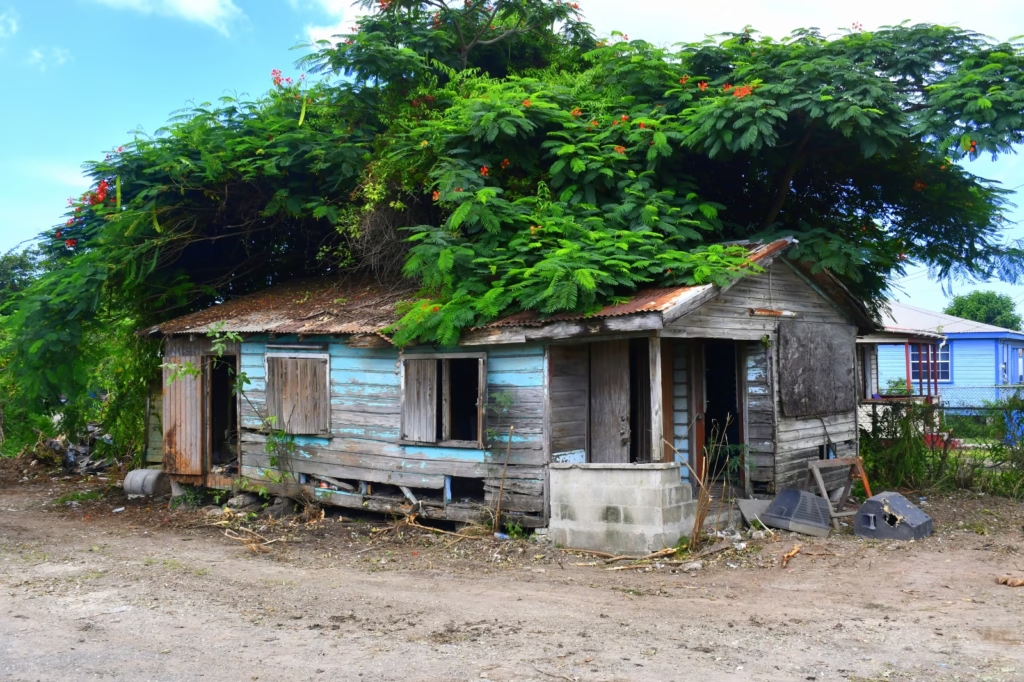
Even so, familiar pressures exist beneath the surface.
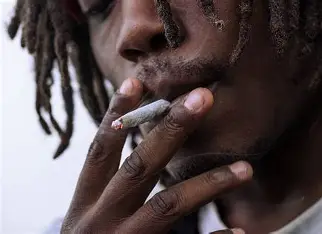
Anxiety, substance misuse, and youth distress are rising.
Therefore, peace cannot rely on calm appearances alone.
Instead, peace depends on psychological wellbeing.
It also depends on how people manage stress and conflict.
In the Caribbean, mental health often feels private.
As a result, public action has lagged behind need.
Without addressing emotional distress, peace remains incomplete.
Mental health shapes behavior, trust, and social cohesion.
In Antigua and Barbuda, the burden is significant.
Mental and substance-related disorders cause about 18 percent of total disability.
They also account for one-third of years lived with disability.
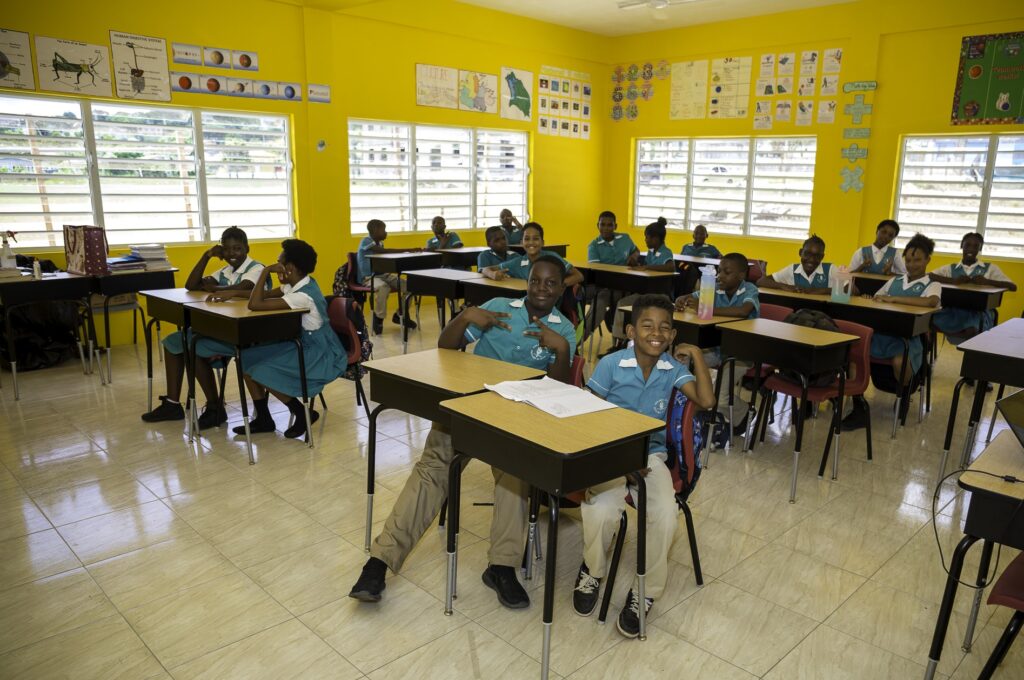
This impact falls heavily on people aged 10 to 40.
That age group drives education, work, and civic life.
Thus, distress weakens productivity and family stability.
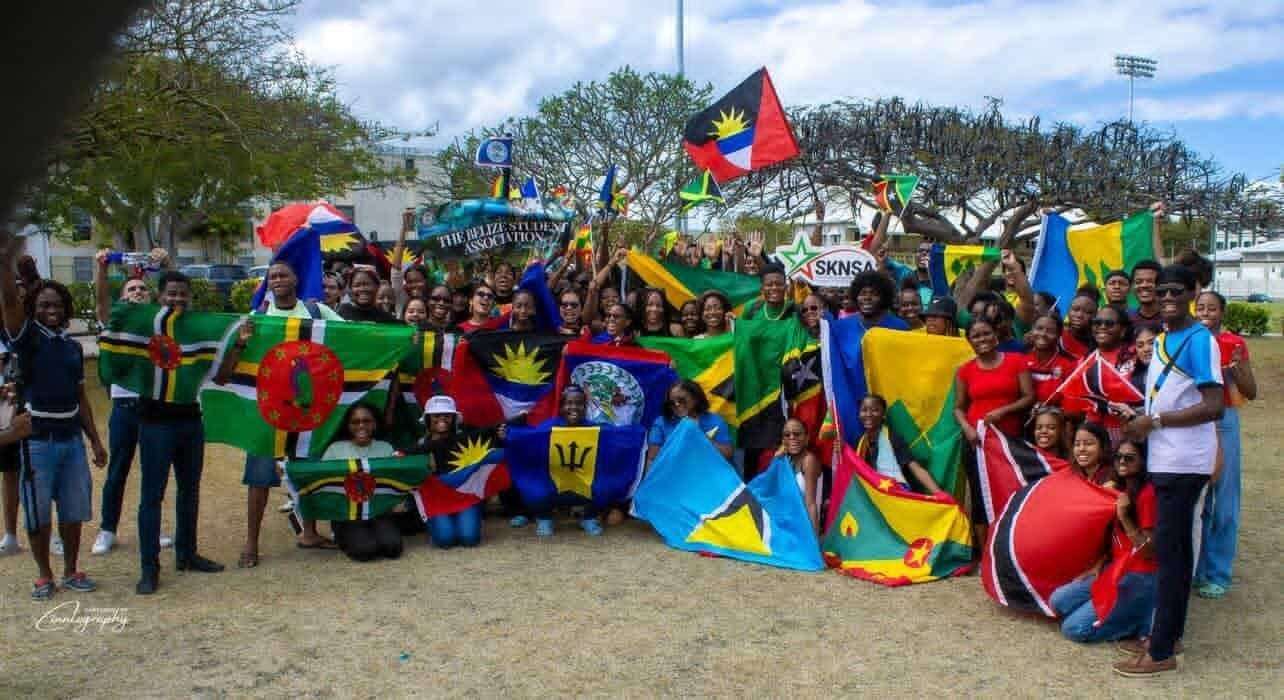
Youth data is especially concerning.
Nearly 17 percent of students considered suicide in one year.
About 12 percent reported attempting it.
These figures signal deep unmet needs.
Cultural silence worsens the problem.
Strength and endurance are valued, but suffering stays hidden.
Still, silence does not erase pain.
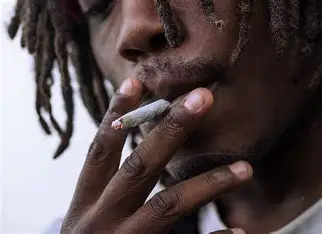
Instead, it emerges as violence, addiction, or self-harm.
Research shows shared roots behind these outcomes.
Trauma, isolation, and stress often drive them all.
Therefore, mental health care becomes a peace strategy.
So does substance misuse prevention.
Strong institutions matter as well.
Yet outdated laws and limited services remain barriers.
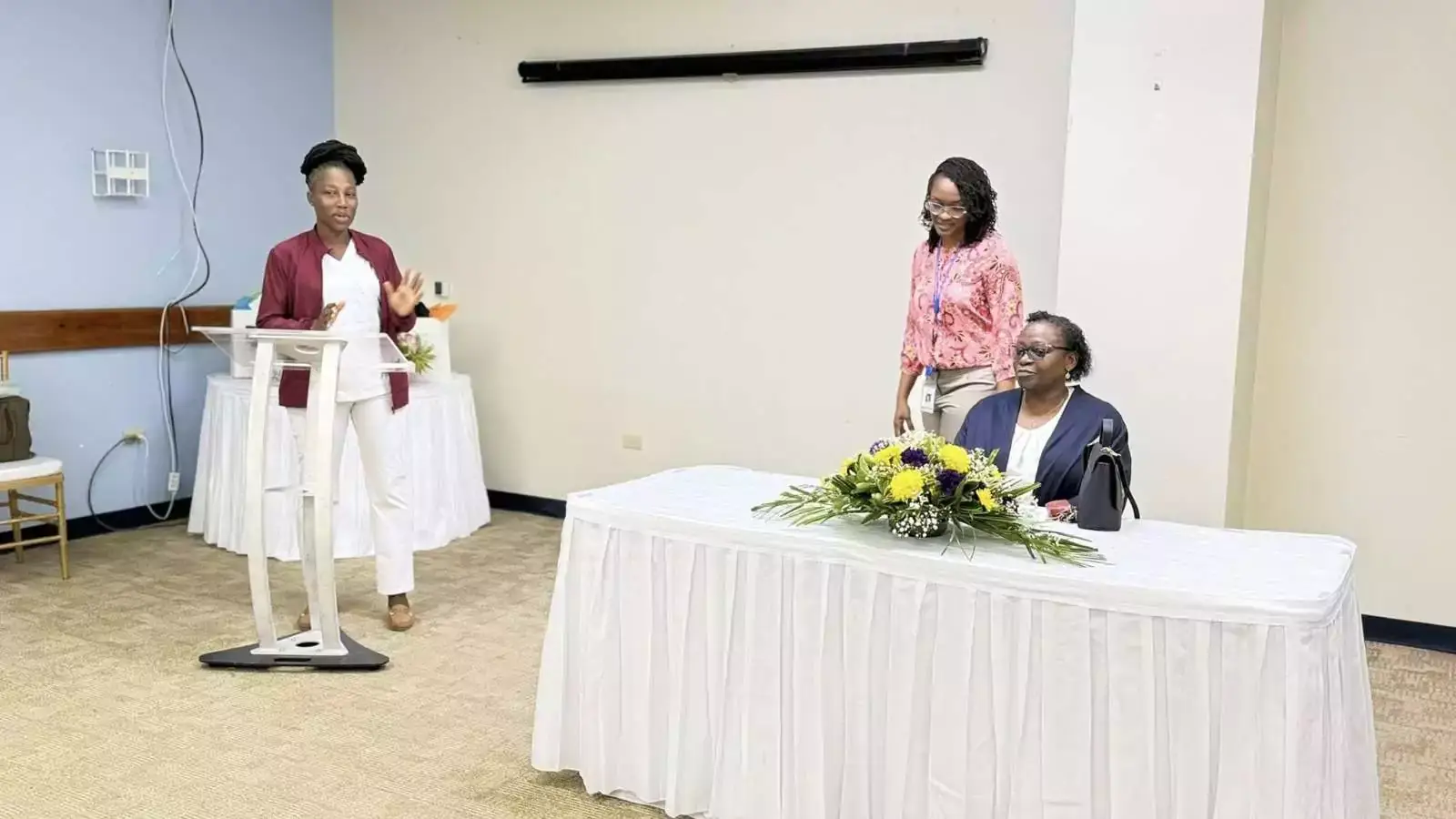
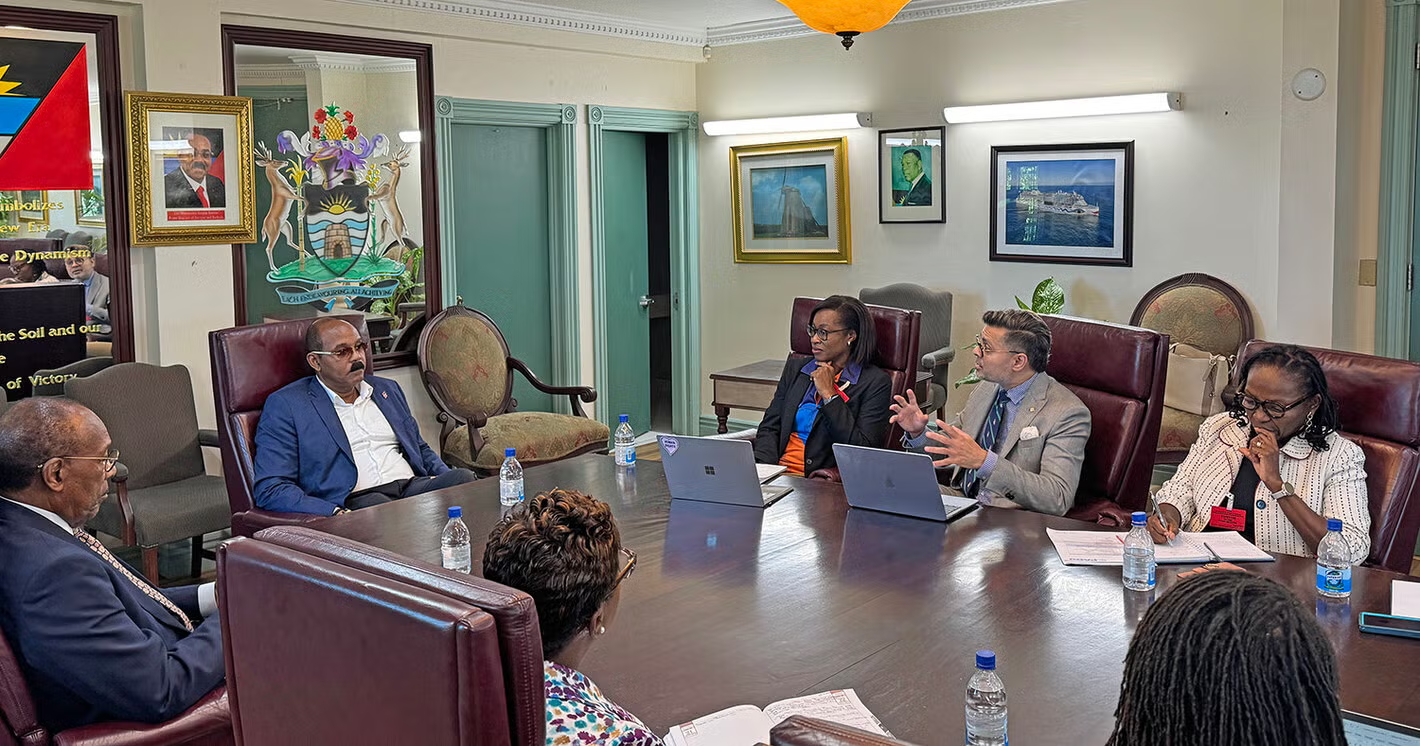
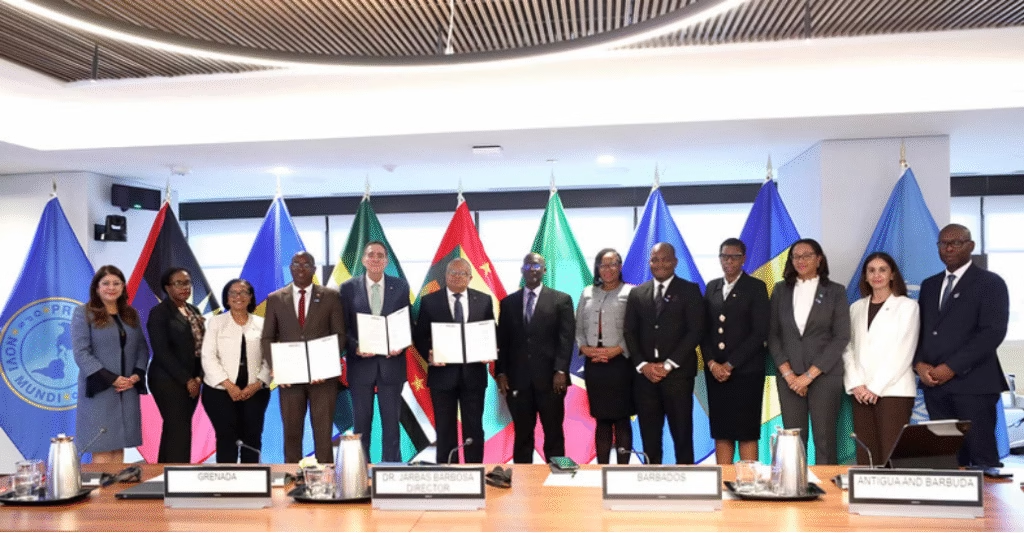
Recent work with PAHO aims to improve this.
Community-based care and reform are now priorities.
Finally, peace journalism has a role to play.
It must highlight root causes, not just crises.
When mental health is framed as a public issue, dialogue shifts.
Peace grows stronger and more honest.
Ultimately, peace endures when people feel supported.
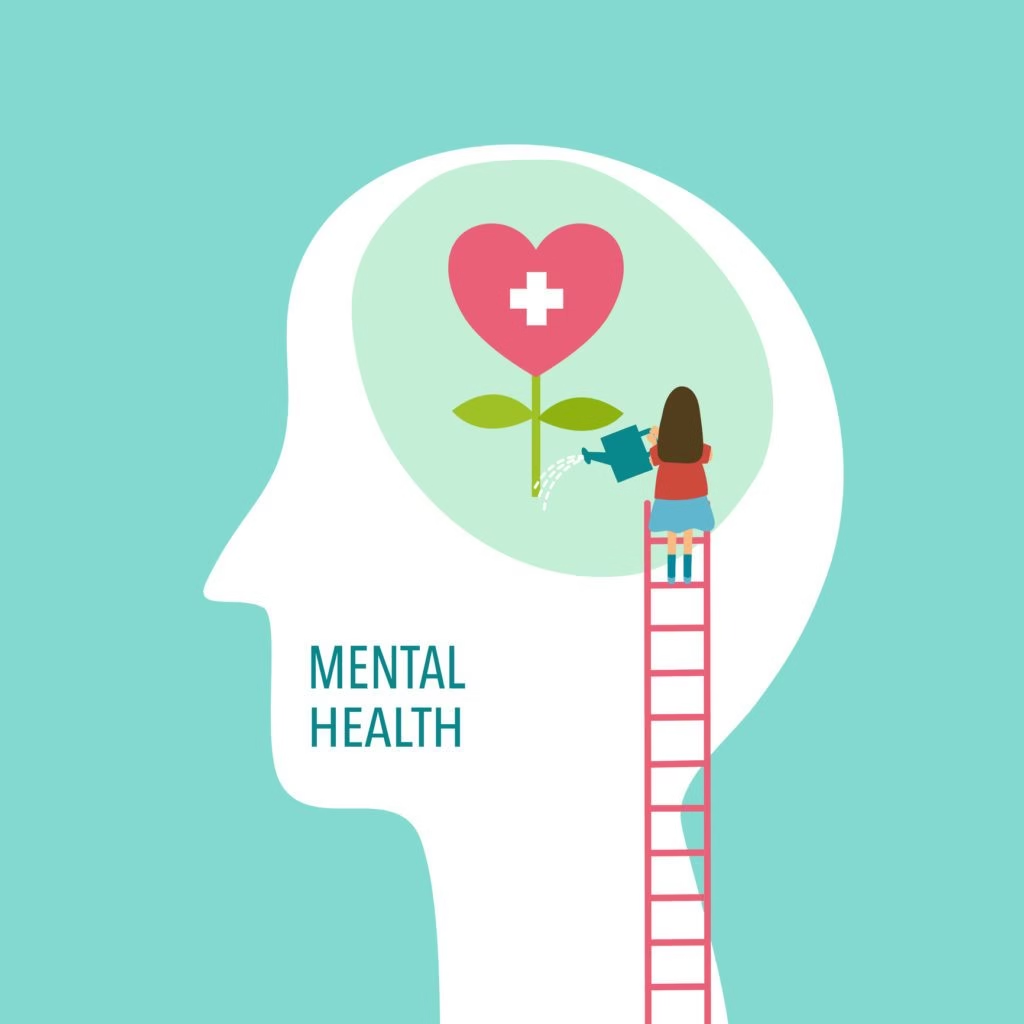
Mental wellbeing is not optional.
It is the foundation on which lasting peace is built.
Join the Dadli News WhatsApp Group: https://chat.whatsapp.com/L04JxtMbG39FLBbxYWlz9T
Join the Dadli News WhatsApp Group: https://chat.whatsapp.com/L04JxtMbG39FLBbxYWlz9T