
 English


































































































































































































































































































































































































































































































































































































































































































































































































Judge Directs Not Guilty Verdict in Sexual Offence Case

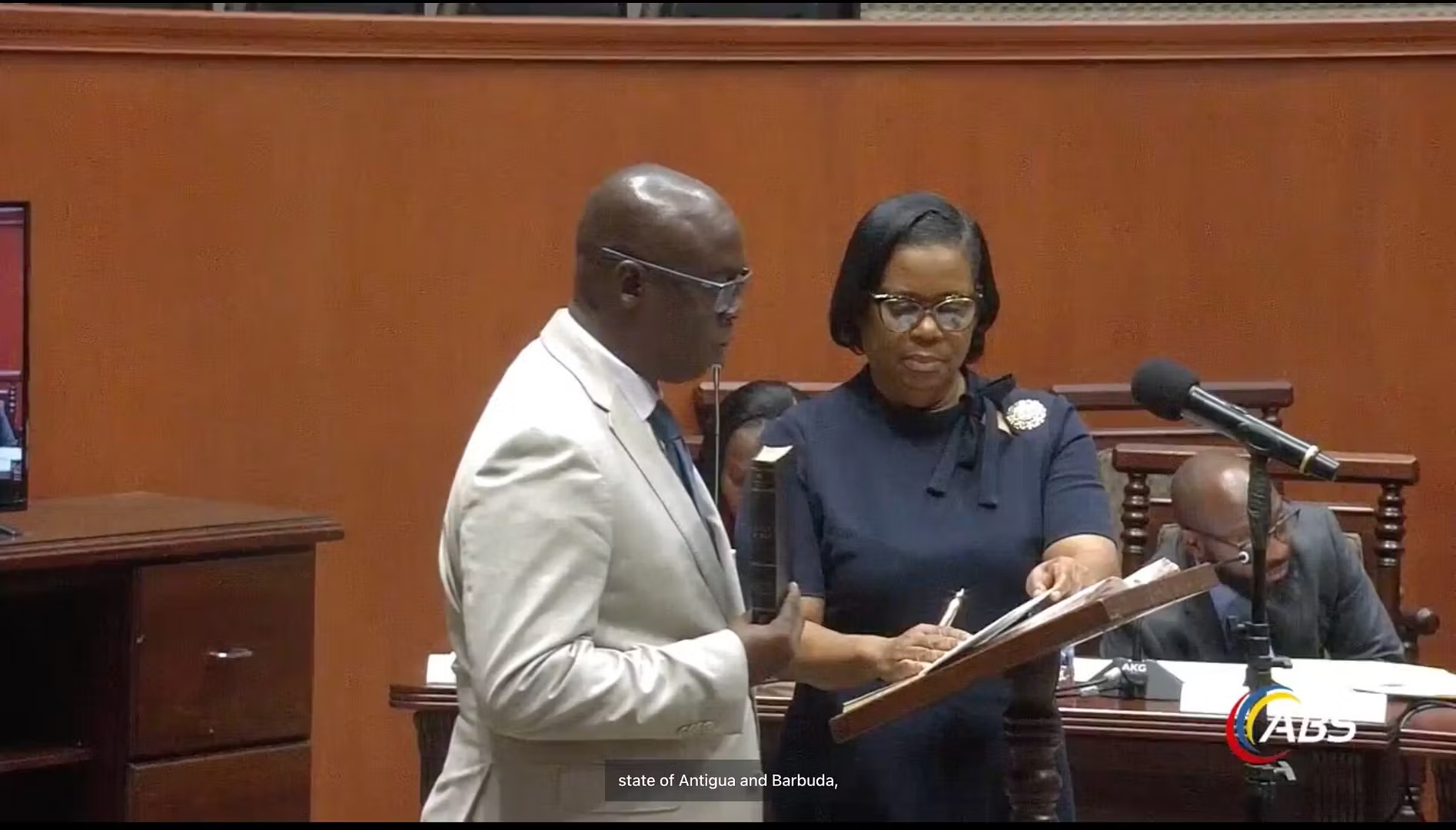
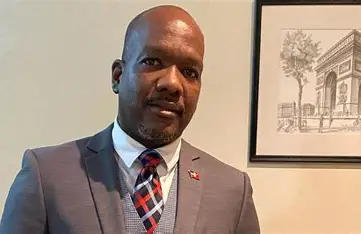
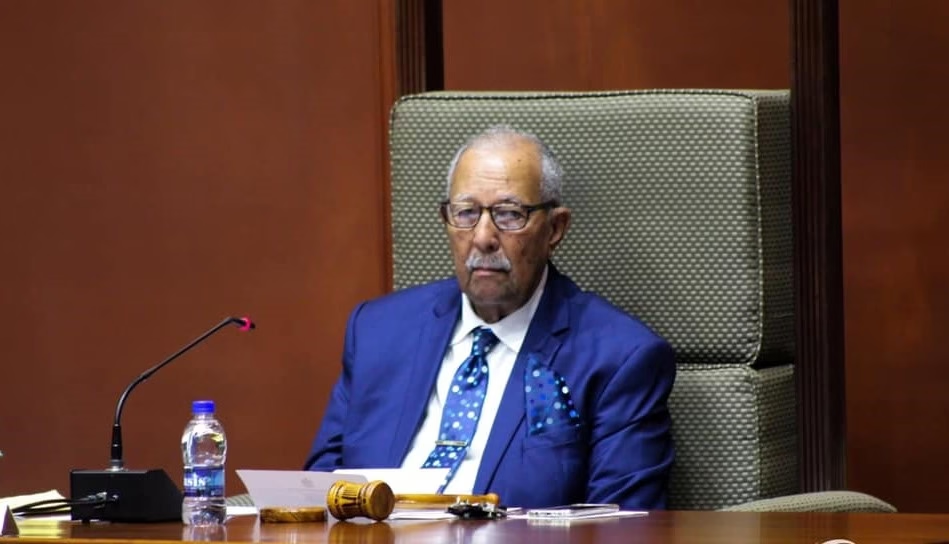
Judge Rajiv Persaud directed a not guilty verdict for a man accused of sexually assaulting an intellectually disabled woman.
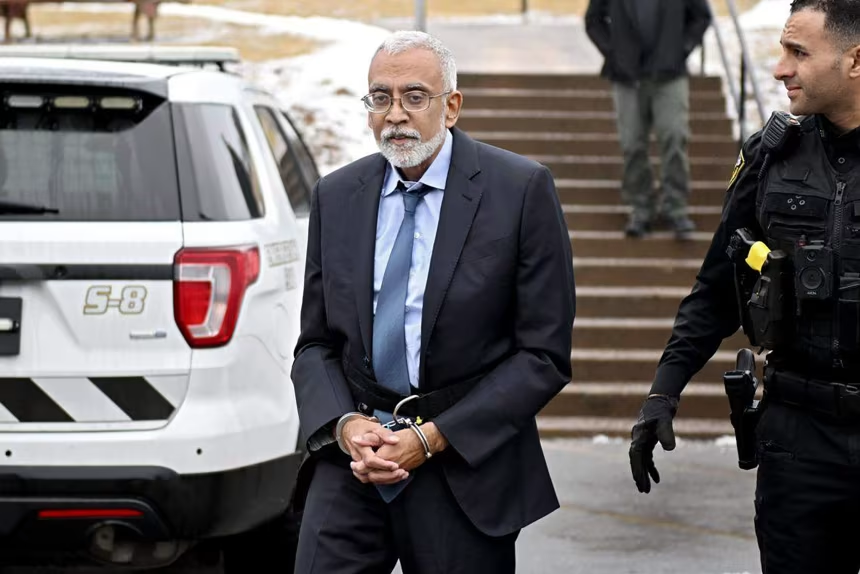
The case arose from an alleged 2022 incident involving a man who frequently visited the complainant’s home.
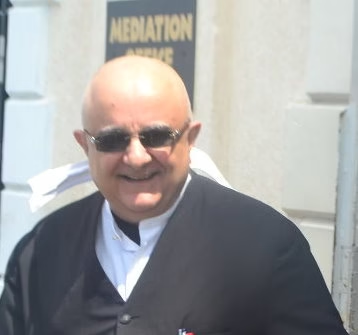
Defense attorney Sherfield Bowen argued there was no case to answer. Justice Persaud agreed, noting prosecutors failed to prove the woman met the legal definition of “mentally subnormal.”
Although the complainant’s mother described developmental delays, the judge emphasized that her observations could not substitute for expert evidence.
Similarly, an educational assessment specialist testified that cognitive testing placed the woman at a four- or five-year-old level. However, the judge explained the specialist was not a psychologist and could not make a clinical diagnosis.
Justice Persaud said the law requires qualified expert testimony to establish significant intellectual and social impairment. Without it, the jury cannot properly decide the case.
He noted that the Crown did not present a psychologist or similarly qualified professional to meet the statutory threshold.
Consequently, the judge ruled that the evidence was insufficient to sustain a conviction. He instructed the jury to return a not guilty verdict.
The decision underscores the legal requirement for specialized evidence in cases involving mental impairment claims.
Prosecutors immediately indicated their intention to appeal the verdict. They argued that the evidence presented should have allowed the case to proceed.
Meanwhile, the defense praised the ruling, saying it reaffirmed the importance of expert testimony in protecting the rights of the accused.
The case highlights the challenges courts face when balancing protection for vulnerable individuals and ensuring fair trials.
Justice Persaud concluded that expert input is essential for legal definitions of mental impairment, and the absence of such evidence requires dismissal.
This ruling ends the trial for now but may continue through the appeal process, as prosecutors seek to challenge the judge’s direction.
The not guilty verdict serves as a reminder that both expert testimony and statutory standards play a crucial role in sexual offence cases involving intellectual disability.