
 English






























































































































































































































































































































































































































































































































































































































































































Immigration amnesty expected to begin April 2 for long-term residents
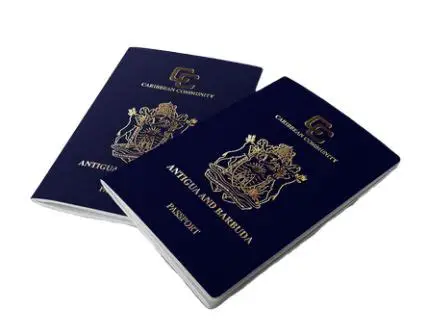
Immigration authorities will launch a three-month amnesty on April 2 for undocumented migrants in Antigua and Barbuda. Cabinet officials confirmed the programme.
The initiative targets individuals who have lived in the country for at least four years without legal status. Moreover, it forms part of proposed amendments to immigration legislation that Parliament will debate later this month.
Director General of Communications Maurice Merchant said Cabinet approved the limited amnesty period to process applications efficiently. He explained, “The amnesty will start on April 2 and run for three months.”
Applicants must submit a police record covering the past two years from both their country of origin and Antigua and Barbuda. Additionally, Cabinet lowered the processing fee from $500 to $250.
The Chief Immigration Officer will review and approve applications during the amnesty. This system allows authorities to handle requests fairly and quickly.
Merchant noted that most potential applicants have already lived in Antigua and Barbuda for four years or more. Therefore, the programme’s eligibility reflects the typical residency of those likely to apply.
Parliament will debate the Immigration Amendment Bill on March 23. Lawmakers will examine programme details before formal implementation.
Officials said the amnesty offers a legal pathway for long-term residents while maintaining strong immigration oversight. Furthermore, it encourages compliance with national laws and strengthens orderly migration.
Cabinet emphasized that the programme balances accessibility with accountability. The reduced fee and clear documentation requirements make participation straightforward, while the time-limited period ensures smooth administration.
Authorities advise residents and migrants to review application steps carefully. They will release detailed guidance before April 2 to help applicants prepare.
Ultimately, the amnesty allows eligible long-term residents to gain legal status while supporting Antigua and Barbuda’s immigration framework.