
 English




















































































































































































































































































































































































































































































































Higher US tariffs likely this week, Treasury secretary says
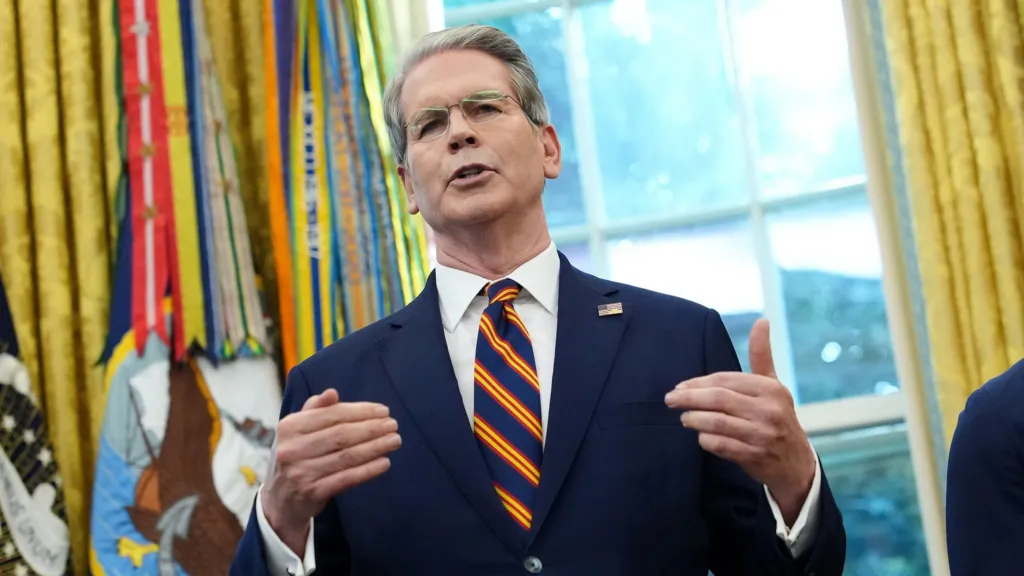
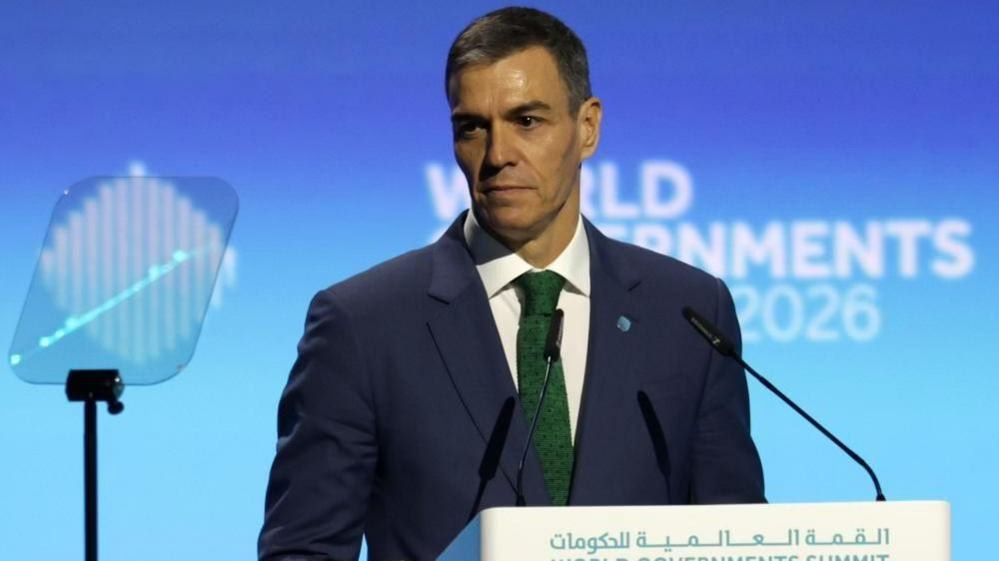
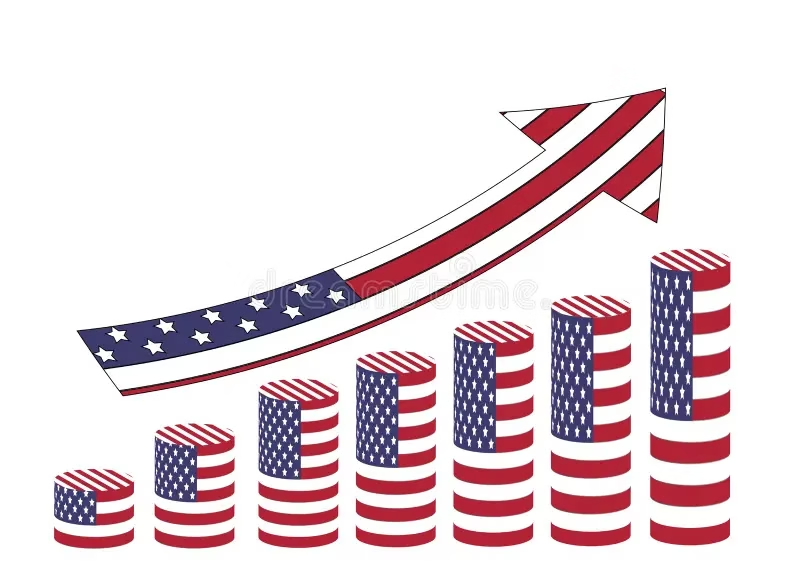
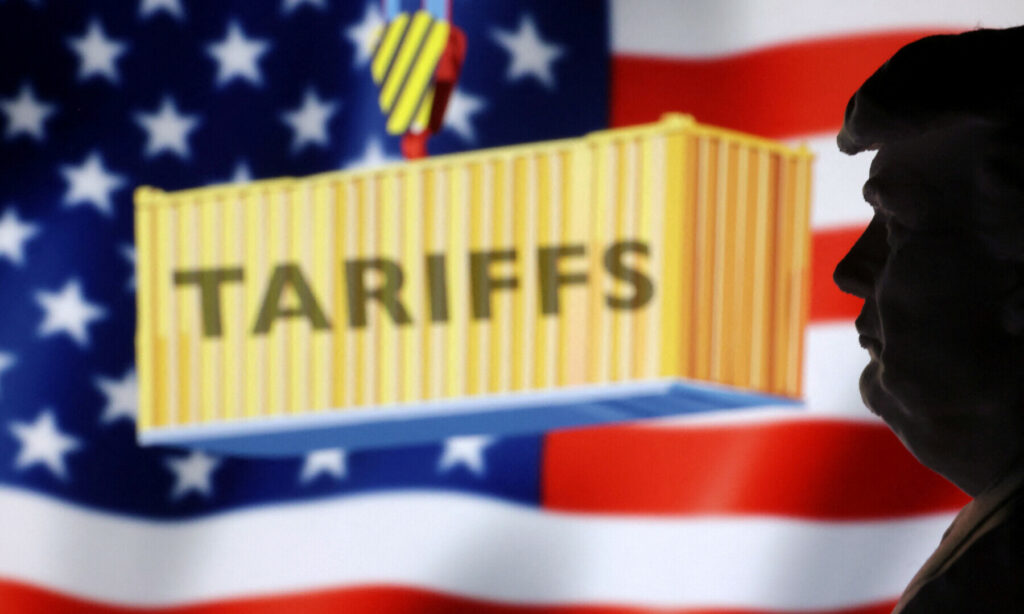
Higher global tariffs could arrive this week, according to US Treasury Secretary Scott Bessent.
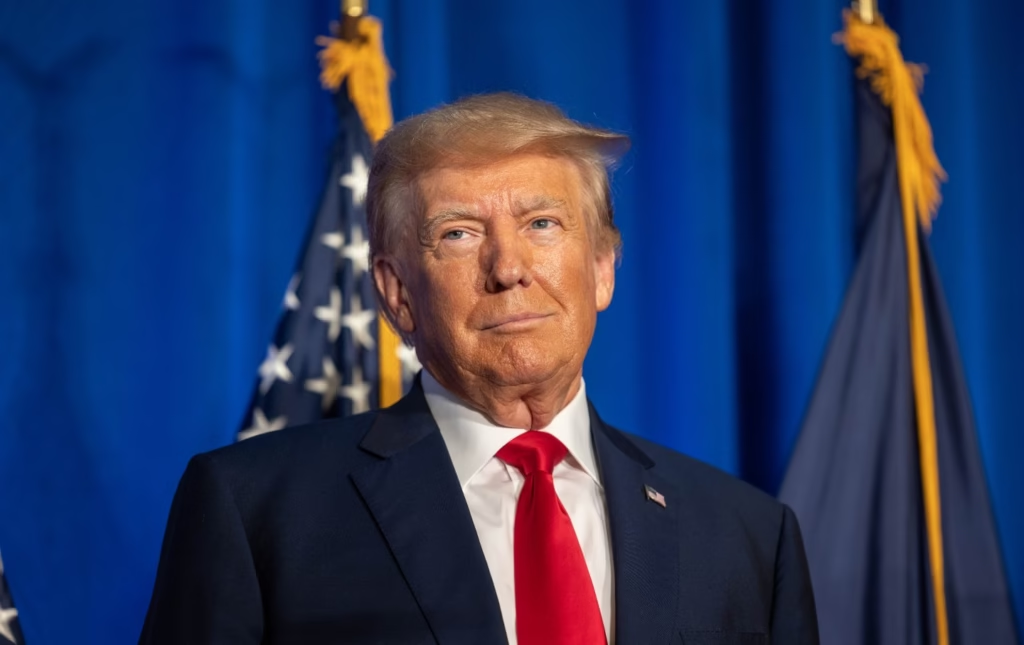
He said the United States is likely to introduce a 15 percent global tariff. However, earlier statements from President Donald Trump created confusion about the final rate.
Previously, the White House imposed a temporary 10 percent tariff on global imports. Meanwhile, Trump claimed on social media the rate would rise to 15 percent. As a result, businesses and world leaders asked for clear guidance.
The new tariff aims to replace sweeping import taxes introduced last year. However, the US Supreme Court recently struck down those earlier tariffs. Consequently, the administration moved quickly to introduce a new policy.
Officials say tariffs will help rebalance global trade. In addition, they believe the measures will boost domestic manufacturing. Furthermore, they argue tariffs could help reduce US national debt.
To introduce the temporary tariff, the White House used a trade authority known as Section 122. This rule allows a president to impose tariffs up to 15 percent for 150 days. Importantly, it does not require approval from Congress.
Nevertheless, the administration is also exploring other legal options. These include Section 301 and Section 232 trade powers. Both tools allow tariffs on certain industries or countries after formal investigations.
For example, Section 232 focuses on national security risks. Meanwhile, Section 301 targets unfair trade practices. In the past, the Trump administration used these tools on metals and vehicles.
Bessent said he expects tariffs to return to previous levels within five months. Therefore, officials believe the Supreme Court decision will not harm long-term tariff revenue.
However, legal challenges remain. Some companies now demand refunds for tariffs previously ruled illegal. Experts estimate the government could owe up to $130 billion.
Additionally, interest payments could grow quickly if refunds are delayed. A study from the Cato Institute estimates about $23 million in interest each day. Consequently, the total could reach around $700 million monthly.
Meanwhile, uncertainty continues over future trade policies. Earlier this year, Trump announced “Liberation Day” tariffs on many countries. Rates started at 10 percent but reached nearly 50 percent for some imports.
Those tariffs triggered intense negotiations with several nations. Countries attempted to secure lower rates through trade agreements and investment pledges.
Now, the administration hopes new tariffs will restore its broader trade strategy. However, businesses still want clearer policies and predictable timelines.
Ultimately, companies say transparent rules would allow them to prepare for changes. Until then, many remain cautious about the evolving US tariff landscape.