
 English






































































































































































































































































































































































































































































































































































Ending the Romance With Poverty

Ending the Romance With Poverty in Jamaica
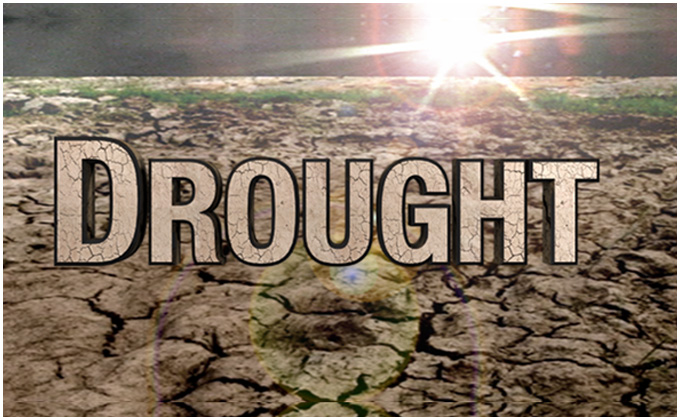
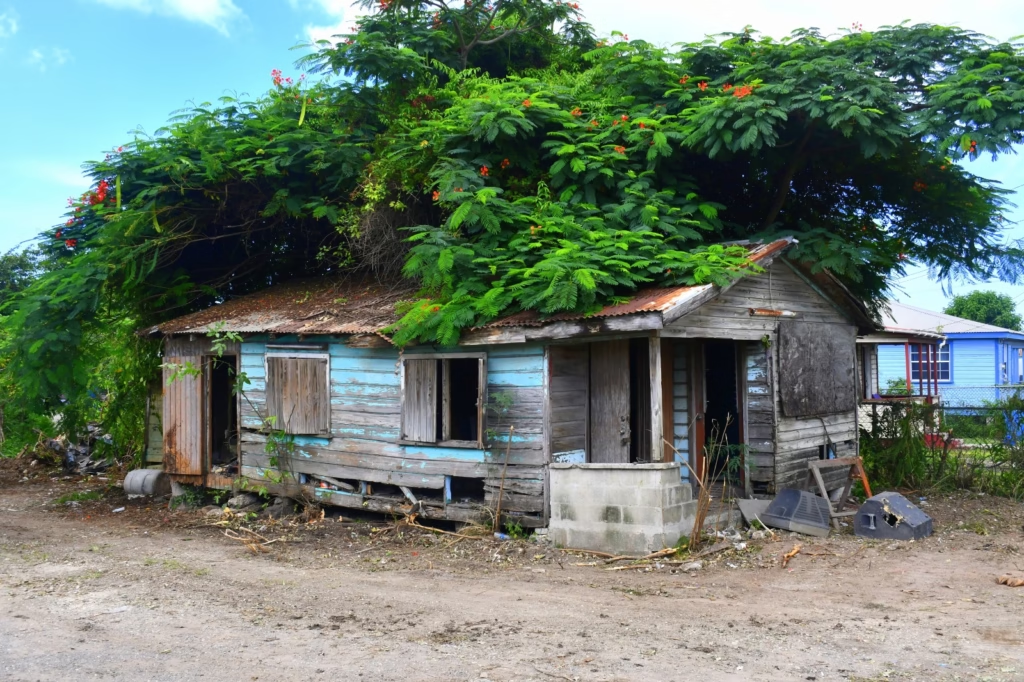
Ending the romance with poverty is long overdue in Jamaica, as many voices have long softened the issue by excusing hardship and even crime as unavoidable results of deprivation. However, this thinking weakens accountability and slows national progress. Certainly, Jamaica is not a wealthy country, yet global agencies classify it as middle-income and developing. Still, for decades, the country lacked a clear way to measure true hardship. As a result, poverty often appeared simpler than it really is, even though it affects lives in layered and complex ways.
Now, that reality is changing with the introduction of the Multidimensional Poverty Index. The Planning Institute of Jamaica, working with the Caribbean Development Bank and OPHI, developed the new tool to go beyond income and spending. Previously, officials relied mainly on food and basic non-food costs, guided by the Jamaica Survey of Living Conditions. For instance, in 2018 the poverty line stood at $565 per day, and later figures showed record-low poverty. However, those numbers failed to show how people actually lived.
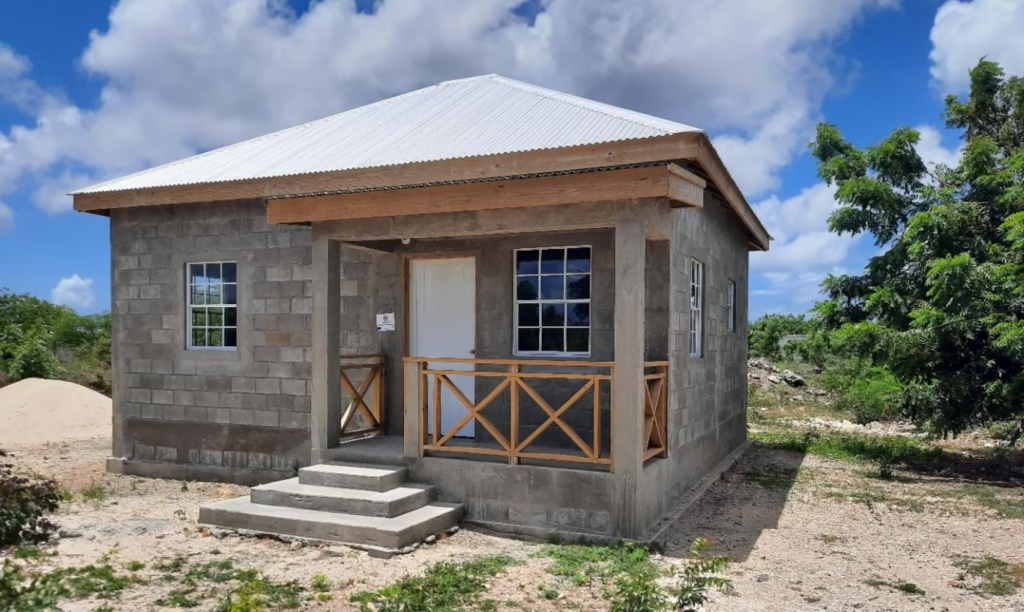
Therefore, the MPI adds a wider and more useful lens. It measures gaps in health, education, housing, employment, security, and access to services. In addition, it considers overall well-being, giving policymakers clearer insight into real needs. Moreover, the index supports Vision 2030 Jamaica and aligns with the United Nations Sustainable Development Goals, strengthening evidence-based planning.
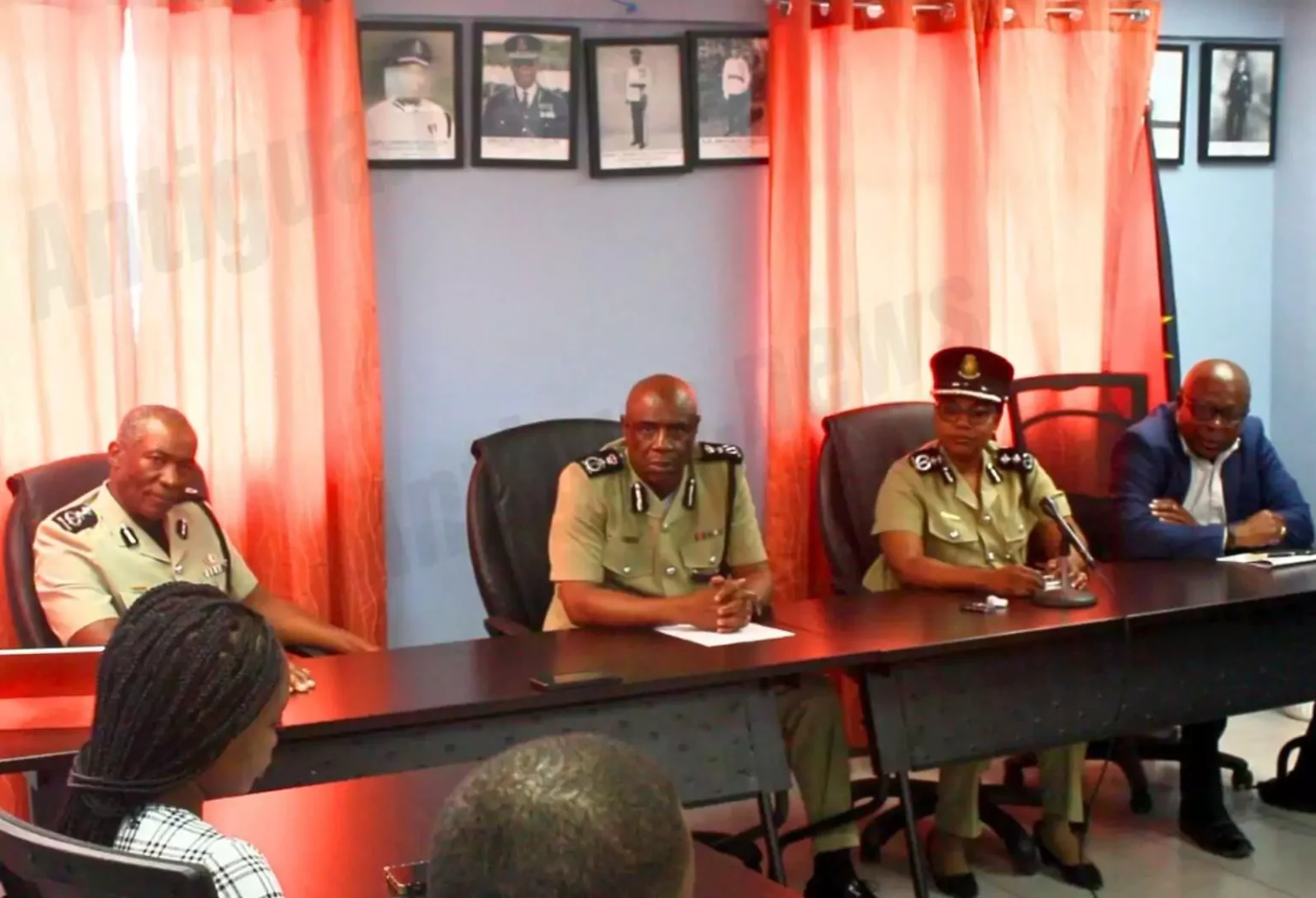
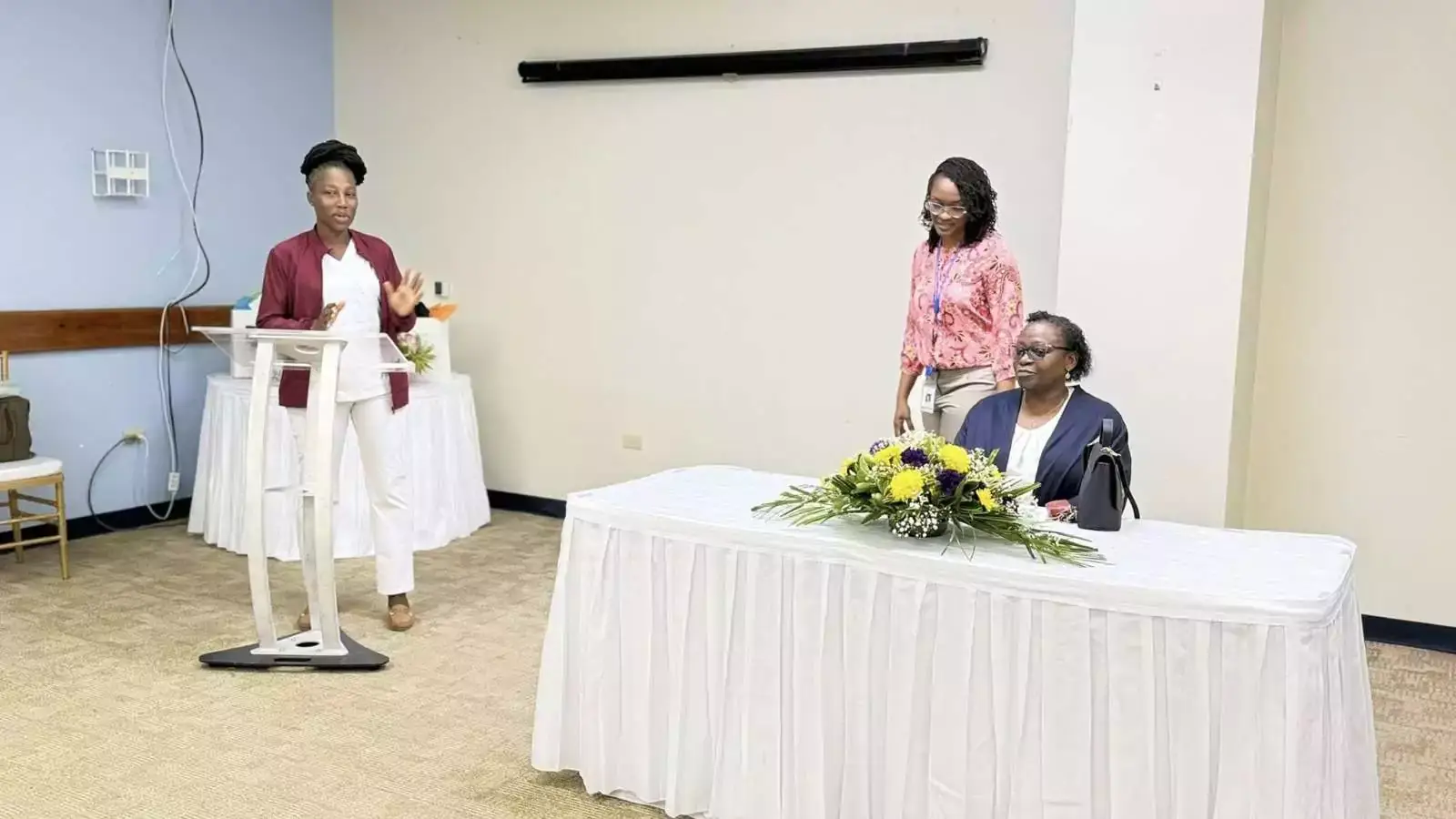
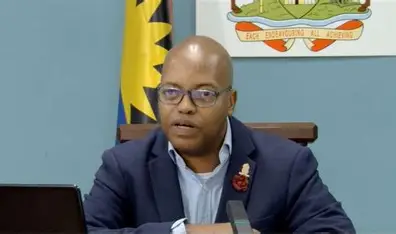
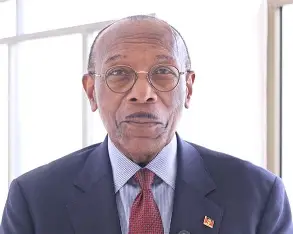
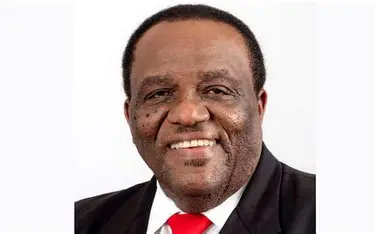
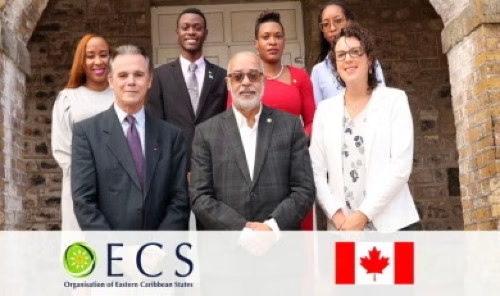
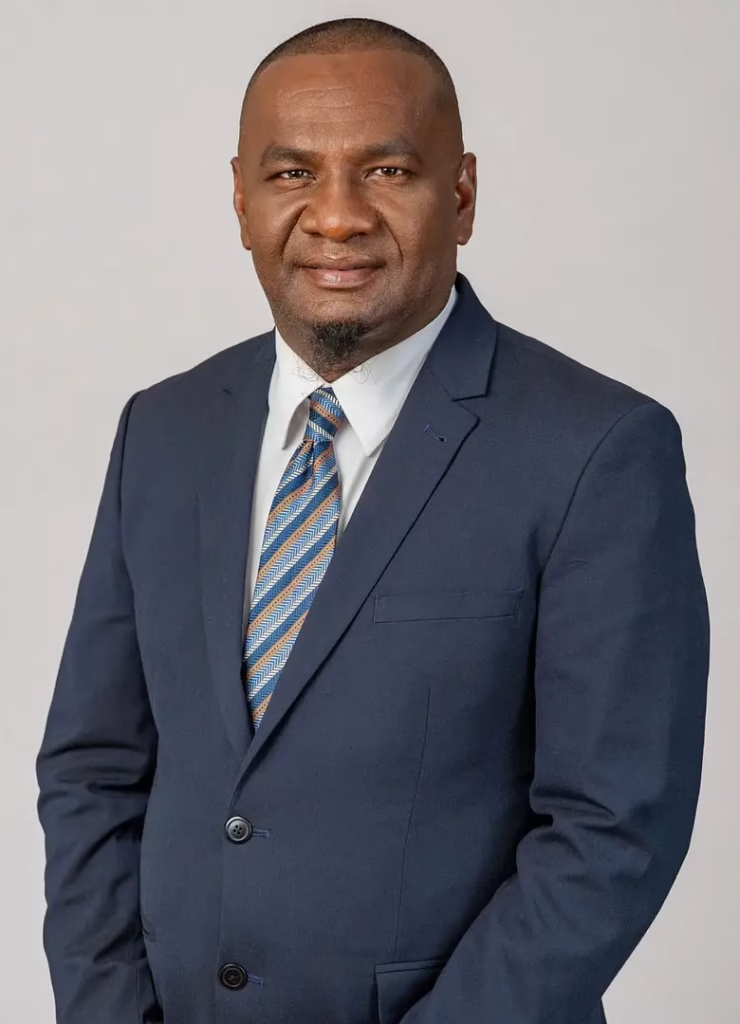
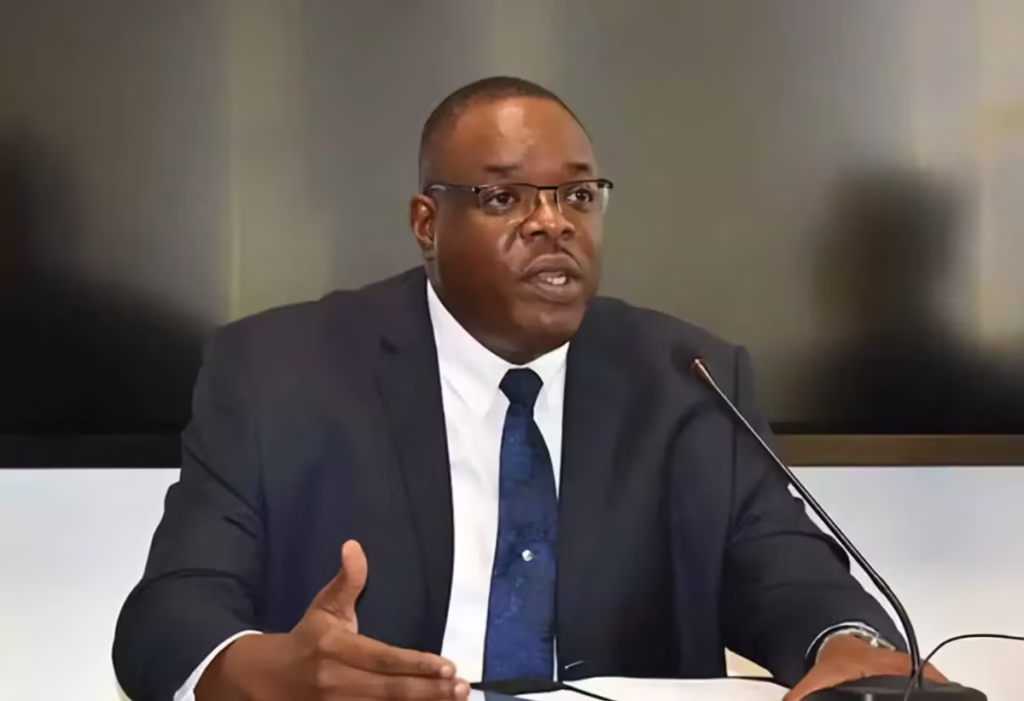
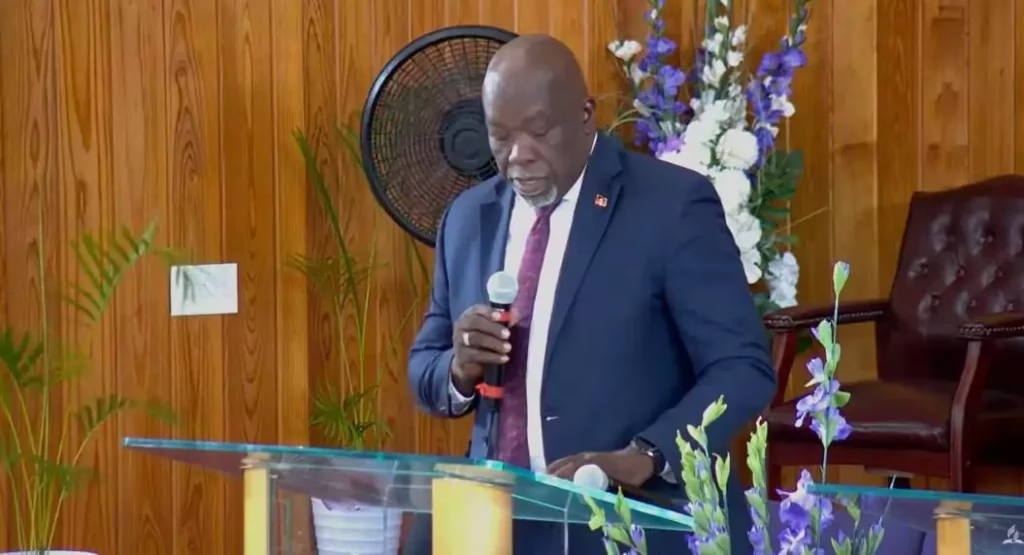
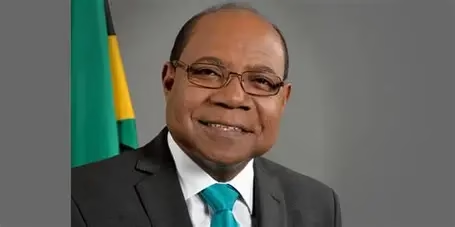
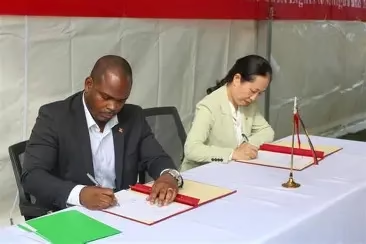
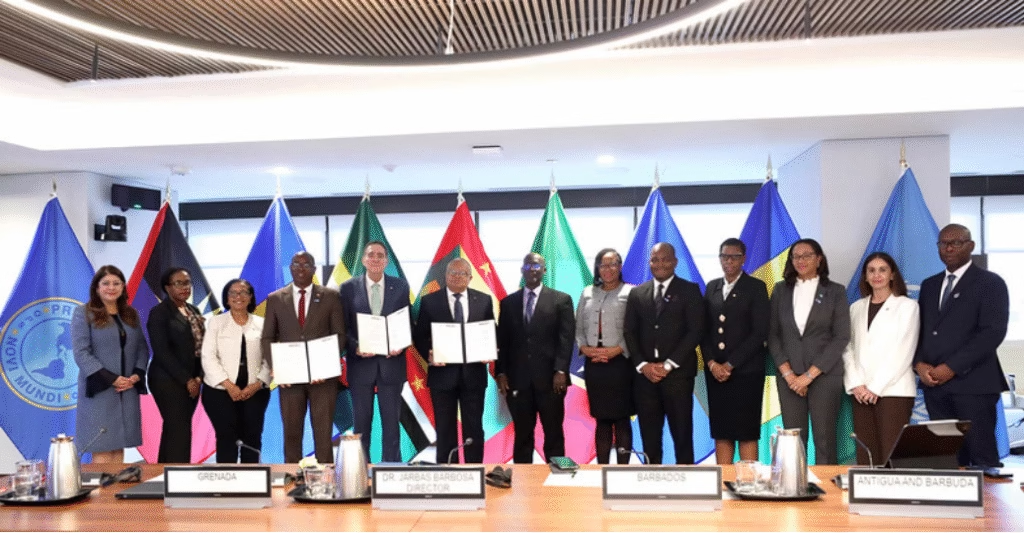
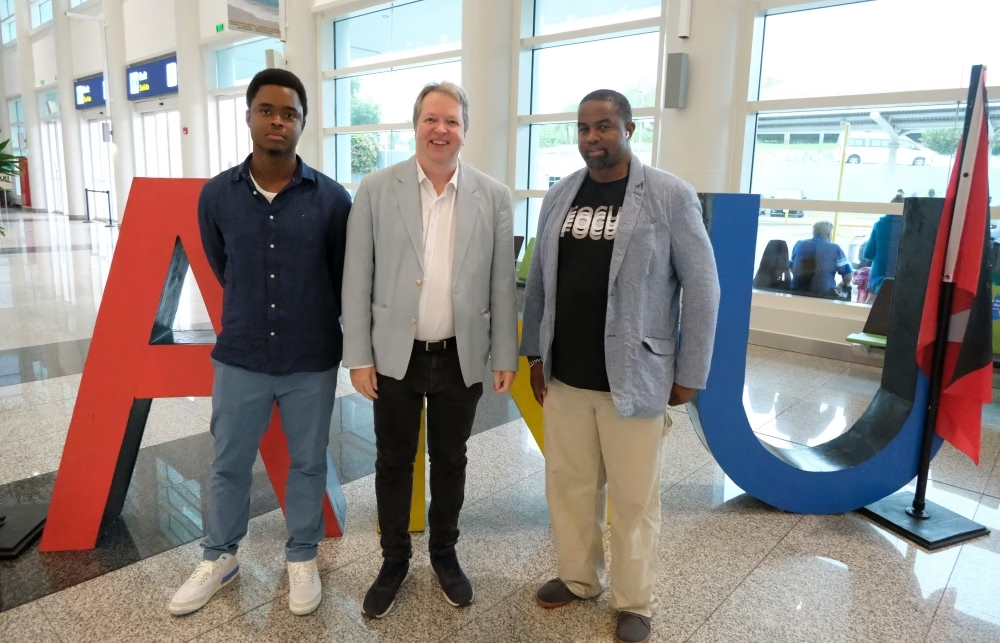
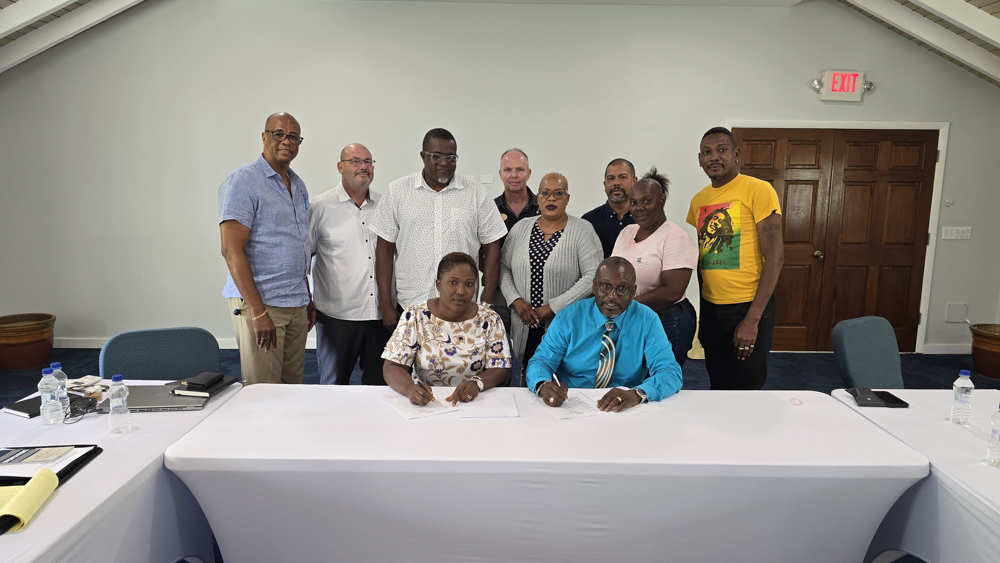
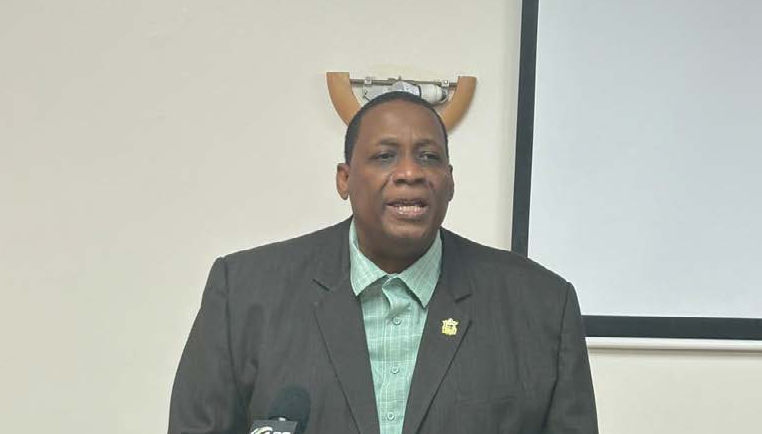
Importantly, the Caribbean Development Bank funded the project and praised the strong national and regional collaboration behind it. As a result, Jamaica now stands as a regional leader in modern poverty measurement. CDB official Elbert Ellis noted that the MPI turns data into action, while PIOJ Director General Dr Wayne Henry said it sharpens planning and tracks real development progress.
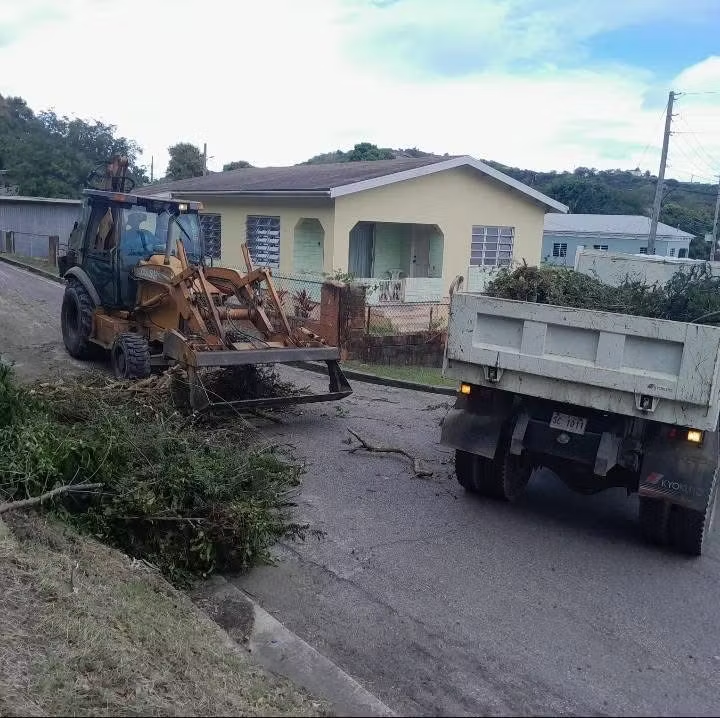
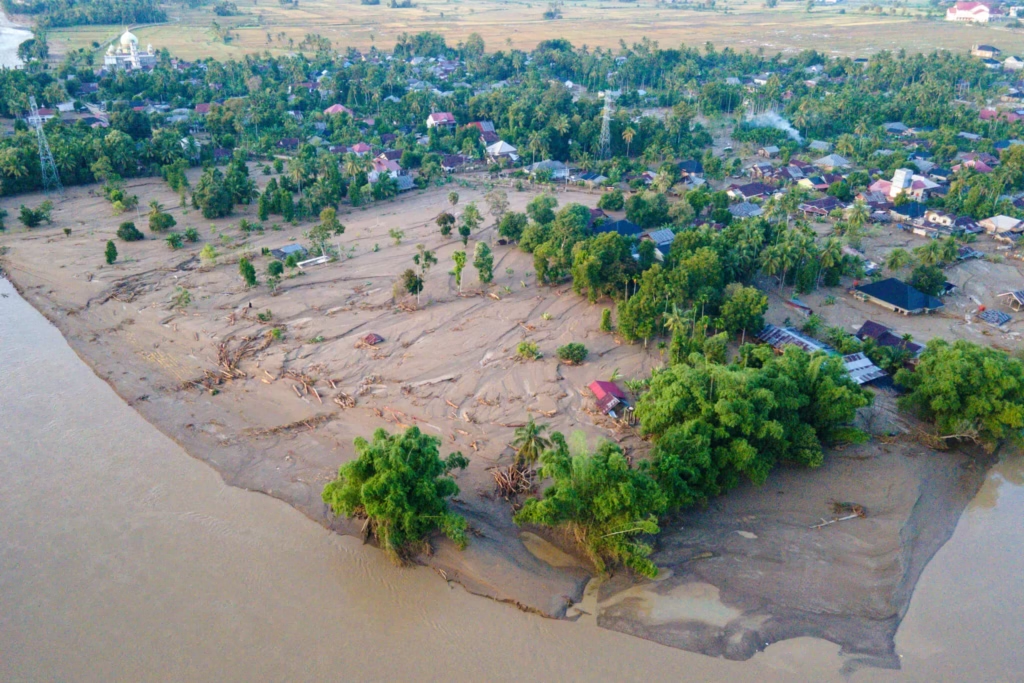
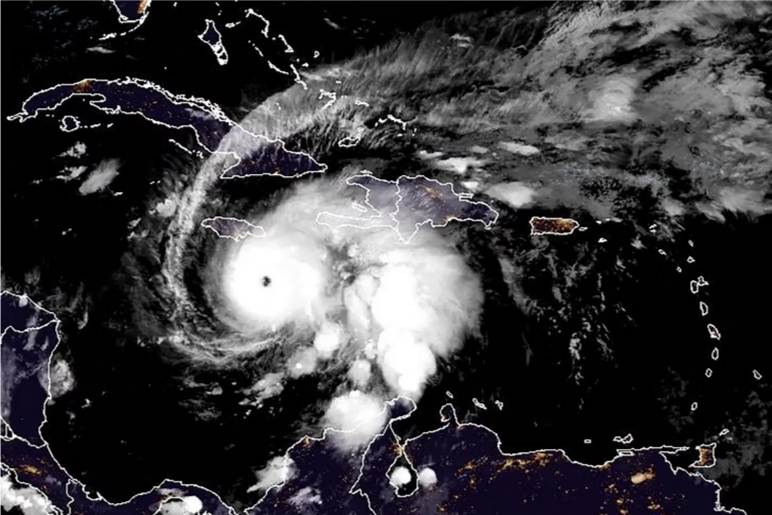
Another key benefit also stands out. The MPI supports gender-responsive policies by breaking data down by sex and age. Thus, it reveals how poverty affects women, men, and children differently. Finally, the timing is critical. As Jamaica rebuilds after Hurricane Melissa, accurate data can guide recovery spending. In the end, clearer measurement helps end excuses and confront poverty honestly.
Join the Dadli News WhatsApp Group: https://chat.whatsapp.com/L04JxtMbG39FLBbxYWlz9T
Join the Dadli News WhatsApp Group: https://chat.whatsapp.com/L04JxtMbG39FLBbxYWlz9T