
 English























































































































































































































































































































































































































































Coral Skeletons Reveal 630-Year-Old Tsunami Risk for Caribbean

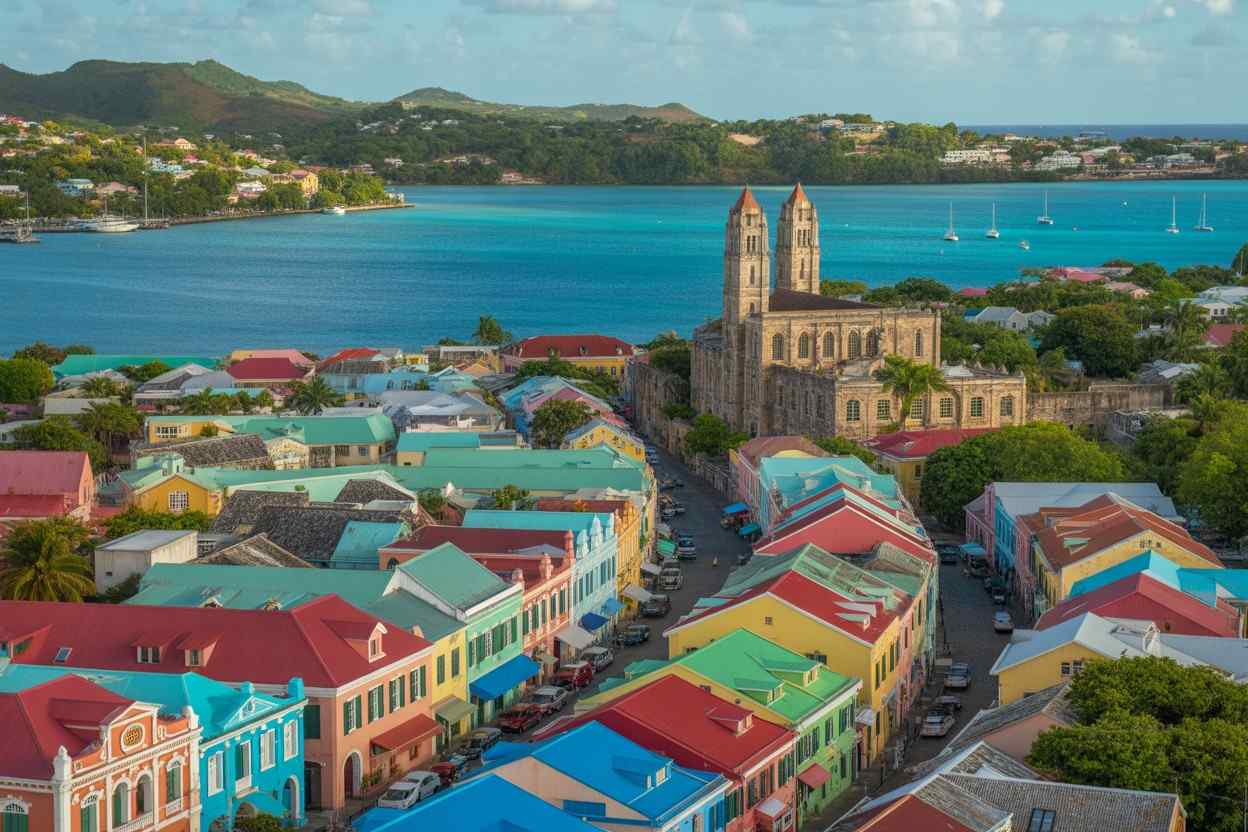
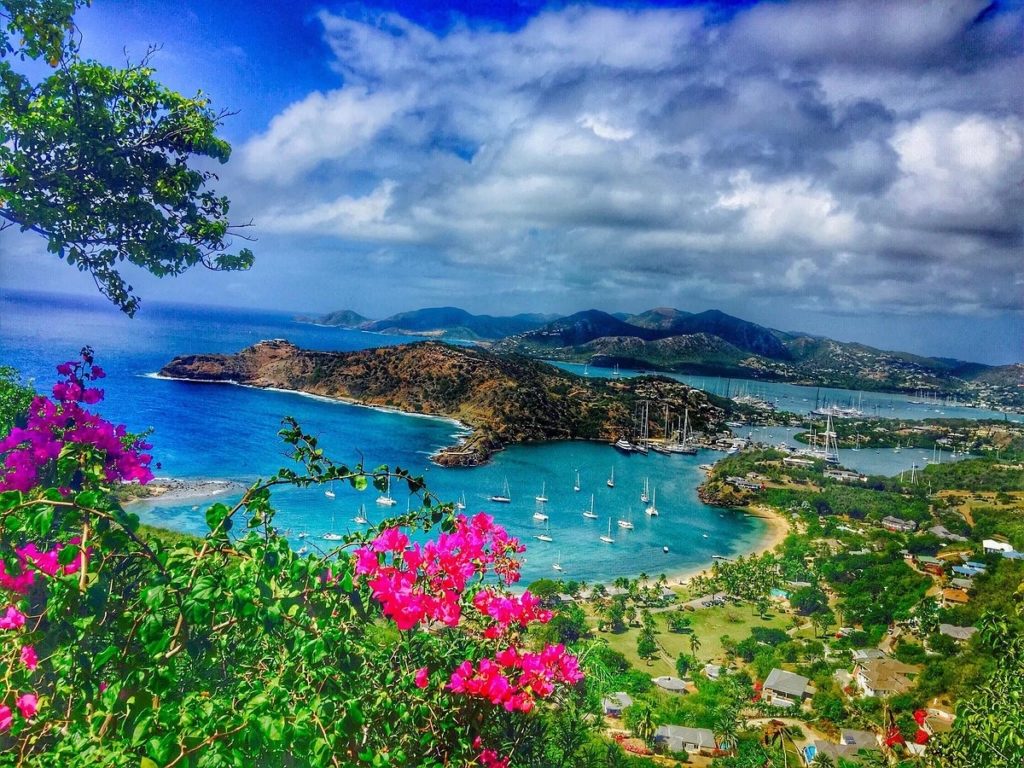
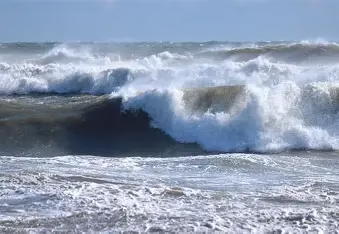
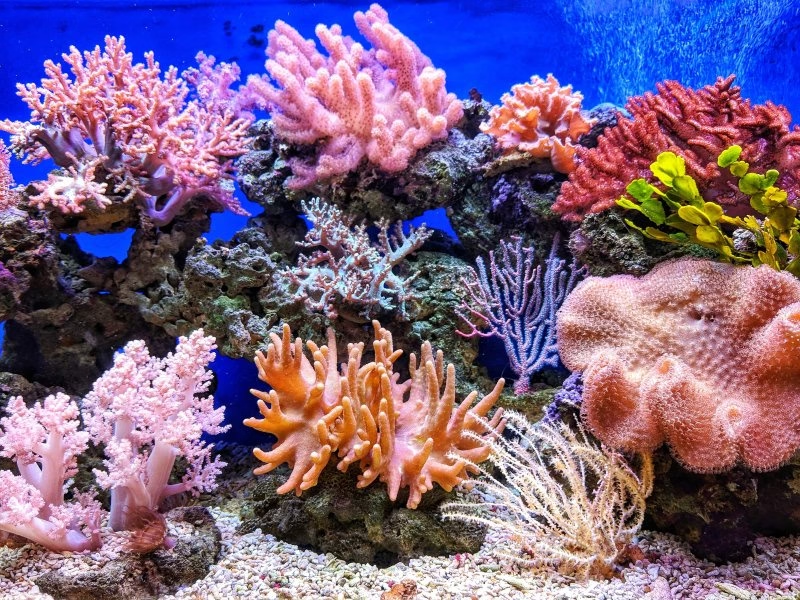
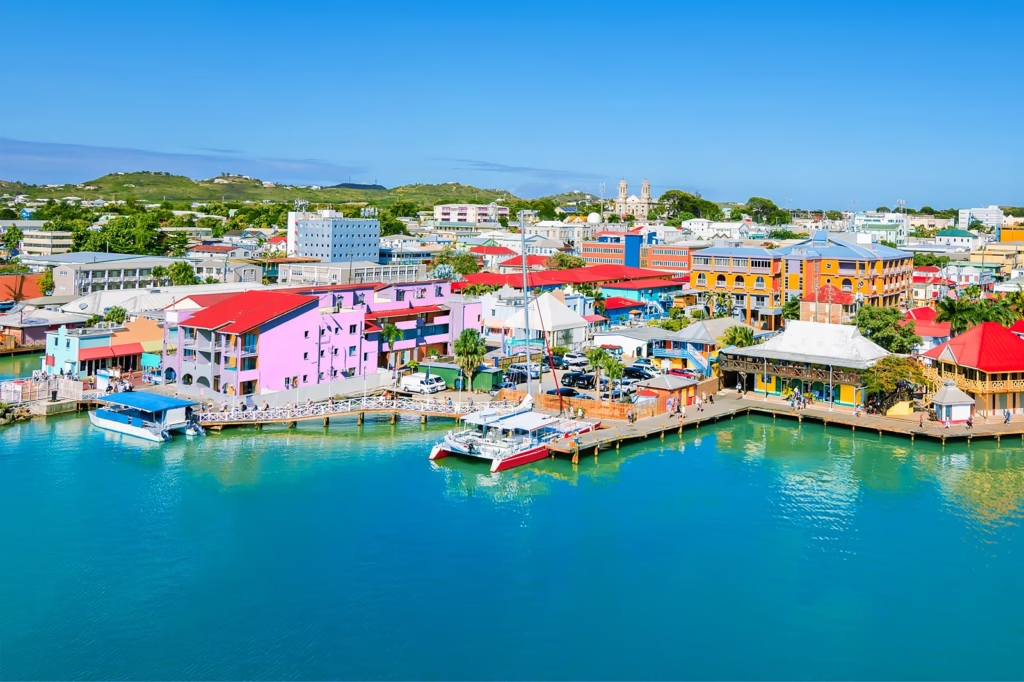
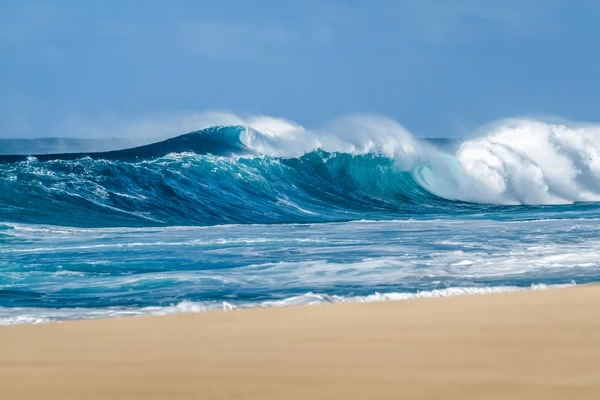
Coral skeletons left by a tsunami over 630 years ago highlight risks for the Caribbean region.
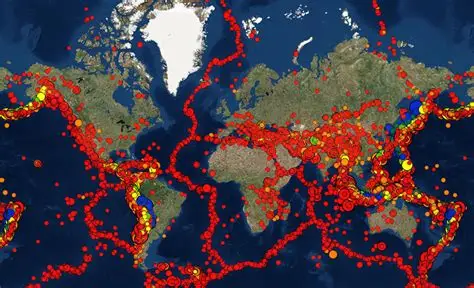
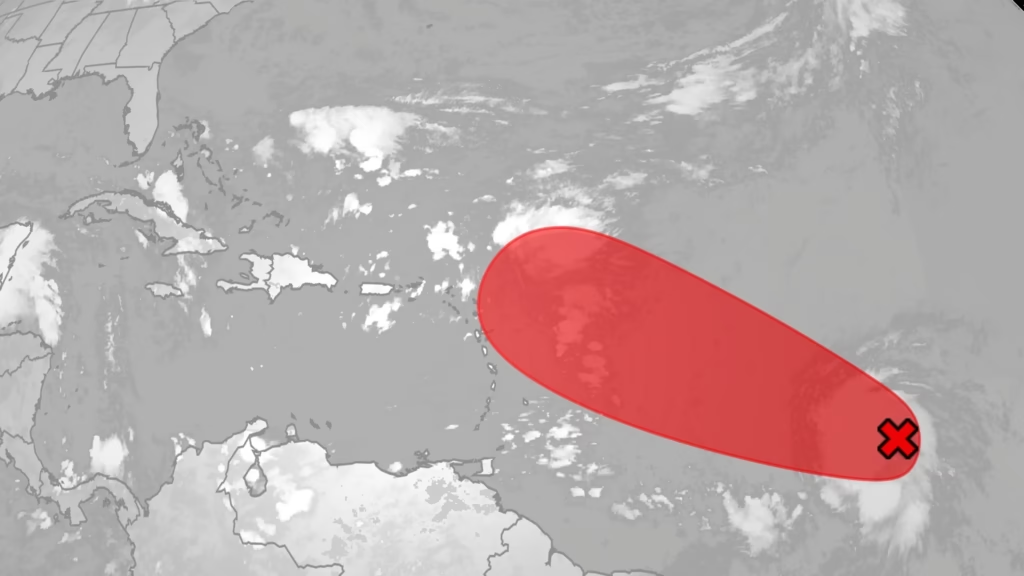
New research shows a major earthquake struck the northeastern Caribbean between 1381 and 1391.
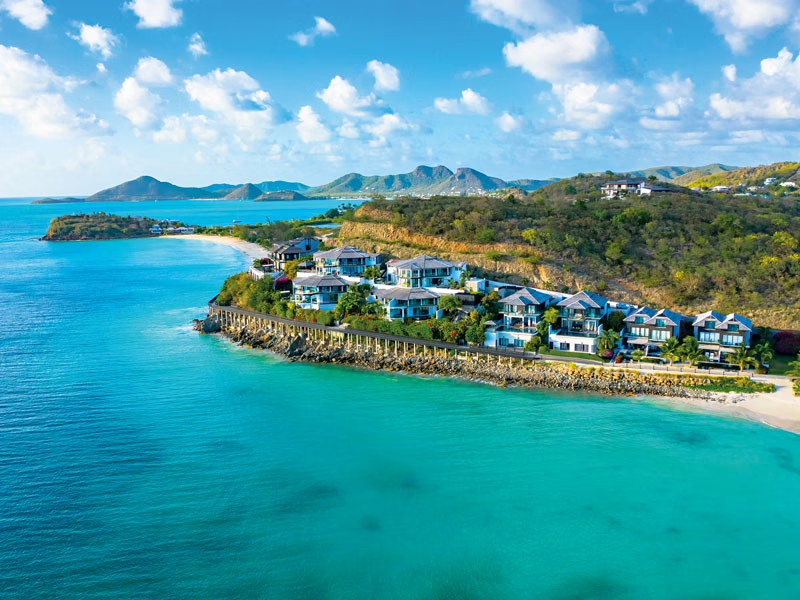
The quake exceeded magnitude 8.0 and triggered a tsunami toward Anegada in the British Virgin Islands.
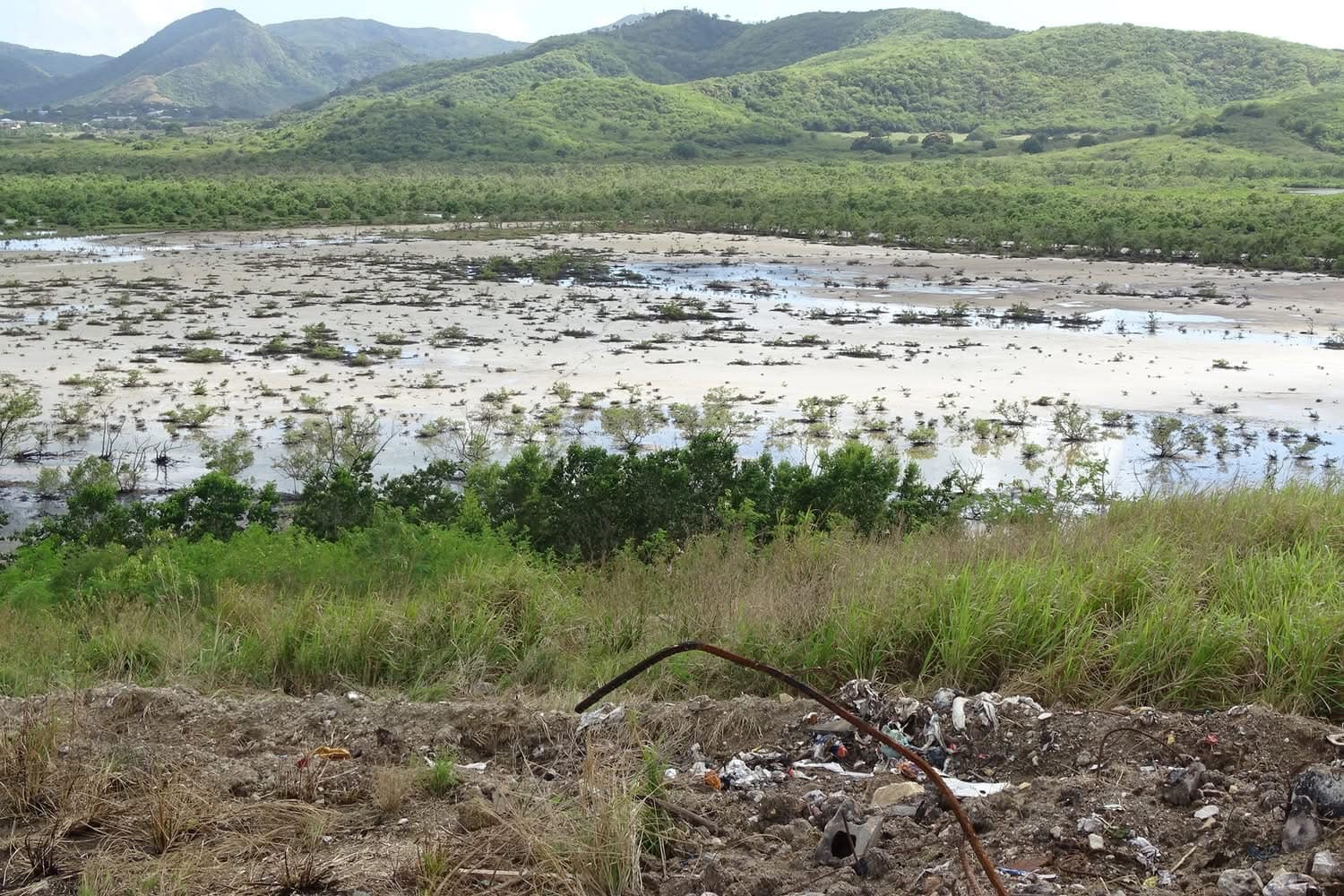
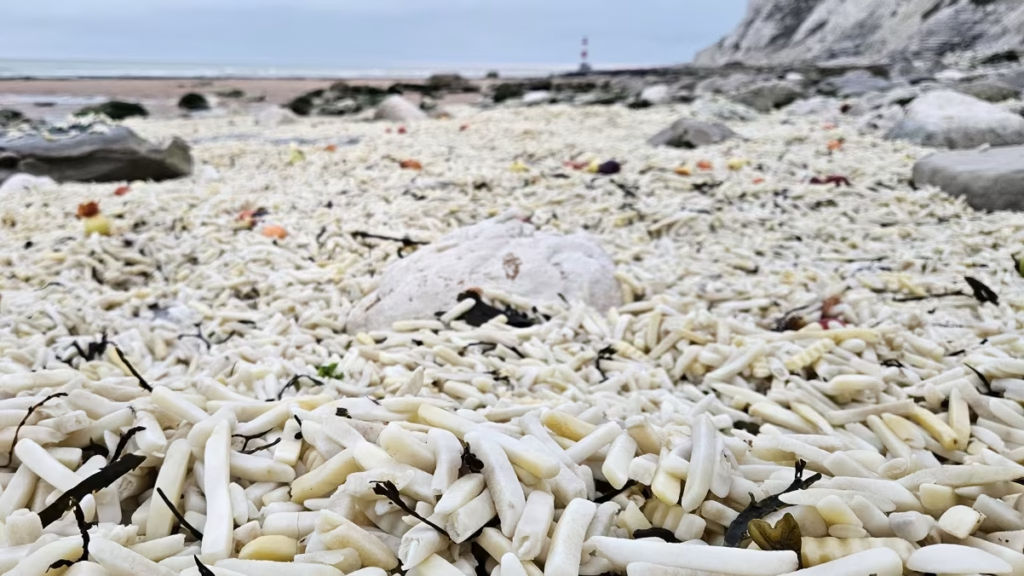
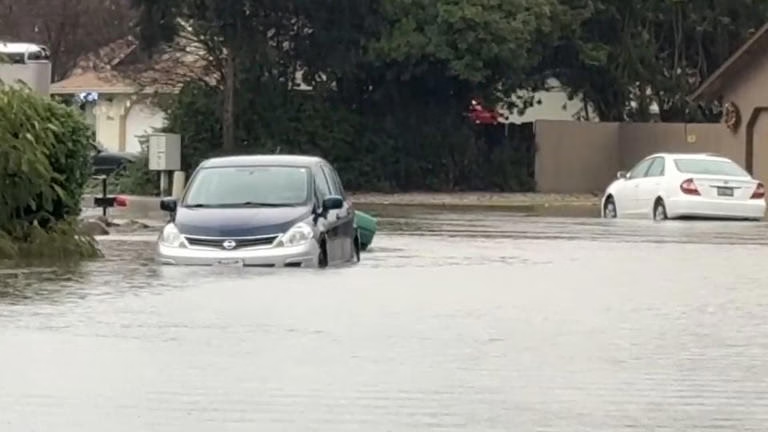
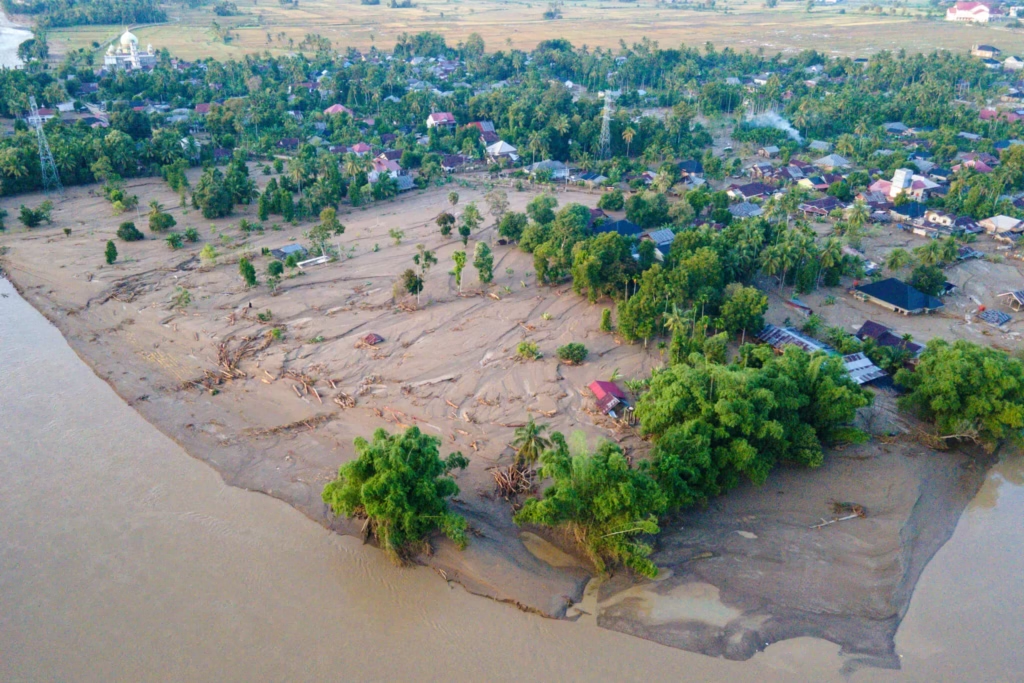
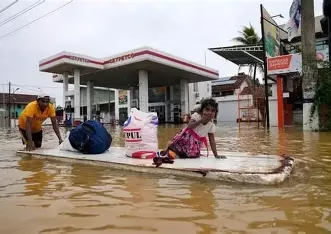
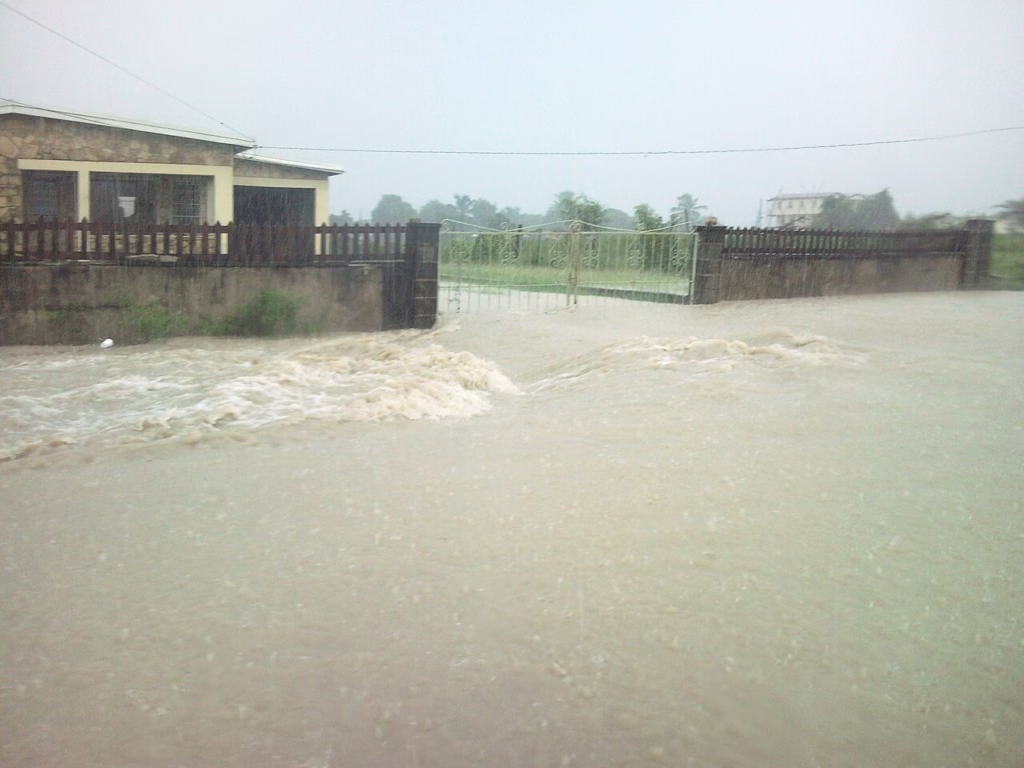
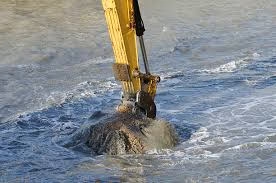
Flooding scattered debris across the island, depositing coral boulders hundreds of yards inland.
The corals died, leaving skeletons that now provide vital historical clues.
Scientists used computer models to show that the flooding came from a tsunami in the nearby Puerto Rico Trench.
This study, published in Geophysical Research Letters, narrows the tsunami’s occurrence to the late 14th century.
The findings will help guide future Caribbean tsunami preparedness.
Professor Brian Atwater of the University of Washington explained the importance for coastal planning.
“If you’re building a school or hospital near the coast, you must know if a big earthquake could strike,” he said.
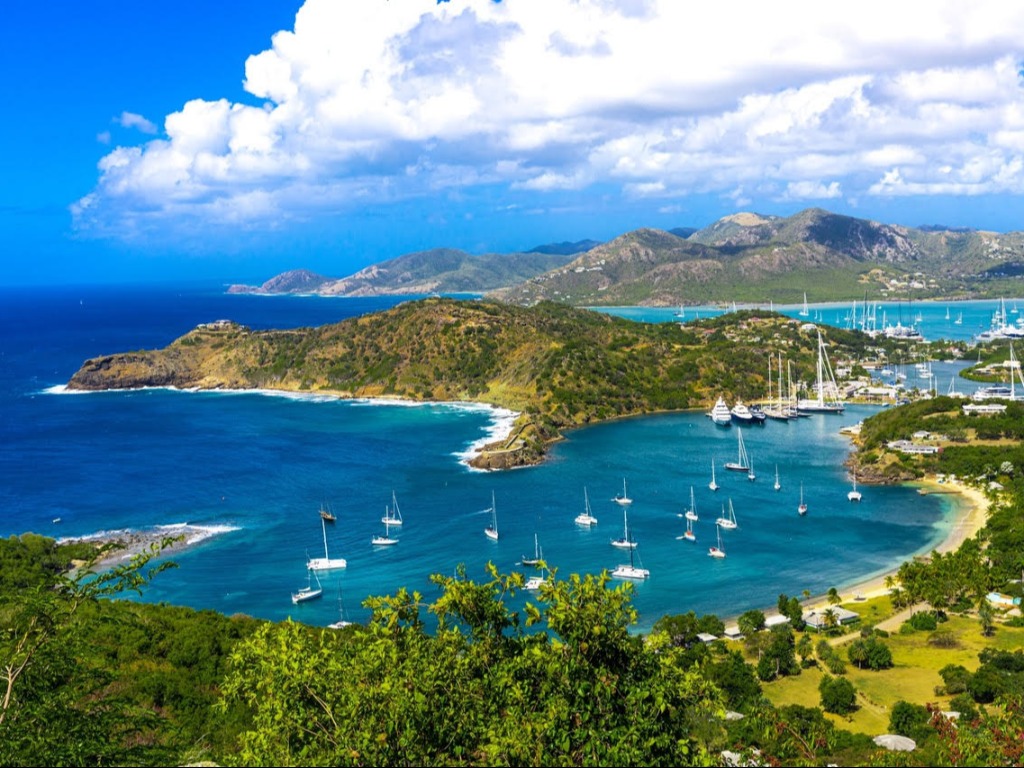
Anegada is especially vulnerable because its seafloor slopes steeply toward the trench.
Most Caribbean islands are protected by a broad, shallow continental shelf, which reduces wave energy.
Geology allowed researchers to study tsunami history beyond written records, which cover only five centuries.
Interest grew after the 2004 Indian Ocean tsunami, which killed over 250,000 people.
U.S. officials then examined coastal hazards along the Atlantic, prompting studies in the Caribbean.
Professor Uri ten Brink of Woods Hole Coastal and Marine Science Centre collaborated with Atwater to investigate Anegada.
The research uncovered evidence that drew multiple teams to study the island.
The latest study, led by Professor Hali Kilbourne, used coral dating to determine the tsunami’s timeframe.
Scientists measured uranium and thorium decay in the coral’s interior.
They added annual growth bands to estimate when the corals died, similar to counting tree rings.
Prof. Kilbourne said the method allows long-term climate and hazard study.
She plans to continue analyzing samples to better understand historical climate patterns and future risks.
In conclusion, these coral skeletons reveal a rare but serious tsunami risk.
Authorities and scientists can now use this knowledge to improve disaster preparedness across the Caribbean.
Anegada’s unique geography makes early warnings and planning essential for public safety.
Join the Dadli News WhatsApp Group: https://chat.whatsapp.com/L04JxtMbG39FLBbxYWlz9T
Join the Dadli News WhatsApp Group: https://chat.whatsapp.com/L04JxtMbG39FLBbxYWlz9T