
 English
















































































































































































































































































































































































































































































































































Attempted Suicides and Fights Expose Misery at ICE Detention Camp
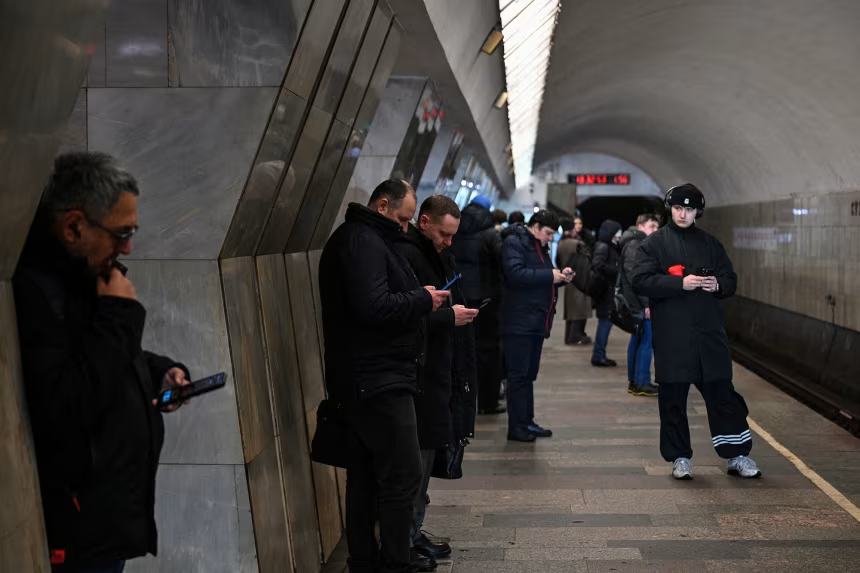
Attempted suicides, violent fights, and medical emergencies have revealed troubling conditions inside a major U.S. immigration detention facility. Records of emergency calls show frequent crises at Camp East Montana in Texas.
Staff placed nearly one 911 call per day for five months. Each call described pain, fear, or serious health problems among detainees.
For example, one man sobbed after another detainee attacked him. Meanwhile, another man slammed his head against a wall after sharing suicidal thoughts.
In addition, a pregnant woman reported severe back pain while also suffering from COVID-19. These cases show the daily struggles detainees face inside the camp.
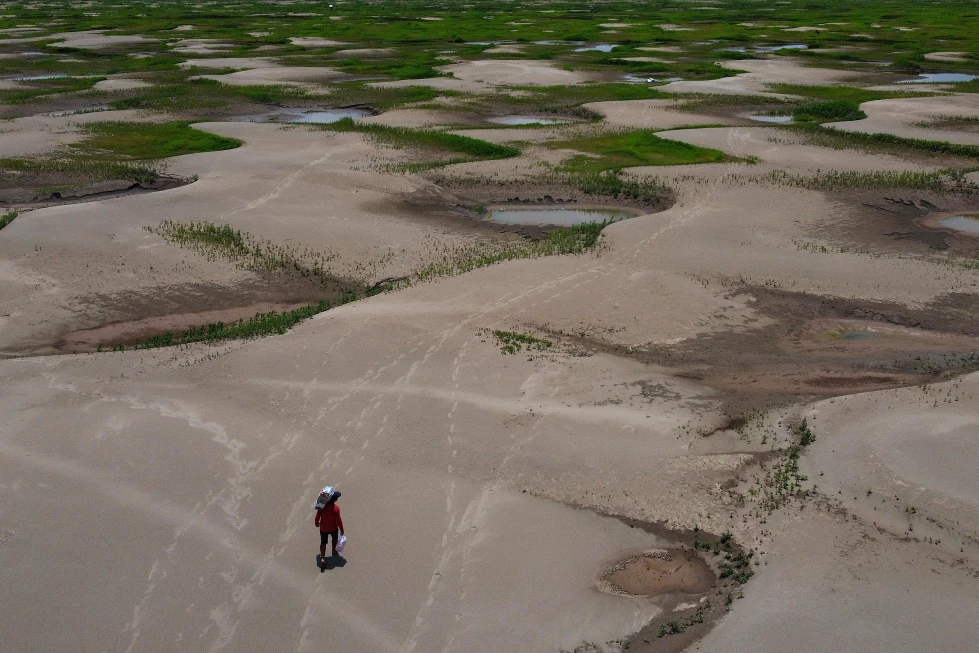
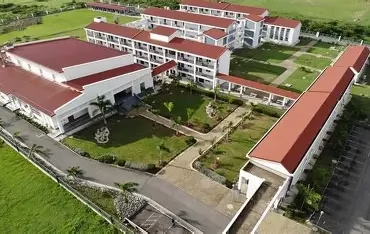
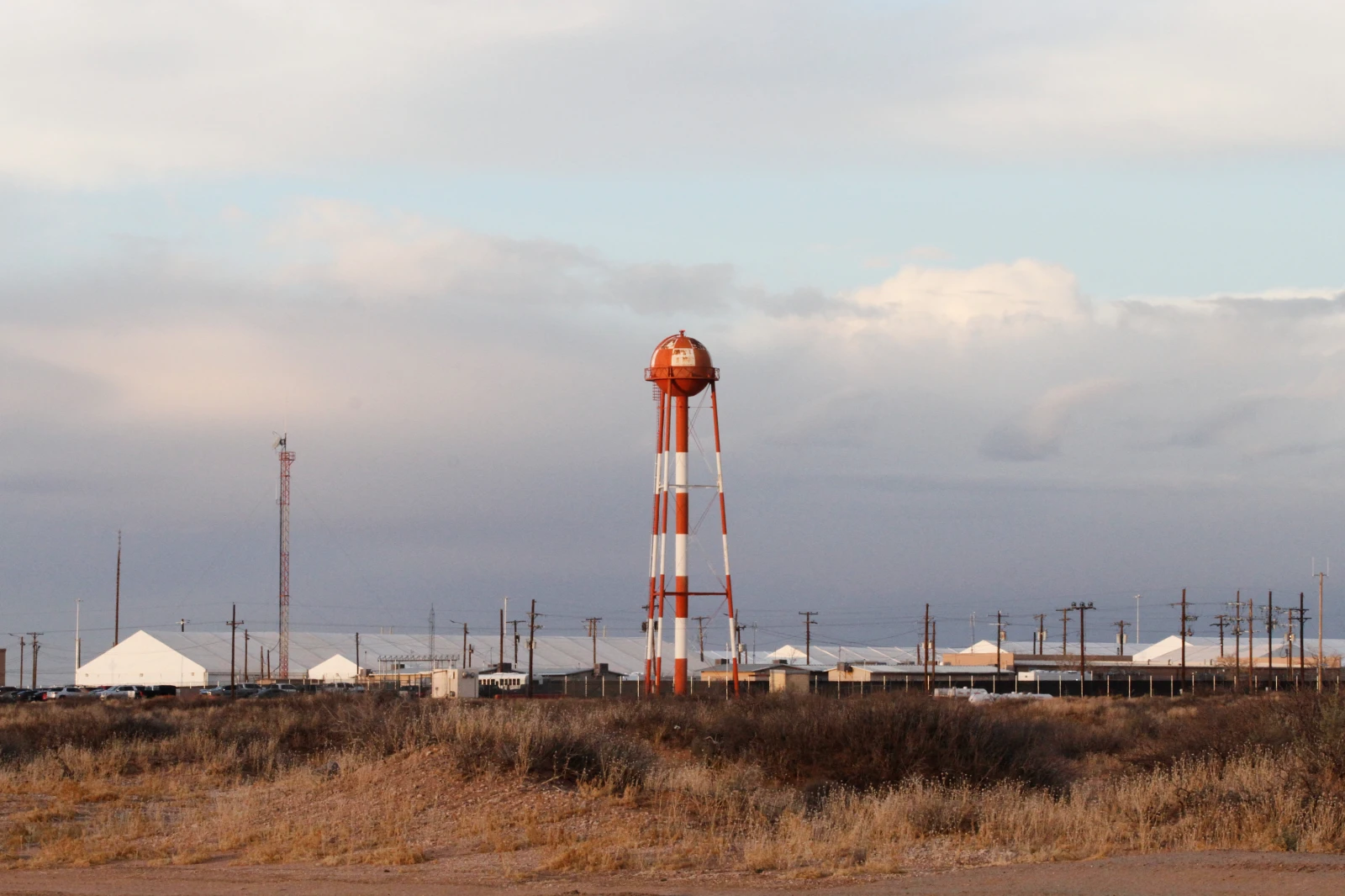
Camp East Montana sits near El Paso in the Chihuahuan Desert. Officials built the site quickly at the Fort Bliss U.S. Army base. Today, it stands as the largest Immigration and Customs Enforcement detention facility in the country.
Inside the camp, thousands of detainees live in large tents arranged in long rows. Many wear color-coded uniforms and rubber shoes. However, detainees say the living conditions feel harsh and overcrowded.
Former detainee Owen Ramsingh described the experience as mentally exhausting. He said time passed painfully slowly during his stay. According to him, the camp felt worse than prison.
Meanwhile, government records show most detainees do not have criminal records. About 80 percent entered the facility through broad immigration arrests.
Detainees also report medical neglect and poor food conditions. Many say they lost weight due to small or low-quality meals. Others struggle to receive medication for chronic illnesses.
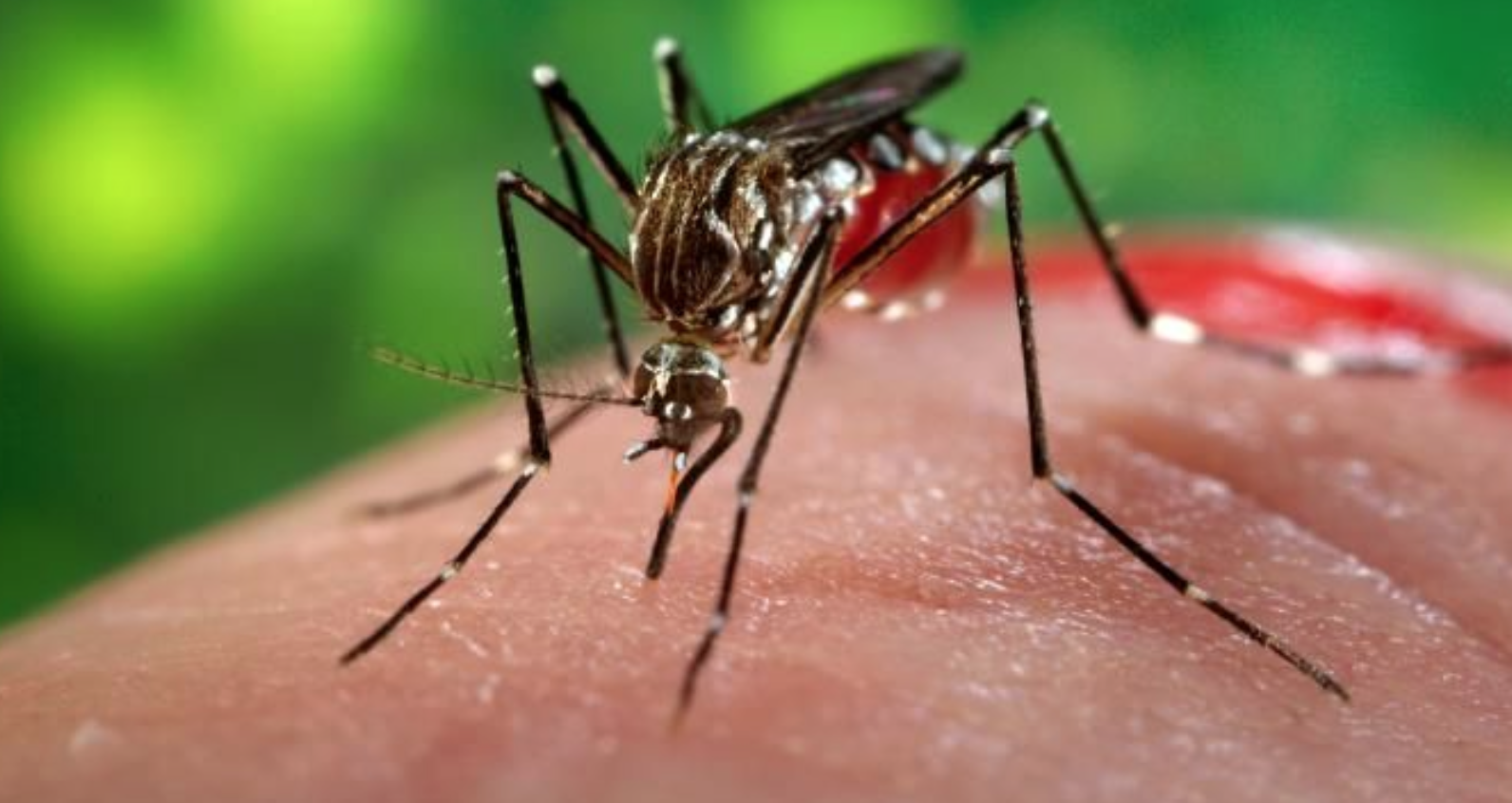
Furthermore, sanitation problems have raised health concerns. Some detainees say insects fill sleeping areas and bathrooms between cleanings.
Violence inside the camp has also sparked emergency calls. Some detainees suffered injuries during fights, including head trauma and broken bones.
In addition, mental health crises appear frequently in the records. Several detainees attempted suicide, while others reported severe emotional distress.
However, the Department of Homeland Security rejects claims of poor conditions. Officials say detainees receive proper food, water, and medical care.
Still, critics and lawmakers question the facility’s management. Some advocates now call for the camp’s closure.
Therefore, the future of Camp East Montana remains uncertain as investigations and public scrutiny continue.