
 English





































































































































































































































































































































































































































































































































































































































































































































































































































































































































































































































































































































































































































































































































































































































































































































































































































































































































Deadly Heat Worldwide Prompts $300 Million Climate Health Push

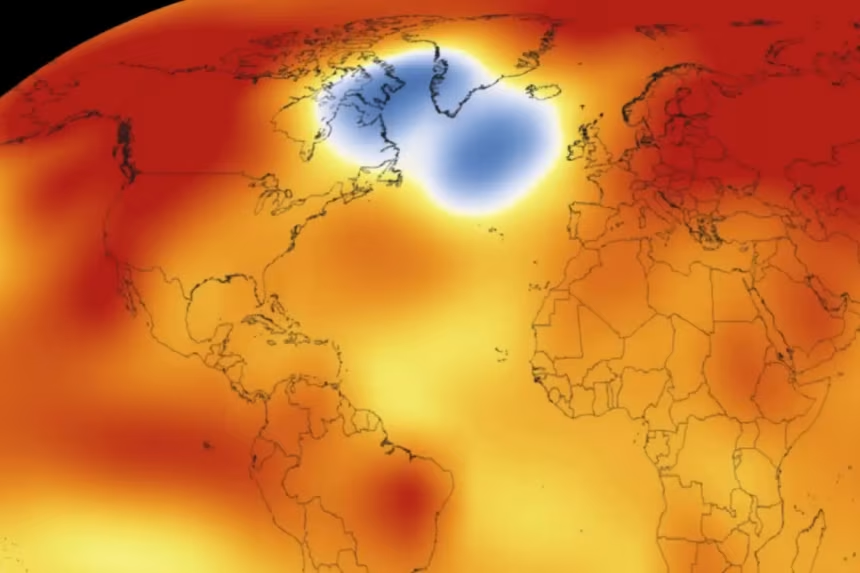
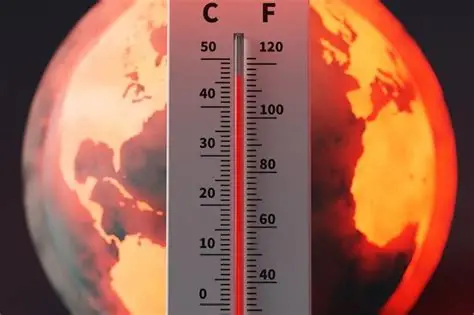
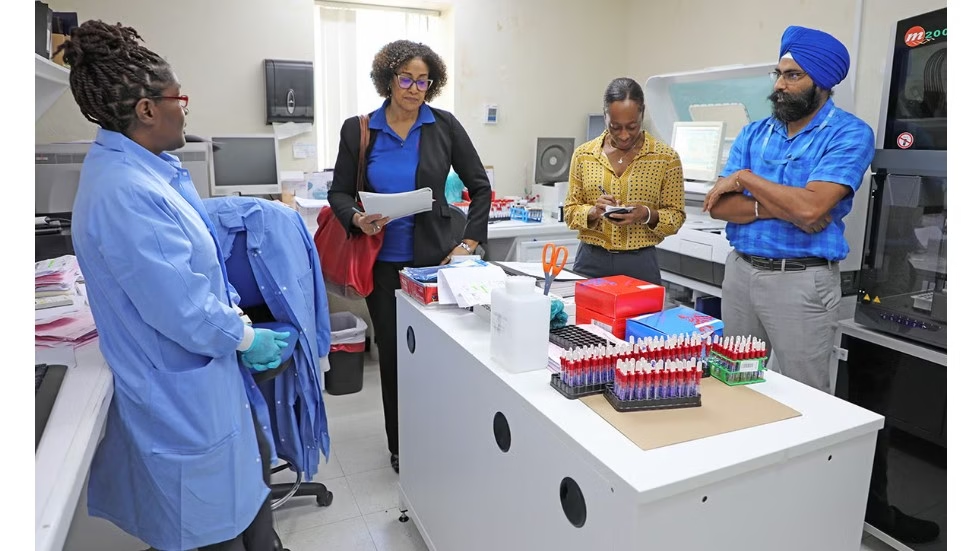
Deadly heat worldwide is driving a major global response as philanthropies commit $300 million to climate and health research. The announcement came at COP30 in Belém, Brazil. The funding aims to support new data, stronger health systems, and solutions for rising risks from heat, air pollution, and infectious diseases.
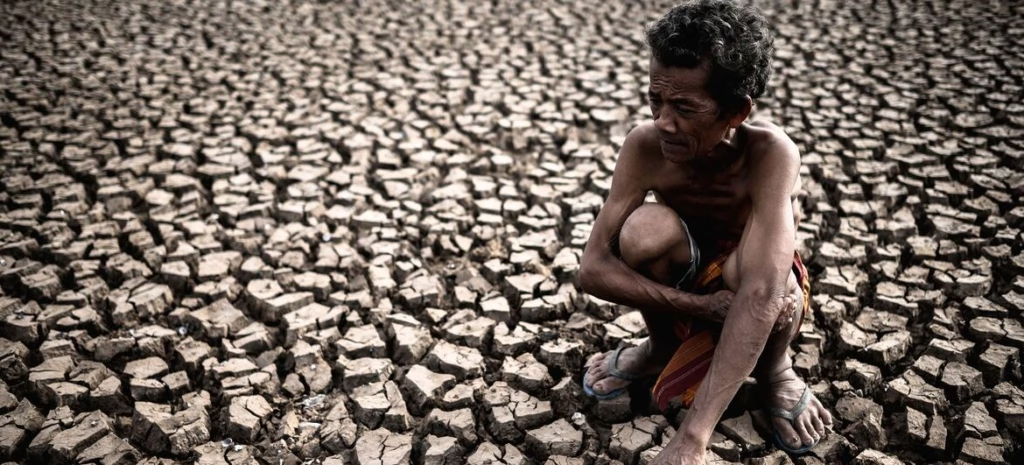
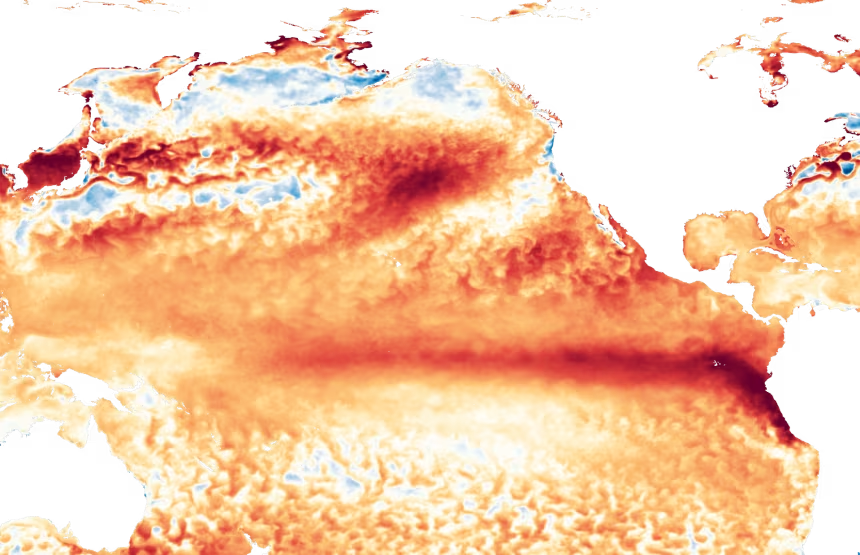
Experts say extreme heat already kills more than half a million people each year. Air pollution and climate-driven diseases add thousands more deaths. With global temperatures rising, health organizations warn that communities with fewer resources face the greatest danger.
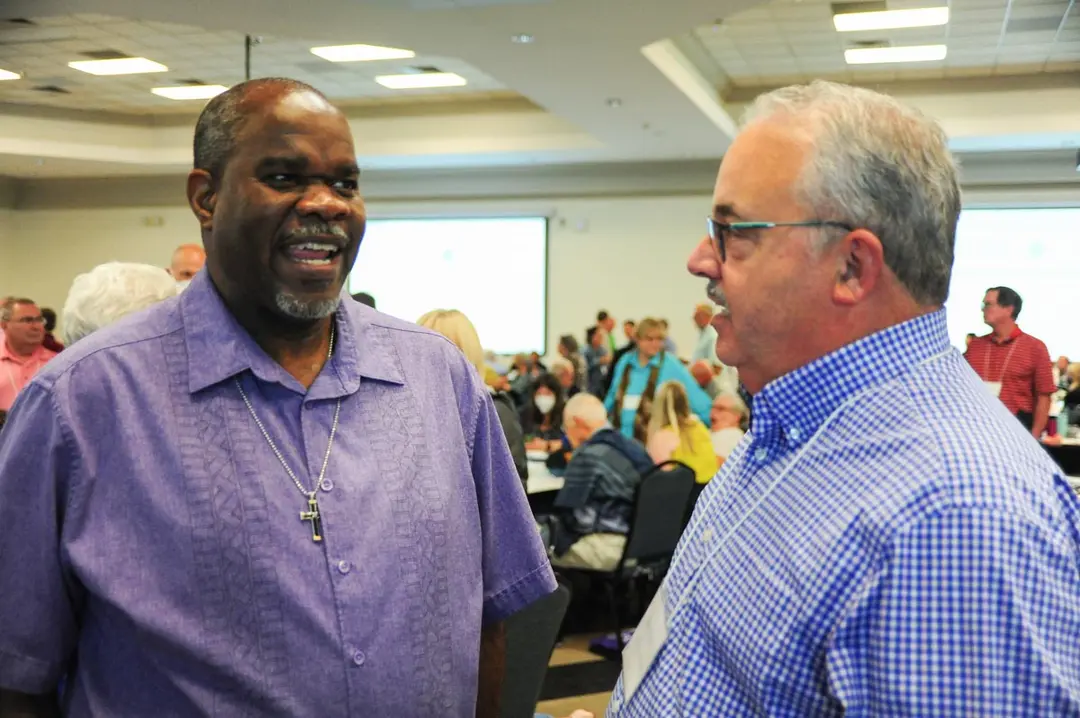
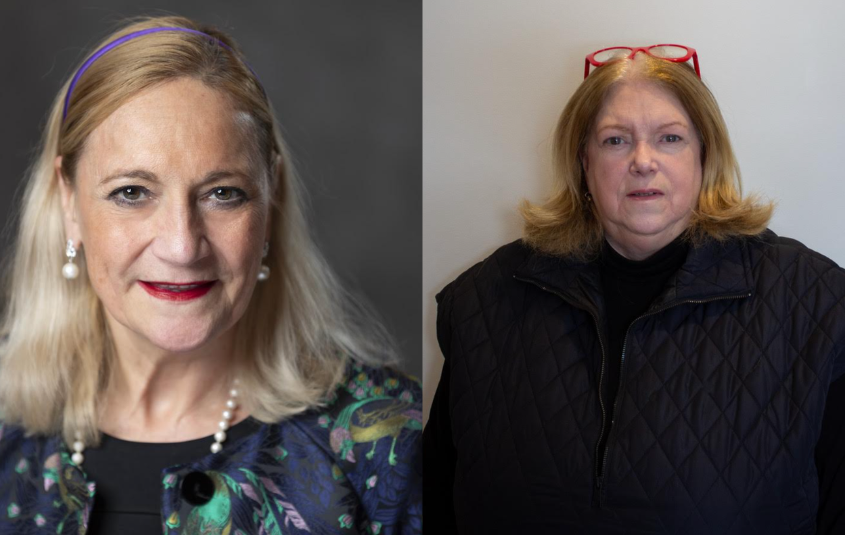
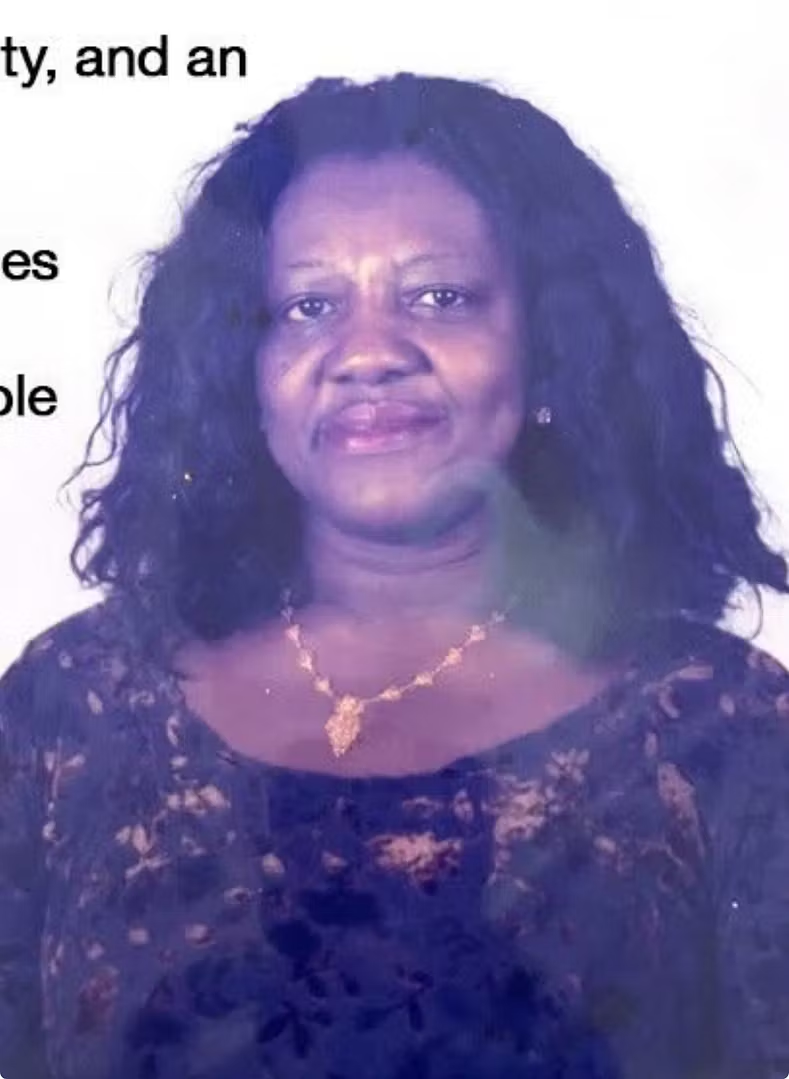
The new fund includes support from The Rockefeller Foundation. Estelle Willie, the foundation’s director of health policy and communications, said philanthropy must move beyond small fixes. She explained that the goal is to test and validate new solutions that can scale worldwide.
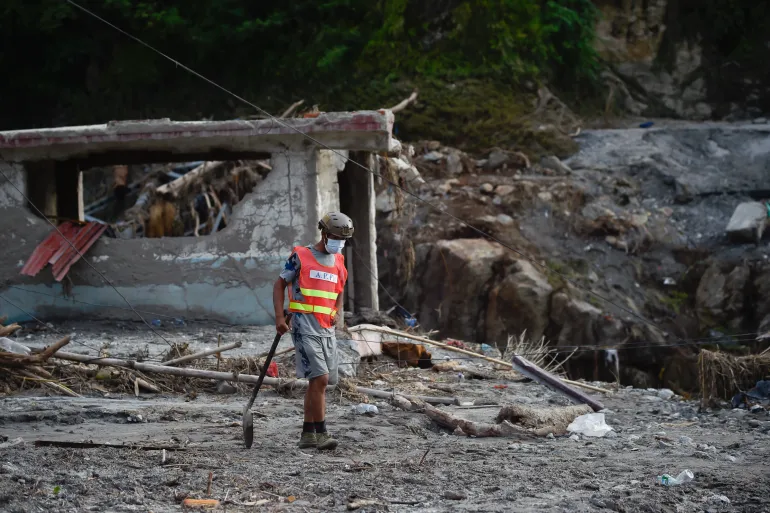
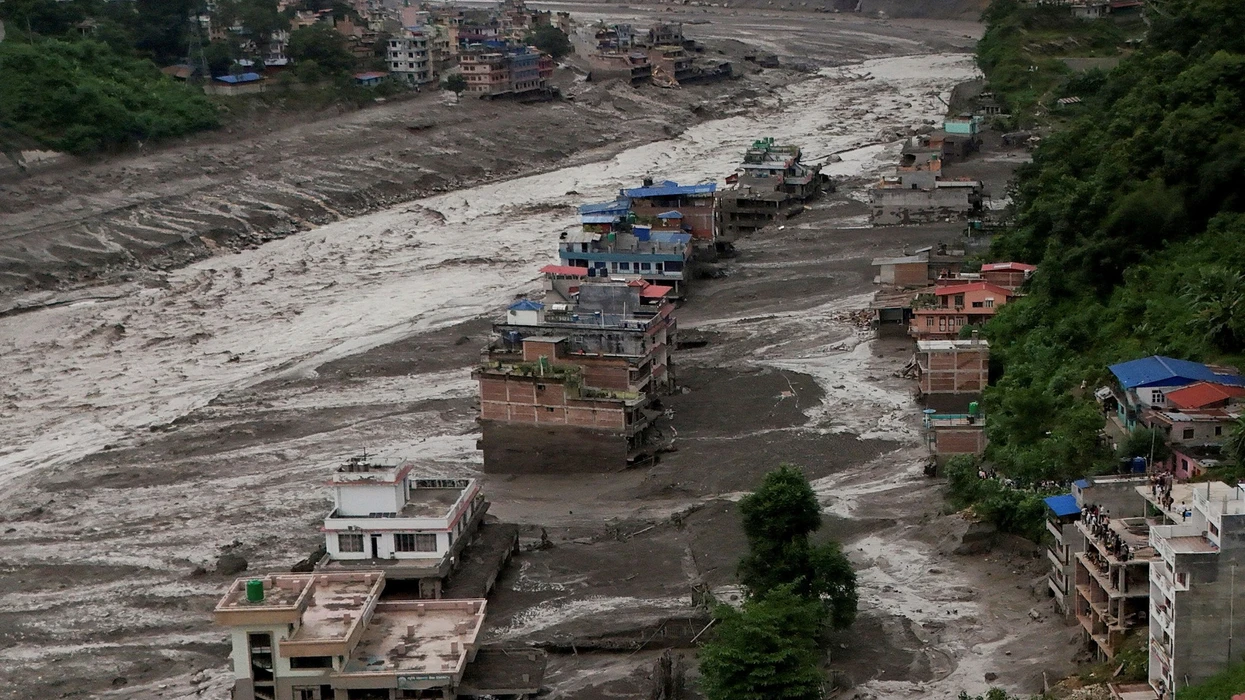
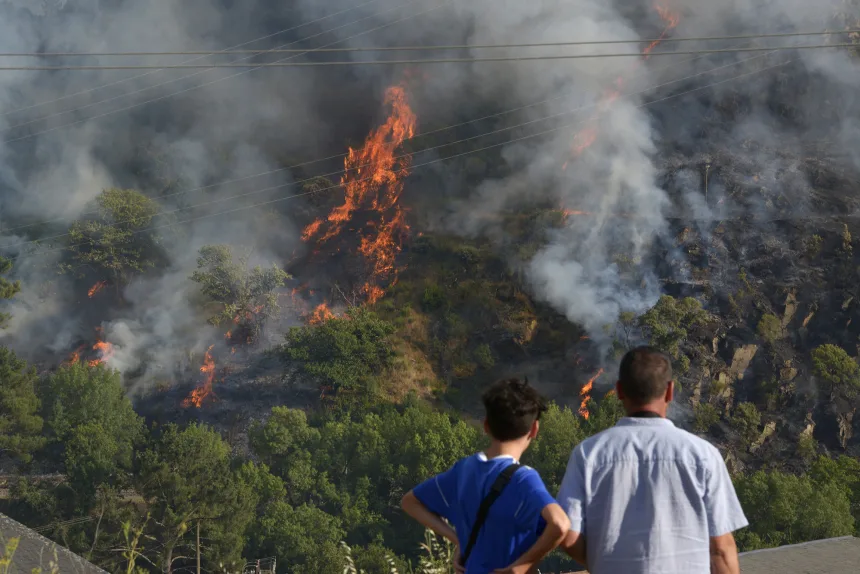
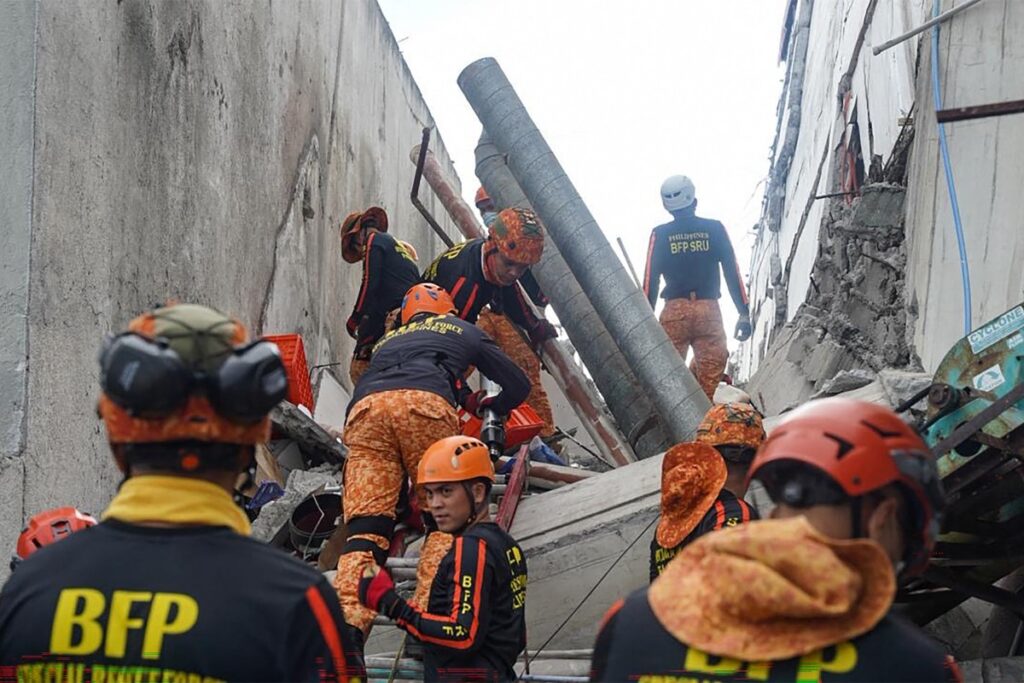
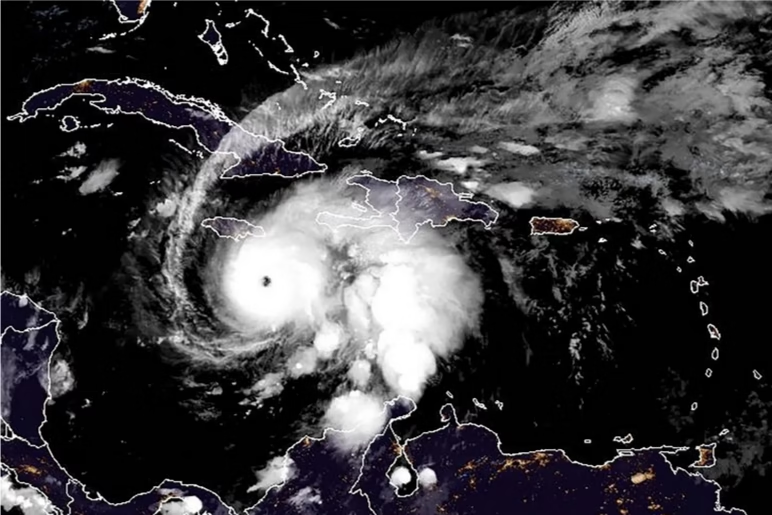
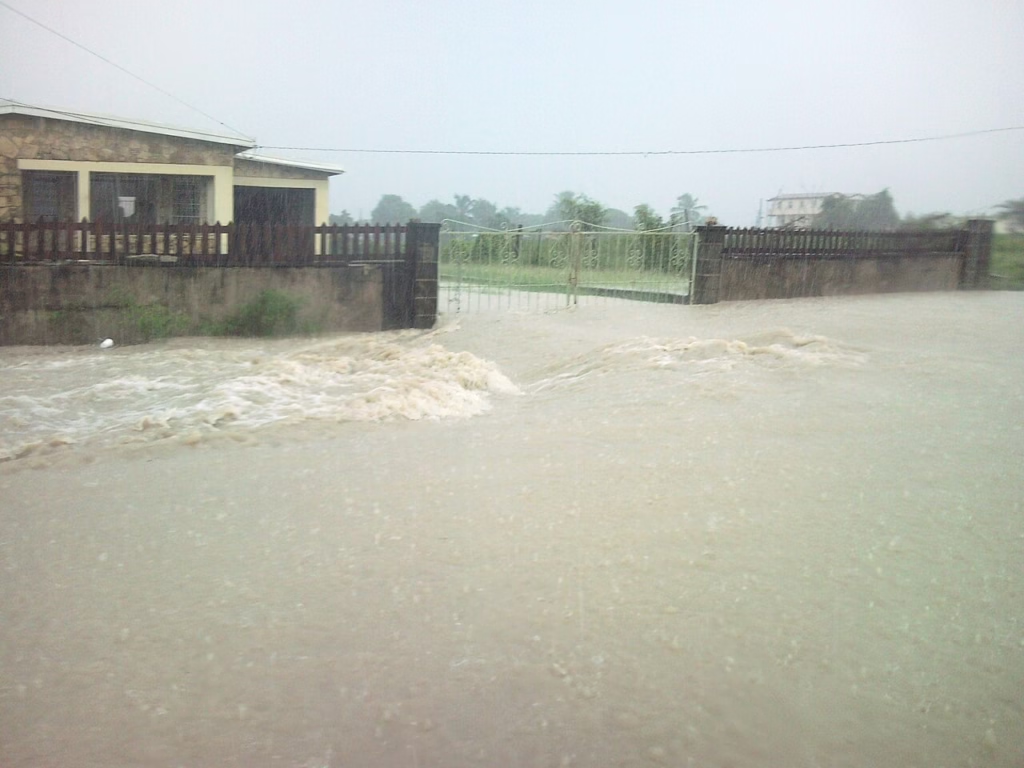
Brazil also launched the Belem Health Action Plan during COP30. The effort encourages countries to track climate-related health risks and coordinate policies across ministries. Brazil hopes the plan will help nations prepare for floods, storms, fires, droughts, and other growing climate threats.
Public funding for climate-health research currently ranges from $1 billion to $2 billion. The new $300 million adds to that total, but experts say far more support is still needed. Many leaders worry that climate change is reversing decades of progress in global health. They warn that every major health challenge becomes harder as temperatures rise.
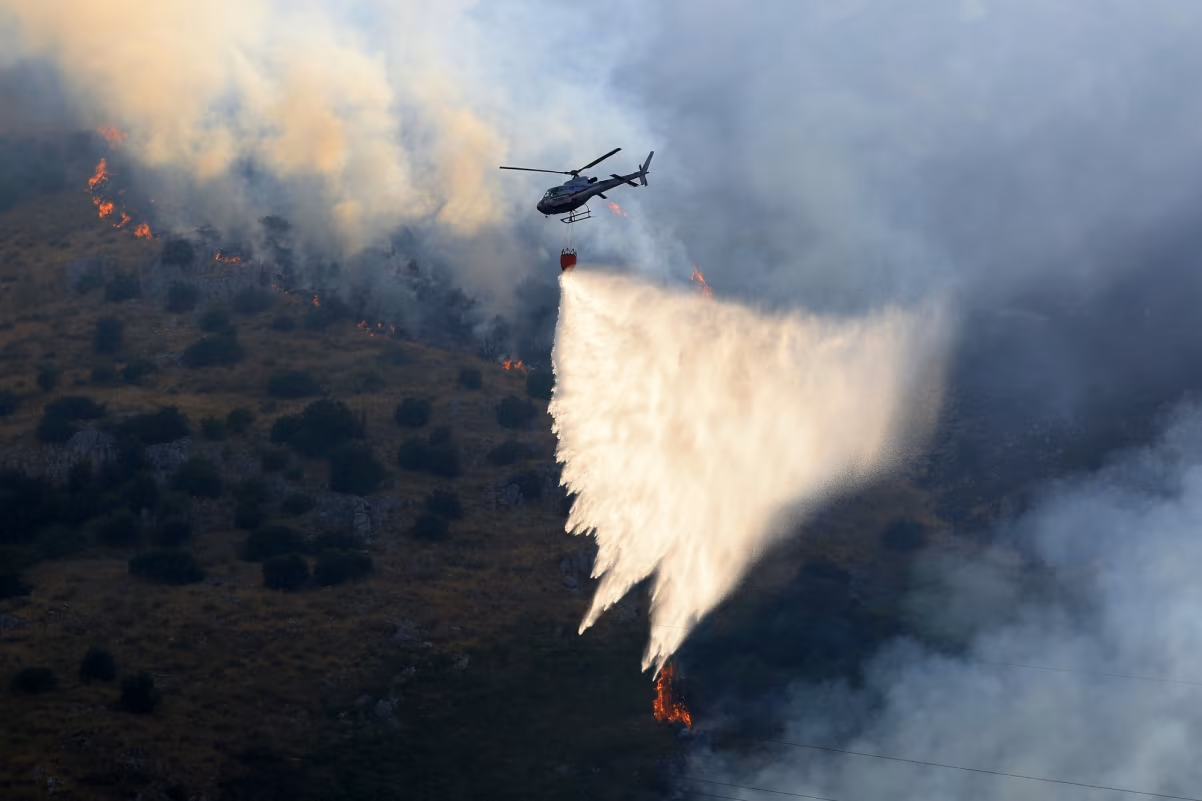
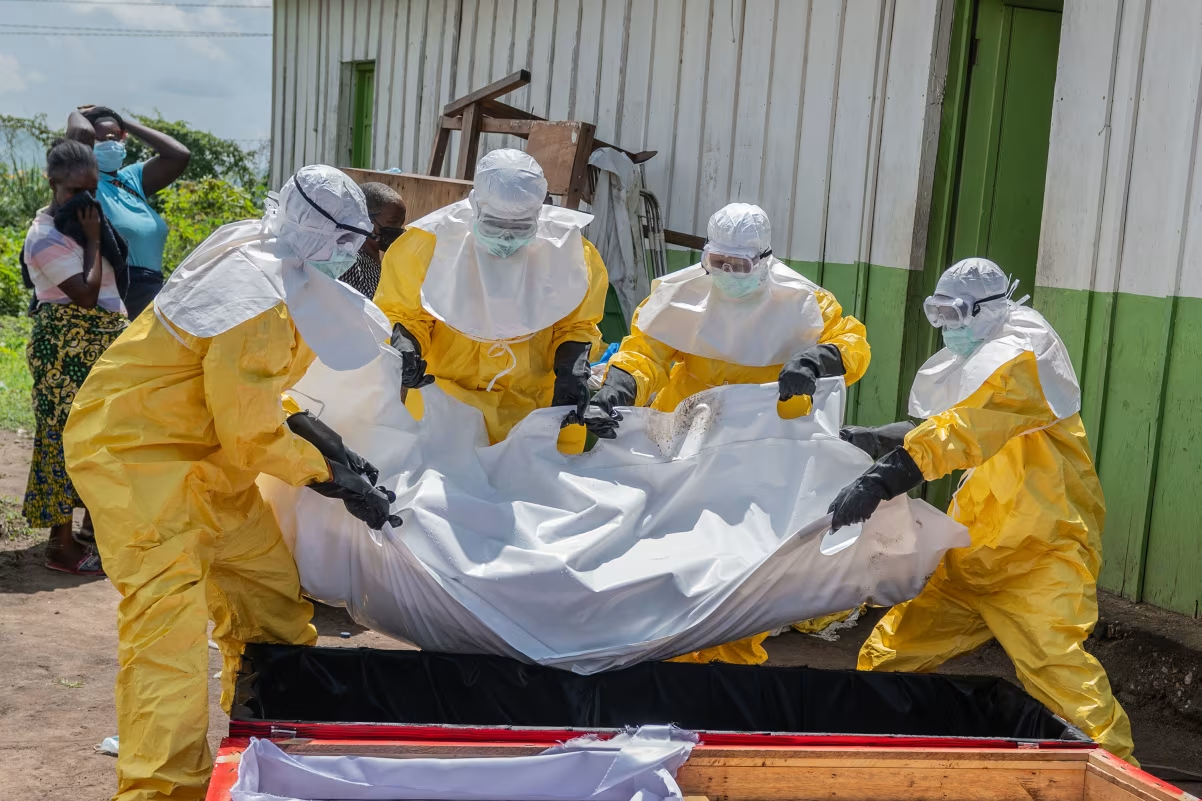
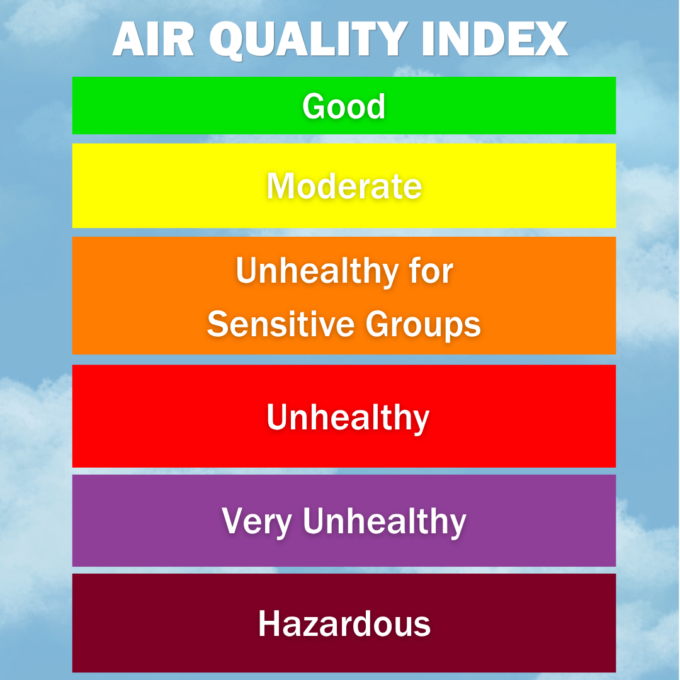
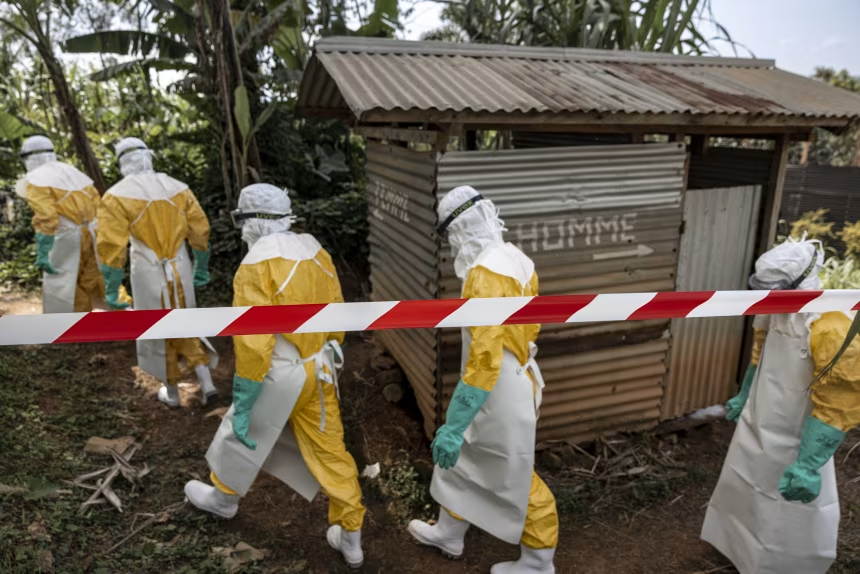
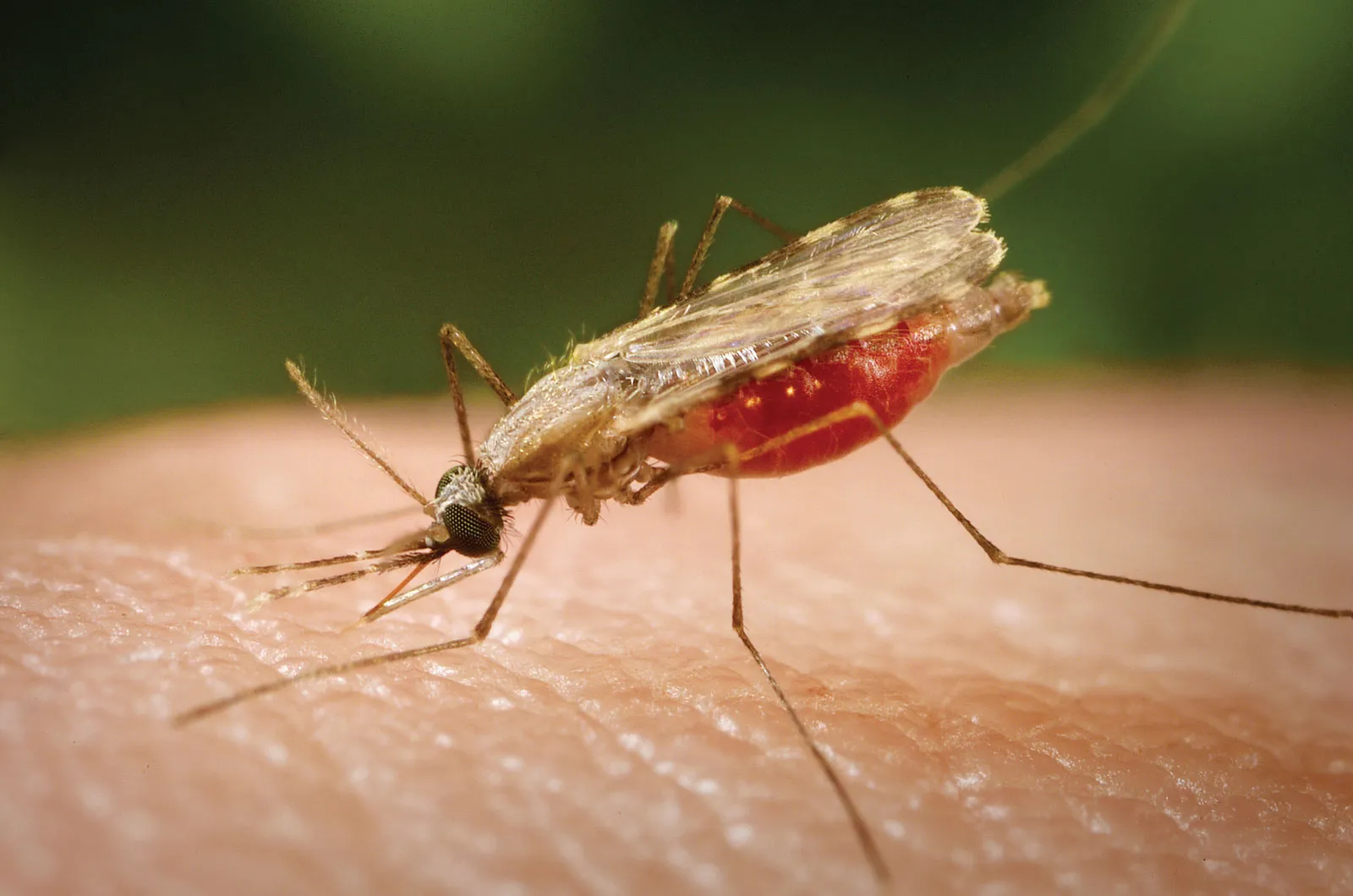
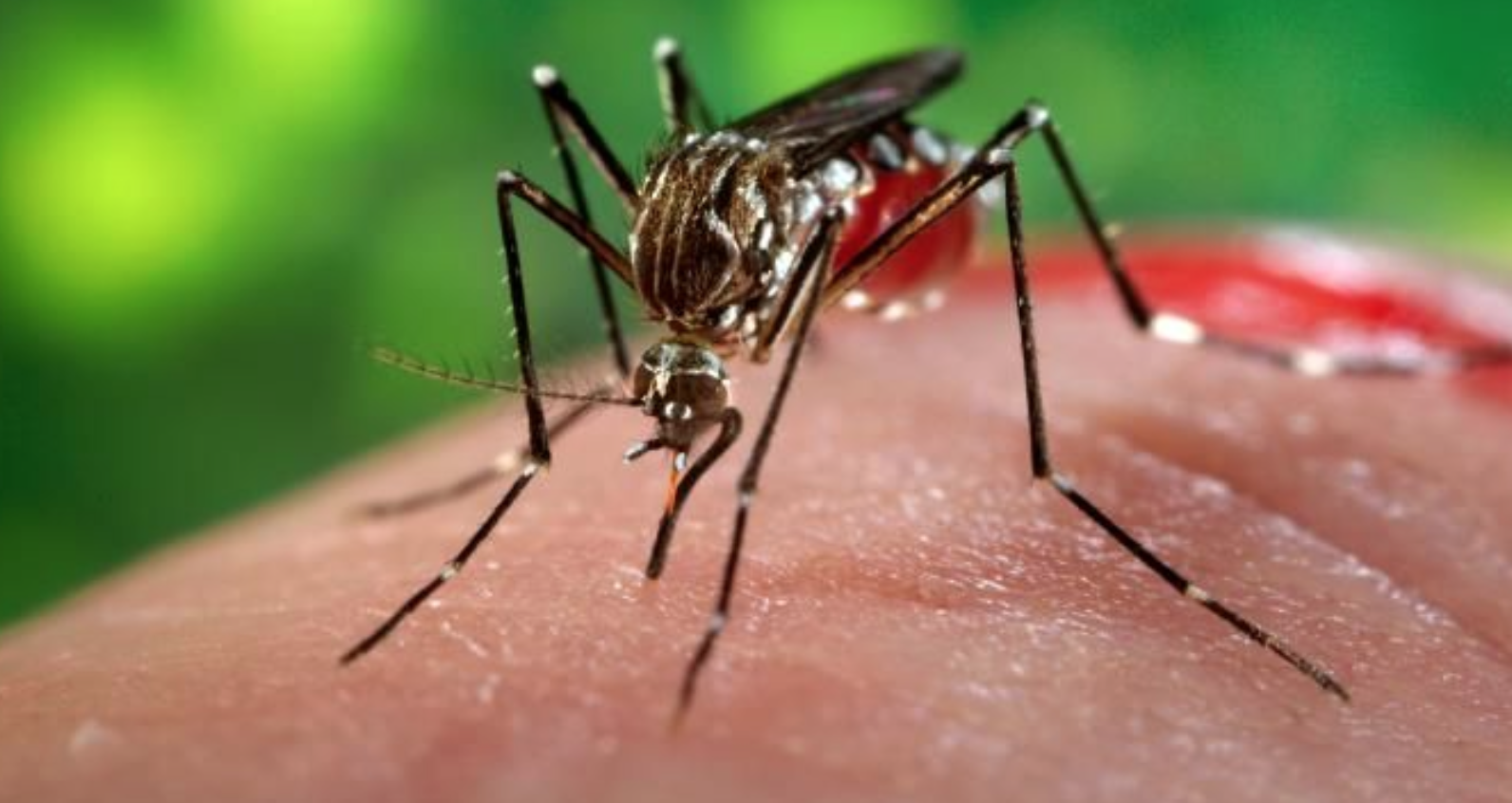
A recent report in The Lancet estimates that nearly 550,000 people die each year from heat worsened by climate change. Another 150,000 deaths are linked to air pollution, often from fossil fuel burning and wildfires. Diseases such as dengue fever are also rising, with cases up 49% since the 1950s.
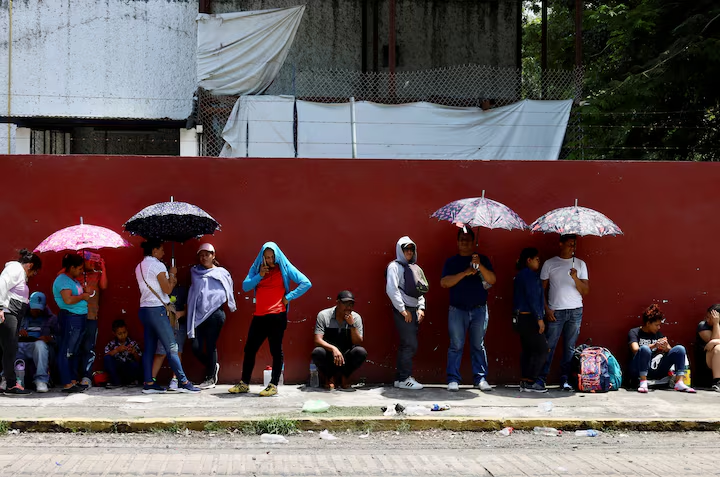
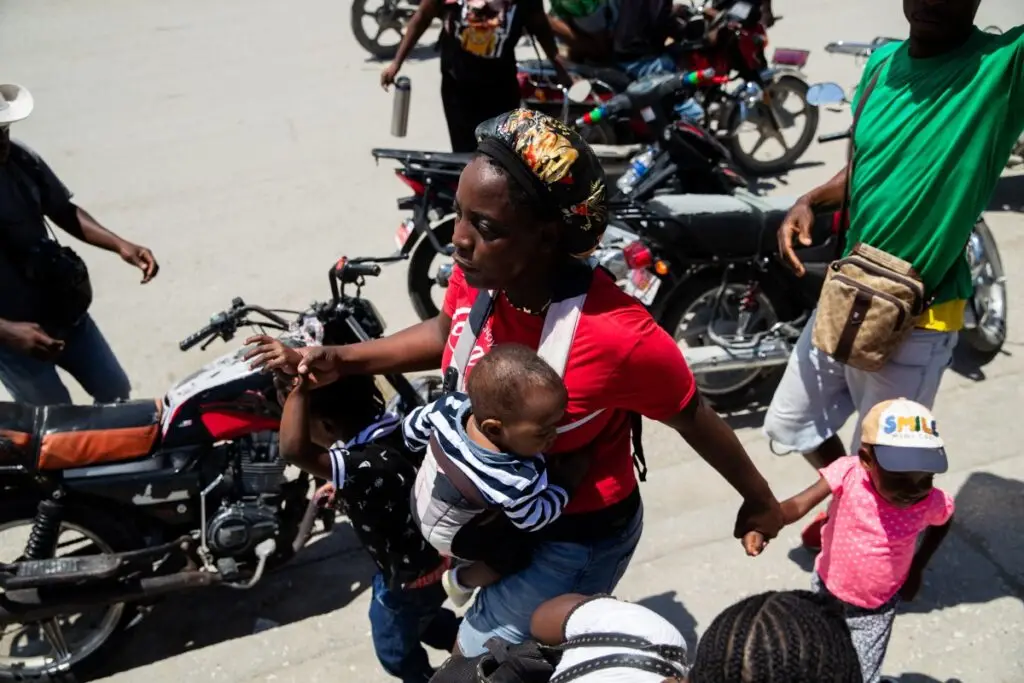
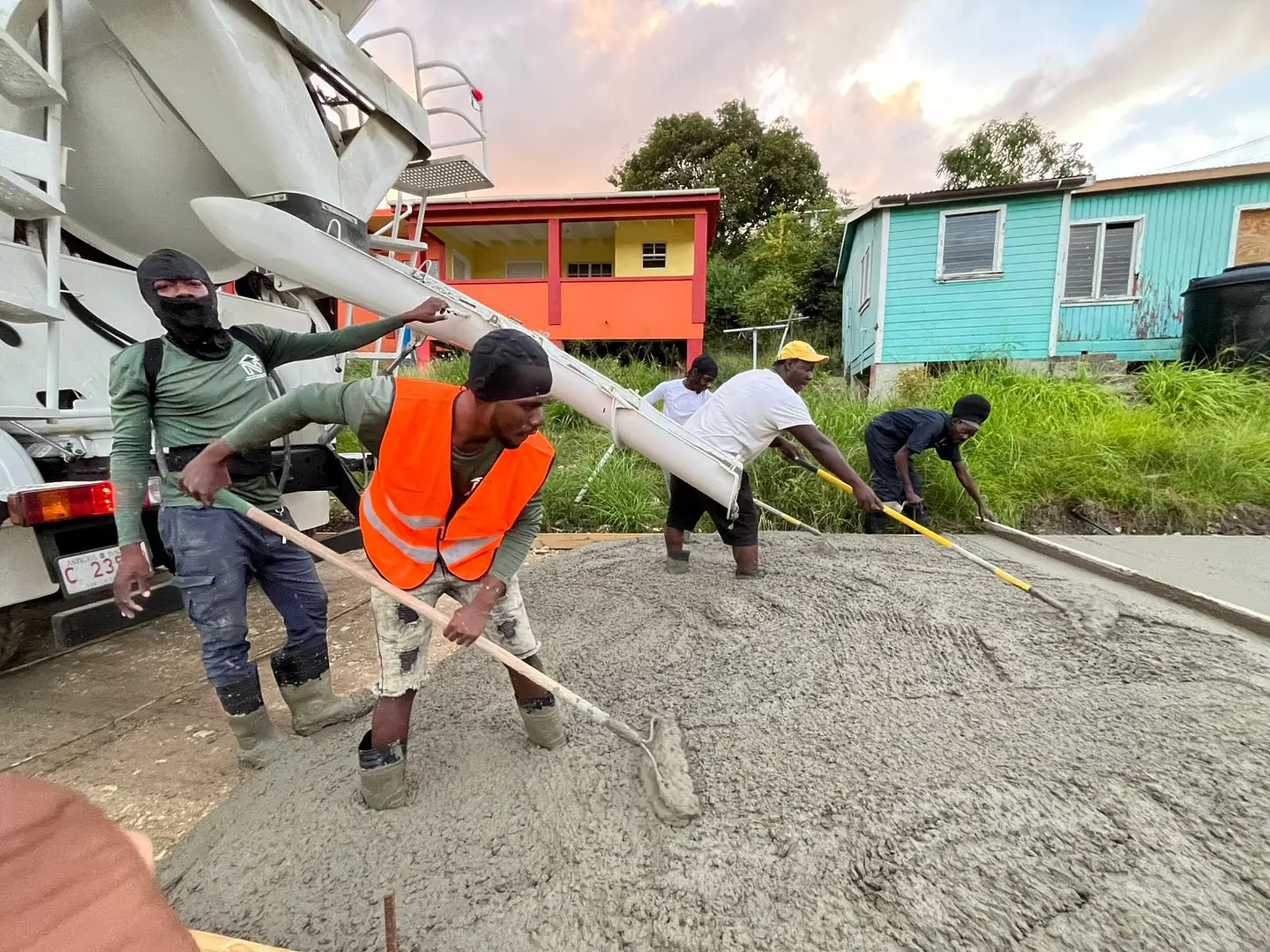
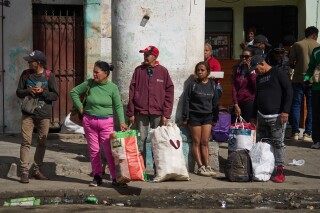
U.N. agencies estimate that more than 3.3 billion people already struggle with dangerous heat. Many belong to groups most at risk, including children, pregnant women, older adults, and outdoor workers.
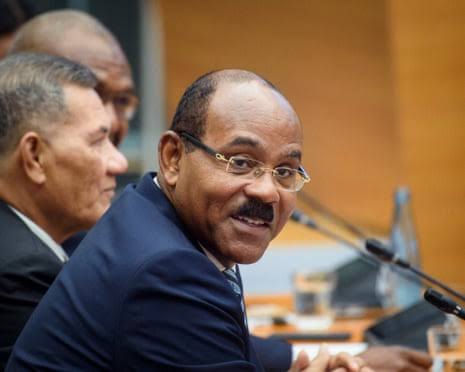
John-Arne Røttingen, chief executive of the Wellcome Trust, said the impacts are uneven. He noted that poor communities have the fewest resources to adapt. He stressed the need for global cooperation to protect lives.
Other funders joining the Climate and Health Funders Coalition include the Gates Foundation, Bloomberg Philanthropies, and the IKEA Foundation. Twenty-seven more philanthropies have signed on but have not yet pledged money.
Supporters say the goal is clear: expand the world’s ability to respond to rising climate risks and protect the health of the most vulnerable.