
 English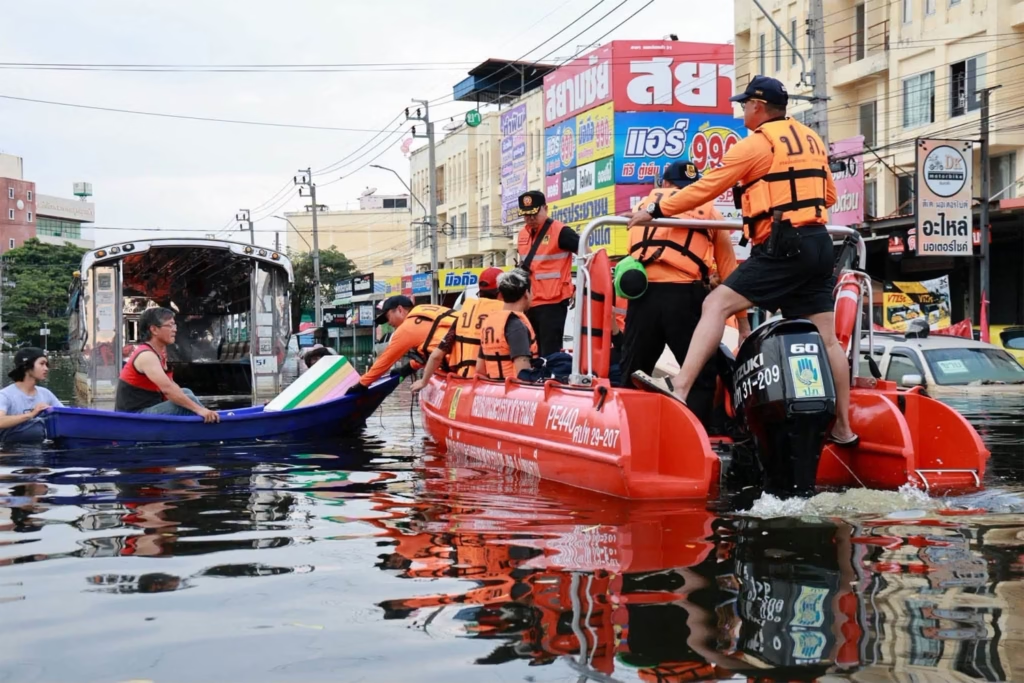





















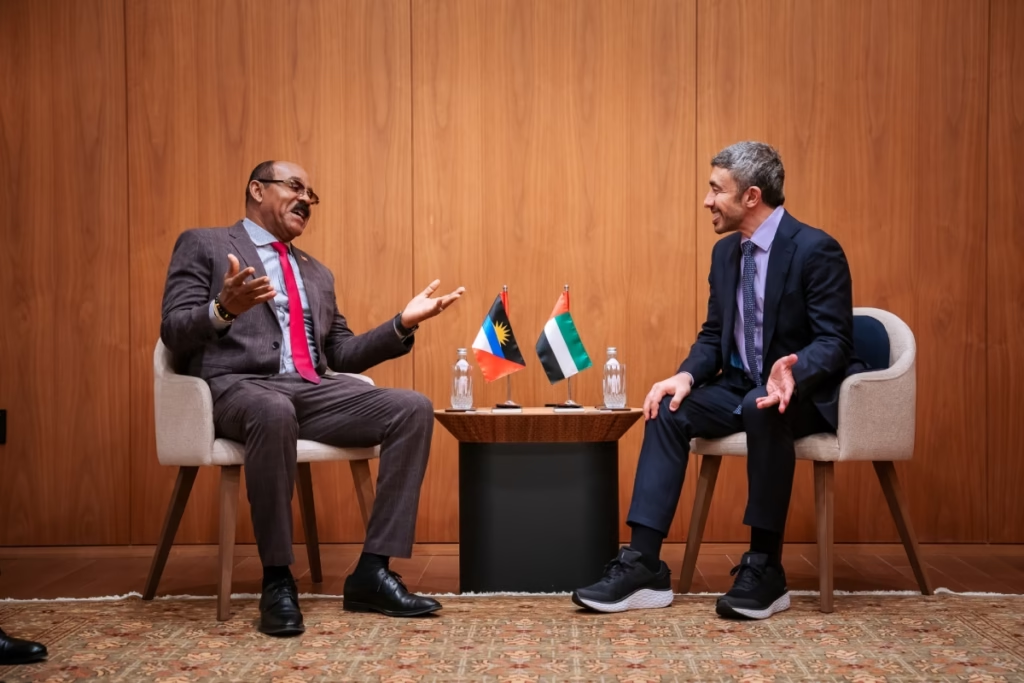
























































































































































































































































































































































































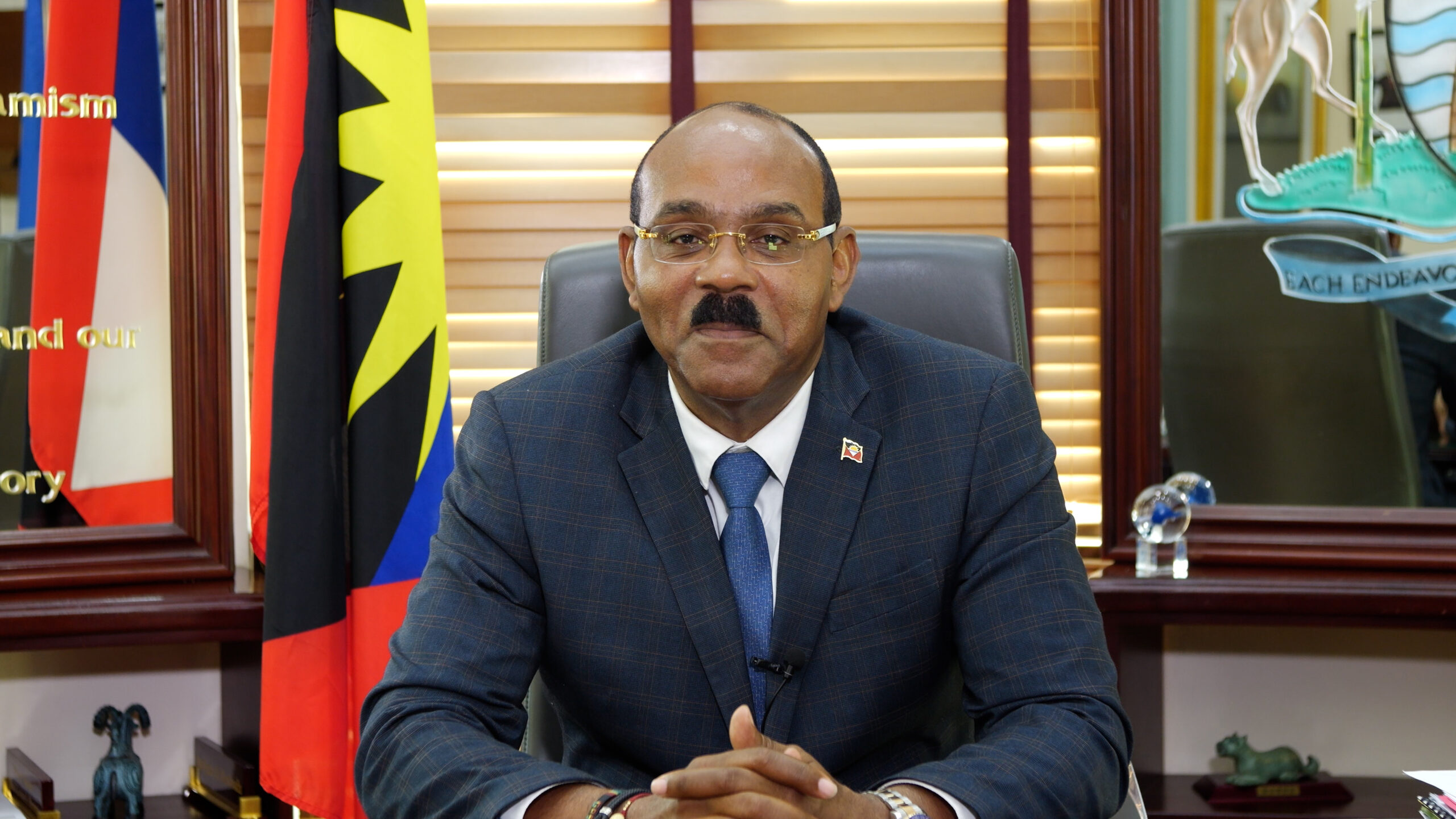










































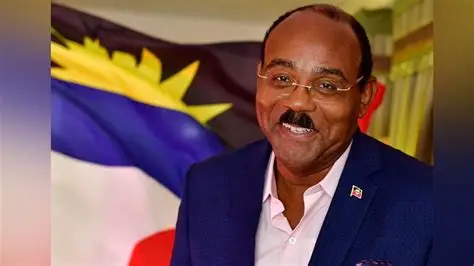


























































































































































































































































































































































































































































































































































































































































































































































Prime Minister Brown Urges Unity at EU-Caribbean Assembly
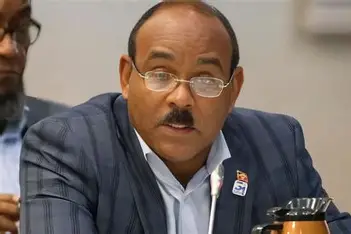
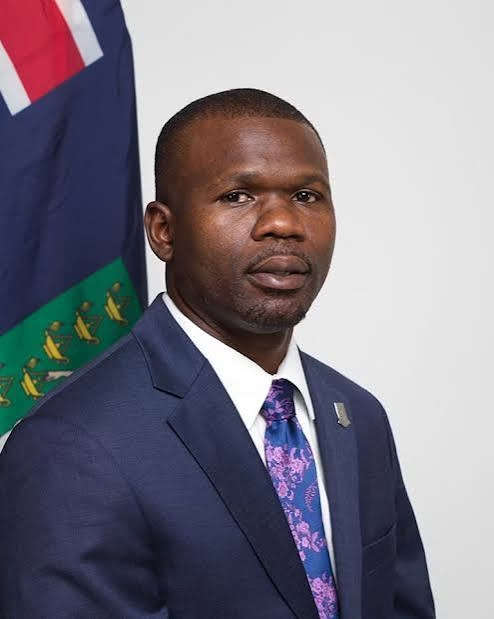
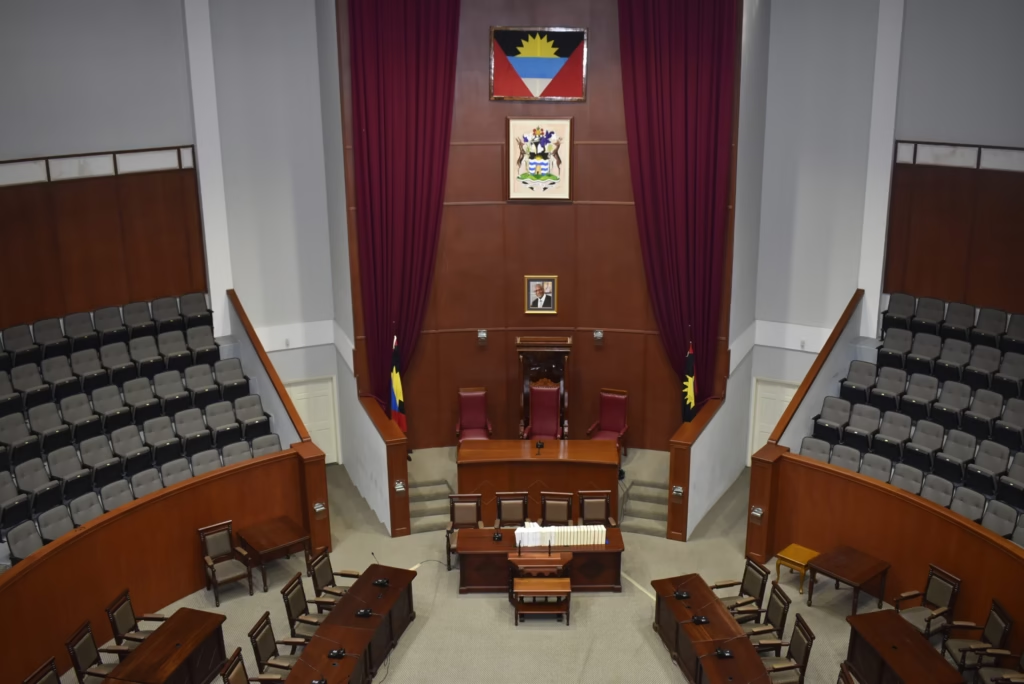
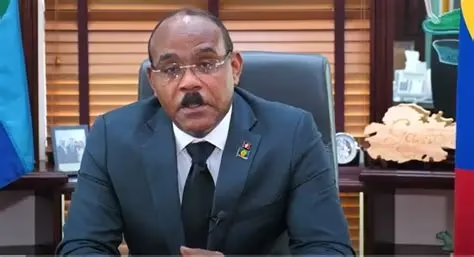
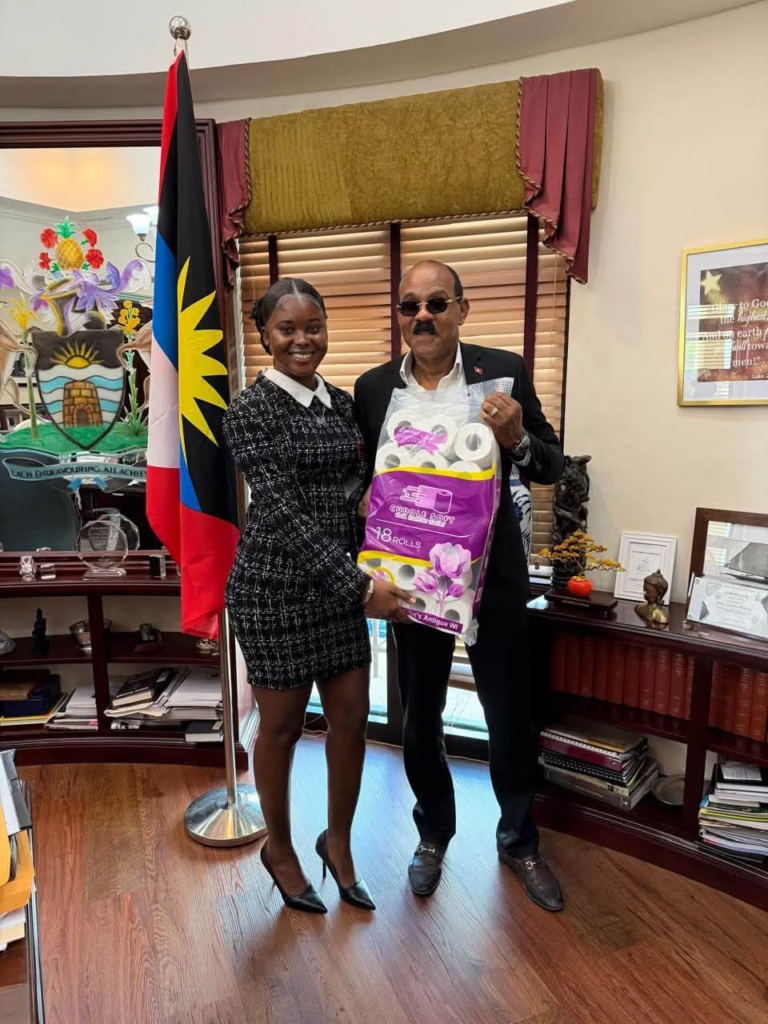
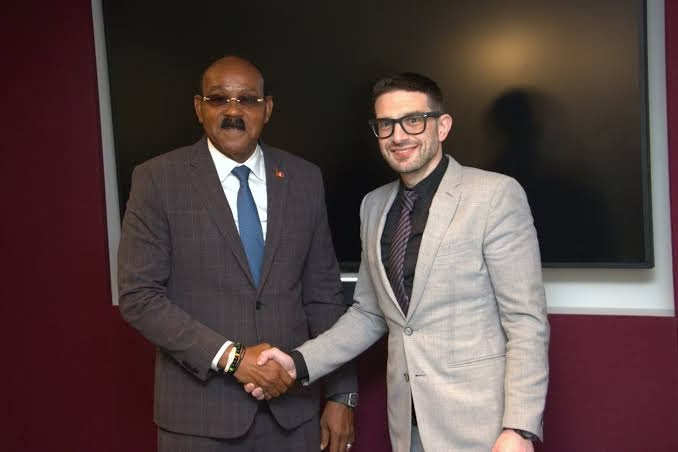
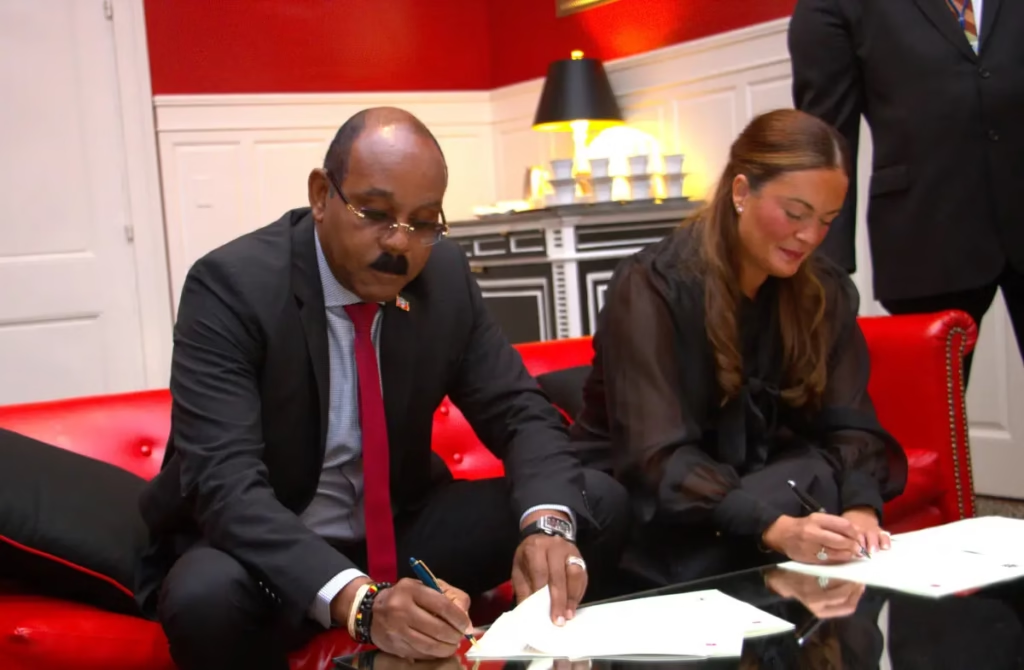
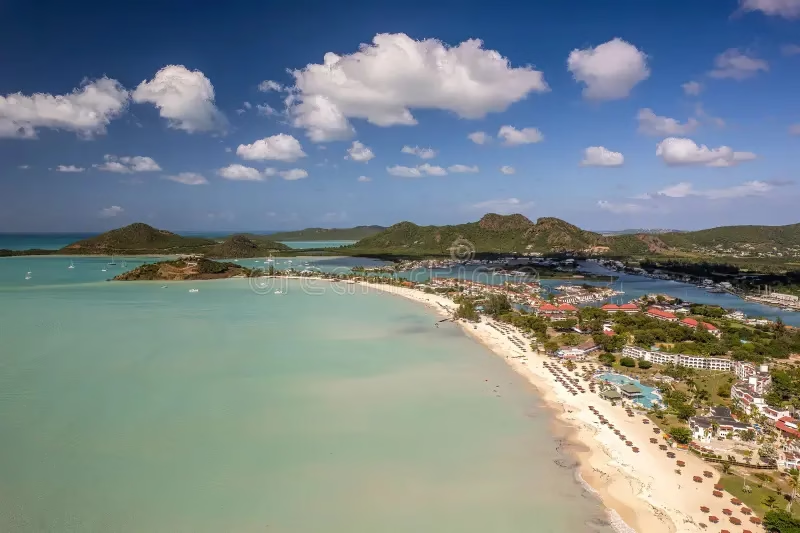
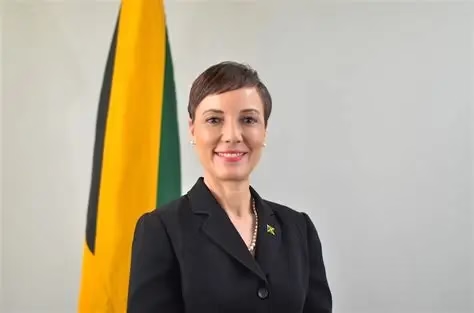
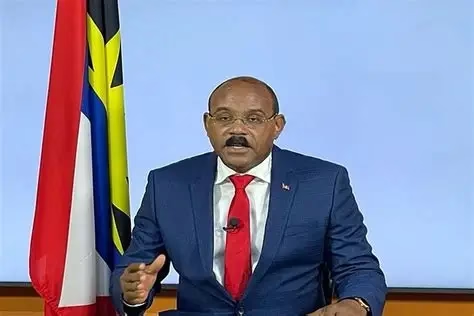
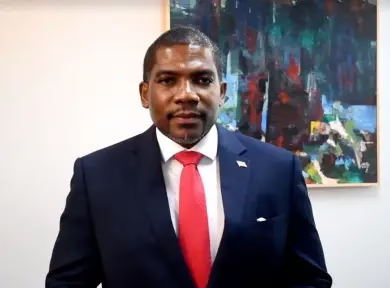
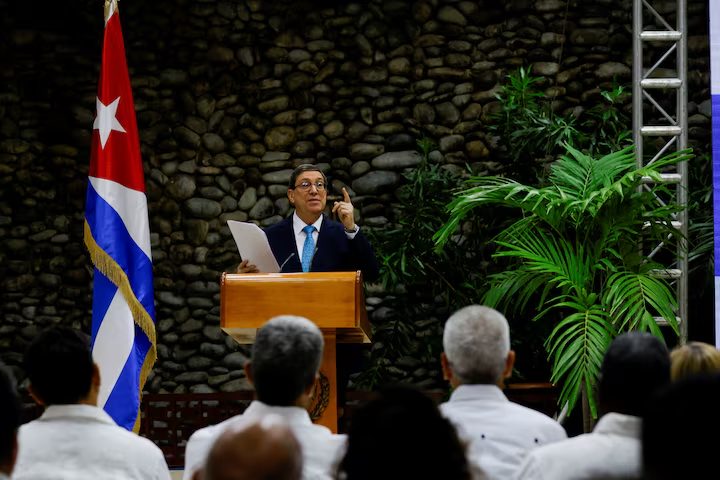
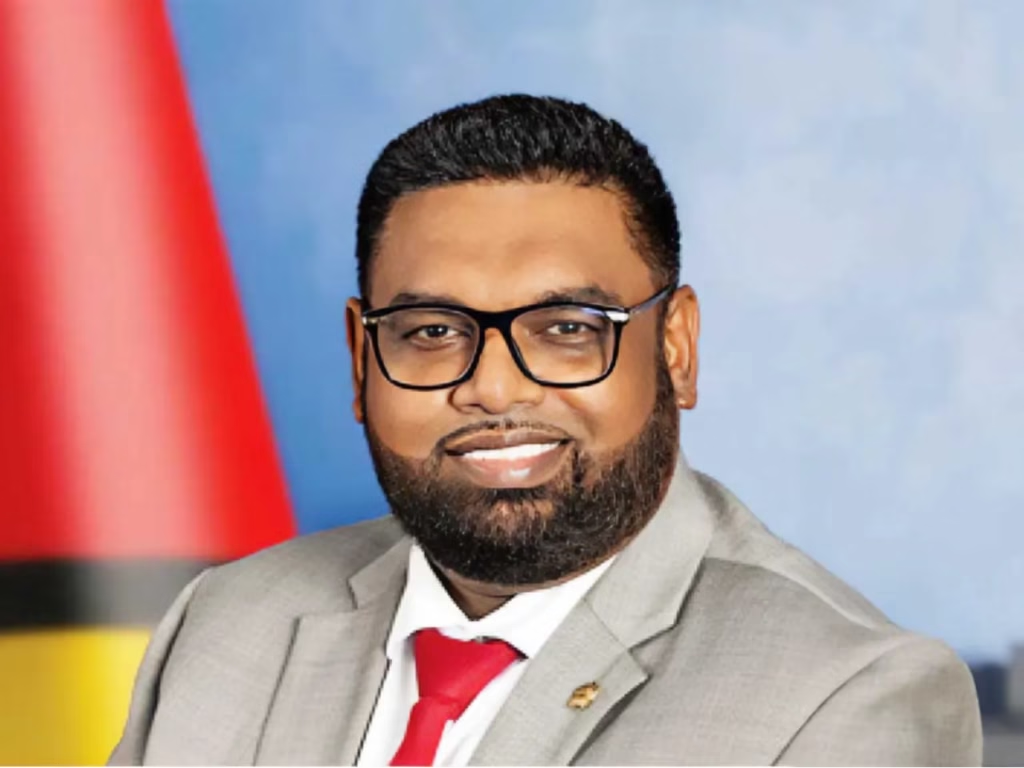
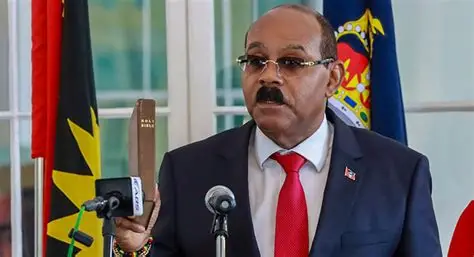
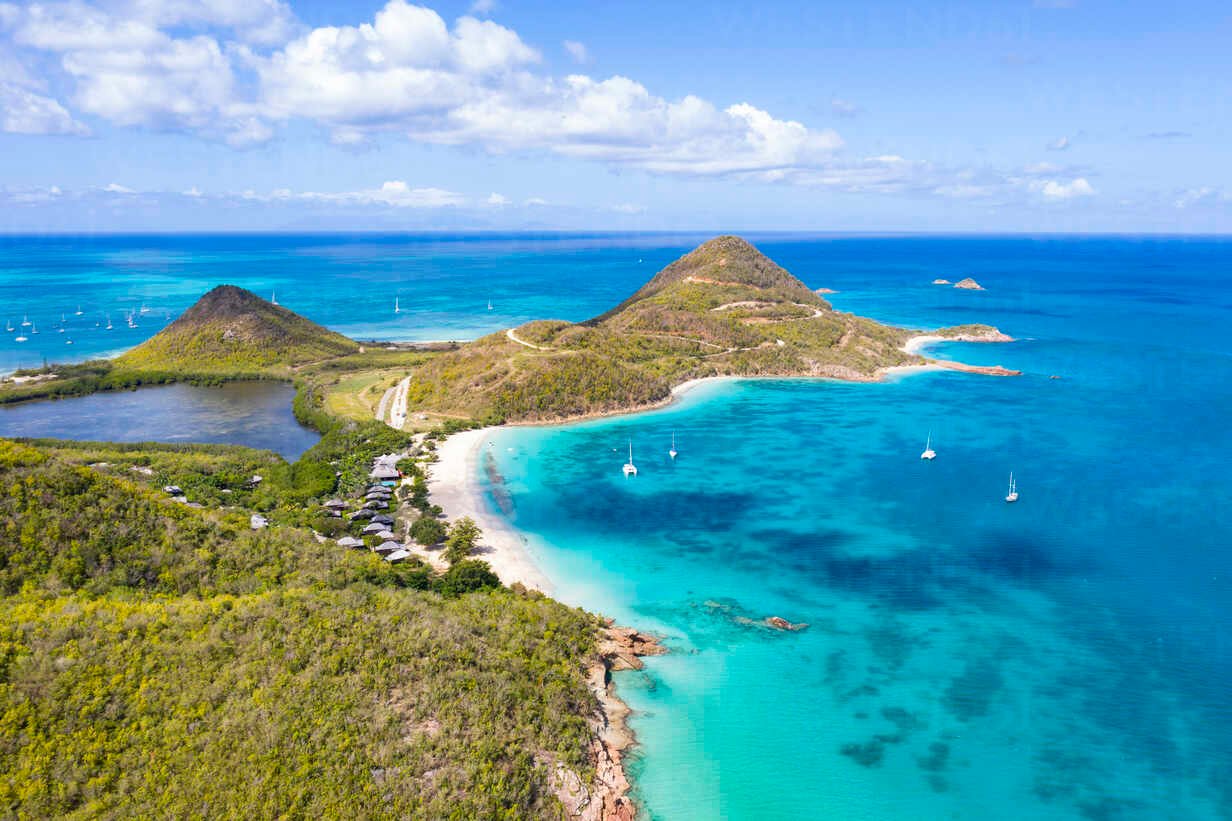
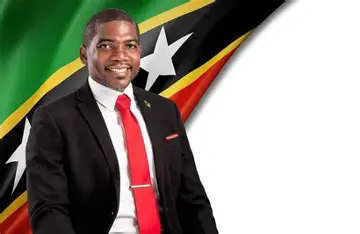
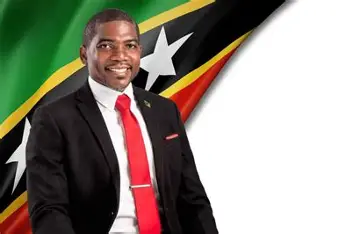
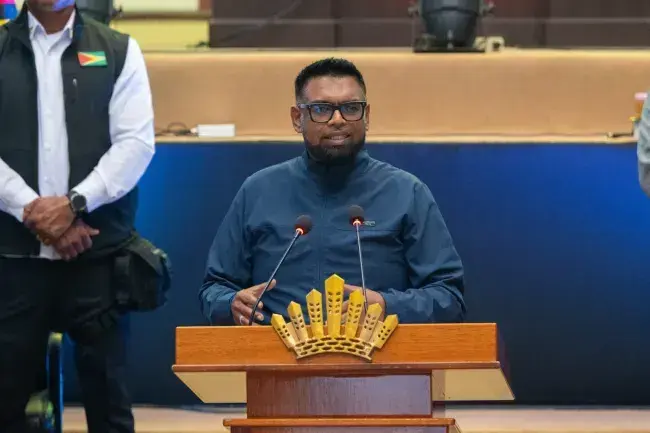
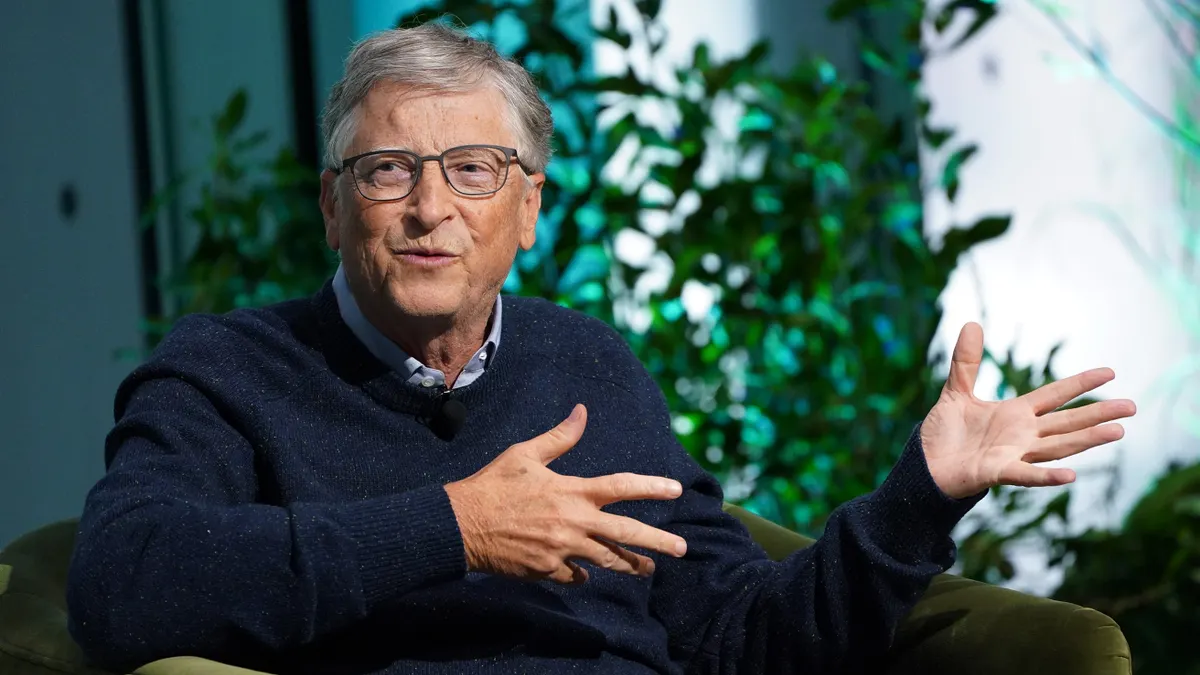
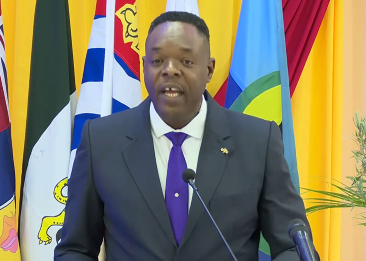
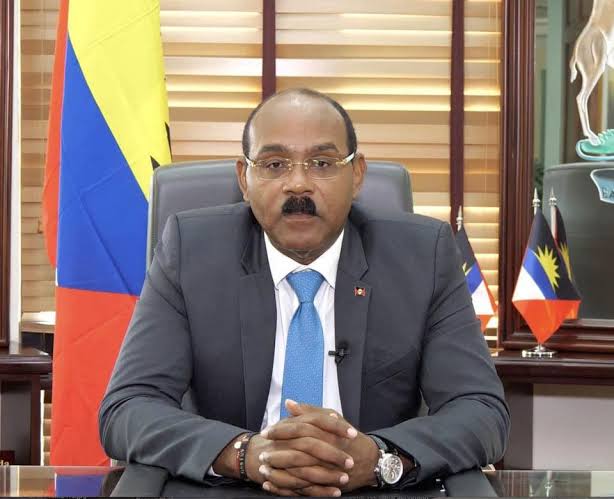
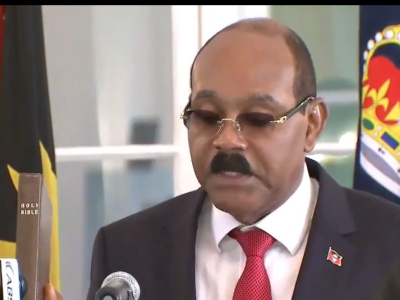
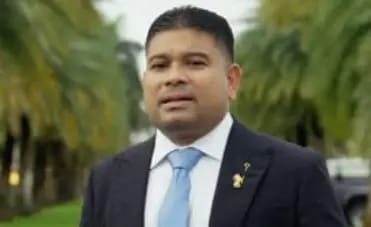
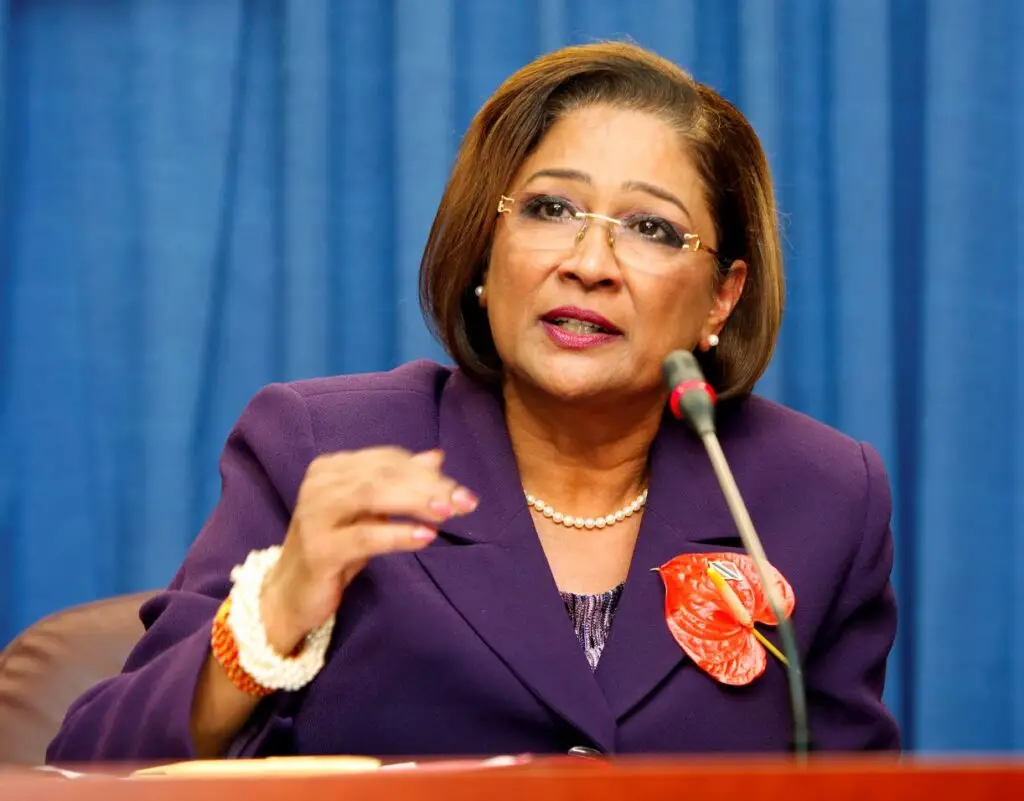
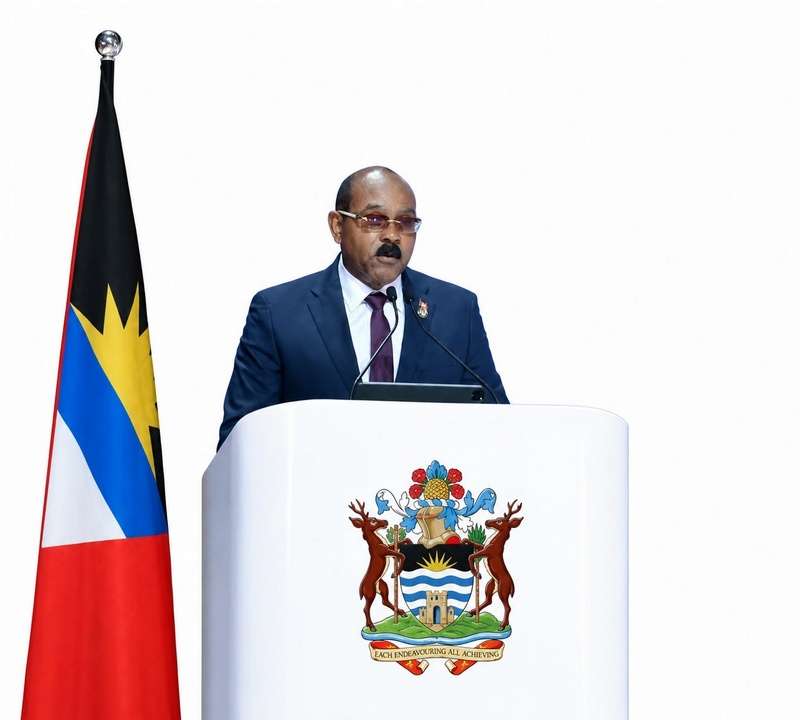
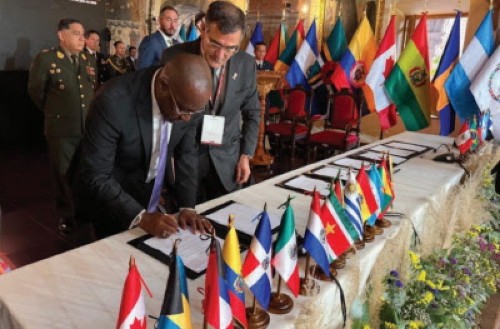
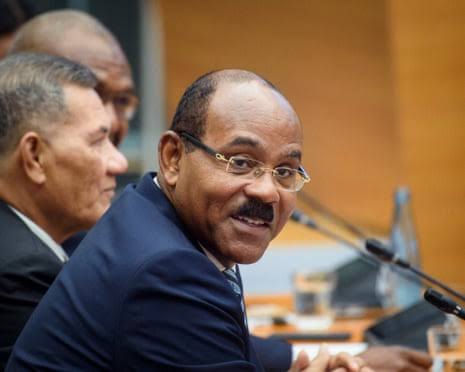
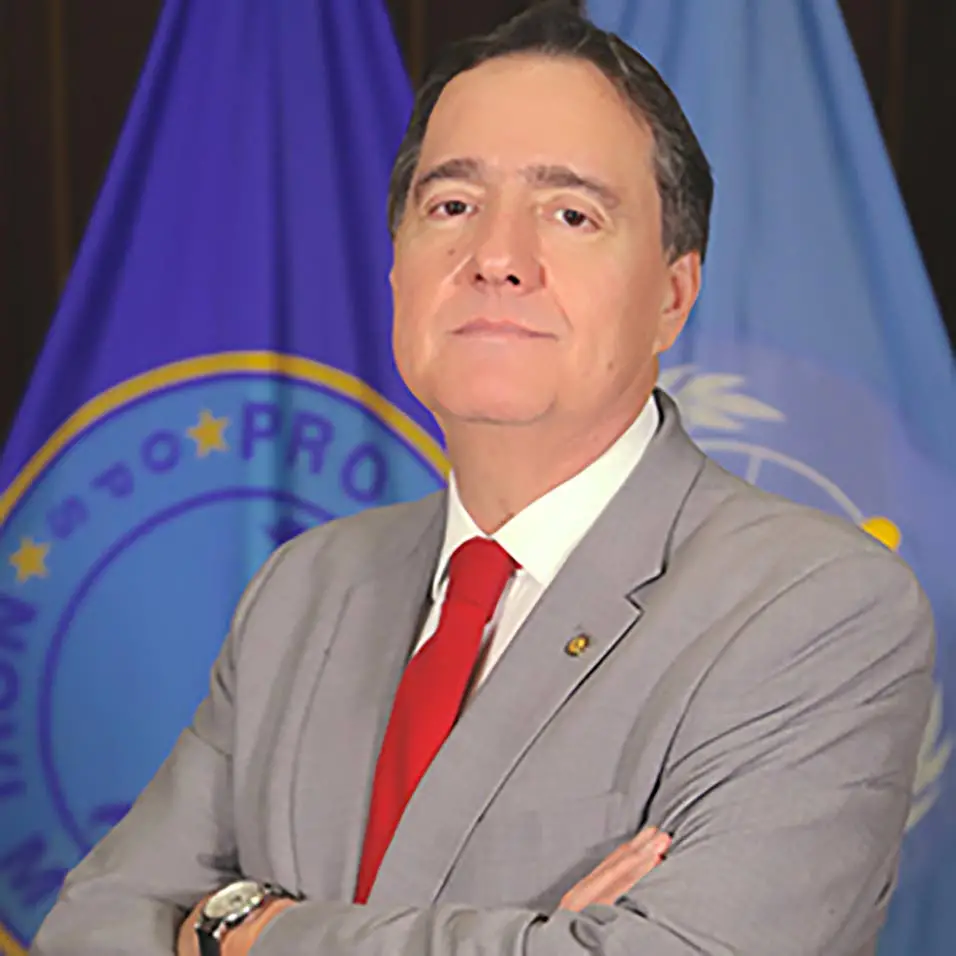
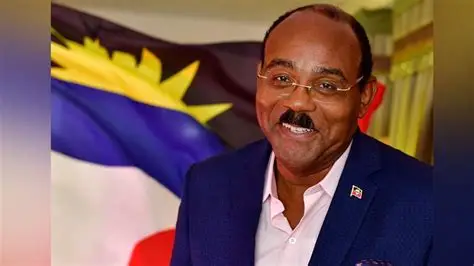
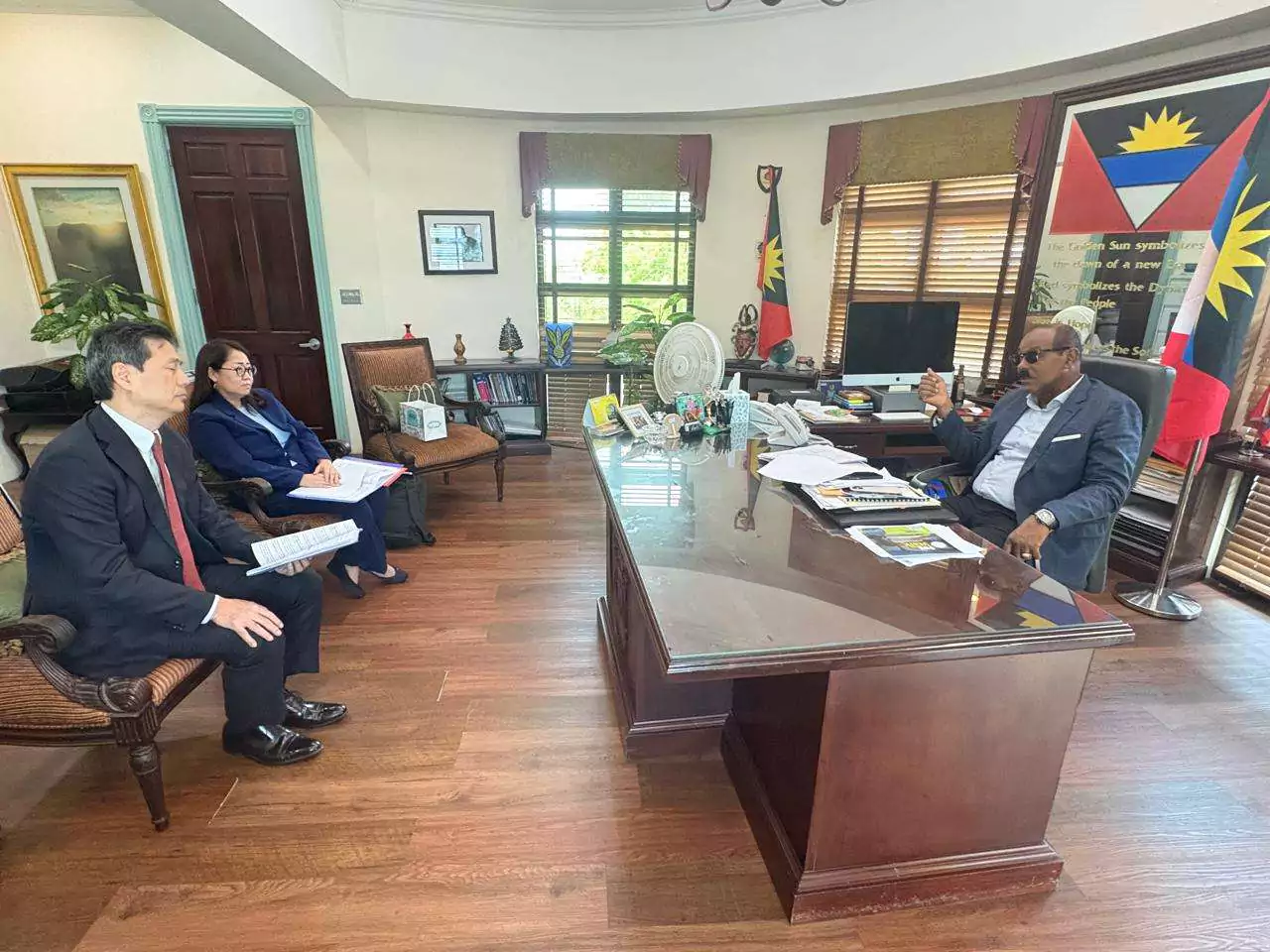
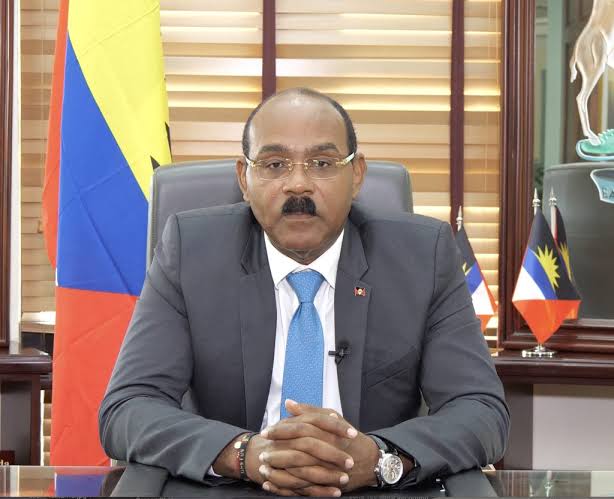
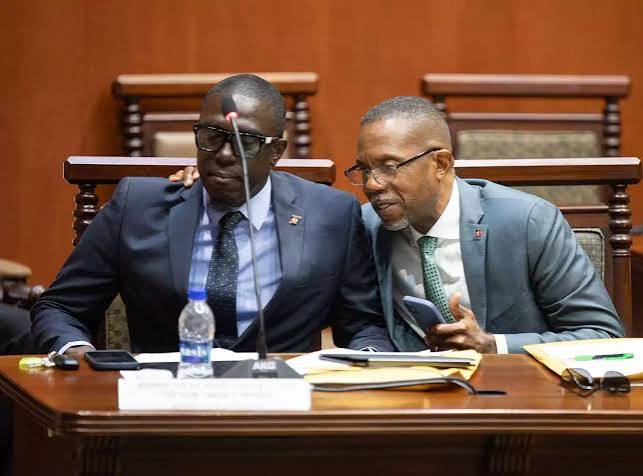
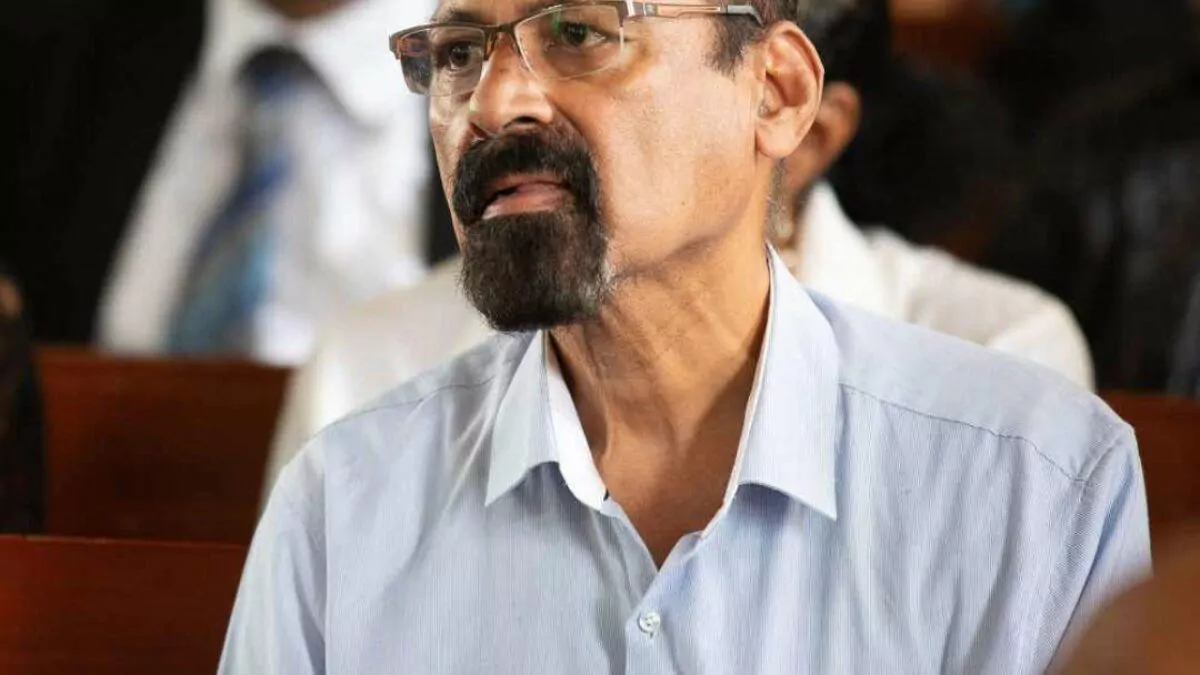
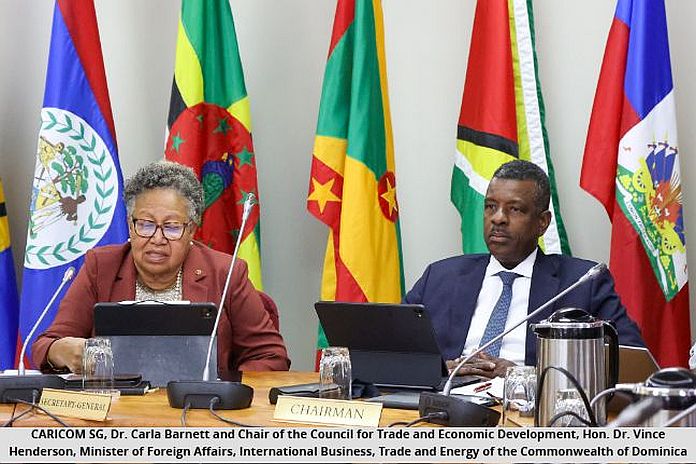
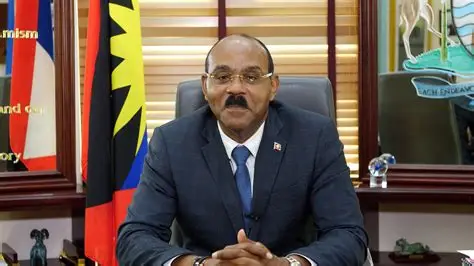
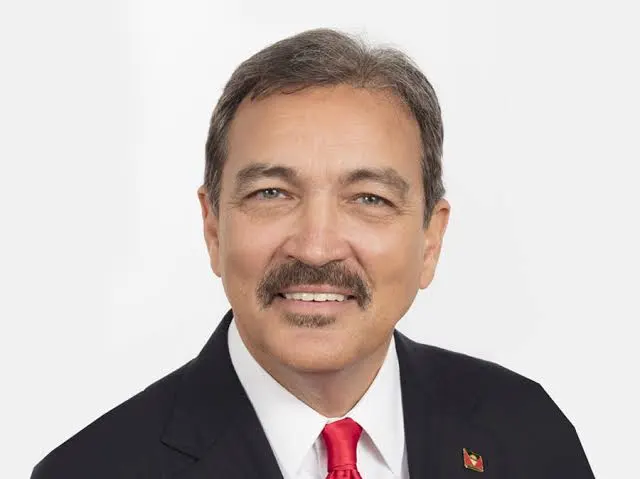
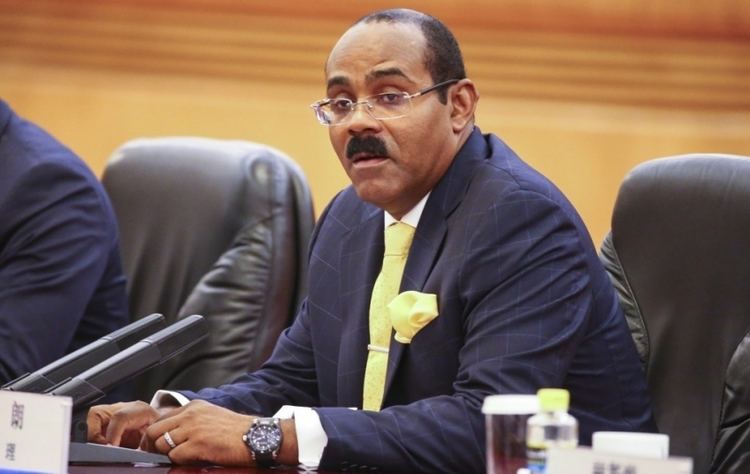
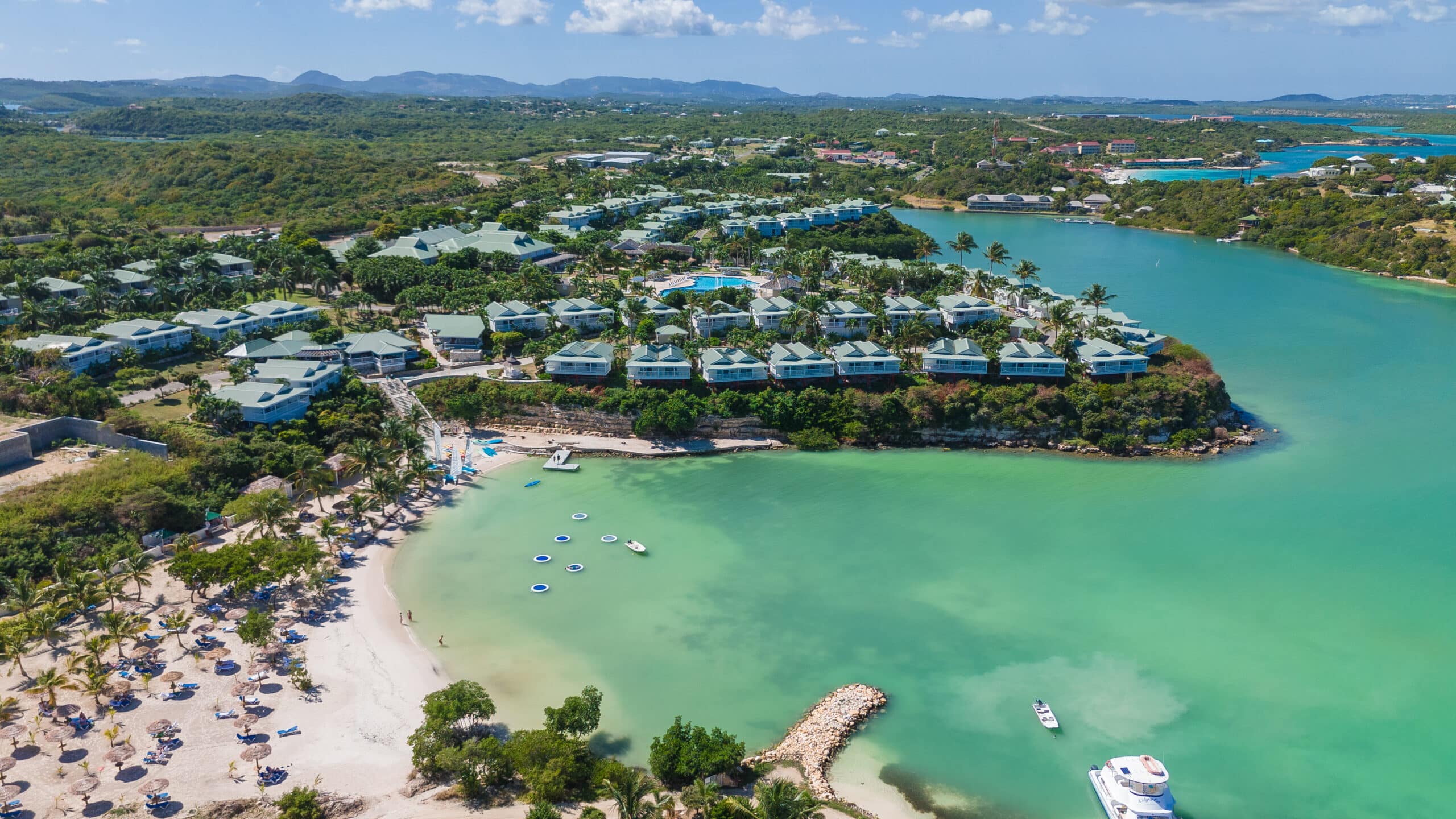
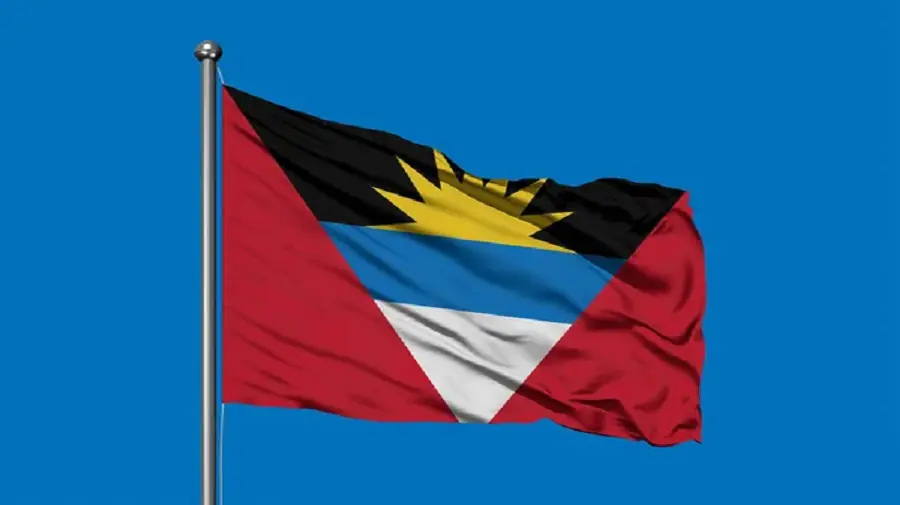
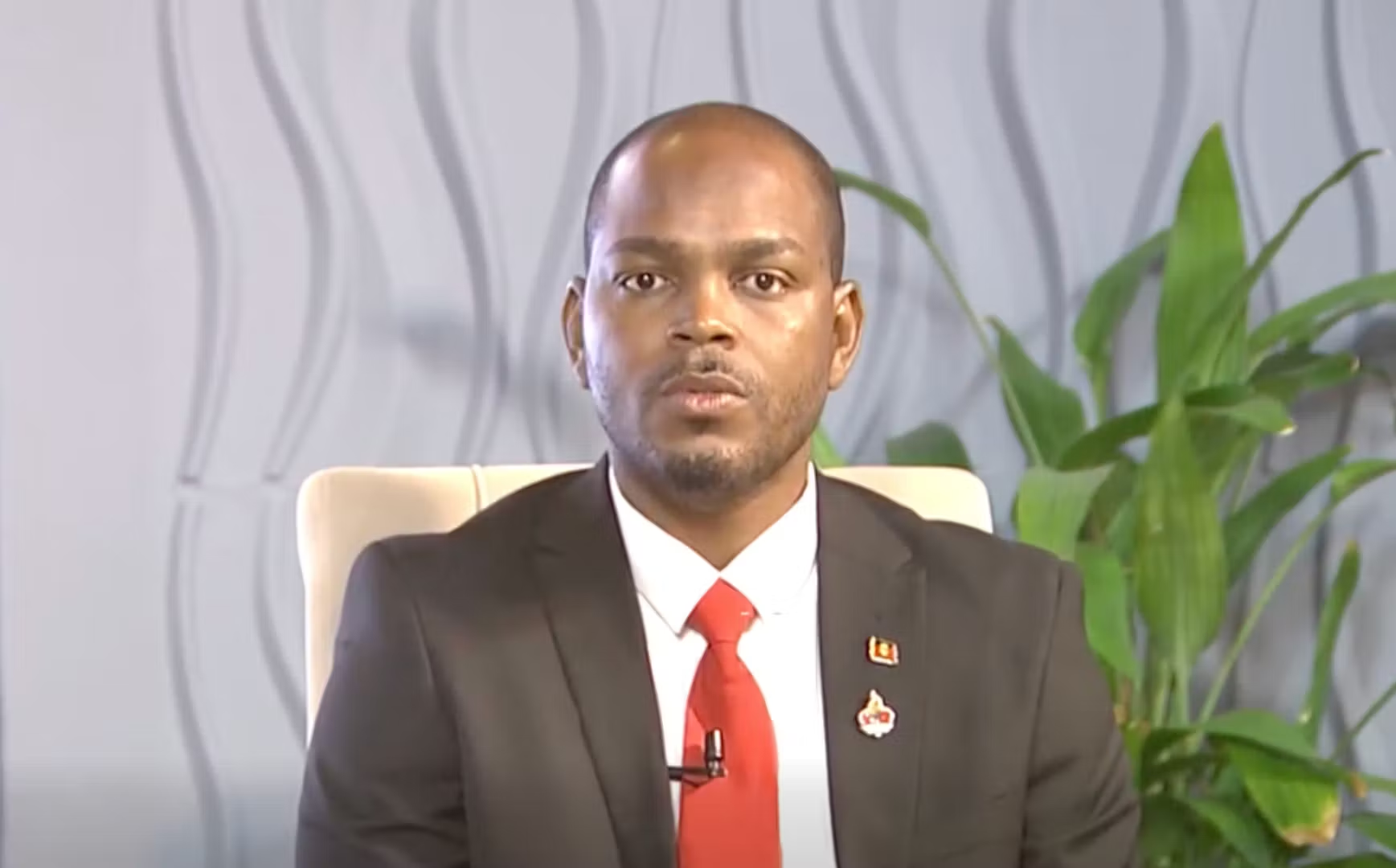
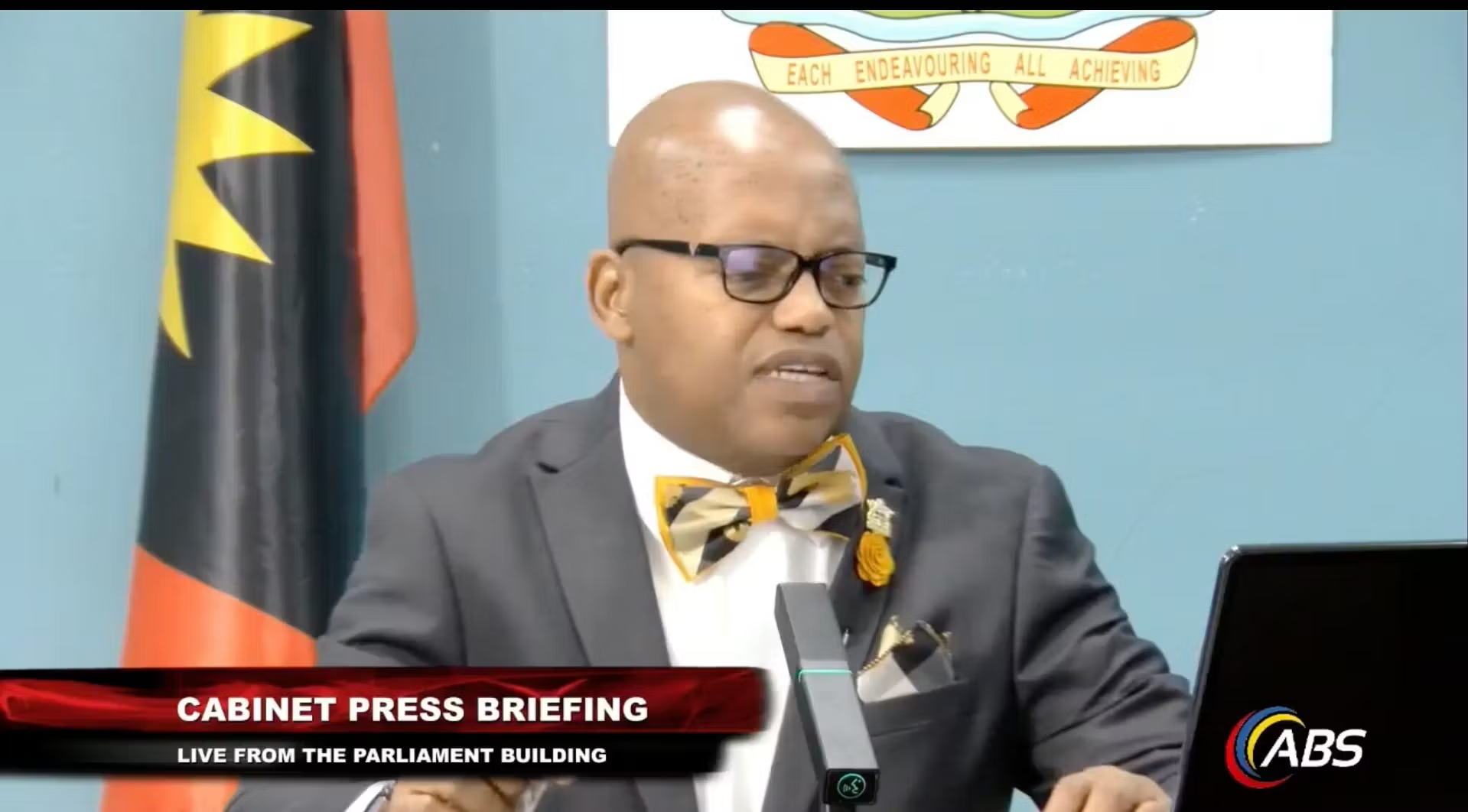
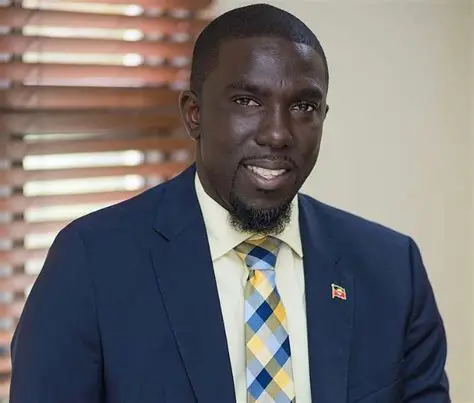
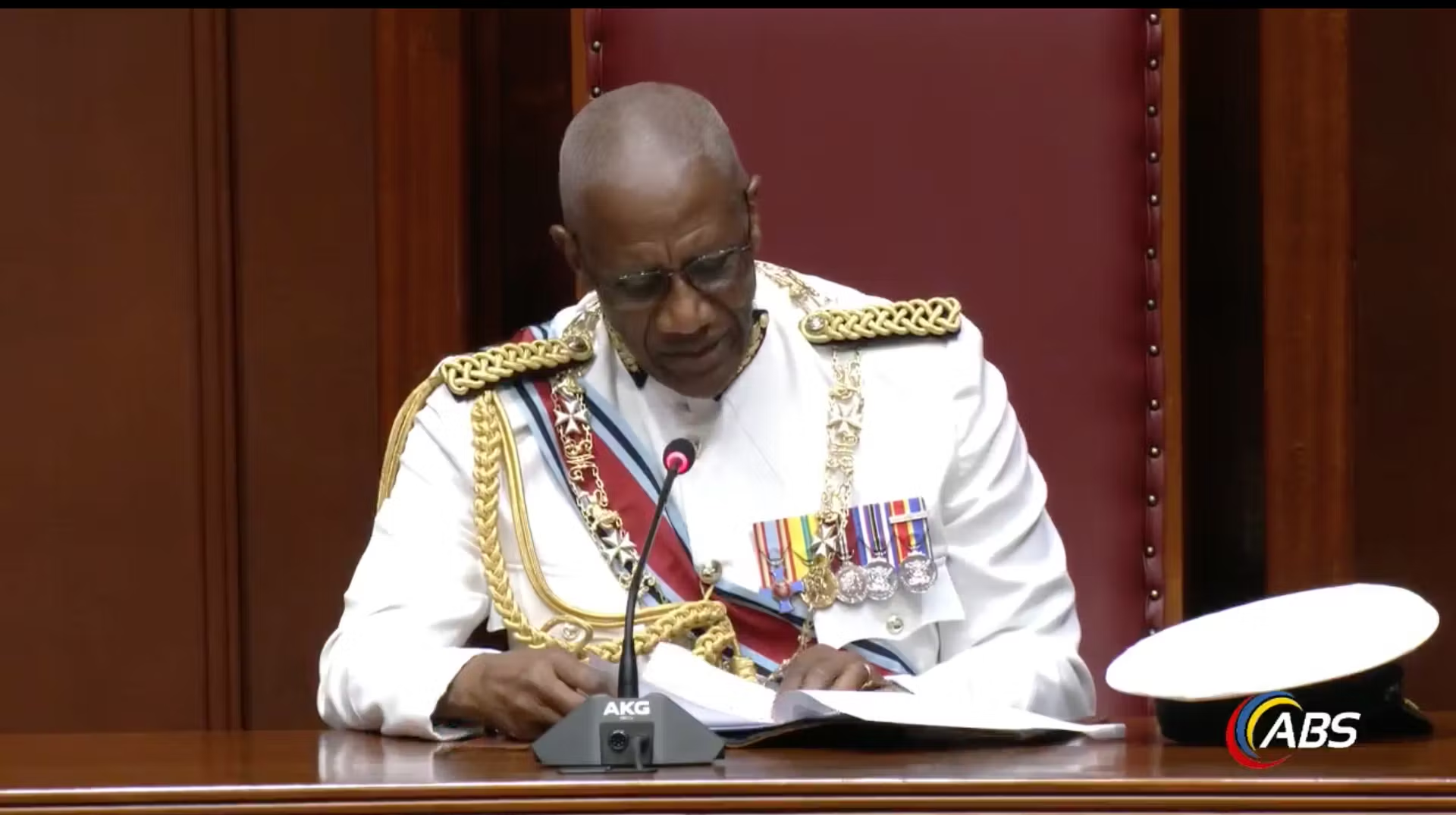
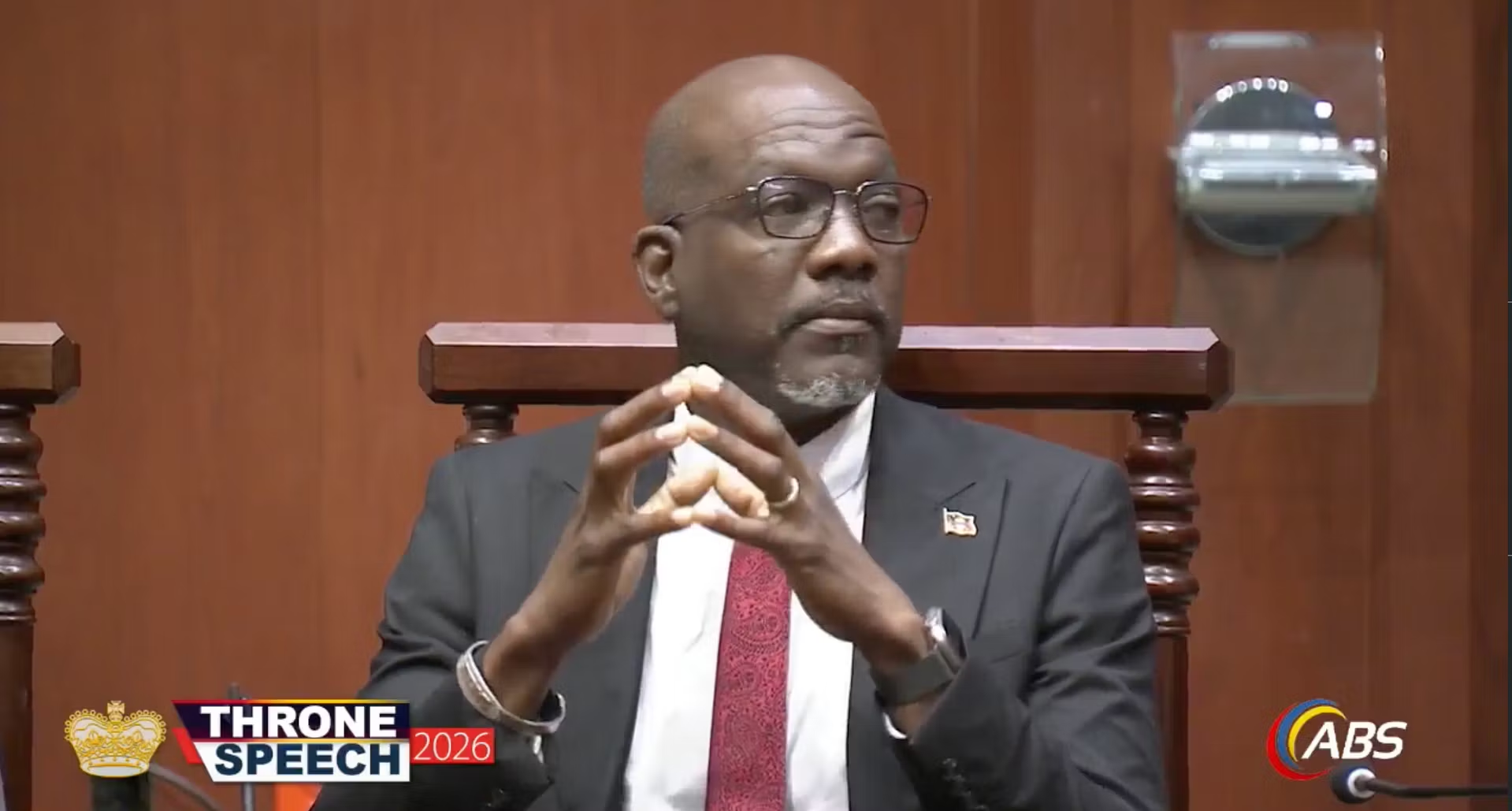
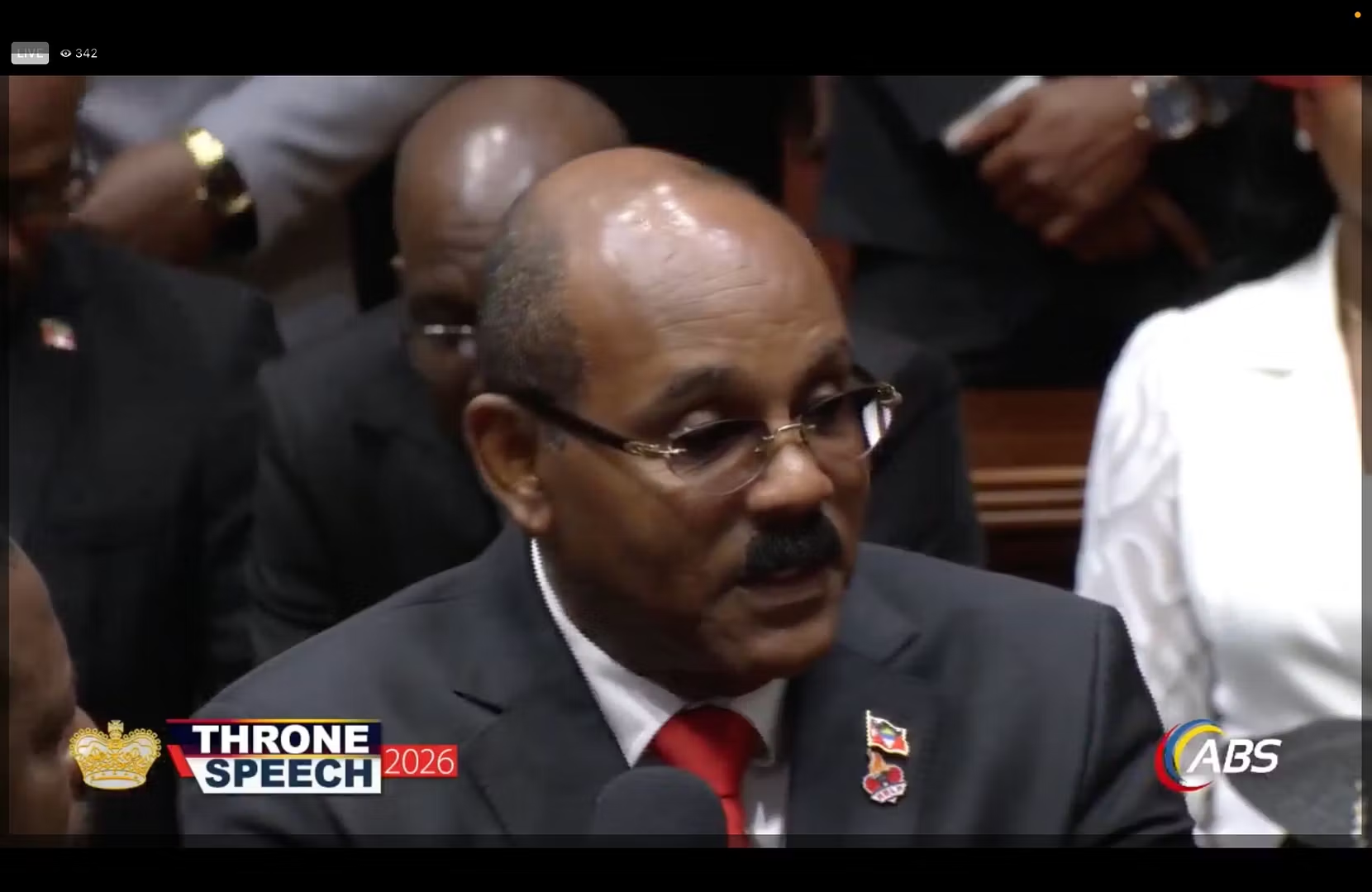
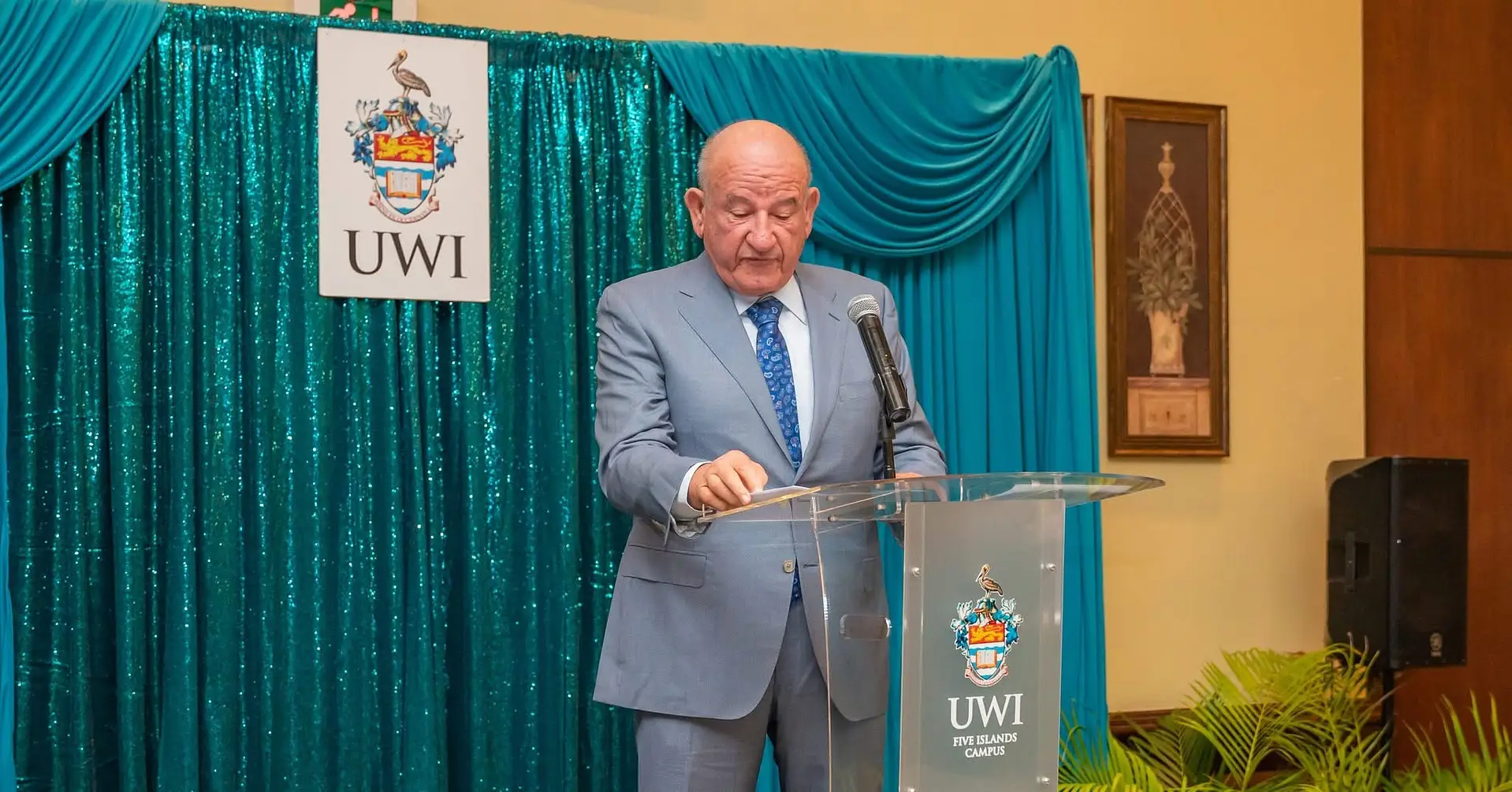
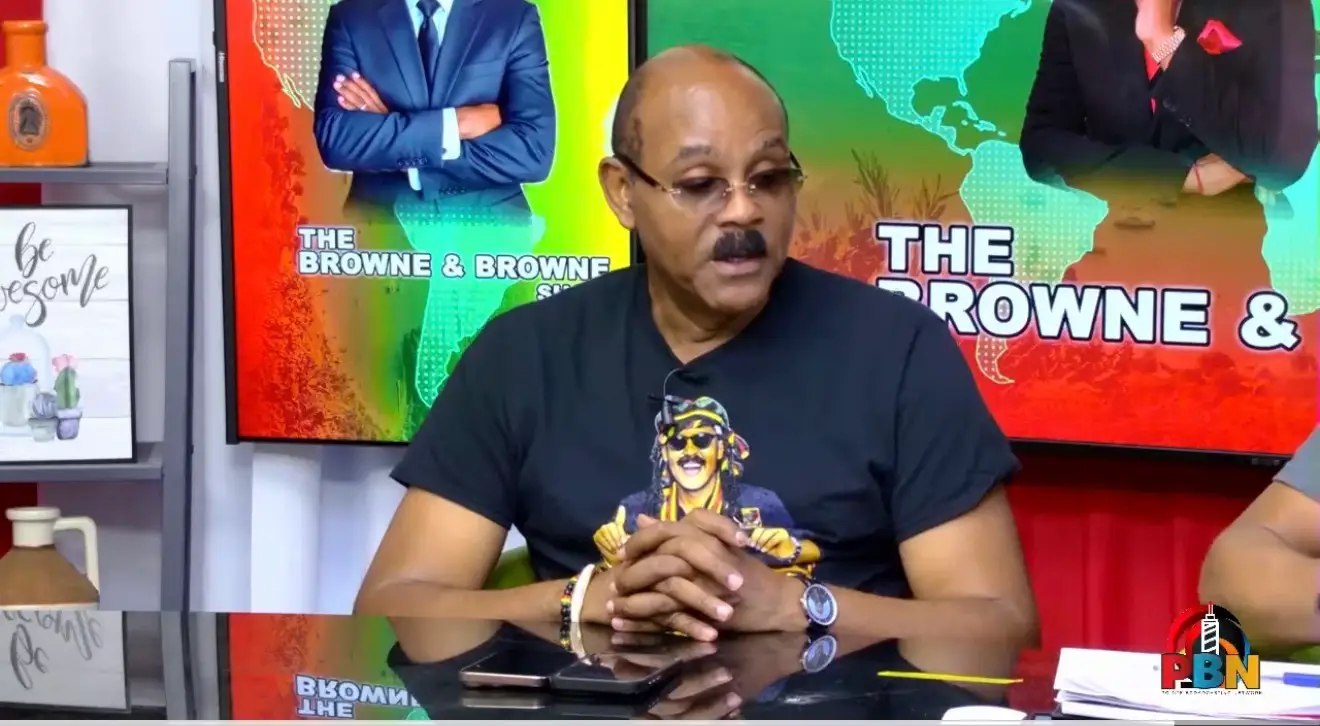
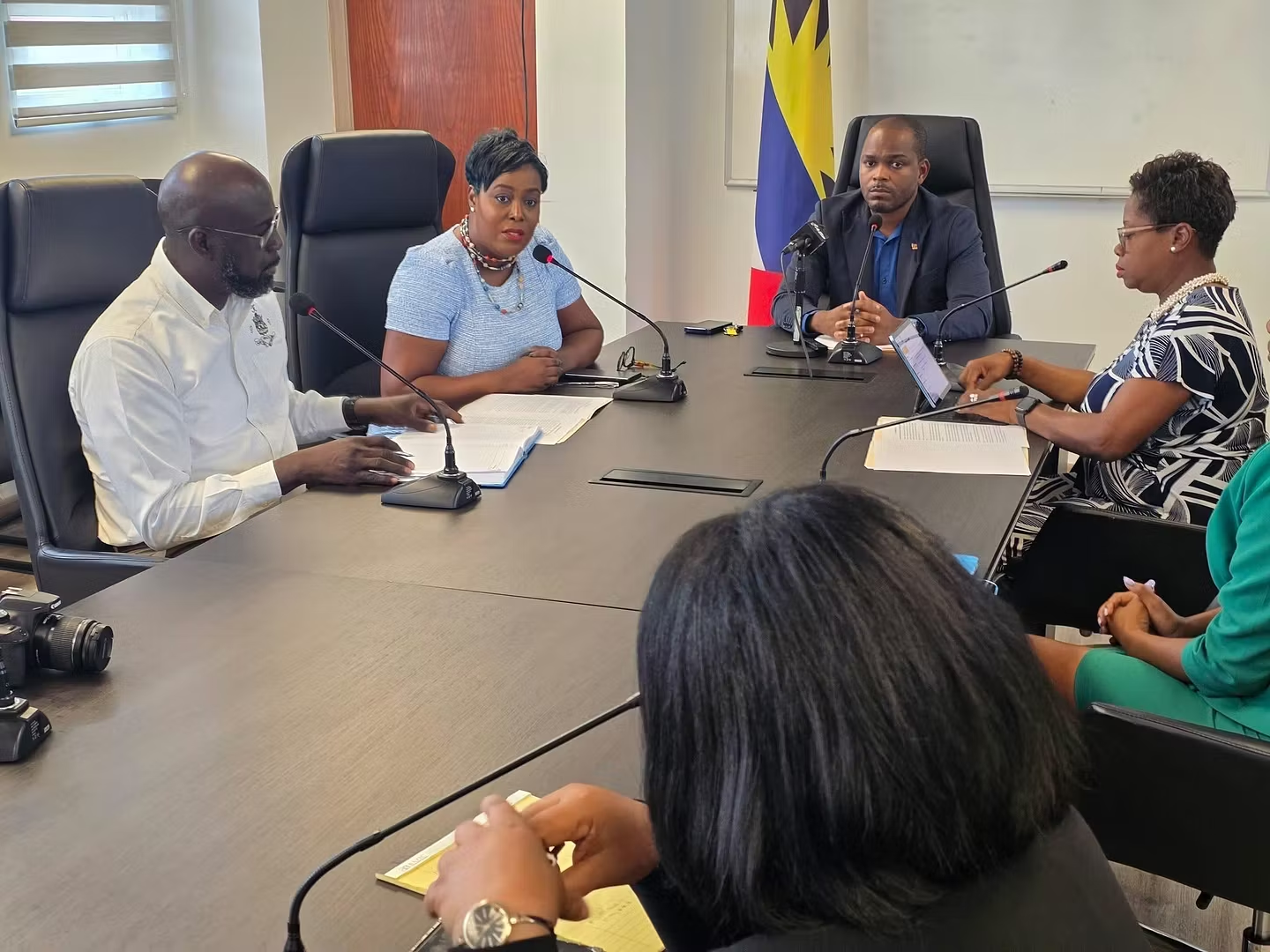
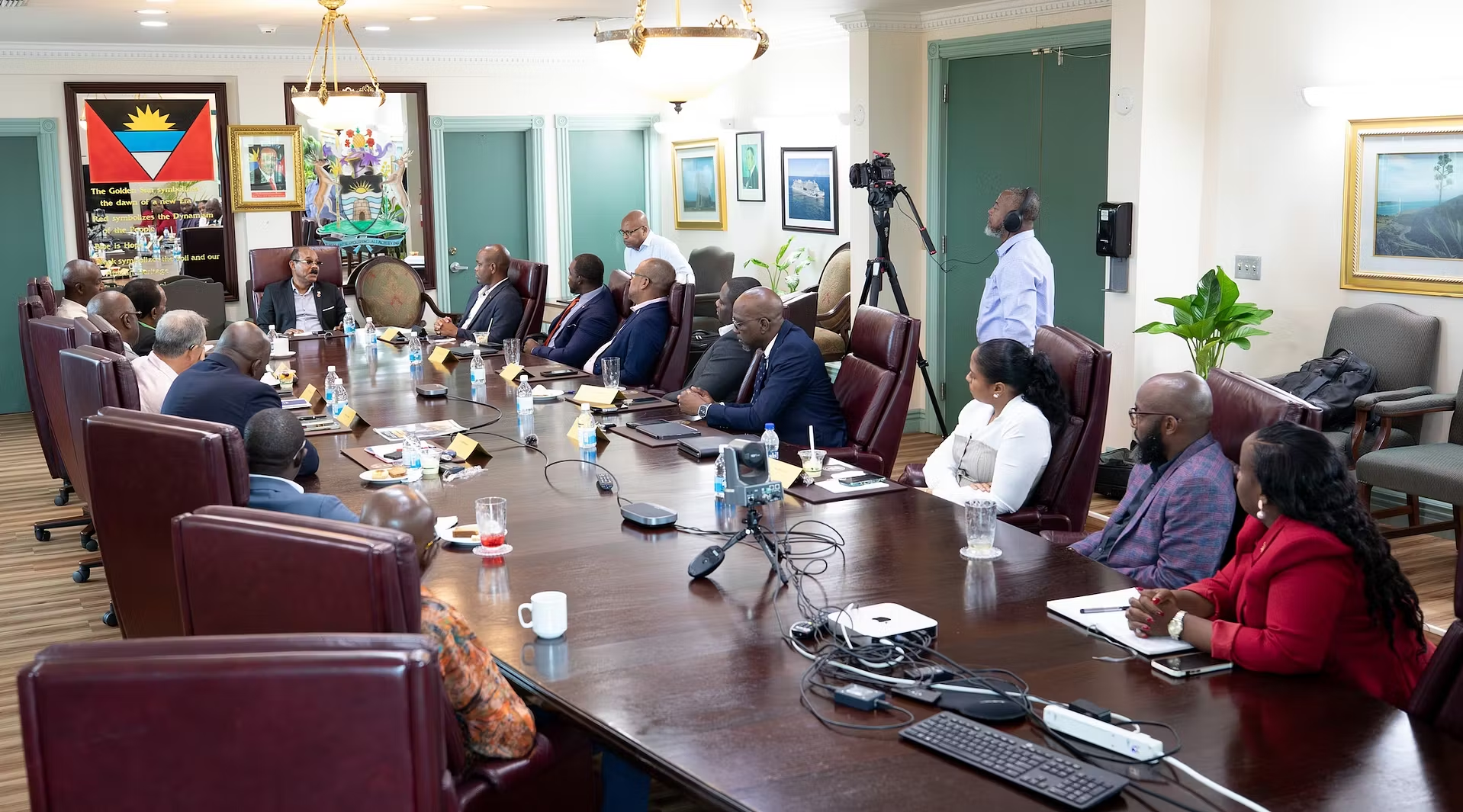
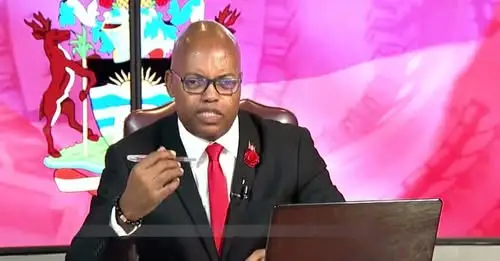
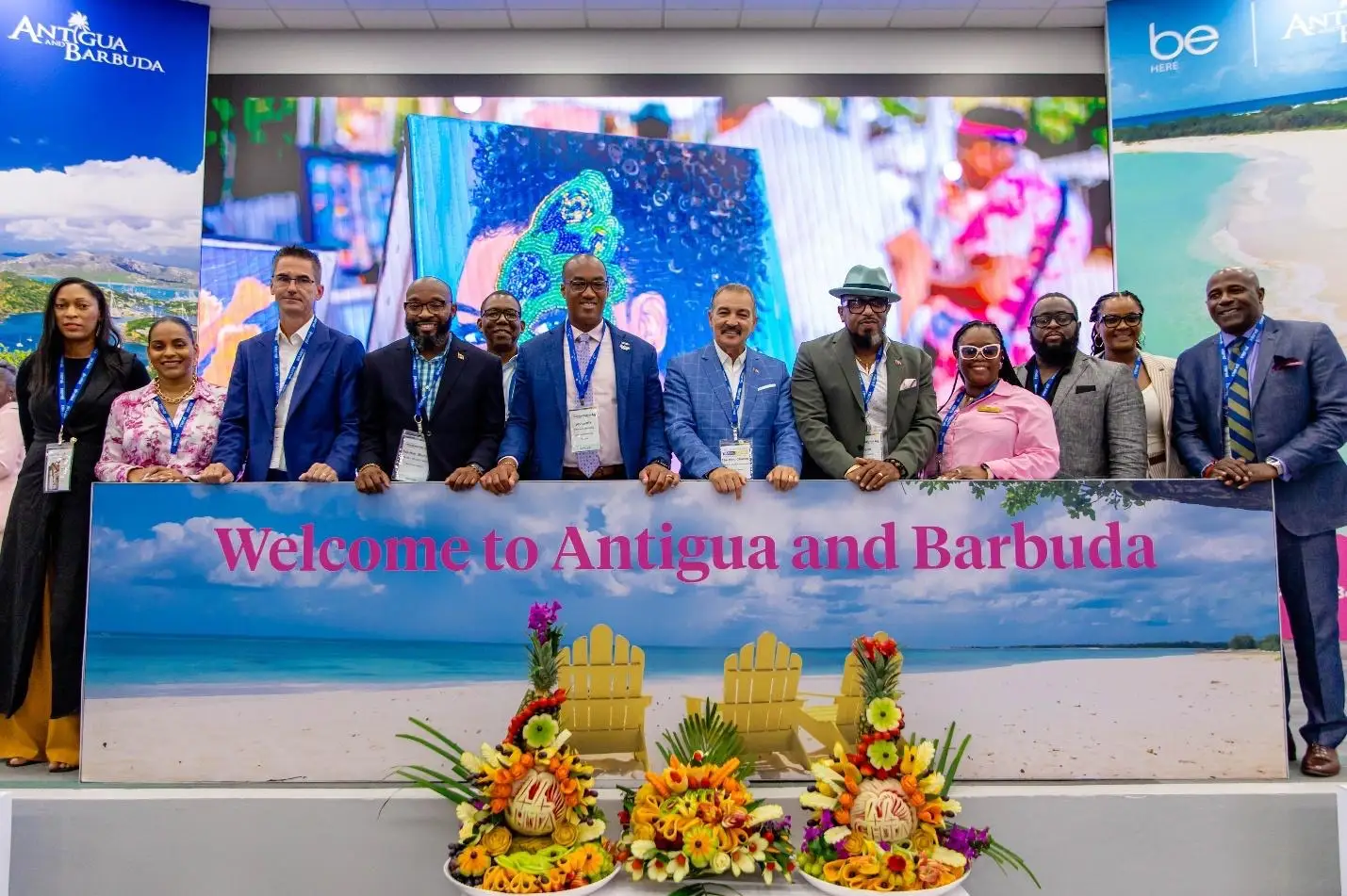
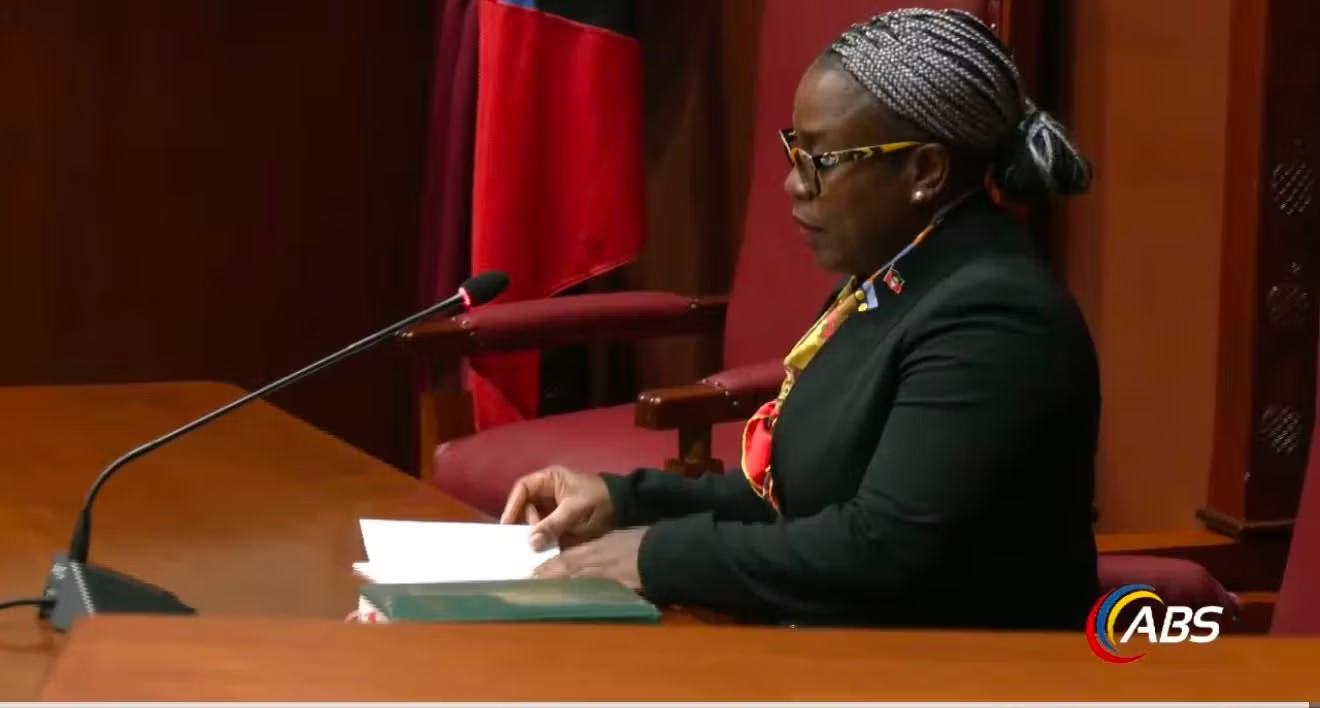
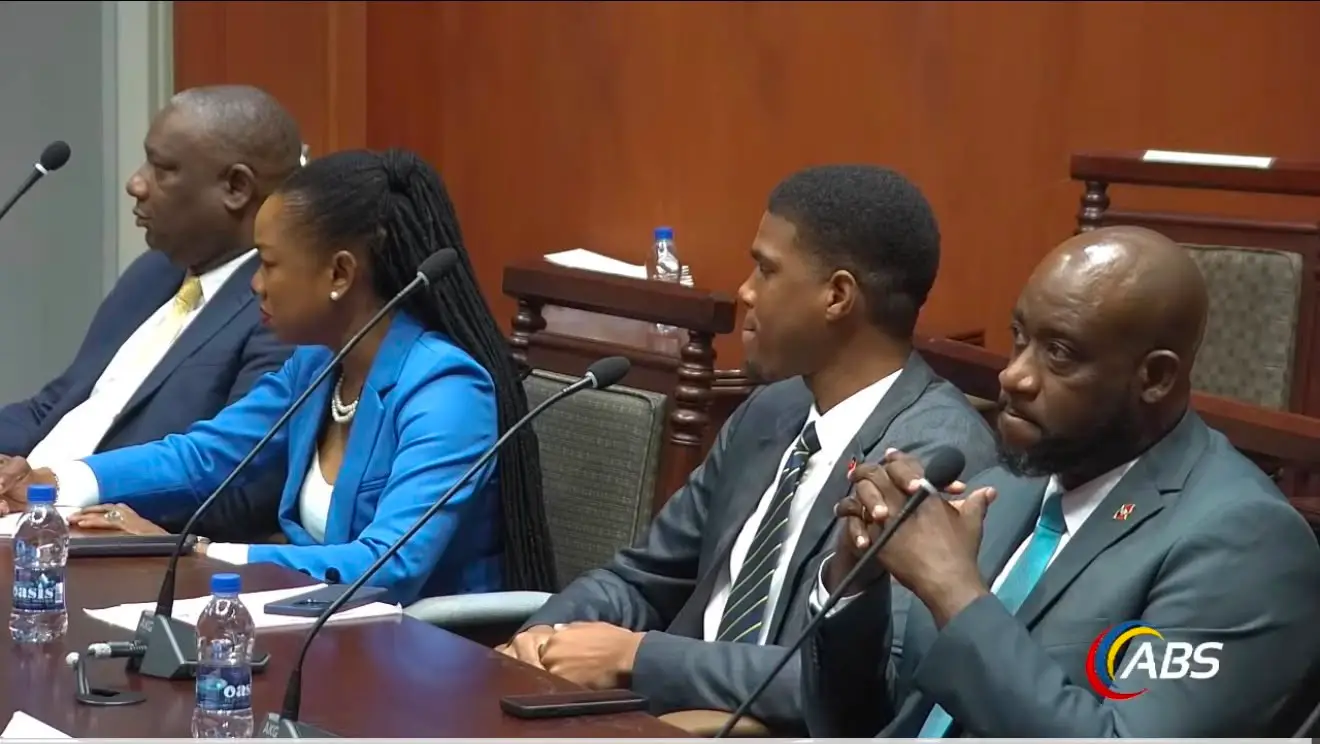
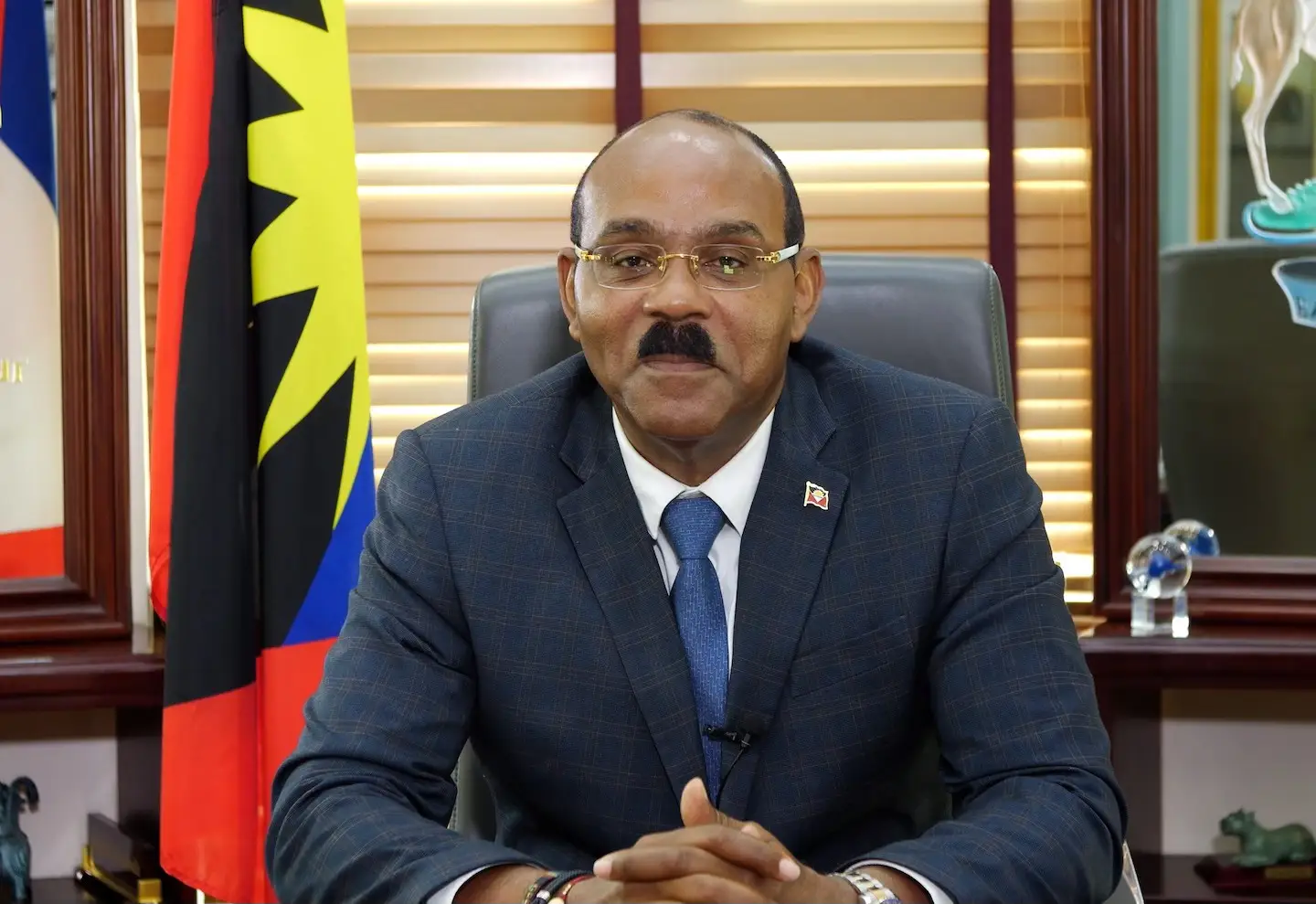
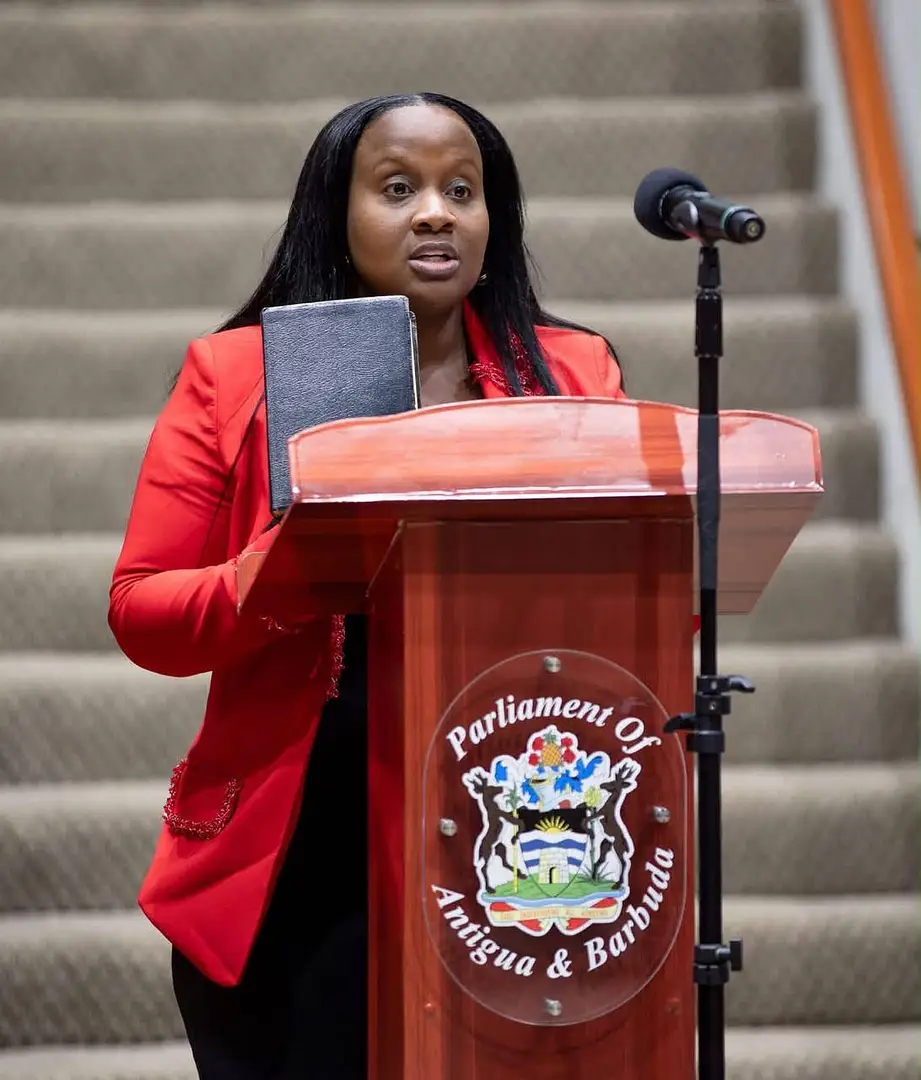
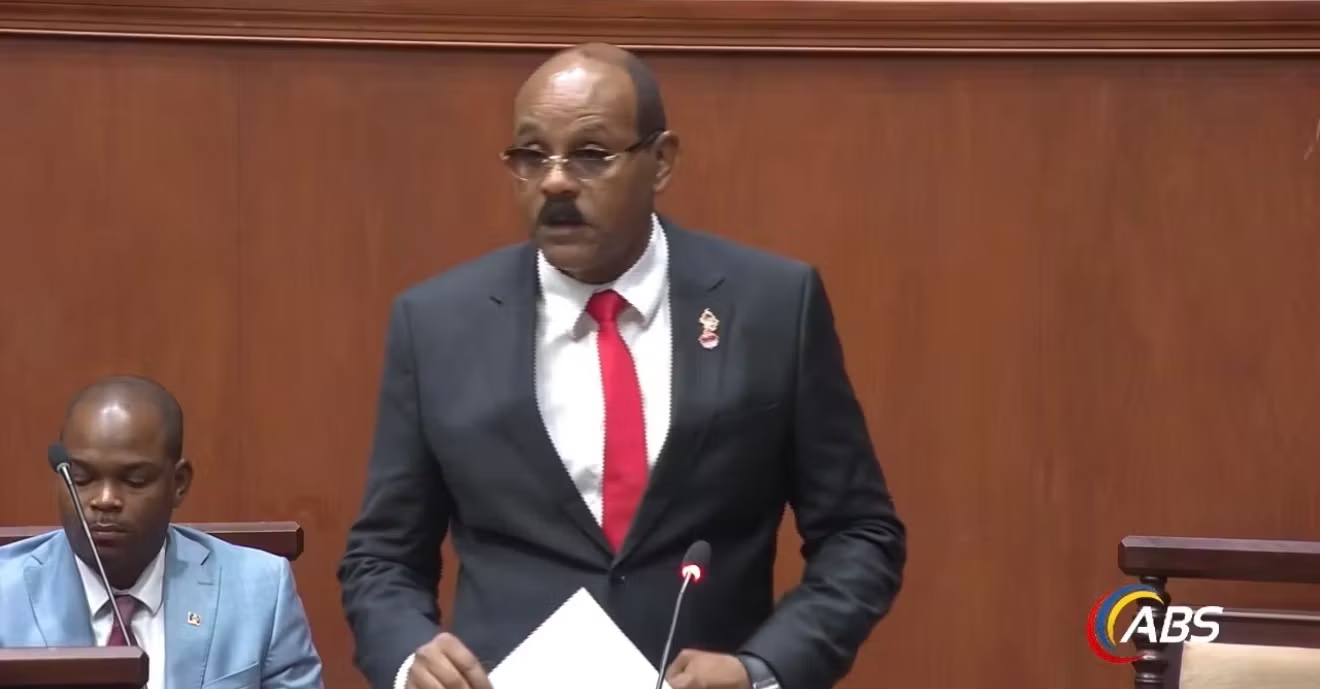
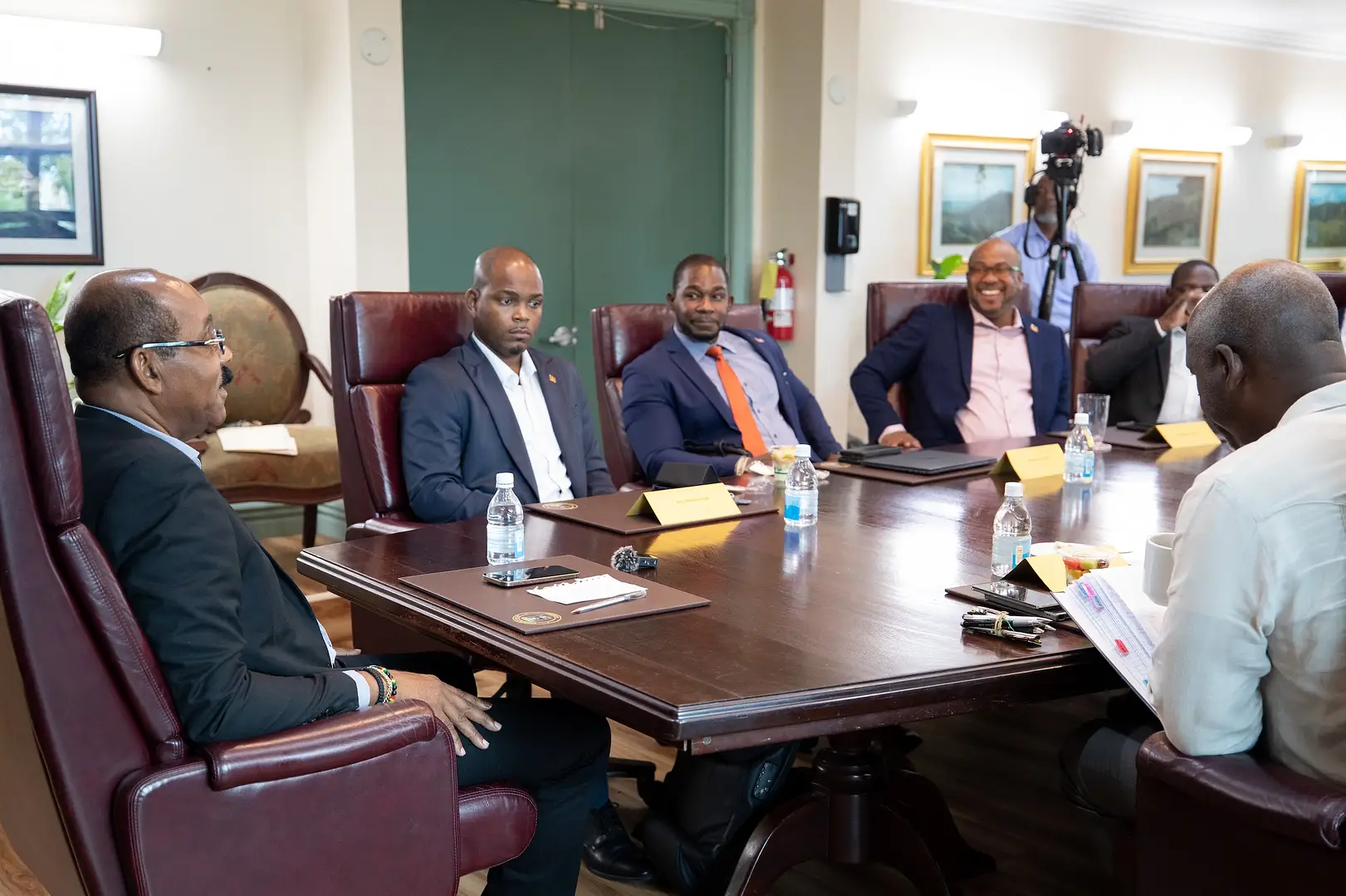
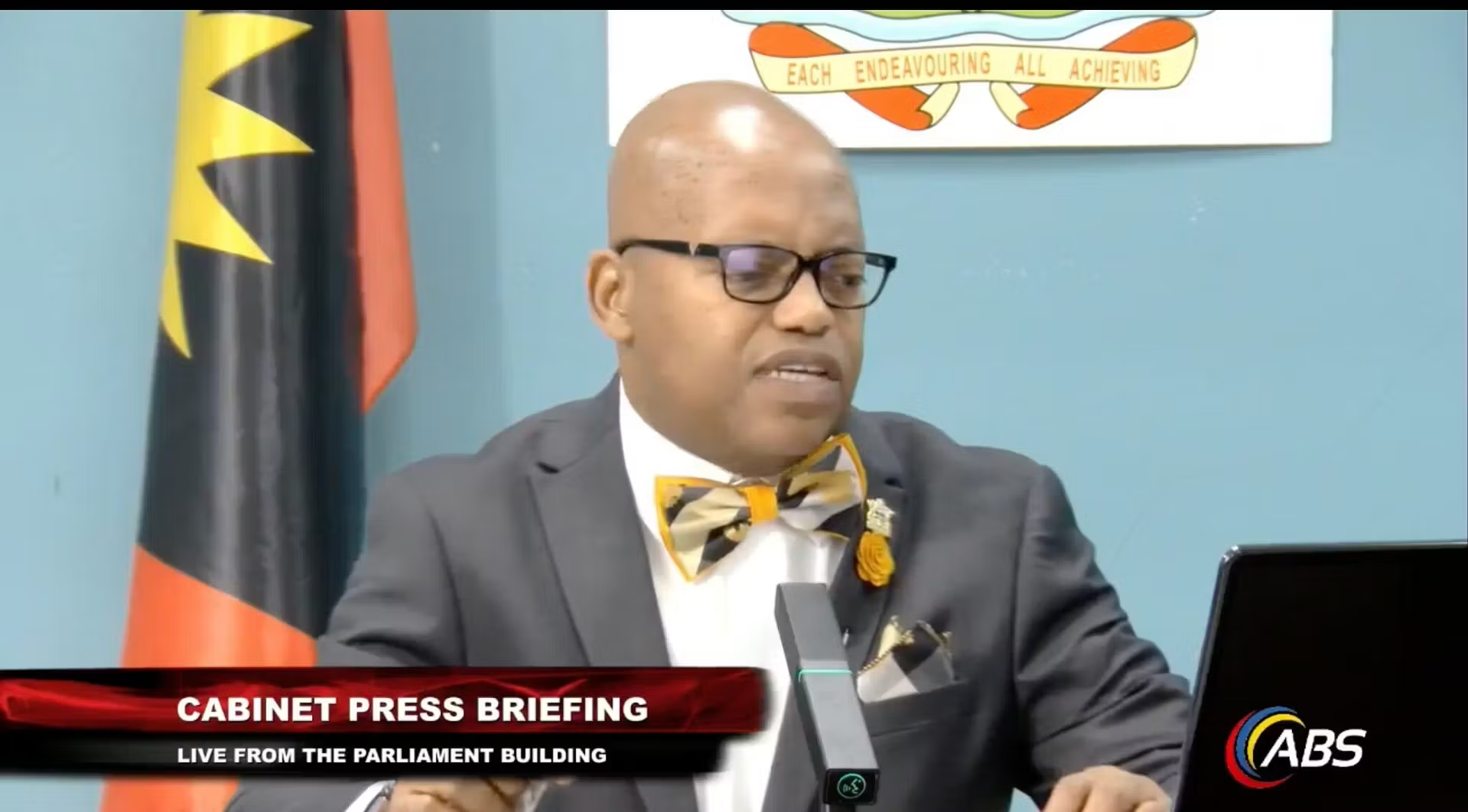
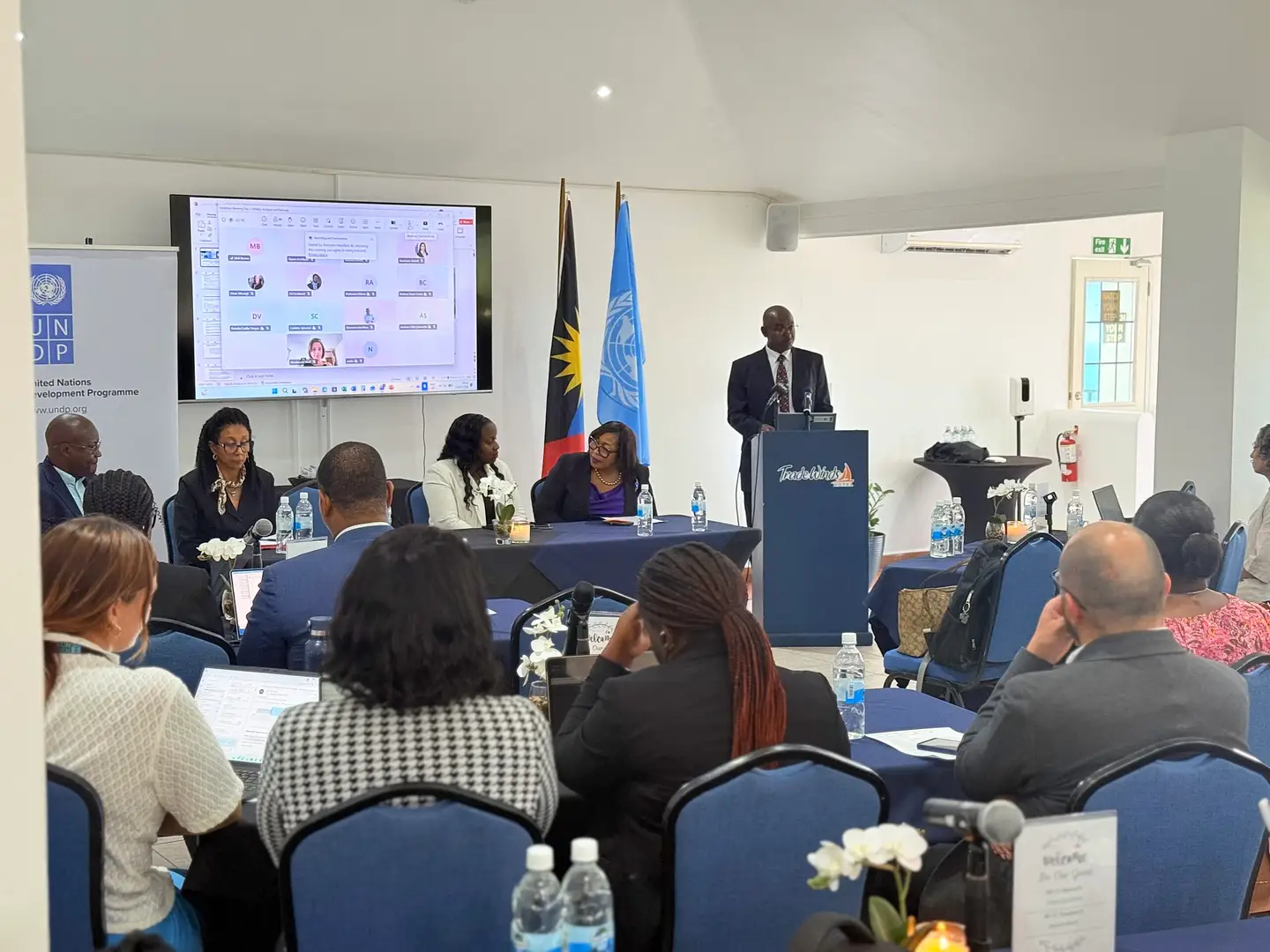
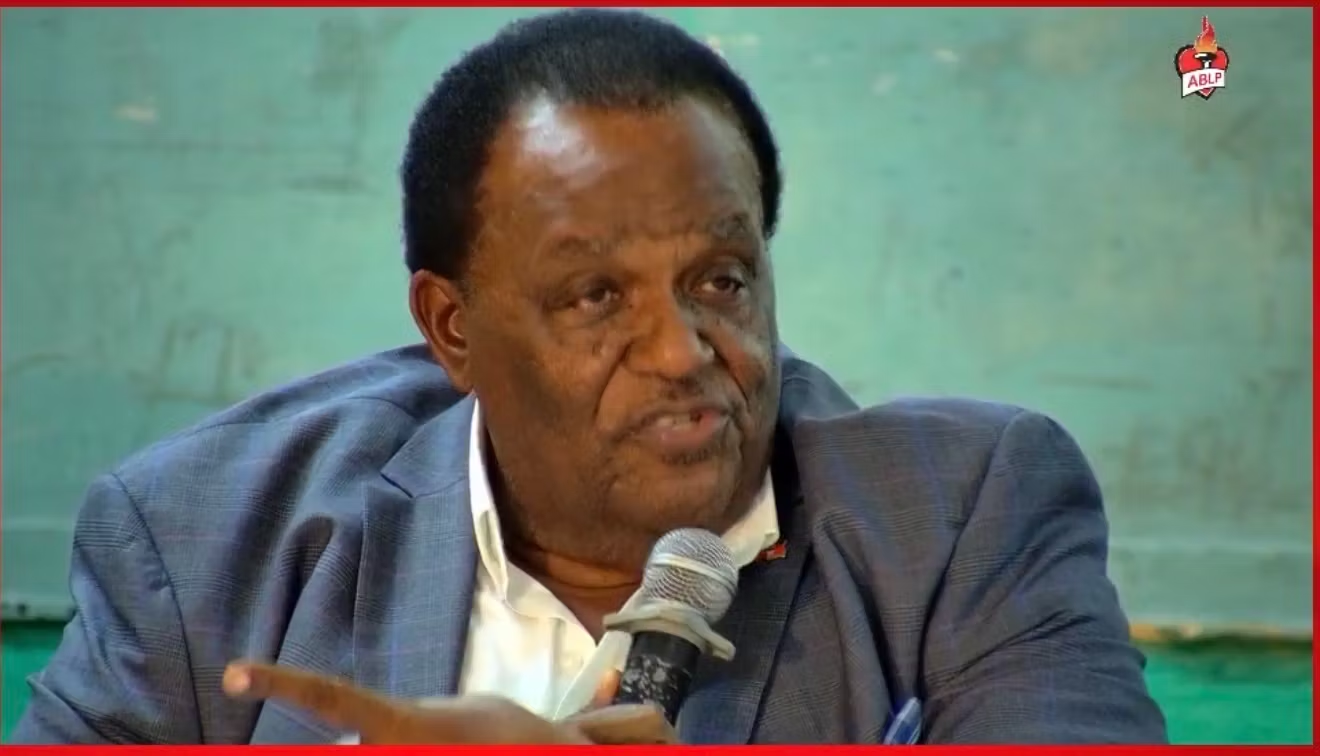
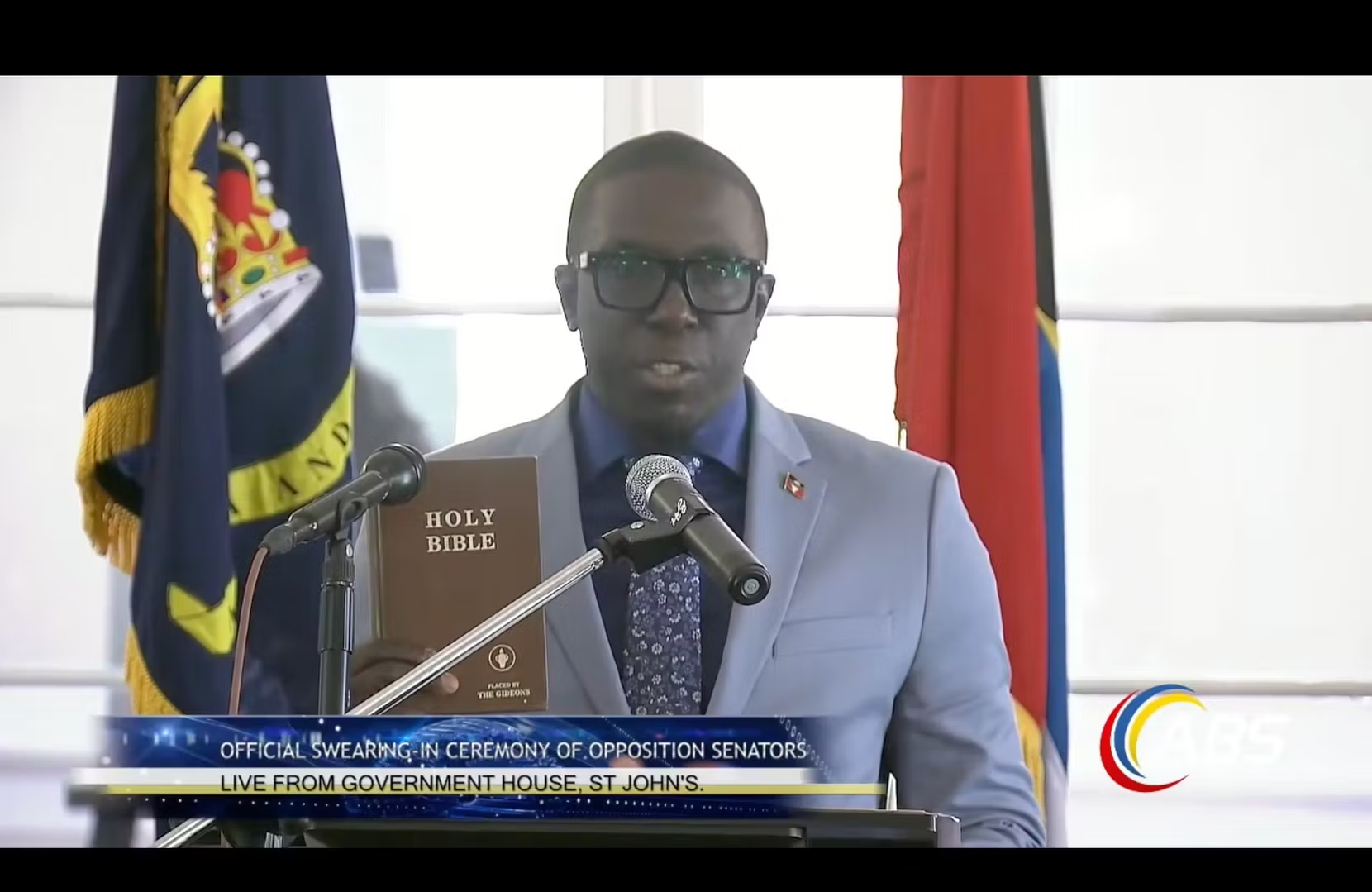
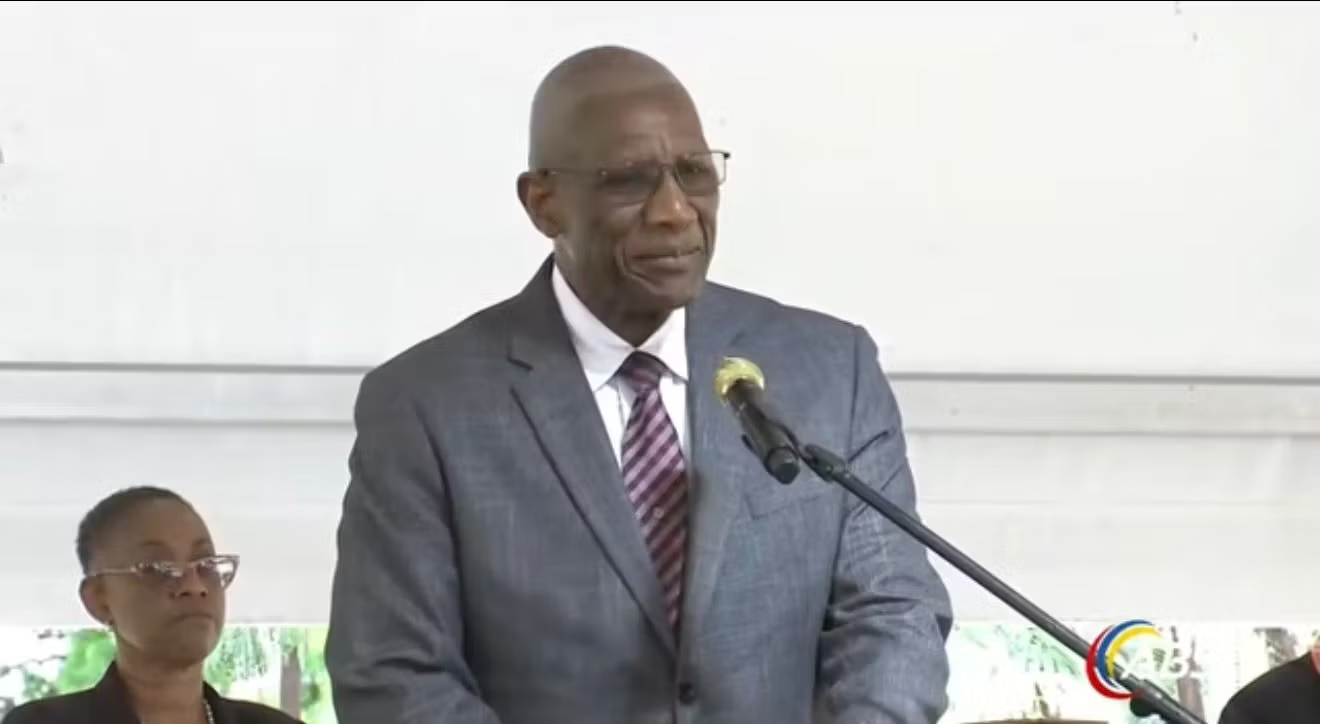
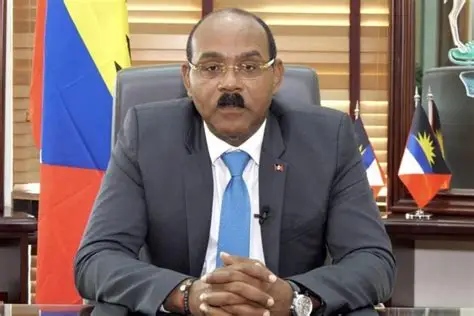
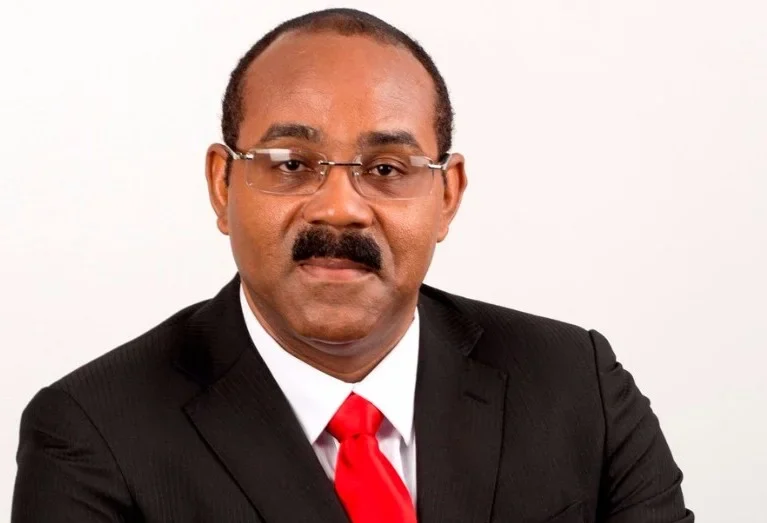
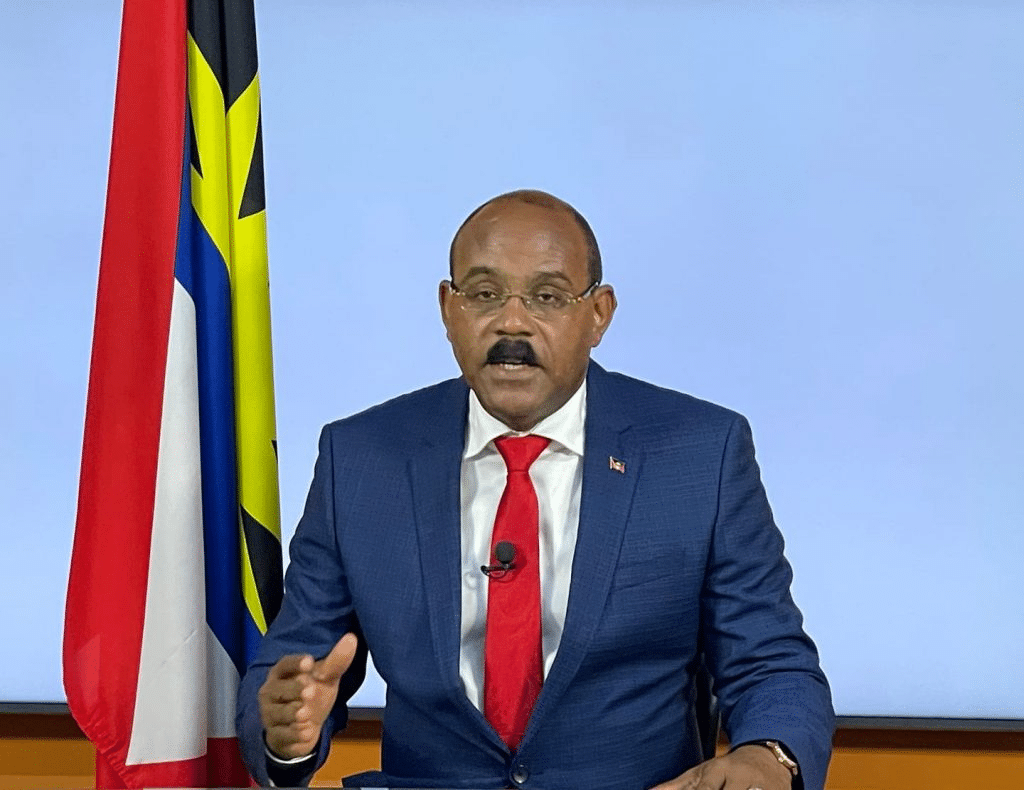
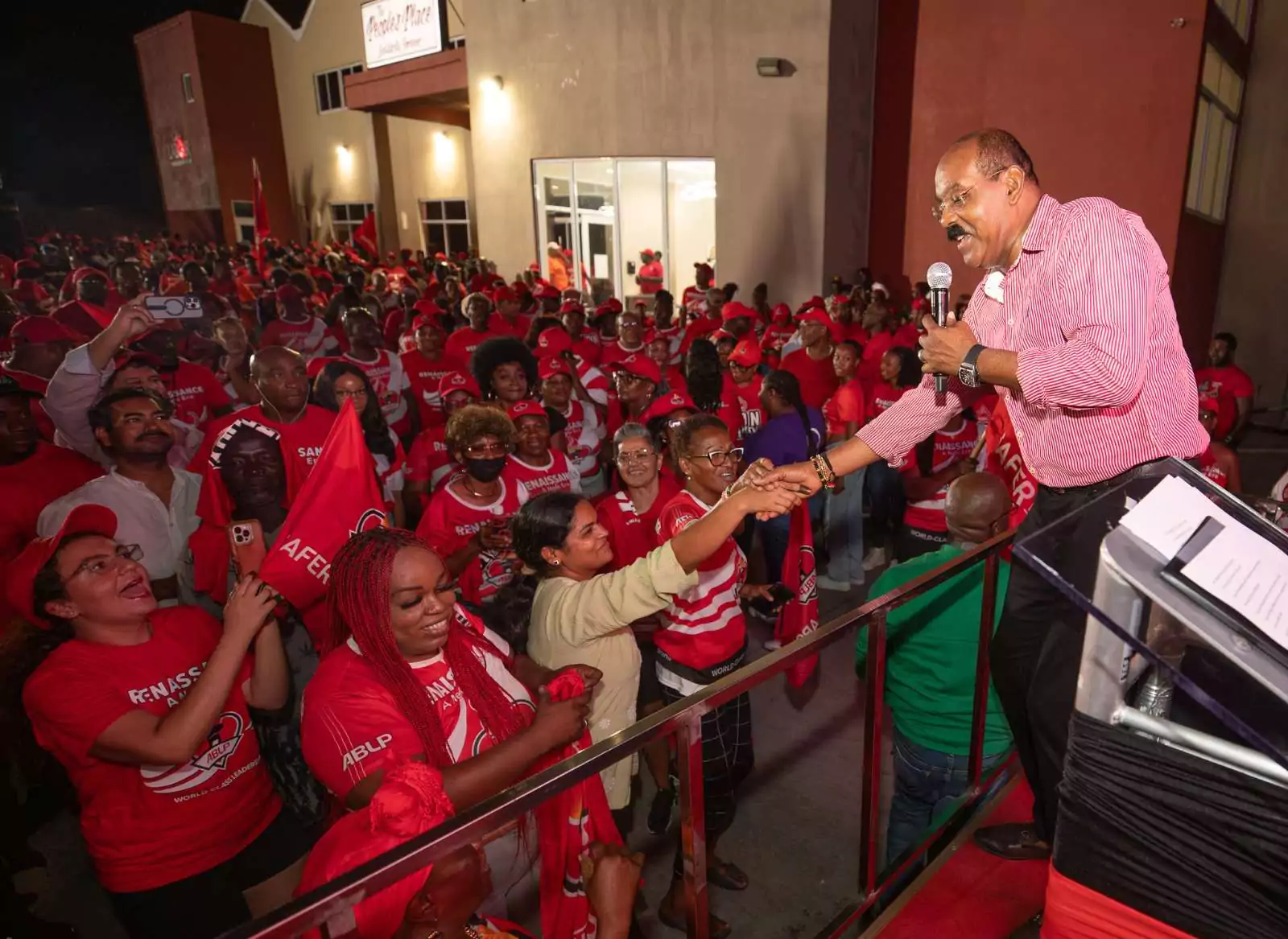
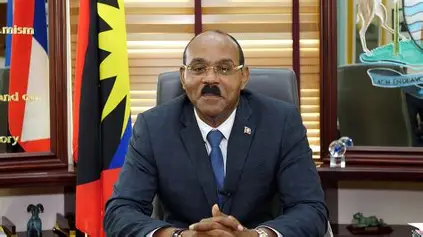
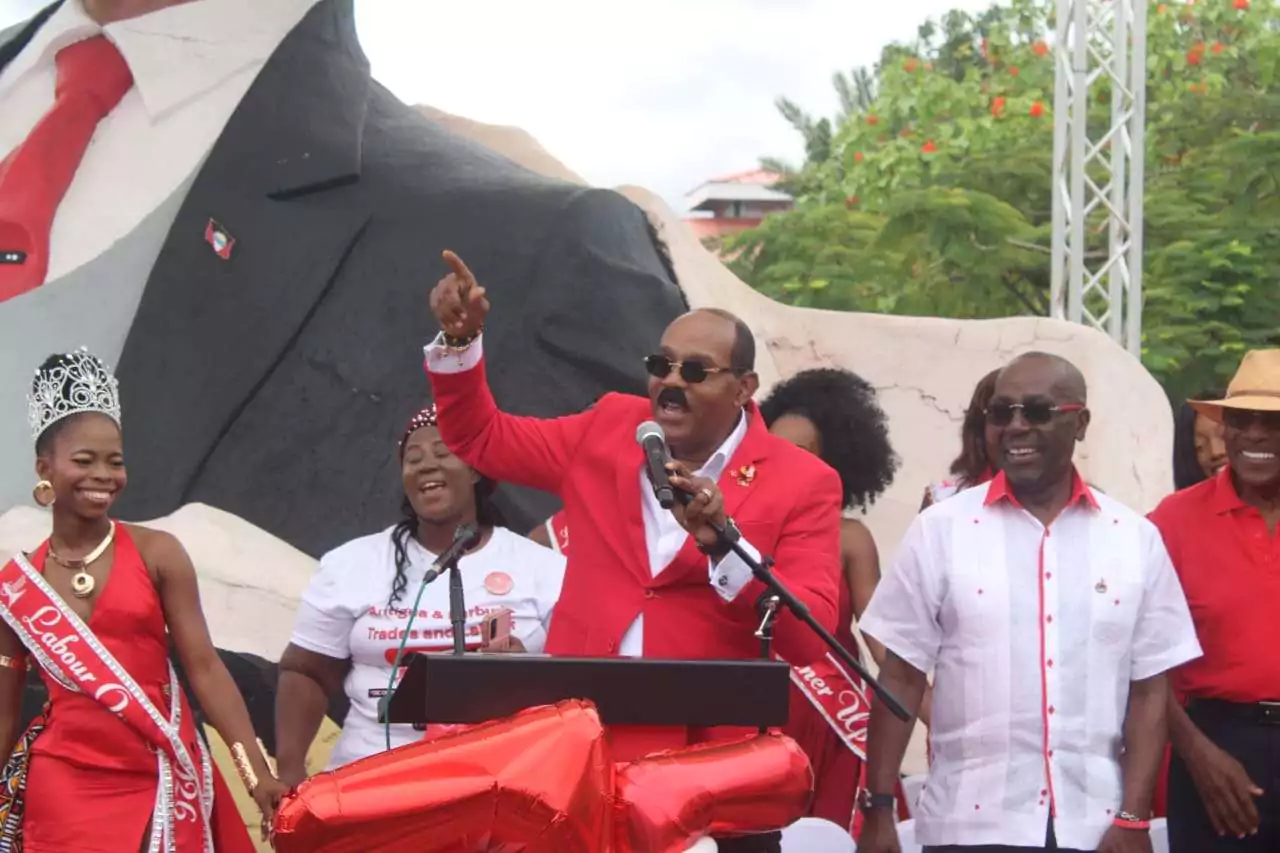
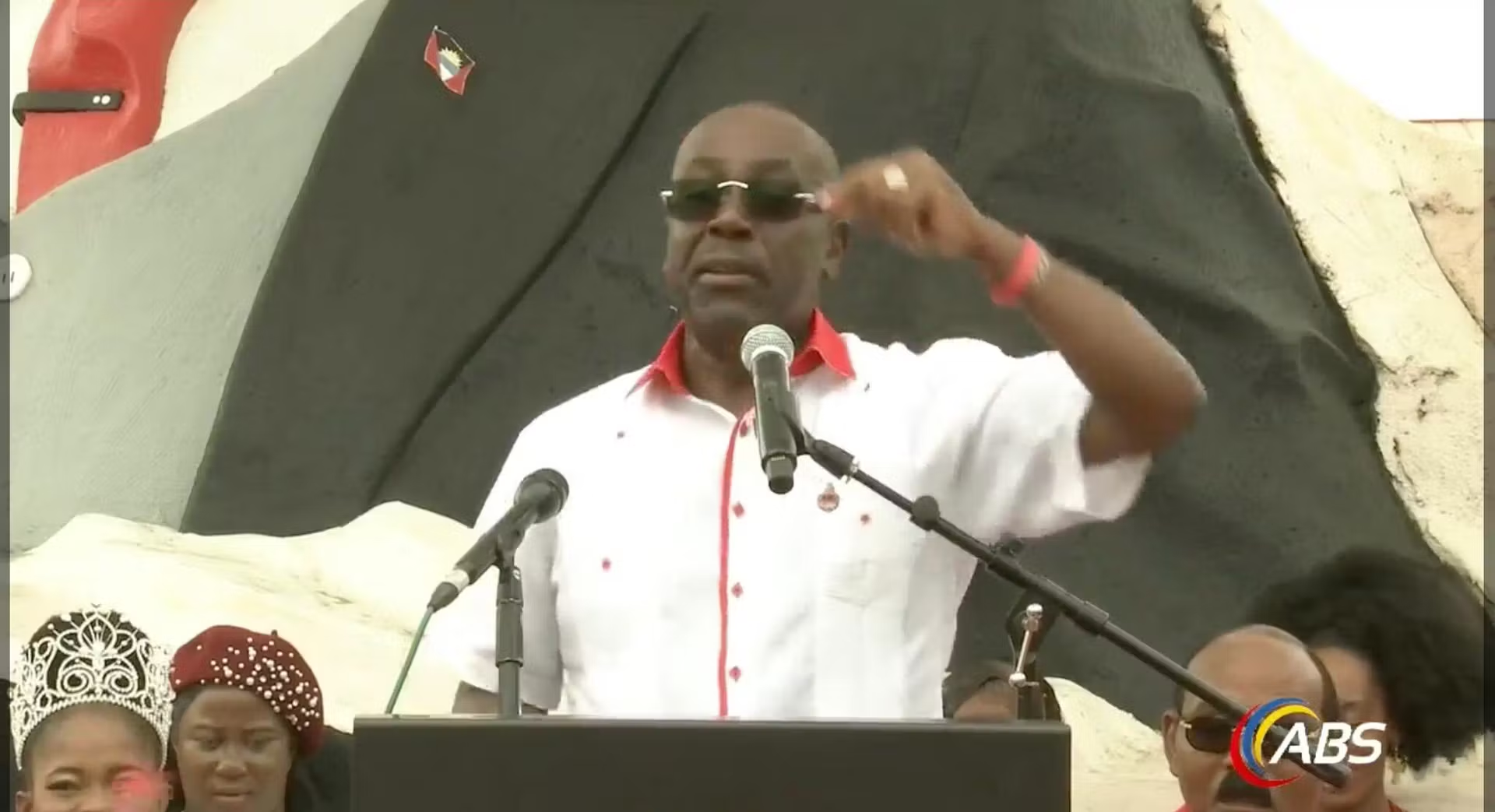
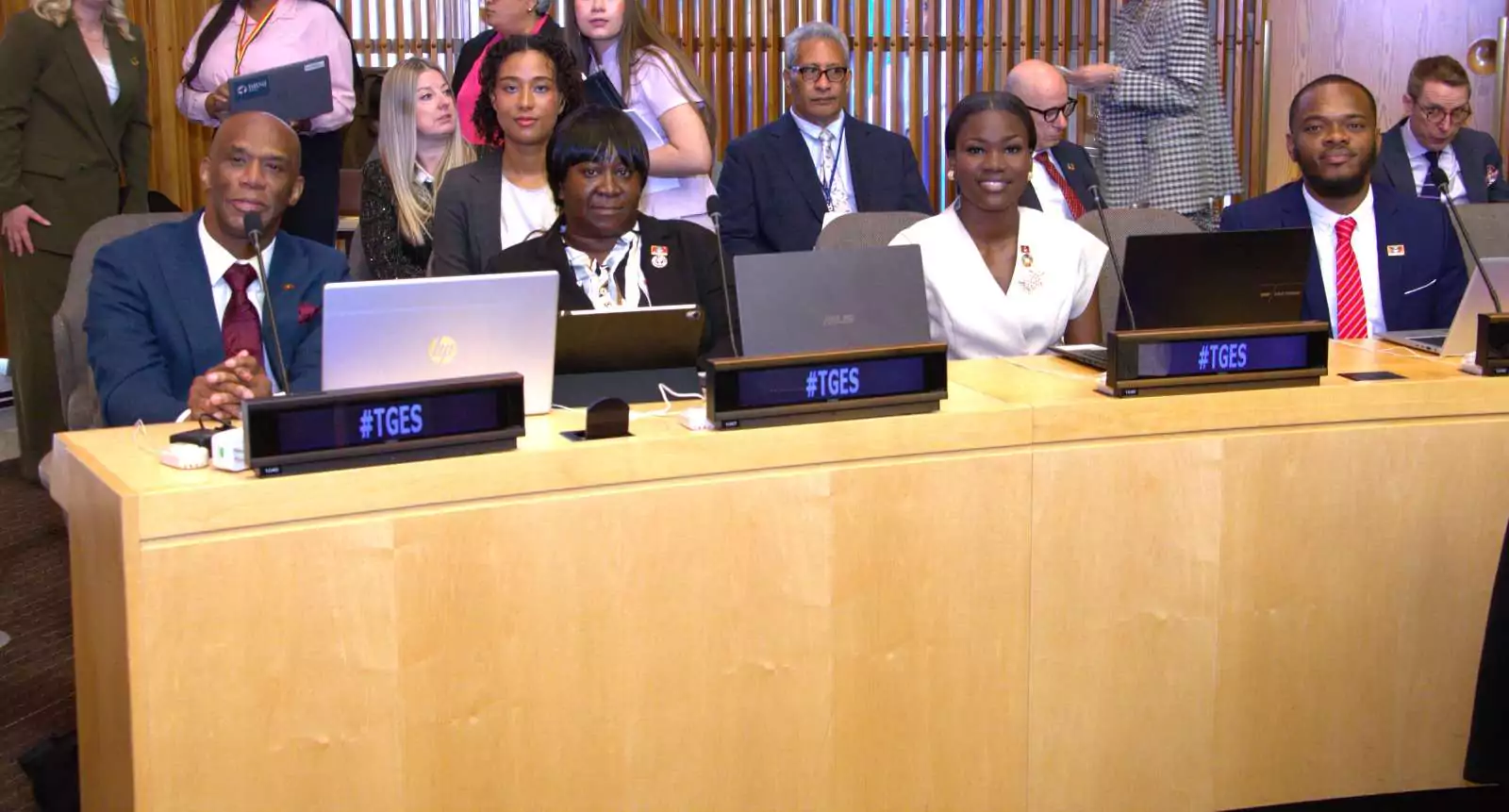
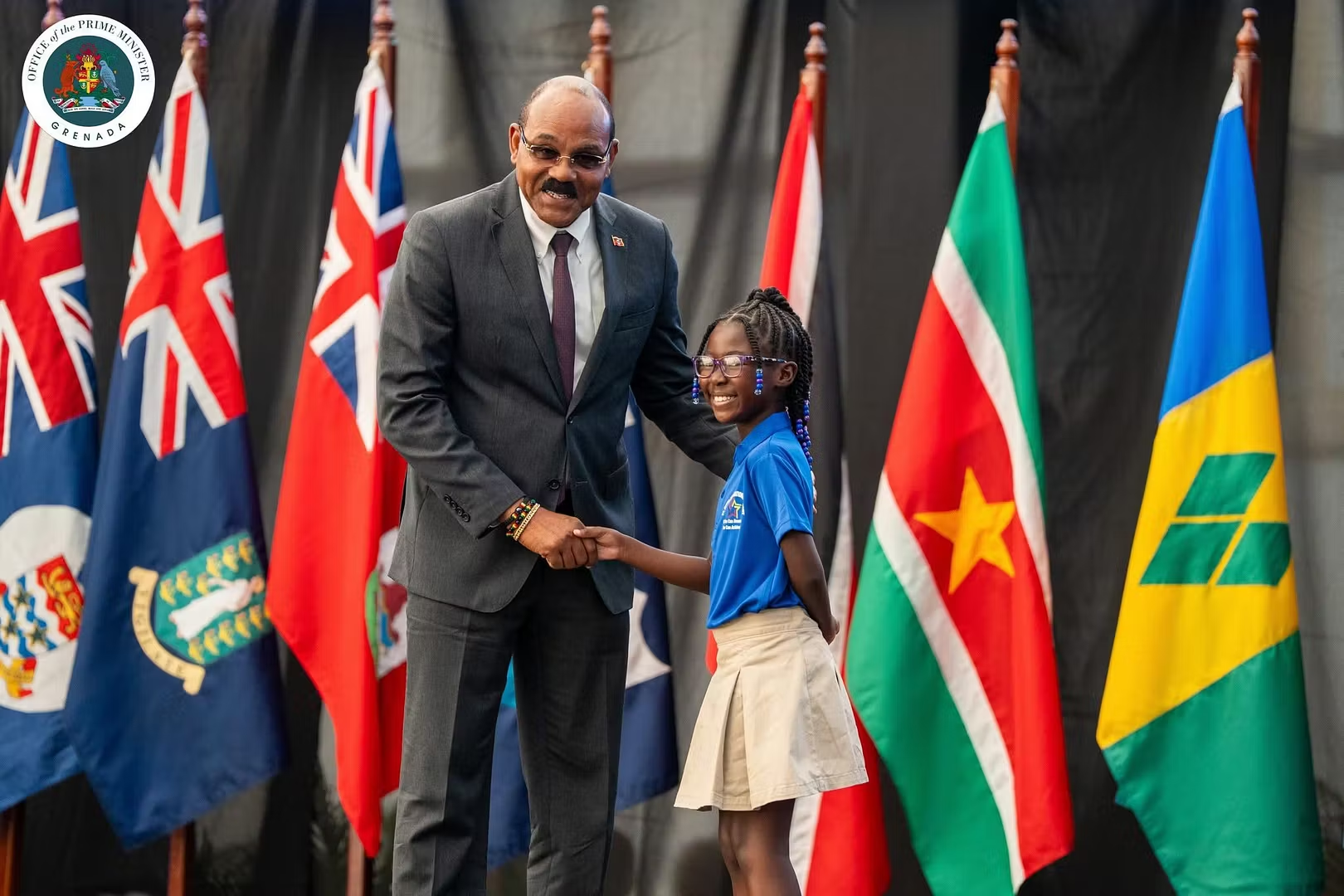
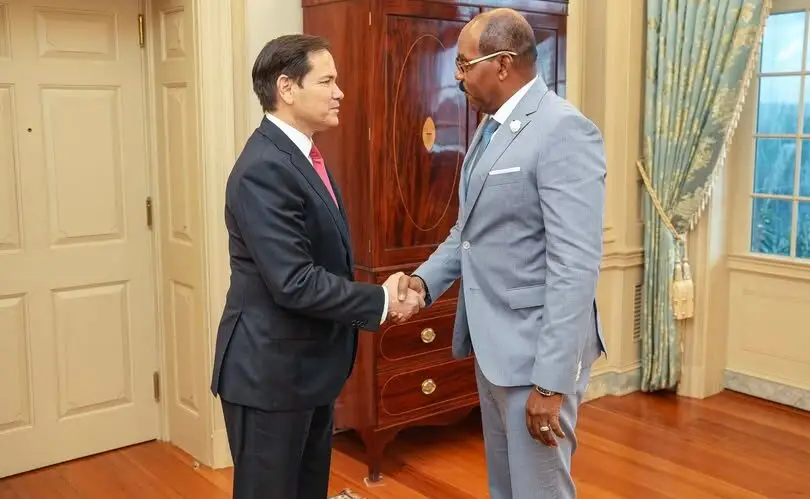
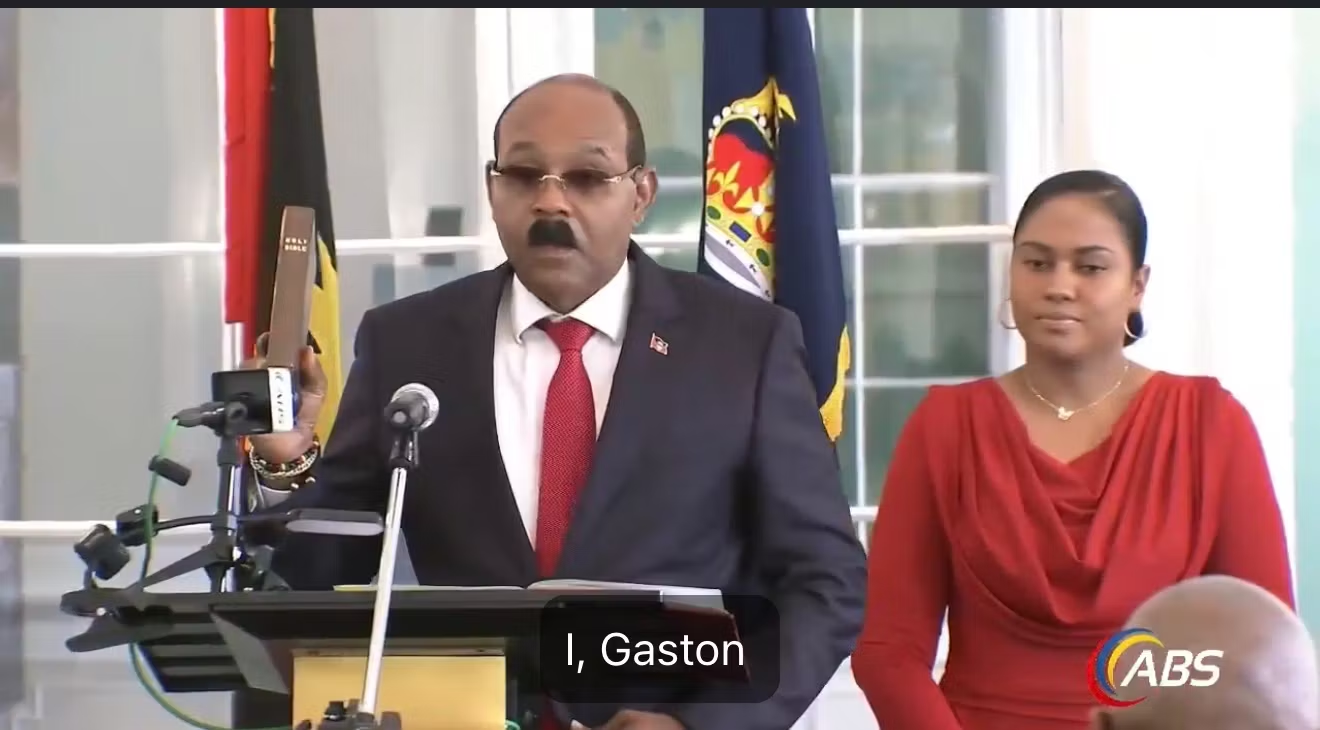
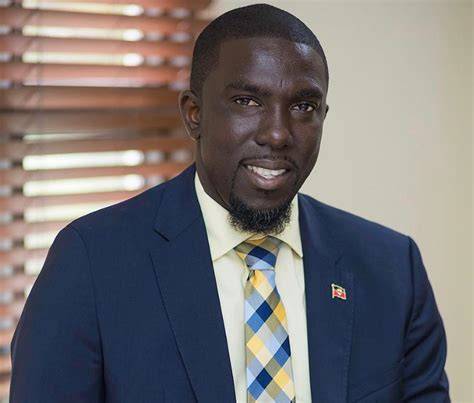
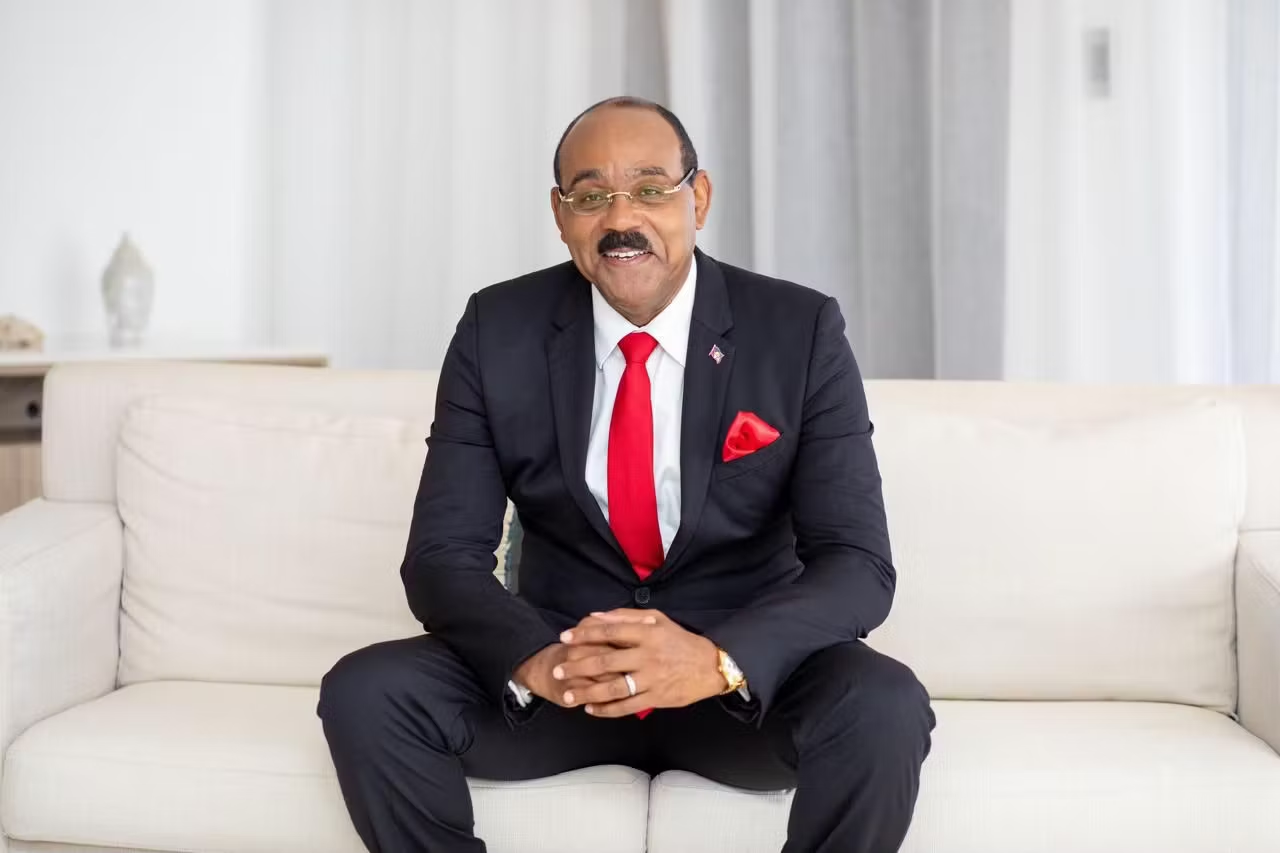
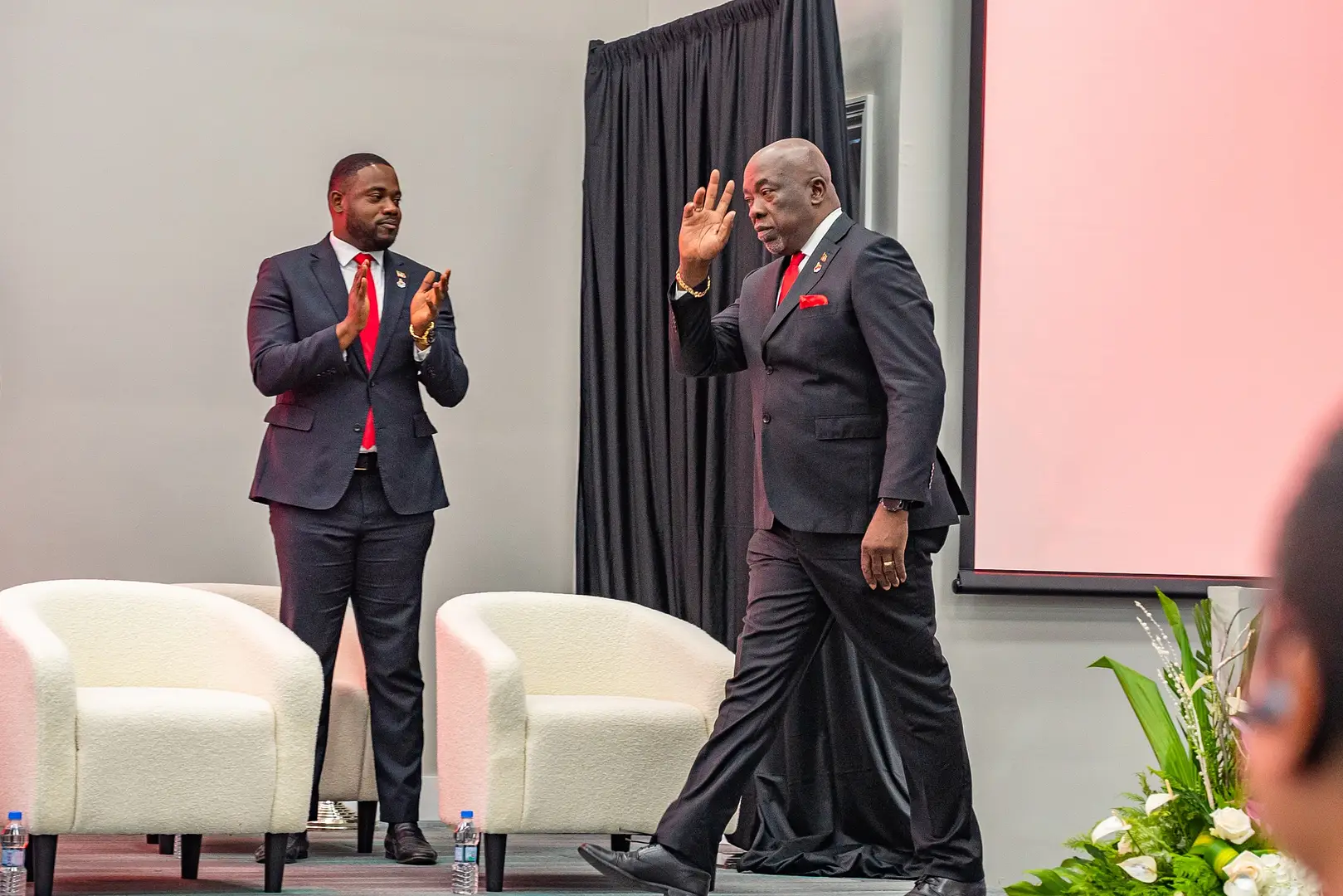
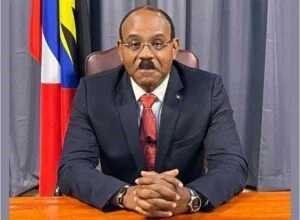
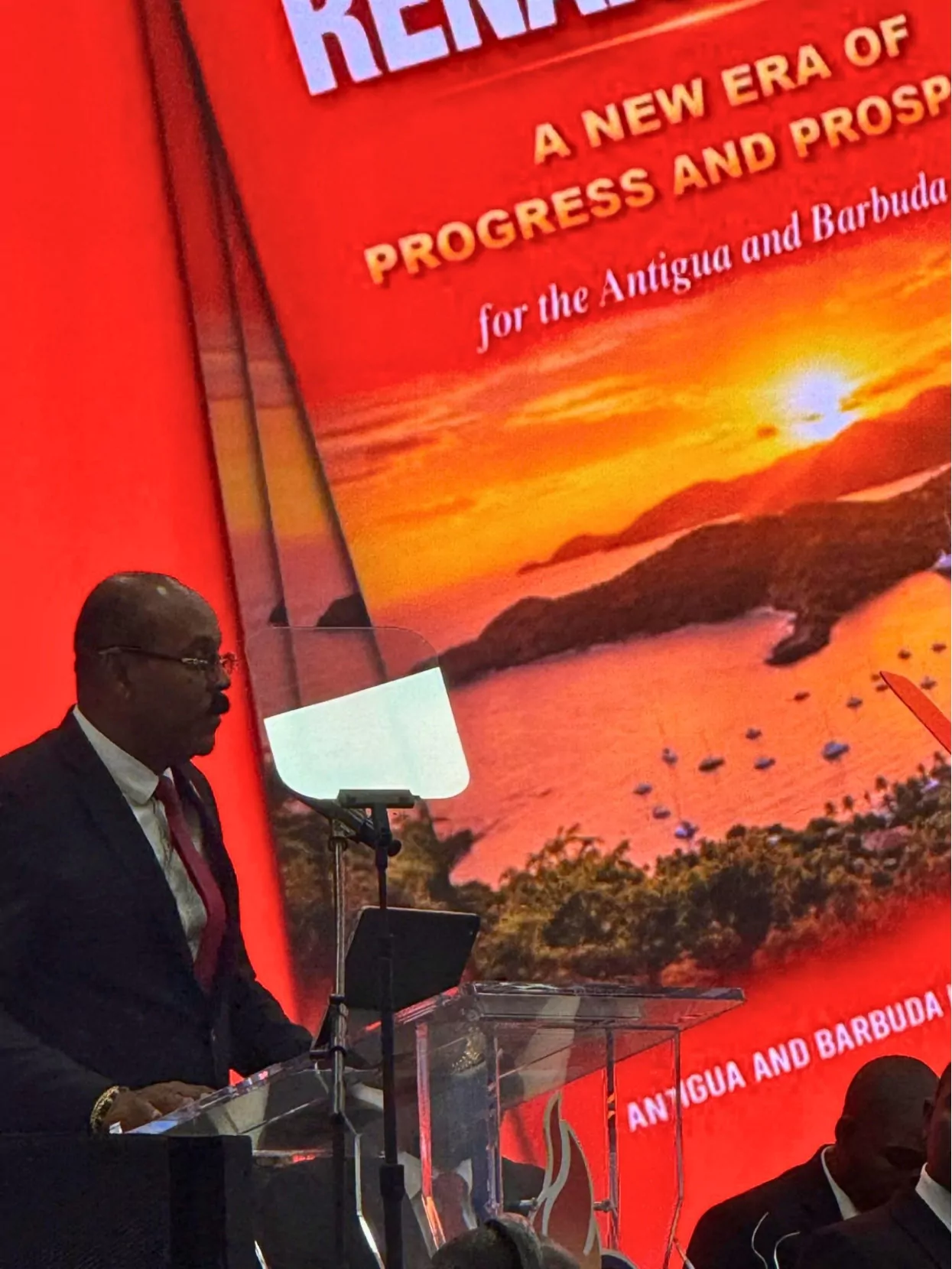
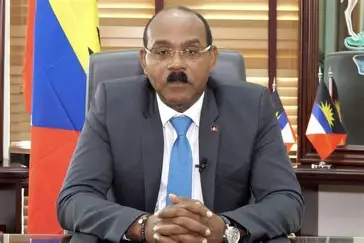
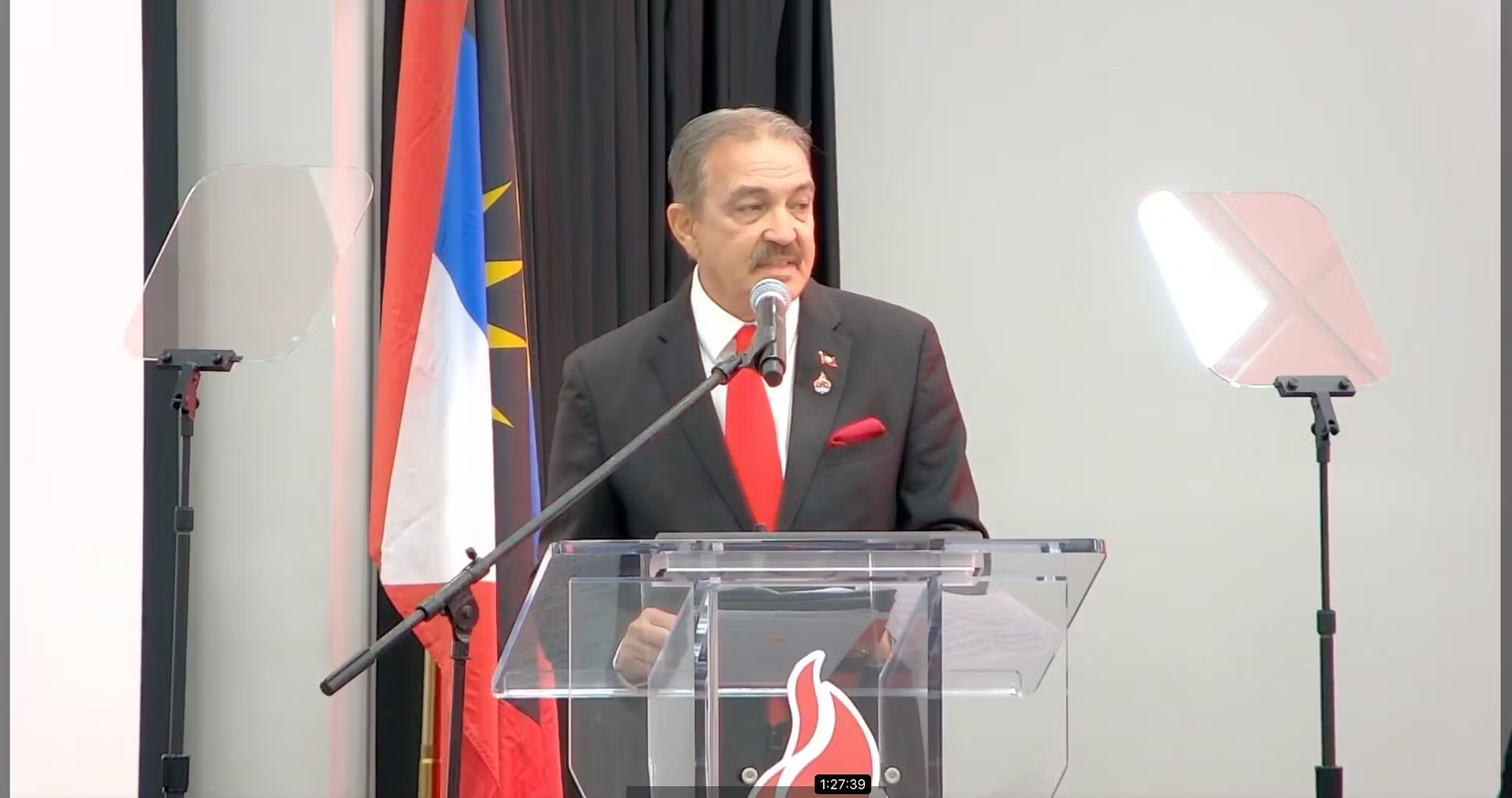
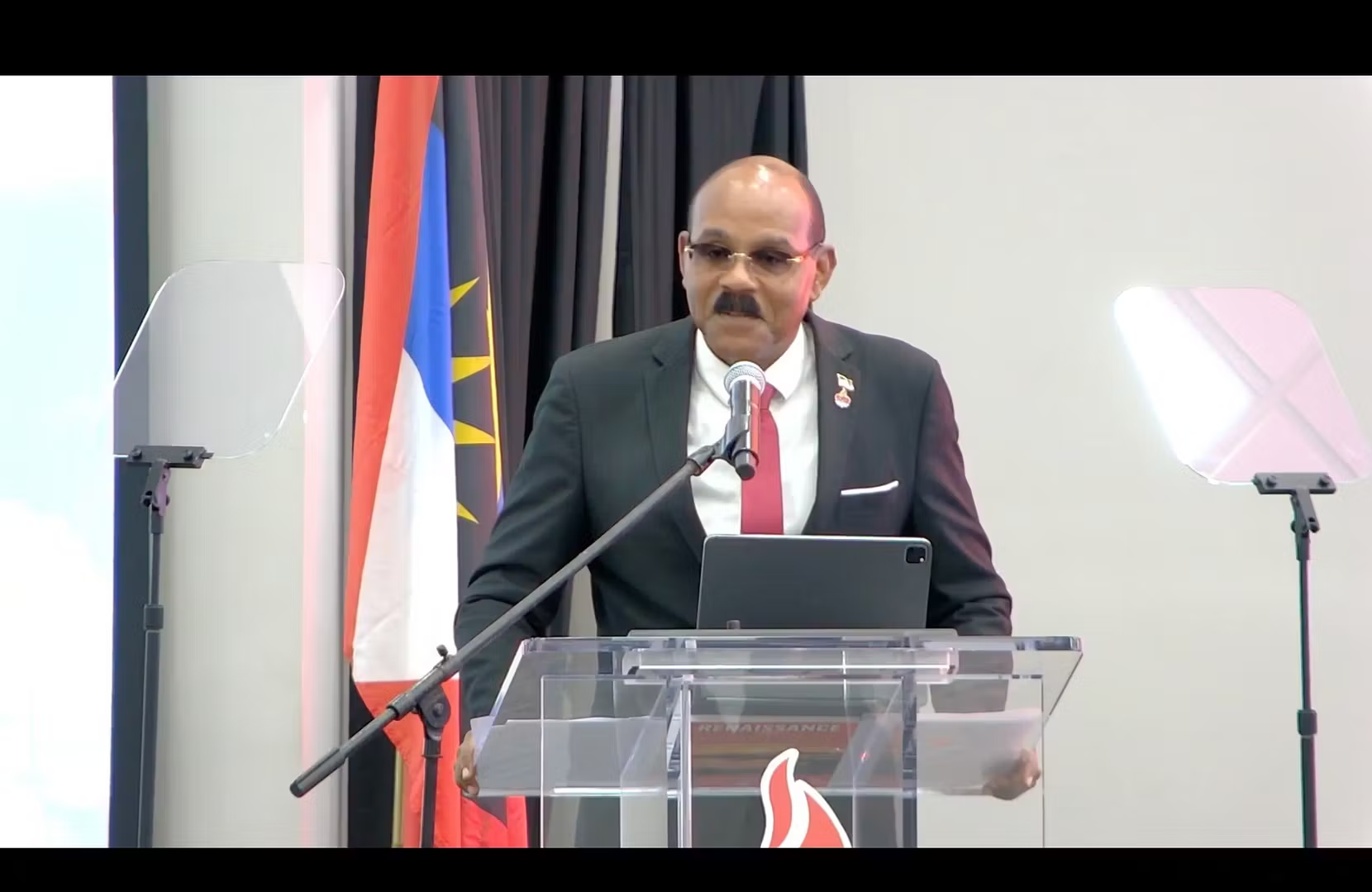
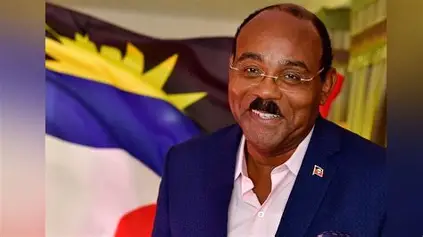
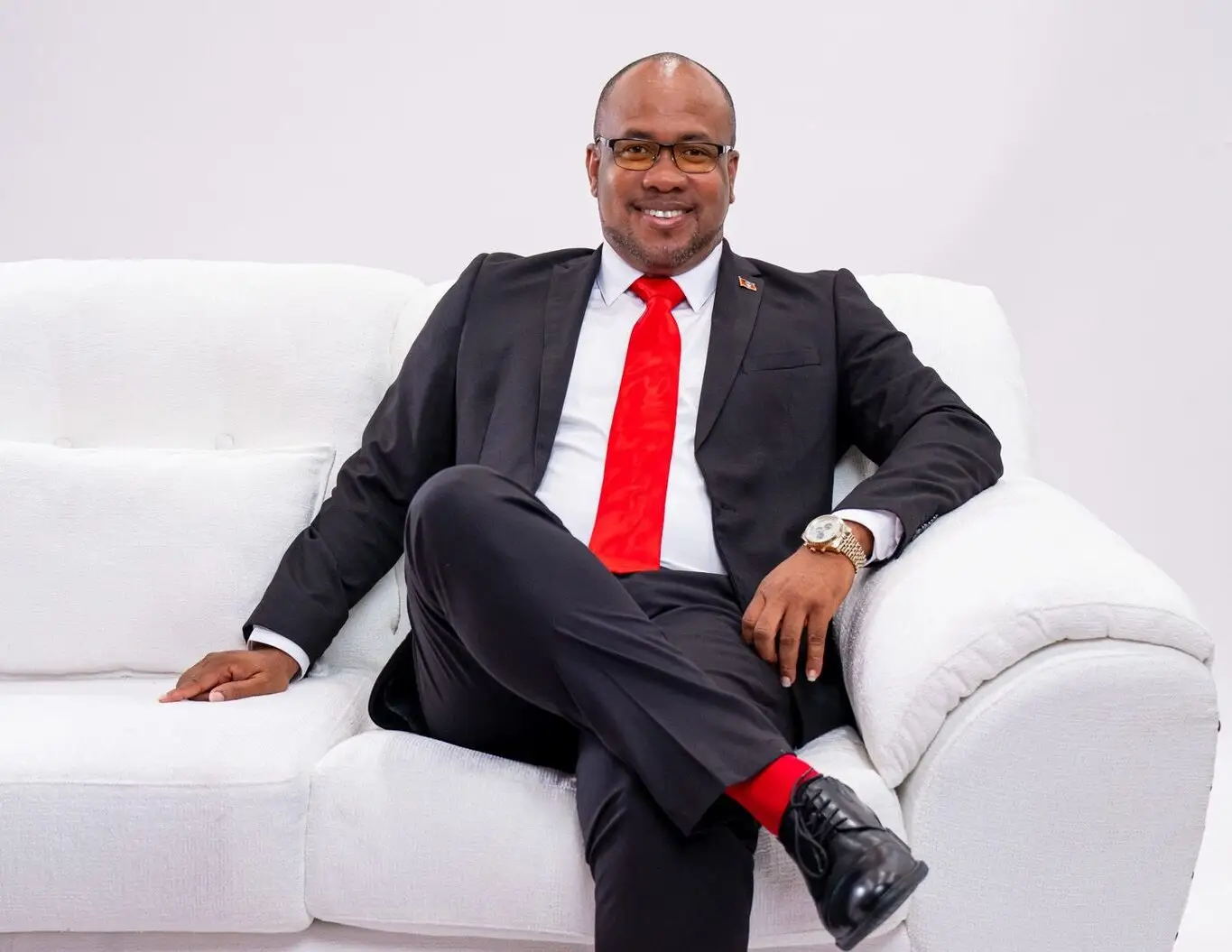
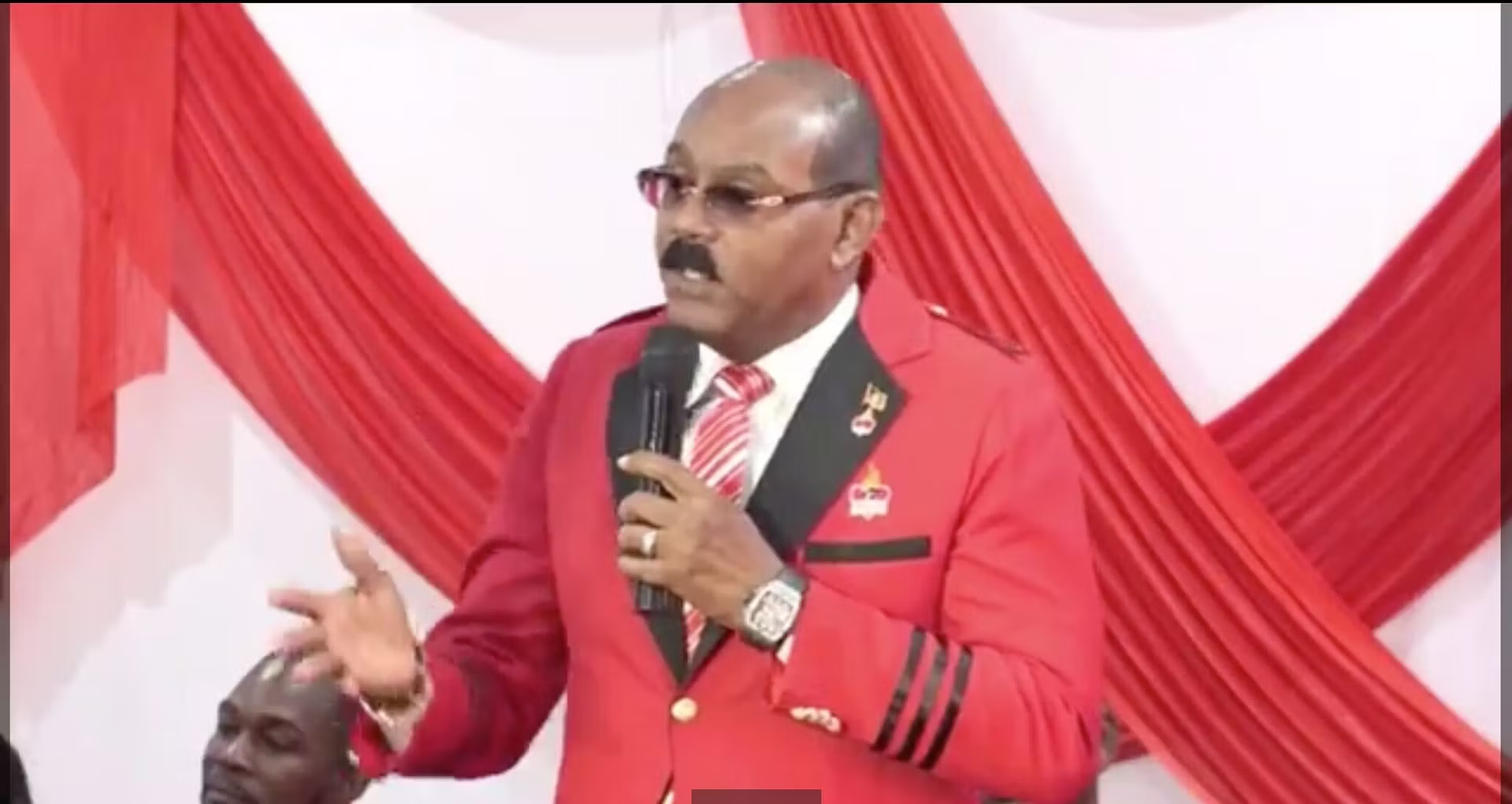
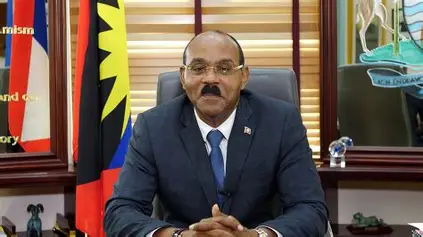
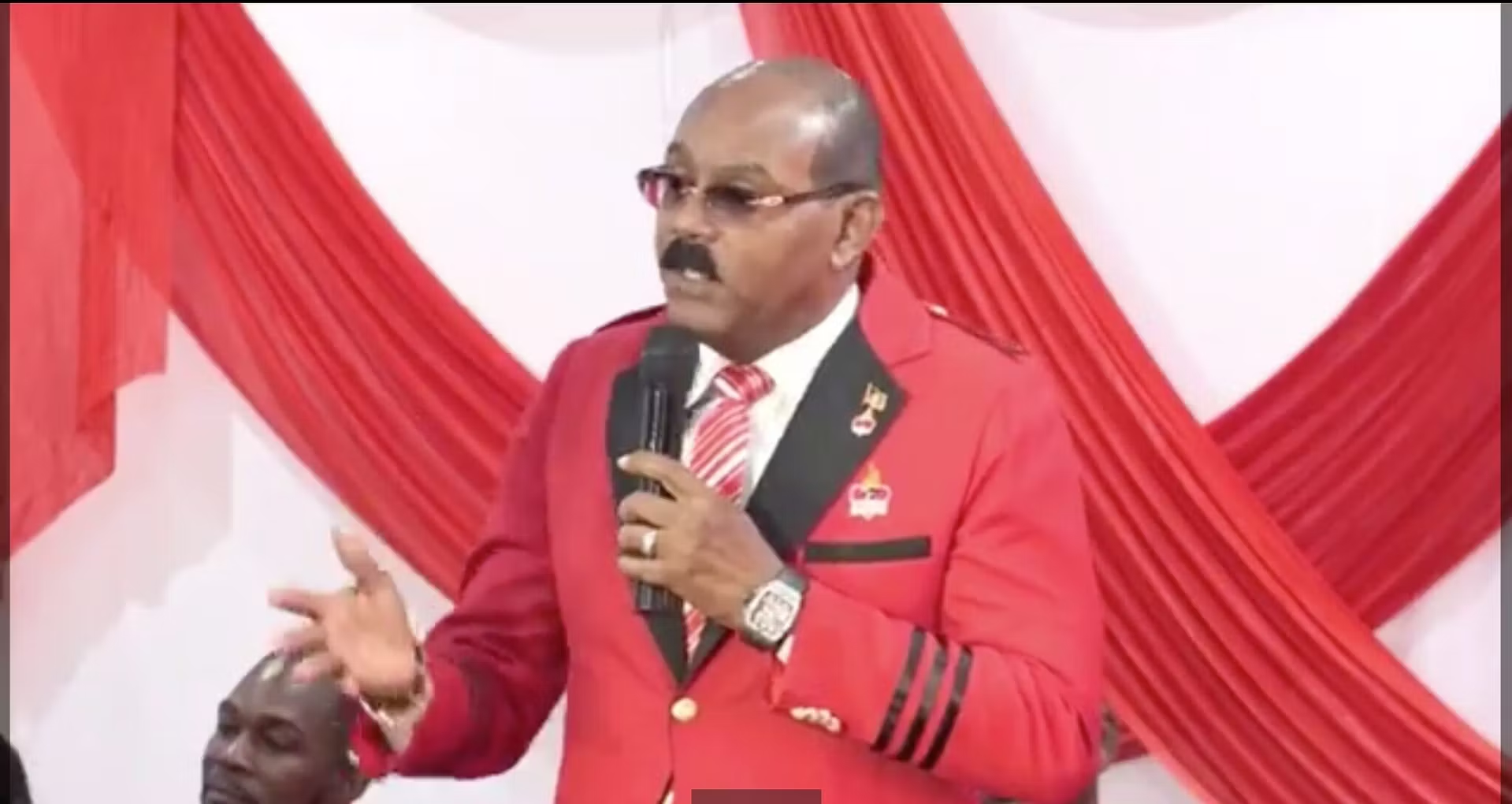
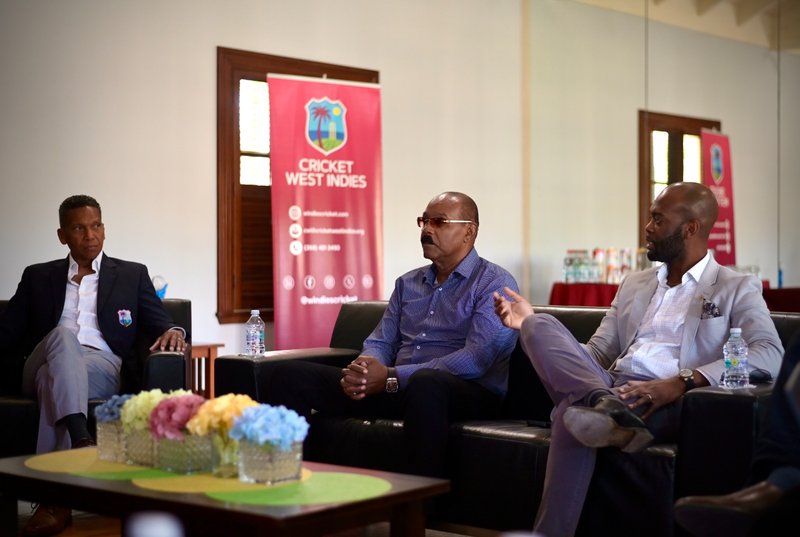
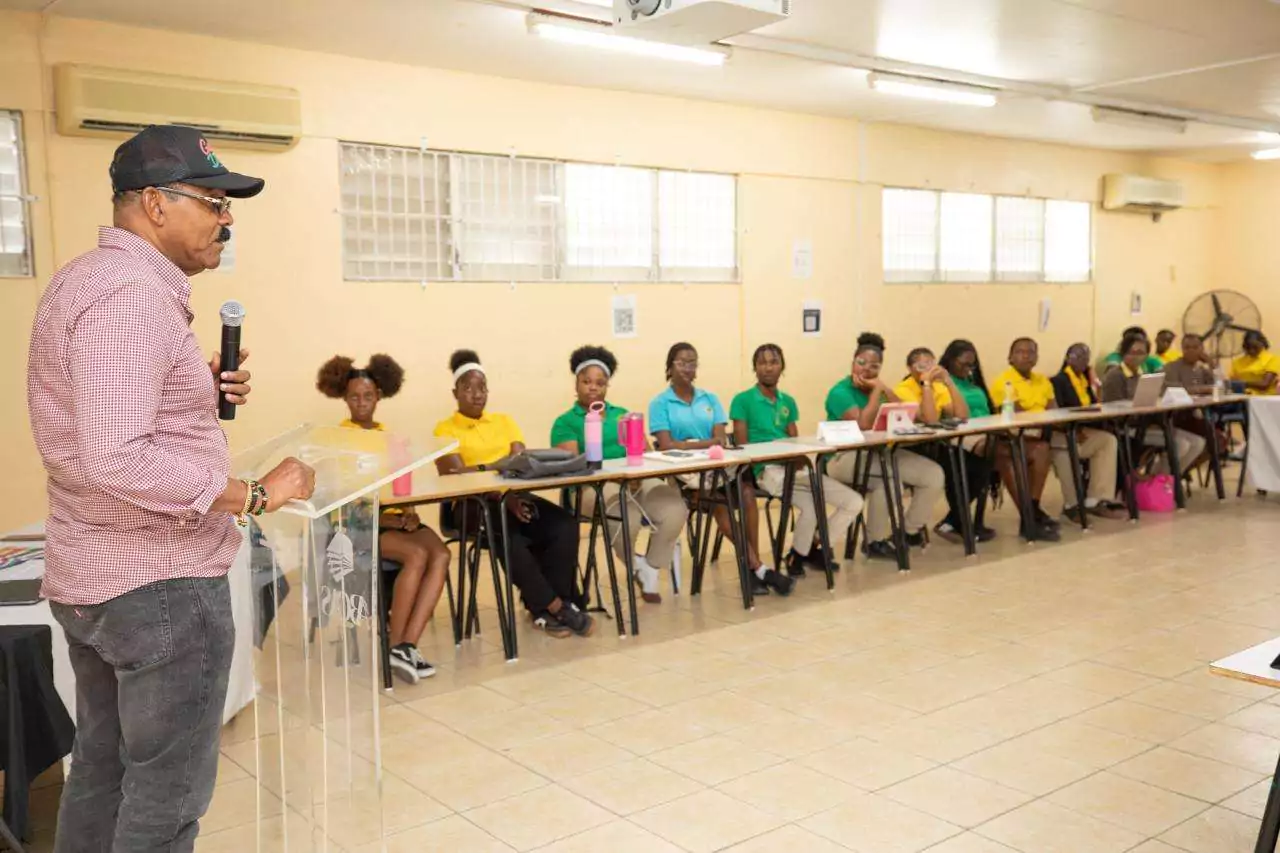
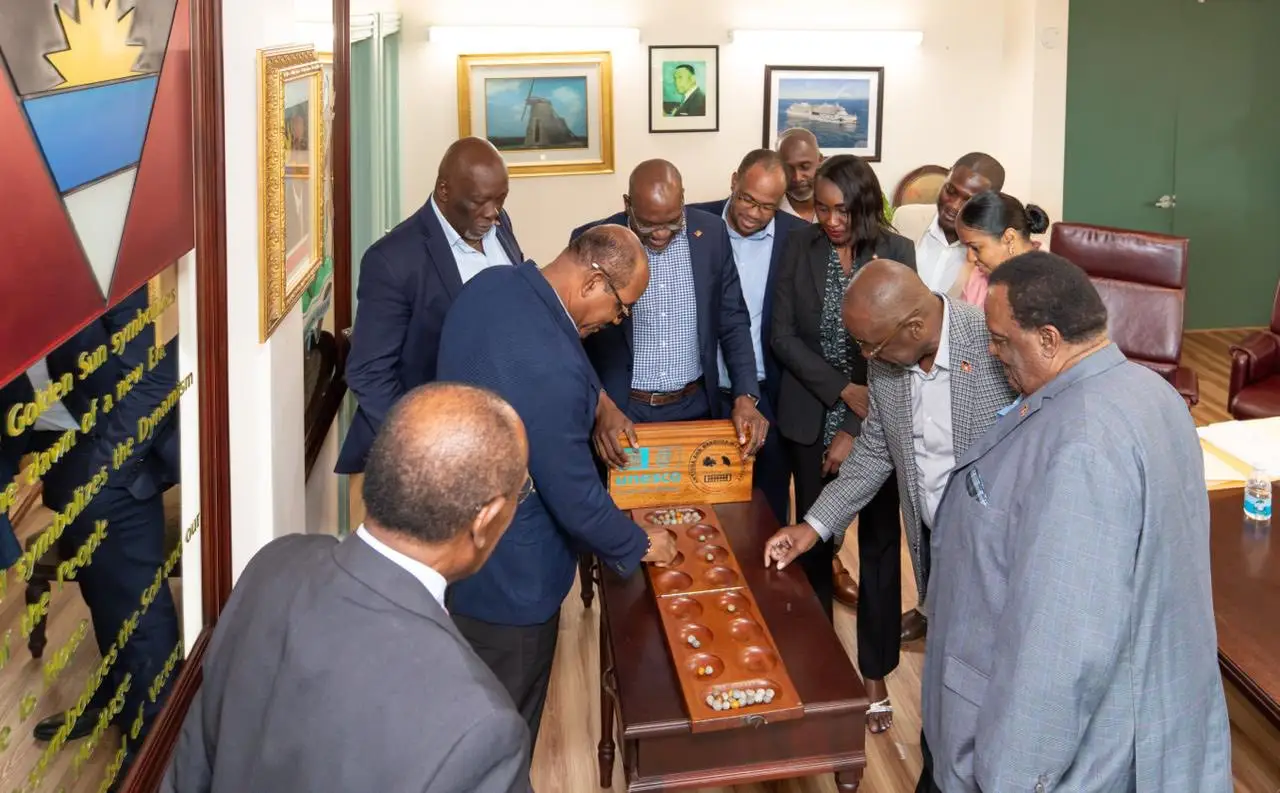
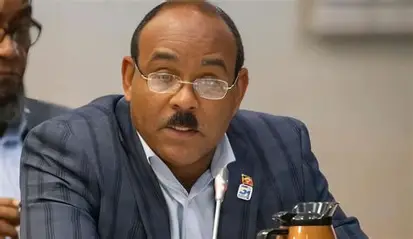
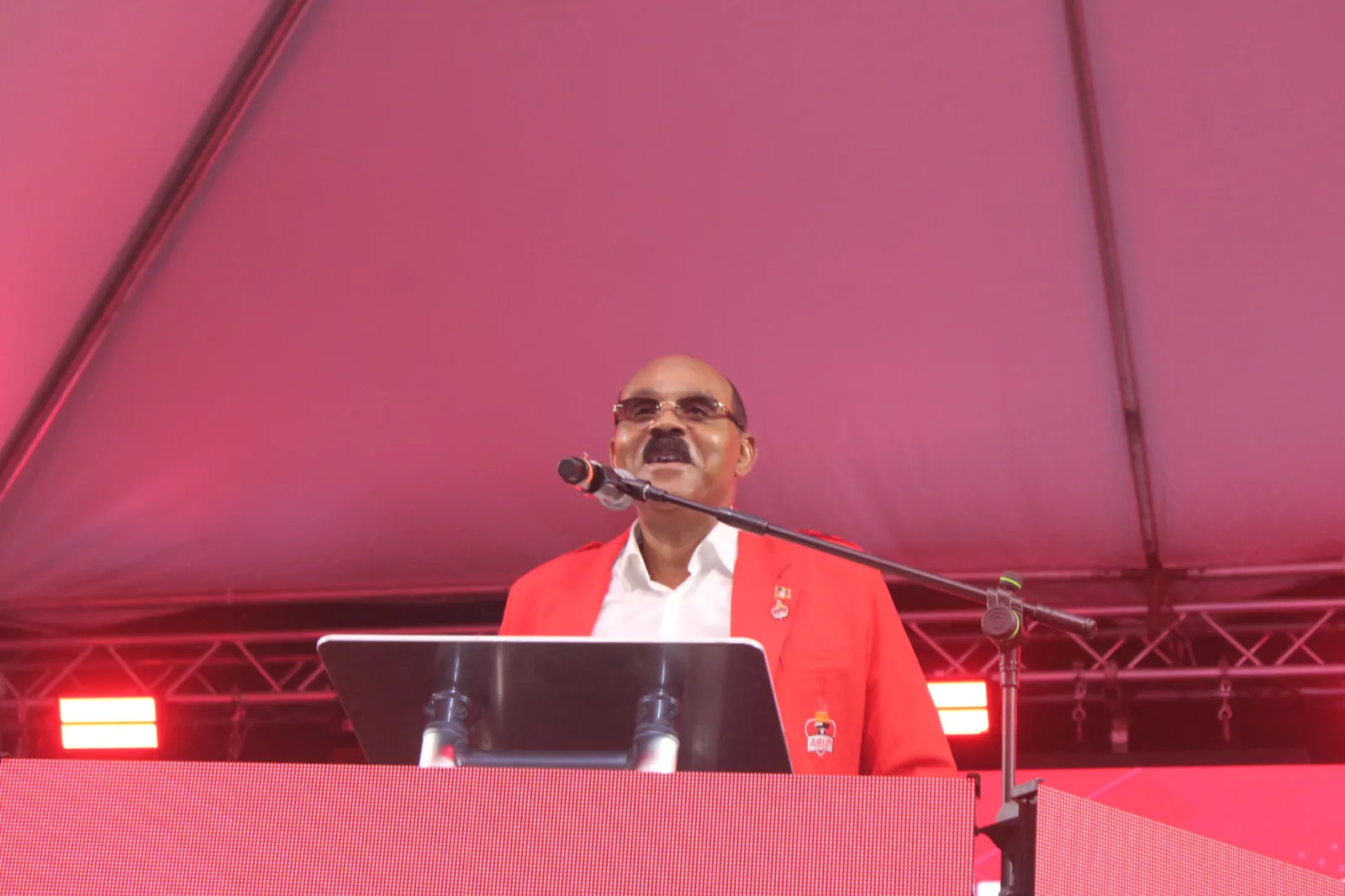
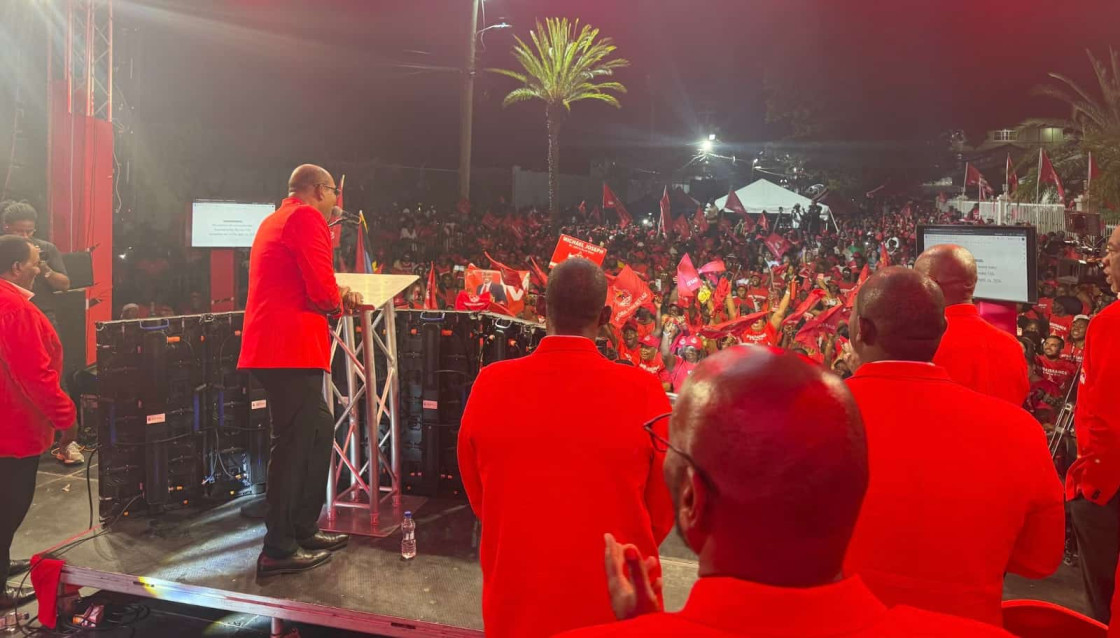
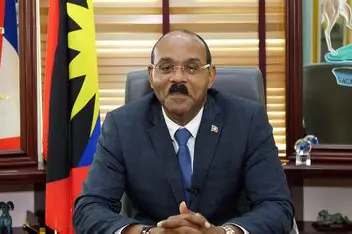
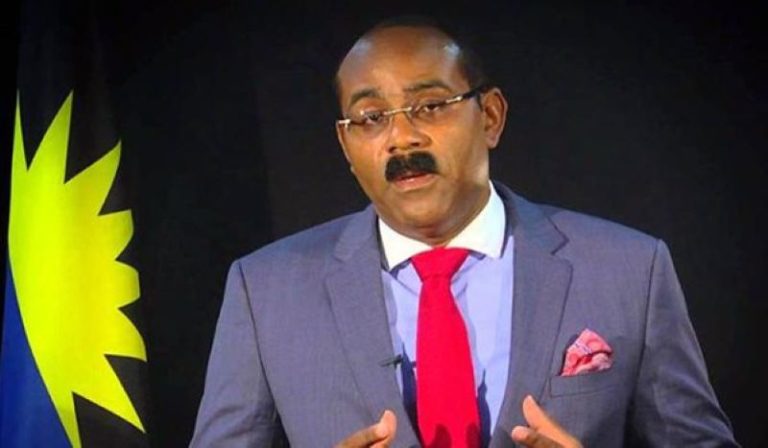
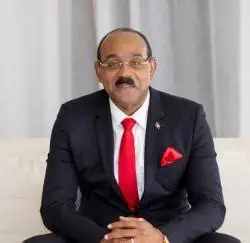
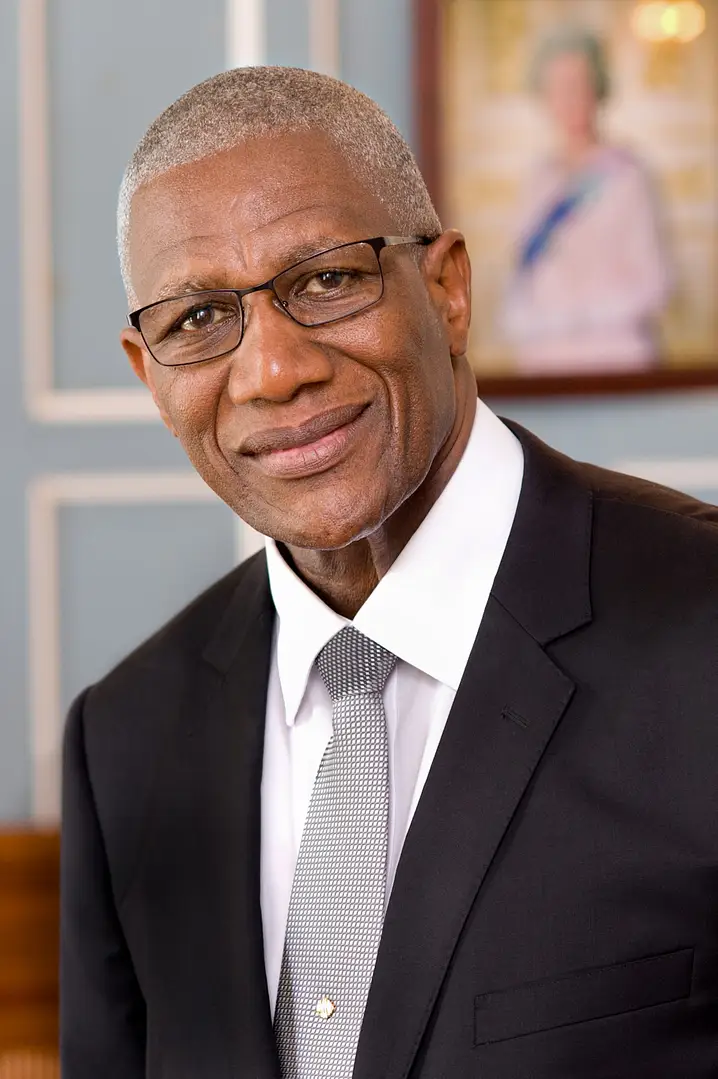
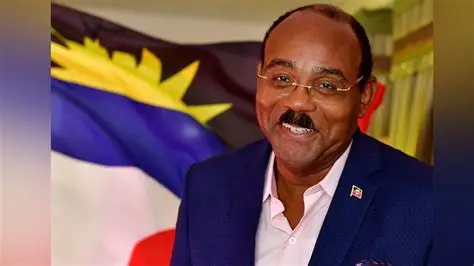
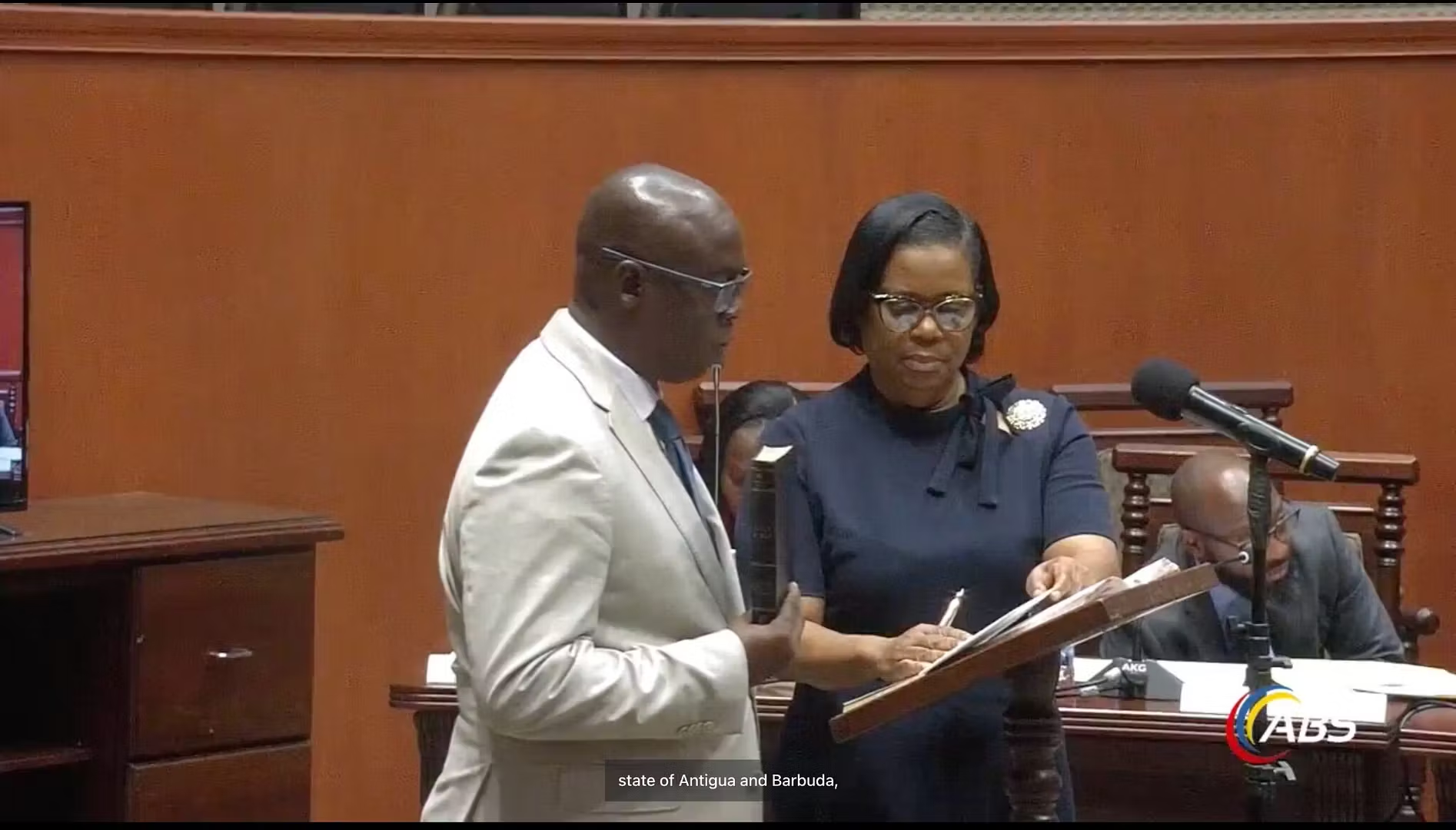
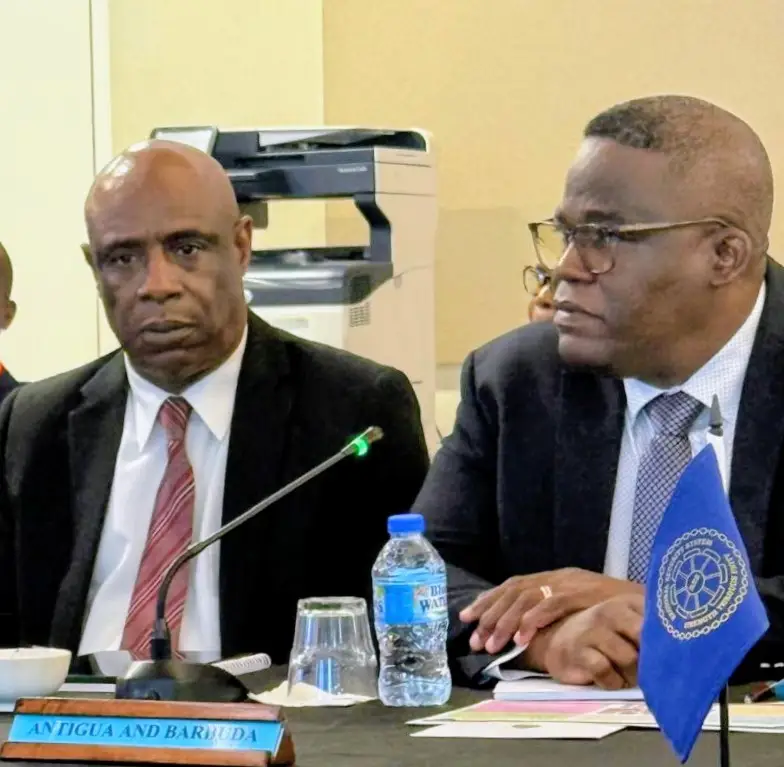
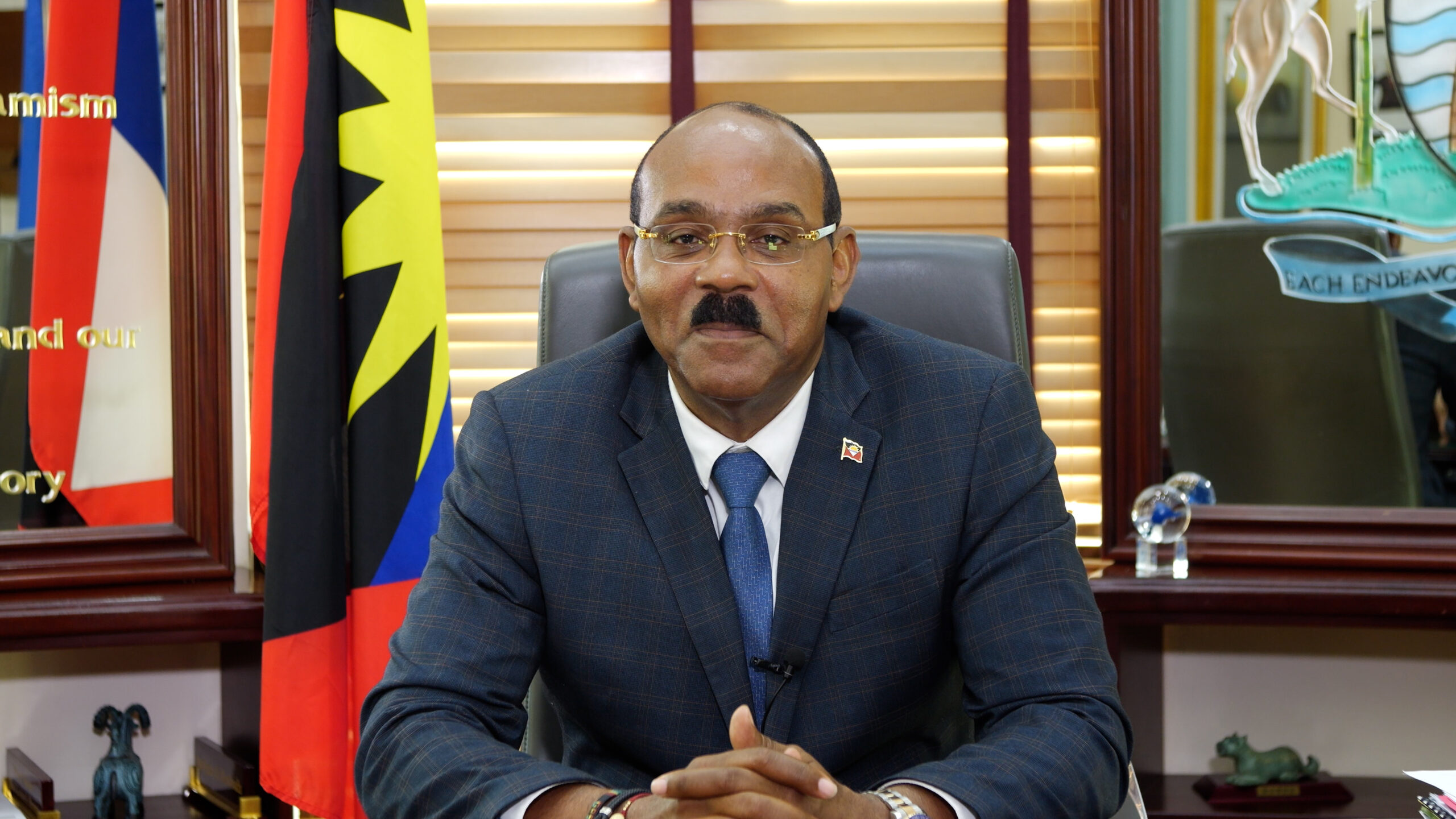
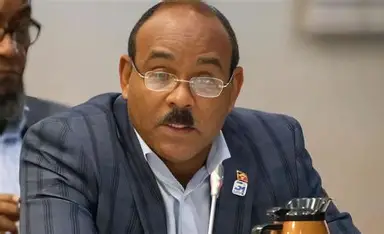
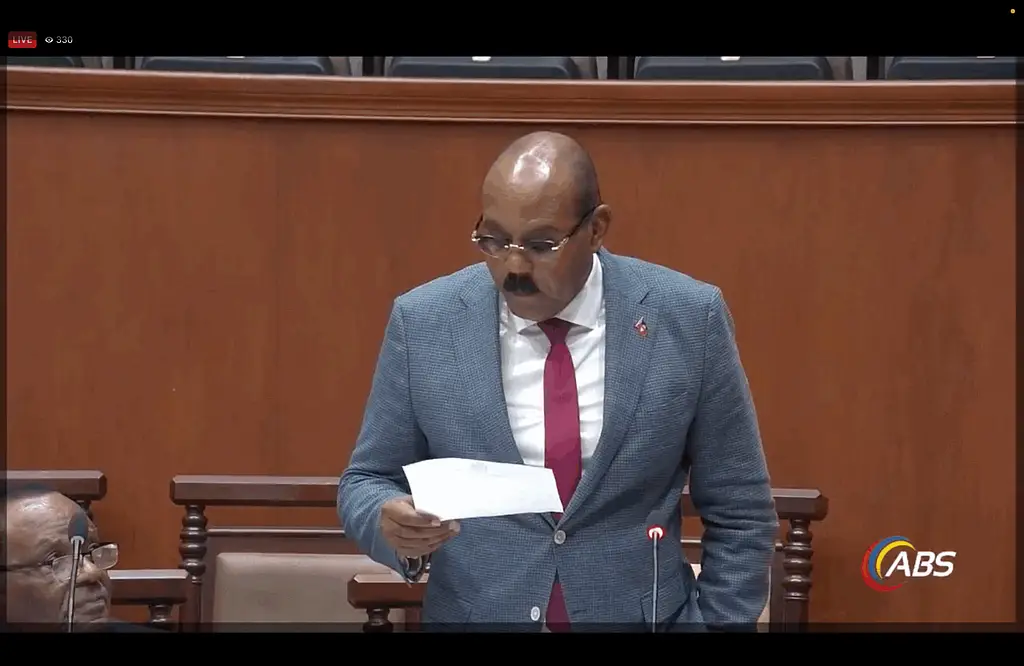
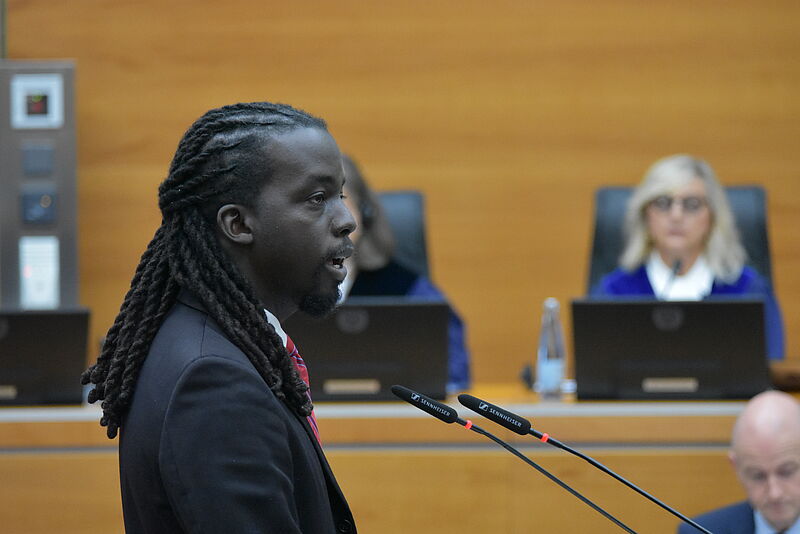
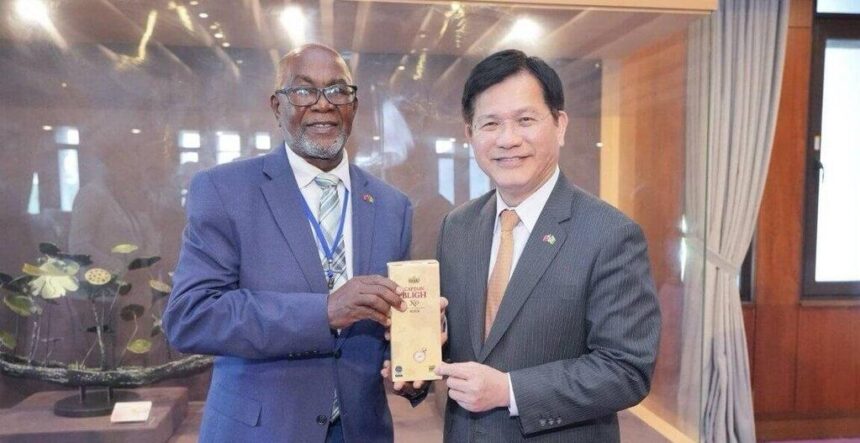
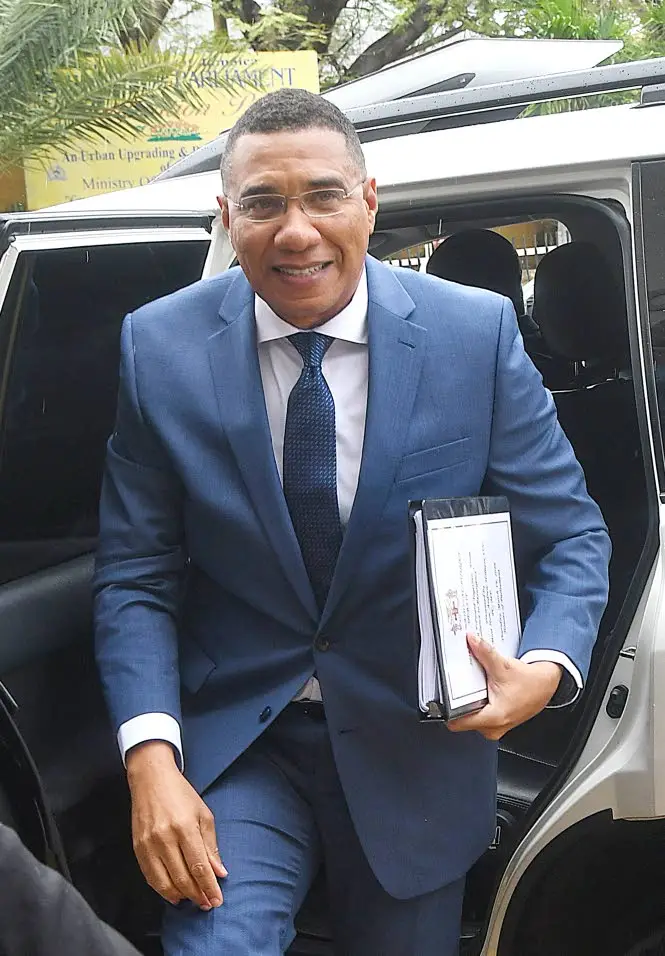
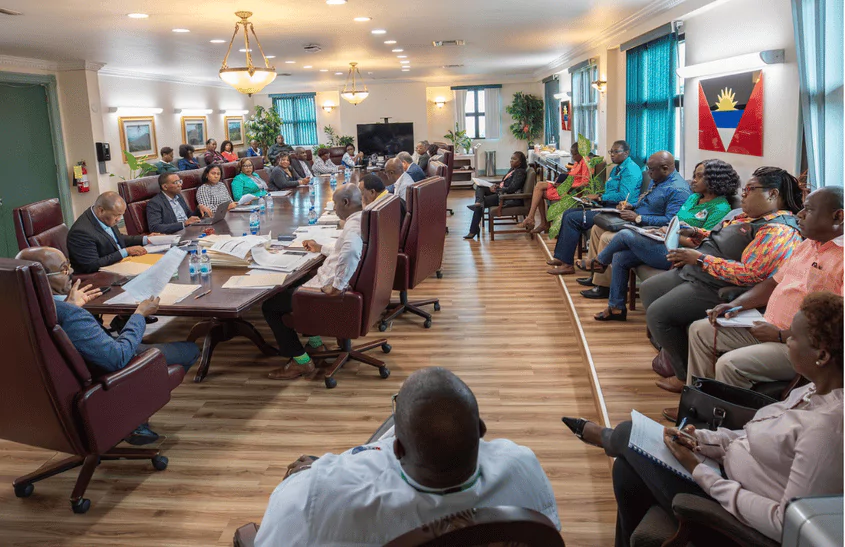
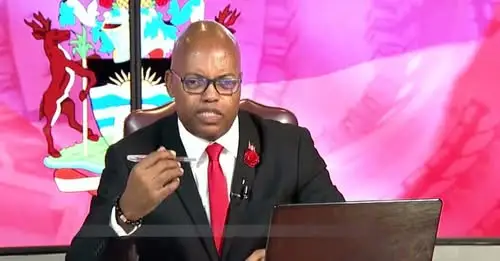
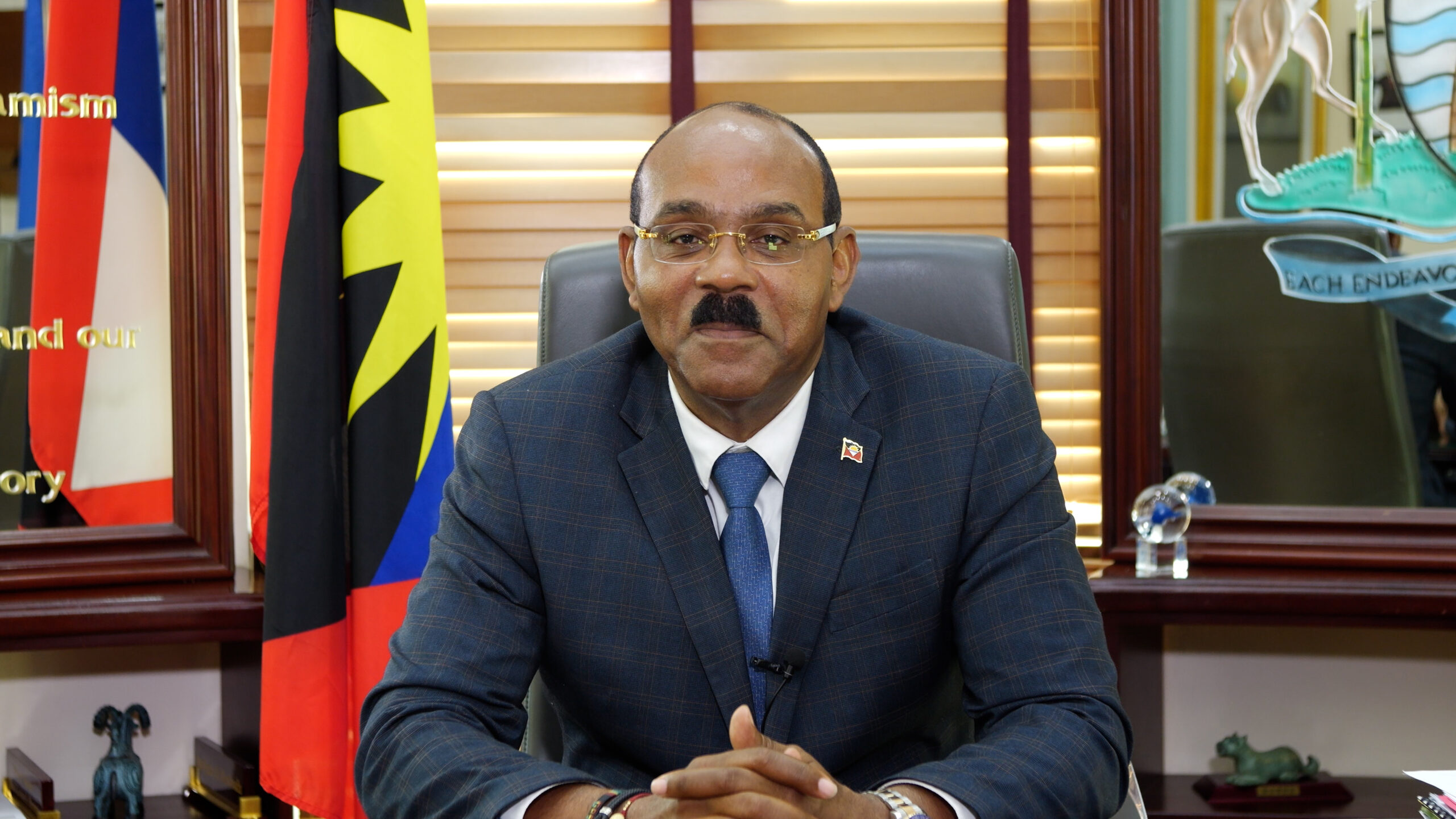
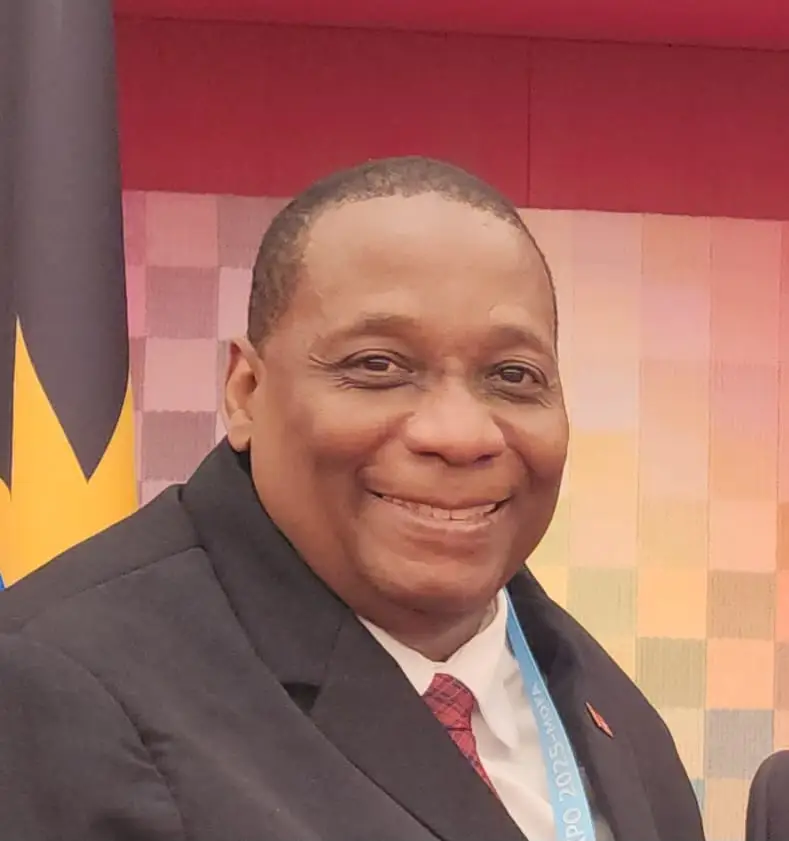
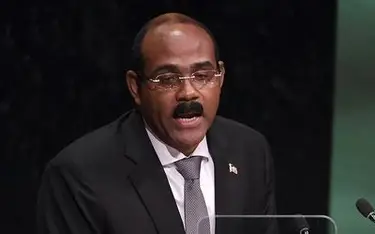
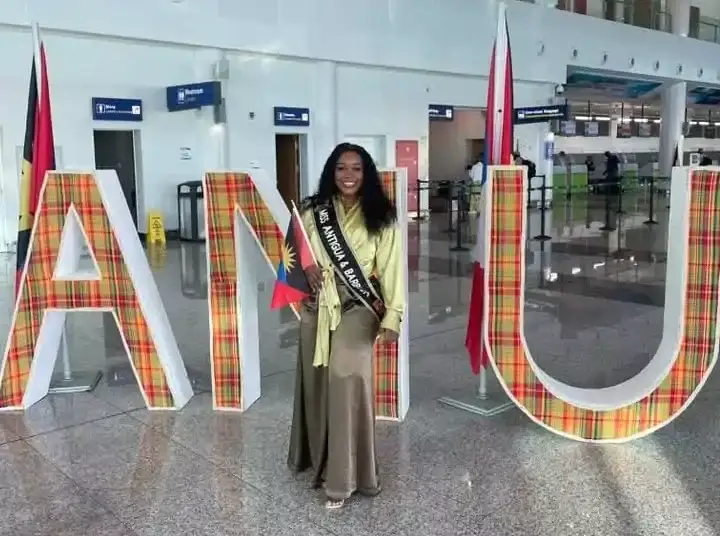
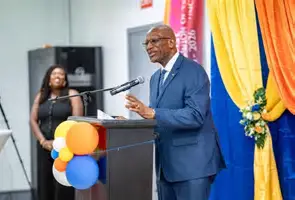
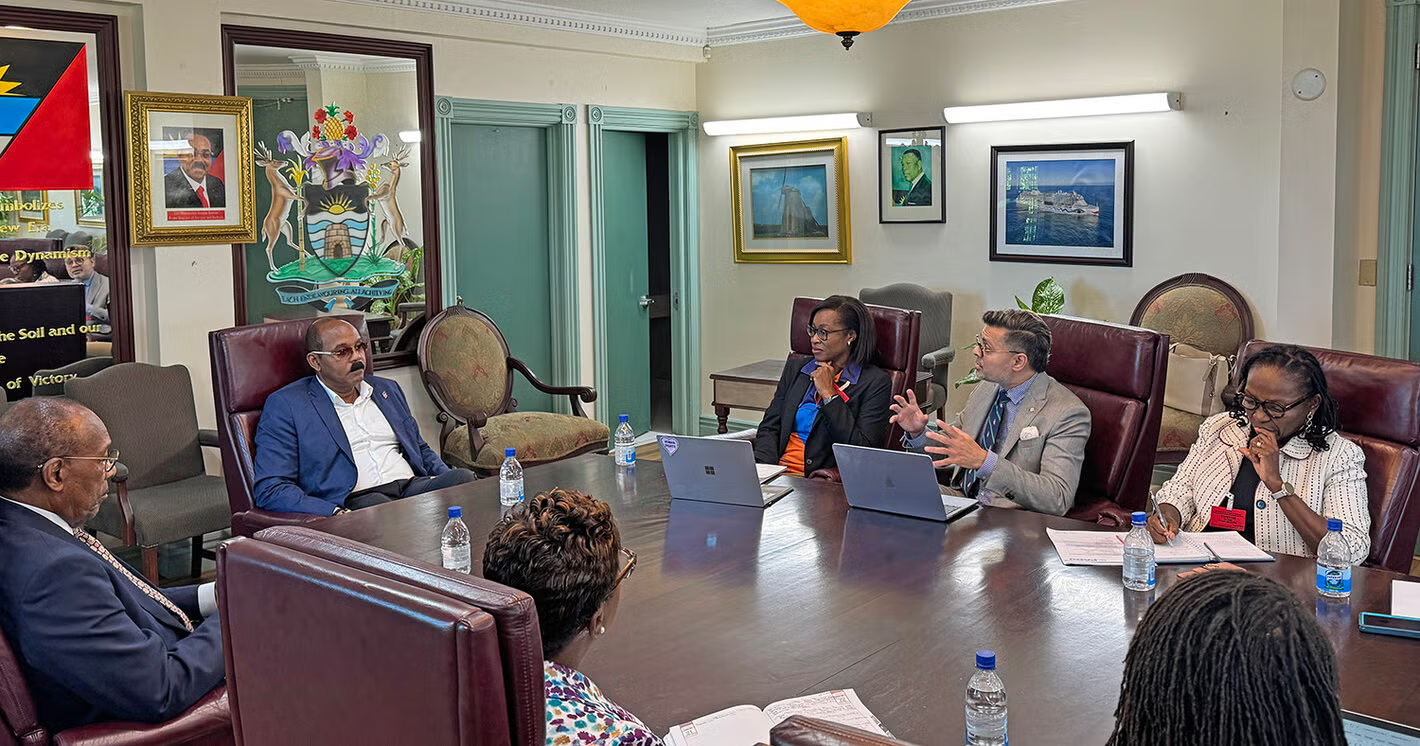
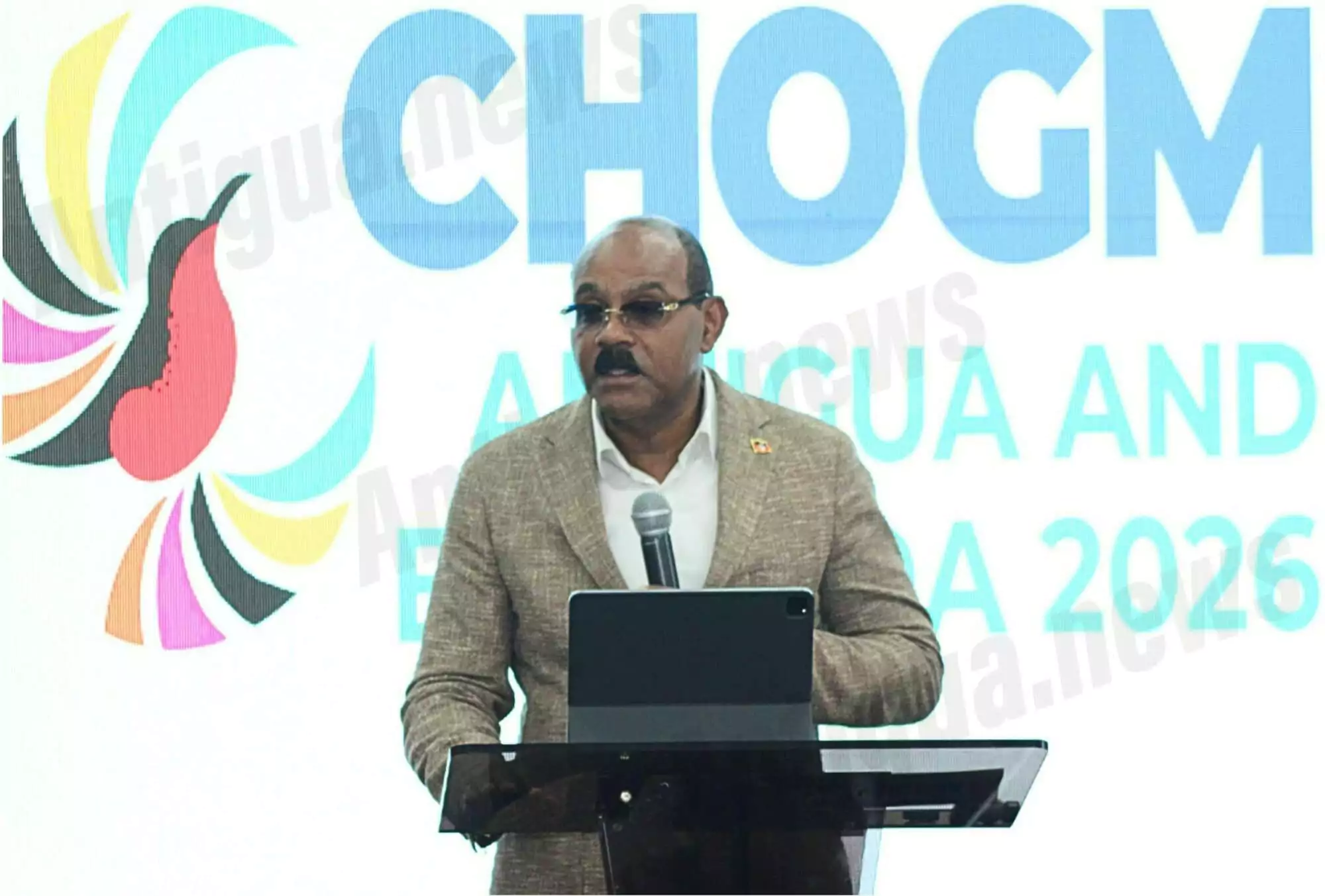
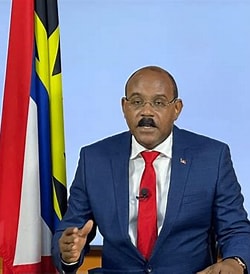
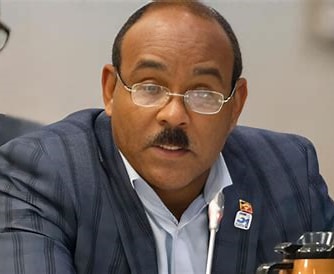
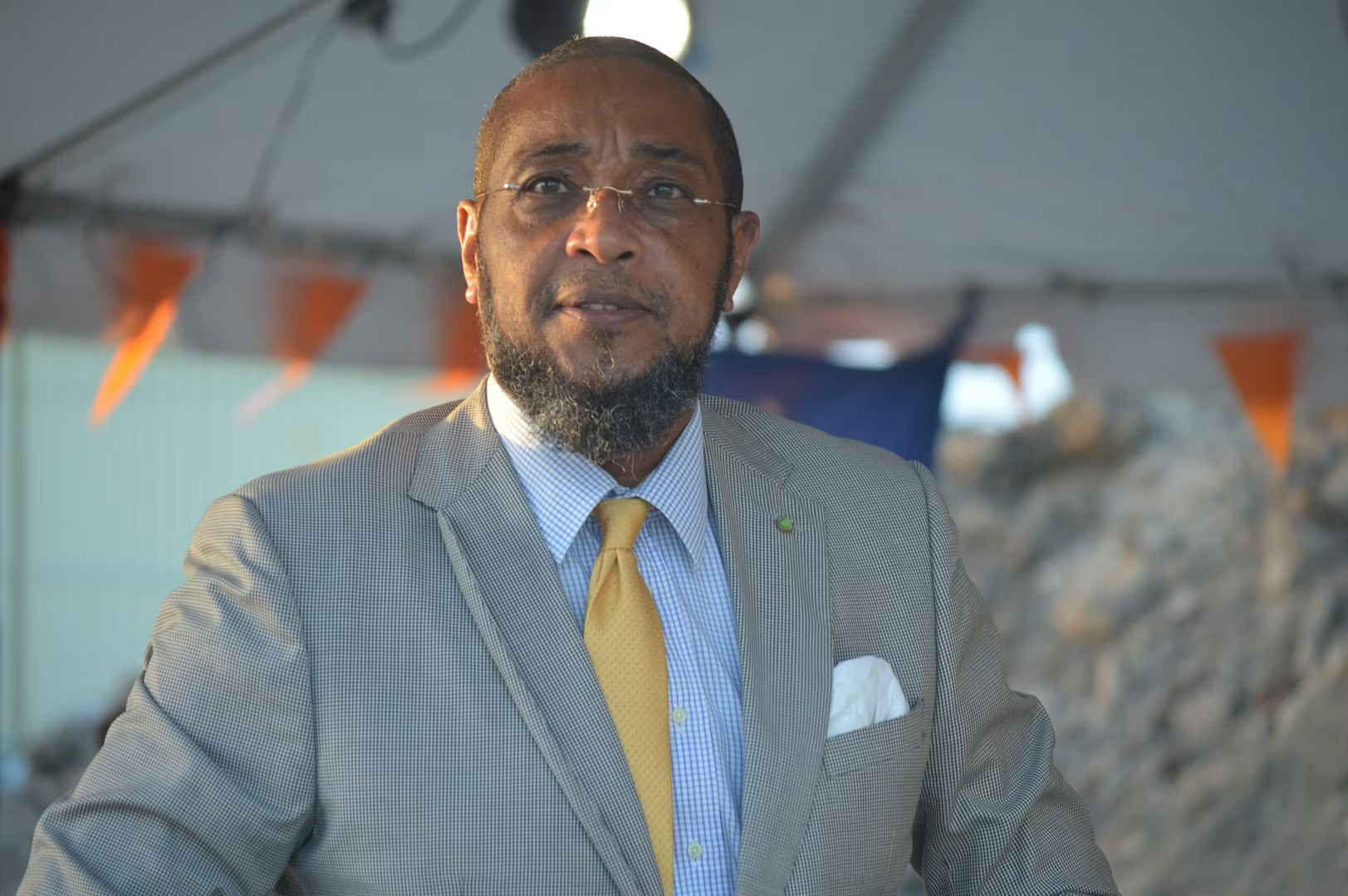
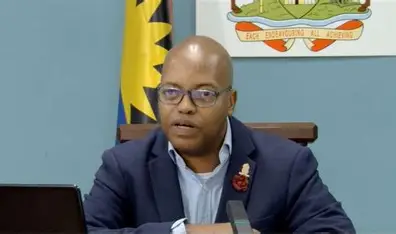
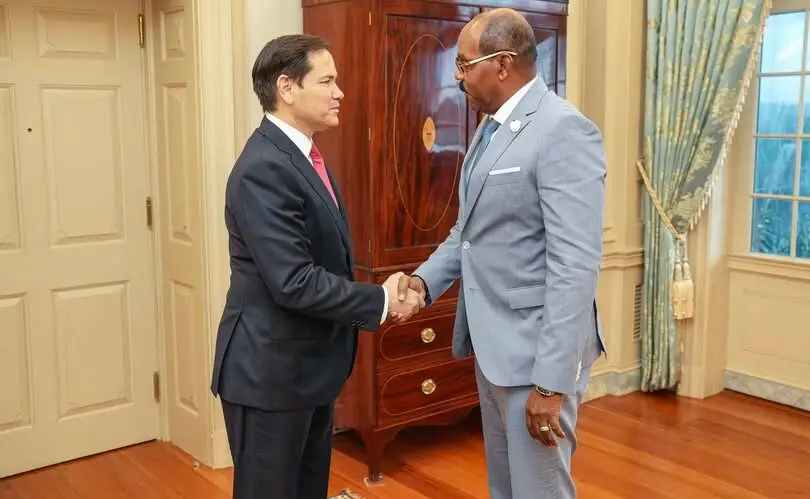
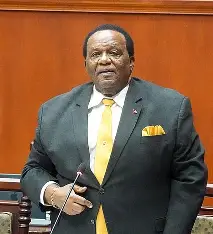
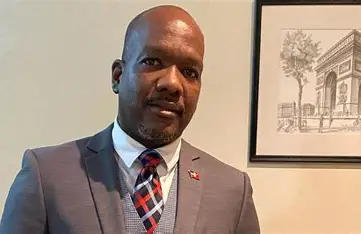
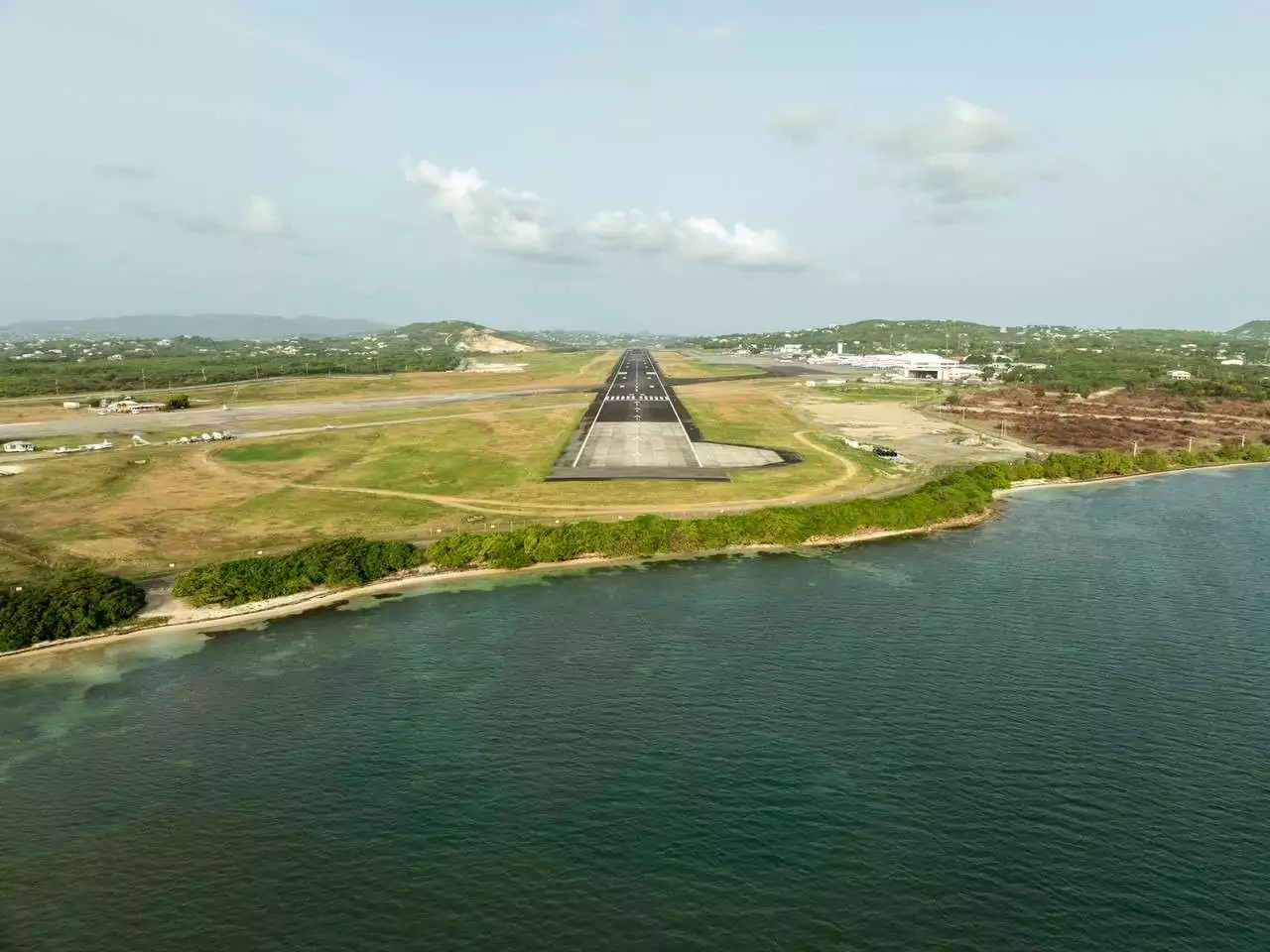
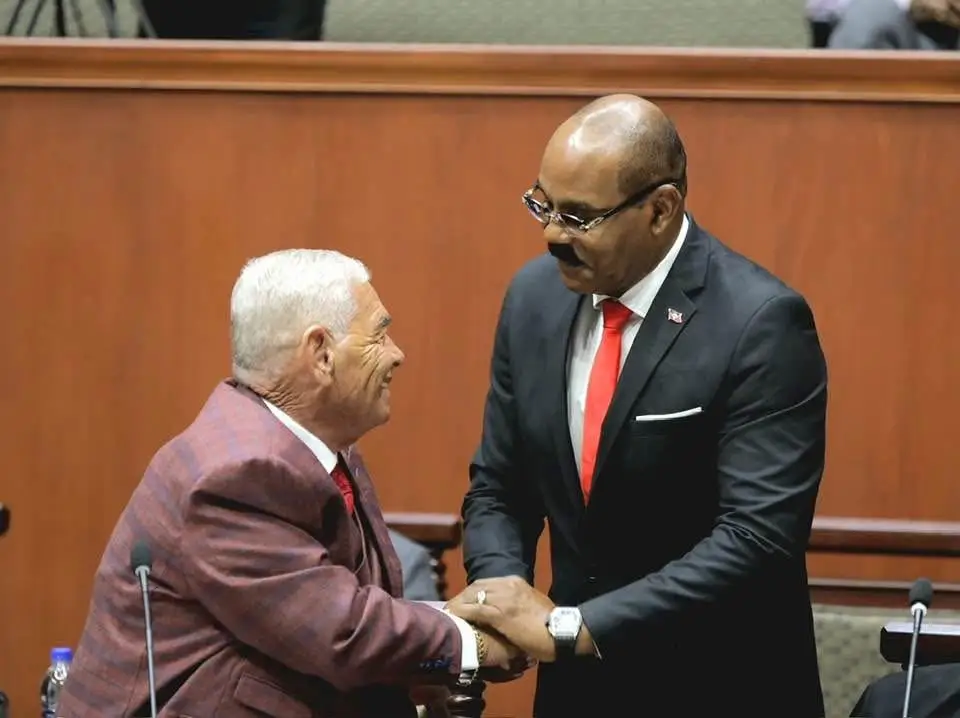
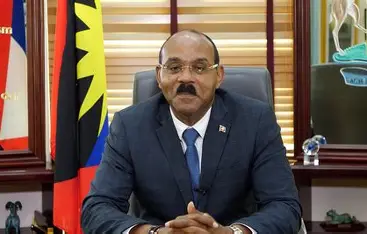
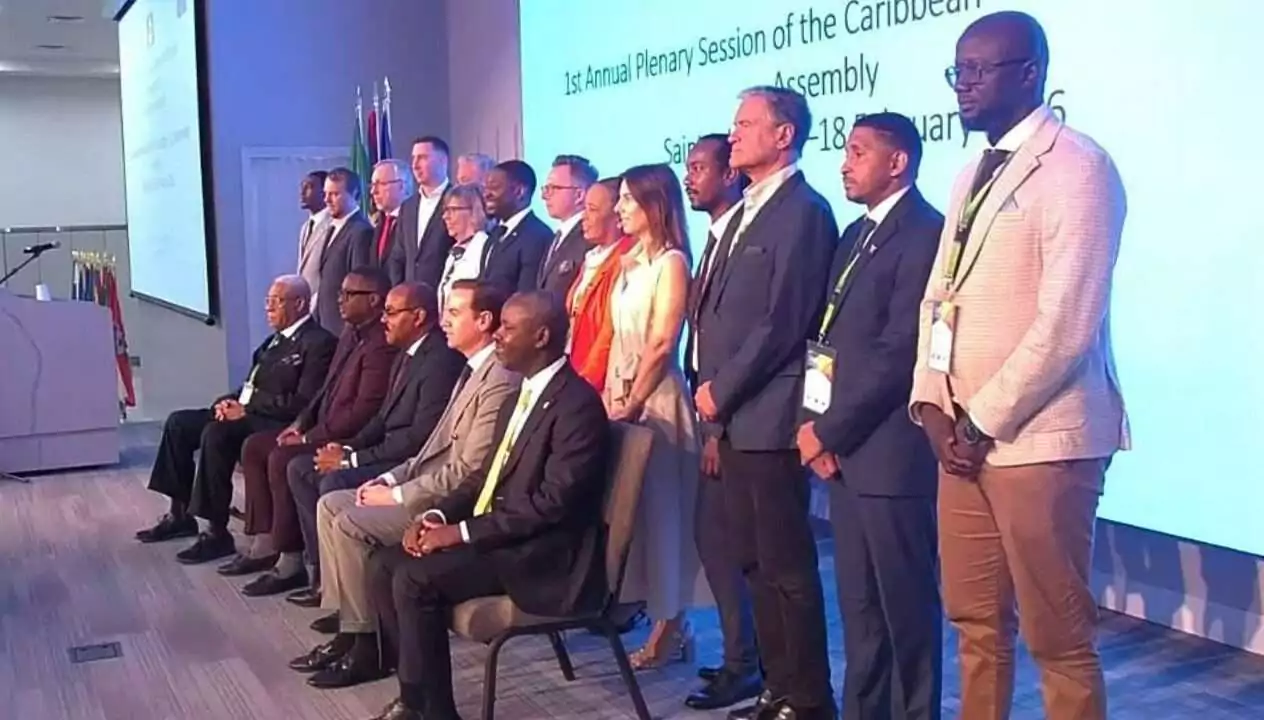
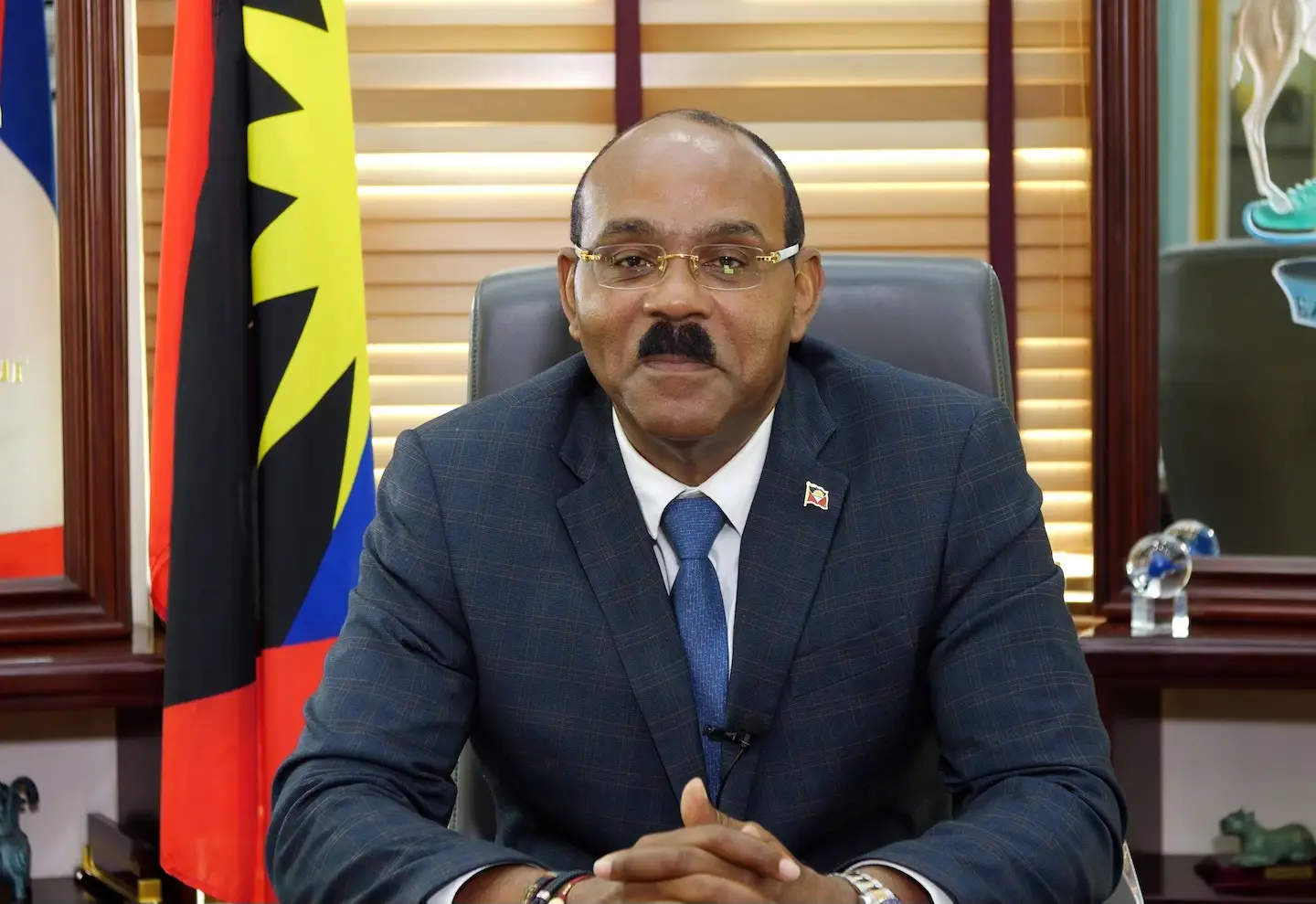
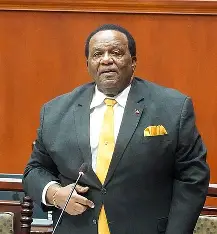
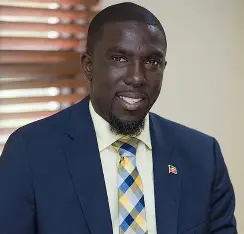
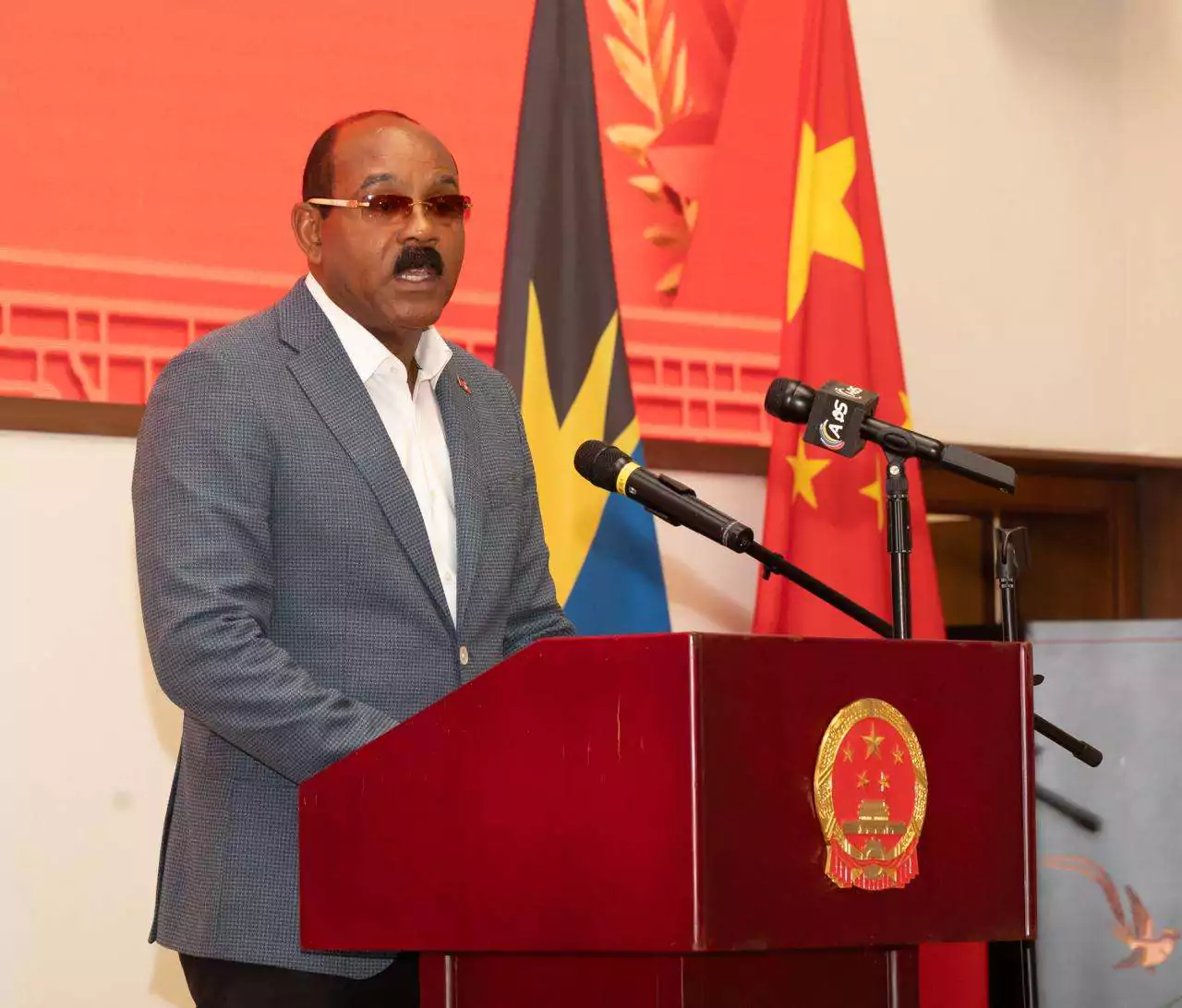
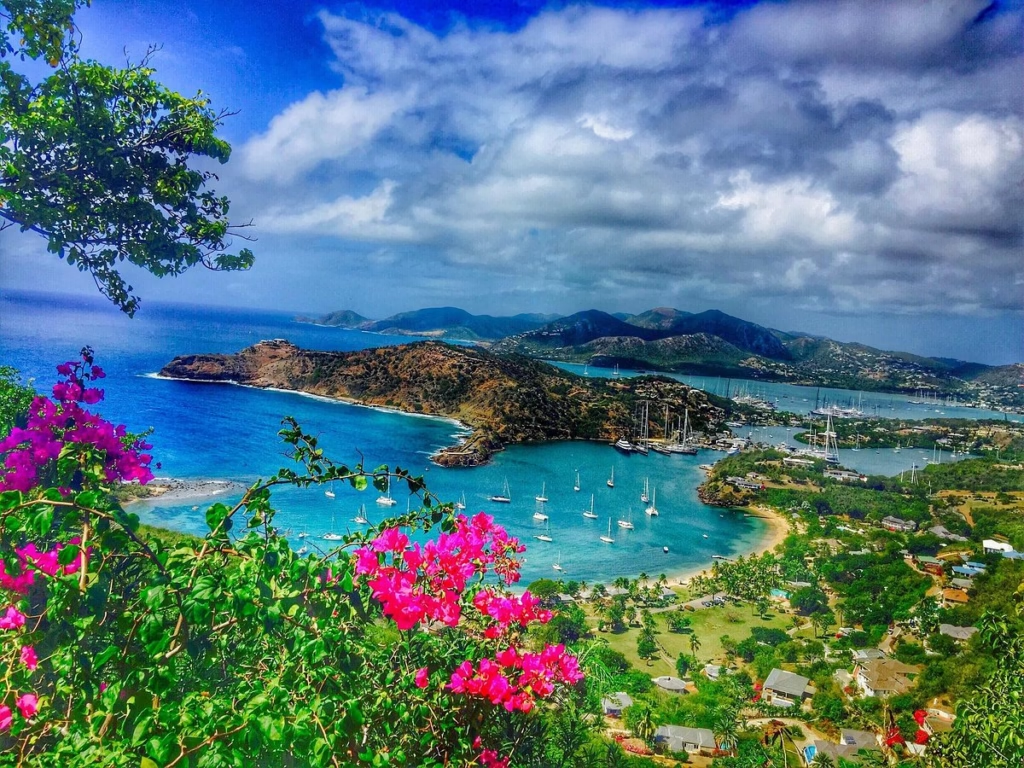
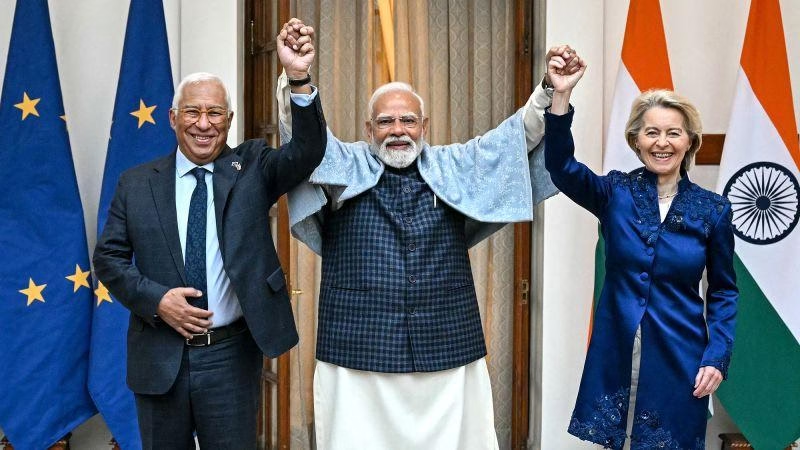
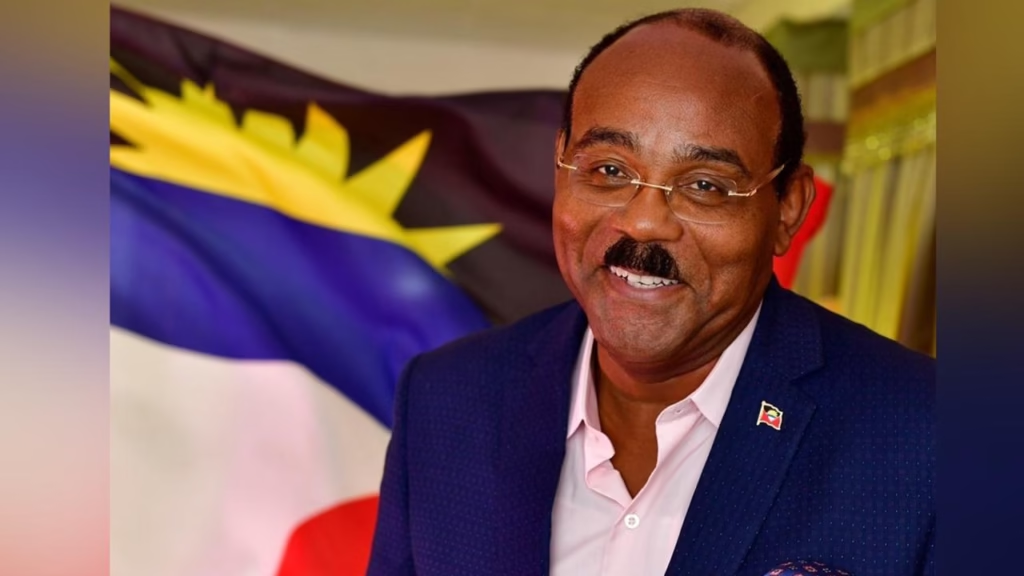
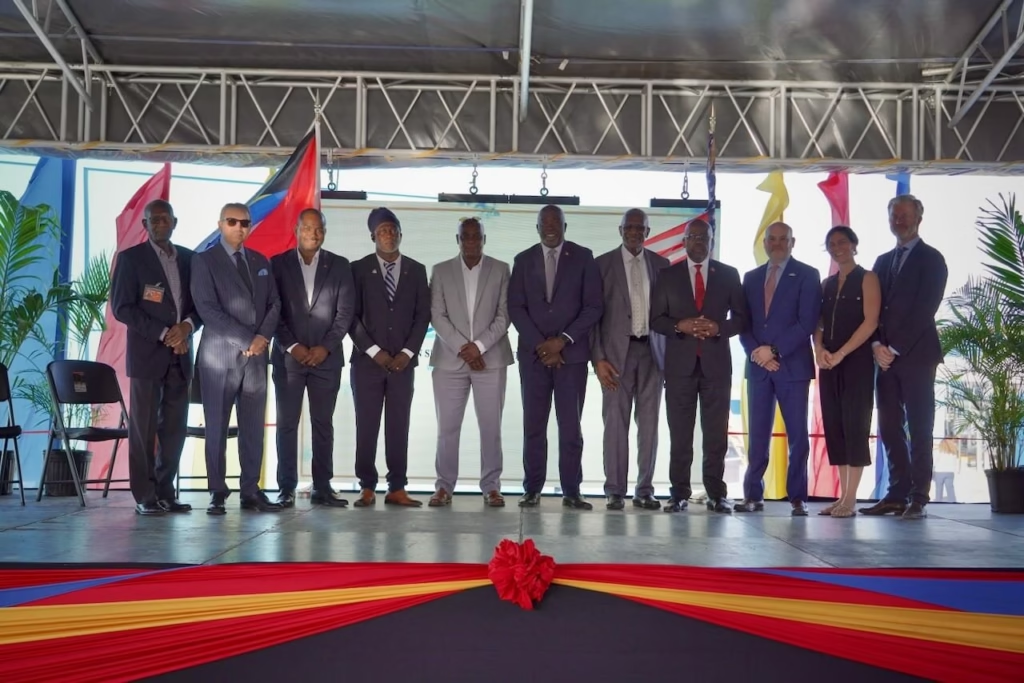
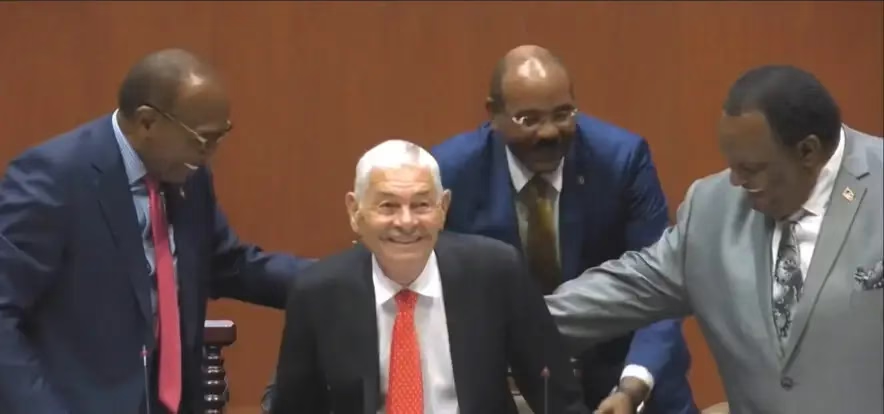
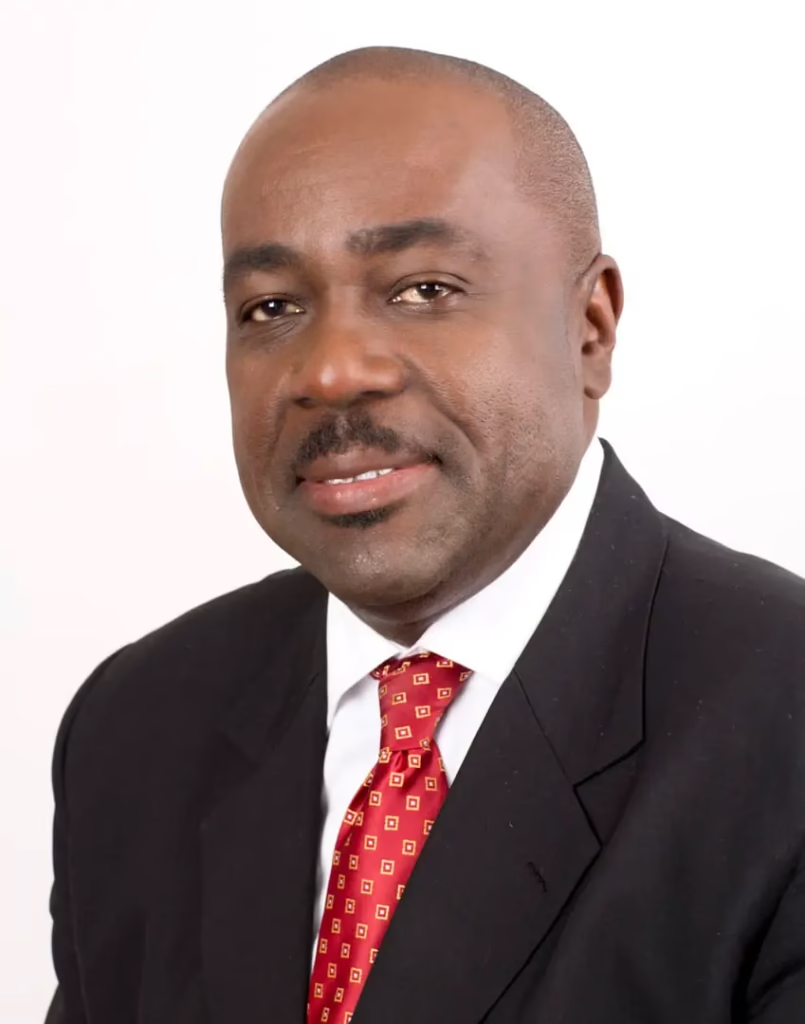
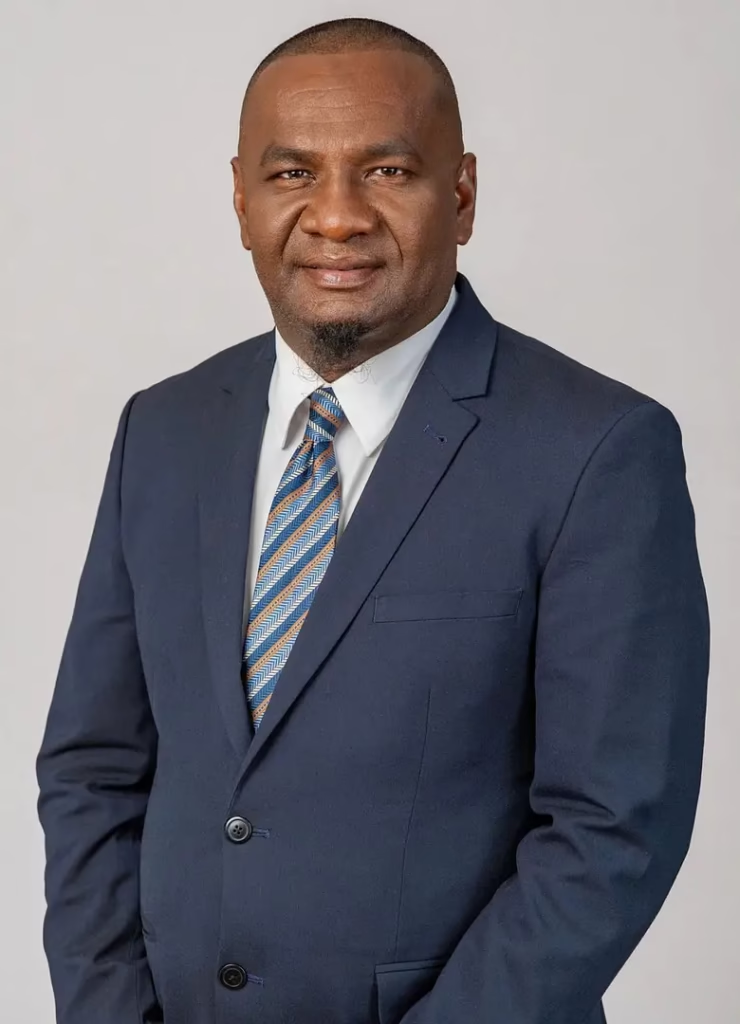
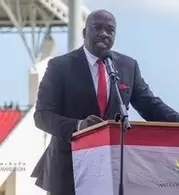
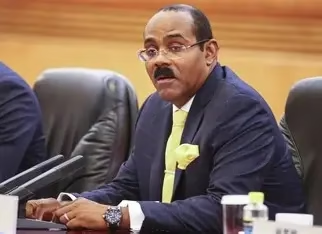
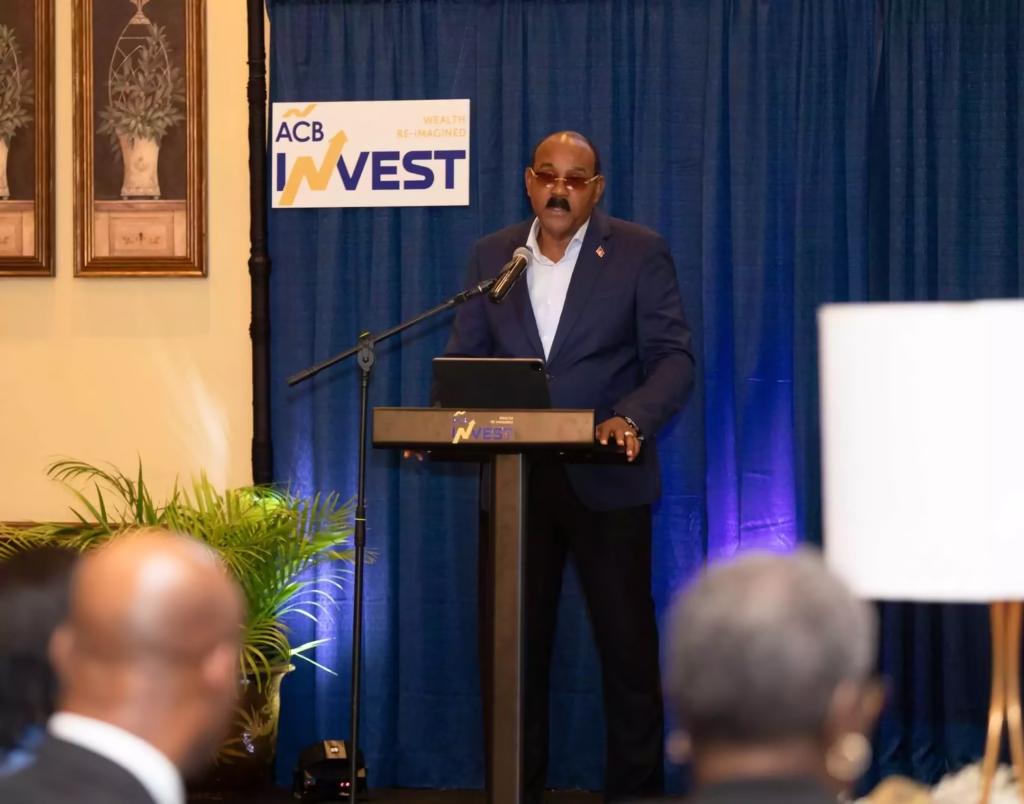
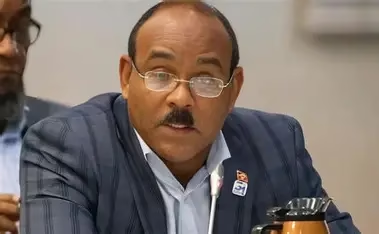
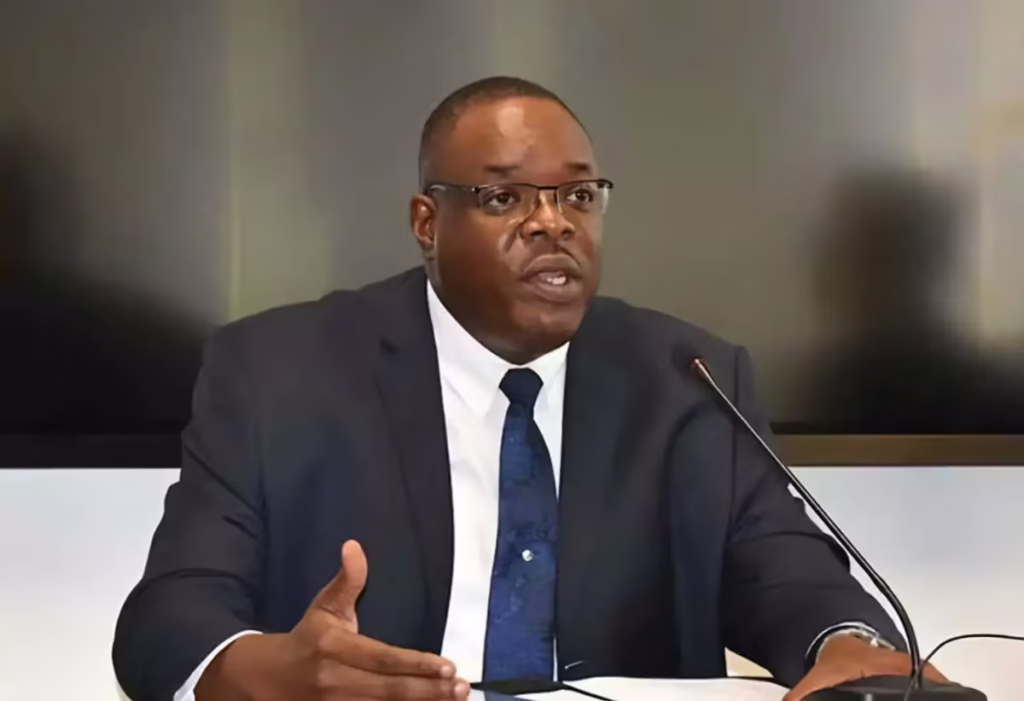
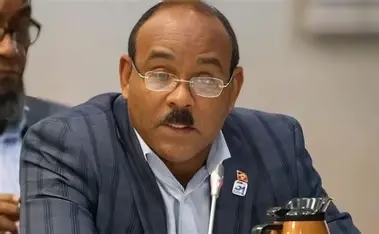
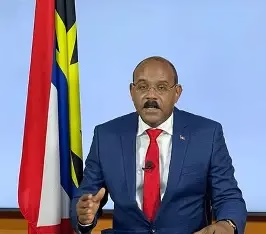
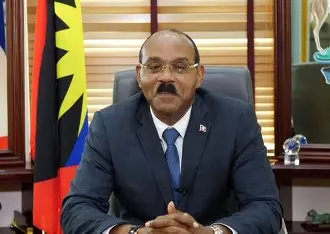
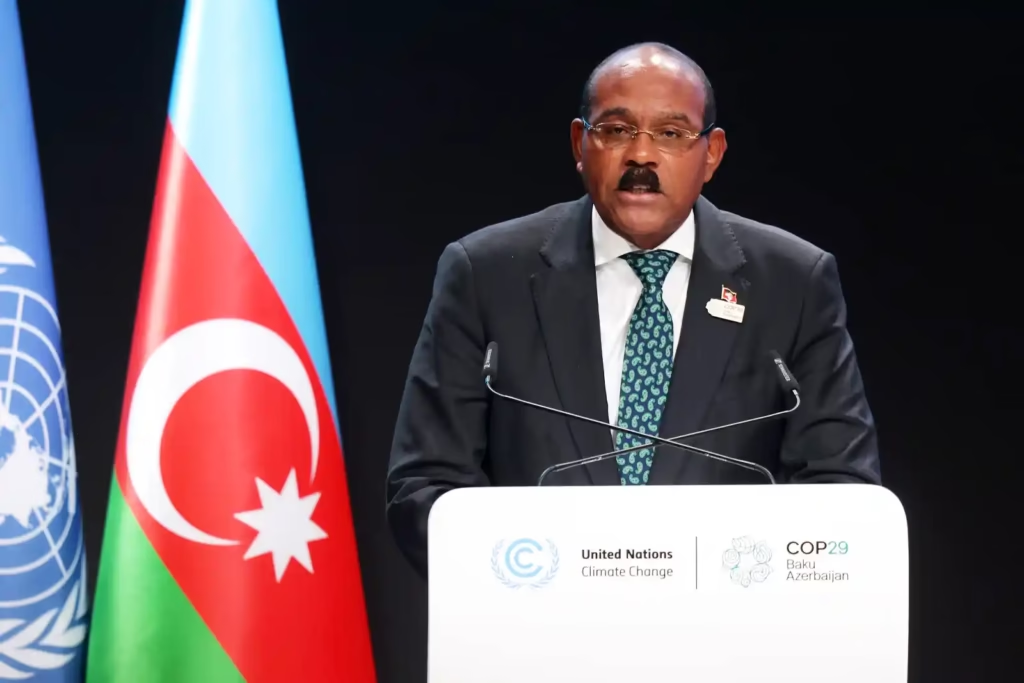
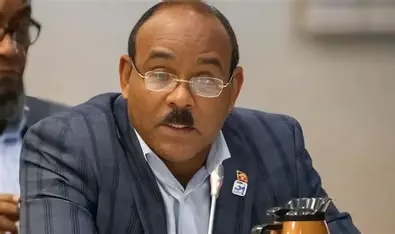
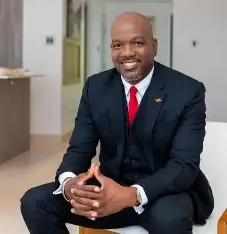
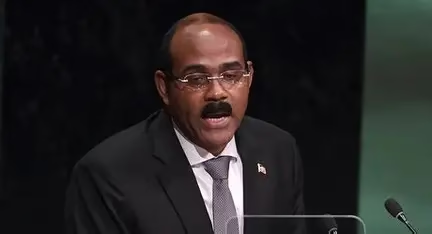
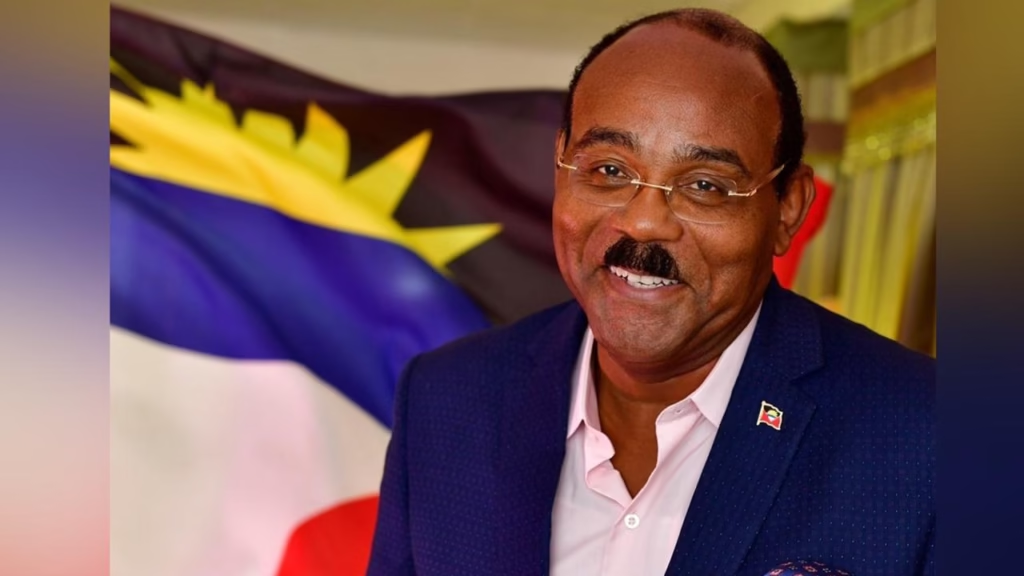
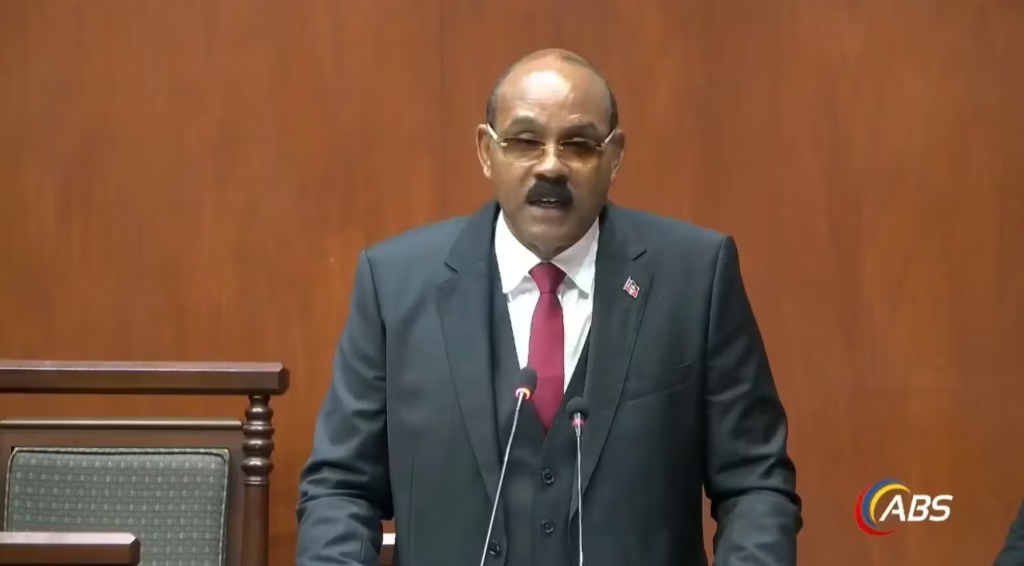
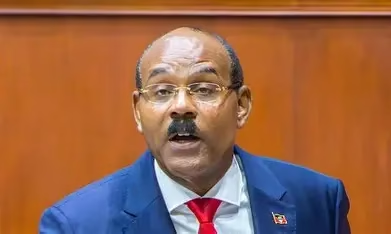
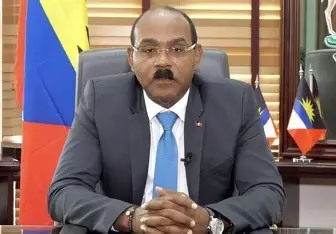
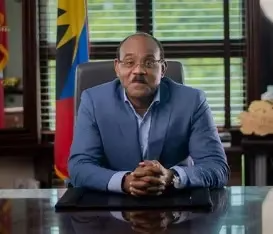
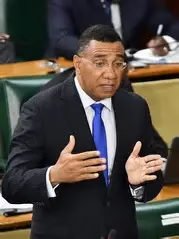
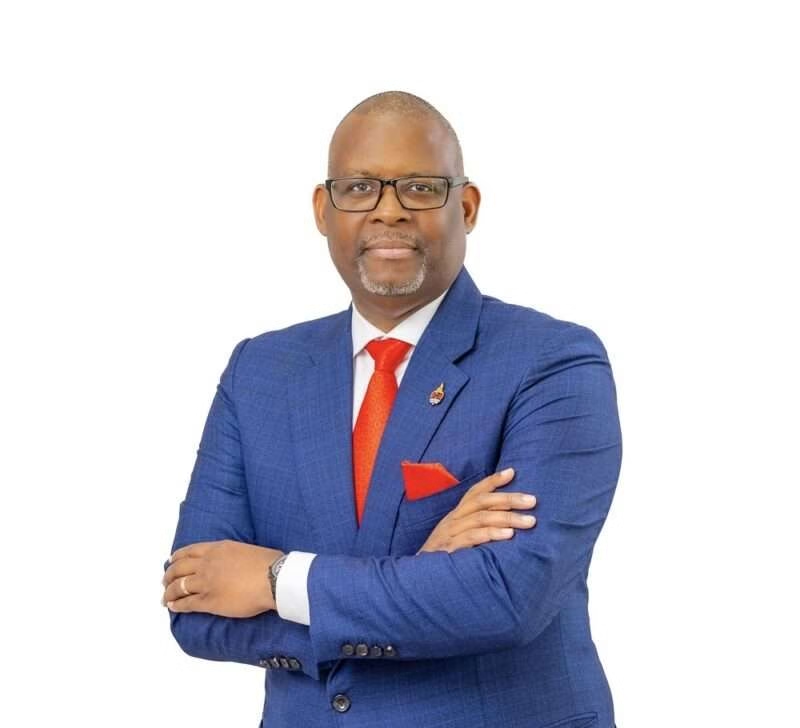
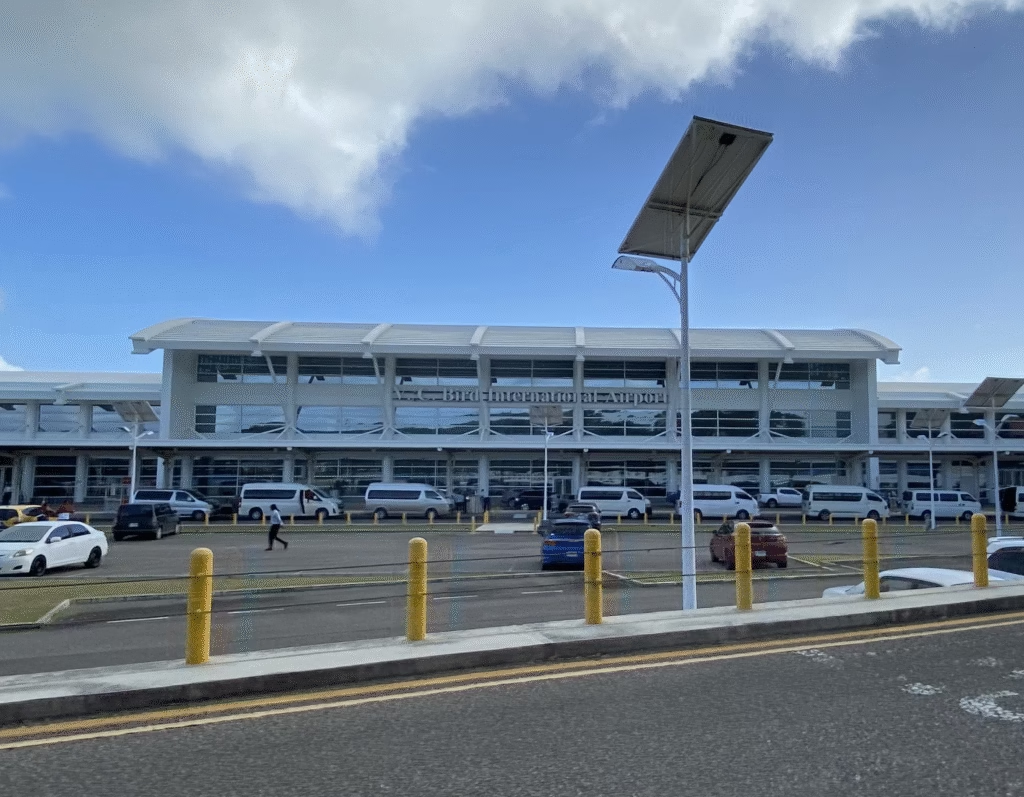
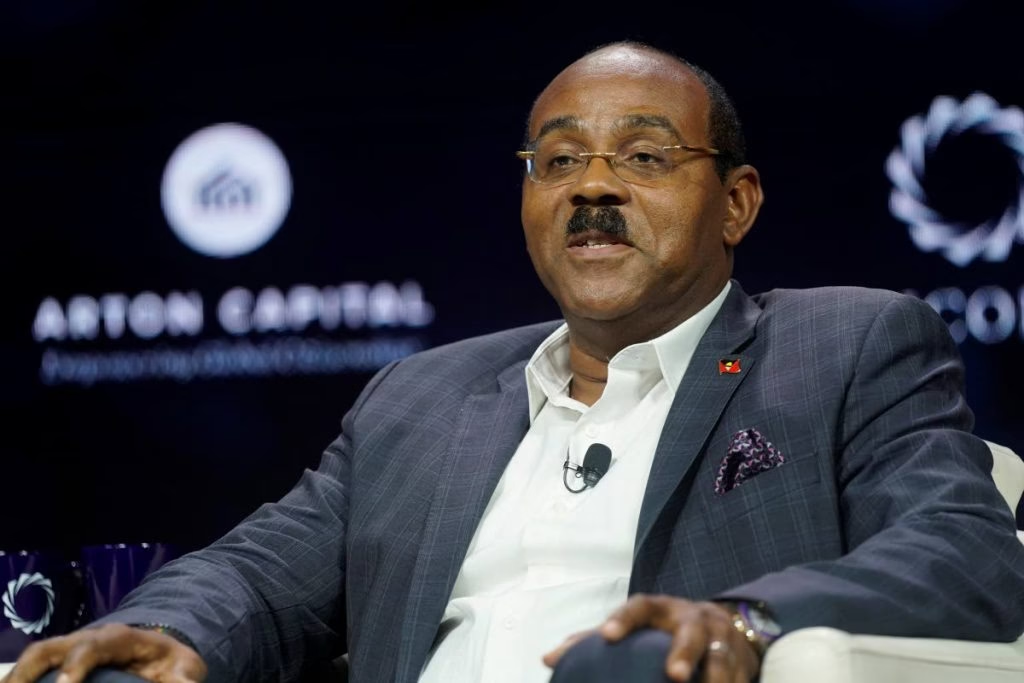
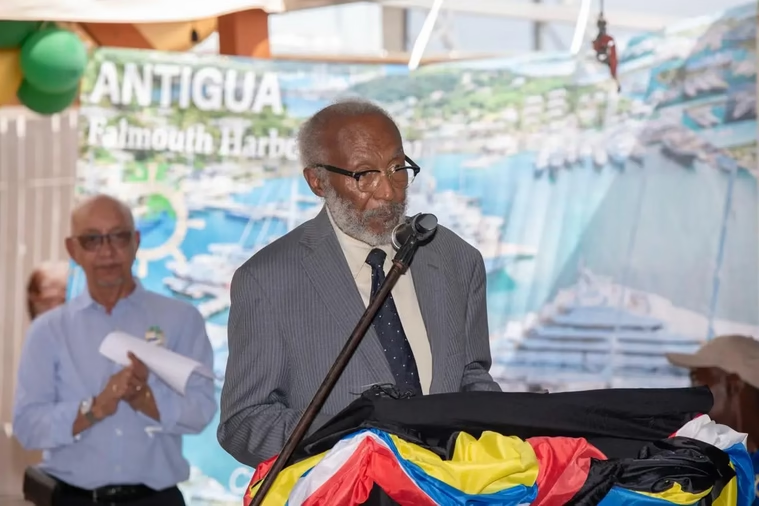
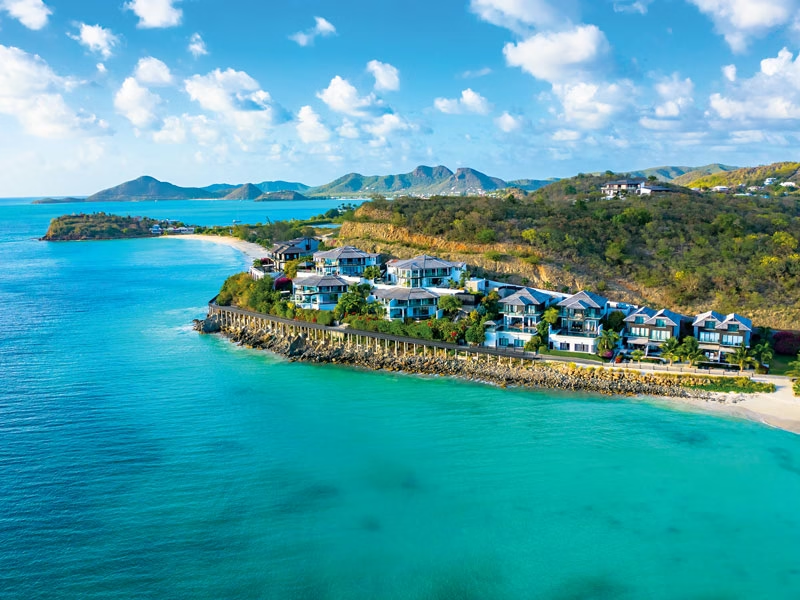
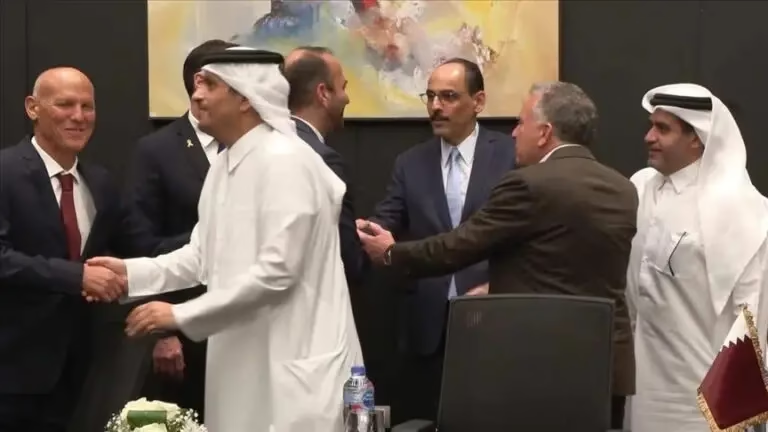
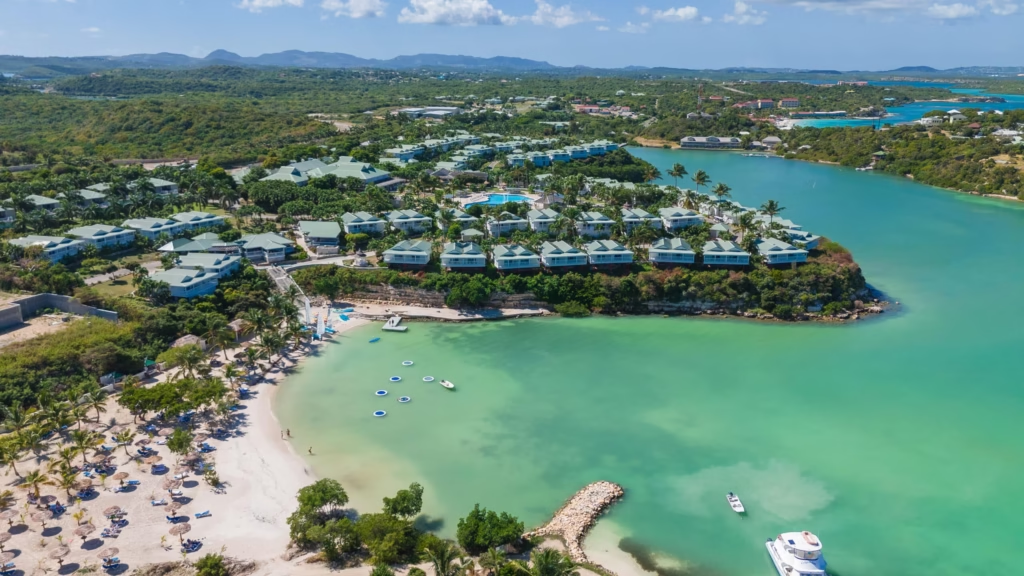
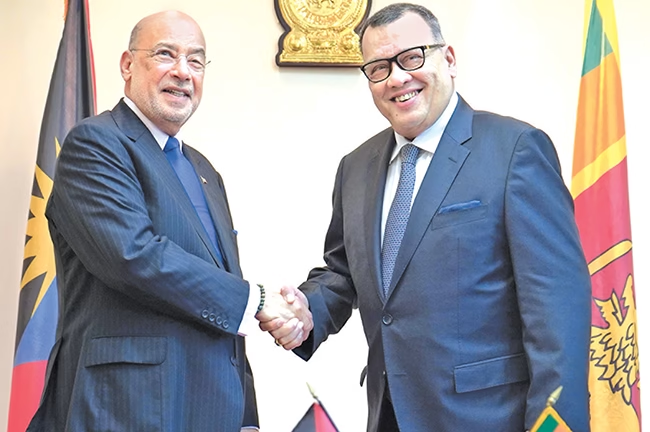
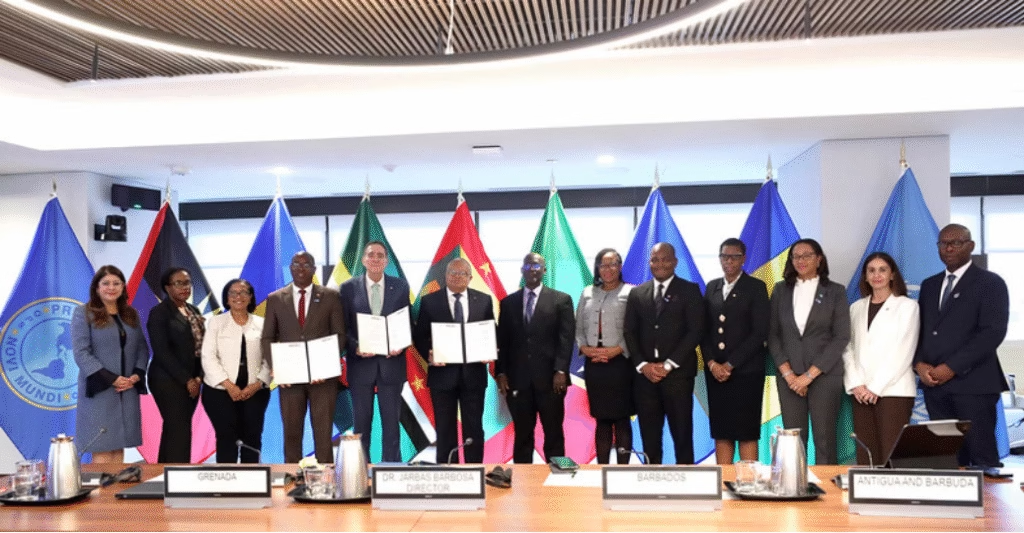
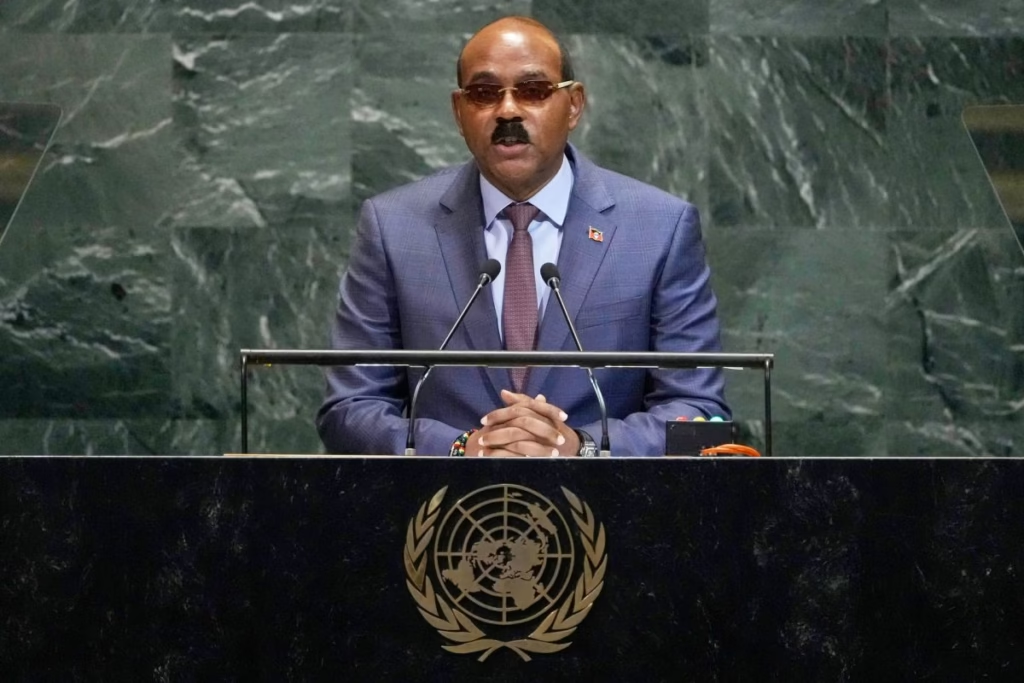
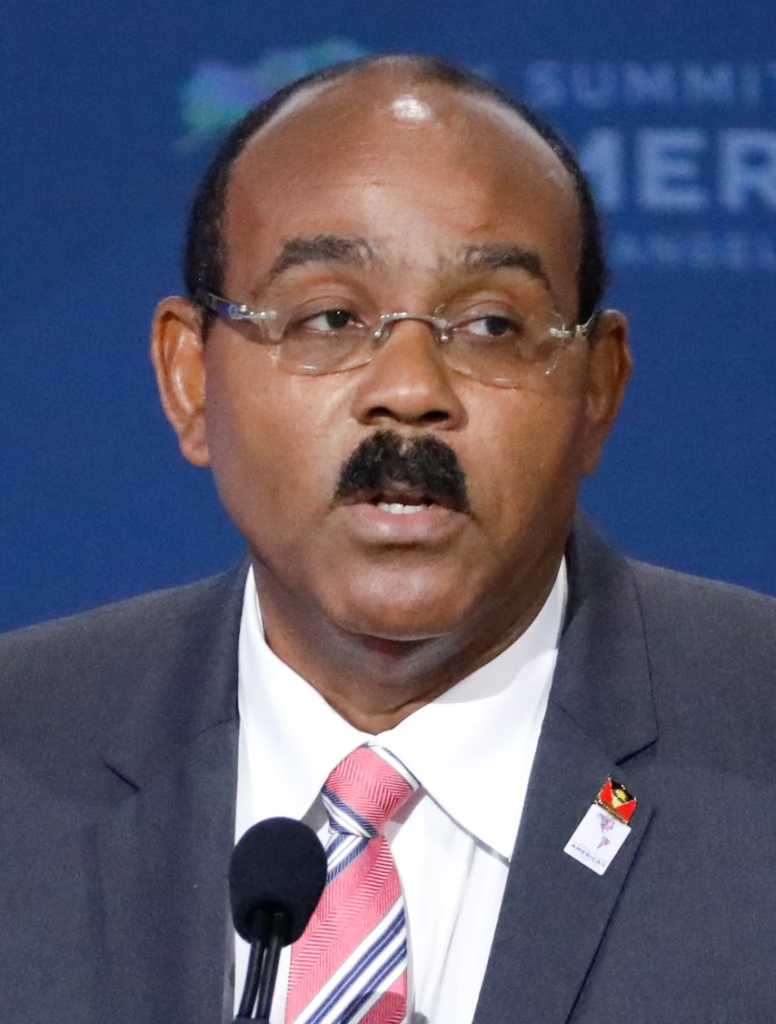
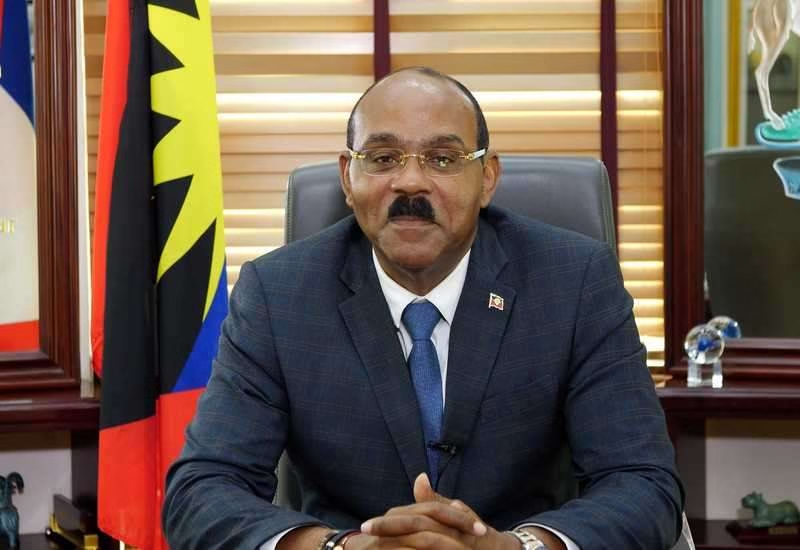
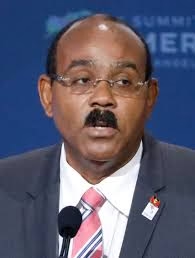
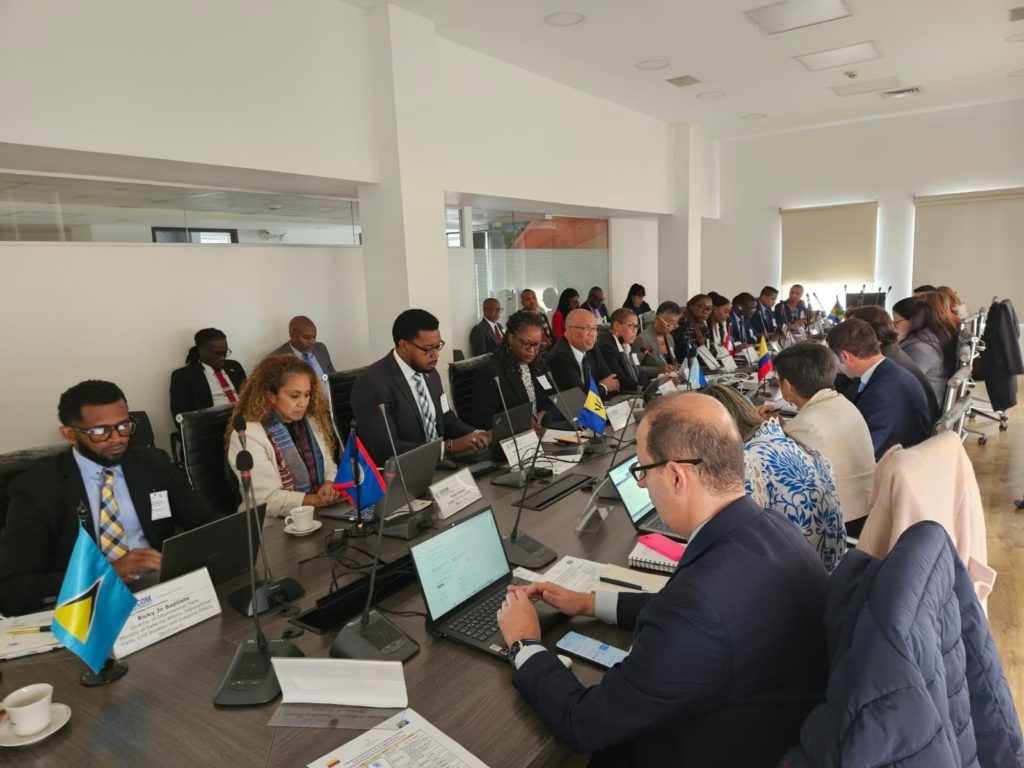
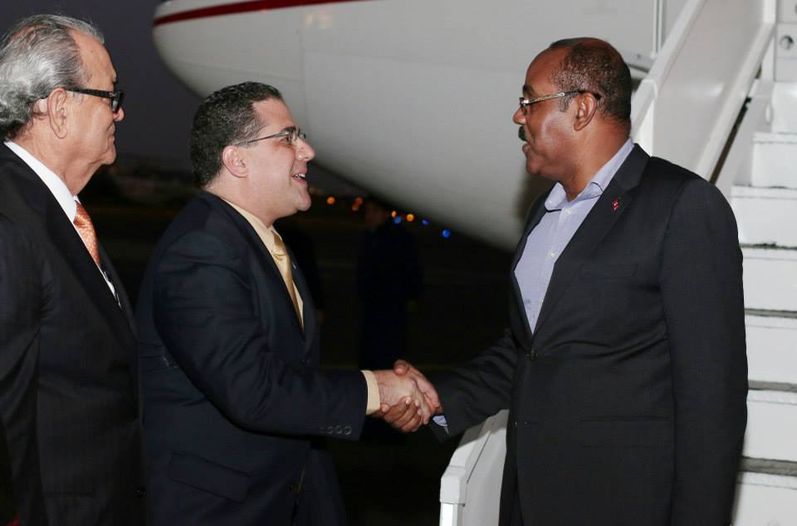
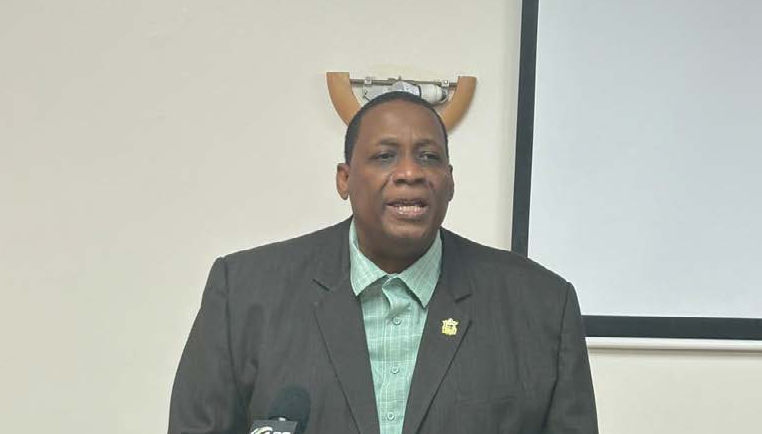
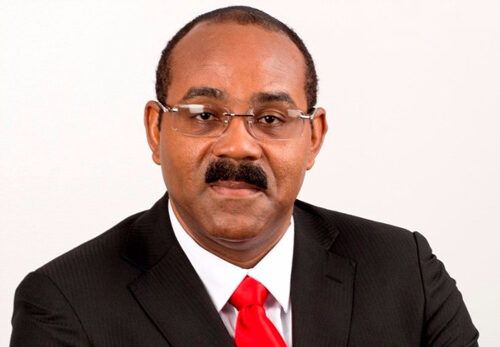
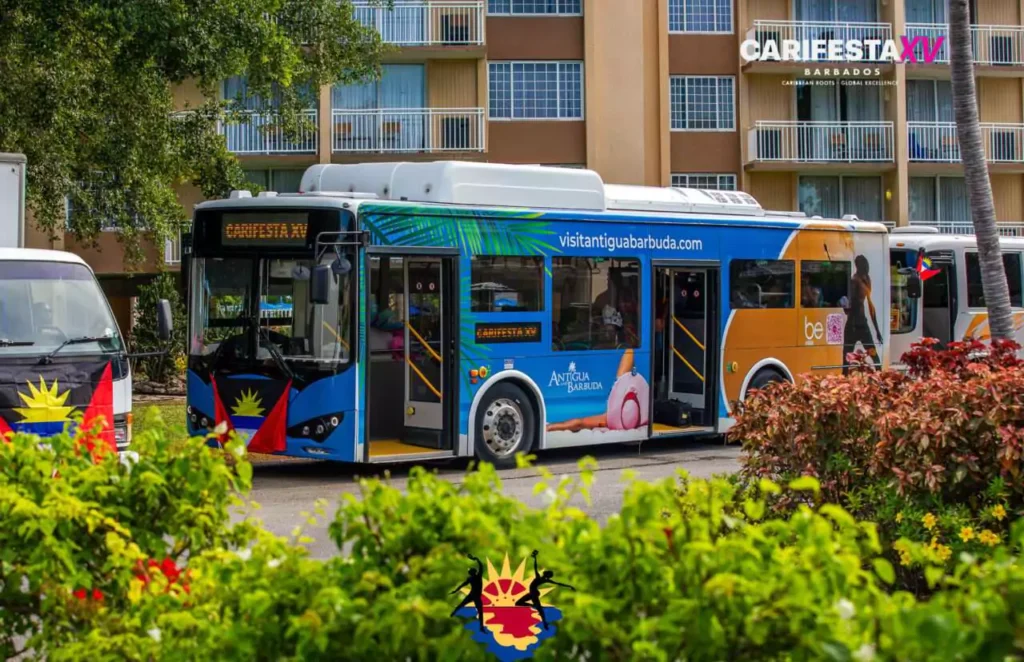
Prime Minister Gaston Brown has urged global leaders to seize new opportunities in a shifting geopolitical landscape. He spoke during the EU-Caribbean Parliamentary Assembly in Antigua and Barbuda.
Although the world faces many challenges, Brown said opportunity still exists. He stressed that leaders must act with purpose. According to him, change brings both risk and reward.
He noted that global uncertainty is rising. At the same time, he warned that the rule of law faces pressure. However, he praised delegates for choosing cooperation over coercion.
Moreover, Brown said multilateralism is vital for small states. For the Caribbean, he explained, it is not an abstract idea. Instead, it is a rules-based system that protects vulnerable nations.
He added that rules act as a shield. Likewise, the law provides insurance and predictability. Without them, small economies face greater risk.
Furthermore, Brown said vulnerability does not stay contained. It spreads and affects even larger nations. Therefore, he called for stronger multilateral cooperation.
He pointed to the European Union as proof that legal cooperation works. He said the EU shows how patience and negotiation can create stability. Similarly, the Caribbean has pursued regional integration. Still, he admitted the region has not achieved the same level of success.
Even so, he insisted that shared experiences must guide future partnerships. At this critical moment, he urged both regions to defend multilateralism. He said they must do so clearly and firmly.
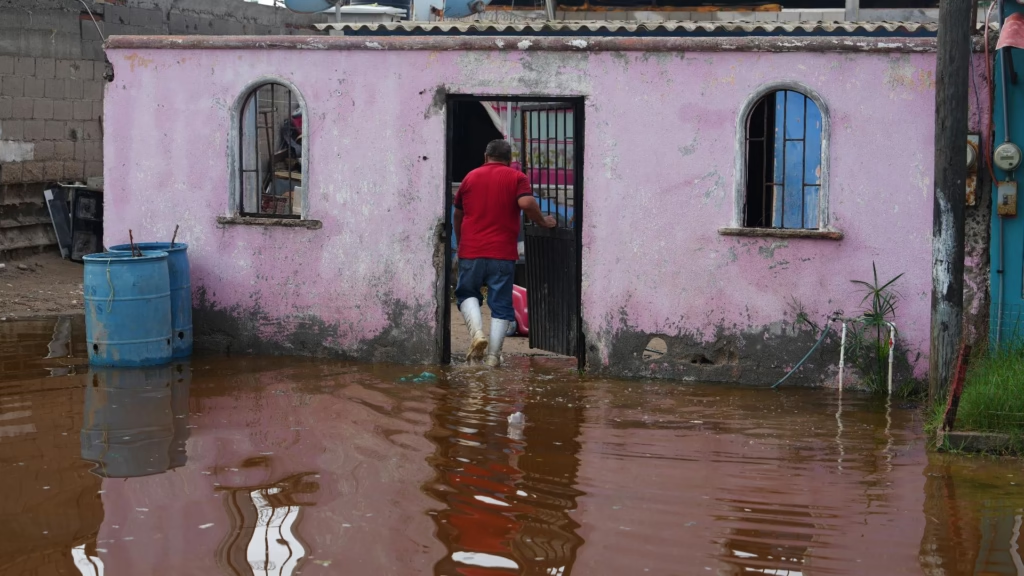
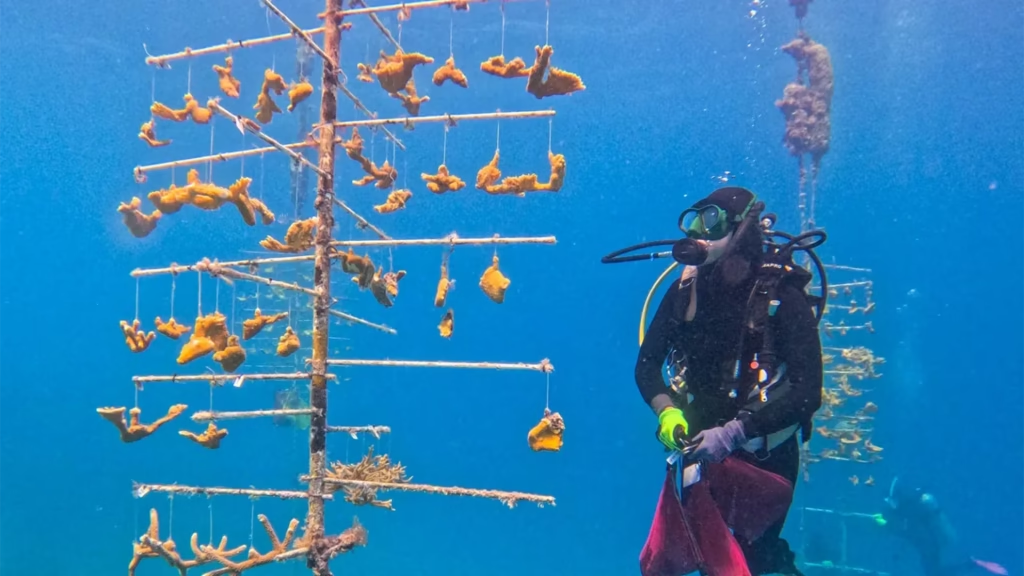
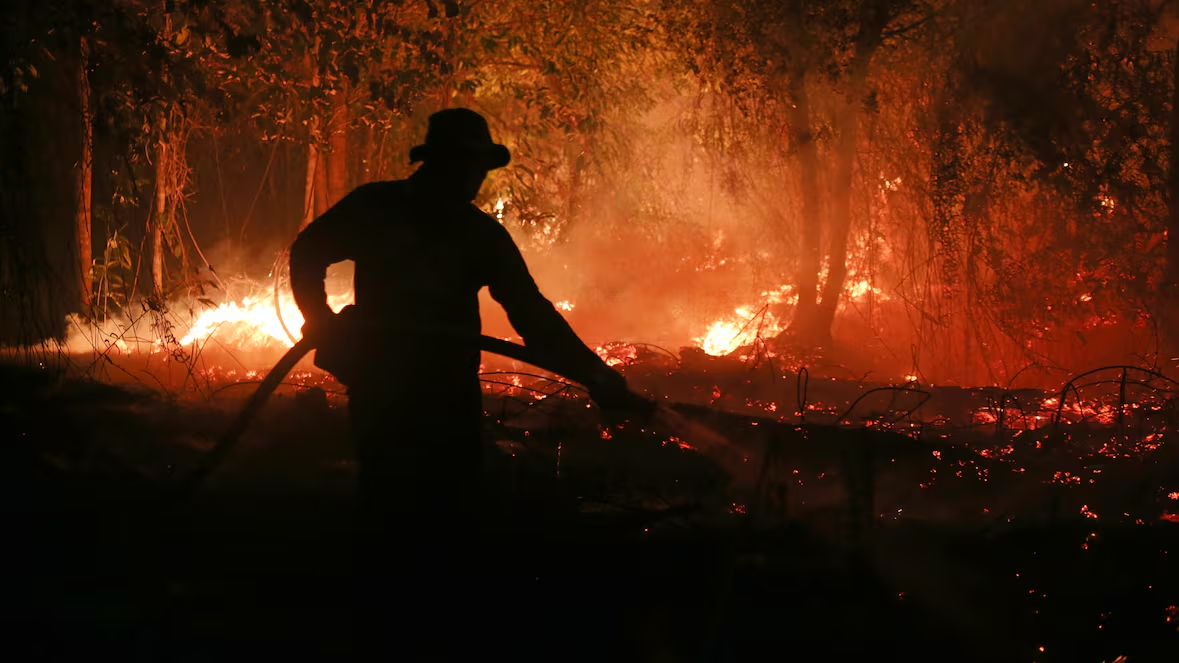
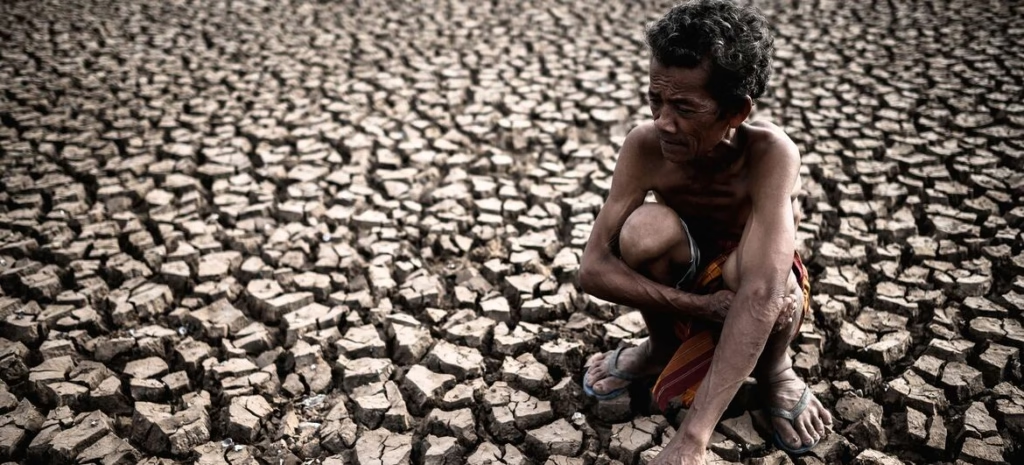
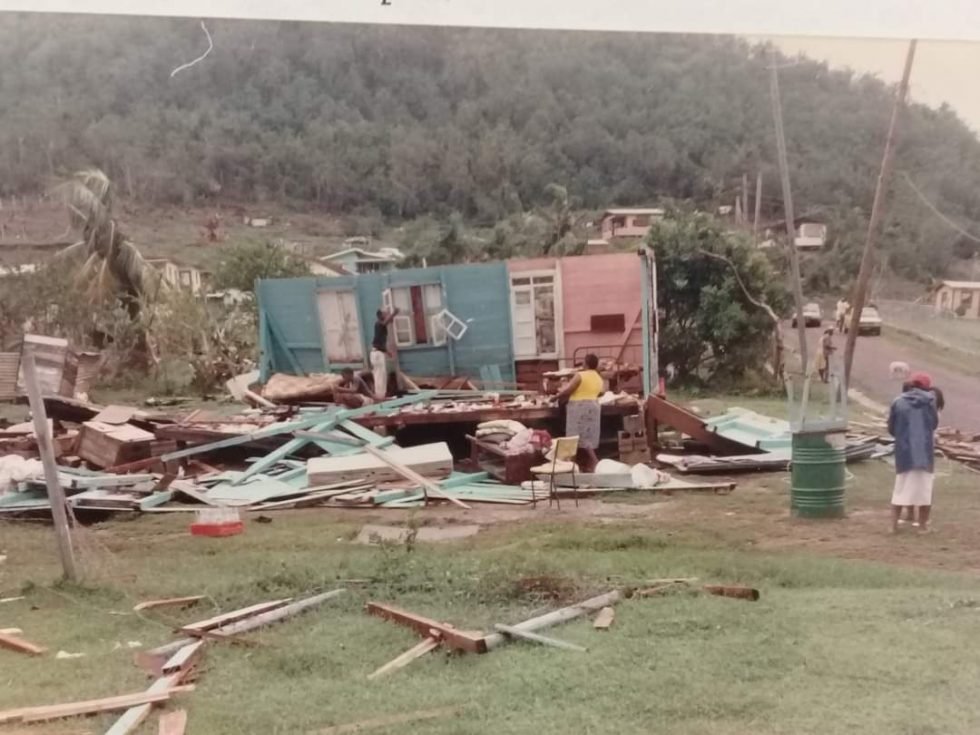
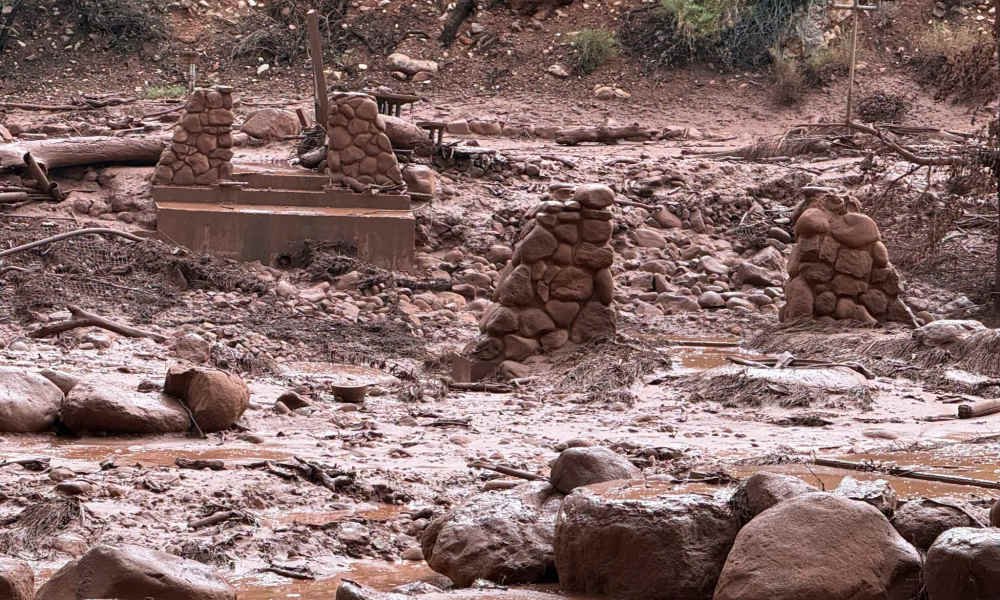
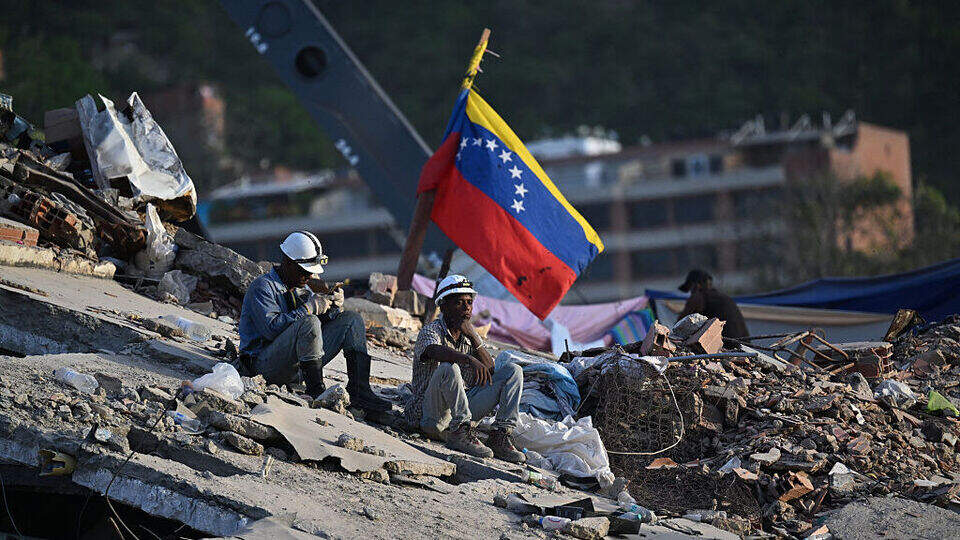
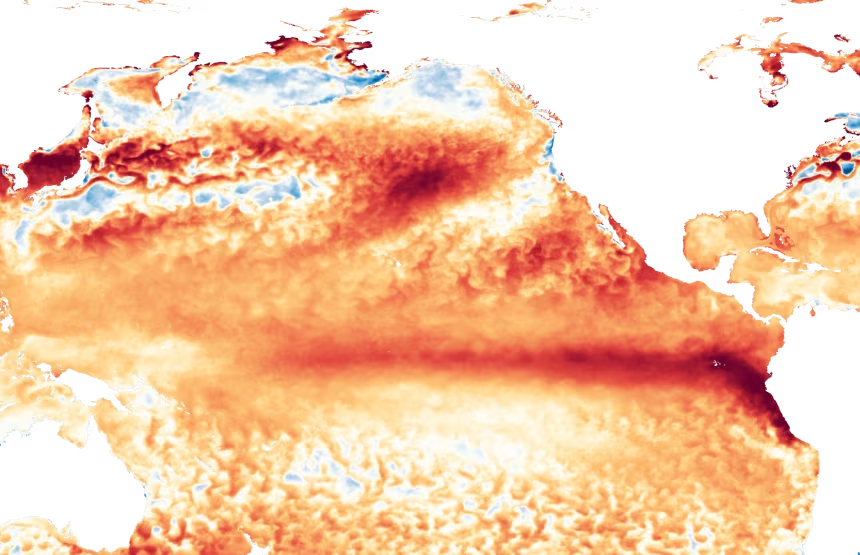
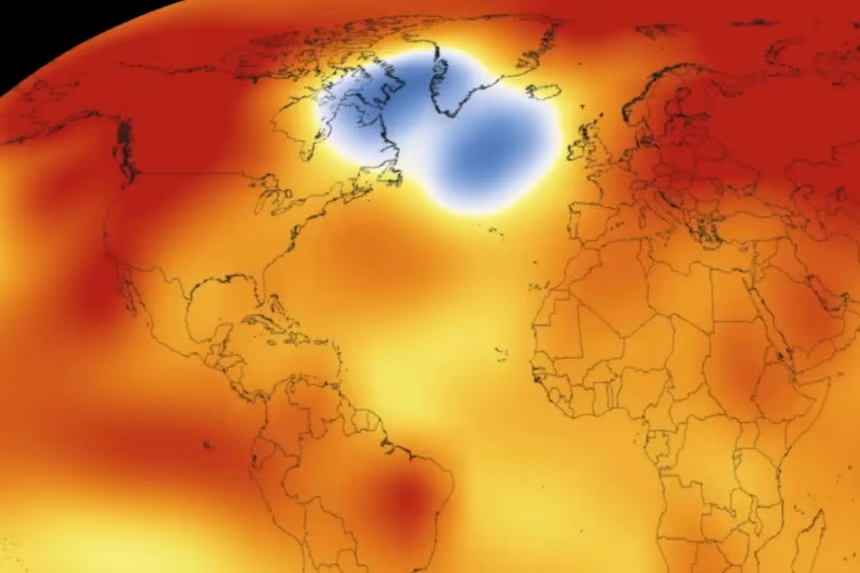
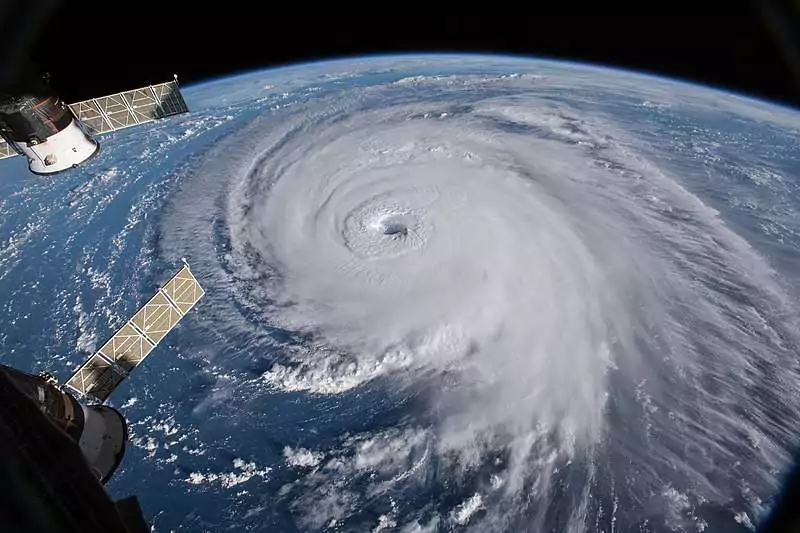
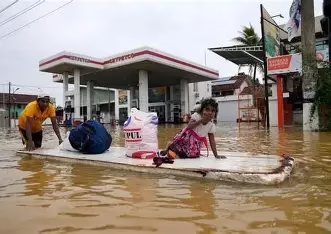
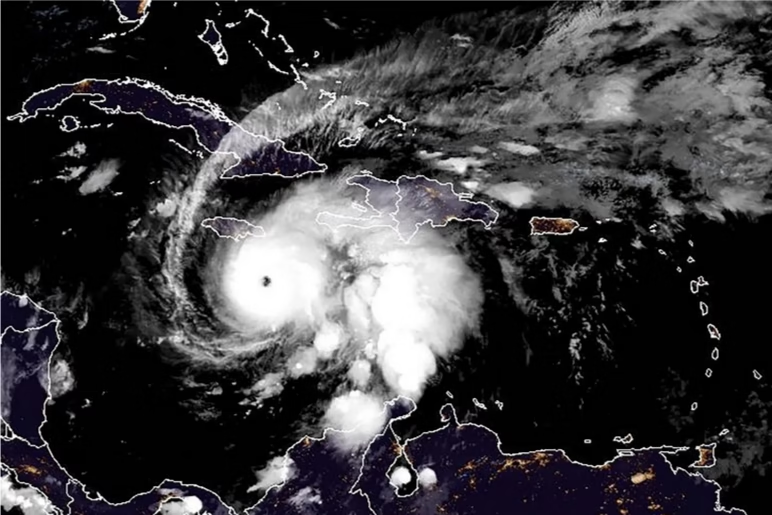
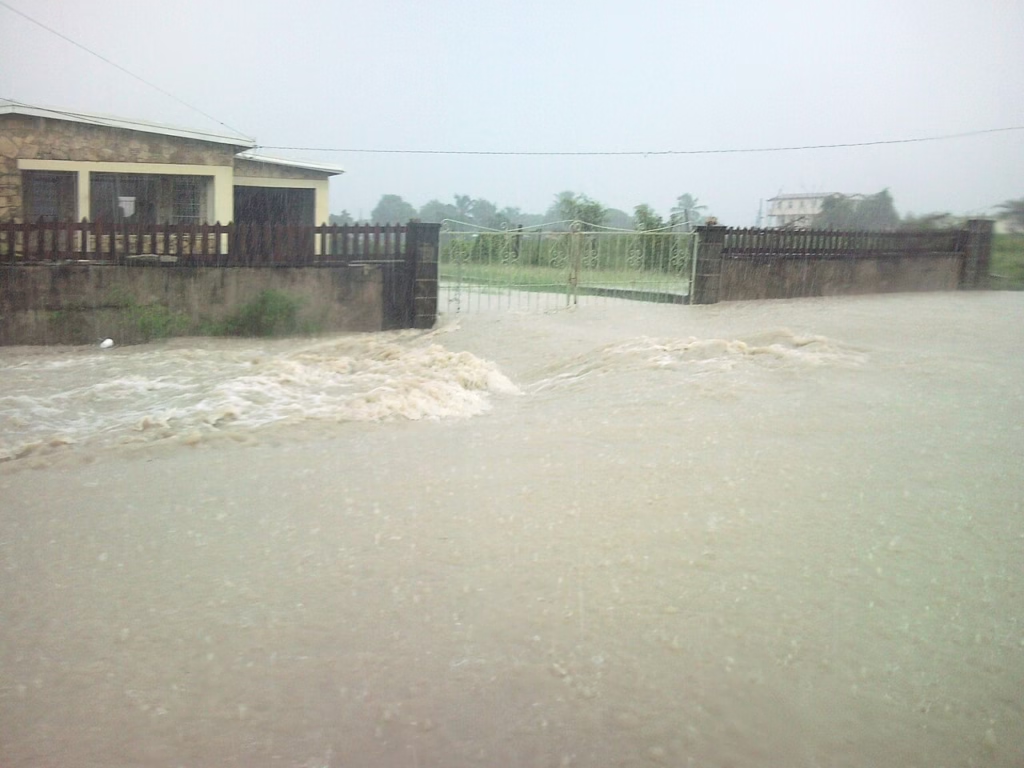
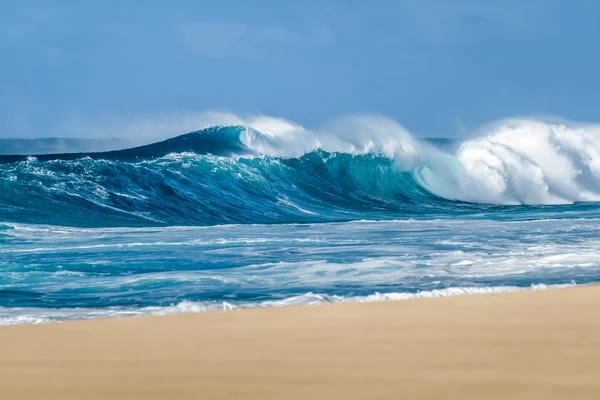
Meanwhile, Brown highlighted climate change as the Caribbean’s defining challenge. He said the region did not cause it. Yet, it faces the harshest impacts.
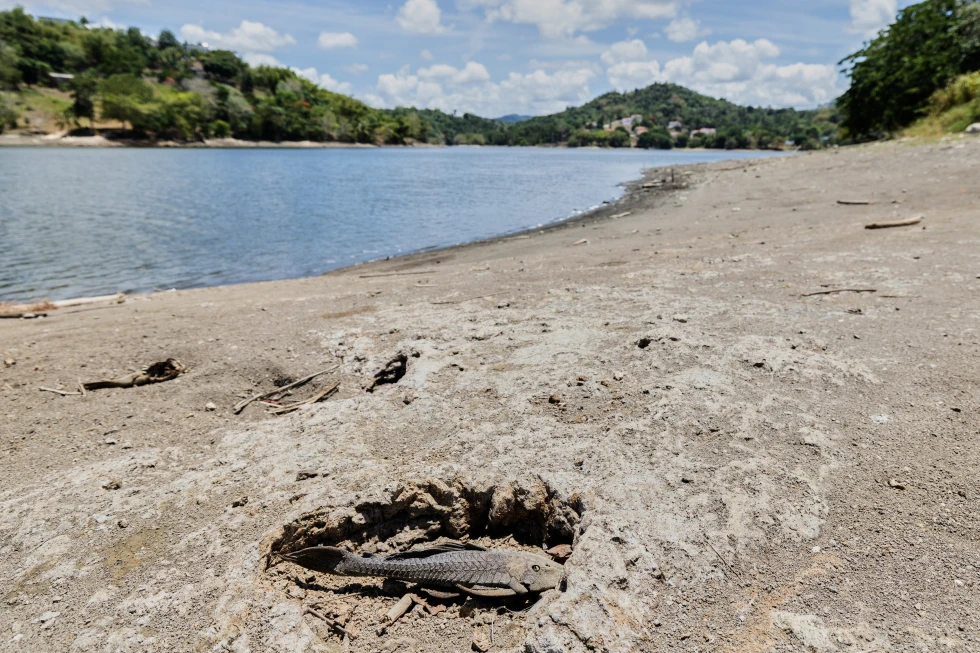
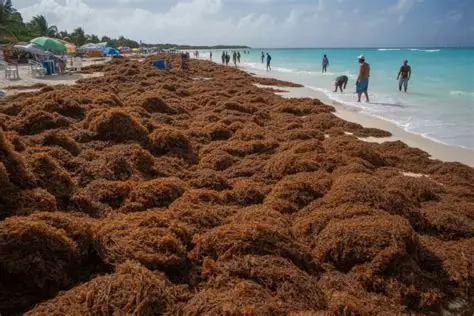
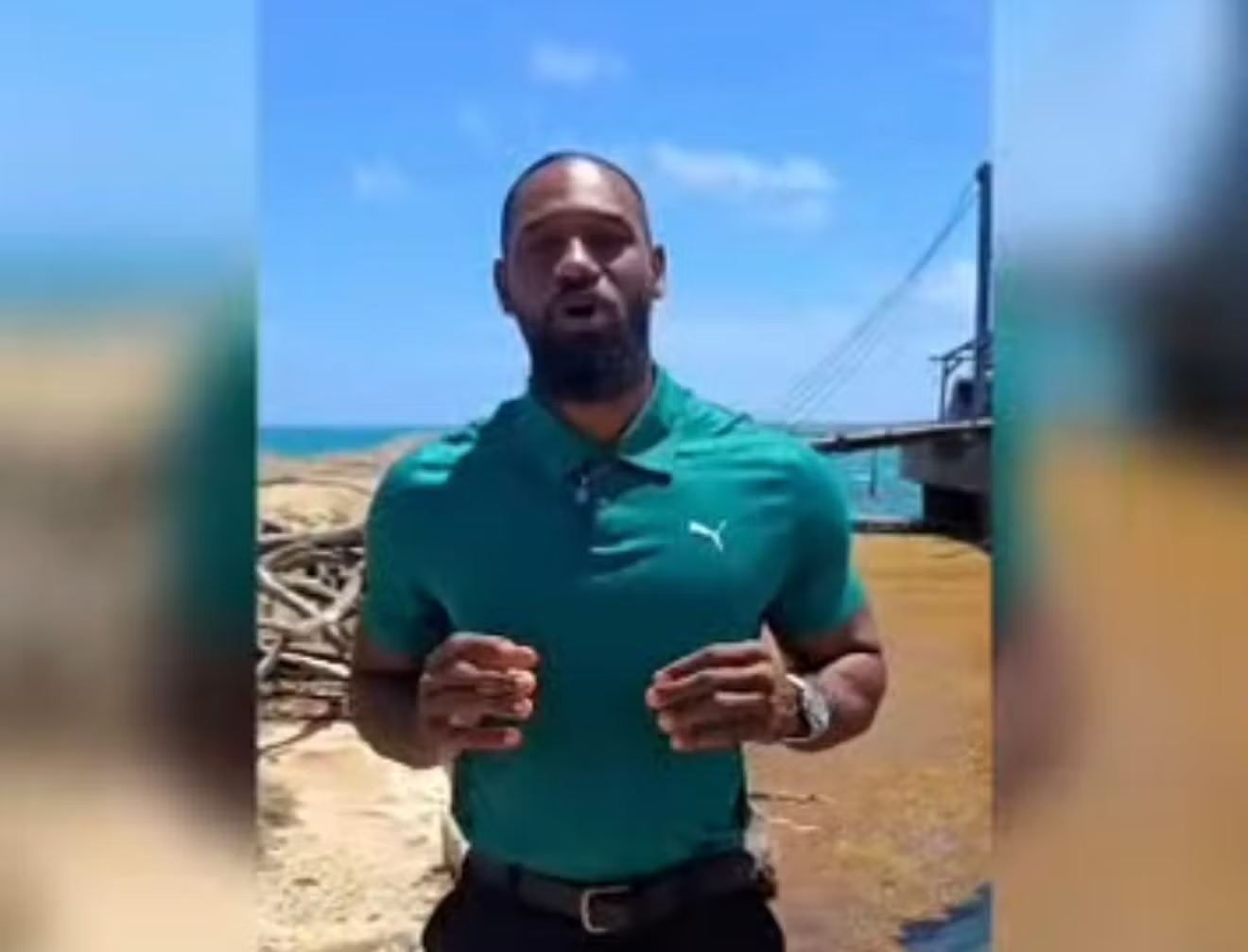
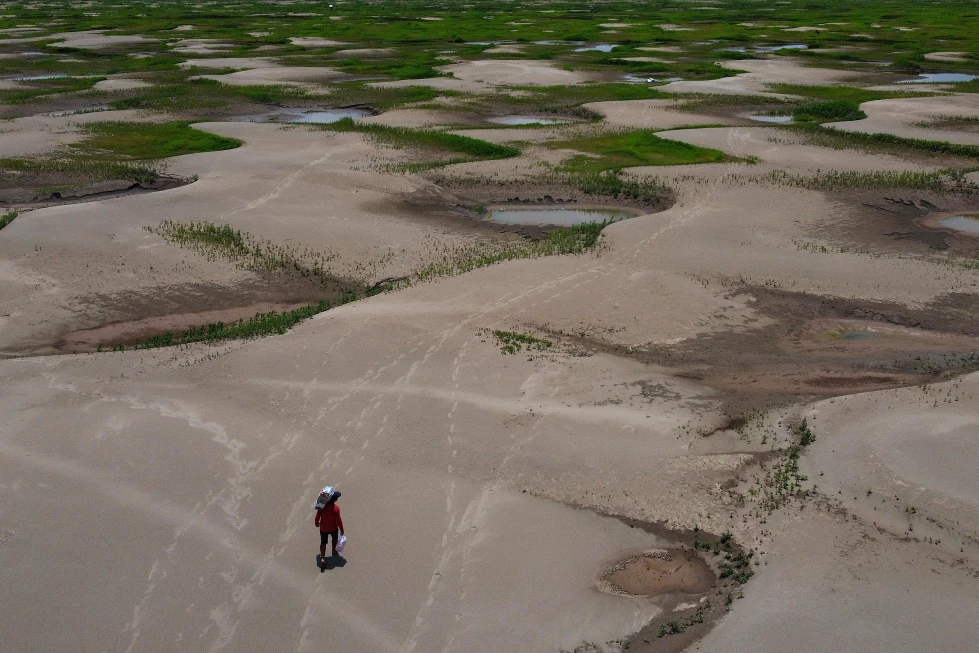
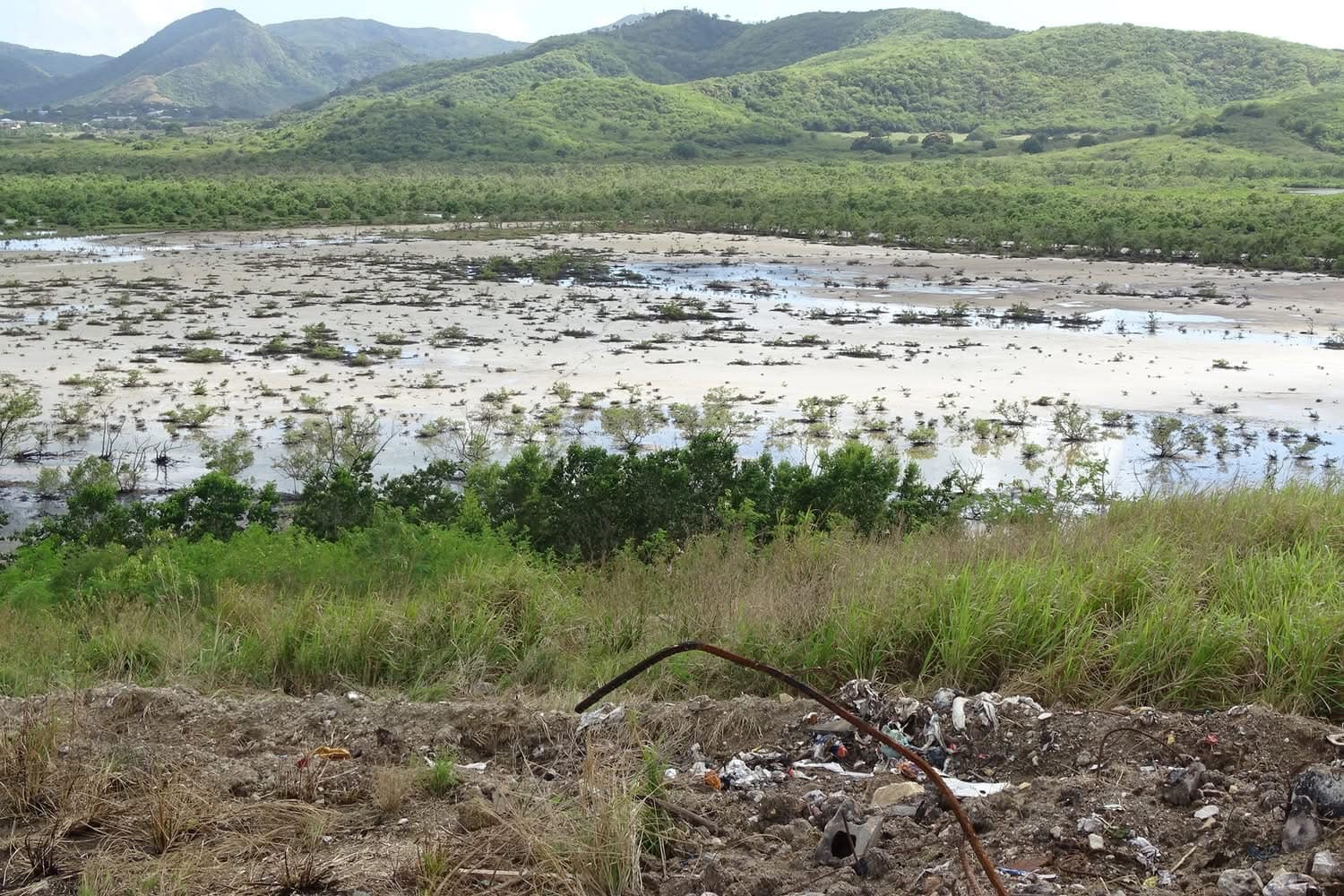
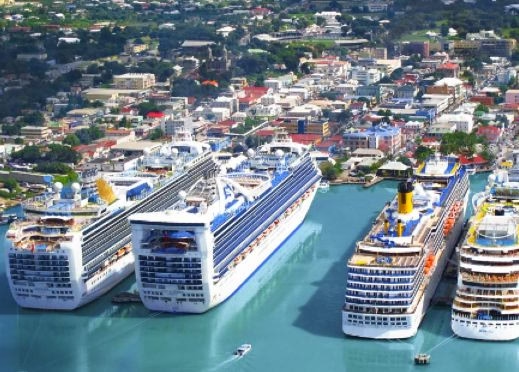
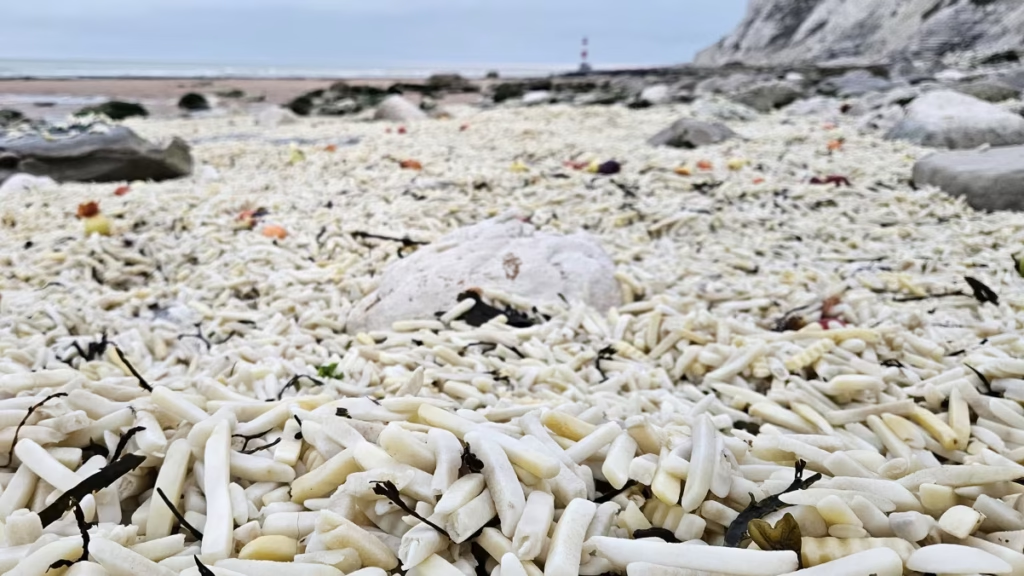
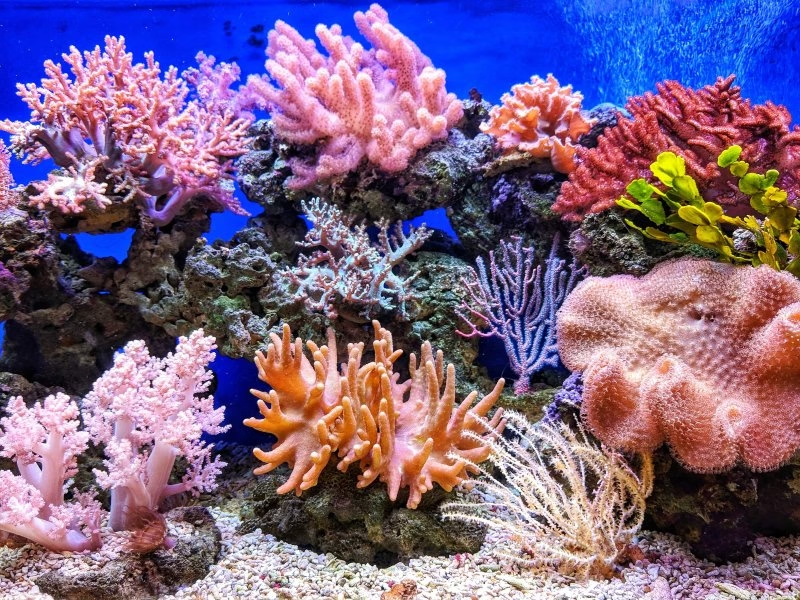
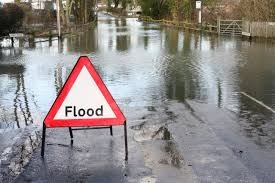
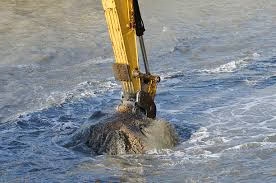
He described rising seas, coastal erosion, and ongoing droughts. In addition, he cited the growing sargassum problem. He said it harms tourism, fisheries, public health, and infrastructure.
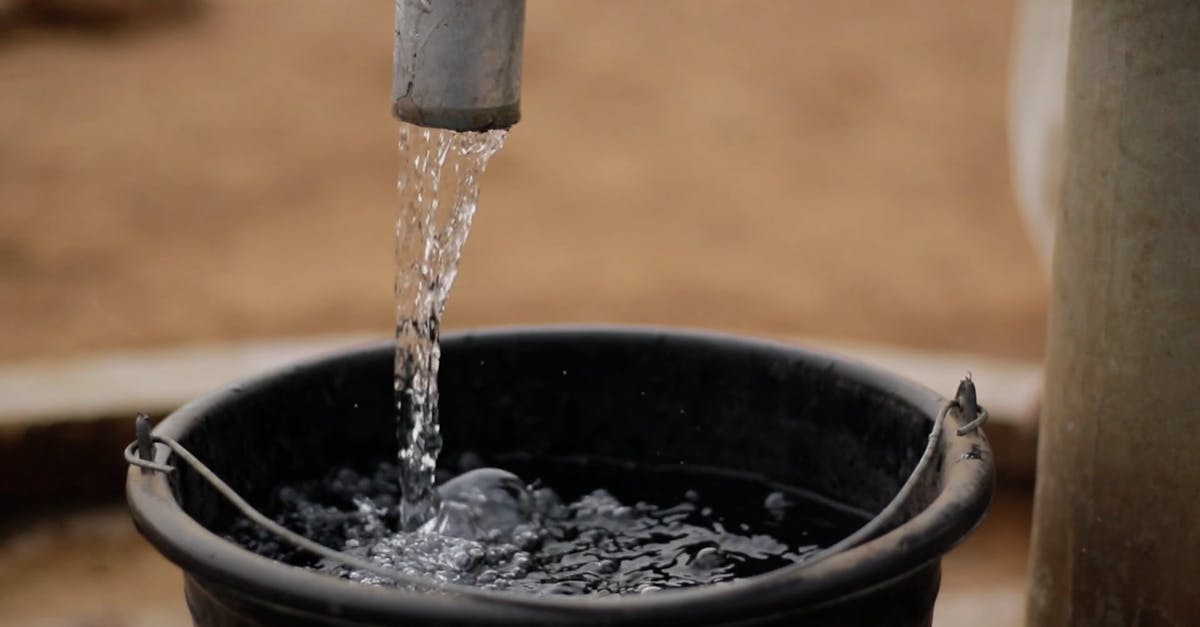
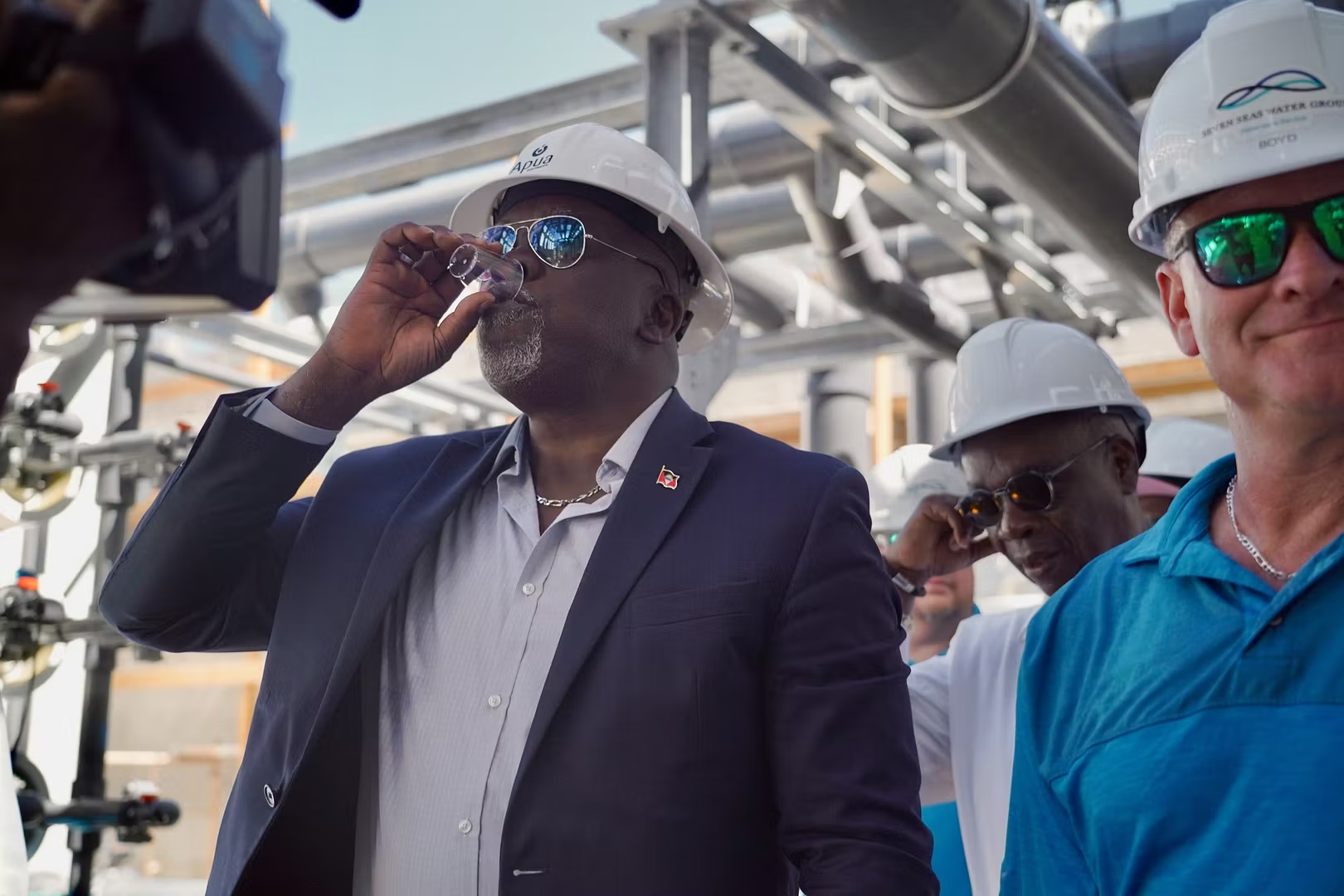
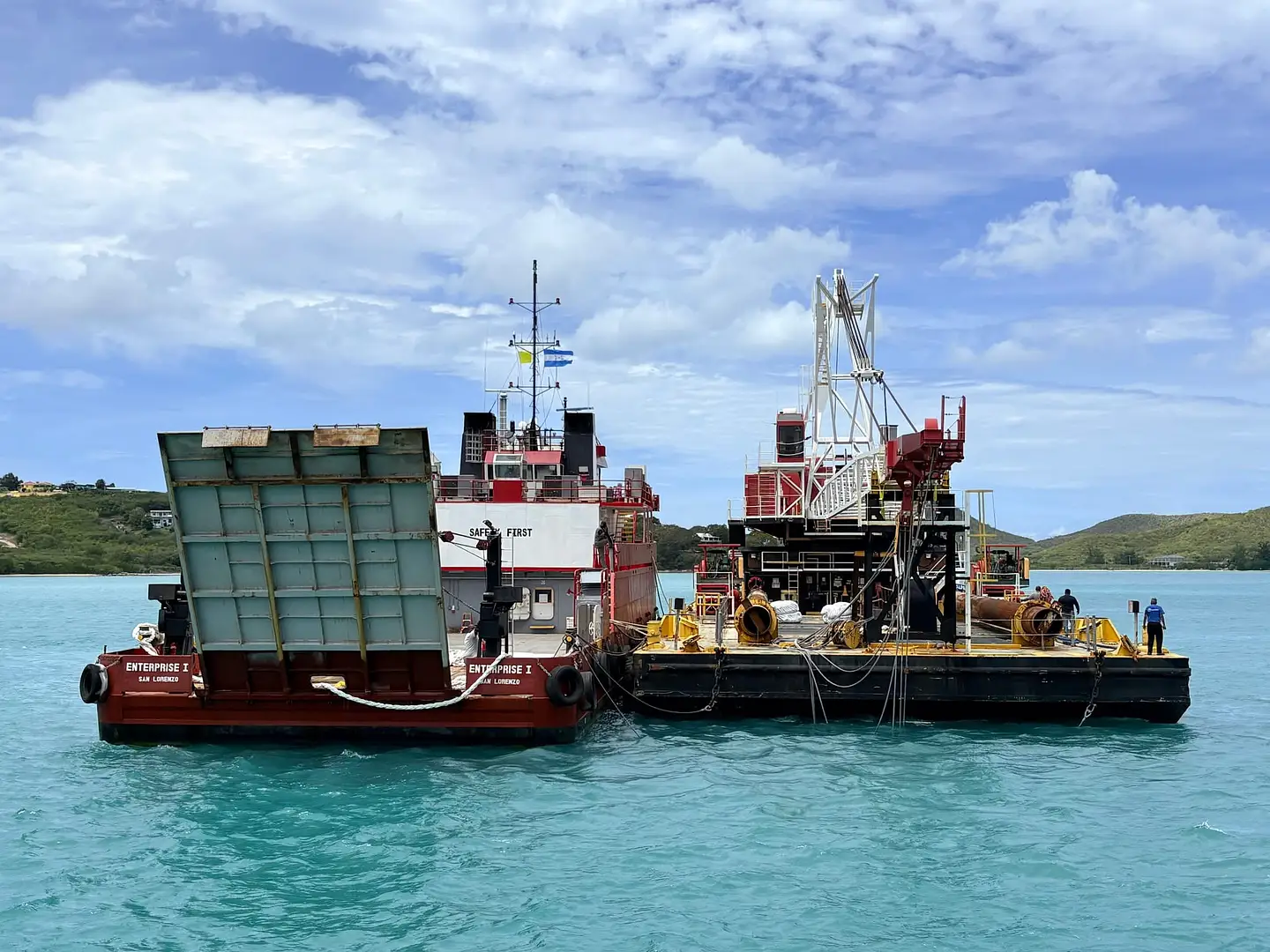
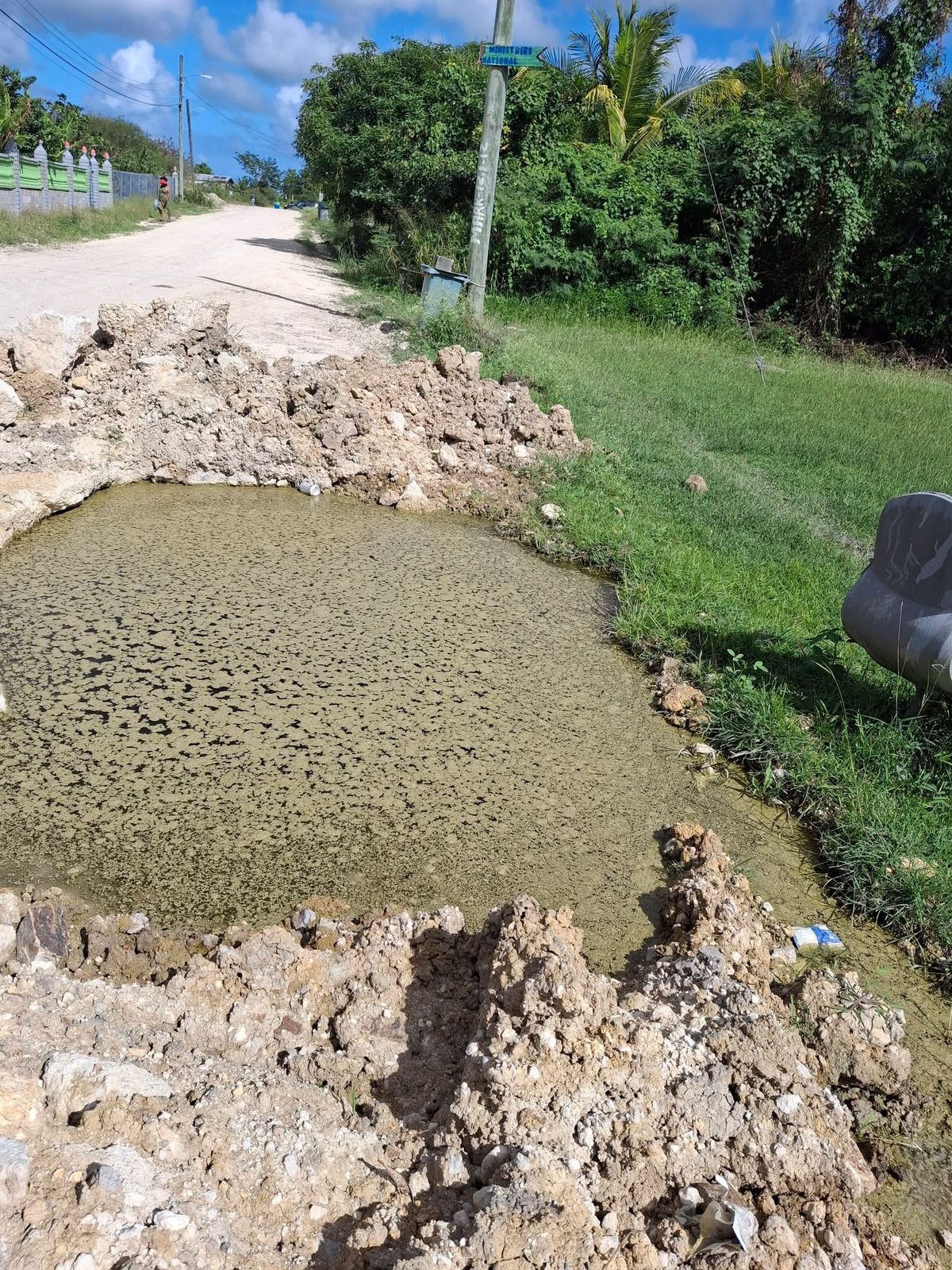
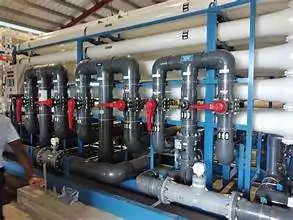
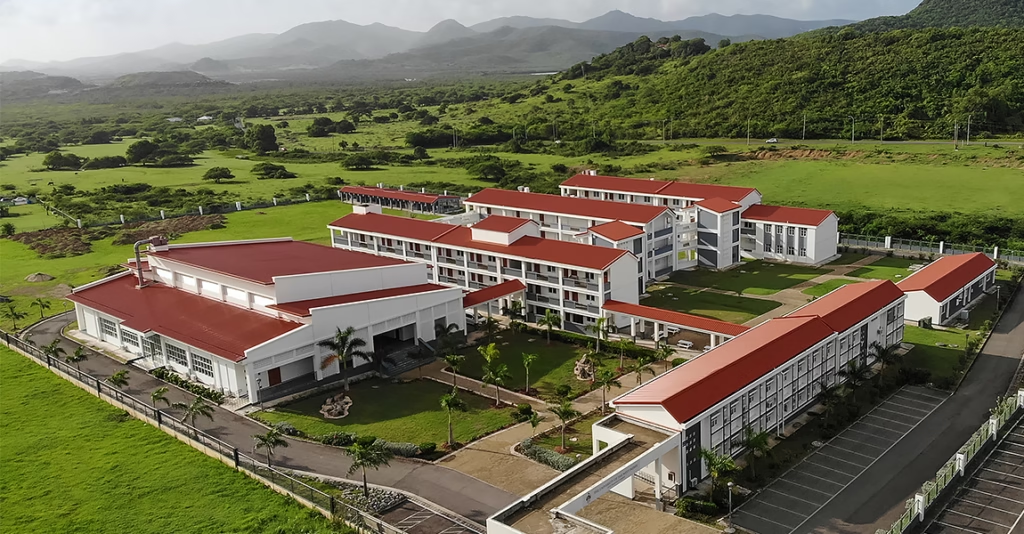
Moreover, he revealed that 90 percent of the country’s water now comes from reverse osmosis systems. These systems are costly and consume significant energy. Nevertheless, they remain necessary due to reduced rainfall.
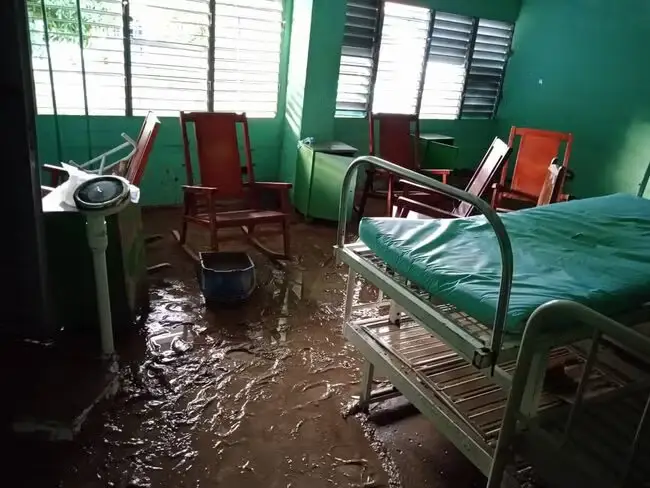
As a result, the government continues investing heavily in reverse osmosis plants. Brown said adaptation and resilience efforts continue. However, he warned that climate impacts now outpace the region’s ability to respond.
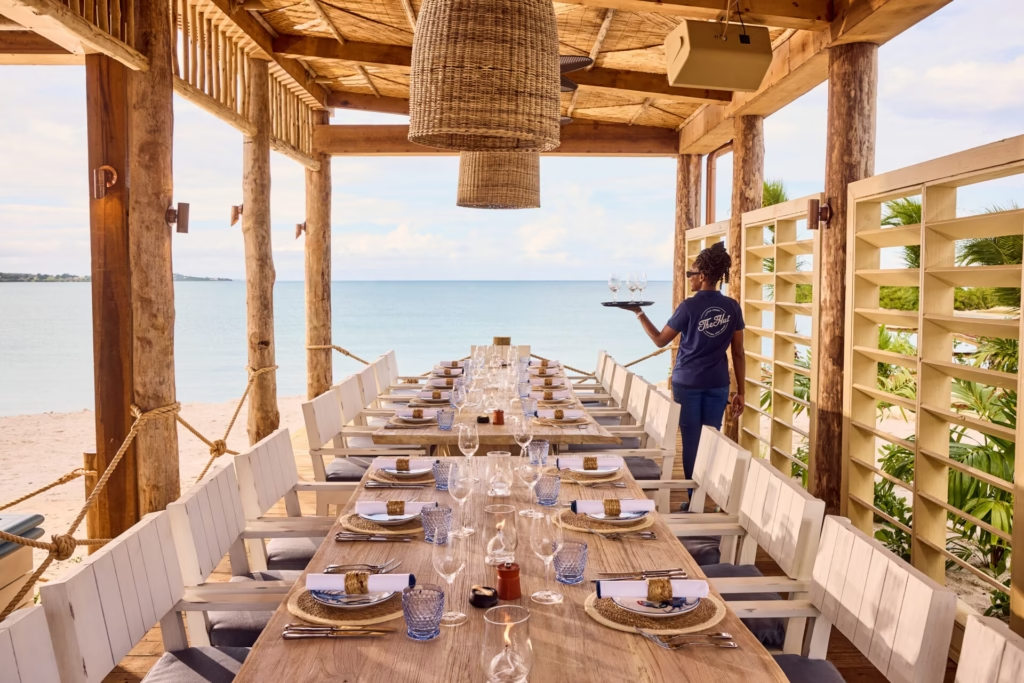
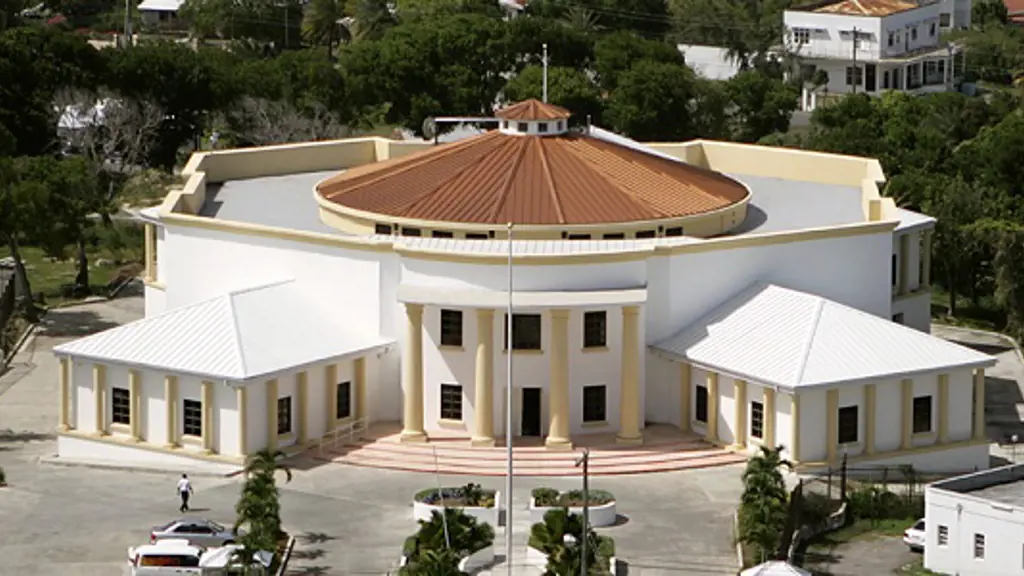
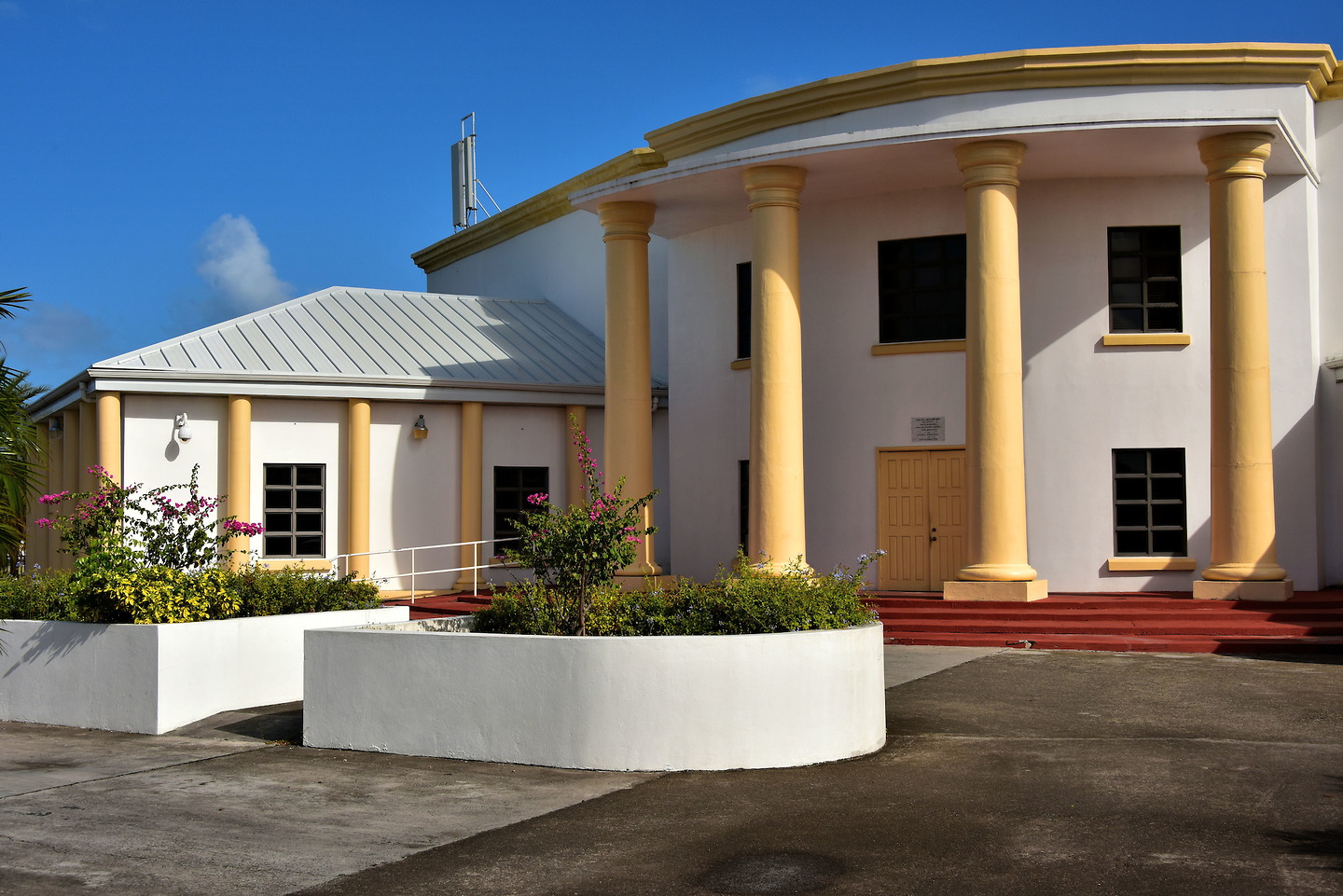
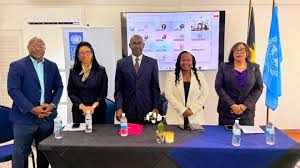
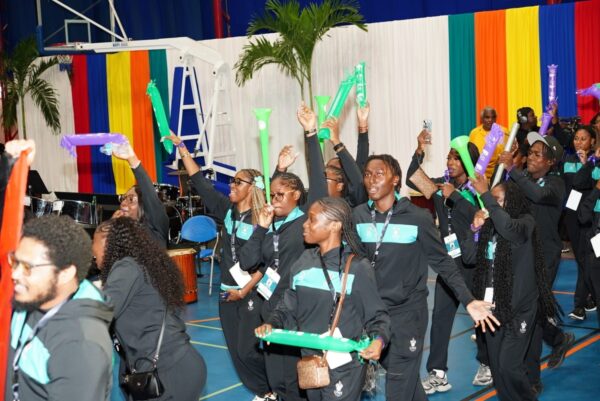
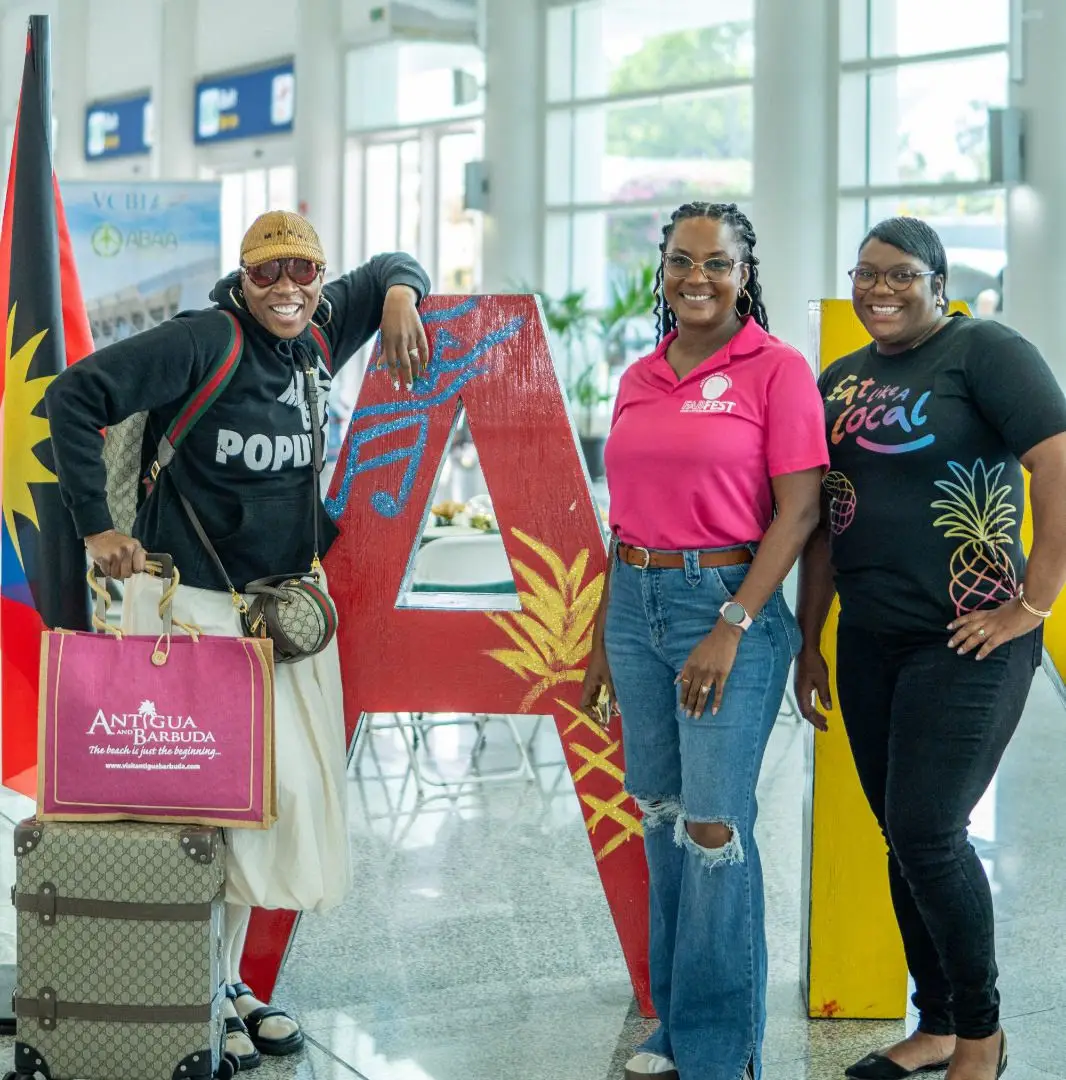
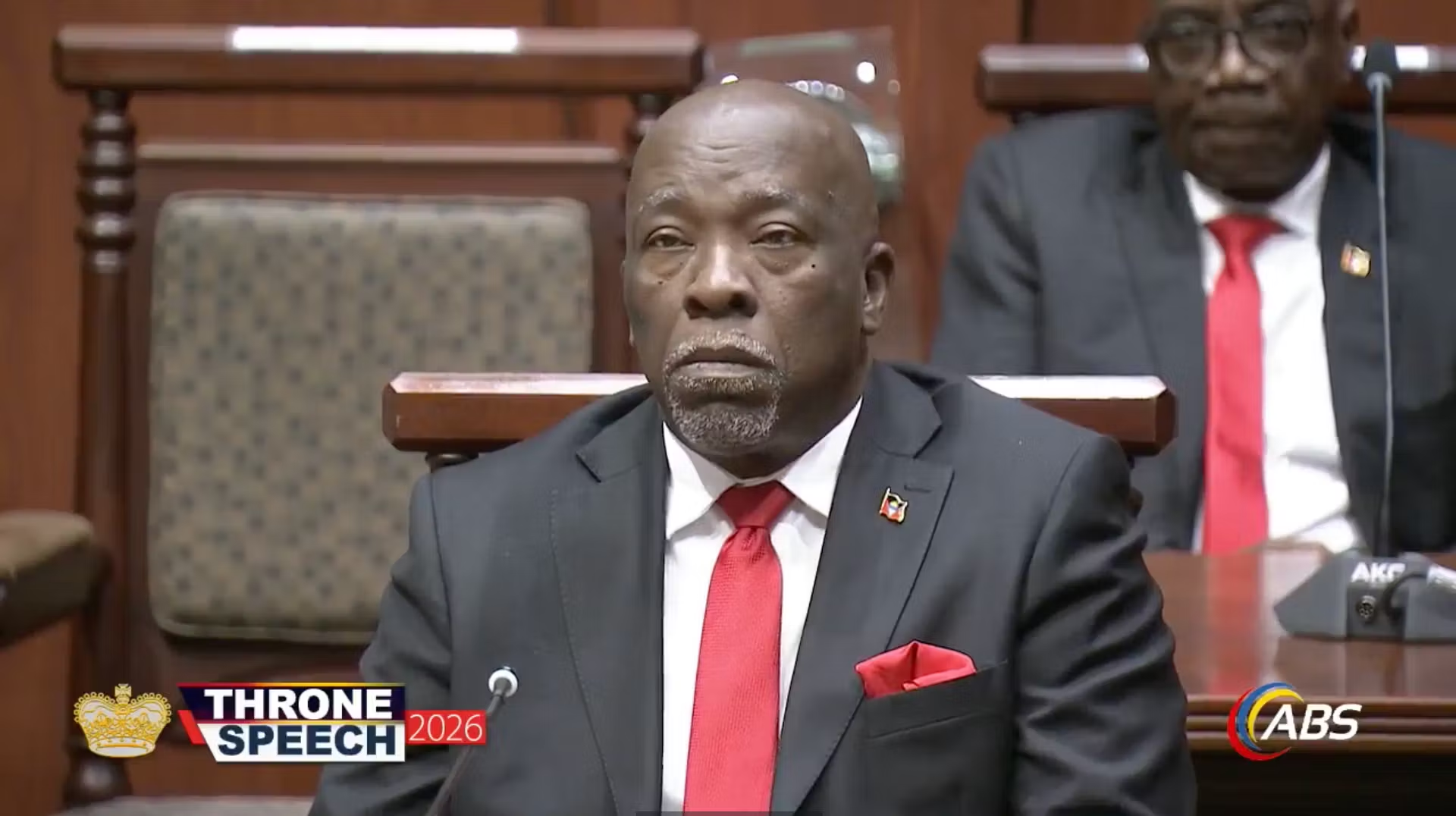
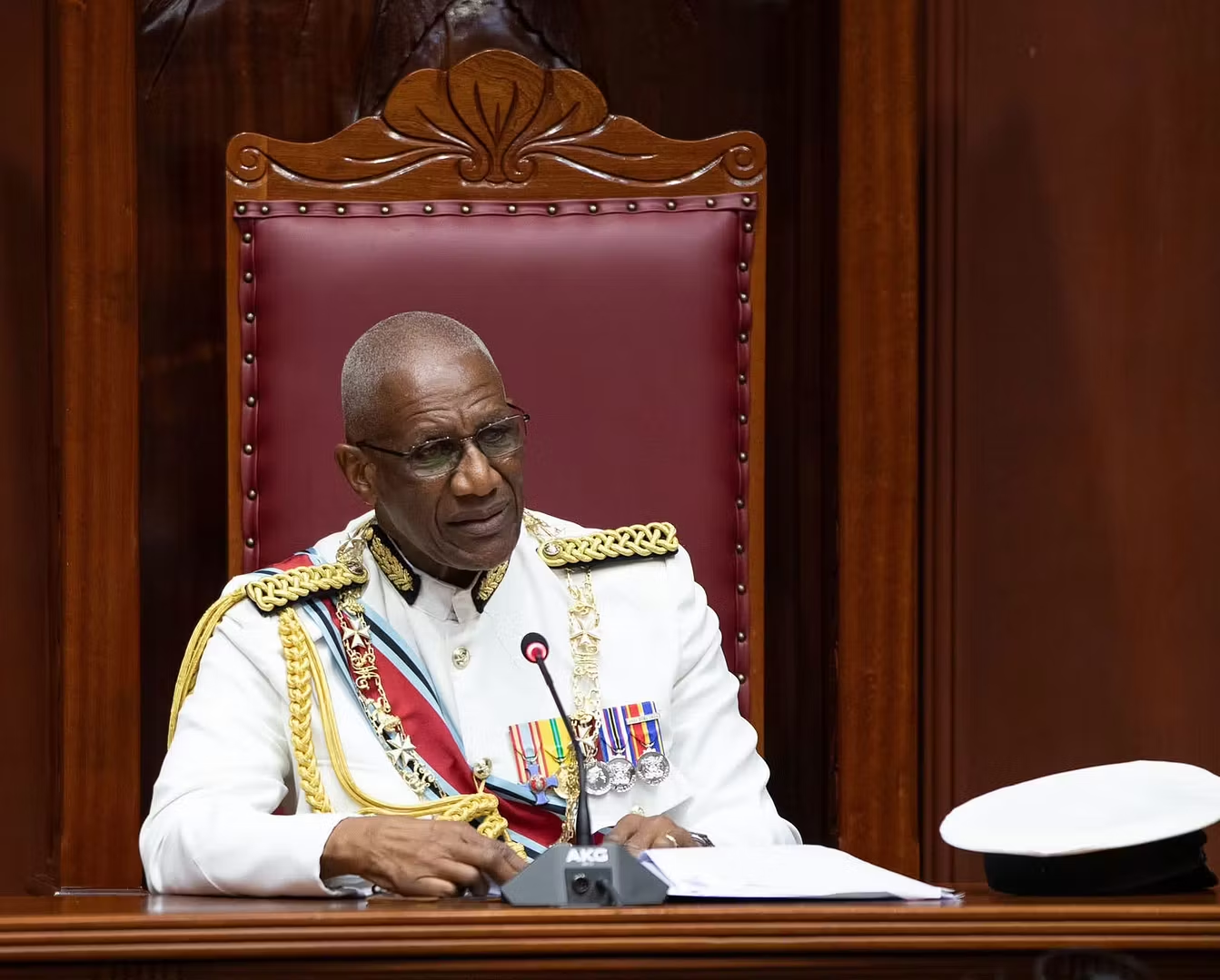
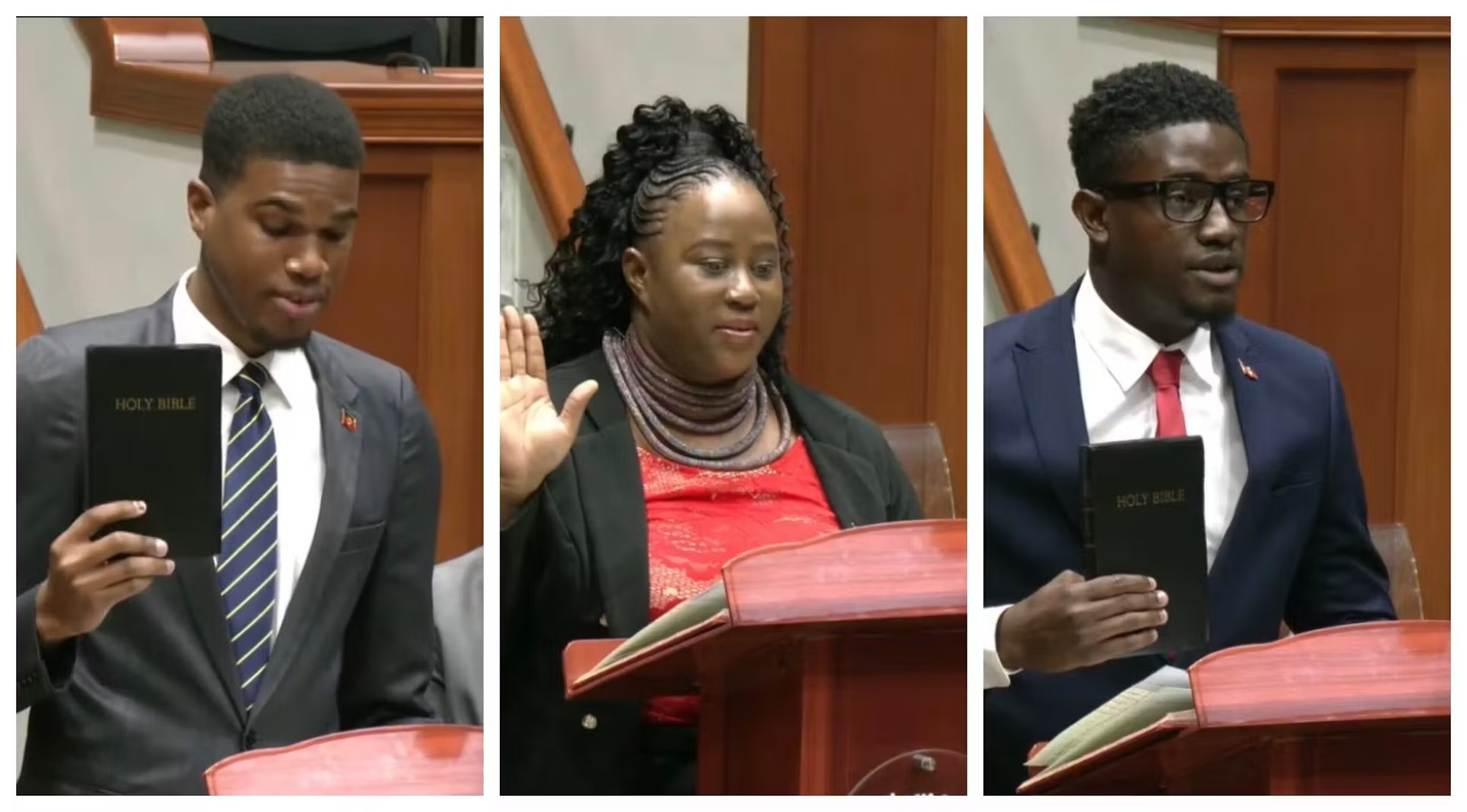
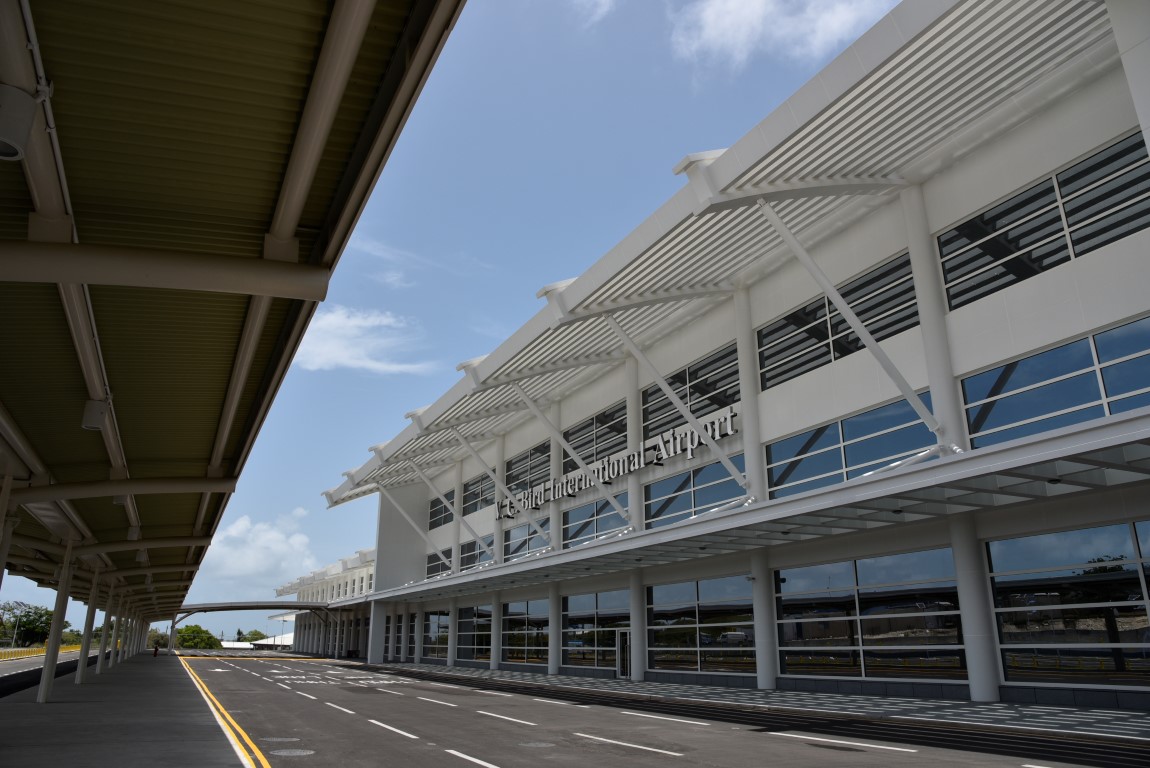
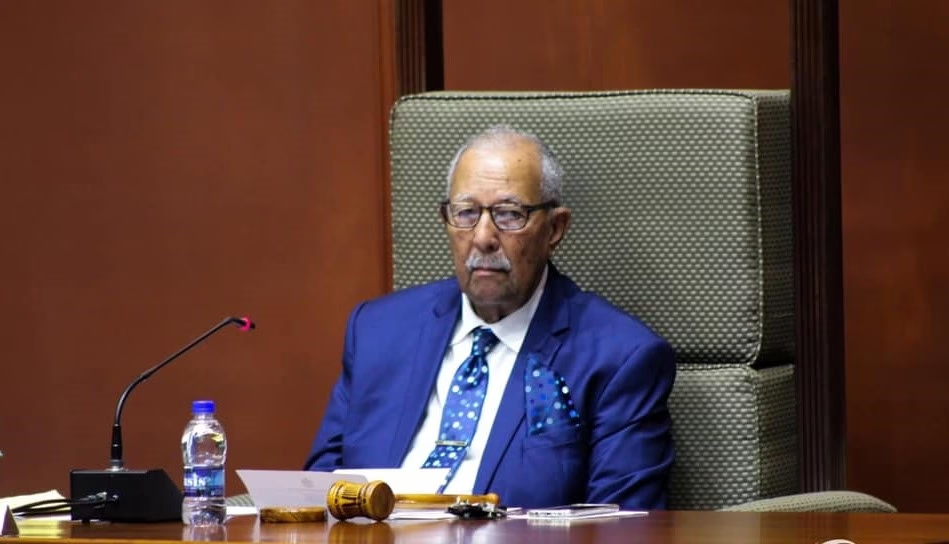
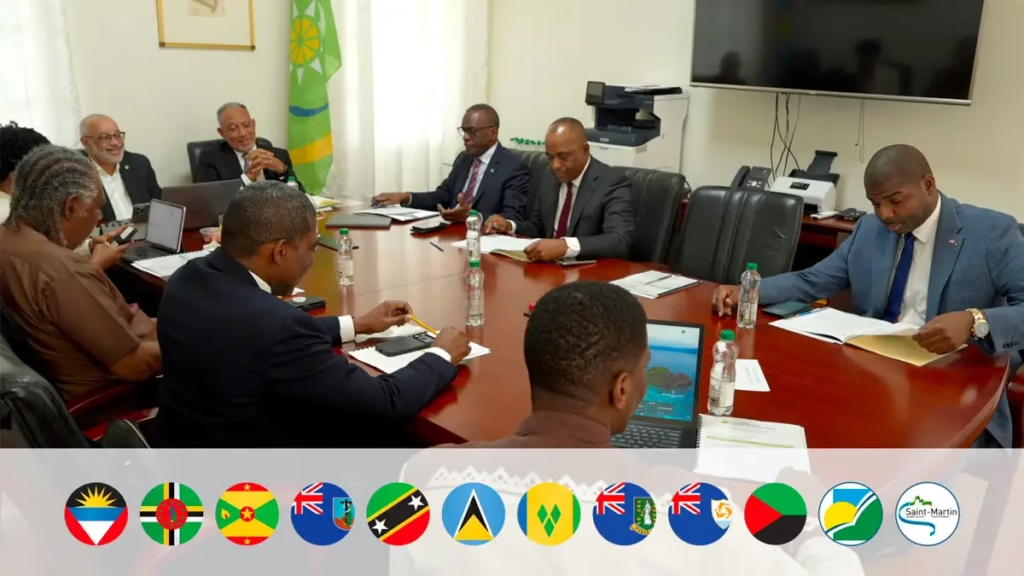
The EU-Caribbean Parliamentary Assembly continues in Antigua and Barbuda through February 18.